Fanqie library
Browse
- Titles
- 498
Every Fanqie book we index, searchable by title, author or tag.
-
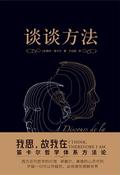 Talk About Methods
The representative work of Descartes, the "Father of Modern Philosophy", "I think, therefore I am" appears for the first time! "Talk About Method" is Descartes' ideological autobiography and the methodology of Descartes' philosophical system. This book is Descartes's first work. In a semi-autobiographical way, he uses easy-to-understand words to explain the new philosophical methods he explored and summarized as well as the formation process. In this book, Descartes elaborates on the methodologi
—Reads9.3Score—Shelves
Talk About Methods
The representative work of Descartes, the "Father of Modern Philosophy", "I think, therefore I am" appears for the first time! "Talk About Method" is Descartes' ideological autobiography and the methodology of Descartes' philosophical system. This book is Descartes's first work. In a semi-autobiographical way, he uses easy-to-understand words to explain the new philosophical methods he explored and summarized as well as the formation process. In this book, Descartes elaborates on the methodologi
—Reads9.3Score—Shelves
-
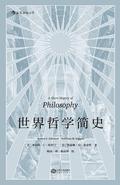 A Brief History of World Philosophy
Bold, incisive, and entertaining, this history of philosophy opens up new breadth and depth in the discussion of philosophical issues around the world. What readers feel is not boring, but challenges and surprises. The writing throughout the book constantly inspires readers to think, inviting readers to participate in debates, try new perspectives, and return to the source of the problem, thereby becoming an active participant in thinking about eternal issues. ——Sissela Bok, Professor, Center fo
—Reads9.3Score—Shelves
A Brief History of World Philosophy
Bold, incisive, and entertaining, this history of philosophy opens up new breadth and depth in the discussion of philosophical issues around the world. What readers feel is not boring, but challenges and surprises. The writing throughout the book constantly inspires readers to think, inviting readers to participate in debates, try new perspectives, and return to the source of the problem, thereby becoming an active participant in thinking about eternal issues. ——Sissela Bok, Professor, Center fo
—Reads9.3Score—Shelves
-
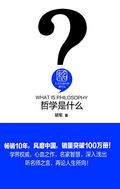 What Is Philosophy
"What is Philosophy" is one of the books in the "What Are Humanities and Social Sciences" series, and is an introductory book for college and middle school students and all lovers of humanities and social sciences. Because interest is the best teacher, only having interest can ensure your success in this field. If you are a college student, reading "What is Philosophy" can help you better enter your professional field. Because it is undoubtedly a teaching reference book that explains the profoun
—Reads9.2Score—Shelves
What Is Philosophy
"What is Philosophy" is one of the books in the "What Are Humanities and Social Sciences" series, and is an introductory book for college and middle school students and all lovers of humanities and social sciences. Because interest is the best teacher, only having interest can ensure your success in this field. If you are a college student, reading "What is Philosophy" can help you better enter your professional field. Because it is undoubtedly a teaching reference book that explains the profoun
—Reads9.2Score—Shelves
-
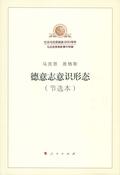 German Ideology (Excerpt)
"Marxist-Leninist Classic Writers Library" selects and collects the important works of Marx, Engels, and Lenin, using newly revised translations and attaching various necessary reference materials to meet the multi-level needs of readers for study and research. The compilers strive to reflect new standards in the characteristics of the times, academic quality and layout design.
—Reads9.2Score—Shelves
German Ideology (Excerpt)
"Marxist-Leninist Classic Writers Library" selects and collects the important works of Marx, Engels, and Lenin, using newly revised translations and attaching various necessary reference materials to meet the multi-level needs of readers for study and research. The compilers strive to reflect new standards in the characteristics of the times, academic quality and layout design.
—Reads9.2Score—Shelves
-
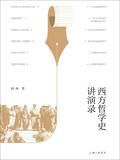 Lectures on the History of Western Philosophy
"Philosophy is living life." "The history of philosophy is philosophy." Following the principle of "consistency between history and logic," this book covers ancient Greek philosophy all the way to Hegelian philosophy, highlighting the internal logic of the development of Western philosophical thought. As a lecture record, this book is compiled based on the "History of Western Philosophy" general course that the author has taught for many years. It explains obscure philosophical concepts in an ea
—Reads9.4Score—Shelves
Lectures on the History of Western Philosophy
"Philosophy is living life." "The history of philosophy is philosophy." Following the principle of "consistency between history and logic," this book covers ancient Greek philosophy all the way to Hegelian philosophy, highlighting the internal logic of the development of Western philosophical thought. As a lecture record, this book is compiled based on the "History of Western Philosophy" general course that the author has taught for many years. It explains obscure philosophical concepts in an ea
—Reads9.4Score—Shelves
-
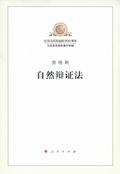 Dialectics of Nature
"Dialectics of Nature" Dialectics of Nature is an unfinished work by Engels, and it is also an important article in the system of Marxist classics. As early as the 1850s, Engels noticed the results of the natural sciences at that time and tried to make a philosophical summary of them. In 1870, Engels began to systematically study the philosophical issues of the natural sciences in order to criticize the vulgar materialism that was popular at the time.
—Reads9.2Score—Shelves
Dialectics of Nature
"Dialectics of Nature" Dialectics of Nature is an unfinished work by Engels, and it is also an important article in the system of Marxist classics. As early as the 1850s, Engels noticed the results of the natural sciences at that time and tried to make a philosophical summary of them. In 1870, Engels began to systematically study the philosophical issues of the natural sciences in order to criticize the vulgar materialism that was popular at the time.
—Reads9.2Score—Shelves
-
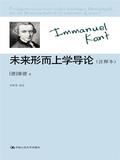 Introduction to the Metaphysics of the Future (Annotated Edition)
"The Complete Works of Kant" (9 volumes), edited and translated by Li Qiuling, a professor at the School of Philosophy of Renmin University of China, is based on the Prussian Royal Academy of Sciences Edition (commonly known as the "Academy of Sciences Edition"). All of them are directly translated from German, and those whose original texts are in Latin are directly translated from Latin. The Academy of Sciences edition of the Complete Works contains all the works and articles published by Kant
—Reads9.2Score—Shelves
Introduction to the Metaphysics of the Future (Annotated Edition)
"The Complete Works of Kant" (9 volumes), edited and translated by Li Qiuling, a professor at the School of Philosophy of Renmin University of China, is based on the Prussian Royal Academy of Sciences Edition (commonly known as the "Academy of Sciences Edition"). All of them are directly translated from German, and those whose original texts are in Latin are directly translated from Latin. The Academy of Sciences edition of the Complete Works contains all the works and articles published by Kant
—Reads9.2Score—Shelves
-
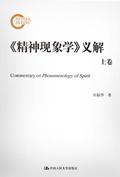 Interpretation of "Phenomenology of Spirit" (Volume 1)
This book is a commentary that examines "Phenomenology of Spirit" paragraph by paragraph. The author has devoted many years to studying Hegelian philosophy and German classical philosophy, absorbed the cutting-edge results of domestic and foreign scholars' research on "Phenomenology of Spirit", and was written after many rounds of classroom teaching and peer discussions. This book is not satisfied with a simple introduction to the views of a certain school or school at home and abroad. Instead,
—Reads8.9Score—Shelves
Interpretation of "Phenomenology of Spirit" (Volume 1)
This book is a commentary that examines "Phenomenology of Spirit" paragraph by paragraph. The author has devoted many years to studying Hegelian philosophy and German classical philosophy, absorbed the cutting-edge results of domestic and foreign scholars' research on "Phenomenology of Spirit", and was written after many rounds of classroom teaching and peer discussions. This book is not satisfied with a simple introduction to the views of a certain school or school at home and abroad. Instead,
—Reads8.9Score—Shelves
-
 Fichte Reader
In the history of the development of German classical idealism, Fichte's transcendental philosophy is an independent system of thought. This system made an important contribution to the development of European philosophy and provided many socialist elements; therefore, when evaluating the precious spiritual legacy left by Fichte, Marx said that he was an ideological giant, and Engels said that we socialists are proud to inherit him. But how did this system come into being, what basic contents do
—Reads8.1Score—Shelves
Fichte Reader
In the history of the development of German classical idealism, Fichte's transcendental philosophy is an independent system of thought. This system made an important contribution to the development of European philosophy and provided many socialist elements; therefore, when evaluating the precious spiritual legacy left by Fichte, Marx said that he was an ideological giant, and Engels said that we socialists are proud to inherit him. But how did this system come into being, what basic contents do
—Reads8.1Score—Shelves
-
 The World as Will and Representation. Volume 1
Schopenhauer's main philosophical thoughts are reflected in the book "The World as Will and Representation". The book is divided into four parts. The first part can be regarded as the introduction to the whole book, or together with the second part, it can be regarded as the first part of the whole book, which mainly discusses epistemology and "truth" issues. The third article is about the issue of "beauty", while the fourth article is about "goodness" and the ultimate concern of life. In the fi
—Reads8.1Score—Shelves
The World as Will and Representation. Volume 1
Schopenhauer's main philosophical thoughts are reflected in the book "The World as Will and Representation". The book is divided into four parts. The first part can be regarded as the introduction to the whole book, or together with the second part, it can be regarded as the first part of the whole book, which mainly discusses epistemology and "truth" issues. The third article is about the issue of "beauty", while the fourth article is about "goodness" and the ultimate concern of life. In the fi
—Reads8.1Score—Shelves
-
 The Complete Works of He Lin: on the Intellectual Improvement of Ethics
"On the Improvement of Ethical Intellect" is Spinoza's work on methodology and epistemology. This book was probably written by him from the winter of 1661 to the spring of 1662. Because he mentioned the manuscript of this article in a letter to Oldenburg around April 1662. This is an unfinished work. Although unfinished, it is still an independent treatise that can be concluded and rich in content, and can be read as an introduction to his central work "Ethics". In the small notes he added to th
—Reads9.2Score—Shelves
The Complete Works of He Lin: on the Intellectual Improvement of Ethics
"On the Improvement of Ethical Intellect" is Spinoza's work on methodology and epistemology. This book was probably written by him from the winter of 1661 to the spring of 1662. Because he mentioned the manuscript of this article in a letter to Oldenburg around April 1662. This is an unfinished work. Although unfinished, it is still an independent treatise that can be concluded and rich in content, and can be read as an introduction to his central work "Ethics". In the small notes he added to th
—Reads9.2Score—Shelves
-
 It's Either This or That.
"Either/Or" (volumes 1 and 2) is Kierkegaard's true beginning as a free thinker. It has a typical polyphonic structure and the possibility of multiple interpretations. The author goes against the tradition of European philosophy that focuses on logic and reasoning from concept to concept, and abandons the pursuit of objective truth systems in speculative philosophy. The book does not even have a real "author" and no final conclusion. He creatively provides spokespersons for two different lifesty
—Reads9.2Score—Shelves
It's Either This or That.
"Either/Or" (volumes 1 and 2) is Kierkegaard's true beginning as a free thinker. It has a typical polyphonic structure and the possibility of multiple interpretations. The author goes against the tradition of European philosophy that focuses on logic and reasoning from concept to concept, and abandons the pursuit of objective truth systems in speculative philosophy. The book does not even have a real "author" and no final conclusion. He creatively provides spokespersons for two different lifesty
—Reads9.2Score—Shelves
-
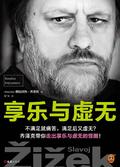 Pleasure and Nothingness
Xiang Biao, Wang Min'an, Wang Hui, Jiang Yuhui, Lan Jiang, Yuan Changgeng, Han Zhenjiang, Zhou Zhiqiang, Dialectic and others jointly recommended. If you are not satisfied, you will suffer, and if you are satisfied, there will be nothingness? ŽIžek takes you out of the vicious circle of pleasure and nothingness! In this book, Žižek examines in detail how in the post-epidemic era, people gain enjoyment from disaster, confrontation, and chaos but lose their revolutionary desires. He writes from th
—Reads8.8Score—Shelves
Pleasure and Nothingness
Xiang Biao, Wang Min'an, Wang Hui, Jiang Yuhui, Lan Jiang, Yuan Changgeng, Han Zhenjiang, Zhou Zhiqiang, Dialectic and others jointly recommended. If you are not satisfied, you will suffer, and if you are satisfied, there will be nothingness? ŽIžek takes you out of the vicious circle of pleasure and nothingness! In this book, Žižek examines in detail how in the post-epidemic era, people gain enjoyment from disaster, confrontation, and chaos but lose their revolutionary desires. He writes from th
—Reads8.8Score—Shelves
-
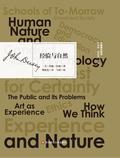 Experience and Nature
"Experience and Nature" is Dewey's masterpiece and one of the important works of the entire pragmatism school. In the book, Dewey proposed the basic views of his pragmatist philosophy and called it "empirical naturalism" or "naturalistic empiricism." This view opposes the complete separation of people and experience from nature, and advocates establishing the continuity between "experience and nature", thereby establishing a "unified whole of experience". About the author: The author John Dewey
—Reads8.0Score—Shelves
Experience and Nature
"Experience and Nature" is Dewey's masterpiece and one of the important works of the entire pragmatism school. In the book, Dewey proposed the basic views of his pragmatist philosophy and called it "empirical naturalism" or "naturalistic empiricism." This view opposes the complete separation of people and experience from nature, and advocates establishing the continuity between "experience and nature", thereby establishing a "unified whole of experience". About the author: The author John Dewey
—Reads8.0Score—Shelves
-
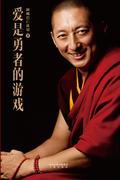 Love Is a Game for the Brave
"The purpose of religion has never been to follow the religion itself, but to change oneself through the teachings." The young Rinpoche impressed everyone who listened to his teachings with his extraordinary wisdom, sincere courage that was not afraid of the world, and especially his infinite love and affinity. "Love is a Game for the Brave" is Agaba Rinpoche's first book. In this book, the young Rinpoche first demonstrated his love for all living beings and his courage to explore the truth. He
—Reads9.4Score—Shelves
Love Is a Game for the Brave
"The purpose of religion has never been to follow the religion itself, but to change oneself through the teachings." The young Rinpoche impressed everyone who listened to his teachings with his extraordinary wisdom, sincere courage that was not afraid of the world, and especially his infinite love and affinity. "Love is a Game for the Brave" is Agaba Rinpoche's first book. In this book, the young Rinpoche first demonstrated his love for all living beings and his courage to explore the truth. He
—Reads9.4Score—Shelves
-
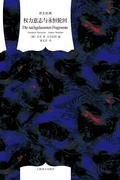 Will to Power and Eternal Reincarnation
Nietzsche is a controversial philosopher who is widely known but little known in China. He has unique life experiences and ideological characteristics. He is a university professor, but he denies the work of other professors who are dedicated to education; he is a philosopher, but he opposes with great vigor the philosophies that appeared before him; he refutes the tradition, but at the same time he becomes a part of the tradition. Editor Günter Wolfrat is an internationally renowned expert on N
—Reads9.2Score—Shelves
Will to Power and Eternal Reincarnation
Nietzsche is a controversial philosopher who is widely known but little known in China. He has unique life experiences and ideological characteristics. He is a university professor, but he denies the work of other professors who are dedicated to education; he is a philosopher, but he opposes with great vigor the philosophies that appeared before him; he refutes the tradition, but at the same time he becomes a part of the tradition. Editor Günter Wolfrat is an internationally renowned expert on N
—Reads9.2Score—Shelves
-
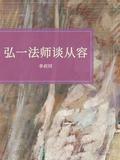 Master Hongyi Talks About Calmness
It tells that calmness is a kind of cultivation, a temperament, a state, and a person's wisdom and generosity. Calmness is an attitude towards life. Faced with a society that is impetuous and busy and pursues material and sensual enjoyment, we might as well learn to get rid of the right and wrong of others and cultivate a calm and comfortable mind. Calmness is the return to nature after going through vicissitudes of life, reading all the glitz, and washing away the restlessness. It is a kind of
—Reads9.1Score—Shelves
Master Hongyi Talks About Calmness
It tells that calmness is a kind of cultivation, a temperament, a state, and a person's wisdom and generosity. Calmness is an attitude towards life. Faced with a society that is impetuous and busy and pursues material and sensual enjoyment, we might as well learn to get rid of the right and wrong of others and cultivate a calm and comfortable mind. Calmness is the return to nature after going through vicissitudes of life, reading all the glitz, and washing away the restlessness. It is a kind of
—Reads9.1Score—Shelves
-
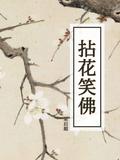 Holding Flowers and Laughing at Buddha
Why does Buddhism oppose the soul of the old Indian teachings? The old teachings talk about reincarnation and liberation, and Buddhism also talks about reincarnation and liberation, and only reincarnation is the main body of liberation. The old teachings only belong to the manayas, while the Buddha talks about manayas and tudu at the same time, and the emphasis is entirely on tudu. This is the most different point. Therefore, Buddhism does not call this subject the soul, but calls it Karma. The
—Reads8.3Score—Shelves
Holding Flowers and Laughing at Buddha
Why does Buddhism oppose the soul of the old Indian teachings? The old teachings talk about reincarnation and liberation, and Buddhism also talks about reincarnation and liberation, and only reincarnation is the main body of liberation. The old teachings only belong to the manayas, while the Buddha talks about manayas and tudu at the same time, and the emphasis is entirely on tudu. This is the most different point. Therefore, Buddhism does not call this subject the soul, but calls it Karma. The
—Reads8.3Score—Shelves
-
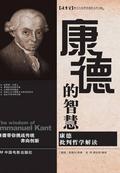 Kant's Wisdom
In the era of Kant, there were two main important theories in European philosophical thought: empiricism developed by Locke, Hume and others, and rationalism by Descartes and others. Empiricists believe that human understanding and knowledge of the world come from human experience, while rationalists believe that human knowledge comes from human reason. Kant combined the two views to a certain extent. Kant believed that knowledge is obtained by human beings through both senses and reason. Experi
—Reads8.4Score—Shelves
Kant's Wisdom
In the era of Kant, there were two main important theories in European philosophical thought: empiricism developed by Locke, Hume and others, and rationalism by Descartes and others. Empiricists believe that human understanding and knowledge of the world come from human experience, while rationalists believe that human knowledge comes from human reason. Kant combined the two views to a certain extent. Kant believed that knowledge is obtained by human beings through both senses and reason. Experi
—Reads8.4Score—Shelves
-
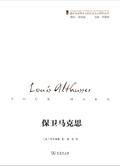 Defend Marx
This book is an important philosophical work by the famous French philosopher Althusser. Contains several important papers he wrote on Marxist theory. It mainly includes Feuerbach's "Philosophical Manifesto", On Young Marx, Contradiction and Multiple Determination, On Materialist Dialectics, Marxism and Humanism, etc.; It is one of the most important classics of Western Marxist texts in the second half of the twentieth century.
—Reads9.1Score—Shelves
Defend Marx
This book is an important philosophical work by the famous French philosopher Althusser. Contains several important papers he wrote on Marxist theory. It mainly includes Feuerbach's "Philosophical Manifesto", On Young Marx, Contradiction and Multiple Determination, On Materialist Dialectics, Marxism and Humanism, etc.; It is one of the most important classics of Western Marxist texts in the second half of the twentieth century.
—Reads9.1Score—Shelves
-
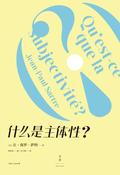 What Is Subjectivity?
"What is subjectivity?" "" Is compiled from the records of French existentialist philosopher Jean-Paul Sartre's lectures at the invitation of the Gramsci Institute in Rome in December 1961. The class records of that year, especially the part where Sartre discussed with the audience, were rediscovered more than fifty years later and published in France in 2013. The main body of the report was a report titled "Marxism and Subjectivity". It also included texts from discussions between several Itali
—Reads8.5Score—Shelves
What Is Subjectivity?
"What is subjectivity?" "" Is compiled from the records of French existentialist philosopher Jean-Paul Sartre's lectures at the invitation of the Gramsci Institute in Rome in December 1961. The class records of that year, especially the part where Sartre discussed with the audience, were rediscovered more than fifty years later and published in France in 2013. The main body of the report was a report titled "Marxism and Subjectivity". It also included texts from discussions between several Itali
—Reads8.5Score—Shelves
-
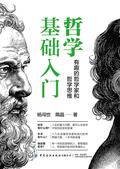 Introduction to Philosophical Basics: Interesting Philosophers and Philosophical Thinking
"Introduction to the Basics of Philosophy: Interesting Philosophers and Philosophical Thinking" Philosophy is not simply knowledge, but the ultimate questioning that runs through the beginning and end of life. It is a way of thinking. Without philosophical thinking, when we deal with various problems we encounter in life, it is like picking up coins scattered on the ground. We can only stay at the level of discussing matters and cannot make a high-level view. Philosophy cannot provide us with de
—Reads9.3Score—Shelves
Introduction to Philosophical Basics: Interesting Philosophers and Philosophical Thinking
"Introduction to the Basics of Philosophy: Interesting Philosophers and Philosophical Thinking" Philosophy is not simply knowledge, but the ultimate questioning that runs through the beginning and end of life. It is a way of thinking. Without philosophical thinking, when we deal with various problems we encounter in life, it is like picking up coins scattered on the ground. We can only stay at the level of discussing matters and cannot make a high-level view. Philosophy cannot provide us with de
—Reads9.3Score—Shelves
-
 Introduction to Philosophical Basics: Interesting Philosophers and Philosophical Thinking
The hedonist Aristippus once said: "The art of living consists in enjoying yourself in the moment." However, the pessimist Schopenhauer is still pessimistic: "Life swings like a pendulum, wandering between pain and boredom." But the emperor-philosopher Marcus Aurelius said: "Do everything as if it were your last thing." … How to live the life you want? Even thoughtful philosophers find it difficult to come to a conclusion. Listen to this album and find your own true meaning of life.
—Reads8.3Score—Shelves
Introduction to Philosophical Basics: Interesting Philosophers and Philosophical Thinking
The hedonist Aristippus once said: "The art of living consists in enjoying yourself in the moment." However, the pessimist Schopenhauer is still pessimistic: "Life swings like a pendulum, wandering between pain and boredom." But the emperor-philosopher Marcus Aurelius said: "Do everything as if it were your last thing." … How to live the life you want? Even thoughtful philosophers find it difficult to come to a conclusion. Listen to this album and find your own true meaning of life.
—Reads8.3Score—Shelves
-
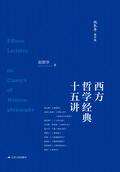 Fifteen Lectures on Western Philosophy Classics
This book includes the most important parts of the greatest works of the greatest philosophers in the history of Western philosophy and is the essence of Western philosophy. The author hopes that through this book, students can learn how to read Western philosophical classics. The book is full of references to Plato's "The Republic", Aristotle's "Metaphysics" and "Nicomachean Ethics", Augustine's "City of God", Thomas Aquinas' "Summa Theologica", Descartes' "Meditations on First Philosophy", Pas
—Reads8.8Score—Shelves
Fifteen Lectures on Western Philosophy Classics
This book includes the most important parts of the greatest works of the greatest philosophers in the history of Western philosophy and is the essence of Western philosophy. The author hopes that through this book, students can learn how to read Western philosophical classics. The book is full of references to Plato's "The Republic", Aristotle's "Metaphysics" and "Nicomachean Ethics", Augustine's "City of God", Thomas Aquinas' "Summa Theologica", Descartes' "Meditations on First Philosophy", Pas
—Reads8.8Score—Shelves
-
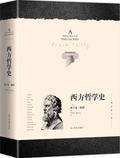 History of Western Philosophy: Supplementary and Revised Edition
This book is a work about the development of Western philosophy. Its prototype was Professor Tilly's lecture notes when he taught at the university. The book is divided into three parts: Greek philosophy, medieval philosophy, and modern philosophy. The following chapters are divided into twenty chapters: natural philosophy, questions of knowledge and behavior, the Reconstruction period, ethical movements, religious movements, classical sources of Christianity and medieval philosophy, the formati
—Reads9.3Score—Shelves
History of Western Philosophy: Supplementary and Revised Edition
This book is a work about the development of Western philosophy. Its prototype was Professor Tilly's lecture notes when he taught at the university. The book is divided into three parts: Greek philosophy, medieval philosophy, and modern philosophy. The following chapters are divided into twenty chapters: natural philosophy, questions of knowledge and behavior, the Reconstruction period, ethical movements, religious movements, classical sources of Christianity and medieval philosophy, the formati
—Reads9.3Score—Shelves
-
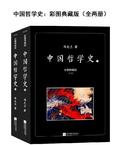 History of Chinese Philosophy: Collector's Edition with Color Illustrations (Two Volumes)
"History of Chinese Philosophy" is Feng Youlan's representative work in philosophy. It is also China's first complete history of Chinese philosophy with modern significance. It has a profound influence in the field of philosophy history in China and even the world. The book is divided into two parts: the age of Confucius and the age of Confucian classics. The age of Confucius mainly introduces the philosophy and culture of Laozi, Confucius, Mozi, Mencius, Gongsun and Confucianism. The age of cla
—Reads8.9Score—Shelves
History of Chinese Philosophy: Collector's Edition with Color Illustrations (Two Volumes)
"History of Chinese Philosophy" is Feng Youlan's representative work in philosophy. It is also China's first complete history of Chinese philosophy with modern significance. It has a profound influence in the field of philosophy history in China and even the world. The book is divided into two parts: the age of Confucius and the age of Confucian classics. The age of Confucius mainly introduces the philosophy and culture of Laozi, Confucius, Mozi, Mencius, Gongsun and Confucianism. The age of cla
—Reads8.9Score—Shelves
-
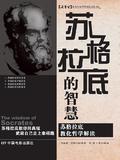 Socrates' Wisdom
Socrates is a landmark figure in the history of philosophy. Socrates' life is a legendary life and a life of pursuing truth. He brought practical philosophy to future generations and opened up a new era and field. Socrates' life was a happy one. He had many things that we never had. He could always rely on his wisdom to make himself and the people around him happy. This book selects the essence of Socrates' gleaming thoughts in his life, which can be regarded as a summary of his life, a summary
—Reads9.4Score—Shelves
Socrates' Wisdom
Socrates is a landmark figure in the history of philosophy. Socrates' life is a legendary life and a life of pursuing truth. He brought practical philosophy to future generations and opened up a new era and field. Socrates' life was a happy one. He had many things that we never had. He could always rely on his wisdom to make himself and the people around him happy. This book selects the essence of Socrates' gleaming thoughts in his life, which can be regarded as a summary of his life, a summary
—Reads9.4Score—Shelves
-
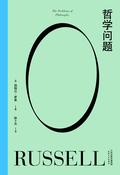 Philosophical Issues (Guomai Classics)
This small book of 100,000 words is an introductory reading of Russell's philosophy. Russell called it a "cheap thriller" because of its clarity and the introduction of new perspectives. The book puts forward his own basic views on issues such as the foundation, scope, and meaning of philosophy, mainly in the field of philosophy, that is, epistemology. He believes that there are universals in this world that transcend the physical and spiritual worlds. It is also an entity and is the basis for p
—Reads9.3Score—Shelves
Philosophical Issues (Guomai Classics)
This small book of 100,000 words is an introductory reading of Russell's philosophy. Russell called it a "cheap thriller" because of its clarity and the introduction of new perspectives. The book puts forward his own basic views on issues such as the foundation, scope, and meaning of philosophy, mainly in the field of philosophy, that is, epistemology. He believes that there are universals in this world that transcend the physical and spiritual worlds. It is also an entity and is the basis for p
—Reads9.3Score—Shelves
-
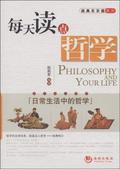 Read Some Philosophy Every Day
Philosophy means "love of wisdom" in ancient Greece. Wisdom is not knowledge, knowledge is about nature, wisdom is about life. And the "knowledge" about life has no rules. Because no one can find the laws of life, and no one dares to say that he has mastered the truth of life. Therefore, philosophers looking for the wisdom of life are destined to answer a "life equation" that has no fixed answer. They read some philosophy of life every day. The content may come from the summary of experience, th
—Reads9.3Score—Shelves
Read Some Philosophy Every Day
Philosophy means "love of wisdom" in ancient Greece. Wisdom is not knowledge, knowledge is about nature, wisdom is about life. And the "knowledge" about life has no rules. Because no one can find the laws of life, and no one dares to say that he has mastered the truth of life. Therefore, philosophers looking for the wisdom of life are destined to answer a "life equation" that has no fixed answer. They read some philosophy of life every day. The content may come from the summary of experience, th
—Reads9.3Score—Shelves
-
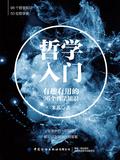 Introduction to Philosophy: 96 Interesting and Useful Philosophical Knowledge
Most people are keen to learn professional knowledge because it is a means of livelihood and employment skills. However, few people are willing to study philosophy, and they always think it is a boring and useless subject. Of course, philosophy cannot give intuitive answers to problems, but what philosophy teaches us is a way of thinking. In other words, without the ability to think philosophically, the various problems encountered in life are like copper plates scattered on the ground. They can
—Reads9.3Score—Shelves
Introduction to Philosophy: 96 Interesting and Useful Philosophical Knowledge
Most people are keen to learn professional knowledge because it is a means of livelihood and employment skills. However, few people are willing to study philosophy, and they always think it is a boring and useless subject. Of course, philosophy cannot give intuitive answers to problems, but what philosophy teaches us is a way of thinking. In other words, without the ability to think philosophically, the various problems encountered in life are like copper plates scattered on the ground. They can
—Reads9.3Score—Shelves
-
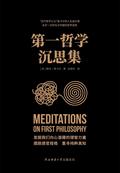 Meditations on First Philosophy
"Meditations on First Philosophy" is an important philosophical work by Descartes. In this work, Descartes tried to free the mind from the shackles of the senses through the method of universal doubt and obtain correct knowledge through pure reason. He explores questions such as whether God exists, whether the senses are reliable, and how to seek truth and avoid errors. Starting from the proposition "I think, therefore I am", he deduced the existence of God and the existence of external objects,
—Reads9.2Score—Shelves
Meditations on First Philosophy
"Meditations on First Philosophy" is an important philosophical work by Descartes. In this work, Descartes tried to free the mind from the shackles of the senses through the method of universal doubt and obtain correct knowledge through pure reason. He explores questions such as whether God exists, whether the senses are reliable, and how to seek truth and avoid errors. Starting from the proposition "I think, therefore I am", he deduced the existence of God and the existence of external objects,
—Reads9.2Score—Shelves
-
 Life and Faith—a Study of Christian Philosophical Thoughts During the Period of Kierkegaard's Pseudonym Writing
Introduction "Christian philosophy" is an important clue to understand Kierkegaard's pseudonymous works. From this perspective, Kierkegaard's varied pseudonymous works can be presented as a "fragmentary" philosophy that takes Christian faith as "value orientation" and is oriented to the "life world." The study of Kierkegaard's pseudonymous works from the perspective of "Christian philosophy" will not only provide an in-depth understanding of Kierkegaard's works themselves, but is also expected t
—Reads8.5Score—Shelves
Life and Faith—a Study of Christian Philosophical Thoughts During the Period of Kierkegaard's Pseudonym Writing
Introduction "Christian philosophy" is an important clue to understand Kierkegaard's pseudonymous works. From this perspective, Kierkegaard's varied pseudonymous works can be presented as a "fragmentary" philosophy that takes Christian faith as "value orientation" and is oriented to the "life world." The study of Kierkegaard's pseudonymous works from the perspective of "Christian philosophy" will not only provide an in-depth understanding of Kierkegaard's works themselves, but is also expected t
—Reads8.5Score—Shelves
-
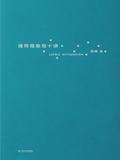 Ten Lectures on Wittgenstein
Wittgenstein, this model of genius and a great philosopher of the 20th century, who has not read philosophy? This book is a collection of 10 philosophy lessons on Wittgenstein taught by Lou Wei, a professor at Zhejiang University. This book allows you to understand Wittgenstein: there are ten lessons in the book. The first lesson introduces Wittgenstein's life and major works, and the following nine lessons explain Wittgenstein's important ideas and main propositions, such as "the theory of lang
—Reads9.1Score—Shelves
Ten Lectures on Wittgenstein
Wittgenstein, this model of genius and a great philosopher of the 20th century, who has not read philosophy? This book is a collection of 10 philosophy lessons on Wittgenstein taught by Lou Wei, a professor at Zhejiang University. This book allows you to understand Wittgenstein: there are ten lessons in the book. The first lesson introduces Wittgenstein's life and major works, and the following nine lessons explain Wittgenstein's important ideas and main propositions, such as "the theory of lang
—Reads9.1Score—Shelves
-
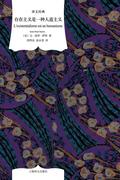 Existentialism Is a Humanism
Existentialism is a philosophical school with great influence, wide popularity and popularity in modern Western philosophy. Its main representative is the French philosopher Sartre. This book consists of two articles: "Existentialism as a Humanism" and "Today's Hope: A Conversation with Sartre". The former was published in 1946, and the latter was published shortly before Sartre's death in 1980. Sartre repeatedly emphasized that his existentialism is essentially an optimistic philosophy full of
—Reads9.1Score—Shelves
Existentialism Is a Humanism
Existentialism is a philosophical school with great influence, wide popularity and popularity in modern Western philosophy. Its main representative is the French philosopher Sartre. This book consists of two articles: "Existentialism as a Humanism" and "Today's Hope: A Conversation with Sartre". The former was published in 1946, and the latter was published shortly before Sartre's death in 1980. Sartre repeatedly emphasized that his existentialism is essentially an optimistic philosophy full of
—Reads9.1Score—Shelves
-
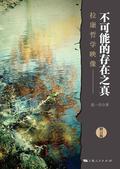 The Truth of Impossible Being—image of Lacan's Philosophy (Revised Edition)
"The Truth of Impossible Existence - Lacan's Philosophical Image" (revised edition) starts from the perspective of philosophical textuality and systematically interprets the philosophical thought of Lacan, the master of French psychoanalysis and thought. The author Zhang Yibing takes the most important text in Lacan's famous Écrits as the basic interpretation object, deeply analyzes the complex academic background of Lacan's philosophy, and uses his unique subversive diachronic connection to ill
—Reads9.1Score—Shelves
The Truth of Impossible Being—image of Lacan's Philosophy (Revised Edition)
"The Truth of Impossible Existence - Lacan's Philosophical Image" (revised edition) starts from the perspective of philosophical textuality and systematically interprets the philosophical thought of Lacan, the master of French psychoanalysis and thought. The author Zhang Yibing takes the most important text in Lacan's famous Écrits as the basic interpretation object, deeply analyzes the complex academic background of Lacan's philosophy, and uses his unique subversive diachronic connection to ill
—Reads9.1Score—Shelves
-
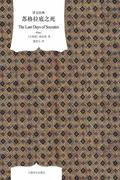 Death of Socrates
The trial and execution of Socrates was an important moment in the history of the ancient Greek city-state of Athens, and even in the history of Western thought. The four dialogues included in this book were written by Plato, a student of Socrates. By recording the historical event of Socrates' death, Plato developed his philosophy and at the same time showed the world Socrates' unique life, thoughts and personality charm.
—Reads9.2Score—Shelves
Death of Socrates
The trial and execution of Socrates was an important moment in the history of the ancient Greek city-state of Athens, and even in the history of Western thought. The four dialogues included in this book were written by Plato, a student of Socrates. By recording the historical event of Socrates' death, Plato developed his philosophy and at the same time showed the world Socrates' unique life, thoughts and personality charm.
—Reads9.2Score—Shelves
-
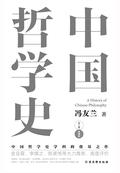 History of Chinese Philosophy
One book tells the complete history of the development of Chinese philosophy: from the Zhouyi and the Tao Te Ching to Wang Yangming, from Confucianism and Taoism to Buddhism. High school reading books, liberal arts college undergraduate books, the most comprehensive and authoritative "Sansongtang" edited by Feng Youlan's son-in-law Cai Zhongde, recommended by Chen Yinke, Jin Yuelin, Li Shenzhi and others.
—Reads9.3Score—Shelves
History of Chinese Philosophy
One book tells the complete history of the development of Chinese philosophy: from the Zhouyi and the Tao Te Ching to Wang Yangming, from Confucianism and Taoism to Buddhism. High school reading books, liberal arts college undergraduate books, the most comprehensive and authoritative "Sansongtang" edited by Feng Youlan's son-in-law Cai Zhongde, recommended by Chen Yinke, Jin Yuelin, Li Shenzhi and others.
—Reads9.3Score—Shelves
-
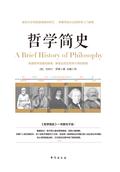 A Brief History of Philosophy
"A Brief History of Philosophy" is a work on popular philosophy. It is another brand-new introductory book on the history of philosophy compiled with new ideas based on the monumental "History of Western Philosophy". In the book, Russell not only elaborates on the causes and consequences of the development of Western philosophy, but also touches on history, science, economics, politics and other aspects. If modern people want to understand our era, they must have a deeper understanding of Wester
—Reads9.2Score—Shelves
A Brief History of Philosophy
"A Brief History of Philosophy" is a work on popular philosophy. It is another brand-new introductory book on the history of philosophy compiled with new ideas based on the monumental "History of Western Philosophy". In the book, Russell not only elaborates on the causes and consequences of the development of Western philosophy, but also touches on history, science, economics, politics and other aspects. If modern people want to understand our era, they must have a deeper understanding of Wester
—Reads9.2Score—Shelves
-
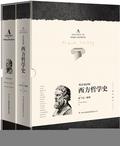 History of Western Philosophy (English-Chinese Edition) (Revised Edition) (Set of 2 Volumes)
This book is a work about the development of Western philosophy. Its prototype was Professor Tilly's lecture notes when he taught at the university. The book is divided into two volumes, Chinese and English, and is specifically divided into three parts: Greek philosophy, medieval philosophy, and modern philosophy. The following chapters are divided into twenty chapters: natural philosophy, questions of knowledge and behavior, the Reconstruction period, ethical movements, religious movements, cla
—Reads8.9Score—Shelves
History of Western Philosophy (English-Chinese Edition) (Revised Edition) (Set of 2 Volumes)
This book is a work about the development of Western philosophy. Its prototype was Professor Tilly's lecture notes when he taught at the university. The book is divided into two volumes, Chinese and English, and is specifically divided into three parts: Greek philosophy, medieval philosophy, and modern philosophy. The following chapters are divided into twenty chapters: natural philosophy, questions of knowledge and behavior, the Reconstruction period, ethical movements, religious movements, cla
—Reads8.9Score—Shelves
-
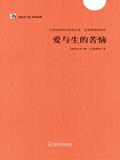 The Troubles of Love and Life
"The Troubles of Love and Life" is the most important work in Schopenhauer's collection of essays. His thoughts have always influenced contemporary European and American philosophical thought. In Schopenhauer's elaboration of concepts such as love, will, character, heredity, life and death, and misanthropy, people can clearly understand the core content of life issues and the fundamental answers to universal phenomena.
—Reads9.3Score—Shelves
The Troubles of Love and Life
"The Troubles of Love and Life" is the most important work in Schopenhauer's collection of essays. His thoughts have always influenced contemporary European and American philosophical thought. In Schopenhauer's elaboration of concepts such as love, will, character, heredity, life and death, and misanthropy, people can clearly understand the core content of life issues and the fundamental answers to universal phenomena.
—Reads9.3Score—Shelves
-
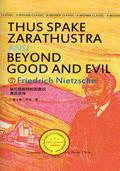 Thus Saith Zarathustra + Beyond Good and Evil
"Thus Spoke Zarathustra" is one of the masterpieces of the famous German philosopher Nietzsche. It is a book called a "philosophical novel". This book was written between 1883 and 1885. It was in this book that Nietzsche wrote: "God is dead!" And at the same time said that he was studying the "science of happiness." "Beyond Good and Evil" is a more focused and continuation of the thoughts of "Thus Spoke Zarathustra", but the thoughts are sharper and the vision is wiser. They can be said to be co
—Reads8.4Score—Shelves
Thus Saith Zarathustra + Beyond Good and Evil
"Thus Spoke Zarathustra" is one of the masterpieces of the famous German philosopher Nietzsche. It is a book called a "philosophical novel". This book was written between 1883 and 1885. It was in this book that Nietzsche wrote: "God is dead!" And at the same time said that he was studying the "science of happiness." "Beyond Good and Evil" is a more focused and continuation of the thoughts of "Thus Spoke Zarathustra", but the thoughts are sharper and the vision is wiser. They can be said to be co
—Reads8.4Score—Shelves
-
 Happy Knowledge
"Happy Knowledge" is also known as "Happy Science". Nietzsche intended to elevate philosophy to the same rigorous status as science through sharp criticism. This is also a symptom of his empiricism reaching its peak. In fact, in his works, he also mentioned the view that the so-called way to transcend morality must pass through three spiritual forms. Those three spiritual forms are the spirit of learning of piety and obedience; the spirit of freedom that destroys, criticizes, and attempts to re-
—Reads9.3Score—Shelves
Happy Knowledge
"Happy Knowledge" is also known as "Happy Science". Nietzsche intended to elevate philosophy to the same rigorous status as science through sharp criticism. This is also a symptom of his empiricism reaching its peak. In fact, in his works, he also mentioned the view that the so-called way to transcend morality must pass through three spiritual forms. Those three spiritual forms are the spirit of learning of piety and obedience; the spirit of freedom that destroys, criticizes, and attempts to re-
—Reads9.3Score—Shelves
-
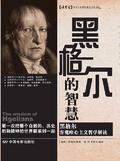 Hegel's Wisdom
Hegel (1770~1831), a famous German philosopher in the 19th century. Known as "the culmination of German classical philosophy", Hegel's philosophy has encyclopedic richness and is considered a peak in the development of bourgeois philosophical thought. This book is a brief general introduction to Hegel's main doctrines. The main contents include: Hegel's logic; Hegel's natural philosophy; Hegel's spiritual philosophy; and Hegel's philosophy of law. Although some of Hegel's thoughts are inevitably
—Reads9.3Score—Shelves
Hegel's Wisdom
Hegel (1770~1831), a famous German philosopher in the 19th century. Known as "the culmination of German classical philosophy", Hegel's philosophy has encyclopedic richness and is considered a peak in the development of bourgeois philosophical thought. This book is a brief general introduction to Hegel's main doctrines. The main contents include: Hegel's logic; Hegel's natural philosophy; Hegel's spiritual philosophy; and Hegel's philosophy of law. Although some of Hegel's thoughts are inevitably
—Reads9.3Score—Shelves
-
 Meditations
"Meditations" was written by the ancient Roman philosopher Emperor Marcus Aurelius. This twelve-volume dialogue between himself and himself was mostly written by him while he was working on his horse. It is some words flowing from the depths of the soul. It is simple but directly reaches the human heart. It is a milestone in Stoic philosophy (Stoic philosophy). In the book, the author explains the relationship between the soul and death, analyzes personal virtue, personal liberation, and persona
—Reads9.3Score—Shelves
Meditations
"Meditations" was written by the ancient Roman philosopher Emperor Marcus Aurelius. This twelve-volume dialogue between himself and himself was mostly written by him while he was working on his horse. It is some words flowing from the depths of the soul. It is simple but directly reaches the human heart. It is a milestone in Stoic philosophy (Stoic philosophy). In the book, the author explains the relationship between the soul and death, analyzes personal virtue, personal liberation, and persona
—Reads9.3Score—Shelves
-
 Every Day Without Dancing Is a Betrayal of Life
Nietzsche is a great philosopher of the 20th century, and his works are timeless classics. He uses simple and powerful sentences like mantras to reveal the essence of life, allowing readers to gain the power to survive and have a strong heart. This book collects the essence of Nietzsche's works, shows the thoughts and mind of the great man, and brings infinite enlightenment to readers. The book is divided into 14 chapters in total: self, psychology, emotion, knowledge, art, culture, morality, go
—Reads9.0Score—Shelves
Every Day Without Dancing Is a Betrayal of Life
Nietzsche is a great philosopher of the 20th century, and his works are timeless classics. He uses simple and powerful sentences like mantras to reveal the essence of life, allowing readers to gain the power to survive and have a strong heart. This book collects the essence of Nietzsche's works, shows the thoughts and mind of the great man, and brings infinite enlightenment to readers. The book is divided into 14 chapters in total: self, psychology, emotion, knowledge, art, culture, morality, go
—Reads9.0Score—Shelves
-
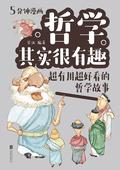 Philosophy Is Actually Very Interesting: a Very Useful and Interesting Philosophical Story
This book brings together classic, wise, and thought-provoking philosophical stories. It selects many great philosophers in the history of Eastern and Western philosophy. It uses personal core thoughts as the theme and stories as a foreshadowing to lead readers to related topics step by step. It peels off the esoteric cloak of philosophy, vividly and vividly describes the stages, schools and thoughts of philosophy, analyzes the basic principles, laws and methods of philosophy's development, and
—Reads8.7Score—Shelves
Philosophy Is Actually Very Interesting: a Very Useful and Interesting Philosophical Story
This book brings together classic, wise, and thought-provoking philosophical stories. It selects many great philosophers in the history of Eastern and Western philosophy. It uses personal core thoughts as the theme and stories as a foreshadowing to lead readers to related topics step by step. It peels off the esoteric cloak of philosophy, vividly and vividly describes the stages, schools and thoughts of philosophy, analyzes the basic principles, laws and methods of philosophy's development, and
—Reads8.7Score—Shelves
-
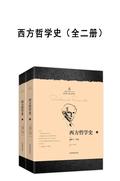 History of Western Philosophy (Two Volumes)
This book is one of the philosophical masterpieces of the British philosopher Bertrand Russell. It was published in 1945. Its full name is "The History of Western Philosophy and its Connection with Political and Social Situations from Ancient Times to Modern Times". Its writing purpose is to reveal that "philosophy is an integral part of social and political life." It is not the isolated thinking of outstanding individuals, but the product and cause of various social characters in which various
—Reads9.2Score—Shelves
History of Western Philosophy (Two Volumes)
This book is one of the philosophical masterpieces of the British philosopher Bertrand Russell. It was published in 1945. Its full name is "The History of Western Philosophy and its Connection with Political and Social Situations from Ancient Times to Modern Times". Its writing purpose is to reveal that "philosophy is an integral part of social and political life." It is not the isolated thinking of outstanding individuals, but the product and cause of various social characters in which various
—Reads9.2Score—Shelves
-
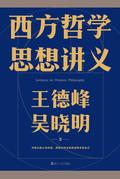 Lecture Notes on Western Philosophical Thought
Fudan University professors Wang Defeng and Wu Xiaoming wrote 10 general courses on Western philosophy for young people to understand Western wisdom and civilization in 2000. "Lecture Notes on Western Philosophy" is a concise reading for understanding Western philosophy. In the form of stories, it leads readers into the spiritual world of 10 great thinkers such as Nietzsche, Rousseau, and Plato. While gaining an in-depth understanding of their life experiences, they can feel their frustration an
—Reads8.9Score—Shelves
Lecture Notes on Western Philosophical Thought
Fudan University professors Wang Defeng and Wu Xiaoming wrote 10 general courses on Western philosophy for young people to understand Western wisdom and civilization in 2000. "Lecture Notes on Western Philosophy" is a concise reading for understanding Western philosophy. In the form of stories, it leads readers into the spiritual world of 10 great thinkers such as Nietzsche, Rousseau, and Plato. While gaining an in-depth understanding of their life experiences, they can feel their frustration an
—Reads8.9Score—Shelves
-
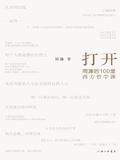 Open: Zhou Lian's 100 Western Philosophy Lessons
Why did Socrates reject everyone's pleadings, refuse to escape from prison, and dare to die? Why is "Utopia" a great "book of failure"? How did Kant achieve the goal of not only demarcating human reason, but also leaving space for God and faith? Why does Hegel, who can be said to be unparalleled in the world when it comes to abstraction and obscurity, criticizes us ordinary people for often falling into "abstract thinking"? How to understand and learn Western philosophy? How to truly step into t
—Reads9.3Score—Shelves
Open: Zhou Lian's 100 Western Philosophy Lessons
Why did Socrates reject everyone's pleadings, refuse to escape from prison, and dare to die? Why is "Utopia" a great "book of failure"? How did Kant achieve the goal of not only demarcating human reason, but also leaving space for God and faith? Why does Hegel, who can be said to be unparalleled in the world when it comes to abstraction and obscurity, criticizes us ordinary people for often falling into "abstract thinking"? How to understand and learn Western philosophy? How to truly step into t
—Reads9.3Score—Shelves
-
 A Brief History of Western Philosophy
"A Brief History of Western Philosophy" is one of the representative works of the British philosopher, logician, and mathematician Bertrand Russell. It records the development of Western philosophy from the ancient Greek philosophy where Western philosophy originated to the early twentieth century. The book records the development of Western philosophy focusing on various philosophical schools and their representative philosophers. It also describes the historical background of the emergence of
—Reads8.8Score—Shelves
A Brief History of Western Philosophy
"A Brief History of Western Philosophy" is one of the representative works of the British philosopher, logician, and mathematician Bertrand Russell. It records the development of Western philosophy from the ancient Greek philosophy where Western philosophy originated to the early twentieth century. The book records the development of Western philosophy focusing on various philosophical schools and their representative philosophers. It also describes the historical background of the emergence of
—Reads8.8Score—Shelves