Fanqie library
Browse
- Titles
- 500
Every Fanqie book we index, searchable by title, author or tag.
-
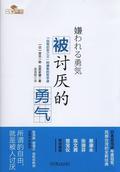 The Courage to Be Disliked: Philosophical Lessons from Adler, the "Father of Self-Enlightenment"
A young man who was deeply troubled by low self-esteem, incompetence and unhappiness came to challenge after hearing a philosopher's proposition that "the world is extremely simple and everyone can be happy". The two started thinking and debating back and forth. After night after night, the young man began to think about why "the so-called freedom means being hated by others"? The question is not what the world is like, but what you are like.
27.5kReads9.6Score—Shelves
The Courage to Be Disliked: Philosophical Lessons from Adler, the "Father of Self-Enlightenment"
A young man who was deeply troubled by low self-esteem, incompetence and unhappiness came to challenge after hearing a philosopher's proposition that "the world is extremely simple and everyone can be happy". The two started thinking and debating back and forth. After night after night, the young man began to think about why "the so-called freedom means being hated by others"? The question is not what the world is like, but what you are like.
27.5kReads9.6Score—Shelves
-
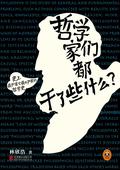 What Did Philosophers Do?
"The history of philosophy is written in such a simple, humorous and gossipy way, how can you let us people from the philosophy department fool around?!" Completely dismantle your preconceptions about the history of philosophy with vicious complaints and delightful gossip. Every page you turn is a philosophical story that you can't put down. Come, philosophers! Tell yourselves, what exactly have you done? What is outside the universe? Could the world be fake? Am I living in a virtual world/someo
14.9kReads9.6Score—Shelves
What Did Philosophers Do?
"The history of philosophy is written in such a simple, humorous and gossipy way, how can you let us people from the philosophy department fool around?!" Completely dismantle your preconceptions about the history of philosophy with vicious complaints and delightful gossip. Every page you turn is a philosophical story that you can't put down. Come, philosophers! Tell yourselves, what exactly have you done? What is outside the universe? Could the world be fake? Am I living in a virtual world/someo
14.9kReads9.6Score—Shelves
-
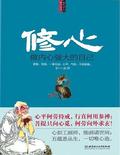 Cultivation of the Mind: Be a Strong Inner Self
Through the interpretation of the "Six Perfections" of Buddhism, "Cultivation of the Mind" guides people to get rid of bad mental states such as "greed, anger, ignorance, conceit", let go of right and wrong, and explore their own inner wisdom.
6.1kReads9.5Score783Shelves
Cultivation of the Mind: Be a Strong Inner Self
Through the interpretation of the "Six Perfections" of Buddhism, "Cultivation of the Mind" guides people to get rid of bad mental states such as "greed, anger, ignorance, conceit", let go of right and wrong, and explore their own inner wisdom.
6.1kReads9.5Score783Shelves
-
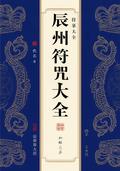 Complete Collection of Chenzhou Spells
"Chenzhou Talisman Encyclopedia" is a precious classic that systematically introduces and analyzes Chenzhou's talisman culture. Chenzhou, now Yuanling, Hunan, has been an important town of talisman culture since ancient times, with rich talisman techniques and mysterious legends circulating. This book deeply explores the essence of Chenzhou talismans and presents a mysterious and vast world of talismans to readers. The content of this book covers the origin, development, classification, producti
2kReads8.9Score—Shelves
Complete Collection of Chenzhou Spells
"Chenzhou Talisman Encyclopedia" is a precious classic that systematically introduces and analyzes Chenzhou's talisman culture. Chenzhou, now Yuanling, Hunan, has been an important town of talisman culture since ancient times, with rich talisman techniques and mysterious legends circulating. This book deeply explores the essence of Chenzhou talismans and presents a mysterious and vast world of talismans to readers. The content of this book covers the origin, development, classification, producti
2kReads8.9Score—Shelves
-
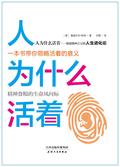 Why Do People Live?
The book "Why People Live" embodies Rudolf Euken's "Philosophy of Spiritual Life". Rudolf Euken believes that philosophy should not be centered on abstract concepts, but should be centered on living life or life. The meaning of life is to constantly overcome the contradictions between nature and spirit, individual and overall, so that they can continue to move toward the unity of the two and achieve a noble personality. The book "Why People Live" has had a wide impact on German and even world ph
1.6kReads9.0Score335Shelves
Why Do People Live?
The book "Why People Live" embodies Rudolf Euken's "Philosophy of Spiritual Life". Rudolf Euken believes that philosophy should not be centered on abstract concepts, but should be centered on living life or life. The meaning of life is to constantly overcome the contradictions between nature and spirit, individual and overall, so that they can continue to move toward the unity of the two and achieve a noble personality. The book "Why People Live" has had a wide impact on German and even world ph
1.6kReads9.0Score335Shelves
-
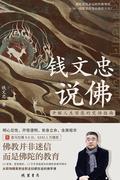 Qian Wenzhong Talks About Buddhism - a Guide to Enlightenment That Solves Life's Confusions
Qian Wenzhong analyzed, compared and completely summarized the records of the Buddha's life scattered in the Pali Buddhist scriptures, Sanskrit Buddhist scriptures, and Chinese translations of the original Buddhist scriptures. From the Buddha's birth, growth, marriage, becoming a monk, practicing, attaining enlightenment, propagating the Dharma, until his death, this book systematically sorts out and displays a panoramic view of his legendary life; from the four dimensions of history, culture, b
840Reads9.4Score172Shelves
Qian Wenzhong Talks About Buddhism - a Guide to Enlightenment That Solves Life's Confusions
Qian Wenzhong analyzed, compared and completely summarized the records of the Buddha's life scattered in the Pali Buddhist scriptures, Sanskrit Buddhist scriptures, and Chinese translations of the original Buddhist scriptures. From the Buddha's birth, growth, marriage, becoming a monk, practicing, attaining enlightenment, propagating the Dharma, until his death, this book systematically sorts out and displays a panoramic view of his legendary life; from the four dimensions of history, culture, b
840Reads9.4Score172Shelves
-
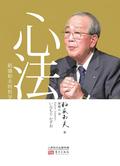 The Way of Mind: the Philosophy of Kazuo Inamori
"Mind Methods: The Philosophy of Kazuo Inamori" has twenty-one chapters in total. The author uses easy-to-understand language to deeply explore the basic philosophical proposition of "why people live" from multiple dimensions such as the universe, mind, desire, human nature, trials of life, distress and hatred, symbiosis and competition, etc., And thus demonstrates the author's profound life and business wisdom, and reveals the secret of sustainable business operations and everlasting business.
760Reads9.4Score458Shelves
The Way of Mind: the Philosophy of Kazuo Inamori
"Mind Methods: The Philosophy of Kazuo Inamori" has twenty-one chapters in total. The author uses easy-to-understand language to deeply explore the basic philosophical proposition of "why people live" from multiple dimensions such as the universe, mind, desire, human nature, trials of life, distress and hatred, symbiosis and competition, etc., And thus demonstrates the author's profound life and business wisdom, and reveals the secret of sustainable business operations and everlasting business.
760Reads9.4Score458Shelves
-
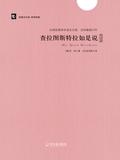 Thus Said Zarathustra
"Thus Spoke Zarathustra" is a poetic prose. The author borrowed the name of Zarathustra, the founder of Zoroastrianism in ancient Persia, and deliberately opposed the Christian holy cause. He imitated the style of the holy scriptures and used metaphors and anecdotes to describe the process of Zarathustra's sublimation into the realm of the superman. It is a unique crystallization of philosophical thoughts. The subtitle is "A book written for everyone and no one", which symbolically shows Nietzsc
737Reads9.4Score310Shelves
Thus Said Zarathustra
"Thus Spoke Zarathustra" is a poetic prose. The author borrowed the name of Zarathustra, the founder of Zoroastrianism in ancient Persia, and deliberately opposed the Christian holy cause. He imitated the style of the holy scriptures and used metaphors and anecdotes to describe the process of Zarathustra's sublimation into the realm of the superman. It is a unique crystallization of philosophical thoughts. The subtitle is "A book written for everyone and no one", which symbolically shows Nietzsc
737Reads9.4Score310Shelves
-
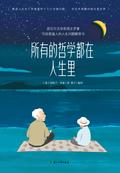 All Philosophy Is in Life
Philosophy can give answers to all the doubts in life. The views on happiness, money and the world advocated by Wang Xiaobo and Maugham. Russell, the philosopher who influenced the world pattern in the 20th century, interprets the three passions and 17 key questions of life, and teaches you to see the world with a clear eye. For every young person who is seeking love, seeking knowledge, and feeling emotionally consumed.
512Reads9.3Score234Shelves
All Philosophy Is in Life
Philosophy can give answers to all the doubts in life. The views on happiness, money and the world advocated by Wang Xiaobo and Maugham. Russell, the philosopher who influenced the world pattern in the 20th century, interprets the three passions and 17 key questions of life, and teaches you to see the world with a clear eye. For every young person who is seeking love, seeking knowledge, and feeling emotionally consumed.
512Reads9.3Score234Shelves
-
 "Quran" Encyclopedia Questions and Answers
The main content of "Quran Encyclopedia Questions and Answers (Part 1)": The "Quran" is the only fundamental scripture of Islam. It is a collection of "Allah's revelations" that Muhammad successively announced during his 23-year missionary process. "Islamic Culture Research Series·Quran Encyclopedia Questions and Answers (Part 1)" is a compilation work that relatively comprehensively explains the comprehensive knowledge in the Quran. It adopts the form of questions and answers to sort out part o
353Reads9.3Score—Shelves
"Quran" Encyclopedia Questions and Answers
The main content of "Quran Encyclopedia Questions and Answers (Part 1)": The "Quran" is the only fundamental scripture of Islam. It is a collection of "Allah's revelations" that Muhammad successively announced during his 23-year missionary process. "Islamic Culture Research Series·Quran Encyclopedia Questions and Answers (Part 1)" is a compilation work that relatively comprehensively explains the comprehensive knowledge in the Quran. It adopts the form of questions and answers to sort out part o
353Reads9.3Score—Shelves
-
 Know Everything About the Bible
This book brings together basic knowledge about the religious culture, traditional rituals, ancient civilized cities, legendary figures, and unsolved mysteries in the Bible. The content is extremely extensive and rich. It is an ideal reading to improve your own cultivation and enrich your knowledge reserves.
288Reads9.4Score—Shelves
Know Everything About the Bible
This book brings together basic knowledge about the religious culture, traditional rituals, ancient civilized cities, legendary figures, and unsolved mysteries in the Bible. The content is extremely extensive and rich. It is an ideal reading to improve your own cultivation and enrich your knowledge reserves.
288Reads9.4Score—Shelves
-
 The Romance of Huineng, the Sixth Patriarch of Zen Buddhism
Huineng, whose common surname was Lu, was born on the eighth day of February in the twelfth year of Zhenguan in the Tang Dynasty (AD 638) in Xialu Village, Xinzhou, Lingnan. Huineng lost his father when he was three years old, and he lived with his mother selling firewood and had no chance to read or write. In the Tang Dynasty when Buddhism was prevalent, Huineng studied under Master Hongren, the abbot of Huangmei Dongshan Temple. During the visit to Master Hongren, the Fifth Patriarch, some que
265Reads9.5Score—Shelves
The Romance of Huineng, the Sixth Patriarch of Zen Buddhism
Huineng, whose common surname was Lu, was born on the eighth day of February in the twelfth year of Zhenguan in the Tang Dynasty (AD 638) in Xialu Village, Xinzhou, Lingnan. Huineng lost his father when he was three years old, and he lived with his mother selling firewood and had no chance to read or write. In the Tang Dynasty when Buddhism was prevalent, Huineng studied under Master Hongren, the abbot of Huangmei Dongshan Temple. During the visit to Master Hongren, the Fifth Patriarch, some que
265Reads9.5Score—Shelves
-
 Philosophy Forest-Spiritual Phenomenology
The concept of "spirit" in this book is based on the dialectical movement of human and social relations. The desire and teleological nature of human self-awareness ensure that "spirit" develops with itself as its goal.
224Reads8.9Score—Shelves
Philosophy Forest-Spiritual Phenomenology
The concept of "spirit" in this book is based on the dialectical movement of human and social relations. The desire and teleological nature of human self-awareness ensure that "spirit" develops with itself as its goal.
224Reads8.9Score—Shelves
-
 The Other Shore: Enlightenment from the Heart Sutra
When we do things, we like to set one goal after another. Some people stop working hard and slack off after reaching the goal. In this way, the goal becomes an excuse to stop moving forward. Just like many outstanding students after entering Peking University and Tsinghua University, they feel that their goals have been achieved, so they start to live in confusion. A few years later, on the contrary, he "disappeared from everyone". It should be noted that talent and aura need to be nurtured and
220Reads9.5Score—Shelves
The Other Shore: Enlightenment from the Heart Sutra
When we do things, we like to set one goal after another. Some people stop working hard and slack off after reaching the goal. In this way, the goal becomes an excuse to stop moving forward. Just like many outstanding students after entering Peking University and Tsinghua University, they feel that their goals have been achieved, so they start to live in confusion. A few years later, on the contrary, he "disappeared from everyone". It should be noted that talent and aura need to be nurtured and
220Reads9.5Score—Shelves
-
 Selflessness: Vipassana, Healing, and the Tao Te Ching
It doesn't matter if you don't have an ego. The wheel is composed of a large cylinder and 30 spokes. The wheel can be used as a wheel because it is empty in the middle; the bowl can be used as a bowl because it is empty in the middle; and the room can be used as a room because it is empty in the middle. Therefore, "nothing is useful" is created. Because there is no ego, your real life is not as difficult as you think. Instead, he became rich. So, it's okay, don't worry.
187Reads9.3Score—Shelves
Selflessness: Vipassana, Healing, and the Tao Te Ching
It doesn't matter if you don't have an ego. The wheel is composed of a large cylinder and 30 spokes. The wheel can be used as a wheel because it is empty in the middle; the bowl can be used as a bowl because it is empty in the middle; and the room can be used as a room because it is empty in the middle. Therefore, "nothing is useful" is created. Because there is no ego, your real life is not as difficult as you think. Instead, he became rich. So, it's okay, don't worry.
187Reads9.3Score—Shelves
-
 Russell's Three Books on Philosophy
There are many questions in life, and we naturally give answers based on experience. In a sense, knowledge undoubtedly comes from this. However, if you examine many things in daily life carefully, you will find that contradictions abound. If perception is reliable, then why does the same table have different light and shadow colors under different lights? If experience is reliable, will the chickens be confused: Why do the people who come to feed them every day end up sending themselves to the s
153Reads9.2Score—Shelves
Russell's Three Books on Philosophy
There are many questions in life, and we naturally give answers based on experience. In a sense, knowledge undoubtedly comes from this. However, if you examine many things in daily life carefully, you will find that contradictions abound. If perception is reliable, then why does the same table have different light and shadow colors under different lights? If experience is reliable, will the chickens be confused: Why do the people who come to feed them every day end up sending themselves to the s
153Reads9.2Score—Shelves
-
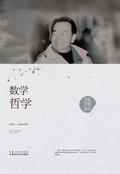 Philosophy of Mathematics
The main contents of this book include: the destruction and rebirth of the view that "everything is number" - the first mathematical crisis and real number theory, which geometry is true - non-Euclidean geometry and the "axioms" of modern mathematics, the ghost of variable infinitesimal quantity - the second mathematical crisis and the concept of limit, how many natural numbers are there - the concept of "real infinity" in mathematics, etc. Twelve chapters.
126Reads9.1Score—Shelves
Philosophy of Mathematics
The main contents of this book include: the destruction and rebirth of the view that "everything is number" - the first mathematical crisis and real number theory, which geometry is true - non-Euclidean geometry and the "axioms" of modern mathematics, the ghost of variable infinitesimal quantity - the second mathematical crisis and the concept of limit, how many natural numbers are there - the concept of "real infinity" in mathematics, etc. Twelve chapters.
126Reads9.1Score—Shelves
-
 Utopia (English Version)
"The Republic" is a philosophical dialogue written by the ancient Greek philosopher Plato. The whole book is in English and is suitable for English lovers to read. The work mainly discusses the construction, governance and justice of Plato's ideal country, and the theme is about the management of the country. "The Republic" is one of Plato's most important dialogue works and consists of three parts. In the first part, he mentioned an ideal nation, which was the earliest Utopia; in the second par
122Reads8.5Score—Shelves
Utopia (English Version)
"The Republic" is a philosophical dialogue written by the ancient Greek philosopher Plato. The whole book is in English and is suitable for English lovers to read. The work mainly discusses the construction, governance and justice of Plato's ideal country, and the theme is about the management of the country. "The Republic" is one of Plato's most important dialogue works and consists of three parts. In the first part, he mentioned an ideal nation, which was the earliest Utopia; in the second par
122Reads8.5Score—Shelves
-
 100 Buddhist Wisdoms That Open up the Pattern of Life
Original intention, attachment, letting go, and going home are the wisdom of Buddhism that saves all sentient beings, and it is also the law of happiness in life. In life, people often look up to the sky and ask hopelessly: "Who am I?" The troubles and pains in life lie in people's ignorance of "who am I". As the Buddhists say, the Buddha is a Buddha because he has awakened his original mind, and all living beings are living beings because they do not understand their original mind. Some people
67Reads8.3Score—Shelves
100 Buddhist Wisdoms That Open up the Pattern of Life
Original intention, attachment, letting go, and going home are the wisdom of Buddhism that saves all sentient beings, and it is also the law of happiness in life. In life, people often look up to the sky and ask hopelessly: "Who am I?" The troubles and pains in life lie in people's ignorance of "who am I". As the Buddhists say, the Buddha is a Buddha because he has awakened his original mind, and all living beings are living beings because they do not understand their original mind. Some people
67Reads8.3Score—Shelves
-
 Dafang Guangfo Huayan Sutra Samantabhadra Bodhisattva's Vows
63Reads9.3Score—Shelves
Dafang Guangfo Huayan Sutra Samantabhadra Bodhisattva's Vows
Dafang Guangfo Huayan Sutra Samantabhadra Bodhisattva's Vows
63Reads9.3Score—Shelves
-
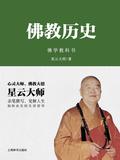 Buddhist History
This book provides a comprehensive and in-depth introduction to the history and current situation of the founding, spread and spread of Buddhism to increase readers' comprehensive understanding of Buddhist culture.
49Reads9.3Score—Shelves
Buddhist History
This book provides a comprehensive and in-depth introduction to the history and current situation of the founding, spread and spread of Buddhism to increase readers' comprehensive understanding of Buddhist culture.
49Reads9.3Score—Shelves
-
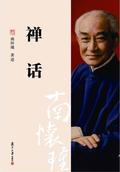 Zen Talk
Zen Buddhism is a major sect of Chinese Buddhism. Its unique attitude towards life, values, aesthetic taste and way of thinking have had a profound and widespread influence on the ruling and opposition figures in ancient society, especially the scholar-bureaucrat class, making it indissoluble with the history of Chinese thought and culture. Studying the formation, development and evolution of Zen Buddhism and exploring its characteristics in various periods have therefore become a major topic in
37Reads9.3Score—Shelves
Zen Talk
Zen Buddhism is a major sect of Chinese Buddhism. Its unique attitude towards life, values, aesthetic taste and way of thinking have had a profound and widespread influence on the ruling and opposition figures in ancient society, especially the scholar-bureaucrat class, making it indissoluble with the history of Chinese thought and culture. Studying the formation, development and evolution of Zen Buddhism and exploring its characteristics in various periods have therefore become a major topic in
37Reads9.3Score—Shelves
-
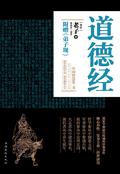 Tao Te Ching (Comes with a New Translation of Dizigui)
The Tao Te Ching, also known as the Five Thousand Words, is said to have been written by Lao Tzu during the Spring and Autumn Period. It is the pioneering work of Taoism and the source of wisdom for Chinese civilization. The whole book is divided into two parts: upper and lower. The first part is called "Tao Jing" and the second part is called "De Jing". "The Tao Jing" talks about the foundation of the universe and reveals the mystery of the changes in heaven and earth. "De Jing" tells the story
27Reads8.6Score—Shelves
Tao Te Ching (Comes with a New Translation of Dizigui)
The Tao Te Ching, also known as the Five Thousand Words, is said to have been written by Lao Tzu during the Spring and Autumn Period. It is the pioneering work of Taoism and the source of wisdom for Chinese civilization. The whole book is divided into two parts: upper and lower. The first part is called "Tao Jing" and the second part is called "De Jing". "The Tao Jing" talks about the foundation of the universe and reveals the mystery of the changes in heaven and earth. "De Jing" tells the story
27Reads8.6Score—Shelves
-
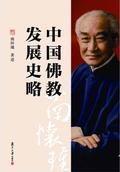 A Brief History of the Development of Chinese Buddhism
This book is a history of Buddhism written by Mr. Nan Huaijin. The book is divided into five chapters, giving a concise and concise description of the society and religion of ancient India, the life story of Sakyamuni, the founder of Buddhism, the rise and fall of Buddhism from the Han Dynasty to the Qing Dynasty, the current situation and thinking of Chinese Buddhism in the twentieth century, and the overview of Buddhism in Asian, European and American countries. The "Zen Jungle System and Chin
24Reads9.3Score—Shelves
A Brief History of the Development of Chinese Buddhism
This book is a history of Buddhism written by Mr. Nan Huaijin. The book is divided into five chapters, giving a concise and concise description of the society and religion of ancient India, the life story of Sakyamuni, the founder of Buddhism, the rise and fall of Buddhism from the Han Dynasty to the Qing Dynasty, the current situation and thinking of Chinese Buddhism in the twentieth century, and the overview of Buddhism in Asian, European and American countries. The "Zen Jungle System and Chin
24Reads9.3Score—Shelves
-
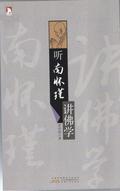 Listen to Nan Huaijin Lecture on Buddhism
From the 1950s to the 1990s, Mr. Nan Huaijin published a large number of works and was regarded as a erudite and prolific writer. There are currently more than 30 known works by Nan, covering various schools of thought such as Confucianism, Taoism, Buddhism, immortality, and witchcraft, as well as all aspects of ancient literature, history, and philosophy. This book mainly summarizes Mr. Nan Huaijin's academic theories and research results, and is a comprehensive process of systematic research o
22Reads8.6Score—Shelves
Listen to Nan Huaijin Lecture on Buddhism
From the 1950s to the 1990s, Mr. Nan Huaijin published a large number of works and was regarded as a erudite and prolific writer. There are currently more than 30 known works by Nan, covering various schools of thought such as Confucianism, Taoism, Buddhism, immortality, and witchcraft, as well as all aspects of ancient literature, history, and philosophy. This book mainly summarizes Mr. Nan Huaijin's academic theories and research results, and is a comprehensive process of systematic research o
22Reads8.6Score—Shelves
-
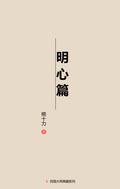 Clear Mind Chapter (1959)
"Ming Xin Pian" was published by Longmen Book Company in April 1959. The author's original work "Treatise on Physical Function" was unable to be completed due to illness. After the publication of "Ti Yong Lun", this treatise became popular in the world. This book was originally planned to be divided into two parts: "General Meaning" and "Synopsis". The latter part has no text and mainly discusses the theory of mind and epistemology.
16Reads8.4Score—Shelves
Clear Mind Chapter (1959)
"Ming Xin Pian" was published by Longmen Book Company in April 1959. The author's original work "Treatise on Physical Function" was unable to be completed due to illness. After the publication of "Ti Yong Lun", this treatise became popular in the world. This book was originally planned to be divided into two parts: "General Meaning" and "Synopsis". The latter part has no text and mainly discusses the theory of mind and epistemology.
16Reads8.4Score—Shelves
-
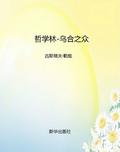 Philosophy Forest-The Crowd
This book is twenty-one life education lessons written for the public by medical staff from Zhongshan Hospital Affiliated to Fudan University in Shanghai. Based on the personal experiences of more than 20 doctors from Zhongshan Hospital, the book describes how we should view diseases and changes, how to adjust our attitudes and moods, and how to always maintain enthusiasm and hope for life when facing major challenges in life. The book lists a total of 21 "life keywords", including awe, faith, p
13Reads8.6Score—Shelves
Philosophy Forest-The Crowd
This book is twenty-one life education lessons written for the public by medical staff from Zhongshan Hospital Affiliated to Fudan University in Shanghai. Based on the personal experiences of more than 20 doctors from Zhongshan Hospital, the book describes how we should view diseases and changes, how to adjust our attitudes and moods, and how to always maintain enthusiasm and hope for life when facing major challenges in life. The book lists a total of 21 "life keywords", including awe, faith, p
13Reads8.6Score—Shelves
-
 Collected Works of Li Zhi_li Zhi
This volume is a continuation of the collection. The first volume is "Burning Books" and "Continued Burning Books". Li Zhi's important works. "Book Burning" consists of six volumes, including letters, miscellaneous narratives, historical treatises, poems, etc. It was first published in the eighteenth year of Wanli (1590), and was later banned and destroyed. The "Burning Book" circulated was re-edited and published by later generations. "Continued Burning Books" consists of 5 volumes. It was edit
12Reads8.2Score—Shelves
Collected Works of Li Zhi_li Zhi
This volume is a continuation of the collection. The first volume is "Burning Books" and "Continued Burning Books". Li Zhi's important works. "Book Burning" consists of six volumes, including letters, miscellaneous narratives, historical treatises, poems, etc. It was first published in the eighteenth year of Wanli (1590), and was later banned and destroyed. The "Burning Book" circulated was re-edited and published by later generations. "Continued Burning Books" consists of 5 volumes. It was edit
12Reads8.2Score—Shelves
-
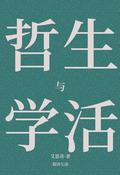 Philosophy and Life
"Philosophy and Life" is a book by Ai Siqi that explains the principles of philosophy and its relationship with daily life in a simple and easy-to-understand way. Ai Siqi, as a famous modern Chinese philosopher and a pioneer in popularizing philosophical thoughts, integrates profound philosophical theories into people's daily life with his unique style and people-friendly writing style, making philosophy no longer an abstract concept that is out of reach, but wisdom that can be touched, perceive
12Reads8.7Score—Shelves
Philosophy and Life
"Philosophy and Life" is a book by Ai Siqi that explains the principles of philosophy and its relationship with daily life in a simple and easy-to-understand way. Ai Siqi, as a famous modern Chinese philosopher and a pioneer in popularizing philosophical thoughts, integrates profound philosophical theories into people's daily life with his unique style and people-friendly writing style, making philosophy no longer an abstract concept that is out of reach, but wisdom that can be touched, perceive
12Reads8.7Score—Shelves
-
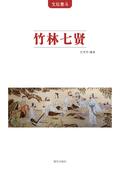 Seven Sages of the Bamboo Grove
The contents include: the background of the Seven Sages of the Bamboo Grove, a brief introduction to the lives of the Seven Sages of the Bamboo Grove, the character and destiny of the Seven Sages of the Bamboo Grove, analysis of the thoughts of the Seven Sages of the Bamboo Grove, appreciation of the famous works of the Seven Sages of the Bamboo Grove, and the important influence of the Seven Sages of the Bamboo Grove. This book introduces the literary masters and novel masters of ancient China
11Reads8.7Score—Shelves
Seven Sages of the Bamboo Grove
The contents include: the background of the Seven Sages of the Bamboo Grove, a brief introduction to the lives of the Seven Sages of the Bamboo Grove, the character and destiny of the Seven Sages of the Bamboo Grove, analysis of the thoughts of the Seven Sages of the Bamboo Grove, appreciation of the famous works of the Seven Sages of the Bamboo Grove, and the important influence of the Seven Sages of the Bamboo Grove. This book introduces the literary masters and novel masters of ancient China
11Reads8.7Score—Shelves
-
 The Sutra of Cultivation
"The Sutra of Cultivation of the Way", a total of seven volumes, also known as "The Sutra of Cultivation". Written by the Indian Sangha Rakshasa and translated by Zhu Fahu in the Western Jin Dynasty.
11Reads9.2Score—Shelves
The Sutra of Cultivation
"The Sutra of Cultivation of the Way", a total of seven volumes, also known as "The Sutra of Cultivation". Written by the Indian Sangha Rakshasa and translated by Zhu Fahu in the Western Jin Dynasty.
11Reads9.2Score—Shelves
-
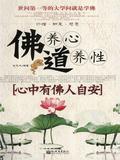 Buddha's Way of Nourishing the Heart and Nature 2: People with Buddha in Their Hearts Will Feel at Peace
This book is a popular philosophy book. It explains from various aspects how to use Buddhist principles to face the things that happen in our daily lives that make us feel uneasy, so as to achieve the state of "peace of mind".
9Reads9.2Score—Shelves
Buddha's Way of Nourishing the Heart and Nature 2: People with Buddha in Their Hearts Will Feel at Peace
This book is a popular philosophy book. It explains from various aspects how to use Buddhist principles to face the things that happen in our daily lives that make us feel uneasy, so as to achieve the state of "peace of mind".
9Reads9.2Score—Shelves
-
 Yulong Collection of Ten Books on Cultivation
The power of inner elixir originates from one and becomes nine. One is the origin of all things. The sky is the source of water, the earth is the source of fire, the sky is the source of wood, the earth is the fourth is metal, the sky is the source of earth, and the order of the five elements originates from one. Therefore, the power of inner elixir also starts from one, and then turns to nine. Nine is the extreme number of Yang. When the number reaches nine, the Tao fruit will be completed. Tho
7Reads8.2Score—Shelves
Yulong Collection of Ten Books on Cultivation
The power of inner elixir originates from one and becomes nine. One is the origin of all things. The sky is the source of water, the earth is the source of fire, the sky is the source of wood, the earth is the fourth is metal, the sky is the source of earth, and the order of the five elements originates from one. Therefore, the power of inner elixir also starts from one, and then turns to nine. Nine is the extreme number of Yang. When the number reaches nine, the Tao fruit will be completed. Tho
7Reads8.2Score—Shelves
-
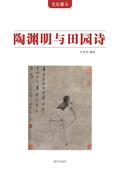 Tao Yuanming and Pastoral Poetry
The contents include: Tao Yuanming's life, Tao Yuanming's works, his position in literary history, Tao Yuanming and pastoral poetry. The Song Dynasty Geography General Chronicle "Taiping Huanyu Ji" contains records about Tao Yuanming's family background. It is said that Tao Yuanming "began in Yifeng", which means that his family was quite wealthy at the beginning. This statement is also found in the old "Illustrated Book" of Yifeng. Tao Yuanming left home at the age of 29 and went to Chaisang, w
6Reads8.5Score—Shelves
Tao Yuanming and Pastoral Poetry
The contents include: Tao Yuanming's life, Tao Yuanming's works, his position in literary history, Tao Yuanming and pastoral poetry. The Song Dynasty Geography General Chronicle "Taiping Huanyu Ji" contains records about Tao Yuanming's family background. It is said that Tao Yuanming "began in Yifeng", which means that his family was quite wealthy at the beginning. This statement is also found in the old "Illustrated Book" of Yifeng. Tao Yuanming left home at the age of 29 and went to Chaisang, w
6Reads8.5Score—Shelves
-
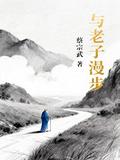 Walking with Lao Tzu
This short book revisits ancient wisdom from the perspective of contemporary people, turning the eighty-one chapters of the Tao Te Ching into eighty-one spiritual walks. "Walking" is not only a way of writing, but also a philosophical attitude. Each essay chapter is not an academic commentary, but an in-depth dialogue with the text. You will meet many "incarnations" of Lao Tzu in the book. He may be a pastoral poet, a social observer, or a psychological mentor... These diverse faces collage toge
5Reads9.3Score—Shelves
Walking with Lao Tzu
This short book revisits ancient wisdom from the perspective of contemporary people, turning the eighty-one chapters of the Tao Te Ching into eighty-one spiritual walks. "Walking" is not only a way of writing, but also a philosophical attitude. Each essay chapter is not an academic commentary, but an in-depth dialogue with the text. You will meet many "incarnations" of Lao Tzu in the book. He may be a pastoral poet, a social observer, or a psychological mentor... These diverse faces collage toge
5Reads9.3Score—Shelves
-
 Wuyi Collection of Ten Books on Cultivation
Wuyi is a mountain. According to the Qin Dynasty's "Biography of Immortals", Qian Keng was used to make elixirs here. Qian Keng entered the pheasant and became more beautiful than Yao, who granted him the title of Pengcheng. He was later called Peng Zu. He died at the age of 777. In his whole life, he lived in seclusion in Wuyi Mountain, drank from the waterfalls, and was able to ride on the wind and control the air, and soar into the air. Isn't that what he is called an immortal? Keng had two s
5Reads8.2Score—Shelves
Wuyi Collection of Ten Books on Cultivation
Wuyi is a mountain. According to the Qin Dynasty's "Biography of Immortals", Qian Keng was used to make elixirs here. Qian Keng entered the pheasant and became more beautiful than Yao, who granted him the title of Pengcheng. He was later called Peng Zu. He died at the age of 777. In his whole life, he lived in seclusion in Wuyi Mountain, drank from the waterfalls, and was able to ride on the wind and control the air, and soar into the air. Isn't that what he is called an immortal? Keng had two s
5Reads8.2Score—Shelves
-
 A Collection of the Ten Books on Cultivation
Yellow leaves fly into the clouds, new wild geese seal the sky, jade is broken in the courtyard, chrysanthemums on the fence cast gold. There is a visitor from Qiongzhou. He has unkempt hair and a hanging forehead. His face is barefoot and his body is covered with silken grass. Half of his meridian is exposed. His shoulders are bare and he is angry.
5Reads8.3Score—Shelves
A Collection of the Ten Books on Cultivation
Yellow leaves fly into the clouds, new wild geese seal the sky, jade is broken in the courtyard, chrysanthemums on the fence cast gold. There is a visitor from Qiongzhou. He has unkempt hair and a hanging forehead. His face is barefoot and his body is covered with silken grass. Half of his meridian is exposed. His shoulders are bare and he is angry.
5Reads8.3Score—Shelves
-
 Ten Books on Cultivation: Panshan Quotations Volume
"Ten Books on Cultivation" is compiled from the Taoist Alchemy Sutra. It collects dozens of works from the late Tang, Five Dynasties, Song and Yuan Dynasties, most of which are monographs on inner alchemy. The book collects dozens of alchemy and health-preserving works from the Sui, Tang and Song dynasties, describing all aspects of the theories and practices of alchemy, health-preservation, and guidance before the Yuan Dynasty. It is extremely rich in content and is a major collection of Taoist
4Reads8.3Score—Shelves
Ten Books on Cultivation: Panshan Quotations Volume
"Ten Books on Cultivation" is compiled from the Taoist Alchemy Sutra. It collects dozens of works from the late Tang, Five Dynasties, Song and Yuan Dynasties, most of which are monographs on inner alchemy. The book collects dozens of alchemy and health-preserving works from the Sui, Tang and Song dynasties, describing all aspects of the theories and practices of alchemy, health-preservation, and guidance before the Yuan Dynasty. It is extremely rich in content and is a major collection of Taoist
4Reads8.3Score—Shelves
-
 Master Hongyi Talks About Art
Master Hongyi Li Shutong devoted himself to Buddhist practice and writing books in his later years. He has a profound grasp and understanding of Buddhism. In many works, he explains to people the causes of pain and troubles in daily life, and inspires people to eliminate karma, understand their mind and nature, and live happily. This book collects some of Li Shutong's simple and thought-provoking letters, speeches, and aphorisms, including the true wisdom of how to behave in the world and some q
3Reads8.4Score—Shelves
Master Hongyi Talks About Art
Master Hongyi Li Shutong devoted himself to Buddhist practice and writing books in his later years. He has a profound grasp and understanding of Buddhism. In many works, he explains to people the causes of pain and troubles in daily life, and inspires people to eliminate karma, understand their mind and nature, and live happily. This book collects some of Li Shutong's simple and thought-provoking letters, speeches, and aphorisms, including the true wisdom of how to behave in the world and some q
3Reads8.4Score—Shelves
-
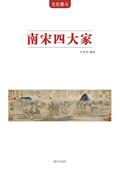 Four Great Masters of the Southern Song Dynasty
The content includes: an overview of the four great masters of the Southern Song Dynasty, the patriotic poet Lu You, the Chengzhai stranger Yang Wanli, the Shihu layman Fan Chengda, and the Suichu layman You Mao. The Four Great Masters of the Southern Song Dynasty are the collective name of the four poets Lu You, Yang Wanli, Fan Chengda and You Miao who emerged in the poetry world in the early Southern Song Dynasty. They are also known as the Four Great Masters of Zhongxing. The term "Four Maste
2Reads8.2Score—Shelves
Four Great Masters of the Southern Song Dynasty
The content includes: an overview of the four great masters of the Southern Song Dynasty, the patriotic poet Lu You, the Chengzhai stranger Yang Wanli, the Shihu layman Fan Chengda, and the Suichu layman You Mao. The Four Great Masters of the Southern Song Dynasty are the collective name of the four poets Lu You, Yang Wanli, Fan Chengda and You Miao who emerged in the poetry world in the early Southern Song Dynasty. They are also known as the Four Great Masters of Zhongxing. The term "Four Maste
2Reads8.2Score—Shelves
-
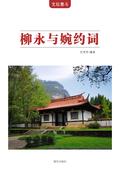 Liu Yong and Wanyue Ci
The content includes: introduction to Liu Yong's life, Liu Yong's artistic path, Liu Yong's writing of graceful words, introduction and characteristics of graceful words, representative figures of graceful words, representative works of graceful words, formation and influence of graceful words. The contents include: Sima Xiangru's gifted talents, Cao Zhi's eloquent diction and his eloquence of Luo Shen, Han Yu's literary decline in the Eight Dynasties, Ouyang Xiu's articles to carry on the past
2Reads8.4Score—Shelves
Liu Yong and Wanyue Ci
The content includes: introduction to Liu Yong's life, Liu Yong's artistic path, Liu Yong's writing of graceful words, introduction and characteristics of graceful words, representative figures of graceful words, representative works of graceful words, formation and influence of graceful words. The contents include: Sima Xiangru's gifted talents, Cao Zhi's eloquent diction and his eloquence of Luo Shen, Han Yu's literary decline in the Eight Dynasties, Ouyang Xiu's articles to carry on the past
2Reads8.4Score—Shelves
-
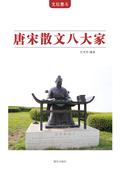 Eight Great Masters of Prose in Tang and Song Dynasties
The content includes: an overview of the Eight Great Masters of the Tang and Song Dynasties, the article Jugong Han Yu, Liuhedong Liu Zongyuan, Liuyi layman Ouyang Xiu, Su Laoquan Su Xun, Dongpo layman Su Shi, Yingbin relic Su Che, Wang Jinggong Wang Anshi, and Zhongshusheren Zeng Gong. The contents include: Sima Xiangru's gifted talents, Cao Zhi's eloquent diction and his eloquence of Luo Shen, Han Yu's literary decline in the Eight Dynasties, Ouyang Xiu's articles to carry on the past and open
1Reads8.1Score—Shelves
Eight Great Masters of Prose in Tang and Song Dynasties
The content includes: an overview of the Eight Great Masters of the Tang and Song Dynasties, the article Jugong Han Yu, Liuhedong Liu Zongyuan, Liuyi layman Ouyang Xiu, Su Laoquan Su Xun, Dongpo layman Su Shi, Yingbin relic Su Che, Wang Jinggong Wang Anshi, and Zhongshusheren Zeng Gong. The contents include: Sima Xiangru's gifted talents, Cao Zhi's eloquent diction and his eloquence of Luo Shen, Han Yu's literary decline in the Eight Dynasties, Ouyang Xiu's articles to carry on the past and open
1Reads8.1Score—Shelves
-
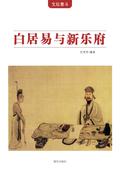 Bai Juyi and New Yuefu
The content includes: introduction to Bai Juyi's life, Bai Juyi's poetry creation, development of New Yuefu poetry, representative writers of New Yuefu, representative works of New Yuefu, Bai Juyi's achievements and influence. The contents include: Sima Xiangru's gifted talents, Cao Zhi's eloquent diction and his eloquence of Luo Shen, Han Yu's literary decline in the Eight Dynasties, Ouyang Xiu's articles to carry on the past and open up the future, Luo Guanzhong's beginning to write Zhang Hui
1Reads8.1Score—Shelves
Bai Juyi and New Yuefu
The content includes: introduction to Bai Juyi's life, Bai Juyi's poetry creation, development of New Yuefu poetry, representative writers of New Yuefu, representative works of New Yuefu, Bai Juyi's achievements and influence. The contents include: Sima Xiangru's gifted talents, Cao Zhi's eloquent diction and his eloquence of Luo Shen, Han Yu's literary decline in the Eight Dynasties, Ouyang Xiu's articles to carry on the past and open up the future, Luo Guanzhong's beginning to write Zhang Hui
1Reads8.1Score—Shelves
-
 Selected Notes on Li Zhi's Works
"Selected Notes on Li Zhi's Works" is a book published by Shandong People's Publishing House. The author is (Ming Dynasty) Li Zhi, and the annotation group of "Selected Notes on Li Zhi's Works" at the Chinese Department of Shandong Normal University [Annotation]
1Reads7.7Score—Shelves
Selected Notes on Li Zhi's Works
"Selected Notes on Li Zhi's Works" is a book published by Shandong People's Publishing House. The author is (Ming Dynasty) Li Zhi, and the annotation group of "Selected Notes on Li Zhi's Works" at the Chinese Department of Shandong Normal University [Annotation]
1Reads7.7Score—Shelves
-
 Zhengyi Cultivation Strategy
This book is a public book and is not subject to copyright restrictions. Chinese civilization has a long history and its traditional culture is as bright as stars. These classic works condense the wisdom of doing things for thousands of years and bring together the essence of human thought. They are specially processed and organized to facilitate readers' reading and communication.
1Reads8.2Score—Shelves
Zhengyi Cultivation Strategy
This book is a public book and is not subject to copyright restrictions. Chinese civilization has a long history and its traditional culture is as bright as stars. These classic works condense the wisdom of doing things for thousands of years and bring together the essence of human thought. They are specially processed and organized to facilitate readers' reading and communication.
1Reads8.2Score—Shelves
-
 Essays on the Essence of Cultivation
Sutra Name: Miscellaneous Treatises on the Essence of Cultivation. Written by Sima Chengzhen of the Tang Dynasty. One roll. Original source: "Orthodox Taoist Canon" Dongzhenbu Zhongjie. Join the school
1Reads8.4Score—Shelves
Essays on the Essence of Cultivation
Sutra Name: Miscellaneous Treatises on the Essence of Cultivation. Written by Sima Chengzhen of the Tang Dynasty. One roll. Original source: "Orthodox Taoist Canon" Dongzhenbu Zhongjie. Join the school
1Reads8.4Score—Shelves
-
 Yin Ming Zhengli Gate Theory
"The Theory of Righteousness", Sanskrit Hetuvidyā nyāya dvāra śāstra, also known as "The Theory of Righteousness" and "The Theory of Reason", is a fundamental theoretical work of the New Causes and Mingxue in India, written by Diṅnāga, the master of the New Causes and Mingxue of Buddhism, in one volume. In the Tang Dynasty, Yijing translated it in the second year of Tang Jingyun (711) at the Sutra Translation Institute of Dajianfu Temple in Luoyang, and his disciples Xuan Umbrella, Zhiji and oth
1Reads7.9Score—Shelves
Yin Ming Zhengli Gate Theory
"The Theory of Righteousness", Sanskrit Hetuvidyā nyāya dvāra śāstra, also known as "The Theory of Righteousness" and "The Theory of Reason", is a fundamental theoretical work of the New Causes and Mingxue in India, written by Diṅnāga, the master of the New Causes and Mingxue of Buddhism, in one volume. In the Tang Dynasty, Yijing translated it in the second year of Tang Jingyun (711) at the Sutra Translation Institute of Dajianfu Temple in Luoyang, and his disciples Xuan Umbrella, Zhiji and oth
1Reads7.9Score—Shelves
-
 Western Wisdom
This book is a popular philosophy work, compiled with new ideas based on the mammoth "History of Western Philosophy". In the book, Russell not only elaborates on the causes and consequences of the development of Western philosophy, but also touches on history, science, economics, politics and other aspects.
—Reads9.2Score—Shelves
Western Wisdom
This book is a popular philosophy work, compiled with new ideas based on the mammoth "History of Western Philosophy". In the book, Russell not only elaborates on the causes and consequences of the development of Western philosophy, but also touches on history, science, economics, politics and other aspects.
—Reads9.2Score—Shelves
-
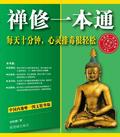 Zen Meditation Guide
Give your soul a bath! This is the true meaning of "A Guide to Meditation". Zen meditation is the most popular method of spiritual detoxification in modern times. It focuses on the conditioning of the soul. Its method is simple, easy to implement, saves time and effort, so it is sought after by more and more urbanites. In recent years, meditation based on spiritual detoxification, based on the integration of modern psychotherapy concepts, has developed into a mental health movement closely relat
—Reads9.4Score—Shelves
Zen Meditation Guide
Give your soul a bath! This is the true meaning of "A Guide to Meditation". Zen meditation is the most popular method of spiritual detoxification in modern times. It focuses on the conditioning of the soul. Its method is simple, easy to implement, saves time and effort, so it is sought after by more and more urbanites. In recent years, meditation based on spiritual detoxification, based on the integration of modern psychotherapy concepts, has developed into a mental health movement closely relat
—Reads9.4Score—Shelves
-
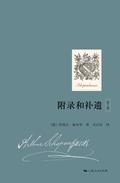 Appendices and Supplements (Volume 1)
"Appendices and Supplements" is Schopenhauer's final work in 1850. The title is a bit clumsy but the meaning is clear, that is, "Appendices and Omissions", divided into two volumes. Volume 1 is the appendix, including a brief history of idealism and realism, an essay on the history of philosophy, an essay on the philosophy of the university, an essay on fate, an essay on seeing ghosts and related things, and six articles on the wisdom of life. These subsequent supplementary philosophical essays
—Reads9.2Score—Shelves
Appendices and Supplements (Volume 1)
"Appendices and Supplements" is Schopenhauer's final work in 1850. The title is a bit clumsy but the meaning is clear, that is, "Appendices and Omissions", divided into two volumes. Volume 1 is the appendix, including a brief history of idealism and realism, an essay on the history of philosophy, an essay on the philosophy of the university, an essay on fate, an essay on seeing ghosts and related things, and six articles on the wisdom of life. These subsequent supplementary philosophical essays
—Reads9.2Score—Shelves