Fanqie library
Browse
- Titles
- 136
Every Fanqie book we index, searchable by title, author or tag.
-
 The Secret Fire Method Taught by the True Immortal
"Secret Methods of Fire and Temperature Transmitted by True Immortals" is included in the "Zhongshen" section of "Tao Zang" under the "Zhongshu" category. It is not attributed to the author. It may be a work of the Southern Song Dynasty. This article focuses on fire, which is a link in inner alchemy practice. It is discussed in three sections: "Huo Hou in Time", "Water Movement", and "Convenient Real Person Dew Machine". Among them, the profit and loss of the sun and the moon, Yixiang Yao Ci, an
—Reads8.4Score—Shelves
The Secret Fire Method Taught by the True Immortal
"Secret Methods of Fire and Temperature Transmitted by True Immortals" is included in the "Zhongshen" section of "Tao Zang" under the "Zhongshu" category. It is not attributed to the author. It may be a work of the Southern Song Dynasty. This article focuses on fire, which is a link in inner alchemy practice. It is discussed in three sections: "Huo Hou in Time", "Water Movement", and "Convenient Real Person Dew Machine". Among them, the profit and loss of the sun and the moon, Yixiang Yao Ci, an
—Reads8.4Score—Shelves
-
 Supplements to Ziyang Zhenren's Enlightenment
Chinese traditional cultural thoughts have a long history and are highly original, original and literary. The early ideological forms were very distinctive, with extensive and profound contents such as religious theology, Chinese medicine classics, ancient military art, Confucianism, Taoism, Buddhism and hundreds of schools of thought, Feng Shui metaphysics, Twenty-Four Histories, customs and geography, etc. This series of "Original Books on Classic Chinese Studies and Essence Culture" retains t
—Reads8.5Score—Shelves
Supplements to Ziyang Zhenren's Enlightenment
Chinese traditional cultural thoughts have a long history and are highly original, original and literary. The early ideological forms were very distinctive, with extensive and profound contents such as religious theology, Chinese medicine classics, ancient military art, Confucianism, Taoism, Buddhism and hundreds of schools of thought, Feng Shui metaphysics, Twenty-Four Histories, customs and geography, etc. This series of "Original Books on Classic Chinese Studies and Essence Culture" retains t
—Reads8.5Score—Shelves
-
 Mahayana Samatha and Insight Method
—Reads8.5Score—Shelves
Mahayana Samatha and Insight Method
Mahayana Samatha and Insight Method
—Reads8.5Score—Shelves
-
 Journey to the West Original Purpose
The commentary on "The Original Purpose of Journey to the West" has both clear guiding ideology and a strict logical system, making it a superior work among the Taoist texts. Since its ultimate direction is the golden elixir produced by the combination of transcendental nothingness and the medicine of one's own existence, it inevitably falls into an unverifiable situation. Moreover, Liu Yiming's comments have a strong goal of elaborating on the golden elixir path, so it is inevitable that it is
—Reads9.3Score—Shelves
Journey to the West Original Purpose
The commentary on "The Original Purpose of Journey to the West" has both clear guiding ideology and a strict logical system, making it a superior work among the Taoist texts. Since its ultimate direction is the golden elixir produced by the combination of transcendental nothingness and the medicine of one's own existence, it inevitably falls into an unverifiable situation. Moreover, Liu Yiming's comments have a strong goal of elaborating on the golden elixir path, so it is inevitable that it is
—Reads9.3Score—Shelves
-
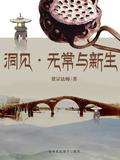 Insight·impermanence and Rebirth
When doing anything, there are always parts that can be learned and things that cannot be learned. Some concepts involving ultimate concern, such as truth, goodness, and beauty, should be learned. However, there is no need to learn from other people's specific operating methods and external forms. Only by finding the hidden ideas behind the appearance, and finding the road to heaven and earth from behind the ideas, can we always have the inspiration for innovation and the opportunity to act. Thi
—Reads8.6Score—Shelves
Insight·impermanence and Rebirth
When doing anything, there are always parts that can be learned and things that cannot be learned. Some concepts involving ultimate concern, such as truth, goodness, and beauty, should be learned. However, there is no need to learn from other people's specific operating methods and external forms. Only by finding the hidden ideas behind the appearance, and finding the road to heaven and earth from behind the ideas, can we always have the inspiration for innovation and the opportunity to act. Thi
—Reads8.6Score—Shelves
-
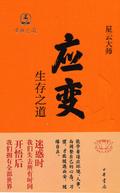 Resilience: a Way to Survive
People don't have to worry about not having a position, but they have to stand up because of the worry. How can you feel safe when you're in the spotlight? What qualities should you possess to stay in a high position without worries? In the book "Resilience (How to Survive)", Master Hsing Yun integrates Buddhism into life through more than 90 inspirational essays such as "At the Helm", "Crisis Awareness", "Two-Faced Man" and "Resilience", leading readers step by step towards a smoother and safer
—Reads8.8Score—Shelves
Resilience: a Way to Survive
People don't have to worry about not having a position, but they have to stand up because of the worry. How can you feel safe when you're in the spotlight? What qualities should you possess to stay in a high position without worries? In the book "Resilience (How to Survive)", Master Hsing Yun integrates Buddhism into life through more than 90 inspirational essays such as "At the Helm", "Crisis Awareness", "Two-Faced Man" and "Resilience", leading readers step by step towards a smoother and safer
—Reads8.8Score—Shelves
-
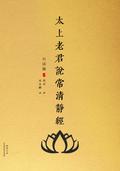 Taishang Laojun Talks About Chang Qingjing Sutra (Vernacular Version)
Quietness and inaction are the foundation of Taoist self-cultivation. "Tai Shang Laojun Speaks of Chang Qingjing Jing" is an important Taoist classic. It is said to have been written by Taishang Laojun and the author is unknown. This sutra is short in length but profound in meaning. Taoist priests of all ages have regarded it as the fundamental method of cultivation. The whole sutra aims at "people can always be quiet, and heaven and earth will all return". It begins with: "The great road is inv
—Reads8.7Score—Shelves
Taishang Laojun Talks About Chang Qingjing Sutra (Vernacular Version)
Quietness and inaction are the foundation of Taoist self-cultivation. "Tai Shang Laojun Speaks of Chang Qingjing Jing" is an important Taoist classic. It is said to have been written by Taishang Laojun and the author is unknown. This sutra is short in length but profound in meaning. Taoist priests of all ages have regarded it as the fundamental method of cultivation. The whole sutra aims at "people can always be quiet, and heaven and earth will all return". It begins with: "The great road is inv
—Reads8.7Score—Shelves
-
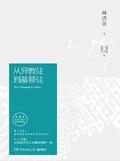 From Pagan to Christian
This book mainly describes the life and faith journey of Lin Yutang, a great master of traditional Chinese culture. It is a precious material for interpreting Lin Yutang. The main text is a record of Lin Yutang's many years of religious experience, describing his adventures, problems and confusions in faith, his discussions with other philosophies and religions, and his discussion of the remarks of past saints and sages, etc. The appendices include "Lin Yutang's Autobiography" and "Eighty Years
—Reads9.2Score—Shelves
From Pagan to Christian
This book mainly describes the life and faith journey of Lin Yutang, a great master of traditional Chinese culture. It is a precious material for interpreting Lin Yutang. The main text is a record of Lin Yutang's many years of religious experience, describing his adventures, problems and confusions in faith, his discussions with other philosophies and religions, and his discussion of the remarks of past saints and sages, etc. The appendices include "Lin Yutang's Autobiography" and "Eighty Years
—Reads9.2Score—Shelves
-
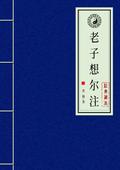 I Want You to Pay Attention
"Lao Zi Xiang Er Zhu" is a Taoist classic written by Zhang Daoling of the Eastern Han Dynasty. It is a commentary on the "Tao Te Ching". This book personifies and deifies "Tao", emphasizing the combination of essence, qi and spirit to cultivate the way of immortality. It is a combination of Taoist philosophy and religious thought. His thoughts were profound and had a profound influence on the development of Taoism in later generations.
—Reads8.1Score—Shelves
I Want You to Pay Attention
"Lao Zi Xiang Er Zhu" is a Taoist classic written by Zhang Daoling of the Eastern Han Dynasty. It is a commentary on the "Tao Te Ching". This book personifies and deifies "Tao", emphasizing the combination of essence, qi and spirit to cultivate the way of immortality. It is a combination of Taoist philosophy and religious thought. His thoughts were profound and had a profound influence on the development of Taoism in later generations.
—Reads8.1Score—Shelves
-
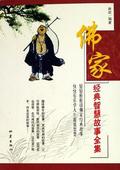 Buddhist Classic Wisdom Stories
When writing about Buddhist wisdom, it is neither "empty" nor "color", but selects the wisdom of life that is closely integrated between Buddhism and real life, such as compassion, purity, tolerance, renunciation, diligence, detachment, etc., And combines it with more than a hundred classic Buddhist wisdom stories. It not only analyzes Buddhist principles, but also combines them with various situations in real life, making the mysterious and obscure Buddhist scriptures like homely words, making
—Reads9.4Score—Shelves
Buddhist Classic Wisdom Stories
When writing about Buddhist wisdom, it is neither "empty" nor "color", but selects the wisdom of life that is closely integrated between Buddhism and real life, such as compassion, purity, tolerance, renunciation, diligence, detachment, etc., And combines it with more than a hundred classic Buddhist wisdom stories. It not only analyzes Buddhist principles, but also combines them with various situations in real life, making the mysterious and obscure Buddhist scriptures like homely words, making
—Reads9.4Score—Shelves
-
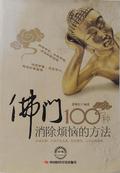 100 Buddhist Ways to Eliminate Worries
The reason why life breeds troubles and pain is because people's original intention is far away, their hearts are stained by the dust of the world, and they suffer from the desire for fame and wealth. They can take it but can't let it go, making themselves a "laden camel", moving forward hard, not knowing when they will be pressed down by the "last straw". By following the Buddha's advice and cleaning up the dust in your soul, you can stay away from a troubled and painful life and achieve a happ
—Reads9.4Score—Shelves
100 Buddhist Ways to Eliminate Worries
The reason why life breeds troubles and pain is because people's original intention is far away, their hearts are stained by the dust of the world, and they suffer from the desire for fame and wealth. They can take it but can't let it go, making themselves a "laden camel", moving forward hard, not knowing when they will be pressed down by the "last straw". By following the Buddha's advice and cleaning up the dust in your soul, you can stay away from a troubled and painful life and achieve a happ
—Reads9.4Score—Shelves
-
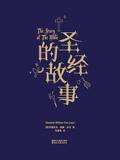 Bible Stories (Gomai Classics)
"Stories of the Bible" is Fang Long's masterpiece. After its publication, it sold tens of millions of copies and was translated into hundreds of languages. He sorts the stories in the Old Testament and the New Testament according to the chapters of the Bible, and uses popular and interesting writing techniques to transform them into schematic and concise "Bible stories". This not only retains the spirit of the original Bible, but also allows readers to easily enter the world of the Bible. While
—Reads9.4Score—Shelves
Bible Stories (Gomai Classics)
"Stories of the Bible" is Fang Long's masterpiece. After its publication, it sold tens of millions of copies and was translated into hundreds of languages. He sorts the stories in the Old Testament and the New Testament according to the chapters of the Bible, and uses popular and interesting writing techniques to transform them into schematic and concise "Bible stories". This not only retains the spirit of the original Bible, but also allows readers to easily enter the world of the Bible. While
—Reads9.4Score—Shelves
-
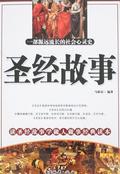 Bible Stories
The Bible is a classic that records the politics, economy, culture, folk customs and many other aspects of some countries in ancient Asia, Europe and Africa. However, the book's role in the development of human history far exceeds this region. For a long time, the political system, literary creation, and even customs and habits in Western society have not been affected by it, so it is regarded as the pillar of Western spiritual civilization. With the further development of my country's reform an
—Reads9.4Score—Shelves
Bible Stories
The Bible is a classic that records the politics, economy, culture, folk customs and many other aspects of some countries in ancient Asia, Europe and Africa. However, the book's role in the development of human history far exceeds this region. For a long time, the political system, literary creation, and even customs and habits in Western society have not been affected by it, so it is regarded as the pillar of Western spiritual civilization. With the further development of my country's reform an
—Reads9.4Score—Shelves
-
 True Collection
"Huizhenji" is a book on religious philosophy written by Wang Jichang (Jin Dynasty). Fu Yi is so wide and so big, but it has no body. It begins with one breath, which is Tao. Yi has three meanings: not easy, easy, and simple? Those who are not easy to change are independent and do not change. Changes are caused by changes in the four seasons. If it is simple, the world is simple. The six lines, the inner hexagram, are called chastity, and they are the body of the three talents of heaven, earth a
—Reads8.4Score—Shelves
True Collection
"Huizhenji" is a book on religious philosophy written by Wang Jichang (Jin Dynasty). Fu Yi is so wide and so big, but it has no body. It begins with one breath, which is Tao. Yi has three meanings: not easy, easy, and simple? Those who are not easy to change are independent and do not change. Changes are caused by changes in the four seasons. If it is simple, the world is simple. The six lines, the inner hexagram, are called chastity, and they are the body of the three talents of heaven, earth a
—Reads8.4Score—Shelves
-
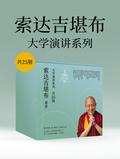 Khenpo Sodarji: University Lecture Series (25 Volumes in Total)
Khenpo Sodargye, a great Tibetan Buddhist sage, translator, and best-selling author, has left his presence on the podiums of many higher education institutions such as Tsinghua University, Peking University, Hong Kong University, Harvard University, Washington University, and Columbia University. Khenpo Sodarji: The University Speech Series consists of 25 volumes, including complete records of more than 170 speeches in universities. He gave speeches on topics such as the Buddhist concept of empt
—Reads9.4Score—Shelves
Khenpo Sodarji: University Lecture Series (25 Volumes in Total)
Khenpo Sodargye, a great Tibetan Buddhist sage, translator, and best-selling author, has left his presence on the podiums of many higher education institutions such as Tsinghua University, Peking University, Hong Kong University, Harvard University, Washington University, and Columbia University. Khenpo Sodarji: The University Speech Series consists of 25 volumes, including complete records of more than 170 speeches in universities. He gave speeches on topics such as the Buddhist concept of empt
—Reads9.4Score—Shelves
-
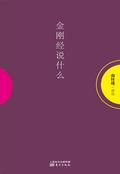 What Does the Diamond Sutra Say?
There is a public case from Mazu: a minister, a minister of the Tang Dynasty government, a minister of what department, I don't know, studied Buddhism and practiced Zen. I came to see this Zen master and asked, "Master, should we Buddhists be vegetarians or eat meat?" He probably likes to eat meat. After studying Zen and Buddhism with Master, it is better to eat vegetarian food. Should I eat meat? Just ask Master. How did Master reply? This Zhongcheng is equivalent to the chief secretary and off
—Reads9.4Score—Shelves
What Does the Diamond Sutra Say?
There is a public case from Mazu: a minister, a minister of the Tang Dynasty government, a minister of what department, I don't know, studied Buddhism and practiced Zen. I came to see this Zen master and asked, "Master, should we Buddhists be vegetarians or eat meat?" He probably likes to eat meat. After studying Zen and Buddhism with Master, it is better to eat vegetarian food. Should I eat meat? Just ask Master. How did Master reply? This Zhongcheng is equivalent to the chief secretary and off
—Reads9.4Score—Shelves
-
 Ten Essays on Internal Cultivation
This work "Ten Essays on Internal Cultivation" is written by Wang Chongyang.
—Reads8.4Score—Shelves
Ten Essays on Internal Cultivation
This work "Ten Essays on Internal Cultivation" is written by Wang Chongyang.
—Reads8.4Score—Shelves
-
 Live Your Life Calmly and Calmly
Today, we live in a noisy and impetuous modern society. Maybe you have lost the once pure original intention in your life, or maybe you are still looking for yourself in the tense and hectic rhythm. Meet Master Hongyi Li Shutong and let him interpret real life with Buddhist Zen words to help us solve the confusion and troubles in life. Learn to "not be obsessed with the heart, not confused by God, not trapped in emotions", be "calm and calm", and know how to "see through, look away, and be indif
—Reads9.2Score—Shelves
Live Your Life Calmly and Calmly
Today, we live in a noisy and impetuous modern society. Maybe you have lost the once pure original intention in your life, or maybe you are still looking for yourself in the tense and hectic rhythm. Meet Master Hongyi Li Shutong and let him interpret real life with Buddhist Zen words to help us solve the confusion and troubles in life. Learn to "not be obsessed with the heart, not confused by God, not trapped in emotions", be "calm and calm", and know how to "see through, look away, and be indif
—Reads9.2Score—Shelves
-
 The Original School Annotation of Wudenghui (Six Volumes in Total)
"Five Lanterns Hui Yuan" is a great Zen classic in the history of Chinese culture and a representative work of Chinese classical literature. It is adapted from five Zen lantern records, including "Jingde Chuan Leng Lu", "Tian Sheng Guang Leng Lu", "Jianzhong Jingguo Continuing Leng Lu", "Lian Deng Hui Yao" and "Jia Tai Pu Leng Lu". It retains the essence of the "Five Deng" books and revised and polished the koan allusions suitable for practical practice. It is the most complete ancient document
—Reads9.3Score—Shelves
The Original School Annotation of Wudenghui (Six Volumes in Total)
"Five Lanterns Hui Yuan" is a great Zen classic in the history of Chinese culture and a representative work of Chinese classical literature. It is adapted from five Zen lantern records, including "Jingde Chuan Leng Lu", "Tian Sheng Guang Leng Lu", "Jianzhong Jingguo Continuing Leng Lu", "Lian Deng Hui Yao" and "Jia Tai Pu Leng Lu". It retains the essence of the "Five Deng" books and revised and polished the koan allusions suitable for practical practice. It is the most complete ancient document
—Reads9.3Score—Shelves
-
 Flowers Raining All over the Sky - Vimalakirti's Teachings (Two Volumes)
This book is a record of Nan Huaijin's explanation of the Vimalakīrti Sutra in 1981. The full name of "Vimalakīrti Sutra" is "The Sutra Said by Vimalakīrti". It has three volumes and was translated by Kumarajiva in the late Qin Dynasty. The content focuses on describing that reaching the state of liberation does not necessarily require a strict monk practice life. The key lies in subjective cultivation and expounds the idea of Mahayana prajna and emptiness. Nan Huaijin believes that the Vimala
—Reads9.4Score—Shelves
Flowers Raining All over the Sky - Vimalakirti's Teachings (Two Volumes)
This book is a record of Nan Huaijin's explanation of the Vimalakīrti Sutra in 1981. The full name of "Vimalakīrti Sutra" is "The Sutra Said by Vimalakīrti". It has three volumes and was translated by Kumarajiva in the late Qin Dynasty. The content focuses on describing that reaching the state of liberation does not necessarily require a strict monk practice life. The key lies in subjective cultivation and expounds the idea of Mahayana prajna and emptiness. Nan Huaijin believes that the Vimala
—Reads9.4Score—Shelves
-
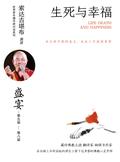 Life, Death and Happiness
In the World Youth Buddhist Seminar Series, Khenpo Sodargyi talks about the concepts of life, death, and the definition of happiness.
—Reads9.2Score—Shelves
Life, Death and Happiness
In the World Youth Buddhist Seminar Series, Khenpo Sodargyi talks about the concepts of life, death, and the definition of happiness.
—Reads9.2Score—Shelves
-
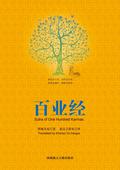 Book of All Businesses
The Hundred Karmas Sutra was translated by Khenpo Sodarji and is a profound classic that declares the truth of cause and effect. There are more than one hundred koans in total, involving monks, nuns, novices, novices, upasakas, upasikas, sages, kings, ministers, brahmins, donors, residents, prostitutes, hunters and other figures, vividly illustrating the true meaning that the causes of good and evil must have the consequences of good and evil.
—Reads9.4Score—Shelves
Book of All Businesses
The Hundred Karmas Sutra was translated by Khenpo Sodarji and is a profound classic that declares the truth of cause and effect. There are more than one hundred koans in total, involving monks, nuns, novices, novices, upasakas, upasikas, sages, kings, ministers, brahmins, donors, residents, prostitutes, hunters and other figures, vividly illustrating the true meaning that the causes of good and evil must have the consequences of good and evil.
—Reads9.4Score—Shelves
-
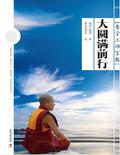 Moving Forward to Dzogchen
"Dzogchen Preliminary" is a classic work that has been used to understand Buddhism for hundreds of years. It was written by the eminent Tibetan monk Patrul Rinpoche more than 200 years ago. The author is recognized as the incarnation of Avalokitesvara Bodhisattva. It brings together the theoretical points and practice steps of the Buddha's life-long teachings; its tips-like teachings; completely based on experience; simple and direct; very suitable for a person to practice Buddhism from the shal
—Reads9.4Score—Shelves
Moving Forward to Dzogchen
"Dzogchen Preliminary" is a classic work that has been used to understand Buddhism for hundreds of years. It was written by the eminent Tibetan monk Patrul Rinpoche more than 200 years ago. The author is recognized as the incarnation of Avalokitesvara Bodhisattva. It brings together the theoretical points and practice steps of the Buddha's life-long teachings; its tips-like teachings; completely based on experience; simple and direct; very suitable for a person to practice Buddhism from the shal
—Reads9.4Score—Shelves
-
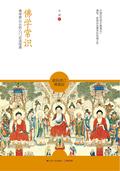 Common Sense About Buddhism
The main content of "Buddhism Common Sense" is Master Taixu's "Introduction to Buddhism" and "Chinese Buddhism", which systematically and comprehensively describes the history and principles of Buddhism, and provides a profound interpretation of the characteristics and origins of Chinese Buddhism. The Buddhist thoughts of eminent monks representing each sect are also explained in detail, and many stories from Buddhist scriptures full of wisdom and interest are incorporated. In addition to "Commo
—Reads8.6Score—Shelves
Common Sense About Buddhism
The main content of "Buddhism Common Sense" is Master Taixu's "Introduction to Buddhism" and "Chinese Buddhism", which systematically and comprehensively describes the history and principles of Buddhism, and provides a profound interpretation of the characteristics and origins of Chinese Buddhism. The Buddhist thoughts of eminent monks representing each sect are also explained in detail, and many stories from Buddhist scriptures full of wisdom and interest are incorporated. In addition to "Commo
—Reads8.6Score—Shelves
-
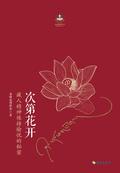 Flowers Bloom One After Another
"The Flowers Bloom" is a collection of spiritual essays written by Khenpo Si Arongbo. It uses modern people's thinking and expression methods to describe the beautiful realm that the spiritual world should have. This book is like a loyal friend, giving us encouragement and inspiration when we are confused and vulnerable, allowing us to have confidence in the Three Jewels and Buddhism and the determination to seek liberation. The book exudes the light of compassion and wisdom. Khenpo's wise and g
—Reads9.5Score—Shelves
Flowers Bloom One After Another
"The Flowers Bloom" is a collection of spiritual essays written by Khenpo Si Arongbo. It uses modern people's thinking and expression methods to describe the beautiful realm that the spiritual world should have. This book is like a loyal friend, giving us encouragement and inspiration when we are confused and vulnerable, allowing us to have confidence in the Three Jewels and Buddhism and the determination to seek liberation. The book exudes the light of compassion and wisdom. Khenpo's wise and g
—Reads9.5Score—Shelves
-
 Hebu Jin Guangming Sutra
"Hebu Jinguangming Jing" has a total of twenty-four chapters, and Yan Tai prefaces it. There are three books of this sutra. At the beginning, Liang Shi Tan Wu Zhen was translated into four volumes, ending with eighteen volumes (now preserved). Next time, in the Zhou Dynasty, Yeshehueduo was translated into five volumes and into twenty volumes (now deceased). Later, he captured the Liang Dynasty's Tripitaka of True Truth and translated it into four categories: Distinguishing the Three Bodies, Des
—Reads9.3Score—Shelves
Hebu Jin Guangming Sutra
"Hebu Jinguangming Jing" has a total of twenty-four chapters, and Yan Tai prefaces it. There are three books of this sutra. At the beginning, Liang Shi Tan Wu Zhen was translated into four volumes, ending with eighteen volumes (now preserved). Next time, in the Zhou Dynasty, Yeshehueduo was translated into five volumes and into twenty volumes (now deceased). Later, he captured the Liang Dynasty's Tripitaka of True Truth and translated it into four categories: Distinguishing the Three Bodies, Des
—Reads9.3Score—Shelves
-
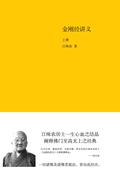 Lecture Notes on the Diamond Sutra
There are countless explanations and annotations on the Diamond Sutra throughout the ages, and this book is known as the best interpretation of the Diamond Sutra since ancient times. Jiang Weinong, a famous Buddhist layman in the Republic of China, devoted his whole life to this work, which was later supplemented and completed by Jiang Weiqiao based on the manuscript. The original translation of the "Diamond Sutra" into Chinese is only a few thousand words, while Jiang Weinong's "Lectures on the
—Reads9.3Score—Shelves
Lecture Notes on the Diamond Sutra
There are countless explanations and annotations on the Diamond Sutra throughout the ages, and this book is known as the best interpretation of the Diamond Sutra since ancient times. Jiang Weinong, a famous Buddhist layman in the Republic of China, devoted his whole life to this work, which was later supplemented and completed by Jiang Weiqiao based on the manuscript. The original translation of the "Diamond Sutra" into Chinese is only a few thousand words, while Jiang Weinong's "Lectures on the
—Reads9.3Score—Shelves
-
 Beidou Jing
You definitely don't know that even if your conditions are limited and you cannot worship Beidou True Lord, as long as you read this article or keep a copy of the Beidou Sutra in a clean place at home, it will still have great merits and can ensure the peace of your home and prolong your life. "Where this article is located, thousands of truths salute, thousands of victors protect, demons disappear, elves hide, and disasters in the world are all eliminated. This is called Beidou's Life-Prolongin
—Reads9.4Score—Shelves
Beidou Jing
You definitely don't know that even if your conditions are limited and you cannot worship Beidou True Lord, as long as you read this article or keep a copy of the Beidou Sutra in a clean place at home, it will still have great merits and can ensure the peace of your home and prolong your life. "Where this article is located, thousands of truths salute, thousands of victors protect, demons disappear, elves hide, and disasters in the world are all eliminated. This is called Beidou's Life-Prolongin
—Reads9.4Score—Shelves
-
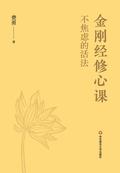 Diamond Sutra Mind Training Lessons: How to Live Without Anxiety
The profound principles of the Diamond Sutra are closely connected with daily life. Through interesting and wonderful explanations, you can easily understand the Buddhist scriptures, feel the wisdom of the Buddha, and obtain the positive energy from the Buddha. I would like to thank Professor Fei Yong for helping me understand more about what the Diamond Sutra is about. I used to read the Diamond Sutra every day in a hazy way as homework and merit, until I met Professor Fei Yong. He gave me fac
—Reads9.6Score—Shelves
Diamond Sutra Mind Training Lessons: How to Live Without Anxiety
The profound principles of the Diamond Sutra are closely connected with daily life. Through interesting and wonderful explanations, you can easily understand the Buddhist scriptures, feel the wisdom of the Buddha, and obtain the positive energy from the Buddha. I would like to thank Professor Fei Yong for helping me understand more about what the Diamond Sutra is about. I used to read the Diamond Sutra every day in a hazy way as homework and merit, until I met Professor Fei Yong. He gave me fac
—Reads9.6Score—Shelves
-
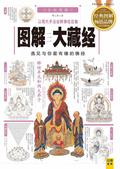 (New) Illustrated Tripitaka
It is said that when the Buddha was alive, his teachings were transmitted orally from his disciples. Therefore, there was no written Buddhist scriptures in the early days of Buddhism. After the Buddha's nirvana, in order to prevent the Buddha's teachings from being lost, his disciples held four gatherings to compile the Buddha's teachings. These classics were the original source of the Tripitaka. As the complete Buddhist scriptures, the Tripitaka is a complete collection of Buddhist classics, w
—Reads9.3Score—Shelves
(New) Illustrated Tripitaka
It is said that when the Buddha was alive, his teachings were transmitted orally from his disciples. Therefore, there was no written Buddhist scriptures in the early days of Buddhism. After the Buddha's nirvana, in order to prevent the Buddha's teachings from being lost, his disciples held four gatherings to compile the Buddha's teachings. These classics were the original source of the Tripitaka. As the complete Buddhist scriptures, the Tripitaka is a complete collection of Buddhist classics, w
—Reads9.3Score—Shelves
-
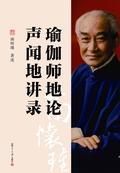 Yogi's Discourses on the Ground of the Sravakas
Why do practitioners go astray? Why can't I understand it and not realize it? How to abandon the wrong path and enter the right path? "The Treatise on the Earth of the Yogi" can be said to be a particularly outstanding classic among the classics translated by Master Xuanzang in the Tang Dynasty. It has clear logic and well-organized structure. It is recognized as the first and must-read text for studying Buddhism and practicing Buddhism. In this book, Nan Huaijin selects and explains the part of
—Reads9.4Score—Shelves
Yogi's Discourses on the Ground of the Sravakas
Why do practitioners go astray? Why can't I understand it and not realize it? How to abandon the wrong path and enter the right path? "The Treatise on the Earth of the Yogi" can be said to be a particularly outstanding classic among the classics translated by Master Xuanzang in the Tang Dynasty. It has clear logic and well-organized structure. It is recognized as the first and must-read text for studying Buddhism and practicing Buddhism. In this book, Nan Huaijin selects and explains the part of
—Reads9.4Score—Shelves
-
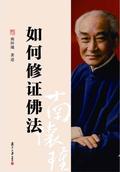 How to Practice Buddhism
Mr. Nan Huaijin once held a series of lectures on the theme of "How to Practice and Realize Buddhism", which were held twenty-eight times. The contents of these lectures were recorded and compiled into this book (originally titled "Integration of Sutra, Secret, Yuantong, and Cultivation Stages"). The book focuses on "views" (views), "cultivation" (cultivation), and "actions" (implementation of wishes), and includes "Surangama Sutra", "Lotus Sutra", "Zengyi Agama Sutra", "Rise of the World Sutra"
—Reads9.4Score—Shelves
How to Practice Buddhism
Mr. Nan Huaijin once held a series of lectures on the theme of "How to Practice and Realize Buddhism", which were held twenty-eight times. The contents of these lectures were recorded and compiled into this book (originally titled "Integration of Sutra, Secret, Yuantong, and Cultivation Stages"). The book focuses on "views" (views), "cultivation" (cultivation), and "actions" (implementation of wishes), and includes "Surangama Sutra", "Lotus Sutra", "Zengyi Agama Sutra", "Rise of the World Sutra"
—Reads9.4Score—Shelves
-
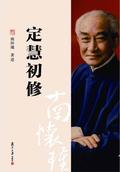 Initial Practice of Dinghui
"Jie" (discipline), "samadhi" (meditation), and "hui" (wisdom) are the three major components of the entire doctrine of Buddhism. Precepts are used to prevent evil; concentration is used to calm down worries; wisdom is used to eliminate worries. They complement each other and together constitute the basic content of Buddhist practice. "The First Practice of Dinghui" contains a set of Buddhist lectures given by Mr. Nan Huaijin. Among them, the first three are summaries of the three disciplines of
—Reads9.4Score—Shelves
Initial Practice of Dinghui
"Jie" (discipline), "samadhi" (meditation), and "hui" (wisdom) are the three major components of the entire doctrine of Buddhism. Precepts are used to prevent evil; concentration is used to calm down worries; wisdom is used to eliminate worries. They complement each other and together constitute the basic content of Buddhist practice. "The First Practice of Dinghui" contains a set of Buddhist lectures given by Mr. Nan Huaijin. Among them, the first three are summaries of the three disciplines of
—Reads9.4Score—Shelves
-
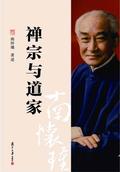 Zen and Taoism
This book systematically explains the purpose, origin, practice and influence of Zen and Taoism in the form of special research. The whole book is divided into two parts: upper and lower. The first volume is "Zen and Buddhism", which provides an exquisite discussion of the historical background of the emergence of Buddhism, the basic teachings of Mahayana Buddhism, the inheritance of Zen, and the deeds of the Sixth Patriarch Huineng who laid the foundation for later generations of Zen thought. T
—Reads9.3Score—Shelves
Zen and Taoism
This book systematically explains the purpose, origin, practice and influence of Zen and Taoism in the form of special research. The whole book is divided into two parts: upper and lower. The first volume is "Zen and Buddhism", which provides an exquisite discussion of the historical background of the emergence of Buddhism, the basic teachings of Mahayana Buddhism, the inheritance of Zen, and the deeds of the Sixth Patriarch Huineng who laid the foundation for later generations of Zen thought. T
—Reads9.3Score—Shelves
-
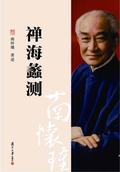 Zen Hailizhi
This book is a Zen research work written by Mr. Nan Huaijin. Through vertical narration and horizontal comparison, the author makes a classified discussion on the evolution, purpose, teaching and practice of Zen Buddhism, as well as the similarities and differences between Zen Buddhism and Pure Land Buddhism, Tantra, Alchemy, Neo-Confucianism and Western philosophy, and offers many unique insights.
—Reads9.3Score—Shelves
Zen Hailizhi
This book is a Zen research work written by Mr. Nan Huaijin. Through vertical narration and horizontal comparison, the author makes a classified discussion on the evolution, purpose, teaching and practice of Zen Buddhism, as well as the similarities and differences between Zen Buddhism and Pure Land Buddhism, Tantra, Alchemy, Neo-Confucianism and Western philosophy, and offers many unique insights.
—Reads9.3Score—Shelves
-
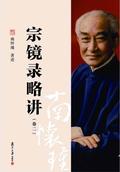 A Brief Lecture on Zongjinglu (Volume 2)
The 100-volume "Zongjinglu" was written by Zen Master Yongming Yanshou in the late Tang and Five Dynasties. It is a classic masterpiece of Chinese Buddhism handed down from generation to generation. Zen Master Yanshou was the third generation heir of the Fayan Sect of Zen Buddhism. He was aware of the various abuses and controversies that arose among Zen believers at that time because they did not understand the Buddha's Dharma. He invited monks from the three Dharma sects of Tiantai, Huayan and
—Reads9.3Score—Shelves
A Brief Lecture on Zongjinglu (Volume 2)
The 100-volume "Zongjinglu" was written by Zen Master Yongming Yanshou in the late Tang and Five Dynasties. It is a classic masterpiece of Chinese Buddhism handed down from generation to generation. Zen Master Yanshou was the third generation heir of the Fayan Sect of Zen Buddhism. He was aware of the various abuses and controversies that arose among Zen believers at that time because they did not understand the Buddha's Dharma. He invited monks from the three Dharma sects of Tiantai, Huayan and
—Reads9.3Score—Shelves
-
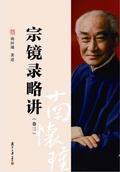 A Brief Lecture on Zongjinglu (Volume 3)
The 100-volume "Zongjinglu" was written by Zen Master Yongming Yanshou in the late Tang and Five Dynasties. It is a classic of Chinese Buddhism handed down from generation to generation. Zen Master Yanshou was the third generation heir of the Fayan Sect of Zen Buddhism. He was aware of the various abuses and controversies that arose among Zen believers at that time because they did not understand the Buddha's Dharma. He invited monks from the three Dharma sects of Tiantai, Huayan and Weishi to a
—Reads9.3Score—Shelves
A Brief Lecture on Zongjinglu (Volume 3)
The 100-volume "Zongjinglu" was written by Zen Master Yongming Yanshou in the late Tang and Five Dynasties. It is a classic of Chinese Buddhism handed down from generation to generation. Zen Master Yanshou was the third generation heir of the Fayan Sect of Zen Buddhism. He was aware of the various abuses and controversies that arose among Zen believers at that time because they did not understand the Buddha's Dharma. He invited monks from the three Dharma sects of Tiantai, Huayan and Weishi to a
—Reads9.3Score—Shelves
-
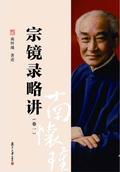 A Brief Lecture on Zongjinglu (Volume 1)
The 100-volume "Zongjinglu" was written by Zen Master Yongming Yanshou in the late Tang and Five Dynasties. It is a classic of Chinese Buddhism handed down from generation to generation. Zen Master Yanshou was the third generation heir of the Fayan Sect of Zen Buddhism. He was aware of the various abuses and controversies that arose among Zen believers at that time because they did not understand the Buddha's Dharma. He invited monks from the three Dharma sects of Tiantai, Huayan and Weishi to a
—Reads9.4Score—Shelves
A Brief Lecture on Zongjinglu (Volume 1)
The 100-volume "Zongjinglu" was written by Zen Master Yongming Yanshou in the late Tang and Five Dynasties. It is a classic of Chinese Buddhism handed down from generation to generation. Zen Master Yanshou was the third generation heir of the Fayan Sect of Zen Buddhism. He was aware of the various abuses and controversies that arose among Zen believers at that time because they did not understand the Buddha's Dharma. He invited monks from the three Dharma sects of Tiantai, Huayan and Weishi to a
—Reads9.4Score—Shelves
-
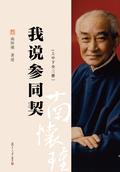 I'm Talking About the Deed of Participation (All Three Volumes)
"Shen Tong Qi" is an important early Taoist classic, its full name is "Zhou Yi Shen Tong Qi". The book borrows Dharma symbols such as Qian, Kun, Kan, Li, water, and fire to explain the art of refining elixirs and cultivating immortality. It is the earliest Taoist work that systematically discusses alchemy. Taoism regards it as the "King of Alchemy Sutra" and the originator of the Alchemy Sutra through the ages. This book is a record of Mr. Nan Huaijin's explanation of "Shen Tongqi" in Taiwan in
—Reads9.5Score—Shelves
I'm Talking About the Deed of Participation (All Three Volumes)
"Shen Tong Qi" is an important early Taoist classic, its full name is "Zhou Yi Shen Tong Qi". The book borrows Dharma symbols such as Qian, Kun, Kan, Li, water, and fire to explain the art of refining elixirs and cultivating immortality. It is the earliest Taoist work that systematically discusses alchemy. Taoism regards it as the "King of Alchemy Sutra" and the originator of the Alchemy Sutra through the ages. This book is a record of Mr. Nan Huaijin's explanation of "Shen Tongqi" in Taiwan in
—Reads9.5Score—Shelves
-
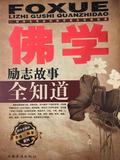 Know All About Buddhist Inspirational Stories
This book selects more than 300 classic Buddhist inspirational stories. Each story is a hint of coolness of epiphany, each story is a ray of sunshine of wisdom, and each story is a clear spring in the mountain.
—Reads9.3Score—Shelves
Know All About Buddhist Inspirational Stories
This book selects more than 300 classic Buddhist inspirational stories. Each story is a hint of coolness of epiphany, each story is a ray of sunshine of wisdom, and each story is a clear spring in the mountain.
—Reads9.3Score—Shelves
-
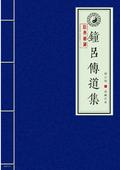 The Anthology of Zhonglu's Preaching (Revised Edition)
"Zhong Lu Chuan Dao Ji (revised edition)" is a classic work on internal alchemy. The whole book systematically discusses the theory of internal alchemy in the form of a question and answer between Zhong Liquan and Lu Yan's master and disciple. On the basis of retaining the essence of the original work, the revised edition has been carefully organized and collated to make it more perfect. This book is based on the idea of the unity of man and nature, with the theory of yin and yang and the five
—Reads9.4Score—Shelves
The Anthology of Zhonglu's Preaching (Revised Edition)
"Zhong Lu Chuan Dao Ji (revised edition)" is a classic work on internal alchemy. The whole book systematically discusses the theory of internal alchemy in the form of a question and answer between Zhong Liquan and Lu Yan's master and disciple. On the basis of retaining the essence of the original work, the revised edition has been carefully organized and collated to make it more perfect. This book is based on the idea of the unity of man and nature, with the theory of yin and yang and the five
—Reads9.4Score—Shelves
-
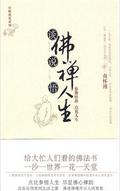 Talking About Buddhism and Zen Enlightenment of Life
The Buddha told us that repentance requires cutting off the emotions of hatred, love, jealousy, and flattery, and cleaning the heart. This is repentance. It doesn't mean going to the Buddhist hall to cry, it means repenting. Crying is a way to vent your emotions. After crying, your heart feels very calm. That's because you are tired from crying and can't think of anything else. Don't think that you will feel so peaceful after kneeling before Buddha (or God), crying, and repenting! Get inspiratio
—Reads9.4Score—Shelves
Talking About Buddhism and Zen Enlightenment of Life
The Buddha told us that repentance requires cutting off the emotions of hatred, love, jealousy, and flattery, and cleaning the heart. This is repentance. It doesn't mean going to the Buddhist hall to cry, it means repenting. Crying is a way to vent your emotions. After crying, your heart feels very calm. That's because you are tired from crying and can't think of anything else. Don't think that you will feel so peaceful after kneeling before Buddha (or God), crying, and repenting! Get inspiratio
—Reads9.4Score—Shelves
-
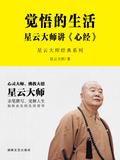 A Life of Enlightenment: Master Hsing Yun Talks About the Heart Sutra
What is a higher state than knowledge and intelligence? How can the mind be free? How can a person understand life and death and come out of life and death? The "Prajna Heart Sutra" has the most core and in-depth answers to all the situations and doubts we face in life. Master Hsing Yun talks about the Heart Sutra. Through one vivid story after another and the true meaning of Buddhism, we can understand the Prajna Heart Sutra, apply it effectively, and achieve the most natural and beautiful life
—Reads9.5Score—Shelves
A Life of Enlightenment: Master Hsing Yun Talks About the Heart Sutra
What is a higher state than knowledge and intelligence? How can the mind be free? How can a person understand life and death and come out of life and death? The "Prajna Heart Sutra" has the most core and in-depth answers to all the situations and doubts we face in life. Master Hsing Yun talks about the Heart Sutra. Through one vivid story after another and the true meaning of Buddhism, we can understand the Prajna Heart Sutra, apply it effectively, and achieve the most natural and beautiful life
—Reads9.5Score—Shelves
-
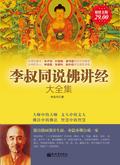 Li Shutong's Complete Collection of Buddhist Sermons
"The Complete Collection of Li Shutong's Buddhist Lectures" contains Master Hongyi's classic Buddhist works, as well as his letters and letters that he exchanged with cultural celebrities and academic leaders of his time. It wonderfully presents the master's life realm and Buddhist ideological system. "The Complete Collection of Li Shutong's Buddhist Lectures" can be called a masterpiece that enlightens the world. Every word is exquisite. It is worthy of everyone to read slowly, appreciate caref
—Reads9.4Score—Shelves
Li Shutong's Complete Collection of Buddhist Sermons
"The Complete Collection of Li Shutong's Buddhist Lectures" contains Master Hongyi's classic Buddhist works, as well as his letters and letters that he exchanged with cultural celebrities and academic leaders of his time. It wonderfully presents the master's life realm and Buddhist ideological system. "The Complete Collection of Li Shutong's Buddhist Lectures" can be called a masterpiece that enlightens the world. Every word is exquisite. It is worthy of everyone to read slowly, appreciate caref
—Reads9.4Score—Shelves
-
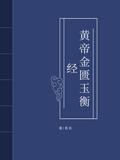 Yellow Emperor's Golden Chamber and Jade Balance Sutra
, one volume. Author unknown. Original source: "Orthodox Taoist Canon" Dongzhenbu Zongshu Category.
—Reads8.4Score—Shelves
Yellow Emperor's Golden Chamber and Jade Balance Sutra
Yellow Emperor's Golden Chamber and Jade Balance Sutra, one volume. Author unknown. Original source: "Orthodox Taoist Canon" Dongzhenbu Zongshu Category.
—Reads8.4Score—Shelves
-
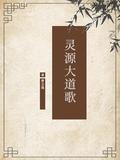 Lingyuan Avenue Song
According to Taoist scholar Chen Yining, Lingyuan Daoge was composed by Cao Wenyi, a Jurchen during the Huizong period of the Song Dynasty. Although Lingyuan Daoge is a Jurchen work, it does not focus exclusively on Jurchen formulas. The title of the collection of Daozang is Zhizhenge. Pay attention to the spirit, "God is the nature, the spirit is the life, the spirit is nothing but the self-determination of the spirit", synonymous with lead-free mercury, dragon and tiger. Luofu Mountain Zhiyun
—Reads9.2Score—Shelves
Lingyuan Avenue Song
According to Taoist scholar Chen Yining, Lingyuan Daoge was composed by Cao Wenyi, a Jurchen during the Huizong period of the Song Dynasty. Although Lingyuan Daoge is a Jurchen work, it does not focus exclusively on Jurchen formulas. The title of the collection of Daozang is Zhizhenge. Pay attention to the spirit, "God is the nature, the spirit is the life, the spirit is nothing but the self-determination of the spirit", synonymous with lead-free mercury, dragon and tiger. Luofu Mountain Zhiyun
—Reads9.2Score—Shelves
-
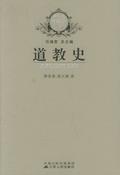 Taoist History
Religion is a ubiquitous phenomenon in human history and has had a very significant impact on the politics, economy, thought, culture, art, etc. Of human society. Some are still believed by some countries and ethnic groups, and some have become the customs and habits of a nation, profoundly affecting the culture and character of the nation. This book is a general history of Taoism, taking time as its warp and sect differentiation as its latitude, and comprehensively and systematically introduces
—Reads9.4Score—Shelves
Taoist History
Religion is a ubiquitous phenomenon in human history and has had a very significant impact on the politics, economy, thought, culture, art, etc. Of human society. Some are still believed by some countries and ethnic groups, and some have become the customs and habits of a nation, profoundly affecting the culture and character of the nation. This book is a general history of Taoism, taking time as its warp and sect differentiation as its latitude, and comprehensively and systematically introduces
—Reads9.4Score—Shelves
-
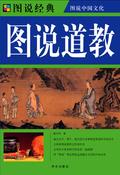 Illustration of Preaching
"Illustrated Taoism" introduces a new concept of "Illustrated Description" and combines various elements such as writing style, pictures and artistic design to provide a detailed and comprehensive display of Taoist culture. The content covers all aspects of Taoist sects, doctrines, classics, gods, self-cultivation and health preservation, alchemy, famous mountain temples and their influence on future generations. The text is easy to understand, focuses on science, and is both interesting and pra
—Reads9.3Score—Shelves
Illustration of Preaching
"Illustrated Taoism" introduces a new concept of "Illustrated Description" and combines various elements such as writing style, pictures and artistic design to provide a detailed and comprehensive display of Taoist culture. The content covers all aspects of Taoist sects, doctrines, classics, gods, self-cultivation and health preservation, alchemy, famous mountain temples and their influence on future generations. The text is easy to understand, focuses on science, and is both interesting and pra
—Reads9.3Score—Shelves
-
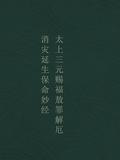 Taishang Sanyuan Bestows Blessings on Ao Zui, Relieves Misfortunes, Eliminates Disasters, Prolongs Life and Protects Life.
This book is a public book and is a work published by writers, artists and other individuals who are not restricted by copyright laws, and is available for readers to read and communicate. Aggregation of licensed electronic rights.
—Reads8.6Score—Shelves
Taishang Sanyuan Bestows Blessings on Ao Zui, Relieves Misfortunes, Eliminates Disasters, Prolongs Life and Protects Life.
This book is a public book and is a work published by writers, artists and other individuals who are not restricted by copyright laws, and is available for readers to read and communicate. Aggregation of licensed electronic rights.
—Reads8.6Score—Shelves
-
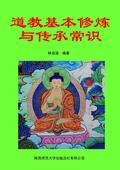 Taoist Basic Cultivation and Inheritance Knowledge
The contents of this book include the basic beliefs and common sense of Confucianism, the basic beliefs and common sense of Buddhism, the basic beliefs and common sense of Taoism, the basic beliefs and common sense of Zen Buddhism, the basic beliefs and common sense of Chinese Buddhism, the basic beliefs and common sense of Theravada Buddhism, the basic beliefs and common sense of Tibetan Buddhism, the basic common sense of Buddhist cultivation and inheritance, the basic common sense of Taoist c
—Reads9.3Score—Shelves
Taoist Basic Cultivation and Inheritance Knowledge
The contents of this book include the basic beliefs and common sense of Confucianism, the basic beliefs and common sense of Buddhism, the basic beliefs and common sense of Taoism, the basic beliefs and common sense of Zen Buddhism, the basic beliefs and common sense of Chinese Buddhism, the basic beliefs and common sense of Theravada Buddhism, the basic beliefs and common sense of Tibetan Buddhism, the basic common sense of Buddhist cultivation and inheritance, the basic common sense of Taoist c
—Reads9.3Score—Shelves