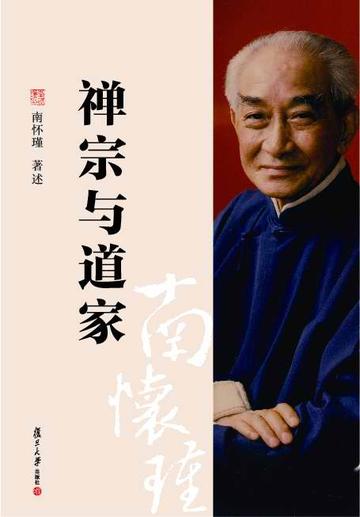
This book systematically explains the purpose, origin, practice and influence of Zen and Taoism in the form of special research. The whole book is divided into two parts: upper and lower. The first volume is "Zen and Buddhism", which provides an exquisite discussion of the historical background of the emergence of Buddhism, the basic teachings of Mahayana Buddhism, the inheritance of Zen, and the deeds of the Sixth Patriarch Huineng who laid the foundation for later generations of Zen thought. The lower part is "Taoism and Taoism", which provides insightful analysis on the origin of hermits and alchemists, the divisions of cultivating spirits, taking Qi, baiting medicine, and praying, the learning of Lao Zhuang and Zhuang Zhuang, the style of Qi Yan, Yin and Yang and the Five Elements, the Tao of Immortals and Alchemy, the formation and evolution of Taoism, and the contributions of Taoism and Taoism to ancient astronomy, calendar, geography (Kanyu), physics, chemistry, medicine and other natural sciences.
Reader comments
After reading this book, I couldn't help but think that in the face of the huge pressure in today's society, some people choose to be miserable, while others choose to face the difficulties. Perhaps the latter have found a new way of getting along with the world and themselves, as described in the book. Zen and Taoist ideas emphasize transcending material desires and utilitarian mentality and pursuing inner peace and awakening. It is extremely difficult for us ordinary people to achieve this state, but if we pass the theoretical level of these ideas and put them into practice and application, we may really be able to move towards a calmer and more meaningful life.
There is freedom of religious belief in our country. Do you have a religion you believe in? This is a comparative study of Zen Buddhism and Taoist thought. The author compares and analyzes the philosophical thoughts, practice methods and life concepts of Zen and Taoism, revealing their similarities and differences. This book helps readers deeply understand the essence of Zen and Taoism, enlighten their thinking and improve their cultivation. This book is an important research resource for readers interested in Eastern philosophy and religious culture.
Two religions with far-reaching influence in Chinese history are Zen Buddhism, which originated in India and was localized in China, and Taoism, which is completely native to China. According to Mr. Nan Huaijin's systematic research on the background, development process and thoughts of the two religions, we can find that the two have many connections and similarities in history. Whether it is the connection between personnel or doctrinal dialogue, they can influence each other. It can be said that religion is an important window for us to understand the history of Chinese thought.
We often confuse Taoism with Taoism. After reading this book, you will know that Taoism is a religion based on Taoist academic thought and is a religious expression of Taoist thought. It is also a primitive religion based on Chinese culture. Taoism emphasizes living in harmony with nature and pursuing peace of mind and inner balance. Taoism emphasizes cultivation, immortality and belief in gods, and pursues immortality and the realm of transcendent sainthood. However, because the two are often confused, Taoism is often implicated in Taoism and labeled as superstitious. After reading this book, you can have a general understanding of Taoism and Taoism.
The author of this book, Mr. Nan Huaijin, has a deep understanding and understanding of both Zen and Taoism. This book is the author's summary and in-depth analysis of these two religions. Through this book, we can more easily understand the historical background, purpose, development and evolution of these two religions, and their impact on culture. The core teaching of Zen is to get rid of suffering and reincarnation through enlightenment and liberation, while the core view of Taoism is to pursue the enlightenment of the Tao and the inaction of nature. A rare and good book worth reading over and over again.
After reading this book, I couldn't help but think that in the face of the huge pressure in today's society, some people choose to be miserable, while others choose to face the difficulties. Perhaps the latter have found a new way of getting along with the world and themselves, as described in the book. Zen and Taoist ideas emphasize transcending material desires and utilitarian mentality and pursuing inner peace and awakening. It is extremely difficult for us ordinary people to achieve this state, but if we pass the theoretical level of these ideas and put them into practice and application, we may really be able to move towards a calmer and more meaningful life.
There is freedom of religious belief in our country. Do you have a religion you believe in? This is a comparative study of Zen Buddhism and Taoist thought. The author compares and analyzes the philosophical thoughts, practice methods and life concepts of Zen and Taoism, revealing their similarities and differences. This book helps readers deeply understand the essence of Zen and Taoism, enlighten their thinking and improve their cultivation. This book is an important research resource for readers interested in Eastern philosophy and religious culture.
Two religions with far-reaching influence in Chinese history are Zen Buddhism, which originated in India and was localized in China, and Taoism, which is completely native to China. According to Mr. Nan Huaijin's systematic research on the background, development process and thoughts of the two religions, we can find that the two have many connections and similarities in history. Whether it is the connection between personnel or doctrinal dialogue, they can influence each other. It can be said that religion is an important window for us to understand the history of Chinese thought.
We often confuse Taoism with Taoism. After reading this book, you will know that Taoism is a religion based on Taoist academic thought and is a religious expression of Taoist thought. It is also a primitive religion based on Chinese culture. Taoism emphasizes living in harmony with nature and pursuing peace of mind and inner balance. Taoism emphasizes cultivation, immortality and belief in gods, and pursues immortality and the realm of transcendent sainthood. However, because the two are often confused, Taoism is often implicated in Taoism and labeled as superstitious. After reading this book, you can have a general understanding of Taoism and Taoism.
The author of this book, Mr. Nan Huaijin, has a deep understanding and understanding of both Zen and Taoism. This book is the author's summary and in-depth analysis of these two religions. Through this book, we can more easily understand the historical background, purpose, development and evolution of these two religions, and their impact on culture. The core teaching of Zen is to get rid of suffering and reincarnation through enlightenment and liberation, while the core view of Taoism is to pursue the enlightenment of the Tao and the inaction of nature. A rare and good book worth reading over and over again.
Full of wisdom, super restful