Fanqie library
Browse
- Titles
- 1.4k
Every Fanqie book we index, searchable by title, author or tag.
-
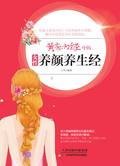 Women's Beauty and Health Care in the Huangdi Neijing
"The Yellow Emperor's Inner Canon" has been circulated for thousands of years and is the foundation work of traditional Chinese medicine. This book interprets traditional Chinese medicine's thousand-year-old masterpiece of health and beauty with modern means, comprehensively determines personal physique, and tailors a secret personalized beauty and health regimen for female friends. The systems are different, and the beauty plans vary widely. Only by taking care of yourself correctly can you be
—Reads9.5Score—Shelves
Women's Beauty and Health Care in the Huangdi Neijing
"The Yellow Emperor's Inner Canon" has been circulated for thousands of years and is the foundation work of traditional Chinese medicine. This book interprets traditional Chinese medicine's thousand-year-old masterpiece of health and beauty with modern means, comprehensively determines personal physique, and tailors a secret personalized beauty and health regimen for female friends. The systems are different, and the beauty plans vary widely. Only by taking care of yourself correctly can you be
—Reads9.5Score—Shelves
-
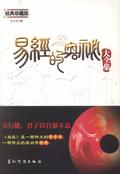 The Complete Collection of Mysteries of the I Ching
The Book of Changes is a classic of ancient Chinese philosophical thought and has had a profound impact on later generations. This precious spirit of constant self-improvement and pursuit of change is the source of wisdom for the Chinese people to achieve continuous success.
—Reads9.3Score—Shelves
The Complete Collection of Mysteries of the I Ching
The Book of Changes is a classic of ancient Chinese philosophical thought and has had a profound impact on later generations. This precious spirit of constant self-improvement and pursuit of change is the source of wisdom for the Chinese people to achieve continuous success.
—Reads9.3Score—Shelves
-
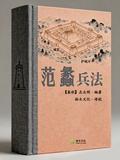 Fan Li's Art of War
"Fan Li's Art of War" (excerpted from "Guoyu") is a record of practical wisdom by Fan Li, a strategist in the Spring and Autumn Period. It takes Wu and Yue's struggle for hegemony as the background and records Fan Li's core strategy of assisting Gou Jian in restoring the country and destroying Wu. The whole book focuses on the core idea of "the one who maintains profit is related to heaven, the one who is determined is related to people, the one who is in trouble is related to the earth", and
—Reads8.1Score—Shelves
Fan Li's Art of War
"Fan Li's Art of War" (excerpted from "Guoyu") is a record of practical wisdom by Fan Li, a strategist in the Spring and Autumn Period. It takes Wu and Yue's struggle for hegemony as the background and records Fan Li's core strategy of assisting Gou Jian in restoring the country and destroying Wu. The whole book focuses on the core idea of "the one who maintains profit is related to heaven, the one who is determined is related to people, the one who is in trouble is related to the earth", and
—Reads8.1Score—Shelves
-
 Si Xuan Fu
The lyrical poems created by Zhang Heng of the Eastern Han Dynasty express his dissatisfaction with real politics and his desire to avoid harm through his imagination of traveling to heaven.
—Reads8.6Score—Shelves
Si Xuan Fu
The lyrical poems created by Zhang Heng of the Eastern Han Dynasty express his dissatisfaction with real politics and his desire to avoid harm through his imagination of traveling to heaven.
—Reads8.6Score—Shelves
-
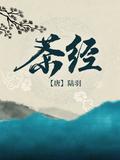 Tea Classic
This book is a comprehensive treatise on the history, origin, current situation, production technology, tea drinking techniques, and tea ceremony principles of tea production. It is an epoch-making monograph on tea science, an incisive agricultural work, and a book that explains tea culture. Elevating the ordinary tea ceremony into a wonderful cultural art has promoted the development of Chinese tea culture.
—Reads8.5Score—Shelves
Tea Classic
This book is a comprehensive treatise on the history, origin, current situation, production technology, tea drinking techniques, and tea ceremony principles of tea production. It is an epoch-making monograph on tea science, an incisive agricultural work, and a book that explains tea culture. Elevating the ordinary tea ceremony into a wonderful cultural art has promoted the development of Chinese tea culture.
—Reads8.5Score—Shelves
-
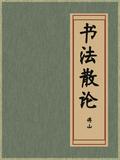 Essays on Calligraphy (Free Public Edition Book)
The calligraphy notes of Fu Shan, a calligrapher in the late Ming and early Qing dynasties, advocated "it is better to be clumsy than skillful", reflecting his unique aesthetics.
—Reads8.7Score—Shelves
Essays on Calligraphy (Free Public Edition Book)
The calligraphy notes of Fu Shan, a calligrapher in the late Ming and early Qing dynasties, advocated "it is better to be clumsy than skillful", reflecting his unique aesthetics.
—Reads8.7Score—Shelves
-
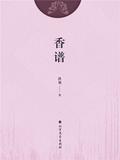 Fragrance Spectrum
There are two volumes of "Xiang Pu". The original author's name is not mentioned in the old version. Zuo Gui's "Baichuan Xuehai" was written by Song Hongchu. Chu, courtesy name Jufu, was born in Nanchang. In the first year of Shaosheng's reign, he became a Jinshi, a middle-ranking official in Jingkang, and admonished the officials. He was banished to Salmon Island and died. He wrote "Xiangpu" and recorded it in "Song History, Art and Literature". Zhou Zizhi's "Taicang Fanmi Collection" contains
—Reads8.3Score—Shelves
Fragrance Spectrum
There are two volumes of "Xiang Pu". The original author's name is not mentioned in the old version. Zuo Gui's "Baichuan Xuehai" was written by Song Hongchu. Chu, courtesy name Jufu, was born in Nanchang. In the first year of Shaosheng's reign, he became a Jinshi, a middle-ranking official in Jingkang, and admonished the officials. He was banished to Salmon Island and died. He wrote "Xiangpu" and recorded it in "Song History, Art and Literature". Zhou Zizhi's "Taicang Fanmi Collection" contains
—Reads8.3Score—Shelves
-
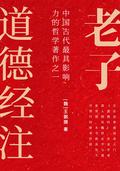 Notes on Laozi's Tao Te Ching
The Tao Te Ching is one of the most influential philosophical works in ancient China, and has profoundly shaped the development of later generations of thought and culture. The Commentary on Laozi written by Wang Bi not only provides an important way to understand the original text of the Tao Te Ching, but is also an indispensable document for studying Wang Bi's own philosophical system. Whether it is for ordinary readers to get started with the Tao Te Ching, or for scholars to delve into metaph
—Reads9.2Score—Shelves
Notes on Laozi's Tao Te Ching
The Tao Te Ching is one of the most influential philosophical works in ancient China, and has profoundly shaped the development of later generations of thought and culture. The Commentary on Laozi written by Wang Bi not only provides an important way to understand the original text of the Tao Te Ching, but is also an indispensable document for studying Wang Bi's own philosophical system. Whether it is for ordinary readers to get started with the Tao Te Ching, or for scholars to delve into metaph
—Reads9.2Score—Shelves
-
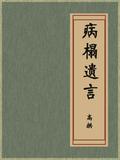 Last Words on the Sickbed (Free Public Edition Book)
This book is divided into three parts, titled "Notes on Fate", "Causes of Contradictions", and "Poisonous Plots". "Gu Ming Ji Shi" records that when Mu Zong was dying, he ordered Gao Gong, Zhang Juzheng, and Feng Baofu to take charge of Biyou. "Cause of Contradiction" records the whole reason why Zhang Juzheng had a grudge against Gao Gong, cultivated private parties, and rejected Gao Gong. "The Poisonous Plot" is written in the first year of Wanli. Zhang Juzheng used the case of the king's mini
—Reads8.5Score—Shelves
Last Words on the Sickbed (Free Public Edition Book)
This book is divided into three parts, titled "Notes on Fate", "Causes of Contradictions", and "Poisonous Plots". "Gu Ming Ji Shi" records that when Mu Zong was dying, he ordered Gao Gong, Zhang Juzheng, and Feng Baofu to take charge of Biyou. "Cause of Contradiction" records the whole reason why Zhang Juzheng had a grudge against Gao Gong, cultivated private parties, and rejected Gao Gong. "The Poisonous Plot" is written in the first year of Wanli. Zhang Juzheng used the case of the king's mini
—Reads8.5Score—Shelves
-
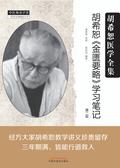 Hu Xishu's "Synopsis of the Golden Chamber" Study Notes
Synopsis of the Golden Chamber was written by Zhang Zhongjing in the late Han Dynasty. It is a must-read book for traditional Chinese medicine practitioners to study classics and practice clinical practice. It has always been annotators of many famous works. However, researchers who have developed a unique theoretical system like Mr. Hu Xishu are quite rare. This book is the inheritance of his academic thoughts. Because it is recorded and compiled in the form of study notes, you can see the word
—Reads8.7Score—Shelves
Hu Xishu's "Synopsis of the Golden Chamber" Study Notes
Synopsis of the Golden Chamber was written by Zhang Zhongjing in the late Han Dynasty. It is a must-read book for traditional Chinese medicine practitioners to study classics and practice clinical practice. It has always been annotators of many famous works. However, researchers who have developed a unique theoretical system like Mr. Hu Xishu are quite rare. This book is the inheritance of his academic thoughts. Because it is recorded and compiled in the form of study notes, you can see the word
—Reads8.7Score—Shelves
-
 Shangqing Jinzhenyu Emperor Shangyuan Jiutian Ling 365 Yuan Lu
The gold and jade emperor of the Shangqing Dynasty and the nine heavenly spirits of the Yuan Dynasty have three hundred and sixty-five Yuanlu. It is called "Shangyuan Jiu Tian Ling Xuan Lu" for short. The author is unknown, probably at the end of the Northern and Southern period or during the Qingtang period. Pretending to be entrusted to the Supreme Lord Yuchen to teach the Seven Truths of Jin Ming. One roll. Original source: the first part of "Orthodox Taoist Canon".
—Reads8.3Score—Shelves
Shangqing Jinzhenyu Emperor Shangyuan Jiutian Ling 365 Yuan Lu
The gold and jade emperor of the Shangqing Dynasty and the nine heavenly spirits of the Yuan Dynasty have three hundred and sixty-five Yuanlu. It is called "Shangyuan Jiu Tian Ling Xuan Lu" for short. The author is unknown, probably at the end of the Northern and Southern period or during the Qingtang period. Pretending to be entrusted to the Supreme Lord Yuchen to teach the Seven Truths of Jin Ming. One roll. Original source: the first part of "Orthodox Taoist Canon".
—Reads8.3Score—Shelves
-
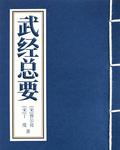 Martial Arts General Essentials
"Wu Jing Zong Yao" is a military work written by Zeng Gongliang and Ding Du in the Northern Song Dynasty. China's first military book edited under the official leadership. It is divided into two parts: first and last, each with 20 volumes. The 20 volumes in the first collection reflect the military system of the Song Dynasty in detail, including the selection of generals and troops, formation of troops, marching and camping, ancient and modern formations, communication reconnaissance, fire and w
—Reads9.3Score—Shelves
Martial Arts General Essentials
"Wu Jing Zong Yao" is a military work written by Zeng Gongliang and Ding Du in the Northern Song Dynasty. China's first military book edited under the official leadership. It is divided into two parts: first and last, each with 20 volumes. The 20 volumes in the first collection reflect the military system of the Song Dynasty in detail, including the selection of generals and troops, formation of troops, marching and camping, ancient and modern formations, communication reconnaissance, fire and w
—Reads9.3Score—Shelves
-
 Notes on Huandan Jinye Song
Song Notes on Huanjinye. The song was written by Yuanyangzi (Yang Shenwei) of the Tang Dynasty and annotated by Mr. Tongxuan (account recommended by the Five Dynasties Taoist priests). Guanwai Dan Street. One roll. Original source: Method Class of Dongzhen Department of "Orthodox Taoist Canon".
—Reads8.3Score—Shelves
Notes on Huandan Jinye Song
Song Notes on Huanjinye. The song was written by Yuanyangzi (Yang Shenwei) of the Tang Dynasty and annotated by Mr. Tongxuan (account recommended by the Five Dynasties Taoist priests). Guanwai Dan Street. One roll. Original source: Method Class of Dongzhen Department of "Orthodox Taoist Canon".
—Reads8.3Score—Shelves
-
 Taiqing Jinye Shenqi Channel
. The author is unknown, but seems to have come from the Sui and Tang Dynasties. It is adapted from excerpts from six Taoist books including "Three Emperors' Sutra" and "Zhengao". There are various formulas for external elixirs, and they are said to be effective when taking the elixirs. Three volumes. Original source: "Orthodox Taoist Canon", Dongshen Department's Various Techniques Category.
—Reads8.2Score—Shelves
Taiqing Jinye Shenqi Channel
Taiqing Jinye Shenqi Channel. The author is unknown, but seems to have come from the Sui and Tang Dynasties. It is adapted from excerpts from six Taoist books including "Three Emperors' Sutra" and "Zhengao". There are various formulas for external elixirs, and they are said to be effective when taking the elixirs. Three volumes. Original source: "Orthodox Taoist Canon", Dongshen Department's Various Techniques Category.
—Reads8.2Score—Shelves
-
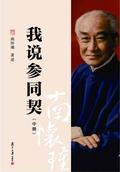 I'm Talking About the Deed of Participation (Middle Volume)
"Shen Tong Qi" is an important early Taoist classic, its full name is "Zhou Yi Shen Tong Qi". The book borrows Dharma symbols such as Qian, Kun, Kan, Li, water, and fire to explain the art of refining elixirs and cultivating immortality. It is the earliest Taoist work that systematically discusses alchemy. Taoism regards it as the "King of Alchemy Sutra" and the originator of the Alchemy Sutra through the ages. This book is a record of Mr. Nan Huaijin's explanation of "Shen Tongqi" in Taiwan in
—Reads9.3Score—Shelves
I'm Talking About the Deed of Participation (Middle Volume)
"Shen Tong Qi" is an important early Taoist classic, its full name is "Zhou Yi Shen Tong Qi". The book borrows Dharma symbols such as Qian, Kun, Kan, Li, water, and fire to explain the art of refining elixirs and cultivating immortality. It is the earliest Taoist work that systematically discusses alchemy. Taoism regards it as the "King of Alchemy Sutra" and the originator of the Alchemy Sutra through the ages. This book is a record of Mr. Nan Huaijin's explanation of "Shen Tongqi" in Taiwan in
—Reads9.3Score—Shelves
-
 Zizhi Tongjian
"Zizhi Tongjian" is a chronological general history, starting from the 23rd year of King Weilie of the Zhou Dynasty (403 BC) to the 6th year of Zhou Shizong's Xiande (959), covering the 16 dynasties and 1,362 years of history. It has been favored by rulers, scholars and soldiers of all dynasties, and is regarded as a must-read book. The book depicts the historical development from the Strategy to the Five Dynasties, and explores the reasons for the rise and fall of unified dynasties such as Qin,
—Reads8.5Score—Shelves
Zizhi Tongjian
"Zizhi Tongjian" is a chronological general history, starting from the 23rd year of King Weilie of the Zhou Dynasty (403 BC) to the 6th year of Zhou Shizong's Xiande (959), covering the 16 dynasties and 1,362 years of history. It has been favored by rulers, scholars and soldiers of all dynasties, and is regarded as a must-read book. The book depicts the historical development from the Strategy to the Five Dynasties, and explores the reasons for the rise and fall of unified dynasties such as Qin,
—Reads8.5Score—Shelves
-
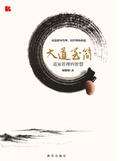 From Dao to Simplicity: the Wisdom of Taoist Management
From the perspective of the development history of Taoism, during the Spring and Autumn Period, the Warring States Period, and even the Qin and Han Dynasties, although both the Lao-Zhuang School and the Yang-Zhu School had a certain influence, the Huang-Lao School had the greatest influence. During the Spring and Autumn Period and the Warring States Period, and even later during the Han Dynasty, the Huang-Lao School was not only the orthodox school of Taoism, but also had the largest number of p
—Reads8.7Score—Shelves
From Dao to Simplicity: the Wisdom of Taoist Management
From the perspective of the development history of Taoism, during the Spring and Autumn Period, the Warring States Period, and even the Qin and Han Dynasties, although both the Lao-Zhuang School and the Yang-Zhu School had a certain influence, the Huang-Lao School had the greatest influence. During the Spring and Autumn Period and the Warring States Period, and even later during the Han Dynasty, the Huang-Lao School was not only the orthodox school of Taoism, but also had the largest number of p
—Reads8.7Score—Shelves
-
 Selected Poems of Li Zhi
Li Zhi (1527-1602), Han nationality, was born in Quanzhou, Fujian. An official, thinker, and writer of the Ming Dynasty, he was a master of the Taizhou School. Li Zhi's first surname was Lin, and his given name was Zaizhi. Later, he changed his surname to Li, his given name was Zhi, his courtesy name was Hongfu, his nickname was Zhuowu, and his nicknames were Wenling Jushi, Baiquan Jushi, etc. During the Li Gongcheng period, he was a doctor of Imperial College, and during Wanli period he was the
—Reads8.5Score—Shelves
Selected Poems of Li Zhi
Li Zhi (1527-1602), Han nationality, was born in Quanzhou, Fujian. An official, thinker, and writer of the Ming Dynasty, he was a master of the Taizhou School. Li Zhi's first surname was Lin, and his given name was Zaizhi. Later, he changed his surname to Li, his given name was Zhi, his courtesy name was Hongfu, his nickname was Zhuowu, and his nicknames were Wenling Jushi, Baiquan Jushi, etc. During the Li Gongcheng period, he was a doctor of Imperial College, and during Wanli period he was the
—Reads8.5Score—Shelves
-
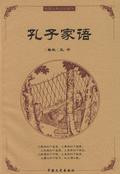 Confucius' Family Language
"The Family Sayings of Confucius" collects the thoughts, words and deeds of Confucius and his disciples. The style of this edition is similar to that of "The Analects of Confucius". It has a large number of records and introductions to Confucius's ancestors, life experience, words and deeds, and even the words and deeds of his disciples.
—Reads8.6Score—Shelves
Confucius' Family Language
"The Family Sayings of Confucius" collects the thoughts, words and deeds of Confucius and his disciples. The style of this edition is similar to that of "The Analects of Confucius". It has a large number of records and introductions to Confucius's ancestors, life experience, words and deeds, and even the words and deeds of his disciples.
—Reads8.6Score—Shelves
-
 Shang Junshu
"Shang Jun Shu", also known as "Shang Zi", focuses on the theory and specific measures of the reform implemented by Shang Yang's group in the Qin State at that time. There is considerable debate in academic circles about the author of "Shang Jun Shu". The first opinion is that "Shang Jun Shu" is basically a fake book. The second opinion is that it is basically certain that the author of "Shang Jun Shu" is Shang Yang. The third opinion is that "Shang Jun Shu" is a compilation of Shang Yang's post
—Reads8.7Score—Shelves
Shang Junshu
"Shang Jun Shu", also known as "Shang Zi", focuses on the theory and specific measures of the reform implemented by Shang Yang's group in the Qin State at that time. There is considerable debate in academic circles about the author of "Shang Jun Shu". The first opinion is that "Shang Jun Shu" is basically a fake book. The second opinion is that it is basically certain that the author of "Shang Jun Shu" is Shang Yang. The third opinion is that "Shang Jun Shu" is a compilation of Shang Yang's post
—Reads8.7Score—Shelves
-
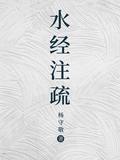 Shui Jing Commentary
"Shui Jing Commentary" is the title of the book. "Shui Jing Zhu" is an annotation written by Li Daoyuan for "Shui Jing". The author Yang Shoujing, whose courtesy name is Xingwu and later nicknamed Linsu Laoren, was born in Lucheng Town, Yidu, Hubei Province. He was a famous historical geographer, epigrapher, bibliographer, calligrapher and bibliophile in the late Qing Dynasty and early Republic of China. "Shui Jing Commentary" was written by Yang Shoujing and his disciple Xiong Huizhen over seve
—Reads9.0Score—Shelves
Shui Jing Commentary
"Shui Jing Commentary" is the title of the book. "Shui Jing Zhu" is an annotation written by Li Daoyuan for "Shui Jing". The author Yang Shoujing, whose courtesy name is Xingwu and later nicknamed Linsu Laoren, was born in Lucheng Town, Yidu, Hubei Province. He was a famous historical geographer, epigrapher, bibliographer, calligrapher and bibliophile in the late Qing Dynasty and early Republic of China. "Shui Jing Commentary" was written by Yang Shoujing and his disciple Xiong Huizhen over seve
—Reads9.0Score—Shelves
-
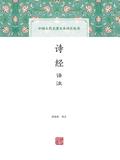 The Book of Songs Translation and Annotation
This book is translated and annotated by the famous scholar Professor Cheng Junying. It introduces 305 poems to readers in full. In addition to the original poem, each poem includes three parts: title explanation, annotation and translation. Each explanation adopts the attitude of "discussing poetry based on poetry", clarifying the background and purpose of the poem, and eliminating the far-fetched explanations of ancient scriptures. The annotations are easy to understand, and all unfamiliar wor
—Reads8.5Score—Shelves
The Book of Songs Translation and Annotation
This book is translated and annotated by the famous scholar Professor Cheng Junying. It introduces 305 poems to readers in full. In addition to the original poem, each poem includes three parts: title explanation, annotation and translation. Each explanation adopts the attitude of "discussing poetry based on poetry", clarifying the background and purpose of the poem, and eliminating the far-fetched explanations of ancient scriptures. The annotations are easy to understand, and all unfamiliar wor
—Reads8.5Score—Shelves
-
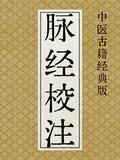 Compilation of Pulse Meridians (Classic Edition of Ancient Traditional Chinese Medicine Books)
The foundational work of pulse theory in traditional Chinese medicine was compiled by Wang Shuhe. The annotations in this book are rigorous and meticulous, and the theory and clinical experience of pulse theory of the past dynasties are systematically organized. The book records in detail the characteristics, identification methods and clinical significance of 24 types of pulse conditions, constructs a complete system of pulse diagnosis in traditional Chinese medicine, and lays the foundation fo
—Reads8.6Score—Shelves
Compilation of Pulse Meridians (Classic Edition of Ancient Traditional Chinese Medicine Books)
The foundational work of pulse theory in traditional Chinese medicine was compiled by Wang Shuhe. The annotations in this book are rigorous and meticulous, and the theory and clinical experience of pulse theory of the past dynasties are systematically organized. The book records in detail the characteristics, identification methods and clinical significance of 24 types of pulse conditions, constructs a complete system of pulse diagnosis in traditional Chinese medicine, and lays the foundation fo
—Reads8.6Score—Shelves
-
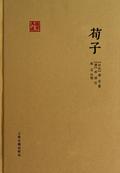 Xunzi
"Xunzi" is the most important work of Confucianism in the late Warring States Period. Xunzi was a Confucian master who developed Confucianism while absorbing Legalist doctrine. He respects kingship and hegemony; he upholds etiquette and righteousness and the rule of law; while "the king comes before the law", he also advocates "the king after the law". Mencius created the theory of "good nature", emphasizing the cultivation of nature; Xunzi advocated the theory of "evil nature", emphasizing acqu
—Reads8.6Score—Shelves
Xunzi
"Xunzi" is the most important work of Confucianism in the late Warring States Period. Xunzi was a Confucian master who developed Confucianism while absorbing Legalist doctrine. He respects kingship and hegemony; he upholds etiquette and righteousness and the rule of law; while "the king comes before the law", he also advocates "the king after the law". Mencius created the theory of "good nature", emphasizing the cultivation of nature; Xunzi advocated the theory of "evil nature", emphasizing acqu
—Reads8.6Score—Shelves
-
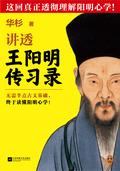 Hua Shan Explains Wang Yangming's "Zhuan Xilu" (New Revised Edition)
No need for any basic knowledge of classical Chinese, finally understand Yangming's Xinxue! The entire text of the new edition has been revised, and a new author has been added for the reprint preface. "Zhuan Xilu" contains the Q&A quotations and academic letters of Wang Yangming, a master of mind science in the Ming Dynasty. It systematically reflects the connotation of Yangming's mind science and is an indispensable classic for learning the mind science. The way it expounds on how to behave in
—Reads9.3Score—Shelves
Hua Shan Explains Wang Yangming's "Zhuan Xilu" (New Revised Edition)
No need for any basic knowledge of classical Chinese, finally understand Yangming's Xinxue! The entire text of the new edition has been revised, and a new author has been added for the reprint preface. "Zhuan Xilu" contains the Q&A quotations and academic letters of Wang Yangming, a master of mind science in the Ming Dynasty. It systematically reflects the connotation of Yangming's mind science and is an indispensable classic for learning the mind science. The way it expounds on how to behave in
—Reads9.3Score—Shelves
-
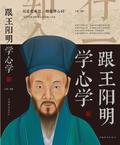 Learn from Wang Yangming
This book is divided into nineteen chapters. Each section begins with a quote or a classic statement by Wang Yangming, and the text elaborates on the refinement and wisdom of his thoughts. Starting from the needs of modern people to deal with the world, this book explains Wang Yangming's wisdom in cultivating the world in terms of determination, mind cultivation, benevolence, and sincerity from nineteen aspects such as tolerance, sincerity, enterprising spirit, morality, filial piety, purity, an
—Reads9.4Score—Shelves
Learn from Wang Yangming
This book is divided into nineteen chapters. Each section begins with a quote or a classic statement by Wang Yangming, and the text elaborates on the refinement and wisdom of his thoughts. Starting from the needs of modern people to deal with the world, this book explains Wang Yangming's wisdom in cultivating the world in terms of determination, mind cultivation, benevolence, and sincerity from nineteen aspects such as tolerance, sincerity, enterprising spirit, morality, filial piety, purity, an
—Reads9.4Score—Shelves
-
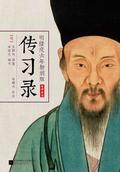 Records of Biography: Engraved Edition in the Early Sixth Year of Longqing's Sixth Year in the Ming Dynasty, the Original Appearance of a Classic That Has Been Dusty for More Than 400 Years
"Zhuan Xilu" is a collection of quotations and letters from Wang Yangming, the master of philosophy in the Ming Dynasty. It embodies the core views of Yangming's psychology and is the most classic must-read for beginners to understand Yangming's psychology. ◆"Heart is reason": The best code of conduct is actually in the heart of each of us. When encountering problems, instead of worrying about it, it is better to listen to the original voice in the heart. ◆ "To Conscience": Everyone has an innat
—Reads9.3Score—Shelves
Records of Biography: Engraved Edition in the Early Sixth Year of Longqing's Sixth Year in the Ming Dynasty, the Original Appearance of a Classic That Has Been Dusty for More Than 400 Years
"Zhuan Xilu" is a collection of quotations and letters from Wang Yangming, the master of philosophy in the Ming Dynasty. It embodies the core views of Yangming's psychology and is the most classic must-read for beginners to understand Yangming's psychology. ◆"Heart is reason": The best code of conduct is actually in the heart of each of us. When encountering problems, instead of worrying about it, it is better to listen to the original voice in the heart. ◆ "To Conscience": Everyone has an innat
—Reads9.3Score—Shelves
-
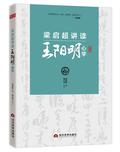 Liang Qichao Lectures on Wang Yangming's Philosophy of Mind
Part of the content of this book comes from the monograph "Wang Yangming's Teaching of the Unity of Knowledge and Action" published by Liang Qichao in 1926. The commentators' annotations from today's perspective are added to give readers a strong sense of involvement. In the book, Liang Qichao explains Wang Yangming's theory of "unity of knowledge and action" and the theory of "leading to conscience". He traces the origins, explores the core of the mind science, and clarifies the misunderstandin
—Reads9.0Score—Shelves
Liang Qichao Lectures on Wang Yangming's Philosophy of Mind
Part of the content of this book comes from the monograph "Wang Yangming's Teaching of the Unity of Knowledge and Action" published by Liang Qichao in 1926. The commentators' annotations from today's perspective are added to give readers a strong sense of involvement. In the book, Liang Qichao explains Wang Yangming's theory of "unity of knowledge and action" and the theory of "leading to conscience". He traces the origins, explores the core of the mind science, and clarifies the misunderstandin
—Reads9.0Score—Shelves
-
 Collection of Cleansing of Wrongs
The book consists of five volumes and 53 sections. It mainly describes ancient Chinese human anatomy, corpse examination, scene investigation, identification of causes of death and injury, various phenomena of suicide or murder, various poisons, first aid, and detoxification methods, as well as the differences between drowning, self-hanging and fake self-hanging, self-inflicted punishment and killing, and fire death and fake fire death. It is consistent with scientific principles in many aspects
—Reads8.6Score—Shelves
Collection of Cleansing of Wrongs
The book consists of five volumes and 53 sections. It mainly describes ancient Chinese human anatomy, corpse examination, scene investigation, identification of causes of death and injury, various phenomena of suicide or murder, various poisons, first aid, and detoxification methods, as well as the differences between drowning, self-hanging and fake self-hanging, self-inflicted punishment and killing, and fire death and fake fire death. It is consistent with scientific principles in many aspects
—Reads8.6Score—Shelves
-
 Complete Explanation of the Essence of Sikuquanshu with Color Pictures
"Sikuquanshu" is the richest and most complete collection of traditional Chinese culture and is known as the "Great Wall of Chinese Culture".
—Reads8.9Score—Shelves
Complete Explanation of the Essence of Sikuquanshu with Color Pictures
"Sikuquanshu" is the richest and most complete collection of traditional Chinese culture and is known as the "Great Wall of Chinese Culture".
—Reads8.9Score—Shelves
-
 Classic of Mountains and Seas
"The Classic of Mountains and Seas" is an important ancient book in pre-Qin China, and it is also an absurd and strange book. The handed down version of "The Classic of Mountains and Seas" totals 18 volumes, including 5 volumes of "The Classic of Mountains" and 13 volumes of "The Classic of Seas". The age of each volume cannot be determined, of which 14 volumes were written during the Warring States Period and 4 volumes were written in the early Western Han Dynasty. The content of Shan Hai Jing
—Reads8.6Score—Shelves
Classic of Mountains and Seas
"The Classic of Mountains and Seas" is an important ancient book in pre-Qin China, and it is also an absurd and strange book. The handed down version of "The Classic of Mountains and Seas" totals 18 volumes, including 5 volumes of "The Classic of Mountains" and 13 volumes of "The Classic of Seas". The age of each volume cannot be determined, of which 14 volumes were written during the Warring States Period and 4 volumes were written in the early Western Han Dynasty. The content of Shan Hai Jing
—Reads8.6Score—Shelves
-
 Kindergarten Qionglin
Listening to "Young Learning Qionglin" you can learn about ancient Chinese famous figures, astronomy and geography, rules and regulations, customs and etiquette, birth, old age, illness and death, weddings and funerals, birds, animals, flowers and trees, court civil and military affairs, food utensils, palace treasures, cultural subjects and many other aspects. There are many aphorisms and maxims in the book that are still recited today. From basic elementary school readings to various classics
—Reads9.3Score—Shelves
Kindergarten Qionglin
Listening to "Young Learning Qionglin" you can learn about ancient Chinese famous figures, astronomy and geography, rules and regulations, customs and etiquette, birth, old age, illness and death, weddings and funerals, birds, animals, flowers and trees, court civil and military affairs, food utensils, palace treasures, cultural subjects and many other aspects. There are many aphorisms and maxims in the book that are still recited today. From basic elementary school readings to various classics
—Reads9.3Score—Shelves
-
 Wenyuan Yinghua
A collection of ancient Chinese poetry. Edited by Li Fang and others in the Northern Song Dynasty. It was compiled under the imperial edict in the seventh year of the Taiping Xingguo reign (982), and was completed in the third year of the Yongxi reign (987). After four revisions, it was revised by Zhou Bida (1126-1204) and others and published. The selections in this book range from the Liang Dynasty of the Southern Dynasty to the Five Dynasties, which coincides with the time limit of the "Selec
—Reads9.0Score—Shelves
Wenyuan Yinghua
A collection of ancient Chinese poetry. Edited by Li Fang and others in the Northern Song Dynasty. It was compiled under the imperial edict in the seventh year of the Taiping Xingguo reign (982), and was completed in the third year of the Yongxi reign (987). After four revisions, it was revised by Zhou Bida (1126-1204) and others and published. The selections in this book range from the Liang Dynasty of the Southern Dynasty to the Five Dynasties, which coincides with the time limit of the "Selec
—Reads9.0Score—Shelves
-
 Miscellaneous Explanations of Reading
Involving the Thirteen Classics of Confucianism and Laozi, Shiji, Hanshu, Selected Works and other books.
—Reads9.0Score—Shelves
Miscellaneous Explanations of Reading
Involving the Thirteen Classics of Confucianism and Laozi, Shiji, Hanshu, Selected Works and other books.
—Reads9.0Score—Shelves
-
 Lu's Spring and Autumn Period
"Lü Shi Chun Qiu", also known as "Lü Lan", is a famous miscellaneous book compiled by Lu Buwei, the prime minister of Qin State, and his followers. It was written on the eve of Qin Shihuang's unification of China. The book is divided into twelve volumes, 160 chapters, and more than 200,000 words. "Lu's Spring and Autumn Annals" is composed of twelve chapters, eight readings, and six treatises. It focuses on learning from various schools of thought, focusing on Confucianism and Taoism, and integr
—Reads8.6Score—Shelves
Lu's Spring and Autumn Period
"Lü Shi Chun Qiu", also known as "Lü Lan", is a famous miscellaneous book compiled by Lu Buwei, the prime minister of Qin State, and his followers. It was written on the eve of Qin Shihuang's unification of China. The book is divided into twelve volumes, 160 chapters, and more than 200,000 words. "Lu's Spring and Autumn Annals" is composed of twelve chapters, eight readings, and six treatises. It focuses on learning from various schools of thought, focusing on Confucianism and Taoism, and integr
—Reads8.6Score—Shelves
-
 Taiping Royal View
"Taiping Yulan" is a famous book in the Song Dynasty. It was compiled by Li Fang, Li Mu, Xu Xuan and other scholars in the Northern Song Dynasty. It began in March of the second year of Taiping Xingguo (977) and was completed in October of the eighth year of Taiping Xingguo (983). "Taiping Yulan" was collected by groups of books, divided into fifty-five parts and five hundred and fifty categories and compiled into a thousand volumes, so it was originally called "Taiping General Category"; after
—Reads9.2Score—Shelves
Taiping Royal View
"Taiping Yulan" is a famous book in the Song Dynasty. It was compiled by Li Fang, Li Mu, Xu Xuan and other scholars in the Northern Song Dynasty. It began in March of the second year of Taiping Xingguo (977) and was completed in October of the eighth year of Taiping Xingguo (983). "Taiping Yulan" was collected by groups of books, divided into fifty-five parts and five hundred and fifty categories and compiled into a thousand volumes, so it was originally called "Taiping General Category"; after
—Reads9.2Score—Shelves
-
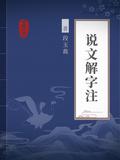 Shuo Wen Jie Zi Annotation
This work "Shuowen Jiezi Annotation" is written by Duan Yucai
—Reads8.6Score—Shelves
Shuo Wen Jie Zi Annotation
This work "Shuowen Jiezi Annotation" is written by Duan Yucai
—Reads8.6Score—Shelves
-
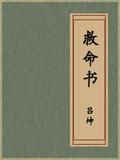 Life-Saving Book (Free Public Edition Book)
The book of war. The author felt that in the late Ming Dynasty, there were continuous wars and the city defenses were derelict and weak, so he wrote this book in the 35th year of Wanli (1607), hoping that the soldiers could use it to defend the city and protect the people from military harm. The content is mainly focused on city defense, with more than 30 items including city defense matters, matters in case of change, and prevention matters. Including defensive tactics, management of residents'
—Reads8.5Score—Shelves
Life-Saving Book (Free Public Edition Book)
The book of war. The author felt that in the late Ming Dynasty, there were continuous wars and the city defenses were derelict and weak, so he wrote this book in the 35th year of Wanli (1607), hoping that the soldiers could use it to defend the city and protect the people from military harm. The content is mainly focused on city defense, with more than 30 items including city defense matters, matters in case of change, and prevention matters. Including defensive tactics, management of residents'
—Reads8.5Score—Shelves
-
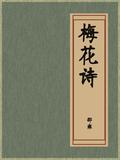 Plum Blossom Poems (Free Public Edition Book)
The prophetic poems of Shao Yong, a Neo-Confucian scholar in the Northern Song Dynasty, used symbolic techniques to allude to historical changes. They were full of metaphysical color and were interpreted differently by later generations.
—Reads8.5Score—Shelves
Plum Blossom Poems (Free Public Edition Book)
The prophetic poems of Shao Yong, a Neo-Confucian scholar in the Northern Song Dynasty, used symbolic techniques to allude to historical changes. They were full of metaphysical color and were interpreted differently by later generations.
—Reads8.5Score—Shelves
-
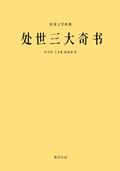 Three Wonderful Books on Life
"Cai Gen Tan", "Xiaochuang Youji" and "Wilson Night Talk" are collectively known as the "Three Wonderful Books on Life" and have been highly praised since their publication. Three extraordinary books, with eighteen lines of life wisdom selected, allowing you to experience Chinese culture and understand how to cultivate your character and conduct yourself in the world.
—Reads9.4Score—Shelves
Three Wonderful Books on Life
"Cai Gen Tan", "Xiaochuang Youji" and "Wilson Night Talk" are collectively known as the "Three Wonderful Books on Life" and have been highly praised since their publication. Three extraordinary books, with eighteen lines of life wisdom selected, allowing you to experience Chinese culture and understand how to cultivate your character and conduct yourself in the world.
—Reads9.4Score—Shelves
-
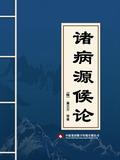 On the Causes and Symptoms of Various Diseases
"Treatise on the Causes and Symptoms of Various Diseases" was written in 610 AD by Chao Yuanfang and others in the Sui Dynasty. The book has 50 volumes, divided into 67 sections and 1,739 treatises. Volumes 1 to 27 cover internal medicine diseases, volumes 28 to 30 cover diseases of the facial features, volumes 31 to 36 cover surgical and traumatology diseases, volumes 37 to 44 cover obstetrics and gynecology diseases, and volumes 45 to 50 cover pediatric diseases.
—Reads9.4Score—Shelves
On the Causes and Symptoms of Various Diseases
"Treatise on the Causes and Symptoms of Various Diseases" was written in 610 AD by Chao Yuanfang and others in the Sui Dynasty. The book has 50 volumes, divided into 67 sections and 1,739 treatises. Volumes 1 to 27 cover internal medicine diseases, volumes 28 to 30 cover diseases of the facial features, volumes 31 to 36 cover surgical and traumatology diseases, volumes 37 to 44 cover obstetrics and gynecology diseases, and volumes 45 to 50 cover pediatric diseases.
—Reads9.4Score—Shelves
-
 The Great Unification of Human Relations
"Ren Lun Da Tong Fu" was written by Zhang Xingjian, Shangshu of the Jin Dynasty. This book is the essence of the ancient theory of the five elements of the human body. It is the most comprehensive and accurate book on physiognomy. It is also one of only four physiognomy books included in the "Sikuquanshu". The book is full of quotes and combines the best of various physiognomy schools. It is an important reference for the ancients to select talents and gain insight into people's hearts.
—Reads8.7Score—Shelves
The Great Unification of Human Relations
"Ren Lun Da Tong Fu" was written by Zhang Xingjian, Shangshu of the Jin Dynasty. This book is the essence of the ancient theory of the five elements of the human body. It is the most comprehensive and accurate book on physiognomy. It is also one of only four physiognomy books included in the "Sikuquanshu". The book is full of quotes and combines the best of various physiognomy schools. It is an important reference for the ancients to select talents and gain insight into people's hearts.
—Reads8.7Score—Shelves
-
 Snake Spectrum
Written by Chen Ding of the Qing Dynasty. The whole book is in one volume. It was written in the thirty-fourth year of Kangxi's reign (1695). It is a record of the author's experiences during his official travels to the southern borderlands. It describes fifty-two species of snakes in Fujian, Taiwan, Guangdong, Guangxi, Yunnan, and Guizhou, as well as as far away as Annan, Tianfang (Mecca), and Sri Lanka (extracted from "Shan Hai Jing", ten species are not included). In addition to the "four-leg
—Reads8.3Score—Shelves
Snake Spectrum
Written by Chen Ding of the Qing Dynasty. The whole book is in one volume. It was written in the thirty-fourth year of Kangxi's reign (1695). It is a record of the author's experiences during his official travels to the southern borderlands. It describes fifty-two species of snakes in Fujian, Taiwan, Guangdong, Guangxi, Yunnan, and Guizhou, as well as as far away as Annan, Tianfang (Mecca), and Sri Lanka (extracted from "Shan Hai Jing", ten species are not included). In addition to the "four-leg
—Reads8.3Score—Shelves
-
 Liu Juanzi's Ghost Recipe (Free Public Edition Book)
This book is a collection of surgical prescriptions from the Southern and Northern Dynasties, focusing on the treatment of sores and carbuncles. It is an important classic of surgical medicine in ancient China.
—Reads8.6Score—Shelves
Liu Juanzi's Ghost Recipe (Free Public Edition Book)
This book is a collection of surgical prescriptions from the Southern and Northern Dynasties, focusing on the treatment of sores and carbuncles. It is an important classic of surgical medicine in ancient China.
—Reads8.6Score—Shelves
-
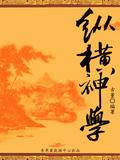 Vertical and Horizontal Theology
The content of this book is an excerpt from Guiguzi's "Zongheng Jing", which contains wonderful words and sayings about how to conduct one's work and cultivate one's moral character. Then, by drawing inferences from one example and integrating the wise words into another, the ancient thoughts shine with the glory of the times.
—Reads9.2Score—Shelves
Vertical and Horizontal Theology
The content of this book is an excerpt from Guiguzi's "Zongheng Jing", which contains wonderful words and sayings about how to conduct one's work and cultivate one's moral character. Then, by drawing inferences from one example and integrating the wise words into another, the ancient thoughts shine with the glory of the times.
—Reads9.2Score—Shelves
-
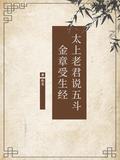 Taishang Laojun Said the Five Dou Gold Seal Sutra on Reception and Rebirth
Taishang Laojun said the Five Dou Gold Seal Sutra on Reception and Rebirth. The author is unknown, probably dating from the Tang and Song Dynasties. He asked Taishang Laojun to proclaim the five-party golden seal talismans for the Five Dou Xing Lords and others, to persuade people to give money and set up altars, and to chant sutras and pray for blessings. One roll. Original source: "Orthodox Taoist Canon" Cave God Book.
—Reads8.8Score—Shelves
Taishang Laojun Said the Five Dou Gold Seal Sutra on Reception and Rebirth
Taishang Laojun said the Five Dou Gold Seal Sutra on Reception and Rebirth. The author is unknown, probably dating from the Tang and Song Dynasties. He asked Taishang Laojun to proclaim the five-party golden seal talismans for the Five Dou Xing Lords and others, to persuade people to give money and set up altars, and to chant sutras and pray for blessings. One roll. Original source: "Orthodox Taoist Canon" Cave God Book.
—Reads8.8Score—Shelves
-
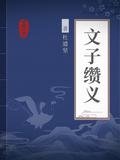 Wenzi Zuoyi
This work "Wen Zi Zhuan Yi" is written by Du Daojian
—Reads8.1Score—Shelves
Wenzi Zuoyi
This work "Wen Zi Zhuan Yi" is written by Du Daojian
—Reads8.1Score—Shelves
-
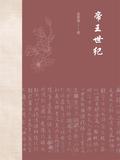 Imperial Century
Chinese traditional cultural thoughts have a long history and are highly original, original and literary. The early ideological forms were very distinctive, with extensive and profound contents such as religious theology, Chinese medicine classics, ancient military art, Confucianism, Taoism, Buddhism and hundreds of schools of thought, Feng Shui metaphysics, Twenty-Four Histories, customs and geography, etc. This series of "Original Books on Classic Chinese Studies and Essence Culture" retains t
—Reads8.5Score—Shelves
Imperial Century
Chinese traditional cultural thoughts have a long history and are highly original, original and literary. The early ideological forms were very distinctive, with extensive and profound contents such as religious theology, Chinese medicine classics, ancient military art, Confucianism, Taoism, Buddhism and hundreds of schools of thought, Feng Shui metaphysics, Twenty-Four Histories, customs and geography, etc. This series of "Original Books on Classic Chinese Studies and Essence Culture" retains t
—Reads8.5Score—Shelves
-
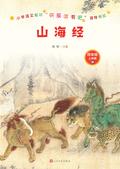 The Classic of Mountains and Seas (Recommended Books in Primary School Chinese Textbook "Happy Reading")
"The Classic of Mountains and Seas" is one of the most unique and important works among many pre-Qin classics. Its content is complex and reflects a wide range of cultural phenomena; in addition to preserving rich mythological materials, it also involves philosophy, aesthetics, religion, history, geography, astronomy, meteorology, medicine, animals, plants, minerals, folklore, ethnology, geology, oceanography, psychology, anthropology and other academic fields. Currently, primary school students
—Reads8.6Score—Shelves
The Classic of Mountains and Seas (Recommended Books in Primary School Chinese Textbook "Happy Reading")
"The Classic of Mountains and Seas" is one of the most unique and important works among many pre-Qin classics. Its content is complex and reflects a wide range of cultural phenomena; in addition to preserving rich mythological materials, it also involves philosophy, aesthetics, religion, history, geography, astronomy, meteorology, medicine, animals, plants, minerals, folklore, ethnology, geology, oceanography, psychology, anthropology and other academic fields. Currently, primary school students
—Reads8.6Score—Shelves
-
 Korean Poetry
"Han Shi Wai Zhuan" is a book written by Han Ying in the early Western Han Dynasty. It is composed of more than 300 anecdotes, ethical norms, practical advice and other different contents. Generally, each item is corroborated with an appropriate sentence from the Book of Songs and an ancient event. It is an important material for studying the poetics of the Western Han Dynasty. "Hanshi Waizhuan" is nominally attached to the "Book of Songs", but it uses materials from the writings of several phil
—Reads9.5Score—Shelves
Korean Poetry
"Han Shi Wai Zhuan" is a book written by Han Ying in the early Western Han Dynasty. It is composed of more than 300 anecdotes, ethical norms, practical advice and other different contents. Generally, each item is corroborated with an appropriate sentence from the Book of Songs and an ancient event. It is an important material for studying the poetics of the Western Han Dynasty. "Hanshi Waizhuan" is nominally attached to the "Book of Songs", but it uses materials from the writings of several phil
—Reads9.5Score—Shelves