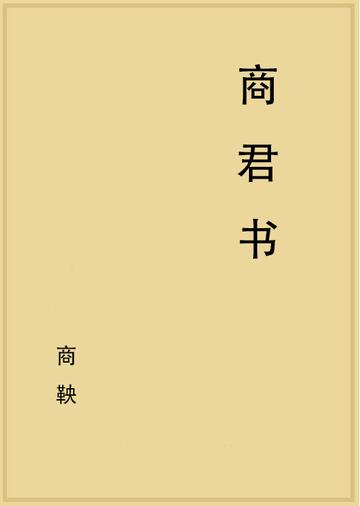
"Shang Jun Shu", also known as "Shang Zi", focuses on the theory and specific measures of the reform implemented by Shang Yang's group in the Qin State at that time. There is considerable debate in academic circles about the author of "Shang Jun Shu". The first opinion is that "Shang Jun Shu" is basically a fake book. The second opinion is that it is basically certain that the author of "Shang Jun Shu" is Shang Yang. The third opinion is that "Shang Jun Shu" is a compilation of Shang Yang's posthumous works and other Legalist works. This book was not written by one person or at one time. There are twenty-nine chapters recorded in the "Book of Han", but now only twenty-four remain (the other two have titles but no text). Some of the historical facts described in these chapters indicate that they were not written by Shang Yang himself after Shang Yang's death. However, the book retains Shang Yang's legalist thoughts and records Shang Yang's words and deeds. It was compiled by Shang Yang's followers at the end of the Warring States Period. "Han Feizi" and Sima Qian both mentioned this book.
Reader comments
For example, "Doubtful actions will lead to no success, and doubtful actions will lead to no success." This tells us that we must act decisively and not hesitate. I also like the discussion about the rule of law and etiquette in the book. Shang Yang believes that the rule of law can love and benefit the people, which is very reasonable. His debates with conservatives were also fascinating and thought-provoking. This book is very helpful for understanding ancient Legalist thought and the history of Qin. It is recommended to friends who are interested in pre-Qin history.

For example, "Doubtful actions will lead to no success, and doubtful actions will lead to no success." This tells us that we must act decisively and not hesitate. I also like the discussion about the rule of law and etiquette in the book. Shang Yang believes that the rule of law can love and benefit the people, which is very reasonable. His debates with conservatives were also fascinating and thought-provoking. This book is very helpful for understanding ancient Legalist thought and the history of Qin. It is recommended to friends who are interested in pre-Qin history.