Fanqie library
Browse
- Titles
- 412
Every Fanqie book we index, searchable by title, author or tag.
-
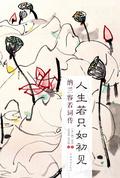 If Life Is Just Like the First Meeting: a Biography of Nalan Rongruo's Ci
This book is divided into two parts: "Biography of Nalan Rongruo" and "Appreciation of Nalan Rongruo's Ci Poems". The first part takes Nalan Rongruo's life as the main line, telling Nalan Rongruo's life in detail from aspects such as his background, career, emotions, friends, etc., And presenting you with a vivid Nalan Rongruo. The second part of the lyrics covers a wide range of topics, including marriage and love, friendship and separation, family thinking, frontier fortress in the south of th
—Reads9.2Score—Shelves
If Life Is Just Like the First Meeting: a Biography of Nalan Rongruo's Ci
This book is divided into two parts: "Biography of Nalan Rongruo" and "Appreciation of Nalan Rongruo's Ci Poems". The first part takes Nalan Rongruo's life as the main line, telling Nalan Rongruo's life in detail from aspects such as his background, career, emotions, friends, etc., And presenting you with a vivid Nalan Rongruo. The second part of the lyrics covers a wide range of topics, including marriage and love, friendship and separation, family thinking, frontier fortress in the south of th
—Reads9.2Score—Shelves
-
 Mirror Flowers
"Flowers in the Mirror" is a novel written by the Qing Dynasty writer Li Ruzhen. The first 50 chapters of the novel describe the story of Tang Ao, Duo Jiugong and others traveling overseas by boat. The last 50 chapters tell the story of Wu Zetian selecting talented women through the imperial examination, Tang Xiaoshan, who was entrusted by the Baihua Fairy, and a hundred talented women entrusted by other flower fairies to make a difference in the court. The author uses imaginary overseas stories
—Reads9.2Score—Shelves
Mirror Flowers
"Flowers in the Mirror" is a novel written by the Qing Dynasty writer Li Ruzhen. The first 50 chapters of the novel describe the story of Tang Ao, Duo Jiugong and others traveling overseas by boat. The last 50 chapters tell the story of Wu Zetian selecting talented women through the imperial examination, Tang Xiaoshan, who was entrusted by the Baihua Fairy, and a hundred talented women entrusted by other flower fairies to make a difference in the court. The author uses imaginary overseas stories
—Reads9.2Score—Shelves
-
 Records of Emperor Zuren of the Qing Dynasty: Kangxi
"Records of Emperor Sheng Zuren of the Qing Dynasty" is a chronological history book compiled by Rijiao Zhuguan in the Qing Dynasty. It mainly records the words, deeds, government affairs and major political events of Emperor Kangxi during his reign (from the 18th year of Shunzhi to the 61st year of Kangxi). The Kangxi Dynasty implemented the policy of "reflecting ancient and right texts", engraving books on a large scale through institutions such as the Wuying Palace Book Repair Office, and res
—Reads8.4Score—Shelves
Records of Emperor Zuren of the Qing Dynasty: Kangxi
"Records of Emperor Sheng Zuren of the Qing Dynasty" is a chronological history book compiled by Rijiao Zhuguan in the Qing Dynasty. It mainly records the words, deeds, government affairs and major political events of Emperor Kangxi during his reign (from the 18th year of Shunzhi to the 61st year of Kangxi). The Kangxi Dynasty implemented the policy of "reflecting ancient and right texts", engraving books on a large scale through institutions such as the Wuying Palace Book Repair Office, and res
—Reads8.4Score—Shelves
-
 The View of Ancient Literature (Chinese Reading Recommended Series)
"Guwen Guanzhi" is an anthology of ancient prose compiled by Wu Chucai and Wu Tiaohou of the Qing Dynasty. It was originally compiled as a teaching material for students. The "ancient prose" in the book's title refers to the ancient prose of the Eight Great Masters of the Tang and Song Dynasties advocated by Gui Youguang, Mao Kun and others in the dynasty, while "Guanzhi" means that the collected articles represent the highest level of classical Chinese. Just study classical Chinese and study th
—Reads9.2Score—Shelves
The View of Ancient Literature (Chinese Reading Recommended Series)
"Guwen Guanzhi" is an anthology of ancient prose compiled by Wu Chucai and Wu Tiaohou of the Qing Dynasty. It was originally compiled as a teaching material for students. The "ancient prose" in the book's title refers to the ancient prose of the Eight Great Masters of the Tang and Song Dynasties advocated by Gui Youguang, Mao Kun and others in the dynasty, while "Guanzhi" means that the collected articles represent the highest level of classical Chinese. Just study classical Chinese and study th
—Reads9.2Score—Shelves
-
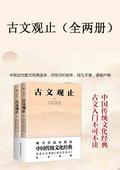 Guanzhi on Ancient Literature (Two Volumes)
"Guwen Guanzhi" is a collection of prose from all dynasties compiled by Wu Chucai and Wu Tiaohou's uncle and nephew in the early Qing Dynasty. It is an important enlightenment reading book in classical Chinese. Together with "Three Hundred Tang Poems", it is called the "Twin Blessings" of Chinese ancient poetry anthologies. "Guan Zhi Gu Wen Zhi" means that one can view the ancient works by looking at this book. The collection of articles starts from the pre-Qin Dynasty and ends at the end of the
—Reads8.7Score—Shelves
Guanzhi on Ancient Literature (Two Volumes)
"Guwen Guanzhi" is a collection of prose from all dynasties compiled by Wu Chucai and Wu Tiaohou's uncle and nephew in the early Qing Dynasty. It is an important enlightenment reading book in classical Chinese. Together with "Three Hundred Tang Poems", it is called the "Twin Blessings" of Chinese ancient poetry anthologies. "Guan Zhi Gu Wen Zhi" means that one can view the ancient works by looking at this book. The collection of articles starts from the pre-Qin Dynasty and ends at the end of the
—Reads8.7Score—Shelves
-
 Romance of Sui and Tang Dynasties
"The Romance of the Sui and Tang Dynasties" is a long chapter-length novel with dual characteristics of heroic legend and historical romance written by Chu Renhuo, a writer in the late Ming and early Qing dynasties. It has a total of twenty volumes and one hundred chapters. The overall structure of the book is based on history, characters and events as the latitude, and the "marriage between two generations" of Emperor Yang of the Sui Dynasty, Zhu Gui'er, Emperor Ming of the Tang Dynasty, and Ya
—Reads9.6Score—Shelves
Romance of Sui and Tang Dynasties
"The Romance of the Sui and Tang Dynasties" is a long chapter-length novel with dual characteristics of heroic legend and historical romance written by Chu Renhuo, a writer in the late Ming and early Qing dynasties. It has a total of twenty volumes and one hundred chapters. The overall structure of the book is based on history, characters and events as the latitude, and the "marriage between two generations" of Emperor Yang of the Sui Dynasty, Zhu Gui'er, Emperor Ming of the Tang Dynasty, and Ya
—Reads9.6Score—Shelves
-
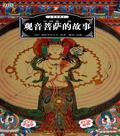 The Story of Guanyin Bodhisattva
The most touching Buddhist literature classic. Use the most vivid biography to tell the story of the First Bodhisattva. A collection of 600 precious paintings of Guanyin statues from past dynasties, showing the perfect combination of ideals and art. Full-color illustrations, best-selling for more than ten years, newly revised.
—Reads8.4Score—Shelves
The Story of Guanyin Bodhisattva
The most touching Buddhist literature classic. Use the most vivid biography to tell the story of the First Bodhisattva. A collection of 600 precious paintings of Guanyin statues from past dynasties, showing the perfect combination of ideals and art. Full-color illustrations, best-selling for more than ten years, newly revised.
—Reads8.4Score—Shelves
-
 Xie Duo
"Xie Duo" is a collection of short stories in classical Chinese written by Shen Qifeng in the Qing Dynasty, including 122 chapters in twelve volumes. There is also a sequel volume with less than ten chapters remaining. It was written in the fifty-sixth year of Qianlong's reign in the Qing Dynasty (1791).
—Reads9.4Score—Shelves
Xie Duo
"Xie Duo" is a collection of short stories in classical Chinese written by Shen Qifeng in the Qing Dynasty, including 122 chapters in twelve volumes. There is also a sequel volume with less than ten chapters remaining. It was written in the fifty-sixth year of Qianlong's reign in the Qing Dynasty (1791).
—Reads9.4Score—Shelves
-
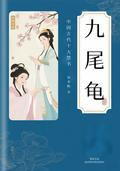 The Nine-Tailed Turtle (Top Ten Forbidden Books in Ancient China)
"Nine-Tailed Turtle" is a famous erotic novel in the late Qing Dynasty, which mainly describes the life of brothels and clients. The book was written by Shu Liushanfang. The content not only involves vulgar descriptions, but also deeply reflects the darkness and corruption of late Qing society. Although the author tried to criticize society through this work, it was considered to be of low style because of its pornographic and vulgar content, so it was banned during the Guangxu period of the Qin
—Reads9.2Score—Shelves
The Nine-Tailed Turtle (Top Ten Forbidden Books in Ancient China)
"Nine-Tailed Turtle" is a famous erotic novel in the late Qing Dynasty, which mainly describes the life of brothels and clients. The book was written by Shu Liushanfang. The content not only involves vulgar descriptions, but also deeply reflects the darkness and corruption of late Qing society. Although the author tried to criticize society through this work, it was considered to be of low style because of its pornographic and vulgar content, so it was banned during the Guangxu period of the Qin
—Reads9.2Score—Shelves
-
 History of Ming Dynasty
"History of the Ming Dynasty" is one of the most meticulously compiled and rigorous historical books among the "Twenty-Four Histories", and it took nearly a hundred years to complete. This official revised history uses a grand narrative framework to systematically record the rise, fall and chaos of the Ming Dynasty in the past three hundred years: from the founding of the country by the common people Zhu Yuanzhang, Emperor Yongle's ambition of seven voyages to the West, to the peace of Renxuan's
—Reads8.1Score—Shelves
History of Ming Dynasty
"History of the Ming Dynasty" is one of the most meticulously compiled and rigorous historical books among the "Twenty-Four Histories", and it took nearly a hundred years to complete. This official revised history uses a grand narrative framework to systematically record the rise, fall and chaos of the Ming Dynasty in the past three hundred years: from the founding of the country by the common people Zhu Yuanzhang, Emperor Yongle's ambition of seven voyages to the West, to the peace of Renxuan's
—Reads8.1Score—Shelves
-
 Strange Tales from a Chinese Studio: Complete Two Volumes
"Strange Stories from a Chinese Studio", abbreviated as "Liao Zhai" and commonly known as "The Legend of the Ghost Fox", is a collection of short stories in classical Chinese written by Pu Songling, a novelist of the Qing Dynasty in China. These short stories either reveal the darkness of feudal rule, criticize the corruption of the imperial examination system, or resist the constraints of feudal ethics. They have rich and profound ideological content. There are many works describing the theme o
—Reads8.8Score—Shelves
Strange Tales from a Chinese Studio: Complete Two Volumes
"Strange Stories from a Chinese Studio", abbreviated as "Liao Zhai" and commonly known as "The Legend of the Ghost Fox", is a collection of short stories in classical Chinese written by Pu Songling, a novelist of the Qing Dynasty in China. These short stories either reveal the darkness of feudal rule, criticize the corruption of the imperial examination system, or resist the constraints of feudal ethics. They have rich and profound ideological content. There are many works describing the theme o
—Reads8.8Score—Shelves
-
 Records of Emperor Zongjing of the Qing Dynasty: Guangxu
"Records of Emperor Zongjing of the Qing Dynasty" Volume 595. Edited and compiled by Chen Baochen, Shixu and others. This record was included in the "Records of the Qing Dynasty" published by Zhonghua Book Company from 1986 to 1987. The records of the Qing Dynasty are a kind of chronicle historical records. The data come from various archives of the cabinet and the emperor's official records, as well as the regulations and memorials of various yamen. The most important ones are the emperor's col
—Reads8.2Score—Shelves
Records of Emperor Zongjing of the Qing Dynasty: Guangxu
"Records of Emperor Zongjing of the Qing Dynasty" Volume 595. Edited and compiled by Chen Baochen, Shixu and others. This record was included in the "Records of the Qing Dynasty" published by Zhonghua Book Company from 1986 to 1987. The records of the Qing Dynasty are a kind of chronicle historical records. The data come from various archives of the cabinet and the emperor's official records, as well as the regulations and memorials of various yamen. The most important ones are the emperor's col
—Reads8.2Score—Shelves
-
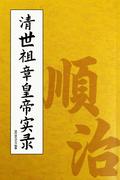 Records of Emperor Zuzhang of the Qing Dynasty: Shunzhi
"Records of Emperors of the Qing Dynasty" is a chronological history book compiled by the Qing Dynasty that records the achievements and activities of the Shunzhi Emperor (Aisin Gioro Fulin). It is named after the Shunzhi Emperor's temple name "Shizu" and his posthumous title "Titian Longyun Dingtong Jianji Ying Rui Qin Wen Xian Wu Dade Hong Gong Zhi Ren Chun Chun Xiao Zhang Emperor". The compilation of this record began in the sixth year of Kangxi (1667), with bachelor Batai as the supervisor,
—Reads8.0Score—Shelves
Records of Emperor Zuzhang of the Qing Dynasty: Shunzhi
"Records of Emperors of the Qing Dynasty" is a chronological history book compiled by the Qing Dynasty that records the achievements and activities of the Shunzhi Emperor (Aisin Gioro Fulin). It is named after the Shunzhi Emperor's temple name "Shizu" and his posthumous title "Titian Longyun Dingtong Jianji Ying Rui Qin Wen Xian Wu Dade Hong Gong Zhi Ren Chun Chun Xiao Zhang Emperor". The compilation of this record began in the sixth year of Kangxi (1667), with bachelor Batai as the supervisor,
—Reads8.0Score—Shelves
-
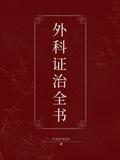 Complete Book of Surgical Diagnosis and Treatment
Surgical writings. Five volumes. Co-authored by Xu Kechang and Bi Fa of the Qing Dynasty. Published in 1831. Volume 1-3 General Introduction to Surgical Syndrome and Treatment, including head, face, eyes, nose, ears, mouth, lips, teeth, tongue, throat, neck, chest, breasts, armpits, flanks, ribs, shoulders, shoulders, arms, hands, back, waist, abdomen, two yin and thighs , knees, shins, and feet. Volume 4 covers syndromes with no fixed location, treatment of internal syndromes, external causes o
—Reads8.5Score—Shelves
Complete Book of Surgical Diagnosis and Treatment
Surgical writings. Five volumes. Co-authored by Xu Kechang and Bi Fa of the Qing Dynasty. Published in 1831. Volume 1-3 General Introduction to Surgical Syndrome and Treatment, including head, face, eyes, nose, ears, mouth, lips, teeth, tongue, throat, neck, chest, breasts, armpits, flanks, ribs, shoulders, shoulders, arms, hands, back, waist, abdomen, two yin and thighs , knees, shins, and feet. Volume 4 covers syndromes with no fixed location, treatment of internal syndromes, external causes o
—Reads8.5Score—Shelves
-
 Surgery Electives
Ancient Chinese medicine books are a shining pearl in the treasure house of Chinese medicine. They have high guiding significance and practical value, and have made significant contributions and far-reaching influences on the development of medicine in later generations.
—Reads8.0Score—Shelves
Surgery Electives
Ancient Chinese medicine books are a shining pearl in the treasure house of Chinese medicine. They have high guiding significance and practical value, and have made significant contributions and far-reaching influences on the development of medicine in later generations.
—Reads8.0Score—Shelves
-
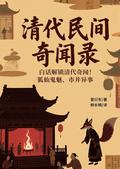 Folk Anecdotes of the Qing Dynasty
A collection of anecdotes from the Qing Dynasty in vernacular translation! Fox ghosts, strange magic, strange things in the city, every article is here, you must read it before going to bed ~ There are fox immortals who turn into human beings to express their concerns, strange people and magical skills that amaze everyone, there are the joys and sorrows of common people, and there are also warnings about the cycle of cause and effect in the world. The chats scattered under the bean sheds and the
—Reads9.1Score—Shelves
Folk Anecdotes of the Qing Dynasty
A collection of anecdotes from the Qing Dynasty in vernacular translation! Fox ghosts, strange magic, strange things in the city, every article is here, you must read it before going to bed ~ There are fox immortals who turn into human beings to express their concerns, strange people and magical skills that amaze everyone, there are the joys and sorrows of common people, and there are also warnings about the cycle of cause and effect in the world. The chats scattered under the bean sheds and the
—Reads9.1Score—Shelves
-
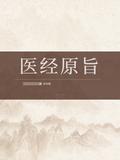 Original Purpose of Medical Classics
Ancient Chinese medicine books are a shining pearl in the treasure house of Chinese medicine. They have high guiding significance and practical value, and have made significant contributions and far-reaching influences on the development of medicine in later generations.
—Reads8.5Score—Shelves
Original Purpose of Medical Classics
Ancient Chinese medicine books are a shining pearl in the treasure house of Chinese medicine. They have high guiding significance and practical value, and have made significant contributions and far-reaching influences on the development of medicine in later generations.
—Reads8.5Score—Shelves
-
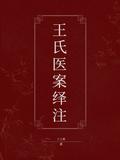 Annotations to Wang's Medical Cases
"Explanatory Notes on Wang's Medical Cases", title, ten volumes, with one appendix. It was written by Wang Shixiong in the Qing Dynasty, annotated by Shi Nianzu, and published in 1919. This book collects Wang's medical cases with detailed annotations. Analyze the condition, identify the pathogenesis, and determine the location of the disease. It is indeed helpful for studying Wang's medical records. There were omissions in the original case such as pulse conditions, illness conditions, prescript
—Reads8.3Score—Shelves
Annotations to Wang's Medical Cases
"Explanatory Notes on Wang's Medical Cases", title, ten volumes, with one appendix. It was written by Wang Shixiong in the Qing Dynasty, annotated by Shi Nianzu, and published in 1919. This book collects Wang's medical cases with detailed annotations. Analyze the condition, identify the pathogenesis, and determine the location of the disease. It is indeed helpful for studying Wang's medical records. There were omissions in the original case such as pulse conditions, illness conditions, prescript
—Reads8.3Score—Shelves
-
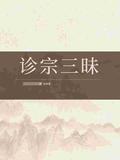 Diagnostic Samadhi
"Diagnostic Samadhi" is a work on pulse theory. The full name is "Old Man Shi Wan's Diagnostic Sect Samadhi". One volume, twelve articles in total. Written by Zhang Luo of the Qing Dynasty and compiled by Zhang Deng, the book was completed in 1689. The first part clarifies the purpose of writing this book, and criticizes some previous works on pulse theory, stating that "careless entry into the sect may lead to heresy", and strongly states that "I should use the water of samadhi to cleanse away
—Reads8.5Score—Shelves
Diagnostic Samadhi
"Diagnostic Samadhi" is a work on pulse theory. The full name is "Old Man Shi Wan's Diagnostic Sect Samadhi". One volume, twelve articles in total. Written by Zhang Luo of the Qing Dynasty and compiled by Zhang Deng, the book was completed in 1689. The first part clarifies the purpose of writing this book, and criticizes some previous works on pulse theory, stating that "careless entry into the sect may lead to heresy", and strongly states that "I should use the water of samadhi to cleanse away
—Reads8.5Score—Shelves
-
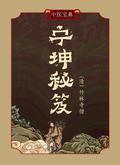 Traditional Chinese Medicine Collection: Ning Kun's Secrets
A series of medical books on gynecological diseases in traditional Chinese medicine, integrating various gynecological diseases such as irregular menstruation, gynecological inflammation, postpartum diseases and a series of related diseases. It focuses on classifying and compiling the disease principles, pharmacology, treatment methods, etc. In detail. "Ning Kun Secrets" elaborates on the principles, pharmacology and treatment methods involved in various gynecological diseases. It is a book with
—Reads7.7Score—Shelves
Traditional Chinese Medicine Collection: Ning Kun's Secrets
A series of medical books on gynecological diseases in traditional Chinese medicine, integrating various gynecological diseases such as irregular menstruation, gynecological inflammation, postpartum diseases and a series of related diseases. It focuses on classifying and compiling the disease principles, pharmacology, treatment methods, etc. In detail. "Ning Kun Secrets" elaborates on the principles, pharmacology and treatment methods involved in various gynecological diseases. It is a book with
—Reads7.7Score—Shelves
-
 Traditional Chinese Medicine Collection: Medical Conformity Record
[Popular work by Chen Nianzu, a top-notch doctor in the late Qing Dynasty, a master of traditional Chinese medicine and the light of mankind] In the late Qing Dynasty, Yi Chaodong, the minister of Guanglu Temple, Xiong Qian, the governor of Zhili, Xie Zaitian, the official minister, and Chen Nianzu, the life-saving doctor of the Ryukyu King, were highly praised by Lin Zexu. He lectured at the Inshang Thatched Cottage in Songshan, Fujian Province, and wrote dozens of books and had countless disci
—Reads9.1Score—Shelves
Traditional Chinese Medicine Collection: Medical Conformity Record
[Popular work by Chen Nianzu, a top-notch doctor in the late Qing Dynasty, a master of traditional Chinese medicine and the light of mankind] In the late Qing Dynasty, Yi Chaodong, the minister of Guanglu Temple, Xiong Qian, the governor of Zhili, Xie Zaitian, the official minister, and Chen Nianzu, the life-saving doctor of the Ryukyu King, were highly praised by Lin Zexu. He lectured at the Inshang Thatched Cottage in Songshan, Fujian Province, and wrote dozens of books and had countless disci
—Reads9.1Score—Shelves
-
 Traditional Chinese Medicine Collection: Medical Integration
Liu Shilian, a master of traditional Chinese medicine in the Qing Dynasty, collected medical discussions, clinical syndromes and treatments in various disciplines, and medical records from previous generations, and compiled them into categories. Volume 1 is a general introduction to medicine, discussing yin and yang, viscera, diagnostic methods, etc.; Volume 2-3 introduces typhoid fever, plague, miscellaneous internal diseases, obstetrics and gynecology, children and sores; Volume 4 is medical r
—Reads8.7Score—Shelves
Traditional Chinese Medicine Collection: Medical Integration
Liu Shilian, a master of traditional Chinese medicine in the Qing Dynasty, collected medical discussions, clinical syndromes and treatments in various disciplines, and medical records from previous generations, and compiled them into categories. Volume 1 is a general introduction to medicine, discussing yin and yang, viscera, diagnostic methods, etc.; Volume 2-3 introduces typhoid fever, plague, miscellaneous internal diseases, obstetrics and gynecology, children and sores; Volume 4 is medical r
—Reads8.7Score—Shelves
-
 Traditional Chinese Medicine Collection: Medical Excerpts
"Medical Excerpts" includes "Sixteen Syndrome Types of Typhoid Fever", "Typical Fever Syndrome Differentiation", "Four Diagnostic Keys", "Miscellaneous Syndrome Keywords", "Compendium of Materia Medica", "Typical Fever Syndrome Prescriptions", "Miscellaneous Disease Syndrome Prescriptions", etc.; It was written by Qingshu (ziyue Yunge), a minister in the late Qing Dynasty, who was mistaken by quack doctors for his mother's disease. Qing was good at clinical practice. After the Republic of China
—Reads8.1Score—Shelves
Traditional Chinese Medicine Collection: Medical Excerpts
"Medical Excerpts" includes "Sixteen Syndrome Types of Typhoid Fever", "Typical Fever Syndrome Differentiation", "Four Diagnostic Keys", "Miscellaneous Syndrome Keywords", "Compendium of Materia Medica", "Typical Fever Syndrome Prescriptions", "Miscellaneous Disease Syndrome Prescriptions", etc.; It was written by Qingshu (ziyue Yunge), a minister in the late Qing Dynasty, who was mistaken by quack doctors for his mother's disease. Qing was good at clinical practice. After the Republic of China
—Reads8.1Score—Shelves
-
 Traditional Chinese Medicine Collection: Medical Insights
Tang Rongchuan, a master of traditional Chinese medicine in the Qing Dynasty, is a work that popularizes medicine and aims to provide basic medical knowledge to novice doctors and non-medical professionals. The content of "Medical Insights" covers physiology, pathology, diagnosis and treatment methods, etc..
—Reads8.3Score—Shelves
Traditional Chinese Medicine Collection: Medical Insights
Tang Rongchuan, a master of traditional Chinese medicine in the Qing Dynasty, is a work that popularizes medicine and aims to provide basic medical knowledge to novice doctors and non-medical professionals. The content of "Medical Insights" covers physiology, pathology, diagnosis and treatment methods, etc..
—Reads8.3Score—Shelves
-
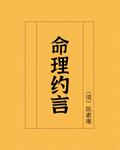 Numerology Promise
The representative work of Chen Su'an, a master of numerology in the Qing Dynasty. A classic work on numerology, the main content includes the basic methods and techniques of horoscope numerology. "Numerology Essay" covers numerology knowledge from basic to advanced, involving the analysis of birth horoscopes, judgment of patterns, selection of gods, etc.; It explains in detail the basic theories of heavenly stems, earthly branches, stems and stems, and stems and conflicts; it also supplements s
—Reads9.5Score—Shelves
Numerology Promise
The representative work of Chen Su'an, a master of numerology in the Qing Dynasty. A classic work on numerology, the main content includes the basic methods and techniques of horoscope numerology. "Numerology Essay" covers numerology knowledge from basic to advanced, involving the analysis of birth horoscopes, judgment of patterns, selection of gods, etc.; It explains in detail the basic theories of heavenly stems, earthly branches, stems and stems, and stems and conflicts; it also supplements s
—Reads9.5Score—Shelves
-
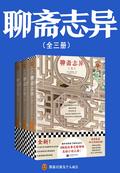 Strange Stories from a Chinese Studio (All Three Volumes)
Open the reader version of "Strange Stories from a Chinese Studio", and you will find 498 stories to fully appreciate the beauty of strange novels! Based on the photocopy of the 1955 manuscript, the four important Liaozhai editions are comprehensively reviewed! Specially included are the Records of Liaozhai, edition circulation diagrams, 533 comments by Qing people, as well as Lu Xun's Comments on Liaozhai and Feng Zhenluan's "Reading Miscellaneous Stories from Liaozhai". "Strange Stories from a
—Reads9.4Score—Shelves
Strange Stories from a Chinese Studio (All Three Volumes)
Open the reader version of "Strange Stories from a Chinese Studio", and you will find 498 stories to fully appreciate the beauty of strange novels! Based on the photocopy of the 1955 manuscript, the four important Liaozhai editions are comprehensively reviewed! Specially included are the Records of Liaozhai, edition circulation diagrams, 533 comments by Qing people, as well as Lu Xun's Comments on Liaozhai and Feng Zhenluan's "Reading Miscellaneous Stories from Liaozhai". "Strange Stories from a
—Reads9.4Score—Shelves
-
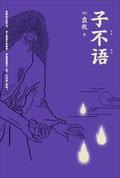 Zibuyu (Guomai Classic)
This book is a notebook novel compiled by Yuan Mei during the Qianjia period of the Qing Dynasty. It was originally called "Zi Buyu". Later, it was changed to "Xin Qixie" when it was found that there were similarities in the Yuan Dynasty. The stories in the book come from folk rumors, oral narrations from relatives and friends, other people's writings, real life and the author's creation. Most of the stories in the book are about ghosts and spirits, but also about strange people and anecdotes. Y
—Reads8.6Score—Shelves
Zibuyu (Guomai Classic)
This book is a notebook novel compiled by Yuan Mei during the Qianjia period of the Qing Dynasty. It was originally called "Zi Buyu". Later, it was changed to "Xin Qixie" when it was found that there were similarities in the Yuan Dynasty. The stories in the book come from folk rumors, oral narrations from relatives and friends, other people's writings, real life and the author's creation. Most of the stories in the book are about ghosts and spirits, but also about strange people and anecdotes. Y
—Reads8.6Score—Shelves
-
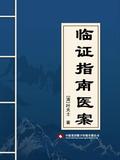 Clinical Guidelines and Medical Records
"Clinical Guidelines and Medical Records" was written in 1746 by Ye Gui of the Qing Dynasty. The book consists of 10 volumes and is divided into 89 sections. Among them, Volumes 1 to 8 cover internal medicine syndromes and miscellaneous syndromes, Volume 9 covers gynecology, and Volume 10 covers pediatrics. This book was called a model of clinical medical records by later generations. The famous names Fang Sang Ju Yin, Yin Qiao Powder, Qing Ying Decoction, and Qing Gong Decoction were adapted fr
—Reads9.2Score—Shelves
Clinical Guidelines and Medical Records
"Clinical Guidelines and Medical Records" was written in 1746 by Ye Gui of the Qing Dynasty. The book consists of 10 volumes and is divided into 89 sections. Among them, Volumes 1 to 8 cover internal medicine syndromes and miscellaneous syndromes, Volume 9 covers gynecology, and Volume 10 covers pediatrics. This book was called a model of clinical medical records by later generations. The famous names Fang Sang Ju Yin, Yin Qiao Powder, Qing Ying Decoction, and Qing Gong Decoction were adapted fr
—Reads9.2Score—Shelves
-
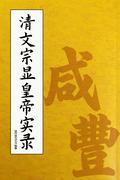 Records of Emperor Wenzongxian of the Qing Dynasty: Xianfeng
"Records of Emperor Wenzongxian of the Qing Dynasty" is a chronicle history book compiled by officials in the Qing Dynasty. It records the decrees, words and deeds, and major historical events of Emperor Xianfeng (Aixinjueluo Yiqi) during his reign (1850-1861). It is a core document for studying the politics, military and society of the late Qing Dynasty. In October of the eleventh year of Xianfeng (1861), academicians Jia Zhen, Zhou Zupei and others were ordered to compile it, and it was comple
—Reads8.2Score—Shelves
Records of Emperor Wenzongxian of the Qing Dynasty: Xianfeng
"Records of Emperor Wenzongxian of the Qing Dynasty" is a chronicle history book compiled by officials in the Qing Dynasty. It records the decrees, words and deeds, and major historical events of Emperor Xianfeng (Aixinjueluo Yiqi) during his reign (1850-1861). It is a core document for studying the politics, military and society of the late Qing Dynasty. In October of the eleventh year of Xianfeng (1861), academicians Jia Zhen, Zhou Zupei and others were ordered to compile it, and it was comple
—Reads8.2Score—Shelves
-
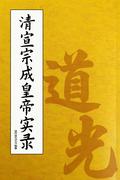 Records of Emperor Xuanzong of the Qing Dynasty: Daoguang
"Records of the Emperor Xuanzong of the Qing Dynasty" is a long chronological historical record of the reign of Emperor Daoguang (Aixinjueluo Minning) officially compiled by the Qing Dynasty. It has extremely high historical value. In June of the 30th year of Daoguang reign, Emperor Xianfeng ordered the opening of a library for compilation and revision. University scholars Wenqing and Huashana were appointed as presidents, and the book was completed in November of the 6th year of Xianfeng (1856)
—Reads9.2Score—Shelves
Records of Emperor Xuanzong of the Qing Dynasty: Daoguang
"Records of the Emperor Xuanzong of the Qing Dynasty" is a long chronological historical record of the reign of Emperor Daoguang (Aixinjueluo Minning) officially compiled by the Qing Dynasty. It has extremely high historical value. In June of the 30th year of Daoguang reign, Emperor Xianfeng ordered the opening of a library for compilation and revision. University scholars Wenqing and Huashana were appointed as presidents, and the book was completed in November of the 6th year of Xianfeng (1856)
—Reads9.2Score—Shelves
-
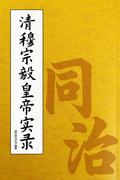 Records of Emperor Mu Zongyi of the Qing Dynasty: Tongzhi
"Records of Emperor Mu Zongyi of the Qing Dynasty" has a total of 374 volumes. It records the end of July in the eleventh year of Xianfeng and December of the thirteenth year of Tongzhi. Zai Chun, Muzong of the Qing Dynasty, Aixinjueluo Zai Chun (1856-1875) was the eighth emperor of the Qing Dynasty. Reigned from 1861 to 1875, with the reign title Tongzhi. In July of the 11th year of Xianfeng's reign, Emperor Xianfeng passed away. The ministers were busy managing the funeral and at the same time
—Reads8.1Score—Shelves
Records of Emperor Mu Zongyi of the Qing Dynasty: Tongzhi
"Records of Emperor Mu Zongyi of the Qing Dynasty" has a total of 374 volumes. It records the end of July in the eleventh year of Xianfeng and December of the thirteenth year of Tongzhi. Zai Chun, Muzong of the Qing Dynasty, Aixinjueluo Zai Chun (1856-1875) was the eighth emperor of the Qing Dynasty. Reigned from 1861 to 1875, with the reign title Tongzhi. In July of the 11th year of Xianfeng's reign, Emperor Xianfeng passed away. The ministers were busy managing the funeral and at the same time
—Reads8.1Score—Shelves
-
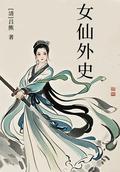 The External History of Female Fairies
"The Story of the Female Immortal" is a novel about gods and demons written by Lu Xiong in the Qing Dynasty. It is based on the "Battle of Jingnan" in the early Ming Dynasty and tells the story of Sai'er's uprising in Tang Dynasty in Shandong. Tang Sai'er was the reincarnation of Chang'e, and with the help of immortals, he obtained the Book of Heaven and the Sword. He denounced Zhu Di, the king of Yan, who was originally Sirius, and started an illusion and battle between immortals, demons and Bu
—Reads9.6Score—Shelves
The External History of Female Fairies
"The Story of the Female Immortal" is a novel about gods and demons written by Lu Xiong in the Qing Dynasty. It is based on the "Battle of Jingnan" in the early Ming Dynasty and tells the story of Sai'er's uprising in Tang Dynasty in Shandong. Tang Sai'er was the reincarnation of Chang'e, and with the help of immortals, he obtained the Book of Heaven and the Sword. He denounced Zhu Di, the king of Yan, who was originally Sirius, and started an illusion and battle between immortals, demons and Bu
—Reads9.6Score—Shelves
-
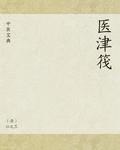 Traditional Chinese Medicine Collection: Yi Jin Raf
An important work by Jiang Zhilan, a master of traditional Chinese medicine in the Qing Dynasty. This book takes several phrases from the "Nei Jing" as its title, and then discusses them in sections at the end. The reasoning is precise and the wording is concise. Based on this, scholars can draw inferences and draw parallels.
—Reads8.6Score—Shelves
Traditional Chinese Medicine Collection: Yi Jin Raf
An important work by Jiang Zhilan, a master of traditional Chinese medicine in the Qing Dynasty. This book takes several phrases from the "Nei Jing" as its title, and then discusses them in sections at the end. The reasoning is precise and the wording is concise. Based on this, scholars can draw inferences and draw parallels.
—Reads8.6Score—Shelves
-
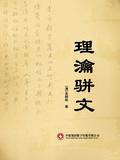 Parallel Prose
"Li Zhen Parallel Prose" was originally called "External Treatment Medical Theory" and was written in 1864 by Wu Shiji in the Qing Dynasty. The whole book is 1 volume, not divided into volumes. It is divided into four parts: brief introduction, continued addition of brief introduction, rationalization of parallel prose, and revision and delivery of prescriptions and methods of adding medicine in Cunjitang Pharmacy. The first part of the volume contains a "brief introduction", which summarizes th
—Reads8.7Score—Shelves
Parallel Prose
"Li Zhen Parallel Prose" was originally called "External Treatment Medical Theory" and was written in 1864 by Wu Shiji in the Qing Dynasty. The whole book is 1 volume, not divided into volumes. It is divided into four parts: brief introduction, continued addition of brief introduction, rationalization of parallel prose, and revision and delivery of prescriptions and methods of adding medicine in Cunjitang Pharmacy. The first part of the volume contains a "brief introduction", which summarizes th
—Reads8.7Score—Shelves
-
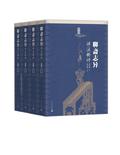 New Commentary on Strange Tales from a Chinese Studio: All 4 Volumes
Pu Songling's "Strange Stories from a Chinese Studio" is the pinnacle of ancient Chinese classical Chinese novels about strange legends and legends, and is well-known in the world of literature. This book is based on Ren Duxing's "Whole School Edition" and corrects errors in sentence reading, collation, and wording. The annotations of the words are extremely detailed and detailed, many of which have not been published before; the commentary and analysis are subtle and original. It can be said to
—Reads9.3Score—Shelves
New Commentary on Strange Tales from a Chinese Studio: All 4 Volumes
Pu Songling's "Strange Stories from a Chinese Studio" is the pinnacle of ancient Chinese classical Chinese novels about strange legends and legends, and is well-known in the world of literature. This book is based on Ren Duxing's "Whole School Edition" and corrects errors in sentence reading, collation, and wording. The annotations of the words are extremely detailed and detailed, many of which have not been published before; the commentary and analysis are subtle and original. It can be said to
—Reads9.3Score—Shelves
-
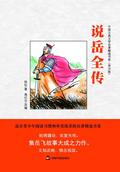 Shuo Yue Quan Zhuan·youth Edition
The full name of Qian Cai's Shuo Yue Quan Zhuan is "Jingzhong Romance Shuo Ben Yue Wang Quan Zhuan", with 20 volumes and 80 chapters. From the Southern Song Dynasty to the Qing Dynasty, the story of "Yue Family General" has been one of the main contents told by storytellers and has never been interrupted for hundreds of years. "The Complete Biography of Yue Shuo" is compiled based on the original works of folk storytellers. The novel is based on the background of the anti-Jin war. It praises Yue
—Reads8.6Score—Shelves
Shuo Yue Quan Zhuan·youth Edition
The full name of Qian Cai's Shuo Yue Quan Zhuan is "Jingzhong Romance Shuo Ben Yue Wang Quan Zhuan", with 20 volumes and 80 chapters. From the Southern Song Dynasty to the Qing Dynasty, the story of "Yue Family General" has been one of the main contents told by storytellers and has never been interrupted for hundreds of years. "The Complete Biography of Yue Shuo" is compiled based on the original works of folk storytellers. The novel is based on the background of the anti-Jin war. It praises Yue
—Reads8.6Score—Shelves
-
 Unparalleled in the World (Banned Book in Ancient China)
"The Unmatched in the World" is a vernacular novel compiled by Wu Echuan, an ancient master of the Qing Dynasty. "The Legend of the Unparalleled in the World" and "The Dream of Flowers, Part Two" have four volumes and sixteen chapters. It was written in the early Qing Dynasty. The book contains a narrative about the grievances between Quan Yi'an and the prostitute Feiyan, and the main text narrates the grievances between Qian Baihong, Chen Yuquan and others. It expresses the moral concept mentio
—Reads9.3Score—Shelves
Unparalleled in the World (Banned Book in Ancient China)
"The Unmatched in the World" is a vernacular novel compiled by Wu Echuan, an ancient master of the Qing Dynasty. "The Legend of the Unparalleled in the World" and "The Dream of Flowers, Part Two" have four volumes and sixteen chapters. It was written in the early Qing Dynasty. The book contains a narrative about the grievances between Quan Yi'an and the prostitute Feiyan, and the main text narrates the grievances between Qian Baihong, Chen Yuquan and others. It expresses the moral concept mentio
—Reads9.3Score—Shelves
-
 The Legend of Zhao Kuangyin
A long novel about historical figures in the Qing Dynasty. You can read some ancient novels: the book has sixty chapters in total, telling the story of Zhao Kuangyin's experience of making a fortune in his youth before he became emperor, and showing readers a flesh-and-blood image of a heroic hero in the city.
—Reads9.4Score—Shelves
The Legend of Zhao Kuangyin
A long novel about historical figures in the Qing Dynasty. You can read some ancient novels: the book has sixty chapters in total, telling the story of Zhao Kuangyin's experience of making a fortune in his youth before he became emperor, and showing readers a flesh-and-blood image of a heroic hero in the city.
—Reads9.4Score—Shelves
-
 A Complete Interpretation of Guanzhi in Ancient Chinese Literature (Chinese Studies Collection)
"Gu Wen Guan Zhi" is a classic compilation of classical Chinese prose. The book compiles 222 articles from the Zhou Dynasty to the Ming Dynasty. The selected articles are eclectic, including many famous works and famous writers in the past, as well as "unknown people". The articles are all the essence of ancient prose. Based on the original work, this book adds columns such as problem explanations, annotations, translations, and writing methods, and through the organic combination of various vis
—Reads9.4Score—Shelves
A Complete Interpretation of Guanzhi in Ancient Chinese Literature (Chinese Studies Collection)
"Gu Wen Guan Zhi" is a classic compilation of classical Chinese prose. The book compiles 222 articles from the Zhou Dynasty to the Ming Dynasty. The selected articles are eclectic, including many famous works and famous writers in the past, as well as "unknown people". The articles are all the essence of ancient prose. Based on the original work, this book adds columns such as problem explanations, annotations, translations, and writing methods, and through the organic combination of various vis
—Reads9.4Score—Shelves
-
 Materia Medica Shu Gou Yuan
"Ben Cao Shu Gou Yuan" is a work that refines and sublimates Liu Ruojin's "Ben Cao Shu". Liu Ruojin's "Compendium of Materia Medica" is good at elucidating the philosophy of medicinal properties and integrating the theories of doctors from the Jin and Yuan Dynasties, but the content is vast. Yang Shitai was deeply aware of its value, so he "cut out the complexity and captured the key points" and systematically organized, deleted and refined it, so it was called "Gouyuan". He retained the profoun
—Reads7.9Score—Shelves
Materia Medica Shu Gou Yuan
"Ben Cao Shu Gou Yuan" is a work that refines and sublimates Liu Ruojin's "Ben Cao Shu". Liu Ruojin's "Compendium of Materia Medica" is good at elucidating the philosophy of medicinal properties and integrating the theories of doctors from the Jin and Yuan Dynasties, but the content is vast. Yang Shitai was deeply aware of its value, so he "cut out the complexity and captured the key points" and systematically organized, deleted and refined it, so it was called "Gouyuan". He retained the profoun
—Reads7.9Score—Shelves
-
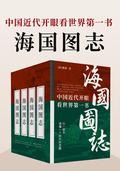 Hai Guo Tu Zhi (The First Book in Modern China to Open One's Eyes to the World)
With one book, you can understand the awakening of an era. The first systematic world geography work in modern China that "opened the eyes of the world". "Hai Guo Tu Zhi" was compiled by Wei Yuan, a thinker in the Qing Dynasty. It is a milestone work for modern Chinese intellectuals to proactively understand the world and reflect on themselves to strengthen themselves. This edition is based on a hundred-volume full volume, and fully contains the original content compiled by Wei Yuan, striving to
—Reads9.0Score—Shelves
Hai Guo Tu Zhi (The First Book in Modern China to Open One's Eyes to the World)
With one book, you can understand the awakening of an era. The first systematic world geography work in modern China that "opened the eyes of the world". "Hai Guo Tu Zhi" was compiled by Wei Yuan, a thinker in the Qing Dynasty. It is a milestone work for modern Chinese intellectuals to proactively understand the world and reflect on themselves to strengthen themselves. This edition is based on a hundred-volume full volume, and fully contains the original content compiled by Wei Yuan, striving to
—Reads9.0Score—Shelves
-
 Complete Biography of Zhong Kui
The main content of "The Complete Biography of Zhong Kui" is: During the Tang Dynasty, Zhong Kui failed in many attempts due to his ugly appearance and died in the Golden Palace. His unjust soul was ordered by the Jade Emperor to investigate the Underworld. He traveled through the nine hells, met with the king of hell in the ten palaces, killed the mountain leader, and captured bats. Later, he was named "Generalissimo of Demons" by Lord Yan, and went to Wanwan County to eliminate the ghosts in t
—Reads9.3Score—Shelves
Complete Biography of Zhong Kui
The main content of "The Complete Biography of Zhong Kui" is: During the Tang Dynasty, Zhong Kui failed in many attempts due to his ugly appearance and died in the Golden Palace. His unjust soul was ordered by the Jade Emperor to investigate the Underworld. He traveled through the nine hells, met with the king of hell in the ten palaces, killed the mountain leader, and captured bats. Later, he was named "Generalissimo of Demons" by Lord Yan, and went to Wanwan County to eliminate the ghosts in t
—Reads9.3Score—Shelves
-
 Eye Sutra Dacheng
"Must-read classic series of ancient Chinese medicine books: Mu Jing Dacheng" is a must-read book for every Chinese medicine practitioner in clinical work. It is a classic academic monograph over the years for studying Chinese medicine. It is the best version recognized by the academic community and mainly embodies practicality, representativeness, scholarship and universality. It is a collection and work desk book and a must-have book for Chinese medicine clinicians in various disciplines.
—Reads8.5Score—Shelves
Eye Sutra Dacheng
"Must-read classic series of ancient Chinese medicine books: Mu Jing Dacheng" is a must-read book for every Chinese medicine practitioner in clinical work. It is a classic academic monograph over the years for studying Chinese medicine. It is the best version recognized by the academic community and mainly embodies practicality, representativeness, scholarship and universality. It is a collection and work desk book and a must-have book for Chinese medicine clinicians in various disciplines.
—Reads8.5Score—Shelves
-
 Detailed Study of Divination
The ancient divination method has been passed down to the present, and the current divination method is not contrary to reason. This is basically the case.
—Reads8.3Score—Shelves
Detailed Study of Divination
The ancient divination method has been passed down to the present, and the current divination method is not contrary to reason. This is basically the case.
—Reads8.3Score—Shelves
-
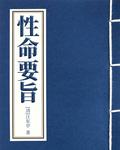 Essentials of Life
Works on inner alchemy and health care. The representative work of Wang Dongting, a medical scientist in the Qing Dynasty, "The Essentials of Life and Life" is divided into four parts: the life and life chapter, the addendum, the evil spirits chapter, and the Tai Chi illustrations and notes. It covers the basic theory of traditional Chinese medicine, syndrome differentiation and treatment, prescriptions, acupuncture, etc. The author systematically summarizes the knowledge in the medical field at
—Reads8.2Score—Shelves
Essentials of Life
Works on inner alchemy and health care. The representative work of Wang Dongting, a medical scientist in the Qing Dynasty, "The Essentials of Life and Life" is divided into four parts: the life and life chapter, the addendum, the evil spirits chapter, and the Tai Chi illustrations and notes. It covers the basic theory of traditional Chinese medicine, syndrome differentiation and treatment, prescriptions, acupuncture, etc. The author systematically summarizes the knowledge in the medical field at
—Reads8.2Score—Shelves
-
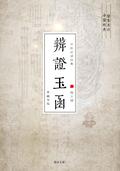 Dialectical Jade Letter
"Yu Han" is a classic work on traditional Chinese medicine written by Chen Shiduo, a famous doctor in the Qing Dynasty. The book uses "yin and yang, deficiency and excess, upper and lower, true and false" as the syndrome differentiation program, and various diseases are classified under these eight categories. The book explains in detail the syndrome differentiation analysis and treatment methods of each disease. The writing style is unique and the medication and treatment are practical. It is a
—Reads9.4Score—Shelves
Dialectical Jade Letter
"Yu Han" is a classic work on traditional Chinese medicine written by Chen Shiduo, a famous doctor in the Qing Dynasty. The book uses "yin and yang, deficiency and excess, upper and lower, true and false" as the syndrome differentiation program, and various diseases are classified under these eight categories. The book explains in detail the syndrome differentiation analysis and treatment methods of each disease. The writing style is unique and the medication and treatment are practical. It is a
—Reads9.4Score—Shelves
-
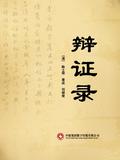 Dialectics
"Diagnostic Records" was written around 1687 by Chen Shiduo in the Qing Dynasty. The book has 14 volumes, divided into 126 subjects and 776 certificates. Volumes 1 to 10 describe typhoid fever, moderate cold, stroke, paralysis syndrome, etc., Mainly exogenous fever, internal injuries and miscellaneous diseases, and facial diseases; Volumes 11 and 12 describe gynecological diseases; Volume 13 describes surgical diseases; Volume 14 describes pediatric diseases. Each disease is detailed with sympto
—Reads9.4Score—Shelves
Dialectics
"Diagnostic Records" was written around 1687 by Chen Shiduo in the Qing Dynasty. The book has 14 volumes, divided into 126 subjects and 776 certificates. Volumes 1 to 10 describe typhoid fever, moderate cold, stroke, paralysis syndrome, etc., Mainly exogenous fever, internal injuries and miscellaneous diseases, and facial diseases; Volumes 11 and 12 describe gynecological diseases; Volume 13 describes surgical diseases; Volume 14 describes pediatric diseases. Each disease is detailed with sympto
—Reads9.4Score—Shelves
-
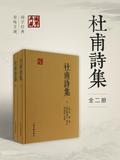 Du Fu's Poetry Collection (Two Volumes)
"Du Fu's Poems" ("Qian's Notes on Du's Poems") is one of the more influential annotations of Du Fu's poetry. This compilation 1. Uses the Kangxi Jingsi Hall engraved edition as the base; 2. The original edition has many original proofreadings, and they are all mixed with the poems. Due to the review, the proofreading and Qian's notes are placed after the poem, and the serial number is added for the convenience of readers; 3. The original book's preface and postscript are placed at the end as an
—Reads8.9Score—Shelves
Du Fu's Poetry Collection (Two Volumes)
"Du Fu's Poems" ("Qian's Notes on Du's Poems") is one of the more influential annotations of Du Fu's poetry. This compilation 1. Uses the Kangxi Jingsi Hall engraved edition as the base; 2. The original edition has many original proofreadings, and they are all mixed with the poems. Due to the review, the proofreading and Qian's notes are placed after the poem, and the serial number is added for the convenience of readers; 3. The original book's preface and postscript are placed at the end as an
—Reads8.9Score—Shelves
-
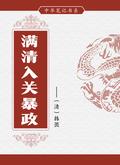 The Qing Dynasty Entered the Customs and Entered Tyranny
["The Qing Dynasty Enters the Pass to Reign Tyranny" (Full Modern Standard Chinese Translation)] Full vernacular translation of classic historical materials from the Qing Dynasty! Han Shu's "The Tyranny of the Qing Dynasty" breaks away from the shackles of the obscurity of ancient books and directly addresses the turbulent years after the Qing army entered the country. The book details the key historical scenes such as shaving one's hair and changing clothes, the massacre, and the enclosure of l
—Reads8.4Score—Shelves
The Qing Dynasty Entered the Customs and Entered Tyranny
["The Qing Dynasty Enters the Pass to Reign Tyranny" (Full Modern Standard Chinese Translation)] Full vernacular translation of classic historical materials from the Qing Dynasty! Han Shu's "The Tyranny of the Qing Dynasty" breaks away from the shackles of the obscurity of ancient books and directly addresses the turbulent years after the Qing army entered the country. The book details the key historical scenes such as shaving one's hair and changing clothes, the massacre, and the enclosure of l
—Reads8.4Score—Shelves
-
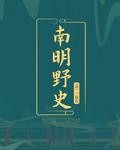 Unofficial History of Nanming
You can read some Chinese history: In 1644 AD, Li Zicheng's army captured Beijing, and then the Manchu Qing Dynasty occupied the Central Plains. The resistance regimes established by the Ming Dynasty clan in the south were collectively called Nanming. Including the Hongguang regime, Longwu regime, Lu Wangjianguo, Shaowu regime and Yongli regime, which lasted for 18 years in total. This book tells about the affairs of Fu Fan, Lu Fan, Tang Fan, Gui Fan and Tang Dynasty. This book is named "Unoffic
—Reads8.2Score—Shelves
Unofficial History of Nanming
You can read some Chinese history: In 1644 AD, Li Zicheng's army captured Beijing, and then the Manchu Qing Dynasty occupied the Central Plains. The resistance regimes established by the Ming Dynasty clan in the south were collectively called Nanming. Including the Hongguang regime, Longwu regime, Lu Wangjianguo, Shaowu regime and Yongli regime, which lasted for 18 years in total. This book tells about the affairs of Fu Fan, Lu Fan, Tang Fan, Gui Fan and Tang Dynasty. This book is named "Unoffic
—Reads8.2Score—Shelves