Fanqie library
Browse
- Titles
- 33
Every Fanqie book we index, searchable by title, author or tag.
-
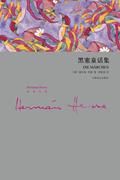 Hesse's Fairy Tales
This book collects Hesse's twenty fairy tales, covering his entire creative career and witnessing his life trajectory. Hesse's fairy tales are not fairy tales in the traditional sense, but they are deeply influenced by Eastern and Western fairy tale traditions. From "Two Brothers", which he created when he was ten years old, to his last piece, "Birds," written in 1933, they bear witness to Hesse's attempts to use this genre to record his inner world as an artist. Like many European writers of hi
363Reads9.4Score142Shelves
Hesse's Fairy Tales
This book collects Hesse's twenty fairy tales, covering his entire creative career and witnessing his life trajectory. Hesse's fairy tales are not fairy tales in the traditional sense, but they are deeply influenced by Eastern and Western fairy tale traditions. From "Two Brothers", which he created when he was ten years old, to his last piece, "Birds," written in 1933, they bear witness to Hesse's attempts to use this genre to record his inner world as an artist. Like many European writers of hi
363Reads9.4Score142Shelves
-
 Demian: the Story of Emile Sinclair as a Young Man
"Demian" is a novella written by German writer Hermann Hesse in 1919. Readers will accompany the young Emile Sinclair as he grows up, experiencing the temptation of the complex world, experiencing loneliness, timidity, hesitation, rebellion, longing for love and friendship, and falling into doubts about himself and the outside world, until he meets his peer Demian. Under his influence, he will find answers step by step and mature.
238Reads9.4Score108Shelves
Demian: the Story of Emile Sinclair as a Young Man
"Demian" is a novella written by German writer Hermann Hesse in 1919. Readers will accompany the young Emile Sinclair as he grows up, experiencing the temptation of the complex world, experiencing loneliness, timidity, hesitation, rebellion, longing for love and friendship, and falling into doubts about himself and the outside world, until he meets his peer Demian. Under his influence, he will find answers step by step and mature.
238Reads9.4Score108Shelves
-
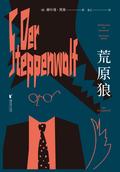 Steppenwolf (Fruit Classic)
"Steppenwolf" is Hesse's novel published in 1927, with a strong autobiographical flavor. It is a literary expression in which Hermann Hesse investigates the protagonist Harry Haller and strives to reveal and resolve his conflicts with popular culture, industrial society and the power class, as well as his deep psychological crisis. The novel switches between creative multiple perspectives, including the anonymous publisher, a manual called "On Steppenwolf", and Harry himself, showing readers a v
230Reads9.4Score104Shelves
Steppenwolf (Fruit Classic)
"Steppenwolf" is Hesse's novel published in 1927, with a strong autobiographical flavor. It is a literary expression in which Hermann Hesse investigates the protagonist Harry Haller and strives to reveal and resolve his conflicts with popular culture, industrial society and the power class, as well as his deep psychological crisis. The novel switches between creative multiple perspectives, including the anonymous publisher, a manual called "On Steppenwolf", and Harry himself, showing readers a v
230Reads9.4Score104Shelves
-
 Siddhartha
, an aristocratic young man in ancient India, was handsome and intelligent, and had everything that people envied. In order to pursue spiritual peace, he embarked on a journey of seeking Taoism alone. He listened to Buddha Gautama's teachings in Savatthi City, met the famous prostitute Kamala in the bustling city, and became a wealthy businessman. The enjoyment of his soul and body reached its peak, but it made him tired of and despised himself to the extreme. After making love with Ka
92Reads9.4Score—Shelves
Siddhartha
Siddhartha, an aristocratic young man in ancient India, was handsome and intelligent, and had everything that people envied. In order to pursue spiritual peace, he embarked on a journey of seeking Taoism alone. He listened to Buddha Gautama's teachings in Savatthi City, met the famous prostitute Kamala in the bustling city, and became a wealthy businessman. The enjoyment of his soul and body reached its peak, but it made him tired of and despised himself to the extreme. After making love with Ka
92Reads9.4Score—Shelves
-
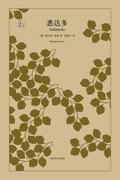 Siddhartha (Translation 40)
Hermann Hesse, originally from Germany, became a Swiss citizen in 1923 and lived in seclusion in the Swiss countryside for a long time. He is known as the last knight of German Romanticism. His masterpiece "Steppenwolf" has caused a sensation in Europe and America, and was hailed as "Germany's Ulysses" by Thomas Mann. In 1946, he won the Nobel Prize in Literature "because his inspired works are powerful and insightful, and also provide an example of lofty humanitarian ideals and noble style." "S
56Reads9.3Score—Shelves
Siddhartha (Translation 40)
Hermann Hesse, originally from Germany, became a Swiss citizen in 1923 and lived in seclusion in the Swiss countryside for a long time. He is known as the last knight of German Romanticism. His masterpiece "Steppenwolf" has caused a sensation in Europe and America, and was hailed as "Germany's Ulysses" by Thomas Mann. In 1946, he won the Nobel Prize in Literature "because his inspired works are powerful and insightful, and also provide an example of lofty humanitarian ideals and noble style." "S
56Reads9.3Score—Shelves
-
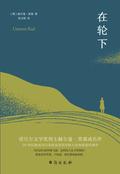 Under the Wheel
The protagonist of the story, named Hans, was born in an ordinary family. He has been extremely talented since childhood, diligent and studious, and is regarded as a child prodigy by everyone. Hans entered the seminary with excellent grades, but he was not good at socializing and was alone. Until by chance, he met Hermann. Herman was rebellious by nature, despised fame, and was not tolerated by the school. Although they are two completely different people, they have the same spirit and become go
51Reads9.4Score—Shelves
Under the Wheel
The protagonist of the story, named Hans, was born in an ordinary family. He has been extremely talented since childhood, diligent and studious, and is regarded as a child prodigy by everyone. Hans entered the seminary with excellent grades, but he was not good at socializing and was alone. Until by chance, he met Hermann. Herman was rebellious by nature, despised fame, and was not tolerated by the school. Although they are two completely different people, they have the same spirit and become go
51Reads9.4Score—Shelves
-
 Siddhartha (Hesse Selections)
"Hesse Selections" includes five masterpieces from different periods by Hermann Hesse, winner of the 1946 Nobel Prize for Literature: "Under the Wheel", "Demian: The Wandering Boyhood", "Siddhartha", "Steppenwolf" and "Narcissus and Goldmund". The story of "Siddhartha" begins with the awakening of young Siddhartha's self-awareness. He rebelled from his family and began a tortuous life in search of his true self. Having experienced different thoughts, the temptations of love, power, and wealth, a
43Reads9.3Score—Shelves
Siddhartha (Hesse Selections)
"Hesse Selections" includes five masterpieces from different periods by Hermann Hesse, winner of the 1946 Nobel Prize for Literature: "Under the Wheel", "Demian: The Wandering Boyhood", "Siddhartha", "Steppenwolf" and "Narcissus and Goldmund". The story of "Siddhartha" begins with the awakening of young Siddhartha's self-awareness. He rebelled from his family and began a tortuous life in search of his true self. Having experienced different thoughts, the temptations of love, power, and wealth, a
43Reads9.3Score—Shelves
-
 Siddha************
During World War I, Hermann's youngest son Bruno suffered from a serious illness. In 1916, his father died, a marital crisis, and his wife's mental illness plunged the already famous writer and poet into a deep depression. In this situation, the author began to write this book. This work, written in 1922, is also his ninth work. It describes the protagonist Siddhartha's three important journeys in pursuing himself in ancient India. From conscious asceticism to self-exile and sensual enjoyment, i
26Reads5.8Score—Shelves
Siddha************
During World War I, Hermann's youngest son Bruno suffered from a serious illness. In 1916, his father died, a marital crisis, and his wife's mental illness plunged the already famous writer and poet into a deep depression. In this situation, the author began to write this book. This work, written in 1922, is also his ninth work. It describes the protagonist Siddhartha's three important journeys in pursuing himself in ancient India. From conscious asceticism to self-exile and sensual enjoyment, i
26Reads5.8Score—Shelves
-
 Siddhartha (New Version)
The young Siddhartha discovered that life would always involve experiencing all kinds of pain. In order to seek relief, he began to wander alone. On the way, he listened to the teachings of the elders, explored the mysteries of lust, and had a lot of wealth... After almost exhausting the experience of both spirit and body, Siddhartha was still in deep pain and could not be relieved. In despair, he came to the river and planned to end his life, but at this moment he saw the wonderful harmony of t
4Reads9.0Score—Shelves
Siddhartha (New Version)
The young Siddhartha discovered that life would always involve experiencing all kinds of pain. In order to seek relief, he began to wander alone. On the way, he listened to the teachings of the elders, explored the mysteries of lust, and had a lot of wealth... After almost exhausting the experience of both spirit and body, Siddhartha was still in deep pain and could not be relieved. In despair, he came to the river and planned to end his life, but at this moment he saw the wonderful harmony of t
4Reads9.0Score—Shelves
-
 Spirit and Eros (Collector's Edition)
"Spirit and Eros" (Narziß und G oldmund) is the representative novel of Nobel Prize winner Hermann Hesse, written after "Demian", "Siddhartha" and "Steppenwolf". The novel tells the life of Narcissus and Goldmund, two talented but very different young men. Narcissus, a young scholar at Mariabronn Monastery, is talented and talented. He has always been strict with himself and upholds the ideal of becoming a theologian who advocates logic and reason. Goldmund, who entered the school as a newcomer,
—Reads9.2Score—Shelves
Spirit and Eros (Collector's Edition)
"Spirit and Eros" (Narziß und G oldmund) is the representative novel of Nobel Prize winner Hermann Hesse, written after "Demian", "Siddhartha" and "Steppenwolf". The novel tells the life of Narcissus and Goldmund, two talented but very different young men. Narcissus, a young scholar at Mariabronn Monastery, is talented and talented. He has always been strict with himself and upholds the ideal of becoming a theologian who advocates logic and reason. Goldmund, who entered the school as a newcomer,
—Reads9.2Score—Shelves
-
 Demian
Works of Nobel Prize-winning writers: masterpieces by German literary master Hermann Hesse. As we all know, some literary masters are not famous in the world because of their Nobel Prize winners. It is more likely that the Nobel Prize has become a world-recognized literary award because of the awarding of those literary masters. Hermann Hesse is one of the winners who can add authority and luster to the Nobel Prize. You can even understand it this way: the prize money for the Nobel Prize in Lit
—Reads8.9Score—Shelves
Demian
Works of Nobel Prize-winning writers: masterpieces by German literary master Hermann Hesse. As we all know, some literary masters are not famous in the world because of their Nobel Prize winners. It is more likely that the Nobel Prize has become a world-recognized literary award because of the awarding of those literary masters. Hermann Hesse is one of the winners who can add authority and luster to the Nobel Prize. You can even understand it this way: the prize money for the Nobel Prize in Lit
—Reads8.9Score—Shelves
-
 Writer's List: Siddhartha
Siddhartha, an aristocratic young man from ancient India, walked and meditated on the rose path in the fig garden. Since his birth, Siddhartha has had the success that most people desire: a prominent family background, a smart mind, the love of his parents, the following of his friends, the admiration of the opposite sex... But these are not the life he wants. Siddhartha was full of confusion and longed to understand the true meaning of life. Just now, he made a decision: let go of everything in
—Reads7.9Score—Shelves
Writer's List: Siddhartha
Siddhartha, an aristocratic young man from ancient India, walked and meditated on the rose path in the fig garden. Since his birth, Siddhartha has had the success that most people desire: a prominent family background, a smart mind, the love of his parents, the following of his friends, the admiration of the opposite sex... But these are not the life he wants. Siddhartha was full of confusion and longed to understand the true meaning of life. Just now, he made a decision: let go of everything in
—Reads7.9Score—Shelves
-
 Siddhartha
, a handsome young man born as a Brahmin, abandoned everything and embarked on the road to find himself. During this journey of seeking truth, he talked with Buddha Gautama and saw the nature of the world clearly; he dated the famous prostitute Kamala and enjoyed the fun of love; he helped wealthy businessmen run their businesses and gained fame and fortune. After experiencing all kinds of worldly life, Siddhartha ran away again and became a boatman. By listening to the sound of the ri
—Reads8.4Score—Shelves
Siddhartha
Siddhartha, a handsome young man born as a Brahmin, abandoned everything and embarked on the road to find himself. During this journey of seeking truth, he talked with Buddha Gautama and saw the nature of the world clearly; he dated the famous prostitute Kamala and enjoyed the fun of love; he helped wealthy businessmen run their businesses and gained fame and fortune. After experiencing all kinds of worldly life, Siddhartha ran away again and became a boatman. By listening to the sound of the ri
—Reads8.4Score—Shelves
-
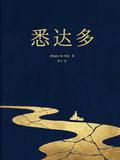 Siddhartha
A classic work by Nobel Prize winner Hermann Hesse! Siddhartha, the son of a Brahmin, walked alone into the dense forest of thorns after getting tired of his dogmatic life. He longs to find his true "self" in the world. The courtyard of Kamala taught him the tenderness of love, and the life of a merchant made him realize the temptation and profit of money. He traveled through desire and measured the world with his body, until fame became a heavy shackle and the sweet wine became bitter. In his w
—Reads9.1Score—Shelves
Siddhartha
A classic work by Nobel Prize winner Hermann Hesse! Siddhartha, the son of a Brahmin, walked alone into the dense forest of thorns after getting tired of his dogmatic life. He longs to find his true "self" in the world. The courtyard of Kamala taught him the tenderness of love, and the life of a merchant made him realize the temptation and profit of money. He traveled through desire and measured the world with his body, until fame became a heavy shackle and the sweet wine became bitter. In his w
—Reads9.1Score—Shelves
-
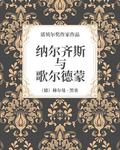 Narcissus and Goldmund
Works of Nobel Prize-winning writers: German literary master Hermann Hesse's truly great work of "spirituality and love" in which emotions transcend gender. The novel tells the life of Narcissus and Goldmund, two talented but very different young men. Narcissus, a young scholar at Mariabronn Monastery, is talented and talented. He has always been strict with himself and upholds the ideal of becoming a theologian who advocates logic and reason. Goldmund, who entered the school as a newcomer, orig
—Reads9.4Score—Shelves
Narcissus and Goldmund
Works of Nobel Prize-winning writers: German literary master Hermann Hesse's truly great work of "spirituality and love" in which emotions transcend gender. The novel tells the life of Narcissus and Goldmund, two talented but very different young men. Narcissus, a young scholar at Mariabronn Monastery, is talented and talented. He has always been strict with himself and upholds the ideal of becoming a theologian who advocates logic and reason. Goldmund, who entered the school as a newcomer, orig
—Reads9.4Score—Shelves
-
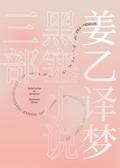 Jiang Yi's Interpretation of Dreams: Three Novels by Hesse (Guomai Classics)
"Siddhartha": It is not the story of Buddha. It tells the life of a person, a life that millions of ordinary people will also experience. The high-spirited young man often thinks that he is the one chosen by fate. Leave the past behind, follow the stumbling steps, find the voice in your heart, chase fame and fortune, experience friendship, and taste love. The difference is that what Siddhartha pursues throughout his life is the harmony and unity of life. Although it seems grand, it is indeed an
—Reads8.7Score—Shelves
Jiang Yi's Interpretation of Dreams: Three Novels by Hesse (Guomai Classics)
"Siddhartha": It is not the story of Buddha. It tells the life of a person, a life that millions of ordinary people will also experience. The high-spirited young man often thinks that he is the one chosen by fate. Leave the past behind, follow the stumbling steps, find the voice in your heart, chase fame and fortune, experience friendship, and taste love. The difference is that what Siddhartha pursues throughout his life is the harmony and unity of life. Although it seems grand, it is indeed an
—Reads8.7Score—Shelves
-
 Spirit and Eros (Guomai Classic)
The novel tells the life of Narcissus and Goldmund, two talented but very different young men. Narcissus, a young scholar at Mariabronn Monastery, is talented and talented. He has always been strict with himself and upholds the ideal of becoming a theologian who advocates logic and reason. Goldmund, who entered the school as a newcomer, originally followed his father's wish and hoped to become a monk, but accidentally discovered the joy of secular life. Although the two were attracted by each ot
—Reads9.5Score—Shelves
Spirit and Eros (Guomai Classic)
The novel tells the life of Narcissus and Goldmund, two talented but very different young men. Narcissus, a young scholar at Mariabronn Monastery, is talented and talented. He has always been strict with himself and upholds the ideal of becoming a theologian who advocates logic and reason. Goldmund, who entered the school as a newcomer, originally followed his father's wish and hoped to become a monk, but accidentally discovered the joy of secular life. Although the two were attracted by each ot
—Reads9.5Score—Shelves
-
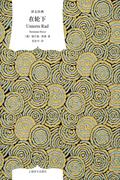 Under the Wheel
The story narrated in the novel is: the protagonist Hans has been extremely intelligent, diligent and studious since he was a child, and is regarded as a child prodigy by everyone. He was sent to a seminary to study. Influenced by his extended family and society, he was eager for fame and studied hard in an isolated school without any free time. His physical and mental health was damaged. His classmate Hermann was stubborn by nature, despised fame and was not tolerated by the school; but Hans fe
—Reads9.4Score—Shelves
Under the Wheel
The story narrated in the novel is: the protagonist Hans has been extremely intelligent, diligent and studious since he was a child, and is regarded as a child prodigy by everyone. He was sent to a seminary to study. Influenced by his extended family and society, he was eager for fame and studied hard in an isolated school without any free time. His physical and mental health was damaged. His classmate Hermann was stubborn by nature, despised fame and was not tolerated by the school; but Hans fe
—Reads9.4Score—Shelves
-
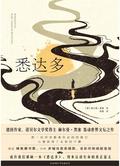 Siddhartha
The young Siddhartha was tired of the Brahmin life and chose to leave his hometown to find his true self. He once stepped into the world, enjoyed the worldly life, and indulged in the abyss of desire until he got tired of it. He leaves the world behind and resolves to end his life. By the river, in a moment of despair, he heard the sound of the river and had an epiphany by the river. This book not only tells the life of one person, but also the life that millions of people will experience. What
—Reads9.5Score—Shelves
Siddhartha
The young Siddhartha was tired of the Brahmin life and chose to leave his hometown to find his true self. He once stepped into the world, enjoyed the worldly life, and indulged in the abyss of desire until he got tired of it. He leaves the world behind and resolves to end his life. By the river, in a moment of despair, he heard the sound of the river and had an epiphany by the river. This book not only tells the life of one person, but also the life that millions of people will experience. What
—Reads9.5Score—Shelves
-
 Glass Bead Game
In a future world, the glass bead game has become a symbol system evolved from music and mathematics, and is all human knowledge and spiritual wealth. Due to the complicated politics and wars, human civilization is facing the threat of destruction. In order to save and promote this spiritual culture of mankind, a certain religious group is making unremitting efforts. Knecht was an orphan who was raised by this religious group. He was talented and intelligent. With his outstanding talents and sup
—Reads9.3Score—Shelves
Glass Bead Game
In a future world, the glass bead game has become a symbol system evolved from music and mathematics, and is all human knowledge and spiritual wealth. Due to the complicated politics and wars, human civilization is facing the threat of destruction. In order to save and promote this spiritual culture of mankind, a certain religious group is making unremitting efforts. Knecht was an orphan who was raised by this religious group. He was talented and intelligent. With his outstanding talents and sup
—Reads9.3Score—Shelves
-
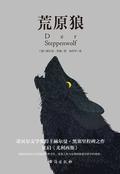 Steppenwolf
Harrell is an upright writer who despises the lifestyle of modern society. He often stays at home and is extremely lonely. He falls into a schizophrenic situation. One day, he accidentally read a short book "Review of Steppenwolf". He woke up from a dream and thought that he was a Steppenwolf with both "human nature" and "wolf nature". Later, he was invited to a party and found that the attendees all had narrow nationalist views, and his anti-war remarks were reprimanded, making him very lonely;
—Reads9.4Score—Shelves
Steppenwolf
Harrell is an upright writer who despises the lifestyle of modern society. He often stays at home and is extremely lonely. He falls into a schizophrenic situation. One day, he accidentally read a short book "Review of Steppenwolf". He woke up from a dream and thought that he was a Steppenwolf with both "human nature" and "wolf nature". Later, he was invited to a party and found that the attendees all had narrow nationalist views, and his anti-war remarks were reprimanded, making him very lonely;
—Reads9.4Score—Shelves
-
 **
As one of the 13th series of our company's "Most Classic English Library", this book selects the classic work "Siddhartha" by the famous German writer Hermann Hesse. This is Hesse's ninth work, published in Germany in 1922. Through the description of the two "selfs" in the protagonist Siddhartha - the rational infinite "self" and the emotional limited "self" - Hesse explores the issue of how individuals pursue the infinite and eternal realm of life in a limited life. Readers can not only gain an
—Reads5.8Score—Shelves
**
As one of the 13th series of our company's "Most Classic English Library", this book selects the classic work "Siddhartha" by the famous German writer Hermann Hesse. This is Hesse's ninth work, published in Germany in 1922. Through the description of the two "selfs" in the protagonist Siddhartha - the rational infinite "self" and the emotional limited "self" - Hesse explores the issue of how individuals pursue the infinite and eternal realm of life in a limited life. Readers can not only gain an
—Reads5.8Score—Shelves
-
 Siddhartha
Everyone who truly finds himself is called "Siddhartha"! A masterpiece by Nobel laureate Hesse. Siddhartha, a young man in ancient India, had everything, but his easy life did not make him happy. In order to seek the meaning of his existence, he embarked on the path of spiritual practice alone. On the way, he experienced the temptation of lust and the troubles of fame and fortune, but could not escape. In despair, he came to the river and planned to end his life, but then he heard a voice from h
—Reads9.5Score—Shelves
Siddhartha
Everyone who truly finds himself is called "Siddhartha"! A masterpiece by Nobel laureate Hesse. Siddhartha, a young man in ancient India, had everything, but his easy life did not make him happy. In order to seek the meaning of his existence, he embarked on the path of spiritual practice alone. On the way, he experienced the temptation of lust and the troubles of fame and fortune, but could not escape. In despair, he came to the river and planned to end his life, but then he heard a voice from h
—Reads9.5Score—Shelves
-
 Reading Is Quiet Self-Awakening (Guomai Classic)
[No book in the world can bring you good luck, but they can make you quietly become yourself. This book is a collection of reading essays by German writer Hesse. Hesse wrote and loved books, and he knew the charm of books best. He wrote more than 3,000 book reviews in his life, thinking about the purpose and process of reading, the relationship between people and reading, and also shared his favorite readings. He believes that reading must take the path of love, not the path of obligation. The
—Reads9.4Score—Shelves
Reading Is Quiet Self-Awakening (Guomai Classic)
[No book in the world can bring you good luck, but they can make you quietly become yourself. This book is a collection of reading essays by German writer Hesse. Hesse wrote and loved books, and he knew the charm of books best. He wrote more than 3,000 book reviews in his life, thinking about the purpose and process of reading, the relationship between people and reading, and also shared his favorite readings. He believes that reading must take the path of love, not the path of obligation. The
—Reads9.4Score—Shelves
-
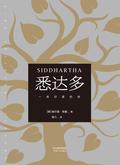 Siddharth (Gomai Classic)
The young Siddhartha was tired of the Brahmin life, so he and his friend Gavinda Tao followed the Samana practice. In Savatthi, they listened to the teachings of Buddha Gautama, Govinda chose to follow Gautama, and Siddhartha continued his spiritual path. He met Kamala, a famous prostitute in the city, and began to pursue lust, fame and fortune until he got tired of everything. He abandoned the world again and determined to end his life. By the river, in a moment of despair, hearing the sound of
—Reads9.6Score—Shelves
Siddharth (Gomai Classic)
The young Siddhartha was tired of the Brahmin life, so he and his friend Gavinda Tao followed the Samana practice. In Savatthi, they listened to the teachings of Buddha Gautama, Govinda chose to follow Gautama, and Siddhartha continued his spiritual path. He met Kamala, a famous prostitute in the city, and began to pursue lust, fame and fortune until he got tired of everything. He abandoned the world again and determined to end his life. By the river, in a moment of despair, hearing the sound of
—Reads9.6Score—Shelves
-
 Klingsor's Last Summer (Germany Classic)
The whole book contains two parts. "Klingsor's Last Summer" is a novella written by Hesse in 1919. At that time, the First World War had just ended, and the world had not yet recovered from the chaos. Tens of millions of soldiers, prisoners of war, and people returned to the freedom that they both yearned for and feared from years of rigid and unified obedience. Some young people were dragged away by the war in their childhood. Now they "return" and must face a completely unfamiliar reality. For
—Reads9.5Score—Shelves
Klingsor's Last Summer (Germany Classic)
The whole book contains two parts. "Klingsor's Last Summer" is a novella written by Hesse in 1919. At that time, the First World War had just ended, and the world had not yet recovered from the chaos. Tens of millions of soldiers, prisoners of war, and people returned to the freedom that they both yearned for and feared from years of rigid and unified obedience. Some young people were dragged away by the war in their childhood. Now they "return" and must face a completely unfamiliar reality. For
—Reads9.5Score—Shelves
-
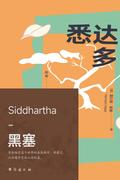 Siddhartha
, a young Brahmin from ancient India, embarked on a long road of asceticism. He left the privileged aristocratic home alone, went from conscious abstinence to self-exile and sensual enjoyment, and finally achieved inner peace. He left the past behind all the way, and after realizing that the world is a grassroots team and the meaninglessness of life, he went to live a positive life.
—Reads9.5Score—Shelves
Siddhartha
Siddhartha, a young Brahmin from ancient India, embarked on a long road of asceticism. He left the privileged aristocratic home alone, went from conscious abstinence to self-exile and sensual enjoyment, and finally achieved inner peace. He left the past behind all the way, and after realizing that the world is a grassroots team and the meaninglessness of life, he went to live a positive life.
—Reads9.5Score—Shelves
-
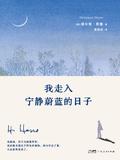 I Walk into the Quiet Blue Days
This book is a collection of 38 essays and poems written by Hermann Hesse, the winner of the Nobel Prize for Literature, after he left Germany and lived in seclusion in a beautiful mountain village in Ticino, Switzerland, in order to treat his depression. He observed and experienced nature. It also includes a selection of many illustrations he created at the same time. Hesse took contemplating the beauty of nature as a practice of self-healing in Ticino, which became a model for young people aro
—Reads9.4Score—Shelves
I Walk into the Quiet Blue Days
This book is a collection of 38 essays and poems written by Hermann Hesse, the winner of the Nobel Prize for Literature, after he left Germany and lived in seclusion in a beautiful mountain village in Ticino, Switzerland, in order to treat his depression. He observed and experienced nature. It also includes a selection of many illustrations he created at the same time. Hesse took contemplating the beauty of nature as a practice of self-healing in Ticino, which became a model for young people aro
—Reads9.4Score—Shelves
-
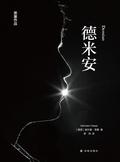 Demian
"Demian" is one of the masterpieces of the German literary master Hesse. It is a coming-of-age novel that tells the story of young Sinclair's arduous journey of finding himself. Sinclair, who was born and raised in a wealthy family, fell into endless entanglement because of a lie he told. Later, a young man named Demian appeared and brought him light. From then on, he began to embark on the path of loneliness and self-discovery. Later, Demian appeared in different identities and appearances, poi
—Reads9.4Score—Shelves
Demian
"Demian" is one of the masterpieces of the German literary master Hesse. It is a coming-of-age novel that tells the story of young Sinclair's arduous journey of finding himself. Sinclair, who was born and raised in a wealthy family, fell into endless entanglement because of a lie he told. Later, a young man named Demian appeared and brought him light. From then on, he began to embark on the path of loneliness and self-discovery. Later, Demian appeared in different identities and appearances, poi
—Reads9.4Score—Shelves
-
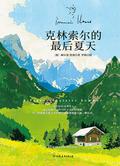 Klingsor's Last Summer
"The Last Summer of Klingsor" is a novella written by Hermann Hesse in 1919. At the end of his life, the painter Klingsor roamed, tasted wine, and talked about life with his friends in the beloved places he often visited in his early years. He fought and screamed for the continuation of life through painting, declaring war on the evil death. The unmixed paint on the palette in his hand carried his protest against death and his ridicule of decline. He painted new life and all declines. Finally, a
—Reads9.2Score—Shelves
Klingsor's Last Summer
"The Last Summer of Klingsor" is a novella written by Hermann Hesse in 1919. At the end of his life, the painter Klingsor roamed, tasted wine, and talked about life with his friends in the beloved places he often visited in his early years. He fought and screamed for the continuation of life through painting, declaring war on the evil death. The unmixed paint on the palette in his hand carried his protest against death and his ridicule of decline. He painted new life and all declines. Finally, a
—Reads9.2Score—Shelves
-
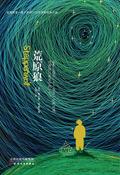 Steppenwolf (Nobel Prize for Literature)
This book is a great novel that combines poetry and philosophy. The author uses a breathtaking writing style to describe the story of how a person risked a complete collapse of his life, experienced various tortures in life, and pursued the meaning of human existence. The novel is rich in fantasy and has profound symbolic meaning. It was praised as "Germany's Ulysses" by the famous writer Thomas Mann.
—Reads9.4Score—Shelves
Steppenwolf (Nobel Prize for Literature)
This book is a great novel that combines poetry and philosophy. The author uses a breathtaking writing style to describe the story of how a person risked a complete collapse of his life, experienced various tortures in life, and pursued the meaning of human existence. The novel is rich in fantasy and has profound symbolic meaning. It was praised as "Germany's Ulysses" by the famous writer Thomas Mann.
—Reads9.4Score—Shelves
-
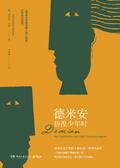 Demian: a Wandering Boyhood
Emile Sinclair has lived in a warm and beautiful world of light since he was a child, but a lie plunged him into a world of darkness. Sinclair, feeling desperate and helpless, longed for relief, but could not speak to anyone. Demian's appearance helped him overcome his inner fear. Afterwards, whenever Sinclair felt uneasy or confused, Demian would always appear in time to help him out of trouble. Demian is not only Sinclair's friend, but also his guide, leading him to overcome his fears and find
—Reads9.5Score—Shelves
Demian: a Wandering Boyhood
Emile Sinclair has lived in a warm and beautiful world of light since he was a child, but a lie plunged him into a world of darkness. Sinclair, feeling desperate and helpless, longed for relief, but could not speak to anyone. Demian's appearance helped him overcome his inner fear. Afterwards, whenever Sinclair felt uneasy or confused, Demian would always appear in time to help him out of trouble. Demian is not only Sinclair's friend, but also his guide, leading him to overcome his fears and find
—Reads9.5Score—Shelves
-
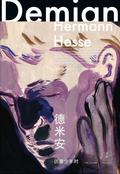 Demian: a Wandering Boyhood
"Demian: The Lost Boy" is one of Hesse's masterpieces. It tells the story of the young Sinclair's arduous journey of finding his own way. Sinclair, who was born and grew up in the "light world", accidentally discovered a completely different "another world" where the chaos and darkness made him anxious and confused, and fell into the disaster caused by lies. At this time, a young man named Demian appeared and took him out of the swamp. From then on, he began to walk towards loneliness and find h
—Reads9.0Score—Shelves
Demian: a Wandering Boyhood
"Demian: The Lost Boy" is one of Hesse's masterpieces. It tells the story of the young Sinclair's arduous journey of finding his own way. Sinclair, who was born and grew up in the "light world", accidentally discovered a completely different "another world" where the chaos and darkness made him anxious and confused, and fell into the disaster caused by lies. At this time, a young man named Demian appeared and took him out of the swamp. From then on, he began to walk towards loneliness and find h
—Reads9.0Score—Shelves