Fanqie library
Browse
- Titles
- 1.5k
Every Fanqie book we index, searchable by title, author or tag.
-
 Classic of Mountains and Seas
"The Classic of Mountains and Seas", "The Book of Changes" and "The Yellow Emperor's Internal Classic" are also known as the "Three Wonderful Books of Ancient Times" in my country. Its content ranges from astronomy, geography, animals, plants, minerals, to ethnicity, religion, mythology, witchcraft, etc., Covering everything from the south to the sea, and it can be called the only self-contained system among ancient Chinese books. The book records in detail the geographical directions of more th
1Reads8.4Score—Shelves
Classic of Mountains and Seas
"The Classic of Mountains and Seas", "The Book of Changes" and "The Yellow Emperor's Internal Classic" are also known as the "Three Wonderful Books of Ancient Times" in my country. Its content ranges from astronomy, geography, animals, plants, minerals, to ethnicity, religion, mythology, witchcraft, etc., Covering everything from the south to the sea, and it can be called the only self-contained system among ancient Chinese books. The book records in detail the geographical directions of more th
1Reads8.4Score—Shelves
-
 Selected Poems of Li Gang
Li Gang (1083-February 5, 1140), a famous official and national hero who fought against the Jin Dynasty in the late Northern Song Dynasty and early Southern Song Dynasty. His courtesy name is Bo Ji, his name is Liang Xi. His ancestral home is Shaowu, Fujian. His grandfather moved to Wuxi, Jiangsu. Li Gangneng wrote many patriotic chapters in his poems and essays. He is also able to write poems, and his historical works have vivid and vivid images and a vigorous and powerful style. He is the auth
1Reads8.7Score—Shelves
Selected Poems of Li Gang
Li Gang (1083-February 5, 1140), a famous official and national hero who fought against the Jin Dynasty in the late Northern Song Dynasty and early Southern Song Dynasty. His courtesy name is Bo Ji, his name is Liang Xi. His ancestral home is Shaowu, Fujian. His grandfather moved to Wuxi, Jiangsu. Li Gangneng wrote many patriotic chapters in his poems and essays. He is also able to write poems, and his historical works have vivid and vivid images and a vigorous and powerful style. He is the auth
1Reads8.7Score—Shelves
-
 Letters from Jingkang (Free Public Edition)
Written by Li Gang of Song Dynasty. Three volumes. The author believes that the Song Dynasty was repeatedly defeated by the Jin Dynasty because of the lack of military and political improvement and weak diplomacy since Chongning and Daguan. I would like to appeal to the courtiers to work together to protect the clan. Because the collection was approved internally by the emperor and published by the emperor, he was ordered to compile it. From the winter of the seventh year of Xuanhe (1125) to the
1Reads8.6Score—Shelves
Letters from Jingkang (Free Public Edition)
Written by Li Gang of Song Dynasty. Three volumes. The author believes that the Song Dynasty was repeatedly defeated by the Jin Dynasty because of the lack of military and political improvement and weak diplomacy since Chongning and Daguan. I would like to appeal to the courtiers to work together to protect the clan. Because the collection was approved internally by the emperor and published by the emperor, he was ordered to compile it. From the winter of the seventh year of Xuanhe (1125) to the
1Reads8.6Score—Shelves
-
 Tea Classic
This book is a comprehensive treatise on the history, origin, current situation, production technology, tea drinking techniques, and tea ceremony principles of tea production. It is an epoch-making monograph on tea science, an incisive agricultural work, and a book that explains tea culture. Elevating the ordinary tea ceremony into a wonderful cultural art has promoted the development of Chinese tea culture.
1Reads8.5Score—Shelves
Tea Classic
This book is a comprehensive treatise on the history, origin, current situation, production technology, tea drinking techniques, and tea ceremony principles of tea production. It is an epoch-making monograph on tea science, an incisive agricultural work, and a book that explains tea culture. Elevating the ordinary tea ceremony into a wonderful cultural art has promoted the development of Chinese tea culture.
1Reads8.5Score—Shelves
-
 Dongzhen Shangqing Open Heaven Three Pictures Seven Stars Shifting Sutra
Sutra Name: Dongzhen Shangqing Tianguan. Three pictures and seven stars move through the meridians. The author is unknown, probably from the Eastern Jin Dynasty. It is an important classic of the early Shangqing sect. Originally one volume, it was divided into two volumes. Original source: the first part of "Orthodox Taoist Canon".
1Reads8.6Score—Shelves
Dongzhen Shangqing Open Heaven Three Pictures Seven Stars Shifting Sutra
Sutra Name: Dongzhen Shangqing Tianguan. Three pictures and seven stars move through the meridians. The author is unknown, probably from the Eastern Jin Dynasty. It is an important classic of the early Shangqing sect. Originally one volume, it was divided into two volumes. Original source: the first part of "Orthodox Taoist Canon".
1Reads8.6Score—Shelves
-
 Commentary on the Book of Changes
This work "Zhouyi Zhuan Zhu" is written by Li Lin
1Reads7.8Score—Shelves
Commentary on the Book of Changes
This work "Zhouyi Zhuan Zhu" is written by Li Lin
1Reads7.8Score—Shelves
-
 Yi Guan (A Must-Read Collection of Traditional Chinese Medicine)
This book is the representative work of Zhao Xianke, a physician in the Ming Dynasty. It consists of six volumes. It takes the "Mingmen Theory" as the core and runs through the academic thought of "kidney is the foundation of innateness". The book begins with "Picture Wings of the Nei Jing" and "Yin Yang Theory" to lay the theoretical foundation. Subsequent chapters discuss stroke, typhoid fever, miscellaneous diseases, gynecological diseases and other diseases. It advocates that "the treatment
1Reads8.6Score—Shelves
Yi Guan (A Must-Read Collection of Traditional Chinese Medicine)
This book is the representative work of Zhao Xianke, a physician in the Ming Dynasty. It consists of six volumes. It takes the "Mingmen Theory" as the core and runs through the academic thought of "kidney is the foundation of innateness". The book begins with "Picture Wings of the Nei Jing" and "Yin Yang Theory" to lay the theoretical foundation. Subsequent chapters discuss stroke, typhoid fever, miscellaneous diseases, gynecological diseases and other diseases. It advocates that "the treatment
1Reads8.6Score—Shelves
-
 Lingfenguan Cihua (Free Public Edition Book)
This book discusses the poetry of You Peng in the early Qing Dynasty and the same period, and also covers the poetry of various schools in the Song and Yuan Dynasties.
1Reads8.1Score—Shelves
Lingfenguan Cihua (Free Public Edition Book)
This book discusses the poetry of You Peng in the early Qing Dynasty and the same period, and also covers the poetry of various schools in the Song and Yuan Dynasties.
1Reads8.1Score—Shelves
-
 Yucun Cihua (Free Public Edition Book)
"The mistakes of the present are corrected by keeping the mistakes of the past" and "selecting what is feasible can be used as a guide, and what is not possible can be used as a lesson." It is advisable to use the past for the present and to facilitate the creation of contemporary people. The book contains miscellaneous comments on the merits and demerits of previous poems, and occasionally identifies the sources of errors in words and sentences and explains their general meaning.
1Reads8.7Score—Shelves
Yucun Cihua (Free Public Edition Book)
"The mistakes of the present are corrected by keeping the mistakes of the past" and "selecting what is feasible can be used as a guide, and what is not possible can be used as a lesson." It is advisable to use the past for the present and to facilitate the creation of contemporary people. The book contains miscellaneous comments on the merits and demerits of previous poems, and occasionally identifies the sources of errors in words and sentences and explains their general meaning.
1Reads8.7Score—Shelves
-
 Shangqing Lingbao Dafa·ning Quanzhen
The original title is Ning Quanzhen's teaching and Wang Qizhenmu's, which comes from the Southern Song Dynasty. It is one of the collections of Taoist teachings of the Fulu Taoist School in the Song and Yuan Dynasties. There are twenty-seven gates and sixty-six volumes. Original source: the first part of "Zhengtong Tao Zang".
1Reads8.3Score—Shelves
Shangqing Lingbao Dafa·ning Quanzhen
The original title is Ning Quanzhen's teaching and Wang Qizhenmu's, which comes from the Southern Song Dynasty. It is one of the collections of Taoist teachings of the Fulu Taoist School in the Song and Yuan Dynasties. There are twenty-seven gates and sixty-six volumes. Original source: the first part of "Zhengtong Tao Zang".
1Reads8.3Score—Shelves
-
 Taishang Cave God Five Stars Sun and Moon Mixed Regular Sutra
The Five Stars of the Taishang Cave God, the sun and the moon, mix the regular channels. The author is unknown, probably from the Song and Yuan Dynasties. It tells the story of the incarnation of the essence of the sun, moon and stars coming to the world to help people. One roll. Original source: "Orthodox Taoist Canon" Cave God Book.
1Reads8.2Score—Shelves
Taishang Cave God Five Stars Sun and Moon Mixed Regular Sutra
The Five Stars of the Taishang Cave God, the sun and the moon, mix the regular channels. The author is unknown, probably from the Song and Yuan Dynasties. It tells the story of the incarnation of the essence of the sun, moon and stars coming to the world to help people. One roll. Original source: "Orthodox Taoist Canon" Cave God Book.
1Reads8.2Score—Shelves
-
 Detailed Study of Divination
The ancient divination method has been passed down to the present, and the current divination method is not contrary to reason. This is basically the case.
1Reads8.3Score—Shelves
Detailed Study of Divination
The ancient divination method has been passed down to the present, and the current divination method is not contrary to reason. This is basically the case.
1Reads8.3Score—Shelves
-
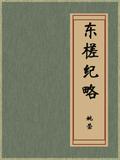 Dongcha Chronicles (Free Public Edition Book)
It is divided into twenty-four chapters including the reconstruction of Fengshan County, the chronicles of Puli Society, the original story of Kavalan, and the story of Taipei Daoli. Focus on military installations and the process of suppressing the Taiwanese people's uprising. Among them, the Puli Society Chronicles are mostly based on the official records and "Six Examinations of Fansu", and their errors have been corrected. The Xishi Shefan and Dongshi Shefan contain detailed information on t
1Reads8.1Score—Shelves
Dongcha Chronicles (Free Public Edition Book)
It is divided into twenty-four chapters including the reconstruction of Fengshan County, the chronicles of Puli Society, the original story of Kavalan, and the story of Taipei Daoli. Focus on military installations and the process of suppressing the Taiwanese people's uprising. Among them, the Puli Society Chronicles are mostly based on the official records and "Six Examinations of Fansu", and their errors have been corrected. The Xishi Shefan and Dongshi Shefan contain detailed information on t
1Reads8.1Score—Shelves
-
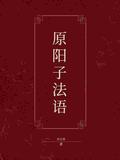 Hara Yoko French
. Written by Zhao Yizhen of the Ming Dynasty and compiled by Liu Yuanran. Volume Two. Original source: Taixuan Department of "Orthodox Taoist Canon".
1Reads8.5Score—Shelves
Hara Yoko French
Hara Yoko French. Written by Zhao Yizhen of the Ming Dynasty and compiled by Liu Yuanran. Volume Two. Original source: Taixuan Department of "Orthodox Taoist Canon".
1Reads8.5Score—Shelves
-
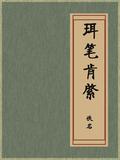 Er Bi Ken Xi (Free Public Edition Book)
Although "Er Bi Ken Qi" belongs to the Ming and Qing legal genre of "Litigation Secret Books", the editor often adds comments or annotations to the included legal documents, which can reflect the litigation strategies and legal opinions of the lawyers at that time to a considerable extent, making the book even more precious and worthy of being edited and published for wider academic use.
1Reads8.1Score—Shelves
Er Bi Ken Xi (Free Public Edition Book)
Although "Er Bi Ken Qi" belongs to the Ming and Qing legal genre of "Litigation Secret Books", the editor often adds comments or annotations to the included legal documents, which can reflect the litigation strategies and legal opinions of the lawyers at that time to a considerable extent, making the book even more precious and worthy of being edited and published for wider academic use.
1Reads8.1Score—Shelves
-
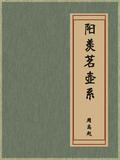 Yangxian Teapot Series (Free Public Edition Book)
It specifically describes the development process of Yixing (Yangxian) purple clay craftsmanship and its famous craftsmen. It is divided into seven entries: founder, Zhengshi, master, famous master, Yaliu, Shenpin and other sects. The writing is like telling a story, integrating history, characters, craftsmanship, famous product characteristics, etc., And is highly readable. It is the first monograph to record Yixing's purple clay industry. The book was written in the 13th year of Chongzhen in t
1Reads8.6Score—Shelves
Yangxian Teapot Series (Free Public Edition Book)
It specifically describes the development process of Yixing (Yangxian) purple clay craftsmanship and its famous craftsmen. It is divided into seven entries: founder, Zhengshi, master, famous master, Yaliu, Shenpin and other sects. The writing is like telling a story, integrating history, characters, craftsmanship, famous product characteristics, etc., And is highly readable. It is the first monograph to record Yixing's purple clay industry. The book was written in the 13th year of Chongzhen in t
1Reads8.6Score—Shelves
-
 Dong Zhen Tai Shang Cang Yuan Shang Lu
Dongzhen Taishang Cang Yuanshanglu. The author is unknown, probably from the Northern and Southern Periods. It describes the grades of Taoism and the names of the three caves and twelve categories. One roll. Original source: the first part of "Orthodox Taoist Canon".
1Reads8.3Score—Shelves
Dong Zhen Tai Shang Cang Yuan Shang Lu
Dongzhen Taishang Cang Yuanshanglu. The author is unknown, probably from the Northern and Southern Periods. It describes the grades of Taoism and the names of the three caves and twelve categories. One roll. Original source: the first part of "Orthodox Taoist Canon".
1Reads8.3Score—Shelves
-
 Han Feizi's Annotation and Great Wisdom Analysis
This book includes the content of Unspeakable, Loving Chen, Zhu Dao, You Du, Ten Supervisions, Guan Xing, Guan Xing, Sui Zheng, San Shou, Guan Xing, An Wei, Shu Dao, Fame, General Body, Nan Yi, Wen Tian, Loyalty and Filial Piety, Heart Degree, System Fen.
1Reads8.5Score—Shelves
Han Feizi's Annotation and Great Wisdom Analysis
This book includes the content of Unspeakable, Loving Chen, Zhu Dao, You Du, Ten Supervisions, Guan Xing, Guan Xing, Sui Zheng, San Shou, Guan Xing, An Wei, Shu Dao, Fame, General Body, Nan Yi, Wen Tian, Loyalty and Filial Piety, Heart Degree, System Fen.
1Reads8.5Score—Shelves
-
 The World Illustrated: an Illustrated Compendium of Materia Medica
The book "Illustrated Compendium of Materia Medica" is one of the "Pictures describing the world and collecting China". "Compendium of Materia Medica" was compiled by Li Shizhen, a medical scientist in the Ming Dynasty, on the basis of inheriting and summarizing the achievements of materia medica before the Ming Dynasty and conducting multi-faceted research. It took decades to compile. It has always enjoyed the reputation of "the great classic of oriental medicine". It is called a pharmaceutical
1Reads8.3Score—Shelves
The World Illustrated: an Illustrated Compendium of Materia Medica
The book "Illustrated Compendium of Materia Medica" is one of the "Pictures describing the world and collecting China". "Compendium of Materia Medica" was compiled by Li Shizhen, a medical scientist in the Ming Dynasty, on the basis of inheriting and summarizing the achievements of materia medica before the Ming Dynasty and conducting multi-faceted research. It took decades to compile. It has always enjoyed the reputation of "the great classic of oriental medicine". It is called a pharmaceutical
1Reads8.3Score—Shelves
-
 Zhuge Liang's Strategies for Governing the Country: a Current Translation of Zhuge Liang's "Sixteen Cheaper Strategies"
"Zhuge Liang's State Governing Policy" outlines the basic outline of Zhuge Liang's state governance policy of "promoting and strengthening Shu" during the Three Kingdoms period. It is a masterpiece of political philosophy that can be used as a reference for state governance and politics. It still has reference and guiding significance for today's state governance.
1Reads8.1Score—Shelves
Zhuge Liang's Strategies for Governing the Country: a Current Translation of Zhuge Liang's "Sixteen Cheaper Strategies"
"Zhuge Liang's State Governing Policy" outlines the basic outline of Zhuge Liang's state governance policy of "promoting and strengthening Shu" during the Three Kingdoms period. It is a masterpiece of political philosophy that can be used as a reference for state governance and politics. It still has reference and guiding significance for today's state governance.
1Reads8.1Score—Shelves
-
 Collected Works of Fan Zengxiang
Fan Zengxiang (1846-1931) was an official and writer in the Qing Dynasty. His original name was Fan Jia, also known as Fan Zeng, also known as Jiafu, alias Fanshan, nicknamed Yunmen, and later nicknamed Tianqin Laoren. He was a native of Zitong Lane, Xizheng Street, Liujiaoting Street, Enshi City, Hubei Province. A Jinshi of Guangxu, he served successively as the magistrate of Weinan, the chief envoy of Shaanxi, and the governor of Liangjiang. When the Revolution of 1911 broke out, he took refug
1Reads8.2Score—Shelves
Collected Works of Fan Zengxiang
Fan Zengxiang (1846-1931) was an official and writer in the Qing Dynasty. His original name was Fan Jia, also known as Fan Zeng, also known as Jiafu, alias Fanshan, nicknamed Yunmen, and later nicknamed Tianqin Laoren. He was a native of Zitong Lane, Xizheng Street, Liujiaoting Street, Enshi City, Hubei Province. A Jinshi of Guangxu, he served successively as the magistrate of Weinan, the chief envoy of Shaanxi, and the governor of Liangjiang. When the Revolution of 1911 broke out, he took refug
1Reads8.2Score—Shelves
-
 Three Heroes of the Qing Dynasty (Free Public Edition Book)
"Three Heroes of the Qing Dynasty" is a work compiled by Xu Zheshen. The book is based on the anecdotal and secret history of the Zeng Zuo and Peng San clan in the Qing Dynasty, and also uses the cycle of Dao, Xian, Tongguang and the four dynasties to control chaos as the weft. What his book has already recorded, he has not tired of adding details. Readers can regard it as a novel, or as anecdotes from the pre-Qing Dynasty.
1Reads8.7Score—Shelves
Three Heroes of the Qing Dynasty (Free Public Edition Book)
"Three Heroes of the Qing Dynasty" is a work compiled by Xu Zheshen. The book is based on the anecdotal and secret history of the Zeng Zuo and Peng San clan in the Qing Dynasty, and also uses the cycle of Dao, Xian, Tongguang and the four dynasties to control chaos as the weft. What his book has already recorded, he has not tired of adding details. Readers can regard it as a novel, or as anecdotes from the pre-Qing Dynasty.
1Reads8.7Score—Shelves
-
 Lu's Spring and Autumn Period
This work "Lu Shi Chun Qiu" is written by Lu Buwei
1Reads8.5Score—Shelves
Lu's Spring and Autumn Period
This work "Lu Shi Chun Qiu" is written by Lu Buwei
1Reads8.5Score—Shelves
-
 Appendix to the Book of Changes
This work "Appendix to the Book of Changes" is written by Tong Kai
1Reads7.7Score—Shelves
Appendix to the Book of Changes
This work "Appendix to the Book of Changes" is written by Tong Kai
1Reads7.7Score—Shelves
-
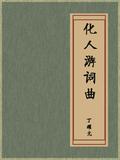 Hua Ren You Ci and Music (Free Public Edition Book)
The heat is like steam, and I suddenly think of ice on my bare feet. It makes people feel cold. Guest conditions are as good as autumn. Suddenly read "Huayou Ci". Makes people feel hot. With this copy of the collar in the chest, it was when Yuanming begged for food, Zhenqing borrowed rice, and Du Ling did not arrive at Peng Yamen.
1Reads8.1Score—Shelves
Hua Ren You Ci and Music (Free Public Edition Book)
The heat is like steam, and I suddenly think of ice on my bare feet. It makes people feel cold. Guest conditions are as good as autumn. Suddenly read "Huayou Ci". Makes people feel hot. With this copy of the collar in the chest, it was when Yuanming begged for food, Zhenqing borrowed rice, and Du Ling did not arrive at Peng Yamen.
1Reads8.1Score—Shelves
-
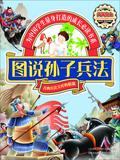 Tiantianxiang Book Series: Sun Tzu's Art of War with Illustrations
Li Shu attacked him unprepared and took him by surprise. He raided Caizhou on a snowy night and killed the enemy in his sleep; Yan Ying made the enemy retreat without fighting while talking and laughing at the banquet; Guan Yu used a clever plan to flood seven armies; Ma Di lost his street pavilion "on paper" and Zhuge Liang beheaded him with tears; Tian Dan compiled The splendid Fire Bull Formation performed a stunning battle scene; the Chu Overlord broke the cauldron and sank the boat to lift
1Reads8.1Score—Shelves
Tiantianxiang Book Series: Sun Tzu's Art of War with Illustrations
Li Shu attacked him unprepared and took him by surprise. He raided Caizhou on a snowy night and killed the enemy in his sleep; Yan Ying made the enemy retreat without fighting while talking and laughing at the banquet; Guan Yu used a clever plan to flood seven armies; Ma Di lost his street pavilion "on paper" and Zhuge Liang beheaded him with tears; Tian Dan compiled The splendid Fire Bull Formation performed a stunning battle scene; the Chu Overlord broke the cauldron and sank the boat to lift
1Reads8.1Score—Shelves
-
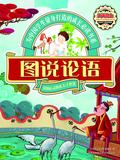 Tian Tian Xiang Xiang Book Series: the Analects of Confucius with Pictures
Unchanging reading, like an unchanging life, will only keep repeating itself in the same place. "Tian Tian Xiang Shang Series" is a self-service bookshelf for you to follow your heart. The five-color pictures and texts of red, yellow, blue, green and black match Lu Li's mood of joy, anger, sorrow, joy and sorrow, and make life look like the clarity of a clear sky. Today, it is up to you to decide what you read. Keep the good ones by your pillow and put the bad ones on the shelf. Go up every day
1Reads8.0Score—Shelves
Tian Tian Xiang Xiang Book Series: the Analects of Confucius with Pictures
Unchanging reading, like an unchanging life, will only keep repeating itself in the same place. "Tian Tian Xiang Shang Series" is a self-service bookshelf for you to follow your heart. The five-color pictures and texts of red, yellow, blue, green and black match Lu Li's mood of joy, anger, sorrow, joy and sorrow, and make life look like the clarity of a clear sky. Today, it is up to you to decide what you read. Keep the good ones by your pillow and put the bad ones on the shelf. Go up every day
1Reads8.0Score—Shelves
-
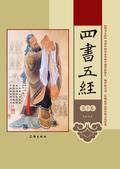 Cultural Encyclopedia: Four Books and Five Classics·volume 10
This set of books mainly includes theoretical guidance on how to behave in the world at home and abroad, celebrity comparisons, techniques and methods, wisdom enlightenment, and all aspects of comprehensive quality such as historical knowledge, cultural level, psychological quality, and Chinese classics. It is optimized and carefully matched. It is a good teacher and helpful friend for readers to guide modern life and the rapid improvement of comprehensive quality. It is also the best version fo
1Reads7.5Score—Shelves
Cultural Encyclopedia: Four Books and Five Classics·volume 10
This set of books mainly includes theoretical guidance on how to behave in the world at home and abroad, celebrity comparisons, techniques and methods, wisdom enlightenment, and all aspects of comprehensive quality such as historical knowledge, cultural level, psychological quality, and Chinese classics. It is optimized and carefully matched. It is a good teacher and helpful friend for readers to guide modern life and the rapid improvement of comprehensive quality. It is also the best version fo
1Reads7.5Score—Shelves
-
 Complete Collection of Chen Shidao's Ci
This collection of poems is part of the "Complete Song Ci". Ci began in Nanliang, formed in the Tang Dynasty, and reached its peak in the Song Dynasty. Tang poetry and Song poetry have always been regarded as two masterpieces, and they are both literary representatives of a major historical stage. According to statistics, there were more than 1,300 lyricists in the Song Dynasty and the Song Dynasty, and the total number of their works was nearly 20,000! From this number, we can imagine the grand
1Reads7.8Score—Shelves
Complete Collection of Chen Shidao's Ci
This collection of poems is part of the "Complete Song Ci". Ci began in Nanliang, formed in the Tang Dynasty, and reached its peak in the Song Dynasty. Tang poetry and Song poetry have always been regarded as two masterpieces, and they are both literary representatives of a major historical stage. According to statistics, there were more than 1,300 lyricists in the Song Dynasty and the Song Dynasty, and the total number of their works was nearly 20,000! From this number, we can imagine the grand
1Reads7.8Score—Shelves
-
 Pei Ziyulin (Free Public Edition Book)
It is a collection of aspirational novels written in the style of Shishuoxinyu, which mainly records the words, deeds, and anecdotes of characters in the Han, Wei and Jin dynasties. The book covers many well-known figures, showing their personalities, talents and demeanor through vivid and interesting stories, reflecting the social scene, cultural atmosphere and the spiritual world of scholars at that time, and has certain reference value for later generations of literary creation and historical
1Reads8.2Score—Shelves
Pei Ziyulin (Free Public Edition Book)
It is a collection of aspirational novels written in the style of Shishuoxinyu, which mainly records the words, deeds, and anecdotes of characters in the Han, Wei and Jin dynasties. The book covers many well-known figures, showing their personalities, talents and demeanor through vivid and interesting stories, reflecting the social scene, cultural atmosphere and the spiritual world of scholars at that time, and has certain reference value for later generations of literary creation and historical
1Reads8.2Score—Shelves
-
 The Fourth Prime Minister Gao Hui Lichuntang
Wang Shifu's Zaju of the Yuan Dynasty describes the scene of four prime ministers gathering at Lichun Hall to drink and write poems, showing the elegant gathering life of literati and officials.
1Reads8.2Score—Shelves
The Fourth Prime Minister Gao Hui Lichuntang
Wang Shifu's Zaju of the Yuan Dynasty describes the scene of four prime ministers gathering at Lichun Hall to drink and write poems, showing the elegant gathering life of literati and officials.
1Reads8.2Score—Shelves
-
 Song Book
"Song Book" is a biographical history book that records the history of the Liu and Song dynasties in the Southern Dynasties. Written by Liang Chenyue, it contains ten volumes of chronicles, thirty volumes of chronicles, and sixty volumes of biographies, totaling one hundred volumes. Some of the biographies in this edition are incomplete, and a few biographies were supplemented by later generations using Tang Gaojun's "Small History" and "Southern History". The Bazhi was originally ranked after t
—Reads9.1Score—Shelves
Song Book
"Song Book" is a biographical history book that records the history of the Liu and Song dynasties in the Southern Dynasties. Written by Liang Chenyue, it contains ten volumes of chronicles, thirty volumes of chronicles, and sixty volumes of biographies, totaling one hundred volumes. Some of the biographies in this edition are incomplete, and a few biographies were supplemented by later generations using Tang Gaojun's "Small History" and "Southern History". The Bazhi was originally ranked after t
—Reads9.1Score—Shelves
-
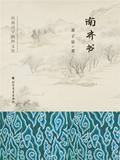 Book of Southern Qi
"Nan Qi Shu" was originally called "Qi Shu". In the Song Dynasty, in order to distinguish it from "Bei Qi Shu" written by Li Baiyao, it was renamed "Nan Qi Shu". The whole book has sixty volumes, of which 59 are now available, including eight volumes of chronicles, eleven volumes of chronicles, and forty volumes of biographies. The lost volume was probably a preface containing examples of the writing and a table of contents. There are also missing texts in some biographies. This book describes t
—Reads8.6Score—Shelves
Book of Southern Qi
"Nan Qi Shu" was originally called "Qi Shu". In the Song Dynasty, in order to distinguish it from "Bei Qi Shu" written by Li Baiyao, it was renamed "Nan Qi Shu". The whole book has sixty volumes, of which 59 are now available, including eight volumes of chronicles, eleven volumes of chronicles, and forty volumes of biographies. The lost volume was probably a preface containing examples of the writing and a table of contents. There are also missing texts in some biographies. This book describes t
—Reads8.6Score—Shelves
-
 Book of Wei
"Book of Wei", compiled by the Northern Qi Dynasty and Wei Dynasty, is a biographical history book that records the history of the Northern Wei Dynasty from the end of the 4th century AD to the middle of the 6th century AD. There are 124 volumes, including 12 volumes of chronicles, 92 volumes of biographies, and 20 volumes of chronicles. Because some chronicles, biographies, and chronicles are too long, they are divided into three volumes: upper and lower, or upper, middle, and lower volumes, fo
—Reads9.1Score—Shelves
Book of Wei
"Book of Wei", compiled by the Northern Qi Dynasty and Wei Dynasty, is a biographical history book that records the history of the Northern Wei Dynasty from the end of the 4th century AD to the middle of the 6th century AD. There are 124 volumes, including 12 volumes of chronicles, 92 volumes of biographies, and 20 volumes of chronicles. Because some chronicles, biographies, and chronicles are too long, they are divided into three volumes: upper and lower, or upper, middle, and lower volumes, fo
—Reads9.1Score—Shelves
-
 History of Ming Dynasty
"History of the Ming Dynasty" is the last of the Twenty-Four Histories, with a total of 332 volumes, including 24 volumes of chronicles, 75 volumes of chronicles, 220 volumes of biographies, and 13 volumes of tables. It is a biographical history that records more than 200 years of history from the first year of Hongwu (AD 1368) by Emperor Taizu Zhu Yuanzhang of the Ming Dynasty to the seventeenth year of Chongzhen (AD 1644) by Zhu Youjian, Emperor Sizong of the Ming Dynasty.
—Reads9.1Score—Shelves
History of Ming Dynasty
"History of the Ming Dynasty" is the last of the Twenty-Four Histories, with a total of 332 volumes, including 24 volumes of chronicles, 75 volumes of chronicles, 220 volumes of biographies, and 13 volumes of tables. It is a biographical history that records more than 200 years of history from the first year of Hongwu (AD 1368) by Emperor Taizu Zhu Yuanzhang of the Ming Dynasty to the seventeenth year of Chongzhen (AD 1644) by Zhu Youjian, Emperor Sizong of the Ming Dynasty.
—Reads9.1Score—Shelves
-
 Book of Zhou
"Book of Zhou", one of the "Twenty-Four Histories", the official history of China, was edited by Linghu Defen of the Tang Dynasty. Cen Wenwen and Cui Renshi also participated in the compilation. It was written in the tenth year of Zhenguan (636). There are 50 volumes in total, including 8 volumes of chronicles and 42 volumes of biographies. This book records the biographical history of the Zhou Dynasty (557-581) established by the Yuwen clan of the Northern Zhou Dynasty. In addition, there was a
—Reads9.2Score—Shelves
Book of Zhou
"Book of Zhou", one of the "Twenty-Four Histories", the official history of China, was edited by Linghu Defen of the Tang Dynasty. Cen Wenwen and Cui Renshi also participated in the compilation. It was written in the tenth year of Zhenguan (636). There are 50 volumes in total, including 8 volumes of chronicles and 42 volumes of biographies. This book records the biographical history of the Zhou Dynasty (557-581) established by the Yuwen clan of the Northern Zhou Dynasty. In addition, there was a
—Reads9.2Score—Shelves
-
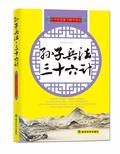 Sun Tzu's Art of War Thirty-Six Strategies (The Essence of Traditional Chinese Elementary School)
"The Essence of Traditional Chinese Elementary School: Sun Tzu's Art of War·Thirty-Six Strategies" mainly tells that "Sun Tzu's Art of War" and "Thirty-Six Strategies" are the shining pearls of China's classical military cultural heritage and an important part of China's excellent cultural traditions. They also represent the wisdom, thought, and culture of the descendants of Yan and Huang. "Sun Tzu's Thirty-Six Strategies in the Art of War: The Essence of Traditional Chinese Elementary School" e
—Reads8.5Score—Shelves
Sun Tzu's Art of War Thirty-Six Strategies (The Essence of Traditional Chinese Elementary School)
"The Essence of Traditional Chinese Elementary School: Sun Tzu's Art of War·Thirty-Six Strategies" mainly tells that "Sun Tzu's Art of War" and "Thirty-Six Strategies" are the shining pearls of China's classical military cultural heritage and an important part of China's excellent cultural traditions. They also represent the wisdom, thought, and culture of the descendants of Yan and Huang. "Sun Tzu's Thirty-Six Strategies in the Art of War: The Essence of Traditional Chinese Elementary School" e
—Reads8.5Score—Shelves
-
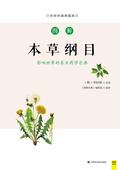 Illustrated Compendium of Materia Medica: Collector's Edition of Vernacular Color Illustrations
"Compendium of Materia Medica" is a world-famous masterpiece of natural history and a masterpiece of food, health, and pharmacology in the Chinese medical library. It is the culmination of thousands of years of cultivation, collection, preparation and medical health care of food and medicine. It has had a profound impact on food health, medicine, zoology, plantation, and people's choices of daily food tastes in later generations. Some of these medical prescriptions can still have good effects to
—Reads8.4Score—Shelves
Illustrated Compendium of Materia Medica: Collector's Edition of Vernacular Color Illustrations
"Compendium of Materia Medica" is a world-famous masterpiece of natural history and a masterpiece of food, health, and pharmacology in the Chinese medical library. It is the culmination of thousands of years of cultivation, collection, preparation and medical health care of food and medicine. It has had a profound impact on food health, medicine, zoology, plantation, and people's choices of daily food tastes in later generations. Some of these medical prescriptions can still have good effects to
—Reads8.4Score—Shelves
-
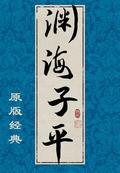 Yuanhai Ziping (Original Version)
"Yuanhai Ziping" is a numerology work, recorded by Xu Sheng in the Song Dynasty based on the fortune-telling method of Xu Ziping, a famous numerologist at that time. This book is the first to provide a relatively complete and systematic discussion of the "Four Pillars Fortune Telling Method". It can be said to be a masterpiece of ancient Chinese fortune telling and is deeply respected by those who study fortune telling in later generations. Xu Ziping's greatest contribution to numerology was to
—Reads8.6Score—Shelves
Yuanhai Ziping (Original Version)
"Yuanhai Ziping" is a numerology work, recorded by Xu Sheng in the Song Dynasty based on the fortune-telling method of Xu Ziping, a famous numerologist at that time. This book is the first to provide a relatively complete and systematic discussion of the "Four Pillars Fortune Telling Method". It can be said to be a masterpiece of ancient Chinese fortune telling and is deeply respected by those who study fortune telling in later generations. Xu Ziping's greatest contribution to numerology was to
—Reads8.6Score—Shelves
-
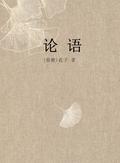 The Analects of Confucius
 is a very important material for understanding Confucius' philosophy, politics, education, culture and other doctrines. "Half of the Analects of Confucius rules the world." From ancient times to the present, "The Analects of Confucius" has been a classic that cannot be ignored. As the source of Chinese culture, the ideas advocated by The Analects have been infiltrated into China's political and religious system, social customs, psychological habits and behavioral patter
—Reads8.4Score—Shelves
The Analects of Confucius
The Analects of Confucius is a very important material for understanding Confucius' philosophy, politics, education, culture and other doctrines. "Half of the Analects of Confucius rules the world." From ancient times to the present, "The Analects of Confucius" has been a classic that cannot be ignored. As the source of Chinese culture, the ideas advocated by The Analects have been infiltrated into China's political and religious system, social customs, psychological habits and behavioral patter
—Reads8.4Score—Shelves
-
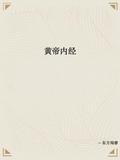 Yellow Emperor's Internal Classic
This book introduces readers to the relationship between diet and health, diet and disease, diet and health preservation, as well as the circumstances under which diet can cause diseases. It also provides a detailed explanation of how to change from eating well to eating healthily.
—Reads8.6Score—Shelves
Yellow Emperor's Internal Classic
This book introduces readers to the relationship between diet and health, diet and disease, diet and health preservation, as well as the circumstances under which diet can cause diseases. It also provides a detailed explanation of how to change from eating well to eating healthily.
—Reads8.6Score—Shelves
-
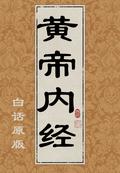 Huangdi Neijing (Original Version in Vernacular)
China's earliest medical classics, one of the four classics of traditional medicine, is divided into two parts: "Lingshu" and "Suwen". It establishes various theories of yin and yang, five elements, pulse conditions, Zangxiang, etc., And presents a holistic medical model. The content covers medicine, philosophy, astronomy and other disciplines.
—Reads8.6Score—Shelves
Huangdi Neijing (Original Version in Vernacular)
China's earliest medical classics, one of the four classics of traditional medicine, is divided into two parts: "Lingshu" and "Suwen". It establishes various theories of yin and yang, five elements, pulse conditions, Zangxiang, etc., And presents a holistic medical model. The content covers medicine, philosophy, astronomy and other disciplines.
—Reads8.6Score—Shelves
-
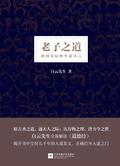 The Way of Lao Tzu
The Tao Te Ching, also known as the "Tao Te Ching", "Laozi", "Five Thousand Words", etc., Is an important source of Taoist philosophical thought. It discusses self-cultivation, governing the country, military use, and health preservation. It is mostly focused on politics. It is known as the school of "inner sage and outer king". It is profound and comprehensive in text and is known as the "King of Ten Thousand Classics". The Tao Te Ching is divided into two parts, the first part "De Jing" and th
—Reads8.5Score—Shelves
The Way of Lao Tzu
The Tao Te Ching, also known as the "Tao Te Ching", "Laozi", "Five Thousand Words", etc., Is an important source of Taoist philosophical thought. It discusses self-cultivation, governing the country, military use, and health preservation. It is mostly focused on politics. It is known as the school of "inner sage and outer king". It is profound and comprehensive in text and is known as the "King of Ten Thousand Classics". The Tao Te Ching is divided into two parts, the first part "De Jing" and th
—Reads8.5Score—Shelves
-
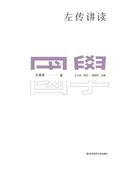 Zuo Chuan's Lecture and Reading
A book to understand and thoroughly read "Zuo Zhuan". Readings by famous teachers, detailed annotations; analysis of difficult points, and expansion of literature and history. Follow professors from the Chinese Department and experts in Chinese studies to appreciate the beauty of Chinese classics. The full name of "Zuo Zhuan" is "Chun Qiu Zuo Shi Zhuan". It is one of the three "Chun Qiu" biographies. It is an exegesis of "Chun Qiu" based on facts. It was included in the "Nine Classics" and "Thir
—Reads9.2Score—Shelves
Zuo Chuan's Lecture and Reading
A book to understand and thoroughly read "Zuo Zhuan". Readings by famous teachers, detailed annotations; analysis of difficult points, and expansion of literature and history. Follow professors from the Chinese Department and experts in Chinese studies to appreciate the beauty of Chinese classics. The full name of "Zuo Zhuan" is "Chun Qiu Zuo Shi Zhuan". It is one of the three "Chun Qiu" biographies. It is an exegesis of "Chun Qiu" based on facts. It was included in the "Nine Classics" and "Thir
—Reads9.2Score—Shelves
-
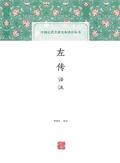 Zuo Chuan's Translation and Annotation (Two Volumes)
"Zuo Zhuan" is the earliest extant chronicle in my country with detailed chronology. It is also an outstanding literary work and has a huge influence on later generations of prose and linguistics. This book is based on the original text, with annotations and full vernacular translation. The text is precise and fluent.
—Reads8.6Score—Shelves
Zuo Chuan's Translation and Annotation (Two Volumes)
"Zuo Zhuan" is the earliest extant chronicle in my country with detailed chronology. It is also an outstanding literary work and has a huge influence on later generations of prose and linguistics. This book is based on the original text, with annotations and full vernacular translation. The text is precise and fluent.
—Reads8.6Score—Shelves
-
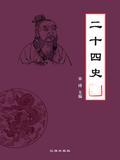 Twenty-Four Histories
"Twenty-Four Histories" mainly records the nearly five thousand years of development of ancient Chinese society since the Yellow Emperor and the rise and fall of dozens of dynasties, reflecting the orthodox concepts and the spirit of the times in each period. Therefore, it is the most authoritative treasure house of information for studying Chinese history and ancient Chinese culture, and can be called an encyclopedia of Chinese civilization. Reading the "Twenty-Four Histories" makes people wise
—Reads—Score—Shelves
Twenty-Four Histories
"Twenty-Four Histories" mainly records the nearly five thousand years of development of ancient Chinese society since the Yellow Emperor and the rise and fall of dozens of dynasties, reflecting the orthodox concepts and the spirit of the times in each period. Therefore, it is the most authoritative treasure house of information for studying Chinese history and ancient Chinese culture, and can be called an encyclopedia of Chinese civilization. Reading the "Twenty-Four Histories" makes people wise
—Reads—Score—Shelves
-
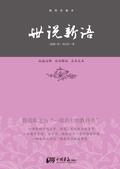 Shishuoxinyu
"Shishuoxinyu" is a classic Chinese traditional aristocratic novel. It mainly records the conversational styles and anecdotes of characters in the late Han, Wei and Jin Dynasties. The book contains a total of 36 chapters and 1,130 articles. It covers politics, economy, society, literature, thought and many other aspects. Therefore, it is also an important material for studying the history of this period. It not only truly reflects people's thoughts, life and social style at that time, but also s
—Reads8.9Score—Shelves
Shishuoxinyu
"Shishuoxinyu" is a classic Chinese traditional aristocratic novel. It mainly records the conversational styles and anecdotes of characters in the late Han, Wei and Jin Dynasties. The book contains a total of 36 chapters and 1,130 articles. It covers politics, economy, society, literature, thought and many other aspects. Therefore, it is also an important material for studying the history of this period. It not only truly reflects people's thoughts, life and social style at that time, but also s
—Reads8.9Score—Shelves
-
 Kindergarten Qionglin
"Young Learning Qionglin" is an enlightening children's book in ancient China. The author is Cheng Dengji, whose courtesy name is Yunsheng, who was born in Xichang in the late Ming Dynasty. This book was originally titled "Instructions for Preschool Education", also known as "Idiom Test" and "Story Source Search". Qiu Rui, a Jinshi during the Jingtai period of the Ming Dynasty, Zou Shengmai during the Jiaqing period of the Qing Dynasty, Fei Yourong, Ye Pusun and Cai Dongfan during the Republic o
—Reads8.0Score—Shelves
Kindergarten Qionglin
"Young Learning Qionglin" is an enlightening children's book in ancient China. The author is Cheng Dengji, whose courtesy name is Yunsheng, who was born in Xichang in the late Ming Dynasty. This book was originally titled "Instructions for Preschool Education", also known as "Idiom Test" and "Story Source Search". Qiu Rui, a Jinshi during the Jingtai period of the Ming Dynasty, Zou Shengmai during the Jiaqing period of the Qing Dynasty, Fei Yourong, Ye Pusun and Cai Dongfan during the Republic o
—Reads8.0Score—Shelves
-
 Book of Rites
"Book of Rites" is an important anthology of laws and regulations in ancient China. The content of the book mainly describes the ritual system of the Pre-Qin Dynasty. It embodies the philosophical thoughts, educational thoughts, political thoughts, and aesthetic thoughts of the Pre-Qin Confucians. It is an important material for the study of the Pre-Qin society and a collection of Confucian thoughts.
—Reads8.6Score—Shelves
Book of Rites
"Book of Rites" is an important anthology of laws and regulations in ancient China. The content of the book mainly describes the ritual system of the Pre-Qin Dynasty. It embodies the philosophical thoughts, educational thoughts, political thoughts, and aesthetic thoughts of the Pre-Qin Confucians. It is an important material for the study of the Pre-Qin society and a collection of Confucian thoughts.
—Reads8.6Score—Shelves
-
 Warring States Policy
"Warring States Policy" is good at describing events clearly and realistically describing characters. It uses a lot of fables and metaphors, and its language is vivid and full of literary talent.
—Reads9.5Score—Shelves
Warring States Policy
"Warring States Policy" is good at describing events clearly and realistically describing characters. It uses a lot of fables and metaphors, and its language is vivid and full of literary talent.
—Reads9.5Score—Shelves