Fanqie library
Browse
- Titles
- 54
Every Fanqie book we index, searchable by title, author or tag.
-
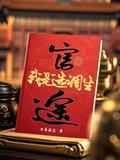 Guantu: I Am a Selected Student
A graduate of one of the top universities in the country, he used his wisdom and tenacity to innovate government affairs, improve people's livelihood, and overcome obstacles all the way from prosperous cities to remote villages to achieve a brilliant career. In the torrent of fate, he stuck to his original intention and used his actions to interpret the true meaning of "I have no control over my fate, not God", rewriting the fate of many people and his own fate.
800Reads—Score—Shelves
Guantu: I Am a Selected Student
A graduate of one of the top universities in the country, he used his wisdom and tenacity to innovate government affairs, improve people's livelihood, and overcome obstacles all the way from prosperous cities to remote villages to achieve a brilliant career. In the torrent of fate, he stuck to his original intention and used his actions to interpret the true meaning of "I have no control over my fate, not God", rewriting the fate of many people and his own fate.
800Reads—Score—Shelves
-
 Aiming for the Center: Entering the Game as Soon as You Take Office
[Single Female Protagonist] Gu Chengan was only 32 years old when she took up her post in Qinghe County. But before the appointment meeting was over, trouble had already come to the door. Black materials, bad debts, public opinion, and banknotes were all directed at him one after another. With no connections and no escape route, all Gu Chengan could grasp were evidence, procedures and results. He takes over the mess that others dare not take on; he investigates the chain of responsibility that o
72Reads—Score—Shelves
Aiming for the Center: Entering the Game as Soon as You Take Office
[Single Female Protagonist] Gu Chengan was only 32 years old when she took up her post in Qinghe County. But before the appointment meeting was over, trouble had already come to the door. Black materials, bad debts, public opinion, and banknotes were all directed at him one after another. With no connections and no escape route, all Gu Chengan could grasp were evidence, procedures and results. He takes over the mess that others dare not take on; he investigates the chain of responsibility that o
72Reads—Score—Shelves
-
 Chunjiang Flower Moonlight Night by Zhang Ruoxu
The biography of Zhang Ruoxu, the author of "Spring River with Flowers and Moonlight Night", deeply restores the legendary life of the poet in the Tang Dynasty on a scale of 100,000 words. The work starts from the youthful days in the mist and rain of Yangzhou, detailing the hardships of the scientific research in Chang'an and the military training in Yanzhou, until that night on the Spring River that created an eternal masterpiece. By exploring how he integrated the poetic styles of the north a
32Reads—Score—Shelves
Chunjiang Flower Moonlight Night by Zhang Ruoxu
The biography of Zhang Ruoxu, the author of "Spring River with Flowers and Moonlight Night", deeply restores the legendary life of the poet in the Tang Dynasty on a scale of 100,000 words. The work starts from the youthful days in the mist and rain of Yangzhou, detailing the hardships of the scientific research in Chang'an and the military training in Yanzhou, until that night on the Spring River that created an eternal masterpiece. By exploring how he integrated the poetic styles of the north a
32Reads—Score—Shelves
-
 The Biography of Zou Yan, the Giant of Yin and Yang
The founder of the Yin-Yang school was Zou Yan (about 324 BC - 250 BC), a native of Qi State at the end of the Warring States Period. He was a key figure in systematically combining the Yin-Yang theory with the Five Elements theory to form the "Yin-Yang Five Elements Theory". Its core ideas and contributions are as follows: 1. Establishing the "Theory of the End and Beginning of the Five Virtues": This is the core theory of Zou Yan. He believed that the operation and replacement of the five
14Reads—Score—Shelves
The Biography of Zou Yan, the Giant of Yin and Yang
The founder of the Yin-Yang school was Zou Yan (about 324 BC - 250 BC), a native of Qi State at the end of the Warring States Period. He was a key figure in systematically combining the Yin-Yang theory with the Five Elements theory to form the "Yin-Yang Five Elements Theory". Its core ideas and contributions are as follows: 1. Establishing the "Theory of the End and Beginning of the Five Virtues": This is the core theory of Zou Yan. He believed that the operation and replacement of the five
14Reads—Score—Shelves
-
 Crematorium at the Beginning: Awakening Life Payment System
(Krypton life system + invincible combat + decisive killing + spiritual pet transformation + talent upgrade + self-created skills) Jiang Tianhe, who has been cultivating for thousands of years in Cangxuan Continent, was plotted by his apprentice when he was ascending through a tribulation. Reborn as a teenager on Earth. Accidentally bound to the Mingfu Bao system, his time has come! Previous life! Talented, dull, bullied. This life! Create your own top-notch skills! Possessing peerless talent! T
11Reads6.4Score—Shelves
Crematorium at the Beginning: Awakening Life Payment System
(Krypton life system + invincible combat + decisive killing + spiritual pet transformation + talent upgrade + self-created skills) Jiang Tianhe, who has been cultivating for thousands of years in Cangxuan Continent, was plotted by his apprentice when he was ascending through a tribulation. Reborn as a teenager on Earth. Accidentally bound to the Mingfu Bao system, his time has come! Previous life! Talented, dull, bullied. This life! Create your own top-notch skills! Possessing peerless talent! T
11Reads6.4Score—Shelves
-
 Ten Articles on Political Power
"Ten Chapters on Power" systematically explains the core wisdom of emperors, generals and ministers in governing the country, covering the ten dimensions of power: control, virtual reality, advance and retreat, firmness and softness, rewards and punishments, leverage, priorities, oddities, situations, and strategies. Through in-depth analysis of historical cases such as Zhuge Liang's governance of Shu, Liu Xiu's judo governance, Sima Yi's patience and waiting, and Deng Ai's surprise attack on Yi
10Reads—Score—Shelves
Ten Articles on Political Power
"Ten Chapters on Power" systematically explains the core wisdom of emperors, generals and ministers in governing the country, covering the ten dimensions of power: control, virtual reality, advance and retreat, firmness and softness, rewards and punishments, leverage, priorities, oddities, situations, and strategies. Through in-depth analysis of historical cases such as Zhuge Liang's governance of Shu, Liu Xiu's judo governance, Sima Yi's patience and waiting, and Deng Ai's surprise attack on Yi
10Reads—Score—Shelves
-
 The Legend of Bailixi, the Doctor of Wuxi
Baili Xi (approximately 726 BC - 621 BC), a famous prime minister of Qin during the Spring and Autumn Period, can be regarded as an eternal example of a late bloomer. In his early years, he was homeless and traveled to Qi, Zhou, Yu and other countries. He suffered from hunger and cold, and even became a herdsman in Chu State. Duke Mu of Qin heard that he was a virtuous man and redeemed him with five black sheepskins, and he was known as "Doctor Wuxi" in his later generations. He was over seventy
4Reads—Score—Shelves
The Legend of Bailixi, the Doctor of Wuxi
Baili Xi (approximately 726 BC - 621 BC), a famous prime minister of Qin during the Spring and Autumn Period, can be regarded as an eternal example of a late bloomer. In his early years, he was homeless and traveled to Qi, Zhou, Yu and other countries. He suffered from hunger and cold, and even became a herdsman in Chu State. Duke Mu of Qin heard that he was a virtuous man and redeemed him with five black sheepskins, and he was known as "Doctor Wuxi" in his later generations. He was over seventy
4Reads—Score—Shelves
-
 Biography of Wang Changling
Wang Changling (698-757), a famous frontier poet in the Tang Dynasty, was known as the "Seven Masters". His poems are famous for his vigorous and bold frontier fortress poems and graceful and affectionate palace resentment poems. His representative works "Out of the Fortress" and "Military March" show the magnificent frontier fortress scenery and the feelings of the soldiers. In "Farewell to Xin Jian at Furong Tower", "A heart of ice is in a jade pot" has become an eternal famous line. The poeti
4Reads—Score—Shelves
Biography of Wang Changling
Wang Changling (698-757), a famous frontier poet in the Tang Dynasty, was known as the "Seven Masters". His poems are famous for his vigorous and bold frontier fortress poems and graceful and affectionate palace resentment poems. His representative works "Out of the Fortress" and "Military March" show the magnificent frontier fortress scenery and the feelings of the soldiers. In "Farewell to Xin Jian at Furong Tower", "A heart of ice is in a jade pot" has become an eternal famous line. The poeti
4Reads—Score—Shelves
-
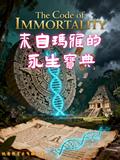 The Book of Immortality from the Maya
This book is not a good read, and the name of the immortality plan in the book is fictitious by the author, but there is no doubt that this immortality plan does exist. This can be proved by some incidents involving wealthy and powerful celebrities in the West that have been leaked in recent years, especially the Epstein incident. The book also touches on many well-known figures at home and abroad and real major events that have occurred in recent years. Of course, pseudonyms have been used, but
4Reads—Score—Shelves
The Book of Immortality from the Maya
This book is not a good read, and the name of the immortality plan in the book is fictitious by the author, but there is no doubt that this immortality plan does exist. This can be proved by some incidents involving wealthy and powerful celebrities in the West that have been leaked in recent years, especially the Epstein incident. The book also touches on many well-known figures at home and abroad and real major events that have occurred in recent years. Of course, pseudonyms have been used, but
4Reads—Score—Shelves
-
 Pre-Biography of Du Yao, Both Civil and Military
Du Yu (222-285), courtesy name Yuan Kai, was a native of Duling, Jingzhao (today's Xi'an, Shaanxi Province). He was an outstanding statesman, military strategist and scholar during the Western Jin Dynasty. He was famous for his versatility in both civil and military affairs. He was born into a family of officials and was well-read in his early years. Although he was not good at riding and shooting, he was known for his foresight. He became an official during the Cao Wei period and later became a
2Reads—Score—Shelves
Pre-Biography of Du Yao, Both Civil and Military
Du Yu (222-285), courtesy name Yuan Kai, was a native of Duling, Jingzhao (today's Xi'an, Shaanxi Province). He was an outstanding statesman, military strategist and scholar during the Western Jin Dynasty. He was famous for his versatility in both civil and military affairs. He was born into a family of officials and was well-read in his early years. Although he was not good at riding and shooting, he was known for his foresight. He became an official during the Cao Wei period and later became a
2Reads—Score—Shelves
-
 Peach Blossoms Still Still Cui Hu Chuan
"The Peach Blossom Remains: The Poetic Life of Cui Hu" is based on the Tang Dynasty poet Cui Hu's "Peach blossoms complement each other's face" as the context, and delicately reproduces his life from the Boling boy to the ups and downs of the officialdom. The work combines historical research and literary imagination, and through multi-dimensional narratives such as imperial examinations, love, and poetry, it shows the spiritual outlook of the literati in the mid-Tang Dynasty and the profound in
2Reads—Score—Shelves
Peach Blossoms Still Still Cui Hu Chuan
"The Peach Blossom Remains: The Poetic Life of Cui Hu" is based on the Tang Dynasty poet Cui Hu's "Peach blossoms complement each other's face" as the context, and delicately reproduces his life from the Boling boy to the ups and downs of the officialdom. The work combines historical research and literary imagination, and through multi-dimensional narratives such as imperial examinations, love, and poetry, it shows the spiritual outlook of the literati in the mid-Tang Dynasty and the profound in
2Reads—Score—Shelves
-
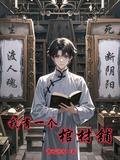 I Have a Coffin Shop
[Fantasy and supernatural + deciding between life and death + saving people's souls + calculating all the secrets of heaven + training and upgrading + decisive killing + evil things and rumors] This is a weird coffin shop, and each coffin is connected to a netherworld! In the coffin shop, Li Chen is invincible! However, facing the pursuit of monks and demons from all over the world, where will Li Chen go?
2Reads—Score—Shelves
I Have a Coffin Shop
[Fantasy and supernatural + deciding between life and death + saving people's souls + calculating all the secrets of heaven + training and upgrading + decisive killing + evil things and rumors] This is a weird coffin shop, and each coffin is connected to a netherworld! In the coffin shop, Li Chen is invincible! However, facing the pursuit of monks and demons from all over the world, where will Li Chen go?
2Reads—Score—Shelves
-
 Ten Articles on the Art of Monarchy
Okay, this is an introduction to the power of ancient Chinese emperors, more than a hundred words. Ancient Chinese imperial power is a profound political art about the operation and balance of power. Its core is to control the ministers and consolidate the imperial power through various strategies and means, so as to maintain the long-term peace and order of the dynasty. It is not a single rough control, but emphasizes the combination and dynamic balance of "methods, techniques, and momentum".
2Reads—Score—Shelves
Ten Articles on the Art of Monarchy
Okay, this is an introduction to the power of ancient Chinese emperors, more than a hundred words. Ancient Chinese imperial power is a profound political art about the operation and balance of power. Its core is to control the ministers and consolidate the imperial power through various strategies and means, so as to maintain the long-term peace and order of the dynasty. It is not a single rough control, but emphasizes the combination and dynamic balance of "methods, techniques, and momentum".
2Reads—Score—Shelves
-
 Lianshan New Story
Gai heard that chaos first emerged, Fuxi drew river diagrams and drew hexagrams; civilization began, Shen Nong used mountains and mountains to perform Yao. However, "Lianshan" was hidden in the Zhou Dynasty, and "Gui Zang" was hidden in the Yin Ruins. The ancient masterpieces were scattered into fragments of Shanhai. Fortunately, this is the year when the Jiachen star returns and the year when the Hidden Dragon begins to hibernate. I have inherited thirty-nine and twenty-one volumes of bamboo sl
2Reads—Score—Shelves
Lianshan New Story
Gai heard that chaos first emerged, Fuxi drew river diagrams and drew hexagrams; civilization began, Shen Nong used mountains and mountains to perform Yao. However, "Lianshan" was hidden in the Zhou Dynasty, and "Gui Zang" was hidden in the Yin Ruins. The ancient masterpieces were scattered into fragments of Shanhai. Fortunately, this is the year when the Jiachen star returns and the year when the Hidden Dragon begins to hibernate. I have inherited thirty-nine and twenty-one volumes of bamboo sl
2Reads—Score—Shelves
-
 My Feng Shui Diary: Maliangou
During an excavation of the Sanxingdui site, a wooden box containing a book was discovered. The content of this book is actually related to the "Youxi" mentioned by Lu Yu's great-great-grandfather, but the book records the deeds of Zhao Ponu, a direct descendant of Huo Qubing in the Western Han Dynasty. The civilization of the Sanxingdui site and the culture of the Western Han Dynasty are separated by thousands of years. What is the connection between them. Dear readers, please move to a small b
1Reads—Score—Shelves
My Feng Shui Diary: Maliangou
During an excavation of the Sanxingdui site, a wooden box containing a book was discovered. The content of this book is actually related to the "Youxi" mentioned by Lu Yu's great-great-grandfather, but the book records the deeds of Zhao Ponu, a direct descendant of Huo Qubing in the Western Han Dynasty. The civilization of the Sanxingdui site and the culture of the Western Han Dynasty are separated by thousands of years. What is the connection between them. Dear readers, please move to a small b
1Reads—Score—Shelves
-
 The Biography of Han Feizi, the Solitary and Angry Dharma Soul
Han Fei (about 280 BC - 233 BC) was a Korean nobleman at the end of the Warring States Period and a master of Legalist thought. He studied under Xunzi and was a classmate with Li Si. Although he stutters, he is good at writing and his articles are powerful. The core of his ideology advocates the theory of monarchy that combines "law, technique, and power", proposes "rule of law" to replace "rule of man", and emphasizes that "the ministers will not be spared in punishment, and the good will be re
1Reads—Score—Shelves
The Biography of Han Feizi, the Solitary and Angry Dharma Soul
Han Fei (about 280 BC - 233 BC) was a Korean nobleman at the end of the Warring States Period and a master of Legalist thought. He studied under Xunzi and was a classmate with Li Si. Although he stutters, he is good at writing and his articles are powerful. The core of his ideology advocates the theory of monarchy that combines "law, technique, and power", proposes "rule of law" to replace "rule of man", and emphasizes that "the ministers will not be spared in punishment, and the good will be re
1Reads—Score—Shelves
-
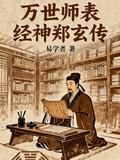 The Biography of Zheng Xuan, the Sutra God of Eternal Master
Zheng Xuan (127-200), a giant in Confucian classics at the end of the Eastern Han Dynasty, was revered as the "God of Confucian classics". His scholarship integrates modern and ancient classics, and he is known for drawing on the strengths of others, seeking truth and being pragmatic. The "Zheng Xue" he created has profoundly shaped the traditional Chinese classics system. Thousands of years after his death, his spirit of "seeking truth, integrating and managing the world" continues to inspire f
1Reads—Score—Shelves
The Biography of Zheng Xuan, the Sutra God of Eternal Master
Zheng Xuan (127-200), a giant in Confucian classics at the end of the Eastern Han Dynasty, was revered as the "God of Confucian classics". His scholarship integrates modern and ancient classics, and he is known for drawing on the strengths of others, seeking truth and being pragmatic. The "Zheng Xue" he created has profoundly shaped the traditional Chinese classics system. Thousands of years after his death, his spirit of "seeking truth, integrating and managing the world" continues to inspire f
1Reads—Score—Shelves
-
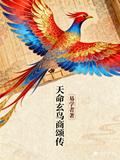 The Legend of Destiny Xuanniao Shang Song
"The Black Bird of Destiny: The Biography of "Ode to Shang" is a cultural epic spanning three thousand years, panoramically showing the inheritance process of "Ode to Shang" from the sacrificial songs of the Shang and Zhou dynasties to the core classics of Chinese civilization. The five volumes and twenty chapters of the book reveal the original appearance of the Shang people's sacrificial civilization through the double confirmation of archaeological discoveries and documentary records, trace t
1Reads—Score—Shelves
The Legend of Destiny Xuanniao Shang Song
"The Black Bird of Destiny: The Biography of "Ode to Shang" is a cultural epic spanning three thousand years, panoramically showing the inheritance process of "Ode to Shang" from the sacrificial songs of the Shang and Zhou dynasties to the core classics of Chinese civilization. The five volumes and twenty chapters of the book reveal the original appearance of the Shang people's sacrificial civilization through the double confirmation of archaeological discoveries and documentary records, trace t
1Reads—Score—Shelves
-
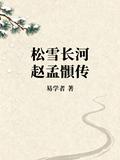 Songxue Changhe Biography of Zhao Mengfu
Zhao Mengfu (1254-1322), named Zi'ang, also known as Songxue Taoist, was a native of Wuxing, Zhejiang. As the eleventh grandson of Song Taizu Zhao Kuangyin, he served as an official in the Yuan Dynasty as a member of the Song clan. He became a Hanlin scholar and received his posthumous title Wenmin. His artistic achievements are unparalleled. In painting, he created a new style of literati painting in the Yuan Dynasty, and proposed the theory of "the same origin of calligraphy and painting". His
1Reads—Score—Shelves
Songxue Changhe Biography of Zhao Mengfu
Zhao Mengfu (1254-1322), named Zi'ang, also known as Songxue Taoist, was a native of Wuxing, Zhejiang. As the eleventh grandson of Song Taizu Zhao Kuangyin, he served as an official in the Yuan Dynasty as a member of the Song clan. He became a Hanlin scholar and received his posthumous title Wenmin. His artistic achievements are unparalleled. In painting, he created a new style of literati painting in the Yuan Dynasty, and proposed the theory of "the same origin of calligraphy and painting". His
1Reads—Score—Shelves
-
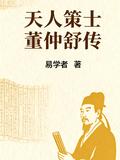 Biography of Dong Zhongshu, the Celestial Strategist
Dong Zhongshu (179 BC - 104 BC), a native of Guangchuan County (now Jingxian County, Hebei Province) of the Western Han Dynasty, was a master of the Gongyang School of Confucianism and a giant in the ideological circles during the reign of Emperor Wu of the Han Dynasty. When he was young, he was studying the Spring and Autumn Annals. He spent three years away from the garden, studying the relationship between heaven and man. In the first year of Jianyuan (140 BC), he responded to Emperor Wu's po
1Reads—Score—Shelves
Biography of Dong Zhongshu, the Celestial Strategist
Dong Zhongshu (179 BC - 104 BC), a native of Guangchuan County (now Jingxian County, Hebei Province) of the Western Han Dynasty, was a master of the Gongyang School of Confucianism and a giant in the ideological circles during the reign of Emperor Wu of the Han Dynasty. When he was young, he was studying the Spring and Autumn Annals. He spent three years away from the garden, studying the relationship between heaven and man. In the first year of Jianyuan (140 BC), he responded to Emperor Wu's po
1Reads—Score—Shelves
-
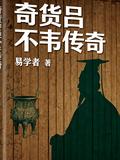 The Legend of Lu Buwei
Lu Buwei (? - 235 BC) was a native of Puyang in the late Warring States period. He was originally a wealthy businessman in Yangzhai. He met Qin's protégé in Handan and supported him with all his money and helped him return to Qin and succeed to the throne. He became King Zhuangxiang. He was granted the title of Marquis by the Prime Minister and lived in Luoyang for 100,000 households. After the death of King Zhuang Xiang, he assisted the young master Yingzheng, respected as "Second Father", and
1Reads—Score—Shelves
The Legend of Lu Buwei
Lu Buwei (? - 235 BC) was a native of Puyang in the late Warring States period. He was originally a wealthy businessman in Yangzhai. He met Qin's protégé in Handan and supported him with all his money and helped him return to Qin and succeed to the throne. He became King Zhuangxiang. He was granted the title of Marquis by the Prime Minister and lived in Luoyang for 100,000 households. After the death of King Zhuang Xiang, he assisted the young master Yingzheng, respected as "Second Father", and
1Reads—Score—Shelves
-
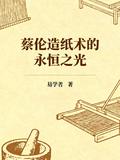 The Eternal Light of Cai Lun's Papermaking
Cai Lun (61-121), courtesy name Jingzhong, was a native of Leiyang, Guiyang County in the Eastern Han Dynasty (today's Leiyang, Hunan Province). He was the revolutionary improver of papermaking, one of the four great inventions of ancient China. As an eunuch of the Eastern Han Dynasty, he was promoted to the rank of Chang Shi, Shang Fang Ling, and was granted the title of Marquis of Longting. Based on papermaking in the Western Han Dynasty, he pioneered a complete pulping and papermaking process
1Reads—Score—Shelves
The Eternal Light of Cai Lun's Papermaking
Cai Lun (61-121), courtesy name Jingzhong, was a native of Leiyang, Guiyang County in the Eastern Han Dynasty (today's Leiyang, Hunan Province). He was the revolutionary improver of papermaking, one of the four great inventions of ancient China. As an eunuch of the Eastern Han Dynasty, he was promoted to the rank of Chang Shi, Shang Fang Ling, and was granted the title of Marquis of Longting. Based on papermaking in the Western Han Dynasty, he pioneered a complete pulping and papermaking process
1Reads—Score—Shelves
-
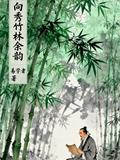 The Lingering Charm of Xiangxiu Bamboo Forest
"Xiang Xiu: The Legacy of the Bamboo Grove" is a biographical literary work based on the metaphysical trends of the Wei and Jin Dynasties. It focuses on Xiang Xiu (approximately 227-272), who has the most philosophical depth among the "Seven Sages of the Bamboo Grove". Through the triple structure of "wrought iron - Zhuangzhuang - Fujiu", the book shows how this thinker, caught between Ji Kang's heroism and Guo Xiang's system, transformed the pain of losing friends into philosophical creation. T
1Reads—Score—Shelves
The Lingering Charm of Xiangxiu Bamboo Forest
"Xiang Xiu: The Legacy of the Bamboo Grove" is a biographical literary work based on the metaphysical trends of the Wei and Jin Dynasties. It focuses on Xiang Xiu (approximately 227-272), who has the most philosophical depth among the "Seven Sages of the Bamboo Grove". Through the triple structure of "wrought iron - Zhuangzhuang - Fujiu", the book shows how this thinker, caught between Ji Kang's heroism and Guo Xiang's system, transformed the pain of losing friends into philosophical creation. T
1Reads—Score—Shelves
-
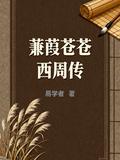 Biography of the Western Zhou Dynasty by Jian Jia Cang Cang
Introduction to The Legend of Xizhou The opera boat, a vessel used for performing dramas, is a unique mobile stage form. Its history can be traced back to the period of Emperor Yang of the Sui Dynasty. In his "Jiangdu Palace Music Song", the sentence "long sleeves are clear and the music is played on the boat", which depicts the luxurious scene of singing and dancing performances on the dragon boat. During the Qianlong period of the Qing Dynasty, the development of opera boats reached its peak
—Reads—Score—Shelves
Biography of the Western Zhou Dynasty by Jian Jia Cang Cang
Introduction to The Legend of Xizhou The opera boat, a vessel used for performing dramas, is a unique mobile stage form. Its history can be traced back to the period of Emperor Yang of the Sui Dynasty. In his "Jiangdu Palace Music Song", the sentence "long sleeves are clear and the music is played on the boat", which depicts the luxurious scene of singing and dancing performances on the dragon boat. During the Qianlong period of the Qing Dynasty, the development of opera boats reached its peak
—Reads—Score—Shelves
-
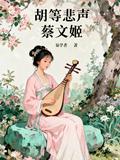 Hu Jia's Sad Voice and the Biography of Cai Wenji
Cai Wenji (date of birth and death unknown), named Yan, was born in Chenliuyu, and was the daughter of Cai Yong, a great writer of the Eastern Han Dynasty. She is a rare talented woman in the history of Chinese literature. She is good at music, literature and calligraphy. The story of playing the piano at the age of six has been passed down through the ages. He went through ups and downs in his life. He first married Wei Zhongdao and became a widow. Later, he was taken captive to the Southern Hu
—Reads—Score—Shelves
Hu Jia's Sad Voice and the Biography of Cai Wenji
Cai Wenji (date of birth and death unknown), named Yan, was born in Chenliuyu, and was the daughter of Cai Yong, a great writer of the Eastern Han Dynasty. She is a rare talented woman in the history of Chinese literature. She is good at music, literature and calligraphy. The story of playing the piano at the age of six has been passed down through the ages. He went through ups and downs in his life. He first married Wei Zhongdao and became a widow. Later, he was taken captive to the Southern Hu
—Reads—Score—Shelves
-
 Burning Books in Xianyang Chun Yue Chuan
Chun Yuyue (year of birth and death unknown) was a Confucian scholar of the Qi State in the late Warring States Period and a famous doctorate in the Qin Dynasty. He is proficient in "Shangshu" and advocates the ancient system of the three generations. He is a representative figure of Qilu Confucianism. After the unification of Qin Shihuang, he was selected as the Seventy Doctors and appointed as a servant in charge of academic etiquette. At the Xianyang palace banquet in 213 BC, he opposed Prime
—Reads—Score—Shelves
Burning Books in Xianyang Chun Yue Chuan
Chun Yuyue (year of birth and death unknown) was a Confucian scholar of the Qi State in the late Warring States Period and a famous doctorate in the Qin Dynasty. He is proficient in "Shangshu" and advocates the ancient system of the three generations. He is a representative figure of Qilu Confucianism. After the unification of Qin Shihuang, he was selected as the Seventy Doctors and appointed as a servant in charge of academic etiquette. At the Xianyang palace banquet in 213 BC, he opposed Prime
—Reads—Score—Shelves
-
 The Biography of Xunzi, the Pivot of Heaven and Man
Xunzi (about 313 BC - 238 BC), whose surname was Kuang and whose courtesy name was Qing, was a native of Zhao State at the end of the Warring States Period and a master of Confucianism. His thoughts are based on the "theory of evil nature", advocating the transformation of human nature through etiquette and law, emphasizing "changing nature to make it false" and "controlling destiny and using it". He is the author of thirty-two chapters of "Xunzi" and is the first of his kind to write Confucian
—Reads—Score—Shelves
The Biography of Xunzi, the Pivot of Heaven and Man
Xunzi (about 313 BC - 238 BC), whose surname was Kuang and whose courtesy name was Qing, was a native of Zhao State at the end of the Warring States Period and a master of Confucianism. His thoughts are based on the "theory of evil nature", advocating the transformation of human nature through etiquette and law, emphasizing "changing nature to make it false" and "controlling destiny and using it". He is the author of thirty-two chapters of "Xunzi" and is the first of his kind to write Confucian
—Reads—Score—Shelves
-
 Biography of the Soldier Saint Sun Wu
"Sage of War: The Biography of Sun Wu" deeply reproduces the legendary life of Sun Wu, a military strategist in the late Spring and Autumn Period. This book begins with the origins of Sun Wu, a general in the Qi Kingdom, and details his journey south to the Wu Kingdom to avoid war. After being recommended by Wu Zixu, he used the "Wu Palace to teach war" to kill Ji Liwei and frighten the King of Wu, and was eventually worshiped as a general. It focuses on describing his military miracle of assist
—Reads—Score—Shelves
Biography of the Soldier Saint Sun Wu
"Sage of War: The Biography of Sun Wu" deeply reproduces the legendary life of Sun Wu, a military strategist in the late Spring and Autumn Period. This book begins with the origins of Sun Wu, a general in the Qi Kingdom, and details his journey south to the Wu Kingdom to avoid war. After being recommended by Wu Zixu, he used the "Wu Palace to teach war" to kill Ji Liwei and frighten the King of Wu, and was eventually worshiped as a general. It focuses on describing his military miracle of assist
—Reads—Score—Shelves
-
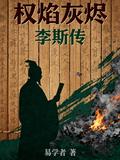 The Flame of Power and Ashes of Li Si
"The Founder of the Empire: The Biography of Li Si" takes the background from the end of the Warring States Period to the collapse of the Qin Empire, and presents a panoramic view of Li Si's legendary life and complicated destiny. This book provides an in-depth analysis of how this petty official of Chu State relied on the awakening of "hamster enlightenment" to march westward to strengthen the Qin Dynasty, assisted the First Emperor in completing the great cause of unification with Legalist wis
—Reads—Score—Shelves
The Flame of Power and Ashes of Li Si
"The Founder of the Empire: The Biography of Li Si" takes the background from the end of the Warring States Period to the collapse of the Qin Empire, and presents a panoramic view of Li Si's legendary life and complicated destiny. This book provides an in-depth analysis of how this petty official of Chu State relied on the awakening of "hamster enlightenment" to march westward to strengthen the Qin Dynasty, assisted the First Emperor in completing the great cause of unification with Legalist wis
—Reads—Score—Shelves
-
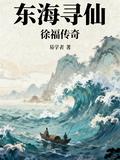 The Legend of Xu Fu in East China Sea
Xu Fu (date of birth and death unknown), a famous alchemist in the Qin Dynasty, was born in Langya, Qi State (now Langya Town, Qingdao, Shandong). Proficient in Taoist alchemy, astronomy, navigation and medical knowledge, he won the trust of Qin Shihuang. In 219 BC, he wrote a letter saying that there are three sacred mountains, Penglai, Fangzhang and Yingzhou in the East China Sea, and he was willing to seek the elixir of immortality for the First Emperor. For the first time, he led 3,000 boys
—Reads—Score—Shelves
The Legend of Xu Fu in East China Sea
Xu Fu (date of birth and death unknown), a famous alchemist in the Qin Dynasty, was born in Langya, Qi State (now Langya Town, Qingdao, Shandong). Proficient in Taoist alchemy, astronomy, navigation and medical knowledge, he won the trust of Qin Shihuang. In 219 BC, he wrote a letter saying that there are three sacred mountains, Penglai, Fangzhang and Yingzhou in the East China Sea, and he was willing to seek the elixir of immortality for the First Emperor. For the first time, he led 3,000 boys
—Reads—Score—Shelves
-
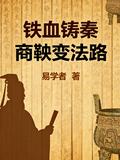 Qin and Shang Yang's Reforms Were Forged with Iron and Blood
Shang Yang (about 390 BC - 338 BC) was a representative figure of Legalism during the Warring States Period. Originally from the Duke of Wei State, he studied under Li Kui and entered the Qin Dynasty with the Book of Dharma. The third story is about Qin Xiaogong, who was reused with his hegemonic skills and presided over reforms: abolishing mine fields and opening up roads, establishing land private ownership; promoting the system of prefectures and counties to strengthen centralization of power
—Reads—Score—Shelves
Qin and Shang Yang's Reforms Were Forged with Iron and Blood
Shang Yang (about 390 BC - 338 BC) was a representative figure of Legalism during the Warring States Period. Originally from the Duke of Wei State, he studied under Li Kui and entered the Qin Dynasty with the Book of Dharma. The third story is about Qin Xiaogong, who was reused with his hegemonic skills and presided over reforms: abolishing mine fields and opening up roads, establishing land private ownership; promoting the system of prefectures and counties to strengthen centralization of power
—Reads—Score—Shelves
-
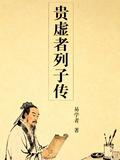 The Biography of Liezi of Guixu Zhe
"Wind Controller: The Biography of Liezi" is a long biography of Liezi, the Taoist master of the Warring States Period. The work is based on fragments of classics such as "Zhuangzi" and "Lu's Spring and Autumn Annals" to reconstruct his life from an orphan in the Zheng Dynasty to a master of Taoism: he learned from Nanguo Ziqi in the Tibetan Chamber, practiced in Mengshan and created the fable of "The Foolish Old Man Moves the Mountain", and established the Xuzhou Hall in Putianze to practice th
—Reads—Score—Shelves
The Biography of Liezi of Guixu Zhe
"Wind Controller: The Biography of Liezi" is a long biography of Liezi, the Taoist master of the Warring States Period. The work is based on fragments of classics such as "Zhuangzi" and "Lu's Spring and Autumn Annals" to reconstruct his life from an orphan in the Zheng Dynasty to a master of Taoism: he learned from Nanguo Ziqi in the Tibetan Chamber, practiced in Mengshan and created the fable of "The Foolish Old Man Moves the Mountain", and established the Xuzhou Hall in Putianze to practice th
—Reads—Score—Shelves
-
 The Legend of Zen from Lingshan to All Realms
Bodhidharma Zen is the foundational Zen method of Chinese Zen. It was introduced by Bodhidharma, the first ancestor. The core is "Wall Viewing Zen" and "Two Entrances and Four Elements". "Two Entrances" include "Li Entry" (understanding the principle of "Everything is the same as the Holy One" and establishing the concept of equality) and "Xing Rui" (practicing the Four Elements); "Four Elements" refers to repaying grievances, following fate, seeking nothing, practicing the Dharma, and correct
—Reads—Score—Shelves
The Legend of Zen from Lingshan to All Realms
Bodhidharma Zen is the foundational Zen method of Chinese Zen. It was introduced by Bodhidharma, the first ancestor. The core is "Wall Viewing Zen" and "Two Entrances and Four Elements". "Two Entrances" include "Li Entry" (understanding the principle of "Everything is the same as the Holy One" and establishing the concept of equality) and "Xing Rui" (practicing the Four Elements); "Four Elements" refers to repaying grievances, following fate, seeking nothing, practicing the Dharma, and correct
—Reads—Score—Shelves
-
 Autumn Wind Book Zhang Ji Zhuan
"Book of Autumn Wind: A Biography of Zhang Ji" is based on the poetic style of "Autumn Thoughts" by Zhang Ji, a poet from the mid-Tang Dynasty, and connects his half-life wandering through an unfinished letter from home. From the failure of the imperial examination in the Tianbao period, to the war and death of the An-Shi Rebellion, to the vicissitudes of officialdom, letters from home have always been used as a thread to explore the spiritual dilemma and local complex of the literati in the war
—Reads—Score—Shelves
Autumn Wind Book Zhang Ji Zhuan
"Book of Autumn Wind: A Biography of Zhang Ji" is based on the poetic style of "Autumn Thoughts" by Zhang Ji, a poet from the mid-Tang Dynasty, and connects his half-life wandering through an unfinished letter from home. From the failure of the imperial examination in the Tianbao period, to the war and death of the An-Shi Rebellion, to the vicissitudes of officialdom, letters from home have always been used as a thread to explore the spiritual dilemma and local complex of the literati in the war
—Reads—Score—Shelves
-
 Iron Cliff Ancient Soul Fan Deji Biography
"The Soul of Poetry: The Biography of Yang Zai" is a grand biography that spans time and space. It takes the Yuan Dynasty poet Yang Zai (1271-1323) as the core, integrates history, science fiction and philosophical thinking, and constructs a magnificent picture of the inheritance of civilization. The work breaks through the boundaries of traditional biography, from the eve of the fall of the Southern Song Dynasty to the interstellar era of the 22nd century, using "poetry inheritance" as a clue t
—Reads—Score—Shelves
Iron Cliff Ancient Soul Fan Deji Biography
"The Soul of Poetry: The Biography of Yang Zai" is a grand biography that spans time and space. It takes the Yuan Dynasty poet Yang Zai (1271-1323) as the core, integrates history, science fiction and philosophical thinking, and constructs a magnificent picture of the inheritance of civilization. The work breaks through the boundaries of traditional biography, from the eve of the fall of the Southern Song Dynasty to the interstellar era of the 22nd century, using "poetry inheritance" as a clue t
—Reads—Score—Shelves
-
 Qinhuai Mingyue Sadura
"A Guest from Heaven and Earth: The Biography of Sadura" is a historical biographical novel with the protagonist Sadura, a Mongolian poet in the Yuan Dynasty. Through his legendary life, the work shows the magnificent picture of the cultural integration of multiple ethnic groups in the Yuan Dynasty - from the grasslands of Mobei to the misty rain in the south of the Yangtze River, from the beacon fire of Yanmen to the imperial examination hall in Dadu, vividly portraying a cultural messenger who
—Reads—Score—Shelves
Qinhuai Mingyue Sadura
"A Guest from Heaven and Earth: The Biography of Sadura" is a historical biographical novel with the protagonist Sadura, a Mongolian poet in the Yuan Dynasty. Through his legendary life, the work shows the magnificent picture of the cultural integration of multiple ethnic groups in the Yuan Dynasty - from the grasslands of Mobei to the misty rain in the south of the Yangtze River, from the beacon fire of Yanmen to the imperial examination hall in Dadu, vividly portraying a cultural messenger who
—Reads—Score—Shelves
-
 The Biography of Derun Jiangdong Kanze
Kanze (170-243), courtesy name Derun, was born in Juzhang, Kuaiji County (now Ningbo, Zhejiang). He was a famous scholar and politician in Soochow during the Three Kingdoms period. He was born in a humble family, and when he was young, his family was poor and he copied books to study. After reading a lot of books, he traveled around and became proficient in classics, astronomy, and calendars. During his official career in Wu, he rose to the rank of Crown Prince, Taifu, and Zhongshu Ling, and won
—Reads—Score—Shelves
The Biography of Derun Jiangdong Kanze
Kanze (170-243), courtesy name Derun, was born in Juzhang, Kuaiji County (now Ningbo, Zhejiang). He was a famous scholar and politician in Soochow during the Three Kingdoms period. He was born in a humble family, and when he was young, his family was poor and he copied books to study. After reading a lot of books, he traveled around and became proficient in classics, astronomy, and calendars. During his official career in Wu, he rose to the rank of Crown Prince, Taifu, and Zhongshu Ling, and won
—Reads—Score—Shelves
-
 The Spring Breeze Is Proud and Horseshoes Are Urgent in Meng Jiao Biography
"Horseshoe Disease in the Spring Breeze: A Biography of Meng Jiao" reproduces the tragic life of the poet Meng Jiao of the Mid-Tang Dynasty in a magnificent way. From the ups and downs of becoming a Jinshi at the age of forty-six, to the blood and tears of family ties behind the "thread in the hands of a loving mother", to the ironclad determination to face the hardships of people's livelihood, this biography combines historical research and literary imagination, allowing readers to witness how
—Reads—Score—Shelves
The Spring Breeze Is Proud and Horseshoes Are Urgent in Meng Jiao Biography
"Horseshoe Disease in the Spring Breeze: A Biography of Meng Jiao" reproduces the tragic life of the poet Meng Jiao of the Mid-Tang Dynasty in a magnificent way. From the ups and downs of becoming a Jinshi at the age of forty-six, to the blood and tears of family ties behind the "thread in the hands of a loving mother", to the ironclad determination to face the hardships of people's livelihood, this biography combines historical research and literary imagination, allowing readers to witness how
—Reads—Score—Shelves
-
 I'm a Stand-In for the CEO in the City
Su Ting is an ordinary passionate girl. While running for life, she accidentally becomes the stand-in for CEO Liang Yu, using her to annoy the green tea villain around him. In this process, Liang Yu was gradually attracted to Su Ting and truly preferred her. Su Ting also gradually grew up from Cinderella, and finally let the villain get his due end, and he and Liang Yu gained love.
—Reads—Score—Shelves
I'm a Stand-In for the CEO in the City
Su Ting is an ordinary passionate girl. While running for life, she accidentally becomes the stand-in for CEO Liang Yu, using her to annoy the green tea villain around him. In this process, Liang Yu was gradually attracted to Su Ting and truly preferred her. Su Ting also gradually grew up from Cinderella, and finally let the villain get his due end, and he and Liang Yu gained love.
—Reads—Score—Shelves
-
 Biography of the Poet Heyi Li Shangyin
"Unprovoked: Li Shangyin's Life in Poetry" takes the mutual verification of poetry and history as the core concept, and uses a four-volume structure to show the poet's life from studying Taoism to the ups and downs of party struggle. The work innovatively combines Tang Dynasty historical textual research and surreal narrative, using images such as brocade, bluebird, and blood ink to connect three dimensions of time and space, breaking through the traditional biography model. By reconstructing fe
—Reads—Score—Shelves
Biography of the Poet Heyi Li Shangyin
"Unprovoked: Li Shangyin's Life in Poetry" takes the mutual verification of poetry and history as the core concept, and uses a four-volume structure to show the poet's life from studying Taoism to the ups and downs of party struggle. The work innovatively combines Tang Dynasty historical textual research and surreal narrative, using images such as brocade, bluebird, and blood ink to connect three dimensions of time and space, breaking through the traditional biography model. By reconstructing fe
—Reads—Score—Shelves
-
 Prime Minister Liu Yongchuan in White
"The Prime Minister in White: A Biography of Liu Yong's Ci" reconstructs the legendary life of Liu Yong, the poet saint of the Northern Song Dynasty, with magical brushwork. From Wuyi Lingxiu to Bianjing Fengyue, his poems have turned into white cranes, tears and jade, and even predicted the rise and fall of future generations. The whole book uses words to testify to history, integrates surreal images into the context of historical facts, shows the literary miracle of "willow lyrics are sung whe
—Reads—Score—Shelves
Prime Minister Liu Yongchuan in White
"The Prime Minister in White: A Biography of Liu Yong's Ci" reconstructs the legendary life of Liu Yong, the poet saint of the Northern Song Dynasty, with magical brushwork. From Wuyi Lingxiu to Bianjing Fengyue, his poems have turned into white cranes, tears and jade, and even predicted the rise and fall of future generations. The whole book uses words to testify to history, integrates surreal images into the context of historical facts, shows the literary miracle of "willow lyrics are sung whe
—Reads—Score—Shelves
-
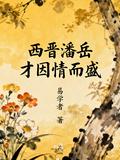 Pan Yuecai in the Western Jin Dynasty Flourished Because of His Love
Pan Yue (247-300), courtesy name Anren, was a famous writer and politician in the Western Jin Dynasty. He was young and talented, and was known as a strange boy. After entering the official position, he went through many changes in official positions. Pan Yue was imprisoned and killed after Zhao Wang Sima Lun launched a coup because he participated in the frame-up of Prince Mihuai. Pan Yue's poems ranked among the top grades in Zhong Rong's "Poetry", and together with Lu Ji, he was known as "P
—Reads—Score—Shelves
Pan Yuecai in the Western Jin Dynasty Flourished Because of His Love
Pan Yue (247-300), courtesy name Anren, was a famous writer and politician in the Western Jin Dynasty. He was young and talented, and was known as a strange boy. After entering the official position, he went through many changes in official positions. Pan Yue was imprisoned and killed after Zhao Wang Sima Lun launched a coup because he participated in the frame-up of Prince Mihuai. Pan Yue's poems ranked among the top grades in Zhong Rong's "Poetry", and together with Lu Ji, he was known as "P
—Reads—Score—Shelves
-
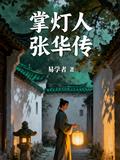 Zhang Huazhuan, the Lantern Holder
"Zhang Hua: The Lamp Holder" is an epic biography with the theme of "Knowledge Protects Civilization". It gives a panoramic view of the ups and downs of Zhang Hua (232-300), a great master of the Western Jin Dynasty, from a poor student to an empire. The work uses the compilation of "Natural History" as the longitude and the Rebellion of the Eight Kings as the weft. It depicts how he relied on his profound knowledge to learn from Ruan Ji, assisted Emperor Wu in realizing the rule of Taikang, and
—Reads—Score—Shelves
Zhang Huazhuan, the Lantern Holder
"Zhang Hua: The Lamp Holder" is an epic biography with the theme of "Knowledge Protects Civilization". It gives a panoramic view of the ups and downs of Zhang Hua (232-300), a great master of the Western Jin Dynasty, from a poor student to an empire. The work uses the compilation of "Natural History" as the longitude and the Rebellion of the Eight Kings as the weft. It depicts how he relied on his profound knowledge to learn from Ruan Ji, assisted Emperor Wu in realizing the rule of Taikang, and
—Reads—Score—Shelves
-
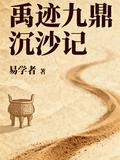 The Story of Yu's Jiuding Sinking into the Sand
This book is not only a magnificent fantasy epic, but also a thought experiment on "civilization coding". It asserts that myth is not a lost fantasy, but a prophecy that is being generated in the future; the place where the Jiuding sinks into the sand is the place where civilization is reborn again and again. This is a civilization epic that rewrites China's genes with tripod patterns and fulfills King Yu's promise with the sea of stars, revealing that the farthest past hides the farthest fut
—Reads—Score—Shelves
The Story of Yu's Jiuding Sinking into the Sand
This book is not only a magnificent fantasy epic, but also a thought experiment on "civilization coding". It asserts that myth is not a lost fantasy, but a prophecy that is being generated in the future; the place where the Jiuding sinks into the sand is the place where civilization is reborn again and again. This is a civilization epic that rewrites China's genes with tripod patterns and fulfills King Yu's promise with the sea of stars, revealing that the farthest past hides the farthest fut
—Reads—Score—Shelves
-
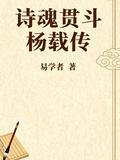 The Soul of Poetry Fights Yang Zai's Biography
"The Soul of Poetry: The Biography of Yang Zai" is a masterpiece spanning time and space with the Yuan Dynasty poet Yang Zai as the protagonist, integrating history, science fiction and philosophy. The whole book runs through the civilizational context from the Song and Yuan Dynasties to the interstellar era, with "poetry inheritance" as the main line, showing Yang Zai's multi-dimensional life trajectory as a poet, scholar, official and cultural inheritor. The work breaks through the boundaries
—Reads—Score—Shelves
The Soul of Poetry Fights Yang Zai's Biography
"The Soul of Poetry: The Biography of Yang Zai" is a masterpiece spanning time and space with the Yuan Dynasty poet Yang Zai as the protagonist, integrating history, science fiction and philosophy. The whole book runs through the civilizational context from the Song and Yuan Dynasties to the interstellar era, with "poetry inheritance" as the main line, showing Yang Zai's multi-dimensional life trajectory as a poet, scholar, official and cultural inheritor. The work breaks through the boundaries
—Reads—Score—Shelves
-
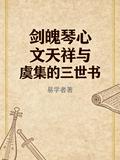 Jian Po Qin Xin Wen Tianxiang and Yu Ji's Book of Three Generations
"The Soul of the Sword and the Heart of the Qin: The Book of Three Generations by Wen Tianxiang and Yu Ji" is a historical science fiction masterpiece that spans time and space. The work is set in the late Song Dynasty and the early Yuan Dynasty, and through the time-space dialogue between Wen Tianxiang and Yu Ji, it shows the grand epic of the inheritance of Chinese civilization. The whole book takes "Conservation of Civilization" as its core and integrates elements from multiple disciplines su
—Reads—Score—Shelves
Jian Po Qin Xin Wen Tianxiang and Yu Ji's Book of Three Generations
"The Soul of the Sword and the Heart of the Qin: The Book of Three Generations by Wen Tianxiang and Yu Ji" is a historical science fiction masterpiece that spans time and space. The work is set in the late Song Dynasty and the early Yuan Dynasty, and through the time-space dialogue between Wen Tianxiang and Yu Ji, it shows the grand epic of the inheritance of Chinese civilization. The whole book takes "Conservation of Civilization" as its core and integrates elements from multiple disciplines su
—Reads—Score—Shelves
-
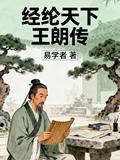 The Biography of Wang Lang in the World of Economics
Wang Lang (? - 228 Years), whose courtesy name was Jingxing, was a native of Tan County, Donghai County (now Tancheng, Shandong Province). He was an important minister of Cao Wei and a master of Confucian classics from the late Han Dynasty to the Three Kingdoms period. In his early years, he studied under Taiwei Yang Ci and served as the governor of Kuaiji. After resisting Sun Ce's defeat, he joined Cao Cao. He served as an official for three generations, including Cao Cao, Cao Pi and Cao Rui. H
—Reads—Score—Shelves
The Biography of Wang Lang in the World of Economics
Wang Lang (? - 228 Years), whose courtesy name was Jingxing, was a native of Tan County, Donghai County (now Tancheng, Shandong Province). He was an important minister of Cao Wei and a master of Confucian classics from the late Han Dynasty to the Three Kingdoms period. In his early years, he studied under Taiwei Yang Ci and served as the governor of Kuaiji. After resisting Sun Ce's defeat, he joined Cao Cao. He served as an official for three generations, including Cao Cao, Cao Pi and Cao Rui. H
—Reads—Score—Shelves
-
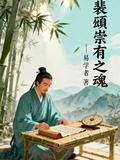 The Soul of Pei Yu Chongyou
Pei Yu (267-300), courtesy name Yimin, was a famous philosopher and politician in the Western Jin Dynasty. He was born into the famous Pei family in Hedong. His father Pei Xiu was the founding father of the Western Jin Dynasty and an outstanding geographer. Pei Yu was intelligent and erudite since childhood, proficient in medical skills, and was known for his magnanimity and elegance. He was known as the "forest of conversation" by his contemporaries. He went through the ranks of officials and p
—Reads—Score—Shelves
The Soul of Pei Yu Chongyou
Pei Yu (267-300), courtesy name Yimin, was a famous philosopher and politician in the Western Jin Dynasty. He was born into the famous Pei family in Hedong. His father Pei Xiu was the founding father of the Western Jin Dynasty and an outstanding geographer. Pei Yu was intelligent and erudite since childhood, proficient in medical skills, and was known for his magnanimity and elegance. He was known as the "forest of conversation" by his contemporaries. He went through the ranks of officials and p
—Reads—Score—Shelves
-
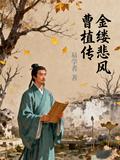 Golden Ray of Sorrow: the Biography of Cao Zhi
Cao Zhi (192-232), courtesy name Zijian, was a native of Qiao County, Peiguo (now Bozhou, Anhui). He was a famous writer in Cao Wei during the Three Kingdoms period and a master of Jian'an literature. As the third son of Cao Cao and the younger brother of Cao Pi, he was deeply favored in his early years and talented. Xie Lingyun praised him as "high in talent". His early works, such as "White Horse Pian", were full of heroic achievements. Later, he was suspected by Cao Pi due to his involvement
—Reads—Score—Shelves
Golden Ray of Sorrow: the Biography of Cao Zhi
Cao Zhi (192-232), courtesy name Zijian, was a native of Qiao County, Peiguo (now Bozhou, Anhui). He was a famous writer in Cao Wei during the Three Kingdoms period and a master of Jian'an literature. As the third son of Cao Cao and the younger brother of Cao Pi, he was deeply favored in his early years and talented. Xie Lingyun praised him as "high in talent". His early works, such as "White Horse Pian", were full of heroic achievements. Later, he was suspected by Cao Pi due to his involvement
—Reads—Score—Shelves
-
 Ten Articles on the Art of Combining Kings and Ministers Will Leave a Mark in History
"The combination of monarch and ministers" is the core expression of ancient Chinese political wisdom. It reveals the complex game and collaboration art of the highest power combination under the imperial framework. From the complementary entrepreneurship of Liu Bang and Xiao He, to Liu Bei and Zhuge Liang's lonely swan song; from the "divisive" division of labor between Li Shimin and Fang Du, to the reform alliance between Wanli and Zhang Juzheng; to the crisis of Kangxi's think tank, and the p
—Reads—Score—Shelves
Ten Articles on the Art of Combining Kings and Ministers Will Leave a Mark in History
"The combination of monarch and ministers" is the core expression of ancient Chinese political wisdom. It reveals the complex game and collaboration art of the highest power combination under the imperial framework. From the complementary entrepreneurship of Liu Bang and Xiao He, to Liu Bei and Zhuge Liang's lonely swan song; from the "divisive" division of labor between Li Shimin and Fang Du, to the reform alliance between Wanli and Zhang Juzheng; to the crisis of Kangxi's think tank, and the p
—Reads—Score—Shelves