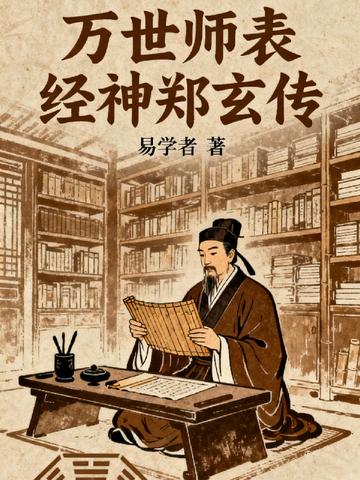
Zheng Xuan (127-200), a giant in Confucian classics at the end of the Eastern Han Dynasty, was revered as the "God of Confucian classics". His scholarship integrates modern and ancient classics, and he is known for drawing on the strengths of others, seeking truth and being pragmatic. The "Zheng Xue" he created has profoundly shaped the traditional Chinese classics system. Thousands of years after his death, his spirit of "seeking truth, integrating and managing the world" continues to inspire future generations: Fan Zhongyan in the Northern Song Dynasty advocated "managing the world for practical use", Wang Yangming in the Ming Dynasty took his merits in textual research, and Qianjia scholars in the Qing Dynasty regarded him as the master of textual research. Folks have turned his diligent and sensible deeds into cultural genes and passed them down from generation to generation. Since modern times, Zheng Xuan's academic spirit of integrating ancient and modern times has become an important bridge for academic dialogue between China and the West, and his commentaries have become a key window for the world to understand Chinese civilization. Zheng Xuan used his body as a commoner to serve as a role model for all generations, proving that true knowledge can eventually transcend the times and illuminate the long river of human civilization.