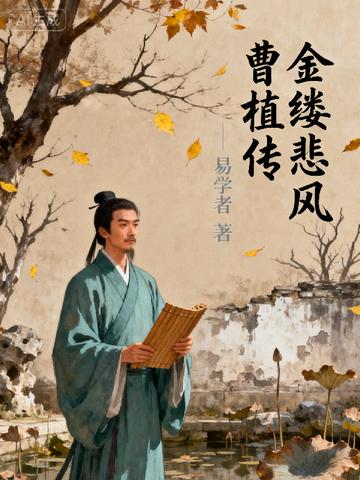
Cao Zhi (192-232), courtesy name Zijian, was a native of Qiao County, Peiguo (now Bozhou, Anhui). He was a famous writer in Cao Wei during the Three Kingdoms period and a master of Jian'an literature. As the third son of Cao Cao and the younger brother of Cao Pi, he was deeply favored in his early years and talented. Xie Lingyun praised him as "high in talent". His early works, such as "White Horse Pian", were full of heroic achievements. Later, he was suspected by Cao Pi due to his involvement in the dispute over the throne, and his works turned to melancholy and pathos. Famous works such as "Luo Shen Fu" and "Seven-step Poetry" were all written at this time, using symbolic techniques to express political frustration and life's sorrow and anger. His poetry combines Yuefu folk songs and literary creations, creating a new realm of five-character poetry. His achievements in parallel fu are particularly outstanding. His representative work "Luo Shen Fu" pushes lyricism and narrative to the pinnacle of art. Although his political ambitions have not yet been developed, his literary influence is far-reaching. Zhong Rong's "Shipin" praised him as a "Jian'an hero", and his creative practice marked the maturity of the era of Chinese literary self-consciousness.