Library
Browse and search books
2,472 novels found
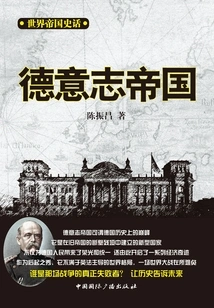
世界帝国史话 德意志帝国
Chen Zhenchang
In a general sense, the German Empire refers to Germany from the unification of Germany by Prussia in 1871 to the abdication of Wilhelm II, the last emperor of the Hohenzollern dynasty in 1918. After the establishment of the empire, under the leadership of the iron-blooded prime minister Bismarck, the economy, military, and science and technology all achieved rapid development, and it became a world-class power. The "Unique German Road" seemed like a broad road, but the expansion gene rooted in its marrow led it to rapid demise. In 1918, the empire collapsed in the First World War, leaving a legacy that was ultimately handed over to the Weimar Republic. "History of World Empires: The German Empire" attempts to narrate the development trajectory of the German Empire to show a typical example of a new empire that rose rapidly and fell rapidly.
In a general sense, the German Empire refers to Germany from the unification of Germany by Prussia in 1871 to the abdication of Wilhelm II, the last emperor of the Hohenzollern dynasty in 1918. After the establishment of the empire, under the leadership of the iron-blooded prime minister Bismarck, the economy, military, and science and technology all achieved rapid development, and it became a world-class power. The "Unique German Road" seemed like a broad road, but the expansion gene rooted in its marrow led it to rapid demise. In 1918, the empire collapsed in the First World War, leaving a legacy that was ultimately handed over to the Weimar Republic. "History of World Empires: The German Empire" attempts to narrate the development trajectory of the German Empire to show a typical example of a new empire that rose rapidly and fell rapidly.
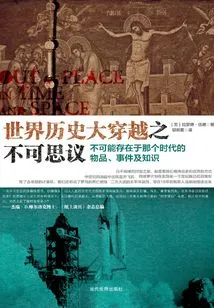
世界历史大穿越之不可思议
(us)ramond Wood
It was impossible for people to describe the satellites of Mars 151 years before they were discovered, or a world before the "Apollo Project" was born, or 16 years before the Pacific War broke out; the ancient powerful Roman legions could not be defeated by huge machines; a medieval oil painting could not show a moving toy helicopter; a well-preserved ancient building in the world could not have no obvious architectural purpose, let alone be built using modern technological means. Yeah? Please guess again. These are indeed impossible to exist, at least according to the timetable of historical development stages generally accepted by the world, not to mention according to the mainstream theories of time and causality. There is no doubt that they are impossible to occur. However, there is also no doubt that they really exist. In fact, there are quite a few such phenomena, but they are hidden under people's eyes.
It was impossible for people to describe the satellites of Mars 151 years before they were discovered, or a world before the "Apollo Project" was born, or 16 years before the Pacific War broke out; the ancient powerful Roman legions could not be defeated by huge machines; a medieval oil painting could not show a moving toy helicopter; a well-preserved ancient building in the world could not have no obvious architectural purpose, let alone be built using modern technological means. Yeah? Please guess again. These are indeed impossible to exist, at least according to the timetable of historical development stages generally accepted by the world, not to mention according to the mainstream theories of time and causality. There is no doubt that they are impossible to occur. However, there is also no doubt that they really exist. In fact, there are quite a few such phenomena, but they are hidden under people's eyes.
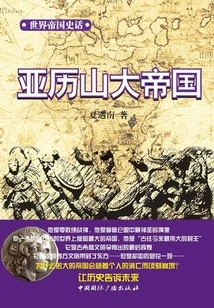
世界帝国史话:亚历山大帝国
Xia Yunan
Alexander's empire was the result of ancient Greek civilization. With the expansion of the empire's territory, Alexander's Empire became another empire spanning Europe, Asia, and Africa after the Persian Empire. But this empire was very short-lived, only existing for 13 years. What is the mystery behind the rapid rise and rapid collapse in 13 years? This book not only elaborates on the mystery of the rise and fall of Alexander's empire, but also shows you Alexander's personal legendary life.
Alexander's empire was the result of ancient Greek civilization. With the expansion of the empire's territory, Alexander's Empire became another empire spanning Europe, Asia, and Africa after the Persian Empire. But this empire was very short-lived, only existing for 13 years. What is the mystery behind the rapid rise and rapid collapse in 13 years? This book not only elaborates on the mystery of the rise and fall of Alexander's empire, but also shows you Alexander's personal legendary life.
罗马人的故事(15册全)
H
It is a must-read for business elites and politicians in Japan and South Korea, and a must-read for education! Wang Shi and Wang Wei wrote the preface, and Wu Xiaobo, Qin Shuo, and Wu Bofan jointly recommended it. An immortal empire is coming to an end, the imperial period is coming to an end, and out of the fog of the crisis of the third century, where should Rome go? Until Constantine won and became the only emperor of Rome. The Roman Empire entered a critical moment, when authority must be created to continue the empire, and power shifted from humans to God. Faced with Christianity, should the Romans eliminate it or accept it? Is this the last attempt by the Roman Empire to continue its national destiny?
It is a must-read for business elites and politicians in Japan and South Korea, and a must-read for education! Wang Shi and Wang Wei wrote the preface, and Wu Xiaobo, Qin Shuo, and Wu Bofan jointly recommended it. An immortal empire is coming to an end, the imperial period is coming to an end, and out of the fog of the crisis of the third century, where should Rome go? Until Constantine won and became the only emperor of Rome. The Roman Empire entered a critical moment, when authority must be created to continue the empire, and power shifted from humans to God. Faced with Christianity, should the Romans eliminate it or accept it? Is this the last attempt by the Roman Empire to continue its national destiny?
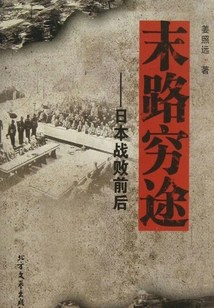
日本战败前后:末路穷途
Jiang Zhaoyuan
This book uses detailed historical materials and simple descriptions to comprehensively describe the events before and after Japan's defeat in 1945. In addition to describing the events before and after Japan's defeat related to China, it also describes in detail some historical issues that are less frequently covered in other World War II-themed books. It has strong historical value.
This book uses detailed historical materials and simple descriptions to comprehensively describe the events before and after Japan's defeat in 1945. In addition to describing the events before and after Japan's defeat related to China, it also describes in detail some historical issues that are less frequently covered in other World War II-themed books. It has strong historical value.
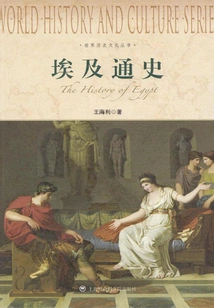
General History of Egypt
History埃及通史
Wang Haili
This book is both academic and intellectual, striving to embody the fullness of the historical work. It vividly depicts a colorful picture of Egyptian civilization and history that lasted for five thousand years, from the origin of Egyptian civilization to the Old Kingdom, the Middle Kingdom, and the New Kingdom. The history of Egypt from the Ptolemaic Dynasty, the Roman Empire, the Byzantine Empire, the Umayyad Dynasty, the Fatimid Dynasty, the Mamluk Dynasty, the Ottoman Turkish Empire, the Muhammad Ali Dynasty, to the British rule and the Republic of Egypt. The book uses the evolution of the image of the Egyptian Pharaoh as a mirror to reflect the changes in Egyptian history, reveals the talent and creativity of the Egyptian nation, shows the glorious ancient civilization it created, explains the rise and fall of Egyptian history, and sheds light on Egypt's difficult journey towards modern civilization.
This book is both academic and intellectual, striving to embody the fullness of the historical work. It vividly depicts a colorful picture of Egyptian civilization and history that lasted for five thousand years, from the origin of Egyptian civilization to the Old Kingdom, the Middle Kingdom, and the New Kingdom. The history of Egypt from the Ptolemaic Dynasty, the Roman Empire, the Byzantine Empire, the Umayyad Dynasty, the Fatimid Dynasty, the Mamluk Dynasty, the Ottoman Turkish Empire, the Muhammad Ali Dynasty, to the British rule and the Republic of Egypt. The book uses the evolution of the image of the Egyptian Pharaoh as a mirror to reflect the changes in Egyptian history, reveals the talent and creativity of the Egyptian nation, shows the glorious ancient civilization it created, explains the rise and fall of Egyptian history, and sheds light on Egypt's difficult journey towards modern civilization.
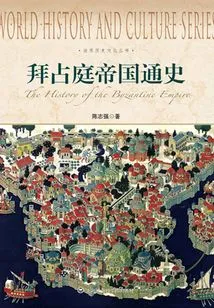
拜占庭帝国通史
Chen Zhiqiang
This book is one of the "World History and Culture Series". The Byzantine Empire was once the largest political, economic, cultural and religious center in medieval Europe and the Mediterranean world, and played a vital role in the history of medieval Europe. The Byzantine Empire had an important impact on the politics, military, economy, culture, and religion of various nations in Europe and Asia during the Middle Ages. The Byzantine civilization, in particular, has a long and splendid history. It not only served as a bridge between the classical Greek and Roman eras and the Italian Renaissance, but more importantly, promoted the formation and development of modern Western civilization, and its influence continues to this day.
This book is one of the "World History and Culture Series". The Byzantine Empire was once the largest political, economic, cultural and religious center in medieval Europe and the Mediterranean world, and played a vital role in the history of medieval Europe. The Byzantine Empire had an important impact on the politics, military, economy, culture, and religion of various nations in Europe and Asia during the Middle Ages. The Byzantine civilization, in particular, has a long and splendid history. It not only served as a bridge between the classical Greek and Roman eras and the Italian Renaissance, but more importantly, promoted the formation and development of modern Western civilization, and its influence continues to this day.
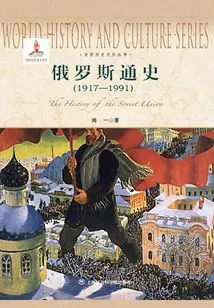
俄罗斯通史:1917-1991
Wen Yi
This book takes the pursuit of the original and truth of history as its mission, takes the important processes of historical development as its clues, and takes the main figures, important events and focus issues of each historical period as its theme, that is, from the fall of Tsarist Russia, the outbreak of the October Revolution, the establishment of the Soviet Russian regime, wartime communism, the New Economic Policy, the period of industrialization and collectivization, and the Soviet Union's defense of the country. The war, the start of the Cold War after the war, the global hegemony between the United States and the Soviet Union, and the final disintegration of the Soviet Union. From Stalin, Malenkov, Khrushchev, Brezhnev, Andropov, Chernenko to the last Gorbachev, the magnificent and thrilling history from 1917 to 1991, that is, the history of the Soviet Union, is clearly described.
This book takes the pursuit of the original and truth of history as its mission, takes the important processes of historical development as its clues, and takes the main figures, important events and focus issues of each historical period as its theme, that is, from the fall of Tsarist Russia, the outbreak of the October Revolution, the establishment of the Soviet Russian regime, wartime communism, the New Economic Policy, the period of industrialization and collectivization, and the Soviet Union's defense of the country. The war, the start of the Cold War after the war, the global hegemony between the United States and the Soviet Union, and the final disintegration of the Soviet Union. From Stalin, Malenkov, Khrushchev, Brezhnev, Andropov, Chernenko to the last Gorbachev, the magnificent and thrilling history from 1917 to 1991, that is, the history of the Soviet Union, is clearly described.
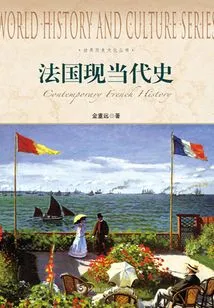
法国现当代史
Jin Zhongyuan
This book is one of the "World History and Culture Series". This book relatively systematically narrates the history of France throughout the 20th century, discussing the changes in French history during the two world wars from the establishment of the colonial empire, preparations for the First World War, the establishment of the Versailles system, France's defeat to the resistance movement and the liberation of France. It analyzes the rise and fall of the Fourth French Republic and the rise and development of the Fifth Republic, showing the vast social life and colorful culture of modern France.
This book is one of the "World History and Culture Series". This book relatively systematically narrates the history of France throughout the 20th century, discussing the changes in French history during the two world wars from the establishment of the colonial empire, preparations for the First World War, the establishment of the Versailles system, France's defeat to the resistance movement and the liberation of France. It analyzes the rise and fall of the Fourth French Republic and the rise and development of the Fifth Republic, showing the vast social life and colorful culture of modern France.
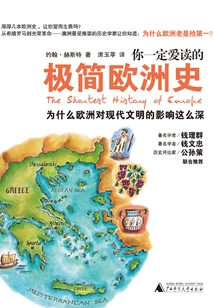
你一定爱读的极简欧洲史
(australia) John Hurst Xi Yuping
"A Minimalist History of Europe You Will Love to Read" is a hot seller in Europe and the United States. The traditional Chinese version was published in April 2010, and it has ranked among the top 10 bestsellers in Taiwan's Eslite Bookstore Chain, Jinshitang Bookstore Chain, and Bloglai Online Bookstore for more than half a year. The well-known Australian historian John Hurst's fascinating exploration in "A Minimalist History of Europe You Will Love to Read (New Edition)" teases out for us the various qualities of European civilization that can change the world. The author begins with three major elements: ancient Greek and Roman culture, Christian doctrine, and Germanic warrior culture, and describes how these three elements strengthened and opposed each other, and ultimately formed the core of European civilization. They then gave birth to empires and city-states over many centuries, inspired conquests and crusades, and created many characters with distinct personalities - such as benevolent emperors, aggressive popes, chivalrous knights, and even the first citizens in the world to enjoy the fruits of prosperity and enlightenment.
"A Minimalist History of Europe You Will Love to Read" is a hot seller in Europe and the United States. The traditional Chinese version was published in April 2010, and it has ranked among the top 10 bestsellers in Taiwan's Eslite Bookstore Chain, Jinshitang Bookstore Chain, and Bloglai Online Bookstore for more than half a year. The well-known Australian historian John Hurst's fascinating exploration in "A Minimalist History of Europe You Will Love to Read (New Edition)" teases out for us the various qualities of European civilization that can change the world. The author begins with three major elements: ancient Greek and Roman culture, Christian doctrine, and Germanic warrior culture, and describes how these three elements strengthened and opposed each other, and ultimately formed the core of European civilization. They then gave birth to empires and city-states over many centuries, inspired conquests and crusades, and created many characters with distinct personalities - such as benevolent emperors, aggressive popes, chivalrous knights, and even the first citizens in the world to enjoy the fruits of prosperity and enlightenment.
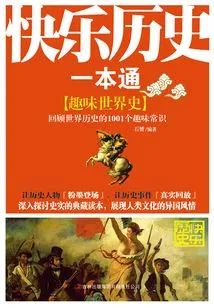
快乐历史一本通:趣味世界史
Shi Yun
The content of "Happy History: Interesting World History" mainly includes: the journey of ancient river civilization, the dawn of human civilization, the mysterious country, ancient Greece and ancient Rome, the night before dawn, the early Middle Ages, the awakening elephant, the revival of Europe, the appearance of the protagonist, the great powers on the historical stage, the surge of revolution, the sorrow and joy of the times, the performance of the jackal, the two world wars, doing things according to the "rules", and the gradually forming world pattern.
The content of "Happy History: Interesting World History" mainly includes: the journey of ancient river civilization, the dawn of human civilization, the mysterious country, ancient Greece and ancient Rome, the night before dawn, the early Middle Ages, the awakening elephant, the revival of Europe, the appearance of the protagonist, the great powers on the historical stage, the surge of revolution, the sorrow and joy of the times, the performance of the jackal, the two world wars, doing things according to the "rules", and the gradually forming world pattern.
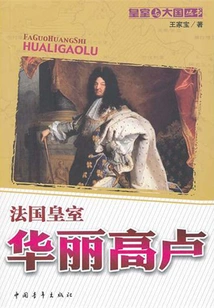
华丽高卢:法国皇室
Wang Jiabao
This series of books selects several typical royal families in Europe and Asia as the main stories, uses historical documents as the material, and through the systematic mining and organization of relevant materials, uses family history as the main plot, with important figures in the royal family as the protagonists, and historians as screenwriters and directors to perform several royal historical dramas.
This series of books selects several typical royal families in Europe and Asia as the main stories, uses historical documents as the material, and through the systematic mining and organization of relevant materials, uses family history as the main plot, with important figures in the royal family as the protagonists, and historians as screenwriters and directors to perform several royal historical dramas.
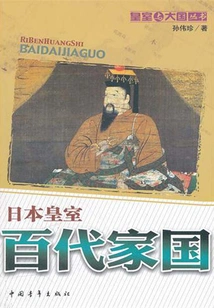
日本皇室:百代家国
Sun Weizhen
"Japanese Imperial Family: EMI" chooses several typical royal families in Europe and Asia as the main story, uses historical documents as the material, and through the systematic excavation and organization of relevant materials, uses family history as the main plot, with important figures in the royal family as the protagonists, and historians as screenwriters and directors to perform several royal historical dramas.
"Japanese Imperial Family: EMI" chooses several typical royal families in Europe and Asia as the main story, uses historical documents as the material, and through the systematic excavation and organization of relevant materials, uses family history as the main plot, with important figures in the royal family as the protagonists, and historians as screenwriters and directors to perform several royal historical dramas.
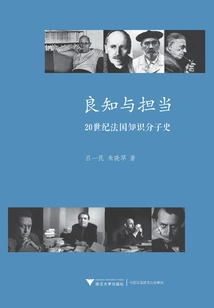
良知与担当:20世纪法国知识分子史
Lu Yimin Zhu Xiaohan
"Conscience and Responsibility: A History of French Intellectuals in the 20th Century" systematically combs the course of French intellectuals since the Dreyfus Affair, and conducts a profound analysis of their role and changes in French social life, political life, and cultural life. "Conscience and Responsibility: A History of French Intellectuals in the 20th Century" can provide a reference for Chinese intellectuals when summarizing the extraordinary experiences of their country's intellectuals in the 20th century, thereby helping contemporary Chinese intellectuals to further correctly position their social roles and better play their due unique role.
"Conscience and Responsibility: A History of French Intellectuals in the 20th Century" systematically combs the course of French intellectuals since the Dreyfus Affair, and conducts a profound analysis of their role and changes in French social life, political life, and cultural life. "Conscience and Responsibility: A History of French Intellectuals in the 20th Century" can provide a reference for Chinese intellectuals when summarizing the extraordinary experiences of their country's intellectuals in the 20th century, thereby helping contemporary Chinese intellectuals to further correctly position their social roles and better play their due unique role.
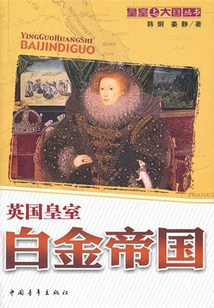
白金帝国:英国皇室
Han Jiong Jiang Jing
The British Royal Family, written by Han Jiong and Jiang Jing, chooses several typical royal families in Europe and Asia as the main story, uses historical documents as the material, and through the systematic mining and organization of relevant materials, uses family history as the main plot, with important figures in the royal family as the protagonists, and historians as screenwriters and directors to perform several royal historical dramas.
The British Royal Family, written by Han Jiong and Jiang Jing, chooses several typical royal families in Europe and Asia as the main story, uses historical documents as the material, and through the systematic mining and organization of relevant materials, uses family history as the main plot, with important figures in the royal family as the protagonists, and historians as screenwriters and directors to perform several royal historical dramas.
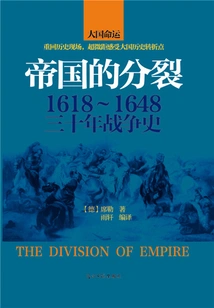
帝国的分裂:1618-1648三十年战争史
(germany) Schiller
This book describes the first large-scale international war in European history from 1618 to 1648, which evolved from the civil war of the Holy Roman Empire. The protracted and brutal war brought huge disasters to the entire Europe and completely changed the political landscape of Europe. Through this book, we can not only understand this war, but also appreciate Schiller's unique literary charm.
This book describes the first large-scale international war in European history from 1618 to 1648, which evolved from the civil war of the Holy Roman Empire. The protracted and brutal war brought huge disasters to the entire Europe and completely changed the political landscape of Europe. Through this book, we can not only understand this war, but also appreciate Schiller's unique literary charm.
三天读懂五千年世界史
Zhuge Wen
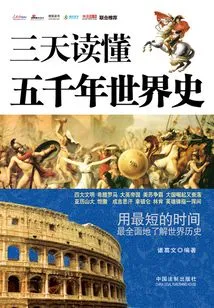
"Understanding Five Thousand Years of World History in Three Days" compiled by Zhuge Wen covers the entire history of mankind and is vast. For the convenience of readers, "Understanding Five Thousand Years of World History in Three Days" is written strictly in chronological order, striving to be clear and smooth.
"Understanding Five Thousand Years of World History in Three Days" compiled by Zhuge Wen covers the entire history of mankind and is vast. For the convenience of readers, "Understanding Five Thousand Years of World History in Three Days" is written strictly in chronological order, striving to be clear and smooth.
简明世界史(新知家庭文明读库)
Lin Bin
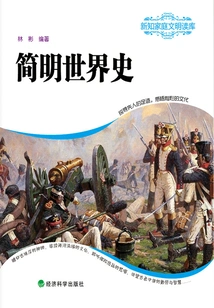
This book starts from the ancient civilizations of human history and continues to the end of World War II and the world entering a new era. It outlines the general outline of world history in concise words. "A Concise World History" shows the historical picture of human survival, development, struggle, change, and progress over tens of thousands of years, helping readers grasp the historical context of the great human civilization in a short period of time, gain richer knowledge from it, and expand a broader cultural perspective.
This book starts from the ancient civilizations of human history and continues to the end of World War II and the world entering a new era. It outlines the general outline of world history in concise words. "A Concise World History" shows the historical picture of human survival, development, struggle, change, and progress over tens of thousands of years, helping readers grasp the historical context of the great human civilization in a short period of time, gain richer knowledge from it, and expand a broader cultural perspective.
Global History
History全球通史
L
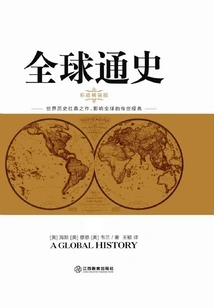
"A General History of the World" is divided into fifty-one chapters. It discusses the past history of mankind from the perspective of civilization evolution. It was very popular in the United States and has been a best-seller. It is not only a must-read for world history courses in American colleges and universities, but also a first-choice introductory book for ordinary readers to understand world history. For this introduction to China, we not only spent three years translating and revising the original English version word for word, and tried our best to present the master's masterpiece as authentically as possible. We have also made a new discussion on the major events in world history and civilization after World War II, making this masterpiece more comprehensive, systematic and complete in content.
"A General History of the World" is divided into fifty-one chapters. It discusses the past history of mankind from the perspective of civilization evolution. It was very popular in the United States and has been a best-seller. It is not only a must-read for world history courses in American colleges and universities, but also a first-choice introductory book for ordinary readers to understand world history. For this introduction to China, we not only spent three years translating and revising the original English version word for word, and tried our best to present the master's masterpiece as authentically as possible. We have also made a new discussion on the major events in world history and civilization after World War II, making this masterpiece more comprehensive, systematic and complete in content.
许倬云说历史:现代文明的成坏
Xu Zhuoyun
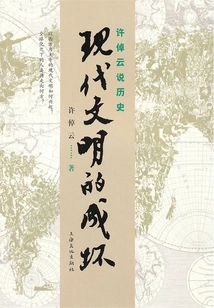
With a broad vision and popular language, Mr. Xu Zhuoyun paints a panoramic view of modern civilization from a high position: from the religious revolution to the rise of nation-states, from the Enlightenment to the industrial revolution to the great development of modern capitalism. With a clear outline and a clear outline, he outlines the formation and development of modern society, reflects on the gains and losses of civilization and progress, and looks forward to the prospects of mankind.
With a broad vision and popular language, Mr. Xu Zhuoyun paints a panoramic view of modern civilization from a high position: from the religious revolution to the rise of nation-states, from the Enlightenment to the industrial revolution to the great development of modern capitalism. With a clear outline and a clear outline, he outlines the formation and development of modern society, reflects on the gains and losses of civilization and progress, and looks forward to the prospects of mankind.
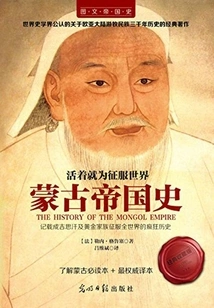
活着就为征服世界:蒙古帝国史
I
This book is a classic work about the three thousand years of history of nomadic peoples in Eurasia. How did Temujin, who lost his father at a young age, lead the weak nomads to defeat all the heroes and unify Mongolia? How did he and his successors continue their western expeditions to create the largest land empire in history? In this work, the author uses the rise and development of the nation as a clue to outline the history of the Mongolian army led by Genghis Khan in the vast Eurasian continent. In addition to the history of the Mongolian conquests throughout the book, the book also contains the intertwined human nature of cunning and helplessness, cruelty and coldness, friendship and betrayal, presenting readers with a thrilling and gripping historical picture.
This book is a classic work about the three thousand years of history of nomadic peoples in Eurasia. How did Temujin, who lost his father at a young age, lead the weak nomads to defeat all the heroes and unify Mongolia? How did he and his successors continue their western expeditions to create the largest land empire in history? In this work, the author uses the rise and development of the nation as a clue to outline the history of the Mongolian army led by Genghis Khan in the vast Eurasian continent. In addition to the history of the Mongolian conquests throughout the book, the book also contains the intertwined human nature of cunning and helplessness, cruelty and coldness, friendship and betrayal, presenting readers with a thrilling and gripping historical picture.
以平等之名:托克维尔与《论美国的民主》
Yang Zhao
"In the Name of Equality" is the first in a series of courses. The author uses the tone of a storyteller to easily interpret the process of Tocqueville's investigation of democracy in the United States and his final writing of "On Democracy in America". He also carefully leads readers into the world of the text and tells in depth how the Puritan spirit shaped American democracy and the United States. How is the civil liberties of France different from the natural freedom of France? More importantly, when Yang Zhao describes how Tocqueville cited examples to analyze the spirit of equality and parliamentary tradition in the United States, and warned the French how to learn from American democracy, readers can also reflect on how they participate in public affairs. This is the meaning of citizenship classes.
"In the Name of Equality" is the first in a series of courses. The author uses the tone of a storyteller to easily interpret the process of Tocqueville's investigation of democracy in the United States and his final writing of "On Democracy in America". He also carefully leads readers into the world of the text and tells in depth how the Puritan spirit shaped American democracy and the United States. How is the civil liberties of France different from the natural freedom of France? More importantly, when Yang Zhao describes how Tocqueville cited examples to analyze the spirit of equality and parliamentary tradition in the United States, and warned the French how to learn from American democracy, readers can also reflect on how they participate in public affairs. This is the meaning of citizenship classes.
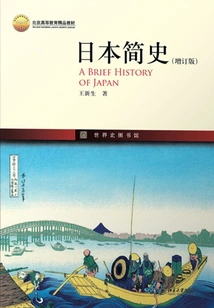
A Brief History of Japan
History日本简史
Wang Xinsheng
"A Brief History of Japan" takes the evolution of the ruling body as the main line, clearly outlines Japan's political evolution process from the origin of history and culture, the legal state, the military regime, pre-modern society, the Meiji Restoration, foreign aggression and expansion, change and war, occupation and post-war system, economic power, reforms in transitional periods, etc., As well as cultural achievements, economic development, popular mentality in different periods, etc., And clearly and completely draws a bird's-eye view of Japanese history. "A Brief History of Japan (Updated Edition)" has won the "Beijing Higher Education Quality Textbook Award". In addition to absorbing the latest research results in the academic world, the new edition also adds a large number of illustrations, original historical materials, further reading lists, chronology of major events, etc. To help readers better grasp the clues and context of Japanese history.
"A Brief History of Japan" takes the evolution of the ruling body as the main line, clearly outlines Japan's political evolution process from the origin of history and culture, the legal state, the military regime, pre-modern society, the Meiji Restoration, foreign aggression and expansion, change and war, occupation and post-war system, economic power, reforms in transitional periods, etc., As well as cultural achievements, economic development, popular mentality in different periods, etc., And clearly and completely draws a bird's-eye view of Japanese history. "A Brief History of Japan (Updated Edition)" has won the "Beijing Higher Education Quality Textbook Award". In addition to absorbing the latest research results in the academic world, the new edition also adds a large number of illustrations, original historical materials, further reading lists, chronology of major events, etc. To help readers better grasp the clues and context of Japanese history.
The Third Eye Looks at Japan
History第三只眼看日本
Yuan Kun
See Japan through in one book. Think big and write small, looking at all aspects of the Japanese nation. The inferiority complex of Japan's isolated nation, the arrogance of militaristic Japan, and the pressure of Japan as an economic power are traced back to their origins, revealed in detail, and penetrated into the inner world of the Japanese to present readers with a panoramic view of the Japanese nation and society.
See Japan through in one book. Think big and write small, looking at all aspects of the Japanese nation. The inferiority complex of Japan's isolated nation, the arrogance of militaristic Japan, and the pressure of Japan as an economic power are traced back to their origins, revealed in detail, and penetrated into the inner world of the Japanese to present readers with a panoramic view of the Japanese nation and society.
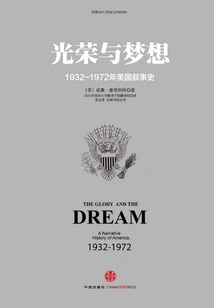
光荣与梦想2:1932~1972年美国叙事史(1941~1950)
I
The United States entered the war, and the situation of World War II began to reverse. The European battlefields were victorious, and the Allied forces regained France. In the Pacific battlefield, Japan had begun to collapse and shrink. Roosevelt died, Truman took over, and World War II was ultimately won. The United States became the world leader, and the reconstruction of Europe and the hot war in Asia began to overwhelm the United States. At this time, American culture began to prosper and followed the economy and military towards the world. Marilyn Monroe became an American icon.
The United States entered the war, and the situation of World War II began to reverse. The European battlefields were victorious, and the Allied forces regained France. In the Pacific battlefield, Japan had begun to collapse and shrink. Roosevelt died, Truman took over, and World War II was ultimately won. The United States became the world leader, and the reconstruction of Europe and the hot war in Asia began to overwhelm the United States. At this time, American culture began to prosper and followed the economy and military towards the world. Marilyn Monroe became an American icon.
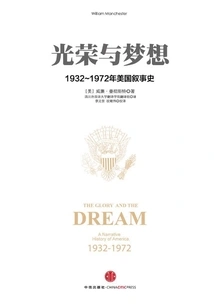
光荣与梦想1:1932-1972年美国社会实录
J
After World War I, the United States quickly went from prosperity to an unprecedented "Great Depression." President Roosevelt, who advocated innovation, promoted the Blue Eagle Plan to balance the "left" and right forces and stabilize the domestic situation. In the face of the expansion of Germany, Italy and Japan, the domestic isolation sentiment made Roosevelt powerless. France fell and the United States began to intervene in the war. The "Pearl Harbor" incident broke out and the United States entered the war. Roosevelt made a speech: "I believe the only thing we have to fear is fear itself."
After World War I, the United States quickly went from prosperity to an unprecedented "Great Depression." President Roosevelt, who advocated innovation, promoted the Blue Eagle Plan to balance the "left" and right forces and stabilize the domestic situation. In the face of the expansion of Germany, Italy and Japan, the domestic isolation sentiment made Roosevelt powerless. France fell and the United States began to intervene in the war. The "Pearl Harbor" incident broke out and the United States entered the war. Roosevelt made a speech: "I believe the only thing we have to fear is fear itself."
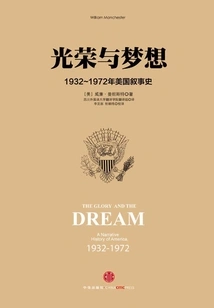
光荣与梦想3:1932~1972年美国叙事史(1951~1960)
J
The "Beat Generation" entered the stage of history, and "McCarthyism" raged in the political arena. Rosa Parks became the "last straw" that suppressed racial discrimination in the United States. The spirit of entertainment first, the anti-communist wave and the anti-racist conflict all combined to form the United States during this period. The United States, which is noisy and advancing, does not realize that promoting its own prosperity may be regarded as an intolerable arrogance.
The "Beat Generation" entered the stage of history, and "McCarthyism" raged in the political arena. Rosa Parks became the "last straw" that suppressed racial discrimination in the United States. The spirit of entertainment first, the anti-communist wave and the anti-racist conflict all combined to form the United States during this period. The United States, which is noisy and advancing, does not realize that promoting its own prosperity may be regarded as an intolerable arrogance.
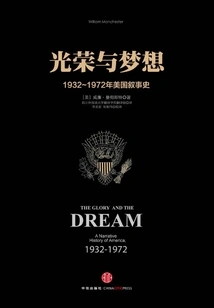
光荣与梦想4:1932~1972年美国叙事史
J
President Kennedy and the United States were drawn into the jungles of Vietnam. The success of the moon landing had just diluted the gloom over the nation, and the assassination of John F. Kennedy shocked the country again. The hippie trend and the proliferation of drugs changed the thinking of a generation. The assassination of Martin Luther King completely aroused racial conflicts. The establishment of diplomatic relations between China and the United States made Nixon a transcendent figure, and the "Watergate Incident" made him infamous. The system is still progressing and life is still improving, but the former glory and dreams eventually become memories in a peaceful life.
President Kennedy and the United States were drawn into the jungles of Vietnam. The success of the moon landing had just diluted the gloom over the nation, and the assassination of John F. Kennedy shocked the country again. The hippie trend and the proliferation of drugs changed the thinking of a generation. The assassination of Martin Luther King completely aroused racial conflicts. The establishment of diplomatic relations between China and the United States made Nixon a transcendent figure, and the "Watergate Incident" made him infamous. The system is still progressing and life is still improving, but the former glory and dreams eventually become memories in a peaceful life.
1491年:前哥伦布时代美洲启示录
M
Native Americans are isolated from all other early human societies in the world. The early historical origins of indigenous groups, the large population in various places, the new social forms, and the ability to dominate the environment have long been lost in the vast ocean of history. The purpose of "1491" is to comprehensively describe human life in the Americas before Columbus arrived and restore its true colors with the help of the latest research advances in archaeology, anthropology, biology, linguistics, sociology, ethnography and other fields.
Native Americans are isolated from all other early human societies in the world. The early historical origins of indigenous groups, the large population in various places, the new social forms, and the ability to dominate the environment have long been lost in the vast ocean of history. The purpose of "1491" is to comprehensively describe human life in the Americas before Columbus arrived and restore its true colors with the help of the latest research advances in archaeology, anthropology, biology, linguistics, sociology, ethnography and other fields.
They Created America
History他们创造了美国
(u. S.) Harold Evans Gail Buckland
One of the 75 must-read business books recommended by "Fortune" magazine, highly recommended by Isaacson, author of "The Biography of Steve Jobs" and Zhou Hongyi, Chairman of 360 There has never been a history of America quite like Harold Evans's long-awaited "They Made America." With his power and persuasiveness, his "American Century" has become a best-seller, and now Evans tells us the epic story of the men and women who made America the past two centuries. These innovators come to life through Evans' vivid narrative and more than five hundred unforgettable photographs and illustrations. We see frontiersman John Fisher nearly dying at the hands of Indians, inspiring him to invent the first steamship; we see Orville and Wilbur Wright in their shop, hand-stitching the wings of flying machines; we see Gary Kildare developing the operating system that will lay the foundation for Bill Gates' empire. Evans strings together hundreds of such innovators, inventors, and entrepreneurs to form the main thread of American history.
One of the 75 must-read business books recommended by "Fortune" magazine, highly recommended by Isaacson, author of "The Biography of Steve Jobs" and Zhou Hongyi, Chairman of 360 There has never been a history of America quite like Harold Evans's long-awaited "They Made America." With his power and persuasiveness, his "American Century" has become a best-seller, and now Evans tells us the epic story of the men and women who made America the past two centuries. These innovators come to life through Evans' vivid narrative and more than five hundred unforgettable photographs and illustrations. We see frontiersman John Fisher nearly dying at the hands of Indians, inspiring him to invent the first steamship; we see Orville and Wilbur Wright in their shop, hand-stitching the wings of flying machines; we see Gary Kildare developing the operating system that will lay the foundation for Bill Gates' empire. Evans strings together hundreds of such innovators, inventors, and entrepreneurs to form the main thread of American history.
Riots in Dublin
History都柏林的暴动
James Stephens
Some chapters in this book are not historical facts about the uprising. I knew nothing about this uprising. At the moment, I still know nothing about it. Maybe it won't be until a few years later that the truth about this uprising will surface and become known to the world. What I wrote is nothing more than a story that just happened in a quarter of the city. It is also a collection of rumors and suspense plots in the past two weeks. But in these two weeks, these countless rumors and suspense were the only news that Dubliners paid attention to; just as important as bread to people.
Some chapters in this book are not historical facts about the uprising. I knew nothing about this uprising. At the moment, I still know nothing about it. Maybe it won't be until a few years later that the truth about this uprising will surface and become known to the world. What I wrote is nothing more than a story that just happened in a quarter of the city. It is also a collection of rumors and suspense plots in the past two weeks. But in these two weeks, these countless rumors and suspense were the only news that Dubliners paid attention to; just as important as bread to people.
狄更斯讲英国史(第三卷)
H
The third volume of this book (chapters 26 to 37) first narrates the establishment, development, peak and termination of the Tudor dynasty after the English Civil War and the "War of the Roses"; it includes the religious reform during the reign of Henry VIII and the curious private life of this king, the bloody reign of Queen Mary and the "golden age" during the reign of Elizabeth I. This period also provided countless materials for ancient and modern writers, film and television producers. The most noteworthy related works include Mark Twain's "The Prince and the Pauper", the American Sh·wtime TV series "The Tudors", countless movies, TV series and biographies of Elizabeth I, etc.
The third volume of this book (chapters 26 to 37) first narrates the establishment, development, peak and termination of the Tudor dynasty after the English Civil War and the "War of the Roses"; it includes the religious reform during the reign of Henry VIII and the curious private life of this king, the bloody reign of Queen Mary and the "golden age" during the reign of Elizabeth I. This period also provided countless materials for ancient and modern writers, film and television producers. The most noteworthy related works include Mark Twain's "The Prince and the Pauper", the American Sh·wtime TV series "The Tudors", countless movies, TV series and biographies of Elizabeth I, etc.
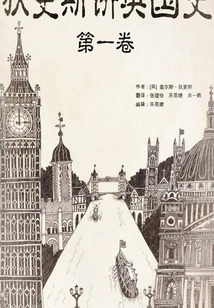
狄更斯讲英国史(第一卷)
H
The first volume of this book (chapters 1 to 14) is divided into four parts: Saxon invasion, Scandinavian invasion, Norman conquest, and the consolidation and development of the Anglo-Norman dynasty in England. This period of history witnessed the early turmoil, division and reunification of England. If you want to have a deeper understanding of the culture of England today, this history is an indispensable cornerstone. Among them, the most noteworthy thing is that in the last three chapters of this volume, the author deliberately describes the rise and decline of the Angevin dynasty, explains the origin of the contradiction between Britain and France, and lays the groundwork for the Hundred Years War between Britain and France, which dominates the second volume.
The first volume of this book (chapters 1 to 14) is divided into four parts: Saxon invasion, Scandinavian invasion, Norman conquest, and the consolidation and development of the Anglo-Norman dynasty in England. This period of history witnessed the early turmoil, division and reunification of England. If you want to have a deeper understanding of the culture of England today, this history is an indispensable cornerstone. Among them, the most noteworthy thing is that in the last three chapters of this volume, the author deliberately describes the rise and decline of the Angevin dynasty, explains the origin of the contradiction between Britain and France, and lays the groundwork for the Hundred Years War between Britain and France, which dominates the second volume.
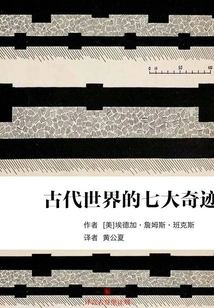
古代世界的七大奇迹
(us) Edgar James Banks
Around the 3rd century BC, there lived a man named Antipater in the Palestinian city of Sidon. He is the Baedeker of antiquities and the author of a travel guide. He may not have been the first person to try to point out sights to travelers that should not be missed, but this list of objects admired by the world may have come from him and was reproduced by other writers until it became authoritative. Antiparke had strict selection criteria and limited the number of wonders in the list to the sacred number seven, hence the term "Seven Wonders of the World".
Around the 3rd century BC, there lived a man named Antipater in the Palestinian city of Sidon. He is the Baedeker of antiquities and the author of a travel guide. He may not have been the first person to try to point out sights to travelers that should not be missed, but this list of objects admired by the world may have come from him and was reproduced by other writers until it became authoritative. Antiparke had strict selection criteria and limited the number of wonders in the list to the sacred number seven, hence the term "Seven Wonders of the World".
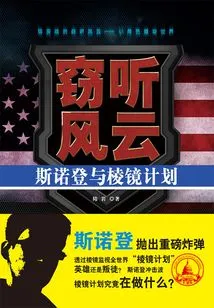
窃听风云:斯诺登与棱镜计划
Sui Yan
This book comprehensively organizes and deeply excavates the hotly debated "Prism Gate" incident. What kind of plan is the "Prism Gate"? Why is the U. S. Government like this, and what can we learn from it? What role do the U. S. Intelligence agencies National Security Agency, FBI, and CIA play in this plan? Besides Snowden, what other whistleblowers pursue fairness, justice, and ideals? You will find the answers in this book.
This book comprehensively organizes and deeply excavates the hotly debated "Prism Gate" incident. What kind of plan is the "Prism Gate"? Why is the U. S. Government like this, and what can we learn from it? What role do the U. S. Intelligence agencies National Security Agency, FBI, and CIA play in this plan? Besides Snowden, what other whistleblowers pursue fairness, justice, and ideals? You will find the answers in this book.
史前文明探秘总集
Tielin Hu Buwei
The main content of this book is: the mysterious culture of ancient history, the magical ancient emperors, and the footprints of history.
The main content of this book is: the mysterious culture of ancient history, the magical ancient emperors, and the footprints of history.
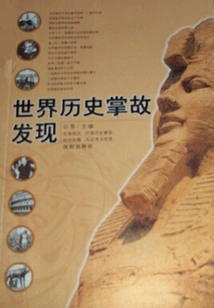
世界历史掌故发现
Editor-in-chief Bai Xue
Starting from literature, plot and interest, this book explores some little-known and touching stories in history, turning boring history into vivid stories of flesh and blood, allowing readers to fully enjoy the joy of reading, and through the subtle influence of these historical events, it can broaden readers' minds, expand their horizons, and increase their knowledge! These different stories may enable readers to reconstruct the past history, which is something that some monotonous history textbooks cannot do.
Starting from literature, plot and interest, this book explores some little-known and touching stories in history, turning boring history into vivid stories of flesh and blood, allowing readers to fully enjoy the joy of reading, and through the subtle influence of these historical events, it can broaden readers' minds, expand their horizons, and increase their knowledge! These different stories may enable readers to reconstruct the past history, which is something that some monotonous history textbooks cannot do.
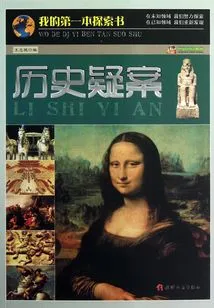
Historical Mystery
History历史疑案
Wang Zhiyan
The long history of mankind has left us with too many mysteries. The mysterious history, the mysterious ancients, and the light of human wisdom shine everywhere. While we marvel at the hard work and wisdom of our ancestors, we are also proud of mankind's long history of civilization. When we read history, we want to find the development process of mankind and the trajectory of civilization progress; when we explore history, we want to restore the historical truth and distinguish the right and wrong of historical issues. The various mysteries in history are like magnets, full of magnetic force, strongly stimulating our curiosity and attracting us to think and explore. At the same time, history also tells us that the never-ending pursuit of exploration is a kind of nature of us humans as intelligent animals, and it is also the driving force for the progress and development of our human civilization. Based on the careful collection of information, this book reaches a new level in terms of authenticity and interest, and contains classic historical mysteries that are widely circulated in the world.
The long history of mankind has left us with too many mysteries. The mysterious history, the mysterious ancients, and the light of human wisdom shine everywhere. While we marvel at the hard work and wisdom of our ancestors, we are also proud of mankind's long history of civilization. When we read history, we want to find the development process of mankind and the trajectory of civilization progress; when we explore history, we want to restore the historical truth and distinguish the right and wrong of historical issues. The various mysteries in history are like magnets, full of magnetic force, strongly stimulating our curiosity and attracting us to think and explore. At the same time, history also tells us that the never-ending pursuit of exploration is a kind of nature of us humans as intelligent animals, and it is also the driving force for the progress and development of our human civilization. Based on the careful collection of information, this book reaches a new level in terms of authenticity and interest, and contains classic historical mysteries that are widely circulated in the world.
罗马人的故事15:罗马世界的终曲
I
It is a must-read for business elites and politicians in Japan and South Korea, and a must-read for education! Wang Shi and Wang Wei wrote the preface, and Wu Xiaobo, Qin Shuo, and Wu Bofan jointly recommended it. The Roman Empire was once glorious and shining, but today it will finally say goodbye. The end of the Roman Empire begins with the true division of the empire. However, both East and West Rome still struggled to maintain their final dignity and were exhausted at the border. When did the Roman Empire fall? No one could explain it clearly. It appeared with great vigor, but ended quietly, without the proper farewell. Rome wasn't built in a day, and it certainly won't be finished in a day.
It is a must-read for business elites and politicians in Japan and South Korea, and a must-read for education! Wang Shi and Wang Wei wrote the preface, and Wu Xiaobo, Qin Shuo, and Wu Bofan jointly recommended it. The Roman Empire was once glorious and shining, but today it will finally say goodbye. The end of the Roman Empire begins with the true division of the empire. However, both East and West Rome still struggled to maintain their final dignity and were exhausted at the border. When did the Roman Empire fall? No one could explain it clearly. It appeared with great vigor, but ended quietly, without the proper farewell. Rome wasn't built in a day, and it certainly won't be finished in a day.
罗马人的故事14:基督的胜利
H
It is a must-read for business elites and politicians in Japan and South Korea, and a must-read for education! Wang Shi and Wang Wei wrote the preface, and Wu Xiaobo, Qin Shuo, and Wu Bofan jointly recommended it. After the death of Emperor Constantine, he left behind the Roman Empire that he had transformed with his own hands. When Rome was about to fall, the traitor Uris went to war and turned the tide for the gods. Euris spent his childhood in the storm of the struggle for the throne, and his imprisoned life allowed him to wander in the philosophical world of Greece and Rome. However, he was finally pushed to the highest stage of politics. His unexpected military exploits against the barbarians and his drastic attitude in promoting policies won him the love of the army and the people. He did more than that. He was determined to resist the Christian trend that had been coming in force for fifty years. He tried to turn things around, but was killed in the Persian War. The temple door, which was finally reopened, was closed again.
It is a must-read for business elites and politicians in Japan and South Korea, and a must-read for education! Wang Shi and Wang Wei wrote the preface, and Wu Xiaobo, Qin Shuo, and Wu Bofan jointly recommended it. After the death of Emperor Constantine, he left behind the Roman Empire that he had transformed with his own hands. When Rome was about to fall, the traitor Uris went to war and turned the tide for the gods. Euris spent his childhood in the storm of the struggle for the throne, and his imprisoned life allowed him to wander in the philosophical world of Greece and Rome. However, he was finally pushed to the highest stage of politics. His unexpected military exploits against the barbarians and his drastic attitude in promoting policies won him the love of the army and the people. He did more than that. He was determined to resist the Christian trend that had been coming in force for fifty years. He tried to turn things around, but was killed in the Persian War. The temple door, which was finally reopened, was closed again.
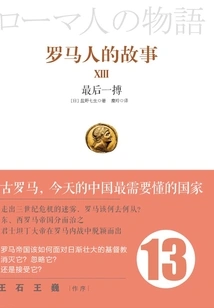
罗马人的故事13:最后一搏
H
It is a must-read for business elites and politicians in Japan and South Korea, and a must-read for education! Wang Shi and Wang Wei wrote the preface, and Wu Xiaobo, Qin Shuo, and Wu Bofan jointly recommended it. An immortal empire is coming to an end, the imperial period is coming to an end, and out of the fog of the crisis of the third century, where should Rome go? Until Constantine won and became the only emperor of Rome. The Roman Empire entered a critical moment, when authority must be created to continue the empire, and power shifted from humans to God. Faced with Christianity, should the Romans eliminate it or accept it? Is this the last attempt by the Roman Empire to continue its national destiny?
It is a must-read for business elites and politicians in Japan and South Korea, and a must-read for education! Wang Shi and Wang Wei wrote the preface, and Wu Xiaobo, Qin Shuo, and Wu Bofan jointly recommended it. An immortal empire is coming to an end, the imperial period is coming to an end, and out of the fog of the crisis of the third century, where should Rome go? Until Constantine won and became the only emperor of Rome. The Roman Empire entered a critical moment, when authority must be created to continue the empire, and power shifted from humans to God. Faced with Christianity, should the Romans eliminate it or accept it? Is this the last attempt by the Roman Empire to continue its national destiny?
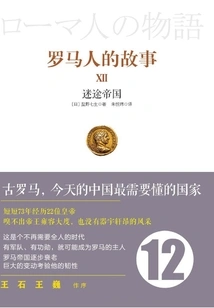
罗马人的故事12:迷途帝国
H
It is a must-read for business elites and politicians in Japan and South Korea, and a must-read for education! Wang Shi and Wang Wei wrote the preface, and Wu Xiaobo, Qin Shuo, and Wu Bofan jointly recommended it. This volume introduces the Roman emperors of the third century: there is no sense of grace or magnanimity, nor is there any majestic elegance. The Germanic people were powerful and no longer the barbarians who occasionally went south to plunder. Mesopotamia and Persia in the east were even more eyeing, constantly spying on and probing, and even openly challenging. The emperors of the third century could not miss the comfortable and prosperous Roman palace. Their responsibilities lay at the borders, in front of distant foreign nations. They were exhausted in solving domestic social problems and foreign invasions abroad. Facing the aging Roman Empire, can Christianity be a shot in the arm? Or hasten the collapse of Rome? Huge changes test Roma's resilience.
It is a must-read for business elites and politicians in Japan and South Korea, and a must-read for education! Wang Shi and Wang Wei wrote the preface, and Wu Xiaobo, Qin Shuo, and Wu Bofan jointly recommended it. This volume introduces the Roman emperors of the third century: there is no sense of grace or magnanimity, nor is there any majestic elegance. The Germanic people were powerful and no longer the barbarians who occasionally went south to plunder. Mesopotamia and Persia in the east were even more eyeing, constantly spying on and probing, and even openly challenging. The emperors of the third century could not miss the comfortable and prosperous Roman palace. Their responsibilities lay at the borders, in front of distant foreign nations. They were exhausted in solving domestic social problems and foreign invasions abroad. Facing the aging Roman Empire, can Christianity be a shot in the arm? Or hasten the collapse of Rome? Huge changes test Roma's resilience.
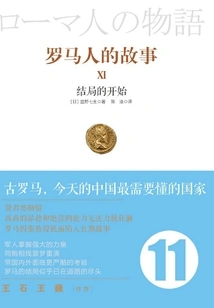
罗马人的故事11:结局的开始
(japan) Shiono Nansei
It is a must-read for business elites and politicians in Japan and South Korea, and a must-read for education! Wang Shi and Wang Wei wrote the preface, and Wu Xiaobo, Qin Shuo, and Wu Bofan jointly recommended it. Farewell to the century of virtuous kings, has the aura of the empire faded? Marcus Aurelius, the Roman philosopher emperor, realized Plato's ideals. However, noble moral character and excellent abilities cannot turn the tide. Aurelius burned his heart and soul to extend the life of the empire. Although he won praise from later generations, the afterglow of the setting sun gradually enveloped the empire. The long-term military tension has given the soldiers great power, and military leaders who strictly guard the borders have become contenders for the throne. The fighting between compatriots seems to be a repeat of the late first century. The empire was bound to face harsher tests both inside and outside it, and Rome seemed to be at the end of the road.
It is a must-read for business elites and politicians in Japan and South Korea, and a must-read for education! Wang Shi and Wang Wei wrote the preface, and Wu Xiaobo, Qin Shuo, and Wu Bofan jointly recommended it. Farewell to the century of virtuous kings, has the aura of the empire faded? Marcus Aurelius, the Roman philosopher emperor, realized Plato's ideals. However, noble moral character and excellent abilities cannot turn the tide. Aurelius burned his heart and soul to extend the life of the empire. Although he won praise from later generations, the afterglow of the setting sun gradually enveloped the empire. The long-term military tension has given the soldiers great power, and military leaders who strictly guard the borders have become contenders for the throne. The fighting between compatriots seems to be a repeat of the late first century. The empire was bound to face harsher tests both inside and outside it, and Rome seemed to be at the end of the road.
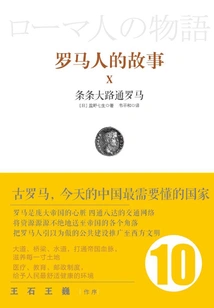
罗马人的故事10:条条大路通罗马
(japan) Shiono Nansei
It is a must-read for business elites and politicians in Japan and South Korea, and a must-read for education! Wang Shi and Wang Wei wrote the preface, and Wu Xiaobo, Qin Shuo, and Wu Bofan jointly recommended it. All roads lead to Rome, the roads of the Roman Empire started from Rome, and nothing in the world reflects the genius of the Romans more than infrastructure. As the heart of a huge empire, Rome followed an extensive transportation network. Hardware avenues, bridges, and waterways opened up the bloodline of the empire and nourished every inch of land; software medical care, education, and postal systems gave the people the most comfortable and healthy environment and the power of knowledge. The uncanny craftsmanship and down-to-earth national spirit create a great milestone in civilization.
It is a must-read for business elites and politicians in Japan and South Korea, and a must-read for education! Wang Shi and Wang Wei wrote the preface, and Wu Xiaobo, Qin Shuo, and Wu Bofan jointly recommended it. All roads lead to Rome, the roads of the Roman Empire started from Rome, and nothing in the world reflects the genius of the Romans more than infrastructure. As the heart of a huge empire, Rome followed an extensive transportation network. Hardware avenues, bridges, and waterways opened up the bloodline of the empire and nourished every inch of land; software medical care, education, and postal systems gave the people the most comfortable and healthy environment and the power of knowledge. The uncanny craftsmanship and down-to-earth national spirit create a great milestone in civilization.
罗马人的故事9:贤君的世纪
H
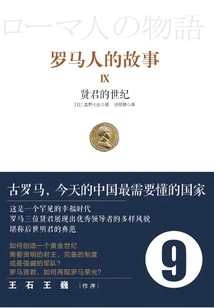
It is a must-read for business elites and politicians in Japan and South Korea, and a must-read for education! Wang Shi and Wang Wei wrote the preface, and Wu Xiaobo, Qin Shuo, and Wu Bofan jointly recommended it. This is a rare happy era. The second century AD is considered the golden century by contemporary Romans. Trajan, Hadrian, and Antony worked together to bring the Roman Empire to a new peak and became a model for future generations of virtuous kings. The three of them worked hard for the three major responsibilities of the Roman emperor proposed by the Romans: diplomacy, internal affairs, and infrastructure construction, and showed the diverse styles of excellent leaders through their differences in personal characteristics.
It is a must-read for business elites and politicians in Japan and South Korea, and a must-read for education! Wang Shi and Wang Wei wrote the preface, and Wu Xiaobo, Qin Shuo, and Wu Bofan jointly recommended it. This is a rare happy era. The second century AD is considered the golden century by contemporary Romans. Trajan, Hadrian, and Antony worked together to bring the Roman Empire to a new peak and became a model for future generations of virtuous kings. The three of them worked hard for the three major responsibilities of the Roman emperor proposed by the Romans: diplomacy, internal affairs, and infrastructure construction, and showed the diverse styles of excellent leaders through their differences in personal characteristics.
罗马人的故事1:罗马不是一天建成的
H
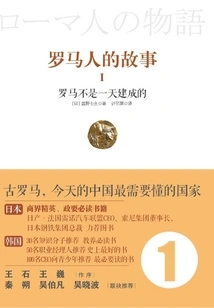
As the first in a series of works, it tells the history of Rome during the five hundred years from its founding to the First and Second Punic Wars. It's a story over a long period of suffering, and even in its heyday it was often a step forward and a half step back. The important reason why Rome was able to achieve great success was basically germinated during these five hundred years. Just as a person begins to understand the true value of the strength he accumulated in his teenage years until he is thirty years old.
As the first in a series of works, it tells the history of Rome during the five hundred years from its founding to the First and Second Punic Wars. It's a story over a long period of suffering, and even in its heyday it was often a step forward and a half step back. The important reason why Rome was able to achieve great success was basically germinated during these five hundred years. Just as a person begins to understand the true value of the strength he accumulated in his teenage years until he is thirty years old.
罗马人的故事2:汉尼拔战记
H
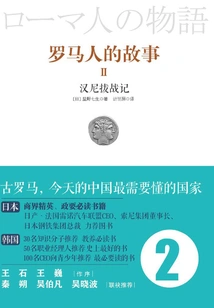
This volume takes war as its theme and describes the 130-year history of Rome's domination of the Mediterranean. From 218 BC to 202 BC, the world-famous general Hannibal led his army from Spain and led his elephant team across the Alps to attack the Italian mainland. The war lasted for 16 years, and the two sides fought eight rounds of battles, which were indistinguishable. For 16 years, Hannibal kept Rome stretched and without peace. In the end, Xiapi defeated the famous general Hannibal. The thrilling war scenes and the wonderful plot of reversal of victory are thought-provoking. War people reflect the way the class thinks and behaves. Why did the Greeks with superior knowledge and the Carthaginians with strong military power eventually lose to the Romans?
This volume takes war as its theme and describes the 130-year history of Rome's domination of the Mediterranean. From 218 BC to 202 BC, the world-famous general Hannibal led his army from Spain and led his elephant team across the Alps to attack the Italian mainland. The war lasted for 16 years, and the two sides fought eight rounds of battles, which were indistinguishable. For 16 years, Hannibal kept Rome stretched and without peace. In the end, Xiapi defeated the famous general Hannibal. The thrilling war scenes and the wonderful plot of reversal of victory are thought-provoking. War people reflect the way the class thinks and behaves. Why did the Greeks with superior knowledge and the Carthaginians with strong military power eventually lose to the Romans?
\
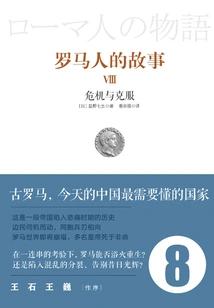
罗马人的故事8:危机与克服
H
It is a must-read for business elites and politicians in Japan and South Korea, and a must-read for education! Wang Shi and Wang Wei wrote the preface, and Wu Xiaobo, Qin Shuo, and Wu Bofan jointly recommended it. After Nero's death, there was no longer a lineage of divine kings to inherit the vast Roman Empire. In the chaotic year 69 AD, the military took control of the political power. Three people were elected by the legions and proclaimed themselves emperors. The Germanic and Jewish peoples also took the opportunity to strive for independence. The turmoil of the civil war and the uncertainty of the throne made Roman citizens tired. Their enthusiasm was gone and they looked coldly at the world that was about to collapse. Under this series of tests, can Rome be reborn from the ashes?
It is a must-read for business elites and politicians in Japan and South Korea, and a must-read for education! Wang Shi and Wang Wei wrote the preface, and Wu Xiaobo, Qin Shuo, and Wu Bofan jointly recommended it. After Nero's death, there was no longer a lineage of divine kings to inherit the vast Roman Empire. In the chaotic year 69 AD, the military took control of the political power. Three people were elected by the legions and proclaimed themselves emperors. The Germanic and Jewish peoples also took the opportunity to strive for independence. The turmoil of the civil war and the uncertainty of the throne made Roman citizens tired. Their enthusiasm was gone and they looked coldly at the world that was about to collapse. Under this series of tests, can Rome be reborn from the ashes?