Library
Browse and search novels
8,389 novels found
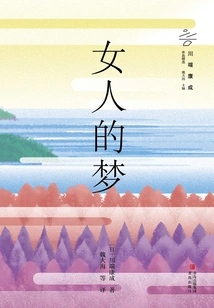
Woman's Dream
General Fiction女人的梦
(japan) Kawabata Yasunari
The 36-year-old dentist Kenichi Kuhara, who has always been single, lives happily after a blind date and marriage with the beautiful Hariko. Kuhara knows that the 27-year-old Hariko has a cousin who committed suicide due to a failed crush on him. Kuhara does not care. The second night after marrying Kuhara, Hariko felt guilty because she dreamed about her dead cousin. With the help of a doctor friend, Jiuyuan investigated the condition of his cousin's neurasthenia and reassured Zhizi. However, the good memories and God-given blessings of Zhizi seemed to be gradually disappearing.
The 36-year-old dentist Kenichi Kuhara, who has always been single, lives happily after a blind date and marriage with the beautiful Hariko. Kuhara knows that the 27-year-old Hariko has a cousin who committed suicide due to a failed crush on him. Kuhara does not care. The second night after marrying Kuhara, Hariko felt guilty because she dreamed about her dead cousin. With the help of a doctor friend, Jiuyuan investigated the condition of his cousin's neurasthenia and reassured Zhizi. However, the good memories and God-given blessings of Zhizi seemed to be gradually disappearing.
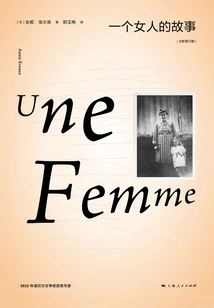
A Woman's Story (new Revised Edition)
General Fiction一个女人的故事(全新修订版)
H
"A Woman's Story" is Anne Ernault's touching account of mothers and daughters, youth and aging, dreams and reality. After her mother dies of Alzheimer's disease, the author embarks on a daunting journey back in time as she attempts to capture the real woman, the woman who existed independently of her daughter, the woman who was born in a small town in Normandy and died in a geriatric ward in a hospital on the outskirts of Paris. She explores the bond between mother and daughter that is both fragile and unshakable, the alienating world that separates them, and the inescapable fact that we must lose the ones we love. In this quietly powerful tribute, Ernault wanted to do her mother the utmost justice: to portray her as herself. As the author said: "Now I write about my mother as if it was my turn to give birth to my mother again."
"A Woman's Story" is Anne Ernault's touching account of mothers and daughters, youth and aging, dreams and reality. After her mother dies of Alzheimer's disease, the author embarks on a daunting journey back in time as she attempts to capture the real woman, the woman who existed independently of her daughter, the woman who was born in a small town in Normandy and died in a geriatric ward in a hospital on the outskirts of Paris. She explores the bond between mother and daughter that is both fragile and unshakable, the alienating world that separates them, and the inescapable fact that we must lose the ones we love. In this quietly powerful tribute, Ernault wanted to do her mother the utmost justice: to portray her as herself. As the author said: "Now I write about my mother as if it was my turn to give birth to my mother again."
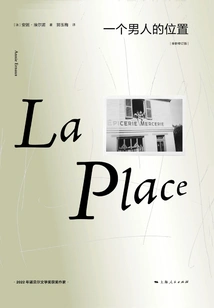
A Man's Place (new Revised Edition)
General Fiction一个男人的位置(全新修订版)
H
When her father died two months after passing the teaching qualification exam, Anne Ernault used this as an opportunity to tell the story of one man's life. Born at the turn of the century, he had to leave school early and worked first as a farmer, then in a factory, and later as the owner of a small grocery store in Normandy until his death in 1967. He exercised self-restraint, worked hard, was cautious in his words and deeds, and tried hard to maintain his position as a man in society, but he could never get rid of the fear of slipping back to the lower class. The author uses cold observation to reveal the shame that plagued her father throughout his life, as well as the alienation and pain between father and daughter caused by class restrictions. This biography of a father is also the story of an intellectual's daughter's betrayal-of her parents, her upbringing, the schism between affection and shame, between belonging and alienation.
When her father died two months after passing the teaching qualification exam, Anne Ernault used this as an opportunity to tell the story of one man's life. Born at the turn of the century, he had to leave school early and worked first as a farmer, then in a factory, and later as the owner of a small grocery store in Normandy until his death in 1967. He exercised self-restraint, worked hard, was cautious in his words and deeds, and tried hard to maintain his position as a man in society, but he could never get rid of the fear of slipping back to the lower class. The author uses cold observation to reveal the shame that plagued her father throughout his life, as well as the alienation and pain between father and daughter caused by class restrictions. This biography of a father is also the story of an intellectual's daughter's betrayal-of her parents, her upbringing, the schism between affection and shame, between belonging and alienation.
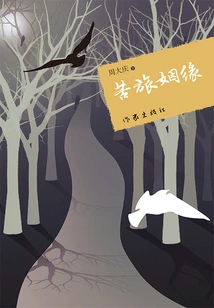
A Bitter Marriage
General Fiction苦旅姻缘
Zhou Daqing
The novel tells the story of Wu Shangde and Hao Yumei, a pair of young men and women who were born in a mountain village in an old area of Shanxi Province, and their tortuous life journey in order to realize their ideals. The work focuses on the ups and downs of their acquaintance and love, as well as the ups and downs after the breakup. Through the different attitudes and actions of the male and female protagonists towards life, it explains how today's society should correctly handle practical issues such as marriage, emotions, family and children's education. The novel criticizes the false and ugly behavior, reveals the true meaning of love in the world, and eulogizes the traditional virtues of the Chinese nation such as filial piety, love for relatives, and trustworthiness and keeping promises. It is a work full of rich flavor of life.
The novel tells the story of Wu Shangde and Hao Yumei, a pair of young men and women who were born in a mountain village in an old area of Shanxi Province, and their tortuous life journey in order to realize their ideals. The work focuses on the ups and downs of their acquaintance and love, as well as the ups and downs after the breakup. Through the different attitudes and actions of the male and female protagonists towards life, it explains how today's society should correctly handle practical issues such as marriage, emotions, family and children's education. The novel criticizes the false and ugly behavior, reveals the true meaning of love in the world, and eulogizes the traditional virtues of the Chinese nation such as filial piety, love for relatives, and trustworthiness and keeping promises. It is a work full of rich flavor of life.
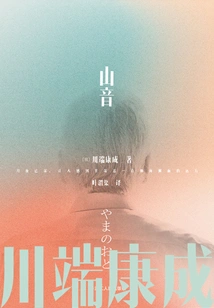
川端康成名作名译系列:山音
G
"Mountain Sound" describes the story of Shingo's family. The old man Xinwu has passed the age of hearing, and his two sons and daughters have got married one after another. It is supposed to be a time for them to enjoy family happiness. However, the daughter's marriage failed and she returned to her parents' home with her two children. The son had an affair. Xinwu felt sorry for his daughter-in-law Juzi, but he developed a subtle attachment, and the whole family was enveloped in an abnormal atmosphere. One night, Shinwu heard the sound of the mountains, like the sound of wind or waves. After the sound stopped, he fell into a kind of fear... In "Mountain Sound", everyone has everyone's misfortune. Kawabata never wanted to criticize anyone or laugh at anyone. He just appropriately presented the helpless feeling of fate.
"Mountain Sound" describes the story of Shingo's family. The old man Xinwu has passed the age of hearing, and his two sons and daughters have got married one after another. It is supposed to be a time for them to enjoy family happiness. However, the daughter's marriage failed and she returned to her parents' home with her two children. The son had an affair. Xinwu felt sorry for his daughter-in-law Juzi, but he developed a subtle attachment, and the whole family was enveloped in an abnormal atmosphere. One night, Shinwu heard the sound of the mountains, like the sound of wind or waves. After the sound stopped, he fell into a kind of fear... In "Mountain Sound", everyone has everyone's misfortune. Kawabata never wanted to criticize anyone or laugh at anyone. He just appropriately presented the helpless feeling of fate.
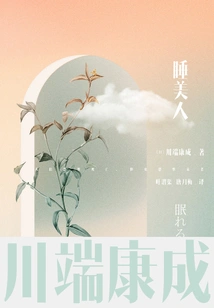
川端康成名作名译系列:睡美人
G
"Sleeping Beauty" is a stunning masterpiece by Nobel Prize-winning writer Kawabata Yasunari, which shows Kawabata Yasunari's unique and weird spiritual world. "An old man Eguchi who was nearly seventy years old went to a secret inn to spend the night, while the young beauty here took medicine and fell into a coma without knowing anything..." The old man Eguchi in Kawabata Yasunari's works reveals a sense of terror of approaching death, a sense of sadness for the loss of youth, and at the same time mixed with a sense of regret for his own immoral behavior. This theme of indulgence, temptation and atonement is expressed in a surreal and grotesque way. The description of the old man's treatment of Sleeping Beauty is not rough, but quietly bursts out the original desire and strength of life. It can be said that this is the main theme of life and also the variations of life.
"Sleeping Beauty" is a stunning masterpiece by Nobel Prize-winning writer Kawabata Yasunari, which shows Kawabata Yasunari's unique and weird spiritual world. "An old man Eguchi who was nearly seventy years old went to a secret inn to spend the night, while the young beauty here took medicine and fell into a coma without knowing anything..." The old man Eguchi in Kawabata Yasunari's works reveals a sense of terror of approaching death, a sense of sadness for the loss of youth, and at the same time mixed with a sense of regret for his own immoral behavior. This theme of indulgence, temptation and atonement is expressed in a surreal and grotesque way. The description of the old man's treatment of Sleeping Beauty is not rough, but quietly bursts out the original desire and strength of life. It can be said that this is the main theme of life and also the variations of life.
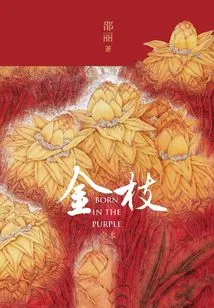
Golden Bough (full Version)
General Fiction金枝(全本)
Shao Li
This is a novel. The story originates from the ancient Zhouzhou Village on the banks of the Ying River in Zhongyue Songshan Mountain. The dreams and realities, branches and roots, starting points and present of six generations of a family are vividly presented in this novel. The mutual pain and warmth between the Zhou family members is touching. The migration of family elites from the countryside to the city, and from the city to the countryside, truly reveals the huge differences between the city and the countryside, and writes about the joys and sorrows of life from isolation to integration. Through the rebellion, competition and ending of the two daughters in the city and the country, it is revealed that the family women's persistence and struggle under the traditional culture have supported the soul and rebirth of this homeland.
This is a novel. The story originates from the ancient Zhouzhou Village on the banks of the Ying River in Zhongyue Songshan Mountain. The dreams and realities, branches and roots, starting points and present of six generations of a family are vividly presented in this novel. The mutual pain and warmth between the Zhou family members is touching. The migration of family elites from the countryside to the city, and from the city to the countryside, truly reveals the huge differences between the city and the countryside, and writes about the joys and sorrows of life from isolation to integration. Through the rebellion, competition and ending of the two daughters in the city and the country, it is revealed that the family women's persistence and struggle under the traditional culture have supported the soul and rebirth of this homeland.
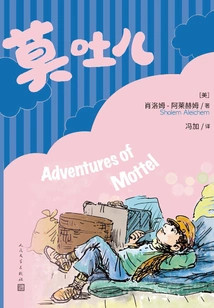
Mo Tuer
General Fiction莫吐儿
(us) Sholom-aleichem
This is a "wonderful work" that makes people "laugh and cry" when reading it (Golky's words), a "condensed Dickens or Mark Twain" (Xiao Qian's words). The author is Sholom Aleichem, a world cultural celebrity and famous Jewish writer. The novel tells the story of a nine-year-old Jewish boy and his family struggling to survive in poverty. Mo Tuer, who became an orphan, babysits children, sleeps with crazy old men, and runs around the streets selling homemade drinks and rat poison... The contrast between Mo Tuer's lively and naughty character and his poor life forms a unique humorous color and has shocking artistic power. After "Mo Tu'er" was published in China, it was enthusiastically praised by my country's older generation of great writers Cao Jinghua, Feng Zikai, Qian Zhongshu, Xiao Qian and others.
This is a "wonderful work" that makes people "laugh and cry" when reading it (Golky's words), a "condensed Dickens or Mark Twain" (Xiao Qian's words). The author is Sholom Aleichem, a world cultural celebrity and famous Jewish writer. The novel tells the story of a nine-year-old Jewish boy and his family struggling to survive in poverty. Mo Tuer, who became an orphan, babysits children, sleeps with crazy old men, and runs around the streets selling homemade drinks and rat poison... The contrast between Mo Tuer's lively and naughty character and his poor life forms a unique humorous color and has shocking artistic power. After "Mo Tu'er" was published in China, it was enthusiastically praised by my country's older generation of great writers Cao Jinghua, Feng Zikai, Qian Zhongshu, Xiao Qian and others.
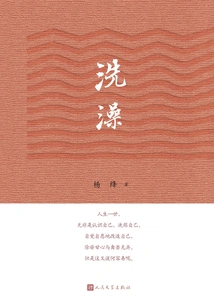
Bath
General Fiction洗澡
Yang Jiang
"Taking a Bath" is a novel written by Yang Jiang. The novel is based on the first ideological reform movement of intellectuals after liberation, and tells the exploration and changes in the spiritual world of intellectuals in the early days of liberation in Peking. This group of intellectuals includes those who stayed in the country after liberation, some who returned from Britain, the United States, France and Russia to join the bright future, some are writers, some are literary and art cadres from the liberated areas, and some have just graduated from university, etc. They all have different purposes and their own concerns. Yang Jiang uses her always calm and restrained writing style to describe their various mentalities, situations and disputes between them. The novel presents a true historical record and also describes various situations in the world.
"Taking a Bath" is a novel written by Yang Jiang. The novel is based on the first ideological reform movement of intellectuals after liberation, and tells the exploration and changes in the spiritual world of intellectuals in the early days of liberation in Peking. This group of intellectuals includes those who stayed in the country after liberation, some who returned from Britain, the United States, France and Russia to join the bright future, some are writers, some are literary and art cadres from the liberated areas, and some have just graduated from university, etc. They all have different purposes and their own concerns. Yang Jiang uses her always calm and restrained writing style to describe their various mentalities, situations and disputes between them. The novel presents a true historical record and also describes various situations in the world.
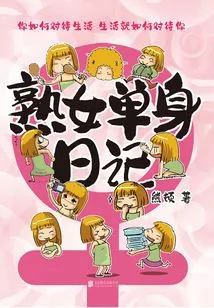
Diary of a Mature Single Woman
General Fiction熟女单身日记
Xiong Dun
"Diary of a Mature Single Woman" records various interesting things about Xiong Dun's life during her single period, interspersed with the choices, thoughts and imaginations of many women facing emotional issues; it presents the real daily life of single women in a humorous style, and while being funny, it also conveys a positive attitude towards life: Whether single or establishing a stable intimate relationship, the purpose is to pursue a high-quality life; love is accidental, and before we meet the right partner, all we can do is to be our true self, grasp and cherish the moment. Life is long, work hard to improve yourself, and on the way to enjoy fulfillment and independence, you will eventually meet the right person.
"Diary of a Mature Single Woman" records various interesting things about Xiong Dun's life during her single period, interspersed with the choices, thoughts and imaginations of many women facing emotional issues; it presents the real daily life of single women in a humorous style, and while being funny, it also conveys a positive attitude towards life: Whether single or establishing a stable intimate relationship, the purpose is to pursue a high-quality life; love is accidental, and before we meet the right partner, all we can do is to be our true self, grasp and cherish the moment. Life is long, work hard to improve yourself, and on the way to enjoy fulfillment and independence, you will eventually meet the right person.
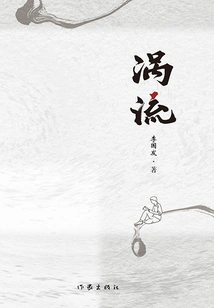
Vortex
General Fiction涡流
Li Guofa
The basis for the creation of "Vortex" is what the author saw and heard, as well as his personal experiences and feelings. His unique life experience gave him a solid life accumulation and full creative passion. He established his own position, sentiment and attitude in the historical narrative. His writing mentality is simple and pure, and he is realizing the meaning of existence of a writer. With his broad sentiments, broad vision, and poetic brushwork, he panoramically depicts the myriad weather and life landscapes on the Great Plains. It shows the magnificence and infinite possibilities of social life brought about by reform and opening up, and truly reflects the joys, sorrows, sorrows and joys of various characters in the tide of the times.
The basis for the creation of "Vortex" is what the author saw and heard, as well as his personal experiences and feelings. His unique life experience gave him a solid life accumulation and full creative passion. He established his own position, sentiment and attitude in the historical narrative. His writing mentality is simple and pure, and he is realizing the meaning of existence of a writer. With his broad sentiments, broad vision, and poetic brushwork, he panoramically depicts the myriad weather and life landscapes on the Great Plains. It shows the magnificence and infinite possibilities of social life brought about by reform and opening up, and truly reflects the joys, sorrows, sorrows and joys of various characters in the tide of the times.
R
General FictionR
H
The turning point of my unfortunate life happened on the day I stepped into my aunt's yard alone. After my mother passed away, I completely lost the protection of my family. I was forced to make a living independently and felt deeply humiliated by my situation. I spent the night in a desolate place under the night, thinking that the dark warehouse was my destination. I had nothing on my body, almost as when I came into this world naked... I decided to seek refuge with my aunt I had never met. Unexpectedly, I would have a code worth following for my whole life: never be humble, never be numb, never be hypocritical, and always be honest!
The turning point of my unfortunate life happened on the day I stepped into my aunt's yard alone. After my mother passed away, I completely lost the protection of my family. I was forced to make a living independently and felt deeply humiliated by my situation. I spent the night in a desolate place under the night, thinking that the dark warehouse was my destination. I had nothing on my body, almost as when I came into this world naked... I decided to seek refuge with my aunt I had never met. Unexpectedly, I would have a code worth following for my whole life: never be humble, never be numb, never be hypocritical, and always be honest!
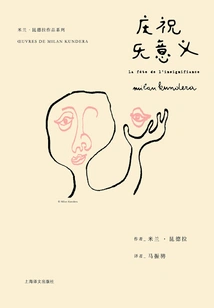
庆祝无意义:米兰·昆德拉作品系列(2013版)
Milan Kundera
"Meaninglessness, my friend, this is the essence of survival." Face meaninglessness, embrace a good mood; ask about the meaning of life, and reap the beauty of daily life. Kundera's final novel. "Celebrating Meaninglessness" is Milan Kundera's latest novel after a ten-year gap in novel writing. It is an "unexpected summary of the writer's entire work. A strange summary. A strange ending." The whole novel is like a comedy, a farce, and the Luxembourg Garden in the Latin Quarter of Paris is the stage. Four good friends, Alain, Ramon, Charles and Caliban, took turns to appear on the stage. Following their footsteps, their life stories, and their conversations in twos and threes, it led to the young girls on the streets of Paris, the Chagall painting exhibition popular among the citizens, the jokes of the twenty-four partridges, the warm characters in urgent need of urination, the mother who attempted suicide and turned to murder, the noisy cocktail party, and the fallen angels in heaven... Scenes of crazy human comedies were staged on the stage. "Celebrating the Meaningless" is short but precise, fragmented and philosophical. It is a condensed version of Kundera's novels. It satirizes various aspects of the world in a relaxed and subtle way: glamor and dirt, big people and small roles, reality and dreams, seriousness and absurdity, greatness and smallness, history and forgetfulness, life and death... Questioning of personal growth history, joking about love affairs, and exploring cultural conflicts.
"Meaninglessness, my friend, this is the essence of survival." Face meaninglessness, embrace a good mood; ask about the meaning of life, and reap the beauty of daily life. Kundera's final novel. "Celebrating Meaninglessness" is Milan Kundera's latest novel after a ten-year gap in novel writing. It is an "unexpected summary of the writer's entire work. A strange summary. A strange ending." The whole novel is like a comedy, a farce, and the Luxembourg Garden in the Latin Quarter of Paris is the stage. Four good friends, Alain, Ramon, Charles and Caliban, took turns to appear on the stage. Following their footsteps, their life stories, and their conversations in twos and threes, it led to the young girls on the streets of Paris, the Chagall painting exhibition popular among the citizens, the jokes of the twenty-four partridges, the warm characters in urgent need of urination, the mother who attempted suicide and turned to murder, the noisy cocktail party, and the fallen angels in heaven... Scenes of crazy human comedies were staged on the stage. "Celebrating the Meaningless" is short but precise, fragmented and philosophical. It is a condensed version of Kundera's novels. It satirizes various aspects of the world in a relaxed and subtle way: glamor and dirt, big people and small roles, reality and dreams, seriousness and absurdity, greatness and smallness, history and forgetfulness, life and death... Questioning of personal growth history, joking about love affairs, and exploring cultural conflicts.
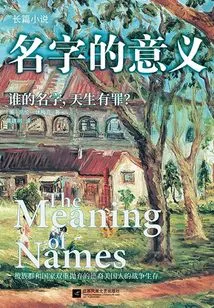
Name Meaning
General Fiction名字的意义
(us) Karen Shoemaker
In 1918, as the United States declared war on Germany, anti-German sentiment swept across the United States like a flu. In a small town in Nebraska in the western United States, the German immigrant Vogel family faced unprecedented hatred and prejudice, and an identity crisis quietly struck... Gerda is a daughter, a wife, and the mother of four children. She is trapped in a double war inside and outside the family: externally, she has to bear the cold eyes and hatred of others; internally, she suffers from the alienation of her parents because of her former rebellion. In addition, the horror of World War I could destroy the family fortune she and her husband Fritz had worked so hard to save at any time. Unfortunately, Fritz received his enlistment notice. At the same time, the devil-like "flu" quietly invaded the town, killing a large number of young and middle-aged people. In such difficult times, Gerda felt that she must fight and do her best to protect her family...
In 1918, as the United States declared war on Germany, anti-German sentiment swept across the United States like a flu. In a small town in Nebraska in the western United States, the German immigrant Vogel family faced unprecedented hatred and prejudice, and an identity crisis quietly struck... Gerda is a daughter, a wife, and the mother of four children. She is trapped in a double war inside and outside the family: externally, she has to bear the cold eyes and hatred of others; internally, she suffers from the alienation of her parents because of her former rebellion. In addition, the horror of World War I could destroy the family fortune she and her husband Fritz had worked so hard to save at any time. Unfortunately, Fritz received his enlistment notice. At the same time, the devil-like "flu" quietly invaded the town, killing a large number of young and middle-aged people. In such difficult times, Gerda felt that she must fight and do her best to protect her family...
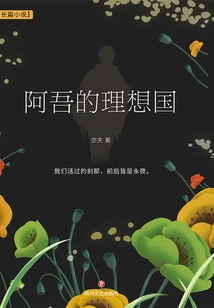
Awu's Utopia
General Fiction阿吾的理想国
Yifu
Awu, a young man from a small town, "had a fever and his brain was burned out." Two identities and completely different memories from two eras tore Awu's life apart, leaving him at a loss and in great pain. But as he became more familiar with his current life and learned more about the identity of "Awu", the pain and confusion in the past were gradually replaced by a sense of curiosity - since he was such an incredible special existence, and since he was lucky enough to escape from the original time and space, he wanted to see what such a twisted identity would look like in the current world...
Awu, a young man from a small town, "had a fever and his brain was burned out." Two identities and completely different memories from two eras tore Awu's life apart, leaving him at a loss and in great pain. But as he became more familiar with his current life and learned more about the identity of "Awu", the pain and confusion in the past were gradually replaced by a sense of curiosity - since he was such an incredible special existence, and since he was lucky enough to escape from the original time and space, he wanted to see what such a twisted identity would look like in the current world...
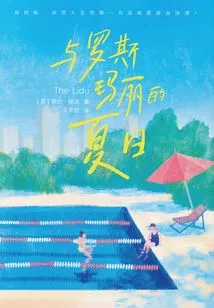
Summer with Rosemary
General Fiction与罗斯玛丽的夏日
(uk) Libby Page
This is a story about choosing a big city or returning to your hometown; it is also a story about how to work hard to be good and make progress in a big city. 26-Year-old Kate came to London with the dream of being a journalist, but she could only write scraps about cats and dogs in community tabloids. Confusion, anxiety, and low self-esteem filled her strong yet fragile heart. 86-Year-old Rosemary is a native of Old London. Everyone she loves has left this world one after another, leaving her alone and monotonously repeating every day. A swimming pool that is about to be closed makes Kate and Rosemary become year-round friends who hug each other for warmth. They connected people with different identities, skin colors, and personalities in the community to save this "secret paradise" that once relieved them of fatigue and brought joy. Although everyone has their own confusions and troubles in life, if everyone works together, ordinary people can do great things.
This is a story about choosing a big city or returning to your hometown; it is also a story about how to work hard to be good and make progress in a big city. 26-Year-old Kate came to London with the dream of being a journalist, but she could only write scraps about cats and dogs in community tabloids. Confusion, anxiety, and low self-esteem filled her strong yet fragile heart. 86-Year-old Rosemary is a native of Old London. Everyone she loves has left this world one after another, leaving her alone and monotonously repeating every day. A swimming pool that is about to be closed makes Kate and Rosemary become year-round friends who hug each other for warmth. They connected people with different identities, skin colors, and personalities in the community to save this "secret paradise" that once relieved them of fatigue and brought joy. Although everyone has their own confusions and troubles in life, if everyone works together, ordinary people can do great things.
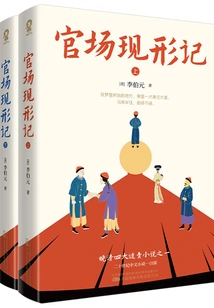
The Appearance of Officialdom (2 Volumes in Total)
General Fiction官场现形记(全2册)
Li Boyuan
"The Appearance of Officialdom" was written by Li Boyuan (also known as Li Baojia) in the late Qing Dynasty. It is one of the "four major condemnation novels" in the late Qing Dynasty. It is also a satirical masterpiece that caused a sensation in society once it was published. The book has sixty chapters in total, connected by more than thirty relatively independent official stories. The book focuses on describing all kinds of dark, ugly and corrupt situations in the officialdom of the late Qing Dynasty. The characters represented include military ministers, governors and governors, admirals, magistrates, magistrates, and miscellaneous officials. They are either dirty and despicable, or ignorant, or corrupt, forming a picture of the ugliness of the late Qing bureaucracy. "The Appearance of Officialdom" is a textbook for ordinary people to understand officialdom, a revelation for officials to alert themselves, and a treasure handed down from generation to generation for the whole society to combat corruption and maintain the integrity and justice of officialdom. It had a profound influence at that time and in later generations, and has an enduring artistic charm.
"The Appearance of Officialdom" was written by Li Boyuan (also known as Li Baojia) in the late Qing Dynasty. It is one of the "four major condemnation novels" in the late Qing Dynasty. It is also a satirical masterpiece that caused a sensation in society once it was published. The book has sixty chapters in total, connected by more than thirty relatively independent official stories. The book focuses on describing all kinds of dark, ugly and corrupt situations in the officialdom of the late Qing Dynasty. The characters represented include military ministers, governors and governors, admirals, magistrates, magistrates, and miscellaneous officials. They are either dirty and despicable, or ignorant, or corrupt, forming a picture of the ugliness of the late Qing bureaucracy. "The Appearance of Officialdom" is a textbook for ordinary people to understand officialdom, a revelation for officials to alert themselves, and a treasure handed down from generation to generation for the whole society to combat corruption and maintain the integrity and justice of officialdom. It had a profound influence at that time and in later generations, and has an enduring artistic charm.

A Poor Young Man
General Fiction一个贫穷的年轻人
(japan) Tetsuzo Fukuzawa
Tokihiro is a third-year student in the Department of Economics. Like all 21-year-old college students, he worked in a convenience store, skipped school, hung out with friends, relied on his parents' financial support, and enjoyed a free life alone in Tokyo without thinking about the future. On this day, he was about to skip school and go back to sleep, but he got a piece of news from his teacher, which was like a bolt from the blue: He was expelled from school because of unpaid tuition fees! The originally ordinary and comfortable life began to slow down. His parents disappeared, his family emptied out, and he was kicked out of the rental house. In just a few days, he lost his student status and financial aid. No money, no job, sleeping in an Internet cafe that costs 100 yen an hour. I thought my life was already miserable, but little did I know that this was just the entrance to a bottomless abyss.
Tokihiro is a third-year student in the Department of Economics. Like all 21-year-old college students, he worked in a convenience store, skipped school, hung out with friends, relied on his parents' financial support, and enjoyed a free life alone in Tokyo without thinking about the future. On this day, he was about to skip school and go back to sleep, but he got a piece of news from his teacher, which was like a bolt from the blue: He was expelled from school because of unpaid tuition fees! The originally ordinary and comfortable life began to slow down. His parents disappeared, his family emptied out, and he was kicked out of the rental house. In just a few days, he lost his student status and financial aid. No money, no job, sleeping in an Internet cafe that costs 100 yen an hour. I thought my life was already miserable, but little did I know that this was just the entrance to a bottomless abyss.
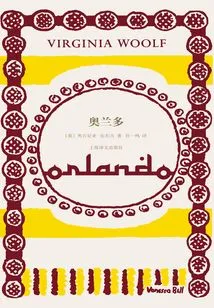
K
General FictionK
H
Woolf's masterpiece, a fictional biography of a great androgynous soul, a feminist classic, and a shocking work about "The Second Sex" from a literary perspective. A strange book that influenced Marquez, Borges, and Janet Vincent. The story of "Orlando" begins in the Elizabethan era in the 16th century and ends in the "present day" when Woolf wrote in 1928, lasting four hundred years. Orlando was originally an aristocratic and beautiful boy, innocent and infatuated with poetry. He entered the court because he was favored by the queen. After King James ascends the throne, the Great Frost comes. Orlando encounters a Russian princess and falls in love, but suffers a double betrayal of literature and love. After a fire in Constantinople, Orlando became a woman and first mingled among the Gypsies, then returned to England and became a noble lady of high society. Entering the Victorian era, Orlando had no choice but to compromise with the spirit of the times in order to continue writing. At the end of the story, Orlando is already a prize-winning poet in the 20th century. She returns to the mansion that runs throughout the book and comes under the big oak tree to review her eternal pursuit of literature and poetry.
Woolf's masterpiece, a fictional biography of a great androgynous soul, a feminist classic, and a shocking work about "The Second Sex" from a literary perspective. A strange book that influenced Marquez, Borges, and Janet Vincent. The story of "Orlando" begins in the Elizabethan era in the 16th century and ends in the "present day" when Woolf wrote in 1928, lasting four hundred years. Orlando was originally an aristocratic and beautiful boy, innocent and infatuated with poetry. He entered the court because he was favored by the queen. After King James ascends the throne, the Great Frost comes. Orlando encounters a Russian princess and falls in love, but suffers a double betrayal of literature and love. After a fire in Constantinople, Orlando became a woman and first mingled among the Gypsies, then returned to England and became a noble lady of high society. Entering the Victorian era, Orlando had no choice but to compromise with the spirit of the times in order to continue writing. At the end of the story, Orlando is already a prize-winning poet in the 20th century. She returns to the mansion that runs throughout the book and comes under the big oak tree to review her eternal pursuit of literature and poetry.
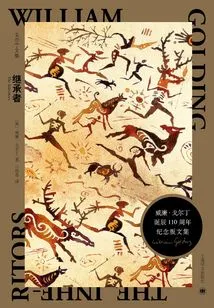
The Successors (collected Works of Golding)
General Fiction继承者(戈尔丁文集)
H
Golding, the winner of the Nobel Prize for Literature, is another masterpiece that explores the darkness of human nature after "Lord of the Flies". The subject matter of the novel focuses on primitive humans, using the perspective of prehistoric Neanderthals to witness the conflict between Neanderthals and Homo sapiens - a profound reflection on the inheritance of human civilization. Nobel Prize winner William Golding considers his most successful work to be even more profound in theme than "Lord of the Flies". The novel tells the story of the arrival of spring, when a small group of primitive Neanderthals returned to their familiar habitat as in previous years. But this year, strange things happened - mysterious sounds and smells, unexplainable acts of violence, and looming, unimaginable creatures hiding behind the leaves. These Neanderthals, their life or death was uncertain, their world hung in the balance. Through their eyes, the story explores the emergence of a new race - ourselves, Homo sapiens - and the catastrophe it brings to ancient races as its dominance continues to strengthen. At the end of the novel, Homo sapiens snatched away a Neanderthal baby, leaving a glimmer of hope that Neanderthals and Homo sapiens once thrived together. The great thing about "The Heirs" is that Golding created a language to express Neanderthals, leading readers to see everything from a Neanderthal perspective, enter the interior of a life, and experience its various senses. At the same time, Golding uses plain, cold and simple language to describe the most solemn cruelty and pain in the world. The progress of human civilization has to pay such a cruel, bloody and moral degradation price.
Golding, the winner of the Nobel Prize for Literature, is another masterpiece that explores the darkness of human nature after "Lord of the Flies". The subject matter of the novel focuses on primitive humans, using the perspective of prehistoric Neanderthals to witness the conflict between Neanderthals and Homo sapiens - a profound reflection on the inheritance of human civilization. Nobel Prize winner William Golding considers his most successful work to be even more profound in theme than "Lord of the Flies". The novel tells the story of the arrival of spring, when a small group of primitive Neanderthals returned to their familiar habitat as in previous years. But this year, strange things happened - mysterious sounds and smells, unexplainable acts of violence, and looming, unimaginable creatures hiding behind the leaves. These Neanderthals, their life or death was uncertain, their world hung in the balance. Through their eyes, the story explores the emergence of a new race - ourselves, Homo sapiens - and the catastrophe it brings to ancient races as its dominance continues to strengthen. At the end of the novel, Homo sapiens snatched away a Neanderthal baby, leaving a glimmer of hope that Neanderthals and Homo sapiens once thrived together. The great thing about "The Heirs" is that Golding created a language to express Neanderthals, leading readers to see everything from a Neanderthal perspective, enter the interior of a life, and experience its various senses. At the same time, Golding uses plain, cold and simple language to describe the most solemn cruelty and pain in the world. The progress of human civilization has to pay such a cruel, bloody and moral degradation price.
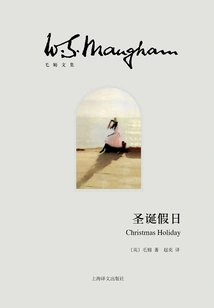
Christmas Holiday (collected Works of Maugham)
General Fiction圣诞假日(毛姆文集)
H
Maugham's masterpiece in the middle of his creative career is hailed as one of his best works, and was praised by Borges as "using a magical pen to fully exert his imagination and combination ability." When he was twenty-three years old, Charlie Mason went to Paris alone for the Christmas holiday, intending to have some fun. Introduced by his childhood friend Simon Fenimo, he met Lydia, a Russian girl with a bizarre and tragic life experience. Lydia's husband killed someone, but she chose to sell herself in a brothel to atone for her husband's sin. In the past few days when the two got together, Lydia explained a lot to Charlie, but he still couldn't understand her behavior. After returning to London, Charlie felt empty and lost. Only one thing happened to the Christmas holiday he had longed for: his world collapsed. "Christmas Vacation" is Maugham's masterpiece in the middle of his creative career and is known as one of his best works. The novel is extremely skillful in character creation. Concepts such as life, art, love, politics, and suffering are all cleverly integrated into the characters' personalities. As Borges said: "This book has many delicate descriptions of scenes and language. Maugham used a magical pen to fully exert his imagination and combination ability."
Maugham's masterpiece in the middle of his creative career is hailed as one of his best works, and was praised by Borges as "using a magical pen to fully exert his imagination and combination ability." When he was twenty-three years old, Charlie Mason went to Paris alone for the Christmas holiday, intending to have some fun. Introduced by his childhood friend Simon Fenimo, he met Lydia, a Russian girl with a bizarre and tragic life experience. Lydia's husband killed someone, but she chose to sell herself in a brothel to atone for her husband's sin. In the past few days when the two got together, Lydia explained a lot to Charlie, but he still couldn't understand her behavior. After returning to London, Charlie felt empty and lost. Only one thing happened to the Christmas holiday he had longed for: his world collapsed. "Christmas Vacation" is Maugham's masterpiece in the middle of his creative career and is known as one of his best works. The novel is extremely skillful in character creation. Concepts such as life, art, love, politics, and suffering are all cleverly integrated into the characters' personalities. As Borges said: "This book has many delicate descriptions of scenes and language. Maugham used a magical pen to fully exert his imagination and combination ability."

Girl, Woman, Other
General Fiction女孩,女人,其他
R
The 2019 Booker Prize-winning work, a talented and sharp-edged masterpiece of contemporary literary realism, has a stunning Chinese version. In a polyphonic way, it narrates the twelve very different adventurous lives of twelve British women who lived in different eras and had different skin colors, personalities and careers. "Girls, Women, Others" is the winning work of the 2019 British Booker Prize. It majesticly depicts a group portrait of black British women: from avant-garde playwrights, to serious and conservative school teachers, to non-binary social media celebrities, they are diverse and full of vitality. Their speeches are precise and dazzling, but they are often ignored by society. This book records all of this in a unique and progressive creative style. The strong realistic style, combined with free verse language, vividly outlines the survival difficulties faced by women in the past century, as well as their breathtaking courage and strength.
The 2019 Booker Prize-winning work, a talented and sharp-edged masterpiece of contemporary literary realism, has a stunning Chinese version. In a polyphonic way, it narrates the twelve very different adventurous lives of twelve British women who lived in different eras and had different skin colors, personalities and careers. "Girls, Women, Others" is the winning work of the 2019 British Booker Prize. It majesticly depicts a group portrait of black British women: from avant-garde playwrights, to serious and conservative school teachers, to non-binary social media celebrities, they are diverse and full of vitality. Their speeches are precise and dazzling, but they are often ignored by society. This book records all of this in a unique and progressive creative style. The strong realistic style, combined with free verse language, vividly outlines the survival difficulties faced by women in the past century, as well as their breathtaking courage and strength.
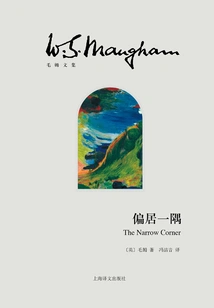
Living in a Corner (collected Works of Maugham)
General Fiction偏居一隅(毛姆文集)
(british) Maugham
A maritime novel full of passion, adventure and conspiracy, Dr. Sanders in "On the Chinese Screen" and Captain Nichols in "The Moon and Sixpence" meet at sea, creating a tragic comedy of human nature that is full of dangers. "What do you believe?" "You really want to know? I don't believe in anything, except myself and my experience. The world is made up of me, my thoughts, and my feelings; everything else is just fantasy." The characters in the novel are all kinds of strange, they just appear, take root and grow in your heart, and gradually acquire appropriate characteristics and place themselves in specific scenes. You think about them from time to time, and sometimes you become so obsessed with them that you can't think of anything else, and then you just write them out so they don't bother you anymore. --Maugham
A maritime novel full of passion, adventure and conspiracy, Dr. Sanders in "On the Chinese Screen" and Captain Nichols in "The Moon and Sixpence" meet at sea, creating a tragic comedy of human nature that is full of dangers. "What do you believe?" "You really want to know? I don't believe in anything, except myself and my experience. The world is made up of me, my thoughts, and my feelings; everything else is just fantasy." The characters in the novel are all kinds of strange, they just appear, take root and grow in your heart, and gradually acquire appropriate characteristics and place themselves in specific scenes. You think about them from time to time, and sometimes you become so obsessed with them that you can't think of anything else, and then you just write them out so they don't bother you anymore. --Maugham
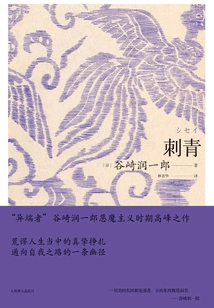
Tattoo (junichiro Tanizaki's Work Series)
General Fiction刺青(谷崎润一郎作品系列)
(japan) Junichiro Tanizaki
"Heretic" Junichiro Tanizaki's masterpiece is the peak of his demonic period. It is a sincere struggle in an absurd life and a secret path leading to the self. Junichiro Tanizaki is a master of Japanese aesthetic literature and one of the representative writers of modern Japanese literature. In 1958, Yukio Mishima recommended Junichiro Tanizaki as a candidate for the Nobel Prize with his works such as "Polygon-Eating Insect". This book contains eight of Tanizaki Junichiro's early representative works: "Tattoo", "Kirin", "Boy", "Devil", "Devil (Continued)", "The Sorrow of the Heretic" and "The Tattered Light", which were created from 1910 to 1911. Over the past eight years, these early works earned him the title of "Demonist", and he was highly praised by Karika Nagai: "Junichiro Tanizaki fully possesses special qualities and skills that no one among the modern writers has."
"Heretic" Junichiro Tanizaki's masterpiece is the peak of his demonic period. It is a sincere struggle in an absurd life and a secret path leading to the self. Junichiro Tanizaki is a master of Japanese aesthetic literature and one of the representative writers of modern Japanese literature. In 1958, Yukio Mishima recommended Junichiro Tanizaki as a candidate for the Nobel Prize with his works such as "Polygon-Eating Insect". This book contains eight of Tanizaki Junichiro's early representative works: "Tattoo", "Kirin", "Boy", "Devil", "Devil (Continued)", "The Sorrow of the Heretic" and "The Tattered Light", which were created from 1910 to 1911. Over the past eight years, these early works earned him the title of "Demonist", and he was highly praised by Karika Nagai: "Junichiro Tanizaki fully possesses special qualities and skills that no one among the modern writers has."
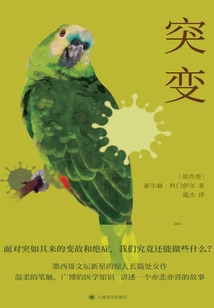
Mutation
General Fiction突变
(mexico) Jorge Comensal
In the face of unexpected "mutations" in life, what else can we do? This astonishing debut novel by a rising star in the Mexican literary world writes about the irresistible dilemmas of life in a relaxed and humorous way, focusing on the health, family, and marriage crises of middle-aged people; tearing apart the truth of life and facing the inner fear: one illness is enough to destroy a middle-aged person. _X000b_ Attorney Ramon Martinez has a successful career, is a traditional family man, and is a staunch atheist. When he had to undergo surgery to lose his tongue and was unable to speak, everything changed, and a silent tragicomedy began. His wife, Carmela, begins to argue daily with her husband who cannot answer her; two adolescent children are forced to face new situations, each struggling with overeating and masturbation; Ramon's melancholy oncologist cannot forget a young patient he cannot save; and a selfish pathologist believes that Ramon's tumor is the key to a major medical breakthrough. One day, the maid brought a foul-mouthed parrot as a birthday gift to Ramon. Ramon discovered that he could communicate with the parrot better than anyone around him - it could curse and shout out everything Ramon could not. It thus becomes Ramon's companion, confidant, and incredible doppelgänger. "Mutation" pays tribute to the works of predecessors such as Sontag, Didion, Flaubert and Tolstoy. It boldly writes about an unspeakable and universal reality, with a rugged poetry tinged with regret, anger, and ultimately resignation, and offers a profound and entertaining cross-section of contemporary Mexican life.
In the face of unexpected "mutations" in life, what else can we do? This astonishing debut novel by a rising star in the Mexican literary world writes about the irresistible dilemmas of life in a relaxed and humorous way, focusing on the health, family, and marriage crises of middle-aged people; tearing apart the truth of life and facing the inner fear: one illness is enough to destroy a middle-aged person. _X000b_ Attorney Ramon Martinez has a successful career, is a traditional family man, and is a staunch atheist. When he had to undergo surgery to lose his tongue and was unable to speak, everything changed, and a silent tragicomedy began. His wife, Carmela, begins to argue daily with her husband who cannot answer her; two adolescent children are forced to face new situations, each struggling with overeating and masturbation; Ramon's melancholy oncologist cannot forget a young patient he cannot save; and a selfish pathologist believes that Ramon's tumor is the key to a major medical breakthrough. One day, the maid brought a foul-mouthed parrot as a birthday gift to Ramon. Ramon discovered that he could communicate with the parrot better than anyone around him - it could curse and shout out everything Ramon could not. It thus becomes Ramon's companion, confidant, and incredible doppelgänger. "Mutation" pays tribute to the works of predecessors such as Sontag, Didion, Flaubert and Tolstoy. It boldly writes about an unspeakable and universal reality, with a rugged poetry tinged with regret, anger, and ultimately resignation, and offers a profound and entertaining cross-section of contemporary Mexican life.
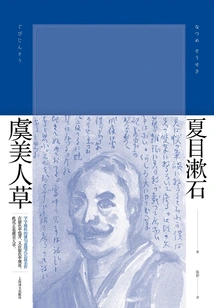
Poppy (natsume Soseki's Work Series)
General Fiction虞美人草(夏目漱石作品系列)
H
Natsume Soseki's unique and gorgeous work is a long masterpiece of haiku written in a series of beautiful words. It is a confrontation between modernity and classics, and the confrontation between glitz and simplicity. Blooming in silver, and fading in silver. This flower is poppy poppy. In Japan after the Meiji Restoration, amidst the tremendous social changes, the confrontation between tradition and modernity, morality and utilitarianism was extremely fierce. A group of young men and women each chose a different life: the poet Ono was born in poverty, and he was extremely vain and tried to completely change his life by marrying a rich girl; the philosophy graduate Kono was world-weary and pessimistic, and decided to leave the hypocritical family; the beautiful but arrogant rich girl Fujio hoped to get rid of her original engagement and find another good relationship... In the end, these young people met their unexpected but reasonable endings. In the last chapter of the novel, on the silver screen in the deceased Fujio's room, there is a poppy with verdigris stems and red and purple petals, which "blooms in silver and withers in silver", gorgeous but disillusioned. Natsume Soseki took this flower as his title and used it as a metaphor for people. People are "busy making trade-offs between this way of living and that way of living." They are satisfied with the comedy of existence full of frolic, noise, deception, contempt, and trampling, but ignore the great tragedy of life under the decline of morality.
Natsume Soseki's unique and gorgeous work is a long masterpiece of haiku written in a series of beautiful words. It is a confrontation between modernity and classics, and the confrontation between glitz and simplicity. Blooming in silver, and fading in silver. This flower is poppy poppy. In Japan after the Meiji Restoration, amidst the tremendous social changes, the confrontation between tradition and modernity, morality and utilitarianism was extremely fierce. A group of young men and women each chose a different life: the poet Ono was born in poverty, and he was extremely vain and tried to completely change his life by marrying a rich girl; the philosophy graduate Kono was world-weary and pessimistic, and decided to leave the hypocritical family; the beautiful but arrogant rich girl Fujio hoped to get rid of her original engagement and find another good relationship... In the end, these young people met their unexpected but reasonable endings. In the last chapter of the novel, on the silver screen in the deceased Fujio's room, there is a poppy with verdigris stems and red and purple petals, which "blooms in silver and withers in silver", gorgeous but disillusioned. Natsume Soseki took this flower as his title and used it as a metaphor for people. People are "busy making trade-offs between this way of living and that way of living." They are satisfied with the comedy of existence full of frolic, noise, deception, contempt, and trampling, but ignore the great tragedy of life under the decline of morality.
Ag
General Fictionag
H
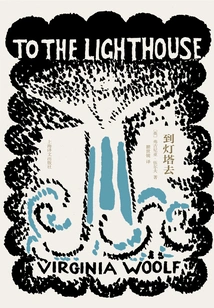
Woolf's representative work is also a representative work of stream-of-consciousness writing. It has a profound impact on the history of literature. It uses rich and exquisite literary techniques and is full of artistic color. Mr. Qu Shijing's classic translation. "To the Lighthouse" is a work written by Woolf in 1927. It is a quasi-autobiographical stream-of-consciousness novel that has a profound influence on the history of literature. The novel describes the life of Professor Ramsay's family and a few close friends on vacation on a Scottish island after the First World War. In this novel with a very simple plot, the author explores the meaning of life and the nature of the self, pointing out that it is possible for the self to escape the clutches of the endless passage of time and survive forever despite the threat of death. The light at the top of the lighthouse symbolizes the light of Mrs. Ramsay's soul. This book's use of literary techniques is rich and exquisite. Whether it is psychological description, perspective switching, or stream of consciousness techniques, they are all full of artistic color and are amazing to read.
Woolf's representative work is also a representative work of stream-of-consciousness writing. It has a profound impact on the history of literature. It uses rich and exquisite literary techniques and is full of artistic color. Mr. Qu Shijing's classic translation. "To the Lighthouse" is a work written by Woolf in 1927. It is a quasi-autobiographical stream-of-consciousness novel that has a profound influence on the history of literature. The novel describes the life of Professor Ramsay's family and a few close friends on vacation on a Scottish island after the First World War. In this novel with a very simple plot, the author explores the meaning of life and the nature of the self, pointing out that it is possible for the self to escape the clutches of the endless passage of time and survive forever despite the threat of death. The light at the top of the lighthouse symbolizes the light of Mrs. Ramsay's soul. This book's use of literary techniques is rich and exquisite. Whether it is psychological description, perspective switching, or stream of consciousness techniques, they are all full of artistic color and are amazing to read.

Key (series by Junichiro Tanizaki)
General Fiction钥匙(谷崎润一郎作品系列)
H
Junichiro Tanizaki's demonic aesthetic masterpiece, a key opens the door of desire, the secret and tortuous love relationship between the sexes, and the undercurrent of an oriental family... "The Key" is a masterpiece by Japanese writer Junichiro Tanizaki. The text is based on the diaries of a middle-aged couple. It is equivalent to a record of a couple's life from a dual perspective. The privacy, speculation, inducement, and secret fighting between the couple, through the four-corner relationship joined by the daughter and the prospective son-in-law, finally lead to the conspiratorial ending of the husband's death due to stimulation. This diary-style novel is a plot designed for desire written by Junichiro Tanizaki in the 1950s. It has become a classic work depicting human desires. It is unique in terms of subject matter, structure, and dramatic tension of novel art.
Junichiro Tanizaki's demonic aesthetic masterpiece, a key opens the door of desire, the secret and tortuous love relationship between the sexes, and the undercurrent of an oriental family... "The Key" is a masterpiece by Japanese writer Junichiro Tanizaki. The text is based on the diaries of a middle-aged couple. It is equivalent to a record of a couple's life from a dual perspective. The privacy, speculation, inducement, and secret fighting between the couple, through the four-corner relationship joined by the daughter and the prospective son-in-law, finally lead to the conspiratorial ending of the husband's death due to stimulation. This diary-style novel is a plot designed for desire written by Junichiro Tanizaki in the 1950s. It has become a classic work depicting human desires. It is unique in terms of subject matter, structure, and dramatic tension of novel art.
Heroes and Graves
General Fiction英雄与坟墓
Ae
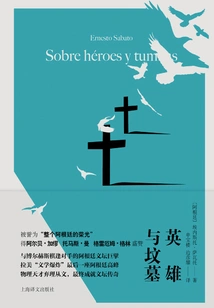
The Argentine literary giant who rivaled Borges is the last Argentine peak in Latin America's "literary explosion"! The novel "Heroes and Graves" was first published in 1961 and was a milestone in the literary career of the famous Argentine writer Ernesto Salvatore. Salvatore wrote a lot of works throughout his life, but his novels only included the "Trilogy of Psychological Novels". The content of the three works ("The Tunnel", "The Hero and the Tomb" and "Abaddon the Destroyer") are nested in each other, and each of them can be called a classic. Among them, "The Hero and the Tomb" has the highest literary and artistic achievements. "Heroes and Graves" is hailed as the best Argentine novel of the 20th century and one of the greatest Spanish-language literary works of all time. It adopts a multi-line parallel narrative technique. In addition to the twists and turns of sadomasochism in which Alejandra and Martin met, fell in love, and fell in love with each other, the cruel struggle between General Lavalle and the dictator Rosas, and the tragic process of finally escaping to Bolivia, the book also intersperses the author's knowledge of literature, art, science, philosophy, psychology, etc., Showing the author's extensive reading interests and profound knowledge. The entire work is all-encompassing in content and intricate in structure, fully embodying the author's worldview and literary outlook, and has extremely high literary and artistic value.
The Argentine literary giant who rivaled Borges is the last Argentine peak in Latin America's "literary explosion"! The novel "Heroes and Graves" was first published in 1961 and was a milestone in the literary career of the famous Argentine writer Ernesto Salvatore. Salvatore wrote a lot of works throughout his life, but his novels only included the "Trilogy of Psychological Novels". The content of the three works ("The Tunnel", "The Hero and the Tomb" and "Abaddon the Destroyer") are nested in each other, and each of them can be called a classic. Among them, "The Hero and the Tomb" has the highest literary and artistic achievements. "Heroes and Graves" is hailed as the best Argentine novel of the 20th century and one of the greatest Spanish-language literary works of all time. It adopts a multi-line parallel narrative technique. In addition to the twists and turns of sadomasochism in which Alejandra and Martin met, fell in love, and fell in love with each other, the cruel struggle between General Lavalle and the dictator Rosas, and the tragic process of finally escaping to Bolivia, the book also intersperses the author's knowledge of literature, art, science, philosophy, psychology, etc., Showing the author's extensive reading interests and profound knowledge. The entire work is all-encompassing in content and intricate in structure, fully embodying the author's worldview and literary outlook, and has extremely high literary and artistic value.
The Blind Assassin (translation Classic)
General Fiction盲刺客(译文经典)
H
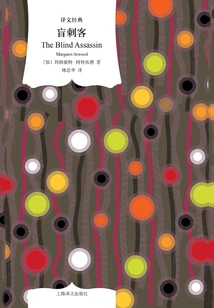
Margaret Atwood, the author of "The Handmaid's Tale" is a representative work, and Ferrante, the author of "My Brilliant Girlfriend", recommends a must-read list for women. "The Blind Assassin" is Atwood's novel published in 2000. It was also her first work to win the Booker Prize. She had been shortlisted three times before and finally won the award for this book. The novel is grand in length, ingenious in conception, and skillful in writing techniques. It is a landmark work in which Atwood's personal creation has entered a mature stage. The novel tells the story of the different encounters of two women in the Chase family. Through layers of nested narratives, in the interweaving of fiction and reality, it gradually reveals the truth that has been obscured by memories. It also reveals the complex inner world of women in modern society and their very different moods when facing the male-dominated external world. At the same time, the writer uses these cyclical narrative voices to skillfully switch between a variety of seemingly disparate literary styles, boldly expanding the narrative mode of the novel, and constantly breaking through the boundaries of imagination. The novel's psychological and emotional descriptions of the characters are detailed and in-depth, and its narrative language is full of poetry and beauty. It is ultimately presented as a rare masterpiece.
Margaret Atwood, the author of "The Handmaid's Tale" is a representative work, and Ferrante, the author of "My Brilliant Girlfriend", recommends a must-read list for women. "The Blind Assassin" is Atwood's novel published in 2000. It was also her first work to win the Booker Prize. She had been shortlisted three times before and finally won the award for this book. The novel is grand in length, ingenious in conception, and skillful in writing techniques. It is a landmark work in which Atwood's personal creation has entered a mature stage. The novel tells the story of the different encounters of two women in the Chase family. Through layers of nested narratives, in the interweaving of fiction and reality, it gradually reveals the truth that has been obscured by memories. It also reveals the complex inner world of women in modern society and their very different moods when facing the male-dominated external world. At the same time, the writer uses these cyclical narrative voices to skillfully switch between a variety of seemingly disparate literary styles, boldly expanding the narrative mode of the novel, and constantly breaking through the boundaries of imagination. The novel's psychological and emotional descriptions of the characters are detailed and in-depth, and its narrative language is full of poetry and beauty. It is ultimately presented as a rare masterpiece.

Ribbon
General Fiction丝带
G
The young girl Skylark and her grandmother Sumire are not blood related, but they unexpectedly hit it off, and they are like friends with a deep friendship that transcends age. Grandma Pansy likes to observe birds. She likes to drink sweet coffee on the terrace and use telescopes to observe various birds near her home. The skylark was influenced and likes birds as much as her grandmother. One day, the grandfather and grandson accidentally discovered three small bird eggs. They regarded them as treasures and decided to hatch them. Skylark and Sumire took care of the eggs carefully, not daring to relax day and night. In the end, only one of the three eggs hatched into a small yellow bird, which was a cute little parrot. Skylark gently held it in his hand, and they gave it a nice name - Ribbon. Later, the ribbon gradually grew up and became more and more lively and cute. Skylark and Sumire loved it very much. Unexpectedly, one day, Sumire forgot to close the birdcage and the door when she was cleaning the room. The grown-up Ribbon spread its wings and flew away, leaving home and the kind-hearted grandfather and grandson. The story also unfolds...
The young girl Skylark and her grandmother Sumire are not blood related, but they unexpectedly hit it off, and they are like friends with a deep friendship that transcends age. Grandma Pansy likes to observe birds. She likes to drink sweet coffee on the terrace and use telescopes to observe various birds near her home. The skylark was influenced and likes birds as much as her grandmother. One day, the grandfather and grandson accidentally discovered three small bird eggs. They regarded them as treasures and decided to hatch them. Skylark and Sumire took care of the eggs carefully, not daring to relax day and night. In the end, only one of the three eggs hatched into a small yellow bird, which was a cute little parrot. Skylark gently held it in his hand, and they gave it a nice name - Ribbon. Later, the ribbon gradually grew up and became more and more lively and cute. Skylark and Sumire loved it very much. Unexpectedly, one day, Sumire forgot to close the birdcage and the door when she was cleaning the room. The grown-up Ribbon spread its wings and flew away, leaving home and the kind-hearted grandfather and grandson. The story also unfolds...
The Anguish of a Middle-aged Man (joseph Heller)
General Fiction一个中年男子的苦闷(约瑟夫·海勒作品)
H
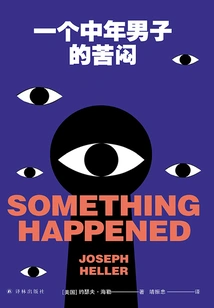
Bob Slocum's life exemplifies the American Dream. He is a middle-level manager in a large company, a husband and father of three children in a middle-class family, living a prosperous life and having a steady stream of lovers. His life is stable and orderly, he follows the rules, and society demands that he be happy-or at least pretend to be. But the pretense is getting harder and harder. Slocum's heart was filled with unhappiness, which gradually deteriorated into desolation and fear, until one day, something happened.
Bob Slocum's life exemplifies the American Dream. He is a middle-level manager in a large company, a husband and father of three children in a middle-class family, living a prosperous life and having a steady stream of lovers. His life is stable and orderly, he follows the rules, and society demands that he be happy-or at least pretend to be. But the pretense is getting harder and harder. Slocum's heart was filled with unhappiness, which gradually deteriorated into desolation and fear, until one day, something happened.

Borges and Me: an Encounter
General Fiction博尔赫斯与我:一场邂逅
(us) Jay Parini
Scotland, 1971. Jay Parini has not yet embarked on the path of being a writer. He is still studying for a doctorate in literature, and is worried about his thesis, love, parents' expectations, and future career. At this time, he received a task: to take care of a "visiting Latin American writer." And this writer is Borges, one of the greatest writers of the 20th century. He is blind and relies on an ivory-handled cane to find his way around. So, at the request of the master who came from afar, the 22-year-old Parini drove into his old car, took the 72-year-old Borges, who talked endlessly, and traveled through the wilderness scenery of the Scottish Highlands, embarking on a road trip full of twists and turns and whims. Through the eyes of this young apprentice, Borges "saw" the magnificent mountains, rivers and lakes. He recited the literary encyclopedia in his mind, and also talked about family and marriage outside of literature. Sometimes he was so stubborn that he annoyed Parini, and occasionally he showed vulnerability. In the end, under the dazzling light cast by a generation of great masters, the young Parini made a new judgment on his life. "The only thing I know for sure is that after meeting Borges, my way of existing in the world will never be the same again." - Jay Parini
Scotland, 1971. Jay Parini has not yet embarked on the path of being a writer. He is still studying for a doctorate in literature, and is worried about his thesis, love, parents' expectations, and future career. At this time, he received a task: to take care of a "visiting Latin American writer." And this writer is Borges, one of the greatest writers of the 20th century. He is blind and relies on an ivory-handled cane to find his way around. So, at the request of the master who came from afar, the 22-year-old Parini drove into his old car, took the 72-year-old Borges, who talked endlessly, and traveled through the wilderness scenery of the Scottish Highlands, embarking on a road trip full of twists and turns and whims. Through the eyes of this young apprentice, Borges "saw" the magnificent mountains, rivers and lakes. He recited the literary encyclopedia in his mind, and also talked about family and marriage outside of literature. Sometimes he was so stubborn that he annoyed Parini, and occasionally he showed vulnerability. In the end, under the dazzling light cast by a generation of great masters, the young Parini made a new judgment on his life. "The only thing I know for sure is that after meeting Borges, my way of existing in the world will never be the same again." - Jay Parini
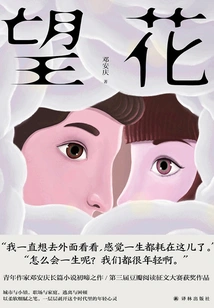
Looking at Flowers
General Fiction望花
Deng Anqing
Graduate Zhang Yunsong finally got a copywriting job in an advertising company, but the unfamiliar and complicated workplace rules and the sudden drop in economic pressure made him gradually depressed. Until he was on a business trip to a small town named Wanghua, where he met Zhao Juan, a girl who had to stay in the town due to family pressure. Two young people who also longed to escape were surprised by their similarities to each other. They got closer and closer amidst hesitation and temptation, but found that an obstacle stood between them...
Graduate Zhang Yunsong finally got a copywriting job in an advertising company, but the unfamiliar and complicated workplace rules and the sudden drop in economic pressure made him gradually depressed. Until he was on a business trip to a small town named Wanghua, where he met Zhao Juan, a girl who had to stay in the town due to family pressure. Two young people who also longed to escape were surprised by their similarities to each other. They got closer and closer amidst hesitation and temptation, but found that an obstacle stood between them...
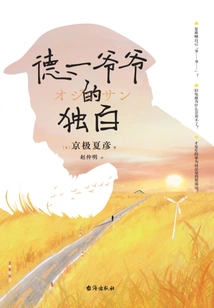
Monologue of Grandpa Deyi
General Fiction德一爷爷的独白
G
After 72-year-old grandfather Deyi retired, he lived alone in an apartment. He was a bit stubborn and would argue many times with the owner of the electrical appliance store over whether to buy a new TV. He is also very willful occasionally and will buy ingredients that he has never tried before and challenge himself to make new dishes. He is also willing to fight against his fading memory - who once affectionately called him "grandpa"? Are teenagers who don't go to school bad kids? Why do things that happened not long ago become distant in my memory? These seemingly trivial questions all require answers, because for him, nothing can be forgotten. Grandpa Deyi lives every day seriously, finds joy in ordinary life, and feels the warmth of the world from getting along with others.
After 72-year-old grandfather Deyi retired, he lived alone in an apartment. He was a bit stubborn and would argue many times with the owner of the electrical appliance store over whether to buy a new TV. He is also very willful occasionally and will buy ingredients that he has never tried before and challenge himself to make new dishes. He is also willing to fight against his fading memory - who once affectionately called him "grandpa"? Are teenagers who don't go to school bad kids? Why do things that happened not long ago become distant in my memory? These seemingly trivial questions all require answers, because for him, nothing can be forgotten. Grandpa Deyi lives every day seriously, finds joy in ordinary life, and feels the warmth of the world from getting along with others.
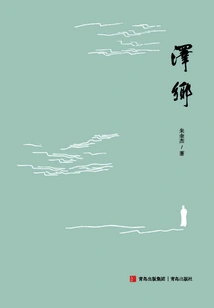
Zexiang
General Fiction泽乡
Zhu Kuijie
This book is in the form of chapters, telling the story of Baili Dawa in the Jiaohe and Jiaolai River areas of Jiaodong, and showing the human emotions and social contradictions before the end of the Qing Dynasty and the beginning of the Republic of China. "Ze Xiang" began to be written in 1905, starting from Li Jincai's escape and settling in Dawa, which led to the cross-description of several clues, connecting multiple events and characters, and allowing many characters to move in the same space and time, forming an encyclopedia-style epic of the late Qing Dynasty society.
This book is in the form of chapters, telling the story of Baili Dawa in the Jiaohe and Jiaolai River areas of Jiaodong, and showing the human emotions and social contradictions before the end of the Qing Dynasty and the beginning of the Republic of China. "Ze Xiang" began to be written in 1905, starting from Li Jincai's escape and settling in Dawa, which led to the cross-description of several clues, connecting multiple events and characters, and allowing many characters to move in the same space and time, forming an encyclopedia-style epic of the late Qing Dynasty society.
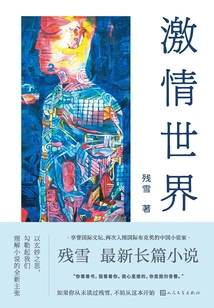
Passionate World
General Fiction激情世界
Can Xue
Five years ago, Heishi, Fei and Li Hai jointly founded the "Pigeon" book club in Mengcheng. They were both single at that time, and reading in their spare time was their greatest pleasure. Later, Uncle Yi, Yan, Yang, Xiao Sang, Xiao Ma, and Han Ma joined in, making the reading club lively. The "Crown" shopping mall reading club and the "Lover" cafe reading club were established one after another. These small reading sessions maintain their mutual emotions. Sometimes reading is a light in the dark night, and sometimes it becomes a refuge. Through reading, they resist pain, understand character problems, and build confidence in life, until they look up from reading, "I really want to love vigorously in reality." Questions follow. The ebb and flow of desires and the uncertainty of people bring them to a new and unknown place. From the temperature of paper to the temperature of a lover, can reading really advance our lives better?
Five years ago, Heishi, Fei and Li Hai jointly founded the "Pigeon" book club in Mengcheng. They were both single at that time, and reading in their spare time was their greatest pleasure. Later, Uncle Yi, Yan, Yang, Xiao Sang, Xiao Ma, and Han Ma joined in, making the reading club lively. The "Crown" shopping mall reading club and the "Lover" cafe reading club were established one after another. These small reading sessions maintain their mutual emotions. Sometimes reading is a light in the dark night, and sometimes it becomes a refuge. Through reading, they resist pain, understand character problems, and build confidence in life, until they look up from reading, "I really want to love vigorously in reality." Questions follow. The ebb and flow of desires and the uncertainty of people bring them to a new and unknown place. From the temperature of paper to the temperature of a lover, can reading really advance our lives better?
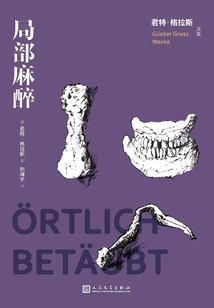
Local Anesthesia
General Fiction局部麻醉
H
"Local Anesthesia" is a novel by Glass. Eberhard Starusch, the former leader of the troublemaking gang in "The Tin Drum" and now a German and history teacher at a middle school in West Berlin, in 1967 collected information on a former Nazi general who attempted to use a sandbox to win the failed World War II after the war. But one thing was pressing for Starusch: One of his favorite students decided to burn his pet dog on one of Berlin's busiest streets to protest the U. S.'S use of napalm in the Vietnam War. Starusch tried to dissuade this move with self-righteous melancholy. Allowing a dentist to treat your teeth became the only symbol of progress: the only way to resist human pain was through local anesthesia.
"Local Anesthesia" is a novel by Glass. Eberhard Starusch, the former leader of the troublemaking gang in "The Tin Drum" and now a German and history teacher at a middle school in West Berlin, in 1967 collected information on a former Nazi general who attempted to use a sandbox to win the failed World War II after the war. But one thing was pressing for Starusch: One of his favorite students decided to burn his pet dog on one of Berlin's busiest streets to protest the U. S.'S use of napalm in the Vietnam War. Starusch tried to dissuade this move with self-righteous melancholy. Allowing a dentist to treat your teeth became the only symbol of progress: the only way to resist human pain was through local anesthesia.
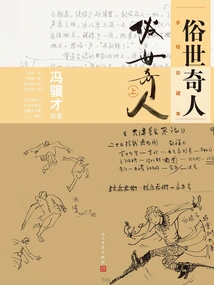
俗世奇人:手绘珍藏本(上)
Painted By Feng Jicai
Tianjin Wei is originally a land and water dock, with residents from all over the place with very different personalities. However, in the hometown of Yanzhao, the blood is strong; the water is salty, the soil is alkaline, and the wind is strong. In the past hundred years or so, China has been the first to bear the brunt of all major disasters, and various weird characters have emerged, not only to show off the upper class, but also among the people. Therefore, I started writing these random thoughts and notes at this time. Each person has an article, each of which is unrelated, and is given the general title of "Strange People in the World". Since the 1990s to the present, Mr. Feng Jicai has created fifty-four short stories in the "Strange People of the World" series. Its style is unified, legendary, full of life, and the characters are vivid. It describes the regional features, customs, and life styles of Tianjin in the late Qing Dynasty and the early Republic of China. It also shows the exquisite skills of our country's folk culture and the wisdom contained in it. Now "The Complete Collection of Wonderful People in the World" has collected it into one book, and exclusively includes the vivid illustrations hand-drawn by Mr. Feng Jicai to present to readers.
Tianjin Wei is originally a land and water dock, with residents from all over the place with very different personalities. However, in the hometown of Yanzhao, the blood is strong; the water is salty, the soil is alkaline, and the wind is strong. In the past hundred years or so, China has been the first to bear the brunt of all major disasters, and various weird characters have emerged, not only to show off the upper class, but also among the people. Therefore, I started writing these random thoughts and notes at this time. Each person has an article, each of which is unrelated, and is given the general title of "Strange People in the World". Since the 1990s to the present, Mr. Feng Jicai has created fifty-four short stories in the "Strange People of the World" series. Its style is unified, legendary, full of life, and the characters are vivid. It describes the regional features, customs, and life styles of Tianjin in the late Qing Dynasty and the early Republic of China. It also shows the exquisite skills of our country's folk culture and the wisdom contained in it. Now "The Complete Collection of Wonderful People in the World" has collected it into one book, and exclusively includes the vivid illustrations hand-drawn by Mr. Feng Jicai to present to readers.
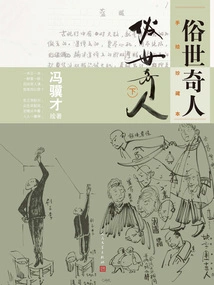
俗世奇人:手绘珍藏本(下)
Painted By Feng Jicai
Tianjin Wei is originally a land and water dock, with residents from all over the place with very different personalities. However, in the hometown of Yanzhao, the blood is strong; the water is salty, the soil is alkaline, and the wind is strong. In the past hundred years or so, China has been the first to bear the brunt of all major disasters, and various weird characters have emerged, not only to show off the upper class, but also among the people. Therefore, I started writing these random thoughts and notes at this time. Each person has an article, each of which is unrelated, and is given the general title of "Strange People in the World". Since the 1990s to the present, Mr. Feng Jicai has created fifty-four short stories in the "Strange People of the World" series. Its style is unified, legendary, full of life, and the characters are vivid. It describes the regional features, customs, and life styles of Tianjin in the late Qing Dynasty and the early Republic of China. It also shows the exquisite skills of our country's folk culture and the wisdom contained in it. Now "The Complete Collection of Wonderful People in the World" has collected it into one book, and exclusively includes the vivid illustrations hand-drawn by Mr. Feng Jicai to present to readers.
Tianjin Wei is originally a land and water dock, with residents from all over the place with very different personalities. However, in the hometown of Yanzhao, the blood is strong; the water is salty, the soil is alkaline, and the wind is strong. In the past hundred years or so, China has been the first to bear the brunt of all major disasters, and various weird characters have emerged, not only to show off the upper class, but also among the people. Therefore, I started writing these random thoughts and notes at this time. Each person has an article, each of which is unrelated, and is given the general title of "Strange People in the World". Since the 1990s to the present, Mr. Feng Jicai has created fifty-four short stories in the "Strange People of the World" series. Its style is unified, legendary, full of life, and the characters are vivid. It describes the regional features, customs, and life styles of Tianjin in the late Qing Dynasty and the early Republic of China. It also shows the exquisite skills of our country's folk culture and the wisdom contained in it. Now "The Complete Collection of Wonderful People in the World" has collected it into one book, and exclusively includes the vivid illustrations hand-drawn by Mr. Feng Jicai to present to readers.

Yun Yangwa
General Fiction云养娃
Ye Mei
Although raising a baby is full of troubles, a life healed by cute babies is the foundation. Only mothers understand mothers, and only cute babies can heal mothers.
Although raising a baby is full of troubles, a life healed by cute babies is the foundation. Only mothers understand mothers, and only cute babies can heal mothers.
Miriam Points
General Fiction米莲分
Ning Is Not Far Away
The fate of women carried by three generations. Is it an escape from life? Or stop living as an escape? Write about the bond between daughter and mother, and the bond between people and hometown. A simple story about self-redemption. My mother, Miriam Fen, was the only tailor in Black Mountain Village and the first woman to ride a motorcycle. She walks fast, is good at making clothes, and likes to grow flowers. I don't know who my dad is, and I don't know what the provincial capital she went to looks like. My neighbor Granny Asi, a Yi woman from Laogao Mountain, married to Heishan Village. Leprosy took away her husband and children. She always took headache powder, slept next to a coffin every night, and dug a grave for herself. My friend Xiubao has a scar on his left hand from cutting pigweed. In order to help her family pay for the childbirth, she sold her braids. After menarche, she ran away and I don't know how she was doing. From the spring, autumn, winter and summer of three generations of women, "I" can only salvage a little bit.
The fate of women carried by three generations. Is it an escape from life? Or stop living as an escape? Write about the bond between daughter and mother, and the bond between people and hometown. A simple story about self-redemption. My mother, Miriam Fen, was the only tailor in Black Mountain Village and the first woman to ride a motorcycle. She walks fast, is good at making clothes, and likes to grow flowers. I don't know who my dad is, and I don't know what the provincial capital she went to looks like. My neighbor Granny Asi, a Yi woman from Laogao Mountain, married to Heishan Village. Leprosy took away her husband and children. She always took headache powder, slept next to a coffin every night, and dug a grave for herself. My friend Xiubao has a scar on his left hand from cutting pigweed. In order to help her family pay for the childbirth, she sold her braids. After menarche, she ran away and I don't know how she was doing. From the spring, autumn, winter and summer of three generations of women, "I" can only salvage a little bit.
Big Game
General Fiction大博弈
Mason Zhou
"The Great Game" describes China's industrial manufacturing under the tide of the times. It revolves around an old factory with a century-old history. It tells the story of a group of entrepreneurs such as Sun Heping who dared to think and dare to work hard and show their swords. "The Great Game" is published by Writers Publishing House. It is another realist masterpiece by Zhou Meisen after "In the Name of the People" and "The People's Property".
"The Great Game" describes China's industrial manufacturing under the tide of the times. It revolves around an old factory with a century-old history. It tells the story of a group of entrepreneurs such as Sun Heping who dared to think and dare to work hard and show their swords. "The Great Game" is published by Writers Publishing House. It is another realist masterpiece by Zhou Meisen after "In the Name of the People" and "The People's Property".
Confusion
General Fiction错乱
(sa) Horacio Castellanos Moya
A virulent writer flees abroad and inexplicably finds himself hired by a church to edit an 1100-page oral archive. What this file records and reveals is the horrific massacre of local indigenous people by the army ten years ago, and it contains the bloody testimonies of many victims. During the editing process, he continued to be intoxicated by the mellow words in the testimony, which were as mellow as Vallejo poetry. From the victim's self-statement, "I'm missing a piece of my brain," to the lament of relatives, "Those houses, they are sad because there is no one in them...", To the most striking thing, "We all know who the murderer is." His consciousness was gradually swallowed up. Like a lamb heading to the sacrificial site, he fell into delirium due to pathological delusions, until he could no longer distinguish between history and reality, and inevitably identified with both the perpetrator and the victim. Correspondingly, he was also in real danger. After all, the executioners of the Holocaust still rule that nameless Latin American country.
A virulent writer flees abroad and inexplicably finds himself hired by a church to edit an 1100-page oral archive. What this file records and reveals is the horrific massacre of local indigenous people by the army ten years ago, and it contains the bloody testimonies of many victims. During the editing process, he continued to be intoxicated by the mellow words in the testimony, which were as mellow as Vallejo poetry. From the victim's self-statement, "I'm missing a piece of my brain," to the lament of relatives, "Those houses, they are sad because there is no one in them...", To the most striking thing, "We all know who the murderer is." His consciousness was gradually swallowed up. Like a lamb heading to the sacrificial site, he fell into delirium due to pathological delusions, until he could no longer distinguish between history and reality, and inevitably identified with both the perpetrator and the victim. Correspondingly, he was also in real danger. After all, the executioners of the Holocaust still rule that nameless Latin American country.
Buddha's Heart
General Fiction佛心
Zhao Xiaoshuang
The novel "Buddha's Heart" uses a Kelsang flower-shaped jade pendant as a clue to tell a mysterious story about the sixth living Buddha Tsangyang Gyatso that took place between remote Tibet and the ancient city in the mainland 60 years ago. What secrets does the "living Buddha" hide in Tibetan culture? What is the inner world of a real "living Buddha"? What kind of past and future lives does the "reincarnation of the Living Buddha" have with a history of 800 years?
The novel "Buddha's Heart" uses a Kelsang flower-shaped jade pendant as a clue to tell a mysterious story about the sixth living Buddha Tsangyang Gyatso that took place between remote Tibet and the ancient city in the mainland 60 years ago. What secrets does the "living Buddha" hide in Tibetan culture? What is the inner world of a real "living Buddha"? What kind of past and future lives does the "reincarnation of the Living Buddha" have with a history of 800 years?
Hidden Business District
General Fiction潜伏商圈
Wen Jian
This book narrates the ups and downs and ups and downs of the protagonist Qiu Feng on his entrepreneurial journey. His entrepreneurial experience is both unique and universal. It can be said that Qiu Feng is the epitome of many intellectuals in the 1980s. Most of them "entered the sea" due to the pressure of life and the changing situation; it cannot be said to be a conscious and spontaneous agreement, or a rash way of life.
This book narrates the ups and downs and ups and downs of the protagonist Qiu Feng on his entrepreneurial journey. His entrepreneurial experience is both unique and universal. It can be said that Qiu Feng is the epitome of many intellectuals in the 1980s. Most of them "entered the sea" due to the pressure of life and the changing situation; it cannot be said to be a conscious and spontaneous agreement, or a rash way of life.
Pingyuanke (collector's Edition)
General Fiction平原客(典藏版)
Li Peifu
The story takes place on the plains of central Henan. Li Delin, a doctor studying in the United States and the country's chief wheat expert, was born and raised in Meiling. He is rooted in and relies on the impact plain at the intersection of Chu and Han. His blood is connected with it, and he has become the most outstanding researcher, sower and harvester in Meiling. The rhythm of his life should have followed the ups and downs of the wheat waves, endlessly, with an endless smooth road in life. If Liu Jinding had not become his student, if Luo Qiuyi could always see the light in his eyes, if there were no Xie Zhichang, no Xu Ercai, no Helian Dongshan... Or even an official career, what would his life be like?
The story takes place on the plains of central Henan. Li Delin, a doctor studying in the United States and the country's chief wheat expert, was born and raised in Meiling. He is rooted in and relies on the impact plain at the intersection of Chu and Han. His blood is connected with it, and he has become the most outstanding researcher, sower and harvester in Meiling. The rhythm of his life should have followed the ups and downs of the wheat waves, endlessly, with an endless smooth road in life. If Liu Jinding had not become his student, if Luo Qiuyi could always see the light in his eyes, if there were no Xie Zhichang, no Xu Ercai, no Helian Dongshan... Or even an official career, what would his life be like?

Pitch Line
General Fiction投档线
Zhang Sheng
A tense, absurd, ups and downs admissions journey! A desert comedy with unique twists and turns! Lao Zhang, the "veteran" in admissions at Dehua University in Shanghai, brought "newcomer" Li Guo to Dunhuang, where they met a team of beautiful teachers from the enemy "Beifei". Teachers from the two schools each had their own special skills and battles of wits and courage. From pre-departure mobilization, enrollment presentations, to phone home visits, the whole process was exciting and exciting. Later, Lao Zhang and Li Guo went beyond the college mentality and came to understand the real needs of the candidates. Based on the actual situation, they recommended more suitable majors and schools for the candidates. After the admissions process has settled, teachers from each school took off their arms and chatted with each other to exchange educational concepts in contemporary colleges and universities. Although there is competition among the schools, they all train talents for the country. Thinking that they can provide practical help for students to apply for volunteers, Lao Zhang and Li Guo returned home happily.
A tense, absurd, ups and downs admissions journey! A desert comedy with unique twists and turns! Lao Zhang, the "veteran" in admissions at Dehua University in Shanghai, brought "newcomer" Li Guo to Dunhuang, where they met a team of beautiful teachers from the enemy "Beifei". Teachers from the two schools each had their own special skills and battles of wits and courage. From pre-departure mobilization, enrollment presentations, to phone home visits, the whole process was exciting and exciting. Later, Lao Zhang and Li Guo went beyond the college mentality and came to understand the real needs of the candidates. Based on the actual situation, they recommended more suitable majors and schools for the candidates. After the admissions process has settled, teachers from each school took off their arms and chatted with each other to exchange educational concepts in contemporary colleges and universities. Although there is competition among the schools, they all train talents for the country. Thinking that they can provide practical help for students to apply for volunteers, Lao Zhang and Li Guo returned home happily.
No. 4, Qingyun Street
General Fiction青云街四号
Hainan
Contemporary writer Hai Nan's breakthrough new work is a gentle book about life and impermanence, memory and forgetting, emotion and healing. "No. 4 Qingyun Street" is a dental clinic. The author sets this place as a narrative field to write about the individual memories and inner anxieties of doctors and patients in the clinic, and to sing about the gains and losses in the fireworks of the world. It uses leaping multi-line parallel narration to poetically connect the fragmented past events with the current life. Through a street scene, it reflects the joys and sorrows of the world, and thus triggers thoughts on the proposition of survival. The heroine in the book, Grandma Cilan, came to Qingyun Street as a youthful escape, and later joined the expeditionary force. After going to Myanmar, she became a nurse and experienced the life and death game on the battlefield. Today, she still lives in her old house on Qingyun Street and reminisces about the past here. The bleakness and brightness of life, the selfishness and kindness of human nature, the fragility and tenacity of life are all in it. This is a gentle book that travels through the field of life and death and soothes the grief of time.
Contemporary writer Hai Nan's breakthrough new work is a gentle book about life and impermanence, memory and forgetting, emotion and healing. "No. 4 Qingyun Street" is a dental clinic. The author sets this place as a narrative field to write about the individual memories and inner anxieties of doctors and patients in the clinic, and to sing about the gains and losses in the fireworks of the world. It uses leaping multi-line parallel narration to poetically connect the fragmented past events with the current life. Through a street scene, it reflects the joys and sorrows of the world, and thus triggers thoughts on the proposition of survival. The heroine in the book, Grandma Cilan, came to Qingyun Street as a youthful escape, and later joined the expeditionary force. After going to Myanmar, she became a nurse and experienced the life and death game on the battlefield. Today, she still lives in her old house on Qingyun Street and reminisces about the past here. The bleakness and brightness of life, the selfishness and kindness of human nature, the fragility and tenacity of life are all in it. This is a gentle book that travels through the field of life and death and soothes the grief of time.
Island Narrative
General Fiction岛叙事
Bao Shi
A new work by Bao Shi, the original author of the movie "My Father and Mother". An octogenarian old man, an inconspicuous southern island, three important historical nodes, witnessed the "magnificent" transformation of a fisherman's island into a tourist attraction. The novel has a large historical capacity and high artistic fullness. It covers a time span of nearly a century in less than 100,000 words. It is small and large, and there is an embarrassing emotional tension permeating between the lines. From the black land of the Northeast to the ocean, the author Bao Shi's perspective on the South and the ocean is obviously different from that of local writers who were born and raised here. This geographical span and cultural difference just provides the author with a unique narrative perspective.
A new work by Bao Shi, the original author of the movie "My Father and Mother". An octogenarian old man, an inconspicuous southern island, three important historical nodes, witnessed the "magnificent" transformation of a fisherman's island into a tourist attraction. The novel has a large historical capacity and high artistic fullness. It covers a time span of nearly a century in less than 100,000 words. It is small and large, and there is an embarrassing emotional tension permeating between the lines. From the black land of the Northeast to the ocean, the author Bao Shi's perspective on the South and the ocean is obviously different from that of local writers who were born and raised here. This geographical span and cultural difference just provides the author with a unique narrative perspective.