Fanqie library
Browse
- Titles
- 1.2k
Every Fanqie book we index, searchable by title, author or tag.
-
 Happiness of Others
The Happiness of Others is a drama collection published by Hu Yepin in 1929. Hu Yepin (May 4, 1903 - February 7, 1931), formerly known as Hu Peiji, was a native of Fuzhou, Fujian. He was a member of the Chinese Left-wing Writers Alliance and one of the Five Martyrs of the Left-wing Alliance. He dropped out of school in his early years and became an apprentice in a gold shop. In 1920, he went to Shanghai to study. In 1924, he participated in editing "People's Literature and Art Weekly" in Beijing
—Reads9.2Score—Shelves
Happiness of Others
The Happiness of Others is a drama collection published by Hu Yepin in 1929. Hu Yepin (May 4, 1903 - February 7, 1931), formerly known as Hu Peiji, was a native of Fuzhou, Fujian. He was a member of the Chinese Left-wing Writers Alliance and one of the Five Martyrs of the Left-wing Alliance. He dropped out of school in his early years and became an apprentice in a gold shop. In 1920, he went to Shanghai to study. In 1924, he participated in editing "People's Literature and Art Weekly" in Beijing
—Reads9.2Score—Shelves
-
 Selected Collection of Lin Huiyin's Letters to Friends
This book selects most of Lin Huiyin's works and a number of letters between Lin Huiyin and his friends.
—Reads8.7Score—Shelves
Selected Collection of Lin Huiyin's Letters to Friends
This book selects most of Lin Huiyin's works and a number of letters between Lin Huiyin and his friends.
—Reads8.7Score—Shelves
-
 Selected Collection of Yu Dafu's Representative Works
A selection of novels and essays such as Yu Dafu's "The Evening with the Spring Breeze". Readers can learn about the society and the master's thoughts at that time through these articles, and learn about the master's life in the articles.
—Reads8.6Score—Shelves
Selected Collection of Yu Dafu's Representative Works
A selection of novels and essays such as Yu Dafu's "The Evening with the Spring Breeze". Readers can learn about the society and the master's thoughts at that time through these articles, and learn about the master's life in the articles.
—Reads8.6Score—Shelves
-
 Golden Rose (Paustovsky Writing Class)
The famous Soviet writer Konstantin Georgievich Paustovsky enjoys the title of "Master of Lyrical Prose". His most famous work is "The Golden Rose". In this collection, Paustovsky summarizes his own creative experience and the creations of many world-renowned literary giants in a very moving way, and discusses the process, methods, and purposes of literary creation. In his unique language, Paustovsky recounted the beautiful human emotions, the picturesque scenery of nature, and the lofty mission
—Reads9.0Score—Shelves
Golden Rose (Paustovsky Writing Class)
The famous Soviet writer Konstantin Georgievich Paustovsky enjoys the title of "Master of Lyrical Prose". His most famous work is "The Golden Rose". In this collection, Paustovsky summarizes his own creative experience and the creations of many world-renowned literary giants in a very moving way, and discusses the process, methods, and purposes of literary creation. In his unique language, Paustovsky recounted the beautiful human emotions, the picturesque scenery of nature, and the lofty mission
—Reads9.0Score—Shelves
-
 The Reader: Teen Edition
This book is a book of the same name of CCTV's "The Long Reader", edited by Dong Qing. The program has wide social influence and good audience reputation. This version relies on the content of the paperback edition of "The Long Reader", and only selects the topic introduction, reading text and comment parts. It relies on the Chinese education syllabus and extracurricular reading guidance for primary and secondary schools, and uses classics and fine products as the selection principle. It does no
—Reads9.3Score—Shelves
The Reader: Teen Edition
This book is a book of the same name of CCTV's "The Long Reader", edited by Dong Qing. The program has wide social influence and good audience reputation. This version relies on the content of the paperback edition of "The Long Reader", and only selects the topic introduction, reading text and comment parts. It relies on the Chinese education syllabus and extracurricular reading guidance for primary and secondary schools, and uses classics and fine products as the selection principle. It does no
—Reads9.3Score—Shelves
-
 Selected Prose of Zheng Zhenduo
"Selected Prose of Zheng Zhenduo" includes works such as "From Rolling Rice to Stepping on Rice" and "The Moon Outside the Golden Liang Bridge is Like Frost".
—Reads8.0Score—Shelves
Selected Prose of Zheng Zhenduo
"Selected Prose of Zheng Zhenduo" includes works such as "From Rolling Rice to Stepping on Rice" and "The Moon Outside the Golden Liang Bridge is Like Frost".
—Reads8.0Score—Shelves
-
 Red and Blue Home Country
The "CPPCC Members Library" series aims to promote members of the CPPCC and preserve and pass on their precious spiritual wealth. This series collects and publishes the essence of the experiences, experiences, research results and works of CPPCC members in their respective fields. This book is one of a series, sorting out and summarizing Commissioner Li Dongdong's achievements in journalism and traditional culture research over the years.
—Reads—Score—Shelves
Red and Blue Home Country
The "CPPCC Members Library" series aims to promote members of the CPPCC and preserve and pass on their precious spiritual wealth. This series collects and publishes the essence of the experiences, experiences, research results and works of CPPCC members in their respective fields. This book is one of a series, sorting out and summarizing Commissioner Li Dongdong's achievements in journalism and traditional culture research over the years.
—Reads—Score—Shelves
-
 The Last Sound of History: the Smokey Past Behind the Letters of Celebrities
The author Ye Yonglie uses first-hand celebrity letters from his own interactions and interviews as a medium to tell the ins and outs of these letters and the unknown stories behind them. Each story is also a close-up of a character, revealing the personal joys and sorrows in the context of the era, and recreating the times hidden in the letters. This not only enriches the reader's knowledge and appreciates the celebrity's style, but also reflects the cultural and historical value contained in t
—Reads9.3Score—Shelves
The Last Sound of History: the Smokey Past Behind the Letters of Celebrities
The author Ye Yonglie uses first-hand celebrity letters from his own interactions and interviews as a medium to tell the ins and outs of these letters and the unknown stories behind them. Each story is also a close-up of a character, revealing the personal joys and sorrows in the context of the era, and recreating the times hidden in the letters. This not only enriches the reader's knowledge and appreciates the celebrity's style, but also reflects the cultural and historical value contained in t
—Reads9.3Score—Shelves
-
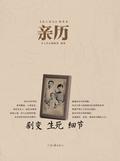 The Essence of "Celebrity Biography": Personal Experience
"Celebrity Biography", a biographical journal, was founded in 1985 and is sponsored by Henan Literature and Art Publishing House. It has been selected into the "Top 100 National Key Social Science Journals" for three consecutive years, won the Nomination Award for the 3rd National Journal Award, and was rated as one of the "Top Ten Magazines with the Highest Reprint Rate in the Country". In 2014, it was named "The Most Beautiful Journal in the Country" and enjoys a high reputation and popularity
—Reads9.1Score—Shelves
The Essence of "Celebrity Biography": Personal Experience
"Celebrity Biography", a biographical journal, was founded in 1985 and is sponsored by Henan Literature and Art Publishing House. It has been selected into the "Top 100 National Key Social Science Journals" for three consecutive years, won the Nomination Award for the 3rd National Journal Award, and was rated as one of the "Top Ten Magazines with the Highest Reprint Rate in the Country". In 2014, it was named "The Most Beautiful Journal in the Country" and enjoys a high reputation and popularity
—Reads9.1Score—Shelves
-
 Talk About Sword Chant
I used to swim on the sea and look eastward at the Three God Mountains. The storm is tens of thousands of miles away, among the vast clouds. Fish and dragons are dancing, and the sun and moon are idle in the sky. There is no trace of the immortals. Xu Fu left and never returned. The spare Penglai Pavilion will be remembered for thousands of years. [1]
—Reads8.1Score—Shelves
Talk About Sword Chant
I used to swim on the sea and look eastward at the Three God Mountains. The storm is tens of thousands of miles away, among the vast clouds. Fish and dragons are dancing, and the sun and moon are idle in the sky. There is no trace of the immortals. Xu Fu left and never returned. The spare Penglai Pavilion will be remembered for thousands of years. [1]
—Reads8.1Score—Shelves
-
 Chronicles of the Ming Dynasty (Free Public Edition)
Ni Zaitian, also named Zixin and Tianfu, nicknamed Tiaocun, was from Jiangdu (now Jiangdu County, Jiangsu Province). Zhu Sheng paid attention to the historical events of the Southern Ming Dynasty and wrote "Yangzhou Imperial Bandits" and so on. "The Chronicles of the Ming Dynasty" is a continuation of "The Chronicles of the Ming Dynasty" and has the same style. Extensive search for historical materials and detailed research. A chronicle of the history of the Southern Ming Dynasty. It is believed
—Reads8.7Score—Shelves
Chronicles of the Ming Dynasty (Free Public Edition)
Ni Zaitian, also named Zixin and Tianfu, nicknamed Tiaocun, was from Jiangdu (now Jiangdu County, Jiangsu Province). Zhu Sheng paid attention to the historical events of the Southern Ming Dynasty and wrote "Yangzhou Imperial Bandits" and so on. "The Chronicles of the Ming Dynasty" is a continuation of "The Chronicles of the Ming Dynasty" and has the same style. Extensive search for historical materials and detailed research. A chronicle of the history of the Southern Ming Dynasty. It is believed
—Reads8.7Score—Shelves
-
 Border Town: Collected Works of Shen Congwen (Classic Edition)
A classic of modern Chinese literature, set in Chadong in western Hunan, it tells the story of the innocent love between the girl Cuicui and the two brothers Tianbao and Nuosong. The novel outlines the natural scenery and simple folk customs of western Hunan, Cuicui's innocence, grandfather's kindness, and the brothers' frankness, forming a peaceful and beautiful rural picture. There is no fierce conflict in the story, but the impermanence of fate is hidden in the dullness, and the "waiting" at
—Reads9.4Score—Shelves
Border Town: Collected Works of Shen Congwen (Classic Edition)
A classic of modern Chinese literature, set in Chadong in western Hunan, it tells the story of the innocent love between the girl Cuicui and the two brothers Tianbao and Nuosong. The novel outlines the natural scenery and simple folk customs of western Hunan, Cuicui's innocence, grandfather's kindness, and the brothers' frankness, forming a peaceful and beautiful rural picture. There is no fierce conflict in the story, but the impermanence of fate is hidden in the dullness, and the "waiting" at
—Reads9.4Score—Shelves
-
 Sixty Kinds of Qushuang Lie Ji
Chinese traditional cultural thoughts have a long history and are highly original, original and literary. The early ideological forms were very distinctive, with extensive and profound contents such as religious theology, Chinese medicine classics, ancient military art, Confucianism, Taoism, Buddhism and hundreds of schools of thought, Feng Shui metaphysics, Twenty-Four Histories, customs and geography, etc. This series of "Original Books on Classic Chinese Studies and Essence Culture" retains t
—Reads8.0Score—Shelves
Sixty Kinds of Qushuang Lie Ji
Chinese traditional cultural thoughts have a long history and are highly original, original and literary. The early ideological forms were very distinctive, with extensive and profound contents such as religious theology, Chinese medicine classics, ancient military art, Confucianism, Taoism, Buddhism and hundreds of schools of thought, Feng Shui metaphysics, Twenty-Four Histories, customs and geography, etc. This series of "Original Books on Classic Chinese Studies and Essence Culture" retains t
—Reads8.0Score—Shelves
-
 Romance of the West Chamber
This album breaks away from the original drama style and uses the most understandable words and the most vivid expressions. It was recorded by multiple people, allowing the audience to immerse themselves in the emotional interpretation of this graceful love story!
—Reads8.2Score—Shelves
Romance of the West Chamber
This album breaks away from the original drama style and uses the most understandable words and the most vivid expressions. It was recorded by multiple people, allowing the audience to immerse themselves in the emotional interpretation of this graceful love story!
—Reads8.2Score—Shelves
-
 Yuewei Cottage Notes (Collector's Edition)
"Yuewei Caotang Notes Complete Collection (Collector's Edition)" is a classical Chinese note-taking novel written by Ji Yun, a famous scholar in the Qing Dynasty, in his later years. It is known as "Strange Stories from a Chinese Studio" by Pu Songling and became very popular. The whole book includes six volumes of "Luanyang Xiaoxia Lu", four volumes of "This is what I heard", four volumes of "Huaixi Magazine", four volumes of "Guwan Tingzhi", and six volumes of "Luanyang Continued Records". It
—Reads8.4Score—Shelves
Yuewei Cottage Notes (Collector's Edition)
"Yuewei Caotang Notes Complete Collection (Collector's Edition)" is a classical Chinese note-taking novel written by Ji Yun, a famous scholar in the Qing Dynasty, in his later years. It is known as "Strange Stories from a Chinese Studio" by Pu Songling and became very popular. The whole book includes six volumes of "Luanyang Xiaoxia Lu", four volumes of "This is what I heard", four volumes of "Huaixi Magazine", four volumes of "Guwan Tingzhi", and six volumes of "Luanyang Continued Records". It
—Reads8.4Score—Shelves
-
 Human Food
This book is a collection of Mr. Wang Zengqi's articles on eating. The main narrative objects include local flavors, home-cooked snacks, folk characteristics, etc. Whether he is talking about potatoes and chestnuts, or about mutton and chive flowers, in his writing, the taste seems to be filled with thoughts, and all the food he has tasted or not tasted has also added a bit of cultural connotation and a touch of leisurely elegance. These are precisely the embodiment of Mr. Wang's spiritual realm
—Reads9.4Score—Shelves
Human Food
This book is a collection of Mr. Wang Zengqi's articles on eating. The main narrative objects include local flavors, home-cooked snacks, folk characteristics, etc. Whether he is talking about potatoes and chestnuts, or about mutton and chive flowers, in his writing, the taste seems to be filled with thoughts, and all the food he has tasted or not tasted has also added a bit of cultural connotation and a touch of leisurely elegance. These are precisely the embodiment of Mr. Wang's spiritual realm
—Reads9.4Score—Shelves
-
 Tongzhi Whoring House
It is said that during the Xianfeng period, there were remnants of the Taiping Heavenly Kingdom in the southern province and the Nien bandits in the northern province. The world was in chaos and the people were in dire straits. Emperor Xianfeng was in love and had no spirit to cheer up. Fortunately, the sky was not full, and the Man family's luck was not ruined. He gave birth to several famous generals and ministers, who came out to help the Man family try their best to quell the chaos.
—Reads9.3Score—Shelves
Tongzhi Whoring House
It is said that during the Xianfeng period, there were remnants of the Taiping Heavenly Kingdom in the southern province and the Nien bandits in the northern province. The world was in chaos and the people were in dire straits. Emperor Xianfeng was in love and had no spirit to cheer up. Fortunately, the sky was not full, and the Man family's luck was not ruined. He gave birth to several famous generals and ministers, who came out to help the Man family try their best to quell the chaos.
—Reads9.3Score—Shelves
-
 A Night of Emerald Green
"A Night in Feilengcui" is a modern poem by Xu Zhimo, a representative poet of the Chinese Crescent School. It was written during his European trip in 1925, in Florence, Italy (known as Feilengcui in ancient times). The poet uses delicate brushstrokes, romantic emotions and musical language to simulate a woman's complex and contradictory psychology on the eve of separation: there is deep attachment, gratitude and happiness to her lover, but also helplessness, pain and sorrow. The emotions are ad
—Reads8.6Score—Shelves
A Night of Emerald Green
"A Night in Feilengcui" is a modern poem by Xu Zhimo, a representative poet of the Chinese Crescent School. It was written during his European trip in 1925, in Florence, Italy (known as Feilengcui in ancient times). The poet uses delicate brushstrokes, romantic emotions and musical language to simulate a woman's complex and contradictory psychology on the eve of separation: there is deep attachment, gratitude and happiness to her lover, but also helplessness, pain and sorrow. The emotions are ad
—Reads8.6Score—Shelves
-
 Oiran
"Zhan Hua Kui" is a traditional Kun Opera play written by Li Yu in the late Ming Dynasty. It tells the story of an oil seller who monopolizes an courtesan. There are twenty-eight stories in total. It tells the love story between Wang Meiniang, a courtesan who is both talented and beautiful, famous in the capital and known as the "Oiran Lady", and Qin Zhong, an oil seller. At first, Meiniang looked down on Qin Zhong's background, but after going through changes, she finally understood the truth t
—Reads9.2Score—Shelves
Oiran
"Zhan Hua Kui" is a traditional Kun Opera play written by Li Yu in the late Ming Dynasty. It tells the story of an oil seller who monopolizes an courtesan. There are twenty-eight stories in total. It tells the love story between Wang Meiniang, a courtesan who is both talented and beautiful, famous in the capital and known as the "Oiran Lady", and Qin Zhong, an oil seller. At first, Meiniang looked down on Qin Zhong's background, but after going through changes, she finally understood the truth t
—Reads9.2Score—Shelves
-
 Collected Works of Wang Rong
Wang Rong (467-493) was a native of Linyi, Qi Langxie in the Southern Dynasties, with a long character. Wang Sengda Sun. Bo She has literary talent. When a scholar is promoted, he is moved to a prince and sacrifices others. Xiao Ziliang, the king of Jingling, was very friendly with him and was one of the "Eight Friends of the West Palace". In order to start a family business, he wrote to Emperor Wu to ask for a self-examination and moved to Secretary Cheng. The emperor was blessed with a fragran
—Reads8.6Score—Shelves
Collected Works of Wang Rong
Wang Rong (467-493) was a native of Linyi, Qi Langxie in the Southern Dynasties, with a long character. Wang Sengda Sun. Bo She has literary talent. When a scholar is promoted, he is moved to a prince and sacrifices others. Xiao Ziliang, the king of Jingling, was very friendly with him and was one of the "Eight Friends of the West Palace". In order to start a family business, he wrote to Emperor Wu to ask for a self-examination and moved to Secretary Cheng. The emperor was blessed with a fragran
—Reads8.6Score—Shelves
-
 Wang Rong's Selected Poems
Wang Rong (467-493) was a native of Linyi, Qi Langxie in the Southern Dynasties, with a long character. Wang Sengda Sun. Bo She has literary talent. When a scholar is promoted, he is moved to a prince and sacrifices others. Xiao Ziliang, the king of Jingling, was very friendly with him and was one of the "Eight Friends of the West Palace". In order to start a family business, he wrote to Emperor Wu to ask for a self-examination and moved to Secretary Cheng. The emperor was blessed with a fragran
—Reads—Score—Shelves
Wang Rong's Selected Poems
Wang Rong (467-493) was a native of Linyi, Qi Langxie in the Southern Dynasties, with a long character. Wang Sengda Sun. Bo She has literary talent. When a scholar is promoted, he is moved to a prince and sacrifices others. Xiao Ziliang, the king of Jingling, was very friendly with him and was one of the "Eight Friends of the West Palace". In order to start a family business, he wrote to Emperor Wu to ask for a self-examination and moved to Secretary Cheng. The emperor was blessed with a fragran
—Reads—Score—Shelves
-
 The Legend of Sansui Pingyao (Original Version by Luo Guanzhong)
The content of this book is against the people's uprising movement and praises the Song Dynasty's suppression of the uprising. However, the narrative also reflects the ferocious greed of the feudal rulers and the corruption in the army at that time from certain angles.
—Reads8.6Score—Shelves
The Legend of Sansui Pingyao (Original Version by Luo Guanzhong)
The content of this book is against the people's uprising movement and praises the Song Dynasty's suppression of the uprising. However, the narrative also reflects the ferocious greed of the feudal rulers and the corruption in the army at that time from certain angles.
—Reads8.6Score—Shelves
-
 Archaeologists Say
This book is revised based on the book "The Other Side of Archeology" published by our agency in 2016. The new book deletes the text that is relatively alien to archaeological work and adds a large number of thematic and professional articles. After the revision, the book is divided into four parts, namely: Looking for Tombs, Talking about Stones, Reading the City, and Investigating Objects. The two parts, "Looking for Tombs" and "Yu Shi", are based on additions, deletions and revisions of the c
—Reads8.6Score—Shelves
Archaeologists Say
This book is revised based on the book "The Other Side of Archeology" published by our agency in 2016. The new book deletes the text that is relatively alien to archaeological work and adds a large number of thematic and professional articles. After the revision, the book is divided into four parts, namely: Looking for Tombs, Talking about Stones, Reading the City, and Investigating Objects. The two parts, "Looking for Tombs" and "Yu Shi", are based on additions, deletions and revisions of the c
—Reads8.6Score—Shelves
-
 Shanglin Fu
Han Fu. Written by Sima Xiangru. The biography of Sima Xiangru in "Historical Records" and "Hanshu" connected "Zixu Fu" and "Shanglin Fu" into one volume. Xiao Tong of the Liang Dynasty in the Southern Dynasty compiled "Selected Works", which was initially divided into two parts. "Zixu Fu" is included in volume 7, and "Shanglin Fu" is included in volume 8. According to "Miscellaneous Notes of Xijing", when Sima Xiangru wrote this poem, "the meaning was scattered and no longer related to foreign
—Reads8.7Score—Shelves
Shanglin Fu
Han Fu. Written by Sima Xiangru. The biography of Sima Xiangru in "Historical Records" and "Hanshu" connected "Zixu Fu" and "Shanglin Fu" into one volume. Xiao Tong of the Liang Dynasty in the Southern Dynasty compiled "Selected Works", which was initially divided into two parts. "Zixu Fu" is included in volume 7, and "Shanglin Fu" is included in volume 8. According to "Miscellaneous Notes of Xijing", when Sima Xiangru wrote this poem, "the meaning was scattered and no longer related to foreign
—Reads8.7Score—Shelves
-
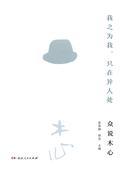 I Am Who I Am Only in the Presence of Strangers: People Say That Mu Xin
During his lifetime, Mu Xin cared very much about readers' reactions to his works. He valued readers and had high hopes for them. Mu Xin has attracted the attention of readers for his outstanding talents and demeanor. What is gathered here is mainly a group of professional readers, such as Chen Zishan, Sun Yu, Tong Ming, etc. They talked about their views on Mu Xin and his works from their own perspectives, and many of them were quite impressive. In addition, there are articles by Chen Yingde, C
—Reads8.8Score—Shelves
I Am Who I Am Only in the Presence of Strangers: People Say That Mu Xin
During his lifetime, Mu Xin cared very much about readers' reactions to his works. He valued readers and had high hopes for them. Mu Xin has attracted the attention of readers for his outstanding talents and demeanor. What is gathered here is mainly a group of professional readers, such as Chen Zishan, Sun Yu, Tong Ming, etc. They talked about their views on Mu Xin and his works from their own perspectives, and many of them were quite impressive. In addition, there are articles by Chen Yingde, C
—Reads8.8Score—Shelves
-
 Du Fu Collection
Collection of Du Fu's works.
—Reads9.0Score—Shelves
Du Fu Collection
Collection of Du Fu's works.
—Reads9.0Score—Shelves
-
 Blizzard
Xiao Hong (1911-1942), a modern Chinese female writer, one of the "Four Talented Women of the Republic of China", was known as the "Literary Goddess of the 1930s". In 1911, he was born into a feudal landlord family in Hulan District, Harbin City, Heilongjiang Province. His mother died when he was young. In 1932, he met Xiao Jun. In 1933, he published his first novel "The Abandoned Child" under the pseudonym Whispering. In 1935, with the support of Lu Xun, he published his famous work "The Field
—Reads8.2Score—Shelves
Blizzard
Xiao Hong (1911-1942), a modern Chinese female writer, one of the "Four Talented Women of the Republic of China", was known as the "Literary Goddess of the 1930s". In 1911, he was born into a feudal landlord family in Hulan District, Harbin City, Heilongjiang Province. His mother died when he was young. In 1932, he met Xiao Jun. In 1933, he published his first novel "The Abandoned Child" under the pseudonym Whispering. In 1935, with the support of Lu Xun, he published his famous work "The Field
—Reads8.2Score—Shelves
-
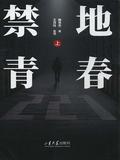 Youth in the Forbidden Land (Part 1)
The story takes place in Qinghai 221 Factory, China's first nuclear weapons development base. By narrating the lives, loves and life experiences of nearly a hundred characters, it vividly shows the arduous, thrilling and little-known historical picture of nuclear weapons development. The three central characters in the work, Wei, Jiang and Lin, met and became close friends through rural social education. Their love entanglements and life experiences have become a vertical thread running through
—Reads9.5Score—Shelves
Youth in the Forbidden Land (Part 1)
The story takes place in Qinghai 221 Factory, China's first nuclear weapons development base. By narrating the lives, loves and life experiences of nearly a hundred characters, it vividly shows the arduous, thrilling and little-known historical picture of nuclear weapons development. The three central characters in the work, Wei, Jiang and Lin, met and became close friends through rural social education. Their love entanglements and life experiences have become a vertical thread running through
—Reads9.5Score—Shelves
-
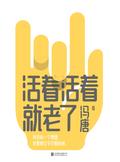 As Long as You Live, You Will Grow Old
"You Will Grow Old While You Live" is a collection of classic essays by Feng Tang who made his debut as a god. It is not pretentious, pretentious, calculating, unreasonable, and has no scruples. Feng Tang frankly talks about all kinds of interesting people, interesting things, and interesting books he met. Everything that allowed him to understand time, cultivate knowledge, and increase wisdom is expressed in this book: youth, love and hate, reading, success, desire, life and other themes. Every
—Reads9.5Score—Shelves
As Long as You Live, You Will Grow Old
"You Will Grow Old While You Live" is a collection of classic essays by Feng Tang who made his debut as a god. It is not pretentious, pretentious, calculating, unreasonable, and has no scruples. Feng Tang frankly talks about all kinds of interesting people, interesting things, and interesting books he met. Everything that allowed him to understand time, cultivate knowledge, and increase wisdom is expressed in this book: youth, love and hate, reading, success, desire, life and other themes. Every
—Reads9.5Score—Shelves
-
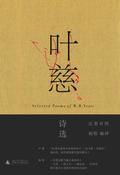 Selected Poems of Yeats
A wonderful encounter between a "poet who regards poetry as his life" and "the greatest English poet of the 20th century". Ye Ci and Yang Mu, famous translations of famous works, are extremely famous.
—Reads7.7Score—Shelves
Selected Poems of Yeats
A wonderful encounter between a "poet who regards poetry as his life" and "the greatest English poet of the 20th century". Ye Ci and Yang Mu, famous translations of famous works, are extremely famous.
—Reads7.7Score—Shelves
-
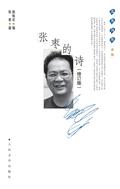 Zhang Zao's Poems (Revised Version) (Blue Star Poetry Library Gold Edition)
"Blue Star Poetry Library·Zhang Zao's Poems" brings together the essence of Zhang Zao's lifelong poetry creations, fully demonstrates the overall style of Zhang Zao's poetry creation, and highlights Zhang Zao's value to the development of poetry as an emerging poet in the new era. Since its publication, the book has reached 30,000 copies, making it the best-selling collection of personal poems published in recent years—of course, it cannot compare to Yu Xiuhua, but I am an exception—there are co
—Reads8.8Score—Shelves
Zhang Zao's Poems (Revised Version) (Blue Star Poetry Library Gold Edition)
"Blue Star Poetry Library·Zhang Zao's Poems" brings together the essence of Zhang Zao's lifelong poetry creations, fully demonstrates the overall style of Zhang Zao's poetry creation, and highlights Zhang Zao's value to the development of poetry as an emerging poet in the new era. Since its publication, the book has reached 30,000 copies, making it the best-selling collection of personal poems published in recent years—of course, it cannot compare to Yu Xiuhua, but I am an exception—there are co
—Reads8.8Score—Shelves
-
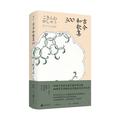 Collection of Ancient and Modern Japanese Songs 300
The Collection of Ancient and Modern Japanese Songs was written in the Heian period and is divided into twenty volumes. It mainly focuses on the two central themes of "Four Seasons" and "Love Songs". The authors are mostly court poets who are good at using artistic techniques to add interest to their poems, and their poetic styles are rich and diverse. This book selects more than 300 famous Waka works of different styles from the thousands of Waka songs in the "Anthology of Ancient and Modern Wa
—Reads8.1Score—Shelves
Collection of Ancient and Modern Japanese Songs 300
The Collection of Ancient and Modern Japanese Songs was written in the Heian period and is divided into twenty volumes. It mainly focuses on the two central themes of "Four Seasons" and "Love Songs". The authors are mostly court poets who are good at using artistic techniques to add interest to their poems, and their poetic styles are rich and diverse. This book selects more than 300 famous Waka works of different styles from the thousands of Waka songs in the "Anthology of Ancient and Modern Wa
—Reads8.1Score—Shelves
-
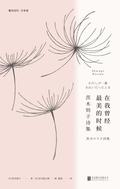 When I Was the Most Beautiful: Collection of Poems by Noriko Ibaraki
"When I Was the Most Beautiful" is the first collection of simplified poetry by Noriko Ibaraki, the most representative female poet in modern Japanese poetry and known as "the eldest daughter of modern Japanese poetry". It includes representative works from different creative periods and shows the different aspects of the poet's heart. The representative works are "Don't Rely on" and "When I Was the Most Beautiful", or set a best-selling record in Japan for poetry collections, or were adapted in
—Reads8.5Score—Shelves
When I Was the Most Beautiful: Collection of Poems by Noriko Ibaraki
"When I Was the Most Beautiful" is the first collection of simplified poetry by Noriko Ibaraki, the most representative female poet in modern Japanese poetry and known as "the eldest daughter of modern Japanese poetry". It includes representative works from different creative periods and shows the different aspects of the poet's heart. The representative works are "Don't Rely on" and "When I Was the Most Beautiful", or set a best-selling record in Japan for poetry collections, or were adapted in
—Reads8.5Score—Shelves
-
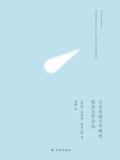 The Universe Comes to Peck at My Hand: Selected Poems of Vidovro (Translation Series of Orpheus Poems)
"The poet is a little god of creation." The Chilean poet Vidovro not only wrote this line of poetry, but also used it as an absolute imperative throughout his life's creation. Vidovro's pursuit of originality remained unchanged throughout his life. He is a "craftsman, an architect of castles in the air, a stubborn alchemist" in Neruda's eyes, and he is the "invisible oxygen" of contemporary Spanish poetry in Paz's mind. As the founder and forerunner of Creacionismo, Vidovro made incomparable con
—Reads8.5Score—Shelves
The Universe Comes to Peck at My Hand: Selected Poems of Vidovro (Translation Series of Orpheus Poems)
"The poet is a little god of creation." The Chilean poet Vidovro not only wrote this line of poetry, but also used it as an absolute imperative throughout his life's creation. Vidovro's pursuit of originality remained unchanged throughout his life. He is a "craftsman, an architect of castles in the air, a stubborn alchemist" in Neruda's eyes, and he is the "invisible oxygen" of contemporary Spanish poetry in Paz's mind. As the founder and forerunner of Creacionismo, Vidovro made incomparable con
—Reads8.5Score—Shelves
-
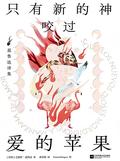 Only New Gods Have Bitten the Apple of Love: the Collected Poems of Neruda
"I like that you are silent" in "Twenty Love Poems and a Song of Despair" has become a famous saying, but the reason why Neruda is Neruda is much more than that. Neruda alone is a lyrical encyclopedia. Similar to his friend Pablo Picasso of the same name, the poet possesses amazing creativity and constantly changes his own style throughout his life, from the sad and charming "Twenty Love Poems and a Song of Despair" to the all-encompassing "Song of Despair". The overall creative style is difficu
—Reads8.1Score—Shelves
Only New Gods Have Bitten the Apple of Love: the Collected Poems of Neruda
"I like that you are silent" in "Twenty Love Poems and a Song of Despair" has become a famous saying, but the reason why Neruda is Neruda is much more than that. Neruda alone is a lyrical encyclopedia. Similar to his friend Pablo Picasso of the same name, the poet possesses amazing creativity and constantly changes his own style throughout his life, from the sad and charming "Twenty Love Poems and a Song of Despair" to the all-encompassing "Song of Despair". The overall creative style is difficu
—Reads8.1Score—Shelves
-
 The Complete Works of Marx and Engels (Volume 1)
The first part of the second edition of "The Complete Works of Marx and Engels" is the writing volume (except "Das Kapital" and its manuscripts), including Volume 1 to Volume 29. Volume 1 contains Marx's writings from 1833 to March 1843. The whole volume is divided into two parts. The first part is doctoral thesis and political articles, and the second part is middle school graduation composition and early literary studies. They reflect the development of Marx's thoughts from his middle school y
—Reads9.2Score—Shelves
The Complete Works of Marx and Engels (Volume 1)
The first part of the second edition of "The Complete Works of Marx and Engels" is the writing volume (except "Das Kapital" and its manuscripts), including Volume 1 to Volume 29. Volume 1 contains Marx's writings from 1833 to March 1843. The whole volume is divided into two parts. The first part is doctoral thesis and political articles, and the second part is middle school graduation composition and early literary studies. They reflect the development of Marx's thoughts from his middle school y
—Reads9.2Score—Shelves
-
 Rootless Tree Word Annotation
Chinese traditional cultural thoughts have a long history and are highly original, original and literary. The early ideological forms were very distinctive, with extensive and profound contents such as religious theology, Chinese medicine classics, ancient military art, Confucianism, Taoism, Buddhism and hundreds of schools of thought, Feng Shui metaphysics, Twenty-Four Histories, customs and geography, etc. This series of "Original Books on Classic Chinese Studies and Essence Culture" retains t
—Reads8.5Score—Shelves
Rootless Tree Word Annotation
Chinese traditional cultural thoughts have a long history and are highly original, original and literary. The early ideological forms were very distinctive, with extensive and profound contents such as religious theology, Chinese medicine classics, ancient military art, Confucianism, Taoism, Buddhism and hundreds of schools of thought, Feng Shui metaphysics, Twenty-Four Histories, customs and geography, etc. This series of "Original Books on Classic Chinese Studies and Essence Culture" retains t
—Reads8.5Score—Shelves
-
 You Have to Be Elegant
In the past, if you listened to your husband's reading, you must be careful not to get up too early. In the past, storytellers did not go there early in the morning, unless it was for the "underground business" of Tianqiao. Usually it is in the afternoon or evening, and the afternoon performance is the official performance. Of course, there are also those who are earlier than this, called "shuo bench leader", or "zao'er" in jargon. There is also a performance at night, that one is called "Leng W
—Reads8.8Score—Shelves
You Have to Be Elegant
In the past, if you listened to your husband's reading, you must be careful not to get up too early. In the past, storytellers did not go there early in the morning, unless it was for the "underground business" of Tianqiao. Usually it is in the afternoon or evening, and the afternoon performance is the official performance. Of course, there are also those who are earlier than this, called "shuo bench leader", or "zao'er" in jargon. There is also a performance at night, that one is called "Leng W
—Reads8.8Score—Shelves
-
 The Ultimate Path Has No Residue: an Interview with Liang Shuming (Historic Collection)
In 1980, two American scholars visited Mr. Liang Shuming across the ocean. Lin Qi was the first (June-July 1980); the other was Ai Kai (August 1980, the book "Will the World Be Better?") Was published. This collection of interviews is both broad and specialized. It basically reviewed the life of Mr. Liang Shuming and told a wonderful life story. He paid special tribute to topics that Liang was particularly concerned about, such as the purpose of the rural construction movement and the essentials
—Reads8.0Score—Shelves
The Ultimate Path Has No Residue: an Interview with Liang Shuming (Historic Collection)
In 1980, two American scholars visited Mr. Liang Shuming across the ocean. Lin Qi was the first (June-July 1980); the other was Ai Kai (August 1980, the book "Will the World Be Better?") Was published. This collection of interviews is both broad and specialized. It basically reviewed the life of Mr. Liang Shuming and told a wonderful life story. He paid special tribute to topics that Liang was particularly concerned about, such as the purpose of the rural construction movement and the essentials
—Reads8.0Score—Shelves
-
 Empty Mountain Spirit Rain
"Spiritual Rain in the Empty Mountain" is a collection of Xu Dishan's early essays, which expounds populism. His sketches are rich in philosophy and have a strong religious color.
—Reads9.5Score—Shelves
Empty Mountain Spirit Rain
"Spiritual Rain in the Empty Mountain" is a collection of Xu Dishan's early essays, which expounds populism. His sketches are rich in philosophy and have a strong religious color.
—Reads9.5Score—Shelves
-
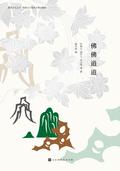 Buddha Buddha Tao Tao
In 1985, Qian Liqun, Huang Ziping, and Chen Pingyuan, known as the "Three Musketeers of Yanyuan", jointly proposed the concept of "20th Century Chinese Literature", advocating a holistic perspective to trace the origins of modern and contemporary Chinese literature to the late Qing Dynasty, and opening up the three periods of "modern literature", "modern literature" and "contemporary literature", which aroused strong response from the academic community. The "Man on Culture Series" is a concrete
—Reads8.0Score—Shelves
Buddha Buddha Tao Tao
In 1985, Qian Liqun, Huang Ziping, and Chen Pingyuan, known as the "Three Musketeers of Yanyuan", jointly proposed the concept of "20th Century Chinese Literature", advocating a holistic perspective to trace the origins of modern and contemporary Chinese literature to the late Qing Dynasty, and opening up the three periods of "modern literature", "modern literature" and "contemporary literature", which aroused strong response from the academic community. The "Man on Culture Series" is a concrete
—Reads8.0Score—Shelves
- The Complete Works of Xiao Hong (Five Volumes in Total) This book contains a total of 5 volumes of all Xiao Hong's creations and letters discovered so far during his lifetime. The collected works are organized according to novels, essays, poems, dramas, letters and other literary genres. The novel part: the short stories are divided into three groups according to the time of publication, and are arranged together with the novellas and novels respectively; the prose part: arranged in the chronological order of public publication, among which the "Shan —Reads9.4Score—Shelves
-
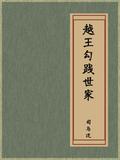 The Family of Goujian, King of Yue
The title of "Historical Records" records the inspirational story of King Gou Jian of Yue who endured hardships and finally destroyed Wu Xueshi, as well as the history of the rise and fall of his descendants.
—Reads8.7Score—Shelves
The Family of Goujian, King of Yue
The title of "Historical Records" records the inspirational story of King Gou Jian of Yue who endured hardships and finally destroyed Wu Xueshi, as well as the history of the rise and fall of his descendants.
—Reads8.7Score—Shelves
-
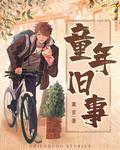 Childhood Events
This is a collection of beautiful essays. The author lovingly narrates the precious past events about his childhood and hometown. The writing is beautiful and the emotions are delicate. The author uses his own growth as the main line and describes the moving past when he was a child in a rural education class, transferred to the county to attend elementary and junior high school, went to high school in other places, and then went to university in a foreign land. It shows the simple, kind, honest
—Reads9.4Score—Shelves
Childhood Events
This is a collection of beautiful essays. The author lovingly narrates the precious past events about his childhood and hometown. The writing is beautiful and the emotions are delicate. The author uses his own growth as the main line and describes the moving past when he was a child in a rural education class, transferred to the county to attend elementary and junior high school, went to high school in other places, and then went to university in a foreign land. It shows the simple, kind, honest
—Reads9.4Score—Shelves
-
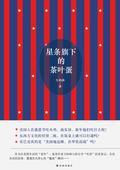 Stars and Stripes Tea Eggs
This collection of essays by columnist and translator Fang Bolin writes about the collision and integration of Chinese and American cultures and national characters, and introduces his experience of American life. The author tells the story through vivid daily life, using the small to see the big, without any suspicion of mechanical comparison. The writing style is witty and humorous, the perspective and thinking are unique, and the writing style is full of spirituality.
—Reads8.1Score—Shelves
Stars and Stripes Tea Eggs
This collection of essays by columnist and translator Fang Bolin writes about the collision and integration of Chinese and American cultures and national characters, and introduces his experience of American life. The author tells the story through vivid daily life, using the small to see the big, without any suspicion of mechanical comparison. The writing style is witty and humorous, the perspective and thinking are unique, and the writing style is full of spirituality.
—Reads8.1Score—Shelves
-
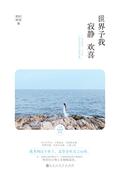 The World Gives Me Silence and Joy
The world is so precious. There are mountains, rivers, vegetation, small bridges and flowing water, there are rice, wheat and millet, it is sunny and cold, there are flowers blooming and falling, and the clouds are rolling and relaxing. I came into this world with joy in my heart. A collection of beautiful articles about how people get along with the world, An encounter with the vegetation, mountains and rivers, and the warmth of all things in the world, An affectionate narrative from life, clos
—Reads8.3Score—Shelves
The World Gives Me Silence and Joy
The world is so precious. There are mountains, rivers, vegetation, small bridges and flowing water, there are rice, wheat and millet, it is sunny and cold, there are flowers blooming and falling, and the clouds are rolling and relaxing. I came into this world with joy in my heart. A collection of beautiful articles about how people get along with the world, An encounter with the vegetation, mountains and rivers, and the warmth of all things in the world, An affectionate narrative from life, clos
—Reads8.3Score—Shelves
-
 Plum Blossom Poem
This work "Plum Blossom Poems" is written by Shao Yong
—Reads8.2Score—Shelves
Plum Blossom Poem
This work "Plum Blossom Poems" is written by Shao Yong
—Reads8.2Score—Shelves
-
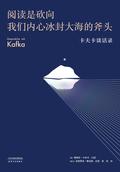 Reading Is an Ax Striking at the Frozen Sea Within Us: Kafka's Conversations
This book is a collection of conversations by Franz Kafka. In 1920, literary young man Janosz first visited Kafka, who was working in an insurance company, and a friendship began between him and his friend. For more than two years, Kafka developed a series of insightful thoughts and expressions around topics such as literature, art, reading, writing, freedom, love, and loneliness, during countless discussions in the office or while walking and chatting in Prague. He used books to build a barrier
—Reads9.4Score—Shelves
Reading Is an Ax Striking at the Frozen Sea Within Us: Kafka's Conversations
This book is a collection of conversations by Franz Kafka. In 1920, literary young man Janosz first visited Kafka, who was working in an insurance company, and a friendship began between him and his friend. For more than two years, Kafka developed a series of insightful thoughts and expressions around topics such as literature, art, reading, writing, freedom, love, and loneliness, during countless discussions in the office or while walking and chatting in Prague. He used books to build a barrier
—Reads9.4Score—Shelves
-
 Stars and Spring Water: Bing Xin's Poetry Collection (Collector's Edition)
"Stars" and "Spring Water" are famous collections of short poems written by Ms. Bing Xin under the influence of the Indian poet Rabindranath Tagore's "Birds". They are also recognized as the greatest achievement of short poems. "Stars" contains a total of 164 short poems, and "Spring Water" is the companion volume of "Stars" and consists of 182 short poems. In "Stars", she sings a hymn of love. Praising maternal love, praising human love, and calling out childlike innocence, she also praises nat
—Reads8.7Score—Shelves
Stars and Spring Water: Bing Xin's Poetry Collection (Collector's Edition)
"Stars" and "Spring Water" are famous collections of short poems written by Ms. Bing Xin under the influence of the Indian poet Rabindranath Tagore's "Birds". They are also recognized as the greatest achievement of short poems. "Stars" contains a total of 164 short poems, and "Spring Water" is the companion volume of "Stars" and consists of 182 short poems. In "Stars", she sings a hymn of love. Praising maternal love, praising human love, and calling out childlike innocence, she also praises nat
—Reads8.7Score—Shelves
-
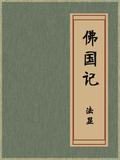 Records of the Kingdom of Buddhism (Free Public Edition Book)
It was originally called "The Biography of Travels to Tianzhu", also known as "The Biography of the Eminent Monk Fa Xian", or simply "The Biography of Fa Xian". Chinese and foreign communication works. Written by Shi Faxian (about 337-about 422) of the Eastern Jin Dynasty. One roll. Faxian's common name was Gong, and he was from Wuyang, Pingyang (now Linfen, Shanxi). He became a novice at the age of three and received the great ordination at the age of twenty. In the third year of Long'an in the
—Reads8.5Score—Shelves
Records of the Kingdom of Buddhism (Free Public Edition Book)
It was originally called "The Biography of Travels to Tianzhu", also known as "The Biography of the Eminent Monk Fa Xian", or simply "The Biography of Fa Xian". Chinese and foreign communication works. Written by Shi Faxian (about 337-about 422) of the Eastern Jin Dynasty. One roll. Faxian's common name was Gong, and he was from Wuyang, Pingyang (now Linfen, Shanxi). He became a novice at the age of three and received the great ordination at the age of twenty. In the third year of Long'an in the
—Reads8.5Score—Shelves