Fanqie library
Browse
- Titles
- 1.6k
Every Fanqie book we index, searchable by title, author or tag.
-
 Collection of Ancient and Modern Affairs and Literature
Class book. Also known as "Shi Wen Lei Ju". Compiled by Zhu Mu, Yuan Fu Dayong, Zhu Yuan and others in the Southern Song Dynasty. Seven episodes, two hundred and thirty-seven volumes. It is compiled in the style of "Art and Literature Collection" and "Beginner's Notes". There are sixty volumes of the first collection, fifty volumes of the second collection, twenty-eight volumes of the sequel, thirty-three volumes of the special collection, thirty-six volumes of the new collection, fifteen volume
—Reads8.0Score—Shelves
Collection of Ancient and Modern Affairs and Literature
Class book. Also known as "Shi Wen Lei Ju". Compiled by Zhu Mu, Yuan Fu Dayong, Zhu Yuan and others in the Southern Song Dynasty. Seven episodes, two hundred and thirty-seven volumes. It is compiled in the style of "Art and Literature Collection" and "Beginner's Notes". There are sixty volumes of the first collection, fifty volumes of the second collection, twenty-eight volumes of the sequel, thirty-three volumes of the special collection, thirty-six volumes of the new collection, fifteen volume
—Reads8.0Score—Shelves
-
 Texts of the Eight Great Masters of the Tang and Song Dynasties
The "Eight Masters of Tang and Song Dynasty Text Notes" edited and selected by Zhang Boxing takes the word "Chunzheng" as the standard. A total of nineteen volumes, including a total of 316 articles by the "Eight Great Masters of the Tang and Song Dynasties" Han Yu, Liu Zongyuan, Ouyang Xiu, Su Xun, Su Shi, Su Che, Zeng Gong and Wang Anshi.
—Reads8.8Score—Shelves
Texts of the Eight Great Masters of the Tang and Song Dynasties
The "Eight Masters of Tang and Song Dynasty Text Notes" edited and selected by Zhang Boxing takes the word "Chunzheng" as the standard. A total of nineteen volumes, including a total of 316 articles by the "Eight Great Masters of the Tang and Song Dynasties" Han Yu, Liu Zongyuan, Ouyang Xiu, Su Xun, Su Shi, Su Che, Zeng Gong and Wang Anshi.
—Reads8.8Score—Shelves
-
 Yuhai
Class book. Compiled by Wang Yinglin of the Southern Song Dynasty. Two hundred volumes. Attached are four volumes of "The Return of Ci Studies" and thirteen works by the author, including "A Study of Poetry" and "A Study of Poetry and Geography". This book is divided into twenty-one chapters, including astronomy, laws and constitutions, geography, imperial lineage, sacred system, art and literature, edicts, etiquette, vehicles and clothing, utensils, suburban rituals, music, schools, elections,
—Reads8.2Score—Shelves
Yuhai
Class book. Compiled by Wang Yinglin of the Southern Song Dynasty. Two hundred volumes. Attached are four volumes of "The Return of Ci Studies" and thirteen works by the author, including "A Study of Poetry" and "A Study of Poetry and Geography". This book is divided into twenty-one chapters, including astronomy, laws and constitutions, geography, imperial lineage, sacred system, art and literature, edicts, etiquette, vehicles and clothing, utensils, suburban rituals, music, schools, elections,
—Reads8.2Score—Shelves
-
 Art and Literature Cluster
This work "Art and Literature Collection" is written by Ouyang Xun
—Reads8.9Score—Shelves
Art and Literature Cluster
This work "Art and Literature Collection" is written by Ouyang Xun
—Reads8.9Score—Shelves
-
 Shuo Wen Jie Zi Annotation
This work "Shuowen Jiezi Annotation" is written by Duan Yucai
—Reads8.6Score—Shelves
Shuo Wen Jie Zi Annotation
This work "Shuowen Jiezi Annotation" is written by Duan Yucai
—Reads8.6Score—Shelves
-
 Taishang Cave Xuan Lingbao's Sutra of Cause and Destiny for Being a Monk
Taishang Cave Xuan Lingbao's Sutra of Causes and Destinations for Monkhood. The author is unknown, probably from the Sui and Tang Dynasties. Talk about fate, karma, and the discipline of becoming a monk. One roll. Original source: "Orthodox Taoist Canon" Dongxuanbu text genre.
—Reads8.2Score—Shelves
Taishang Cave Xuan Lingbao's Sutra of Cause and Destiny for Being a Monk
Taishang Cave Xuan Lingbao's Sutra of Causes and Destinations for Monkhood. The author is unknown, probably from the Sui and Tang Dynasties. Talk about fate, karma, and the discipline of becoming a monk. One roll. Original source: "Orthodox Taoist Canon" Dongxuanbu text genre.
—Reads8.2Score—Shelves
-
 Taishang Cave Xuan Lingbao Tianzun Said the Sutra of Relief of Suffering
Chinese classical religious classics are shining classics and outstanding works in the treasure house of Chinese traditional culture. They are expressed in various forms and reflect the glorious picture of Chinese classical literary works.
—Reads8.0Score—Shelves
Taishang Cave Xuan Lingbao Tianzun Said the Sutra of Relief of Suffering
Chinese classical religious classics are shining classics and outstanding works in the treasure house of Chinese traditional culture. They are expressed in various forms and reflect the glorious picture of Chinese classical literary works.
—Reads8.0Score—Shelves
-
 Life-Saving Book (Free Public Edition Book)
The book of war. The author felt that in the late Ming Dynasty, there were continuous wars and the city defenses were derelict and weak, so he wrote this book in the 35th year of Wanli (1607), hoping that the soldiers could use it to defend the city and protect the people from military harm. The content is mainly focused on city defense, with more than 30 items including city defense matters, matters in case of change, and prevention matters. Including defensive tactics, management of residents'
—Reads8.5Score—Shelves
Life-Saving Book (Free Public Edition Book)
The book of war. The author felt that in the late Ming Dynasty, there were continuous wars and the city defenses were derelict and weak, so he wrote this book in the 35th year of Wanli (1607), hoping that the soldiers could use it to defend the city and protect the people from military harm. The content is mainly focused on city defense, with more than 30 items including city defense matters, matters in case of change, and prevention matters. Including defensive tactics, management of residents'
—Reads8.5Score—Shelves
-
 Plum Blossom Poems (Free Public Edition Book)
The prophetic poems of Shao Yong, a Neo-Confucian scholar in the Northern Song Dynasty, used symbolic techniques to allude to historical changes. They were full of metaphysical color and were interpreted differently by later generations.
—Reads8.5Score—Shelves
Plum Blossom Poems (Free Public Edition Book)
The prophetic poems of Shao Yong, a Neo-Confucian scholar in the Northern Song Dynasty, used symbolic techniques to allude to historical changes. They were full of metaphysical color and were interpreted differently by later generations.
—Reads8.5Score—Shelves
-
 Bamboo Shoots
This work "Bamboo Shoots" is written by Shi Zanning
—Reads7.8Score—Shelves
Bamboo Shoots
This work "Bamboo Shoots" is written by Shi Zanning
—Reads7.8Score—Shelves
-
 Supplement to the Supplement to the Chief Editor of Zizhi Tongjian
Chinese traditional cultural thoughts have a long history and are highly original, original and literary. The early ideological forms were very distinctive, with extensive and profound contents such as religious theology, Chinese medicine classics, ancient military art, Confucianism, Taoism, Buddhism and hundreds of schools of thought, Feng Shui metaphysics, Twenty-Four Histories, customs and geography, etc. This series of "Original Books on Classic Chinese Studies and Essence Culture" retains t
—Reads8.3Score—Shelves
Supplement to the Supplement to the Chief Editor of Zizhi Tongjian
Chinese traditional cultural thoughts have a long history and are highly original, original and literary. The early ideological forms were very distinctive, with extensive and profound contents such as religious theology, Chinese medicine classics, ancient military art, Confucianism, Taoism, Buddhism and hundreds of schools of thought, Feng Shui metaphysics, Twenty-Four Histories, customs and geography, etc. This series of "Original Books on Classic Chinese Studies and Essence Culture" retains t
—Reads8.3Score—Shelves
-
 Shujian
This work "Shu Jian" is written by Guo Juren
—Reads8.2Score—Shelves
Shujian
This work "Shu Jian" is written by Guo Juren
—Reads8.2Score—Shelves
-
 Tongjian Q&A
This work "Tongjian Answers and Questions" was written by Wang Yinglin (1223-1296), courtesy name Bohou, also known as Shenning Jushi and Houzhai, from Yin County, Qingyuan Prefecture (now Yinzhou District, Ningbo City, Zhejiang Province). Famous scholar of Southern Song Dynasty
—Reads7.6Score—Shelves
Tongjian Q&A
This work "Tongjian Answers and Questions" was written by Wang Yinglin (1223-1296), courtesy name Bohou, also known as Shenning Jushi and Houzhai, from Yin County, Qingyuan Prefecture (now Yinzhou District, Ningbo City, Zhejiang Province). Famous scholar of Southern Song Dynasty
—Reads7.6Score—Shelves
-
 Four Hundred Words of Golden Elixir
Ancient Chinese medical works are a shining pearl in the treasure house of Chinese medicine. They have high guiding significance and practical value, and have made significant contributions and far-reaching influences on the development of medicine in later generations.
—Reads8.1Score—Shelves
Four Hundred Words of Golden Elixir
Ancient Chinese medical works are a shining pearl in the treasure house of Chinese medicine. They have high guiding significance and practical value, and have made significant contributions and far-reaching influences on the development of medicine in later generations.
—Reads8.1Score—Shelves
-
 Liu Juanzi's Ghost Recipe (Free Public Edition Book)
This book is a collection of surgical prescriptions from the Southern and Northern Dynasties, focusing on the treatment of sores and carbuncles. It is an important classic of surgical medicine in ancient China.
—Reads8.6Score—Shelves
Liu Juanzi's Ghost Recipe (Free Public Edition Book)
This book is a collection of surgical prescriptions from the Southern and Northern Dynasties, focusing on the treatment of sores and carbuncles. It is an important classic of surgical medicine in ancient China.
—Reads8.6Score—Shelves
-
 Ghost Book
An important work on the historical materials of Yuan Dynasty Zaju. Written by Yuan Zhong Sicheng. It was written in the first year of Zhishun (1330). The oldest extant engraved editions are the appendix to the "Xujiang Collection" compiled by Meng Chengshun in the Ming Dynasty and published by Chongzhen in the Ming Dynasty, with 9 pages remaining today; the Ming manuscripts in the old collection of Tianyi Pavilion; the "Twelve Kinds of Books in the Dongting Collection" edited by Cao Yin in the
—Reads8.1Score—Shelves
Ghost Book
An important work on the historical materials of Yuan Dynasty Zaju. Written by Yuan Zhong Sicheng. It was written in the first year of Zhishun (1330). The oldest extant engraved editions are the appendix to the "Xujiang Collection" compiled by Meng Chengshun in the Ming Dynasty and published by Chongzhen in the Ming Dynasty, with 9 pages remaining today; the Ming manuscripts in the old collection of Tianyi Pavilion; the "Twelve Kinds of Books in the Dongting Collection" edited by Cao Yin in the
—Reads8.1Score—Shelves
-
 King Wu Defeated Zhou Pinghua
King Zhou of Shang Dynasty was extremely talented and powerful, but he fell in love with the beauty of the demon concubine Daji and fell into the abyss of inhumanity! He built wine ponds and meat forests, set up cannons and roasted grass basins, performed dissection to identify babies, knocked bones to examine marrow, and committed such atrocities that shocked the heavens and made people and gods angry! The Marquis of Xibo, Jichang Rende, traveled far and wide, but he was imprisoned for seven ye
—Reads7.8Score—Shelves
King Wu Defeated Zhou Pinghua
King Zhou of Shang Dynasty was extremely talented and powerful, but he fell in love with the beauty of the demon concubine Daji and fell into the abyss of inhumanity! He built wine ponds and meat forests, set up cannons and roasted grass basins, performed dissection to identify babies, knocked bones to examine marrow, and committed such atrocities that shocked the heavens and made people and gods angry! The Marquis of Xibo, Jichang Rende, traveled far and wide, but he was imprisoned for seven ye
—Reads7.8Score—Shelves
-
 Notes on Chapters of the Zhouyi Cantong Contract
This work "Notes on Chapters of the Book of Changes" is written by Chen Zhixu
—Reads8.0Score—Shelves
Notes on Chapters of the Zhouyi Cantong Contract
This work "Notes on Chapters of the Book of Changes" is written by Chen Zhixu
—Reads8.0Score—Shelves
-
 Taishang Huangting Zhongjing Jing
. Also known as "Huang Lao Huang Ting Jing". The original title was annotated by Li Qianlai, the real person of the Qing Yuan Dynasty. One roll. Original source: the first part of "Orthodox Taoist Canon".
—Reads8.0Score—Shelves
Taishang Huangting Zhongjing Jing
Taishang Huangting Zhongjing Jing. Also known as "Huang Lao Huang Ting Jing". The original title was annotated by Li Qianlai, the real person of the Qing Yuan Dynasty. One roll. Original source: the first part of "Orthodox Taoist Canon".
—Reads8.0Score—Shelves
-
 The Meaning of Tongxuan Zhenjing
"Wenzi" is the biography of "Tao Te Ching". Laozi originally wrote the Book of Changes, and Wenzi established it as a pharaoh. Therefore, the way of emperor and prince was invented. Those who want to be kings must be kings of Xixuan; those who want to be the people must be people of Da Ting and Ge Tian. His concern for the world is also profound. Future generations should not study it, or slander each other. Nowadays, Du Gaoshi of Nangu explores Yi Lao's secrets and agrees with the views of Conf
—Reads8.1Score—Shelves
The Meaning of Tongxuan Zhenjing
"Wenzi" is the biography of "Tao Te Ching". Laozi originally wrote the Book of Changes, and Wenzi established it as a pharaoh. Therefore, the way of emperor and prince was invented. Those who want to be kings must be kings of Xixuan; those who want to be the people must be people of Da Ting and Ge Tian. His concern for the world is also profound. Future generations should not study it, or slander each other. Nowadays, Du Gaoshi of Nangu explores Yi Lao's secrets and agrees with the views of Conf
—Reads8.1Score—Shelves
-
 Laozi's Western Ascension Sutra (Imperial Annotation)
This work "The Classic of Laozi's Ascension to the West (Imperial Commentary)" was written by Zhao Ji
—Reads8.1Score—Shelves
Laozi's Western Ascension Sutra (Imperial Annotation)
This work "The Classic of Laozi's Ascension to the West (Imperial Commentary)" was written by Zhao Ji
—Reads8.1Score—Shelves
-
 Taishang Cave God Tiangong Eliminates Demons and Protects the Country.
Taishang Cave God Tiangong eliminates demons and protects the country. The author is unknown, probably dating from the Tang and Song Dynasties. Three volumes. The first volume pretends that Yuanshi Tianzun is preaching to Wuji Zhenren how to eliminate disasters and protect the country. The middle and lower volumes are based on the pretense of the Supreme Master to teach Taoism to Zhenren Yin Xi through the Lu Zhaike, and to persuade people to practice the Tianhe Zhai method to eliminate disaster
—Reads7.8Score—Shelves
Taishang Cave God Tiangong Eliminates Demons and Protects the Country.
Taishang Cave God Tiangong eliminates demons and protects the country. The author is unknown, probably dating from the Tang and Song Dynasties. Three volumes. The first volume pretends that Yuanshi Tianzun is preaching to Wuji Zhenren how to eliminate disasters and protect the country. The middle and lower volumes are based on the pretense of the Supreme Master to teach Taoism to Zhenren Yin Xi through the Lu Zhaike, and to persuade people to practice the Tianhe Zhai method to eliminate disaster
—Reads7.8Score—Shelves
-
 Dongzhen Taishang Ba Su Sutra's Secret Tips for Practicing Karma
Sutra Name: Dongzhen Taishang Ba Su Sutra, the secret of practicing your merits. The author is unknown, probably from the Eastern Jin and Southern Dynasties. It was originally one of the "Eight Sutras" and was later divided into separate lines. One roll. Original source: the first part of "Orthodox Taoist Canon".
—Reads7.9Score—Shelves
Dongzhen Taishang Ba Su Sutra's Secret Tips for Practicing Karma
Sutra Name: Dongzhen Taishang Ba Su Sutra, the secret of practicing your merits. The author is unknown, probably from the Eastern Jin and Southern Dynasties. It was originally one of the "Eight Sutras" and was later divided into separate lines. One roll. Original source: the first part of "Orthodox Taoist Canon".
—Reads7.9Score—Shelves
-
 Emperor Taizu Gao of the Ming Dynasty Commented on the Tao De Zhen
Name of the Sutra: The True Classic of Daode, written by emperor Taizu Gao of the Ming Dynasty. Annotated by Zhu Yuanzhang, Taizu of the Ming Dynasty, it was completed in the seventh year of Hongwu (1374). Note Volume 2, Chapter 67. "History of the Ming Dynasty·Yiwenzhi", "Wanjuantang Bibliography" and "Jiaqutang Bibliography" are all recorded. Zhu Yuanzhang said in his preface, "Since he came to the throne, he has not known the way of the previous philosopher kings. He has stayed at night and d
—Reads8.0Score—Shelves
Emperor Taizu Gao of the Ming Dynasty Commented on the Tao De Zhen
Name of the Sutra: The True Classic of Daode, written by emperor Taizu Gao of the Ming Dynasty. Annotated by Zhu Yuanzhang, Taizu of the Ming Dynasty, it was completed in the seventh year of Hongwu (1374). Note Volume 2, Chapter 67. "History of the Ming Dynasty·Yiwenzhi", "Wanjuantang Bibliography" and "Jiaqutang Bibliography" are all recorded. Zhu Yuanzhang said in his preface, "Since he came to the throne, he has not known the way of the previous philosopher kings. He has stayed at night and d
—Reads8.0Score—Shelves
-
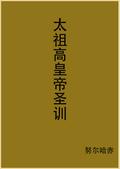 Holy Instructions of Emperor Taizu Gao
The full title is "The Holy Instructions of the Emperor Taizu of the Qing Dynasty, Chengtian Guangyun's Holy Virtue and Divine Deeds, and the Initiation of the Rules of Benevolence, Filial Piety, Rui Wuduanyi, Qin'an, Hongda, Dingye, and Gao". 4 Volumes. It was compiled by imperial decree in the twenty-fifth year of Kangxi's reign (1686). This is a collection of various remarks by Nurhaci on governing the country and ensuring peace of the country, and then arranged in chronological order under t
—Reads7.7Score—Shelves
Holy Instructions of Emperor Taizu Gao
The full title is "The Holy Instructions of the Emperor Taizu of the Qing Dynasty, Chengtian Guangyun's Holy Virtue and Divine Deeds, and the Initiation of the Rules of Benevolence, Filial Piety, Rui Wuduanyi, Qin'an, Hongda, Dingye, and Gao". 4 Volumes. It was compiled by imperial decree in the twenty-fifth year of Kangxi's reign (1686). This is a collection of various remarks by Nurhaci on governing the country and ensuring peace of the country, and then arranged in chronological order under t
—Reads7.7Score—Shelves
-
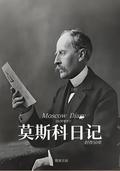 Moscow Diary
"Moscow Diary" is a fascinating book that records what the author saw, heard, and deeply felt when he went deep into Moscow, the capital of the Soviet Union (now Russia). With a unique perspective and keen insight, he presents us with a microcosm of an era. The book not only describes the social landscape and people's lives of the Soviet Union, but also deeply analyzes the character traits of historical figures such as Stalin and Gorky, as well as the political ecology of the Soviet Union at tha
—Reads8.6Score—Shelves
Moscow Diary
"Moscow Diary" is a fascinating book that records what the author saw, heard, and deeply felt when he went deep into Moscow, the capital of the Soviet Union (now Russia). With a unique perspective and keen insight, he presents us with a microcosm of an era. The book not only describes the social landscape and people's lives of the Soviet Union, but also deeply analyzes the character traits of historical figures such as Stalin and Gorky, as well as the political ecology of the Soviet Union at tha
—Reads8.6Score—Shelves
-
 Art of War Essentials
A man who is a good teacher will not fight, and a man who is good at battle will not fight. This statement is intended to create change, and it should be said first and then confirmed. "Military Chronicles" has always determined that to seize the enemy's heart, the victory or defeat will be determined by the front without waiting for the banners and bases to meet, the soldiers and arrows to meet each other. Secondly, we set up a tribe to measure the power and strategies, move first and follow be
—Reads8.6Score—Shelves
Art of War Essentials
A man who is a good teacher will not fight, and a man who is good at battle will not fight. This statement is intended to create change, and it should be said first and then confirmed. "Military Chronicles" has always determined that to seize the enemy's heart, the victory or defeat will be determined by the front without waiting for the banners and bases to meet, the soldiers and arrows to meet each other. Secondly, we set up a tribe to measure the power and strategies, move first and follow be
—Reads8.6Score—Shelves
-
 Huang Di Nei Jing Su Wen an Annotation
[The representative work of Zhang Zhicong, the master of the Qiantang Medical School in the Qing Dynasty and the famous master of traditional Chinese medicine] The book "Collected Commentary on Suwen of the Yellow Emperor's Internal Classic" laid the foundation for the development of traditional Chinese medicine, discussed in detail the relevant contents of human physiology, pathology, diagnosis and treatment, and highlighted ancient philosophical thoughts. A simplified Chinese version was publi
—Reads8.9Score—Shelves
Huang Di Nei Jing Su Wen an Annotation
[The representative work of Zhang Zhicong, the master of the Qiantang Medical School in the Qing Dynasty and the famous master of traditional Chinese medicine] The book "Collected Commentary on Suwen of the Yellow Emperor's Internal Classic" laid the foundation for the development of traditional Chinese medicine, discussed in detail the relevant contents of human physiology, pathology, diagnosis and treatment, and highlighted ancient philosophical thoughts. A simplified Chinese version was publi
—Reads8.9Score—Shelves
-
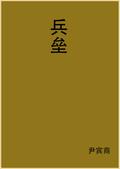 Barracks
It means The Hundred Bags of the Art of War, and the book has seven volumes in total. The ancient art of war is abstractly summarized into thirty-six characters, each character has an independent meaning, and examples of warfare are explained under each character, with a total of three hundred and thirty-seven examples of warfare. This book has the distinctive characteristics of the military books of the Ming and Qing Dynasties, with detailed analysis and a combination of facts. Many of the fine
—Reads8.0Score—Shelves
Barracks
It means The Hundred Bags of the Art of War, and the book has seven volumes in total. The ancient art of war is abstractly summarized into thirty-six characters, each character has an independent meaning, and examples of warfare are explained under each character, with a total of three hundred and thirty-seven examples of warfare. This book has the distinctive characteristics of the military books of the Ming and Qing Dynasties, with detailed analysis and a combination of facts. Many of the fine
—Reads8.0Score—Shelves
-
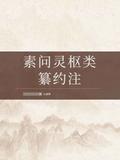 Su Wen Ling Shu Class Compilation Notes
"Suwen Lingshu Lei Zhuan Yue Annotation", also known as "Su Wen Lei Zhuan Yue Annotation", is an ancient Chinese medical work. Three volumes. Written and published in 1689 by Wang Ang of the Qing Dynasty. This book selects the main contents other than acupuncture from the two books "Suwen" and "Lingshu". It is divided into nine chapters: hidden images, meridians, pathogenesis, pulse, diagnosis, luck, treatment, life and death, and miscellaneous treatises. It is briefly annotated with reference t
—Reads8.5Score—Shelves
Su Wen Ling Shu Class Compilation Notes
"Suwen Lingshu Lei Zhuan Yue Annotation", also known as "Su Wen Lei Zhuan Yue Annotation", is an ancient Chinese medical work. Three volumes. Written and published in 1689 by Wang Ang of the Qing Dynasty. This book selects the main contents other than acupuncture from the two books "Suwen" and "Lingshu". It is divided into nine chapters: hidden images, meridians, pathogenesis, pulse, diagnosis, luck, treatment, life and death, and miscellaneous treatises. It is briefly annotated with reference t
—Reads8.5Score—Shelves
-
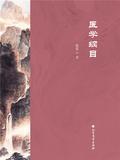 Medical Outline
Chinese traditional cultural thoughts have a long history and are highly original, original and literary. The early ideological forms were very distinctive, with extensive and profound contents such as religious theology, Chinese medicine classics, ancient military art, Confucianism, Taoism, Buddhism and hundreds of schools of thought, Feng Shui metaphysics, Twenty-Four Histories, customs and geography, etc. This series of "Original Books on Classic Chinese Studies and Essence Culture" retains t
—Reads9.3Score—Shelves
Medical Outline
Chinese traditional cultural thoughts have a long history and are highly original, original and literary. The early ideological forms were very distinctive, with extensive and profound contents such as religious theology, Chinese medicine classics, ancient military art, Confucianism, Taoism, Buddhism and hundreds of schools of thought, Feng Shui metaphysics, Twenty-Four Histories, customs and geography, etc. This series of "Original Books on Classic Chinese Studies and Essence Culture" retains t
—Reads9.3Score—Shelves
-
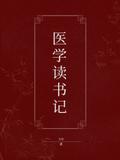 Medical Reading Notes
This book selects the prescriptions created by famous doctors in the past, coupled with their own opinions, the analysis is pertinent, the explanation is thorough, and it is quite practical. Therefore, this book is a valuable clinical reference book of Chinese medicine, which can be read and used by Chinese medicine, traditional Chinese medicine, integrated Chinese and Western medicine, and the majority of Chinese medicine enthusiasts.
—Reads8.4Score—Shelves
Medical Reading Notes
This book selects the prescriptions created by famous doctors in the past, coupled with their own opinions, the analysis is pertinent, the explanation is thorough, and it is quite practical. Therefore, this book is a valuable clinical reference book of Chinese medicine, which can be read and used by Chinese medicine, traditional Chinese medicine, integrated Chinese and Western medicine, and the majority of Chinese medicine enthusiasts.
—Reads8.4Score—Shelves
-
 True Medicine
Ancient Chinese medicine books are a shining pearl in the treasure house of Chinese medicine. They have high guiding significance and practical value, and have made significant contributions and far-reaching influences on the development of medicine in later generations.
—Reads8.3Score—Shelves
True Medicine
Ancient Chinese medicine books are a shining pearl in the treasure house of Chinese medicine. They have high guiding significance and practical value, and have made significant contributions and far-reaching influences on the development of medicine in later generations.
—Reads8.3Score—Shelves
-
 Health Essentials
"General Essentials of Health Preservation" was written by Hong Ji in the late Ming Dynasty. The book has nine volumes and is divided into four parts: four volumes of "Secret Anatomy of Health Preservation", two volumes of "Fangshu Qishu", two volumes of "Secret Anatomy of Health Preservation Seeds", and two volumes of "Secret Anatomy of Seeds for Preserving Health". Among them, "Secret Anatomy of Health Preservation" is a compilation of 80 poems selected by the author "The Most Miraculous Users
—Reads9.2Score—Shelves
Health Essentials
"General Essentials of Health Preservation" was written by Hong Ji in the late Ming Dynasty. The book has nine volumes and is divided into four parts: four volumes of "Secret Anatomy of Health Preservation", two volumes of "Fangshu Qishu", two volumes of "Secret Anatomy of Health Preservation Seeds", and two volumes of "Secret Anatomy of Seeds for Preserving Health". Among them, "Secret Anatomy of Health Preservation" is a compilation of 80 poems selected by the author "The Most Miraculous Users
—Reads9.2Score—Shelves
-
 Yogi's Commentary
Ancient Chinese poetry. With its concise language, rich imagination, and sincere emotions, ancient poetry has been passed down through the ages and has become a beautiful landscape in the history of Chinese culture, representing high-grade literary taste.
—Reads8.0Score—Shelves
Yogi's Commentary
Ancient Chinese poetry. With its concise language, rich imagination, and sincere emotions, ancient poetry has been passed down through the ages and has become a beautiful landscape in the history of Chinese culture, representing high-grade literary taste.
—Reads8.0Score—Shelves
-
 Liqi Xinyin
Qiu Yanhan, the master of Feng Shui in the Tang Dynasty, presents the ancient Feng Shui classic in vernacular! "Regulating Qi and Heart Seal", as a classic of arithmetic, systematically explains the core essences of Tai Chi Bagua, Hetu Luoshu, Yin Yang and Five Elements, etc. It covers the essence of Feng Shui such as Najia, Stars and Four Walls, and Overview of Geography, and is related to the movement of heaven and earth and the deduction of good and bad luck. The vernacular adaptation removes
—Reads9.1Score—Shelves
Liqi Xinyin
Qiu Yanhan, the master of Feng Shui in the Tang Dynasty, presents the ancient Feng Shui classic in vernacular! "Regulating Qi and Heart Seal", as a classic of arithmetic, systematically explains the core essences of Tai Chi Bagua, Hetu Luoshu, Yin Yang and Five Elements, etc. It covers the essence of Feng Shui such as Najia, Stars and Four Walls, and Overview of Geography, and is related to the movement of heaven and earth and the deduction of good and bad luck. The vernacular adaptation removes
—Reads9.1Score—Shelves
-
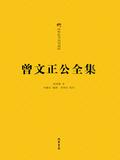 The Complete Works of Zeng Wenzhenggong (Twelve Volumes)
Throughout his life, Zeng Guofan adhered to the traditional Chinese Confucian ideas of "righteousness, self-cultivation, orderly family, governance, and peace in the world". He can be said to be a model of being a man and an official, and was praised by the world as "the most perfect man throughout the ages." The Hunan Army established a separate discipline; he studied Western culture, purified political styles, "rectified the current maladies", and had high aspirations, which led to the emergen
—Reads9.2Score—Shelves
The Complete Works of Zeng Wenzhenggong (Twelve Volumes)
Throughout his life, Zeng Guofan adhered to the traditional Chinese Confucian ideas of "righteousness, self-cultivation, orderly family, governance, and peace in the world". He can be said to be a model of being a man and an official, and was praised by the world as "the most perfect man throughout the ages." The Hunan Army established a separate discipline; he studied Western culture, purified political styles, "rectified the current maladies", and had high aspirations, which led to the emergen
—Reads9.2Score—Shelves
-
 A Guide to Mahasamatha and Vipassana
A guide to Mahasamatha and Vipassana
—Reads7.7Score—Shelves
A Guide to Mahasamatha and Vipassana
A guide to Mahasamatha and Vipassana
—Reads7.7Score—Shelves
-
 Dafangguangfo Huayan Sutra Eighty Volumes
This book is a public book and is a work published by writers, artists and other individuals who are not restricted by copyright laws, and is available for readers to read and communicate. Aggregation of licensed electronic rights.
—Reads9.4Score—Shelves
Dafangguangfo Huayan Sutra Eighty Volumes
This book is a public book and is a work published by writers, artists and other individuals who are not restricted by copyright laws, and is available for readers to read and communicate. Aggregation of licensed electronic rights.
—Reads9.4Score—Shelves
-
 The Buddha Said the Most Holy Dharani Sutra
Buddhist scriptures. It guides people to be good, and the philosophical thoughts contained in it are worthy of people's study and reflection.
—Reads8.1Score—Shelves
The Buddha Said the Most Holy Dharani Sutra
Buddhist scriptures. It guides people to be good, and the philosophical thoughts contained in it are worthy of people's study and reflection.
—Reads8.1Score—Shelves
-
 Medical Medical Medical
Ancient Chinese medicine books are a shining pearl in the treasure house of Chinese medicine. They have high guiding significance and practical value, and have made significant contributions and far-reaching influences on the development of medicine in later generations.
—Reads8.1Score—Shelves
Medical Medical Medical
Ancient Chinese medicine books are a shining pearl in the treasure house of Chinese medicine. They have high guiding significance and practical value, and have made significant contributions and far-reaching influences on the development of medicine in later generations.
—Reads8.1Score—Shelves
-
 Guangqun Fangpu
The original name is "Yu Ding Pei Wenzhai Guang Qun Fang Pu". Class book. Qing Wang Hao et al. One hundred volumes. There are six volumes of Tianshi Pu, four volumes of Grain Pu, two volumes of Mulberry Pu, five volumes of Vegetable Pu, four volumes of Tea, thirty-two volumes of Flowers, fourteen volumes of Fruit, fourteen volumes of Wood, five volumes of Bamboo, six volumes of Hui, and eight volumes of Medicine. The preface of the Holy Ancestor of the Qing Dynasty states that because he saw tha
—Reads8.2Score—Shelves
Guangqun Fangpu
The original name is "Yu Ding Pei Wenzhai Guang Qun Fang Pu". Class book. Qing Wang Hao et al. One hundred volumes. There are six volumes of Tianshi Pu, four volumes of Grain Pu, two volumes of Mulberry Pu, five volumes of Vegetable Pu, four volumes of Tea, thirty-two volumes of Flowers, fourteen volumes of Fruit, fourteen volumes of Wood, five volumes of Bamboo, six volumes of Hui, and eight volumes of Medicine. The preface of the Holy Ancestor of the Qing Dynasty states that because he saw tha
—Reads8.2Score—Shelves
-
 A Cure for One Disease, a Cure for Ten Diseases
A cure for one disease, a cure for ten diseases
—Reads8.1Score—Shelves
A Cure for One Disease, a Cure for Ten Diseases
A cure for one disease, a cure for ten diseases
—Reads8.1Score—Shelves
-
 Surgical Gall Wart Nevus Door
Chinese traditional cultural thoughts have a long history and are highly original, original and literary. The early ideological forms were very distinctive, with extensive and profound contents such as religious theology, Chinese medicine classics, ancient military art, Confucianism, Taoism, Buddhism and hundreds of schools of thought, Feng Shui metaphysics, Twenty-Four Histories, customs and geography, etc. This series of "Original Books on Classic Chinese Studies and Essence Culture" retains t
—Reads8.4Score—Shelves
Surgical Gall Wart Nevus Door
Chinese traditional cultural thoughts have a long history and are highly original, original and literary. The early ideological forms were very distinctive, with extensive and profound contents such as religious theology, Chinese medicine classics, ancient military art, Confucianism, Taoism, Buddhism and hundreds of schools of thought, Feng Shui metaphysics, Twenty-Four Histories, customs and geography, etc. This series of "Original Books on Classic Chinese Studies and Essence Culture" retains t
—Reads8.4Score—Shelves
-
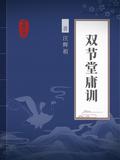 Shuangjietang Yongxun
This work "Shuangjietang Yongxun" is written by Wang Huizu
—Reads8.1Score—Shelves
Shuangjietang Yongxun
This work "Shuangjietang Yongxun" is written by Wang Huizu
—Reads8.1Score—Shelves
-
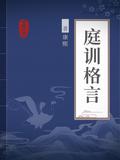 Court Motto
This work "Tingren Motto" was written by Kangxi
—Reads8.8Score—Shelves
Court Motto
This work "Tingren Motto" was written by Kangxi
—Reads8.8Score—Shelves
-
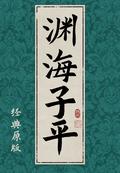 Yuanhai Ziping (Classic Original Version)
This classic is the foundation work of "Ziping Bazi" numerology. The original classic compiled by Xu Ziping in the Song Dynasty systematically expounds numerology knowledge such as the heavenly stems and earthly branches, the five elements and the eight-character arrangement, and explains the calculation methods and judgments of good and bad fortune with examples. Although it has the color of feudal superstition, it is of great value to the study of ancient folk customs and mathematical thoughts
—Reads9.5Score—Shelves
Yuanhai Ziping (Classic Original Version)
This classic is the foundation work of "Ziping Bazi" numerology. The original classic compiled by Xu Ziping in the Song Dynasty systematically expounds numerology knowledge such as the heavenly stems and earthly branches, the five elements and the eight-character arrangement, and explains the calculation methods and judgments of good and bad fortune with examples. Although it has the color of feudal superstition, it is of great value to the study of ancient folk customs and mathematical thoughts
—Reads9.5Score—Shelves
-
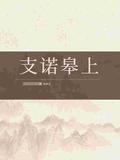 Zhinuogao
"Zhi Nuogao" is the first volume of the sequel to "Youyang Zazu".
—Reads7.9Score—Shelves
Zhinuogao
"Zhi Nuogao" is the first volume of the sequel to "Youyang Zazu".
—Reads7.9Score—Shelves
-
 The Buddha Speaks the Dharani Sutra of the Bodhisattva Malizhida
So I heard. At that time, the Buddha only had trees in the Solitary Garden in Savatthi State. Together with the great Arhat, one thousand two hundred and fifty people. There are again countless great Bodhisattvas
—Reads8.4Score—Shelves
The Buddha Speaks the Dharani Sutra of the Bodhisattva Malizhida
So I heard. At that time, the Buddha only had trees in the Solitary Garden in Savatthi State. Together with the great Arhat, one thousand two hundred and fifty people. There are again countless great Bodhisattvas
—Reads8.4Score—Shelves
-
 Talks About the Ceding of Territories in the Qing Dynasty (Free Public Edition Book)
The prosperity of the Qing Dynasty was due to the (Nine Tigers) Wu Pingling's energy that shook all directions, and his ability to control distant vassals with his manipulation skills. Therefore, the territory was so vast that the Han and Tang Dynasties could not reach it. And its decline can move thousands of miles with one frown. Such as the cession of the Wulianghai Twenty-five Assistant Leaders and the cession of the North Horgos River in Heilongjiang. What is especially strange is that the
—Reads8.0Score—Shelves
Talks About the Ceding of Territories in the Qing Dynasty (Free Public Edition Book)
The prosperity of the Qing Dynasty was due to the (Nine Tigers) Wu Pingling's energy that shook all directions, and his ability to control distant vassals with his manipulation skills. Therefore, the territory was so vast that the Han and Tang Dynasties could not reach it. And its decline can move thousands of miles with one frown. Such as the cession of the Wulianghai Twenty-five Assistant Leaders and the cession of the North Horgos River in Heilongjiang. What is especially strange is that the
—Reads8.0Score—Shelves