Library
Browse and search books
233 novels found
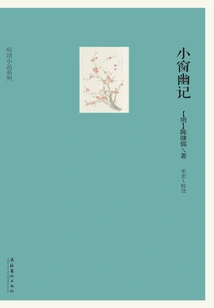
小窗幽记(明清小品文系列)
Chen Jiru
"Little Window's Secret" is a wonderful book that tells people how to cultivate their moral character and conduct themselves in society, so as to achieve perfection in both their inner world and their external relationships. The book is divided into twelve episodes: Xing, Qing, Qiao, Ling, Su, Scenery, Rhyme, Strange, Qi, Hao, Dharma and Qian. Through the form of concise and concise but profound aphorisms, it provides incisive answers and summaries to various life issues such as morality, self-cultivation, nourishing one's character, reading, studying, establishing a career, making friends, doing business, engaging in politics, and running a household. It is thought-provoking and long-lasting.
"Little Window's Secret" is a wonderful book that tells people how to cultivate their moral character and conduct themselves in society, so as to achieve perfection in both their inner world and their external relationships. The book is divided into twelve episodes: Xing, Qing, Qiao, Ling, Su, Scenery, Rhyme, Strange, Qi, Hao, Dharma and Qian. Through the form of concise and concise but profound aphorisms, it provides incisive answers and summaries to various life issues such as morality, self-cultivation, nourishing one's character, reading, studying, establishing a career, making friends, doing business, engaging in politics, and running a household. It is thought-provoking and long-lasting.
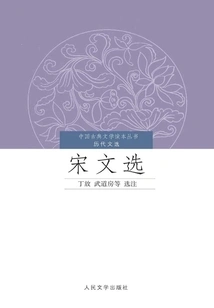
Selected Works of Song Dynasty
Literature宋文选
Ding Fang's Martial Arts Room And Other Selected Notes
The Song Dynasty was a period of prosperity for prose creation. Six of the "Eight Great Masters of Tang and Song Dynasties" were famous prose writers of the Northern Song Dynasty. Its most representative writers in the Northern Song Dynasty, such as Ouyang Xiu, Wang Anshi, and San Su, and in the Southern Song Dynasty, such as Lu You and Zhu Xi, are either good at literature or good at understanding. They are all unique and call themselves a family. This book is a selection of prose from the Song Dynasty, from which we can have a bird's-eye view of the literary achievements of the entire Song Dynasty.
The Song Dynasty was a period of prosperity for prose creation. Six of the "Eight Great Masters of Tang and Song Dynasties" were famous prose writers of the Northern Song Dynasty. Its most representative writers in the Northern Song Dynasty, such as Ouyang Xiu, Wang Anshi, and San Su, and in the Southern Song Dynasty, such as Lu You and Zhu Xi, are either good at literature or good at understanding. They are all unique and call themselves a family. This book is a selection of prose from the Song Dynasty, from which we can have a bird's-eye view of the literary achievements of the entire Song Dynasty.
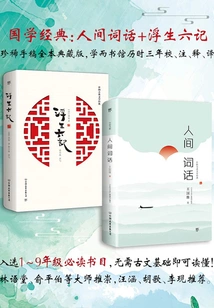
中华国学经典:人间词话+浮生六记(套装共2册)
Wang Guowei Shen Fu
The classics of Chinese traditional culture include "Human Words" and "Six Chapters of a Floating Life". "Human Words" is a work of Chinese poetry written by Wang Guowei, a master of Chinese studies, and a landmark work in Chinese classical literary criticism. "Six Chapters of a Floating Life" is an autobiographical prose written by Shen Fu, a native of Changzhou in the Qing Dynasty, in the 13th year of Jiaqing (1808). It consists of six volumes. The whole book records the ordinary life, ups and downs of Shen Fu and his wife Chen Yun, as well as their travels in various places. The poet Xu Xiaohong uses unique female brushwork and female perspective to present her works to readers in a new way, giving people a new aesthetic experience.
The classics of Chinese traditional culture include "Human Words" and "Six Chapters of a Floating Life". "Human Words" is a work of Chinese poetry written by Wang Guowei, a master of Chinese studies, and a landmark work in Chinese classical literary criticism. "Six Chapters of a Floating Life" is an autobiographical prose written by Shen Fu, a native of Changzhou in the Qing Dynasty, in the 13th year of Jiaqing (1808). It consists of six volumes. The whole book records the ordinary life, ups and downs of Shen Fu and his wife Chen Yun, as well as their travels in various places. The poet Xu Xiaohong uses unique female brushwork and female perspective to present her works to readers in a new way, giving people a new aesthetic experience.
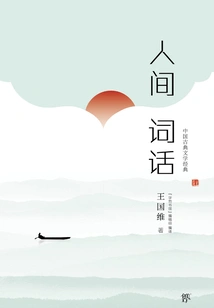
Human Words
Literature人间词话
Wang Guowei
"Human Words" is a work of Chinese poetry written by the master of Chinese studies Wang Guowei. It is a landmark work in Chinese classical literary criticism. The book has novel viewpoints and incisive arguments, reflecting Wang Guowei's literary and aesthetic thoughts. The text is full of witty remarks and unique insights. It not only comments on poetry works, but also comments on the life circumstances, gains and losses of poets of all generations. It can be described as a rare classic of Chinese studies and a masterpiece of aesthetics.
"Human Words" is a work of Chinese poetry written by the master of Chinese studies Wang Guowei. It is a landmark work in Chinese classical literary criticism. The book has novel viewpoints and incisive arguments, reflecting Wang Guowei's literary and aesthetic thoughts. The text is full of witty remarks and unique insights. It not only comments on poetry works, but also comments on the life circumstances, gains and losses of poets of all generations. It can be described as a rare classic of Chinese studies and a masterpiece of aesthetics.
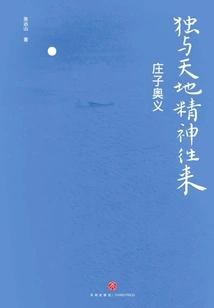
独与天地精神往来:庄子奥义
Zhang Yuanshan
The seven chapters in "Zhuangzi" were written by Zhuangzi himself. The animals, plants, and inanimate creatures in it can all speak, have emotions, and have thoughts; saints, monarchs, and historical celebrities are all ridiculed, ridiculed, and mercilessly ridiculed. Viewed separately, it is a literary passage with short stories and big principles; taken together, it is a philosophical drama with rich characters and climaxes. Due to Zhuangzi's unique writing style, the words and meanings of the seven chapters are extremely difficult to understand. This book is the result of the author's 40 years of research on Zhuang studies. Based on a precise translation, the seven chapters of "Zhuangzi" are interpreted word for word and sentence by sentence. The numerous language mechanisms and secret codes laid out by Zhuangzi in the form of fables are deciphered one by one, just like Sherlock Holmes, not letting go of every doubt and detail: What is the identity and origin of the character who appears, and what is the meaning of the name? What conflicts are there between the characters who appear, between them and the characters behind the scenes who don't appear, and between the characters behind the scenes? What are the levels of surface meaning of the character's words (up to seven levels), what is the implication, and what is the unspoken word? What are the connections between these words, scenes, and the surrounding words, scenes, and even real historical events? What meaning does Zhuangzi want to express? Through such layer-by-layer and meticulous interpretation, Zhuangzi's context is restored and the whole picture of Zhuang's studies is assembled, so that every reader can appreciate this seven-layered pagoda-like miracle of Chinese literature, philosophy, and wonders of human thinking and language.
The seven chapters in "Zhuangzi" were written by Zhuangzi himself. The animals, plants, and inanimate creatures in it can all speak, have emotions, and have thoughts; saints, monarchs, and historical celebrities are all ridiculed, ridiculed, and mercilessly ridiculed. Viewed separately, it is a literary passage with short stories and big principles; taken together, it is a philosophical drama with rich characters and climaxes. Due to Zhuangzi's unique writing style, the words and meanings of the seven chapters are extremely difficult to understand. This book is the result of the author's 40 years of research on Zhuang studies. Based on a precise translation, the seven chapters of "Zhuangzi" are interpreted word for word and sentence by sentence. The numerous language mechanisms and secret codes laid out by Zhuangzi in the form of fables are deciphered one by one, just like Sherlock Holmes, not letting go of every doubt and detail: What is the identity and origin of the character who appears, and what is the meaning of the name? What conflicts are there between the characters who appear, between them and the characters behind the scenes who don't appear, and between the characters behind the scenes? What are the levels of surface meaning of the character's words (up to seven levels), what is the implication, and what is the unspoken word? What are the connections between these words, scenes, and the surrounding words, scenes, and even real historical events? What meaning does Zhuangzi want to express? Through such layer-by-layer and meticulous interpretation, Zhuangzi's context is restored and the whole picture of Zhuang's studies is assembled, so that every reader can appreciate this seven-layered pagoda-like miracle of Chinese literature, philosophy, and wonders of human thinking and language.
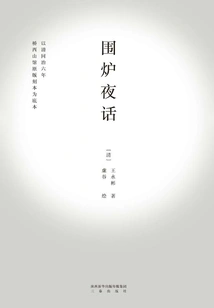
Night Talk Around the Fire
Literature围炉夜话
(qing Dynasty) Written By Wang Yongbin (qing Dynasty) Painted By Xu Gu
Wang Yongbin, whose courtesy name was Yishan and known as Mr. Yishan, experienced five periods in his life: Qianlong, Jiaqing, Daoguang, Xianfeng and Tongzhi. He didn't like the imperial examination, so he was awarded the title of Gongsheng Examination very late, and became a Xiuzhilang, and later he was a candidate for teaching. He studied extensively throughout his life and was diligent in writing. He mentioned the origin of this book at the beginning of "Night Talk around the Stove": Wailing around the stove on a cold night is the fun of the Tian family. Isn't it a wasted night to be silent or to laugh and have fun? I was a barely literate peasant, and when I got together with my family in the evening to roast sweet potatoes over a charcoal fire, I had an idea and told my son about it. I asked my son to write it down and save it, titled "Night Talk Around the Fire". He described a rather warm scene: at the end of the year and in the cold weather, he and his family gathered around the fire to talk at night, while roasting sweet potatoes, he told his children and grandchildren what he had gained and felt in life. Perhaps it is this atmosphere that sets the natural and friendly tone of the book. It's not a sermon or a nonsense article, it's just an elder telling you his philosophy of life. This philosophy is Confucian, literati, rural, and the most Chinese.
Wang Yongbin, whose courtesy name was Yishan and known as Mr. Yishan, experienced five periods in his life: Qianlong, Jiaqing, Daoguang, Xianfeng and Tongzhi. He didn't like the imperial examination, so he was awarded the title of Gongsheng Examination very late, and became a Xiuzhilang, and later he was a candidate for teaching. He studied extensively throughout his life and was diligent in writing. He mentioned the origin of this book at the beginning of "Night Talk around the Stove": Wailing around the stove on a cold night is the fun of the Tian family. Isn't it a wasted night to be silent or to laugh and have fun? I was a barely literate peasant, and when I got together with my family in the evening to roast sweet potatoes over a charcoal fire, I had an idea and told my son about it. I asked my son to write it down and save it, titled "Night Talk Around the Fire". He described a rather warm scene: at the end of the year and in the cold weather, he and his family gathered around the fire to talk at night, while roasting sweet potatoes, he told his children and grandchildren what he had gained and felt in life. Perhaps it is this atmosphere that sets the natural and friendly tone of the book. It's not a sermon or a nonsense article, it's just an elder telling you his philosophy of life. This philosophy is Confucian, literati, rural, and the most Chinese.
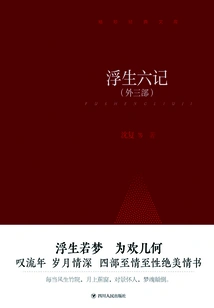
袖珍经典文库:浮生六记
Shen Fu
"Six Chapters of a Floating Life (Part Three) (Essence)" is one of the representative works of lyrical literature with female protagonists in ancient China (such works include Shen Fu's "Six Chapters of a Floating Life (Part Three)", Mao Xiang's "Reminiscences of Yingmei'an", Chen Peizhi's "Reminiscences of Xiangwan Tower" and Jiang Tan's "Memories of Autumn Lanterns", these four works are included in this book). The author Shen Fu uses simple writing style to describe his experiences for most of his life. The contrast between joy and sorrow is truly moving. In "Six Chapters of a Floating Life", Shen Fu describes the family life of the couple in a long way, which is rare in ancient Chinese literary works. The book has unique comments on landscapes, gardens, food and daily life. With poignant words and lingering style, it describes the deep love and tender love between husband and deceased wife.
"Six Chapters of a Floating Life (Part Three) (Essence)" is one of the representative works of lyrical literature with female protagonists in ancient China (such works include Shen Fu's "Six Chapters of a Floating Life (Part Three)", Mao Xiang's "Reminiscences of Yingmei'an", Chen Peizhi's "Reminiscences of Xiangwan Tower" and Jiang Tan's "Memories of Autumn Lanterns", these four works are included in this book). The author Shen Fu uses simple writing style to describe his experiences for most of his life. The contrast between joy and sorrow is truly moving. In "Six Chapters of a Floating Life", Shen Fu describes the family life of the couple in a long way, which is rare in ancient Chinese literary works. The book has unique comments on landscapes, gardens, food and daily life. With poignant words and lingering style, it describes the deep love and tender love between husband and deceased wife.
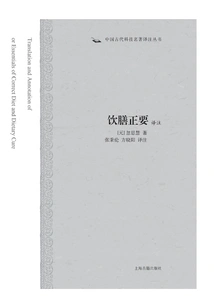
Annotation of "yinshanzheng
Literature饮膳正要译注
(yuan) Hu Sihui Zhang Binglun Fang Xiaoyang
Volumes 1 and 2 of this book mainly focus on diet therapy, diet preparation, and dietary taboos, and list 15 major categories such as health care and taboos, rare and exotic delicacies, various decoctions, food for gods, and diet therapy for various diseases. Volume 3 contains about 200 kinds of food and medicinal herbs, with illustrations, one by one introducing the nature, flavor, and main treatments. The whole book is self-contained, well illustrated and of great value. This translation and annotation is based on the photocopied Ming Jingtai edition of the "Sibu Series" and is included in our company's "Translation and Annotation Series of Ancient Chinese Scientific and Technological Masterpieces".
Volumes 1 and 2 of this book mainly focus on diet therapy, diet preparation, and dietary taboos, and list 15 major categories such as health care and taboos, rare and exotic delicacies, various decoctions, food for gods, and diet therapy for various diseases. Volume 3 contains about 200 kinds of food and medicinal herbs, with illustrations, one by one introducing the nature, flavor, and main treatments. The whole book is self-contained, well illustrated and of great value. This translation and annotation is based on the photocopied Ming Jingtai edition of the "Sibu Series" and is included in our company's "Translation and Annotation Series of Ancient Chinese Scientific and Technological Masterpieces".
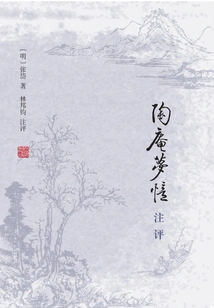
Commentary on Tao An's Dream Memories
Literature陶庵梦忆注评
(ming) Zhang Dai Lin Bangjun
"Tao'an Dream Memories" (eight volumes in total) was written by the Ming Dynasty essayist Zhang Dai, and is also the most famous of Zhang Dai's handed down works. Most of the things recorded in it are miscellaneous things that the author has personally experienced, showing various aspects of the world to people. Such as teahouses and restaurants, storytelling and acting, cockfighting and bird-raising, lighting lanterns to welcome the gods, as well as landscapes, crafts, calligraphy and painting, etc., Constitute a custom picture of social life in the Ming Dynasty. In particular, it can be said to be a wonderful "Along the River During the Qingming Festival" in Jiangsu and Zhejiang. Although there are leisurely and romantic lives of aristocratic children, they are more a reflection of social life and customs. At the same time, the book contains a large number of records about daily life, entertainment, opera, antiques, etc. In the Ming Dynasty. Therefore, it is also regarded as an important document by scholars who study the material culture of the Ming Dynasty. "Tao An Meng Yi Commentary" is the commentary version of "Tao An Meng Yi", annotated by Lin Bangjun.
"Tao'an Dream Memories" (eight volumes in total) was written by the Ming Dynasty essayist Zhang Dai, and is also the most famous of Zhang Dai's handed down works. Most of the things recorded in it are miscellaneous things that the author has personally experienced, showing various aspects of the world to people. Such as teahouses and restaurants, storytelling and acting, cockfighting and bird-raising, lighting lanterns to welcome the gods, as well as landscapes, crafts, calligraphy and painting, etc., Constitute a custom picture of social life in the Ming Dynasty. In particular, it can be said to be a wonderful "Along the River During the Qingming Festival" in Jiangsu and Zhejiang. Although there are leisurely and romantic lives of aristocratic children, they are more a reflection of social life and customs. At the same time, the book contains a large number of records about daily life, entertainment, opera, antiques, etc. In the Ming Dynasty. Therefore, it is also regarded as an important document by scholars who study the material culture of the Ming Dynasty. "Tao An Meng Yi Commentary" is the commentary version of "Tao An Meng Yi", annotated by Lin Bangjun.
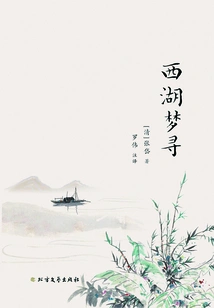
West Lake Mengxun
Literature西湖梦寻
L
This book provides a comprehensive description of the important landscapes, Buddhist temples, sage shrines, etc. In Hangzhou. It is written in the spatial order of general record, north road, west road, middle road, south road, and exterior scenes, showing the past and present of Hangzhou in front of readers. What is particularly important is that the author selects several poems (pieces) by sages and people after each narrative, which adds to the splendor of the landscape. These poems and essays are collected into a collection of West Lake poems and essays. Among the seventy-two narratives, there are many related to the rise and fall of temples, which can provide rich information for those studying Buddhism. This book "Dream Seeking the West Lake" was written by Zhang Dai based on his life in Hangzhou. Among them are detailed records of the West Lake's scenic spots, as well as the unbreakable memories of the six bridges of smoke and willows, and the recitation of lake and mountain poems written by the romantic predecessors. They vividly show his life as a young man who used to sing about the phoenix and the moon and wander around the mountains and rivers.
This book provides a comprehensive description of the important landscapes, Buddhist temples, sage shrines, etc. In Hangzhou. It is written in the spatial order of general record, north road, west road, middle road, south road, and exterior scenes, showing the past and present of Hangzhou in front of readers. What is particularly important is that the author selects several poems (pieces) by sages and people after each narrative, which adds to the splendor of the landscape. These poems and essays are collected into a collection of West Lake poems and essays. Among the seventy-two narratives, there are many related to the rise and fall of temples, which can provide rich information for those studying Buddhism. This book "Dream Seeking the West Lake" was written by Zhang Dai based on his life in Hangzhou. Among them are detailed records of the West Lake's scenic spots, as well as the unbreakable memories of the six bridges of smoke and willows, and the recitation of lake and mountain poems written by the romantic predecessors. They vividly show his life as a young man who used to sing about the phoenix and the moon and wander around the mountains and rivers.
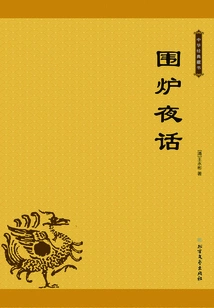
Night Talk Around the Fire
Literature围炉夜话
Wang Yongbin
This book is one of many ancient Chinese books that exhort the world. It is written in the form of short, insightful and philosophical aphorisms. The diction is simple and clear, the language is concise and comprehensive, and the emotion is sincere. It is like a respected elder and a group of juniors talking eloquently around the stove, savoring life. The artistic conception is profound, philosophical and enlightening. Although many of the words in the book are mainly exhortations, they do not feel difficult and boring when reading. Instead, they feel lively and down-to-earth. They integrate what would otherwise be considered a relatively profound philosophy into daily life, making it easy for people to be infected and resonate with it. The book is divided into 221 chapters, which elaborate on the main purpose of settling down and establishing a life in the form of essays, covering many aspects of life, such as cultivating one's moral character, doing things for others, establishing oneself and establishing one's career, studying and determined, being poor and happy, helping the world and helping others, managing the family and educating children, being loyal, filial and righteous, serving as an official and governing, etc. The book shows that the author has a strong influence on Confucianism. He uses a large number of words in this book to explain the gist of "establishing morality, meritorious service, and establishing words" and reveals the profound connotation of the value of life.
This book is one of many ancient Chinese books that exhort the world. It is written in the form of short, insightful and philosophical aphorisms. The diction is simple and clear, the language is concise and comprehensive, and the emotion is sincere. It is like a respected elder and a group of juniors talking eloquently around the stove, savoring life. The artistic conception is profound, philosophical and enlightening. Although many of the words in the book are mainly exhortations, they do not feel difficult and boring when reading. Instead, they feel lively and down-to-earth. They integrate what would otherwise be considered a relatively profound philosophy into daily life, making it easy for people to be infected and resonate with it. The book is divided into 221 chapters, which elaborate on the main purpose of settling down and establishing a life in the form of essays, covering many aspects of life, such as cultivating one's moral character, doing things for others, establishing oneself and establishing one's career, studying and determined, being poor and happy, helping the world and helping others, managing the family and educating children, being loyal, filial and righteous, serving as an official and governing, etc. The book shows that the author has a strong influence on Confucianism. He uses a large number of words in this book to explain the gist of "establishing morality, meritorious service, and establishing words" and reveals the profound connotation of the value of life.
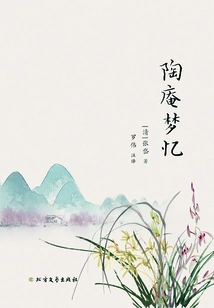
Tao An's Dream Memories
Literature陶庵梦忆
M
This book is a collection, including five works: "Memories of Autumn Lanterns", "Memories of Xiangwan Tower", "Memories of Yingmei'an", "Memories of Heart-warming" and "Memories of Tao'an Dreams". These works are all about talented people and beauties and daily necessities, rice, oil and salt. They are either remembered or thought about, with both rich sounds and emotions, gorgeous but not superficial, sad but not sad, and deeply touching. Just like what is said in "Miscellaneous Words from the Heart": When I get it suddenly, I am half happy and shocked. At the same time, another feature of these collections is that they all contain the authors' sincere and strong emotions, injecting fresh artistic life into these articles. They are very flexible in narrative and integrate narrative, lyricism, description and the creation of artistic conception. It makes readers feel vivid and has an artistic beauty of "turning to look at the uncertain flowers".
This book is a collection, including five works: "Memories of Autumn Lanterns", "Memories of Xiangwan Tower", "Memories of Yingmei'an", "Memories of Heart-warming" and "Memories of Tao'an Dreams". These works are all about talented people and beauties and daily necessities, rice, oil and salt. They are either remembered or thought about, with both rich sounds and emotions, gorgeous but not superficial, sad but not sad, and deeply touching. Just like what is said in "Miscellaneous Words from the Heart": When I get it suddenly, I am half happy and shocked. At the same time, another feature of these collections is that they all contain the authors' sincere and strong emotions, injecting fresh artistic life into these articles. They are very flexible in narrative and integrate narrative, lyricism, description and the creation of artistic conception. It makes readers feel vivid and has an artistic beauty of "turning to look at the uncertain flowers".
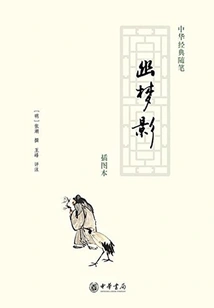
You Mengying (chinese Classic Essay)
Literature幽梦影(中华经典随笔)
I
"Youmengying" mainly focuses on discovering beautiful things with an elegant mind and vision. It can be said to be a book about pursuing beauty. There is no strong, sharp criticism in the book, only cynicism that does not lose its grace. And these injustices and ironies are also expressed in mild forms. Books like "Youmengying" are by no means daggers and spears, but more like the cool powder in Chinese medicine. Shi Pang, who wrote the preface to "You Meng Ying", said that Zhang Chao's book "takes romance as Taoism and incorporates education into humor."
"Youmengying" mainly focuses on discovering beautiful things with an elegant mind and vision. It can be said to be a book about pursuing beauty. There is no strong, sharp criticism in the book, only cynicism that does not lose its grace. And these injustices and ironies are also expressed in mild forms. Books like "Youmengying" are by no means daggers and spears, but more like the cool powder in Chinese medicine. Shi Pang, who wrote the preface to "You Meng Ying", said that Zhang Chao's book "takes romance as Taoism and incorporates education into humor."
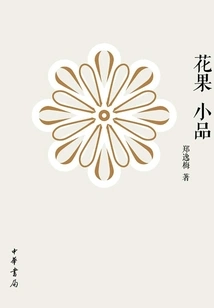
Flower and Fruit Sketch
Literature花果小品
Zheng Yimei
"Flower and Fruit Essays", as the name suggests, is an essay about flowers and fruits, but it is unique in Zheng's writing: shape, name, planting experience, local knowledge, allusions, poems, and many flower appreciation anecdotes of many literati during the Republic of China that he personally experienced. After reading it, Zhou Shojuan said: "Each recitation is like appreciating famous flowers and eating precious fruits, with a lingering aftertaste." Zhu Tianmu praised: "The text is meaningful and the textual research is detailed."
"Flower and Fruit Essays", as the name suggests, is an essay about flowers and fruits, but it is unique in Zheng's writing: shape, name, planting experience, local knowledge, allusions, poems, and many flower appreciation anecdotes of many literati during the Republic of China that he personally experienced. After reading it, Zhou Shojuan said: "Each recitation is like appreciating famous flowers and eating precious fruits, with a lingering aftertaste." Zhu Tianmu praised: "The text is meaningful and the textual research is detailed."
V
Literaturev
H
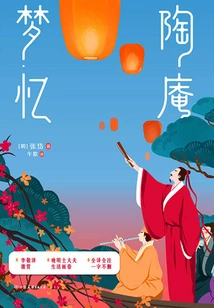
"Tao'an Dream Memories" is Zhang Dai's masterpiece handed down from generation to generation. The book consists of eight volumes. It recalls the prosperous scene of the late Ming Dynasty from various aspects such as architecture, flowers and trees, opera and folk customs, tea, wine and food. It is known as "a historical picture that profoundly depicts the social life style of the late Ming Dynasty". This edition of "Tao'an Dream Memories" is newly translated and annotated by the popular writer Wu Ge and includes comments and prefaces recommended by Zhou Zuoren, Li Jingze and others. It is rich in content and worth collecting.
"Tao'an Dream Memories" is Zhang Dai's masterpiece handed down from generation to generation. The book consists of eight volumes. It recalls the prosperous scene of the late Ming Dynasty from various aspects such as architecture, flowers and trees, opera and folk customs, tea, wine and food. It is known as "a historical picture that profoundly depicts the social life style of the late Ming Dynasty". This edition of "Tao'an Dream Memories" is newly translated and annotated by the popular writer Wu Ge and includes comments and prefaces recommended by Zhou Zuoren, Li Jingze and others. It is rich in content and worth collecting.
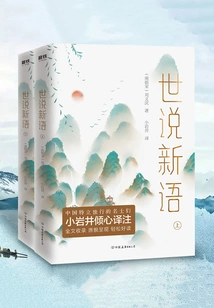
Shishuoxinyu (complete Works)
Literature世说新语(全集)
I
"Shishuoxinyu" was compiled by Liu Yiqing, King of Linchuan in the Southern Song Dynasty, who organized his disciples. It is the earliest notebook-style novel in my country that records the anecdotes of people in the Wei and Jin Dynasties. The book contains 36 chapters and more than 1,000 articles, reflecting the Wei and Jin Dynasties, especially the style of celebrities at that time. Since its birth, the "Wei and Jin Dynasties style" with its unrestrained, frank and detached style has profoundly influenced Chinese literati and cultural history, making it a must-read classic for Chinese people. This edition of "Shishuoxinyu" has been carefully translated by the popular writer Koiwai. In addition to the translation, he has written more than 1,700 annotations and more than 500 brief reviews to help us explore the charm of classic ancient books.
"Shishuoxinyu" was compiled by Liu Yiqing, King of Linchuan in the Southern Song Dynasty, who organized his disciples. It is the earliest notebook-style novel in my country that records the anecdotes of people in the Wei and Jin Dynasties. The book contains 36 chapters and more than 1,000 articles, reflecting the Wei and Jin Dynasties, especially the style of celebrities at that time. Since its birth, the "Wei and Jin Dynasties style" with its unrestrained, frank and detached style has profoundly influenced Chinese literati and cultural history, making it a must-read classic for Chinese people. This edition of "Shishuoxinyu" has been carefully translated by the popular writer Koiwai. In addition to the translation, he has written more than 1,700 annotations and more than 500 brief reviews to help us explore the charm of classic ancient books.
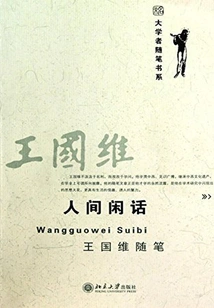
Human Gossip: Wang Guowei's Essays
Literature人间闲话:王国维随笔
Wang Guowei
Brief introduction to "Human Gossip: Wang Guowei's Essays": Wang Guowei was not obsessed with fame and fortune, but devoted himself to knowledge. He has learned both Chinese and Western knowledge, has extensive knowledge, inherited Chinese and Western cultural heritage, and is invincible academically. His essays are the natural expression of his talents and the sparks of thought that flashed through his academic research. They are full of life interest and seductive charm.
Brief introduction to "Human Gossip: Wang Guowei's Essays": Wang Guowei was not obsessed with fame and fortune, but devoted himself to knowledge. He has learned both Chinese and Western knowledge, has extensive knowledge, inherited Chinese and Western cultural heritage, and is invincible academically. His essays are the natural expression of his talents and the sparks of thought that flashed through his academic research. They are full of life interest and seductive charm.
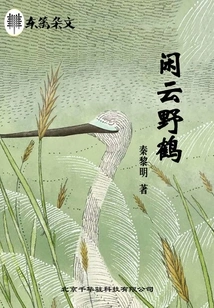
闲云野鹤·东篱杂文
Qin Liming
This collection of essays contains articles from the past two years, mostly published on Toutiao and WeChat official accounts. The content includes introduction to poetry, life reflections, film reviews, biographies of historical figures, etc. There is no detailed classification, just mixed together casually, probably arranged in the order of writing time. This is also good. By reading these articles, you can understand what the author has been doing in the past two years. The writing is very random, and it is possible to find one or two pearls in the mud. As a science student, I feel that life itself is very random and there is no need to edit it into categories. That way when reading the article, you will have the feeling of visiting Fengtai World Park. As soon as you enter the door, you can see the Greek statues. When you walk in, you can see the Egyptian pyramids. When you look back, wow, there is the French Arc de Triomphe at your feet. It is easy to be surprised.
This collection of essays contains articles from the past two years, mostly published on Toutiao and WeChat official accounts. The content includes introduction to poetry, life reflections, film reviews, biographies of historical figures, etc. There is no detailed classification, just mixed together casually, probably arranged in the order of writing time. This is also good. By reading these articles, you can understand what the author has been doing in the past two years. The writing is very random, and it is possible to find one or two pearls in the mud. As a science student, I feel that life itself is very random and there is no need to edit it into categories. That way when reading the article, you will have the feeling of visiting Fengtai World Park. As soon as you enter the door, you can see the Greek statues. When you walk in, you can see the Egyptian pyramids. When you look back, wow, there is the French Arc de Triomphe at your feet. It is easy to be surprised.
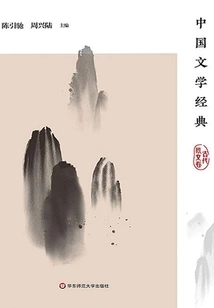
中国文学经典·古代散文卷
Chen Yinchi Zhou Xinglu
The "Chinese Literary Classics" set is divided into three types: "Ancient Poetry Volume", "Ancient Prose Volume", and "Ancient Novels and Drama Volume". It categorizes outstanding and classic Chinese traditional literary works and compiles them into volumes. Each textbook is arranged in chronological order. The content includes an overview of literature at this stage, as well as explanations and annotations of the works. The highlight is that it uses the works as a point to bring out the context of literary history. While highlighting the dominant position of intensive reading and interpretation of the works, it also forms a certain historical view of literary development.
The "Chinese Literary Classics" set is divided into three types: "Ancient Poetry Volume", "Ancient Prose Volume", and "Ancient Novels and Drama Volume". It categorizes outstanding and classic Chinese traditional literary works and compiles them into volumes. Each textbook is arranged in chronological order. The content includes an overview of literature at this stage, as well as explanations and annotations of the works. The highlight is that it uses the works as a point to bring out the context of literary history. While highlighting the dominant position of intensive reading and interpretation of the works, it also forms a certain historical view of literary development.
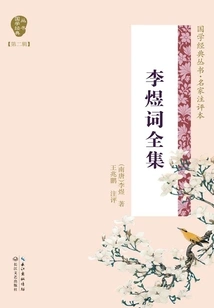
The Complete Collection of Li Yu's Ci Poems (chinese Classics Series·comments by Famous Masters)
Literature李煜词全集(国学经典丛书·名家注评本)
K
"The Complete Collection of Li Yu's Ci" includes the Ci of two masters of the Southern Tang Dynasty, Li Yu, Li Jing and Feng Yansi. Each poem has detailed notes and comments, making it suitable for ordinary readers. The three poems represent the overall style and highest achievements of Southern Tang poetry. At the back of the book are biographical information and commentary on the two Southern Tang masters for readers to understand their lives and creative styles.
"The Complete Collection of Li Yu's Ci" includes the Ci of two masters of the Southern Tang Dynasty, Li Yu, Li Jing and Feng Yansi. Each poem has detailed notes and comments, making it suitable for ordinary readers. The three poems represent the overall style and highest achievements of Southern Tang poetry. At the back of the book are biographical information and commentary on the two Southern Tang masters for readers to understand their lives and creative styles.
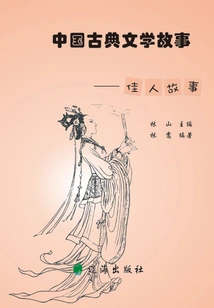
中国古典文学故事·佳人故事
Editor-in-chief Lin Shan Edited By Lin Song
Beautiful lady novels are a special cultural phenomenon that originated in the late Ming and early Qing dynasties. They are mainly about the lingering and pathos love of thousand-year-old women, and to a certain extent, they show the social scene at that time. It occupies a certain historical position in the history of Chinese classical literature, plays the role of connecting the past and the future, and provides successful experiences and failed lessons for the birth of great works. This is what cannot be underestimated.
Beautiful lady novels are a special cultural phenomenon that originated in the late Ming and early Qing dynasties. They are mainly about the lingering and pathos love of thousand-year-old women, and to a certain extent, they show the social scene at that time. It occupies a certain historical position in the history of Chinese classical literature, plays the role of connecting the past and the future, and provides successful experiences and failed lessons for the birth of great works. This is what cannot be underestimated.
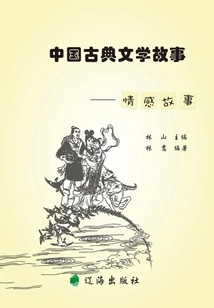
中国古典文学故事·情感故事
Editor-in-chief Lin Shan Edited By Lin Song
Modern people's lives are fast-paced and stressful, so modern people's emotions also appear to be a bit utilitarian. Even if the tides are rolling and the rocks are rolling, they will never be worth the apartment in the Second Ring Road of Beijing that the mother-in-law said. What about the emotions of the ancients? Were they also so utilitarian? This book excerpts several classic emotional stories from classical literature to present you with different emotional stories.
Modern people's lives are fast-paced and stressful, so modern people's emotions also appear to be a bit utilitarian. Even if the tides are rolling and the rocks are rolling, they will never be worth the apartment in the Second Ring Road of Beijing that the mother-in-law said. What about the emotions of the ancients? Were they also so utilitarian? This book excerpts several classic emotional stories from classical literature to present you with different emotional stories.
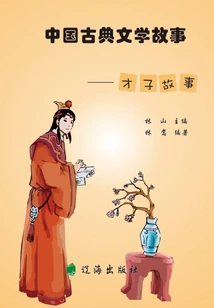
中国古典文学故事·才子故事
Editor-in-chief Lin Shan Edited By Lin Song
When it comes to ancient talents, what we can think of are words such as subtle elegance, pure color, unrestrained and elegant, romantic and suave, etc. They were good at reciting poems and answering questions, and good at running the country with military skills. How are they described in ancient literary works? Let us find the answer from this book.
When it comes to ancient talents, what we can think of are words such as subtle elegance, pure color, unrestrained and elegant, romantic and suave, etc. They were good at reciting poems and answering questions, and good at running the country with military skills. How are they described in ancient literary works? Let us find the answer from this book.
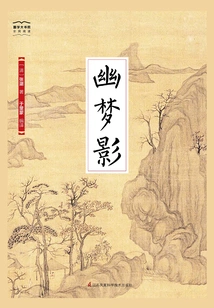
幽梦影(国学大书院)
(qing) High Tide
"Youmengying" is a collection of essays on literary and artistic aphorisms written by Zhang Chao of the Qing Dynasty. This book contains 219 insights into life and quiet appreciation of nature. We use a quiet attitude to observe life and nature, as blurred as a dream, as hazy as a shadow, so that we can enjoy the feeling and experience of life.
"Youmengying" is a collection of essays on literary and artistic aphorisms written by Zhang Chao of the Qing Dynasty. This book contains 219 insights into life and quiet appreciation of nature. We use a quiet attitude to observe life and nature, as blurred as a dream, as hazy as a shadow, so that we can enjoy the feeling and experience of life.
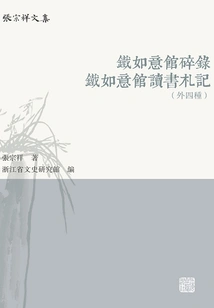
Fragments of the Tie Ruyi Pavilion. Notes on Studying in the Tie Ruyi Pavilion (four Types)
Literature铁如意馆碎录 铁如意馆读书札记(外四种)
Zhang Zongxiang
This book contains six types: "Fragmentary Records of Tie Ruyi Pavilion", "Notes of Tie Ruyi Pavilion", "Riding Dog Records", "Bashan Night Rain Records", "Mustard Seed Records" and "Suspected Records". It is a collection of Mr. Zhang's academic essays, including many ancient books and anecdotes about the literature and history of the Republic of China.
This book contains six types: "Fragmentary Records of Tie Ruyi Pavilion", "Notes of Tie Ruyi Pavilion", "Riding Dog Records", "Bashan Night Rain Records", "Mustard Seed Records" and "Suspected Records". It is a collection of Mr. Zhang's academic essays, including many ancient books and anecdotes about the literature and history of the Republic of China.
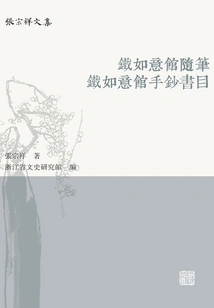
铁如意馆随笔 铁如意馆手钞书目
Zhang Zongxiang
This book contains two types of books, both of which are synopsis-style catalogs made by Mr. Zhang Zongxiang when he was in charge of the library throughout his life and sorted and rescued ancient books. The fields of philology such as designing editions, catalogs, and collations are the culmination of Mr. Zhang's major achievements throughout his life.
This book contains two types of books, both of which are synopsis-style catalogs made by Mr. Zhang Zongxiang when he was in charge of the library throughout his life and sorted and rescued ancient books. The fields of philology such as designing editions, catalogs, and collations are the culmination of Mr. Zhang's major achievements throughout his life.
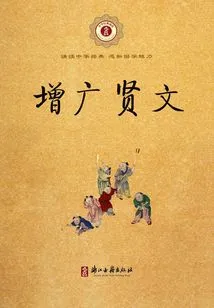
Zengguang Xianwen
Literature增广贤文
(qing Dynasty) Zhou Xitao
"Recitation of Chinese Classics: Zengguang Xianwen" is also known as "Xianwen of the Past" and "Xianwen of the Ancient and Modern Times". The title of the book was first seen in the opera "The Peony Pavilion" during the Wanli period of the Ming Dynasty. From this, it can be inferred that the book was written during the Wanli period at the latest. After continuous additions by literati in the Ming and Qing dynasties, it was changed into its current form, which is called "Zengguang Xianwen", commonly known as "Zengguang Xianwen". The author has never seen any book records. He only knows that the Confucian scholar Zhou Xitao revised it during the Tongzhi period of the Qing Dynasty. It is probably the crystallization of folk creation. This book is composed of rhymed proverbs and selected quotes from literature. Its content is very extensive, covering almost everything from etiquette and morality, rules and regulations to customs, allusions, astronomy and geography. But the center is about the philosophy of life and the way to live in the world.
"Recitation of Chinese Classics: Zengguang Xianwen" is also known as "Xianwen of the Past" and "Xianwen of the Ancient and Modern Times". The title of the book was first seen in the opera "The Peony Pavilion" during the Wanli period of the Ming Dynasty. From this, it can be inferred that the book was written during the Wanli period at the latest. After continuous additions by literati in the Ming and Qing dynasties, it was changed into its current form, which is called "Zengguang Xianwen", commonly known as "Zengguang Xianwen". The author has never seen any book records. He only knows that the Confucian scholar Zhou Xitao revised it during the Tongzhi period of the Qing Dynasty. It is probably the crystallization of folk creation. This book is composed of rhymed proverbs and selected quotes from literature. Its content is very extensive, covering almost everything from etiquette and morality, rules and regulations to customs, allusions, astronomy and geography. But the center is about the philosophy of life and the way to live in the world.
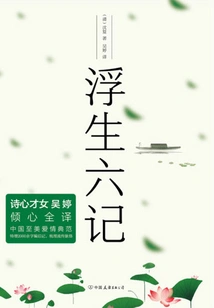
Six Chapters of a Floating Life
Literature浮生六记
Shen Fu
"Six Chapters of a Floating Life" is a classic prose classic that has been circulated for nearly 200 years. The author Shen Fu uses natural, sincere and elegant writing style to show the ordinary but poetic and true turbulent life of himself and his wife Chen Yun. They adhered to the beauty of art and morality among common people and vegetarian food; they treated each other tenderly while being displaced, and turned their lives into the most beautiful model of Chinese love, which moved countless readers. Lin Yutang once said that their life "sufficiently represents China's art of life and cultural spirit."
"Six Chapters of a Floating Life" is a classic prose classic that has been circulated for nearly 200 years. The author Shen Fu uses natural, sincere and elegant writing style to show the ordinary but poetic and true turbulent life of himself and his wife Chen Yun. They adhered to the beauty of art and morality among common people and vegetarian food; they treated each other tenderly while being displaced, and turned their lives into the most beautiful model of Chinese love, which moved countless readers. Lin Yutang once said that their life "sufficiently represents China's art of life and cultural spirit."
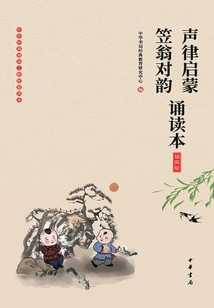
声律启蒙·笠翁对韵诵读本(插图版)
Chung Hwa Book Company Classics Education Research Center
From ancient times to the present, "Enlightenment of Rhythm" and "Li Weng Dui Rhyme" have been the best enlightenment books for training children to write poetic couplets and master the rhythm and rhythm of children. This edition of Rhythm Enlightenment Li Weng's Rhyme Recitation is a collection of two books, specially written for children aged 4 to 12 years old. It is a classic that can be recited, appreciated, and easy to understand.
From ancient times to the present, "Enlightenment of Rhythm" and "Li Weng Dui Rhyme" have been the best enlightenment books for training children to write poetic couplets and master the rhythm and rhythm of children. This edition of Rhythm Enlightenment Li Weng's Rhyme Recitation is a collection of two books, specially written for children aged 4 to 12 years old. It is a classic that can be recited, appreciated, and easy to understand.
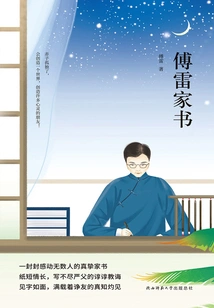
Fu Lei's Family Letter
Literature傅雷家书
Fu Lei
In "Fu Lei's Family Letter", Fu Lei and his son Fu Cong talked about the true meaning of art and spiritual cultivation, and at the same time talked about learning and Taoism with friends. The wisdom contained in the book comes not only from academic research, but also from life experience. "Fu Lei's Family Letters" not only contains the most important content of the family letters, but also the talents and knowledge beyond the family letters.
In "Fu Lei's Family Letter", Fu Lei and his son Fu Cong talked about the true meaning of art and spiritual cultivation, and at the same time talked about learning and Taoism with friends. The wisdom contained in the book comes not only from academic research, but also from life experience. "Fu Lei's Family Letters" not only contains the most important content of the family letters, but also the talents and knowledge beyond the family letters.
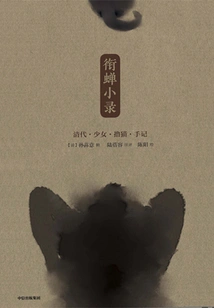
衔蝉小录:清代少女撸猫手记
(qing Dynasty) Compiled By Sun Sun, Commented By Lu Beirong, Painted By Chen Yang
Who said the ancients couldn't raise cats in the clouds? Sun Sun, a girl from the Qing Dynasty, checked cat articles, cat poems, and cat stories in ancient books, and personally compiled cat books... "Xiaolu of Cicadas" is a cat-themed book she compiled when she was seventeen. It covers essays, stories, poems, and pictures, and writes about "the various aspects of cat life" in ancient society. This is a work of a boudoir game, and was privately engraved by Miss Sun's family. It has a limited circulation and has been lost for a long time. This book is almost contemporary with the earliest known cat-themed book - Wang Chutong's "Cat Riding" (the third year of Jiaqing in the Qing Dynasty) but has richer content. When the later Huang Han Dynasty (during the Xianfeng period of the Qing Dynasty) wrote "Cat Garden", they only heard about the name of "Xian Cicada Xiao Lu" but did not see the book. In 2016, the online resources of the National Library of China's Rare Book Library were made public. Lu Beirong, a cat-loving scholar from Hangzhou, came across "Xiaolu of Cicadas" and was pleasantly surprised when he edited, annotated and commented on it. Two cat slaves in ancient and modern times span 200 years of time and space, but they have the same mind.
Who said the ancients couldn't raise cats in the clouds? Sun Sun, a girl from the Qing Dynasty, checked cat articles, cat poems, and cat stories in ancient books, and personally compiled cat books... "Xiaolu of Cicadas" is a cat-themed book she compiled when she was seventeen. It covers essays, stories, poems, and pictures, and writes about "the various aspects of cat life" in ancient society. This is a work of a boudoir game, and was privately engraved by Miss Sun's family. It has a limited circulation and has been lost for a long time. This book is almost contemporary with the earliest known cat-themed book - Wang Chutong's "Cat Riding" (the third year of Jiaqing in the Qing Dynasty) but has richer content. When the later Huang Han Dynasty (during the Xianfeng period of the Qing Dynasty) wrote "Cat Garden", they only heard about the name of "Xian Cicada Xiao Lu" but did not see the book. In 2016, the online resources of the National Library of China's Rare Book Library were made public. Lu Beirong, a cat-loving scholar from Hangzhou, came across "Xiaolu of Cicadas" and was pleasantly surprised when he edited, annotated and commented on it. Two cat slaves in ancient and modern times span 200 years of time and space, but they have the same mind.
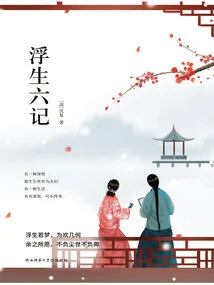
Six Chapters of a Floating Life
Literature浮生六记
Shen Fu
This book is an autobiographical prose written by Shen Fu of the Qing Dynasty in the 13th year of Jiaqing (1808). It takes the life of the author and his wife as the main line and records the ordinary but interesting home life and travel experiences. The love between Shen Fu and Yun Niang has touched countless people. They were childhood sweethearts, deeply in love with no regrets, and "the love grows deeper as time goes by." Every detail of their lives makes us feel warm and sweet. Yun Niang in Shen Fu's works is even more intelligent and intelligent, and has been infatuated throughout her life. Lin Yutang once described her: "Yun, I think, is the most lovable woman in Chinese literature."
This book is an autobiographical prose written by Shen Fu of the Qing Dynasty in the 13th year of Jiaqing (1808). It takes the life of the author and his wife as the main line and records the ordinary but interesting home life and travel experiences. The love between Shen Fu and Yun Niang has touched countless people. They were childhood sweethearts, deeply in love with no regrets, and "the love grows deeper as time goes by." Every detail of their lives makes us feel warm and sweet. Yun Niang in Shen Fu's works is even more intelligent and intelligent, and has been infatuated throughout her life. Lin Yutang once described her: "Yun, I think, is the most lovable woman in Chinese literature."
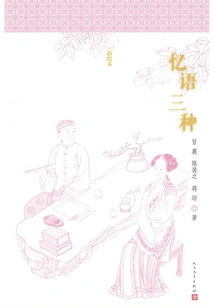
Three Kinds of Memory Words
Literature忆语三种
(qing Dynasty) Maoxiang Chen Peizhi Jiang Tan
The authors of the three types of reminiscences are Maoxiang, Chen Peizhi and Jiang Tan. This book consists of three pieces: "Yingmei'an Reminiscences", "Xiangwanlou Recollections" and "Autumn Dengsuo Recollections". They are all essays written by cultural celebrities in the Ming and Qing Dynasties to commemorate their deceased wives (concubines). The text is truly touching and graceful. While recalling the lasting affection between husband and wife (concubine), it also demonstrates the exquisite and spiritual art of life of the Ming and Qing literati.
The authors of the three types of reminiscences are Maoxiang, Chen Peizhi and Jiang Tan. This book consists of three pieces: "Yingmei'an Reminiscences", "Xiangwanlou Recollections" and "Autumn Dengsuo Recollections". They are all essays written by cultural celebrities in the Ming and Qing Dynasties to commemorate their deceased wives (concubines). The text is truly touching and graceful. While recalling the lasting affection between husband and wife (concubine), it also demonstrates the exquisite and spiritual art of life of the Ming and Qing literati.
A Compilation of Human Words
Literature人间词话精编
(qing Dynasty) Written By Wang Guowei And Edited By Si Lu
Mr. Wang Guowei's "Human Words" is a masterpiece of Chinese classical literary and artistic aesthetics and has landmark significance. This book selects 64 items from Wang Guowei's "Human Words" published in "Journal of Chinese Culture". Each original text is followed by an appreciation text, explaining the main theoretical viewpoints and further expanding the original text.
Mr. Wang Guowei's "Human Words" is a masterpiece of Chinese classical literary and artistic aesthetics and has landmark significance. This book selects 64 items from Wang Guowei's "Human Words" published in "Journal of Chinese Culture". Each original text is followed by an appreciation text, explaining the main theoretical viewpoints and further expanding the original text.
浮生六记:纯美悦读
Shen Fu
Please let me tell you a story, an old story. Like many old stories, there are joys and sorrows, warmth and sadness, liveliness and loneliness; it seems too ordinary and a bit out of place, but it has a kind of warmth, leisurely and romance that seems "slow" but never goes out of style; of course, there is also love.
Please let me tell you a story, an old story. Like many old stories, there are joys and sorrows, warmth and sadness, liveliness and loneliness; it seems too ordinary and a bit out of place, but it has a kind of warmth, leisurely and romance that seems "slow" but never goes out of style; of course, there is also love.
崇文国学经典普及文库:幽梦影
(qing Dynasty) Written By Zhang Chao And Edited By Fang Wen
Chinese classics are an envelope of national spirit. Whenever we open this envelope, we can read the cultural codes that sparkle with wisdom. Therefore, the way to understand and inherit national culture is to read Chinese classics. "Chongwen Chinese Classics Popular Library·Hardcover" has a total of 30 volumes, which selects Chinese classics with rich connotations and long-lasting circulation in traditional Chinese civilization, including historical classics, literary classics, and philosophical classics. The design is exquisite, using two-color printing, with pictures and texts, and rich varieties. Reading these timeless classics will bring us rationality and elegance, sensitivity and wisdom, as well as rich connotation and endless fun.
Chinese classics are an envelope of national spirit. Whenever we open this envelope, we can read the cultural codes that sparkle with wisdom. Therefore, the way to understand and inherit national culture is to read Chinese classics. "Chongwen Chinese Classics Popular Library·Hardcover" has a total of 30 volumes, which selects Chinese classics with rich connotations and long-lasting circulation in traditional Chinese civilization, including historical classics, literary classics, and philosophical classics. The design is exquisite, using two-color printing, with pictures and texts, and rich varieties. Reading these timeless classics will bring us rationality and elegance, sensitivity and wisdom, as well as rich connotation and endless fun.
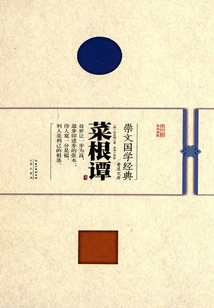
崇文国学经典普及文库:菜根谭
(ming Dynasty) Hong Yingming And Li Wei's Comments
"Cai Gen Tan" is a collection of quotations from the Ming Dynasty that discusses cultivation, life, conduct, and rebirth. The author combines the Confucian doctrine of the mean, the Buddhist thought of transcendence and the Taoist thought of inaction, and combines his own experience to write this set of rules for transcending the world to help people cultivate their minds and cultivate their moral integrity. Its writing is concise, clear and meaningful, suitable for both refined and popular tastes, and has the characteristics of quotations, essays and admonitions. Together with "Night Talk around the Fireplace" and "The Secret of a Small Window", it has become one of the "Three Wonderful Books on Life".
"Cai Gen Tan" is a collection of quotations from the Ming Dynasty that discusses cultivation, life, conduct, and rebirth. The author combines the Confucian doctrine of the mean, the Buddhist thought of transcendence and the Taoist thought of inaction, and combines his own experience to write this set of rules for transcending the world to help people cultivate their minds and cultivate their moral integrity. Its writing is concise, clear and meaningful, suitable for both refined and popular tastes, and has the characteristics of quotations, essays and admonitions. Together with "Night Talk around the Fireplace" and "The Secret of a Small Window", it has become one of the "Three Wonderful Books on Life".
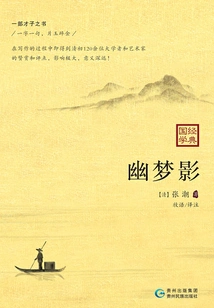
Youmengying
Literature幽梦影
(qing Dynasty) Zhang Chao's Pastoral Translation Annotation
"Youmengying" is known as "wonderful book" and "wonderful book". It is a collection of essay-style aphorisms written by Zhang Chao, a writer in the Qing Dynasty. It is rich in content, elegant and free in writing, with flowing clouds and flowing water. There are flowers, birds, grass and trees, lakes and mountains in the book. It seems that it can be picked up at hand and eloquently talked about, but in fact it contains profound truths and interests, which makes people daydream. It's relaxing and enjoyable to read, as if you were there.
"Youmengying" is known as "wonderful book" and "wonderful book". It is a collection of essay-style aphorisms written by Zhang Chao, a writer in the Qing Dynasty. It is rich in content, elegant and free in writing, with flowing clouds and flowing water. There are flowers, birds, grass and trees, lakes and mountains in the book. It seems that it can be picked up at hand and eloquently talked about, but in fact it contains profound truths and interests, which makes people daydream. It's relaxing and enjoyable to read, as if you were there.
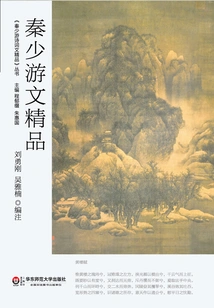
Qin Shaoyou's Exquisite Works
Literature秦少游文精品
Editor's Notes By Liu Yonggang And Wu Yanan
"Qin Shaoyou's Poems and Articles" is an annotated version of prose by Qin Guan, a famous writer in the Northern Song Dynasty. It was selected and annotated by Liu Yonggang and Wu Yanan. The book contains sixty-five articles, divided into fifteen categories: "Ci Fu", "Advancing Policy", "Advancing Theory", "Zhuan·Shuo", "Qi", "Jian", "Wen", "Shu", "Zhi Ming", "Praise", "Postscript", "Book", "Notes", "Preface" and "Miscellaneous Categories". The characteristics of "beautiful and thoughtful" as well as the worldly spirit of his writings are presented to the readers. The annotations in the book are very precise, and there is also a "general comment" column to introduce the background of the poem and an overall introduction. There is also a "commentary" column to collect ancient and modern comments for readers' reference. It is an excellent popular reading book of classical literature.
"Qin Shaoyou's Poems and Articles" is an annotated version of prose by Qin Guan, a famous writer in the Northern Song Dynasty. It was selected and annotated by Liu Yonggang and Wu Yanan. The book contains sixty-five articles, divided into fifteen categories: "Ci Fu", "Advancing Policy", "Advancing Theory", "Zhuan·Shuo", "Qi", "Jian", "Wen", "Shu", "Zhi Ming", "Praise", "Postscript", "Book", "Notes", "Preface" and "Miscellaneous Categories". The characteristics of "beautiful and thoughtful" as well as the worldly spirit of his writings are presented to the readers. The annotations in the book are very precise, and there is also a "general comment" column to introduce the background of the poem and an overall introduction. There is also a "commentary" column to collect ancient and modern comments for readers' reference. It is an excellent popular reading book of classical literature.
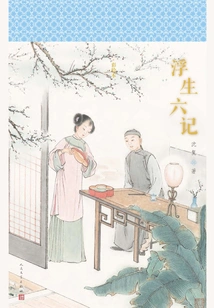
Six Chapters of a Floating Life
Literature浮生六记
Shen Fu
This book is an autobiographical prose written by Shen Fu, a native of Changzhou (now Suzhou) in the Qing Dynasty, in the 13th year of Jiaqing (1808). The content takes the life of the author and his wife as the main line, describing the ordinary but interesting home life and what he saw and heard while traveling around the world. The text expresses the soul uniquely and is informal. It describes the couple's "love in the boudoir and trivial things in the family" in an affectionate and straightforward style, and writes about the sincere love between husband and wife.
This book is an autobiographical prose written by Shen Fu, a native of Changzhou (now Suzhou) in the Qing Dynasty, in the 13th year of Jiaqing (1808). The content takes the life of the author and his wife as the main line, describing the ordinary but interesting home life and what he saw and heard while traveling around the world. The text expresses the soul uniquely and is informal. It describes the couple's "love in the boudoir and trivial things in the family" in an affectionate and straightforward style, and writes about the sincere love between husband and wife.
板桥杂记·续板桥杂记
(qing Dynasty) Yu Huai, Zhuquan Layman
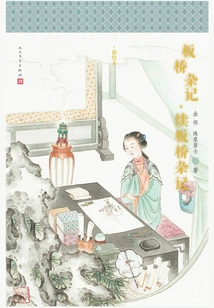
This book uses the form of short essays to record the situation of the famous prostitutes in the old courtyard of Changbanqiao on the south bank of the Qinhuai River in Nanjing in the late Ming Dynasty and their experiences in various aspects. The Liyuan Light Boat, Gongyuan Brothel House, Liu Rushi, Gu Hengbo, Ma Xianglan, Chen Yuanyuan, Kou Baimen, Bian Yujing, Li Xiangjun and other beauties along the Qinhuai River are described in detail. The text is vivid, vivid and highly readable. "Continuation of Banqiao Miscellaneous Notes" is the sequel to it by later generations.
This book uses the form of short essays to record the situation of the famous prostitutes in the old courtyard of Changbanqiao on the south bank of the Qinhuai River in Nanjing in the late Ming Dynasty and their experiences in various aspects. The Liyuan Light Boat, Gongyuan Brothel House, Liu Rushi, Gu Hengbo, Ma Xianglan, Chen Yuanyuan, Kou Baimen, Bian Yujing, Li Xiangjun and other beauties along the Qinhuai River are described in detail. The text is vivid, vivid and highly readable. "Continuation of Banqiao Miscellaneous Notes" is the sequel to it by later generations.
Dongpo Zhilin
Literature东坡志林
Su Shi
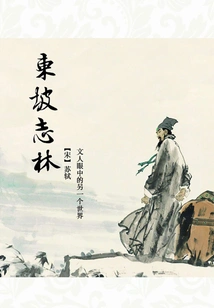
This book contains the author's miscellaneous historical discussions in the twenty years from Yuanfeng to Yuanfu. It is what Su Shi saw and heard during his travels and conversations. He recorded all the strange people and strange things that he could understand and cannot understand. The content is extensive and he talks about everything. His articles are of any length, ranging from a thousand words to a few words, but most of them are short. They are all written with confidence and ease, reflecting the author's literary style of flowing clouds and flowing water, which is the origin of sketches in the late Ming Dynasty.
This book contains the author's miscellaneous historical discussions in the twenty years from Yuanfeng to Yuanfu. It is what Su Shi saw and heard during his travels and conversations. He recorded all the strange people and strange things that he could understand and cannot understand. The content is extensive and he talks about everything. His articles are of any length, ranging from a thousand words to a few words, but most of them are short. They are all written with confidence and ease, reflecting the author's literary style of flowing clouds and flowing water, which is the origin of sketches in the late Ming Dynasty.
Chinese Studies Ladder Open Class 3
Literature国学梯级公开课3
Compiled By Moro Yang Fan
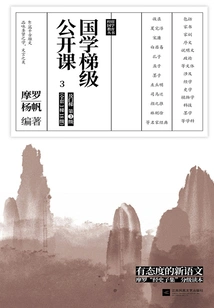
This book selects articles from Xia Wanchun, Song Lian, Shi Buhua, Huang Zongxi, Lin Zexu, Song Yingxing and others during the Ming and Qing Dynasties, including family letters, prefaces, explanatory essays, political commentaries, etc. Xia Wanchun is a young hero. "A Letter from the Mother in Prison" is written magnificently, with both blood and warmth, and both literary talent and personality. The family letter "Bie Di Wen" shows how people who have been baptized by abject poverty and humiliation never forget their original intentions and abstain from lust and greed. The author's memory and remembrance of his mother, as well as his description of her suffering, fatigue, and strength, are particularly tear-jerking. "Preface to the Lychee Picture" is an explanatory essay written by Bai Juyi. The wording is concise and accurate, and there are many things worth learning from in writing. A rhetorical question in "Yan Zi's Good Admonition" made the monarch repent and resolutely change his ways, which can be said to be the ultimate in eloquence.
This book selects articles from Xia Wanchun, Song Lian, Shi Buhua, Huang Zongxi, Lin Zexu, Song Yingxing and others during the Ming and Qing Dynasties, including family letters, prefaces, explanatory essays, political commentaries, etc. Xia Wanchun is a young hero. "A Letter from the Mother in Prison" is written magnificently, with both blood and warmth, and both literary talent and personality. The family letter "Bie Di Wen" shows how people who have been baptized by abject poverty and humiliation never forget their original intentions and abstain from lust and greed. The author's memory and remembrance of his mother, as well as his description of her suffering, fatigue, and strength, are particularly tear-jerking. "Preface to the Lychee Picture" is an explanatory essay written by Bai Juyi. The wording is concise and accurate, and there are many things worth learning from in writing. A rhetorical question in "Yan Zi's Good Admonition" made the monarch repent and resolutely change his ways, which can be said to be the ultimate in eloquence.
Six Chapters of a Floating Life
Literature浮生六记
Shen Fu
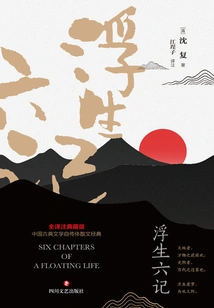
"Six Chapters of a Floating Life" is an autobiographical prose written by Shen Fu in the Qing Dynasty. It was originally written in six volumes, two of which have been lost, and only four volumes remain today. The author narrates his life experience for most of his life in pure and beautiful words. The content is unpretentious, real and moving. Shen Fu and his wife Chen Yun were in harmony with each other, and they had a deep love for each other. Their life style of poetry, wine, wine, tea, common people's clothing and vegetarian food, and their attitude towards life in pursuit of spiritual freedom, are a poetic portrayal of life in the floating world. The turmoil and sorrow, joys and sorrows, separation and reunion shown in the book also reveal another true face of life in the floating world. This book is "happy but not obscene, sad but not sad". It occupies a very important position in Qing Dynasty notebook literature and has been passed down to this day and has become a classic.
"Six Chapters of a Floating Life" is an autobiographical prose written by Shen Fu in the Qing Dynasty. It was originally written in six volumes, two of which have been lost, and only four volumes remain today. The author narrates his life experience for most of his life in pure and beautiful words. The content is unpretentious, real and moving. Shen Fu and his wife Chen Yun were in harmony with each other, and they had a deep love for each other. Their life style of poetry, wine, wine, tea, common people's clothing and vegetarian food, and their attitude towards life in pursuit of spiritual freedom, are a poetic portrayal of life in the floating world. The turmoil and sorrow, joys and sorrows, separation and reunion shown in the book also reveal another true face of life in the floating world. This book is "happy but not obscene, sad but not sad". It occupies a very important position in Qing Dynasty notebook literature and has been passed down to this day and has become a classic.
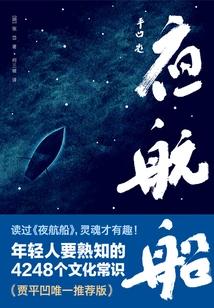
夜航船:年轻人要熟知的4248个文化常识(作家榜经典)
G
After reading "Night Sailing", the soul is interesting! This is an interesting and informative encyclopedia of cultural knowledge. It includes astronomy and geography, antiques, rare birds and animals, hundreds of schools of thought, palace secrets, plants and flowers, three religions and nine streams, ghosts and supernatural beings... It contains 4248 pieces of cultural common sense in 20 categories. It is an immortal classic that perfectly combines fun, knowledge and storytelling. It has been secretly circulated for 300 years since its inception. It is like a sky full of stars, twinkling in the dark night sky, bright and charming. If you could read just one book that would make you knowledgeable and interesting, it would be "Night Sailing."
After reading "Night Sailing", the soul is interesting! This is an interesting and informative encyclopedia of cultural knowledge. It includes astronomy and geography, antiques, rare birds and animals, hundreds of schools of thought, palace secrets, plants and flowers, three religions and nine streams, ghosts and supernatural beings... It contains 4248 pieces of cultural common sense in 20 categories. It is an immortal classic that perfectly combines fun, knowledge and storytelling. It has been secretly circulated for 300 years since its inception. It is like a sky full of stars, twinkling in the dark night sky, bright and charming. If you could read just one book that would make you knowledgeable and interesting, it would be "Night Sailing."
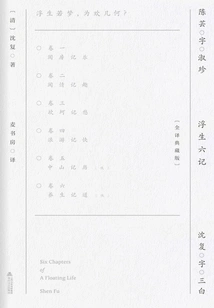
浮生六记(全译典藏版)
Shen Fu
This book is an autobiographical prose by Shen Fu, a native of the Qing Dynasty, recalling the past events in his life. The author uses sometimes light and sometimes affectionate writing styles to write down the joys, joys and sorrows of his life, with sincere feelings and never deliberately pretentious. It is fascinating to read. It has been passed down to this day and has become a classic. The original text of this book is based on the Republic of China version published by Kaiming Bookstore, supplemented by several other editions for proofreading, so as to ensure rigor. There are a total of six original works, among which "Zhongshan Ji Li" and "Yu Sheng Ji Dao" have long been lost. Many biographies have been tested as forgeries and are included in the appendix. The first edition preface, postscript and Shen Fu's chronology are also attached for reference only.
This book is an autobiographical prose by Shen Fu, a native of the Qing Dynasty, recalling the past events in his life. The author uses sometimes light and sometimes affectionate writing styles to write down the joys, joys and sorrows of his life, with sincere feelings and never deliberately pretentious. It is fascinating to read. It has been passed down to this day and has become a classic. The original text of this book is based on the Republic of China version published by Kaiming Bookstore, supplemented by several other editions for proofreading, so as to ensure rigor. There are a total of six original works, among which "Zhongshan Ji Li" and "Yu Sheng Ji Dao" have long been lost. Many biographies have been tested as forgeries and are included in the appendix. The first edition preface, postscript and Shen Fu's chronology are also attached for reference only.
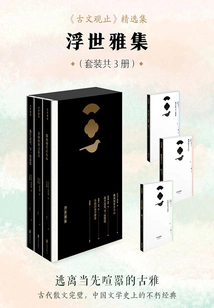
浮世雅集(套装共3册)
Han Yu Tao Yuanming Sima Qian Et Al.
"The Collection of Floating Worlds" is a collection of classical prose. The set of books carefully selects the exquisite leisurely and elegant proses of past dynasties from "Gu Wen Guan Zhi" and re-categorizes them according to the content. The three episodes of "A Deep Affection" and "Looking for the Pure Sound in the Landscape" lead readers to experience the beauty of ancient literature, feel the feelings of the ancients, appreciate the elegance of the ancients, and gain an elegance that escapes the hustle and bustle of reality from the aspects of the ancients' character, friendship, and landscapes.
"The Collection of Floating Worlds" is a collection of classical prose. The set of books carefully selects the exquisite leisurely and elegant proses of past dynasties from "Gu Wen Guan Zhi" and re-categorizes them according to the content. The three episodes of "A Deep Affection" and "Looking for the Pure Sound in the Landscape" lead readers to experience the beauty of ancient literature, feel the feelings of the ancients, appreciate the elegance of the ancients, and gain an elegance that escapes the hustle and bustle of reality from the aspects of the ancients' character, friendship, and landscapes.
流年急景,守一份深情
Han Yu Ouyang Xiu Et Al.
"The Passing Time, Keeping a Deep Affection" is a collection of essays. The manuscript selects the words written by Han Yu, Ouyang Xiu and other writers of the past dynasties from "The View of Ancient Prose" to express the feelings of family and country, the friendship between friends, and the deep emotions of teachers and friends. It leads readers to experience the beauty of ancient prose, appreciate the deep feelings of the ancients, live poetically in secular life, and keep their own true feelings in real life.
"The Passing Time, Keeping a Deep Affection" is a collection of essays. The manuscript selects the words written by Han Yu, Ouyang Xiu and other writers of the past dynasties from "The View of Ancient Prose" to express the feelings of family and country, the friendship between friends, and the deep emotions of teachers and friends. It leads readers to experience the beauty of ancient prose, appreciate the deep feelings of the ancients, live poetically in secular life, and keep their own true feelings in real life.
微风闲看古人心
Sima Qian, Fan Zhongyan, Etc. Compiled By Wu Jiage
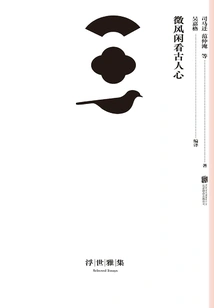
"Breeze Leisurely Looks at the Heart of Ancients" is a collection of essays. It selects passages from "Guanwen Guanzhi" that reflect the character and integrity of the ancients from the works of writers of the past dynasties such as Sima Qian and Fan Zhongyan. It leads readers to experience the beauty of ancient prose, systematically feel the feelings of the ancients, and learn to cultivate their moral integrity in real life.
"Breeze Leisurely Looks at the Heart of Ancients" is a collection of essays. It selects passages from "Guanwen Guanzhi" that reflect the character and integrity of the ancients from the works of writers of the past dynasties such as Sima Qian and Fan Zhongyan. It leads readers to experience the beauty of ancient prose, systematically feel the feelings of the ancients, and learn to cultivate their moral integrity in real life.