Library
Browse and search books
699 novels found
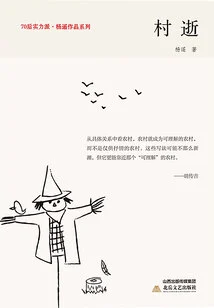
Village Passed Away
General Fiction村逝
Yang Yao
The novels collected in "Village Passed" all take rural areas as their writing subjects. "The Craftsman", "The Flat Nose of the Eagle", "Brother Brings the Knife to the Door", "Inn in the Mountains", "Grand Childhood" and "Death in the Village", write about different but interrelated people in rural areas - craftsmen, strangers, farmers, village cadres, nouveau riche, etc. The views are rational, the techniques are changeable, the layout and concepts are unconventional, the pattern is generous, and the momentum is extraordinary.
The novels collected in "Village Passed" all take rural areas as their writing subjects. "The Craftsman", "The Flat Nose of the Eagle", "Brother Brings the Knife to the Door", "Inn in the Mountains", "Grand Childhood" and "Death in the Village", write about different but interrelated people in rural areas - craftsmen, strangers, farmers, village cadres, nouveau riche, etc. The views are rational, the techniques are changeable, the layout and concepts are unconventional, the pattern is generous, and the momentum is extraordinary.
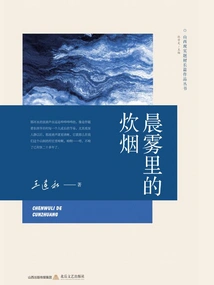
Smoke in the Morning Mist
General Fiction晨雾里的炊烟
Wang Jianhe
The novel describes a story that took place in a rural area in Taiyue Mountain during the early days of reform and opening up. Land is the main resource that rural farmers rely on for survival. At the critical juncture of social change, when facing the land that is closely related to farmers, characters with various personalities showed a variety of different attitudes, which also constituted a panoramic custom painting of the village's joint production contract. The novel attempts to present a panoramic view of rural social conditions and life in the early 1980s. Taking the rural society in the era of change as the background, the author focuses on Huayan Village in the hinterland of Taiyue Mountain. Through the games and struggles, advances and compromises, confusion and sobriety of all strata in the countryside, the author shows a magnificent picture of the times. The author's exploration of the subtleties of human nature and the presentation of the rural humanistic atmosphere make the text appear rich and full.
The novel describes a story that took place in a rural area in Taiyue Mountain during the early days of reform and opening up. Land is the main resource that rural farmers rely on for survival. At the critical juncture of social change, when facing the land that is closely related to farmers, characters with various personalities showed a variety of different attitudes, which also constituted a panoramic custom painting of the village's joint production contract. The novel attempts to present a panoramic view of rural social conditions and life in the early 1980s. Taking the rural society in the era of change as the background, the author focuses on Huayan Village in the hinterland of Taiyue Mountain. Through the games and struggles, advances and compromises, confusion and sobriety of all strata in the countryside, the author shows a magnificent picture of the times. The author's exploration of the subtleties of human nature and the presentation of the rural humanistic atmosphere make the text appear rich and full.
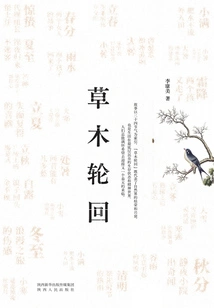
Reincarnation of Vegetation
General Fiction草木轮回
Li Kangmei
This is a novel with realistic themes. The story is indexed by the twenty-four solar terms. The "reincarnation of grass and trees" not only represents the prosperity and decline of nature, but also the living conditions and spiritual world of the people living at the lowest level. People can always welcome the coming of another spring with full hope. In Huangliu Village in Beili, Qinling Mountains, all the villagers have gone away from home to work. Except for some old, weak, sick and disabled people who stayed in the village, Huang Anan, who is in his fifties, has become a scarce strong labor force. With a kind-hearted, optimistic and honest nature, he almost became a "volunteer" for those left behind. With his courage and perseverance to never bow down in the face of hardship, he helped the villagers get out of poverty, and also out of spiritual loneliness and life barriers. The author has profound writing skills, and the plot of the novel is compact and gripping. It directly faces the current social problems of "hollowness" in rural areas, with lofty intentions and positive themes. This book is a key literary and artistic creation funding project of the Provincial Party Committee Propaganda Department in 2021.
This is a novel with realistic themes. The story is indexed by the twenty-four solar terms. The "reincarnation of grass and trees" not only represents the prosperity and decline of nature, but also the living conditions and spiritual world of the people living at the lowest level. People can always welcome the coming of another spring with full hope. In Huangliu Village in Beili, Qinling Mountains, all the villagers have gone away from home to work. Except for some old, weak, sick and disabled people who stayed in the village, Huang Anan, who is in his fifties, has become a scarce strong labor force. With a kind-hearted, optimistic and honest nature, he almost became a "volunteer" for those left behind. With his courage and perseverance to never bow down in the face of hardship, he helped the villagers get out of poverty, and also out of spiritual loneliness and life barriers. The author has profound writing skills, and the plot of the novel is compact and gripping. It directly faces the current social problems of "hollowness" in rural areas, with lofty intentions and positive themes. This book is a key literary and artistic creation funding project of the Provincial Party Committee Propaganda Department in 2021.
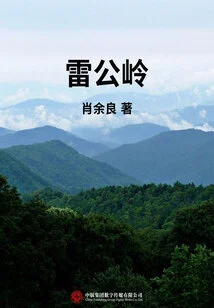
Leigongling
General Fiction雷公岭
Xiao Yuliang
It describes that a group of Communists, under the leadership of Liu Xin, the party branch secretary who pursues dreams, have spent decades to transform Shanchong, build Shanchong, and make Shanchong rich. They have poured their youthful blood into this Shanchong, and composed a touching hymn worthy of the times! They have eliminated the interference of "left" and "right" and have insisted on focusing on two things for decades: on the one hand, they focus on the construction of ideological civilization of cadres and the masses, and on the other hand, they focus on the construction of economic development. In the end, they built an ignorant and backward Shanchong into a prosperous, powerful and civilized "No. 1 In the world".
It describes that a group of Communists, under the leadership of Liu Xin, the party branch secretary who pursues dreams, have spent decades to transform Shanchong, build Shanchong, and make Shanchong rich. They have poured their youthful blood into this Shanchong, and composed a touching hymn worthy of the times! They have eliminated the interference of "left" and "right" and have insisted on focusing on two things for decades: on the one hand, they focus on the construction of ideological civilization of cadres and the masses, and on the other hand, they focus on the construction of economic development. In the end, they built an ignorant and backward Shanchong into a prosperous, powerful and civilized "No. 1 In the world".
Rural People
General Fiction乡村人家
Aaron Kwok
In the beautiful coastal city of Yangjiang, there is a village nestled among mountains and rivers, called Dongcun. In this place, there are many people and little cultivated land. A family like Liang Youdi can only be allocated more than four acres of cultivated land and more than one acre of private land. The grain output at that time was not high, and there was very little left after paying it to the public and purchasing grain. In addition, her younger siblings were young, her grandmother was old, and she had a bedridden mother. The family's financial resources were only supported by her father.
In the beautiful coastal city of Yangjiang, there is a village nestled among mountains and rivers, called Dongcun. In this place, there are many people and little cultivated land. A family like Liang Youdi can only be allocated more than four acres of cultivated land and more than one acre of private land. The grain output at that time was not high, and there was very little left after paying it to the public and purchasing grain. In addition, her younger siblings were young, her grandmother was old, and she had a bedridden mother. The family's financial resources were only supported by her father.
Big Shot
General Fiction大人物
Long Bin
Suzuko, a young and beautiful woman, is a "fool" who has suffered from meningitis and cannot take care of herself. "Old bachelor" Jia Baoqing married him back from western Sichuan, which caused a sensation among his neighbors and became a "big shot" that everyone often talked about after dinner. Baoqingli Village is a famously poor mountain village. Many men cannot marry wives. Seeing the beautiful Lingzi, some people have their own thoughts... A few years later, the "idiot" Lingzi gave birth to three children for the "old bachelor" Jia Baoqing, who are not stupid but are very healthy and smart. , When they grew up, they thought of many ways to get rid of poverty in Baoqingli and embark on the road to prosperity. In the end, Baoqingli got rid of poverty and became rich, becoming a model for the region and even the province in building a new socialist countryside in the new era. The villagers lived a happy life. His son, Jia Guisheng, the village party secretary who led the villagers out of poverty and became rich, became a real "big shot" praised by his neighbors...
Suzuko, a young and beautiful woman, is a "fool" who has suffered from meningitis and cannot take care of herself. "Old bachelor" Jia Baoqing married him back from western Sichuan, which caused a sensation among his neighbors and became a "big shot" that everyone often talked about after dinner. Baoqingli Village is a famously poor mountain village. Many men cannot marry wives. Seeing the beautiful Lingzi, some people have their own thoughts... A few years later, the "idiot" Lingzi gave birth to three children for the "old bachelor" Jia Baoqing, who are not stupid but are very healthy and smart. , When they grew up, they thought of many ways to get rid of poverty in Baoqingli and embark on the road to prosperity. In the end, Baoqingli got rid of poverty and became rich, becoming a model for the region and even the province in building a new socialist countryside in the new era. The villagers lived a happy life. His son, Jia Guisheng, the village party secretary who led the villagers out of poverty and became rich, became a real "big shot" praised by his neighbors...
Pingle County Chronicle
General Fiction平乐县志
Yan Ge
"Pingle County Chronicles" is the latest novel by the writer Yan Ge, and it is also the finale of his "Pingle Town Series". The book has a total of fourteen chapters. The story takes place on the East Street of Pingle Town. Fu Qihong, the deputy director of the County Chronicle Office who is about to retire, and his daughter-in-law Chen Diju are the two protagonists. They connect the growth and separation of a young man and woman and the ups and downs of small town life. This is a literary archive of Pingle Town written in the form of a virtual local chronicle, and it is also a postmodern "three words and two shots". Yan Ge made a conscious modern transformation of the three-character and two-part script novel, unfolding the narrative in the tone of a storyteller, and cleverly used various old-style poems and rhymes as well as Sichuan dialect, blending classical and modern senses, making the novel text rich in layers and space, showing a strong ability to reshape modern Chinese and contemporary stories.
"Pingle County Chronicles" is the latest novel by the writer Yan Ge, and it is also the finale of his "Pingle Town Series". The book has a total of fourteen chapters. The story takes place on the East Street of Pingle Town. Fu Qihong, the deputy director of the County Chronicle Office who is about to retire, and his daughter-in-law Chen Diju are the two protagonists. They connect the growth and separation of a young man and woman and the ups and downs of small town life. This is a literary archive of Pingle Town written in the form of a virtual local chronicle, and it is also a postmodern "three words and two shots". Yan Ge made a conscious modern transformation of the three-character and two-part script novel, unfolding the narrative in the tone of a storyteller, and cleverly used various old-style poems and rhymes as well as Sichuan dialect, blending classical and modern senses, making the novel text rich in layers and space, showing a strong ability to reshape modern Chinese and contemporary stories.
Tassel
General Fiction流苏
Han Fei
"Tassel" is a realistic novel. The author condenses the historical change process of rural areas in the hilly areas of central Shandong and panoramicly reproduces the social life in remote rural areas in the 1980s and 1990s. Against the broad background of reform and opening up, the novel takes Zhang Liusu, a peasant woman, as the main line, and depicts the images of many ordinary people through the conflicts and entanglements of various characters in the small mountain village. Betrayal and watchfulness, tears and smiles, frustration and pursuit, conservatism and resistance, daily life and social development and changes, many conflicts are intertwined, profoundly showing the tortuous path that remote rural areas have taken under the impact of the tide of social development, and showing the arduous struggle of ordinary little people in the melting pot of society as their spiritual concepts are constantly tempered and reborn.
"Tassel" is a realistic novel. The author condenses the historical change process of rural areas in the hilly areas of central Shandong and panoramicly reproduces the social life in remote rural areas in the 1980s and 1990s. Against the broad background of reform and opening up, the novel takes Zhang Liusu, a peasant woman, as the main line, and depicts the images of many ordinary people through the conflicts and entanglements of various characters in the small mountain village. Betrayal and watchfulness, tears and smiles, frustration and pursuit, conservatism and resistance, daily life and social development and changes, many conflicts are intertwined, profoundly showing the tortuous path that remote rural areas have taken under the impact of the tide of social development, and showing the arduous struggle of ordinary little people in the melting pot of society as their spiritual concepts are constantly tempered and reborn.
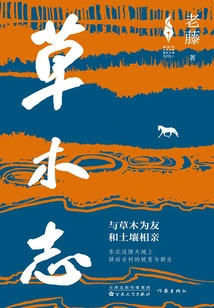
Grass and Trees
General Fiction草木志
Old Vine
"Grass and Trees" is a novel with realistic themes written by the famous writer Lao Teng. This book focuses on the revitalization and development of Xuli Village, a village that evolved from a post station in the Qing Dynasty. It tells the story of how cadres "I", Shao Zhentian and others led the villagers under the guidance of the Party's rural revitalization strategy to develop industries according to local conditions, promote the creative transformation and innovative development of the post station culture in China's excellent traditional culture, and create the Post Road·Meet Culture and Tourism integration project, which finally brought about earth-shaking changes in the village and put it on the road to health and prosperity. The novel has strong characteristics of the Northeastern border region. It explores new artistic qualities and updates narrative experience in the profound tradition of local literature, and embodies "the enterprising spirit of the Chinese nation that is upright rather than conservative, and respects the past rather than retrospecting."
"Grass and Trees" is a novel with realistic themes written by the famous writer Lao Teng. This book focuses on the revitalization and development of Xuli Village, a village that evolved from a post station in the Qing Dynasty. It tells the story of how cadres "I", Shao Zhentian and others led the villagers under the guidance of the Party's rural revitalization strategy to develop industries according to local conditions, promote the creative transformation and innovative development of the post station culture in China's excellent traditional culture, and create the Post Road·Meet Culture and Tourism integration project, which finally brought about earth-shaking changes in the village and put it on the road to health and prosperity. The novel has strong characteristics of the Northeastern border region. It explores new artistic qualities and updates narrative experience in the profound tradition of local literature, and embodies "the enterprising spirit of the Chinese nation that is upright rather than conservative, and respects the past rather than retrospecting."
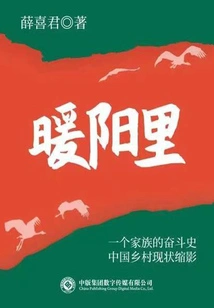
Nuanyangli
General Fiction暖阳里
Xue Xijun
It describes a family fleeing from famine in Shandong, with its fathers Liu Shichang, Liu Changhe, Guan Laowu, and Ding Dazhuang as representatives of an era; Liu Zhenzhen, Liu Zhuzhu, Zhou Lina, etc., And the working team in the village as representatives of an era. Their sense of self-responsibility and perseverance for the rural areas to get rid of poverty and become rich, for the revitalization and development of the countryside, are a force of this era and a powerful attack on the impetuosity and profit supremacy of some people today.
It describes a family fleeing from famine in Shandong, with its fathers Liu Shichang, Liu Changhe, Guan Laowu, and Ding Dazhuang as representatives of an era; Liu Zhenzhen, Liu Zhuzhu, Zhou Lina, etc., And the working team in the village as representatives of an era. Their sense of self-responsibility and perseverance for the rural areas to get rid of poverty and become rich, for the revitalization and development of the countryside, are a force of this era and a powerful attack on the impetuosity and profit supremacy of some people today.
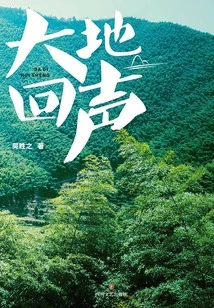
Echo of the Earth
General Fiction大地回声
Wu Shengzhi
This is a novel. Adopting a realistic creative method, it tells the history of entrepreneurship of the generation born in the 1970s who adhered to the land and amidst the magnificent tide of the times. The author Wu Shengzhi is from Songtao Miao Autonomous County, Tongren City, Guizhou Province. In the manuscript, the author incorporates strong local customs and manuscripts to create the image of rural entrepreneurs represented by Jin Gui. It describes in detail the tortuous journey they took when they failed to start a business for the first time, then went out to work, found new entrepreneurial opportunities, and finally broke out into a new world through difficult management. The manuscript expresses this generation's deep love and devotion to the land, and shows the image and pursuit of a new generation of farmer entrepreneurs.
This is a novel. Adopting a realistic creative method, it tells the history of entrepreneurship of the generation born in the 1970s who adhered to the land and amidst the magnificent tide of the times. The author Wu Shengzhi is from Songtao Miao Autonomous County, Tongren City, Guizhou Province. In the manuscript, the author incorporates strong local customs and manuscripts to create the image of rural entrepreneurs represented by Jin Gui. It describes in detail the tortuous journey they took when they failed to start a business for the first time, then went out to work, found new entrepreneurial opportunities, and finally broke out into a new world through difficult management. The manuscript expresses this generation's deep love and devotion to the land, and shows the image and pursuit of a new generation of farmer entrepreneurs.
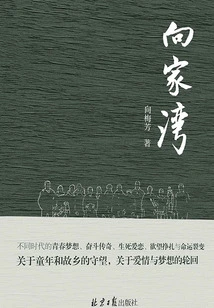
Xiangjiawan
General Fiction向家湾
Xiang Meifang
The story begins with a special interview with a well-known female writer in a small town in western Guangdong. It is divided into chapters and tells the struggles, ups and downs, loves, hates, joys and sorrows, and life legends of five generations of a peasant family. The time span of the novel is from 1920 to 2020, and the geographical span is from northwestern Hunan to southwestern Guangdong. The content covers the suffering and glory of China's rural areas during the Republic of China, the fate of individuals in special historical periods, the phoenix nirvana of farmers before and after reform and opening up, and the inspirational lives of a generation of rural youth across the century...
The story begins with a special interview with a well-known female writer in a small town in western Guangdong. It is divided into chapters and tells the struggles, ups and downs, loves, hates, joys and sorrows, and life legends of five generations of a peasant family. The time span of the novel is from 1920 to 2020, and the geographical span is from northwestern Hunan to southwestern Guangdong. The content covers the suffering and glory of China's rural areas during the Republic of China, the fate of individuals in special historical periods, the phoenix nirvana of farmers before and after reform and opening up, and the inspirational lives of a generation of rural youth across the century...
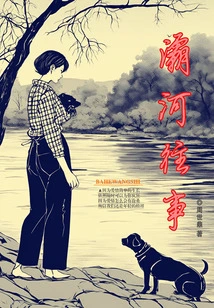
Past Events in Bahe River
General Fiction灞河往事
Zhou Shiding
Zhang Yun, an outstanding young woman from Liushulin Village on the banks of the Wei River Basin, known as Sister Yun, is smart and dexterous, and is good at farm work and housework. Because of her good voice, she learned to sing folk tunes and local operas, joined a literary and art propaganda team, and learned to sing, dance and perform. Her good looks, bright voice, and constant touring performances made her a hit in the local area, attracting the enthusiastic pursuit of many cadres' children. But she fell in love with Wang Xiaofeng, a farmer's son from the same village who was studying in high school in the county town. She fell in love sincerely and persistently, and her dream finally came true with the help of her best friend and Wang Xiaofeng's classmate Li Liuying. In the long years that followed, for the sake of love, she reluctantly gave up her favorite literary and artistic activities and devoted herself to family and farming. She endured the burden, overcame many difficulties, tolerated her husband's mistakes, fully supported and helped him succeed in starting a business, and the couple became famous local farmers and entrepreneurs, finally achieving a happy marriage in her life.
Zhang Yun, an outstanding young woman from Liushulin Village on the banks of the Wei River Basin, known as Sister Yun, is smart and dexterous, and is good at farm work and housework. Because of her good voice, she learned to sing folk tunes and local operas, joined a literary and art propaganda team, and learned to sing, dance and perform. Her good looks, bright voice, and constant touring performances made her a hit in the local area, attracting the enthusiastic pursuit of many cadres' children. But she fell in love with Wang Xiaofeng, a farmer's son from the same village who was studying in high school in the county town. She fell in love sincerely and persistently, and her dream finally came true with the help of her best friend and Wang Xiaofeng's classmate Li Liuying. In the long years that followed, for the sake of love, she reluctantly gave up her favorite literary and artistic activities and devoted herself to family and farming. She endured the burden, overcame many difficulties, tolerated her husband's mistakes, fully supported and helped him succeed in starting a business, and the couple became famous local farmers and entrepreneurs, finally achieving a happy marriage in her life.
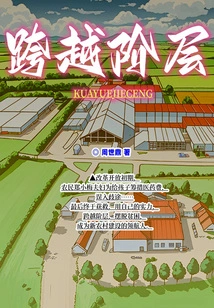
Across Classes
General Fiction跨越阶层
Zhou Shiding
In the early days of rural reform and opening up, while farmers' lives continued to improve, there were still problems such as expensive and difficult medical treatment for serious and serious illnesses. The book describes a young rural couple, Wang Dasheng and Zheng Xiaomei. Their son was diagnosed with leukemia and needed a bone marrow transplant, which required huge operating fees. The family sold all their belongings and borrowed money from relatives and friends, but they still couldn't raise the funds. When her family suffered a major disaster, in order to quickly obtain financial assistance and cure her son's illness, Zheng Xiaomei listened to gossip and unfortunately went astray and was treated illegally. When she discovered the truth, she fought tenaciously and with all her strength. With the help of her husband, she escaped from the devil's cave. She also got out of the predicament with the help of the state's legal system, so that the evildoers were punished. They also recognized their mistakes and learned lessons in the face of facts; they also recognized the current good situation, saw the direction, and together with the whole family, adapted measures to local conditions and worked hard to start a business, and finally achieved success, which not only made their family rich quickly, but also promoted the economic development of the people in their hometown and made them rich together, and they were widely praised.
In the early days of rural reform and opening up, while farmers' lives continued to improve, there were still problems such as expensive and difficult medical treatment for serious and serious illnesses. The book describes a young rural couple, Wang Dasheng and Zheng Xiaomei. Their son was diagnosed with leukemia and needed a bone marrow transplant, which required huge operating fees. The family sold all their belongings and borrowed money from relatives and friends, but they still couldn't raise the funds. When her family suffered a major disaster, in order to quickly obtain financial assistance and cure her son's illness, Zheng Xiaomei listened to gossip and unfortunately went astray and was treated illegally. When she discovered the truth, she fought tenaciously and with all her strength. With the help of her husband, she escaped from the devil's cave. She also got out of the predicament with the help of the state's legal system, so that the evildoers were punished. They also recognized their mistakes and learned lessons in the face of facts; they also recognized the current good situation, saw the direction, and together with the whole family, adapted measures to local conditions and worked hard to start a business, and finally achieved success, which not only made their family rich quickly, but also promoted the economic development of the people in their hometown and made them rich together, and they were widely praised.
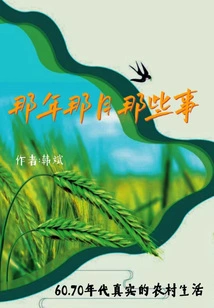
Those Things That Year and Month
General Fiction那年那月那些事
Han Bin
The novel uses the two heroines who accidentally marry each other's husbands as the plot line, and arranges the plot based on the two families' diverse thoughts on life, policy, and children. It describes the background of the beginning of reform and opening up, from different angles, different mentality, different characters, etc. It comprehensively reflects the hardships of rural life and the process of farmers going from poverty to wealth through suffering and pain through reform and opening up.
The novel uses the two heroines who accidentally marry each other's husbands as the plot line, and arranges the plot based on the two families' diverse thoughts on life, policy, and children. It describes the background of the beginning of reform and opening up, from different angles, different mentality, different characters, etc. It comprehensively reflects the hardships of rural life and the process of farmers going from poverty to wealth through suffering and pain through reform and opening up.
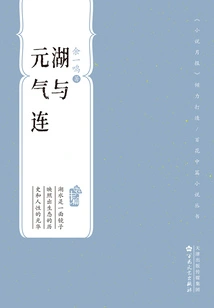
Lake and Vitality Connected
General Fiction湖与元气连
Yu Yiming
"The Lake and the Vitality" tells the story of Wang Sanyue, a college student with a background in Chinese, who went to Shangyuan Village, a village south of Danyang Lake, to serve as a village cadre. The work mirrors each other to create the heroic images of Liu Silong, Chen Yutian and Chen Daxian, who take the lead and serve the people wholeheartedly. By reviewing the past history, the work further explores the relatively distant historical picture from the real life in front of the eyes. At the end, it cleverly echoes the poem of the Tang Dynasty poet Li Bai: "Ten Odes of the Girl·Danyang Lake" ": "The lake is connected with the vitality, and the storm is unstoppable. Guests from outside the world return, and sails rise in the clouds. Turtles swim on the lotus leaves, and birds stay in the reed flowers. The girl paddles in the boat and sings along the flowing water." At the same time, the novel focuses on the current natural ecology, environmental protection, the relationship between man and nature, and the restoration of the natural ecology. It can be regarded as a quite typical ecological narrative text.
"The Lake and the Vitality" tells the story of Wang Sanyue, a college student with a background in Chinese, who went to Shangyuan Village, a village south of Danyang Lake, to serve as a village cadre. The work mirrors each other to create the heroic images of Liu Silong, Chen Yutian and Chen Daxian, who take the lead and serve the people wholeheartedly. By reviewing the past history, the work further explores the relatively distant historical picture from the real life in front of the eyes. At the end, it cleverly echoes the poem of the Tang Dynasty poet Li Bai: "Ten Odes of the Girl·Danyang Lake" ": "The lake is connected with the vitality, and the storm is unstoppable. Guests from outside the world return, and sails rise in the clouds. Turtles swim on the lotus leaves, and birds stay in the reed flowers. The girl paddles in the boat and sings along the flowing water." At the same time, the novel focuses on the current natural ecology, environmental protection, the relationship between man and nature, and the restoration of the natural ecology. It can be regarded as a quite typical ecological narrative text.
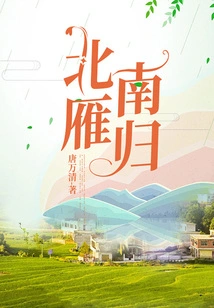
Northern Wild Geese Return South
General Fiction北雁南归
Tang Wanqing
By describing Lingluo, a girl who was born in a rural area in the mountainous areas of eastern Sichuan, and her persistent and peculiar love affair with He Wenting, her junior high school Chinese teacher, and her lifelong struggle against a bumpy fate, the novel reflects the struggle and mental journey of a generation of rural women from rural areas to big cities, and then from big cities back to small counties and rural areas. It reflects the brilliance of the beautiful humanity of the new generation of eastern Sichuan women who are kind, hard-working, adventurous and courageous, constantly fighting against fate and always loyal to the sacred emotions in their hearts. It also depicts the gradual change of the early stage of rural revitalization in eastern Sichuan.
By describing Lingluo, a girl who was born in a rural area in the mountainous areas of eastern Sichuan, and her persistent and peculiar love affair with He Wenting, her junior high school Chinese teacher, and her lifelong struggle against a bumpy fate, the novel reflects the struggle and mental journey of a generation of rural women from rural areas to big cities, and then from big cities back to small counties and rural areas. It reflects the brilliance of the beautiful humanity of the new generation of eastern Sichuan women who are kind, hard-working, adventurous and courageous, constantly fighting against fate and always loyal to the sacred emotions in their hearts. It also depicts the gradual change of the early stage of rural revitalization in eastern Sichuan.
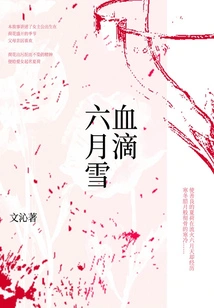
Blood Drops in June Snow
General Fiction血滴六月雪
Wen Qin
This story tells that the heroine was born during the season when lotus flowers were in full bloom. Her parents named their daughter Xia He because they liked the spirit of lotus flowers that emerged from the mud and remained unstained. When Xia He's mother Lin Qiu gave birth to her younger sister Xinya, her father Xinran died suddenly in a car accident. Xia He's mother was so distraught that she fell ill and stayed with her husband in June of the following year. Young Xia He and Xinya, who has not yet weaned off breast milk, grew up with the help of Grandma Liu. Their story slowly unfolds...
This story tells that the heroine was born during the season when lotus flowers were in full bloom. Her parents named their daughter Xia He because they liked the spirit of lotus flowers that emerged from the mud and remained unstained. When Xia He's mother Lin Qiu gave birth to her younger sister Xinya, her father Xinran died suddenly in a car accident. Xia He's mother was so distraught that she fell ill and stayed with her husband in June of the following year. Young Xia He and Xinya, who has not yet weaned off breast milk, grew up with the help of Grandma Liu. Their story slowly unfolds...
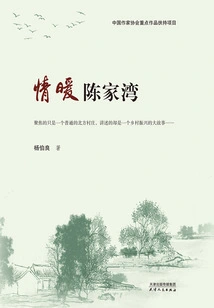
Love and Warmth in Chenjiawan
General Fiction情暖陈家湾
Yang Boliang
This book is a novel that describes the moving story of Ma Huaiyun, as a cadre stationed in Chenjiawan to help rural revitalization, leading the villagers to overcome various difficulties, solve the problems of pollution and environmental protection and development dilemmas, restore the production of specialty products, and discover new development vitality. In addition, it also narrates the emotional entanglements between Ma Huaiyun, Yu Defu, whom his mother saved with her life, and some Chenjiawan villagers such as his old classmate Chen Huizhen, showing the Chenjiawan people's disputes, struggles, hardships, joys, and the life course of achieving happiness. The novel uses parallel techniques to create a group of characters with different personalities, and explores the challenges encountered in getting rid of material poverty and spiritual poverty. This book is full of fashionable atmosphere and positive energy, and is a picture scroll showing the real life in rural areas of Tianjin suburbs.
This book is a novel that describes the moving story of Ma Huaiyun, as a cadre stationed in Chenjiawan to help rural revitalization, leading the villagers to overcome various difficulties, solve the problems of pollution and environmental protection and development dilemmas, restore the production of specialty products, and discover new development vitality. In addition, it also narrates the emotional entanglements between Ma Huaiyun, Yu Defu, whom his mother saved with her life, and some Chenjiawan villagers such as his old classmate Chen Huizhen, showing the Chenjiawan people's disputes, struggles, hardships, joys, and the life course of achieving happiness. The novel uses parallel techniques to create a group of characters with different personalities, and explores the challenges encountered in getting rid of material poverty and spiritual poverty. This book is full of fashionable atmosphere and positive energy, and is a picture scroll showing the real life in rural areas of Tianjin suburbs.
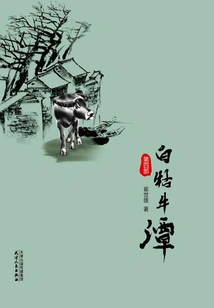
Bai Guniu Pond (part 4)
General Fiction白牯牛潭(第四部)
Cui Shixiong
This book is the fourth part of the novel "Baiguniutan". The story revolves around two families named Dou and Zeng on the shore of Honghu Lake. The time has entered 1979. Dou Xianzhi, a reborn farmer, has been with New China for thirty years, and his family situation has undergone major changes. In particular, the second son Dou Shihao joined the party and became a member of the party after joining the army, and he started a family in a big city, which changed his family's previous poverty. Dou Xianzhi went to visit relatives in his son's city and saw the new world outside, so he planned to leave his hometown and go to the city. At this time, something happened in his hometown that changed his mind. He wanted to stay in his hometown and work hard for the development of his hometown, and he applied to the party organization to join the party. The author has created a series of vivid typical images of farmers and rural cadres, and demonstrated the historical process of difficult exploration in rural socialist construction, which is worthy of publication.
This book is the fourth part of the novel "Baiguniutan". The story revolves around two families named Dou and Zeng on the shore of Honghu Lake. The time has entered 1979. Dou Xianzhi, a reborn farmer, has been with New China for thirty years, and his family situation has undergone major changes. In particular, the second son Dou Shihao joined the party and became a member of the party after joining the army, and he started a family in a big city, which changed his family's previous poverty. Dou Xianzhi went to visit relatives in his son's city and saw the new world outside, so he planned to leave his hometown and go to the city. At this time, something happened in his hometown that changed his mind. He wanted to stay in his hometown and work hard for the development of his hometown, and he applied to the party organization to join the party. The author has created a series of vivid typical images of farmers and rural cadres, and demonstrated the historical process of difficult exploration in rural socialist construction, which is worthy of publication.
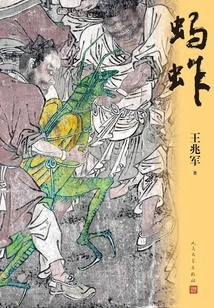
Grasshopper
General Fiction蚂蚱
Wang Zhaojun
"Grasshopper" depicts the rural life in the Huanghuai region in the first half of the 20th century. This is a period when the old system has collapsed and the new system and new culture have not yet taken shape. The social life of the lower class has shown many special phenomena, such as gangsterism, the implementation of the new laws of the Republic of China, the impact of the influx of urban industrial products on traditional rural life, the demise of the gentry society, etc. Out of fear of the locust plague, the locals built a temple for the so-called "grasshopper god". The residents around the small temple are ordinary farmers. They destroy themselves like weeds, but each has their own characteristics and survival instincts that make these legends at the bottom of society endless. Social changes, the emergence of new ideas, the game of various political forces, the truth, goodness, beauty, falsehood, evil and ugliness in human nature have all appeared one after another, writing a colorful and bloody local history and humanities picture.
"Grasshopper" depicts the rural life in the Huanghuai region in the first half of the 20th century. This is a period when the old system has collapsed and the new system and new culture have not yet taken shape. The social life of the lower class has shown many special phenomena, such as gangsterism, the implementation of the new laws of the Republic of China, the impact of the influx of urban industrial products on traditional rural life, the demise of the gentry society, etc. Out of fear of the locust plague, the locals built a temple for the so-called "grasshopper god". The residents around the small temple are ordinary farmers. They destroy themselves like weeds, but each has their own characteristics and survival instincts that make these legends at the bottom of society endless. Social changes, the emergence of new ideas, the game of various political forces, the truth, goodness, beauty, falsehood, evil and ugliness in human nature have all appeared one after another, writing a colorful and bloody local history and humanities picture.
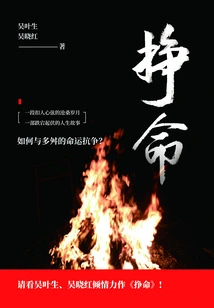
Earn a Life
General Fiction挣命
Wu Yesheng Wu Xiaohong
"Earning Life" is a novel written by Wu Yesheng and Wu Xiaohong and has the characteristics of Huizhou dialect. It objectively reflects the process of an ordinary family in Dashan struggling with their fate before and after the founding of New China, struggling to live, and gradually taking the initiative in their destiny. Earning one's life has two meanings in Huizhou dialect: one is a derogatory meaning, indicating that people at the bottom of society have been tossing and struggling, but in the end they have not made a name for themselves; the other is a positive meaning, which means struggling against fate in order to realize their good wishes. A series of small characters in the book, including the male and female protagonists, are all "earning their lives" in more or less different ways. Some started from nothing, "earned their lives" and finally achieved great success; some "earned their lives" came and "earned their lives" but still had nothing; some "earned their lives" vigorously, and finally gave up their lives; some earned their lives for the country and the collective, and some earned their lives for themselves and their families... The time span of the book is from 1939 to 1979. The protagonist Chen Songshou grew up in an ordinary family in Mingxi Village. Family changes occurred when his eldest brother borrowed a loan shark to get married. After the land was sold, the family fell apart. He and his third sister depended on each other. They grew up fighting various social injustices, developing an unyielding character and supporting the family early on. He was trained by his "cousin" (New Fourth Army) since he was a child, became one of the first members of the Communist Party of China after the founding of New China, and devoted himself wholeheartedly to the construction of the new society. He was seriously injured while burning a lime kiln. During his years as a village cadre, he dealt with various difficult incidents such as injuries and deaths. He built lime kilns, water tillers, oil pressing plants and hydropower stations for the village. He cleverly weathered three years of natural disasters by opening up wasteland and cultivating the land according to the time. In order to increase collective income, he led a team to make kilns and burn kilns, etc. Liu Hongyan, a girl from the same village, took a fancy to him, but he was introduced to Hu Qiongxiang from a neighboring village, attended a collective wedding, and gave birth to seven children. During this period, his children and his wife fell ill, and the family became poor due to illness, making it difficult to tide over the difficulties. When the college entrance examination was resumed in 1977, Chen Songshou seized the opportunity to guide his children to study and enter college, and successfully sent them to colleges and universities. They became top scorers in five subjects and became a legend. Chen Songshou's ability to balance family education with collective construction still has practical significance for modern family management and rural revitalization.
"Earning Life" is a novel written by Wu Yesheng and Wu Xiaohong and has the characteristics of Huizhou dialect. It objectively reflects the process of an ordinary family in Dashan struggling with their fate before and after the founding of New China, struggling to live, and gradually taking the initiative in their destiny. Earning one's life has two meanings in Huizhou dialect: one is a derogatory meaning, indicating that people at the bottom of society have been tossing and struggling, but in the end they have not made a name for themselves; the other is a positive meaning, which means struggling against fate in order to realize their good wishes. A series of small characters in the book, including the male and female protagonists, are all "earning their lives" in more or less different ways. Some started from nothing, "earned their lives" and finally achieved great success; some "earned their lives" came and "earned their lives" but still had nothing; some "earned their lives" vigorously, and finally gave up their lives; some earned their lives for the country and the collective, and some earned their lives for themselves and their families... The time span of the book is from 1939 to 1979. The protagonist Chen Songshou grew up in an ordinary family in Mingxi Village. Family changes occurred when his eldest brother borrowed a loan shark to get married. After the land was sold, the family fell apart. He and his third sister depended on each other. They grew up fighting various social injustices, developing an unyielding character and supporting the family early on. He was trained by his "cousin" (New Fourth Army) since he was a child, became one of the first members of the Communist Party of China after the founding of New China, and devoted himself wholeheartedly to the construction of the new society. He was seriously injured while burning a lime kiln. During his years as a village cadre, he dealt with various difficult incidents such as injuries and deaths. He built lime kilns, water tillers, oil pressing plants and hydropower stations for the village. He cleverly weathered three years of natural disasters by opening up wasteland and cultivating the land according to the time. In order to increase collective income, he led a team to make kilns and burn kilns, etc. Liu Hongyan, a girl from the same village, took a fancy to him, but he was introduced to Hu Qiongxiang from a neighboring village, attended a collective wedding, and gave birth to seven children. During this period, his children and his wife fell ill, and the family became poor due to illness, making it difficult to tide over the difficulties. When the college entrance examination was resumed in 1977, Chen Songshou seized the opportunity to guide his children to study and enter college, and successfully sent them to colleges and universities. They became top scorers in five subjects and became a legend. Chen Songshou's ability to balance family education with collective construction still has practical significance for modern family management and rural revitalization.
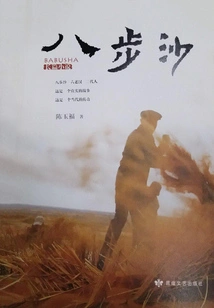
Babasha
General Fiction八步沙
Chen Yufu
After more than half a century of unremitting efforts, hundreds of thousands of acres of desert have been turned into oasis. The "Six Old Men" and their descendants have successively managed nearly 400,000 acres of desert, forming a green barrier to prevent wind and sand and set back the sand line by 15 kilometers, effectively curbing the passive situation of sand advancing and people retreating, and ensuring the development of local industrial and agricultural production and the ecological security of the people. Their condensed spiritual backbone held up the clear sky in Babusha, and wrote a tragic, heroic, evocative story...
After more than half a century of unremitting efforts, hundreds of thousands of acres of desert have been turned into oasis. The "Six Old Men" and their descendants have successively managed nearly 400,000 acres of desert, forming a green barrier to prevent wind and sand and set back the sand line by 15 kilometers, effectively curbing the passive situation of sand advancing and people retreating, and ensuring the development of local industrial and agricultural production and the ecological security of the people. Their condensed spiritual backbone held up the clear sky in Babusha, and wrote a tragic, heroic, evocative story...
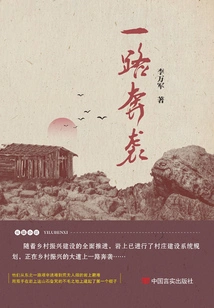
Run All the Way
General Fiction一路奔袭
Li Wanjun
Through the elaboration and description of Chen Qin's family's struggle to live a good life, a series of positive characters such as Yang Lao, Yang Jianming, and Li Yangqiao were created, and the rich history and culture, red culture, and green mountains and green waters of a place in the west were displayed. From one side, it reflected the fighting spirit of a small mountain village under the leadership of the Communist Party of China for a hundred years and the difficult process of revitalizing the countryside. It promoted the positive energy of the times and developed the new culture of the times.
Through the elaboration and description of Chen Qin's family's struggle to live a good life, a series of positive characters such as Yang Lao, Yang Jianming, and Li Yangqiao were created, and the rich history and culture, red culture, and green mountains and green waters of a place in the west were displayed. From one side, it reflected the fighting spirit of a small mountain village under the leadership of the Communist Party of China for a hundred years and the difficult process of revitalizing the countryside. It promoted the positive energy of the times and developed the new culture of the times.
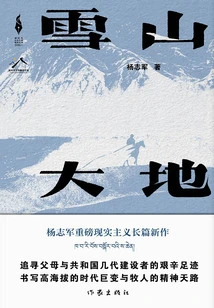
雪山大地(第十一届茅盾文学奖获奖作品)
Yang Zhijun
The snow-capped mountains have always nourished the creatures on the earth with the great power of motherhood. Writer Yang Zhijun, who was born and raised here, looks back fondly on the arduous explorations of his father, mother and generations of grassland builders, and writes about the great changes of the times in high-altitude areas and the spiritual path of grassland herders. The novel not only has a strong sense of urgency in facing grassland problems, but also the unconcealed passion and optimism in the text that truly reflects the grassland people's solution to problems and the construction of a new grassland. The poetic language forms a unique narrative style. The work not only truly presents the harshness of grassland life, but also is full of poetic flavor.
The snow-capped mountains have always nourished the creatures on the earth with the great power of motherhood. Writer Yang Zhijun, who was born and raised here, looks back fondly on the arduous explorations of his father, mother and generations of grassland builders, and writes about the great changes of the times in high-altitude areas and the spiritual path of grassland herders. The novel not only has a strong sense of urgency in facing grassland problems, but also the unconcealed passion and optimism in the text that truly reflects the grassland people's solution to problems and the construction of a new grassland. The poetic language forms a unique narrative style. The work not only truly presents the harshness of grassland life, but also is full of poetic flavor.
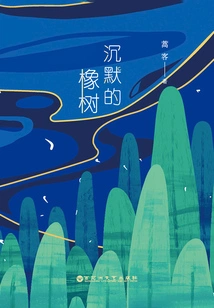
Silent Oak Tree
General Fiction沉默的橡树
Hao Ke
In the early 1980s, the male protagonist Jiang Jinfeng graduated from high school and became a private teacher in the school. He went into work with full enthusiasm and the ideal of educating future generations, but after working, he felt the gap between ideal and reality, the intertwining of pride and vanity, which often made him fall into confusion and contemplation about life. However, his conscience as a teacher and his pursuit of a better life made him quickly get out of his emotional trough, treat his students well, value education, and embrace the future with poetic passion. In the process of striving to pursue his dreams, he gained sweet love and strengthened his educational ideals.
In the early 1980s, the male protagonist Jiang Jinfeng graduated from high school and became a private teacher in the school. He went into work with full enthusiasm and the ideal of educating future generations, but after working, he felt the gap between ideal and reality, the intertwining of pride and vanity, which often made him fall into confusion and contemplation about life. However, his conscience as a teacher and his pursuit of a better life made him quickly get out of his emotional trough, treat his students well, value education, and embrace the future with poetic passion. In the process of striving to pursue his dreams, he gained sweet love and strengthened his educational ideals.
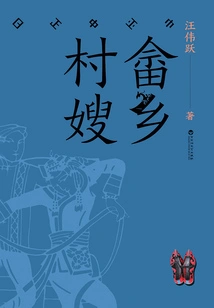
She Village Sister-in-law
General Fiction畲乡村嫂
Wang Weiyue
This novel tells the story of a rural grassroots cadre of the party who leads the villagers to collectively get rich and move toward rural revitalization. Lan Yingni, a girl from the rural She ethnic group, was born with a good voice. Under the influence of her music teacher, she dreamed of becoming an actress. Because of the national construction of the Xin'anjiang Hydropower Station, she and her fellow villagers moved from western Zhejiang to a place called Huwan in Hecheng County, eastern Jiangxi. Two music teachers who were kind to her left her one after another, and her father also sacrificed himself to save others in the flood. It was difficult to realize her dream of being an actress, and she was full of confusion about the future. Inspired by the spirit of her father and fellow villagers who worked hard to build a new life, she devoted herself to the struggle to build her hometown. She joined the party, gained love, and basked in the spring breeze of rural reform and opening up. She became a rich person in Hecheng County. She served as the village committee director and branch secretary, leading the villagers on the road to collective wealth. However, the road ahead is not smooth... After untold hardships, we finally led the villagers to achieve collective wealth and embark on the road of rural revitalization, realizing the dreams of all the villagers.
This novel tells the story of a rural grassroots cadre of the party who leads the villagers to collectively get rich and move toward rural revitalization. Lan Yingni, a girl from the rural She ethnic group, was born with a good voice. Under the influence of her music teacher, she dreamed of becoming an actress. Because of the national construction of the Xin'anjiang Hydropower Station, she and her fellow villagers moved from western Zhejiang to a place called Huwan in Hecheng County, eastern Jiangxi. Two music teachers who were kind to her left her one after another, and her father also sacrificed himself to save others in the flood. It was difficult to realize her dream of being an actress, and she was full of confusion about the future. Inspired by the spirit of her father and fellow villagers who worked hard to build a new life, she devoted herself to the struggle to build her hometown. She joined the party, gained love, and basked in the spring breeze of rural reform and opening up. She became a rich person in Hecheng County. She served as the village committee director and branch secretary, leading the villagers on the road to collective wealth. However, the road ahead is not smooth... After untold hardships, we finally led the villagers to achieve collective wealth and embark on the road of rural revitalization, realizing the dreams of all the villagers.
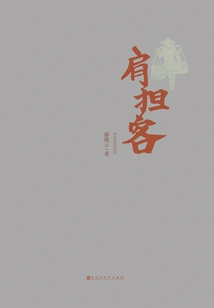
Shoulder Bearer
General Fiction肩担客
Liao Xiaoyun
"The Passenger on the Shoulder" is a novel with the theme of Hakkas in southern Jiangxi. The novel has a strong regional color and humanistic flavor. This is a work that pays homage to the Hakka sages who endured hardships and hardships. In ancient times, there were many mountains and few fields in southern Jiangxi. Under the exploitation of landlords, the working people had "no roof, no earth, no place to stand on their homes." At that time, many young and middle-aged people had no choice but to travel far away and make a living by carrying shoulder loads. The team of shoulder loaders was very large, and shoulder load carrying became the main method of goods circulation in mountainous areas. But carrying a shoulder load is also difficult and full of dangers, and you may even lose your life. The object of the novel is such a man who earns a living by selling coolies. The author conducted a large number of interviews and collected information. This ancient professional picture is restored. The shoulder-carrying passengers are people who walk on the road all year round. Through their experiences and knowledge, they connect the customs, culture, mountains and scenery of southern Gansu. This is an unfolding picture of the Hakka people in southern Jiangxi, and it is also a rich history.
"The Passenger on the Shoulder" is a novel with the theme of Hakkas in southern Jiangxi. The novel has a strong regional color and humanistic flavor. This is a work that pays homage to the Hakka sages who endured hardships and hardships. In ancient times, there were many mountains and few fields in southern Jiangxi. Under the exploitation of landlords, the working people had "no roof, no earth, no place to stand on their homes." At that time, many young and middle-aged people had no choice but to travel far away and make a living by carrying shoulder loads. The team of shoulder loaders was very large, and shoulder load carrying became the main method of goods circulation in mountainous areas. But carrying a shoulder load is also difficult and full of dangers, and you may even lose your life. The object of the novel is such a man who earns a living by selling coolies. The author conducted a large number of interviews and collected information. This ancient professional picture is restored. The shoulder-carrying passengers are people who walk on the road all year round. Through their experiences and knowledge, they connect the customs, culture, mountains and scenery of southern Gansu. This is an unfolding picture of the Hakka people in southern Jiangxi, and it is also a rich history.
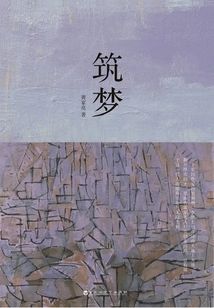
Build a Dream
General Fiction筑梦
Huang Jialiang
"Building Dreams" is a novel that the author has polished for more than 20 years. By deeply exploring the cultural resources of the Hakka people in southern Jiangxi and using the left-behind rural groups as an entry point, it creates a typical image of Qiu Qi, a young man working outside, who overcomes difficulties and returns to his hometown to start a mountainous ecological ranch, striving towards his dream.
"Building Dreams" is a novel that the author has polished for more than 20 years. By deeply exploring the cultural resources of the Hakka people in southern Jiangxi and using the left-behind rural groups as an entry point, it creates a typical image of Qiu Qi, a young man working outside, who overcomes difficulties and returns to his hometown to start a mountainous ecological ranch, striving towards his dream.
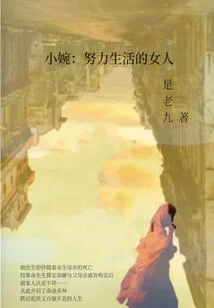
Xiaowan: a Woman Who Works Hard to Live
General Fiction小婉:努力生活的女人
It's Lao Jiu
She was born with the death of her biological mother. After being told by a fortune teller that her fortune was incompatible with her parents and relatives, she was deemed unknown by her family... Although her fate was unfortunate, she still lived a serious life and won her own happiness in the ups and downs of her life.
She was born with the death of her biological mother. After being told by a fortune teller that her fortune was incompatible with her parents and relatives, she was deemed unknown by her family... Although her fate was unfortunate, she still lived a serious life and won her own happiness in the ups and downs of her life.
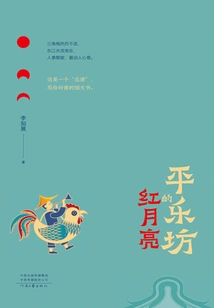
The Red Moon in Pinglefang
General Fiction平乐坊的红月亮
Li Zhizhan
The author Li Zhizhan is a cutting-edge writer from Henan who was born in 1988. His collection of works "Dusk at Gubuyan" was included in the 21st Century Literary Star Series. This book is his debut novel and has been serialized in the 2022 Issues 5 and 6 of "Novel Monthly·Original Edition". "Red Moon in Pinglefang" has distinctive Lingnan characteristics, with night markets, streets, snacks... Full of fireworks. The upper part of the work is about the present, about the life changes and joys and sorrows of a group of locals who live in the market and make snacks as a profession; the lower part is about the past, when a girl of low status fell in love with the son of a rich man. They struggled to find their own destiny, and eventually became separated on both sides of the Taiwan Strait and could not see each other again. Later, with the reform and opening up, the two people reunited, but they were already running on their own life paths and had no chance to renew their relationship. The fates of the characters in the upper and lower parts are intertwined, but the writing methods are different. The upper part focuses on a vigorous and vigorous love-hate relationship, while the lower part is quiet and affectionate.
The author Li Zhizhan is a cutting-edge writer from Henan who was born in 1988. His collection of works "Dusk at Gubuyan" was included in the 21st Century Literary Star Series. This book is his debut novel and has been serialized in the 2022 Issues 5 and 6 of "Novel Monthly·Original Edition". "Red Moon in Pinglefang" has distinctive Lingnan characteristics, with night markets, streets, snacks... Full of fireworks. The upper part of the work is about the present, about the life changes and joys and sorrows of a group of locals who live in the market and make snacks as a profession; the lower part is about the past, when a girl of low status fell in love with the son of a rich man. They struggled to find their own destiny, and eventually became separated on both sides of the Taiwan Strait and could not see each other again. Later, with the reform and opening up, the two people reunited, but they were already running on their own life paths and had no chance to renew their relationship. The fates of the characters in the upper and lower parts are intertwined, but the writing methods are different. The upper part focuses on a vigorous and vigorous love-hate relationship, while the lower part is quiet and affectionate.
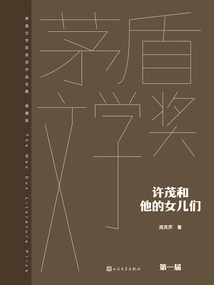
Xu Mao and His Daughters
General Fiction许茂和他的女儿们
Zhou Keqin
The novel is set in the social life of a remote rural area in Sichuan in the winter of 1979. Through the life stories of the old farmer Xu Mao and his daughters, it profoundly reflects the changing social landscape of the late 1970s and foreshadows the bright and beautiful prospects that will emerge after the turmoil ends. The novel won the Mao Dun Literature Award.
The novel is set in the social life of a remote rural area in Sichuan in the winter of 1979. Through the life stories of the old farmer Xu Mao and his daughters, it profoundly reflects the changing social landscape of the late 1970s and foreshadows the bright and beautiful prospects that will emerge after the turmoil ends. The novel won the Mao Dun Literature Award.
Qin Opera
General Fiction秦腔
Jia Pingwa
"Qinqiang" focuses on a village in southern Shaanxi and tells the story of the relationship between farmers and their land and the living conditions of farmers. Through the eyes of a "madman" named Yinsheng, it writes about the deep worries and deep sympathy for the heavy burden on farmers and the loss of rural culture. The work interprets the 20-year history of China's rural areas with solemn brushstrokes, focusing on the huge and profound changes in rural values and traditional patterns, as well as the profound changes in interpersonal relationships in the traditional patterns. It is "an epic volume of contemporary Chinese rural areas." This book took nearly two years to complete and the draft was revised four times. It is the work that the author took the longest, revised the most, and took the most painstaking efforts. Won the 7th Mao Dun Literature Award.
"Qinqiang" focuses on a village in southern Shaanxi and tells the story of the relationship between farmers and their land and the living conditions of farmers. Through the eyes of a "madman" named Yinsheng, it writes about the deep worries and deep sympathy for the heavy burden on farmers and the loss of rural culture. The work interprets the 20-year history of China's rural areas with solemn brushstrokes, focusing on the huge and profound changes in rural values and traditional patterns, as well as the profound changes in interpersonal relationships in the traditional patterns. It is "an epic volume of contemporary Chinese rural areas." This book took nearly two years to complete and the draft was revised four times. It is the work that the author took the longest, revised the most, and took the most painstaking efforts. Won the 7th Mao Dun Literature Award.
Skywalker
General Fiction天行者
Liu Xinglong
"Skywalker" is an excellent novel based on the life of rural private teachers. It is set in a rural primary school deep in the mountains. It tells the bitter story of a group of private teachers who selflessly contributed to rural education in a poor life and sought to become regular teachers. It also reflects the long-forgotten hardships of rural private teachers. The novel vividly and truly depicts the collective image of rural private teachers, describes multiple aspects of their inner world, and gives people a strong ideological and artistic impact. Anyone who has read this novel will be deeply moved by the simple, perseverance, selfless and selfless survival perseverance and spiritual quality of the rural private teachers described by the author. The book adheres to the author's consistent style of realism and focuses on a corner of Chinese society with delicate brushstrokes and simple words.
"Skywalker" is an excellent novel based on the life of rural private teachers. It is set in a rural primary school deep in the mountains. It tells the bitter story of a group of private teachers who selflessly contributed to rural education in a poor life and sought to become regular teachers. It also reflects the long-forgotten hardships of rural private teachers. The novel vividly and truly depicts the collective image of rural private teachers, describes multiple aspects of their inner world, and gives people a strong ideological and artistic impact. Anyone who has read this novel will be deeply moved by the simple, perseverance, selfless and selfless survival perseverance and spiritual quality of the rural private teachers described by the author. The book adheres to the author's consistent style of realism and focuses on a corner of Chinese society with delicate brushstrokes and simple words.
Tumultuous Autumn
General Fiction骚动之秋
Liu Yumin
"The Turbulent Autumn" is Liu Yumin's masterpiece. It is a novel that reflects the tremendous changes in rural appearance and interpersonal relationships under the impact of the commodity economy. It won the 4th Mao Dun Literature Award. "The Autumn of Turmoil" not only describes the various commotions aroused by Yue Pengcheng, a "peasant reformer" in reforming the appearance of his hometown: from the attention of provincial, municipal and county party committee leaders to the publicity of national and provincial public opinion on marriage registration, from the ancient legend of Li Longshan to the inscriptions on the tablets in the back hall of King Li Temple The names of Yue Pengcheng and Dasangyuan are written down... But at the same time, it also focuses on the various turmoils in Yue Pengcheng's heart, the father-son conflict caused by the conflict between his and his son's different opinions on the reform; his relationship with Qiuling led to the conflict with his wife and the intensification of family conflicts...
"The Turbulent Autumn" is Liu Yumin's masterpiece. It is a novel that reflects the tremendous changes in rural appearance and interpersonal relationships under the impact of the commodity economy. It won the 4th Mao Dun Literature Award. "The Autumn of Turmoil" not only describes the various commotions aroused by Yue Pengcheng, a "peasant reformer" in reforming the appearance of his hometown: from the attention of provincial, municipal and county party committee leaders to the publicity of national and provincial public opinion on marriage registration, from the ancient legend of Li Longshan to the inscriptions on the tablets in the back hall of King Li Temple The names of Yue Pengcheng and Dasangyuan are written down... But at the same time, it also focuses on the various turmoils in Yue Pengcheng's heart, the father-son conflict caused by the conflict between his and his son's different opinions on the reform; his relationship with Qiuling led to the conflict with his wife and the intensification of family conflicts...
Bailuyuan
General Fiction白鹿原
Chen Zhongshi
This is a majestic epic of fifty years of changes in the Weihe Plain, a colorful and thrilling long picture of China's rural villages. Two generations of descendants of a family have been fighting for the dominance of Bailuyuan from generation to generation: they exploit feng shui, use beauty tricks, a filial son becomes a bandit, a father-in-law kills his daughter-in-law, brothers love each other, lovers turn against each other... The Great Revolution, the Japanese invasion, and three years of civil war, Bailuyuan is ups and downs, the king's flag changes, family feuds and national hatreds are intertwined, and grievances are repaid from generation to generation... The ancient land is shaking in the throes of new life. The novel takes Bailu Village on Bailuyuan in the Guanzhong region of Shaanxi Province as a microcosm. By telling the grievances and disputes between three generations of two families named Bai and Lu, it shows the historical changes that lasted for more than half a century from the late Qing Dynasty to the 1970s and 1980s.
This is a majestic epic of fifty years of changes in the Weihe Plain, a colorful and thrilling long picture of China's rural villages. Two generations of descendants of a family have been fighting for the dominance of Bailuyuan from generation to generation: they exploit feng shui, use beauty tricks, a filial son becomes a bandit, a father-in-law kills his daughter-in-law, brothers love each other, lovers turn against each other... The Great Revolution, the Japanese invasion, and three years of civil war, Bailuyuan is ups and downs, the king's flag changes, family feuds and national hatreds are intertwined, and grievances are repaid from generation to generation... The ancient land is shaking in the throes of new life. The novel takes Bailu Village on Bailuyuan in the Guanzhong region of Shaanxi Province as a microcosm. By telling the grievances and disputes between three generations of two families named Bai and Lu, it shows the historical changes that lasted for more than half a century from the late Qing Dynasty to the 1970s and 1980s.
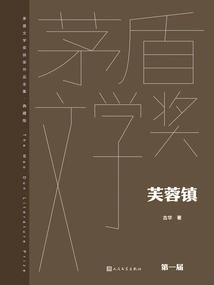
Furong Town
General Fiction芙蓉镇
Guhua
"Furong Town" is a full-length novel written by Gu Hua. The author has included and condensed the people and things he is familiar with in the southern villages into this book, describing the social customs of southern China's rural areas from 1963 to 1979. The novel combines historical events with pictures of customs and folk customs, uses the fate of the characters to play out the changes in rural life, and depicts the color and mood of life in rural southern China. The novel was published in "Contemporary" in 1981 and won the first Mao Dun Literature Award the following year.
"Furong Town" is a full-length novel written by Gu Hua. The author has included and condensed the people and things he is familiar with in the southern villages into this book, describing the social customs of southern China's rural areas from 1963 to 1979. The novel combines historical events with pictures of customs and folk customs, uses the fate of the characters to play out the changes in rural life, and depicts the color and mood of life in rural southern China. The novel was published in "Contemporary" in 1981 and won the first Mao Dun Literature Award the following year.
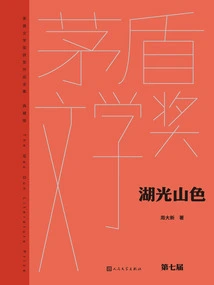
Lakes and Mountains
General Fiction湖光山色
Zhou Daxin
"Lake Lights and Mountains" is a novel by Zhou Daxin that won the Mao Dun Literature Award. The book takes as the protagonist an ordinary Henan woman who returned to the countryside from the city, tells the story of the struggle of rural entrepreneurial youth, and reflects the various social and ecological issues that rural areas need to face in the process of China's reform and opening up, such as conceptual changes, cultural transformation, and adjustments to interpersonal relationships. The novel has vivid characters, touching love, and tight-paced contradictions. It is a rare and important work of rural literature in the new era. The book has been adapted into a TV series and has a good reputation among readers.
"Lake Lights and Mountains" is a novel by Zhou Daxin that won the Mao Dun Literature Award. The book takes as the protagonist an ordinary Henan woman who returned to the countryside from the city, tells the story of the struggle of rural entrepreneurial youth, and reflects the various social and ecological issues that rural areas need to face in the process of China's reform and opening up, such as conceptual changes, cultural transformation, and adjustments to interpersonal relationships. The novel has vivid characters, touching love, and tight-paced contradictions. It is a rare and important work of rural literature in the new era. The book has been adapted into a TV series and has a good reputation among readers.
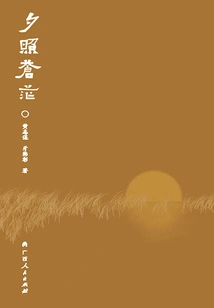
The Sunset is Vast
General Fiction夕照苍茫
Huang Zhimou Ya Hanzhang
The novel takes as its main line the family story of the last two generations of chieftains Wei Songyuan and Wei Caiwen, father and son, in a certain place in Guangxi. It reflects the rise, fall and decline of the feudal chieftain system. After extensive monograph research and several field interviews, the author has written a tragic elegy about the last chieftain of the Zhuang ethnic group, trying to reflect the decline of the entire chieftain system from the perspective of Yunnan, Guizhou and Guangxi and even all ethnic minority areas that once implemented the chieftain system.
The novel takes as its main line the family story of the last two generations of chieftains Wei Songyuan and Wei Caiwen, father and son, in a certain place in Guangxi. It reflects the rise, fall and decline of the feudal chieftain system. After extensive monograph research and several field interviews, the author has written a tragic elegy about the last chieftain of the Zhuang ethnic group, trying to reflect the decline of the entire chieftain system from the perspective of Yunnan, Guizhou and Guangxi and even all ethnic minority areas that once implemented the chieftain system.
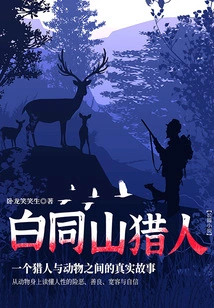
Bai Dongshan Hunter
General Fiction白同山猎人
Wolong Xiaoxiaosheng
This is a true story about the relationship between an old hunter and animals. The story is full of fantasy and twists and turns. The story reveals the dangers of human nature, the self-reliance and untrustworthiness of humans, as well as the tolerance and self-confidence of animals that make humans feel ashamed, the alternative kindness, the kind of noble souls that exist in the animal world that are difficult for the world to understand, and the unique noble qualities of animals. This book brings people thinking about human nature, how humans and the animal world can get along better, and the kind of trust and kindness in the animal world.
This is a true story about the relationship between an old hunter and animals. The story is full of fantasy and twists and turns. The story reveals the dangers of human nature, the self-reliance and untrustworthiness of humans, as well as the tolerance and self-confidence of animals that make humans feel ashamed, the alternative kindness, the kind of noble souls that exist in the animal world that are difficult for the world to understand, and the unique noble qualities of animals. This book brings people thinking about human nature, how humans and the animal world can get along better, and the kind of trust and kindness in the animal world.
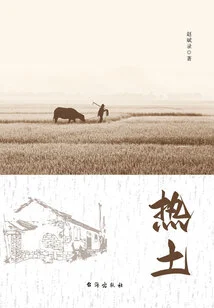
Hot Land
General Fiction热土
Zhao Binlu
Under the correct leadership of the local party committee, and under the leadership of team leader Li Weimin, the village work team thought about what the people were thinking and worried about their concerns, and was determined to work with the two committees of Zoujiazhai Village to rectify the source, rectify the rural order, and eradicate the stubborn land diseases in the past. However, some people reacted fiercely and became tense, and some cadres went out of their way to cope with the situation passively, resulting in complicated conflicts and problems one after another... The novel realistically depicts the entire process of the battle that took place in Zoujiazhai during the fight against poverty, and truly reflects all aspects of the work in the countryside. The work is close to life and the language is plain and easy to read. It is a masterpiece that reflects the frontline work of poverty alleviation.
Under the correct leadership of the local party committee, and under the leadership of team leader Li Weimin, the village work team thought about what the people were thinking and worried about their concerns, and was determined to work with the two committees of Zoujiazhai Village to rectify the source, rectify the rural order, and eradicate the stubborn land diseases in the past. However, some people reacted fiercely and became tense, and some cadres went out of their way to cope with the situation passively, resulting in complicated conflicts and problems one after another... The novel realistically depicts the entire process of the battle that took place in Zoujiazhai during the fight against poverty, and truly reflects all aspects of the work in the countryside. The work is close to life and the language is plain and easy to read. It is a masterpiece that reflects the frontline work of poverty alleviation.
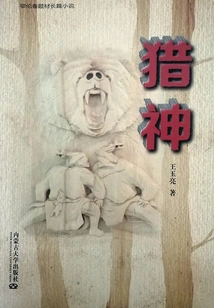
Hunting God
General Fiction猎神
Wang Yuliang
This book is a full-length novel that shows the development of Oroqen in the past hundred years. The novel shows the magnificent jungle life of Oroqen from an objective perspective and in a panoramic manner. It especially eulogizes the Oroqen nation's national righteousness from being forced to consciously resisting Japan after being invaded by Japanese invaders. Oroqen loves the big forest, is close to the big forest, and makes the forest their home. They are worthy of being the hunting gods of the Xing'an Mountains! The novel also objectively displays Oroqen's confusion, contradiction and helplessness when he put down his shotgun and walked out of the forest.
This book is a full-length novel that shows the development of Oroqen in the past hundred years. The novel shows the magnificent jungle life of Oroqen from an objective perspective and in a panoramic manner. It especially eulogizes the Oroqen nation's national righteousness from being forced to consciously resisting Japan after being invaded by Japanese invaders. Oroqen loves the big forest, is close to the big forest, and makes the forest their home. They are worthy of being the hunting gods of the Xing'an Mountains! The novel also objectively displays Oroqen's confusion, contradiction and helplessness when he put down his shotgun and walked out of the forest.
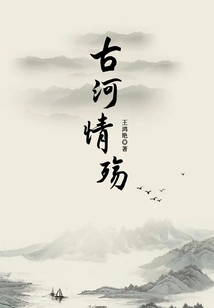
Furukawa Love and Sorrow
General Fiction古河情殇
Wang Hongyan
In the form of memories, the novel tells the story of husband An Dacheng and his wife Qin Xiao'e's past lives in Guhe Village, which is northeast of "Escape from Deer City", such as the death of their children, their sister's escape from marriage, and the death of their father. The stories of "doctor", "midwife", "barber" and others serve as branches of the novel, which embody the spirit of self-improvement and hard work of the people of Furukawa village headed by An Dacheng, and the theme of "happiness is achieved through struggle" hidden in the novel.
In the form of memories, the novel tells the story of husband An Dacheng and his wife Qin Xiao'e's past lives in Guhe Village, which is northeast of "Escape from Deer City", such as the death of their children, their sister's escape from marriage, and the death of their father. The stories of "doctor", "midwife", "barber" and others serve as branches of the novel, which embody the spirit of self-improvement and hard work of the people of Furukawa village headed by An Dacheng, and the theme of "happiness is achieved through struggle" hidden in the novel.
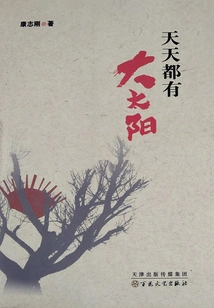
There is Bright Sun Every Day
General Fiction天天都有大太阳
Kang Zhigang
During the democratic election of the village director in Baishu Village, Li Lianchun, who left the village and owned a construction company in the city, resolutely gave up his career and returned to his hometown to compete for the position. In the contest with Liu Tun, the leading figure in the village, he relied on his wisdom and integrity to fight with him. Although he was always cunning and despicable, he was always waiting for opportunities, but in the end justice defeated evil. This novel is a true portrayal of China's contemporary rural democratization process and the construction of a new countryside.
During the democratic election of the village director in Baishu Village, Li Lianchun, who left the village and owned a construction company in the city, resolutely gave up his career and returned to his hometown to compete for the position. In the contest with Liu Tun, the leading figure in the village, he relied on his wisdom and integrity to fight with him. Although he was always cunning and despicable, he was always waiting for opportunities, but in the end justice defeated evil. This novel is a true portrayal of China's contemporary rural democratization process and the construction of a new countryside.
Dongjiahuo·xijiayan
General Fiction东家火·西家烟
Water Boy
This is a film set in the countryside of eastern Hebei Province, describing the rise and fall of the Wu family in Wudaizhuang Village after the Tangshan earthquake. In the land of eastern Hebei, there is a small village named Wudaizhuang, which was awarded to the ancestor Wu Fan by the emperor of the Qing Dynasty. At the end of the Qing Dynasty, my great-grandfather Wu Tongmao falsely conveyed an imperial edict, claiming that he had won the first prize in the examination. When the emperor found out, he wanted to kill all the people in the village. Later, the father of the great-grandfather who taught in Liu Shige Village and all the villagers in Liu Shige Village jointly signed a letter, and the lives of all the villagers were saved. However, the emperor decreed that from now on, no one from Wudaizhuang Village could be an official for the fourth generation, and the author happened to be the fourth generation. The author experienced the Tangshan Earthquake when she was born, and her parents rebuilt their home on the ruins. The forty years of reform and opening up that she experienced were also the forty years of the rise and fall of the entire family and village. The rise and fall of a family is also the rise and fall of a village, or even the entire countryside. Finally, after four generations of hard work, the curse was finally broken, and the author walked out of this barren land and realized the dream that his ancestors had always dreamed of.
This is a film set in the countryside of eastern Hebei Province, describing the rise and fall of the Wu family in Wudaizhuang Village after the Tangshan earthquake. In the land of eastern Hebei, there is a small village named Wudaizhuang, which was awarded to the ancestor Wu Fan by the emperor of the Qing Dynasty. At the end of the Qing Dynasty, my great-grandfather Wu Tongmao falsely conveyed an imperial edict, claiming that he had won the first prize in the examination. When the emperor found out, he wanted to kill all the people in the village. Later, the father of the great-grandfather who taught in Liu Shige Village and all the villagers in Liu Shige Village jointly signed a letter, and the lives of all the villagers were saved. However, the emperor decreed that from now on, no one from Wudaizhuang Village could be an official for the fourth generation, and the author happened to be the fourth generation. The author experienced the Tangshan Earthquake when she was born, and her parents rebuilt their home on the ruins. The forty years of reform and opening up that she experienced were also the forty years of the rise and fall of the entire family and village. The rise and fall of a family is also the rise and fall of a village, or even the entire countryside. Finally, after four generations of hard work, the curse was finally broken, and the author walked out of this barren land and realized the dream that his ancestors had always dreamed of.
The Eternal Flow of the Yellow River
General Fiction黄河万古流
Gao Linzhao
The novel is based on the Kang Wanwan family on the banks of Heluo River. It reflects how several generations of the Zheng family followed the trend for nearly a hundred years from 1840 to the 1920s, accumulating wealth and becoming the richest people in the Central Plains. Later, with the turmoil of the times, the family business plummeted, and the younger generation participated in the revolution to seek new life, and the historical process of ups and downs of destiny. The novel uses the fate of characters and the rise and fall of families as bright lines, and social changes and national peril as dark lines. It expresses deep feelings about family and country and human compassion. It also focuses on the natural features and cultural landscapes on the banks of the Yellow River, and has a strong cultural flavor of the Yellow River. The author internalizes his understanding and interpretation of traditional Chinese culture into the words and deeds of the characters, such as Confucianism's self-cultivation and family governance, self-restraint and restoration of rituals, internal sainthood and external kingship, as well as ways to conduct oneself in the world, business strategies, etc., Which demonstrates the profoundness and inner light of traditional Chinese culture.
The novel is based on the Kang Wanwan family on the banks of Heluo River. It reflects how several generations of the Zheng family followed the trend for nearly a hundred years from 1840 to the 1920s, accumulating wealth and becoming the richest people in the Central Plains. Later, with the turmoil of the times, the family business plummeted, and the younger generation participated in the revolution to seek new life, and the historical process of ups and downs of destiny. The novel uses the fate of characters and the rise and fall of families as bright lines, and social changes and national peril as dark lines. It expresses deep feelings about family and country and human compassion. It also focuses on the natural features and cultural landscapes on the banks of the Yellow River, and has a strong cultural flavor of the Yellow River. The author internalizes his understanding and interpretation of traditional Chinese culture into the words and deeds of the characters, such as Confucianism's self-cultivation and family governance, self-restraint and restoration of rituals, internal sainthood and external kingship, as well as ways to conduct oneself in the world, business strategies, etc., Which demonstrates the profoundness and inner light of traditional Chinese culture.
Singing Apple Tree
General Fiction会唱歌的苹果树
Yan Xuewen
"The Singing Apple Tree" is a full-length novel that adopts a child's perspective and shows the Shanxi countryside in the 1980s and 1990s. The story is simple, fluent, and fast-paced. It is a hearty and high-paced fruit country pastoral. The story begins when a couple is separated due to poverty. Aunt Cuicui gets married in tears, and Uncle Junlai bids farewell to each other on a high hill with a trumpet. Uncle Junlai's comrade-in-arms Yan Zilong came to the mountain village and brought hope to the young farmers who were poor and wanted to change. Uncle Junlai and Jinwa's father were resolute and followed Yan Zilong to plant apple trees and also plant hope trees. Many hardships have plagued people who are bent on getting rich. They have gone through setbacks and never changed their original aspirations. They carefully tend and maintain fruit trees and implement new technologies. Eventually, the apple industry became a pillar industry for local farmers to get rid of poverty and become rich. The diligent efforts of the parents provide good influence and good guidance to the next generation, and the children also use their own efforts to repay their relatives and society.
"The Singing Apple Tree" is a full-length novel that adopts a child's perspective and shows the Shanxi countryside in the 1980s and 1990s. The story is simple, fluent, and fast-paced. It is a hearty and high-paced fruit country pastoral. The story begins when a couple is separated due to poverty. Aunt Cuicui gets married in tears, and Uncle Junlai bids farewell to each other on a high hill with a trumpet. Uncle Junlai's comrade-in-arms Yan Zilong came to the mountain village and brought hope to the young farmers who were poor and wanted to change. Uncle Junlai and Jinwa's father were resolute and followed Yan Zilong to plant apple trees and also plant hope trees. Many hardships have plagued people who are bent on getting rich. They have gone through setbacks and never changed their original aspirations. They carefully tend and maintain fruit trees and implement new technologies. Eventually, the apple industry became a pillar industry for local farmers to get rid of poverty and become rich. The diligent efforts of the parents provide good influence and good guidance to the next generation, and the children also use their own efforts to repay their relatives and society.
山乡巨变:方言注释版
Written By Zhou Libo And Annotated By Zou Li
"Great Changes in Mountains and Villages" is a novel written by Zhou Libo, a people's writer in the 1950s, who went deep into Yiyang and took root among the people. It reflects the agricultural cooperative movement in our country. It has been loved by readers for more than 60 years since its publication. The phrase "great changes in mountains and villages" has also become a spiritual resource for us today, inspiring us to write "great changes in mountains and villages" in the new era. "Great Changes in Mountains and Villages" uses a large number of dialects and common sayings in Yiyang, central Hunan, and is rich in local color. In order to enable today's readers, especially young readers, to overcome reading difficulties, stimulate their interest in reading, and fully appreciate the unique language, style and artistic realm of the work, experts from the Zhou Libo Research Center of Central South University made detailed annotations on the folk customs and dialects of Yiyang (approximately 200 places) chapter by chapter based on the first edition of "Great Changes in Mountain Villages" (the first volume was published in 1958 and the second volume in 1960 by Writers Press).
"Great Changes in Mountains and Villages" is a novel written by Zhou Libo, a people's writer in the 1950s, who went deep into Yiyang and took root among the people. It reflects the agricultural cooperative movement in our country. It has been loved by readers for more than 60 years since its publication. The phrase "great changes in mountains and villages" has also become a spiritual resource for us today, inspiring us to write "great changes in mountains and villages" in the new era. "Great Changes in Mountains and Villages" uses a large number of dialects and common sayings in Yiyang, central Hunan, and is rich in local color. In order to enable today's readers, especially young readers, to overcome reading difficulties, stimulate their interest in reading, and fully appreciate the unique language, style and artistic realm of the work, experts from the Zhou Libo Research Center of Central South University made detailed annotations on the folk customs and dialects of Yiyang (approximately 200 places) chapter by chapter based on the first edition of "Great Changes in Mountain Villages" (the first volume was published in 1958 and the second volume in 1960 by Writers Press).
Find Signal
General Fiction找信号
Sonam Gave Way
"Looking for Signals" is a new collection of novels by Lu Xun Literature Prize winner Suo Nan Cairang, which shows the real living conditions and spiritual imprints of grassland people in the wave of the times. Suonan Cairang describes life in alpine grassland pastoral areas, showing the rough and real natural environment and the details of herdsmen's lives in an appropriate and nuanced way. He has a unique ability to capture the herdsmen's spiritual world, such as the "mutual support" relationship between humans and animals, and the changes in herdsmen's life attitudes when nomadic culture faces the impact of modern civilization.
"Looking for Signals" is a new collection of novels by Lu Xun Literature Prize winner Suo Nan Cairang, which shows the real living conditions and spiritual imprints of grassland people in the wave of the times. Suonan Cairang describes life in alpine grassland pastoral areas, showing the rough and real natural environment and the details of herdsmen's lives in an appropriate and nuanced way. He has a unique ability to capture the herdsmen's spiritual world, such as the "mutual support" relationship between humans and animals, and the changes in herdsmen's life attitudes when nomadic culture faces the impact of modern civilization.