Library
Browse and search books
2,075 novels found

Isabel (nemilovsky Collection)
General Fiction伊莎贝尔(内米洛夫斯基作品集)
(france) Jelena Nemirovsky
The novel "Isabel" was first published in 1936. Isabel is the character Jezebel in the Old Testament. She was the queen of King Ahab of ancient Israel. She persecuted the prophets because of her belief in pagan gods and became synonymous with vicious women. The protagonist of the novel, Gladys, also committed an irreparable crime due to her twisted fanaticism: in court, the beautiful and enchanting Gladys was accused of killing a promising college student. The crowd stared at her every move: she was old but well-maintained; she had a lover from the upper class, but she refused to get married; the dead poor student might have been another lover of hers; why did such a charming woman have to kill someone? Following "David Geddel", "The Ball" and "The Wine of Loneliness", Nemilovsky concentrated on and thoroughly portrayed the image of a witch and the morbid desire for youth.
The novel "Isabel" was first published in 1936. Isabel is the character Jezebel in the Old Testament. She was the queen of King Ahab of ancient Israel. She persecuted the prophets because of her belief in pagan gods and became synonymous with vicious women. The protagonist of the novel, Gladys, also committed an irreparable crime due to her twisted fanaticism: in court, the beautiful and enchanting Gladys was accused of killing a promising college student. The crowd stared at her every move: she was old but well-maintained; she had a lover from the upper class, but she refused to get married; the dead poor student might have been another lover of hers; why did such a charming woman have to kill someone? Following "David Geddel", "The Ball" and "The Wine of Loneliness", Nemilovsky concentrated on and thoroughly portrayed the image of a witch and the morbid desire for youth.
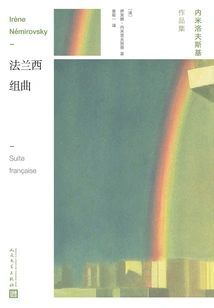
French Suite (nemilovsky Collection)
General Fiction法兰西组曲(内米洛夫斯基作品集)
(france) Jelena Nemirovsky
After more than half a century of silence, Nemirovsky's posthumous work "Suite Française" was finally published in 2004, and won the Renaudot Literary Award that year. The prize, awarded for the first time to a late author, also brought Nemirovsky's legend back into the public eye. The novel was supposed to be composed of five different "movements" (see Appendix 1 "Manuscript Notes" of this book), but Nemilovsky only had time to finish writing the first two movements before he was killed by the Nazis. The first movement "June Storm" depicts the great escape from Paris in 1940, grimly outlining the various behaviors of capitalists, civilians, soldiers and farmers on the escape route. The second movement "Adagio" moves from the road to a small town, where a subtle confrontation and affection unfolds between the small town residents and the German soldiers. The fate of each named person, the undelivered bad news, the unfinished love, and the unacted awakening all push the narrative charm of the realist novel to its peak. Now here's a more prosaic question that I've never been able to find an answer to: Don't people forget the characters from the previous book when they read the next one? It is to avoid this that I am going to write a work of a thousand pages instead of one consisting of several volumes. --Jelena Nemirovsky
After more than half a century of silence, Nemirovsky's posthumous work "Suite Française" was finally published in 2004, and won the Renaudot Literary Award that year. The prize, awarded for the first time to a late author, also brought Nemirovsky's legend back into the public eye. The novel was supposed to be composed of five different "movements" (see Appendix 1 "Manuscript Notes" of this book), but Nemilovsky only had time to finish writing the first two movements before he was killed by the Nazis. The first movement "June Storm" depicts the great escape from Paris in 1940, grimly outlining the various behaviors of capitalists, civilians, soldiers and farmers on the escape route. The second movement "Adagio" moves from the road to a small town, where a subtle confrontation and affection unfolds between the small town residents and the German soldiers. The fate of each named person, the undelivered bad news, the unfinished love, and the unacted awakening all push the narrative charm of the realist novel to its peak. Now here's a more prosaic question that I've never been able to find an answer to: Don't people forget the characters from the previous book when they read the next one? It is to avoid this that I am going to write a work of a thousand pages instead of one consisting of several volumes. --Jelena Nemirovsky
B
General FictionB
H
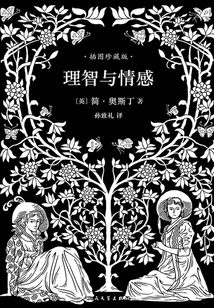
"Sense and Sensibility" is Jane Austen's first novel. The first draft was the epistolary novel "Eleanor and Marianne" written in 1796. It was later rewritten into "Sense and Sensibility" in November 1797. For more than ten years, "Sense and Sensibility" became silent. It was not until March 1811 that Austen revealed in a letter that she was in London looking at the proofs of the book. The book was published on October 30 of that year. The novel revolves around the mate selection activities of the two heroines, focusing on revealing the unhealthy trend in British society at that time of using marriage as a way for women to seek economic security and improve their economic status, as well as the ugly fashion of focusing on family status regardless of women's feelings and human rights. Both heroines in the novel pursue equal communication and exchange of thoughts and feelings with men, demand equal rights in social status, and insist on independent observation, analysis, and freedom to choose men. In Britain at the time, this was almost a cry of defiance. As the title of the book reflects, the story focuses on the conflict between "reason" and "emotion". The heroine Eleanor is both emotional and rational, which represents the author's ideal on this issue, that is, people cannot be without emotions, but emotions should be restricted by reason.
"Sense and Sensibility" is Jane Austen's first novel. The first draft was the epistolary novel "Eleanor and Marianne" written in 1796. It was later rewritten into "Sense and Sensibility" in November 1797. For more than ten years, "Sense and Sensibility" became silent. It was not until March 1811 that Austen revealed in a letter that she was in London looking at the proofs of the book. The book was published on October 30 of that year. The novel revolves around the mate selection activities of the two heroines, focusing on revealing the unhealthy trend in British society at that time of using marriage as a way for women to seek economic security and improve their economic status, as well as the ugly fashion of focusing on family status regardless of women's feelings and human rights. Both heroines in the novel pursue equal communication and exchange of thoughts and feelings with men, demand equal rights in social status, and insist on independent observation, analysis, and freedom to choose men. In Britain at the time, this was almost a cry of defiance. As the title of the book reflects, the story focuses on the conflict between "reason" and "emotion". The heroine Eleanor is both emotional and rational, which represents the author's ideal on this issue, that is, people cannot be without emotions, but emotions should be restricted by reason.
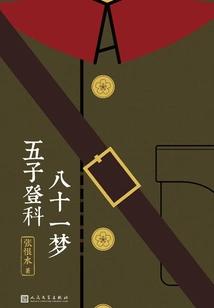
张恨水作品系列:八十一梦 五子登科
Zhang Henshui
After the Nanjing Massacre, Zhang Henshui submitted a request to the government to fight guerrillas in the mountains. After getting no results, he put his strong patriotic fervor and loneliness on paper and created a large number of realistic and spiritual works. "Eighty-One Dreams" is one of the outstanding works. It is a social satire novel completed by Zhang Henshui in 1943. In fact, he wrote a total of fourteen dreams. He used the technique of "Nineteen fables, entrusted to dreams" to make a unique observation of all the ugly phenomena in the rear during the national crisis, and severely criticized the corruption in power and the ugly national character without mercy. The novel is written in a smooth and smooth way, full of strange and mysterious suspense, and has the meaning of "condemning novels". The literary world praised the book as a "wonderful book". After the end of the Anti-Japanese War, the Kuomintang government, which retreated to Chongqing, sent a large number of officials to various places to take over the real estate left by the Japanese invaders and traitors. These officials collected large amounts of wealth by accepting bribes, making false accounts, and colluding with local dignitaries and bankers to resell gold and real estate. "Five Sons Admitted to the Imperial College" is a microcosm of that period of history. The novelization uses the allusion of Dou Yanshan's five sons who were admitted to the imperial examinations in the Five Dynasties, and the family history of Jin Ziyuan, the reception commissioner in Peking, as a clue. It makes a bitter mockery of a series of shameless and shameless behaviors of the Kuomintang reception officials who frantically demanded and possessed "gold, houses, cars, women, and money." It is a "officialdom record" on the eve of the collapse of the Kuomintang regime.
After the Nanjing Massacre, Zhang Henshui submitted a request to the government to fight guerrillas in the mountains. After getting no results, he put his strong patriotic fervor and loneliness on paper and created a large number of realistic and spiritual works. "Eighty-One Dreams" is one of the outstanding works. It is a social satire novel completed by Zhang Henshui in 1943. In fact, he wrote a total of fourteen dreams. He used the technique of "Nineteen fables, entrusted to dreams" to make a unique observation of all the ugly phenomena in the rear during the national crisis, and severely criticized the corruption in power and the ugly national character without mercy. The novel is written in a smooth and smooth way, full of strange and mysterious suspense, and has the meaning of "condemning novels". The literary world praised the book as a "wonderful book". After the end of the Anti-Japanese War, the Kuomintang government, which retreated to Chongqing, sent a large number of officials to various places to take over the real estate left by the Japanese invaders and traitors. These officials collected large amounts of wealth by accepting bribes, making false accounts, and colluding with local dignitaries and bankers to resell gold and real estate. "Five Sons Admitted to the Imperial College" is a microcosm of that period of history. The novelization uses the allusion of Dou Yanshan's five sons who were admitted to the imperial examinations in the Five Dynasties, and the family history of Jin Ziyuan, the reception commissioner in Peking, as a clue. It makes a bitter mockery of a series of shameless and shameless behaviors of the Kuomintang reception officials who frantically demanded and possessed "gold, houses, cars, women, and money." It is a "officialdom record" on the eve of the collapse of the Kuomintang regime.
S
General Fictions
H
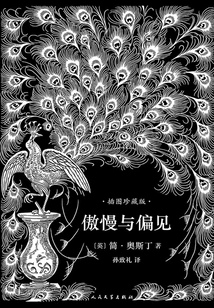
The first draft of "Pride and Prejudice" was written from October 1796 to August 1797. It was originally called "First Impression". More than ten years later, it was rewritten and renamed "Pride and Prejudice" and published on January 28, 1813. This novel takes love entanglements as the main line and describes the emotional entanglements between Darcy, an arrogant single young man, and Elizabeth, who is prejudiced against him. It fully reflects the author's view on marriage and emphasizes the impact of economic interests on love and marriage. The plot of the novel is full of comedy and the language is witty and humorous. It is the most popular of Austen's novels. Austen once claimed that "Pride and Prejudice" was her "favorite child". The famous American literary critic Edmund Wilson (1895-1972) once said: "Over the past 100 years, there have been several taste revolutions in the history of British literature. The renovation of literary tastes has affected the reputation of almost all writers. Only Shakespeare and Jane Austen have endured." Austen's six novels have been praised by generations of readers after two hundred years of time, and all of them can be called excellent works. In particular, the popular "Pride and Prejudice" is a rare treasure in the world library. No wonder Maugham listed it among the top ten novels in the world.
The first draft of "Pride and Prejudice" was written from October 1796 to August 1797. It was originally called "First Impression". More than ten years later, it was rewritten and renamed "Pride and Prejudice" and published on January 28, 1813. This novel takes love entanglements as the main line and describes the emotional entanglements between Darcy, an arrogant single young man, and Elizabeth, who is prejudiced against him. It fully reflects the author's view on marriage and emphasizes the impact of economic interests on love and marriage. The plot of the novel is full of comedy and the language is witty and humorous. It is the most popular of Austen's novels. Austen once claimed that "Pride and Prejudice" was her "favorite child". The famous American literary critic Edmund Wilson (1895-1972) once said: "Over the past 100 years, there have been several taste revolutions in the history of British literature. The renovation of literary tastes has affected the reputation of almost all writers. Only Shakespeare and Jane Austen have endured." Austen's six novels have been praised by generations of readers after two hundred years of time, and all of them can be called excellent works. In particular, the popular "Pride and Prejudice" is a rare treasure in the world library. No wonder Maugham listed it among the top ten novels in the world.
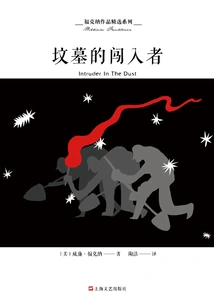
Selected Works of Faulkner Series: the Grave Intruder
General Fiction福克纳作品精选系列:坟墓的闯入者
F
"The Grave Intruder" is a "detective novel" written in the late period of Faulkner's creative career. It was first published in 1948. The novel tells the story of the murder of a son of a wealthy family in the town. Lucas, a black man, was suspected and imprisoned. Chike, a white boy who had been helped by Lucas, did not believe that he was the murderer. By chance, he, a friend and an old white lady got involved in the case. They found another body from the deceased's grave, providing strong evidence to rule out Lucas' suspicion. At the same time, Chike used the facts to convince his uncle, a lawyer with serious racist ideas, and helped Lucas clear his name. The novel exposes the problem of racial discrimination in the United States through such a case and reflects the author's attitude on the issue of racial conflicts and racial integration in the South. It is an important work that reflects Faulkner's thinking on racial issues.
"The Grave Intruder" is a "detective novel" written in the late period of Faulkner's creative career. It was first published in 1948. The novel tells the story of the murder of a son of a wealthy family in the town. Lucas, a black man, was suspected and imprisoned. Chike, a white boy who had been helped by Lucas, did not believe that he was the murderer. By chance, he, a friend and an old white lady got involved in the case. They found another body from the deceased's grave, providing strong evidence to rule out Lucas' suspicion. At the same time, Chike used the facts to convince his uncle, a lawyer with serious racist ideas, and helped Lucas clear his name. The novel exposes the problem of racial discrimination in the United States through such a case and reflects the author's attitude on the issue of racial conflicts and racial integration in the South. It is an important work that reflects Faulkner's thinking on racial issues.

Hemingway Selected Works Series: for Whom the Bell Tolls
General Fiction海明威作品精选系列:丧钟为谁而鸣
H
During the Spanish Civil War, an American young man, Robert Jordan, volunteered to join the Spanish government army and engage in explosive activities behind enemy lines. In order to cooperate with the counterattack, he was ordered to contact the local guerrillas in the mountainous area and carry out a bridge bombing mission. Although repeatedly obstructed by Pablo, the guerrilla captain who had lost his fighting spirit, Robert still won the support of Pablo's wife Pilar and other team members, and fell in love with Maria, a girl who had been raped by the enemy. In just three days, Robert experienced the conflict between love and duty and the test of life and death, and his humanity continued to sublimate. After successfully blowing up the bridge, Robert was unfortunately injured. In order to cover the safe retreat of others, he chose to stay alone to stop the enemy, and ultimately gave his young life for the Spanish people. "For Whom the Bell Tolls" was published in 1940 and is one of Hemingway's most widely circulated novels.
During the Spanish Civil War, an American young man, Robert Jordan, volunteered to join the Spanish government army and engage in explosive activities behind enemy lines. In order to cooperate with the counterattack, he was ordered to contact the local guerrillas in the mountainous area and carry out a bridge bombing mission. Although repeatedly obstructed by Pablo, the guerrilla captain who had lost his fighting spirit, Robert still won the support of Pablo's wife Pilar and other team members, and fell in love with Maria, a girl who had been raped by the enemy. In just three days, Robert experienced the conflict between love and duty and the test of life and death, and his humanity continued to sublimate. After successfully blowing up the bridge, Robert was unfortunately injured. In order to cover the safe retreat of others, he chose to stay alone to stop the enemy, and ultimately gave his young life for the Spanish people. "For Whom the Bell Tolls" was published in 1940 and is one of Hemingway's most widely circulated novels.

Selected Series of Hemingway's Works: a Farewell to Arms
General Fiction海明威作品精选系列:永别了,武器
M
The American young man Frederick Henry volunteered to join the Red Cross as an ambulance driver in the late World War I, rescuing the wounded on the northern Italian front. During a mission, Henry was hit by a cannonball and injured. While recovering from his injuries in a Milan hospital, he was cared for by British nurse Catherine, and the two fell in love. After recovering from his injuries, Henry returned to the front line. When he retreated with the Italian troops, he witnessed the cruel scenes of the war. He resolutely left the army, joined Catherine and fled to Switzerland. As a result, Catherine died in childbirth. By describing the love between the two, the novel sings a sad and moving tragedy, revealing the absurd and cruel nature of war. "A Farewell to Arms" was first published in 1929 and is Hemingway's early masterpiece. This work marks Hemingway's artistic maturity.
The American young man Frederick Henry volunteered to join the Red Cross as an ambulance driver in the late World War I, rescuing the wounded on the northern Italian front. During a mission, Henry was hit by a cannonball and injured. While recovering from his injuries in a Milan hospital, he was cared for by British nurse Catherine, and the two fell in love. After recovering from his injuries, Henry returned to the front line. When he retreated with the Italian troops, he witnessed the cruel scenes of the war. He resolutely left the army, joined Catherine and fled to Switzerland. As a result, Catherine died in childbirth. By describing the love between the two, the novel sings a sad and moving tragedy, revealing the absurd and cruel nature of war. "A Farewell to Arms" was first published in 1929 and is Hemingway's early masterpiece. This work marks Hemingway's artistic maturity.
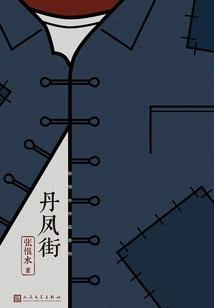
Zhang Henshui's Work Series: Danfeng Street
General Fiction张恨水作品系列:丹凤街
Zhang Henshui
"Danfeng Street" is a long masterpiece written by Zhang Henshui during the Anti-Japanese War. It was originally called "Biographies of Negative Vendors". From the title of the book, it can be seen that the author wanted to write biographies for the lower class hawkers. The novel tells the story of a group of self-reliant vegetable vendors and bartenders on Danfeng Street headed by Tong Laowu. They are not afraid of power and are willing to go bankrupt and run around just to rescue the poor girl Chen Xiujie who was sold by her uncle to Deputy Chief Zhao as his concubine. Underneath the poor and rough appearance of the protagonists, there is a chivalrous spirit of magnanimity, sincerity, and promise. Although the novel is not about martial arts, it uses folk ideas of "chivalry" throughout. From the title to the story content and the spoken dialect in the book, "Danfeng Street" is full of pure Nanjing flavor. In the long corridor of Chinese new literature, there is no novel that can vividly depict the urban culture and customs of Nanjing, the capital of the Republic of China, like Zhang Henshui's "Danfeng Street". "Danfeng Street" shows its skill in the description of genre paintings, style paintings and landscape paintings. It is the "Along the River During Qingming Festival" in Nanjing during the Republic of China.
"Danfeng Street" is a long masterpiece written by Zhang Henshui during the Anti-Japanese War. It was originally called "Biographies of Negative Vendors". From the title of the book, it can be seen that the author wanted to write biographies for the lower class hawkers. The novel tells the story of a group of self-reliant vegetable vendors and bartenders on Danfeng Street headed by Tong Laowu. They are not afraid of power and are willing to go bankrupt and run around just to rescue the poor girl Chen Xiujie who was sold by her uncle to Deputy Chief Zhao as his concubine. Underneath the poor and rough appearance of the protagonists, there is a chivalrous spirit of magnanimity, sincerity, and promise. Although the novel is not about martial arts, it uses folk ideas of "chivalry" throughout. From the title to the story content and the spoken dialect in the book, "Danfeng Street" is full of pure Nanjing flavor. In the long corridor of Chinese new literature, there is no novel that can vividly depict the urban culture and customs of Nanjing, the capital of the Republic of China, like Zhang Henshui's "Danfeng Street". "Danfeng Street" shows its skill in the description of genre paintings, style paintings and landscape paintings. It is the "Along the River During Qingming Festival" in Nanjing during the Republic of China.

海明威作品精选系列:海明威短篇小说选
M
"Selected Short Stories of Hemingway" collects 26 of Hemingway's most representative short stories, including "The Snows of Kilimanjaro", "Mountains Like White Elephants", "Indian Camp", "In Northern Michigan", "Cat in the Rain", "On the Pier of Smyrna", "Closed Season", etc. Among all Hemingway's works, it was not his novels that made him famous the earliest, but these extraordinary short stories. These short stories are mainly declarative sentences, with precise descriptions, short dialogues, limited revelations, a combination of fiction and reality, and endless meanings. They convey infinite connotations in a limited space and perfectly present Hemingway at his peak: precision, restraint, mystery, and sadness.
"Selected Short Stories of Hemingway" collects 26 of Hemingway's most representative short stories, including "The Snows of Kilimanjaro", "Mountains Like White Elephants", "Indian Camp", "In Northern Michigan", "Cat in the Rain", "On the Pier of Smyrna", "Closed Season", etc. Among all Hemingway's works, it was not his novels that made him famous the earliest, but these extraordinary short stories. These short stories are mainly declarative sentences, with precise descriptions, short dialogues, limited revelations, a combination of fiction and reality, and endless meanings. They convey infinite connotations in a limited space and perfectly present Hemingway at his peak: precision, restraint, mystery, and sadness.
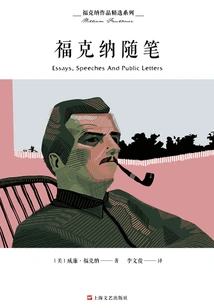
Faulkner's Selected Works Series: Faulkner's Essays
General Fiction福克纳作品精选系列:福克纳随笔
(us) William Faulkner
"Faulkner's Essays" collects Faulkner's more mature non-fiction articles from various periods, including speeches, book reviews, prefaces and open letters intended to be published, etc. It is an important part of Faulkner's entire works and an indispensable material for understanding a true, comprehensive and even secret Faulkner. Most of the chapters are the product of his later period of creation, and many of them reflect his increased sense of responsibility as a public figure after he won the Nobel Prize for Literature. While these essays reveal what this intensely passionate, complex, and private writer was willing to reveal to the public during the last four decades of his career, they also allow us to learn more about him as a person and his work.
"Faulkner's Essays" collects Faulkner's more mature non-fiction articles from various periods, including speeches, book reviews, prefaces and open letters intended to be published, etc. It is an important part of Faulkner's entire works and an indispensable material for understanding a true, comprehensive and even secret Faulkner. Most of the chapters are the product of his later period of creation, and many of them reflect his increased sense of responsibility as a public figure after he won the Nobel Prize for Literature. While these essays reveal what this intensely passionate, complex, and private writer was willing to reveal to the public during the last four decades of his career, they also allow us to learn more about him as a person and his work.
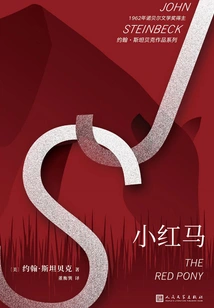
John Steinbeck Series: Little Red Horse
General Fiction约翰·斯坦贝克作品系列:小红马
G
"The Little Red Horse" is a collection of short stories published by Steinbeck in 1937. It consists of four short stories: "The Gift", "The Mountain", "The Promise" and "The Chief of the People". The child protagonist Jody writes about the birth, old age, illness and death of the horse, various labors, the process of moving westward, and the fate of the elderly in their old age. All of this left a mark on Jodi's young mind, either with joy, worry, longing, or sadness. In this collection of short stories, Steinbeck created a children's world in which there are no fairies or giants. Children can see colors more clearly than adults, experience them more intensely than adults, and children's momentary sadness also appears more unique. The work exudes the earthy atmosphere of the countryside, intertwined with the subtle changes in children's mentality, achieving a refreshing and gratifying effect.
"The Little Red Horse" is a collection of short stories published by Steinbeck in 1937. It consists of four short stories: "The Gift", "The Mountain", "The Promise" and "The Chief of the People". The child protagonist Jody writes about the birth, old age, illness and death of the horse, various labors, the process of moving westward, and the fate of the elderly in their old age. All of this left a mark on Jodi's young mind, either with joy, worry, longing, or sadness. In this collection of short stories, Steinbeck created a children's world in which there are no fairies or giants. Children can see colors more clearly than adults, experience them more intensely than adults, and children's momentary sadness also appears more unique. The work exudes the earthy atmosphere of the countryside, intertwined with the subtle changes in children's mentality, achieving a refreshing and gratifying effect.

Selected Works of Hemingway: the Sun Also Rises
General Fiction海明威作品精选系列:太阳照常升起
J
Jack Barnes, an American young man, was seriously injured in World War I and lost his sexual ability. He fell in love with the beautiful woman Brett Ashley. However, because Ashley could not accept a marriage without sex, Barnes could only helplessly let her become someone else's fiancée, and even arranged for her to have trysts with other men. The two went to Spain to watch a bullfight with several friends. Brett Ashley fell in love with the young bullfighter Romero at first sight, but when Romero proposed to her, she resolutely rejected him. The age gap made her "not want to be a bad woman who ruins the future of young people." Eventually, she returned to Barnes, but both parties knew that they could never truly be together. "The Sun Also Rises" was first published in 1926. It is Hemingway's first novel. It condenses and brings together the young Hemingway's own thoughts, emotions, reason, pain and his glimpse of the future. It is an in-depth extension of Hemingway's own life experience and philosophical thinking. After the publication of the novel, the term "lost generation" spread immediately and spread more and more widely, and then evolved into a conceptual literary term - it not only represents the main creative tendency of the young generation of writers after the war, but also became a marker to refer to the thoughts and emotions of this generation.
Jack Barnes, an American young man, was seriously injured in World War I and lost his sexual ability. He fell in love with the beautiful woman Brett Ashley. However, because Ashley could not accept a marriage without sex, Barnes could only helplessly let her become someone else's fiancée, and even arranged for her to have trysts with other men. The two went to Spain to watch a bullfight with several friends. Brett Ashley fell in love with the young bullfighter Romero at first sight, but when Romero proposed to her, she resolutely rejected him. The age gap made her "not want to be a bad woman who ruins the future of young people." Eventually, she returned to Barnes, but both parties knew that they could never truly be together. "The Sun Also Rises" was first published in 1926. It is Hemingway's first novel. It condenses and brings together the young Hemingway's own thoughts, emotions, reason, pain and his glimpse of the future. It is an in-depth extension of Hemingway's own life experience and philosophical thinking. After the publication of the novel, the term "lost generation" spread immediately and spread more and more widely, and then evolved into a conceptual literary term - it not only represents the main creative tendency of the young generation of writers after the war, but also became a marker to refer to the thoughts and emotions of this generation.
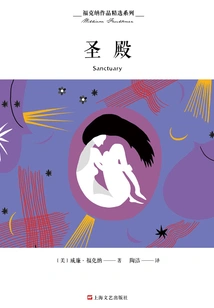
Faulkner's Selected Works Series: the Temple
General Fiction福克纳作品精选系列:圣殿
G
"The Temple" was published in 1931 and was Faulkner's first novel to gain a large readership. In the 1920s, there was a group of bootleggers headed by Goldfish Eyes in a southern town. Temple, a naive female college student, was abandoned by her boyfriend and got mixed up with the gang. She was raped and sent to a brothel in Fes by Goldfish Eyes. After Goldfish Eyes killed someone, he put the blame on Godwin. Attorney Horace did a lot of evidence collection work to save Temple from the fire pit. However, Temple has been driven insane by Jinyuyan's perverted sexual behavior, causing her inner imbalance. In the end, she committed perjury, allowing Jinyuyan to escape the law. Although the novel uses the narrative mode of popular detective novels, it also has naturalistic descriptions. It is an excellent work both in terms of theme and expression.
"The Temple" was published in 1931 and was Faulkner's first novel to gain a large readership. In the 1920s, there was a group of bootleggers headed by Goldfish Eyes in a southern town. Temple, a naive female college student, was abandoned by her boyfriend and got mixed up with the gang. She was raped and sent to a brothel in Fes by Goldfish Eyes. After Goldfish Eyes killed someone, he put the blame on Godwin. Attorney Horace did a lot of evidence collection work to save Temple from the fire pit. However, Temple has been driven insane by Jinyuyan's perverted sexual behavior, causing her inner imbalance. In the end, she committed perjury, allowing Jinyuyan to escape the law. Although the novel uses the narrative mode of popular detective novels, it also has naturalistic descriptions. It is an excellent work both in terms of theme and expression.

The Life of Chekhov (collected Works of Nemirovsky)
General Fiction契诃夫的一生(内米洛夫斯基作品集)
(france) Jelena Nemirovsky
The biography "Chekhov's Life" was first published in 1946, telling the "fireworks" life of Russian literary master Anton Chekhov. Chekhov was born in poverty and initially wrote novels just to make a living, until he met an older Bole who guided and encouraged him through letters. Literary successes and failures came one after another, and illness and loneliness often accompanied him, but he always maintained sincerity and goodwill towards the people around him. The turbulent words written by Nemilovsky actually calmed down and softened when describing Chekhov. "However, among the indifferent crowd, Chekhov's wife and mother cuddled tightly and supported each other. Among all the people in the world, they were the only ones Chekhov ever truly loved deeply." Only when you see this and close the page can you really understand what is "mixed with fun, sadness and quiet disappointment" and what is "crystal indifference." Behind the fatigue and loneliness, I always hope to capture a glimmer of pure beauty that lights up the world - this is Chekhov written by Elena Nemirovsky, and it is also Elena Nemirovsky herself. --Yuan Xiaoyi
The biography "Chekhov's Life" was first published in 1946, telling the "fireworks" life of Russian literary master Anton Chekhov. Chekhov was born in poverty and initially wrote novels just to make a living, until he met an older Bole who guided and encouraged him through letters. Literary successes and failures came one after another, and illness and loneliness often accompanied him, but he always maintained sincerity and goodwill towards the people around him. The turbulent words written by Nemilovsky actually calmed down and softened when describing Chekhov. "However, among the indifferent crowd, Chekhov's wife and mother cuddled tightly and supported each other. Among all the people in the world, they were the only ones Chekhov ever truly loved deeply." Only when you see this and close the page can you really understand what is "mixed with fun, sadness and quiet disappointment" and what is "crystal indifference." Behind the fatigue and loneliness, I always hope to capture a glimmer of pure beauty that lights up the world - this is Chekhov written by Elena Nemirovsky, and it is also Elena Nemirovsky herself. --Yuan Xiaoyi
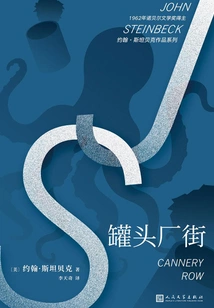
John Steinbeck Series: Cannery Row
General Fiction约翰·斯坦贝克作品系列:罐头厂街
H
The story takes place on a seaside street in Monterey Bay, California before World War II. In the early 1940s, the production of canned sardines was the main feature here, so it was called Cannery Row. The central character of the novel is a marine biologist named "The Doctor". Being highly educated, he did not look down on his neighbors - gamblers, traders, prostitutes, and homeless people. In his eyes, these people were "very healthy and surprisingly clean." Another group of characters, Mark and his friends, are a group of penniless vagrants with no ideals or pursuits. They live happily in Cannery Row. Their lives are simple. They neither hide their desires nor let money corrupt their souls. They are sincere and helpful. The 1930s and 1940s were a turbulent decade in American history. The sudden economic crisis put pressure on all social strata and shook Americans' cultural values. The entire society fell into a spiritual crisis. This ideal state of life in "Cannery Row" is the value system established by Steinbeck for Americans in crisis. "Cannery Row" was first published in 1945 and is one of John Steinbeck's masterpieces. It shows the mental outlook of the lower class in Monterey during the Great Depression.
The story takes place on a seaside street in Monterey Bay, California before World War II. In the early 1940s, the production of canned sardines was the main feature here, so it was called Cannery Row. The central character of the novel is a marine biologist named "The Doctor". Being highly educated, he did not look down on his neighbors - gamblers, traders, prostitutes, and homeless people. In his eyes, these people were "very healthy and surprisingly clean." Another group of characters, Mark and his friends, are a group of penniless vagrants with no ideals or pursuits. They live happily in Cannery Row. Their lives are simple. They neither hide their desires nor let money corrupt their souls. They are sincere and helpful. The 1930s and 1940s were a turbulent decade in American history. The sudden economic crisis put pressure on all social strata and shook Americans' cultural values. The entire society fell into a spiritual crisis. This ideal state of life in "Cannery Row" is the value system established by Steinbeck for Americans in crisis. "Cannery Row" was first published in 1945 and is one of John Steinbeck's masterpieces. It shows the mental outlook of the lower class in Monterey during the Great Depression.
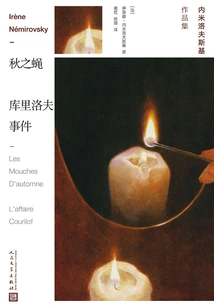
秋之蝇 库里洛夫事件(内米洛夫斯基作品集)
(france) Jelena Nemirovsky
The novel "Autumn Flies" was first released in 1931 and was written based on Nemirovsky's personal experience. The protagonist Tatyana is a loyal and capable servant and a wet nurse for several children of the Kalina family. After the Russian Revolution broke out, the Kalina family began to flee. She stayed behind to look after the house, buried the Kalina family's youngest son Yuri, who died tragically, and traveled thousands of miles to deliver jewelry sewn into clothes to the owner's family. Later, she settled with them in Paris. However, just as the Kalina family began to enjoy their new life, Tatyana's obsession with the old days became increasingly redundant, struggling feebly like a fly in autumn... The killer Leon M received the task of the Revolutionary Committee to eliminate the Minister of National Education Kurilov. He had to wait patiently for nine months and take action to trigger a big reaction when the Prussian Emperor came to visit. As a result, the killer disguised himself as a Swiss doctor and lurked around Kurilov. For nine months, he listened to Kurilov's heartfelt conversations, observed Kurilov's family and staff, and even eavesdropped on their conversations. Can enough understanding offset hatred? Will the complexities of human nature get in the way of the mission? In short, after nine months, Kurorive must die.
The novel "Autumn Flies" was first released in 1931 and was written based on Nemirovsky's personal experience. The protagonist Tatyana is a loyal and capable servant and a wet nurse for several children of the Kalina family. After the Russian Revolution broke out, the Kalina family began to flee. She stayed behind to look after the house, buried the Kalina family's youngest son Yuri, who died tragically, and traveled thousands of miles to deliver jewelry sewn into clothes to the owner's family. Later, she settled with them in Paris. However, just as the Kalina family began to enjoy their new life, Tatyana's obsession with the old days became increasingly redundant, struggling feebly like a fly in autumn... The killer Leon M received the task of the Revolutionary Committee to eliminate the Minister of National Education Kurilov. He had to wait patiently for nine months and take action to trigger a big reaction when the Prussian Emperor came to visit. As a result, the killer disguised himself as a Swiss doctor and lurked around Kurilov. For nine months, he listened to Kurilov's heartfelt conversations, observed Kurilov's family and staff, and even eavesdropped on their conversations. Can enough understanding offset hatred? Will the complexities of human nature get in the way of the mission? In short, after nine months, Kurorive must die.

Selected Works of Faulkner Series: as I Lay Dying
General Fiction福克纳作品精选系列:我弥留之际
G
"As I Lay Dying" is one of the important novels of Faulkner's "Yoknapatawpha". It was published in 1930 and made Faulkner famous in one fell swoop. The novel consists of fifty-nine stanzas of inner monologues, telling from multiple perspectives the "suffering journey" of Bendren, a farmer in the southern United States, who leads his family to transport his wife's body back to his hometown for burial in order to keep his promise to his wife. The entire ten-day trip was full of disasters: the water almost washed away the coffin, the mule pulling the cart drowned, and the fire almost incinerated the body. As a result, the eldest son lost a foot, the second son went to jail for setting fire to a barn, the third son lost his beloved horse, the daughter failed to have an abortion but was bullied by the pharmacy clerk, and the mentally retarded younger son did not get the little train he longed for, while Bundren got dentures and married a new wife. The whole novel constitutes a true picture of the challenges to the poverty, backwardness and traditional moral values of the American South after the Civil War, and is a metaphor for the sufferings of real life.
"As I Lay Dying" is one of the important novels of Faulkner's "Yoknapatawpha". It was published in 1930 and made Faulkner famous in one fell swoop. The novel consists of fifty-nine stanzas of inner monologues, telling from multiple perspectives the "suffering journey" of Bendren, a farmer in the southern United States, who leads his family to transport his wife's body back to his hometown for burial in order to keep his promise to his wife. The entire ten-day trip was full of disasters: the water almost washed away the coffin, the mule pulling the cart drowned, and the fire almost incinerated the body. As a result, the eldest son lost a foot, the second son went to jail for setting fire to a barn, the third son lost his beloved horse, the daughter failed to have an abortion but was bullied by the pharmacy clerk, and the mentally retarded younger son did not get the little train he longed for, while Bundren got dentures and married a new wife. The whole novel constitutes a true picture of the challenges to the poverty, backwardness and traditional moral values of the American South after the Civil War, and is a metaphor for the sufferings of real life.

O
General Fictiono
H
Ryunosuke Akutagawa, also known as "Master of Seijiangdo" and also known as "My Ghost", is a Japanese novelist. Ryunosuke Akutagawa's short stories are short in length, with novel materials and novel and even weird plots. His works focus on the ugly phenomena of society and state them with cold words and concise and powerful language, making his novels not only highly artistic but also a microcosm of the society at that time. His representative works such as "Rashomon", "In the Bamboo Forest", "Spider Silk" and "Hell Picture" have become his classic works.
Ryunosuke Akutagawa, also known as "Master of Seijiangdo" and also known as "My Ghost", is a Japanese novelist. Ryunosuke Akutagawa's short stories are short in length, with novel materials and novel and even weird plots. His works focus on the ugly phenomena of society and state them with cold words and concise and powerful language, making his novels not only highly artistic but also a microcosm of the society at that time. His representative works such as "Rashomon", "In the Bamboo Forest", "Spider Silk" and "Hell Picture" have become his classic works.
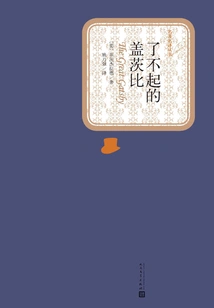
M
General Fictionm
I
In the spring of 1922, Nick, a clerk, left his hometown in the Midwest and came to the East. By chance, he lived next door to the rich Gatsby. He found that Gatsby's huge mansion was full of music and music day and night, but he himself was full of thoughts and always stared across the water at the shining green light at night in the residence on the other side... His first love, Daisy, lived there. Gatsby walked a long way to stand on the lawn of this mansion. When he recognized the green light of Daisy's house for the first time, he felt that his dream seemed so close that it was almost impossible not to catch it. He didn't expect that that dream had already been left behind in the boundless chaos behind the city...
In the spring of 1922, Nick, a clerk, left his hometown in the Midwest and came to the East. By chance, he lived next door to the rich Gatsby. He found that Gatsby's huge mansion was full of music and music day and night, but he himself was full of thoughts and always stared across the water at the shining green light at night in the residence on the other side... His first love, Daisy, lived there. Gatsby walked a long way to stand on the lawn of this mansion. When he recognized the green light of Daisy's house for the first time, he felt that his dream seemed so close that it was almost impossible not to catch it. He didn't expect that that dream had already been left behind in the boundless chaos behind the city...
Ac
General Fictionac
H
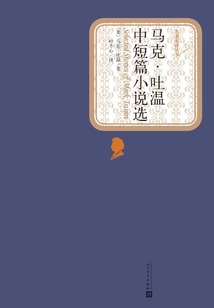
This book selects Mark Twain's famous short and medium-sized stories such as "Running for Governor" and "The Story of Cannibalism on a Train", allowing readers to understand that the author usually revolves around a specific plot, and uses his free and easy writing skills to exaggerate things to the best of their ability, making readers gradually get better and believe it is true.
This book selects Mark Twain's famous short and medium-sized stories such as "Running for Governor" and "The Story of Cannibalism on a Train", allowing readers to understand that the author usually revolves around a specific plot, and uses his free and easy writing skills to exaggerate things to the best of their ability, making readers gradually get better and believe it is true.

Goriot Eugenie Grandet
General Fiction高老头 欧也妮·葛朗台
(french) Balzac
"Petro Goriot" is Balzac's masterpiece. The basic theme of "Human Comedy" is reflected here, and its artistic style best represents Balzac's characteristics. The intertwining of the careerist's struggle for fame and fortune and Goriot's desperate fatherly love makes the content of the novel even more bizarre and touching. Here, some major characters such as Rastignac, Viscountess de Beauseant, and Vautrin appeared on stage one after another, and the "Human Comedy" kicked off.
"Petro Goriot" is Balzac's masterpiece. The basic theme of "Human Comedy" is reflected here, and its artistic style best represents Balzac's characteristics. The intertwining of the careerist's struggle for fame and fortune and Goriot's desperate fatherly love makes the content of the novel even more bizarre and touching. Here, some major characters such as Rastignac, Viscountess de Beauseant, and Vautrin appeared on stage one after another, and the "Human Comedy" kicked off.

Pride and Prejudice
General Fiction傲慢与偏见
(uk) Jane Austen
"Pride and Prejudice" is Austen's masterpiece. It reflects the world customs of British society from the late 18th century to the early 19th century through the story of several middle-class girls from villages and towns talking about marriage. The plot of the novel is tortuous and full of comedy, the language is natural and fluent, and it is witty and humorous. It reveals the tragedy and comedy of life with superb skills.
"Pride and Prejudice" is Austen's masterpiece. It reflects the world customs of British society from the late 18th century to the early 19th century through the story of several middle-class girls from villages and towns talking about marriage. The plot of the novel is tortuous and full of comedy, the language is natural and fluent, and it is witty and humorous. It reveals the tragedy and comedy of life with superb skills.

P
General Fictionp
J
The book is divided into two volumes. The main detailed contents include the small town, the mayor, the property of the poor, father and son, negotiations, depression, special affection, worldly affairs, country night, poor people with great ambitions, such a good night, a trip out, carved stockings, British scissors, cockcrow, the next day, the first deputy mayor, the visit of five officials to Veriye, lamenting the national pain, anonymous letters, conversations with the head of the family, the way of doing things in 1830, the troubles of being an official, Detailed content such as first rot, seminary, what the world or the rich lack, first monasticism, Eucharistic feast, first promotion, ambition, etc.
The book is divided into two volumes. The main detailed contents include the small town, the mayor, the property of the poor, father and son, negotiations, depression, special affection, worldly affairs, country night, poor people with great ambitions, such a good night, a trip out, carved stockings, British scissors, cockcrow, the next day, the first deputy mayor, the visit of five officials to Veriye, lamenting the national pain, anonymous letters, conversations with the head of the family, the way of doing things in 1830, the troubles of being an official, Detailed content such as first rot, seminary, what the world or the rich lack, first monasticism, Eucharistic feast, first promotion, ambition, etc.

The Night Before, Father and Son
General Fiction前夜 父与子
Turgenev
The protagonist of "The Night Before", the Russian girl Yelena, fell in love with a young Bulgarian who made it his mission to liberate his motherland and married him. Although her husband died of illness on their way back to Bulgaria, she stayed true to her faith and set out for Bulgaria alone. The protagonist of "Father and Son" is Bazarov, a civilian intellectual. He is strong and values practical action, but denies art, poetry and people's inner feelings. However, he sincerely falls in love with the noble woman Odintsova. He expressed his love for Odintsova to her, but was rejected. Because of the failure of love, he became doubtful and pessimistic, and passed away with regret.
The protagonist of "The Night Before", the Russian girl Yelena, fell in love with a young Bulgarian who made it his mission to liberate his motherland and married him. Although her husband died of illness on their way back to Bulgaria, she stayed true to her faith and set out for Bulgaria alone. The protagonist of "Father and Son" is Bazarov, a civilian intellectual. He is strong and values practical action, but denies art, poetry and people's inner feelings. However, he sincerely falls in love with the noble woman Odintsova. He expressed his love for Odintsova to her, but was rejected. Because of the failure of love, he became doubtful and pessimistic, and passed away with regret.

R
General Fictionr
H
"Beautiful Friend" exposes the shady story of the press of the Third French Republic through the description of the rise to prominence of a shameless villain, Duroy. It profoundly reveals the complex political and economic phenomena and colonialist war policies of the Third French Republic, and can be called a historical picture of French society at the end of the 19th century.
"Beautiful Friend" exposes the shady story of the press of the Third French Republic through the description of the rise to prominence of a shameless villain, Duroy. It profoundly reveals the complex political and economic phenomena and colonialist war policies of the Third French Republic, and can be called a historical picture of French society at the end of the 19th century.
The Sun Still Rises
General Fiction太阳照常升起
I
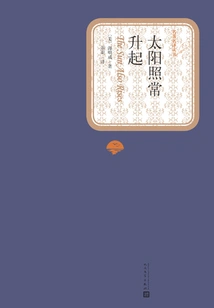
"The Sun Also Rises" is a novel by Hemingway published in 1926. The author became the spokesperson of the "lost generation" and created a unique Hemingway-style writing style with this book. The novel is set in the historical period from 1924 to 1925 and in the famous city of Paris. It revolves around the emotional entanglements between a group of British and American young men and women who have suffered serious emotional or love trauma or suffered severe psychological or physiological dysfunction during the war. It reflects the painful and sad state of mind of this generation who have awakened their consciousness but feel that they have no way out.
"The Sun Also Rises" is a novel by Hemingway published in 1926. The author became the spokesperson of the "lost generation" and created a unique Hemingway-style writing style with this book. The novel is set in the historical period from 1924 to 1925 and in the famous city of Paris. It revolves around the emotional entanglements between a group of British and American young men and women who have suffered serious emotional or love trauma or suffered severe psychological or physiological dysfunction during the war. It reflects the painful and sad state of mind of this generation who have awakened their consciousness but feel that they have no way out.
Ru Long's Translation of Chekhov's Short Stories
General Fiction汝龙译契诃夫短篇小说
J
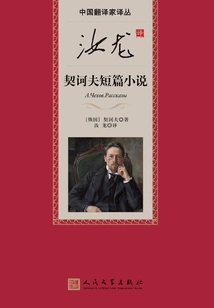
Chekhov's distinctive feature is his ability to reveal the essence of life from the most ordinary phenomena. He highly downplays the plot and only intercepts ordinary daily life fragments. He uses exquisite artistic details to truly depict and portray life and characters, and to reveal important social phenomena. But he does not fall into the "quagmire" of daily life. On the contrary, his profound realist images are often sublimated into philosophical symbols.
Chekhov's distinctive feature is his ability to reveal the essence of life from the most ordinary phenomena. He highly downplays the plot and only intercepts ordinary daily life fragments. He uses exquisite artistic details to truly depict and portray life and characters, and to reveal important social phenomena. But he does not fall into the "quagmire" of daily life. On the contrary, his profound realist images are often sublimated into philosophical symbols.
Luo Dagang's Translation of Persian Letters
General Fiction罗大冈译波斯人信札
I
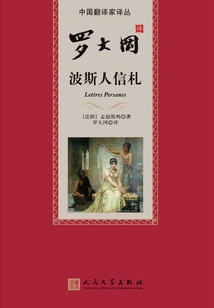
This book is Montesquieu's only literary work, and it consists of one hundred and sixty letters. The letter contains detailed observations and sharp criticisms of the French society at that time, descriptions of bloodshed, sensuality and death, conversations between black and white eunuchs and their imprisoned wives and concubines, and lingering love words from the master in a foreign country. This is a novel that combines travel notes and political commentary, as well as a philosophical novel.
This book is Montesquieu's only literary work, and it consists of one hundred and sixty letters. The letter contains detailed observations and sharp criticisms of the French society at that time, descriptions of bloodshed, sensuality and death, conversations between black and white eunuchs and their imprisoned wives and concubines, and lingering love words from the master in a foreign country. This is a novel that combines travel notes and political commentary, as well as a philosophical novel.
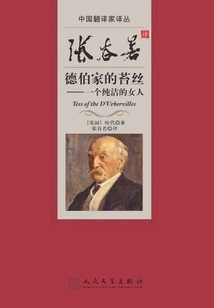
Zhang Guyuo's Translation of Tess of the D'urbervilles
General Fiction张谷若译德伯家的苔丝
G
Zhang Guyuo is famous for his successful translation of three of Hardy's novels: "The Return of the Native", "Tess of the d'Urbervilles", and "Jude the Obscure". Among them, the translation of "Tess of the d'Urbervilles" is the most popular among readers. "Tess of the D'Urbervilles" is Hardy's masterpiece and one of the "Wessex Series". It describes the tragic fate of a rural girl. Hardy called the heroine "a pure woman" in the novel's subtitle, openly challenging the hypocritical social morals of the Victorian era.
Zhang Guyuo is famous for his successful translation of three of Hardy's novels: "The Return of the Native", "Tess of the d'Urbervilles", and "Jude the Obscure". Among them, the translation of "Tess of the d'Urbervilles" is the most popular among readers. "Tess of the D'Urbervilles" is Hardy's masterpiece and one of the "Wessex Series". It describes the tragic fate of a rural girl. Hardy called the heroine "a pure woman" in the novel's subtitle, openly challenging the hypocritical social morals of the Victorian era.

Master and Margaret
General Fiction大师和玛格丽特
(soviet) Bulgakov
Satan pretended to be a foreign professor, Woland, and visited the Soviet capital Moscow in the 1930s. He met Berlioz, the chairman of the Moscow Federation of Literary and Art Circles, and the young poet Ivan. They did not believe in God or the devil. Woland refuted each one and predicted Berlioz's death that day. Ivan witnessed the tragedy of Berlioz being run over by a tram, and suspected that Woland was a foreign spy. He pursued him, but was imprisoned in a mental hospital and met the master. The master is an unknown writer. His lover Margaret admires his talent and calls him the master, and he regards himself as such.
Satan pretended to be a foreign professor, Woland, and visited the Soviet capital Moscow in the 1930s. He met Berlioz, the chairman of the Moscow Federation of Literary and Art Circles, and the young poet Ivan. They did not believe in God or the devil. Woland refuted each one and predicted Berlioz's death that day. Ivan witnessed the tragedy of Berlioz being run over by a tram, and suspected that Woland was a foreign spy. He pursued him, but was imprisoned in a mental hospital and met the master. The master is an unknown writer. His lover Margaret admires his talent and calls him the master, and he regards himself as such.
O
General Fictiono
I
"Gulliver's Travels" is an outstanding travel satirical novel by Jonathan Swift. It expresses the author's ideas in a relatively perfect artistic form. The author uses rich satirical techniques and absurd and bizarre plots of fictional fantasy to profoundly analyze the social reality of Britain at that time. The novel is written based on the experiences of the surgeon Gulliver's four voyages and adventures. It consists of four parts.
"Gulliver's Travels" is an outstanding travel satirical novel by Jonathan Swift. It expresses the author's ideas in a relatively perfect artistic form. The author uses rich satirical techniques and absurd and bizarre plots of fictional fantasy to profoundly analyze the social reality of Britain at that time. The novel is written based on the experiences of the surgeon Gulliver's four voyages and adventures. It consists of four parts.
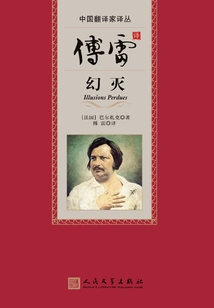
Disillusionment Translated by Fu Lei
General Fiction傅雷译幻灭
I
This is a novel that reflects the commercialization of literature and art and the shady story of the press. It is also one of the most profound masterpieces in "The Human Comedy" and the one that best reflects the spirit of the times. Through the encounters of two talented and ambitious young people, the novel reflects the situation and mental state of an entire generation of young people after the French Revolution. It points out that with the disintegration of the feudal system and the victory of capitalism, there will inevitably be competition between people, which will inevitably produce poems of personal struggle and tragedies of shattered ideals.
This is a novel that reflects the commercialization of literature and art and the shady story of the press. It is also one of the most profound masterpieces in "The Human Comedy" and the one that best reflects the spirit of the times. Through the encounters of two talented and ambitious young people, the novel reflects the situation and mental state of an entire generation of young people after the French Revolution. It points out that with the disintegration of the feudal system and the victory of capitalism, there will inevitably be competition between people, which will inevitably produce poems of personal struggle and tragedies of shattered ideals.
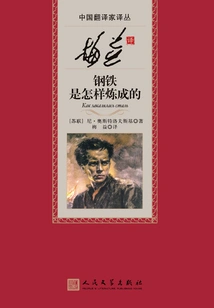
Mei Yi's Translation: How is Steel Made?
General Fiction梅益译钢铁是怎样炼成的
I
"How Steel Was Tempered" is a "great literary work that transcends national boundaries" and is regarded as a life textbook for young people. This classic work, shining with lofty ideals and full of passion for life, occupies a very important position in the literary history of the Soviet Union and the world. In this epic heroic biographical novel, the author portrays Paul Korchagin's lofty personality of persistence and perseverance. His image transcends time, space, and national boundaries, and has a worldwide impact, shaking the heartstrings of several generations. Soon after the novel came out, it was adapted into movies and stage plays and spread all over the world.
"How Steel Was Tempered" is a "great literary work that transcends national boundaries" and is regarded as a life textbook for young people. This classic work, shining with lofty ideals and full of passion for life, occupies a very important position in the literary history of the Soviet Union and the world. In this epic heroic biographical novel, the author portrays Paul Korchagin's lofty personality of persistence and perseverance. His image transcends time, space, and national boundaries, and has a worldwide impact, shaking the heartstrings of several generations. Soon after the novel came out, it was adapted into movies and stage plays and spread all over the world.
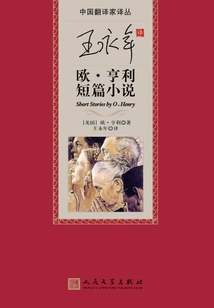
Wang Yongnian's Translation of O. Henry's Short Stories
General Fiction王永年译欧·亨利短篇小说
I
O. Henry, formerly known as William Sidney Porter, is a famous American critical realist writer and one of the world's three great short story masters. He was once hailed as the Manhattan prose writer and the father of modern American short stories. Some famous works such as "The Sacrifice of Love", "The Police and the Hymn", "The Furnished Room for Rent", "The Gift of the Wise", "The Last Ivy Leaf", etc. Have gained him world reputation. Wang Yongnian's translations are famous for their conciseness and accuracy. His translations of O. Henry's novels have been published in many editions and have been highly praised by British and American literature researchers.
O. Henry, formerly known as William Sidney Porter, is a famous American critical realist writer and one of the world's three great short story masters. He was once hailed as the Manhattan prose writer and the father of modern American short stories. Some famous works such as "The Sacrifice of Love", "The Police and the Hymn", "The Furnished Room for Rent", "The Gift of the Wise", "The Last Ivy Leaf", etc. Have gained him world reputation. Wang Yongnian's translations are famous for their conciseness and accuracy. His translations of O. Henry's novels have been published in many editions and have been highly praised by British and American literature researchers.
N
General Fictionn
H
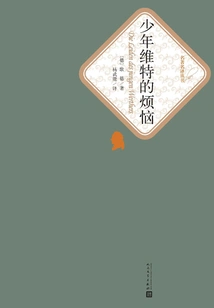
This book is Goethe's most important early work. As soon as it was published, it became popular in Europe and set off "Werther fever". Young Werther came to a small town with simple folk customs. He fell in love with the girl Lotte at first sight; Lotte also liked him, but she was engaged to Werther's friend. Werther fell into embarrassment and pain. He left here, hoping to achieve something in his career so that he could be relieved. The despicable environment and the existing order that suppressed individuality made him unbearable. He then died for love.
This book is Goethe's most important early work. As soon as it was published, it became popular in Europe and set off "Werther fever". Young Werther came to a small town with simple folk customs. He fell in love with the girl Lotte at first sight; Lotte also liked him, but she was engaged to Werther's friend. Werther fell into embarrassment and pain. He left here, hoping to achieve something in his career so that he could be relieved. The despicable environment and the existing order that suppressed individuality made him unbearable. He then died for love.
G
General FictionG
H
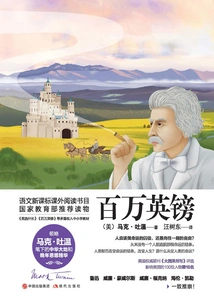
"Millions of Pounds" was selected as a must-read series for the new curriculum standards. It is a novel by the famous American writer Mark Twain. It tells the story of Henry, a poor clerk, and his adventures in London. Two wealthy brothers in London made a bet to see how Henry would end up within a month by lending him a million-dollar note that could not be cashed. When the one-month deadline came, Henry not only did not starve to death or be arrested, but instead became a rich man and won the heart of a beautiful lady. Mark Twain used a slightly exaggerated approach to humorously satirize and attack the money worship that was popular in society at that time. This book also contains many satirical and legendary novels such as "Running for Governor" and "The Mysterious Stranger". With the help of vivid paintings of the world, it analyzes the weaknesses of human nature such as desire, greed, hypocrisy, suspicion, etc. It serves as a warning to the world, makes people think, and allows us to understand ourselves more objectively, treat our own weaknesses correctly, and then establish a correct outlook on life and values.
"Millions of Pounds" was selected as a must-read series for the new curriculum standards. It is a novel by the famous American writer Mark Twain. It tells the story of Henry, a poor clerk, and his adventures in London. Two wealthy brothers in London made a bet to see how Henry would end up within a month by lending him a million-dollar note that could not be cashed. When the one-month deadline came, Henry not only did not starve to death or be arrested, but instead became a rich man and won the heart of a beautiful lady. Mark Twain used a slightly exaggerated approach to humorously satirize and attack the money worship that was popular in society at that time. This book also contains many satirical and legendary novels such as "Running for Governor" and "The Mysterious Stranger". With the help of vivid paintings of the world, it analyzes the weaknesses of human nature such as desire, greed, hypocrisy, suspicion, etc. It serves as a warning to the world, makes people think, and allows us to understand ourselves more objectively, treat our own weaknesses correctly, and then establish a correct outlook on life and values.

P
General Fictionp
I
This book is one of Gorky's trilogy. It mainly tells the seven-year gray life of Alyosha when he lost his father when he was young and stayed at his grandfather's house from the age of three to ten. It successfully created the artistic image of his grandmother with great brilliance and human beauty in Russian literature. It vividly reproduced the living conditions of the lower class people in the Soviet Union in the 1870s and 1880s. It also wrote about Gorky's understanding of suffering and his unique insights into social life. There is an endless desire and strength in the words.
This book is one of Gorky's trilogy. It mainly tells the seven-year gray life of Alyosha when he lost his father when he was young and stayed at his grandfather's house from the age of three to ten. It successfully created the artistic image of his grandmother with great brilliance and human beauty in Russian literature. It vividly reproduced the living conditions of the lower class people in the Soviet Union in the 1870s and 1880s. It also wrote about Gorky's understanding of suffering and his unique insights into social life. There is an endless desire and strength in the words.

My University
General Fiction我的大学
(soviet) Gorky
This book is the third of Gorky's trilogy. It tells the life story of young Alyosha who rushed to Kazan, failed to go to university, entered society, a university without walls, and finally grew into a staunch warrior. From this truly recorded process, we can see the young Gorky's deep hatred for the habits of the petty bourgeoisie, his passionate pursuit of freedom, and his strong yearning for a better life.
This book is the third of Gorky's trilogy. It tells the life story of young Alyosha who rushed to Kazan, failed to go to university, entered society, a university without walls, and finally grew into a staunch warrior. From this truly recorded process, we can see the young Gorky's deep hatred for the habits of the petty bourgeoisie, his passionate pursuit of freedom, and his strong yearning for a better life.

R
General Fictionr
H
This book is set in Paris and London during the French Revolution. It revolves around Dr. Manet's family in Paris and the Saint-Antoine district of Paris, headed by the Defage couple. It tells the story of Dr. Manet who was imprisoned for 18 years for writing a letter to the court to report the marquis brother's indiscriminate use of human life. However, Charles Da, the nephew of the marquis who hated his family's sins, However, Nye fell in love with Lucy, the daughter of Dr. Manette; Dr. Manette repaid evil with kindness. For the happiness of his daughter, he suppressed his hatred of the Evermond family in his heart, and accepted Charles Darnay as his son-in-law with tolerance and forgiveness. Carton, who loved Lucy deeply, went to the guillotine in place of Charles Darnay for Lucy's happiness. This book has a rigorous structure, twists and turns, drama, and vivid characters. It profoundly reflects the class antagonism and human conflicts during the French Revolution, embodies the author's humanitarian thoughts against violence, and can be called the pinnacle of Dickens's twilight years.
This book is set in Paris and London during the French Revolution. It revolves around Dr. Manet's family in Paris and the Saint-Antoine district of Paris, headed by the Defage couple. It tells the story of Dr. Manet who was imprisoned for 18 years for writing a letter to the court to report the marquis brother's indiscriminate use of human life. However, Charles Da, the nephew of the marquis who hated his family's sins, However, Nye fell in love with Lucy, the daughter of Dr. Manette; Dr. Manette repaid evil with kindness. For the happiness of his daughter, he suppressed his hatred of the Evermond family in his heart, and accepted Charles Darnay as his son-in-law with tolerance and forgiveness. Carton, who loved Lucy deeply, went to the guillotine in place of Charles Darnay for Lucy's happiness. This book has a rigorous structure, twists and turns, drama, and vivid characters. It profoundly reflects the class antagonism and human conflicts during the French Revolution, embodies the author's humanitarian thoughts against violence, and can be called the pinnacle of Dickens's twilight years.

O
General Fictiono
H
"Wuthering Heights" is a story about love and revenge. Squire Earnshaw brings the abandoned child Heathcliff back to Wuthering Heights. His son Hindley feels that the abandoned child has deprived him of his father's love and threatens his property inheritance rights, so he hates him. Once his father dies, he demotes him to a servant and tortures and humiliates him. During this period, Heathcliff and Earnshaw's daughter Catherine fell in love. However, Heathcliff's humble status and Catherine's worldly ideas are insurmountable obstacles to this love. When Catherine decided to marry the wealthy young man Edgar Linton, Heathcliff's passionate love for his lover turned into a deep-seated hatred for his enemies and rivals. He launched a crazy revenge on Hindley, Edgar, and their descendants. As the first novel, this book uses flashback techniques in art, and unfolds the fierce conflict of love and hate layer by layer through the narrations of tenants and old servants, just like a detective novel. The scenery of Yorkshire in northern England sets off the ups and downs of the characters' inner world. The plot is ups and downs, and the language is rich and vivid.
"Wuthering Heights" is a story about love and revenge. Squire Earnshaw brings the abandoned child Heathcliff back to Wuthering Heights. His son Hindley feels that the abandoned child has deprived him of his father's love and threatens his property inheritance rights, so he hates him. Once his father dies, he demotes him to a servant and tortures and humiliates him. During this period, Heathcliff and Earnshaw's daughter Catherine fell in love. However, Heathcliff's humble status and Catherine's worldly ideas are insurmountable obstacles to this love. When Catherine decided to marry the wealthy young man Edgar Linton, Heathcliff's passionate love for his lover turned into a deep-seated hatred for his enemies and rivals. He launched a crazy revenge on Hindley, Edgar, and their descendants. As the first novel, this book uses flashback techniques in art, and unfolds the fierce conflict of love and hate layer by layer through the narrations of tenants and old servants, just like a detective novel. The scenery of Yorkshire in northern England sets off the ups and downs of the characters' inner world. The plot is ups and downs, and the language is rich and vivid.

S
General Fictions
G
This book is Mark Twain's masterpiece, full of childlike innocence. The protagonist Tom is innocent and lively, daring to explore, and pursues freedom. He cannot bear the life that restricts his personality and always dreams of doing something heroic. The novel describes the free and lively minds of children in a cheerful style, while using satire to criticize hypocritical and vulgar social customs, hypocritical religious rituals and rigid and outdated school education. It is a pastoral pastoral of the "Golden Age" of America.
This book is Mark Twain's masterpiece, full of childlike innocence. The protagonist Tom is innocent and lively, daring to explore, and pursues freedom. He cannot bear the life that restricts his personality and always dreams of doing something heroic. The novel describes the free and lively minds of children in a cheerful style, while using satire to criticize hypocritical and vulgar social customs, hypocritical religious rituals and rigid and outdated school education. It is a pastoral pastoral of the "Golden Age" of America.

Jane Eyre
General Fiction简·爱
Charlotte Brontë
This book creates an image of a woman who is independent, independent, and proactive who does not succumb to worldly pressure. The love story of Jane Eyre to Rochester in the book vividly demonstrates her fiery passion and sincere heart, and strongly reveals her view of love - contempt for the arrogance of the powerful and ridiculing their stupidity - showing her self-reliant personality and beautiful ideals.
This book creates an image of a woman who is independent, independent, and proactive who does not succumb to worldly pressure. The love story of Jane Eyre to Rochester in the book vividly demonstrates her fiery passion and sincere heart, and strongly reveals her view of love - contempt for the arrogance of the powerful and ridiculing their stupidity - showing her self-reliant personality and beautiful ideals.

I
General FictionI
I
"Disillusionment" is one of Balzac's masterpieces and is included in "Human Comedy·Provincial Scenes". The novel is set in Paris during the Restoration Dynasty, and creates two images of young people from the provinces - Lucien, an ambitious and vain young poet, who tried to enter the upper class of Paris with his intelligence and talent, but was ruined and returned to his hometown in despair; The novel shows a broad picture from the provinces to Paris after the French Revolution, depicts various phenomena with characteristic significance during the Restoration period, and reflects in the cruel and complex real society how the talents of young people were destroyed, how their fantasies were destroyed, and how the temple of literature was used as a place for shameless transactions and became filthy. Balzac himself called "Disillusionment" "the first work among my works" and "fully expresses our times."
"Disillusionment" is one of Balzac's masterpieces and is included in "Human Comedy·Provincial Scenes". The novel is set in Paris during the Restoration Dynasty, and creates two images of young people from the provinces - Lucien, an ambitious and vain young poet, who tried to enter the upper class of Paris with his intelligence and talent, but was ruined and returned to his hometown in despair; The novel shows a broad picture from the provinces to Paris after the French Revolution, depicts various phenomena with characteristic significance during the Restoration period, and reflects in the cruel and complex real society how the talents of young people were destroyed, how their fantasies were destroyed, and how the temple of literature was used as a place for shameless transactions and became filthy. Balzac himself called "Disillusionment" "the first work among my works" and "fully expresses our times."

Notre Dame De Paris
General Fiction巴黎圣母院
(france) Victor Hugo
Set in France in 1482, this book creates vivid images - the innocent and pure Gypsy girl Esmeralda, the young and handsome guard captain Phobis, the sanctimonious and sinister bishop's deputy Frollo, the deformed and ugly but kind-hearted bell ringer Quasi Mordo... The work takes the relationship between these characters as the main line and tells a strange story with the distinctive colors of the customs of 15th century Paris. Esmeralda, the incarnation of beauty and goodness, was finally slandered as a "witch" and a "murderer" by the church and the court, and was sentenced to hanging; Quasimordo finally recognized Frollo's ferocious face, pushed him down from the top of the bell tower and fell to death. He came to the execution ground and escaped into the cemetery with Esmeralda's body... Rich imagination, grotesque plots, and peculiar structures constitute the author's eternal destiny theme of telling the contradictions between human beings, religion, society, and nature. This translation is free and easy, using mostly short sentences and a lively rhythm.
Set in France in 1482, this book creates vivid images - the innocent and pure Gypsy girl Esmeralda, the young and handsome guard captain Phobis, the sanctimonious and sinister bishop's deputy Frollo, the deformed and ugly but kind-hearted bell ringer Quasi Mordo... The work takes the relationship between these characters as the main line and tells a strange story with the distinctive colors of the customs of 15th century Paris. Esmeralda, the incarnation of beauty and goodness, was finally slandered as a "witch" and a "murderer" by the church and the court, and was sentenced to hanging; Quasimordo finally recognized Frollo's ferocious face, pushed him down from the top of the bell tower and fell to death. He came to the execution ground and escaped into the cemetery with Esmeralda's body... Rich imagination, grotesque plots, and peculiar structures constitute the author's eternal destiny theme of telling the contradictions between human beings, religion, society, and nature. This translation is free and easy, using mostly short sentences and a lively rhythm.

Mother
General Fiction母亲
I
This book is based on Gorky's hometown and uses real people and events as materials to create a flesh-and-blood image of Nilovna, a mother who is constantly awakening. Nilovna is not only a traditional good wife and mother, but also a hero in the revolutionary era. The uniqueness of the novel is that it not only depicts the young people's revolutionary passion and fighting spirit, but also records the mother's gradual awakening and development from a short-sighted housewife to a revolutionary. The changes and development of the mother's character illustrate the wide spread of the proletarian revolutionary spirit and the deep influence of revolutionary truth.
This book is based on Gorky's hometown and uses real people and events as materials to create a flesh-and-blood image of Nilovna, a mother who is constantly awakening. Nilovna is not only a traditional good wife and mother, but also a hero in the revolutionary era. The uniqueness of the novel is that it not only depicts the young people's revolutionary passion and fighting spirit, but also records the mother's gradual awakening and development from a short-sighted housewife to a revolutionary. The changes and development of the mother's character illustrate the wide spread of the proletarian revolutionary spirit and the deep influence of revolutionary truth.

M
General Fictionm
I
This biographical novel based on his own real experience tells the story of Paul Korchagin who grew from an ignorant boy to a Bolshevik soldier loyal to the revolution. Even though he was paralyzed and blind, he had to re-enter the charging ranks.
This biographical novel based on his own real experience tells the story of Paul Korchagin who grew from an ignorant boy to a Bolshevik soldier loyal to the revolution. Even though he was paralyzed and blind, he had to re-enter the charging ranks.

F
General FictionF
H
"Confessions" was written in Rousseau's tragic old age. It is an autobiographical work that defends his existence when he is surrounded by enemies on all sides. In the book, Rousseau, with a candid attitude and deep introspection, narrates his life experience of more than 50 years from his birth to his departure from St. Pierre Island in 1766, and tells all his thoughts and feelings. It's called Confession, but it's actually a work of accusation. The book records his fifty-year life experience from birth to the time he was forced to leave St. Pierre Island, recounts his tragic experience of being dependent on others as a child, denounces the injustices in life, and sympathizes with ordinary little people. When looking back on the past, the little things in life that violate moral conscience are readily apparent. "Confessions" tells all his thoughts and feelings, analyzing his behavior and inner world. "Confessions" has a delicate and ingenious conception, rich ideological content, vivid characters, and a light and refined writing style with a sense of music.
"Confessions" was written in Rousseau's tragic old age. It is an autobiographical work that defends his existence when he is surrounded by enemies on all sides. In the book, Rousseau, with a candid attitude and deep introspection, narrates his life experience of more than 50 years from his birth to his departure from St. Pierre Island in 1766, and tells all his thoughts and feelings. It's called Confession, but it's actually a work of accusation. The book records his fifty-year life experience from birth to the time he was forced to leave St. Pierre Island, recounts his tragic experience of being dependent on others as a child, denounces the injustices in life, and sympathizes with ordinary little people. When looking back on the past, the little things in life that violate moral conscience are readily apparent. "Confessions" tells all his thoughts and feelings, analyzing his behavior and inner world. "Confessions" has a delicate and ingenious conception, rich ideological content, vivid characters, and a light and refined writing style with a sense of music.

Rich People and Poor People
General Fiction有钱人和没钱人
(us) Hemingway
"The Rich and the Have-Not\u002F The Complete Works of Hemingway" is divided into three parts: "Spring", "Autumn" and "Winter", which vividly shows the failed life of Harry Morgan, an "individualist". In "Spring", Morgan is engaged in the business of renting fishing boats. Forced to make a living, he transports "live goods" (smugglers) for others. In order to protect himself, he does not hesitate to test the law and gets into a life-threatening lawsuit. In "Autumn" Morgan is engaged in the business of smuggling spirits and lives a life of "licking blood on the edge of a knife." By "Winter," Morgan is at the end of his rope and will do whatever it takes to make money, even agreeing to accept an offer to transport a gang of bank-robbing Cuban terrorists back to Cuba. Although he killed the group of terrorists on the yacht, he was also shot and died.
"The Rich and the Have-Not\u002F The Complete Works of Hemingway" is divided into three parts: "Spring", "Autumn" and "Winter", which vividly shows the failed life of Harry Morgan, an "individualist". In "Spring", Morgan is engaged in the business of renting fishing boats. Forced to make a living, he transports "live goods" (smugglers) for others. In order to protect himself, he does not hesitate to test the law and gets into a life-threatening lawsuit. In "Autumn" Morgan is engaged in the business of smuggling spirits and lives a life of "licking blood on the edge of a knife." By "Winter," Morgan is at the end of his rope and will do whatever it takes to make money, even agreeing to accept an offer to transport a gang of bank-robbing Cuban terrorists back to Cuba. Although he killed the group of terrorists on the yacht, he was also shot and died.