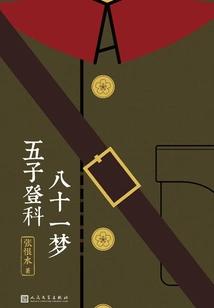
Zhang Henshui's Work Series: Eighty-one Dreams Five Sons Enrolled in College
About This Novel
After the Nanjing Massacre, Zhang Henshui submitted a request to the government to fight guerrillas in the mountains. After getting no results, he put his strong patriotic fervor and loneliness on paper and created a large number of realistic and spiritual works. "Eighty-One Dreams" is one of the outstanding works. It is a social satire novel completed by Zhang Henshui in 1943. In fact, he wrote a total of fourteen dreams. He used the technique of "Nineteen fables, entrusted to dreams" to make a unique observation of all the ugly phenomena in the rear during the national crisis, and severely criticized the corruption in power and the ugly national character without mercy. The novel is written in a smooth and smooth way, full of strange and mysterious suspense, and has the meaning of "condemning novels". The literary world praised the book as a "wonderful book". After the end of the Anti-Japanese War, the Kuomintang government, which retreated to Chongqing, sent a large number of officials to various places to take over the real estate left by the Japanese invaders and traitors. These officials collected large amounts of wealth by accepting bribes, making false accounts, and colluding with local dignitaries and bankers to resell gold and real estate. "Five Sons Admitted to the Imperial College" is a microcosm of that period of history. The novelization uses the allusion of Dou Yanshan's five sons who were admitted to the imperial examinations in the Five Dynasties, and the family history of Jin Ziyuan, the reception commissioner in Peking, as a clue. It makes a bitter mockery of a series of shameless and shameless behaviors of the Kuomintang reception officials who frantically demanded and possessed "gold, houses, cars, women, and money." It is a "officialdom record" on the eve of the collapse of the Kuomintang regime.
Official Sources
What Readers Think
Rating
Community(0)
Rating
Community(0)