Library
Browse and search books
2,317 novels found
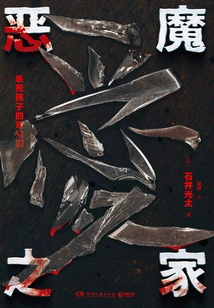
Devil's House
Literature恶魔之家
J
The famous Japanese documentary writer Mitsui Ishii's painful work of the year! The source of the pain of the native family is revealed in a sharp and poignant manner! How did a "monster" become a monster? Three major Japanese tragedies have resurfaced: the case of a child starving to death in Atsugi City, the case of serial murder of infants in Shimoda City, and the case of Adachi Ward being tortured to death by being imprisoned in a rabbit cage. In an era like this, how much of the truth behind abuse is buried in darkness? This book attempts to uncover these dark facts. The three cases selected in the book, the case of a young child starving to death in Atsugi City, the case of serial murder of infants in Shimoda City, and the case of being tortured to death by being imprisoned in a rabbit cage in Adachi City, all have in common the harsh environment in which parents who abused children grew up, and there is a distorted parent-child relationship between each child's parents. What is love, what is family, what is the weight of life? What kind of life determines that when they become parents, they say "I love you" while abusing their biological children, and even take away the children's lives? This is a heart-wrenching record of tragedy. We witness the emergence of every "monster". What should we do in order to make the "monster" disappear?
The famous Japanese documentary writer Mitsui Ishii's painful work of the year! The source of the pain of the native family is revealed in a sharp and poignant manner! How did a "monster" become a monster? Three major Japanese tragedies have resurfaced: the case of a child starving to death in Atsugi City, the case of serial murder of infants in Shimoda City, and the case of Adachi Ward being tortured to death by being imprisoned in a rabbit cage. In an era like this, how much of the truth behind abuse is buried in darkness? This book attempts to uncover these dark facts. The three cases selected in the book, the case of a young child starving to death in Atsugi City, the case of serial murder of infants in Shimoda City, and the case of being tortured to death by being imprisoned in a rabbit cage in Adachi City, all have in common the harsh environment in which parents who abused children grew up, and there is a distorted parent-child relationship between each child's parents. What is love, what is family, what is the weight of life? What kind of life determines that when they become parents, they say "I love you" while abusing their biological children, and even take away the children's lives? This is a heart-wrenching record of tragedy. We witness the emergence of every "monster". What should we do in order to make the "monster" disappear?
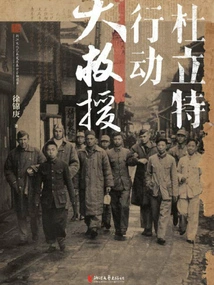
Operation Doolittle Rescue
Literature杜立特行动大救援
Xu Jingeng
"Doolittle Operation Rescue" is the latest reportage created by Xu Jingeng, the winner of the "Five One Project" Special Award of the Central Propaganda Department and the Lu Xun Literature Award. It is an important work that was created with great concentration after traveling in more than ten mountainous villages in Zhejiang, Jiangxi, Anhui, and Fujian provinces for many years. In December 1941, Japan attacked Pearl Harbor and the United States declared war on Japan. In April 1942, U. S. Army Lieutenant Colonel Doolittle led 16 bombers to conduct air raids on Tokyo and other cities, known in history as "Operation Doolittle." After the mission was completed, 15 US military aircraft crashed or made forced landings in Zhejiang, Jiangxi, Anhui and Fujian. The Chinese military and civilians launched a magnificent rescue operation with Quzhou as the center, risking their lives to rescue 64 US military pilots and successfully escaped. Relying on in-depth field research and solid historical research, the author traces the complete process of the operation in detail, focusing on recording the vivid details of the heroic rescue by Chinese soldiers and civilians, and recreating the deep friendship between the Chinese and American people forged with blood and fire from generation to generation.
"Doolittle Operation Rescue" is the latest reportage created by Xu Jingeng, the winner of the "Five One Project" Special Award of the Central Propaganda Department and the Lu Xun Literature Award. It is an important work that was created with great concentration after traveling in more than ten mountainous villages in Zhejiang, Jiangxi, Anhui, and Fujian provinces for many years. In December 1941, Japan attacked Pearl Harbor and the United States declared war on Japan. In April 1942, U. S. Army Lieutenant Colonel Doolittle led 16 bombers to conduct air raids on Tokyo and other cities, known in history as "Operation Doolittle." After the mission was completed, 15 US military aircraft crashed or made forced landings in Zhejiang, Jiangxi, Anhui and Fujian. The Chinese military and civilians launched a magnificent rescue operation with Quzhou as the center, risking their lives to rescue 64 US military pilots and successfully escaped. Relying on in-depth field research and solid historical research, the author traces the complete process of the operation in detail, focusing on recording the vivid details of the heroic rescue by Chinese soldiers and civilians, and recreating the deep friendship between the Chinese and American people forged with blood and fire from generation to generation.

The Life of a Guide Dog
Literature导盲犬的一生
Compiled By Wang Yi
"The Life of a Guide Dog" will take you into the world of this silent hero and reveal a life journey about trust, dedication and love. This book traces every important stage of a guide dog from puppyhood to honorable retirement.
"The Life of a Guide Dog" will take you into the world of this silent hero and reveal a life journey about trust, dedication and love. This book traces every important stage of a guide dog from puppyhood to honorable retirement.
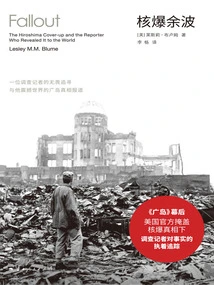
核爆余波:一位调查记者的无畏追寻与他震撼世界的广岛真相报道
(us) Leslie Bloom
On August 31, 1946, "The New Yorker" published "Hiroshima", a report by John Hersey who went to Hiroshima to interview survivors of the nuclear bombing, presenting the end of the nuclear war to the world. Why was John Hersey able to "preempt the world" in fully presenting Hiroshima after the nuclear explosion? Why is "Hiroshima" still one of the most important works in the history of journalism? The author of this book goes deep behind the scenes of "Hiroshima", visits multiple archives on three continents, interviews the descendants of the protagonists of "Hiroshima", political figures, and the media, and restores the release of the "Hiroshima" report: the widespread racial sentiment in the United States after World War II, the strict censorship of nuclear-related reports, and the fanatical journalism that pursues exclusives; Hersey How he traveled to Hiroshima and found his protagonist, "giving up God's perspective and regaining the perspective of mortals"; how the team of the "New Yorker", a "dispensable" humor magazine, adhering to "excavating facts that can only be obtained by going behind the scenes", published the full text of the report in a dedicated account, making it a milestone work. More than 70 years later, today, when extreme nationalism and racism dominate social media, how to see the truth behind dry statistics and similar photos, how the conscience record "Hiroshima" was released is still a warning prophecy for us today, and also reminds us of the importance of independent investigative journalism.
On August 31, 1946, "The New Yorker" published "Hiroshima", a report by John Hersey who went to Hiroshima to interview survivors of the nuclear bombing, presenting the end of the nuclear war to the world. Why was John Hersey able to "preempt the world" in fully presenting Hiroshima after the nuclear explosion? Why is "Hiroshima" still one of the most important works in the history of journalism? The author of this book goes deep behind the scenes of "Hiroshima", visits multiple archives on three continents, interviews the descendants of the protagonists of "Hiroshima", political figures, and the media, and restores the release of the "Hiroshima" report: the widespread racial sentiment in the United States after World War II, the strict censorship of nuclear-related reports, and the fanatical journalism that pursues exclusives; Hersey How he traveled to Hiroshima and found his protagonist, "giving up God's perspective and regaining the perspective of mortals"; how the team of the "New Yorker", a "dispensable" humor magazine, adhering to "excavating facts that can only be obtained by going behind the scenes", published the full text of the report in a dedicated account, making it a milestone work. More than 70 years later, today, when extreme nationalism and racism dominate social media, how to see the truth behind dry statistics and similar photos, how the conscience record "Hiroshima" was released is still a warning prophecy for us today, and also reminds us of the importance of independent investigative journalism.
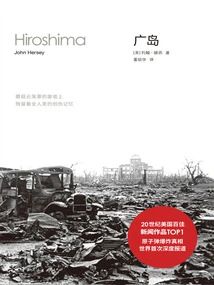
Hiroshima
Literature广岛
(us) John Hersey
At exactly 8:15 a. M. Local time on August 6, 1945, Japan, a "new type bomb" exploded over Hiroshima. With a silent flash of light, the lives of 300,000 ordinary citizens were completely changed. Nearly a year later, when the United States had given up paying attention to Hiroshima and generally supported the use of atomic bombs against Japan, Pulitzer Prize winner John Hersey went to Hiroshima to investigate the atomic bombing. He took readers back to that bright summer morning and walked with six ordinary people into their kitchens, commuter trains, and offices to witness their experiences at the same moment and their 40-year life trajectory.
At exactly 8:15 a. M. Local time on August 6, 1945, Japan, a "new type bomb" exploded over Hiroshima. With a silent flash of light, the lives of 300,000 ordinary citizens were completely changed. Nearly a year later, when the United States had given up paying attention to Hiroshima and generally supported the use of atomic bombs against Japan, Pulitzer Prize winner John Hersey went to Hiroshima to investigate the atomic bombing. He took readers back to that bright summer morning and walked with six ordinary people into their kitchens, commuter trains, and offices to witness their experiences at the same moment and their 40-year life trajectory.
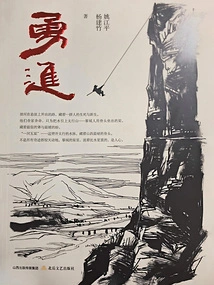
Bravely Advance
Literature勇进
Yao Jiangping Yang Jianzhu
This book is a long documentary with a total of thirty-five chapters. The whole book is based on time and records the beginning and end of the construction of Yongjin Canal in detail. The author deeply analyzes the construction process of Yongjin Canal and the various difficulties encountered during the period, laying a solid foundation for subsequent sublimation and refinement. Under the leadership of the party, the people of Licheng united to overcome difficulties and devoted themselves to the construction of the canal. After eight years of hard work, the great project was completed. The perseverance and courage shown in this journey are worth learning and inheriting. The characters in this work are vivid and the plot is touching, showing the integration of family and country sentiments and people-oriented thinking. The author delicately depicts the passionate years, not only looking back on the past, but also paying tribute to the spirit of selfless dedication of his fathers.
This book is a long documentary with a total of thirty-five chapters. The whole book is based on time and records the beginning and end of the construction of Yongjin Canal in detail. The author deeply analyzes the construction process of Yongjin Canal and the various difficulties encountered during the period, laying a solid foundation for subsequent sublimation and refinement. Under the leadership of the party, the people of Licheng united to overcome difficulties and devoted themselves to the construction of the canal. After eight years of hard work, the great project was completed. The perseverance and courage shown in this journey are worth learning and inheriting. The characters in this work are vivid and the plot is touching, showing the integration of family and country sentiments and people-oriented thinking. The author delicately depicts the passionate years, not only looking back on the past, but also paying tribute to the spirit of selfless dedication of his fathers.
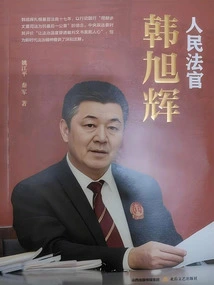
People's Judge Han Xuhui
Literature人民法官韩旭辉
Yao Jiangping Qin Jun
This book is a long documentary work about Han Xuhui's lifetime deeds, aiming to fully display the role model of this grassroots judge. As the president of the Machang Tribunal of the Luzhou District Court in Changzhi City, Shanxi Province, Han Xuhui has worked on the frontline of justice for the people for 33 years. His deeds have been positioned by the Central Political and Legal Affairs Commission as a loyal practitioner of Xi Jinping Thought on Socialism with Chinese Characteristics for a New Era and Xi Jinping Thought on the Rule of Law. Through narration from different perspectives, this book reproduces the image of Han Xuhui who is close to the people and loves the people, and has been deeply studied and publicized in the national political and legal system. The work comprehensively displays Han Xuhui's image as a judge through multi-perspective narration. This book pays attention to detailed description, focuses on the group of judges, and displays the professional behavior of judges.
This book is a long documentary work about Han Xuhui's lifetime deeds, aiming to fully display the role model of this grassroots judge. As the president of the Machang Tribunal of the Luzhou District Court in Changzhi City, Shanxi Province, Han Xuhui has worked on the frontline of justice for the people for 33 years. His deeds have been positioned by the Central Political and Legal Affairs Commission as a loyal practitioner of Xi Jinping Thought on Socialism with Chinese Characteristics for a New Era and Xi Jinping Thought on the Rule of Law. Through narration from different perspectives, this book reproduces the image of Han Xuhui who is close to the people and loves the people, and has been deeply studied and publicized in the national political and legal system. The work comprehensively displays Han Xuhui's image as a judge through multi-perspective narration. This book pays attention to detailed description, focuses on the group of judges, and displays the professional behavior of judges.
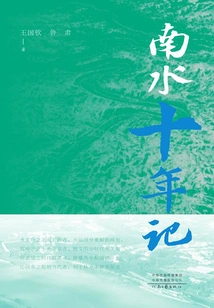
The Ten Years of Nanshui
Literature南水十年记
Wang Guoqin Lu Su
This book is a documentary literary work that records the ten years of water connection in the middle route of the South-to-North Water Diversion Project. The content of this manuscript comprehensively reflects the significant changes that have taken place in the ten years since the Middle Route of the South-to-North Water Diversion Project was opened. It reflects the tremendous changes that the Middle Route of the South-to-North Water Diversion Project has brought to the livelihood water supply, ecological improvement, and economic and social development of various places along the route. It also reflects the active consciousness of the people of Henan in supporting national key projects. From the head of the Xichuan Canal to Anyang out of the province, tens of millions of Henan people have made huge sacrifices for the implementation of the Middle Route of the South-to-North Water Diversion Project and have also received corresponding high-quality water compensation. The South-to-North Water Diversion Project is not only a water conservancy project that benefits the present and will have long-lasting achievements, but also a tangible testimony of the Chinese people's hard work and hard work to create a happy life.
This book is a documentary literary work that records the ten years of water connection in the middle route of the South-to-North Water Diversion Project. The content of this manuscript comprehensively reflects the significant changes that have taken place in the ten years since the Middle Route of the South-to-North Water Diversion Project was opened. It reflects the tremendous changes that the Middle Route of the South-to-North Water Diversion Project has brought to the livelihood water supply, ecological improvement, and economic and social development of various places along the route. It also reflects the active consciousness of the people of Henan in supporting national key projects. From the head of the Xichuan Canal to Anyang out of the province, tens of millions of Henan people have made huge sacrifices for the implementation of the Middle Route of the South-to-North Water Diversion Project and have also received corresponding high-quality water compensation. The South-to-North Water Diversion Project is not only a water conservancy project that benefits the present and will have long-lasting achievements, but also a tangible testimony of the Chinese people's hard work and hard work to create a happy life.

Perfect Face (translated Documentary)
Literature完美脸蛋(译文纪实)
(us) Elise Hu
Becoming beautiful always comes at a price. Doing medical beauty, too. Go deep into the Korean medical beauty industry and uncover the full picture of medical beauty needs. "Porchlight" one of the annual business books, "New York Post" must-read list. Personally, it is natural to love beauty. However, people seem to be increasingly trapped in so-called beauty standards, which create a seemingly endless feedback loop - an endless stream of beauty "problems" that require more and more beauty products and cosmetic plastic surgery to solve. Moreover, the idea of beauty has penetrated into people's values through the media and the popularity of K-pop stars, setting highly stereotyped beauty standards not only for women, but men and even children are not immune. For a country, the obsession with beauty and youth has turned the love of beauty into a service to beauty, leading to all-round consumerism and triggering the explosive growth of the Korean beauty economy, which has become very important in the national economy. This, in turn, has encouraged the beauty industry to intensify its efforts to create "ideal beauty" standards and promote the primacy of appearance. The booming beauty industry ultimately creates a massive amount of prejudice and social injustice. When this culture of beauty was promoted by individuals and countries, it became the Korean Wave, and even triggered imitations around the world. Social groups, women's organizations, and overwhelmed individuals who opposed being kidnapped by the beauty industry began to stand up, question consumerism, appearance supremacy, and appearance anxiety, reflect on their impact on Korean society and even the world, and remind people that creating their own style is a kind of resistance. Through interviews and personal experience, journalist Elise Hu takes a critical look at the ways in which buzz culture permeates the human body, tracking the personal, social, political and economic impact of a beauty industry large enough to reshape a country.
Becoming beautiful always comes at a price. Doing medical beauty, too. Go deep into the Korean medical beauty industry and uncover the full picture of medical beauty needs. "Porchlight" one of the annual business books, "New York Post" must-read list. Personally, it is natural to love beauty. However, people seem to be increasingly trapped in so-called beauty standards, which create a seemingly endless feedback loop - an endless stream of beauty "problems" that require more and more beauty products and cosmetic plastic surgery to solve. Moreover, the idea of beauty has penetrated into people's values through the media and the popularity of K-pop stars, setting highly stereotyped beauty standards not only for women, but men and even children are not immune. For a country, the obsession with beauty and youth has turned the love of beauty into a service to beauty, leading to all-round consumerism and triggering the explosive growth of the Korean beauty economy, which has become very important in the national economy. This, in turn, has encouraged the beauty industry to intensify its efforts to create "ideal beauty" standards and promote the primacy of appearance. The booming beauty industry ultimately creates a massive amount of prejudice and social injustice. When this culture of beauty was promoted by individuals and countries, it became the Korean Wave, and even triggered imitations around the world. Social groups, women's organizations, and overwhelmed individuals who opposed being kidnapped by the beauty industry began to stand up, question consumerism, appearance supremacy, and appearance anxiety, reflect on their impact on Korean society and even the world, and remind people that creating their own style is a kind of resistance. Through interviews and personal experience, journalist Elise Hu takes a critical look at the ways in which buzz culture permeates the human body, tracking the personal, social, political and economic impact of a beauty industry large enough to reshape a country.
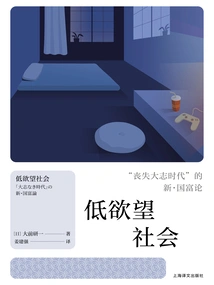
Y
LiteratureY
I
The well-known social trend observer Kenichi Ohmae's predictions are completely accurate. It is a best-selling topic book that spreads from East Asia to the world; low birth rate, super aging, consumption reduction... The whole world is becoming a "low desire society", how to face the decline of beauty? When the "low desire society" finally becomes today's unchanging reality, how can the government and the people revive it? "Low Desire Society" is a best-selling social observation masterpiece published in 2018 by the famous Japanese management scientist and "Mr. Strategy" Kenichi Ohmae. The book focuses on Japan's current socio-economic status and characteristics, and summarizes social problems that other mature countries have not yet encountered into one word, "low desire society" - population decline, super aging, and loss of upper class. There are more and more young people with ambition and desire; citizens hold a large amount of financial assets, and companies have high internal reserves, but they fail to use funds effectively. Whether it is monetary easing policy or public investment, it cannot improve consumer confidence, and money-spreading policies cannot revitalize the economy... Faced with the problem of a "low desire society", even if stocks continue to rise, it is not a happy time. However, Ohmae Kenichi also pointed out that he is not trying to blame young people for having low desires, because this tendency to have no desires and desires is also a reasonable choice in the context of the times. What must be considered is how citizens and businesses should respond in a "low desire society". The "low desire" young group has a serious impact on enterprises, and subsequent generations may also have similar values. Companies must truly analyze their thoughts and behaviors, accurately grasp their values, and re-formulate various strategies and business models. In response to problems such as low desire, insufficient manpower, and a sluggish economy, "Low Desire Society" cites the practices of countries with similar precedents in Europe and the United States and puts forward a series of corresponding strategic suggestions, such as urban redevelopment, how to use idle land, improvement of immigration policies, optimization of supporting construction of tourist destinations, stimulating consumption of "mature adults", transformation of talent education, etc. The observations and countermeasures made in "Low Desire Society" are very helpful for readers to understand Japan's socio-economic status and development, and also serve as a warning. At the same time, based on the above observations and the understanding and sense of crisis that "in the 21st century, the key to achieving a career is to cultivate and possess top talents," Ohmae put forward the concept of "education with global aspirations" for parents and young people, which is also very enlightening for domestic readers.
The well-known social trend observer Kenichi Ohmae's predictions are completely accurate. It is a best-selling topic book that spreads from East Asia to the world; low birth rate, super aging, consumption reduction... The whole world is becoming a "low desire society", how to face the decline of beauty? When the "low desire society" finally becomes today's unchanging reality, how can the government and the people revive it? "Low Desire Society" is a best-selling social observation masterpiece published in 2018 by the famous Japanese management scientist and "Mr. Strategy" Kenichi Ohmae. The book focuses on Japan's current socio-economic status and characteristics, and summarizes social problems that other mature countries have not yet encountered into one word, "low desire society" - population decline, super aging, and loss of upper class. There are more and more young people with ambition and desire; citizens hold a large amount of financial assets, and companies have high internal reserves, but they fail to use funds effectively. Whether it is monetary easing policy or public investment, it cannot improve consumer confidence, and money-spreading policies cannot revitalize the economy... Faced with the problem of a "low desire society", even if stocks continue to rise, it is not a happy time. However, Ohmae Kenichi also pointed out that he is not trying to blame young people for having low desires, because this tendency to have no desires and desires is also a reasonable choice in the context of the times. What must be considered is how citizens and businesses should respond in a "low desire society". The "low desire" young group has a serious impact on enterprises, and subsequent generations may also have similar values. Companies must truly analyze their thoughts and behaviors, accurately grasp their values, and re-formulate various strategies and business models. In response to problems such as low desire, insufficient manpower, and a sluggish economy, "Low Desire Society" cites the practices of countries with similar precedents in Europe and the United States and puts forward a series of corresponding strategic suggestions, such as urban redevelopment, how to use idle land, improvement of immigration policies, optimization of supporting construction of tourist destinations, stimulating consumption of "mature adults", transformation of talent education, etc. The observations and countermeasures made in "Low Desire Society" are very helpful for readers to understand Japan's socio-economic status and development, and also serve as a warning. At the same time, based on the above observations and the understanding and sense of crisis that "in the 21st century, the key to achieving a career is to cultivate and possess top talents," Ohmae put forward the concept of "education with global aspirations" for parents and young people, which is also very enlightening for domestic readers.
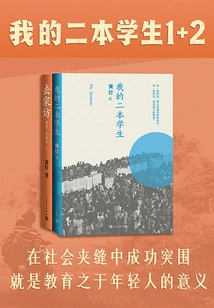
My Second Book Student 1+2
Literature我的二本学生1+2
Yellow Light
["My Second Book Student" and "Home Visit" are a complete system. From the three-foot podium to the students' native families, Huang Deng has always explored the meaning of education for young people. "My Two Students": Douban's annual list of books! The students of these two colleges reflect the situation of the vast majority of ordinary young people in China, and their fate outlines the most common growth path for young people in China. Based on 15 years of front-line teaching experience, the author Huang Deng has detailedly recorded the growth and confusion of hundreds of students, and combined it with his own experiences to reflect and track the students' situations after graduation. "Home Visit: My Second-Class Student 2": A new work in the "Second-Class Student" series, even if it is a second-class school, it still requires the efforts of the children and the support of the family. No matter how remote the village or town, education is always the first choice for young people to change their destiny. Based on what the author saw and heard when he visited his students' original families from 2017 to 2022, from the podium to the towns, he is not only getting closer to students and parents, but also exploring whether family education and social education can fill the gaps in school education.
["My Second Book Student" and "Home Visit" are a complete system. From the three-foot podium to the students' native families, Huang Deng has always explored the meaning of education for young people. "My Two Students": Douban's annual list of books! The students of these two colleges reflect the situation of the vast majority of ordinary young people in China, and their fate outlines the most common growth path for young people in China. Based on 15 years of front-line teaching experience, the author Huang Deng has detailedly recorded the growth and confusion of hundreds of students, and combined it with his own experiences to reflect and track the students' situations after graduation. "Home Visit: My Second-Class Student 2": A new work in the "Second-Class Student" series, even if it is a second-class school, it still requires the efforts of the children and the support of the family. No matter how remote the village or town, education is always the first choice for young people to change their destiny. Based on what the author saw and heard when he visited his students' original families from 2017 to 2022, from the podium to the towns, he is not only getting closer to students and parents, but also exploring whether family education and social education can fill the gaps in school education.
卫生室的经方故事(第一辑)
Written By Wang Yanquan And Compiled By Wang Juzhuo
The lowest-level rural doctor truly loves Chinese medicine, practices the prescriptions silently, and uses real and accurate curative effects to win respect, praise, and happiness. The recorded health room case stories are true, fresh and vivid, simple, plain, real, full of useful information and unique, which will make you sincerely admire and admire them. From them we can see the roots of traditional Chinese medicine and the hope for the revival of classic prescriptions. As Teacher Huang Huang said: Those who can truly inherit traditional Chinese medicine and classic prescriptions are these grassroots doctors!
The lowest-level rural doctor truly loves Chinese medicine, practices the prescriptions silently, and uses real and accurate curative effects to win respect, praise, and happiness. The recorded health room case stories are true, fresh and vivid, simple, plain, real, full of useful information and unique, which will make you sincerely admire and admire them. From them we can see the roots of traditional Chinese medicine and the hope for the revival of classic prescriptions. As Teacher Huang Huang said: Those who can truly inherit traditional Chinese medicine and classic prescriptions are these grassroots doctors!
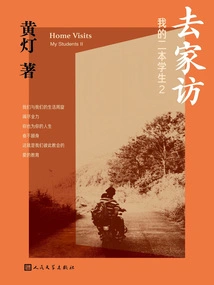
Home Visit: My Second-year Student 2
Literature去家访:我的二本学生2
Yellow Light
The new works in Huangdeng's "Two Students" series have been recommended by Liang Hong, Xu Zhiyuan, Xiang Biao, Bai Yansong, and Qian Liqun. Even if it is a second school, it still requires the efforts of the children and the support of the family. No matter how remote the village or town, education is always the first choice for young people to change their destiny.
The new works in Huangdeng's "Two Students" series have been recommended by Liang Hong, Xu Zhiyuan, Xiang Biao, Bai Yansong, and Qian Liqun. Even if it is a second school, it still requires the efforts of the children and the support of the family. No matter how remote the village or town, education is always the first choice for young people to change their destiny.
徐郎中行医精彩故事
Xu Xilang
Traditional Chinese medicine is a precious heritage that has existed for thousands of years. It must be inherited and developed well and must not be lost or buried. The magic weapon and experience must be left to future generations, so that they can learn from the experience of their predecessors and make better use of it. This book is a true story of the author's study and practice of medicine. The records are accurate and are practical and valuable experiences. The author comes from a family of traditional Chinese medicine. He began to study traditional Chinese medicine with his father when he was young. He later worked in Putuo Traditional Chinese Medicine Hospital of Zhejiang Province and has been practicing medicine for more than 50 years. He has accumulated a lot of clinical experience. In particular, grassroots traditional Chinese medicine practitioners have certain experience in using "simple, convenient, proven and inexpensive" methods to treat acute and difficult diseases. The language of this book is plain, the writing is vivid, the story is strong, it is practical and readable, and it has the potential for reprinting.
Traditional Chinese medicine is a precious heritage that has existed for thousands of years. It must be inherited and developed well and must not be lost or buried. The magic weapon and experience must be left to future generations, so that they can learn from the experience of their predecessors and make better use of it. This book is a true story of the author's study and practice of medicine. The records are accurate and are practical and valuable experiences. The author comes from a family of traditional Chinese medicine. He began to study traditional Chinese medicine with his father when he was young. He later worked in Putuo Traditional Chinese Medicine Hospital of Zhejiang Province and has been practicing medicine for more than 50 years. He has accumulated a lot of clinical experience. In particular, grassroots traditional Chinese medicine practitioners have certain experience in using "simple, convenient, proven and inexpensive" methods to treat acute and difficult diseases. The language of this book is plain, the writing is vivid, the story is strong, it is practical and readable, and it has the potential for reprinting.
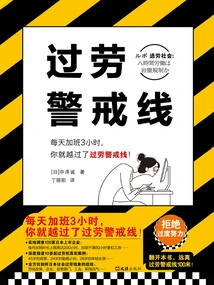
Overwork Warning Line
Literature过劳警戒线
(japan) Nakazawa Makoto
What is the overwork warning line? Japanese government regulations stipulate that if you work more than 80 hours of overtime per month, you have crossed the overwork warning line. In other words, if you work overtime for 3 hours a day, you may die from overwork! This book focuses on the scene of death from overwork in Japan, conducting on-the-spot investigations into 100 Japanese listed companies, analyzing many real cases of death from overwork, revealing the true and cruel side of Japan's overwork society, and comprehensively discusses the causes and crux of the phenomenon of death from overwork, from the government, enterprises, regulators, labor unions to workplace atmosphere! Open this book and stay 100 meters away from the overwork warning line!
What is the overwork warning line? Japanese government regulations stipulate that if you work more than 80 hours of overtime per month, you have crossed the overwork warning line. In other words, if you work overtime for 3 hours a day, you may die from overwork! This book focuses on the scene of death from overwork in Japan, conducting on-the-spot investigations into 100 Japanese listed companies, analyzing many real cases of death from overwork, revealing the true and cruel side of Japan's overwork society, and comprehensively discusses the causes and crux of the phenomenon of death from overwork, from the government, enterprises, regulators, labor unions to workplace atmosphere! Open this book and stay 100 meters away from the overwork warning line!
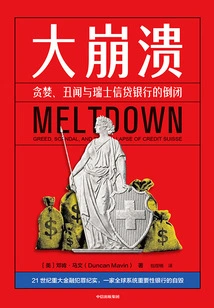
大崩溃:贪婪、丑闻与瑞士信贷银行的倒闭
(us) Duncan Marvin
The first insider account of the collapse of Credit Suisse, the story of the complete collapse of one of the world's largest, most influential and most scandalous banks. If "Bad Blood" exposed the worst side of Silicon Valley, then "The Big Crash" will fully reveal to us the mysterious and dirty world of Swiss banking. Credit Suisse is Switzerland's largest private bank with a 167-year history and is known for its security, neutrality and absolute protection of customer privacy. However, beneath the beautiful veneer of high-end financial services, there are many dark, dirty, and previously undisclosed facts hidden. From its headquarters in Zurich, Credit Suisse managed money for dictators and drug traffickers, kept gold for Nazis and helped fraudsters defraud bank customers out of billions of dollars. Credit Suisse's top managers are mired in money laundering, aiding tax evasion and an internal "spygate" scandal. Yet scandal-plagued Credit Suisse has been "too big to fail" for a long time and is central to Switzerland's national identity. "The Big Crash" will reveal in detail what led to the collapse of Credit Suisse and how Swiss politicians and global financial giants worked to save its remains. The book is filled with shocking incidents, some even criminal. It tells a story about greed, pursuit and untold wealth. The story is filled with crooks, dictators, spies, and, most insistently and unethically, bankers.
The first insider account of the collapse of Credit Suisse, the story of the complete collapse of one of the world's largest, most influential and most scandalous banks. If "Bad Blood" exposed the worst side of Silicon Valley, then "The Big Crash" will fully reveal to us the mysterious and dirty world of Swiss banking. Credit Suisse is Switzerland's largest private bank with a 167-year history and is known for its security, neutrality and absolute protection of customer privacy. However, beneath the beautiful veneer of high-end financial services, there are many dark, dirty, and previously undisclosed facts hidden. From its headquarters in Zurich, Credit Suisse managed money for dictators and drug traffickers, kept gold for Nazis and helped fraudsters defraud bank customers out of billions of dollars. Credit Suisse's top managers are mired in money laundering, aiding tax evasion and an internal "spygate" scandal. Yet scandal-plagued Credit Suisse has been "too big to fail" for a long time and is central to Switzerland's national identity. "The Big Crash" will reveal in detail what led to the collapse of Credit Suisse and how Swiss politicians and global financial giants worked to save its remains. The book is filled with shocking incidents, some even criminal. It tells a story about greed, pursuit and untold wealth. The story is filled with crooks, dictators, spies, and, most insistently and unethically, bankers.
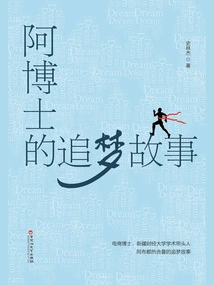
Dr. A's Dream-chasing Story
Literature阿博士的追梦故事
Shi Linjie
Abdul Reheman was born in a military family. His parents, sister, brother and himself were all members of the Communist Party. His neighbor is the nationally famous Kurban Turum, whom Chairman Mao once visited. After graduating with his doctorate, he resolutely returned to his hometown and put his love for the party, country and socialism into concrete actions. He used the e-commerce knowledge he learned through online courses, offline teaching and other teaching methods to help more than 1 million young people and housewives of all ethnic groups in Xinjiang learn to start their own businesses using online e-commerce platforms. In particular, he helped more than 200 disabled people to start their lives and made positive contributions to Xinjiang's poverty alleviation.
Abdul Reheman was born in a military family. His parents, sister, brother and himself were all members of the Communist Party. His neighbor is the nationally famous Kurban Turum, whom Chairman Mao once visited. After graduating with his doctorate, he resolutely returned to his hometown and put his love for the party, country and socialism into concrete actions. He used the e-commerce knowledge he learned through online courses, offline teaching and other teaching methods to help more than 1 million young people and housewives of all ethnic groups in Xinjiang learn to start their own businesses using online e-commerce platforms. In particular, he helped more than 200 disabled people to start their lives and made positive contributions to Xinjiang's poverty alleviation.
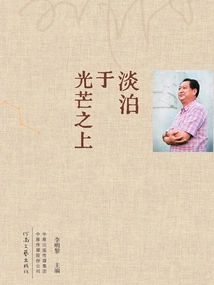
Indifferent to the Light
Literature淡泊于光芒之上
Editor-in-chief Li Mingli
This book is a collection of reportage. This is an illustration of the entrepreneurial spirit that resonates with reform and opening up. Through five chapters: characters, topics, interviews, communications, and literature, it deeply deconstructs the growth code of Zhongjing Wanxi Pharmaceutical's rise and development from the mountains in western Henan, and comprehensively displays the rise of traditional Chinese medicine companies. Journalists' documentary footage, scholars' professional analysis, and writers' literary touches, like scattered pearls, connect the legendary trajectory of corporate development. These warm-hearted words not only record the company's arduous struggle, but are also precious gifts bestowed by the times. Between the lines, the hardships of starting a business, innovative breakthroughs and the passion for creation are vividly displayed on the page, allowing readers to gain insight into the majestic narrative of an era through the development history of a company.
This book is a collection of reportage. This is an illustration of the entrepreneurial spirit that resonates with reform and opening up. Through five chapters: characters, topics, interviews, communications, and literature, it deeply deconstructs the growth code of Zhongjing Wanxi Pharmaceutical's rise and development from the mountains in western Henan, and comprehensively displays the rise of traditional Chinese medicine companies. Journalists' documentary footage, scholars' professional analysis, and writers' literary touches, like scattered pearls, connect the legendary trajectory of corporate development. These warm-hearted words not only record the company's arduous struggle, but are also precious gifts bestowed by the times. Between the lines, the hardships of starting a business, innovative breakthroughs and the passion for creation are vividly displayed on the page, allowing readers to gain insight into the majestic narrative of an era through the development history of a company.
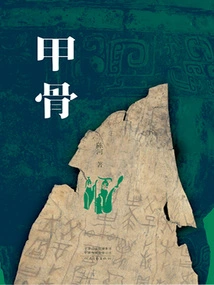
Oracle Bones
Literature甲骨
Chen He
In the 1920s, Fu Sinian's secret letter pushed Oracle expert Yang Mingtiao into the fog of Anyang. There are undercurrents surging in Anyang City: Lan Baoguang, a master of counterfeit carving, cuts his sapphire knife across an oracle bone, Canadian priest Ming Yishi rides a white horse on the banks of the Huan River, Japanese Aoki's military boots step into the secret back garden, and Yang Mingtiao's ex-girlfriend Mei Bingzhi swings her sleeves on the stage and sings ancient operas, and the elders of the leprosy village on the outskirts of the city People used their fingernails to carve heavenly books on the walls... After decades and many adventures, at the moment when the moonlight penetrated the dome of the underground palace, Yang Mingtiao finally understood that the city itself was the biggest oracle bone - all living beings were the cracks carved by the ancients, and the real treasure house was hidden deep underground where the men in black were guarding.
In the 1920s, Fu Sinian's secret letter pushed Oracle expert Yang Mingtiao into the fog of Anyang. There are undercurrents surging in Anyang City: Lan Baoguang, a master of counterfeit carving, cuts his sapphire knife across an oracle bone, Canadian priest Ming Yishi rides a white horse on the banks of the Huan River, Japanese Aoki's military boots step into the secret back garden, and Yang Mingtiao's ex-girlfriend Mei Bingzhi swings her sleeves on the stage and sings ancient operas, and the elders of the leprosy village on the outskirts of the city People used their fingernails to carve heavenly books on the walls... After decades and many adventures, at the moment when the moonlight penetrated the dome of the underground palace, Yang Mingtiao finally understood that the city itself was the biggest oracle bone - all living beings were the cracks carved by the ancients, and the real treasure house was hidden deep underground where the men in black were guarding.
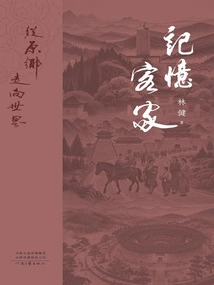
记忆客家:从原乡走向世界
Lin Jian
At the end of the Western Jin Dynasty, in order to avoid war and famine, the nobles and ordinary people followed the Western Jin royal family and migrated southward from the Western Jin capital Luoyang, Heluo area and even the vast Central Plains. This was the first great migration of the Hakka ancestors in recorded history. Over the past 1,700 years, the Central Plains, Heluo and Luoyang have become the ancestral homeland of the Hakka people and the eternal hometown of their ancestors.
At the end of the Western Jin Dynasty, in order to avoid war and famine, the nobles and ordinary people followed the Western Jin royal family and migrated southward from the Western Jin capital Luoyang, Heluo area and even the vast Central Plains. This was the first great migration of the Hakka ancestors in recorded history. Over the past 1,700 years, the Central Plains, Heluo and Luoyang have become the ancestral homeland of the Hakka people and the eternal hometown of their ancestors.
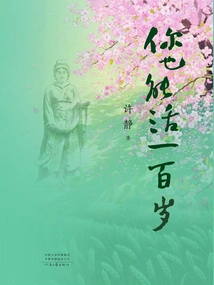
你也能活一百岁
Xu Jing
This book is a piece of documentary literature. It is based on the main line of interviews with more than 20 centenarians and is extended from multiple angles. It naturally integrates Xiping County's various people-benefiting projects, various customs and customs of the hometown of longevity, and the rich heritage of Leizu culture into the text. The author's interviews and creation lasted three years. The work is close to life, real and vivid. The century-old life experience of a centenarian tells readers: to be content with one's needs, be kind and open-minded, respect the elderly and filial piety, be optimistic and strong, and more importantly, be grateful and cherish the present.
This book is a piece of documentary literature. It is based on the main line of interviews with more than 20 centenarians and is extended from multiple angles. It naturally integrates Xiping County's various people-benefiting projects, various customs and customs of the hometown of longevity, and the rich heritage of Leizu culture into the text. The author's interviews and creation lasted three years. The work is close to life, real and vivid. The century-old life experience of a centenarian tells readers: to be content with one's needs, be kind and open-minded, respect the elderly and filial piety, be optimistic and strong, and more importantly, be grateful and cherish the present.

梦碎华尔街:私募工作回忆录
(us) Sun Yi
This book is based on the author's real experience in the Wall Street private equity industry, and meticulously restores his unique career growth trajectory and mentality changes. The author stood out from the fierce competition of more than a hundred people and joined the world's top investment companies as the founder's assistant. The book provides an in-depth look at the daily high-pressure workplace of this position: it not only records thoughts on career direction under high-intensity work, but also summarizes the communication skills and project coordination experience accumulated when assisting management teams and connecting various departments. It also presents the real work scenarios of practitioners in the financial industry through a large number of work details and interpersonal interactions. In addition, by reviewing the impact of family environment on personal growth, the author clearly combs out the process from confusion in the workplace to clear dreams, choices and self-worth, and conveys rational thinking on career development and self-awareness. The book is based on real experiences, the language is plain and sincere, and it is both readable and practical. It is suitable for readers who are interested in workplace life, personal growth and the ecology of the financial industry.
This book is based on the author's real experience in the Wall Street private equity industry, and meticulously restores his unique career growth trajectory and mentality changes. The author stood out from the fierce competition of more than a hundred people and joined the world's top investment companies as the founder's assistant. The book provides an in-depth look at the daily high-pressure workplace of this position: it not only records thoughts on career direction under high-intensity work, but also summarizes the communication skills and project coordination experience accumulated when assisting management teams and connecting various departments. It also presents the real work scenarios of practitioners in the financial industry through a large number of work details and interpersonal interactions. In addition, by reviewing the impact of family environment on personal growth, the author clearly combs out the process from confusion in the workplace to clear dreams, choices and self-worth, and conveys rational thinking on career development and self-awareness. The book is based on real experiences, the language is plain and sincere, and it is both readable and practical. It is suitable for readers who are interested in workplace life, personal growth and the ecology of the financial industry.
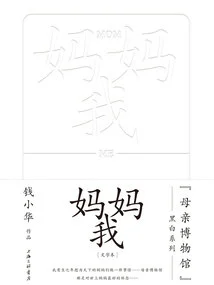
妈妈,我(“母亲博物馆”黑白系列)
Qian Xiaohua
What is the best memory of my mother? "Ten years ago, I had a small wish to build a simple museum for mothers who suffered in the world. It was also to commemorate my mother who suffered and died. She left me very early." "In order to collect materials, I traveled to many villages in China, so I faithfully recorded many There are many real images of ordinary mothers. "Only by bending down and being humble can I take pictures of them. I will never forget this. It is really an honor for me." Ten years later, the journey of searching for love and answers has become the "Mother's Museum" black and white series on paper, and two books are presented together. "Mom, Me" is a collection of essays written about the memories of my mother who died young. "Mother Collection" is a photography collection with more than 400 black and white portraits. The author of these two books is the Son of Man on Earth, Qian Xiaohua.
What is the best memory of my mother? "Ten years ago, I had a small wish to build a simple museum for mothers who suffered in the world. It was also to commemorate my mother who suffered and died. She left me very early." "In order to collect materials, I traveled to many villages in China, so I faithfully recorded many There are many real images of ordinary mothers. "Only by bending down and being humble can I take pictures of them. I will never forget this. It is really an honor for me." Ten years later, the journey of searching for love and answers has become the "Mother's Museum" black and white series on paper, and two books are presented together. "Mom, Me" is a collection of essays written about the memories of my mother who died young. "Mother Collection" is a photography collection with more than 400 black and white portraits. The author of these two books is the Son of Man on Earth, Qian Xiaohua.
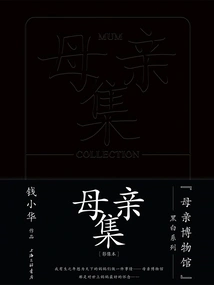
母亲集(“母亲博物馆”黑白系列)
Qian Xiaohua
What is the best memory of my mother? "Ten years ago, I had a small wish to build a simple museum for mothers who suffered in the world. It was also to commemorate my mother who suffered and died. She left me very early." "In order to collect materials, I traveled to many villages in China, so I faithfully recorded many There are many real images of ordinary mothers. "Only by bending down and being humble can I take pictures of them. I will never forget this. It is really an honor for me." Ten years later, the journey of searching for love and answers has become the "Mother's Museum" black and white series on paper, and two books are presented together. "Mom, Me" is a collection of essays written about the memories of my mother who died young. "Mother Collection" is a photography collection with more than 400 black and white portraits. The author of these two books is the Son of Man on Earth, Qian Xiaohua.
What is the best memory of my mother? "Ten years ago, I had a small wish to build a simple museum for mothers who suffered in the world. It was also to commemorate my mother who suffered and died. She left me very early." "In order to collect materials, I traveled to many villages in China, so I faithfully recorded many There are many real images of ordinary mothers. "Only by bending down and being humble can I take pictures of them. I will never forget this. It is really an honor for me." Ten years later, the journey of searching for love and answers has become the "Mother's Museum" black and white series on paper, and two books are presented together. "Mom, Me" is a collection of essays written about the memories of my mother who died young. "Mother Collection" is a photography collection with more than 400 black and white portraits. The author of these two books is the Son of Man on Earth, Qian Xiaohua.
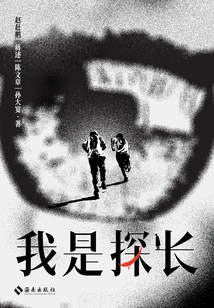
我是探长全六册(影视剧《树影迷宫》原著)
Zhao Gan'e Jiang Shu Chen Wenwen Sun Dayan
This set of books has a total of 6 volumes, truly recording the entire process of police detection of cases. This set of books collects serious cases that were solved in the last century. In that era when technology was not yet developed, cases could be detected mostly because of the professional abilities and sense of responsibility of the police. It was in this era that a group of police officers called "detectives" appeared. Detecting cases was their obsession hidden in their hearts, and they could not be relieved until the moment they caught the murderer. In this obsession, they did not want to miss any possibility. They pursued clues for several years, visited the scene of the case in depth, and finally revealed the truth to the victim. This set of books restores the first-person perspective, following the footsteps of the detectives, visiting the crime scene in person, and seeing how they got lost in the complicated relationships and clues, and how they picked themselves up again, broke through all kinds of difficulties, and got closer to the truth step by step. This is a story that belongs specifically to the Chinese police. It is a murder map drawn with painstaking efforts by police workers from all over the country.
This set of books has a total of 6 volumes, truly recording the entire process of police detection of cases. This set of books collects serious cases that were solved in the last century. In that era when technology was not yet developed, cases could be detected mostly because of the professional abilities and sense of responsibility of the police. It was in this era that a group of police officers called "detectives" appeared. Detecting cases was their obsession hidden in their hearts, and they could not be relieved until the moment they caught the murderer. In this obsession, they did not want to miss any possibility. They pursued clues for several years, visited the scene of the case in depth, and finally revealed the truth to the victim. This set of books restores the first-person perspective, following the footsteps of the detectives, visiting the crime scene in person, and seeing how they got lost in the complicated relationships and clues, and how they picked themselves up again, broke through all kinds of difficulties, and got closer to the truth step by step. This is a story that belongs specifically to the Chinese police. It is a murder map drawn with painstaking efforts by police workers from all over the country.
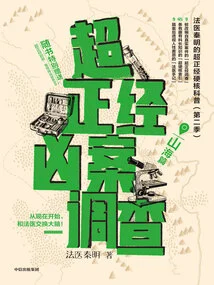
超正经凶案调查:山海篇
Forensic Doctor Qin Ming
This is a work of documentary literature, a companion piece to "Super Serious Murder Investigation: Urban Chapter". The author Qin Ming has sorted out a number of cases that occurred around the world, using the professional perspective of forensics and the logic of forensics to solve murder cases, and provides readers with professional-level case interpretation and analysis in a "super serious" way, allowing readers to immerse themselves in the real logic of police solving crimes in reality. Each murder case consists of the following parts: "Super serious investigation" - Forensic doctor Qin Ming will accompany everyone to analyze the case files, interspersing many knowledge points and thinking methods, allowing friends to participate in the investigation and detection of each case more intuitively, or immersively. "Super hard-core index" - the book prompts some hard-core popular science knowledge to bring readers a more hard-core knowledge experience. "Forensic Doctor's Notes" - Forensic doctor Qin Ming will also talk to you about his inner thoughts after reading the case. In many cases, Lao Qin felt very sad when reading the information.
This is a work of documentary literature, a companion piece to "Super Serious Murder Investigation: Urban Chapter". The author Qin Ming has sorted out a number of cases that occurred around the world, using the professional perspective of forensics and the logic of forensics to solve murder cases, and provides readers with professional-level case interpretation and analysis in a "super serious" way, allowing readers to immerse themselves in the real logic of police solving crimes in reality. Each murder case consists of the following parts: "Super serious investigation" - Forensic doctor Qin Ming will accompany everyone to analyze the case files, interspersing many knowledge points and thinking methods, allowing friends to participate in the investigation and detection of each case more intuitively, or immersively. "Super hard-core index" - the book prompts some hard-core popular science knowledge to bring readers a more hard-core knowledge experience. "Forensic Doctor's Notes" - Forensic doctor Qin Ming will also talk to you about his inner thoughts after reading the case. In many cases, Lao Qin felt very sad when reading the information.

Super Serious Murder Investigation: City Chapter + Mountain and Sea Chapter (set of 2 Volumes)
Literature超正经凶案调查:都市篇+山海篇(套装2册)
Forensic Doctor Qin Ming
A new adaptation of the suspense podcast with over 8 million views! Forensic Doctor Qin Ming's popular science series: From now on, exchange brains with the forensic doctor! "Super Serious Murder Case Investigation·City" + "Super Serious Murder Case Investigation·Mountains and Seas" Two parts of forensic doctor Qin Ming's super serious hardcore science popularization! Super serious, super mysterious, super hardcore, super interesting! If you are curious about all the mysterious cases in the world, you might as well take a look at how real-life criminal police solve murder cases! Forensic doctor Qin Ming will work with you to gradually investigate the ins and outs of the case from the moment the case occurred until the embarrassing truth is revealed! The two books contain 18 mysterious murder cases (collections). Each murder case contains three levels of interpretation: file name, super hard-core index, and resonance between readers and authors. A murder has occurred and lives cannot be saved, but can we get some inspiration from other people's stories to avoid a recurrence of tragedy?
A new adaptation of the suspense podcast with over 8 million views! Forensic Doctor Qin Ming's popular science series: From now on, exchange brains with the forensic doctor! "Super Serious Murder Case Investigation·City" + "Super Serious Murder Case Investigation·Mountains and Seas" Two parts of forensic doctor Qin Ming's super serious hardcore science popularization! Super serious, super mysterious, super hardcore, super interesting! If you are curious about all the mysterious cases in the world, you might as well take a look at how real-life criminal police solve murder cases! Forensic doctor Qin Ming will work with you to gradually investigate the ins and outs of the case from the moment the case occurred until the embarrassing truth is revealed! The two books contain 18 mysterious murder cases (collections). Each murder case contains three levels of interpretation: file name, super hard-core index, and resonance between readers and authors. A murder has occurred and lives cannot be saved, but can we get some inspiration from other people's stories to avoid a recurrence of tragedy?
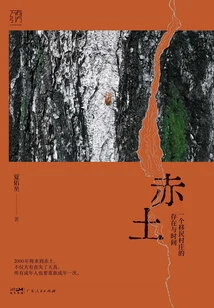
赤土:一个移民村庄的存在与时间
Xia Youzhi
Chishan is a small village in the hilly areas of central China. I want to write about the changes in this village in the past 40 years. In these 40 years, almost all villages have experienced a kaleidoscope of dramatic transformations, and the relationship between the state and society, the economic structure, the emotional world, international networks and the perception of time are no exception. I am a witness, witness and observer of the history of this insignificant little village, as well as its narrator. But this book also wants to write about those things that will remain the same in the foreseeable future, especially the geographical and institutional existence spaces, which are huge, macroscopic, and well-structured, and have significantly shaped our concepts and behavioral patterns. I wonder what these things mean for the future of the village. The way this book is written is special. Personal memories are just one of the clues in the book, and narrative and explanation will be woven together. I want to explore various personal genres through this book, hoping to eventually present a distinctive language style - it should be between academic discourse and social science discourse. Although it is fundamentally a non-fiction work, it can in some places contain the characteristics of fictional works.
Chishan is a small village in the hilly areas of central China. I want to write about the changes in this village in the past 40 years. In these 40 years, almost all villages have experienced a kaleidoscope of dramatic transformations, and the relationship between the state and society, the economic structure, the emotional world, international networks and the perception of time are no exception. I am a witness, witness and observer of the history of this insignificant little village, as well as its narrator. But this book also wants to write about those things that will remain the same in the foreseeable future, especially the geographical and institutional existence spaces, which are huge, macroscopic, and well-structured, and have significantly shaped our concepts and behavioral patterns. I wonder what these things mean for the future of the village. The way this book is written is special. Personal memories are just one of the clues in the book, and narrative and explanation will be woven together. I want to explore various personal genres through this book, hoping to eventually present a distinctive language style - it should be between academic discourse and social science discourse. Although it is fundamentally a non-fiction work, it can in some places contain the characteristics of fictional works.
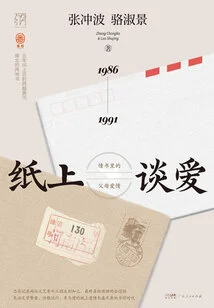
纸上谈爱:情书里的父母爱情
Zhang Chongbo Luo Shujing
This book is a non-fiction work that writes a sincere love story of the older generation that is both simple and romantic. In the spring and summer of 1984, Zhang Chongbo and Luo Shujing met in the "Chunmeng Poetry Society" of Lushi County, Henan Province. In the summer of 1985, Luo Shujing went to Ruicheng County, Shanxi Province to visit relatives and friends, study and find a job. Since Zhang Chongbo wrote his first letter to Luo Shujing in the spring of 1986, the two began a five-year correspondence career, with swans flying back and forth between the two sides of the Yellow River. The two changed from friends to lovers, got married, and finally came together, and the lovers finally got married. By compiling hundreds of letters between the lovers born in the 1960s, this work not only presents the brilliant sparks of love between two young hearts that constantly collide, but also discusses the social development, customs, and literary works of the time. It authentically reflects the real social landscape of the 1980s and can be called a footnote of an era.
This book is a non-fiction work that writes a sincere love story of the older generation that is both simple and romantic. In the spring and summer of 1984, Zhang Chongbo and Luo Shujing met in the "Chunmeng Poetry Society" of Lushi County, Henan Province. In the summer of 1985, Luo Shujing went to Ruicheng County, Shanxi Province to visit relatives and friends, study and find a job. Since Zhang Chongbo wrote his first letter to Luo Shujing in the spring of 1986, the two began a five-year correspondence career, with swans flying back and forth between the two sides of the Yellow River. The two changed from friends to lovers, got married, and finally came together, and the lovers finally got married. By compiling hundreds of letters between the lovers born in the 1960s, this work not only presents the brilliant sparks of love between two young hearts that constantly collide, but also discusses the social development, customs, and literary works of the time. It authentically reflects the real social landscape of the 1980s and can be called a footnote of an era.
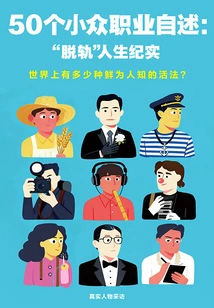
50个小众职业自述:“脱轨”人生纪实
Interviews With Real People
[Niche profession + real people + curiosity] How many little-known ways of living are there in the world? 50 Real life samples will give you the answer. A pet undertaker born in the 1990s gave up his job in the system just to make up for the regret of the unexpected death of his pet; a cruise steward who has been in the countryside for 8 years, traveled around the world despite endless difficulties; a grassroots stuntman who participated in many famous film and television dramas by "crash", but had to retire at the age of 30; A professional "red" academic critic who was born in a boiler room and continued to counterattack with his reading skills; a senior voice actor who couldn't afford meat to find a job. After switching careers as a host, he earned 8,000 an hour and was recommended by Andy Lau;... At a time when the certainty of life is increasingly dispelled, they left the track and walked into the wilderness. Open this book and savor the absurd and ups and downs, surprising and embarrassing truths in the "derailed" life.
[Niche profession + real people + curiosity] How many little-known ways of living are there in the world? 50 Real life samples will give you the answer. A pet undertaker born in the 1990s gave up his job in the system just to make up for the regret of the unexpected death of his pet; a cruise steward who has been in the countryside for 8 years, traveled around the world despite endless difficulties; a grassroots stuntman who participated in many famous film and television dramas by "crash", but had to retire at the age of 30; A professional "red" academic critic who was born in a boiler room and continued to counterattack with his reading skills; a senior voice actor who couldn't afford meat to find a job. After switching careers as a host, he earned 8,000 an hour and was recommended by Andy Lau;... At a time when the certainty of life is increasingly dispelled, they left the track and walked into the wilderness. Open this book and savor the absurd and ups and downs, surprising and embarrassing truths in the "derailed" life.
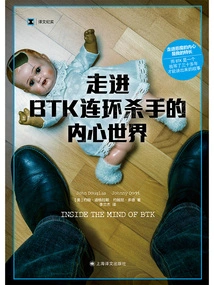
走进BTK连环杀手的内心世界(译文纪实)
(u. S.) John Douglas Johnny Dodd
How did a psychopath like him, who longed for publicity and attention, stay silent for so many years? Is he still killing people? Why did he eventually stop hiding and choose to be arrested? This book tells the true story behind FBI agent John Douglas's thirty-year hunt for one of the most horrific serial killers in American history, the "BTK Killer." BTK is the codename the killer gave himself, which consists of the initials of three English words: "Bind, Torture, Kill". After committing the crime, the killer would provoke the media and the police in the name of BTK. The murderer committed multiple kidnappings, sexual assaults and murders, and his victims included at least seven women, one man and two children. He suddenly returned to commit crimes after nine years of silence and claimed that he did not receive the attention and attention he deserved. Public panic and police incompetence became the motivations for his repeated attacks. After thirty years of battles of wits and courage, this murderous maniac was finally arrested. Surprisingly, he turned out to be Dennis Reid, who was 61 years old at the time, married with two children, and an ordinary pastor.
How did a psychopath like him, who longed for publicity and attention, stay silent for so many years? Is he still killing people? Why did he eventually stop hiding and choose to be arrested? This book tells the true story behind FBI agent John Douglas's thirty-year hunt for one of the most horrific serial killers in American history, the "BTK Killer." BTK is the codename the killer gave himself, which consists of the initials of three English words: "Bind, Torture, Kill". After committing the crime, the killer would provoke the media and the police in the name of BTK. The murderer committed multiple kidnappings, sexual assaults and murders, and his victims included at least seven women, one man and two children. He suddenly returned to commit crimes after nine years of silence and claimed that he did not receive the attention and attention he deserved. Public panic and police incompetence became the motivations for his repeated attacks. After thirty years of battles of wits and courage, this murderous maniac was finally arrested. Surprisingly, he turned out to be Dennis Reid, who was 61 years old at the time, married with two children, and an ordinary pastor.
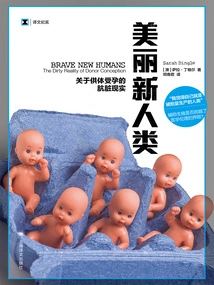
美丽新人类(译文纪实)
(australia) Sarah Dingle
When Sarah Dingle was 27 years old, she suddenly learned that she was born through donated sperm and that she was not related to her father. Sara wanted to know her origins, so she used her professional skills as an investigative reporter to start looking for her biological father. This "journey to find her father" lasted for ten years. She checked hospital records and followed every clue. What she discovered along the way shocked her: women died after receiving virus-carrying sperm; doctors used their own sperm for artificial insemination without the parents knowing about it; hospital records were often destroyed, and all Hundreds of thousands of people around the world born through donor conception never know who they are; sperm from the same donor is used in large quantities, and the number of potential siblings is far beyond imagination. Accidental incest is by no means alarmist... The assisted reproductive industry is in the ascendant and popular around the world, but it always lacks effective supervision. The moral and ethical dilemma of reproductive medicine tests human wisdom.
When Sarah Dingle was 27 years old, she suddenly learned that she was born through donated sperm and that she was not related to her father. Sara wanted to know her origins, so she used her professional skills as an investigative reporter to start looking for her biological father. This "journey to find her father" lasted for ten years. She checked hospital records and followed every clue. What she discovered along the way shocked her: women died after receiving virus-carrying sperm; doctors used their own sperm for artificial insemination without the parents knowing about it; hospital records were often destroyed, and all Hundreds of thousands of people around the world born through donor conception never know who they are; sperm from the same donor is used in large quantities, and the number of potential siblings is far beyond imagination. Accidental incest is by no means alarmist... The assisted reproductive industry is in the ascendant and popular around the world, but it always lacks effective supervision. The moral and ethical dilemma of reproductive medicine tests human wisdom.
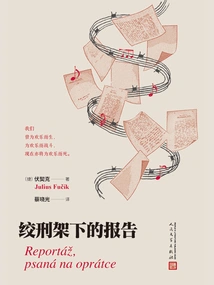
Report from the Gallows
Literature绞刑架下的报告
(czech) Vucik
"Report from the Gallows" is a documentary written by the Czech writer Vucic, which records his and his comrades' struggle against the Nazis and his own arrest and imprisonment. This book written with blood and life expresses his love for life and his deep attachment to his motherland and hometown. The work depicts a series of heroic and determined anti-fascist fighters, praises the great collective who are still fighting indomitably in prison, and truly and profoundly reveals the face of the entire era. Since its publication in the Czech Republic in 1945, this work has been translated into more than 90 languages and has been widely circulated among people around the world. As early as the 1950s, two versions translated from other texts were released in China. The chapter "Cell No. 267" Was selected into middle school Chinese textbooks and had a profound impact on Chinese readers. This time, "Report from the Gallows" is an exclusive new translation. Based on the translation of the 95 Commentary Edition that has not been seen in China before, it corrects the historical facts and misunderstandings in the previous translation. It also adds an introduction and multiple photos of historical documents to introduce the latest results of Fuchik research at home and abroad, restoring a more complete and authentic Fuchik to readers.
"Report from the Gallows" is a documentary written by the Czech writer Vucic, which records his and his comrades' struggle against the Nazis and his own arrest and imprisonment. This book written with blood and life expresses his love for life and his deep attachment to his motherland and hometown. The work depicts a series of heroic and determined anti-fascist fighters, praises the great collective who are still fighting indomitably in prison, and truly and profoundly reveals the face of the entire era. Since its publication in the Czech Republic in 1945, this work has been translated into more than 90 languages and has been widely circulated among people around the world. As early as the 1950s, two versions translated from other texts were released in China. The chapter "Cell No. 267" Was selected into middle school Chinese textbooks and had a profound impact on Chinese readers. This time, "Report from the Gallows" is an exclusive new translation. Based on the translation of the 95 Commentary Edition that has not been seen in China before, it corrects the historical facts and misunderstandings in the previous translation. It also adds an introduction and multiple photos of historical documents to introduce the latest results of Fuchik research at home and abroad, restoring a more complete and authentic Fuchik to readers.
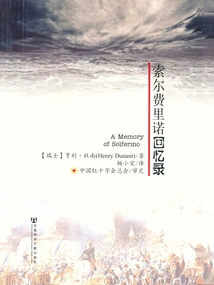
Memoirs of Solferino
Literature索尔费里诺回忆录
(switzerland) Henry Dunant
What he saw and heard on the battlefield of Solferino inspired Dunant to think deeply about human civilization, how humanity can be demonstrated, and how life can be respected. These thoughts prompted him to take further action. In order to prevent tragedies from happening again, he put forward landmark proposals: first, to establish "Volunteer Relief Associations to provide services for wartime wounded" in all countries; second, to formulate an "international norm recognized by an inviolable international convention" to recognize and support the work of these organizations. In 1863, Dunant and others founded the "International Committee for the Relief of Wounded Soldiers" within the Geneva Public Welfare Society. In 1880, it was renamed the "International Committee of the Red Cross". In order to commemorate Dunant, the great founder of the world Red Cross Movement, his birthday (May 8) was chosen as World Red Cross Day.
What he saw and heard on the battlefield of Solferino inspired Dunant to think deeply about human civilization, how humanity can be demonstrated, and how life can be respected. These thoughts prompted him to take further action. In order to prevent tragedies from happening again, he put forward landmark proposals: first, to establish "Volunteer Relief Associations to provide services for wartime wounded" in all countries; second, to formulate an "international norm recognized by an inviolable international convention" to recognize and support the work of these organizations. In 1863, Dunant and others founded the "International Committee for the Relief of Wounded Soldiers" within the Geneva Public Welfare Society. In 1880, it was renamed the "International Committee of the Red Cross". In order to commemorate Dunant, the great founder of the world Red Cross Movement, his birthday (May 8) was chosen as World Red Cross Day.
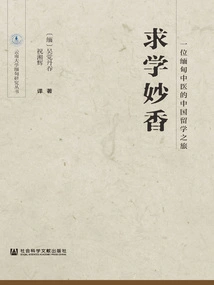
求学妙香:一位缅甸中医的中国留学之旅
(burma) U Kyaw Than Tun
This book is the study experience and what Dr. U Kyaw Than Tun recorded while studying in China. From 1975 to 1979, he studied in China with the funding of a cooperation project between China and Myanmar. He was the first Myanmar person to obtain a doctorate in traditional Chinese medicine. After returning from his studies, he wrote this book based on his own personal experiences, revealing some vivid and interesting details and reflecting the profound Paukphaw friendship between the two peoples, which has historical value and practical significance.
This book is the study experience and what Dr. U Kyaw Than Tun recorded while studying in China. From 1975 to 1979, he studied in China with the funding of a cooperation project between China and Myanmar. He was the first Myanmar person to obtain a doctorate in traditional Chinese medicine. After returning from his studies, he wrote this book based on his own personal experiences, revealing some vivid and interesting details and reflecting the profound Paukphaw friendship between the two peoples, which has historical value and practical significance.
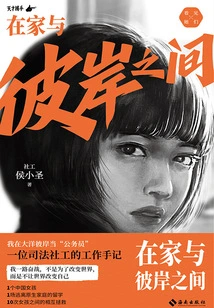
在家与彼岸之间:一位司法社工的工作手记
Social Worker Hou Xiaosheng
At the age of 16, she was called fat by her brother. After losing weight for more than ten years, she was so thin that she could only hang water to survive. At the age of 19, she called the police and claimed that she was being "stalked" by her mother. She could not leave her mother's sight for more than 5 minutes as long as she could remember. At the age of 40, in order to escape from marriage and sneak out of the country, she opened a hot pot restaurant and took in dozens of foreign women who had been domestically abused. I met them when I was 23 years old. Throughout my teenage years, I planned to leave home and escape my mother's control. I chose Australia, but I was always worried that I wouldn't be able to leave. Before the plan could actually come to fruition, my mother died suddenly. I boarded the plane in a daze and began to learn and live in another language in a completely unfamiliar environment until I became a "judicial social worker" and met them. In the process of helping these girls, I gradually understood "why love can make people feel painful", and I finally had the courage to accompany others to find their answers.
At the age of 16, she was called fat by her brother. After losing weight for more than ten years, she was so thin that she could only hang water to survive. At the age of 19, she called the police and claimed that she was being "stalked" by her mother. She could not leave her mother's sight for more than 5 minutes as long as she could remember. At the age of 40, in order to escape from marriage and sneak out of the country, she opened a hot pot restaurant and took in dozens of foreign women who had been domestically abused. I met them when I was 23 years old. Throughout my teenage years, I planned to leave home and escape my mother's control. I chose Australia, but I was always worried that I wouldn't be able to leave. Before the plan could actually come to fruition, my mother died suddenly. I boarded the plane in a daze and began to learn and live in another language in a completely unfamiliar environment until I became a "judicial social worker" and met them. In the process of helping these girls, I gradually understood "why love can make people feel painful", and I finally had the courage to accompany others to find their answers.
The Road to Wigan Pier 通往威根码头之路(英文版)
(uk) George Orwell
"The Road to Wigan Pier" is a work by Orwell. Orwell's on-the-spot investigation into the impoverished lives of miners in northern England revealed class suffering, combining documentary depth with reflection on social justice.
"The Road to Wigan Pier" is a work by Orwell. Orwell's on-the-spot investigation into the impoverished lives of miners in northern England revealed class suffering, combining documentary depth with reflection on social justice.
Saving Americans with Green Tea
Literature用绿茶拯救美国人
Cai Zheng
This book records the author's fifteen years of experience in promoting green tea in the United States as a historian and sociologist. In order to use green tea to save the American people, the author has been traveling in urban and rural areas of the United States for many years. He has been involved in lawsuits, car accidents, hospitalizations, and arrests due to doing business. He has had extensive contact with American people and gained in-depth insights into American society. This book is a must-read for anyone who wants to understand the real America.
This book records the author's fifteen years of experience in promoting green tea in the United States as a historian and sociologist. In order to use green tea to save the American people, the author has been traveling in urban and rural areas of the United States for many years. He has been involved in lawsuits, car accidents, hospitalizations, and arrests due to doing business. He has had extensive contact with American people and gained in-depth insights into American society. This book is a must-read for anyone who wants to understand the real America.
Walking Through the Mountains in Summer
Literature夏日走过山间
(english) John Muir
This book is the representative work of writer John Muir. The content mainly involves Muir's diary of a four-month investigation in the Sierra Nevada Mountains in the summer of 1969. During the four-month trip, in addition to participating in sheep herding, he also inspected mountains, ores, glaciers, climate, plants, animals, etc. In 1906, Muir single-handedly promoted the establishment of U. S. National Nature Reserves. Roosevelt was also influenced by him and approved the creation of 53 wildlife reserves, 16 national monuments, and six national parks during his term. This book was Muir's original intention. It is also known as "the text that moved a country" for its beautiful and delicate writing style. It opened a new way of creating nature literature in the 20th century.
This book is the representative work of writer John Muir. The content mainly involves Muir's diary of a four-month investigation in the Sierra Nevada Mountains in the summer of 1969. During the four-month trip, in addition to participating in sheep herding, he also inspected mountains, ores, glaciers, climate, plants, animals, etc. In 1906, Muir single-handedly promoted the establishment of U. S. National Nature Reserves. Roosevelt was also influenced by him and approved the creation of 53 wildlife reserves, 16 national monuments, and six national parks during his term. This book was Muir's original intention. It is also known as "the text that moved a country" for its beautiful and delicate writing style. It opened a new way of creating nature literature in the 20th century.
“隐形”的孩子:关于“校园霸凌”的社会观察
Li Yanyan
Through an in-depth analysis of many "school bullying" incidents including the "Handan Case", this book reveals the social problems behind school bullying, and explores how to effectively prevent and manage minor crimes to protect the safety and healthy growth of more children. This book was released as a single volume of the headline "Campus Sorrow" in the 9th issue of "Beijing Literature" in 2024. It was not only reprinted by "Xinhua Digest", but also won the "2024 "Beijing Literature" Outstanding Works" award. In addition, this book also comes with an "external" work "Growing Up - The Road to Social Integration of Elderly Autistic Patients", which was originally published in the 2025 issue of "Contemporary". With detailed information and delicate and touching details, it shows the process of active self-rescue and mutual support of families of autistic patients with the help of relevant institutions and welfare organizations. For the first time, the issue of social integration of older autistic patients is presented to the public in a "non-fiction" form.
Through an in-depth analysis of many "school bullying" incidents including the "Handan Case", this book reveals the social problems behind school bullying, and explores how to effectively prevent and manage minor crimes to protect the safety and healthy growth of more children. This book was released as a single volume of the headline "Campus Sorrow" in the 9th issue of "Beijing Literature" in 2024. It was not only reprinted by "Xinhua Digest", but also won the "2024 "Beijing Literature" Outstanding Works" award. In addition, this book also comes with an "external" work "Growing Up - The Road to Social Integration of Elderly Autistic Patients", which was originally published in the 2025 issue of "Contemporary". With detailed information and delicate and touching details, it shows the process of active self-rescue and mutual support of families of autistic patients with the help of relevant institutions and welfare organizations. For the first time, the issue of social integration of older autistic patients is presented to the public in a "non-fiction" form.
Way Out
Literature出路
Ma Huijuan
This book is an autobiographical novel about Xihaigu women who find a way out of life through immigration and self-reliance. This book uses the personal experience of the author Ma Huijuan as the main clue, telling her personal experiences, hearing and seeing from her birth, schooling, farm work, immigration to Hongsibao, working to earn money, literary creation, until she was elected as a representative of the National People's Congress. It uses the artistic writing and expression skills of novels to fictionalize, imagine and process, and tells the story of the poor farmers in Xihaigu who achieved poverty alleviation and prosperity through self-reliance under the party and the country's policies of ecological migration, poverty alleviation and enrichment. The book aims to show the struggle of the Communist Party of China in leading the broad masses of the people to decisively defeat poverty, comprehensively promote rural revitalization, and build a moderately prosperous society in an all-round way. It is a portrait and biography of the times. This book was selected into the "Excellent Online Literature Publishing Project with Realistic and Historical Themes" by the National Press and Publication Administration in 2021, and was selected as "2022 Chinese Good Books".
This book is an autobiographical novel about Xihaigu women who find a way out of life through immigration and self-reliance. This book uses the personal experience of the author Ma Huijuan as the main clue, telling her personal experiences, hearing and seeing from her birth, schooling, farm work, immigration to Hongsibao, working to earn money, literary creation, until she was elected as a representative of the National People's Congress. It uses the artistic writing and expression skills of novels to fictionalize, imagine and process, and tells the story of the poor farmers in Xihaigu who achieved poverty alleviation and prosperity through self-reliance under the party and the country's policies of ecological migration, poverty alleviation and enrichment. The book aims to show the struggle of the Communist Party of China in leading the broad masses of the people to decisively defeat poverty, comprehensively promote rural revitalization, and build a moderately prosperous society in an all-round way. It is a portrait and biography of the times. This book was selected into the "Excellent Online Literature Publishing Project with Realistic and Historical Themes" by the National Press and Publication Administration in 2021, and was selected as "2022 Chinese Good Books".
Years in the Car
Literature在车上的岁月
Weiwei
This work is a documentary literature focusing on traffic accident claims cases. Through the perspective of the protagonist Lei Xiaofeng, it tells the story of what an accident investigator sees, hears and feels, including a truck owner who died mysteriously and tragically; a low-level vegetable market grandfather who had the backbone to not care about an eighty-yuan insurance premium; and a battle of wits and courage in a drunk driving investigation. Behind thousands of cases, the complexity of human nature and the indifference of society are consistent throughout. In addition to creating a protagonist Lei Xiaofeng who is positive, unafraid of challenges, and professional, it is more about the discussion of modern social conditions and human nature. It is difficult for China to have Lei Feng in the 20th century, but there are thousands of Lei Xiaofeng who are spiritually deficient, materialistic, and lack moral restraints. Therefore, the focus is to trigger everyone's thinking. The material world has deviated from the right path, and spiritual development is the way back. As for the auto insurance claims profession, every link is covered and every detail is mastered. Whether you are an industry practitioner or an enthusiast, you can benefit from reading it!
This work is a documentary literature focusing on traffic accident claims cases. Through the perspective of the protagonist Lei Xiaofeng, it tells the story of what an accident investigator sees, hears and feels, including a truck owner who died mysteriously and tragically; a low-level vegetable market grandfather who had the backbone to not care about an eighty-yuan insurance premium; and a battle of wits and courage in a drunk driving investigation. Behind thousands of cases, the complexity of human nature and the indifference of society are consistent throughout. In addition to creating a protagonist Lei Xiaofeng who is positive, unafraid of challenges, and professional, it is more about the discussion of modern social conditions and human nature. It is difficult for China to have Lei Feng in the 20th century, but there are thousands of Lei Xiaofeng who are spiritually deficient, materialistic, and lack moral restraints. Therefore, the focus is to trigger everyone's thinking. The material world has deviated from the right path, and spiritual development is the way back. As for the auto insurance claims profession, every link is covered and every detail is mastered. Whether you are an industry practitioner or an enthusiast, you can benefit from reading it!
Heartbeat
Literature心跳不息
(us) Rob Delaney
This book is a memoir about grief and death written by American writer and comedian Rob Delaney. It records the fourteen months that the youngest son Henry spent in the hospital due to a brain tumor, which was also the last days Henry spent with his family. In this book, the author Delaney unabashedly shares his complex emotions while caring for his seriously ill son - his anger and unwillingness, humility and humor, pain and confusion, and the bits of joy he had while getting along with his son; he also records the affection and love that will not stop flowing with the end of life. This book is a gift to other grieving people and will be deeply relatable and comforting to anyone who has lost a loved one, especially a child.
This book is a memoir about grief and death written by American writer and comedian Rob Delaney. It records the fourteen months that the youngest son Henry spent in the hospital due to a brain tumor, which was also the last days Henry spent with his family. In this book, the author Delaney unabashedly shares his complex emotions while caring for his seriously ill son - his anger and unwillingness, humility and humor, pain and confusion, and the bits of joy he had while getting along with his son; he also records the affection and love that will not stop flowing with the end of life. This book is a gift to other grieving people and will be deeply relatable and comforting to anyone who has lost a loved one, especially a child.
Tibetan Mom
Literature西藏妈妈
Xu Jian
There are thousands of children in Tibet who have become orphans due to various reasons, and the staff responsible for managing and educating these children are mostly women. Regardless of age and experience, they all have a common name "Tibetan Mother". The respectable "Tibetan mothers" tie themselves closely to the orphans. With their simple and touching spiritual qualities, they lead the social trend towards goodness and beauty. This book has detailed facts and touching narrative. Writer Xu Jian has traveled to Tibet dozens of times to conduct in-depth interviews and explore typical characters. He lovingly records the touching stories of "Tibetan mothers" conveying selfless love. It presents a three-dimensional moving picture of Tibet's "lonely person to support and few people to rely on". It is a new and profound literary evidence for spreading the spirit of great love in the snowy land and auspicious Tibet.
There are thousands of children in Tibet who have become orphans due to various reasons, and the staff responsible for managing and educating these children are mostly women. Regardless of age and experience, they all have a common name "Tibetan Mother". The respectable "Tibetan mothers" tie themselves closely to the orphans. With their simple and touching spiritual qualities, they lead the social trend towards goodness and beauty. This book has detailed facts and touching narrative. Writer Xu Jian has traveled to Tibet dozens of times to conduct in-depth interviews and explore typical characters. He lovingly records the touching stories of "Tibetan mothers" conveying selfless love. It presents a three-dimensional moving picture of Tibet's "lonely person to support and few people to rely on". It is a new and profound literary evidence for spreading the spirit of great love in the snowy land and auspicious Tibet.
梦幻之街(译文纪实)
K
In the 1970s and 1980s, the first generation of male PRs were all idlers and desperate people who had dropped out of middle and high school; by the late 1990s, they transformed and became the darlings of TV variety shows. Students from top universities also began to enter this industry under the impact of the "employment ice age". The underground world that used to be hidden from the light has become an "internet celebrity check-in place" that people are eager to take a look at. No matter how the business methods are reformed, what remains unchanged is the dream of male publicists to get rich overnight. They can always get into the gap in the market demand and find customers who are willing to spend a lot of money, so Kabukicho's male public relations club will not die...
In the 1970s and 1980s, the first generation of male PRs were all idlers and desperate people who had dropped out of middle and high school; by the late 1990s, they transformed and became the darlings of TV variety shows. Students from top universities also began to enter this industry under the impact of the "employment ice age". The underground world that used to be hidden from the light has become an "internet celebrity check-in place" that people are eager to take a look at. No matter how the business methods are reformed, what remains unchanged is the dream of male publicists to get rich overnight. They can always get into the gap in the market demand and find customers who are willing to spend a lot of money, so Kabukicho's male public relations club will not die...
成为单身母亲之后(译文纪实)
(japan) Kurokawa Shoko
Divorced and unmarried women are not protected, and only the wives in the family are recognized by them; the underlying reasons revealed concern all unmarried, married and divorced women. Women's poverty is a structural problem. In 1985, Japan promulgated and implemented the Equal Employment Opportunities Law for Men and Women. This law, which was intended to achieve equality between men and women, woven female poverty into a tight structure. On the one hand, it advertises equality in employment between men and women; on the other hand, it divides family responsibilities, strengthens gender division of labor, expands informal employment, and gives economic preferential treatment to wives while reducing subsidies for mother-child families. On the surface, social policies that favor women actually divide women into women who are wives and women who are not wives. Japan's policies do not leave room for "women who do not rely on men for support". This is the main culprit of the poverty of single mothers and single women. For women, 1985 was precisely the "first year of poverty."
Divorced and unmarried women are not protected, and only the wives in the family are recognized by them; the underlying reasons revealed concern all unmarried, married and divorced women. Women's poverty is a structural problem. In 1985, Japan promulgated and implemented the Equal Employment Opportunities Law for Men and Women. This law, which was intended to achieve equality between men and women, woven female poverty into a tight structure. On the one hand, it advertises equality in employment between men and women; on the other hand, it divides family responsibilities, strengthens gender division of labor, expands informal employment, and gives economic preferential treatment to wives while reducing subsidies for mother-child families. On the surface, social policies that favor women actually divide women into women who are wives and women who are not wives. Japan's policies do not leave room for "women who do not rely on men for support". This is the main culprit of the poverty of single mothers and single women. For women, 1985 was precisely the "first year of poverty."
医院的深渊(译文纪实)
(japan) Takanashi Yukiko
"There is absolutely no equality between patients and doctors"; won the Japan Press Association Award and the Japan Medical Journalists Association Award Special Award. ?? Gunma University Hospital is the number one medical center in the Northern Kanto region of Japan. In 2014, this top hospital, trusted by locals, was exposed by the media that its second surgery liver resection mortality rate reached an astonishing 10.8%, While Japan's national average mortality rate was only 1.1%. In 5 years, 18 patients died one after another, all performed by the same doctor. Gunma University Hospital is like an unshakable "white tower" with a bottomless abyss inside. The patients who walked into it were ignorant of the details of the surgery and were induced to choose the plan recommended by the doctor...
"There is absolutely no equality between patients and doctors"; won the Japan Press Association Award and the Japan Medical Journalists Association Award Special Award. ?? Gunma University Hospital is the number one medical center in the Northern Kanto region of Japan. In 2014, this top hospital, trusted by locals, was exposed by the media that its second surgery liver resection mortality rate reached an astonishing 10.8%, While Japan's national average mortality rate was only 1.1%. In 5 years, 18 patients died one after another, all performed by the same doctor. Gunma University Hospital is like an unshakable "white tower" with a bottomless abyss inside. The patients who walked into it were ignorant of the details of the surgery and were induced to choose the plan recommended by the doctor...
日本精神医疗乱象(译文纪实)
(japan) Sato Hikaru
"They are dangerous creatures, so treating them with brute force is a last resort." Misdiagnosis, over-medication, abuse of physical restraint, forced hospitalization... Shocking mental medical chaos. In Japan, 1 in 30 people are receiving treatment for mental illness, but the state of mental health care is shocking. Children who are hospitalized because they cannot adapt to family or school life are tied up and receive so-called "restraint treatment"; office workers who take prescription drugs due to extreme social anxiety develop kleptomania as a side effect of anti-anxiety drugs and are imprisoned; wives who call the police for domestic violence are treated as "mentally insane" because their husbands lie about "suicide attempts"... More than 180,000 people are sent to compulsory psychiatric hospitalization every year, and at least 10,000 people have their hands, feet and bodies restrained every day in the name of the law. A society that does not think this is an abnormal phenomenon and still acquiesces to its continued occurrence is abnormal.
"They are dangerous creatures, so treating them with brute force is a last resort." Misdiagnosis, over-medication, abuse of physical restraint, forced hospitalization... Shocking mental medical chaos. In Japan, 1 in 30 people are receiving treatment for mental illness, but the state of mental health care is shocking. Children who are hospitalized because they cannot adapt to family or school life are tied up and receive so-called "restraint treatment"; office workers who take prescription drugs due to extreme social anxiety develop kleptomania as a side effect of anti-anxiety drugs and are imprisoned; wives who call the police for domestic violence are treated as "mentally insane" because their husbands lie about "suicide attempts"... More than 180,000 people are sent to compulsory psychiatric hospitalization every year, and at least 10,000 people have their hands, feet and bodies restrained every day in the name of the law. A society that does not think this is an abnormal phenomenon and still acquiesces to its continued occurrence is abnormal.
逆风之羽:一位女性抵抗纳粹的真实故事
(us) Rebecca Downer
This is a literary biography that tells the true story of one woman's struggle against Hitler. Rebecca Downer, Harnack's great-great-niece, draws on extensive archival research to create this truly moving work of nonfiction. The author combines elements of biography, real-life suspense films and detective stories, skillfully interweaving letters, diaries, notes from Berlin prisons, survivor testimonies and historical archives into a powerful epic story, reconstructing the morality and courage of a woman who was almost erased by history. From it, we can see the unyielding ideals and perseverance of the people of the world in fighting fascism, and that only love and justice will last forever.
This is a literary biography that tells the true story of one woman's struggle against Hitler. Rebecca Downer, Harnack's great-great-niece, draws on extensive archival research to create this truly moving work of nonfiction. The author combines elements of biography, real-life suspense films and detective stories, skillfully interweaving letters, diaries, notes from Berlin prisons, survivor testimonies and historical archives into a powerful epic story, reconstructing the morality and courage of a woman who was almost erased by history. From it, we can see the unyielding ideals and perseverance of the people of the world in fighting fascism, and that only love and justice will last forever.