Library
Browse and search books
51,874 novels found
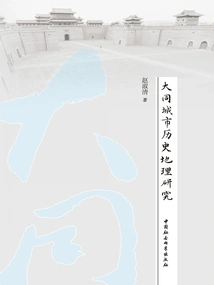
大同城市历史地理研究
Zhao Shuqing
Datong is located in the northern part of the Shanxi Plateau and the center of the Datong Basin. It is known as the "Key to the North" because it guards the choke points of Shanxi, Hebei and Mongolia. Since ancient times, northern nomads and Central Plains farming people have competed for important territory. Datong City is one of the first batch of historical and cultural cities approved by the State Council. The long history of urban development before the Qing Dynasty has been evolving under the alternating rule of the Han nationality and ethnic minority regimes, with distinctive characteristics of ethnic integration. The history of urban development of Datong is a typical inland frontier city in northern my country. This book systematically analyzes the urban transformation process of Datong from a historical geographical perspective and believes that it presents an urban spatial development pattern centered on the "outer city" of Pingcheng in the Northern Wei Dynasty, a functional urban setting with a "military town" as the main line, an urban street layout based on the "lifang structure", and an urban residential structure based on diverse integration. "Ethnic relations" are the macro-political factors that influence the development of Datong City, "One Belt and One Land" are the meso-level geographical factors that determine the functional positioning of Datong City, and "important border defense towns" are the micro-military factors that shape the urban construction pattern of Datong. Systematically summarizing the evolution patterns of Datong's urban historical geography is of great significance for expanding the field of urban historical geography research and providing theoretical support for urban development.
Datong is located in the northern part of the Shanxi Plateau and the center of the Datong Basin. It is known as the "Key to the North" because it guards the choke points of Shanxi, Hebei and Mongolia. Since ancient times, northern nomads and Central Plains farming people have competed for important territory. Datong City is one of the first batch of historical and cultural cities approved by the State Council. The long history of urban development before the Qing Dynasty has been evolving under the alternating rule of the Han nationality and ethnic minority regimes, with distinctive characteristics of ethnic integration. The history of urban development of Datong is a typical inland frontier city in northern my country. This book systematically analyzes the urban transformation process of Datong from a historical geographical perspective and believes that it presents an urban spatial development pattern centered on the "outer city" of Pingcheng in the Northern Wei Dynasty, a functional urban setting with a "military town" as the main line, an urban street layout based on the "lifang structure", and an urban residential structure based on diverse integration. "Ethnic relations" are the macro-political factors that influence the development of Datong City, "One Belt and One Land" are the meso-level geographical factors that determine the functional positioning of Datong City, and "important border defense towns" are the micro-military factors that shape the urban construction pattern of Datong. Systematically summarizing the evolution patterns of Datong's urban historical geography is of great significance for expanding the field of urban historical geography research and providing theoretical support for urban development.
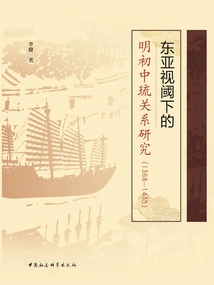
东亚视阈下的明初中琉关系研究(1368—1435)
Li Jian
This book examines the nearly 70-year relationship between China and Ryukyu in the early Ming Dynasty from the overall perspective of the evolution of the East Asian regional order. By searching relevant historical materials and relying on important exchange events such as Fengtianmen Xiaoyu, Yang Zaikong, Li Hao Shima, Liang Min's envoy, Dibaonu migration, Lu Yuan's envoy, Chaishan's crossing to Ryukyu, etc., We analyze the development and evolution of the relationship between the Ming Dynasty and Ryukyu, and also With its inherent connections with the Northern Yuan Dynasty, Goryeo, Korea, Japan, Japanese pirates, etc., We try to construct a three-dimensional, dynamic, and systematic "relationship between China and Ryukyu in the early Ming Dynasty" to highlight the extensive linkage of relations between East Asian countries in the early Ming Dynasty and the complex process of regional order construction.
This book examines the nearly 70-year relationship between China and Ryukyu in the early Ming Dynasty from the overall perspective of the evolution of the East Asian regional order. By searching relevant historical materials and relying on important exchange events such as Fengtianmen Xiaoyu, Yang Zaikong, Li Hao Shima, Liang Min's envoy, Dibaonu migration, Lu Yuan's envoy, Chaishan's crossing to Ryukyu, etc., We analyze the development and evolution of the relationship between the Ming Dynasty and Ryukyu, and also With its inherent connections with the Northern Yuan Dynasty, Goryeo, Korea, Japan, Japanese pirates, etc., We try to construct a three-dimensional, dynamic, and systematic "relationship between China and Ryukyu in the early Ming Dynasty" to highlight the extensive linkage of relations between East Asian countries in the early Ming Dynasty and the complex process of regional order construction.
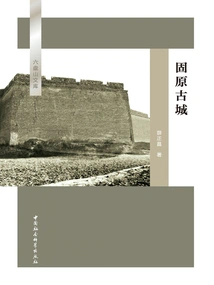
Guyuan Ancient City
History固原古城
Xue Zhengchang
The manuscript mainly selects several milestones in the construction, expansion and major renovation of Guyuan City, describing the history of its construction and development. The ancient city of Guyuan was built during the Warring States Period. Gaoping County was established in the Western Han Dynasty, and Anding County was established during the period of Emperor Wu of the Han Dynasty. Guyuan City is located in the northern section of the eastern section of the Silk Road that must pass through. It has an important military geographical location and a high level of local political power. It is a famous historical city in the northwest.
The manuscript mainly selects several milestones in the construction, expansion and major renovation of Guyuan City, describing the history of its construction and development. The ancient city of Guyuan was built during the Warring States Period. Gaoping County was established in the Western Han Dynasty, and Anding County was established during the period of Emperor Wu of the Han Dynasty. Guyuan City is located in the northern section of the eastern section of the Silk Road that must pass through. It has an important military geographical location and a high level of local political power. It is a famous historical city in the northwest.
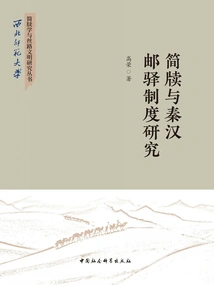
简牍与秦汉邮驿制度研究
Gao Rong
This book contains 24 articles, which mainly include four parts. The first part discusses the origin, evolution, functions and mutual relationships of postal institutions in Qin and Han dynasties based on sorting out academic history; the second part mainly discusses the sending, receiving, delivery and management of official documents in Qin and Han dynasties; the third part is a miscellaneous examination of postal staff, involving The history of county governors, frontier fortresses, prisoners serving in various post agencies, and the Chinese Qiang people; the fourth part examines the migration of Wuwei prefectures and the establishment of Juyan counties in the Han Dynasty. Its content is closely related to the management of post offices, so it is placed at the end of the article as an "Appendix".
This book contains 24 articles, which mainly include four parts. The first part discusses the origin, evolution, functions and mutual relationships of postal institutions in Qin and Han dynasties based on sorting out academic history; the second part mainly discusses the sending, receiving, delivery and management of official documents in Qin and Han dynasties; the third part is a miscellaneous examination of postal staff, involving The history of county governors, frontier fortresses, prisoners serving in various post agencies, and the Chinese Qiang people; the fourth part examines the migration of Wuwei prefectures and the establishment of Juyan counties in the Han Dynasty. Its content is closely related to the management of post offices, so it is placed at the end of the article as an "Appendix".
古代日本皇亲制度研究
Zhang Lin
This book conducts a systematic study of the imperial family system in Japan during the historical period from the maturity of royal power in the Asuka period to the end of the ancient emperor system in the Heian period. On the one hand, it comprehensively analyzes the relationship between imperial relatives and the ancient emperor system in different periods vertically and its status and role in ancient political and social life; on the other hand, it systematically examines the imperial succession system, title designation system, official appointment system, fiefdom system, marriage system, surname granting system and Saio system related to imperial relatives horizontally, and explores the relationship between these systems and the ancient emperor system. While examining the development and evolution of the imperial family system in ancient Japan, this book also pays as much attention as possible to the similarities and differences between the imperial family systems in ancient China and Japan.
This book conducts a systematic study of the imperial family system in Japan during the historical period from the maturity of royal power in the Asuka period to the end of the ancient emperor system in the Heian period. On the one hand, it comprehensively analyzes the relationship between imperial relatives and the ancient emperor system in different periods vertically and its status and role in ancient political and social life; on the other hand, it systematically examines the imperial succession system, title designation system, official appointment system, fiefdom system, marriage system, surname granting system and Saio system related to imperial relatives horizontally, and explores the relationship between these systems and the ancient emperor system. While examining the development and evolution of the imperial family system in ancient Japan, this book also pays as much attention as possible to the similarities and differences between the imperial family systems in ancient China and Japan.
当代中国近代文化史研究
Editor-in-chief Zuo Yuhe
In accordance with the internal logic of the evolution of modern Chinese culture, this book adopts a writing strategy that focuses on key areas and takes into account innovative fields. It focuses on the research process, theoretical methods, modern cultural debates, modern cultural trends, modern literature and art history, modern education history, the spread of Western learning to the east and the history of modern academic science and technology, the history of modern newspapers and periodicals, modern sports, health and cultural facilities, and modern cultural history research. 10 Aspects of modern regional cultural history. The final chapter concludes with "The Road to Breakthrough of Social and Cultural History Research". On the basis of discussing the development history of modern Chinese cultural history research and its outstanding achievements, it analyzes the current new challenges faced by the current Chinese modern cultural history, especially the social and cultural history research, and its breakthrough path, providing preliminary opinions on the future development direction of Chinese modern Chinese cultural history research.
In accordance with the internal logic of the evolution of modern Chinese culture, this book adopts a writing strategy that focuses on key areas and takes into account innovative fields. It focuses on the research process, theoretical methods, modern cultural debates, modern cultural trends, modern literature and art history, modern education history, the spread of Western learning to the east and the history of modern academic science and technology, the history of modern newspapers and periodicals, modern sports, health and cultural facilities, and modern cultural history research. 10 Aspects of modern regional cultural history. The final chapter concludes with "The Road to Breakthrough of Social and Cultural History Research". On the basis of discussing the development history of modern Chinese cultural history research and its outstanding achievements, it analyzes the current new challenges faced by the current Chinese modern cultural history, especially the social and cultural history research, and its breakthrough path, providing preliminary opinions on the future development direction of Chinese modern Chinese cultural history research.
白山黑水之间:辽金城镇史地研究
Sun Wenzheng
This book explains the origin, structure, identification methods of ancient towns, and briefly introduces the ancient cities of Liao and Jin Dynasties between the White Mountains and Black Waters. It starts from the administrative institutions of the Liao and Jin Dynasties and conducts special research based on the construction time of the ancient city, the geographical location of the administrative institutions, the evolution of the administrative institutions, the historical status of the ancient city, and the protection and utilization of the ruins. I hope it can provide research methods and techniques for researchers of Liao and Jin history and geography or readers who are interested in Liao and Jin history and geography, as well as inspire thinking on research issues on Liao and Jin history and geography.
This book explains the origin, structure, identification methods of ancient towns, and briefly introduces the ancient cities of Liao and Jin Dynasties between the White Mountains and Black Waters. It starts from the administrative institutions of the Liao and Jin Dynasties and conducts special research based on the construction time of the ancient city, the geographical location of the administrative institutions, the evolution of the administrative institutions, the historical status of the ancient city, and the protection and utilization of the ruins. I hope it can provide research methods and techniques for researchers of Liao and Jin history and geography or readers who are interested in Liao and Jin history and geography, as well as inspire thinking on research issues on Liao and Jin history and geography.
王权、法律与神祇:萨珊波斯与古代中国
Zhang Xiaogui
The whole book is divided into two parts. The first part contains ten papers, which examine the political and religious relations, legal documents and Zoroastrian wind gods in Sasanian Persia. At the same time, the Sogdian marriage contract in Mugshan and the legal status of Sogdian women in medieval times were studied. The article also touches on the issue of Nestorianism and Manichaeism, which also originated in Persia, being introduced into China along the Silk Road. The opening chapter commemorates Mr. Cai Hongsheng, as well as the ten book reviews and conference summaries included in the second part. They mainly review several works related to the Silk Road and East-West cultural exchanges, especially the spread of ancient Iranian civilization to the east, in order to illustrate the author's academic connection with the study of Persian civilization and ancient China.
The whole book is divided into two parts. The first part contains ten papers, which examine the political and religious relations, legal documents and Zoroastrian wind gods in Sasanian Persia. At the same time, the Sogdian marriage contract in Mugshan and the legal status of Sogdian women in medieval times were studied. The article also touches on the issue of Nestorianism and Manichaeism, which also originated in Persia, being introduced into China along the Silk Road. The opening chapter commemorates Mr. Cai Hongsheng, as well as the ten book reviews and conference summaries included in the second part. They mainly review several works related to the Silk Road and East-West cultural exchanges, especially the spread of ancient Iranian civilization to the east, in order to illustrate the author's academic connection with the study of Persian civilization and ancient China.
新编剑桥世界近代史(第4卷):西班牙的衰落与三十年战争(1609—1648/1659)
(uk) J. P. Cooper
Wars, plagues, rebellions, religious and dynastic conflicts changed the distribution of power between them, as well as their structures, and many of the social, intellectual and political foundations of ancient Europe were laid. The masses of the people suffered the direct and indirect effects of the war, but limited and authoritarian governments and various social groups strengthened themselves. In this book, the author discusses the transfer of power and command of the sea lanes of northwest Europe, the defeat of the Habsburg regime in Spain and Germany, and their restoration of power in Bohemia, and assesses the internal costs of France's victory over Spain in the 1650s and its position, with the large immediate benefits gained by the smaller ones, the Netherlands and Sweden.
Wars, plagues, rebellions, religious and dynastic conflicts changed the distribution of power between them, as well as their structures, and many of the social, intellectual and political foundations of ancient Europe were laid. The masses of the people suffered the direct and indirect effects of the war, but limited and authoritarian governments and various social groups strengthened themselves. In this book, the author discusses the transfer of power and command of the sea lanes of northwest Europe, the defeat of the Habsburg regime in Spain and Germany, and their restoration of power in Bohemia, and assesses the internal costs of France's victory over Spain in the 1650s and its position, with the large immediate benefits gained by the smaller ones, the Netherlands and Sweden.
Research on the Shaping of the Early Frankish State from the Perspective of the Academic Council
History教务会议视域下的法兰克早期国家形塑研究
Liu Hongnan
During the Merovingian Dynasty, as the Frank monarchs relied more and more on the orthodox Christian church, the convening of academic councils with a "collegial spirit" gradually rose from church tradition to state behavior. The canonical rules and decrees formulated by the Frankish religious and secular elites in response to many practical issues during the meeting greatly changed the power structure, royal power theory, ethnic consciousness, internal and external order, and social atmosphere of the Frankish community to a great extent, and then created an "early Frankish state" with ecclesiastical characteristics in the post-Roman Mediterranean world.
During the Merovingian Dynasty, as the Frank monarchs relied more and more on the orthodox Christian church, the convening of academic councils with a "collegial spirit" gradually rose from church tradition to state behavior. The canonical rules and decrees formulated by the Frankish religious and secular elites in response to many practical issues during the meeting greatly changed the power structure, royal power theory, ethnic consciousness, internal and external order, and social atmosphere of the Frankish community to a great extent, and then created an "early Frankish state" with ecclesiastical characteristics in the post-Roman Mediterranean world.
Eu National History
History欧盟列国志
Tian Ye Li Zhengfang
This book mainly studies the historical development of the 27 EU member states. The time span is from prehistory to the present day, covering the historical process, national formation, state construction, and international relations of the EU member states. The book is divided into chapters based on geographical location and country. It is divided into 5 chapters: Northern Europe, Western Europe, Central Europe, Southern Europe and Eastern Europe. It is divided into sections based on specific countries. It includes 27 member states of the European Union. It integrates relevant historical documents from China and abroad, and includes the latest research results in the field of world history. This book analyzes relevant historical events from the perspectives of historical materialism and dialectical materialism, summarizes the laws of historical development, and discusses the process of European civilization, thereby providing first-hand information for relevant EU research.
This book mainly studies the historical development of the 27 EU member states. The time span is from prehistory to the present day, covering the historical process, national formation, state construction, and international relations of the EU member states. The book is divided into chapters based on geographical location and country. It is divided into 5 chapters: Northern Europe, Western Europe, Central Europe, Southern Europe and Eastern Europe. It is divided into sections based on specific countries. It includes 27 member states of the European Union. It integrates relevant historical documents from China and abroad, and includes the latest research results in the field of world history. This book analyzes relevant historical events from the perspectives of historical materialism and dialectical materialism, summarizes the laws of historical development, and discusses the process of European civilization, thereby providing first-hand information for relevant EU research.
《喀木西南志略》整理与研究
Huang Xinjian
Cheng Fengxiang compiled "Southern Kamu Chronicles", which was published in April of the third year of Xuantong in the Qing Dynasty (1911). It is the earliest known local chronicle of southeastern Tibet and the only local chronicle document in the Qing Dynasty that specifically records the border areas of Tibet. This book is based on the original copy collected by the Minzu University of China. It comprehensively collates and organizes this local chronicle of Tibet in the Qing Dynasty, and conducts a detailed examination of its compilation, writing process, style and content, data sources, status value and many other aspects. The publication of this book is not only an important result of the excavation, compilation, research and utilization of ancient Chinese Tibetan books, but also provides strong local evidence that my country has absolute sovereignty and exercises effective jurisdiction over the disputed areas on the Sino-Indian border.
Cheng Fengxiang compiled "Southern Kamu Chronicles", which was published in April of the third year of Xuantong in the Qing Dynasty (1911). It is the earliest known local chronicle of southeastern Tibet and the only local chronicle document in the Qing Dynasty that specifically records the border areas of Tibet. This book is based on the original copy collected by the Minzu University of China. It comprehensively collates and organizes this local chronicle of Tibet in the Qing Dynasty, and conducts a detailed examination of its compilation, writing process, style and content, data sources, status value and many other aspects. The publication of this book is not only an important result of the excavation, compilation, research and utilization of ancient Chinese Tibetan books, but also provides strong local evidence that my country has absolute sovereignty and exercises effective jurisdiction over the disputed areas on the Sino-Indian border.
集聚视角下的清代山西城镇研究
Qiao Nan
On the basis of fully absorbing previous research results, based on detailed historical materials, and based on agglomeration economics, this book examines and theoretically analyzes issues such as industrial agglomeration, capital agglomeration, and population agglomeration in Shanxi during the Qing Dynasty, as well as the urban agglomeration ultimately caused by the above agglomeration phenomena. , While enriching the research results of Shanxi towns in the Qing Dynasty, it also conducts an in-depth analysis of the characteristics of the formation of the contemporary Shanxi urban system, which reflects the endogenous characteristics of China's social and economic development at that time, and allows readers to have a more comprehensive understanding of the urban development status of central China in the Qing Dynasty. While providing a new perspective for the study of regional economic history, it also draws lessons from the past and provides reference for contemporary resource-based provinces to take the path of centralized urbanization development and the development of regional industrial clusters in the future.
On the basis of fully absorbing previous research results, based on detailed historical materials, and based on agglomeration economics, this book examines and theoretically analyzes issues such as industrial agglomeration, capital agglomeration, and population agglomeration in Shanxi during the Qing Dynasty, as well as the urban agglomeration ultimately caused by the above agglomeration phenomena. , While enriching the research results of Shanxi towns in the Qing Dynasty, it also conducts an in-depth analysis of the characteristics of the formation of the contemporary Shanxi urban system, which reflects the endogenous characteristics of China's social and economic development at that time, and allows readers to have a more comprehensive understanding of the urban development status of central China in the Qing Dynasty. While providing a new perspective for the study of regional economic history, it also draws lessons from the past and provides reference for contemporary resource-based provinces to take the path of centralized urbanization development and the development of regional industrial clusters in the future.
一说春秋之谷雨
Li Ming
"A Story of Spring and Autumn Period" is the second book in the "A Story of Spring and Autumn Period" series. It mainly tells the stories of the Spring and Autumn Period from 700 BC to 664 BC. This series of books is based on "Spring and Autumn", with "Historical Records" and "Guoyu" as main supplements. At the same time, it is written with reference to dozens of other related books. Different from other vernacular versions of "Spring and Autumn", the "A Story of Spring and Autumn" series adds background information such as calendars, rituals, systems, and character relationships based on the original historical materials, connects the events of the Spring and Autumn Period in series, and forms opinions and judgments based on a large number of historical materials to facilitate readers to understand this period of history more clearly. "A Story of Spring and Autumn" was originally an audio program. After being reorganized, revised, and supplemented, it finally formed the current series of "A Story of Spring and Autumn". Each chapter in the book contains a QR code of the original audio program, which can be read by reference to each other. "Spring and Autumn" is one of the Six Classics of Confucian classics in ancient China, and it is also China's first chronological history book. Its writing is subtle but explicit, ambitious but obscure, euphemistic and comprehensive, exhaustive but not dirty, punishing evil and encouraging good. It is known as the Spring and Autumn writing style and the subtle words and great meaning. The Six Classics of the Pre-Qin Dynasty, the Five Classics of the early Han Dynasty, the Seven Classics of the Three Kingdoms of the Later Han Dynasty, the Twelve Classics of the Tang Dynasty, and the Thirteen Classics of the Southern Song Dynasty and later all have references to Spring and Autumn.
"A Story of Spring and Autumn Period" is the second book in the "A Story of Spring and Autumn Period" series. It mainly tells the stories of the Spring and Autumn Period from 700 BC to 664 BC. This series of books is based on "Spring and Autumn", with "Historical Records" and "Guoyu" as main supplements. At the same time, it is written with reference to dozens of other related books. Different from other vernacular versions of "Spring and Autumn", the "A Story of Spring and Autumn" series adds background information such as calendars, rituals, systems, and character relationships based on the original historical materials, connects the events of the Spring and Autumn Period in series, and forms opinions and judgments based on a large number of historical materials to facilitate readers to understand this period of history more clearly. "A Story of Spring and Autumn" was originally an audio program. After being reorganized, revised, and supplemented, it finally formed the current series of "A Story of Spring and Autumn". Each chapter in the book contains a QR code of the original audio program, which can be read by reference to each other. "Spring and Autumn" is one of the Six Classics of Confucian classics in ancient China, and it is also China's first chronological history book. Its writing is subtle but explicit, ambitious but obscure, euphemistic and comprehensive, exhaustive but not dirty, punishing evil and encouraging good. It is known as the Spring and Autumn writing style and the subtle words and great meaning. The Six Classics of the Pre-Qin Dynasty, the Five Classics of the early Han Dynasty, the Seven Classics of the Three Kingdoms of the Later Han Dynasty, the Twelve Classics of the Tang Dynasty, and the Thirteen Classics of the Southern Song Dynasty and later all have references to Spring and Autumn.
Sino-japanese Historiography
History中日史学史脞论
Li Jun
This book is an academic treatise on the history of Chinese and Japanese historiography and historical thought from a comparative cultural perspective. The book takes "historical materials", "historians", "historical uses", "historical sayings" and "historiography" as its five major themes. It identifies a number of key points and characteristic topics in the development of Chinese and Japanese historiography, analyzes them one by one, and discusses them together, in order to outline the basic features of the evolution of traditional historiography and the transformation of modern historiography in China and Japan in the context of global historiography.
This book is an academic treatise on the history of Chinese and Japanese historiography and historical thought from a comparative cultural perspective. The book takes "historical materials", "historians", "historical uses", "historical sayings" and "historiography" as its five major themes. It identifies a number of key points and characteristic topics in the development of Chinese and Japanese historiography, analyzes them one by one, and discusses them together, in order to outline the basic features of the evolution of traditional historiography and the transformation of modern historiography in China and Japan in the context of global historiography.
北魏在中华文明连续发展链条中的地位研究
Hookson
The Wei, Jin, Southern and Northern Dynasties were a period of long-term ethnic divisions that followed the unification of the Qin and Han dynasties. The Western Jin Dynasty fell, and the Han nationality was forced to move out of the Yellow River Basin. It was replaced by the rise of many Hu nationality regimes in the Central Plains. Chinese culture faced the danger of interrupting its development. It was the Tuoba tribe who took advantage of the time and established the Northern Wei Empire. They shouldered the historical mission of ending the Sixteen Kingdoms, unifying the Yellow River Basin, and starting a new unification of the Sui and Tang Dynasties, so that Chinese civilization could continue, enrich and develop. The Northern Wei Empire occupied a very important historical position in continuing the continuous development of Chinese civilization. The reason why the Northern Wei Empire was able to complete this historical mission was that it recognized Chinese orthodoxy, boldly carried out Sinicization reforms, bravely absorbed Han culture, and found its own historical position from traditional Chinese culture. This book collects a total of 7 articles, of which 5 were published in various journals and 2 were published for the first time. Although these articles were written and published at different times, they express the theme of the Northern Wei Dynasty's position in the continuous development of Chinese civilization with strict logic and interlocking with each other. Therefore, they were published under the title "Research on the Position of the Northern Wei Dynasty in the Chain of the Continuous Development of Chinese Civilization".
The Wei, Jin, Southern and Northern Dynasties were a period of long-term ethnic divisions that followed the unification of the Qin and Han dynasties. The Western Jin Dynasty fell, and the Han nationality was forced to move out of the Yellow River Basin. It was replaced by the rise of many Hu nationality regimes in the Central Plains. Chinese culture faced the danger of interrupting its development. It was the Tuoba tribe who took advantage of the time and established the Northern Wei Empire. They shouldered the historical mission of ending the Sixteen Kingdoms, unifying the Yellow River Basin, and starting a new unification of the Sui and Tang Dynasties, so that Chinese civilization could continue, enrich and develop. The Northern Wei Empire occupied a very important historical position in continuing the continuous development of Chinese civilization. The reason why the Northern Wei Empire was able to complete this historical mission was that it recognized Chinese orthodoxy, boldly carried out Sinicization reforms, bravely absorbed Han culture, and found its own historical position from traditional Chinese culture. This book collects a total of 7 articles, of which 5 were published in various journals and 2 were published for the first time. Although these articles were written and published at different times, they express the theme of the Northern Wei Dynasty's position in the continuous development of Chinese civilization with strict logic and interlocking with each other. Therefore, they were published under the title "Research on the Position of the Northern Wei Dynasty in the Chain of the Continuous Development of Chinese Civilization".
丝绸之路发展史
Ma Manli Li Ding
This book is a multi-disciplinary empirical material using history, geography, archaeology, etc., Starting from the source of the Silk Road in prehistoric times to the contemporary "Belt and Road" spatial pattern, and discusses the formation, development and trade exchanges of the main routes of the Silk Road. This book has a broad vision, covers ancient and modern times, and covers both China and the West. It is an academic work with detailed historical facts, vivid writing, and strong readability.
This book is a multi-disciplinary empirical material using history, geography, archaeology, etc., Starting from the source of the Silk Road in prehistoric times to the contemporary "Belt and Road" spatial pattern, and discusses the formation, development and trade exchanges of the main routes of the Silk Road. This book has a broad vision, covers ancient and modern times, and covers both China and the West. It is an academic work with detailed historical facts, vivid writing, and strong readability.
Anthology of Heroic Epics
History英雄史诗论集
Rinchen Dorji
When the Mongolian nation had not yet been formed, let alone the ancient age of the country, when scattered Mongolian clans and tribes lived together in Southern Siberia and Central Asia, heroic epics appeared and gradually developed, reflecting the marital struggles and foreign wars of the Mongolian clans and tribes. During those long years, many brave and fearless heroes appeared in the Mongolian clans and tribes. In order to defend their hometown and people, they fought long and arduous struggles against foreign provocateurs and invaders. The epic poems eulogized their perseverance and heroic spirit. These epics are of high ideological, visual and artistic quality. This book is based on the author's research on living Mongolian epics and singing artists. Through a series of papers, this book explores the origin and development of primitive epics from multiple angles.
When the Mongolian nation had not yet been formed, let alone the ancient age of the country, when scattered Mongolian clans and tribes lived together in Southern Siberia and Central Asia, heroic epics appeared and gradually developed, reflecting the marital struggles and foreign wars of the Mongolian clans and tribes. During those long years, many brave and fearless heroes appeared in the Mongolian clans and tribes. In order to defend their hometown and people, they fought long and arduous struggles against foreign provocateurs and invaders. The epic poems eulogized their perseverance and heroic spirit. These epics are of high ideological, visual and artistic quality. This book is based on the author's research on living Mongolian epics and singing artists. Through a series of papers, this book explores the origin and development of primitive epics from multiple angles.
The Disappearing Streets
History消失的阡陌
Qian Fengjuan
This book explains the changes in the mountains, lakes, dam fields, and cultivated land near Dianchi Lake and Kunming's urban and rural areas during urbanization. It examines the layout of mountains and water in old Kunming, ox plow farming, worship of the Dragon King, spring festivals, temple fairs, immigrants from Yunnan, and other ancient customs. Finally, it ends with the disappearing ancient Kunming city. It is full of the author's appreciation and sigh for Kunming's past, and his deep concern for Kunming's future direction. This book uses historical documents to prove its academic quality and credibility. It is not satisfied with a "shallow description" of what was seen, heard and felt during fieldwork. Instead, it carefully and rigorously compares and corroborates the data obtained from the investigation with historical documents, thus highlighting the "disappearing streets" and "urban and rural changes".
This book explains the changes in the mountains, lakes, dam fields, and cultivated land near Dianchi Lake and Kunming's urban and rural areas during urbanization. It examines the layout of mountains and water in old Kunming, ox plow farming, worship of the Dragon King, spring festivals, temple fairs, immigrants from Yunnan, and other ancient customs. Finally, it ends with the disappearing ancient Kunming city. It is full of the author's appreciation and sigh for Kunming's past, and his deep concern for Kunming's future direction. This book uses historical documents to prove its academic quality and credibility. It is not satisfied with a "shallow description" of what was seen, heard and felt during fieldwork. Instead, it carefully and rigorously compares and corroborates the data obtained from the investigation with historical documents, thus highlighting the "disappearing streets" and "urban and rural changes".
卢旺达危机:种族大屠杀史
(france) Gérard Prunier
This book is dedicated to my two Rwandan colleagues, Jean-Népomucène Nkurikiyimfura and Jean Rumiya. The former is a Tutsi and the latter is a Hutu in an inter-ethnic marriage. Both are excellent and young historians with unlimited futures. Nkuliki Imfula was not involved in politics and accepted the pre-violent Habyarimana regime. Rumia was actively involved in politics. As the Habyarimana regime gradually moved to extremes, some intellectuals began to advocate for the regime, and Rumia also joined this camp for a time. However, Rumia later came to his senses, became righteous, and opposed the killings that were about to be carried out by the crazy extremist forces. Two people were tragically killed during the genocide. During that special period, some of their colleagues flattered the very demons they should have denounced, but they upheld the integrity and dignity of our profession.
This book is dedicated to my two Rwandan colleagues, Jean-Népomucène Nkurikiyimfura and Jean Rumiya. The former is a Tutsi and the latter is a Hutu in an inter-ethnic marriage. Both are excellent and young historians with unlimited futures. Nkuliki Imfula was not involved in politics and accepted the pre-violent Habyarimana regime. Rumia was actively involved in politics. As the Habyarimana regime gradually moved to extremes, some intellectuals began to advocate for the regime, and Rumia also joined this camp for a time. However, Rumia later came to his senses, became righteous, and opposed the killings that were about to be carried out by the crazy extremist forces. Two people were tragically killed during the genocide. During that special period, some of their colleagues flattered the very demons they should have denounced, but they upheld the integrity and dignity of our profession.
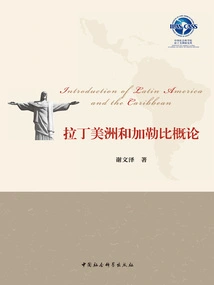
拉丁美洲和加勒比概论
Xie Wenze
This book proposes a "1+2+3+4+5+6" knowledge framework about Latin America and the Caribbean, which is to regard the region as a whole and divide the countries in the region into two groups (Latin American countries and Caribbean countries). From the spatial dimension, the region is divided into three sub-geographical regions (Central America, the Caribbean, and South America) according to geographical location. From the time dimension, the development process of Latin America and the Caribbean is divided into four historical stages (the period of the formation of ancient indigenous agricultural civilization and land ownership, the period of colonial rule and the formation of large estates, the period of Caudillo's administration and the prosperity of primary product exports, and the period of populism and development transformation). For major Latin American countries, this book focuses on five aspects: economy, natural environment, society, politics, and international relations, while highlighting the respective characteristics of different countries. Land ownership, large estates, Caudilloism, populism, structuralism, and neoliberalism are six important historical and realistic clues that influence the development of Latin America and the Caribbean.
This book proposes a "1+2+3+4+5+6" knowledge framework about Latin America and the Caribbean, which is to regard the region as a whole and divide the countries in the region into two groups (Latin American countries and Caribbean countries). From the spatial dimension, the region is divided into three sub-geographical regions (Central America, the Caribbean, and South America) according to geographical location. From the time dimension, the development process of Latin America and the Caribbean is divided into four historical stages (the period of the formation of ancient indigenous agricultural civilization and land ownership, the period of colonial rule and the formation of large estates, the period of Caudillo's administration and the prosperity of primary product exports, and the period of populism and development transformation). For major Latin American countries, this book focuses on five aspects: economy, natural environment, society, politics, and international relations, while highlighting the respective characteristics of different countries. Land ownership, large estates, Caudilloism, populism, structuralism, and neoliberalism are six important historical and realistic clues that influence the development of Latin America and the Caribbean.
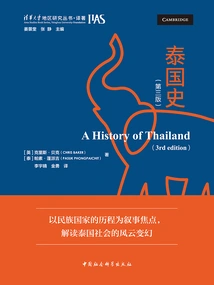
泰国史(第三版)
(english) Chris Baker (thailand) Paso Pompej
Baker and Pompage capture the collision between disparate groups, including urban nationalists, ambitious generals, communist rebels, and business politicians, as they sought control of the nation-state in the 20th century. They trace Thailand's economic changes through the highs and lows of economic prosperity, globalization, and the evolution of mass society. This book sheds light on recent political, social, and economic developments in Thailand, including the 2006 military coup, the violent street politics of May 2010, and the landmark 2011 general election and its aftermath. It reveals how, in Thailand today, the monarchy, the military, business and new popular movements play a role in complex conflicts over the nature and future of democracy in the country.
Baker and Pompage capture the collision between disparate groups, including urban nationalists, ambitious generals, communist rebels, and business politicians, as they sought control of the nation-state in the 20th century. They trace Thailand's economic changes through the highs and lows of economic prosperity, globalization, and the evolution of mass society. This book sheds light on recent political, social, and economic developments in Thailand, including the 2006 military coup, the violent street politics of May 2010, and the landmark 2011 general election and its aftermath. It reveals how, in Thailand today, the monarchy, the military, business and new popular movements play a role in complex conflicts over the nature and future of democracy in the country.
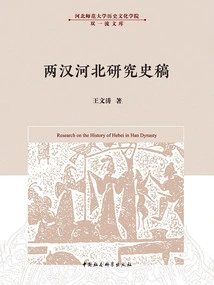
两汉河北研究史稿
Wang Wentao
This book is based on the author's more than a dozen papers and related writings that have been published on the study of Hebei during the Han Dynasty. Integrating and deepening these contents constitutes the main body of this book, and at the same time, attention is paid to absorbing new research results in the academic world and supplementing contents that have not been studied or are weakly studied in the past. This arrangement can present the appearance of Hebei in the Han Dynasty more comprehensively and systematically than the collection of essays. The main issues discussed include: the political overview of Hebei during the Two Han Dynasties and its impact on economic development; the geographical environment of the development of Hebei during the Two Han Dynasties and its relationship with economic development; the administrative regions and population of Hebei during the Two Han Dynasties; the agriculture, handicrafts, cities, transportation and commerce in Hebei during the Two Han Dynasties; the ideology and culture of Hebei during the Two Han Dynasties; the relationship between the development of Hebei during the Two Han Dynasties and the development of the Han Dynasty, etc.
This book is based on the author's more than a dozen papers and related writings that have been published on the study of Hebei during the Han Dynasty. Integrating and deepening these contents constitutes the main body of this book, and at the same time, attention is paid to absorbing new research results in the academic world and supplementing contents that have not been studied or are weakly studied in the past. This arrangement can present the appearance of Hebei in the Han Dynasty more comprehensively and systematically than the collection of essays. The main issues discussed include: the political overview of Hebei during the Two Han Dynasties and its impact on economic development; the geographical environment of the development of Hebei during the Two Han Dynasties and its relationship with economic development; the administrative regions and population of Hebei during the Two Han Dynasties; the agriculture, handicrafts, cities, transportation and commerce in Hebei during the Two Han Dynasties; the ideology and culture of Hebei during the Two Han Dynasties; the relationship between the development of Hebei during the Two Han Dynasties and the development of the Han Dynasty, etc.
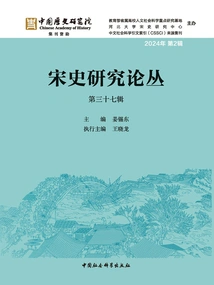
宋史研究论丛(第三十七辑)
Editor-in-chief Jiang Xidong
"Song History Research Series" is a collection of academic papers sponsored by the Song History Research Center of Hebei University, a key research base for humanities and social sciences in provincial universities under the Ministry of Education founded by the late famous historian Qi Xia. This collection focuses on "new materials, new methods, and new perspectives" in academic research, and mainly publishes academic papers in the field of Song history, as well as the history of Liao, Xia, Jin, and Yuan Dynasties. This is the 37th series and includes 35 academic papers, divided into columns such as research on the political system of the Song Dynasty, research on the military history of the Song Dynasty, research on the social and economic history of the Song Dynasty, research on the legal history of the Song Dynasty, research on the cultural history of the Song Dynasty, literature and textual research on the Song Dynasty, research on the history of the Liao, Jin and Yuan Dynasties, and research summaries and reviews. The papers published in this volume either propose new insights through research or textual research, or unearth new historical materials. They are the latest research results on relevant issues in the academic community and can be used as a reference for researchers and enthusiasts of the history of the Song, Liao, Xia, Jin and Yuan Dynasties.
"Song History Research Series" is a collection of academic papers sponsored by the Song History Research Center of Hebei University, a key research base for humanities and social sciences in provincial universities under the Ministry of Education founded by the late famous historian Qi Xia. This collection focuses on "new materials, new methods, and new perspectives" in academic research, and mainly publishes academic papers in the field of Song history, as well as the history of Liao, Xia, Jin, and Yuan Dynasties. This is the 37th series and includes 35 academic papers, divided into columns such as research on the political system of the Song Dynasty, research on the military history of the Song Dynasty, research on the social and economic history of the Song Dynasty, research on the legal history of the Song Dynasty, research on the cultural history of the Song Dynasty, literature and textual research on the Song Dynasty, research on the history of the Liao, Jin and Yuan Dynasties, and research summaries and reviews. The papers published in this volume either propose new insights through research or textual research, or unearth new historical materials. They are the latest research results on relevant issues in the academic community and can be used as a reference for researchers and enthusiasts of the history of the Song, Liao, Xia, Jin and Yuan Dynasties.
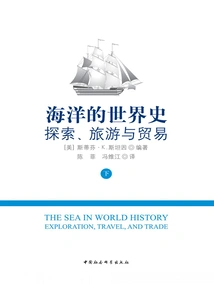
海洋的世界史:探索、旅游与贸易(下)
Z
H
H
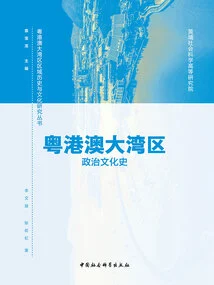
粤港澳大湾区政治文化史
Li Wenyi Zhang Jianhong
This book is a political and cultural history volume in the Guangdong-Hong Kong-Macao Greater Bay Area Regional History and Culture Research Series. The book is divided into three parts: the first, middle and second parts. The first part, "The Guangdong-Hong Kong-Macao Greater Bay Area in Ancient Times", is divided into four chapters to describe the historical changes of the Greater Bay Area in the pre-Qin, Qin and Han, Wei, Jin, Sui and Tang dynasties, the Song, Yuan and Ming and Qing dynasties. The middle part, "The Guangdong-Hong Kong-Macao Greater Bay Area in Modern Times", mainly introduces the invasion of the Greater Bay Area by foreign powers in the modern period and the people in the Greater Bay Area. The process of achieving liberation under the leadership of the Communist Party of China; the second part, "Contemporary Guangdong-Hong Kong-Macao Greater Bay Area", focuses on the arduous exploration of the road of socialist construction led by the party in the Greater Bay Area after the founding of New China, demonstrates the great achievements of the socialist road with Chinese characteristics, and demonstrates the proud achievements of the construction of the Guangdong-Hong Kong-Macao Greater Bay Area in the new era. In the new era, the Guangdong-Hong Kong-Macao Greater Bay Area is accelerating towards the goal of becoming a world-class bay area and a world-class city agglomeration, showing unprecedented vitality. Looking back at the footsteps of the old men of history who have stumbled on this fertile soil for thousands of years, we are filled with emotion. The ups and downs in the past are still worth learning from, and the successes in the past are still worth our faith. The road ahead will become wider and wider!
This book is a political and cultural history volume in the Guangdong-Hong Kong-Macao Greater Bay Area Regional History and Culture Research Series. The book is divided into three parts: the first, middle and second parts. The first part, "The Guangdong-Hong Kong-Macao Greater Bay Area in Ancient Times", is divided into four chapters to describe the historical changes of the Greater Bay Area in the pre-Qin, Qin and Han, Wei, Jin, Sui and Tang dynasties, the Song, Yuan and Ming and Qing dynasties. The middle part, "The Guangdong-Hong Kong-Macao Greater Bay Area in Modern Times", mainly introduces the invasion of the Greater Bay Area by foreign powers in the modern period and the people in the Greater Bay Area. The process of achieving liberation under the leadership of the Communist Party of China; the second part, "Contemporary Guangdong-Hong Kong-Macao Greater Bay Area", focuses on the arduous exploration of the road of socialist construction led by the party in the Greater Bay Area after the founding of New China, demonstrates the great achievements of the socialist road with Chinese characteristics, and demonstrates the proud achievements of the construction of the Guangdong-Hong Kong-Macao Greater Bay Area in the new era. In the new era, the Guangdong-Hong Kong-Macao Greater Bay Area is accelerating towards the goal of becoming a world-class bay area and a world-class city agglomeration, showing unprecedented vitality. Looking back at the footsteps of the old men of history who have stumbled on this fertile soil for thousands of years, we are filled with emotion. The ups and downs in the past are still worth learning from, and the successes in the past are still worth our faith. The road ahead will become wider and wider!
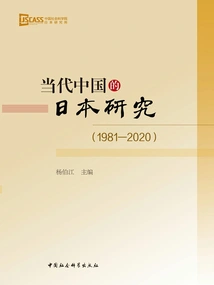
当代中国的日本研究(1981—2020)
Editor-in-chief Yang Bojiang
The Institute of Japan, Chinese Academy of Social Sciences, was established in May 1981 with the approval of the State Council. It is an academic institution and think tank affiliated to the Chinese Academy of Social Sciences that specializes in the study of contemporary Japanese issues. In order to speed up the construction of the subject system, academic system and discourse system of Japanese studies with Chinese characteristics, on the occasion of the 40th anniversary of the establishment of the Japan Institute, we have specially organized the leaders of various disciplines of the institute and appropriately recruited experts from outside the institute to systematically review the relevant research results and disciplinary developments in the nine fields of Japanese politics, economy, diplomacy, Sino-Japanese relations, security, society, culture, history and thought in the past 40 years. On the basis of summarizing the development patterns, main characteristics and existing problems of Japanese studies, we look forward to the future development direction. Discipline review is a basic work for discipline construction. I hope this book will be a reference for domestic and foreign international relations academic circles and promote further innovative development of contemporary Japanese studies.
The Institute of Japan, Chinese Academy of Social Sciences, was established in May 1981 with the approval of the State Council. It is an academic institution and think tank affiliated to the Chinese Academy of Social Sciences that specializes in the study of contemporary Japanese issues. In order to speed up the construction of the subject system, academic system and discourse system of Japanese studies with Chinese characteristics, on the occasion of the 40th anniversary of the establishment of the Japan Institute, we have specially organized the leaders of various disciplines of the institute and appropriately recruited experts from outside the institute to systematically review the relevant research results and disciplinary developments in the nine fields of Japanese politics, economy, diplomacy, Sino-Japanese relations, security, society, culture, history and thought in the past 40 years. On the basis of summarizing the development patterns, main characteristics and existing problems of Japanese studies, we look forward to the future development direction. Discipline review is a basic work for discipline construction. I hope this book will be a reference for domestic and foreign international relations academic circles and promote further innovative development of contemporary Japanese studies.
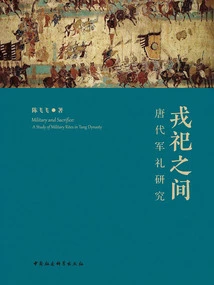
戎祀之间:唐代军礼研究
Chen Feifei
This book mainly studies the content and implementation of military rituals in the Tang Dynasty. Whether they are military rituals that are included in rituals such as "The Kaiyuan Rites of the Tang Dynasty" or other military rituals that are not recorded, in-depth analysis and research are needed to clarify the dialectical relationship between the ritual content and actual practice, and to provide an in-depth interpretation and explanation of its characteristics and significance. Although the discussion in this book focuses on the military rituals of the Tang Dynasty, the narrative process is not limited to the Tang Dynasty, but extends forward and backward, in order to place it within the context of the evolution and development of military rituals throughout the medieval era, fully display the specific details and historical status of its inheritance and evolution, and provide a comprehensive understanding of the military rituals and military rituals of the Tang Dynasty. The relationship between law, military rituals and military music, the social phenomenon of using soldiers as a salute in the Tang Dynasty, and the mixture of vehicle uniforms, bureaucracy, and other good and bad etiquette in the Tang Dynasty military rituals will be demonstrated in detail to comprehensively understand the implementation scope and characteristics of the Tang Dynasty military rituals, as well as the original social history of the Tang Dynasty that it reflects.
This book mainly studies the content and implementation of military rituals in the Tang Dynasty. Whether they are military rituals that are included in rituals such as "The Kaiyuan Rites of the Tang Dynasty" or other military rituals that are not recorded, in-depth analysis and research are needed to clarify the dialectical relationship between the ritual content and actual practice, and to provide an in-depth interpretation and explanation of its characteristics and significance. Although the discussion in this book focuses on the military rituals of the Tang Dynasty, the narrative process is not limited to the Tang Dynasty, but extends forward and backward, in order to place it within the context of the evolution and development of military rituals throughout the medieval era, fully display the specific details and historical status of its inheritance and evolution, and provide a comprehensive understanding of the military rituals and military rituals of the Tang Dynasty. The relationship between law, military rituals and military music, the social phenomenon of using soldiers as a salute in the Tang Dynasty, and the mixture of vehicle uniforms, bureaucracy, and other good and bad etiquette in the Tang Dynasty military rituals will be demonstrated in detail to comprehensively understand the implementation scope and characteristics of the Tang Dynasty military rituals, as well as the original social history of the Tang Dynasty that it reflects.
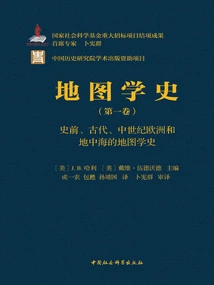
地图学史(第一卷):史前、古代、中世纪欧洲和地中海的地图学史
Q
This volume focuses on the spatial cognition of European prehistoric peoples and their ability to transmit cartographic concepts through media such as petroglyphs; surveying, geodesy, and architectural plans in ancient Egyptian and Near Eastern cartography; the emergence of theoretical and practical cartographic knowledge in the Greco-Roman world; and the diverse cartographic traditions that coexisted during the medieval period. Moreover, by including cosmographic maps and celestial maps among the research objects, it emphasized the inclusiveness of the definition of "map", thereby getting rid of the traditional narrow research scope that only focused on land maps and nautical charts, and thus influenced the writing of subsequent volumes of the series. In addition, the book begins with "The Development of Maps and the History of Cartography" written by Harry as an introduction to the entire series, and Chapter 21, which serves as the conclusion, discusses the ruptures, cognitive transformations and social background in the development of European maps.
This volume focuses on the spatial cognition of European prehistoric peoples and their ability to transmit cartographic concepts through media such as petroglyphs; surveying, geodesy, and architectural plans in ancient Egyptian and Near Eastern cartography; the emergence of theoretical and practical cartographic knowledge in the Greco-Roman world; and the diverse cartographic traditions that coexisted during the medieval period. Moreover, by including cosmographic maps and celestial maps among the research objects, it emphasized the inclusiveness of the definition of "map", thereby getting rid of the traditional narrow research scope that only focused on land maps and nautical charts, and thus influenced the writing of subsequent volumes of the series. In addition, the book begins with "The Development of Maps and the History of Cartography" written by Harry as an introduction to the entire series, and Chapter 21, which serves as the conclusion, discusses the ruptures, cognitive transformations and social background in the development of European maps.
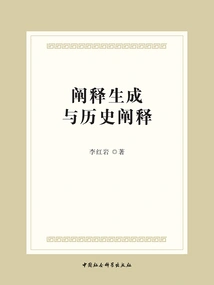
阐释生成与历史阐释
Li Hongyan
This book is based on Marx's saying that "philosophers only explain the world in different ways, and the problem is to change the world." It combines philosophical hermeneutics to examine the theoretical relationship between thinking forms and interpretive behavior, conducts semantic analysis of the basic concepts of hermeneutics, examines the occurrence and initial shape of human interpretive behavior, leads to the generation mechanism and original form of human thought, and extracts the leaping characteristics of civilization development. Reveal the foundational role of perceptual intuition and "seeing" behavior in early human thought, describe the basic process from the emergence of language to the emergence of text, reproduce the conceptual facts of mankind's first great separation of politics and religion and the first great renewal of the relationship between man and God, explore the ideographic nature and cognitive significance of Chinese characters, examine the original form of history and the early gradual relationship between quality and text, and indicate that recording events in poetry is a common practice in the early history of the world. The whole book focuses on examining the generation of interpretive behavior. Through comparison between China and the West, it cites Chinese and Western classics in multi-disciplinary integration, highlighting the unity and commonality of human concepts. The author has a high position, a broad vision, a combination of history and theory, and in-depth thinking. He strives to achieve an organic combination of ideological and academic aspects. It has reference value for historical theory, history of history, history of thought, hermeneutics and other related research.
This book is based on Marx's saying that "philosophers only explain the world in different ways, and the problem is to change the world." It combines philosophical hermeneutics to examine the theoretical relationship between thinking forms and interpretive behavior, conducts semantic analysis of the basic concepts of hermeneutics, examines the occurrence and initial shape of human interpretive behavior, leads to the generation mechanism and original form of human thought, and extracts the leaping characteristics of civilization development. Reveal the foundational role of perceptual intuition and "seeing" behavior in early human thought, describe the basic process from the emergence of language to the emergence of text, reproduce the conceptual facts of mankind's first great separation of politics and religion and the first great renewal of the relationship between man and God, explore the ideographic nature and cognitive significance of Chinese characters, examine the original form of history and the early gradual relationship between quality and text, and indicate that recording events in poetry is a common practice in the early history of the world. The whole book focuses on examining the generation of interpretive behavior. Through comparison between China and the West, it cites Chinese and Western classics in multi-disciplinary integration, highlighting the unity and commonality of human concepts. The author has a high position, a broad vision, a combination of history and theory, and in-depth thinking. He strives to achieve an organic combination of ideological and academic aspects. It has reference value for historical theory, history of history, history of thought, hermeneutics and other related research.
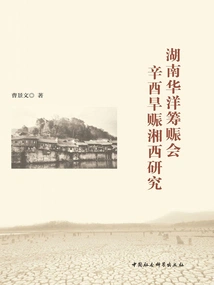
湖南华洋筹赈会辛酉旱赈湘西研究
Cao Jingwen
In the early years of the Republic of China, drought and famine were severe in Xinyou, Hunan, especially in the west of Xiangxi. The Hunan Huayang Relief Association, which was in charge of the relief work, decided to wait for the disaster-stricken counties in western Hunan based on the situation of smoke and seedlings. The officials and gentry in western Hunan made a lot of efforts to obtain funds for the Xinyou Relief Road, and the first construction of the Tanbao section frustrated the hope of relief. The West Road, along with the Central and South Roads who shared the same feelings of injustice, continued to question the Board of Directors while controversies continued on the road boundary around relief issues such as disaster assessment standards, work relief objectives and goals, etc. The overall deep poverty in Xiangxi is actually caused by the long-term corruption of the region by military, banditry, and drug abuse and other social anomies, and cannot be cured by the Huayang Society during the warlord separatist period. Only by relying on the correct guidance of the "targeted poverty alleviation" strategy, the state's strong support for local economy, culture and education and other undertakings, and the burst of the people's endogenous motivation to get rid of poverty, has the overall deep poverty in Western Hunan been completely eliminated today.
In the early years of the Republic of China, drought and famine were severe in Xinyou, Hunan, especially in the west of Xiangxi. The Hunan Huayang Relief Association, which was in charge of the relief work, decided to wait for the disaster-stricken counties in western Hunan based on the situation of smoke and seedlings. The officials and gentry in western Hunan made a lot of efforts to obtain funds for the Xinyou Relief Road, and the first construction of the Tanbao section frustrated the hope of relief. The West Road, along with the Central and South Roads who shared the same feelings of injustice, continued to question the Board of Directors while controversies continued on the road boundary around relief issues such as disaster assessment standards, work relief objectives and goals, etc. The overall deep poverty in Xiangxi is actually caused by the long-term corruption of the region by military, banditry, and drug abuse and other social anomies, and cannot be cured by the Huayang Society during the warlord separatist period. Only by relying on the correct guidance of the "targeted poverty alleviation" strategy, the state's strong support for local economy, culture and education and other undertakings, and the burst of the people's endogenous motivation to get rid of poverty, has the overall deep poverty in Western Hunan been completely eliminated today.
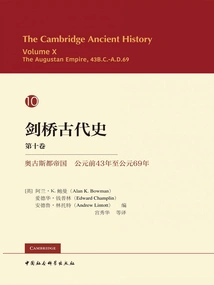
剑桥古代史·第十卷:奥古斯都帝国(公元前43年至公元69年)
(uk) Alan K. Bowman (uk) Edward Champlin (uk) Andrew Lintott
This book mainly discusses the changes in the political system of the Roman state and the establishment of the Roman Empire. It describes the time from the second year of the assassination of Julius Caesar to the second year of the suicide of Nero, the last emperor of the Julian-Claudian dynasty. Chapters 1 to 6 mainly describe the political history of this period. Chapters 7 to 12 discuss and analyze the government system. Chapters 13 to 14 mainly provide a basic overview of various regions in the Roman world during this period. Chapters 15 to 21 cover the most important aspects of Roman social and cultural development during this period (the city of Rome; social structure; art, literature and law). The most outstanding achievement of this period was that Augustus-the first emperor in Roman history and the genius leader behind the political transformation-evolved the republican system of the Roman state into a monarchy ruled by dynastic rule. The reign of Augustus was the peak period of Rome's territorial expansion into the Mediterranean, the Near East and northwest Europe. The comprehensive development of this period created prerequisites for the major achievements of the "High Empire" under the "Pax Romana" (pax romana).
This book mainly discusses the changes in the political system of the Roman state and the establishment of the Roman Empire. It describes the time from the second year of the assassination of Julius Caesar to the second year of the suicide of Nero, the last emperor of the Julian-Claudian dynasty. Chapters 1 to 6 mainly describe the political history of this period. Chapters 7 to 12 discuss and analyze the government system. Chapters 13 to 14 mainly provide a basic overview of various regions in the Roman world during this period. Chapters 15 to 21 cover the most important aspects of Roman social and cultural development during this period (the city of Rome; social structure; art, literature and law). The most outstanding achievement of this period was that Augustus-the first emperor in Roman history and the genius leader behind the political transformation-evolved the republican system of the Roman state into a monarchy ruled by dynastic rule. The reign of Augustus was the peak period of Rome's territorial expansion into the Mediterranean, the Near East and northwest Europe. The comprehensive development of this period created prerequisites for the major achievements of the "High Empire" under the "Pax Romana" (pax romana).
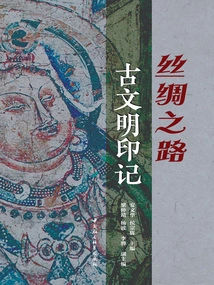
丝绸之路古文明印记
An Wenhua Editor-in-chief Hou Zonghui
Since Zhang Qian's "hollowing out", the thousands-mile-long Silk Road has creatively built a network system for exchanges and interactions between the East and the West. The countless ancient civilization ruins attached to the Silk Road vividly demonstrate the splendid civilization of more than 5,000 years. This book describes the ruins of ancient civilizations embedded on the Silk Road from multiple angles. It not only allows readers to appreciate the role of the Silk Road as a bridge in cultural exchanges and mutual learning between Eastern and Western civilizations, but also helps people deeply understand the birth, development, communication, and mutual influence of ancient Eastern and Western civilizations.
Since Zhang Qian's "hollowing out", the thousands-mile-long Silk Road has creatively built a network system for exchanges and interactions between the East and the West. The countless ancient civilization ruins attached to the Silk Road vividly demonstrate the splendid civilization of more than 5,000 years. This book describes the ruins of ancient civilizations embedded on the Silk Road from multiple angles. It not only allows readers to appreciate the role of the Silk Road as a bridge in cultural exchanges and mutual learning between Eastern and Western civilizations, but also helps people deeply understand the birth, development, communication, and mutual influence of ancient Eastern and Western civilizations.
中国历史文摘(2020年第1期·总第1期)
Editor-in-chief Li Jun
"Chinese Historical Digest" is an academic digest founded by the School of History of Northwest University. It is published once a year by China Social Sciences Press. This article excerpts from the major relevant historical journals, university journals and comprehensive journals published in China from September 2019 to August 2020, and selects masterpieces that put forward innovative insights into the research on major issues in various periods and fields of Chinese history. It overall reflects the progress of Chinese history research in the past year. New breakthroughs in basic theories and basic issues present the latest trends and cutting-edge trends in Chinese history research, adding impetus to the in-depth development of current Chinese history research and the construction of a historical discipline system, academic system, and discourse system with Chinese characteristics, Chinese style, and Chinese style.
"Chinese Historical Digest" is an academic digest founded by the School of History of Northwest University. It is published once a year by China Social Sciences Press. This article excerpts from the major relevant historical journals, university journals and comprehensive journals published in China from September 2019 to August 2020, and selects masterpieces that put forward innovative insights into the research on major issues in various periods and fields of Chinese history. It overall reflects the progress of Chinese history research in the past year. New breakthroughs in basic theories and basic issues present the latest trends and cutting-edge trends in Chinese history research, adding impetus to the in-depth development of current Chinese history research and the construction of a historical discipline system, academic system, and discourse system with Chinese characteristics, Chinese style, and Chinese style.
俄罗斯阿穆尔河(黑龙江)左岸地区古城址研究
(russia) Zabiako Andrei Pavlovich (russia) Zaitsev Nikolay Nikolayevich (russia) Medvedev Vitali Yegorovich
This book is based on the changing process of archaeological culture and national history in the left bank of the Amur River (Heilongjiang) from the early Iron Age to the Middle Ages. It describes the ancient city sites on the left bank of the upper reaches of Heilongjiang, the left bank of the middle reaches of Heilongjiang, the Zeya River Basin, and the lower reaches of Heilongjiang, and compares the materials. Special studies were conducted on nearly thirty ancient cities that have been enriched, investigated and excavated in depth. Under the existing research conditions, the spatiotemporal background and geographical environment of these city sites were restored as much as possible, and important issues such as their cultural heritage status and ethnic nature were discussed in detail. The ancient city sites on the left bank of the Amur River (Heilongjiang) were mainly built by the Yilou, Shiwei, Mohe, Jurchen and other ancient ethnic groups in Northeast China.
This book is based on the changing process of archaeological culture and national history in the left bank of the Amur River (Heilongjiang) from the early Iron Age to the Middle Ages. It describes the ancient city sites on the left bank of the upper reaches of Heilongjiang, the left bank of the middle reaches of Heilongjiang, the Zeya River Basin, and the lower reaches of Heilongjiang, and compares the materials. Special studies were conducted on nearly thirty ancient cities that have been enriched, investigated and excavated in depth. Under the existing research conditions, the spatiotemporal background and geographical environment of these city sites were restored as much as possible, and important issues such as their cultural heritage status and ethnic nature were discussed in detail. The ancient city sites on the left bank of the Amur River (Heilongjiang) were mainly built by the Yilou, Shiwei, Mohe, Jurchen and other ancient ethnic groups in Northeast China.
剑桥古代史·第十三卷:晚期帝国(337—425年)
(uk) Averell Cameron (uk) Peter Garnsey
Volume 13 covers the 4th century AD, from the death of Constantine in 337 to the early 5th century, ending with the reign of Theodosius II (408-450) around 425. During this period, when Theodosius I died in 395, the Roman Empire was divided into eastern and western parts. As seen by the people of that time and the next generation, the Roman army was defeated by the Goths at Hadrian Castle in 378. In 410, Alaric invaded Italy and plundered the city of Rome. This was the first stage of the disintegration of the western part of the Roman Empire. With the beginning of Theodosius II's reign in Constantinople, a more characteristic style of governance in the east emerged. Its governance ability was based on the rapid expansion of the capital. In the 6th century, relying on the energy of Eastern Rome, Justinian launched a war to "reconquer" the west. Crucial to this development was the east's ability to avoid the disintegration that had befallen the west. Several chapters in this volume deal with what happened in Constantinople around 400 AD. By the end of this period the barbarians had settled in the west; in 430 the Vandals crossed the sea from Spain into North Africa and were able to attack Augustine's hometown of Hippo. The long reign of Theodosius II was a period of civilian governance and prosperous markets.
Volume 13 covers the 4th century AD, from the death of Constantine in 337 to the early 5th century, ending with the reign of Theodosius II (408-450) around 425. During this period, when Theodosius I died in 395, the Roman Empire was divided into eastern and western parts. As seen by the people of that time and the next generation, the Roman army was defeated by the Goths at Hadrian Castle in 378. In 410, Alaric invaded Italy and plundered the city of Rome. This was the first stage of the disintegration of the western part of the Roman Empire. With the beginning of Theodosius II's reign in Constantinople, a more characteristic style of governance in the east emerged. Its governance ability was based on the rapid expansion of the capital. In the 6th century, relying on the energy of Eastern Rome, Justinian launched a war to "reconquer" the west. Crucial to this development was the east's ability to avoid the disintegration that had befallen the west. Several chapters in this volume deal with what happened in Constantinople around 400 AD. By the end of this period the barbarians had settled in the west; in 430 the Vandals crossed the sea from Spain into North Africa and were able to attack Augustine's hometown of Hippo. The long reign of Theodosius II was a period of civilian governance and prosperous markets.
地图学史(第二卷第二分册):东亚与东南亚传统社会的地图学史
O
"The History of Cartography of Traditional Societies of East and Southeast Asia" is the second volume of the second volume of the "History of Cartography" series. The Chinese translation of this volume is divided into four parts. The first part first gives a brief summary of Asian prehistoric maps, mainly rock paintings, cosmological maps, and tomb maps; secondly, it is an overall introduction to East Asian cartography, which provides a high-level summary of the scope, terminology, content, academic history, methods and means of East Asian cartography, and the relationship between map images and texts. The second part is the history of Chinese cartography. From the aspects of political culture, measurement, art, and Westernization, it reflects and criticizes the previous research model of Chinese map history that focused on the quantitative end, and proposes a new paradigm for exploring ancient Chinese maps from multiple perspectives starting from the social culture on which they were produced. This part also discusses the ancient Chinese universe schema that has rarely been touched upon by predecessors. The third part is the history of cartography on the Korean Peninsula, Japan and Vietnam. Using time as a clue, it discusses the emergence and development of maps of different scales in various countries, and also analyzes the relevant social and historical background. The fourth part is the history of Southeast Asian cartography, which is divided into three parts: cosmological maps, geographical maps, and nautical maps. Starting from collection and organization, it conducts an in-depth and detailed analysis of the types and cartographic characteristics of the main existing maps in Southeast Asia. This book provides hundreds of rare high-definition pictures of ancient maps in China, more than 40 collection lists of ancient maps from various countries, and more than 100 pages of multilingual references and terminology entries. Excellent research and detailed information make this book a classic study of the history of traditional social cartography in this region to date.
"The History of Cartography of Traditional Societies of East and Southeast Asia" is the second volume of the second volume of the "History of Cartography" series. The Chinese translation of this volume is divided into four parts. The first part first gives a brief summary of Asian prehistoric maps, mainly rock paintings, cosmological maps, and tomb maps; secondly, it is an overall introduction to East Asian cartography, which provides a high-level summary of the scope, terminology, content, academic history, methods and means of East Asian cartography, and the relationship between map images and texts. The second part is the history of Chinese cartography. From the aspects of political culture, measurement, art, and Westernization, it reflects and criticizes the previous research model of Chinese map history that focused on the quantitative end, and proposes a new paradigm for exploring ancient Chinese maps from multiple perspectives starting from the social culture on which they were produced. This part also discusses the ancient Chinese universe schema that has rarely been touched upon by predecessors. The third part is the history of cartography on the Korean Peninsula, Japan and Vietnam. Using time as a clue, it discusses the emergence and development of maps of different scales in various countries, and also analyzes the relevant social and historical background. The fourth part is the history of Southeast Asian cartography, which is divided into three parts: cosmological maps, geographical maps, and nautical maps. Starting from collection and organization, it conducts an in-depth and detailed analysis of the types and cartographic characteristics of the main existing maps in Southeast Asia. This book provides hundreds of rare high-definition pictures of ancient maps in China, more than 40 collection lists of ancient maps from various countries, and more than 100 pages of multilingual references and terminology entries. Excellent research and detailed information make this book a classic study of the history of traditional social cartography in this region to date.
东北古代历史文化论稿
Wang Wenyi
This book is divided into three parts: the upper, middle and lower parts. The first part, "Ancient Nations and Early States," not only involves case studies on the historical and geographical issues of the ancient peoples in Northeast China, but also reviews and summarizes relevant theories on the origin and formation of early states, as well as specifically sorting out the current status of research on the origins of early states in the western Liaoning region. The middle volume of "Archaeological Culture and Historical Relics" focuses on archaeological materials such as jade ritual vessels, tombs, city sites, settlements, and ancient pagodas. It focuses on issues such as the origin of rituals, social forms, ancient architecture, and the relationship between man and land in the Northeast. It also uses the evaluation of tourism resources of local historical relics as a case to tentatively explore ways to protect and develop cultural relics. The second part, "Regional Culture and Historical Documents", takes the origin and connotation of place names and ancient ethnic titles as the starting point, focuses on discussing the regional cultural symbols of the Northeast, and combs or updates the relevant official historical documents and local chronicles of the ancient ethnic groups in the Northeast.
This book is divided into three parts: the upper, middle and lower parts. The first part, "Ancient Nations and Early States," not only involves case studies on the historical and geographical issues of the ancient peoples in Northeast China, but also reviews and summarizes relevant theories on the origin and formation of early states, as well as specifically sorting out the current status of research on the origins of early states in the western Liaoning region. The middle volume of "Archaeological Culture and Historical Relics" focuses on archaeological materials such as jade ritual vessels, tombs, city sites, settlements, and ancient pagodas. It focuses on issues such as the origin of rituals, social forms, ancient architecture, and the relationship between man and land in the Northeast. It also uses the evaluation of tourism resources of local historical relics as a case to tentatively explore ways to protect and develop cultural relics. The second part, "Regional Culture and Historical Documents", takes the origin and connotation of place names and ancient ethnic titles as the starting point, focuses on discussing the regional cultural symbols of the Northeast, and combs or updates the relevant official historical documents and local chronicles of the ancient ethnic groups in the Northeast.
寸方古今,图呈万象:国家图书馆藏古旧舆图研究
Bai Hongye Editor-in-chief Weng Yingfang
The National Library of China's collection of ancient Chinese maps is second to none. Based on the collection and research of ancient Chinese maps collected by the National Library, combined with relevant materials, this book conducts an in-depth discussion of the development context of various thematic maps in ancient China. Based on this, it selects maps from the collection of ancient Chinese maps in the National Library that can represent the development context of each thematic map and introduces them specifically, thereby displaying the development context of ancient Chinese maps more comprehensively and comprehensively. This book contains a total of 59 papers by members of the Map Group of the National Library. It comprehensively displays the appearance of traditional maps from multiple angles, including the business work of national maps, a comprehensive overview of ancient maps, and the origin and flow of thematic maps. It also introduces the long-term map work of the National Library.
The National Library of China's collection of ancient Chinese maps is second to none. Based on the collection and research of ancient Chinese maps collected by the National Library, combined with relevant materials, this book conducts an in-depth discussion of the development context of various thematic maps in ancient China. Based on this, it selects maps from the collection of ancient Chinese maps in the National Library that can represent the development context of each thematic map and introduces them specifically, thereby displaying the development context of ancient Chinese maps more comprehensively and comprehensively. This book contains a total of 59 papers by members of the Map Group of the National Library. It comprehensively displays the appearance of traditional maps from multiple angles, including the business work of national maps, a comprehensive overview of ancient maps, and the origin and flow of thematic maps. It also introduces the long-term map work of the National Library.
张树声奏稿校证
Du Hongchun
"Zhang Jingda Gong's Memorial" has eight volumes. The first volume was engraved in the 25th year of Guangxu's reign. It is included in the first series of "Modern Chinese Historical Materials Series". It contains 10 "Wuzhong Manuscripts", 32 "Guihai Manuscripts", 37 "Lingnan Preliminary Manuscripts", 31 "Ji Fu Manuscripts" and 33 "Lingnan Later Manuscripts". There are 143 articles in total, covering a series of major issues such as politics, economy, military, diplomacy, ethnicity, people's livelihood, and local security. The whole book truly records Zhang Shusheng's efforts during his tenure as governor of Jiangsu, governor of Guangdong and Guangxi, and acting governor of Zhili and minister of Beiyang. The contributions and achievements made by the old system, sending troops to Korea, and resisting foreign aggression fully demonstrate the management of border areas by the Qing Dynasty and local officials. It has extensive content and rich historical materials. It is a reliable and complete text for studying modern Chinese history and Chinese border history.
"Zhang Jingda Gong's Memorial" has eight volumes. The first volume was engraved in the 25th year of Guangxu's reign. It is included in the first series of "Modern Chinese Historical Materials Series". It contains 10 "Wuzhong Manuscripts", 32 "Guihai Manuscripts", 37 "Lingnan Preliminary Manuscripts", 31 "Ji Fu Manuscripts" and 33 "Lingnan Later Manuscripts". There are 143 articles in total, covering a series of major issues such as politics, economy, military, diplomacy, ethnicity, people's livelihood, and local security. The whole book truly records Zhang Shusheng's efforts during his tenure as governor of Jiangsu, governor of Guangdong and Guangxi, and acting governor of Zhili and minister of Beiyang. The contributions and achievements made by the old system, sending troops to Korea, and resisting foreign aggression fully demonstrate the management of border areas by the Qing Dynasty and local officials. It has extensive content and rich historical materials. It is a reliable and complete text for studying modern Chinese history and Chinese border history.
两宋国家与地方社会研究
Diao Peijun
The topics of this book include reflections on the hypothesis of "social changes in the Tang and Song Dynasties" and "historical China" from a regional perspective, rural elites and social control in the Song Dynasty, the daily life of villagers in the Song Dynasty from the perspective of official rule and civilian rule, and the male-oriented writing orientation of women in the Song Dynasty towards Confucianism. The persistence and breakthrough of the concept of family ethics, the "local society" in the southeast of the Song Dynasty based on the approach of regional history, the performance of Xiangxu in the process of taxation and conscription, etc. The collected book review texts are an exploration of the teaching model under the "Intensive Reading of a Book" project by the author in recent years. This book considers "region" and "China" from the perspective of "historical China" under a holistic view of history, focusing on problem awareness, vision, documents, structure, and diction. It shows the author's efforts to inherit the classical tradition, think about the digitization of documents, and the existing and future paths of historical research in the era of discipline integration, and how to better pursue profound works and cultivate high-quality graduate students in today's realistic situation.
The topics of this book include reflections on the hypothesis of "social changes in the Tang and Song Dynasties" and "historical China" from a regional perspective, rural elites and social control in the Song Dynasty, the daily life of villagers in the Song Dynasty from the perspective of official rule and civilian rule, and the male-oriented writing orientation of women in the Song Dynasty towards Confucianism. The persistence and breakthrough of the concept of family ethics, the "local society" in the southeast of the Song Dynasty based on the approach of regional history, the performance of Xiangxu in the process of taxation and conscription, etc. The collected book review texts are an exploration of the teaching model under the "Intensive Reading of a Book" project by the author in recent years. This book considers "region" and "China" from the perspective of "historical China" under a holistic view of history, focusing on problem awareness, vision, documents, structure, and diction. It shows the author's efforts to inherit the classical tradition, think about the digitization of documents, and the existing and future paths of historical research in the era of discipline integration, and how to better pursue profound works and cultivate high-quality graduate students in today's realistic situation.
小英雄:八十年后
Writerkhqml0
"Little Hero: Eighty Years Later" tells the story of a young man who returned to a historic city on the 80th anniversary of the victory of the Anti-Japanese War, visited the Revolutionary Memorial Hall and talked with a veteran. In the dialogue with the veterans, the young people learned about the "little heroes" who were only teenagers during the Anti-Japanese War. They walked out of poor families and joined the revolution, sacrificing their youth and lives for the liberation of the nation and the hope of the future. The deeds of these heroes deeply touched the young man. In his memory and admiration, he realized the firm belief and fearless spirit of the revolutionary martyrs. Through this period of historical review, young people not only re-understood that forgotten history, but also vowed to continue to pass on the revolutionary fire and contribute their strength to the country and the people.
"Little Hero: Eighty Years Later" tells the story of a young man who returned to a historic city on the 80th anniversary of the victory of the Anti-Japanese War, visited the Revolutionary Memorial Hall and talked with a veteran. In the dialogue with the veterans, the young people learned about the "little heroes" who were only teenagers during the Anti-Japanese War. They walked out of poor families and joined the revolution, sacrificing their youth and lives for the liberation of the nation and the hope of the future. The deeds of these heroes deeply touched the young man. In his memory and admiration, he realized the firm belief and fearless spirit of the revolutionary martyrs. Through this period of historical review, young people not only re-understood that forgotten history, but also vowed to continue to pass on the revolutionary fire and contribute their strength to the country and the people.
旅俄华侨史料汇编增补
Editor-in-chief Ning Yanhong
This book is divided into two parts: domestic and foreign. At home, it mainly contains archives of Heihe City and Huma County, important passages to Russia in the Sino-Russian border areas, Harbin, a transit station to Russia, and archives of the Heilongjiang Provincial Archives. It also contains government official letters and documents during the Republic of China. Historical materials such as service petitions, official documents, cases of major events, diplomatic notes, and border affairs statements have been compiled and studied; abroad, archival materials are mainly concentrated in Khabarovsk and Vladivostok, cities in the Far East with a large number of overseas Chinese in Russia. The contents of this book include official documents, telegrams, meeting minutes, personal archives, reports and reports of the Soviet delegation's visits, etc. This book records a period of history from different perspectives of China and Russia (Soviet Union), restores the history and reality of overseas Chinese in Russia, and reproduces the expatriate policies, living conditions, economic and cultural activities of expatriates, community organization activities, foreign policy, customs and taxation, border affairs, etc. In China and Russia (Soviet Union). It truly shows the historical footprint and development of this special group of overseas Chinese in Russia through Chinese and Russian historical materials.
This book is divided into two parts: domestic and foreign. At home, it mainly contains archives of Heihe City and Huma County, important passages to Russia in the Sino-Russian border areas, Harbin, a transit station to Russia, and archives of the Heilongjiang Provincial Archives. It also contains government official letters and documents during the Republic of China. Historical materials such as service petitions, official documents, cases of major events, diplomatic notes, and border affairs statements have been compiled and studied; abroad, archival materials are mainly concentrated in Khabarovsk and Vladivostok, cities in the Far East with a large number of overseas Chinese in Russia. The contents of this book include official documents, telegrams, meeting minutes, personal archives, reports and reports of the Soviet delegation's visits, etc. This book records a period of history from different perspectives of China and Russia (Soviet Union), restores the history and reality of overseas Chinese in Russia, and reproduces the expatriate policies, living conditions, economic and cultural activities of expatriates, community organization activities, foreign policy, customs and taxation, border affairs, etc. In China and Russia (Soviet Union). It truly shows the historical footprint and development of this special group of overseas Chinese in Russia through Chinese and Russian historical materials.
毛泽东与抗美援朝(毛泽东、周恩来与抗美援朝)
Shi Zhongquan
The War to Resist U. S. Aggression and Aid Korea is an important period of history after the founding of the People's Republic of China. To commemorate the 70th anniversary of the victory of the War to Resist U. S. Aggression and Aid Korea, Shi Zhongquan, a well-known expert on the history of the Communist Party of China, based on his years of in-depth research on the history of the Communist Party of China and the War to Resist U. S. Aggression and Aid Korea, wrote a popular reading book on the history of the Party about this magnificent history - "Mao Zedong, Zhou Enlai and the Resistance to U. S. Aggression and Aid Korea" series. "Mao Zedong and the Resistance to Resist U. S. Aggression and Aid Korea" is one of the series.
The War to Resist U. S. Aggression and Aid Korea is an important period of history after the founding of the People's Republic of China. To commemorate the 70th anniversary of the victory of the War to Resist U. S. Aggression and Aid Korea, Shi Zhongquan, a well-known expert on the history of the Communist Party of China, based on his years of in-depth research on the history of the Communist Party of China and the War to Resist U. S. Aggression and Aid Korea, wrote a popular reading book on the history of the Party about this magnificent history - "Mao Zedong, Zhou Enlai and the Resistance to U. S. Aggression and Aid Korea" series. "Mao Zedong and the Resistance to Resist U. S. Aggression and Aid Korea" is one of the series.
周恩来与抗美援朝(毛泽东、周恩来与抗美援朝)
Shi Zhongquan
The War to Resist U. S. Aggression and Aid Korea was an important period of history after the founding of the People's Republic of China. To commemorate the 70th anniversary of the victory of the War to Resist U. S. Aggression and Aid Korea, Shi Zhongquan, a well-known expert on the history of the Communist Party of China, based on his years of in-depth research on the history of the Communist Party of China and the War to Resist U. S. Aggression and Aid Korea, wrote a popular book about the history of the Party - "Mao Zedong, Zhou Enlai and the Resistance to U. S. Aggression and Aid Korea" series. "Zhou Enlai and the Resistance to U. S. Aggression and Aid Korea" is one of the series.
The War to Resist U. S. Aggression and Aid Korea was an important period of history after the founding of the People's Republic of China. To commemorate the 70th anniversary of the victory of the War to Resist U. S. Aggression and Aid Korea, Shi Zhongquan, a well-known expert on the history of the Communist Party of China, based on his years of in-depth research on the history of the Communist Party of China and the War to Resist U. S. Aggression and Aid Korea, wrote a popular book about the history of the Party - "Mao Zedong, Zhou Enlai and the Resistance to U. S. Aggression and Aid Korea" series. "Zhou Enlai and the Resistance to U. S. Aggression and Aid Korea" is one of the series.
崇祯:从励精求治到民心日离
Wu Feng
At the end of the Ming Dynasty, the Jurchens outside Shanhaiguan rose up, and the fire of civil unrest within the Shanhaiguan ignited throughout the hinterland of the Central Plains. Emperor Chongzhen, the last king of the Ming Dynasty, led his ministers to fight the fire everywhere like a fire captain. However, contrary to expectations, Emperor Chongzhen's hard work and vigilance failed to usher in the dawn of resurgence for the crumbling empire. Instead, the fire of national subjugation became more and more fierce, and the Ming Dynasty ended with the emperor's death. Emperor Chongzhen was diligent and self-denial throughout his life, and even until his death he felt that he should not be the "king of the country's subjugation." However, the people under his rule chanted "Chongzhen, Chongzhen, re-conquer every year" while devoting all their enthusiasm to the "rebellious ministers and traitors" who did not push for food. The Chongzhen Dynasty had no shortage of loyal and patriotic ministers who "went to the end of the civil service to advise and the military to fight", but in the eyes of Emperor Chongzhen, all officials were "killable both civil and military." Which one is the truth? The fog of history is blocking our eyes, just waiting for you to reach out and push it away.
At the end of the Ming Dynasty, the Jurchens outside Shanhaiguan rose up, and the fire of civil unrest within the Shanhaiguan ignited throughout the hinterland of the Central Plains. Emperor Chongzhen, the last king of the Ming Dynasty, led his ministers to fight the fire everywhere like a fire captain. However, contrary to expectations, Emperor Chongzhen's hard work and vigilance failed to usher in the dawn of resurgence for the crumbling empire. Instead, the fire of national subjugation became more and more fierce, and the Ming Dynasty ended with the emperor's death. Emperor Chongzhen was diligent and self-denial throughout his life, and even until his death he felt that he should not be the "king of the country's subjugation." However, the people under his rule chanted "Chongzhen, Chongzhen, re-conquer every year" while devoting all their enthusiasm to the "rebellious ministers and traitors" who did not push for food. The Chongzhen Dynasty had no shortage of loyal and patriotic ministers who "went to the end of the civil service to advise and the military to fight", but in the eyes of Emperor Chongzhen, all officials were "killable both civil and military." Which one is the truth? The fog of history is blocking our eyes, just waiting for you to reach out and push it away.
史学视野下的红学研究
Guo Shili Et Al.
Under the multiple perspectives of "New Historiography", "New Sinology" and "New Song Dynasty", Redology shows different features. To some extent, a history of the development of Redology can be described as a microcosm of Chinese academic history. In the process of "A Dream of Red Mansions" from an academic classic to a literary classic and then to a cultural classic, modern history has played an important role in promoting it. In the history of the development of Red Studies, New Sinology, represented by Hu Shi, used textual criticism methods to lay the basic framework for the development of New Red Studies from the perspective of the author's life experience, editions, etc. The historical materialism of New Historiography attaches great importance to the exploration and exploration of the literary value of "A Dream of Red Mansions" on the basis of inheriting the achievements of New Sinology. The New Song Dynasty is based on the intentional correction of New Sinology in the context of traditional culture. The research on "Dream of Red Mansions" since the new era is guided by Marxism and fully explores the profound cultural heritage contained in "Dream of Red Mansions" as a cultural classic. The development of modern red studies from the perspective of history roughly follows the evolution of Chinese academic culture from tradition to modernity, from Western science to Marxism, and finally to the combination of Marxism and traditional culture.
Under the multiple perspectives of "New Historiography", "New Sinology" and "New Song Dynasty", Redology shows different features. To some extent, a history of the development of Redology can be described as a microcosm of Chinese academic history. In the process of "A Dream of Red Mansions" from an academic classic to a literary classic and then to a cultural classic, modern history has played an important role in promoting it. In the history of the development of Red Studies, New Sinology, represented by Hu Shi, used textual criticism methods to lay the basic framework for the development of New Red Studies from the perspective of the author's life experience, editions, etc. The historical materialism of New Historiography attaches great importance to the exploration and exploration of the literary value of "A Dream of Red Mansions" on the basis of inheriting the achievements of New Sinology. The New Song Dynasty is based on the intentional correction of New Sinology in the context of traditional culture. The research on "Dream of Red Mansions" since the new era is guided by Marxism and fully explores the profound cultural heritage contained in "Dream of Red Mansions" as a cultural classic. The development of modern red studies from the perspective of history roughly follows the evolution of Chinese academic culture from tradition to modernity, from Western science to Marxism, and finally to the combination of Marxism and traditional culture.
抚东奏稿(全2册)
(qing Dynasty) Written By Yan Jingming, Edited By The Editorial Office Of "modern History Materials" Of The Institute Of Modern History, Chinese Academy Of Social Sciences
"Fudong Memorial" is a document reported to the central government of the Qing Dynasty by Yan Jingming, the governor of Shandong, between the second year (1863) and the fifth year (1866) of Tongzhi in the Qing Dynasty. The content covers Shandong's politics and military, local people's money and grain, officials' management of people's livelihood, water transportation and water affairs, disaster relief lawsuits, Yuze grain prices and other aspects during this period. It is an important historical material for understanding and studying the history of the late Qing Dynasty. Yan Jingming was a famous governor in the late Qing Dynasty and was also regarded as an expert in financial management. His various actions as governor of Shandong are important historical materials for studying local affairs in Shandong and the relationship between the central and local governments in the late Qing Dynasty. They are also of great reference value for understanding and studying his later measures, methods and actions as the Minister of Household Affairs and in charge of the Qing government's finances. This time of proofreading, we checked the manuscripts stored in the Modern History Data Compilation Room and the manuscripts kept by the Modern History Institute, corrected errors, added and omitted, and rearranged the order.
"Fudong Memorial" is a document reported to the central government of the Qing Dynasty by Yan Jingming, the governor of Shandong, between the second year (1863) and the fifth year (1866) of Tongzhi in the Qing Dynasty. The content covers Shandong's politics and military, local people's money and grain, officials' management of people's livelihood, water transportation and water affairs, disaster relief lawsuits, Yuze grain prices and other aspects during this period. It is an important historical material for understanding and studying the history of the late Qing Dynasty. Yan Jingming was a famous governor in the late Qing Dynasty and was also regarded as an expert in financial management. His various actions as governor of Shandong are important historical materials for studying local affairs in Shandong and the relationship between the central and local governments in the late Qing Dynasty. They are also of great reference value for understanding and studying his later measures, methods and actions as the Minister of Household Affairs and in charge of the Qing government's finances. This time of proofreading, we checked the manuscripts stored in the Modern History Data Compilation Room and the manuscripts kept by the Modern History Institute, corrected errors, added and omitted, and rearranged the order.
新文化运动百年纪念文选(全2册)
Tao Dongfeng, Zhang Yunyan, Wu Yuyu
This book is a collection of representative papers on the re-evaluation of the New Culture Movement over the past 20 years, edited by Professor Tao Dongfeng and others. The New Culture Movement was a social reform movement and ideological and cultural enlightenment movement initiated by a group of Western-educated intellectuals in the early 20th century. Since Chen Duxiu founded the magazine "New Youth" and launched the New Culture Movement in 1915, the centenary reflection on the New Culture Movement has become a hot topic in Chinese academic circles. Around this hot spot, different trends of thought have made different voices, putting forward their own unique views on re-evaluating the New Culture Movement. This book adheres to an objective and neutral stance and tries its best to include representative papers from various stances, so it has high historical value.
This book is a collection of representative papers on the re-evaluation of the New Culture Movement over the past 20 years, edited by Professor Tao Dongfeng and others. The New Culture Movement was a social reform movement and ideological and cultural enlightenment movement initiated by a group of Western-educated intellectuals in the early 20th century. Since Chen Duxiu founded the magazine "New Youth" and launched the New Culture Movement in 1915, the centenary reflection on the New Culture Movement has become a hot topic in Chinese academic circles. Around this hot spot, different trends of thought have made different voices, putting forward their own unique views on re-evaluating the New Culture Movement. This book adheres to an objective and neutral stance and tries its best to include representative papers from various stances, so it has high historical value.