Library
Browse and search books
358 novels found
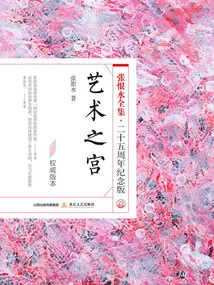
艺术之宫(张恨水全集·25周年纪念版)
Zhang Henshui
This book tells the story of the young girl Li Xiuer. Li Xiuer comes from a poor family, and her father Li Sansheng used to make a living by performing "ghost fighting" on the streets, but unexpectedly fell ill. Introduced by several neighbor girls, Li Xiuer went to an art school to work as a nude female model without telling her father. She also worked as a model in the Art Palace organized by the school teacher, and her life improved. But when Li Sansheng learned about Li Xiuer's work, he was very angry and abandoned his home. He picked up his old business of "ghost fighting", but died of exhaustion on the street. Li Xiuer met Duan Tiande, a student at school. Duan Tiande fell in love with her at first, but was abandoned by him and eventually went crazy.
This book tells the story of the young girl Li Xiuer. Li Xiuer comes from a poor family, and her father Li Sansheng used to make a living by performing "ghost fighting" on the streets, but unexpectedly fell ill. Introduced by several neighbor girls, Li Xiuer went to an art school to work as a nude female model without telling her father. She also worked as a model in the Art Palace organized by the school teacher, and her life improved. But when Li Sansheng learned about Li Xiuer's work, he was very angry and abandoned his home. He picked up his old business of "ghost fighting", but died of exhaustion on the street. Li Xiuer met Duan Tiande, a student at school. Duan Tiande fell in love with her at first, but was abandoned by him and eventually went crazy.
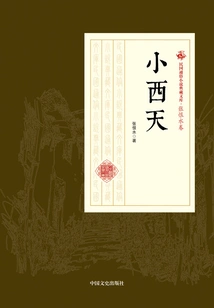
Xiao Xitian (collection of Popular Novels of the Republic of China·zhang Henshui Volume)
General Fiction小西天(民国通俗小说典藏文库·张恨水卷)
Zhang Henshui
During the Republic of China, intellectual Cheng Zhiqian and job seekers Li Shilian, Zhang Jiefu and others took a German car to Xi'an and settled in the most luxurious hotel in the city, "Xiao Xitian". In Xiaoxitian, Li Shilian and Zhang Jiefu learned that Cheng Zhiqian had relationships with many senior officials in Shaanxi, so they fawned over Zhiqian and were despised by Zhiqian. Jia Duocai, a banker living in "Xiaoxitian", fell in love with Hu Yueying, a woman who had fled from Gansu, and wanted to buy it. Wang Beihai, a student of Cheng Zhiqian, also fell in love with Hu Yueying, which led to various troubles. Li Shilian, Zhang Jiefu and the down-and-out girl Yang Huanhua all wanted Jia Duocai, so they worked together to accomplish this for Jia Duocai. However, Jia Duocai was not at peace after buying Hu Yueying, and thus got into trouble with the commissioner's wife. At the same time, he asked Wang Beihai for bank business, and finally let Yueying go. Yueying and Beihai finally got married, while Cheng Zhiqian left Xiaoxitian and continued his inspection trip to the northwest. The most exclusive hotel in Xi'an, "Xiao Xitian", is still hosting all kinds of people, and stories of joys and sorrows are happening there.
During the Republic of China, intellectual Cheng Zhiqian and job seekers Li Shilian, Zhang Jiefu and others took a German car to Xi'an and settled in the most luxurious hotel in the city, "Xiao Xitian". In Xiaoxitian, Li Shilian and Zhang Jiefu learned that Cheng Zhiqian had relationships with many senior officials in Shaanxi, so they fawned over Zhiqian and were despised by Zhiqian. Jia Duocai, a banker living in "Xiaoxitian", fell in love with Hu Yueying, a woman who had fled from Gansu, and wanted to buy it. Wang Beihai, a student of Cheng Zhiqian, also fell in love with Hu Yueying, which led to various troubles. Li Shilian, Zhang Jiefu and the down-and-out girl Yang Huanhua all wanted Jia Duocai, so they worked together to accomplish this for Jia Duocai. However, Jia Duocai was not at peace after buying Hu Yueying, and thus got into trouble with the commissioner's wife. At the same time, he asked Wang Beihai for bank business, and finally let Yueying go. Yueying and Beihai finally got married, while Cheng Zhiqian left Xiaoxitian and continued his inspection trip to the northwest. The most exclusive hotel in Xi'an, "Xiao Xitian", is still hosting all kinds of people, and stories of joys and sorrows are happening there.
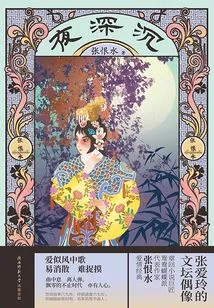
Deep Night
General Fiction夜深沉
Zhang Henshui
"Deep Night" is one of Zhang Henshui's classic masterpieces. Fortunately, the orphan Queen Yuerong received help from everyone and became famous. Seeing that all the hardships are over, happiness comes, but because of a little vanity, he mistakenly believes in the sweet words of the dandy, and he is trapped in a pit of fire, unable to escape. The chivalrous men Ding Er and Yue Rong are infatuated, but they are manipulated by the powerful and money. Not only is their dream difficult to realize, but they are also forced to destroy their families. There is nowhere to stay in the vast land. The night is deep, and so is the love... The author uses the title of the song "Deep Night" as the title of the book, and it runs throughout the novel, becoming the link between the joys and sorrows of the hero and heroine and the clue to the development of the plot. Not only do most of the scenes in the novel take place in the deep night, but the tone of the novel is dark, cold and desolate. The "deep night" symbolizes the tragic fate of Ding Erhe and Wang Yuerong, revealing the cold darkness of society at that time.
"Deep Night" is one of Zhang Henshui's classic masterpieces. Fortunately, the orphan Queen Yuerong received help from everyone and became famous. Seeing that all the hardships are over, happiness comes, but because of a little vanity, he mistakenly believes in the sweet words of the dandy, and he is trapped in a pit of fire, unable to escape. The chivalrous men Ding Er and Yue Rong are infatuated, but they are manipulated by the powerful and money. Not only is their dream difficult to realize, but they are also forced to destroy their families. There is nowhere to stay in the vast land. The night is deep, and so is the love... The author uses the title of the song "Deep Night" as the title of the book, and it runs throughout the novel, becoming the link between the joys and sorrows of the hero and heroine and the clue to the development of the plot. Not only do most of the scenes in the novel take place in the deep night, but the tone of the novel is dark, cold and desolate. The "deep night" symbolizes the tragic fate of Ding Erhe and Wang Yuerong, revealing the cold darkness of society at that time.
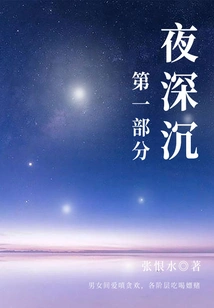
Deep Night·part 1 (zhang Henshui's Classic Novel)
General Fiction夜深沉·第一部分(张恨水经典长篇)
Zhang Henshui
"Deep Night" is one of Zhang Henshui's best novels. It was Zhang Henshui's work at the peak of his creative period. By describing the emotional entanglement between the coachman Dingjihe and the singing queen Yuerong, the plot is twists and turns and exciting; it explores human nature deeply and thoroughly; and the psychological portrayal of the hero and heroine is particularly delicate. "Deep Night" was originally the title of a piece of "Yu Ji Dances with the Sword" in the opera "Farewell My Concubine". Zhang Henshui ingeniously integrated this erhu music throughout the novel, becoming a link between the joys and sorrows of the male and female protagonists and a clue to the development of the plot. Not only do most of the scenes in the novel take place in the deep night, but the tone of the novel is dark, cold and desolate. "Dark Night" symbolizes the tragic fate of Ding Erhe and Wang Yuerong, reveals the cold darkness of society, and tries its best to expose the evils of prostitution, gambling, eating, drinking and entertainment at all levels of society. The erotic stories about love, anger, greed, and pleasure between men and women are particularly delicate in their writing. The writing and emotion complement each other, the plot is extremely intense and lively, and the characters are all colorful. Zhang Henshui (May 18, 1895 - February 15, 1967), whose original name was Xinyuan, Henshui was his pen name, which was taken from the poem "Meeting Happily" written by Li Yu in the Southern Tang Dynasty, which means "I will grow up in life and hate the water in the east". Zhang Henshui is a famous chapter novelist and a representative writer of the Mandarin Duck and Butterfly School. He is honored as the first "master of chapter novels" and "master of popular literature" in the history of modern literature. The plot of the work is tortuous and complex, and the structure is rigorous and complete. It integrates traditional Chinese chapter novels with new techniques in Western novels. He is also famous for his prolific output. In his fifty-year writing career, he created more than 100 popular novels, most of which are medium and long chapter novels with a total of 30 million words, which can be regarded as a book in his lifetime.
"Deep Night" is one of Zhang Henshui's best novels. It was Zhang Henshui's work at the peak of his creative period. By describing the emotional entanglement between the coachman Dingjihe and the singing queen Yuerong, the plot is twists and turns and exciting; it explores human nature deeply and thoroughly; and the psychological portrayal of the hero and heroine is particularly delicate. "Deep Night" was originally the title of a piece of "Yu Ji Dances with the Sword" in the opera "Farewell My Concubine". Zhang Henshui ingeniously integrated this erhu music throughout the novel, becoming a link between the joys and sorrows of the male and female protagonists and a clue to the development of the plot. Not only do most of the scenes in the novel take place in the deep night, but the tone of the novel is dark, cold and desolate. "Dark Night" symbolizes the tragic fate of Ding Erhe and Wang Yuerong, reveals the cold darkness of society, and tries its best to expose the evils of prostitution, gambling, eating, drinking and entertainment at all levels of society. The erotic stories about love, anger, greed, and pleasure between men and women are particularly delicate in their writing. The writing and emotion complement each other, the plot is extremely intense and lively, and the characters are all colorful. Zhang Henshui (May 18, 1895 - February 15, 1967), whose original name was Xinyuan, Henshui was his pen name, which was taken from the poem "Meeting Happily" written by Li Yu in the Southern Tang Dynasty, which means "I will grow up in life and hate the water in the east". Zhang Henshui is a famous chapter novelist and a representative writer of the Mandarin Duck and Butterfly School. He is honored as the first "master of chapter novels" and "master of popular literature" in the history of modern literature. The plot of the work is tortuous and complex, and the structure is rigorous and complete. It integrates traditional Chinese chapter novels with new techniques in Western novels. He is also famous for his prolific output. In his fifty-year writing career, he created more than 100 popular novels, most of which are medium and long chapter novels with a total of 30 million words, which can be regarded as a book in his lifetime.
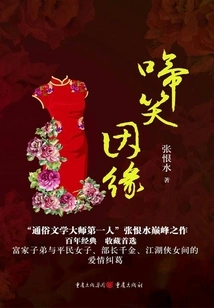
Cause of Laughter
General Fiction啼笑因缘
Zhang Henshui
"The Cause of Laughter" is one of Zhang Henshui's most influential masterpieces. "The Cause of Laughter" tells the story of Fan Jiashu, a young man from a wealthy family in the south of the Yangtze River, who came to Beijing in Beijing during the reign of the Beiyang Warlords, and fell in love with Shen Fengxi, a Tianqiao drum calligraphy artist, at first sight, and they fell in love with each other. Warlord General Liu took a fancy to Shen Fengxi and forced her to become his concubine. Shen Fengxi succumbed to his coercion and inducement. The book is interspersed with the emotional entanglements between Fan Jiashu and the civilian chivalrous lady Guan Xiugu, and the daughter of the Beiyang government's chief financial officer, He Lina.
"The Cause of Laughter" is one of Zhang Henshui's most influential masterpieces. "The Cause of Laughter" tells the story of Fan Jiashu, a young man from a wealthy family in the south of the Yangtze River, who came to Beijing in Beijing during the reign of the Beiyang Warlords, and fell in love with Shen Fengxi, a Tianqiao drum calligraphy artist, at first sight, and they fell in love with each other. Warlord General Liu took a fancy to Shen Fengxi and forced her to become his concubine. Shen Fengxi succumbed to his coercion and inducement. The book is interspersed with the emotional entanglements between Fan Jiashu and the civilian chivalrous lady Guan Xiugu, and the daughter of the Beiyang government's chief financial officer, He Lina.
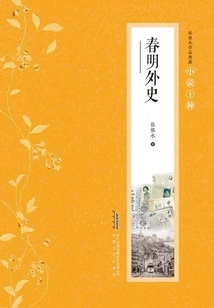
Foreign History of Chunming (collection of Zhang Henshui's Works·ten Types of Novels)
General Fiction春明外史(张恨水作品典藏·小说十种)
Zhang Henshui
This book is a collection of Zhang Henshui's works. This book is one of Mr. Zhang Henshui's masterpieces. The whole story takes love as the main line, and also extensively describes the life dynamics of all walks of life at that time. The plot is vivid, vivid and fascinating. The male protagonist Yang Xingyuan lives in Peiping and makes a living by selling articles and editing newspapers. He got acquainted with Liyun, a young prostitute in a brothel, and the two fell in love with each other and they were unforgettable. Unfortunately Liyun died of illness. The talented girl Li Dongqing also had a deep relationship with Yang Xingyuan. After a complicated emotional entanglement, Li Dongqing finally had a hidden illness and her marriage was difficult to come by, so she sadly went south to serve her mother. Yang Xingyuan, on the other hand, suffered from "literary disease" and died of vomiting blood.
This book is a collection of Zhang Henshui's works. This book is one of Mr. Zhang Henshui's masterpieces. The whole story takes love as the main line, and also extensively describes the life dynamics of all walks of life at that time. The plot is vivid, vivid and fascinating. The male protagonist Yang Xingyuan lives in Peiping and makes a living by selling articles and editing newspapers. He got acquainted with Liyun, a young prostitute in a brothel, and the two fell in love with each other and they were unforgettable. Unfortunately Liyun died of illness. The talented girl Li Dongqing also had a deep relationship with Yang Xingyuan. After a complicated emotional entanglement, Li Dongqing finally had a hidden illness and her marriage was difficult to come by, so she sadly went south to serve her mother. Yang Xingyuan, on the other hand, suffered from "literary disease" and died of vomiting blood.
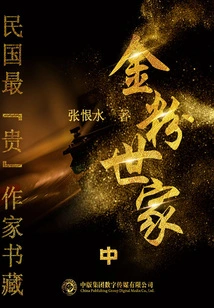
The Jinfen Family: Zhong (a Collection of Books by the Most "expensive" Writers in the Republic of China)
General Fiction金粉世家:中(民国最“贵”作家书藏)
Zhang Henshui
"The Golden Fen Family" is a novel written by the modern novelist Zhang Henshui. The novel is based on the feudal family of Beiyang warlord Jin Quan, Prime Minister, and takes the marriage between Jin Quan's son Jin Yanxi and the commoner woman Leng Qingqiu from love, marriage to estrangement and divorce as the main line. It reveals the empty, degenerate spiritual world and declining and decadent life of the feudal bureaucrats and their wives and children, and describes a living history of the rise and fall of the wealthy aristocrats. The novel has 112 chapters. This book is the middle volume, with 39 chapters in total.
"The Golden Fen Family" is a novel written by the modern novelist Zhang Henshui. The novel is based on the feudal family of Beiyang warlord Jin Quan, Prime Minister, and takes the marriage between Jin Quan's son Jin Yanxi and the commoner woman Leng Qingqiu from love, marriage to estrangement and divorce as the main line. It reveals the empty, degenerate spiritual world and declining and decadent life of the feudal bureaucrats and their wives and children, and describes a living history of the rise and fall of the wealthy aristocrats. The novel has 112 chapters. This book is the middle volume, with 39 chapters in total.
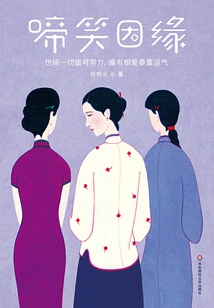
Cause of Laughter
General Fiction啼笑因缘
Zhang Henshui
I am Fan Jiashu, and I live in Hangzhou. When I was studying in Beijing, I met the girl Shen Fengxi by chance. I liked her. She came from a poor family but was pure and intelligent. Soon, I met Guan Xiugu again. She liked me but never said it clearly. But then, He Lina appeared, and her father was a millionaire...
I am Fan Jiashu, and I live in Hangzhou. When I was studying in Beijing, I met the girl Shen Fengxi by chance. I liked her. She came from a poor family but was pure and intelligent. Soon, I met Guan Xiugu again. She liked me but never said it clearly. But then, He Lina appeared, and her father was a millionaire...
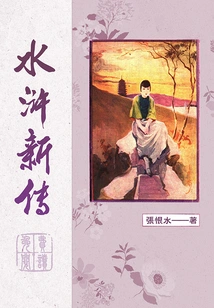
Water Margin
General Fiction水浒新传
Zhang Henshui
The sequel to Jin Shengtan's cut-down version of "Water Margin" (seventy chapters). It tells the story of the Liangshan heroes who gathered together to help the imperial court fight against the Jin Kingdom.
The sequel to Jin Shengtan's cut-down version of "Water Margin" (seventy chapters). It tells the story of the Liangshan heroes who gathered together to help the imperial court fight against the Jin Kingdom.
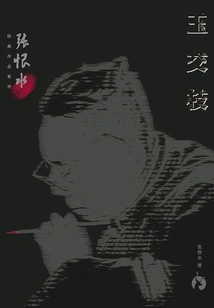
Zhang Henshui's Classic Works Series: Yu Jiaozhi
General Fiction张恨水经典作品系列:玉交枝
Zhang Henshui
The novel was written by Mr. Zhang Henshui, a representative writer of the Mandarin Duck and Butterfly School, a literary master of the Republic of China. It was published in Shanghai "News" in 1948.
The novel was written by Mr. Zhang Henshui, a representative writer of the Mandarin Duck and Butterfly School, a literary master of the Republic of China. It was published in Shanghai "News" in 1948.
斯人记(张恨水全集·25周年纪念版)
Zhang Henshui
"Si Ren Ji" tells the story of Liang Hanshan, a scholar, and Zhang Meixian, a female poet, who exchanged poems and got to know each other through poems. According to the meaning of "the capital is full of crowns, but the lady is only haggard", it describes the decadent life of the "shi" class in Beijing, the so-called best district during the Beiyang government period, "holding actors, visiting brothels, expelling them with wine and meat", and "playing with romantic literature and art".
"Si Ren Ji" tells the story of Liang Hanshan, a scholar, and Zhang Meixian, a female poet, who exchanged poems and got to know each other through poems. According to the meaning of "the capital is full of crowns, but the lady is only haggard", it describes the decadent life of the "shi" class in Beijing, the so-called best district during the Beiyang government period, "holding actors, visiting brothels, expelling them with wine and meat", and "playing with romantic literature and art".
The Cause of Crying and Laughing (the Complete Works of Zhang Henshui·25th Anniversary Edition)
Literature啼笑因缘(张恨水全集·25周年纪念版)
Zhang Henshui
The book uses the love model of one man and three women as the core structure of the story. Through the love tragedy of Fan Jiashu, a young man from Hangzhou living in Beijing, and Shen Fengxi, a Tianqiao singing girl, it reflects a dark and turbulent social aspect during the reign of the Beiyang warlords. "The Cause of Laughter" was originally based on real events in life. Zhang Henshui turned iron into gold through ingenious conception and wrote it into an ups and downs and exciting work that integrates romance, martial arts and society.
The book uses the love model of one man and three women as the core structure of the story. Through the love tragedy of Fan Jiashu, a young man from Hangzhou living in Beijing, and Shen Fengxi, a Tianqiao singing girl, it reflects a dark and turbulent social aspect during the reign of the Beiyang warlords. "The Cause of Laughter" was originally based on real events in life. Zhang Henshui turned iron into gold through ingenious conception and wrote it into an ups and downs and exciting work that integrates romance, martial arts and society.
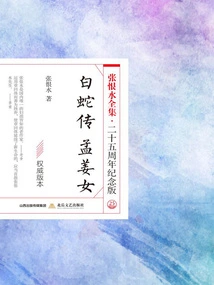
白蛇传·孟姜女(张恨水全集·25周年纪念版)
Zhang Henshui
"The Legend of White Snake" describes the tortuous love story between a snake spirit who cultivated into human form and a human being. The story includes plots such as borrowing an umbrella from a tented boat, the white lady stealing Ganoderma lucidum, flooding the Jinshan Mountain, broken bridges, Leifeng Pagoda, Xu Xian's son Shilin worshiping the Pagoda, etc. It expresses the people's praise and yearning for the free love between men and women and their hatred for the unreasonable restraint of feudal forces. "Meng Jiangnu" is a character in the Chinese folk tale "Meng Jiangnu Cries the Great Wall". Her story is one of the four major Chinese folk love stories. It has been widely circulated among the people through oral inheritance for thousands of years. The earliest legend can be traced back to "Zuo Zhuan".
"The Legend of White Snake" describes the tortuous love story between a snake spirit who cultivated into human form and a human being. The story includes plots such as borrowing an umbrella from a tented boat, the white lady stealing Ganoderma lucidum, flooding the Jinshan Mountain, broken bridges, Leifeng Pagoda, Xu Xian's son Shilin worshiping the Pagoda, etc. It expresses the people's praise and yearning for the free love between men and women and their hatred for the unreasonable restraint of feudal forces. "Meng Jiangnu" is a character in the Chinese folk tale "Meng Jiangnu Cries the Great Wall". Her story is one of the four major Chinese folk love stories. It has been widely circulated among the people through oral inheritance for thousands of years. The earliest legend can be traced back to "Zuo Zhuan".
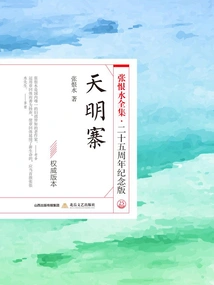
天明寨(张恨水全集·25周年纪念版)
Zhang Henshui
The story of "Tianming Village" takes place in the winter of the second year of Xianfeng in the Qing Dynasty. The Taiping Rebellion invaded a village in Qianshan County, Anhui Province without any obstruction along the way. The local officials were busy collecting money, running away, and smoking cigarettes. However, the squire headed by Li Fengchi stood up to defend his hometown and moved all the old and young women into Tianming Village. The men guarded the dangerous place, and were eventually forced to surrender under the siege of the "Long-haired Army". The article reveals the reality that the Tianping Heavenly Kingdom's army is hierarchical and murderous. It also reflects the corrupt and mediocre officialdom of the Qing Dynasty. Caught between the government and the war, civilians can only take up arms to defend their own interests.
The story of "Tianming Village" takes place in the winter of the second year of Xianfeng in the Qing Dynasty. The Taiping Rebellion invaded a village in Qianshan County, Anhui Province without any obstruction along the way. The local officials were busy collecting money, running away, and smoking cigarettes. However, the squire headed by Li Fengchi stood up to defend his hometown and moved all the old and young women into Tianming Village. The men guarded the dangerous place, and were eventually forced to surrender under the siege of the "Long-haired Army". The article reveals the reality that the Tianping Heavenly Kingdom's army is hierarchical and murderous. It also reflects the corrupt and mediocre officialdom of the Qing Dynasty. Caught between the government and the war, civilians can only take up arms to defend their own interests.
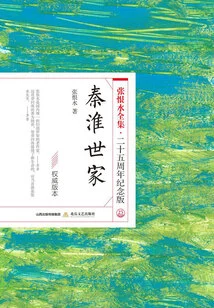
秦淮世家(张恨水全集·25周年纪念版)
Zhang Henshui
This book describes the story of the singing girl Tang Dasao who had two daughters by the Qinhuai River in Nanjing, one was Erchun and the other was Xiaochun, both of whom were beautiful and lovely. Xiaochun has an outstanding singing voice and becomes a singer. She is very popular. Yang Yuquan, a Shanghai money merchant, took a liking to Xiaochun and molested her many times. After being rejected, he harbored a grudge. He kidnapped and raped Erchun in a poisonous plan, and then gave Erchun to his bodyguard Wei Laoba. Erchun waited for an opportunity to take revenge and finally killed Wei Laoba and injured Yang Yuquan. Unfortunately, he was also shot to death. Yang Yuquan intensified his efforts and exerted all his lustful force on Mrs. Tang and Xiaochun, forcing the mother and daughter to suffer unspeakably.
This book describes the story of the singing girl Tang Dasao who had two daughters by the Qinhuai River in Nanjing, one was Erchun and the other was Xiaochun, both of whom were beautiful and lovely. Xiaochun has an outstanding singing voice and becomes a singer. She is very popular. Yang Yuquan, a Shanghai money merchant, took a liking to Xiaochun and molested her many times. After being rejected, he harbored a grudge. He kidnapped and raped Erchun in a poisonous plan, and then gave Erchun to his bodyguard Wei Laoba. Erchun waited for an opportunity to take revenge and finally killed Wei Laoba and injured Yang Yuquan. Unfortunately, he was also shot to death. Yang Yuquan intensified his efforts and exerted all his lustful force on Mrs. Tang and Xiaochun, forcing the mother and daughter to suffer unspeakably.
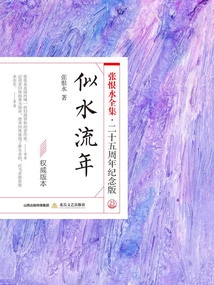
似水流年(张恨水全集·25周年纪念版)
Zhang Henshui
This book describes Huang Xishi, a young student from Anhui Province who went to Peking to attend university. He met Bai Xingsu, a young woman, on the train and fell in love at first sight. After arriving in Peiping, Huang met socialite Mi Jinhua. Huang actually abandoned his girlfriend and lived with Mi, squandering half of his father's life savings... Huang's father went to Peking to demand money, but Huang did not recognize his father in front of Mi. Later, Mi found out and left Huang. Huang lived on the streets, suffered from poverty and illness, and felt ashamed and resentful, so he decided to become a hiker.
This book describes Huang Xishi, a young student from Anhui Province who went to Peking to attend university. He met Bai Xingsu, a young woman, on the train and fell in love at first sight. After arriving in Peiping, Huang met socialite Mi Jinhua. Huang actually abandoned his girlfriend and lived with Mi, squandering half of his father's life savings... Huang's father went to Peking to demand money, but Huang did not recognize his father in front of Mi. Later, Mi found out and left Huang. Huang lived on the streets, suffered from poverty and illness, and felt ashamed and resentful, so he decided to become a hiker.
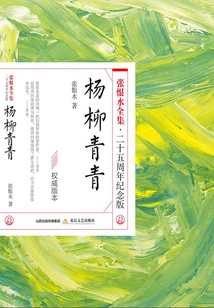
杨柳青青(张恨水全集·25周年纪念版)
Zhang Henshui
This book depicts a tragedy and comedy based on the love entanglement between Yang Guizhi, a girl from Haidian in Beijing during the Republic of China, Zhao Ziqiang, a young officer, and Gan Jizhi, a son of an official. It praised the loyalty and patriotism of lower-level officers and ordinary people, and criticized the selfishness and hypocrisy of some middle- and upper-level officers and scholar-bureaucrats.
This book depicts a tragedy and comedy based on the love entanglement between Yang Guizhi, a girl from Haidian in Beijing during the Republic of China, Zhao Ziqiang, a young officer, and Gan Jizhi, a son of an official. It praised the loyalty and patriotism of lower-level officers and ordinary people, and criticized the selfishness and hypocrisy of some middle- and upper-level officers and scholar-bureaucrats.
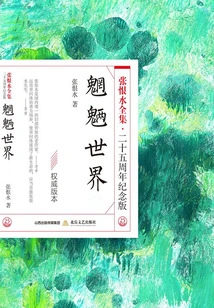
魍魉世界(张恨水全集·25周年纪念版)
Zhang Henshui
During the Anti-Japanese War. Accompany the capital Chongqing. Dark and chaotic, ghosts are rampant. Mr. Ou has been studying all his life and has taught his four children to study hard and make a living using the knowledge they have learned. However, prices in Chongqing have skyrocketed, supplies are in short supply, and people are in dire straits, making it difficult to live on wages. As a result, Mr. Ou's third son abandoned Wen and drove a truck and made a fortune; his second son abandoned medicine and went into business and lived a well-off life; and his eldest son was still a civil servant and was in poverty. The friends, colleagues, neighbors, and relatives around him are all speculative and profit-seeking, working hard day and night to make money. It is truly "tight ahead, tight behind"!
During the Anti-Japanese War. Accompany the capital Chongqing. Dark and chaotic, ghosts are rampant. Mr. Ou has been studying all his life and has taught his four children to study hard and make a living using the knowledge they have learned. However, prices in Chongqing have skyrocketed, supplies are in short supply, and people are in dire straits, making it difficult to live on wages. As a result, Mr. Ou's third son abandoned Wen and drove a truck and made a fortune; his second son abandoned medicine and went into business and lived a well-off life; and his eldest son was still a civil servant and was in poverty. The friends, colleagues, neighbors, and relatives around him are all speculative and profit-seeking, working hard day and night to make money. It is truly "tight ahead, tight behind"!
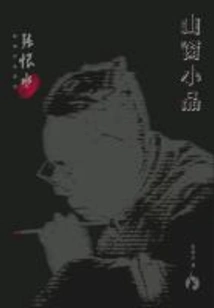
张恨水经典作品系列:山窗小品
Zhang Henshui
Zhang Henshui's collection of essays is divided into sixty-two chapters, written in classical Chinese. It was written during the period when he was living in the countryside of Chongqing. What he describes are the ordinary scenery and people in the countryside.
Zhang Henshui's collection of essays is divided into sixty-two chapters, written in classical Chinese. It was written during the period when he was living in the countryside of Chongqing. What he describes are the ordinary scenery and people in the countryside.
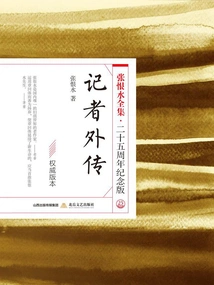
记者外传(张恨水全集·25周年纪念版)
Zhang Henshui
"Reporter's Biography" was originally published in the supplement "People's Square" of Shanghai's "News Daily", with a total of thirty chapters. The whole book looks at society from the perspective of a newspaper reporter, from the big current situation to the small social phenomena and characters. It describes the situation in detail and criticizes the current ills. It is a novel that combines literature and readability.
"Reporter's Biography" was originally published in the supplement "People's Square" of Shanghai's "News Daily", with a total of thirty chapters. The whole book looks at society from the perspective of a newspaper reporter, from the big current situation to the small social phenomena and characters. It describes the situation in detail and criticizes the current ills. It is a novel that combines literature and readability.
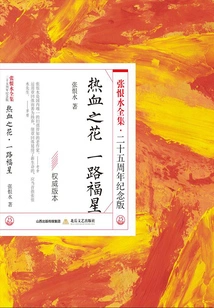
热血之花·一路福星(张恨水全集·25周年纪念版)
Zhang Henshui
"Flowers of Blood" is Zhang Henshui's classic masterpiece of anti-war novels. The book was written in Peiping after the "January 28th Incident" in 1932, pioneering the patriotic spy war theme. The heroine of the novel, Shu Jianhua, is a spy of the military and police intelligence agency. She accepts the order of the garrison commander to spy on the enemy's secrets. She interacts with Yu Heming, the captain of the pirate team, which causes the leader of the volunteer army, Hua Guoxiong, to misunderstand and break with Shu Jianhua. However, Hua Guoxiong did not know that the reason why their volunteer army was able to defeat the pirates at Jia Shikou was precisely because Shu Jianhua obtained information from Yu Heming in advance. When the pirates were about to launch a massive counterattack, Shu was ordered to sneak into the county to spy on the enemy's military situation. Unfortunately, he fell into the clutches of Yu Heming and died heroically. "Lucky Stars Along the Road" tells the story of a group of people demobilized from the rear after the victory of the Anti-Japanese War. A group of people including Principal Yu Ziqing and his family, Gui Xiaoguang, Li Jiayan and others were preparing to demobilize from Chongqing. However, the transportation was very inconvenient at that time and demobilization was difficult. With the efforts of Gui Xiaoguang, the group finally got the opportunity to take a long-distance bus to demobilize. They experienced various difficulties on the way, including weather disasters, threats from bandits, etc., And they all overcame the difficulties one by one. In the process, Gui Xiaoguang discovered his feelings for Li Jiayan, and persistently pursued the arrogant Li Jiayan, slowly capturing Li Jiayan's heart.
"Flowers of Blood" is Zhang Henshui's classic masterpiece of anti-war novels. The book was written in Peiping after the "January 28th Incident" in 1932, pioneering the patriotic spy war theme. The heroine of the novel, Shu Jianhua, is a spy of the military and police intelligence agency. She accepts the order of the garrison commander to spy on the enemy's secrets. She interacts with Yu Heming, the captain of the pirate team, which causes the leader of the volunteer army, Hua Guoxiong, to misunderstand and break with Shu Jianhua. However, Hua Guoxiong did not know that the reason why their volunteer army was able to defeat the pirates at Jia Shikou was precisely because Shu Jianhua obtained information from Yu Heming in advance. When the pirates were about to launch a massive counterattack, Shu was ordered to sneak into the county to spy on the enemy's military situation. Unfortunately, he fell into the clutches of Yu Heming and died heroically. "Lucky Stars Along the Road" tells the story of a group of people demobilized from the rear after the victory of the Anti-Japanese War. A group of people including Principal Yu Ziqing and his family, Gui Xiaoguang, Li Jiayan and others were preparing to demobilize from Chongqing. However, the transportation was very inconvenient at that time and demobilization was difficult. With the efforts of Gui Xiaoguang, the group finally got the opportunity to take a long-distance bus to demobilize. They experienced various difficulties on the way, including weather disasters, threats from bandits, etc., And they all overcame the difficulties one by one. In the process, Gui Xiaoguang discovered his feelings for Li Jiayan, and persistently pursued the arrogant Li Jiayan, slowly capturing Li Jiayan's heart.
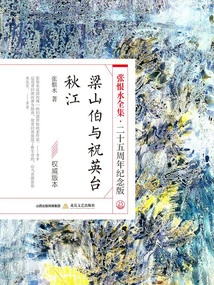
Liang Shanbo and Zhu Yingtai·qiujiang (the Complete Works of Zhang Henshui·25th Anniversary Edition)
Literature梁山伯与祝英台·秋江(张恨水全集·25周年纪念版)
Zhang Henshui
"Liang Shanbo and Zhu Yingtai" is adapted from one of the four major love stories in ancient China: Liang Shanbo and Zhu Yingtai. It was created by Mr. Zhang Henshui after the founding of the People's Republic of China. "Autumn River" tells the story of Pan Bizheng, a scholar who lives in the Privet Temple where his aunt lives. He meets Taoist nun Chen Miaochang and falls deeply in love with her. One night, I heard the quiet melody of the piano and followed the sound, which was played by Miao Chang. Pan then borrowed the music to pick it up. Although Miaochang also has intentions, he pretends to be angry and refuses because of the precepts. But the feelings have connected, and we are in love with each other from now on...
"Liang Shanbo and Zhu Yingtai" is adapted from one of the four major love stories in ancient China: Liang Shanbo and Zhu Yingtai. It was created by Mr. Zhang Henshui after the founding of the People's Republic of China. "Autumn River" tells the story of Pan Bizheng, a scholar who lives in the Privet Temple where his aunt lives. He meets Taoist nun Chen Miaochang and falls deeply in love with her. One night, I heard the quiet melody of the piano and followed the sound, which was played by Miao Chang. Pan then borrowed the music to pick it up. Although Miaochang also has intentions, he pretends to be angry and refuses because of the precepts. But the feelings have connected, and we are in love with each other from now on...
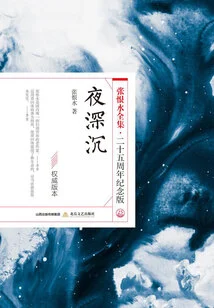
夜深沉(张恨水全集·25周年纪念版)
Zhang Henshui
This book describes the emotional entanglement between the coachman Ding Erhe and the singing queen Yuerong. The plot is twists and turns and exciting. It explores human nature deeply and thoroughly. The psychological portrayal of the hero and heroine is particularly delicate. It should be particularly pointed out that "Deep Night" was originally the title of a piece of "Yu Ji Dance" in the opera "Farewell My Concubine". Zhang Henshui ingeniously integrated this erhu music throughout the novel, becoming a link between the joys and sorrows of the hero and heroine and a clue to the development of the plot. Not only do most of the scenes in the novel take place in the deep night, but the tone of the novel is dark, cold and desolate. The "deep night" symbolizes the tragic fate of Ding Erhe and Wang Yuerong, revealing the cold darkness of society. In terms of the novel's ingenious conception, complete structure and rich characterization, this book is superior to "The Cause of Laughter".
This book describes the emotional entanglement between the coachman Ding Erhe and the singing queen Yuerong. The plot is twists and turns and exciting. It explores human nature deeply and thoroughly. The psychological portrayal of the hero and heroine is particularly delicate. It should be particularly pointed out that "Deep Night" was originally the title of a piece of "Yu Ji Dance" in the opera "Farewell My Concubine". Zhang Henshui ingeniously integrated this erhu music throughout the novel, becoming a link between the joys and sorrows of the hero and heroine and a clue to the development of the plot. Not only do most of the scenes in the novel take place in the deep night, but the tone of the novel is dark, cold and desolate. The "deep night" symbolizes the tragic fate of Ding Erhe and Wang Yuerong, revealing the cold darkness of society. In terms of the novel's ingenious conception, complete structure and rich characterization, this book is superior to "The Cause of Laughter".
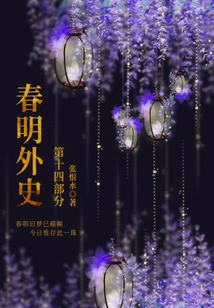
春明外史·第十四部分(张恨水经典爱情故事)
Zhang Henshui
"Chunming Foreign History" takes the love story of newspaper reporter Yang Xingyuan, prostitute Liyun, and poetess Li Dongqing as the running thread. The background is grand and the narrative is calm, including wealthy families, brothels, theaters, apartments, guild halls, schools, high-end hotels, clubs, temples, scenic spots, three religions and nine streams, including the president, prime minister, prostitutes, actors, and all kinds of famous people. "Chunming Foreign History" is a picture of Beijing customs in the 1920s. It can be called a classic and still has immortal artistic charm when read today. Zhang Henshui (May 18, 1895 - February 15, 1967), whose original name was Xinyuan, Henshui was his pen name, which was taken from the poem "Meeting Happily" written by Li Yu in the Southern Tang Dynasty, which means "I will grow up in life and hate the water in the east". Zhang Henshui is a famous chapter novelist and a representative writer of the Mandarin Duck and Butterfly School. He is honored as the "master of chapter novels" and the first "master of popular literature" in the history of contemporary literature. The plot of the work is tortuous and complex, and the structure is rigorous and complete. It integrates traditional Chinese chapter novels with new techniques in Western novels. He is also famous for his prolific output. In his fifty-year writing career, he created more than 100 popular novels, most of which are medium and long chapter novels with a total of 30 million words, which can be regarded as a book in his lifetime.
"Chunming Foreign History" takes the love story of newspaper reporter Yang Xingyuan, prostitute Liyun, and poetess Li Dongqing as the running thread. The background is grand and the narrative is calm, including wealthy families, brothels, theaters, apartments, guild halls, schools, high-end hotels, clubs, temples, scenic spots, three religions and nine streams, including the president, prime minister, prostitutes, actors, and all kinds of famous people. "Chunming Foreign History" is a picture of Beijing customs in the 1920s. It can be called a classic and still has immortal artistic charm when read today. Zhang Henshui (May 18, 1895 - February 15, 1967), whose original name was Xinyuan, Henshui was his pen name, which was taken from the poem "Meeting Happily" written by Li Yu in the Southern Tang Dynasty, which means "I will grow up in life and hate the water in the east". Zhang Henshui is a famous chapter novelist and a representative writer of the Mandarin Duck and Butterfly School. He is honored as the "master of chapter novels" and the first "master of popular literature" in the history of contemporary literature. The plot of the work is tortuous and complex, and the structure is rigorous and complete. It integrates traditional Chinese chapter novels with new techniques in Western novels. He is also famous for his prolific output. In his fifty-year writing career, he created more than 100 popular novels, most of which are medium and long chapter novels with a total of 30 million words, which can be regarded as a book in his lifetime.
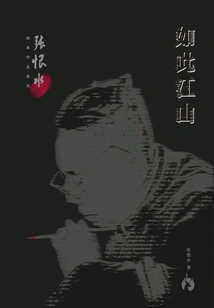
Such a Country
General Fiction如此江山
Zhang Henshui
The story of this book takes place on a hot summer day during the Republic of China. Chen Junren, a young talent from Peking, came to Nanjing to visit his fiancée Zhu Xuefu. Zhu Junren couldn't stand the hot weather in Nanjing, so he invited Zhu Xuefu to go to Mount Lushan to escape the summer heat. On the way, she met barrister Fang Mengxu. Because Chen Tan fell in love with the outstanding appearance and calm temperament of Mr. Fang's niece Fang Jingyi, she invited them to go to Lushan together. However, Zhu Xuefu vaguely noticed Chen Junren's admiration for Fang Jingyi. On Lushan Mountain, Zhu Xuefu was jealous and often quarreled fiercely with Chen Junren. Chen Junren couldn't stand Zhu Xuefu, so he hurried down the mountain and left without saying goodbye. However, the love affair between the three people, which was constantly being resolved and messed up, continued.
The story of this book takes place on a hot summer day during the Republic of China. Chen Junren, a young talent from Peking, came to Nanjing to visit his fiancée Zhu Xuefu. Zhu Junren couldn't stand the hot weather in Nanjing, so he invited Zhu Xuefu to go to Mount Lushan to escape the summer heat. On the way, she met barrister Fang Mengxu. Because Chen Tan fell in love with the outstanding appearance and calm temperament of Mr. Fang's niece Fang Jingyi, she invited them to go to Lushan together. However, Zhu Xuefu vaguely noticed Chen Junren's admiration for Fang Jingyi. On Lushan Mountain, Zhu Xuefu was jealous and often quarreled fiercely with Chen Junren. Chen Junren couldn't stand Zhu Xuefu, so he hurried down the mountain and left without saying goodbye. However, the love affair between the three people, which was constantly being resolved and messed up, continued.
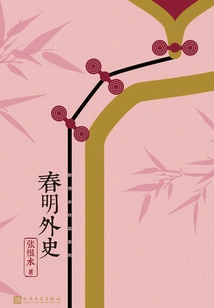
张恨水作品系列:春明外史(全2册)
Zhang Henshui
"Chunming Foreign History" is Zhang Henshui's famous work. It began to be serialized in "World Evening News" on April 16, 1924, and was not completely serialized until January 24, 1929, which lasted for five years. The novel had thirty-nine chapters when it was serialized, and was later divided into eighty-six chapters when it was published, with nearly a million words. The protagonist Yang Xingyuan lives in Peking and makes a living by selling literature. He falls in love with Li Yun, a brothel girl, at first sight. However, the beauty's fate was poor, and Li Yun died soon after they met. Later, Yang Xingyuan met Li Dongqing, a down-and-out talented girl, and they exchanged poems and poems, and their relationship became deeper and deeper. However, due to a hidden illness, Li Dongqing finally had a hard time getting married, so he wanted to make the marriage between Shi Kelian and Yang Xingyuan possible. Shi Kelian knew that Yang Xingyuan had been deeply in love with Li Dongqing for a long time, so she wisely stayed away. After many twists and turns, Yang Xingyuan became disheartened about marriage and turned to Buddhism. The so-called "Chunming" was originally a city gate in Chang'an in the Tang Dynasty. Later generations used it to refer to the capital in general, so "Chunming Foreign History" means "A Grand View of Beijing's Strange Current Situation". The author takes society as the warp and romance as the weft, "using the method of "A Dream of Red Mansions" to write "The Scholars"". It has a broad background and touches all walks of life, showing the various human emotions of the three religions and nine streams in Beijing. It is a genre painting and shady picture of Beijing in the 1920s.
"Chunming Foreign History" is Zhang Henshui's famous work. It began to be serialized in "World Evening News" on April 16, 1924, and was not completely serialized until January 24, 1929, which lasted for five years. The novel had thirty-nine chapters when it was serialized, and was later divided into eighty-six chapters when it was published, with nearly a million words. The protagonist Yang Xingyuan lives in Peking and makes a living by selling literature. He falls in love with Li Yun, a brothel girl, at first sight. However, the beauty's fate was poor, and Li Yun died soon after they met. Later, Yang Xingyuan met Li Dongqing, a down-and-out talented girl, and they exchanged poems and poems, and their relationship became deeper and deeper. However, due to a hidden illness, Li Dongqing finally had a hard time getting married, so he wanted to make the marriage between Shi Kelian and Yang Xingyuan possible. Shi Kelian knew that Yang Xingyuan had been deeply in love with Li Dongqing for a long time, so she wisely stayed away. After many twists and turns, Yang Xingyuan became disheartened about marriage and turned to Buddhism. The so-called "Chunming" was originally a city gate in Chang'an in the Tang Dynasty. Later generations used it to refer to the capital in general, so "Chunming Foreign History" means "A Grand View of Beijing's Strange Current Situation". The author takes society as the warp and romance as the weft, "using the method of "A Dream of Red Mansions" to write "The Scholars"". It has a broad background and touches all walks of life, showing the various human emotions of the three religions and nine streams in Beijing. It is a genre painting and shady picture of Beijing in the 1920s.
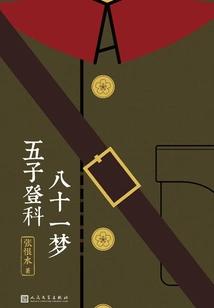
张恨水作品系列:八十一梦 五子登科
Zhang Henshui
After the Nanjing Massacre, Zhang Henshui submitted a request to the government to fight guerrillas in the mountains. After getting no results, he put his strong patriotic fervor and loneliness on paper and created a large number of realistic and spiritual works. "Eighty-One Dreams" is one of the outstanding works. It is a social satire novel completed by Zhang Henshui in 1943. In fact, he wrote a total of fourteen dreams. He used the technique of "Nineteen fables, entrusted to dreams" to make a unique observation of all the ugly phenomena in the rear during the national crisis, and severely criticized the corruption in power and the ugly national character without mercy. The novel is written in a smooth and smooth way, full of strange and mysterious suspense, and has the meaning of "condemning novels". The literary world praised the book as a "wonderful book". After the end of the Anti-Japanese War, the Kuomintang government, which retreated to Chongqing, sent a large number of officials to various places to take over the real estate left by the Japanese invaders and traitors. These officials collected large amounts of wealth by accepting bribes, making false accounts, and colluding with local dignitaries and bankers to resell gold and real estate. "Five Sons Admitted to the Imperial College" is a microcosm of that period of history. The novelization uses the allusion of Dou Yanshan's five sons who were admitted to the imperial examinations in the Five Dynasties, and the family history of Jin Ziyuan, the reception commissioner in Peking, as a clue. It makes a bitter mockery of a series of shameless and shameless behaviors of the Kuomintang reception officials who frantically demanded and possessed "gold, houses, cars, women, and money." It is a "officialdom record" on the eve of the collapse of the Kuomintang regime.
After the Nanjing Massacre, Zhang Henshui submitted a request to the government to fight guerrillas in the mountains. After getting no results, he put his strong patriotic fervor and loneliness on paper and created a large number of realistic and spiritual works. "Eighty-One Dreams" is one of the outstanding works. It is a social satire novel completed by Zhang Henshui in 1943. In fact, he wrote a total of fourteen dreams. He used the technique of "Nineteen fables, entrusted to dreams" to make a unique observation of all the ugly phenomena in the rear during the national crisis, and severely criticized the corruption in power and the ugly national character without mercy. The novel is written in a smooth and smooth way, full of strange and mysterious suspense, and has the meaning of "condemning novels". The literary world praised the book as a "wonderful book". After the end of the Anti-Japanese War, the Kuomintang government, which retreated to Chongqing, sent a large number of officials to various places to take over the real estate left by the Japanese invaders and traitors. These officials collected large amounts of wealth by accepting bribes, making false accounts, and colluding with local dignitaries and bankers to resell gold and real estate. "Five Sons Admitted to the Imperial College" is a microcosm of that period of history. The novelization uses the allusion of Dou Yanshan's five sons who were admitted to the imperial examinations in the Five Dynasties, and the family history of Jin Ziyuan, the reception commissioner in Peking, as a clue. It makes a bitter mockery of a series of shameless and shameless behaviors of the Kuomintang reception officials who frantically demanded and possessed "gold, houses, cars, women, and money." It is a "officialdom record" on the eve of the collapse of the Kuomintang regime.
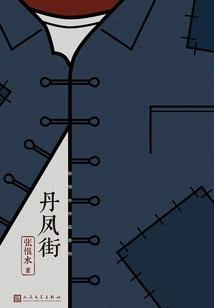
Zhang Henshui's Work Series: Danfeng Street
General Fiction张恨水作品系列:丹凤街
Zhang Henshui
"Danfeng Street" is a long masterpiece written by Zhang Henshui during the Anti-Japanese War. It was originally called "Biographies of Negative Vendors". From the title of the book, it can be seen that the author wanted to write biographies for the lower class hawkers. The novel tells the story of a group of self-reliant vegetable vendors and bartenders on Danfeng Street headed by Tong Laowu. They are not afraid of power and are willing to go bankrupt and run around just to rescue the poor girl Chen Xiujie who was sold by her uncle to Deputy Chief Zhao as his concubine. Underneath the poor and rough appearance of the protagonists, there is a chivalrous spirit of magnanimity, sincerity, and promise. Although the novel is not about martial arts, it uses folk ideas of "chivalry" throughout. From the title to the story content and the spoken dialect in the book, "Danfeng Street" is full of pure Nanjing flavor. In the long corridor of Chinese new literature, there is no novel that can vividly depict the urban culture and customs of Nanjing, the capital of the Republic of China, like Zhang Henshui's "Danfeng Street". "Danfeng Street" shows its skill in the description of genre paintings, style paintings and landscape paintings. It is the "Along the River During Qingming Festival" in Nanjing during the Republic of China.
"Danfeng Street" is a long masterpiece written by Zhang Henshui during the Anti-Japanese War. It was originally called "Biographies of Negative Vendors". From the title of the book, it can be seen that the author wanted to write biographies for the lower class hawkers. The novel tells the story of a group of self-reliant vegetable vendors and bartenders on Danfeng Street headed by Tong Laowu. They are not afraid of power and are willing to go bankrupt and run around just to rescue the poor girl Chen Xiujie who was sold by her uncle to Deputy Chief Zhao as his concubine. Underneath the poor and rough appearance of the protagonists, there is a chivalrous spirit of magnanimity, sincerity, and promise. Although the novel is not about martial arts, it uses folk ideas of "chivalry" throughout. From the title to the story content and the spoken dialect in the book, "Danfeng Street" is full of pure Nanjing flavor. In the long corridor of Chinese new literature, there is no novel that can vividly depict the urban culture and customs of Nanjing, the capital of the Republic of China, like Zhang Henshui's "Danfeng Street". "Danfeng Street" shows its skill in the description of genre paintings, style paintings and landscape paintings. It is the "Along the River During Qingming Festival" in Nanjing during the Republic of China.
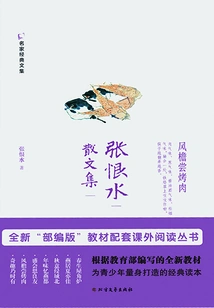
Collection of Essays by Zhang Henshui
Literature张恨水散文集
Zhang Henshui
This book is a collection of Zhang Henshui's prose collection, including more than fifty representative essays by Zhang Henshui. The lines of these works are full of the beauty of poetry and painting, revealing a light, elegant and leisurely style. Reading these daily conversation-style works, one can clearly feel Zhang Henshui's deep sense of the vicissitudes of his family and country that resides in the ordinary alleys of the old city. Zhang Henshui's prose is close to the ancient charm of Ming and Qing prose, with clear and beautiful words and mainly short sentences. Because of his profound academic training and solid foundation in Chinese studies, he can write such concise, dilute and flavorful articles. Zhang Henshui's prose not only reflects the writer's thoughts and emotions, personality awareness and aesthetic taste more directly, more concentratedly and concretely, but also has rich content, wide range of themes, diverse genres and complete categories. Narrative description, writing about people, expressing emotions, discussion and criticism, theoretical exploration, academic talks, and art appreciation are all involved; the use of various forms such as beautiful essays, essays, reviews, random thoughts, trivial notes, long talks, long essays, short aphorisms, aphorisms, etc. Is even more familiar and handy.
This book is a collection of Zhang Henshui's prose collection, including more than fifty representative essays by Zhang Henshui. The lines of these works are full of the beauty of poetry and painting, revealing a light, elegant and leisurely style. Reading these daily conversation-style works, one can clearly feel Zhang Henshui's deep sense of the vicissitudes of his family and country that resides in the ordinary alleys of the old city. Zhang Henshui's prose is close to the ancient charm of Ming and Qing prose, with clear and beautiful words and mainly short sentences. Because of his profound academic training and solid foundation in Chinese studies, he can write such concise, dilute and flavorful articles. Zhang Henshui's prose not only reflects the writer's thoughts and emotions, personality awareness and aesthetic taste more directly, more concentratedly and concretely, but also has rich content, wide range of themes, diverse genres and complete categories. Narrative description, writing about people, expressing emotions, discussion and criticism, theoretical exploration, academic talks, and art appreciation are all involved; the use of various forms such as beautiful essays, essays, reviews, random thoughts, trivial notes, long talks, long essays, short aphorisms, aphorisms, etc. Is even more familiar and handy.
天河配(张恨水全集·25周年纪念版)
Zhang Henshui
Popular actress Bai Guiying was tired of her life as a performer and decided to leave the stage. Depressed, Guiying met Wang Yuhe, a young civil servant, and married him despite the pressure of her mother. Yu He unfortunately lost his job and could not find a way out. He took Guiying back to his hometown in the countryside. Although the couple was cautious, they were still picked on by the Wang brothers and sister-in-law. The couple had to return to Peiping with their newborn daughter and temporarily stay at the Bai family. Forced by her livelihood, Guiying decided to return to the stage, and she had to socialize with the male guests. Yuhe ran away from home after a misunderstanding...
Popular actress Bai Guiying was tired of her life as a performer and decided to leave the stage. Depressed, Guiying met Wang Yuhe, a young civil servant, and married him despite the pressure of her mother. Yu He unfortunately lost his job and could not find a way out. He took Guiying back to his hometown in the countryside. Although the couple was cautious, they were still picked on by the Wang brothers and sister-in-law. The couple had to return to Peiping with their newborn daughter and temporarily stay at the Bai family. Forced by her livelihood, Guiying decided to return to the stage, and she had to socialize with the male guests. Yuhe ran away from home after a misunderstanding...
八十一梦(张恨水全集·25周年纪念版)
Zhang Henshui
This book was Mr. Zhang Henshui's most influential and popular novel during the Anti-Japanese War, and was also the best-selling novel in the rear area. The literary world praised the book as a "wonderful book"! The author uses the technique of "nineteen fables based on dreams", and the writing is smooth and free. The whole book is full of strange and mysterious suspense, covering the ancient and modern times, vertically and horizontally, and illuminates those issues that are indirectly helpful to the victory of the Anti-Japanese War and those that are directly harmful to the Anti-Japanese War. After the Nanjing Massacre, Zhang Henshui submitted a request to the government to fight guerrillas in the mountains. After getting no results, he put his strong patriotic fervor and loneliness on paper and created a large number of realistic and spiritual works.
This book was Mr. Zhang Henshui's most influential and popular novel during the Anti-Japanese War, and was also the best-selling novel in the rear area. The literary world praised the book as a "wonderful book"! The author uses the technique of "nineteen fables based on dreams", and the writing is smooth and free. The whole book is full of strange and mysterious suspense, covering the ancient and modern times, vertically and horizontally, and illuminates those issues that are indirectly helpful to the victory of the Anti-Japanese War and those that are directly harmful to the Anti-Japanese War. After the Nanjing Massacre, Zhang Henshui submitted a request to the government to fight guerrillas in the mountains. After getting no results, he put his strong patriotic fervor and loneliness on paper and created a large number of realistic and spiritual works.
The New Story of Water Margin (the Complete Works of Zhang Henshui·25th Anniversary Edition)
Literature水浒新传(张恨水全集·25周年纪念版)
Zhang Henshui
Written by Zhang Henshui, it is the sequel to Jin Shengtan's cut-down version of "Water Margin" (seventy chapters). It tells the story of the Liangshan heroes who gathered together to help the imperial court fight against the Jin Kingdom.
Written by Zhang Henshui, it is the sequel to Jin Shengtan's cut-down version of "Water Margin" (seventy chapters). It tells the story of the Liangshan heroes who gathered together to help the imperial court fight against the Jin Kingdom.
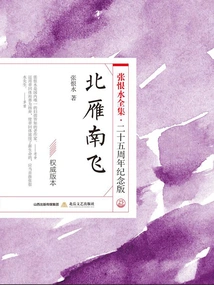
北雁南飞(张恨水全集·25周年纪念版)
Zhang Henshui
This book tells the story of a pair of young men and women in the transitional era who fought against feudalism, but the feudal victory was not complete. Li Xiaoqiu, the son of the magistrate of Qingjiang County, was sent to a private school in the countryside. He fell in love with Chunhua, the daughter of his husband, at first sight. Unfortunately, Chunhua had already been married to someone else. They both wanted to be together, but in the end they could not resist the oppression of feudal forces, and they broke up in pain to settle down with each other. Many years later, Chunhua, who has given birth to two sons, meets Xiaoqiu again at her parents' home, and is now the leader of the revolutionary army. Things have changed, and even the tide of reform and equality cannot liberate the years that have passed. Chunhua has mixed feelings, but she can only watch the wild geese flying north and south, unable to do anything.
This book tells the story of a pair of young men and women in the transitional era who fought against feudalism, but the feudal victory was not complete. Li Xiaoqiu, the son of the magistrate of Qingjiang County, was sent to a private school in the countryside. He fell in love with Chunhua, the daughter of his husband, at first sight. Unfortunately, Chunhua had already been married to someone else. They both wanted to be together, but in the end they could not resist the oppression of feudal forces, and they broke up in pain to settle down with each other. Many years later, Chunhua, who has given birth to two sons, meets Xiaoqiu again at her parents' home, and is now the leader of the revolutionary army. Things have changed, and even the tide of reform and equality cannot liberate the years that have passed. Chunhua has mixed feelings, but she can only watch the wild geese flying north and south, unable to do anything.
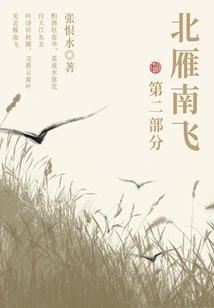
北雁南飞·第二部分(张恨水经典小说)
Zhang Henshui
"Northern Wild Geese Flying to the South" is a chapter novel by Zhang Henshui. It is based on the author's study experience in a private school in Sanhu Town, Jiangxi Province when he was a boy. It describes the love tragedy of the girl Yao Chunhua and the boy Li Xiaoqiu. With sincere feelings and delicate writing style, it makes people sigh. The plot, as well as the vivid outline of the folk customs, sentiments and customs of Sanhu Town, provide us with the social scene and school life records of Xiaoqing Jiangnan Town. From these descriptions, it is not difficult to find the footprints of the writer Zhang Henshui, which is a relatively typical old-style novel of talents and beauties. Zhang Henshui (May 18, 1895 - February 15, 1967), whose original name was Xinyuan, Henshui was his pen name, which was taken from the poem "Meeting Happily" written by Li Yu in the Southern Tang Dynasty, which means "I will grow up in life and hate the water in the east". Zhang Henshui is a famous chapter novelist and a representative writer of the Mandarin Duck and Butterfly School. He is honored as the first "master of chapter novels" and "master of popular literature" in the history of modern literature. The plot of the work is tortuous and complex, and the structure is rigorous and complete. It integrates traditional Chinese chapter novels with new techniques in Western novels. He is also famous for his prolific output. In his fifty-year writing career, he created more than 100 popular novels, most of which are medium and long chapter novels with a total of 30 million words, which can be regarded as a book in his lifetime.
"Northern Wild Geese Flying to the South" is a chapter novel by Zhang Henshui. It is based on the author's study experience in a private school in Sanhu Town, Jiangxi Province when he was a boy. It describes the love tragedy of the girl Yao Chunhua and the boy Li Xiaoqiu. With sincere feelings and delicate writing style, it makes people sigh. The plot, as well as the vivid outline of the folk customs, sentiments and customs of Sanhu Town, provide us with the social scene and school life records of Xiaoqing Jiangnan Town. From these descriptions, it is not difficult to find the footprints of the writer Zhang Henshui, which is a relatively typical old-style novel of talents and beauties. Zhang Henshui (May 18, 1895 - February 15, 1967), whose original name was Xinyuan, Henshui was his pen name, which was taken from the poem "Meeting Happily" written by Li Yu in the Southern Tang Dynasty, which means "I will grow up in life and hate the water in the east". Zhang Henshui is a famous chapter novelist and a representative writer of the Mandarin Duck and Butterfly School. He is honored as the first "master of chapter novels" and "master of popular literature" in the history of modern literature. The plot of the work is tortuous and complex, and the structure is rigorous and complete. It integrates traditional Chinese chapter novels with new techniques in Western novels. He is also famous for his prolific output. In his fifty-year writing career, he created more than 100 popular novels, most of which are medium and long chapter novels with a total of 30 million words, which can be regarded as a book in his lifetime.
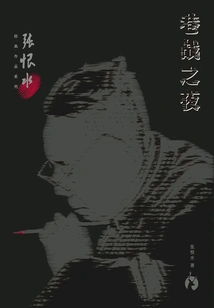
张恨水经典作品系列:巷战之夜
Zhang Henshui
"Night of Street Fighting" tells the story of the bloody battle between the people of Tianjin and Qianshan and the invaders in the face of the Japanese attack. It writes about an ordinary teacher who grew into a guerrilla captain during a brave struggle against the Japanese army and led the people to severely attack the invading enemies.
"Night of Street Fighting" tells the story of the bloody battle between the people of Tianjin and Qianshan and the invaders in the face of the Japanese attack. It writes about an ordinary teacher who grew into a guerrilla captain during a brave struggle against the Japanese army and led the people to severely attack the invading enemies.
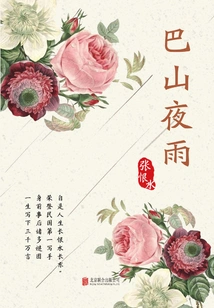
Youjian Library: Bashan Night Rain
General Fiction有间文库:巴山夜雨
Zhang Henshui
"Bashan Night Rain" is an important late work of Zhang Henshui. It was written after the victory of the Anti-Japanese War and was serialized in the supplement "Beihai" of "Xinmin Daily" from April 1946 to December 1948. Different from the best-selling masterpieces "The Golden Family" and "The Cause of Laughter", this is Zhang Henshui's new exploration and attempt in content and form. The title of the book is taken from Li Shangyin's poem "Night Rain Sends to the North", which contains the mood of the foreigners wandering in eastern Sichuan looking forward to their return when the Japanese invaders trampled on their country and destroyed their family. The novel has a strong autobiographical flavor. Centered on Li Nanquan, a professor with a profound literary temperament, a picture of all living beings in a mountain village in eastern Sichuan slowly unfolds. The characters are vividly drawn, the language is humorous and sharp, and the writing is timeless, calm and profound. The novel's descriptive skills have reached a level of proficiency.
"Bashan Night Rain" is an important late work of Zhang Henshui. It was written after the victory of the Anti-Japanese War and was serialized in the supplement "Beihai" of "Xinmin Daily" from April 1946 to December 1948. Different from the best-selling masterpieces "The Golden Family" and "The Cause of Laughter", this is Zhang Henshui's new exploration and attempt in content and form. The title of the book is taken from Li Shangyin's poem "Night Rain Sends to the North", which contains the mood of the foreigners wandering in eastern Sichuan looking forward to their return when the Japanese invaders trampled on their country and destroyed their family. The novel has a strong autobiographical flavor. Centered on Li Nanquan, a professor with a profound literary temperament, a picture of all living beings in a mountain village in eastern Sichuan slowly unfolds. The characters are vividly drawn, the language is humorous and sharp, and the writing is timeless, calm and profound. The novel's descriptive skills have reached a level of proficiency.
The World of Monsters (complete Collection) (collection of Popular Novels of the Republic of China·zhang Henshui Volume)
General Fiction魍魉世界(全集)(民国通俗小说典藏文库·张恨水卷)
Zhang Henshui
Chongqing, the accompanying capital in the middle of the Anti-Japanese War, was around the time when Japanese planes attacked Pearl Harbor. Prices here are skyrocketing and supplies are in short supply. The novel uses the upright and well-read Ou Zhuangzheng family and the Ximende couple who are actually brokers under the guise of a doctorate in psychology as the main and secondary lines, drawing out bankers, bureaucrats, speculators, socialites, civil servants, security chiefs, armor chiefs, bearers, hawkers and other living beings. It outlines the miserable situation of ordinary people who can't get enough to eat, doctors change careers, teachers change careers, and live like cattle and horses. It also depicts the ugly phenomena of the upper class society where officials are also businessmen, businessmen are also officials, speculation, food and wine are expelled, and "the front is tight, the rear is tight".
Chongqing, the accompanying capital in the middle of the Anti-Japanese War, was around the time when Japanese planes attacked Pearl Harbor. Prices here are skyrocketing and supplies are in short supply. The novel uses the upright and well-read Ou Zhuangzheng family and the Ximende couple who are actually brokers under the guise of a doctorate in psychology as the main and secondary lines, drawing out bankers, bureaucrats, speculators, socialites, civil servants, security chiefs, armor chiefs, bearers, hawkers and other living beings. It outlines the miserable situation of ordinary people who can't get enough to eat, doctors change careers, teachers change careers, and live like cattle and horses. It also depicts the ugly phenomena of the upper class society where officials are also businessmen, businessmen are also officials, speculation, food and wine are expelled, and "the front is tight, the rear is tight".
纸醉金迷·第三部:此间乐·上(张恨水经典文学)
Zhang Henshui
As a satirical work that exposes reality, "Intoxication" directly criticizes the ugly and despicable world conditions in the Kuomintang-controlled areas on the eve of the victory of the Anti-Japanese War. On the eve of the victory of the Anti-Japanese War, the fate of Wei Duanben, a young civil servant, and his "anti-war wife" Tian Peizhi in Chongqing, the capital of the Anti-Japanese War, are used as clues to describe the twisted human nature and the bleakness of the world lost in the "golden dream" of vanity and corruption. Tian Peizhi, a most beautiful but extremely vain woman, sent her husband to prison and was almost sentenced to death for money and good food and clothing. In order to escape from a life without money, she did not need her husband and disowned her children. She finally hooked up with a rich and prestigious gentleman. The wife who was about to become the center of attention suddenly became the fiancée and mistress of a traitor after the war of resistance against Japan was suddenly won. It reveals the loss and struggle in the face of human nature and money in a special era. Zhang Henshui (May 18, 1895 - February 15, 1967), whose original name was Xinyuan, Henshui was his pen name, which was taken from the poem "Meeting Happily" written by Li Yu in the Southern Tang Dynasty, which means "I will grow up in life and hate the water in the east". Zhang Henshui is a famous chapter novelist and a representative writer of the Mandarin Duck and Butterfly School. He is honored as the first "master of chapter novels" and "master of popular literature" in the history of modern literature. The plot of the work is tortuous and complex, and the structure is rigorous and complete. It integrates traditional Chinese chapter novels with new techniques in Western novels. He is also famous for his prolific output. In his fifty-year writing career, he created more than 100 popular novels, most of which are medium and long chapter novels with a total of 30 million words, which can be regarded as a book in his lifetime.
As a satirical work that exposes reality, "Intoxication" directly criticizes the ugly and despicable world conditions in the Kuomintang-controlled areas on the eve of the victory of the Anti-Japanese War. On the eve of the victory of the Anti-Japanese War, the fate of Wei Duanben, a young civil servant, and his "anti-war wife" Tian Peizhi in Chongqing, the capital of the Anti-Japanese War, are used as clues to describe the twisted human nature and the bleakness of the world lost in the "golden dream" of vanity and corruption. Tian Peizhi, a most beautiful but extremely vain woman, sent her husband to prison and was almost sentenced to death for money and good food and clothing. In order to escape from a life without money, she did not need her husband and disowned her children. She finally hooked up with a rich and prestigious gentleman. The wife who was about to become the center of attention suddenly became the fiancée and mistress of a traitor after the war of resistance against Japan was suddenly won. It reveals the loss and struggle in the face of human nature and money in a special era. Zhang Henshui (May 18, 1895 - February 15, 1967), whose original name was Xinyuan, Henshui was his pen name, which was taken from the poem "Meeting Happily" written by Li Yu in the Southern Tang Dynasty, which means "I will grow up in life and hate the water in the east". Zhang Henshui is a famous chapter novelist and a representative writer of the Mandarin Duck and Butterfly School. He is honored as the first "master of chapter novels" and "master of popular literature" in the history of modern literature. The plot of the work is tortuous and complex, and the structure is rigorous and complete. It integrates traditional Chinese chapter novels with new techniques in Western novels. He is also famous for his prolific output. In his fifty-year writing career, he created more than 100 popular novels, most of which are medium and long chapter novels with a total of 30 million words, which can be regarded as a book in his lifetime.
Jinfenshijia (all 3 Volumes)
General Fiction金粉世家(全3册)
Zhang Henshui
The novel takes the wealthy young man Jin Yanxi and the commoner girl Leng Qingqiu as they fall in love, get married, fall out, and separate as the main line, describing the rise and fall of the aristocratic family during the reign of the Beiyang warlords.
The novel takes the wealthy young man Jin Yanxi and the commoner girl Leng Qingqiu as they fall in love, get married, fall out, and separate as the main line, describing the rise and fall of the aristocratic family during the reign of the Beiyang warlords.
Youjian Library: Lively and Luxuriant
General Fiction有间文库:纸醉金迷
Zhang Henshui
Starting from the late period of the Anti-Japanese War, Zhang Henshui's creative focus shifted from romance to social criticism. The most outstanding representative of this book, which is more than 500,000 words long, is Tian Peizhi, a woman who is most beautiful but extremely vain. She is too beautiful, but too vain and too greedy for money. For money and good food and clothing, she can gamble again and again, steal money again and again, and because of her greed, she sends her husband to prison and is almost sentenced to death; in order to get rid of a life without money, she can abandon her husband and deny her children, and finally hooks up with a rich man The prestigious Mr. Qian was about to become the center of attention, and Mrs. Qian suddenly won the war of resistance against Japan, but she became the fiancée and mistress of a traitor... As a satirical work that exposes reality, the work directs its criticism towards the ugly and despicable world in the Kuomintang-controlled area on the eve of the victory of the Anti-Japanese War. It reveals the loss and struggle in the face of human nature and money in a special era.
Starting from the late period of the Anti-Japanese War, Zhang Henshui's creative focus shifted from romance to social criticism. The most outstanding representative of this book, which is more than 500,000 words long, is Tian Peizhi, a woman who is most beautiful but extremely vain. She is too beautiful, but too vain and too greedy for money. For money and good food and clothing, she can gamble again and again, steal money again and again, and because of her greed, she sends her husband to prison and is almost sentenced to death; in order to get rid of a life without money, she can abandon her husband and deny her children, and finally hooks up with a rich man The prestigious Mr. Qian was about to become the center of attention, and Mrs. Qian suddenly won the war of resistance against Japan, but she became the fiancée and mistress of a traitor... As a satirical work that exposes reality, the work directs its criticism towards the ugly and despicable world in the Kuomintang-controlled area on the eve of the victory of the Anti-Japanese War. It reveals the loss and struggle in the face of human nature and money in a special era.
The Palace of Art (collection of Popular Novels of the Republic of China·zhang Henshui Volume)
General Fiction艺术之宫(民国通俗小说典藏文库·张恨水卷)
Zhang Henshui
This book tells the story of the young girl Li Xiuer. Li Xiuer comes from a poor family, and her father Li Sansheng used to make a living by performing "ghost fighting" on the streets, but unexpectedly fell ill. Introduced by several neighbor girls, Li Xiuer went to an art school to work as a nude female model without telling her father. She also worked as a model in the Art Palace organized by the school teacher, and her life improved. But when Li Sansheng learned about Li Xiuer's work, he was very angry and abandoned his home. He picked up his old business of "ghost fighting", but died of exhaustion on the street. Li Xiuer met Duan Tiande, a student at school. Duan Tiande fell in love with her at first, but was abandoned by him and eventually went crazy.
This book tells the story of the young girl Li Xiuer. Li Xiuer comes from a poor family, and her father Li Sansheng used to make a living by performing "ghost fighting" on the streets, but unexpectedly fell ill. Introduced by several neighbor girls, Li Xiuer went to an art school to work as a nude female model without telling her father. She also worked as a model in the Art Palace organized by the school teacher, and her life improved. But when Li Sansheng learned about Li Xiuer's work, he was very angry and abandoned his home. He picked up his old business of "ghost fighting", but died of exhaustion on the street. Li Xiuer met Duan Tiande, a student at school. Duan Tiande fell in love with her at first, but was abandoned by him and eventually went crazy.
Zhang Henshui's Classic Works Series: Water Margin (part 2)
General Fiction张恨水经典作品系列:水浒新传(下)
Zhang Henshui
This book is the continuation of the 70-chapter version of "Water Margin" written by Jin Shengtan. It was created during the Anti-Japanese War and was published as a single volume by Chongqing Jianzhong Publishing House in 1943. The book tells the story of the Liangshan heroes who gathered together to help the Song Dynasty resist the Jin invasion. The book has sixty-eight chapters in total.
This book is the continuation of the 70-chapter version of "Water Margin" written by Jin Shengtan. It was created during the Anti-Japanese War and was published as a single volume by Chongqing Jianzhong Publishing House in 1943. The book tells the story of the Liangshan heroes who gathered together to help the Song Dynasty resist the Jin invasion. The book has sixty-eight chapters in total.
北雁南飞·第七部分(张恨水经典小说)
Zhang Henshui
"Northern Wild Geese Flying to the South" is a chapter novel by Zhang Henshui. It is based on the author's study experience in a private school in Sanhu Town, Jiangxi Province when he was a boy. It describes the love tragedy of the girl Yao Chunhua and the boy Li Xiaoqiu. With sincere feelings and delicate writing style, it makes people sigh. The plot, as well as the vivid outline of the folk customs, sentiments and customs of Sanhu Town, provide us with the social scene and school life records of Xiaoqing Jiangnan Town. From these descriptions, it is not difficult to find the footprints of the writer Zhang Henshui, which is a relatively typical old-style novel of talents and beauties. Zhang Henshui (May 18, 1895 - February 17, 1967), whose original name was Xinyuan, Henshui was his pen name, which was taken from the poem "Meeting Happily" written by Li Yu in the Southern Tang Dynasty, which means "I will grow up in life and hate the water in the east". Zhang Henshui is a famous chapter novelist and a representative writer of the Mandarin Duck and Butterfly School. He is honored as the first "master of chapter novels" and "master of popular literature" in the history of modern literature. The plot of the work is tortuous and complex, and the structure is rigorous and complete. It integrates traditional Chinese chapter novels with new techniques in Western novels. He is also famous for his prolific output. In his fifty-year writing career, he created more than 100 popular novels, most of which are medium and long chapter novels with a total of 30 million words, which can be regarded as a book in his lifetime.
"Northern Wild Geese Flying to the South" is a chapter novel by Zhang Henshui. It is based on the author's study experience in a private school in Sanhu Town, Jiangxi Province when he was a boy. It describes the love tragedy of the girl Yao Chunhua and the boy Li Xiaoqiu. With sincere feelings and delicate writing style, it makes people sigh. The plot, as well as the vivid outline of the folk customs, sentiments and customs of Sanhu Town, provide us with the social scene and school life records of Xiaoqing Jiangnan Town. From these descriptions, it is not difficult to find the footprints of the writer Zhang Henshui, which is a relatively typical old-style novel of talents and beauties. Zhang Henshui (May 18, 1895 - February 17, 1967), whose original name was Xinyuan, Henshui was his pen name, which was taken from the poem "Meeting Happily" written by Li Yu in the Southern Tang Dynasty, which means "I will grow up in life and hate the water in the east". Zhang Henshui is a famous chapter novelist and a representative writer of the Mandarin Duck and Butterfly School. He is honored as the first "master of chapter novels" and "master of popular literature" in the history of modern literature. The plot of the work is tortuous and complex, and the structure is rigorous and complete. It integrates traditional Chinese chapter novels with new techniques in Western novels. He is also famous for his prolific output. In his fifty-year writing career, he created more than 100 popular novels, most of which are medium and long chapter novels with a total of 30 million words, which can be regarded as a book in his lifetime.
纸醉金迷:下(民国最“贵”作家书藏)
Zhang Henshui
"Intoxication" is Zhang Henshui's most influential masterpiece in his later period. The story takes place in Chongqing, the capital of the Nationalist Government in 1945. Here gathered a group of people who were feasting, feasting, and living in intoxication. Everything revolves around money. Corruption of officials, speculation by businessmen and bankers, and women being swindlers have become a common trend. The novel uses the clues of Wei Duanben, a young civil servant, and his beautiful but vain wife Tian Peizhi as they live together and break up. It takes the opportunity of many characters to rush to buy gold savings certificates to make the country's hard-earned wealth, and unfolds a complicated story. When the Anti-Japanese War was won, everything for the speculators was in vain. There are three volumes in total of "Intoxication", and this volume is the third.
"Intoxication" is Zhang Henshui's most influential masterpiece in his later period. The story takes place in Chongqing, the capital of the Nationalist Government in 1945. Here gathered a group of people who were feasting, feasting, and living in intoxication. Everything revolves around money. Corruption of officials, speculation by businessmen and bankers, and women being swindlers have become a common trend. The novel uses the clues of Wei Duanben, a young civil servant, and his beautiful but vain wife Tian Peizhi as they live together and break up. It takes the opportunity of many characters to rush to buy gold savings certificates to make the country's hard-earned wealth, and unfolds a complicated story. When the Anti-Japanese War was won, everything for the speculators was in vain. There are three volumes in total of "Intoxication", and this volume is the third.
Bashan Night Rain
General Fiction巴山夜雨
Zhang Henshui
The book was written in 1946 after the victory of the Anti-Japanese War and was serialized by the end of 1948, which lasted more than three years. It is Zhang Henshui's work that "learned from painful experience". With a cold and rational writing style, the author accuses the Japanese atrocities of war and at the same time takes the lead in exploring the national psychology and dissecting the "evil character" displayed by the Chinese people in the war of resistance. This book takes the suburbs of Chongqing during the Anti-Japanese War as the background and the writer's trip to Nanquan as the axis, showing a picture of the customs of eastern Sichuan. In the book, civil servants, teachers, and intellectuals who make a living by selling literature live in poverty, while wealthy businessmen and high-ranking officials live in luxury and corruption. The novel depicts the Japanese army's indiscriminate bombing of the rear area and its brutal crimes, and also expresses the national conscience of the literati with a sense of justice and their confidence in victory.
The book was written in 1946 after the victory of the Anti-Japanese War and was serialized by the end of 1948, which lasted more than three years. It is Zhang Henshui's work that "learned from painful experience". With a cold and rational writing style, the author accuses the Japanese atrocities of war and at the same time takes the lead in exploring the national psychology and dissecting the "evil character" displayed by the Chinese people in the war of resistance. This book takes the suburbs of Chongqing during the Anti-Japanese War as the background and the writer's trip to Nanquan as the axis, showing a picture of the customs of eastern Sichuan. In the book, civil servants, teachers, and intellectuals who make a living by selling literature live in poverty, while wealthy businessmen and high-ranking officials live in luxury and corruption. The novel depicts the Japanese army's indiscriminate bombing of the rear area and its brutal crimes, and also expresses the national conscience of the literati with a sense of justice and their confidence in victory.
张恨水作品典藏·小说十种:巴山夜雨
Zhang Henshui
This book is part of the collection of Zhang Henshui's works. It is an important work of Zhang Henshui's later period. It was written after the victory of the Anti-Japanese War. It takes the protagonist Li Nanquan's experience of entering Sichuan as the main line and presents a picture of the customs of eastern Sichuan. Different from the best-selling masterpieces "Golden Fen Family" and "The Cause of Laughter", this is Zhang Henshui's new exploration and attempt in content and form.
This book is part of the collection of Zhang Henshui's works. It is an important work of Zhang Henshui's later period. It was written after the victory of the Anti-Japanese War. It takes the protagonist Li Nanquan's experience of entering Sichuan as the main line and presents a picture of the customs of eastern Sichuan. Different from the best-selling masterpieces "Golden Fen Family" and "The Cause of Laughter", this is Zhang Henshui's new exploration and attempt in content and form.
Classic Novels of the Republic of China: Deep in the Night
General Fiction民国经典小说:夜深沉
Zhang Henshui
"Deep Night" is originally the title of a piece in the opera "Farewell My Concubine". The author uses this song throughout the novel. It is not only a symbol of the joys and sorrows between the hero and heroine, the coachman Ding Er, and the singer queen Yuerong, but also a true portrayal of the times they lived in. Through the love tragedy of the hero and heroine, the author reveals the coldness and darkness of the society at that time.
"Deep Night" is originally the title of a piece in the opera "Farewell My Concubine". The author uses this song throughout the novel. It is not only a symbol of the joys and sorrows between the hero and heroine, the coachman Ding Er, and the singer queen Yuerong, but also a true portrayal of the times they lived in. Through the love tragedy of the hero and heroine, the author reveals the coldness and darkness of the society at that time.
Go Eastward
General Fiction大江东去
Zhang Henshui
This book tells the story of a young officer who sent his wife to leave Nanjing in order to uphold his duties during the Anti-Japanese War. As a result, his wife broke her promise and left him, causing the family to break up. However, he was trapped in Nanjing and witnessed the horrors of the Nanjing Massacre. This book may be the earliest literary and artistic work to reflect the Nanjing Massacre during the Japanese invasion of China.
This book tells the story of a young officer who sent his wife to leave Nanjing in order to uphold his duties during the Anti-Japanese War. As a result, his wife broke her promise and left him, causing the family to break up. However, he was trapped in Nanjing and witnessed the horrors of the Nanjing Massacre. This book may be the earliest literary and artistic work to reflect the Nanjing Massacre during the Japanese invasion of China.
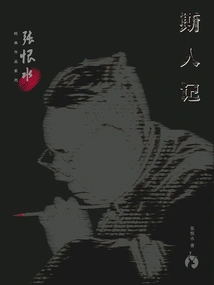
Zhang Henshui's Classic Works Series: the Story of a Si Man
General Fiction张恨水经典作品系列:斯人记
Zhang Henshui
"Si Ren Ji" tells the story of Liang Hanshan, a scholar, and Zhang Meixian, a female poet, who exchanged poems and got to know each other through poems. According to the meaning of "the capital is full of crowns, but the lady is only haggard", it describes the decadent life of the "shi" class in Beijing, the so-called best district during the Beiyang government period, "holding actors, visiting brothels, expelling them with wine and meat", and "playing with romantic literature and art".
"Si Ren Ji" tells the story of Liang Hanshan, a scholar, and Zhang Meixian, a female poet, who exchanged poems and got to know each other through poems. According to the meaning of "the capital is full of crowns, but the lady is only haggard", it describes the decadent life of the "shi" class in Beijing, the so-called best district during the Beiyang government period, "holding actors, visiting brothels, expelling them with wine and meat", and "playing with romantic literature and art".