Fanqie library
Browse
- Titles
- 1k
Every Fanqie book we index, searchable by title, author or tag.
-
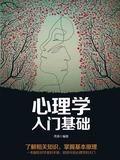 Basics of Introductory Psychology
Professional and interesting: The book quotes a large number of famous psychological concepts, and through vivid and interesting psychological experiments, combined with easy-to-understand explanations, readers can quickly understand psychology and fall in love with it. Rich content: with 10 major themes: desire, personality, subconscious, memory, self, personality, lies, inferiority, emotions, and temperament, it helps people build psychological thinking and better understand themselves and oth
—Reads—Score—Shelves
Basics of Introductory Psychology
Professional and interesting: The book quotes a large number of famous psychological concepts, and through vivid and interesting psychological experiments, combined with easy-to-understand explanations, readers can quickly understand psychology and fall in love with it. Rich content: with 10 major themes: desire, personality, subconscious, memory, self, personality, lies, inferiority, emotions, and temperament, it helps people build psychological thinking and better understand themselves and oth
—Reads—Score—Shelves
-
 New Media and Social Changes
This book is a general introduction to national geographical knowledge. By reading this book, readers can understand the general situation of national geographical knowledge in the world, administrative divisions, population and ethnicity, history and culture, landforms, water systems, climate, natural resources, economy, tourism geography and many other knowledge units. This book was selected and compiled by a number of professionals. It is characterized by being standardized, scientific, compr
—Reads7.5Score—Shelves
New Media and Social Changes
This book is a general introduction to national geographical knowledge. By reading this book, readers can understand the general situation of national geographical knowledge in the world, administrative divisions, population and ethnicity, history and culture, landforms, water systems, climate, natural resources, economy, tourism geography and many other knowledge units. This book was selected and compiled by a number of professionals. It is characterized by being standardized, scientific, compr
—Reads7.5Score—Shelves
-
 The Buddha Speaks the Mori Branch Sutra
The Buddha said the Mahayan Precious Strict Sutra
—Reads8.1Score—Shelves
The Buddha Speaks the Mori Branch Sutra
The Buddha said the Mahayan Precious Strict Sutra
—Reads8.1Score—Shelves
-
 The Buddha Speaks the Dharani Sutra of the Bodhisattva Malizhida
So I heard. At that time, the Buddha only had trees in the Solitary Garden in Savatthi State. Together with the great Arhat, one thousand two hundred and fifty people. There are again countless great Bodhisattvas
—Reads8.4Score—Shelves
The Buddha Speaks the Dharani Sutra of the Bodhisattva Malizhida
So I heard. At that time, the Buddha only had trees in the Solitary Garden in Savatthi State. Together with the great Arhat, one thousand two hundred and fifty people. There are again countless great Bodhisattvas
—Reads8.4Score—Shelves
-
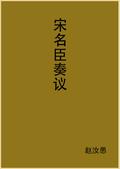 Proposal from Famous Officials of Song Dynasty
One hundred and fifty volumes. Compiled by Zhao Ruyu. Zhao Ruyu (1140-1196) was born in Yugan, Raozhou, Southern Song Dynasty (now northwest of Yugan, Jiangxi). His courtesy name was Zizhi. In the Song Dynasty, Qian Dao (1165-1173) was a Jinshi. In addition to being the secretary of Sheng Zhengzi, he was appointed as the editor-in-chief of Jiying Palace in Fujian. Shaoxi (1190-1194) was first called to be the Minister of the Ministry of Personnel, except to know the affairs of the Privy Council.
—Reads8.1Score—Shelves
Proposal from Famous Officials of Song Dynasty
One hundred and fifty volumes. Compiled by Zhao Ruyu. Zhao Ruyu (1140-1196) was born in Yugan, Raozhou, Southern Song Dynasty (now northwest of Yugan, Jiangxi). His courtesy name was Zizhi. In the Song Dynasty, Qian Dao (1165-1173) was a Jinshi. In addition to being the secretary of Sheng Zhengzi, he was appointed as the editor-in-chief of Jiying Palace in Fujian. Shaoxi (1190-1194) was first called to be the Minister of the Ministry of Personnel, except to know the affairs of the Privy Council.
—Reads8.1Score—Shelves
-
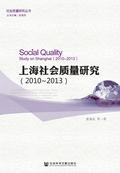 Shanghai Social Quality Research (2010~2013)
This book builds a writing framework based on the four dimensions of social quality (socioeconomic security, social cohesion, social inclusion, and social empowerment), analyzes Shanghai's social quality based on data from a large-scale survey of Shanghai residents, and puts forward corresponding policy recommendations. This is the first social quality research work in the country that focuses on cities. Its value lies in its attempt to build a localized social quality index system and conduct a
—Reads—Score—Shelves
Shanghai Social Quality Research (2010~2013)
This book builds a writing framework based on the four dimensions of social quality (socioeconomic security, social cohesion, social inclusion, and social empowerment), analyzes Shanghai's social quality based on data from a large-scale survey of Shanghai residents, and puts forward corresponding policy recommendations. This is the first social quality research work in the country that focuses on cities. Its value lies in its attempt to build a localized social quality index system and conduct a
—Reads—Score—Shelves
-
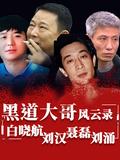 The Underworld Brother - Bai Xiaohang, Nie Lei, Liu Han and Liu Yong
Beijing Bai Xiaohang, Shenzhen Jiadai, Qingdao Nie Lei, Shenyang Liu Yong, Sichuan Liu Han, etc. This album tells the legendary lives of various heroes in China.
—Reads—Score—Shelves
The Underworld Brother - Bai Xiaohang, Nie Lei, Liu Han and Liu Yong
Beijing Bai Xiaohang, Shenzhen Jiadai, Qingdao Nie Lei, Shenyang Liu Yong, Sichuan Liu Han, etc. This album tells the legendary lives of various heroes in China.
—Reads—Score—Shelves
-
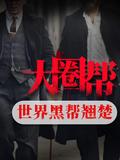 The World's Leader in Gangs: the Big Circle Gang
Many years ago, there was a special name for the Chinese gangs in Hong Kong, Macao, Taiwan and other parts of the country, called the "Big Circle". They formed groups of gangs, controlled the wind and rain, and created a Chinese world in foreign lands. It sounded very proud. But what is the reality? I just want to say that as long as you are involved in this industry, you can't help yourself. There is not so much passion and ambition, and some are just a struggle for life.
—Reads8.3Score—Shelves
The World's Leader in Gangs: the Big Circle Gang
Many years ago, there was a special name for the Chinese gangs in Hong Kong, Macao, Taiwan and other parts of the country, called the "Big Circle". They formed groups of gangs, controlled the wind and rain, and created a Chinese world in foreign lands. It sounded very proud. But what is the reality? I just want to say that as long as you are involved in this industry, you can't help yourself. There is not so much passion and ambition, and some are just a struggle for life.
—Reads8.3Score—Shelves
-
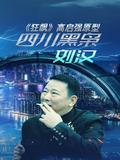 Crazy Gao Qiqiang Prototype: Sichuan Gangster Liu Han
The blockbuster drama "Kurst" is a film and television work with the background of the era when combating gangs and evil became the norm. It is adapted from many real events. Gao Qiqiang, who was remembered as soon as it was aired, made people feel more distressed at first, and then hated him more. He covers the sky with only one hand in Jinghai City, and no one can control him. For his own benefit, he was ruthless and committed all kinds of evil, creating many unjust cases, leaving many victims
—Reads—Score—Shelves
Crazy Gao Qiqiang Prototype: Sichuan Gangster Liu Han
The blockbuster drama "Kurst" is a film and television work with the background of the era when combating gangs and evil became the norm. It is adapted from many real events. Gao Qiqiang, who was remembered as soon as it was aired, made people feel more distressed at first, and then hated him more. He covers the sky with only one hand in Jinghai City, and no one can control him. For his own benefit, he was ruthless and committed all kinds of evil, creating many unjust cases, leaving many victims
—Reads—Score—Shelves
-
 Laozi's Tao Te Ching
The Tao Te Ching is a classic work of Chinese culture, and scholars of all ages have made studying the Tao Te Ching a required course. The "Tao Te Ching" has a total of eighty-one chapters, mostly in verse, and is divided into two parts: "Tao Jing" and "De Jing". The Tao Te Ching has five thousand words. It is not long but has incisive discussions. It contains profound meanings and broad ideas. Its content discusses the ontology of the universe, the origin of all things, the laws of nature, etc.
—Reads—Score—Shelves
Laozi's Tao Te Ching
The Tao Te Ching is a classic work of Chinese culture, and scholars of all ages have made studying the Tao Te Ching a required course. The "Tao Te Ching" has a total of eighty-one chapters, mostly in verse, and is divided into two parts: "Tao Jing" and "De Jing". The Tao Te Ching has five thousand words. It is not long but has incisive discussions. It contains profound meanings and broad ideas. Its content discusses the ontology of the universe, the origin of all things, the laws of nature, etc.
—Reads—Score—Shelves
-
 Discuss Military Affairs
"Speeches on Military Affairs" is a masterpiece of military art written by Chao Cuo, a political commentator in the Wenjing era of the Western Han Dynasty and known as the "think tank". It pushed the ancient art of war to a new peak. The article has unique insights, profound historical basis and solid realistic foundation, and has strong feasibility and operability. It played a huge role in consolidating the border defense of the Han Dynasty, and was used for reference and application by militar
—Reads7.9Score—Shelves
Discuss Military Affairs
"Speeches on Military Affairs" is a masterpiece of military art written by Chao Cuo, a political commentator in the Wenjing era of the Western Han Dynasty and known as the "think tank". It pushed the ancient art of war to a new peak. The article has unique insights, profound historical basis and solid realistic foundation, and has strong feasibility and operability. It played a huge role in consolidating the border defense of the Han Dynasty, and was used for reference and application by militar
—Reads7.9Score—Shelves
-
 Japanese Cultural Studies
Yan Shaoxuan is a professor and doctoral supervisor at the Institute of Comparative Literature and Comparative Culture at Peking University. He has successively served as the director of the Institute of Comparative Literature at Peking University, the Institute of Humanities at Kyoto University, the Department of Literature at the Japanese Buddhist University, and the visiting professor at the International Japanese Cultural Research Center of the Japanese Ministry of Education, Culture, Sports
—Reads8.2Score—Shelves
Japanese Cultural Studies
Yan Shaoxuan is a professor and doctoral supervisor at the Institute of Comparative Literature and Comparative Culture at Peking University. He has successively served as the director of the Institute of Comparative Literature at Peking University, the Institute of Humanities at Kyoto University, the Department of Literature at the Japanese Buddhist University, and the visiting professor at the International Japanese Cultural Research Center of the Japanese Ministry of Education, Culture, Sports
—Reads8.2Score—Shelves
-
 Great Convenience Buddha Repaying Benefit Sutra
Buddhist scriptures. It guides people to be good, and the philosophical thoughts contained in it are worthy of people's study and reflection.
—Reads8.6Score—Shelves
Great Convenience Buddha Repaying Benefit Sutra
Buddhist scriptures. It guides people to be good, and the philosophical thoughts contained in it are worthy of people's study and reflection.
—Reads8.6Score—Shelves
-
 The Buddha Said Thousand Buddhas Sutra of Karma and Destiny
So I heard. At that time, the Buddha was in Qijue Mountain in the city of Rajagaha. Together with the great monks, there are five thousand people. His name is Venerable Aruokou Chenru. The Venerable Uloupinli Kasyapa. Venerable Gaya Kasyapa. Venerable Natikasyapa. The Venerable Maha Kasyapa. Venerable Shariputra. The Venerable Maha Moggallana. The Venerable Kajuyan. Venerable Anaro. Venerable Ananda and others. All are great Arhats. And everyone knows. Like the king of tunes. What has been done
—Reads8.4Score—Shelves
The Buddha Said Thousand Buddhas Sutra of Karma and Destiny
So I heard. At that time, the Buddha was in Qijue Mountain in the city of Rajagaha. Together with the great monks, there are five thousand people. His name is Venerable Aruokou Chenru. The Venerable Uloupinli Kasyapa. Venerable Gaya Kasyapa. Venerable Natikasyapa. The Venerable Maha Kasyapa. Venerable Shariputra. The Venerable Maha Moggallana. The Venerable Kajuyan. Venerable Anaro. Venerable Ananda and others. All are great Arhats. And everyone knows. Like the king of tunes. What has been done
—Reads8.4Score—Shelves
-
 The First Meaning of the Buddha's Teaching Is Dharma.
The Buddha's Sutra on the Resurrection of His Disciples from the Dead
—Reads8.5Score—Shelves
The First Meaning of the Buddha's Teaching Is Dharma.
The Buddha's Sutra on the Resurrection of His Disciples from the Dead
—Reads8.5Score—Shelves
-
 The Buddha Speaks of the Great Assembly and Dharma Sutra
There are two translations of the Buddha's Great Assembly Sutra (also known as the Sangha Sutra). The "Sangha Dharma Sutra" was translated by Yue Posuna, the prince of Youchanni King in the Yuan and Wei Dynasties, and the "Buddha's Great Assembly Sutra" was translated by Master Shihu of the Song Dynasty. Both translations are included in the "Qianlong Tripitaka" (also known as "Longzang"). Among them, the "Sangha Dharma Sutra" is included in the "Single Translation of Mahayana Sutras", and the "
—Reads8.5Score—Shelves
The Buddha Speaks of the Great Assembly and Dharma Sutra
There are two translations of the Buddha's Great Assembly Sutra (also known as the Sangha Sutra). The "Sangha Dharma Sutra" was translated by Yue Posuna, the prince of Youchanni King in the Yuan and Wei Dynasties, and the "Buddha's Great Assembly Sutra" was translated by Master Shihu of the Song Dynasty. Both translations are included in the "Qianlong Tripitaka" (also known as "Longzang"). Among them, the "Sangha Dharma Sutra" is included in the "Single Translation of Mahayana Sutras", and the "
—Reads8.5Score—Shelves
-
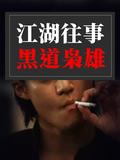 Past Events: Underworld Tycoons
Qiao Si, whose real name is Song Yongjia, is from Harbin City, Heilongjiang Province. He was one of the leaders of the most powerful underworld group in Harbin, Heilongjiang and even Northeast China in the late 1980s. In 1991, Qiao Si was sentenced to death for several crimes including controlling a gangland organization and murder. He was executed by firing squad on June 9, 1991. This book tells his story.
—Reads8.3Score—Shelves
Past Events: Underworld Tycoons
Qiao Si, whose real name is Song Yongjia, is from Harbin City, Heilongjiang Province. He was one of the leaders of the most powerful underworld group in Harbin, Heilongjiang and even Northeast China in the late 1980s. In 1991, Qiao Si was sentenced to death for several crimes including controlling a gangland organization and murder. He was executed by firing squad on June 9, 1991. This book tells his story.
—Reads8.3Score—Shelves
-
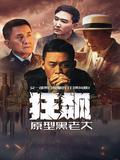 The Prototype Black Boss of "Hurricane": Revealing the Evil Forces Behind the Scenes
It is a film and television work with the era background of normalizing the fight against gangs and evil. It is adapted from many real events. Gao Qiqiang, who was remembered as soon as it was aired, made people feel more distressed at first, and then hated him more. He covers the sky with only one hand in Jinghai City, and no one can control him. For his own benefit, he was ruthless and committed all kinds of evil, creating many unjust cases, leaving many victims with nowhere to complain and no
—Reads8.1Score—Shelves
The Prototype Black Boss of "Hurricane": Revealing the Evil Forces Behind the Scenes
It is a film and television work with the era background of normalizing the fight against gangs and evil. It is adapted from many real events. Gao Qiqiang, who was remembered as soon as it was aired, made people feel more distressed at first, and then hated him more. He covers the sky with only one hand in Jinghai City, and no one can control him. For his own benefit, he was ruthless and committed all kinds of evil, creating many unjust cases, leaving many victims with nowhere to complain and no
—Reads8.1Score—Shelves
-
 From Cracking Down to Cracking Down on Crime and Evilthree Provinces in the East of Sijiu Citythe Record of Big Brother
The extremely vicious gangsters are rampant and oppress the people; The power of thunder is used to find the real murderer and bring peace to society. This album will tell you about hundreds of major underworld cases and help you discover the rise, growth and destruction of evil forces.
—Reads8.4Score—Shelves
From Cracking Down to Cracking Down on Crime and Evilthree Provinces in the East of Sijiu Citythe Record of Big Brother
The extremely vicious gangsters are rampant and oppress the people; The power of thunder is used to find the real murderer and bring peace to society. This album will tell you about hundreds of major underworld cases and help you discover the rise, growth and destruction of evil forces.
—Reads8.4Score—Shelves
-
 Major Cases of Lustful Men and Women|records of Female Homicide Cases
The intertwining of love and desire often produces the most extreme distortions of human nature. This album focuses on major criminal cases that have actually occurred due to erotic entanglements and abnormal love - from serial killings caused by extramarital affairs, to bloody family extermination behind emotional scams; from lust-obsessed power-money transactions, to crazy revenge born of love and hate. Every case has shocked society, and there are ulterior secrets hidden behind every life. Wi
—Reads8.4Score—Shelves
Major Cases of Lustful Men and Women|records of Female Homicide Cases
The intertwining of love and desire often produces the most extreme distortions of human nature. This album focuses on major criminal cases that have actually occurred due to erotic entanglements and abnormal love - from serial killings caused by extramarital affairs, to bloody family extermination behind emotional scams; from lust-obsessed power-money transactions, to crazy revenge born of love and hate. Every case has shocked society, and there are ulterior secrets hidden behind every life. Wi
—Reads8.4Score—Shelves
-
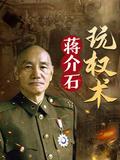 Chiang Kai-Shek's Power Play
Strategy is the crystallization of human wisdom, but when it is combined with politics, it gives birth to the monsters of "strategy" and "powerfulness". Especially when politicians use "power tactics" to become authoritarian and authoritarian for personal interests, what we see is not wisdom, but personal greed and selfishness at work. Chiang Kai-shek's life course is surprisingly similar to Napoleon and Hitler in the West. They all started from scratch from a family with no background or suppor
—Reads8.3Score—Shelves
Chiang Kai-Shek's Power Play
Strategy is the crystallization of human wisdom, but when it is combined with politics, it gives birth to the monsters of "strategy" and "powerfulness". Especially when politicians use "power tactics" to become authoritarian and authoritarian for personal interests, what we see is not wisdom, but personal greed and selfishness at work. Chiang Kai-shek's life course is surprisingly similar to Napoleon and Hitler in the West. They all started from scratch from a family with no background or suppor
—Reads8.3Score—Shelves
-
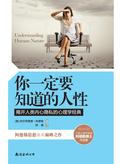 Human Nature You Must Know
This book is divided into two parts: "Human Behavior" and "Personality Science". The author introduces the basic principles of individual psychology in concise and popular language, and uses these psychological principles to conduct a scientific analysis of human personality, emphasizing human sociality and social sense, and the role of personal outlook on life and values in the process of forming personality. It aims to help ordinary people correctly understand human nature, better handle dai
—Reads8.8Score—Shelves
Human Nature You Must Know
This book is divided into two parts: "Human Behavior" and "Personality Science". The author introduces the basic principles of individual psychology in concise and popular language, and uses these psychological principles to conduct a scientific analysis of human personality, emphasizing human sociality and social sense, and the role of personal outlook on life and values in the process of forming personality. It aims to help ordinary people correctly understand human nature, better handle dai
—Reads8.8Score—Shelves
-
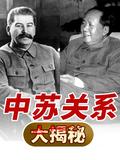 The Secret of Sino-Soviet Relations
Since the Second World War, the relationship between China and the Soviet Union has shifted from a friendly alliance to debate, confrontation, and then to normalization diplomacy! A complete record of the major events between China and the Soviet Union. This album takes you back to that turbulent era and unearths the truth behind history. Part One: The inside story of Khrushchev's visit to China and the deterioration of Sino-Soviet relations In February 1956, the 20th National Congress of the Co
—Reads—Score—Shelves
The Secret of Sino-Soviet Relations
Since the Second World War, the relationship between China and the Soviet Union has shifted from a friendly alliance to debate, confrontation, and then to normalization diplomacy! A complete record of the major events between China and the Soviet Union. This album takes you back to that turbulent era and unearths the truth behind history. Part One: The inside story of Khrushchev's visit to China and the deterioration of Sino-Soviet relations In February 1956, the 20th National Congress of the Co
—Reads—Score—Shelves
-
 Customs
"Customs and Customs", often quoted as "Customs and Customs" by people in the Han and Tang dynasties, was written by Ying Shao, the prefect of Taishan in the Eastern Han Dynasty. Folklore writings of the Han Dynasty. The original book consisted of thirty volumes and one appendix, but only ten volumes remain today. This book examines the ritual "Bai Hu Tong" and corrects the popular "Lun Heng". It records a large number of myths and anecdotes, but the author added his own comments, thus becoming
—Reads8.3Score—Shelves
Customs
"Customs and Customs", often quoted as "Customs and Customs" by people in the Han and Tang dynasties, was written by Ying Shao, the prefect of Taishan in the Eastern Han Dynasty. Folklore writings of the Han Dynasty. The original book consisted of thirty volumes and one appendix, but only ten volumes remain today. This book examines the ritual "Bai Hu Tong" and corrects the popular "Lun Heng". It records a large number of myths and anecdotes, but the author added his own comments, thus becoming
—Reads8.3Score—Shelves
-
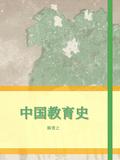 Chinese Education History
The content of the history of education includes both practical and theoretical aspects. The education system, the implementation status of education, the life of educators, etc., Belong to the practical aspects. The government's educational purposes, scholars' educational theories and the educational trends of the times, etc., Belong to the theoretical aspect. But it will only be A clear description of the actual and theoretical situations cited above, as they are, in chronological order, is no
—Reads9.1Score—Shelves
Chinese Education History
The content of the history of education includes both practical and theoretical aspects. The education system, the implementation status of education, the life of educators, etc., Belong to the practical aspects. The government's educational purposes, scholars' educational theories and the educational trends of the times, etc., Belong to the theoretical aspect. But it will only be A clear description of the actual and theoretical situations cited above, as they are, in chronological order, is no
—Reads9.1Score—Shelves
-
 Xishan Jing
This set of books uses modern art techniques to present one of my country's earliest classics, "The Classic of Mountains and Seas", which covers geography, biology, and humanities, in a new picture form, outlining a different and wonderful world for children. Children can experience the joy of discovery and stimulate their curiosity in reading, and modern art techniques can also broaden children's creative vision and enhance their spiritual sensitivity.
—Reads8.1Score—Shelves
Xishan Jing
This set of books uses modern art techniques to present one of my country's earliest classics, "The Classic of Mountains and Seas", which covers geography, biology, and humanities, in a new picture form, outlining a different and wonderful world for children. Children can experience the joy of discovery and stimulate their curiosity in reading, and modern art techniques can also broaden children's creative vision and enhance their spiritual sensitivity.
—Reads8.1Score—Shelves
-
 Yongcheng Collection of Immortals
"Yongcheng Collection of Immortals" is a book published by China Literature and History Publishing House in 2000. It records the deeds of thirty-seven female immortals, including the Holy Mother Yuanjun, the Golden Mother Yuanjun, Mrs. Shangyuan, and Mrs. Zhaoling Li. According to legend, the Queen Mother of the West lived in Jinyong City, and the female fairies were under the control of the Queen Mother. All the fairies she collected were ancient and modern female fairies, so this is the title
—Reads8.2Score—Shelves
Yongcheng Collection of Immortals
"Yongcheng Collection of Immortals" is a book published by China Literature and History Publishing House in 2000. It records the deeds of thirty-seven female immortals, including the Holy Mother Yuanjun, the Golden Mother Yuanjun, Mrs. Shangyuan, and Mrs. Zhaoling Li. According to legend, the Queen Mother of the West lived in Jinyong City, and the female fairies were under the control of the Queen Mother. All the fairies she collected were ancient and modern female fairies, so this is the title
—Reads8.2Score—Shelves
-
 Beishan Jing
"Beishan Jing" is the third volume of "Shan Hai Jing". "The Classic of Mountains and Seas" is an ancient Chinese book about strange things. It was written by the people of Chu or Bashu from the middle and late Warring States Period to the early and middle Han Dynasty. It is also an absurd and strange book. The author of the book is unknown. The ancients believed that the book was "written by curious people during the Warring States Period who took the "Biography of King Mu" and miscellaneously r
—Reads8.2Score—Shelves
Beishan Jing
"Beishan Jing" is the third volume of "Shan Hai Jing". "The Classic of Mountains and Seas" is an ancient Chinese book about strange things. It was written by the people of Chu or Bashu from the middle and late Warring States Period to the early and middle Han Dynasty. It is also an absurd and strange book. The author of the book is unknown. The ancients believed that the book was "written by curious people during the Warring States Period who took the "Biography of King Mu" and miscellaneously r
—Reads8.2Score—Shelves
-
 Quanzhen Sitting Bowl Method
Taiping Yulan Taoist Supporting Deed of Gods
—Reads8.0Score—Shelves
Quanzhen Sitting Bowl Method
Taiping Yulan Taoist Supporting Deed of Gods
—Reads8.0Score—Shelves
-
 Game Psychology in Interpersonal Communication
Games exist everywhere in our lives. The essence of game theory is strategic thinking. Learning some game theory can teach us to look at things rationally, teach us to predict the reactions of others, and protect our own interests. To do this, we need to skillfully use gaming strategies in all aspects of life and work. "Game Psychology in Interpersonal Communication" starts from common phenomena in life, selects a large number of interesting stories, and explains the definition and role of game
—Reads8.4Score—Shelves
Game Psychology in Interpersonal Communication
Games exist everywhere in our lives. The essence of game theory is strategic thinking. Learning some game theory can teach us to look at things rationally, teach us to predict the reactions of others, and protect our own interests. To do this, we need to skillfully use gaming strategies in all aspects of life and work. "Game Psychology in Interpersonal Communication" starts from common phenomena in life, selects a large number of interesting stories, and explains the definition and role of game
—Reads8.4Score—Shelves
-
 To Be a Cadre, One Must Be Reliable
This book is one of the "Fundamentals of Cadres in the New Era Series". The author divides 118 topics into in-depth expositions on the theme of "Being a cadre must be reliable." At any time and under any circumstances, the party's leading cadres must be politically stable and reliable, be loyal and honest to the party, be united with the Party Central Committee, obey the party's command, and fulfill their responsibilities for the party. Party cadres must be absolutely loyal to the Party. This is
—Reads7.8Score—Shelves
To Be a Cadre, One Must Be Reliable
This book is one of the "Fundamentals of Cadres in the New Era Series". The author divides 118 topics into in-depth expositions on the theme of "Being a cadre must be reliable." At any time and under any circumstances, the party's leading cadres must be politically stable and reliable, be loyal and honest to the party, be united with the Party Central Committee, obey the party's command, and fulfill their responsibilities for the party. Party cadres must be absolutely loyal to the Party. This is
—Reads7.8Score—Shelves
-
 Cultivation of High-Quality Party Members and Cadres in the New Era
The party spirit cultivation, ideological consciousness and moral level of party members and cadres will not naturally improve with the accumulation of party experience, nor will they naturally improve with promotion of positions, but require lifelong efforts. If the source is quiet, the flow will be clear, if the root is solid, it will be lush; if it is cultivated internally, it will be organized externally, and if the shape is straight, the shadow will be straight. The author combines his near
—Reads8.3Score—Shelves
Cultivation of High-Quality Party Members and Cadres in the New Era
The party spirit cultivation, ideological consciousness and moral level of party members and cadres will not naturally improve with the accumulation of party experience, nor will they naturally improve with promotion of positions, but require lifelong efforts. If the source is quiet, the flow will be clear, if the root is solid, it will be lush; if it is cultivated internally, it will be organized externally, and if the shape is straight, the shadow will be straight. The author combines his near
—Reads8.3Score—Shelves
-
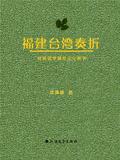 Fujian Taiwan Memorial
Chinese traditional cultural thoughts have a long history and are highly original, original and literary. The early ideological forms were very distinctive, with extensive and profound contents such as religious theology, Chinese medicine classics, ancient military art, Confucianism, Taoism, Buddhism and hundreds of schools of thought, Feng Shui metaphysics, Twenty-Four Histories, customs and geography, etc. This series of "Original Books on Classic Chinese Studies and Essence Culture" retains t
—Reads—Score—Shelves
Fujian Taiwan Memorial
Chinese traditional cultural thoughts have a long history and are highly original, original and literary. The early ideological forms were very distinctive, with extensive and profound contents such as religious theology, Chinese medicine classics, ancient military art, Confucianism, Taoism, Buddhism and hundreds of schools of thought, Feng Shui metaphysics, Twenty-Four Histories, customs and geography, etc. This series of "Original Books on Classic Chinese Studies and Essence Culture" retains t
—Reads—Score—Shelves
-
 Tamsui Department Chronicle
This work "Tsui Hall Chronicles" is written by Chen Peigui
—Reads—Score—Shelves
Tamsui Department Chronicle
This work "Tsui Hall Chronicles" is written by Chen Peigui
—Reads—Score—Shelves
-
 The Whole Story
"The Beginning and End of Pingfan", one volume, is in the collection of Tianyi Pavilion of Fan Maozhu's house in Zhejiang Province.
—Reads—Score—Shelves
The Whole Story
"The Beginning and End of Pingfan", one volume, is in the collection of Tianyi Pavilion of Fan Maozhu's house in Zhejiang Province.
—Reads—Score—Shelves
-
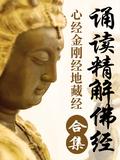 Collection of Reciting Buddhist Scriptures | Heart Sutra Diamond Sutra Ksitigarbha Sutra
Studying the Heart Sutra is learning the wisdom of Buddhism. The philosophy of life advocated by Master Hongyi, Master Xingyun, Nan Huaijin, and Jiang Xun! The 260 words not only fully present the core concepts of Buddhist thought, but are also a sutra that can cure heart diseases. It is said in the Buddhist scriptures: "The Buddha taught various methods to cure all kinds of hearts." The heart refers to the troubles in our hearts. The purpose of the Heart Sutra is to cure our various minds, brea
—Reads—Score—Shelves
Collection of Reciting Buddhist Scriptures | Heart Sutra Diamond Sutra Ksitigarbha Sutra
Studying the Heart Sutra is learning the wisdom of Buddhism. The philosophy of life advocated by Master Hongyi, Master Xingyun, Nan Huaijin, and Jiang Xun! The 260 words not only fully present the core concepts of Buddhist thought, but are also a sutra that can cure heart diseases. It is said in the Buddhist scriptures: "The Buddha taught various methods to cure all kinds of hearts." The heart refers to the troubles in our hearts. The purpose of the Heart Sutra is to cure our various minds, brea
—Reads—Score—Shelves
-
 The Buddhist Sutra on Infinite Life
The full name of the "Infinite Life Sutra" is "The Buddha's Infinite Life Sutra", also known as the "Great Amitabha Sutra" (see Chinese translation). It is one of the basic classics of the Pure Land Sect and one of the "Five Pure Land Sutras". Most of the Pure Land Sect's practice methods can find theoretical basis in this sutra. The sutra introduces the great vows made by Amitabha Buddha (the Buddha of Infinite Life) (the number varies depending on the version, the most is forty-eight), the est
—Reads8.6Score—Shelves
The Buddhist Sutra on Infinite Life
The full name of the "Infinite Life Sutra" is "The Buddha's Infinite Life Sutra", also known as the "Great Amitabha Sutra" (see Chinese translation). It is one of the basic classics of the Pure Land Sect and one of the "Five Pure Land Sutras". Most of the Pure Land Sect's practice methods can find theoretical basis in this sutra. The sutra introduces the great vows made by Amitabha Buddha (the Buddha of Infinite Life) (the number varies depending on the version, the most is forty-eight), the est
—Reads8.6Score—Shelves
-
 The Four Trainings of Liaofan
Professor Fei Yong commented on Yuan Liaofan's "Four Lessons from Liaofan": "Because it is written for future generations, it is extremely sincere. I try my best to teach my children all my life's experience and lessons and all my life insights, hoping that they will live a good life." The family motto left to his descendants by Yuan Liaofan, a thinker in the Ming Dynasty, is based on his lifelong learning, experience and insights, and he earnestly teaches the principle of "my fate is determined
—Reads—Score—Shelves
The Four Trainings of Liaofan
Professor Fei Yong commented on Yuan Liaofan's "Four Lessons from Liaofan": "Because it is written for future generations, it is extremely sincere. I try my best to teach my children all my life's experience and lessons and all my life insights, hoping that they will live a good life." The family motto left to his descendants by Yuan Liaofan, a thinker in the Ming Dynasty, is based on his lifelong learning, experience and insights, and he earnestly teaches the principle of "my fate is determined
—Reads—Score—Shelves
-
 Buddha Nourishes the Mind and Nature: People with Buddha in Their Hearts Will Feel at Ease
In secular life, we worry too much, think too much, care too much about personal gains and losses and image, and care too much about the eyes and comments of others, which makes us live a tense and tiring life. Living a stressful and tiring life, what's the reason? The reason is a lack of security, or peace of mind. How to give yourself a sense of security and truly "peace" your mind. Then let us first listen to this book, learn about Buddhism from other universities in this world, feel the grac
—Reads—Score—Shelves
Buddha Nourishes the Mind and Nature: People with Buddha in Their Hearts Will Feel at Ease
In secular life, we worry too much, think too much, care too much about personal gains and losses and image, and care too much about the eyes and comments of others, which makes us live a tense and tiring life. Living a stressful and tiring life, what's the reason? The reason is a lack of security, or peace of mind. How to give yourself a sense of security and truly "peace" your mind. Then let us first listen to this book, learn about Buddhism from other universities in this world, feel the grac
—Reads—Score—Shelves
-
 Buddha Nourishes the Heart, Tao Nourishes the Nature: If You Cultivate Compassion, Blessings Will Come Naturally
What is compassion? Loving all sentient beings and giving happiness (and joy) is called loving-kindness; feeling sympathy for their suffering, showing compassion to all sentient beings, and eradicating their suffering (removing suffering) is called compassion: the two together are called compassion. Compassion is the root of all virtues, compassion is infinite wisdom, and compassion is great love. Being able to feel the pain of all living beings, being kind to all living beings, and having the h
—Reads—Score—Shelves
Buddha Nourishes the Heart, Tao Nourishes the Nature: If You Cultivate Compassion, Blessings Will Come Naturally
What is compassion? Loving all sentient beings and giving happiness (and joy) is called loving-kindness; feeling sympathy for their suffering, showing compassion to all sentient beings, and eradicating their suffering (removing suffering) is called compassion: the two together are called compassion. Compassion is the root of all virtues, compassion is infinite wisdom, and compassion is great love. Being able to feel the pain of all living beings, being kind to all living beings, and having the h
—Reads—Score—Shelves
-
 Buddha Speaks Buddha's Name Sutra
Buddhist scriptures. It guides people to be good, and the philosophical thoughts contained in it are worthy of people's study and reflection.
—Reads9.2Score—Shelves
Buddha Speaks Buddha's Name Sutra
Buddhist scriptures. It guides people to be good, and the philosophical thoughts contained in it are worthy of people's study and reflection.
—Reads9.2Score—Shelves
-
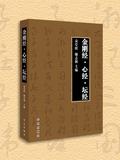 Diamond Sutra · Heart Sutra · Tan Sutra
The "Altar Sutra", "Heart Sutra" and "Diamond Sutra" are representatives of Chinese Buddhist classics and have had a profound impact on Chinese thought and culture. Among them, the "Tan Sutra" mainly records the words and deeds of Huineng, the sixth ancestor of Zen Buddhism, laying the theoretical foundation for Zen Buddhism and making it a Chinese Buddhist sect that has a long history and a wide range of influence. The "Heart Sutra" and "Diamond Sutra" are concise and concise, rich in connotati
—Reads—Score—Shelves
Diamond Sutra · Heart Sutra · Tan Sutra
The "Altar Sutra", "Heart Sutra" and "Diamond Sutra" are representatives of Chinese Buddhist classics and have had a profound impact on Chinese thought and culture. Among them, the "Tan Sutra" mainly records the words and deeds of Huineng, the sixth ancestor of Zen Buddhism, laying the theoretical foundation for Zen Buddhism and making it a Chinese Buddhist sect that has a long history and a wide range of influence. The "Heart Sutra" and "Diamond Sutra" are concise and concise, rich in connotati
—Reads—Score—Shelves
-
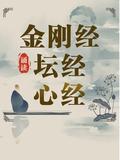 Recite the Diamond Sutra, the Tantra Sutra, and the Heart Sutra
The Diamond Sutra, the Heart Sutra, and the Sixth Patriarch's Altar Sutra hold a lofty status in Buddhism. They not only embody the original spirit and unique ideological value in Chinese Buddhism, but from the perspective of Chinese cultural history, their influence involves all walks of life among monks and laymen, and penetrates into all aspects of social culture. "Heart Sutra": the first sutra of Mahayana Buddhism, learn to get rid of worries "Diamond Sutra": the most important Prajna classi
—Reads—Score—Shelves
Recite the Diamond Sutra, the Tantra Sutra, and the Heart Sutra
The Diamond Sutra, the Heart Sutra, and the Sixth Patriarch's Altar Sutra hold a lofty status in Buddhism. They not only embody the original spirit and unique ideological value in Chinese Buddhism, but from the perspective of Chinese cultural history, their influence involves all walks of life among monks and laymen, and penetrates into all aspects of social culture. "Heart Sutra": the first sutra of Mahayana Buddhism, learn to get rid of worries "Diamond Sutra": the most important Prajna classi
—Reads—Score—Shelves
-
 The Buddha Said the First Sutra of Virtuous People
It sounds like this. At one time, the Buddha was sitting in the pure Dharma place in the country of Magati. At that time, all the Bodhisattvas, Maitreya, Bodhisattva and others gathered together. Bhikkhu, Bhikshuni Upasaka Upasika. All the gods, dragons, ghosts and gods Ashulun gathered together.
—Reads7.6Score—Shelves
The Buddha Said the First Sutra of Virtuous People
It sounds like this. At one time, the Buddha was sitting in the pure Dharma place in the country of Magati. At that time, all the Bodhisattvas, Maitreya, Bodhisattva and others gathered together. Bhikkhu, Bhikshuni Upasaka Upasika. All the gods, dragons, ghosts and gods Ashulun gathered together.
—Reads7.6Score—Shelves
-
 Buddha's Dharma Samadhi Sutra
Buddha's Dharma Sea Sutra
—Reads7.9Score—Shelves
Buddha's Dharma Samadhi Sutra
Buddha's Dharma Sea Sutra
—Reads7.9Score—Shelves
-
 The Buddha Said the Universal Gate Principle Sutra A
I heard this: At one time, the Buddha was traveling on Vulture Mountain in the city of Wangshe, with eight hundred great bhikkhus and forty-two thousand Bodhisattvas - he had obtained all the masters, his supernatural power had been achieved, his sage wisdom was vast, his eloquence was unhindered, his samadhi was settled, and he knew everything. At that time, there was a Bodhisattva named Lishengzang, together with ninety-two thousand Bodhisattvas, traveling from the country of Universal Flower
—Reads8.1Score—Shelves
The Buddha Said the Universal Gate Principle Sutra A
I heard this: At one time, the Buddha was traveling on Vulture Mountain in the city of Wangshe, with eight hundred great bhikkhus and forty-two thousand Bodhisattvas - he had obtained all the masters, his supernatural power had been achieved, his sage wisdom was vast, his eloquence was unhindered, his samadhi was settled, and he knew everything. At that time, there was a Bodhisattva named Lishengzang, together with ninety-two thousand Bodhisattvas, traveling from the country of Universal Flower
—Reads8.1Score—Shelves
-
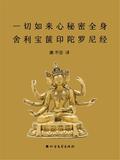 The Secret of the Heart of All Tathagatas, the Whole Body Relic Box, and the Dharani Sutra
Chinese traditional cultural thoughts have a long history and are highly original, original and literary. The early ideological forms were very distinctive, with extensive and profound contents such as religious theology, Chinese medicine classics, ancient military art, Confucianism, Taoism, Buddhism and hundreds of schools of thought, Feng Shui metaphysics, Twenty-Four Histories, customs and geography, etc. This series of "Original Books on Classic Chinese Studies and Essence Culture" retains t
—Reads8.4Score—Shelves
The Secret of the Heart of All Tathagatas, the Whole Body Relic Box, and the Dharani Sutra
Chinese traditional cultural thoughts have a long history and are highly original, original and literary. The early ideological forms were very distinctive, with extensive and profound contents such as religious theology, Chinese medicine classics, ancient military art, Confucianism, Taoism, Buddhism and hundreds of schools of thought, Feng Shui metaphysics, Twenty-Four Histories, customs and geography, etc. This series of "Original Books on Classic Chinese Studies and Essence Culture" retains t
—Reads8.4Score—Shelves
-
 The Sutra of Wisdom and Prestige That Delivers the Realms of All Buddhas
The Liang Dynasty translation of the Sangha Bāra Tripitaka is a Mahayana sutra that explains the cause of the Tathagata. It was preached by Sakyamuni Buddha to Manjushri Bodhisattva.
—Reads8.2Score—Shelves
The Sutra of Wisdom and Prestige That Delivers the Realms of All Buddhas
The Liang Dynasty translation of the Sangha Bāra Tripitaka is a Mahayana sutra that explains the cause of the Tathagata. It was preached by Sakyamuni Buddha to Manjushri Bodhisattva.
—Reads8.2Score—Shelves
-
 The Buddha Says Thirty-Five Buddha Names and Repentance Essays
—Reads8.2Score—Shelves
The Buddha Says Thirty-Five Buddha Names and Repentance Essays
The Buddha Says Thirty-Five Buddha Names and Repentance Essays
—Reads8.2Score—Shelves
-
 The Buddha Said the Sutra on the End of Small Dharmas
It sounds like this. At one time the Buddha was in the country of Kuyi. The Tathagata was like mud for three months. Together with all the monks and bodhisattvas, I came to visit the Buddha. He bowed his head to the earth and was surrounded by his family members who looked up and listened to the Dharma. The World-Honored One remained silent and said nothing. The light is not bright. The sage Ananda knelt down, crossed his hands and spoke to the Buddha. The enlightenment of the Dharma before and
—Reads7.9Score—Shelves
The Buddha Said the Sutra on the End of Small Dharmas
It sounds like this. At one time the Buddha was in the country of Kuyi. The Tathagata was like mud for three months. Together with all the monks and bodhisattvas, I came to visit the Buddha. He bowed his head to the earth and was surrounded by his family members who looked up and listened to the Dharma. The World-Honored One remained silent and said nothing. The light is not bright. The sage Ananda knelt down, crossed his hands and spoke to the Buddha. The enlightenment of the Dharma before and
—Reads7.9Score—Shelves