Fanqie library
Browse
- Titles
- 1.8k
Every Fanqie book we index, searchable by title, author or tag.
-
 Benevolence
Tan Sitong's "The Study of Renxue" is not only a philosophical work, but also an ideological bomb thrown into late Qing society. On the eve of the collapse of the old order, he used the courage to "break through the snare" to break the boundaries between Confucianism, Buddhism, Taoism and Western learning, put forward the principle of "benevolence and communication as the first meaning", and called for communication between China and foreign countries, communication between superiors and subordi
—Reads8.5Score—Shelves
Benevolence
Tan Sitong's "The Study of Renxue" is not only a philosophical work, but also an ideological bomb thrown into late Qing society. On the eve of the collapse of the old order, he used the courage to "break through the snare" to break the boundaries between Confucianism, Buddhism, Taoism and Western learning, put forward the principle of "benevolence and communication as the first meaning", and called for communication between China and foreign countries, communication between superiors and subordi
—Reads8.5Score—Shelves
-
 Romance of the Thirteen Dynasties of the Qing Dynasty
"The Romance of Thirteen Dynasties in the Qing Dynasty" is a historical romance novel of nearly 600,000 words written by Xu Xiaotian, a writer of the Republic of China. It uses vivid writing and magnificent layout to panoramically show the changes of the Qing Dynasty from its origin to its demise in the past three hundred years. The book has a total of one hundred chapters, from the rise of Nurhachi's founding of the state, the rise of the Thirteen Relics, to the abdication of Puyi and the closu
—Reads8.1Score—Shelves
Romance of the Thirteen Dynasties of the Qing Dynasty
"The Romance of Thirteen Dynasties in the Qing Dynasty" is a historical romance novel of nearly 600,000 words written by Xu Xiaotian, a writer of the Republic of China. It uses vivid writing and magnificent layout to panoramically show the changes of the Qing Dynasty from its origin to its demise in the past three hundred years. The book has a total of one hundred chapters, from the rise of Nurhachi's founding of the state, the rise of the Thirteen Relics, to the abdication of Puyi and the closu
—Reads8.1Score—Shelves
-
 Records of Emperor Wu of the Qing Dynasty
"Records of Emperor Taizu Wu of the Qing Dynasty" is the authoritative official biography of Nurhaci, the founding monarch of the Later Jin Dynasty. It chronicles Manchuria's magnificent journey from tribal disputes to the foundation of the empire. The book not only reveals the origin of the myth of "the ancestor who was born after three fairies swallowed red fruits", but also depicts the legendary deeds of Nurhaci with thirteen pieces of armor, unifying the Jurchens, establishing the Eight Bann
—Reads7.8Score—Shelves
Records of Emperor Wu of the Qing Dynasty
"Records of Emperor Taizu Wu of the Qing Dynasty" is the authoritative official biography of Nurhaci, the founding monarch of the Later Jin Dynasty. It chronicles Manchuria's magnificent journey from tribal disputes to the foundation of the empire. The book not only reveals the origin of the myth of "the ancestor who was born after three fairies swallowed red fruits", but also depicts the legendary deeds of Nurhaci with thirteen pieces of armor, unifying the Jurchens, establishing the Eight Bann
—Reads7.8Score—Shelves
-
 Romance of the Former Han Dynasty
"The Romance of the Former Han Dynasty" written by Cai Dongfan is a historical chapter novel with the background of the chaotic times from the late Qin Dynasty to the establishment of the Western Han Dynasty. The book has a total of 100 chapters and nearly 560,000 words, vividly recreating those turbulent years. From the tyranny of the First Emperor of Qin, the rise of Chen Sheng and Wu Guang, to the struggle for hegemony between Liu Bang and Xiang Yu, to the establishment of the Han Dynasty and
—Reads8.4Score—Shelves
Romance of the Former Han Dynasty
"The Romance of the Former Han Dynasty" written by Cai Dongfan is a historical chapter novel with the background of the chaotic times from the late Qin Dynasty to the establishment of the Western Han Dynasty. The book has a total of 100 chapters and nearly 560,000 words, vividly recreating those turbulent years. From the tyranny of the First Emperor of Qin, the rise of Chen Sheng and Wu Guang, to the struggle for hegemony between Liu Bang and Xiang Yu, to the establishment of the Han Dynasty and
—Reads8.4Score—Shelves
-
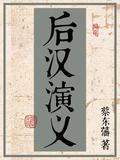 Romance of the Later Han Dynasty
"The Romance of the Later Han Dynasty" written by Cai Dongfan is a historical masterpiece that reproduces the founding of the Eastern Han Dynasty with ups and downs of pen and ink. The book takes Wang Mang's usurpation of the Han Dynasty as the starting point, laying out the flames of the Green Forest and Red Eyebrow Revolts, and also takes Guangwu Emperor Liu Xiu as the protagonist to unfold a counterattack legend from commoner to emperor! In the Battle of Kunyang, a small number defeated a lar
—Reads8.4Score—Shelves
Romance of the Later Han Dynasty
"The Romance of the Later Han Dynasty" written by Cai Dongfan is a historical masterpiece that reproduces the founding of the Eastern Han Dynasty with ups and downs of pen and ink. The book takes Wang Mang's usurpation of the Han Dynasty as the starting point, laying out the flames of the Green Forest and Red Eyebrow Revolts, and also takes Guangwu Emperor Liu Xiu as the protagonist to unfold a counterattack legend from commoner to emperor! In the Battle of Kunyang, a small number defeated a lar
—Reads8.4Score—Shelves
-
 Romance of Qing History
"The Romance of the Qing Dynasty" by Cai Dongfan is a magnificent epic masterpiece, which reveals the centuries-old secrets of the Qing Dynasty from its rise to its collapse in one million words! From Nurhachi's "Seven Hatreds" swearing to fight against the Ming Dynasty, to Kangxi's clever capture of Obei and the pacification of the Three Feuds; from the undercurrents in the prosperous age of Qianlong, to the humiliating artillery fire of the Opium War; to Cixi's Curtain Drop, the Reform Movemen
—Reads8.3Score—Shelves
Romance of Qing History
"The Romance of the Qing Dynasty" by Cai Dongfan is a magnificent epic masterpiece, which reveals the centuries-old secrets of the Qing Dynasty from its rise to its collapse in one million words! From Nurhachi's "Seven Hatreds" swearing to fight against the Ming Dynasty, to Kangxi's clever capture of Obei and the pacification of the Three Feuds; from the undercurrents in the prosperous age of Qianlong, to the humiliating artillery fire of the Opium War; to Cixi's Curtain Drop, the Reform Movemen
—Reads8.3Score—Shelves
-
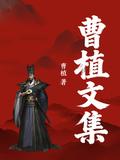 Collected Works of Cao Zhi
He is the son of Cao Cao and the younger brother of Cao Pi, but he has been trapped in the shackles of imperial power all his life; he is the pinnacle of Jian'an character, a legend of a poem in seven steps, and the brightest meteor in the history of Chinese literature - "The Collected Works of Cao Zhi" contains not only poems, but also the monologue of a genius' soul torn apart by the times. This anthology brings together the essence of Cao Zhi's life: the heroic "White Horse" depicts the chiva
—Reads8.5Score—Shelves
Collected Works of Cao Zhi
He is the son of Cao Cao and the younger brother of Cao Pi, but he has been trapped in the shackles of imperial power all his life; he is the pinnacle of Jian'an character, a legend of a poem in seven steps, and the brightest meteor in the history of Chinese literature - "The Collected Works of Cao Zhi" contains not only poems, but also the monologue of a genius' soul torn apart by the times. This anthology brings together the essence of Cao Zhi's life: the heroic "White Horse" depicts the chiva
—Reads8.5Score—Shelves
-
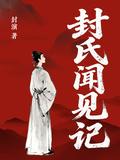 Feng's Hearing and Seeing Notes
"Feng's Hearings and Seeings" is a notebook-style work written by Feng Yan, a scholar in the Tang Dynasty. The book consists of ten volumes and has extensive content, covering many aspects of the Tang Dynasty's politics, systems, culture, customs, geography, anecdotes and other people. The author meticulously records the little-known details of social life in the Tang Dynasty in the form of actual records of his experiences, providing precious first-hand information for the study of the history
—Reads7.9Score—Shelves
Feng's Hearing and Seeing Notes
"Feng's Hearings and Seeings" is a notebook-style work written by Feng Yan, a scholar in the Tang Dynasty. The book consists of ten volumes and has extensive content, covering many aspects of the Tang Dynasty's politics, systems, culture, customs, geography, anecdotes and other people. The author meticulously records the little-known details of social life in the Tang Dynasty in the form of actual records of his experiences, providing precious first-hand information for the study of the history
—Reads7.9Score—Shelves
-
 Jiayouji
"Jiayou Collection" is a representative collection of Su Xun, a famous writer and thinker in the Northern Song Dynasty, including his important works and book inspirations throughout his life. The book consists of eleven volumes, covering many fields such as political commentary, military strategy, historical commentary, scripture interpretation, and book enlightenment. It embodies Su Xun's profound political insights, outstanding military insights, and profound historical accomplishments. Volum
—Reads8.6Score—Shelves
Jiayouji
"Jiayou Collection" is a representative collection of Su Xun, a famous writer and thinker in the Northern Song Dynasty, including his important works and book inspirations throughout his life. The book consists of eleven volumes, covering many fields such as political commentary, military strategy, historical commentary, scripture interpretation, and book enlightenment. It embodies Su Xun's profound political insights, outstanding military insights, and profound historical accomplishments. Volum
—Reads8.6Score—Shelves
-
 Chuanshan Thoughts and Questions
In the intertwined blood and fire of the Ming and Qing dynasties, an arrogant thinker used his pen as a sword to write the "Chuanshan Thoughts and Questions" that shocked the past and the present. Wang Fuzhi, the most profound philosophical master in the late Ming and early Qing dynasties, not only witnessed the collapse of a dynasty, but also single-handedly reconstructed the spiritual core of Confucianism. "Chuanshan Thoughts and Questions" is the crystallization of his thoughts in his later y
—Reads8.6Score—Shelves
Chuanshan Thoughts and Questions
In the intertwined blood and fire of the Ming and Qing dynasties, an arrogant thinker used his pen as a sword to write the "Chuanshan Thoughts and Questions" that shocked the past and the present. Wang Fuzhi, the most profound philosophical master in the late Ming and early Qing dynasties, not only witnessed the collapse of a dynasty, but also single-handedly reconstructed the spiritual core of Confucianism. "Chuanshan Thoughts and Questions" is the crystallization of his thoughts in his later y
—Reads8.6Score—Shelves
-
 Continue to Burn Books
"Continued Burning Books" is one of the important works by Li Zhi, a famous thinker and writer in the Ming Dynasty. It is a sequel to "Book Burning". The book is divided into five volumes, including answers to questions, miscellaneous works, historical reading notes, poems and other literary styles, covering many aspects such as philosophical speculation, social criticism, life insights and literary creation. Li Zhi continued his consistent critical spirit in the book, conducted an in-depth anal
—Reads8.5Score—Shelves
Continue to Burn Books
"Continued Burning Books" is one of the important works by Li Zhi, a famous thinker and writer in the Ming Dynasty. It is a sequel to "Book Burning". The book is divided into five volumes, including answers to questions, miscellaneous works, historical reading notes, poems and other literary styles, covering many aspects such as philosophical speculation, social criticism, life insights and literary creation. Li Zhi continued his consistent critical spirit in the book, conducted an in-depth anal
—Reads8.5Score—Shelves
-
 Tianyu Jing
"Tianyu Jing" is the most important classic in Xuankong Fengshui and Qi regulation. It was written under the name of Yang Junsong. It was lost due to war. In the late Ming Dynasty, Jiang Dahong compiled the annotations and deciphered the difficult parts. From then on, Jiangxi Fengshui based on Xuankong Gua theory has been able to influence future generations for thousands of years. However, with the publication of Jiang Dahong's "Bianzheng of Geography", countless commentators successively comme
—Reads8.6Score—Shelves
Tianyu Jing
"Tianyu Jing" is the most important classic in Xuankong Fengshui and Qi regulation. It was written under the name of Yang Junsong. It was lost due to war. In the late Ming Dynasty, Jiang Dahong compiled the annotations and deciphered the difficult parts. From then on, Jiangxi Fengshui based on Xuankong Gua theory has been able to influence future generations for thousands of years. However, with the publication of Jiang Dahong's "Bianzheng of Geography", countless commentators successively comme
—Reads8.6Score—Shelves
-
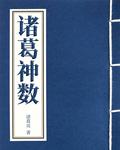 Zhuge Shen Shu
Word-testing book! According to legend, it was written by Zhuge Liang. The method of prediction is simple. The questioner must sincerely say or write three Chinese characters based on what he wants to predict, and then count the number of strokes in these three Chinese characters to find the corresponding signature. I hope the person who occupies it prays sincerely. All are as efficacious as gods. Be careful not to treat it as child's play!
—Reads9.3Score—Shelves
Zhuge Shen Shu
Word-testing book! According to legend, it was written by Zhuge Liang. The method of prediction is simple. The questioner must sincerely say or write three Chinese characters based on what he wants to predict, and then count the number of strokes in these three Chinese characters to find the corresponding signature. I hope the person who occupies it prays sincerely. All are as efficacious as gods. Be careful not to treat it as child's play!
—Reads9.3Score—Shelves
-
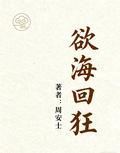 Crazy with Desire
This book uses a pen that appeals to both refined and popular tastes, and contains touching words that contain both sincere advice and stern admonishment. Many examples throughout the ages of not engaging in sexual immorality resulted in blessings, but of committing adultery resulting in misfortunes, are described in detail. The author speaks loudly and spares no effort in the book, which is like a drum in the evening and a bell in the morning, which is thought-provoking. He just wants all peopl
—Reads9.0Score—Shelves
Crazy with Desire
This book uses a pen that appeals to both refined and popular tastes, and contains touching words that contain both sincere advice and stern admonishment. Many examples throughout the ages of not engaging in sexual immorality resulted in blessings, but of committing adultery resulting in misfortunes, are described in detail. The author speaks loudly and spares no effort in the book, which is like a drum in the evening and a bell in the morning, which is thought-provoking. He just wants all peopl
—Reads9.0Score—Shelves
-
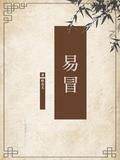 Easy to Take Risks
A divination work written by Cheng Liangyu during the Kangxi period of the Qing Dynasty. The conclusion of "Yi Mao" says, "Liangyu Zi Yuanru, a native of Shexian County. All discussed in this book are the method of substituting money for wild rice. The preface says that when Ming died at the age of five, he studied the mind for divination. He initially wrote 50 chapters on the divination category. During Kangxi's reign, Ji Mao was in good shape. When he met the old man Kupo, he learned his secre
—Reads9.2Score—Shelves
Easy to Take Risks
A divination work written by Cheng Liangyu during the Kangxi period of the Qing Dynasty. The conclusion of "Yi Mao" says, "Liangyu Zi Yuanru, a native of Shexian County. All discussed in this book are the method of substituting money for wild rice. The preface says that when Ming died at the age of five, he studied the mind for divination. He initially wrote 50 chapters on the divination category. During Kangxi's reign, Ji Mao was in good shape. When he met the old man Kupo, he learned his secre
—Reads9.2Score—Shelves
-
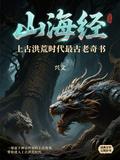 The Classic of Mountains and Seas: the Oldest and Most Wonderful Book in the Prehistoric Times
This ancient book that has been passed down for thousands of years hides countless unknown secrets and amazing mysteries. The front part of this book is written in vernacular, so you can easily and intuitively understand the story inside. The important parts have been marked and organized. The second half is annotations of the original text, you can refer to the original text for detailed reading.
—Reads9.6Score—Shelves
The Classic of Mountains and Seas: the Oldest and Most Wonderful Book in the Prehistoric Times
This ancient book that has been passed down for thousands of years hides countless unknown secrets and amazing mysteries. The front part of this book is written in vernacular, so you can easily and intuitively understand the story inside. The important parts have been marked and organized. The second half is annotations of the original text, you can refer to the original text for detailed reading.
—Reads9.6Score—Shelves
-
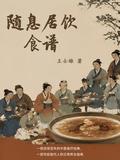 Suixiju Diet Recipe
"Suixiju Diet Manual" is a diet therapy classic written by Wang Shixiong (Wang Mengying), a famous physician in the Qing Dynasty, in the 11th year of Xianfeng. It was written during the war and famine years. It is a classic diet therapy monograph that integrates diet health, food medicinal properties, and daily care. The book is divided into eight categories: water and drink, grain food, blended food, vegetable food, fruit food, and vegetable food. Supplemented by front and back order, the book
—Reads8.6Score—Shelves
Suixiju Diet Recipe
"Suixiju Diet Manual" is a diet therapy classic written by Wang Shixiong (Wang Mengying), a famous physician in the Qing Dynasty, in the 11th year of Xianfeng. It was written during the war and famine years. It is a classic diet therapy monograph that integrates diet health, food medicinal properties, and daily care. The book is divided into eight categories: water and drink, grain food, blended food, vegetable food, fruit food, and vegetable food. Supplemented by front and back order, the book
—Reads8.6Score—Shelves
-
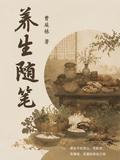 Health Essay
[Traditional ancient books on home health care | Nursing care for middle-aged and elderly people | Therapeutic porridge recipes | Daily life guide] A complete set of ancient books on home health care specially created for middle-aged and elderly people. The book is divided into five volumes. From getting up in the morning to sleep, washing and eating, walking and sitting, to choosing clothes, beds, utensils, and a complete recipe of hundreds of porridges, the book turns all the small things in d
—Reads8.1Score—Shelves
Health Essay
[Traditional ancient books on home health care | Nursing care for middle-aged and elderly people | Therapeutic porridge recipes | Daily life guide] A complete set of ancient books on home health care specially created for middle-aged and elderly people. The book is divided into five volumes. From getting up in the morning to sleep, washing and eating, walking and sitting, to choosing clothes, beds, utensils, and a complete recipe of hundreds of porridges, the book turns all the small things in d
—Reads8.1Score—Shelves
-
 Essentials of Nei Jing
"Nei Jing Zhi Yao", published in 1642, was compiled by Li Zhongzi in the Ming Dynasty. The book consists of 2 volumes. Li chose the original text from the "Nei Jing" and divided it into eight categories: Taoism, yin and yang, color diagnosis, pulse diagnosis, internal organs, meridians, treatment principles, and pathological conditions. The classification of this book is concise and to the point yet systematic and comprehensive. The book emphasizes the concept of the unity of man and nature in t
—Reads9.4Score—Shelves
Essentials of Nei Jing
"Nei Jing Zhi Yao", published in 1642, was compiled by Li Zhongzi in the Ming Dynasty. The book consists of 2 volumes. Li chose the original text from the "Nei Jing" and divided it into eight categories: Taoism, yin and yang, color diagnosis, pulse diagnosis, internal organs, meridians, treatment principles, and pathological conditions. The classification of this book is concise and to the point yet systematic and comprehensive. The book emphasizes the concept of the unity of man and nature in t
—Reads9.4Score—Shelves
-
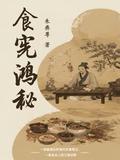 The Secret of Food
"Shi Xian Hong Mi" is a highly practical ancient practical recipe, recording more than 400 kinds of traditional food that can be reproduced, and completely restoring the complete folk food production system of the Qing Dynasty. The whole book is clearly classified, from daily drinking water, porridge, rice and cakes, to sauces and pickles, flower and fruit preserves, fish, shrimp, crab and poultry, and livestock meat cured delicacies. It is divided into more than ten categories. Each recipe is m
—Reads8.1Score—Shelves
The Secret of Food
"Shi Xian Hong Mi" is a highly practical ancient practical recipe, recording more than 400 kinds of traditional food that can be reproduced, and completely restoring the complete folk food production system of the Qing Dynasty. The whole book is clearly classified, from daily drinking water, porridge, rice and cakes, to sauces and pickles, flower and fruit preserves, fish, shrimp, crab and poultry, and livestock meat cured delicacies. It is divided into more than ten categories. Each recipe is m
—Reads8.1Score—Shelves
-
 Miscellaneous Records of the Ming Emperor
If Tang Dynasty had a circle of friends, this book would definitely be blocked. The author Zheng Chuhui revealed the truth under his real name, specializing in digging up the dark corners of the Xuanzong Dynasty: Fierce and hardcore: The jade fish and dragon presented by An Lushan to Huaqing Pool actually "came alive" in front of Xuanzong, scaring a generation of emperors to run away on the spot. Workplace scheming: How was the famous prime minister Zhang Jiuling "persuaded" to quit by Li Linfu
—Reads7.8Score—Shelves
Miscellaneous Records of the Ming Emperor
If Tang Dynasty had a circle of friends, this book would definitely be blocked. The author Zheng Chuhui revealed the truth under his real name, specializing in digging up the dark corners of the Xuanzong Dynasty: Fierce and hardcore: The jade fish and dragon presented by An Lushan to Huaqing Pool actually "came alive" in front of Xuanzong, scaring a generation of emperors to run away on the spot. Workplace scheming: How was the famous prime minister Zhang Jiuling "persuaded" to quit by Li Linfu
—Reads7.8Score—Shelves
-
 Korean Poetry
"Han Shi Wai Zhuan" is a work of interpretation of Confucian classics written by Han Ying of the Western Han Dynasty. The book consists of ten volumes. It uses "The Book of Songs" as the outline and uses historical events, fables and famous sayings as the purpose to systematically expound the etiquette of poetry and the way to cultivate one's morality in politics. The book does not focus on exegesis of chapters and sentences. Instead, it connects the core Confucian concepts of loyalty, filial pi
—Reads7.9Score—Shelves
Korean Poetry
"Han Shi Wai Zhuan" is a work of interpretation of Confucian classics written by Han Ying of the Western Han Dynasty. The book consists of ten volumes. It uses "The Book of Songs" as the outline and uses historical events, fables and famous sayings as the purpose to systematically expound the etiquette of poetry and the way to cultivate one's morality in politics. The book does not focus on exegesis of chapters and sentences. Instead, it connects the core Confucian concepts of loyalty, filial pi
—Reads7.9Score—Shelves
-
 Mei Mengyuan
"Mei Meng Yuan" is also known as "The Wonders of Romance", "The Fate of Qiao Yan" and "The History of Romance", with forty chapters. The manuscript is signed "Feng Yuexuan and Xuan Zi", the Xiao Feng Xuan version or other later editions are signed "Feng Yue Xuan Xuan Zi". According to this book, each chapter has a general review at the end of the chapter, and the reviewer often calls himself "You Xuanzi", even in the edition signed "Feng Yuexuan Ru Xuanzi". It can be seen that it was originally
—Reads9.3Score—Shelves
Mei Mengyuan
"Mei Meng Yuan" is also known as "The Wonders of Romance", "The Fate of Qiao Yan" and "The History of Romance", with forty chapters. The manuscript is signed "Feng Yuexuan and Xuan Zi", the Xiao Feng Xuan version or other later editions are signed "Feng Yue Xuan Xuan Zi". According to this book, each chapter has a general review at the end of the chapter, and the reviewer often calls himself "You Xuanzi", even in the edition signed "Feng Yuexuan Ru Xuanzi". It can be seen that it was originally
—Reads9.3Score—Shelves
-
 Qimen Dharma Tips
Qi Men Dun Jia is an extremely rigorous and repeatable multi-dimensional, three-dimensional, and motion mathematical model. Time, space, and mathematics are its three major elements. They are interconnected and interpenetrated and are inseparable. Generally speaking, Qimen Dunjia has two different layout methods: flying disc and turntable, which belong to two different schools. In recent years, many classics on Qimen have been published one after another, but most of them are about Qimen with ro
—Reads9.2Score—Shelves
Qimen Dharma Tips
Qi Men Dun Jia is an extremely rigorous and repeatable multi-dimensional, three-dimensional, and motion mathematical model. Time, space, and mathematics are its three major elements. They are interconnected and interpenetrated and are inseparable. Generally speaking, Qimen Dunjia has two different layout methods: flying disc and turntable, which belong to two different schools. In recent years, many classics on Qimen have been published one after another, but most of them are about Qimen with ro
—Reads9.2Score—Shelves
-
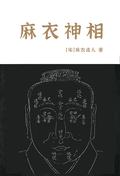 Mai Look
"Ma Yi Shen Xiang" is said to be a theory of physiognomy taught to Chen Tuan by the Taoist priest Mai Yi. It divides the face into twelve palaces such as the Palace of Life and the Palace of Migration, and infers and predicts a person's good or bad luck based on his complexion, shape and customs. The main body of this book is "Ma Yi Xiang Shen Ming Fu", accompanied by "Golden Lock Fu", "Silver Spoon Song", etc. There are illustrations at the end of the text as a visual reference.
—Reads9.4Score—Shelves
Mai Look
"Ma Yi Shen Xiang" is said to be a theory of physiognomy taught to Chen Tuan by the Taoist priest Mai Yi. It divides the face into twelve palaces such as the Palace of Life and the Palace of Migration, and infers and predicts a person's good or bad luck based on his complexion, shape and customs. The main body of this book is "Ma Yi Xiang Shen Ming Fu", accompanied by "Golden Lock Fu", "Silver Spoon Song", etc. There are illustrations at the end of the text as a visual reference.
—Reads9.4Score—Shelves
-
 Yuan Hai Ziping
Ancient fortune-telling book. The people of the Qing Dynasty commissioned Xu Dasheng of the Song Dynasty to write it. Together with Liu Ji's "Dipping Heaven Essence" and Shen Xiaozhan's "Ziping Zhenzhen", Zhang Shenfeng's "Shenfeng Tongkao Numerology Zhenzong", Chen Su'an's "Ziping Yueyan" and Anonymous's "Bajiangwang" (i. E. "Qingtong Baojian"), etc., They are the same books commonly used by the sorcerers in modern times to use their magic to travel and eat. They have a great influence among th
—Reads9.1Score—Shelves
Yuan Hai Ziping
Ancient fortune-telling book. The people of the Qing Dynasty commissioned Xu Dasheng of the Song Dynasty to write it. Together with Liu Ji's "Dipping Heaven Essence" and Shen Xiaozhan's "Ziping Zhenzhen", Zhang Shenfeng's "Shenfeng Tongkao Numerology Zhenzong", Chen Su'an's "Ziping Yueyan" and Anonymous's "Bajiangwang" (i. E. "Qingtong Baojian"), etc., They are the same books commonly used by the sorcerers in modern times to use their magic to travel and eat. They have a great influence among th
—Reads9.1Score—Shelves
-
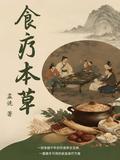 Dietary Herbal Medicine
"Dietotherapeutic Materia Medica" is a very representative ancient dietary therapy book from the Tang Dynasty in my country. It was compiled by Meng Shen and supplemented by Zhang Ding. The book is divided into three volumes and systematically includes hundreds of daily foods such as grains, vegetables, fruits, animals and poultry, seafood, and seasonings. The book abandons ordinary medical science and is based on people's daily diet. It records the nature and taste of each ingredient, its edibl
—Reads8.1Score—Shelves
Dietary Herbal Medicine
"Dietotherapeutic Materia Medica" is a very representative ancient dietary therapy book from the Tang Dynasty in my country. It was compiled by Meng Shen and supplemented by Zhang Ding. The book is divided into three volumes and systematically includes hundreds of daily foods such as grains, vegetables, fruits, animals and poultry, seafood, and seasonings. The book abandons ordinary medical science and is based on people's daily diet. It records the nature and taste of each ingredient, its edibl
—Reads8.1Score—Shelves
-
 Netherworld Record
"Netherworld Records", also known as "Youming Records" and "Netherworld Records", is a collection of supernatural novels compiled by Liu Yiqing, a litterateur in the Southern Song Dynasty. The whole book originally consisted of thirty volumes, but was later scattered and lost during the Song and Yuan Dynasties. There are now more than 200 editions, most of which are included in classics such as Taiping Guangji and Shuo Yong. The book takes "the interrelationship between ghosts and ghosts, and th
—Reads9.3Score—Shelves
Netherworld Record
"Netherworld Records", also known as "Youming Records" and "Netherworld Records", is a collection of supernatural novels compiled by Liu Yiqing, a litterateur in the Southern Song Dynasty. The whole book originally consisted of thirty volumes, but was later scattered and lost during the Song and Yuan Dynasties. There are now more than 200 editions, most of which are included in classics such as Taiping Guangji and Shuo Yong. The book takes "the interrelationship between ghosts and ghosts, and th
—Reads9.3Score—Shelves
-
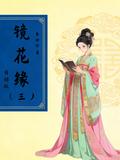 Flowers in the Mirror (3) Vernacular Version
Fairy Baihua was demoted to earth, and hundreds of talented women, each with their own talents, were scattered around the world! Tang Ao went to sea to search for immortals. Wherever he went, men's feet were bound and women were in power, which subverted the three views. There is a country of fair-skinned and beautiful ugly women, a country of eloquent gentlemen, and even a dispute between heaven and earth caused by a peach event! See how Tang Ao breaks through, see how the talented women counte
—Reads8.7Score—Shelves
Flowers in the Mirror (3) Vernacular Version
Fairy Baihua was demoted to earth, and hundreds of talented women, each with their own talents, were scattered around the world! Tang Ao went to sea to search for immortals. Wherever he went, men's feet were bound and women were in power, which subverted the three views. There is a country of fair-skinned and beautiful ugly women, a country of eloquent gentlemen, and even a dispute between heaven and earth caused by a peach event! See how Tang Ao breaks through, see how the talented women counte
—Reads8.7Score—Shelves
-
 Acupuncture a and B Meridians
Ancient Chinese medicine books are a shining pearl in the treasure house of Chinese medicine. They have high guiding significance and practical value, and have made significant contributions and far-reaching influences on the development of medicine in later generations.
—Reads9.3Score—Shelves
Acupuncture a and B Meridians
Ancient Chinese medicine books are a shining pearl in the treasure house of Chinese medicine. They have high guiding significance and practical value, and have made significant contributions and far-reaching influences on the development of medicine in later generations.
—Reads9.3Score—Shelves
-
 Meridians
Chinese medical classics are a shining pearl in the treasure house of Chinese medicine. They have high guiding significance and practical value, and have made significant contributions and far-reaching influences on the development of medicine in later generations.
—Reads9.3Score—Shelves
Meridians
Chinese medical classics are a shining pearl in the treasure house of Chinese medicine. They have high guiding significance and practical value, and have made significant contributions and far-reaching influences on the development of medicine in later generations.
—Reads9.3Score—Shelves
-
 Plum Blossoms Are Easy to Count
"The Number of Plum Blossoms" is one of the ancient Chinese divination methods. Today's Bagua Xiangshu and Plum Blossom Heart Yishang are both nicknames for Plum Blossom Yishu. According to legend, it was written by Shao Yong, a scholar of the Yi Dynasty in the Song Dynasty. It is a book based on the mathematics of the Yi study and combined with the "Xiang Xue" of the Yi study for divination. It is said that when Shao Yong used it, every hexagram was sure to be correct, and it worked repeatedly.
—Reads9.5Score—Shelves
Plum Blossoms Are Easy to Count
"The Number of Plum Blossoms" is one of the ancient Chinese divination methods. Today's Bagua Xiangshu and Plum Blossom Heart Yishang are both nicknames for Plum Blossom Yishu. According to legend, it was written by Shao Yong, a scholar of the Yi Dynasty in the Song Dynasty. It is a book based on the mathematics of the Yi study and combined with the "Xiang Xue" of the Yi study for divination. It is said that when Shao Yong used it, every hexagram was sure to be correct, and it worked repeatedly.
—Reads9.5Score—Shelves
-
 Landscape Slip
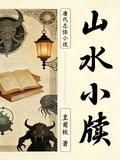
"Landscape Slips", also known as "Sanshui Slips", is a collection of legendary novels written by Huang Fumei in the late Tang Dynasty. It was written in the early years of the Five Dynasties. It records personal experiences and folk anecdotes during the Xiantong and Guangqi years. It is a representative work of legendary novels in the late Tang Dynasty. The book is divided into two volumes and contains more than 30 stories with a wide range of themes: Jiuhua Taoist priests ascending the peak to
—Reads8.7Score—Shelves
Landscape Slip
"Landscape Slips", also known as "Sanshui Slips", is a collection of legendary novels written by Huang Fumei in the late Tang Dynasty. It was written in the early years of the Five Dynasties. It records personal experiences and folk anecdotes during the Xiantong and Guangqi years. It is a representative work of legendary novels in the late Tang Dynasty. The book is divided into two volumes and contains more than 30 stories with a wide range of themes: Jiuhua Taoist priests ascending the peak to
—Reads8.7Score—Shelves
-
 Journey to the North
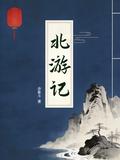
"Journey to the North", also known as "The Biography of Emperor Zhenwu", is a classic chapter of "Journey to the North", one of the four famous works of the Ming Dynasty. The story begins with the legendary journey of the Jade Emperor, who was moved by greed and was reincarnated as a soul. After many lives of reincarnation and hard training, he finally became the master of Zhenwu. He gave up his wealth and power, and went to Wudang Mountain to practice for forty years. He killed demons and subdu
—Reads8.5Score—Shelves
Journey to the North
"Journey to the North", also known as "The Biography of Emperor Zhenwu", is a classic chapter of "Journey to the North", one of the four famous works of the Ming Dynasty. The story begins with the legendary journey of the Jade Emperor, who was moved by greed and was reincarnated as a soul. After many lives of reincarnation and hard training, he finally became the master of Zhenwu. He gave up his wealth and power, and went to Wudang Mountain to practice for forty years. He killed demons and subdu
—Reads8.5Score—Shelves
-
 The Complete Works of Zhang Sanfeng
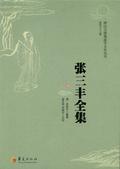
The main content of this book is the integration of the alchemy practice of Zhang Sanfeng, a representative figure in alchemy practice in the Yuan and Ming Dynasties, and Tai Chi and Neijiaquan. Zhang Sanfeng is a legendary figure in the history of our country. He was a successful monk but mostly scattered among the people. During the Qing Dynasty, Li Xiyue reviewed a large number of documents, collected historical works, and re-edited "The Complete Works of Zhang Sanfeng". He paid great attenti
—Reads9.3Score—Shelves
The Complete Works of Zhang Sanfeng
The main content of this book is the integration of the alchemy practice of Zhang Sanfeng, a representative figure in alchemy practice in the Yuan and Ming Dynasties, and Tai Chi and Neijiaquan. Zhang Sanfeng is a legendary figure in the history of our country. He was a successful monk but mostly scattered among the people. During the Qing Dynasty, Li Xiyue reviewed a large number of documents, collected historical works, and re-edited "The Complete Works of Zhang Sanfeng". He paid great attenti
—Reads9.3Score—Shelves
-
 Handan Chronicles
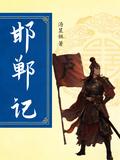
[Classical Legend Storybook|Huang Liang Yimeng's Classic Zhiguai Opera] Lu Sheng, a down-and-out scholar, was stuck in a hotel in Handan and met Lu Dongbin while traveling. He was unwilling to give up, and he longed to be named on the golden list, become a general, become a prime minister, have a rich family, and have famous descendants. He complained about his downfall in this life. Lu Xian took out a magnetic pillow and gave it to Lu Sheng so that he could sleep on it. Decades of glory in the
—Reads8.7Score—Shelves
Handan Chronicles
[Classical Legend Storybook|Huang Liang Yimeng's Classic Zhiguai Opera] Lu Sheng, a down-and-out scholar, was stuck in a hotel in Handan and met Lu Dongbin while traveling. He was unwilling to give up, and he longed to be named on the golden list, become a general, become a prime minister, have a rich family, and have famous descendants. He complained about his downfall in this life. Lu Xian took out a magnetic pillow and gave it to Lu Sheng so that he could sleep on it. Decades of glory in the
—Reads8.7Score—Shelves
-
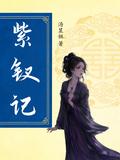 The Purple Hairpin
[Classic legendary operas of the Ming Dynasty | Ancient style talents and beauties | Perfection after abuse | Jianghu chivalry] At the Lantern Festival in Chang'an, Li Yi, a talented man from a poor family, met Huo Xiaoyu, the daughter of Prince Huo's palace. They used a purple jade hairpin as a matchmaker. Not long after their wedding, Li Yi went to Luoyang to take the exam and won the first prize in one fell swoop. However, he was plotted by the powerful and powerful Lieutenant Lu, who forced
—Reads8.3Score—Shelves
The Purple Hairpin
[Classic legendary operas of the Ming Dynasty | Ancient style talents and beauties | Perfection after abuse | Jianghu chivalry] At the Lantern Festival in Chang'an, Li Yi, a talented man from a poor family, met Huo Xiaoyu, the daughter of Prince Huo's palace. They used a purple jade hairpin as a matchmaker. Not long after their wedding, Li Yi went to Luoyang to take the exam and won the first prize in one fell swoop. However, he was plotted by the powerful and powerful Lieutenant Lu, who forced
—Reads8.3Score—Shelves
-
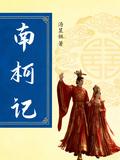 Nan Ke Ji
[Ancient Proverbs and Fantasy Fairies | Court Marriage and Love | BE Aesthetics] Chun Yufen, a frustrated knight-errant from Yangzhou, took a surprise glance at the Zen Temple and got married to Princess Yaofang of Huaian Kingdom. In the dream for twenty years, he was the prefect who guarded Nanke alone, and she was gentle and accompanied by golden branches. Husband and wife guard a paradise together, raise children, defend against foreign enemies, and their love is as deep as the sea. But Tanlu
—Reads8.5Score—Shelves
Nan Ke Ji
[Ancient Proverbs and Fantasy Fairies | Court Marriage and Love | BE Aesthetics] Chun Yufen, a frustrated knight-errant from Yangzhou, took a surprise glance at the Zen Temple and got married to Princess Yaofang of Huaian Kingdom. In the dream for twenty years, he was the prefect who guarded Nanke alone, and she was gentle and accompanied by golden branches. Husband and wife guard a paradise together, raise children, defend against foreign enemies, and their love is as deep as the sea. But Tanlu
—Reads8.5Score—Shelves
-
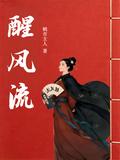 Xingfengliu
His family was ruined, and he changed his appearance and joined a wealthy family. Her father was killed by the powerful official Han Kuanzhou, and her family property was burned to the ground. Overnight, Mei Qian was reduced from the prince of the country to the prince of the country to a prisoner of the imperial court. Fortunately, the scholar Xu Kui sacrificed his life to take his place and he was able to escape. Changing his name and surname to "Murong", he hid in the mansion of Feng, the Min
—Reads8.6Score—Shelves
Xingfengliu
His family was ruined, and he changed his appearance and joined a wealthy family. Her father was killed by the powerful official Han Kuanzhou, and her family property was burned to the ground. Overnight, Mei Qian was reduced from the prince of the country to the prince of the country to a prisoner of the imperial court. Fortunately, the scholar Xu Kui sacrificed his life to take his place and he was able to escape. Changing his name and surname to "Murong", he hid in the mansion of Feng, the Min
—Reads8.6Score—Shelves
-
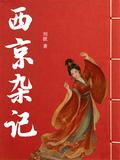 Miscellaneous Notes on Xijing
"Miscellaneous Notes of Xijing" is an ancient notebook that records anecdotes about Chang'an, the capital of the Western Han Dynasty. It was originally written by Liu Xin of the Western Han Dynasty and compiled by Ge Hong of the Jin Dynasty under many later titles. The book consists of six volumes, collecting anecdotes of the Han Dynasty's palaces, celebrity anecdotes, customs, craftsmanship and folklore, with extensive content and simple and elegant writing. The book records in detail the regul
—Reads7.9Score—Shelves
Miscellaneous Notes on Xijing
"Miscellaneous Notes of Xijing" is an ancient notebook that records anecdotes about Chang'an, the capital of the Western Han Dynasty. It was originally written by Liu Xin of the Western Han Dynasty and compiled by Ge Hong of the Jin Dynasty under many later titles. The book consists of six volumes, collecting anecdotes of the Han Dynasty's palaces, celebrity anecdotes, customs, craftsmanship and folklore, with extensive content and simple and elegant writing. The book records in detail the regul
—Reads7.9Score—Shelves
-
 Blue Box Miscellaneous Notes
"Qingxiang Zaji" is a ten-volume note written by Wu Chuhou of the Northern Song Dynasty. It was written in the second year of Yuanyou (1087). It is compiled in the style of "Beimeng Suoyan" and "Guitian Lu". It is one of the important historical notes of the Song Dynasty. The book is based on the experiences of the Five Dynasties and the Northern Song Dynasty, and collects many contents such as the imperial court system, the evolution of the official system, political anecdotes, local folk custo
—Reads7.9Score—Shelves
Blue Box Miscellaneous Notes
"Qingxiang Zaji" is a ten-volume note written by Wu Chuhou of the Northern Song Dynasty. It was written in the second year of Yuanyou (1087). It is compiled in the style of "Beimeng Suoyan" and "Guitian Lu". It is one of the important historical notes of the Song Dynasty. The book is based on the experiences of the Five Dynasties and the Northern Song Dynasty, and collects many contents such as the imperial court system, the evolution of the official system, political anecdotes, local folk custo
—Reads7.9Score—Shelves
-
 The Qing Dynasty Entered the Customs and Entered Tyranny
"The Tyranny of the Qing Dynasty after the Qing Dynasty entered the Customs" is a historical work written by the Qing Dynasty author Han Shu. It records the rule and political measures of the Qing Dynasty after the Qing Dynasty entered the Customs and their impact on society, people and former ministers in the form of a chronicle or notes. It is one of the reference materials for studying power replacement and social changes during the Ming and Qing dynasties. This book was written in the Qing D
—Reads7.7Score—Shelves
The Qing Dynasty Entered the Customs and Entered Tyranny
"The Tyranny of the Qing Dynasty after the Qing Dynasty entered the Customs" is a historical work written by the Qing Dynasty author Han Shu. It records the rule and political measures of the Qing Dynasty after the Qing Dynasty entered the Customs and their impact on society, people and former ministers in the form of a chronicle or notes. It is one of the reference materials for studying power replacement and social changes during the Ming and Qing dynasties. This book was written in the Qing D
—Reads7.7Score—Shelves
-
 Qing Dynasty Records of the Xuantong Dynasty (Free Public Edition)
It is a chronicle of historical materials about the reign of Emperor Xuantong of the Qing Dynasty. It records in detail the political, economic, military, diplomatic, cultural and other major events of the Xuantong Dynasty. Including imperial edicts, the appointment and dismissal of officials, the occurrence of major events, etc., It provides important original data for studying the history and social changes in the late Qing Dynasty.
—Reads8.6Score—Shelves
Qing Dynasty Records of the Xuantong Dynasty (Free Public Edition)
It is a chronicle of historical materials about the reign of Emperor Xuantong of the Qing Dynasty. It records in detail the political, economic, military, diplomatic, cultural and other major events of the Xuantong Dynasty. Including imperial edicts, the appointment and dismissal of officials, the occurrence of major events, etc., It provides important original data for studying the history and social changes in the late Qing Dynasty.
—Reads8.6Score—Shelves
-
 Remains of the Ming Dynasty (Free Public Edition Book)
This book describes the historical events of the Southern Ming Dynasty. The first volume describes the origin and end of Li Zicheng's uprising, the second and third volumes describe the beginning and end of the Hongguang regime, and the fourth volume describes the beginning and end of the Longwu and Yongli regimes. Well organized and complete from beginning to end. In particular, he criticized the political corruption of Ma Shiying and Ruan Dacheng during the reign of King Fu, and he spoke bitte
—Reads8.5Score—Shelves
Remains of the Ming Dynasty (Free Public Edition Book)
This book describes the historical events of the Southern Ming Dynasty. The first volume describes the origin and end of Li Zicheng's uprising, the second and third volumes describe the beginning and end of the Hongguang regime, and the fourth volume describes the beginning and end of the Longwu and Yongli regimes. Well organized and complete from beginning to end. In particular, he criticized the political corruption of Ma Shiying and Ruan Dacheng during the reign of King Fu, and he spoke bitte
—Reads8.5Score—Shelves
-
 A Brief Account of the Fall of the Ming Dynasty (Free Public Edition Book)
"A Brief Account of the Fall of the Ming Dynasty" records the historical facts of the fall of the Ming Dynasty. The first volume describes the benevolent deeds of Emperor Chongzhen and his ministers Zhou Yanru and Wen Ti. It also describes the story of Sun Chengzong, Hong Chengchou, Lu Xiangsheng, Yang Sichang, Sun Chuanting, Cai Maode, Zhou Yuji, Qin Liangyu and others encircling and suppressing the peasant army of Li Zicheng and Zhang Xianzhong, as well as the beginning and end of the peasant
—Reads8.5Score—Shelves
A Brief Account of the Fall of the Ming Dynasty (Free Public Edition Book)
"A Brief Account of the Fall of the Ming Dynasty" records the historical facts of the fall of the Ming Dynasty. The first volume describes the benevolent deeds of Emperor Chongzhen and his ministers Zhou Yanru and Wen Ti. It also describes the story of Sun Chengzong, Hong Chengchou, Lu Xiangsheng, Yang Sichang, Sun Chuanting, Cai Maode, Zhou Yuji, Qin Liangyu and others encircling and suppressing the peasant army of Li Zicheng and Zhang Xianzhong, as well as the beginning and end of the peasant
—Reads8.5Score—Shelves
-
 Collected Works of Liu Song
Liu Song (1321-1381) was born in Taihe, Jiangxi Province at the end of the Yuan Dynasty and the beginning of the Ming Dynasty. His original name was Chu and his courtesy name was Zigao. In the third year of Hongwu's reign, he was awarded the title of "Fangsi Langzhong" in the Ministry of War. He was relegated to work, and he was found and released. In the thirteenth year, he was summoned to worship the Minister of Rites and promoted to Minister of the Ministry of Personnel. Looking for an offici
—Reads8.5Score—Shelves
Collected Works of Liu Song
Liu Song (1321-1381) was born in Taihe, Jiangxi Province at the end of the Yuan Dynasty and the beginning of the Ming Dynasty. His original name was Chu and his courtesy name was Zigao. In the third year of Hongwu's reign, he was awarded the title of "Fangsi Langzhong" in the Ministry of War. He was relegated to work, and he was found and released. In the thirteenth year, he was summoned to worship the Minister of Rites and promoted to Minister of the Ministry of Personnel. Looking for an offici
—Reads8.5Score—Shelves
-
 Essentials of Good Customs
"Essentials of Good Customs" is a classic on rural political education and agricultural guidance written by Wang Jie, a minister of the Yuan Dynasty. When Wang Jie served as the general manager of Shunde Road, he wrote this book based on imperial edicts and local governance needs, using the "Thirty-Three Things" as the code of conduct promoted by local society, taking into account the dual goals of "farming" and "educational education." The book clearly states at the beginning: "The thirty-three
—Reads8.3Score—Shelves
Essentials of Good Customs
"Essentials of Good Customs" is a classic on rural political education and agricultural guidance written by Wang Jie, a minister of the Yuan Dynasty. When Wang Jie served as the general manager of Shunde Road, he wrote this book based on imperial edicts and local governance needs, using the "Thirty-Three Things" as the code of conduct promoted by local society, taking into account the dual goals of "farming" and "educational education." The book clearly states at the beginning: "The thirty-three
—Reads8.3Score—Shelves
-
 Collected Works of Wei Xi
Wei Xi (March 2, 1624 - November 17, 1680) was a prose writer in the late Ming and early Qing dynasties. Together with Wang Wan and Hou Fangyu, he was known as the three major prose writers in the early Qing Dynasty. His nickname is Uncle Bing, his nickname is Uncle, and his nickname is Yuzhai. A native of Ningdu, Jiangxi Province, he lived in seclusion in Shaoting, Cuiweifeng during the late Ming Dynasty. He was known as Mr. Shaoting. Later, he traveled to the south of the Yangtze River, met fr
—Reads8.6Score—Shelves
Collected Works of Wei Xi
Wei Xi (March 2, 1624 - November 17, 1680) was a prose writer in the late Ming and early Qing dynasties. Together with Wang Wan and Hou Fangyu, he was known as the three major prose writers in the early Qing Dynasty. His nickname is Uncle Bing, his nickname is Uncle, and his nickname is Yuzhai. A native of Ningdu, Jiangxi Province, he lived in seclusion in Shaoting, Cuiweifeng during the late Ming Dynasty. He was known as Mr. Shaoting. Later, he traveled to the south of the Yangtze River, met fr
—Reads8.6Score—Shelves
-
 Cheating the Scriptures
A unique and wonderful book! Detailing various deceptions and scams, it is the first book in ancient times with the theme of liars and deceptions. By analyzing the principles and techniques of charlatanism, we aim to put an end to fraud. Also known as "The New Book of Du Liang" and "The Classic of Preventing Fraud", it is a collection of notes and novels written by Zhang Yingyu during the Wanli period of the Ming Dynasty.
—Reads8.8Score—Shelves
Cheating the Scriptures
A unique and wonderful book! Detailing various deceptions and scams, it is the first book in ancient times with the theme of liars and deceptions. By analyzing the principles and techniques of charlatanism, we aim to put an end to fraud. Also known as "The New Book of Du Liang" and "The Classic of Preventing Fraud", it is a collection of notes and novels written by Zhang Yingyu during the Wanli period of the Ming Dynasty.
—Reads8.8Score—Shelves
-
 Luban Jing (An Ancient Book That Must Never Be Put into Practice)
"Lu Ban Jing" is said to be written by Lu Ban. It is a strange book about civil engineering and construction, and it is also a banned book among the people. The second volume records some medical spells, but there is no clear practice method. Some people say that "Lu Ban Jing" condenses Lu Ban's life skills and wisdom. It is said that this book is full of strange things. As long as you practice cultivation, you will be poor, lonely, and disabled. Of course, this is a legend, and very little cont
—Reads9.5Score—Shelves
Luban Jing (An Ancient Book That Must Never Be Put into Practice)
"Lu Ban Jing" is said to be written by Lu Ban. It is a strange book about civil engineering and construction, and it is also a banned book among the people. The second volume records some medical spells, but there is no clear practice method. Some people say that "Lu Ban Jing" condenses Lu Ban's life skills and wisdom. It is said that this book is full of strange things. As long as you practice cultivation, you will be poor, lonely, and disabled. Of course, this is a legend, and very little cont
—Reads9.5Score—Shelves