Fanqie library
Browse
- Titles
- 592
Every Fanqie book we index, searchable by title, author or tag.
-
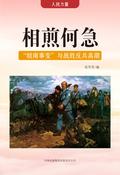 There Is No Need to Worry About the Conflict - "Southern Anhui Incident" and Defeating the Anti-Communist Upsurge
This book mainly introduces the early anti-friction struggle of the Eighth Route Army: the central deployment of the anti-friction struggle, the launch of the friction struggle in Longdong, resolving the tension at the South Gate, expelling the stubborn forces in the border area, the crusade against Shiyousan in southern Hebei, the crusade against the "friction expert" Zhu Huaibing, and the response to the December Incident. The anti-friction struggle was carried out in the Shandong base area, a
26Reads9.3Score—Shelves
There Is No Need to Worry About the Conflict - "Southern Anhui Incident" and Defeating the Anti-Communist Upsurge
This book mainly introduces the early anti-friction struggle of the Eighth Route Army: the central deployment of the anti-friction struggle, the launch of the friction struggle in Longdong, resolving the tension at the South Gate, expelling the stubborn forces in the border area, the crusade against Shiyousan in southern Hebei, the crusade against the "friction expert" Zhu Huaibing, and the response to the December Incident. The anti-friction struggle was carried out in the Shandong base area, a
26Reads9.3Score—Shelves
-
 Qixieji (Free Public Edition Book)
A collection of strange novels. There are many ghosts and ghosts recorded in it, so the title of the book is based on the phrase "Zhuangzi·Xiaoyaoyou" "Those who are harmonious are those who are interested in strange things". The original book has been lost. "Sui Shu·Jing Ji Zhi" is a miscellaneous biography of the History Department, seven volumes, inscribed with the title of Sanqi Shilang Dongyang of the Song Dynasty. "Old Tang Chronicles" is the same as "New Tang Chronicles" and belongs to th
23Reads8.6Score—Shelves
Qixieji (Free Public Edition Book)
A collection of strange novels. There are many ghosts and ghosts recorded in it, so the title of the book is based on the phrase "Zhuangzi·Xiaoyaoyou" "Those who are harmonious are those who are interested in strange things". The original book has been lost. "Sui Shu·Jing Ji Zhi" is a miscellaneous biography of the History Department, seven volumes, inscribed with the title of Sanqi Shilang Dongyang of the Song Dynasty. "Old Tang Chronicles" is the same as "New Tang Chronicles" and belongs to th
23Reads8.6Score—Shelves
-
 Volume 24 Uprising Before the Formation
A cooked duck can fly. What a weird thing! Bai Chongxi changed his mind overnight and was unpredictable. Chiang Kai-shek had no choice but to arrest Du Yuming again, and the withdrawal of troops from Xuzhou became the "Marshall Plan". Do you think you can still get rid of it if you keep doing it this way?
23Reads9.2Score—Shelves
Volume 24 Uprising Before the Formation
A cooked duck can fly. What a weird thing! Bai Chongxi changed his mind overnight and was unpredictable. Chiang Kai-shek had no choice but to arrest Du Yuming again, and the withdrawal of troops from Xuzhou became the "Marshall Plan". Do you think you can still get rid of it if you keep doing it this way?
23Reads9.2Score—Shelves
-
 Withered Epiphyllum: the Rise and Fall of the Xinmang Dynasty
The author focuses on writing from the first year of Han Yuan Emperor Liu Shi Jingning (33 BC) to the fourth year of Emperor Di Huang (23 AD) when Wang Mang was killed. In total, he describes Wang Mang's ups and downs in politics for about fifty-six years. Based on the records of traditional official history, combined with unofficial history, notes, anecdotes and folklore, the author describes the main experiences of Wang Mang's life in detail. With his bloody imperial journey as the main line,
21Reads9.3Score—Shelves
Withered Epiphyllum: the Rise and Fall of the Xinmang Dynasty
The author focuses on writing from the first year of Han Yuan Emperor Liu Shi Jingning (33 BC) to the fourth year of Emperor Di Huang (23 AD) when Wang Mang was killed. In total, he describes Wang Mang's ups and downs in politics for about fifty-six years. Based on the records of traditional official history, combined with unofficial history, notes, anecdotes and folklore, the author describes the main experiences of Wang Mang's life in detail. With his bloody imperial journey as the main line,
21Reads9.3Score—Shelves
-
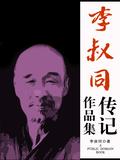 Li Shutong's Biography Collection
Li Shutong (1880-1942), one of the "Three Sons of Buddhism", was named Hongyi. His first name was Wen Tao, but he changed his name to An, with the courtesy name Xishuang or Xishuang. His ancestral home is Pinghu, Zhejiang. His father, Shizhen, also known as Xiaolou, was a Jinshi in the fourth year of Tongzhi in the Qing Dynasty (1865). He was the head of the Ministry of Personnel and married three concubines. Shutong was from the Wang family. Shutong lost his father at the age of 5 and his mothe
20Reads8.3Score—Shelves
Li Shutong's Biography Collection
Li Shutong (1880-1942), one of the "Three Sons of Buddhism", was named Hongyi. His first name was Wen Tao, but he changed his name to An, with the courtesy name Xishuang or Xishuang. His ancestral home is Pinghu, Zhejiang. His father, Shizhen, also known as Xiaolou, was a Jinshi in the fourth year of Tongzhi in the Qing Dynasty (1865). He was the head of the Ministry of Personnel and married three concubines. Shutong was from the Wang family. Shutong lost his father at the age of 5 and his mothe
20Reads8.3Score—Shelves
-
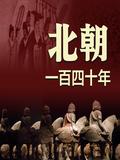 One Hundred and Forty Years of the Northern Dynasties
This book mainly tells about the history of the Northern Dynasties for about 140 years, and details the rise of the Northern Wei, its split (Eastern Wei, Western Wei), the demise of the Northern Wei (replaced by the Northern Qi and the Northern Zhou), and the process of Yang Jian becoming powerful in the Northern Zhou Dynasty and usurping the Zhou Dynasty to unify the world. This is a history of great ethnic migration, great integration of ethnic groups, and great ideological and social changes.
20Reads—Score—Shelves
One Hundred and Forty Years of the Northern Dynasties
This book mainly tells about the history of the Northern Dynasties for about 140 years, and details the rise of the Northern Wei, its split (Eastern Wei, Western Wei), the demise of the Northern Wei (replaced by the Northern Qi and the Northern Zhou), and the process of Yang Jian becoming powerful in the Northern Zhou Dynasty and usurping the Zhou Dynasty to unify the world. This is a history of great ethnic migration, great integration of ethnic groups, and great ideological and social changes.
20Reads—Score—Shelves
-
 The Great Biography of Wu Zetian
This book is based on historical materials and arranged in chronological order. It is divided into sixteen chapters to describe Wu Zetian's life course from childhood to her twilight years for 82 years. Among them, it focuses on describing the reforms of politics, economy, border defense, culture, etc. That Wu Zetian carried out after she came to power. At the end of the article, there are appendices a chronicle of Wu Zetian, evaluations of Wu Zetian in the past dynasties, a hundred years of res
19Reads9.1Score—Shelves
The Great Biography of Wu Zetian
This book is based on historical materials and arranged in chronological order. It is divided into sixteen chapters to describe Wu Zetian's life course from childhood to her twilight years for 82 years. Among them, it focuses on describing the reforms of politics, economy, border defense, culture, etc. That Wu Zetian carried out after she came to power. At the end of the article, there are appendices a chronicle of Wu Zetian, evaluations of Wu Zetian in the past dynasties, a hundred years of res
19Reads9.1Score—Shelves
-
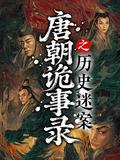 Historical Mysteries of the Tang Dynasty
[Suspense History + Secret Cases of the Tang Dynasty + Strange Events + Historical Truth + Revealing the Secrets of the Tang Dynasty] The prosperous Tang Dynasty was glorious through the ages, but it was also full of mysteries. Prime Minister Wu Yuanheng spewed blood on the streets of Chang'an in the early morning. Was the real culprit caught, or was the scapegoat killed in vain? Li Bai was actually involved in a major rebellion. Is there a disobedient heart hidden behind Shixian? Behind Fang Yi
18Reads8.3Score—Shelves
Historical Mysteries of the Tang Dynasty
[Suspense History + Secret Cases of the Tang Dynasty + Strange Events + Historical Truth + Revealing the Secrets of the Tang Dynasty] The prosperous Tang Dynasty was glorious through the ages, but it was also full of mysteries. Prime Minister Wu Yuanheng spewed blood on the streets of Chang'an in the early morning. Was the real culprit caught, or was the scapegoat killed in vain? Li Bai was actually involved in a major rebellion. Is there a disobedient heart hidden behind Shixian? Behind Fang Yi
18Reads8.3Score—Shelves
-
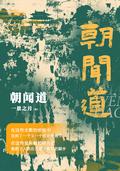 Chao Wen Dao
This book is mainly short historical stories, interspersed with various historical records, occasionally with novel style, and evaluations of these historical figures in past dynasties. The story starts from the Spring and Autumn Period and the Warring States Period and ends with the Ming and Qing Dynasties. It covers a wide range of information and contains a lot of information. It is easy and interesting to read.
17Reads8.2Score—Shelves
Chao Wen Dao
This book is mainly short historical stories, interspersed with various historical records, occasionally with novel style, and evaluations of these historical figures in past dynasties. The story starts from the Spring and Autumn Period and the Warring States Period and ends with the Ming and Qing Dynasties. It covers a wide range of information and contains a lot of information. It is easy and interesting to read.
17Reads8.2Score—Shelves
-
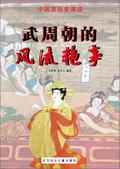 The Romantic Affairs of Wu Zhou Dynasty
This work "The Romantic Affair of Wu Zhou Dynasty" was created by Fang Shihua and Li Tianyun.
16Reads8.3Score—Shelves
The Romantic Affairs of Wu Zhou Dynasty
This work "The Romantic Affair of Wu Zhou Dynasty" was created by Fang Shihua and Li Tianyun.
16Reads8.3Score—Shelves
-
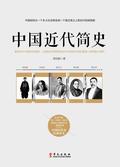 A Brief History of Modern China: How China Transformed from a Rural Society into a Truly Modern Nation-State
This book, originally titled "Modern History of China", is Jiang Tingfu's classic work on the study of modern Chinese history. It was also a textbook for university history departments and has a wide influence. With a calm and objective attitude, Jiang Tingfu narrated the history of China from the Opium War to the Revolution of 1911. He expressed concerns about the future of China and the fate of the nation in an academic way, and put forward many insights. The American sinologist John Fairbank
16Reads9.2Score—Shelves
A Brief History of Modern China: How China Transformed from a Rural Society into a Truly Modern Nation-State
This book, originally titled "Modern History of China", is Jiang Tingfu's classic work on the study of modern Chinese history. It was also a textbook for university history departments and has a wide influence. With a calm and objective attitude, Jiang Tingfu narrated the history of China from the Opium War to the Revolution of 1911. He expressed concerns about the future of China and the fate of the nation in an academic way, and put forward many insights. The American sinologist John Fairbank
16Reads9.2Score—Shelves
-
 Tang Dynasty History
Lu Simian (1884.2.27-1957.10.9), Courtesy name Chengzhi, was born in Changzhou, Jiangsu Province. Modern Chinese historian and master of Chinese studies. Yan Genggru believes that Lu Simian, Qian Mu, Chen Yuan, and Chen Yinke are called "the four major historians of modern China". Lu Simian devoted his life to historical research and historical education. He read extensively, focused on comprehensive research, and paid attention to integration. He wrote two general histories of China, four chron
15Reads8.4Score—Shelves
Tang Dynasty History
Lu Simian (1884.2.27-1957.10.9), Courtesy name Chengzhi, was born in Changzhou, Jiangsu Province. Modern Chinese historian and master of Chinese studies. Yan Genggru believes that Lu Simian, Qian Mu, Chen Yuan, and Chen Yinke are called "the four major historians of modern China". Lu Simian devoted his life to historical research and historical education. He read extensively, focused on comprehensive research, and paid attention to integration. He wrote two general histories of China, four chron
15Reads8.4Score—Shelves
-
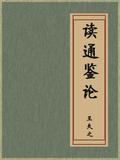 Read Tongjian Lun (Free Public Edition Book)
Each volume of "Du Tongjian Lun" is distinguished by dynasty, and each generation is distinguished by the title of the emperor. In the twenty-sixth year of Kangxi (1687), Wang Fuzhi started writing at the age of 69. "I had no books and paper, and many fake friends and disciples, so I taught them the reasons for the creation of the book."
15Reads8.5Score—Shelves
Read Tongjian Lun (Free Public Edition Book)
Each volume of "Du Tongjian Lun" is distinguished by dynasty, and each generation is distinguished by the title of the emperor. In the twenty-sixth year of Kangxi (1687), Wang Fuzhi started writing at the age of 69. "I had no books and paper, and many fake friends and disciples, so I taught them the reasons for the creation of the book."
15Reads8.5Score—Shelves
-
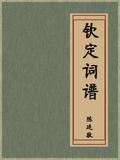 Imperial Ci Pu (Free Public Edition Book)
It is also called "Kangxi Ci Pu", or "Ci Pu" for short. Poetry works. It was first engraved in the 54th year of Kangxi reign (1715). Forty volumes. This book was compiled by reading the previous word scores and comparing them with each other. Any errors in the tone, segmentation, sentence pronunciation and rhyme of the old scores were corrected according to the original words. There are 826 tones and 2,306 styles collected from the Tang, Five Dynasties, Song and Yuan dynasties. The tunes are arr
15Reads8.5Score—Shelves
Imperial Ci Pu (Free Public Edition Book)
It is also called "Kangxi Ci Pu", or "Ci Pu" for short. Poetry works. It was first engraved in the 54th year of Kangxi reign (1715). Forty volumes. This book was compiled by reading the previous word scores and comparing them with each other. Any errors in the tone, segmentation, sentence pronunciation and rhyme of the old scores were corrected according to the original words. There are 826 tones and 2,306 styles collected from the Tang, Five Dynasties, Song and Yuan dynasties. The tunes are arr
15Reads8.5Score—Shelves
-
 The Majestic Southern and Northern Dynasties
This book is based on the study of official history, and tries to restore the original appearance of history by telling historical figures and stories from various periods in the Southern and Northern Dynasties for reference. The book describes the palace politics of the Northern and Southern Dynasties, the feelings of literati, the true nature of human nature, the strategies of military commanders, and the brilliant cultural achievements that have a profound impact on later generations. By sort
14Reads9.2Score—Shelves
The Majestic Southern and Northern Dynasties
This book is based on the study of official history, and tries to restore the original appearance of history by telling historical figures and stories from various periods in the Southern and Northern Dynasties for reference. The book describes the palace politics of the Northern and Southern Dynasties, the feelings of literati, the true nature of human nature, the strategies of military commanders, and the brilliant cultural achievements that have a profound impact on later generations. By sort
14Reads9.2Score—Shelves
-
 Find All the Heroes
The rolling waters of the Yangtze River pass eastward, and the waves wash away the heroes. Right and wrong, success and failure are all gone, but the green mountains are still there. The sunsets are red for several times, and fishermen and woodcutters with white hair are used to watching the autumn moon and spring breeze. They happily meet each other over a pot of turbid wine. Many things in ancient and modern times are all laughed at.
14Reads—Score—Shelves
Find All the Heroes
The rolling waters of the Yangtze River pass eastward, and the waves wash away the heroes. Right and wrong, success and failure are all gone, but the green mountains are still there. The sunsets are red for several times, and fishermen and woodcutters with white hair are used to watching the autumn moon and spring breeze. They happily meet each other over a pot of turbid wine. Many things in ancient and modern times are all laughed at.
14Reads—Score—Shelves
-
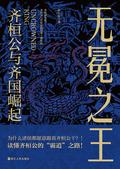 The Uncrowned King: Duke Huan of Qi and the Rise of Qi
The Chinese have always talked about the Five Hegemons of the Spring and Autumn Period, but what did these hegemons bring to the Chinese people? This question has never been answered. Qi Huangong's history of hegemony in the Spring and Autumn Period is undoubtedly a vivid lesson - this is an era of great powers competing for hegemony, and its political landscape is the same as today. All great powers are working tirelessly for hegemony. Which one of economy, military, culture, morality and syste
13Reads8.9Score—Shelves
The Uncrowned King: Duke Huan of Qi and the Rise of Qi
The Chinese have always talked about the Five Hegemons of the Spring and Autumn Period, but what did these hegemons bring to the Chinese people? This question has never been answered. Qi Huangong's history of hegemony in the Spring and Autumn Period is undoubtedly a vivid lesson - this is an era of great powers competing for hegemony, and its political landscape is the same as today. All great powers are working tirelessly for hegemony. Which one of economy, military, culture, morality and syste
13Reads8.9Score—Shelves
-
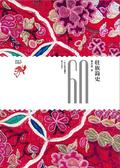 A Brief History of the Zhuang Nationality
"A Brief History of the Zhuang Ethnic Group" is one of the "Our Guangxi" series of large-scale comprehensive publishing projects, and was written to celebrate the 60th anniversary of the founding of the Guangxi Zhuang Autonomous Region. As a scholar who has studied national history for a long time, I feel that it is my unshirkable responsibility to organize, compile, and widely disseminate the history of the Zhuang people. Therefore, I received an invitation from Guangxi Publishing and Media Gro
12Reads8.6Score—Shelves
A Brief History of the Zhuang Nationality
"A Brief History of the Zhuang Ethnic Group" is one of the "Our Guangxi" series of large-scale comprehensive publishing projects, and was written to celebrate the 60th anniversary of the founding of the Guangxi Zhuang Autonomous Region. As a scholar who has studied national history for a long time, I feel that it is my unshirkable responsibility to organize, compile, and widely disseminate the history of the Zhuang people. Therefore, I received an invitation from Guangxi Publishing and Media Gro
12Reads8.6Score—Shelves
-
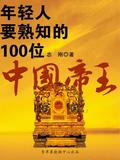 100 Chinese Emperors That Young People Should Be Familiar With
After thousands of years of changes, they may be famous for thousands of years, or remain infamous for thousands of years, or be ordinary, but there is always a microcosm of history in them, and their deep or shallow footprints vaguely show the development trajectory of China's feudal history. "100 Chinese Emperors Young People Need to Know" refers to many historical materials and carefully selects a representative hundred emperors from all previous dynasties for readers to enjoy. It combines hi
11Reads8.8Score—Shelves
100 Chinese Emperors That Young People Should Be Familiar With
After thousands of years of changes, they may be famous for thousands of years, or remain infamous for thousands of years, or be ordinary, but there is always a microcosm of history in them, and their deep or shallow footprints vaguely show the development trajectory of China's feudal history. "100 Chinese Emperors Young People Need to Know" refers to many historical materials and carefully selects a representative hundred emperors from all previous dynasties for readers to enjoy. It combines hi
11Reads8.8Score—Shelves
-
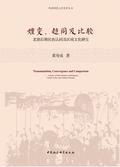 Evolution, Convergence and Comparison: a Study of National Identity and Regional Culture in the Late Northern Dynasties
The Wei, Jin, Southern and Northern Dynasties were a historical period of great social turmoil, frequent wars, and constant migration of people of all ethnic groups. During the process of continuous migration of people of all ethnic groups, the Hu and Han cultures came into contact with, collided with, and influenced each other. After evolution and convergence, a new Han culture with Confucianism as the core was finally formed in the late Northern Dynasties. However, in the process of this cultu
10Reads7.5Score—Shelves
Evolution, Convergence and Comparison: a Study of National Identity and Regional Culture in the Late Northern Dynasties
The Wei, Jin, Southern and Northern Dynasties were a historical period of great social turmoil, frequent wars, and constant migration of people of all ethnic groups. During the process of continuous migration of people of all ethnic groups, the Hu and Han cultures came into contact with, collided with, and influenced each other. After evolution and convergence, a new Han culture with Confucianism as the core was finally formed in the late Northern Dynasties. However, in the process of this cultu
10Reads7.5Score—Shelves
-
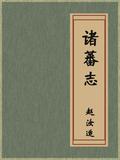 Zhufanzhi (Free Public Edition Book)
Chinese and foreign communication works. This book was written in the first year of Baoqing (1225). About 28,000 words. The volume records more than 40 state affairs of Champa (now central Vietnam), Chenla (now Cambodia), Srivijaya, Suji, Nanbi, Tianzhu (India), Dashi (Iran), Morocco (Morocco), Silla (North Korea), and Waguo (Japan). The coverage ranges from Japan and North Korea in the east to the customs, products, ethnic groups, religious culture and other places in North Africa and Morocco i
9Reads8.5Score—Shelves
Zhufanzhi (Free Public Edition Book)
Chinese and foreign communication works. This book was written in the first year of Baoqing (1225). About 28,000 words. The volume records more than 40 state affairs of Champa (now central Vietnam), Chenla (now Cambodia), Srivijaya, Suji, Nanbi, Tianzhu (India), Dashi (Iran), Morocco (Morocco), Silla (North Korea), and Waguo (Japan). The coverage ranges from Japan and North Korea in the east to the customs, products, ethnic groups, religious culture and other places in North Africa and Morocco i
9Reads8.5Score—Shelves
-
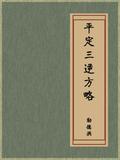 Strategies for Pingding the Three Countermeasures (Free Public Edition Book)
Thematic history book. Le Dehong was the Minister of Rites of the Kangxi Dynasty and a bachelor of Wuying Palace. In the early Qing Dynasty, the Ming Dynasty's surrendered generals Wu Sangui, Shang Kexi, and Geng Jingzhong were granted vassal status in Yunnan, Guangdong, and Fujian respectively for their meritorious service in the Qing Dynasty's unification of the world, and were called the Three Feudatories. Each of them had heavy troops, occupied several provinces, and became domineering, form
9Reads8.7Score—Shelves
Strategies for Pingding the Three Countermeasures (Free Public Edition Book)
Thematic history book. Le Dehong was the Minister of Rites of the Kangxi Dynasty and a bachelor of Wuying Palace. In the early Qing Dynasty, the Ming Dynasty's surrendered generals Wu Sangui, Shang Kexi, and Geng Jingzhong were granted vassal status in Yunnan, Guangdong, and Fujian respectively for their meritorious service in the Qing Dynasty's unification of the world, and were called the Three Feudatories. Each of them had heavy troops, occupied several provinces, and became domineering, form
9Reads8.7Score—Shelves
-
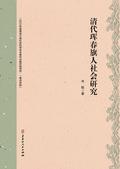 Research on the Society of Hunchun Banner People in Qing Dynasty
"Research on Hunchun Banner Society in the Qing Dynasty" deeply explores the historical picture of Hunchun Banner society in the Qing Dynasty. The book begins with the formation of banner society, detailing the origin and distribution pattern of the "Kuyala people" who made banners and Yiche Manchuria; then discusses the garrison system, banner people's livelihood and organizational structure, analyzes the relationship between banner people and customs and culture; and finally reveals the disint
9Reads8.1Score—Shelves
Research on the Society of Hunchun Banner People in Qing Dynasty
"Research on Hunchun Banner Society in the Qing Dynasty" deeply explores the historical picture of Hunchun Banner society in the Qing Dynasty. The book begins with the formation of banner society, detailing the origin and distribution pattern of the "Kuyala people" who made banners and Yiche Manchuria; then discusses the garrison system, banner people's livelihood and organizational structure, analyzes the relationship between banner people and customs and culture; and finally reveals the disint
9Reads8.1Score—Shelves
-
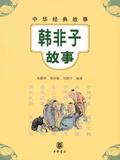 Han Feizi's Story
"Stories of Han Feizi" selects more than forty stories from the book "Han Feizi" from the aspects of scholarship, self-cultivation, moral cultivation, advocating, advocating, doing politics, sophistry, etc., And carefully adapts them to make them more in line with the reading habits of contemporary readers, and implicitly or directly points out the morals, thus giving readers a new reading experience, realizing a kind of spiritual "travel", and experiencing the wisdom of the ancestors from a dif
8Reads8.5Score—Shelves
Han Feizi's Story
"Stories of Han Feizi" selects more than forty stories from the book "Han Feizi" from the aspects of scholarship, self-cultivation, moral cultivation, advocating, advocating, doing politics, sophistry, etc., And carefully adapts them to make them more in line with the reading habits of contemporary readers, and implicitly or directly points out the morals, thus giving readers a new reading experience, realizing a kind of spiritual "travel", and experiencing the wisdom of the ancestors from a dif
8Reads8.5Score—Shelves
-
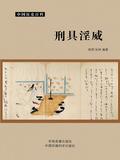 Encyclopedia of Chinese History No. 20: the Power of Torture Instruments
The Chinese culture advocates peace and pursues the ideal personality of moderation. When multiple cultures meet, they are good at integrating, not biased or resentful, and prefer harmony and balance, so that the Chinese nation continues to develop and grow. Chinese culture is like a sea of hundreds of rivers, vast and boundless. "Chinese Cultural History" describes the extraordinary process of China's land development, nation formation, social evolution, economic and cultural development, and
7Reads7.6Score—Shelves
Encyclopedia of Chinese History No. 20: the Power of Torture Instruments
The Chinese culture advocates peace and pursues the ideal personality of moderation. When multiple cultures meet, they are good at integrating, not biased or resentful, and prefer harmony and balance, so that the Chinese nation continues to develop and grow. Chinese culture is like a sea of hundreds of rivers, vast and boundless. "Chinese Cultural History" describes the extraordinary process of China's land development, nation formation, social evolution, economic and cultural development, and
7Reads7.6Score—Shelves
-
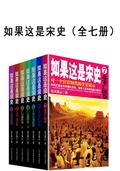 If This Is the History of the Song Dynasty (Seven Volumes)
It tells the history that has been passed down from ancient times to the present, and it is half true and false. Perhaps when those ancient and elegant traditional Chinese characters were first combined into official history books, they were already lies. For the dignity of the imperial power, for the need of governance, or as Confucianism puts it, "to keep tabs on for the honorable and to hide for the sage," history writers throughout the ages have hidden the truth of the past in the corner whe
6Reads9.1Score—Shelves
If This Is the History of the Song Dynasty (Seven Volumes)
It tells the history that has been passed down from ancient times to the present, and it is half true and false. Perhaps when those ancient and elegant traditional Chinese characters were first combined into official history books, they were already lies. For the dignity of the imperial power, for the need of governance, or as Confucianism puts it, "to keep tabs on for the honorable and to hide for the sage," history writers throughout the ages have hidden the truth of the past in the corner whe
6Reads9.1Score—Shelves
-
 Golden Arms and Iron Horses: the Turbulent Era of the Southern and Northern Dynasties
A mysterious history, with turbulent wars, iron horses, and heroes; a romantic era with Wu's beautiful songs, elegant clothes, and lingering charm; a deep feeling, the tragic song of the North, the fierce wind, and the poetic sadness of the Northern and Southern Dynasties!
6Reads8.2Score—Shelves
Golden Arms and Iron Horses: the Turbulent Era of the Southern and Northern Dynasties
A mysterious history, with turbulent wars, iron horses, and heroes; a romantic era with Wu's beautiful songs, elegant clothes, and lingering charm; a deep feeling, the tragic song of the North, the fierce wind, and the poetic sadness of the Northern and Southern Dynasties!
6Reads8.2Score—Shelves
-
 Appreciation of Ancient Famous Sayings and Aphorisms (1)
Ancient famous sayings and aphorisms: Appreciate the vastness of the sky's net, sparse but not leaking, the way of heaven, good at winning without fighting, good at responding without saying anything, coming without being called, calm but good at planning, the vast and vast network of the sky, sparse but not leaking. "Laozi·Chapter 73" There is no need to fight for the avenue of heaven...
5Reads8.1Score—Shelves
Appreciation of Ancient Famous Sayings and Aphorisms (1)
Ancient famous sayings and aphorisms: Appreciate the vastness of the sky's net, sparse but not leaking, the way of heaven, good at winning without fighting, good at responding without saying anything, coming without being called, calm but good at planning, the vast and vast network of the sky, sparse but not leaking. "Laozi·Chapter 73" There is no need to fight for the avenue of heaven...
5Reads8.1Score—Shelves
-
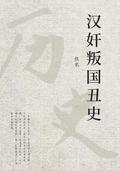 The Scandalous History of Traitors and Treason
This is a pamphlet of anonymous political commentary during the Anti-Japanese War. It was written in the late Republic of China and uses a documentary style to reveal the names and circumstances of collaborators chapter by chapter. The book named the Wang Jingwei clique and its important members Zhou Fohai and Chen Gongbo, as well as spy leaders such as Li Shiqun and Ding Mocun, who linked up with the pseudo-reformation government in the occupied areas and the North China Provisional Government,
5Reads7.8Score—Shelves
The Scandalous History of Traitors and Treason
This is a pamphlet of anonymous political commentary during the Anti-Japanese War. It was written in the late Republic of China and uses a documentary style to reveal the names and circumstances of collaborators chapter by chapter. The book named the Wang Jingwei clique and its important members Zhou Fohai and Chen Gongbo, as well as spy leaders such as Li Shiqun and Ding Mocun, who linked up with the pseudo-reformation government in the occupied areas and the North China Provisional Government,
5Reads7.8Score—Shelves
-
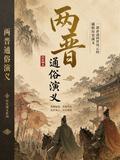 Popular Romance of the Two Jin Dynasties
[Introduction to history, general history of the two Jin Dynasties, chapter chapters of popular novels, no threshold reading of official history, Five Hus and Sixteen Kingdoms] If you want to sort out the chaotic history of the Two Jins, Five Hus and Sixteen Kingdoms, this "Popular Romance of the Two Jins" is an excellent introductory book. Cai Dongfan uses popular stories to break down complicated historical materials, abandoning boring classical textual research, and hundreds of stories clearl
5Reads8.4Score—Shelves
Popular Romance of the Two Jin Dynasties
[Introduction to history, general history of the two Jin Dynasties, chapter chapters of popular novels, no threshold reading of official history, Five Hus and Sixteen Kingdoms] If you want to sort out the chaotic history of the Two Jins, Five Hus and Sixteen Kingdoms, this "Popular Romance of the Two Jins" is an excellent introductory book. Cai Dongfan uses popular stories to break down complicated historical materials, abandoning boring classical textual research, and hundreds of stories clearl
5Reads8.4Score—Shelves
-
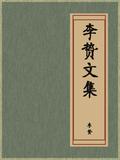 Collected Works of Li Zhi
Li Zhi (1527-1602), Han nationality, was born in Quanzhou, Fujian. An official, thinker, and writer of the Ming Dynasty, he was a master of the Taizhou School. Li Zhi's first surname was Lin, and his given name was Zaizhi. Later, he changed his surname to Li, his given name was Zhi, his courtesy name was Hongfu, his nickname was Zhuowu, and his nicknames were Wenling Jushi, Baiquan Jushi, etc. During the Li Gongcheng period, he was a doctor of Imperial College, and during Wanli period he was the
4Reads8.6Score—Shelves
Collected Works of Li Zhi
Li Zhi (1527-1602), Han nationality, was born in Quanzhou, Fujian. An official, thinker, and writer of the Ming Dynasty, he was a master of the Taizhou School. Li Zhi's first surname was Lin, and his given name was Zaizhi. Later, he changed his surname to Li, his given name was Zhi, his courtesy name was Hongfu, his nickname was Zhuowu, and his nicknames were Wenling Jushi, Baiquan Jushi, etc. During the Li Gongcheng period, he was a doctor of Imperial College, and during Wanli period he was the
4Reads8.6Score—Shelves
-
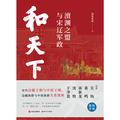 Harmonizing the World: the Alliance of Chanyuan and the Military and Political Affairs of Song and Liao Dynasties
A popular historical book about the Song-Liao Chanyuan Alliance. In 916, Yelu Abaoji, the Taizu of the Liao Dynasty, rose up in Mobei, unified the Khitan tribes, and began to compete with the Central Plains regime. In the autumn of 1004 (the first year of Jingde in the Song Dynasty and the 22nd year of the Khitan's unification), the Khitan Emperor Tianfu and his mother, the Queen Mother Xiao, led an army of 200,000 to invade the south. Zhenzong of the Song Dynasty was tit for tat, and the empero
4Reads8.5Score—Shelves
Harmonizing the World: the Alliance of Chanyuan and the Military and Political Affairs of Song and Liao Dynasties
A popular historical book about the Song-Liao Chanyuan Alliance. In 916, Yelu Abaoji, the Taizu of the Liao Dynasty, rose up in Mobei, unified the Khitan tribes, and began to compete with the Central Plains regime. In the autumn of 1004 (the first year of Jingde in the Song Dynasty and the 22nd year of the Khitan's unification), the Khitan Emperor Tianfu and his mother, the Queen Mother Xiao, led an army of 200,000 to invade the south. Zhenzong of the Song Dynasty was tit for tat, and the empero
4Reads8.5Score—Shelves
-
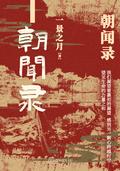 Chao Wen Lu
Starting from the Spring and Autumn Period and the Warring States Period to the end of the Ming and Qing Dynasties, this book tells short stories that happened during these periods, covering a wide range of stories and diversifying the types of stories, presenting many amazing historical moments. The story is still the same story, and the history is still that history, but through the author's narration, it becomes interesting.
3Reads7.9Score—Shelves
Chao Wen Lu
Starting from the Spring and Autumn Period and the Warring States Period to the end of the Ming and Qing Dynasties, this book tells short stories that happened during these periods, covering a wide range of stories and diversifying the types of stories, presenting many amazing historical moments. The story is still the same story, and the history is still that history, but through the author's narration, it becomes interesting.
3Reads7.9Score—Shelves
-
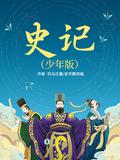 Historical Records (Youth Edition)
"Historical Records" is China's first biographical general history. It was praised by Lu Xun as "the swan song of historians and the rhymeless Li Sao". Scholar and writer Shi Jiepeng selects the stories of characters in "Historical Records" and retells them in vivid language, recreating the magnificent historical picture of thousands of years. Through rigorous research and careful analysis, wonderful stories and rich knowledge are combined. Let children get close to classics, touch history, incr
3Reads7.8Score—Shelves
Historical Records (Youth Edition)
"Historical Records" is China's first biographical general history. It was praised by Lu Xun as "the swan song of historians and the rhymeless Li Sao". Scholar and writer Shi Jiepeng selects the stories of characters in "Historical Records" and retells them in vivid language, recreating the magnificent historical picture of thousands of years. Through rigorous research and careful analysis, wonderful stories and rich knowledge are combined. Let children get close to classics, touch history, incr
3Reads7.8Score—Shelves
-
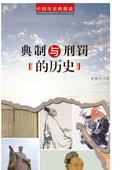 The History of Law and Punishment
With a wealth of precious pictures and profound textual narratives, this book comprehensively introduces the history of Chinese civilization, covering politics, military, economy, culture, diplomacy, science and technology, law, religion, art and other fields. It is highly systematic, informative and readable. It is not only the best reading book for readers to learn Chinese historical knowledge, but also the best version for libraries at all levels to collect.
3Reads8.1Score—Shelves
The History of Law and Punishment
With a wealth of precious pictures and profound textual narratives, this book comprehensively introduces the history of Chinese civilization, covering politics, military, economy, culture, diplomacy, science and technology, law, religion, art and other fields. It is highly systematic, informative and readable. It is not only the best reading book for readers to learn Chinese historical knowledge, but also the best version for libraries at all levels to collect.
3Reads8.1Score—Shelves
-
 Gaozhai Comics
"Gao Zhai Man Lu" is a wonderful work of interesting notes written by Zeng Zhe, a scholar in the Song Dynasty. The whole book records court anecdotes, literati anecdotes, poetic anecdotes and common people's stories. It can be said that one volume shows the life of scholars in the Song Dynasty. The book is full of history, emotion, reason and fun. Zeng Zheng recorded that after Taizu pacified Hebei, he wanted to attack Youyan in the north. Zhao Pu said, "The gain is little, the loss is much", wh
2Reads7.9Score—Shelves
Gaozhai Comics
"Gao Zhai Man Lu" is a wonderful work of interesting notes written by Zeng Zhe, a scholar in the Song Dynasty. The whole book records court anecdotes, literati anecdotes, poetic anecdotes and common people's stories. It can be said that one volume shows the life of scholars in the Song Dynasty. The book is full of history, emotion, reason and fun. Zeng Zheng recorded that after Taizu pacified Hebei, he wanted to attack Youyan in the north. Zhao Pu said, "The gain is little, the loss is much", wh
2Reads7.9Score—Shelves
-
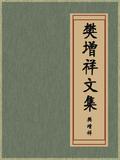 Collected Works of Fan Zengxiang
Fan Zengxiang (1846-1931) was an official and writer in the Qing Dynasty. His original name was Fan Jia, also known as Fan Zeng, also known as Jiafu, alias Fanshan, nicknamed Yunmen, and later nicknamed Tianqin Laoren. He was a native of Zitong Lane, Xizheng Street, Liujiaoting Street, Enshi City, Hubei Province. A Jinshi of Guangxu, he served successively as the magistrate of Weinan, the chief envoy of Shaanxi, and the governor of Liangjiang. When the Revolution of 1911 broke out, he took refug
2Reads8.1Score—Shelves
Collected Works of Fan Zengxiang
Fan Zengxiang (1846-1931) was an official and writer in the Qing Dynasty. His original name was Fan Jia, also known as Fan Zeng, also known as Jiafu, alias Fanshan, nicknamed Yunmen, and later nicknamed Tianqin Laoren. He was a native of Zitong Lane, Xizheng Street, Liujiaoting Street, Enshi City, Hubei Province. A Jinshi of Guangxu, he served successively as the magistrate of Weinan, the chief envoy of Shaanxi, and the governor of Liangjiang. When the Revolution of 1911 broke out, he took refug
2Reads8.1Score—Shelves
-
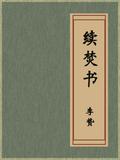 Continue to Burn Books (Free Public Edition Books)
. Zhi You's "Burning Book" has been recorded. This book should have been written by Li Zhi in his later years. However, because of his anti-feudal and anti-Confucian remarks such as "the right and wrong of Confucius are not well-founded", he was "severely punished" by the feudal rulers and died in prison. After the author's death, his books were passed down as authentic and fake. Wang Benju of Xin'an compiled his posthumous writings in the tenth year of Zhi's reign and published them in the fort
2Reads8.5Score—Shelves
Continue to Burn Books (Free Public Edition Books)
. Zhi You's "Burning Book" has been recorded. This book should have been written by Li Zhi in his later years. However, because of his anti-feudal and anti-Confucian remarks such as "the right and wrong of Confucius are not well-founded", he was "severely punished" by the feudal rulers and died in prison. After the author's death, his books were passed down as authentic and fake. Wang Benju of Xin'an compiled his posthumous writings in the tenth year of Zhi's reign and published them in the fort
2Reads8.5Score—Shelves
-
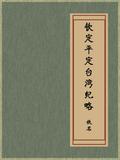 Chronicles of the Imperial Peace of Taiwan (Free Public Edition Book)
In the fifty-third year of Qianlong's reign in the Qing Dynasty (1788), it was compiled under the order of Emperor Gaozong. At the end of the 51st year of Qianlong's reign, the massive Lin Shuangwen Uprising broke out in Changhua, Taiwan and other places. This was also an unprecedented armed anti-Qing struggle in the history of the Tiandihui, which greatly shocked the ruling class of the Qing Dynasty. The limit of this book is: from the beginning of the Lin Shuangwen Uprising in Taiwan, reported
2Reads8.5Score—Shelves
Chronicles of the Imperial Peace of Taiwan (Free Public Edition Book)
In the fifty-third year of Qianlong's reign in the Qing Dynasty (1788), it was compiled under the order of Emperor Gaozong. At the end of the 51st year of Qianlong's reign, the massive Lin Shuangwen Uprising broke out in Changhua, Taiwan and other places. This was also an unprecedented armed anti-Qing struggle in the history of the Tiandihui, which greatly shocked the ruling class of the Qing Dynasty. The limit of this book is: from the beginning of the Lin Shuangwen Uprising in Taiwan, reported
2Reads8.5Score—Shelves
-
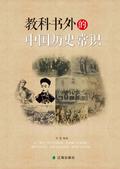 Common Sense About Chinese History Outside of Textbooks
Reading history can make people calm, understand things and enlighten them to wisdom. China's historical origins are so vast that even if you pick one end and spend your whole life, you can only get a glimpse of the leopard. Although unexpectedly we have learned a lot of historical knowledge through textbooks, it is only the tip of the iceberg of Chinese history. There is still too much history that has not been included in the "discernment" of textbooks, either because of different perspectives
2Reads8.7Score—Shelves
Common Sense About Chinese History Outside of Textbooks
Reading history can make people calm, understand things and enlighten them to wisdom. China's historical origins are so vast that even if you pick one end and spend your whole life, you can only get a glimpse of the leopard. Although unexpectedly we have learned a lot of historical knowledge through textbooks, it is only the tip of the iceberg of Chinese history. There is still too much history that has not been included in the "discernment" of textbooks, either because of different perspectives
2Reads8.7Score—Shelves
-
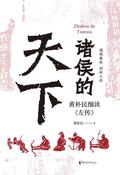 The World of Princes
In the Spring and Autumn Period, the royal family was declining, and heroes were vying for hegemony. The strong survived and the weak perished. In troubled times, how could Duke Huan of Qi and Duke Wen of Jin achieve prestige and hegemony? Why did Hua Du and Nangong Wan commit regicide and kill people? The long-circulated story of the "Zhao Orphans" has long been popular, but is it true to history? The famous scholar Huang Pumin, with thirty years of academic experience, returned to the text of
2Reads8.1Score—Shelves
The World of Princes
In the Spring and Autumn Period, the royal family was declining, and heroes were vying for hegemony. The strong survived and the weak perished. In troubled times, how could Duke Huan of Qi and Duke Wen of Jin achieve prestige and hegemony? Why did Hua Du and Nangong Wan commit regicide and kill people? The long-circulated story of the "Zhao Orphans" has long been popular, but is it true to history? The famous scholar Huang Pumin, with thirty years of academic experience, returned to the text of
2Reads8.1Score—Shelves
-
 Caihe Chapter
It rained heavily at night, the Yellow River burst, all the villages were submerged in the mud waves, and the cries were loud. Wei Yuan had seen such a tragic scene with his own eyes, and his heart was deeply hurt. "Preparing the River" is a book on river management written by him out of concern for the country and the people. In the book, he is like a calm counselor and a sad and angry elder. First, we trace the successful and unsuccessful experiences of river control since the Han and Tang dyn
2Reads8.0Score—Shelves
Caihe Chapter
It rained heavily at night, the Yellow River burst, all the villages were submerged in the mud waves, and the cries were loud. Wei Yuan had seen such a tragic scene with his own eyes, and his heart was deeply hurt. "Preparing the River" is a book on river management written by him out of concern for the country and the people. In the book, he is like a calm counselor and a sad and angry elder. First, we trace the successful and unsuccessful experiences of river control since the Han and Tang dyn
2Reads8.0Score—Shelves
-
 This Is How an Emperor Is Made: Zhu Di's Road to Success
Zhu Di's path to success is the path to power: using all means to remove all obstacles and ascend to the throne. Why was Zhu Di able to grow in Yan, why was he able to escape the emperor's killing, and how could he control Peiping with only 800 people? Why does he always rush to the front in every battle without getting hurt? Why was he able to defeat three major sieges by government troops with repeated ingenuity? What is the secret of capturing Nanjing in one night? Why did he complete his mag
2Reads8.6Score—Shelves
This Is How an Emperor Is Made: Zhu Di's Road to Success
Zhu Di's path to success is the path to power: using all means to remove all obstacles and ascend to the throne. Why was Zhu Di able to grow in Yan, why was he able to escape the emperor's killing, and how could he control Peiping with only 800 people? Why does he always rush to the front in every battle without getting hurt? Why was he able to defeat three major sieges by government troops with repeated ingenuity? What is the secret of capturing Nanjing in one night? Why did he complete his mag
2Reads8.6Score—Shelves
-
 Pei Ziyulin (Free Public Edition Book)
It is a collection of aspirational novels written in the style of Shishuoxinyu, which mainly records the words, deeds, and anecdotes of characters in the Han, Wei and Jin dynasties. The book covers many well-known figures, showing their personalities, talents and demeanor through vivid and interesting stories, reflecting the social scene, cultural atmosphere and the spiritual world of scholars at that time, and has certain reference value for later generations of literary creation and historical
2Reads8.3Score—Shelves
Pei Ziyulin (Free Public Edition Book)
It is a collection of aspirational novels written in the style of Shishuoxinyu, which mainly records the words, deeds, and anecdotes of characters in the Han, Wei and Jin dynasties. The book covers many well-known figures, showing their personalities, talents and demeanor through vivid and interesting stories, reflecting the social scene, cultural atmosphere and the spiritual world of scholars at that time, and has certain reference value for later generations of literary creation and historical
2Reads8.3Score—Shelves
-
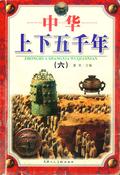 Five Thousand Years and Six Years of China
The rulers of the Jin and Yuan dynasties first developed from the nomadic peoples on the northern grasslands and finally came to dominate the Central Plains. Their original political, economic and cultural levels lagged behind the Han people, so their governance methods were relatively backward. In order to consolidate and strengthen their rule and management of the Central Plains, they had to learn the Han people's ruling methods and accept the Han people's politics, economy and culture. Theref
1Reads8.3Score—Shelves
Five Thousand Years and Six Years of China
The rulers of the Jin and Yuan dynasties first developed from the nomadic peoples on the northern grasslands and finally came to dominate the Central Plains. Their original political, economic and cultural levels lagged behind the Han people, so their governance methods were relatively backward. In order to consolidate and strengthen their rule and management of the Central Plains, they had to learn the Han people's ruling methods and accept the Han people's politics, economy and culture. Theref
1Reads8.3Score—Shelves
-
 Collected Works of Tang Shunmin
Tang Shunmin, a dramatist in the late Yuan and early Ming dynasties, was named Juzhuang. His name, date of birth and death, and life story are unknown. He was a native of Xiangshan (now Zhejiang). It is not his ambition to supplement the county officials. Later, he fell into despair. So funny, I have been friends with Jia Zhongming for a long time. When Emperor Wen was in Yan's residence, he was very favored and favored frequently during Yongle period. He composed a large number of Yuefu, sets,
1Reads8.6Score—Shelves
Collected Works of Tang Shunmin
Tang Shunmin, a dramatist in the late Yuan and early Ming dynasties, was named Juzhuang. His name, date of birth and death, and life story are unknown. He was a native of Xiangshan (now Zhejiang). It is not his ambition to supplement the county officials. Later, he fell into despair. So funny, I have been friends with Jia Zhongming for a long time. When Emperor Wen was in Yan's residence, he was very favored and favored frequently during Yongle period. He composed a large number of Yuefu, sets,
1Reads8.6Score—Shelves
-
 Romance of Northern and Southern History
"History of the North and South" has a total of one hundred chapters, starting from Liu Yu's generation of the Jin Dynasty and ending with the Sui Dynasty's destruction of the Chen Dynasty. It truly reproduces the historical trend of the centuries of disputes, divisions and separatism among heroes since the Eight Kings Rebellion in the Western Jin Dynasty, and the historical trend of reunification. The south experienced Song, Qi, Liang, and Chen, with frequent dynasty changes and constant wars.
1Reads7.6Score—Shelves
Romance of Northern and Southern History
"History of the North and South" has a total of one hundred chapters, starting from Liu Yu's generation of the Jin Dynasty and ending with the Sui Dynasty's destruction of the Chen Dynasty. It truly reproduces the historical trend of the centuries of disputes, divisions and separatism among heroes since the Eight Kings Rebellion in the Western Jin Dynasty, and the historical trend of reunification. The south experienced Song, Qi, Liang, and Chen, with frequent dynasty changes and constant wars.
1Reads7.6Score—Shelves
-
 Rizhilu
This book is a collection of historical essays with broad coverage and profound insights. The author uses a unique perspective and vivid writing to analyze many historical events and figures from the Spring and Autumn Period and the Warring States Period to the Ming and Qing Dynasties. The book not only contains exquisite analysis of war strategies, such as the wisdom of Zhao State in handling the corpses of enemy soldiers during the Warring States Period; it also contains profound revelations o
1Reads7.7Score—Shelves
Rizhilu
This book is a collection of historical essays with broad coverage and profound insights. The author uses a unique perspective and vivid writing to analyze many historical events and figures from the Spring and Autumn Period and the Warring States Period to the Ming and Qing Dynasties. The book not only contains exquisite analysis of war strategies, such as the wisdom of Zhao State in handling the corpses of enemy soldiers during the Warring States Period; it also contains profound revelations o
1Reads7.7Score—Shelves
-
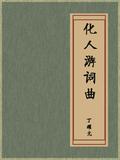 Hua Ren You Ci and Music (Free Public Edition Book)
The heat is like steam, and I suddenly think of ice on my bare feet. It makes people feel cold. Guest conditions are as good as autumn. Suddenly read "Huayou Ci". Makes people feel hot. With this copy of the collar in the chest, it was when Yuanming begged for food, Zhenqing borrowed rice, and Du Ling did not arrive at Peng Yamen.
1Reads8.2Score—Shelves
Hua Ren You Ci and Music (Free Public Edition Book)
The heat is like steam, and I suddenly think of ice on my bare feet. It makes people feel cold. Guest conditions are as good as autumn. Suddenly read "Huayou Ci". Makes people feel hot. With this copy of the collar in the chest, it was when Yuanming begged for food, Zhenqing borrowed rice, and Du Ling did not arrive at Peng Yamen.
1Reads8.2Score—Shelves
-
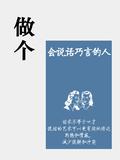 Be a Smooth Talker
How do people empathize, respond, and figure things out when they speak? Ancient Chinese traditional wisdom has accumulated many skills. This book selects speaking skills and cases from a variety of historical materials, including "Guiguzi", "Han Feizi", "The Analects", "Zuo Zhuan", "Historical Records", "Three Kingdoms", etc. I believe it will be of great help to you to improve your speaking skills.
—Reads8.2Score—Shelves
Be a Smooth Talker
How do people empathize, respond, and figure things out when they speak? Ancient Chinese traditional wisdom has accumulated many skills. This book selects speaking skills and cases from a variety of historical materials, including "Guiguzi", "Han Feizi", "The Analects", "Zuo Zhuan", "Historical Records", "Three Kingdoms", etc. I believe it will be of great help to you to improve your speaking skills.
—Reads8.2Score—Shelves