The first three are Hesse's literary classics. Although they are narratives, they are also rich in philosophical nature, so I recommend them to you. The Birth of Tragedy is more abstract and difficult to read. It has both literary talent and philosophical thoughts. It is the embodiment of Nietzsche's philosophical and aesthetic thoughts. You can use auxiliary tools to help you read. It is either lonely or vulgar. I haven't read it yet, but I heard that it is also an excellent book, so I recommend it to you.
The first three are Hesse's literary classics. Although they are narratives, they are also rich in philosophical nature, so I recommend them to you. The Birth of Tragedy is more abstract and difficult to read. It has both literary talent and philosophical thoughts. It is the embodiment of Nietzsche's philosophical and aesthetic thoughts. You can use auxiliary tools to help you read. It is either lonely or vulgar. I haven't read it yet, but I heard that it is also an excellent book, so I recommend it to you.
From the Young Hegelian school to practical materialism From idealist dialectics to materialist dialectics From the idealist view of history that considers the absolute spirit as the core social driving force to the materialist view of history that affirms both the materiality of history and the role of human beings From philosophical thinking to thinking about political and economic history What is the core methodology? What is the core of all the dialectics it contains? Therefore, if you want to skillfully analyze the inner laws of various things and the laws contained on their surfaces, starting from the creation of things and then to the development of things, you must also learn from these books. The recommended reading order is 1. The prologue and general outline "The Communist Manifesto" "helps to quickly build a framework." 2. The foundation of philosophy, "Theses on Feuerbach", Chapter 1 of Volume 1 of "The German Ideology" systematically establishes the historical materialism. Before reading "The German Ideology", you can read "The Theses on Feuerbach", which is usually regarded as an appendix to ideology. 3. Introduction to economics "Wages, Prices and Profit" shows the prototype of the theory of surplus value. 4. Historical application, "The Eighteenth Brumaire of Louis Bonaparte" looks at how Marx uses class to analyze specific historical events. 5. Ideological clearing and deepening of "Economic and Philosophical Manuscripts of 1844" and "The Holy Family" to better understand what Marx criticized and why he criticized it. 6. Reach the peak of "Das Kapital" excerpts and "Critique of the Gotha Program" and move towards mature economic thought and the conception of future society.
From the Young Hegelian school to practical materialism From idealist dialectics to materialist dialectics From the idealist view of history that considers the absolute spirit as the core social driving force to the materialist view of history that affirms both the materiality of history and the role of human beings From philosophical thinking to thinking about political and economic history What is the core methodology? What is the core of all the dialectics it contains? Therefore, if you want to skillfully analyze the inner laws of various things and the laws contained on their surfaces, starting from the creation of things and then to the development of things, you must also learn from these books. The recommended reading order is 1. The prologue and general outline "The Communist Manifesto" "helps to quickly build a framework." 2. The foundation of philosophy, "Theses on Feuerbach", Chapter 1 of Volume 1 of "The German Ideology" systematically establishes the historical materialism. Before reading "The German Ideology", you can read "The Theses on Feuerbach", which is usually regarded as an appendix to ideology. 3. Introduction to economics "Wages, Prices and Profit" shows the prototype of the theory of surplus value. 4. Historical application, "The Eighteenth Brumaire of Louis Bonaparte" looks at how Marx uses class to analyze specific historical events. 5. Ideological clearing and deepening of "Economic and Philosophical Manuscripts of 1844" and "The Holy Family" to better understand what Marx criticized and why he criticized it. 6. Reach the peak of "Das Kapital" excerpts and "Critique of the Gotha Program" and move towards mature economic thought and the conception of future society.
From the Young Hegelian school to practical materialism From idealist dialectics to materialist dialectics From the idealist view of history that considers the absolute spirit as the core social driving force to the materialist view of history that affirms both the materiality of history and the role of human beings From philosophical thinking to thinking about political and economic history What is the core methodology? What is the core of all the dialectics it contains? Therefore, if you want to skillfully analyze the inner laws of various things and the laws contained on their surfaces, starting from the creation of things and then to the development of things, you must also learn from these books. The recommended reading order is 1. The prologue and general outline "The Communist Manifesto" "helps to quickly build a framework." 2. The foundation of philosophy, "Theses on Feuerbach", Chapter 1 of Volume 1 of "The German Ideology" systematically establishes the historical materialism. Before reading "The German Ideology", you can read "The Theses on Feuerbach", which is usually regarded as an appendix to ideology. 3. Introduction to economics "Wages, Prices and Profit" shows the prototype of the theory of surplus value. 4. Historical application, "The Eighteenth Brumaire of Louis Bonaparte" looks at how Marx uses class to analyze specific historical events. 5. Ideological clearing and deepening of "Economic and Philosophical Manuscripts of 1844" and "The Holy Family" to better understand what Marx criticized and why he criticized it. 6. Reach the peak of "Das Kapital" excerpts and "Critique of the Gotha Program" and move towards mature economic thought and the conception of future society.
From the Young Hegelian school to practical materialism From idealist dialectics to materialist dialectics From the idealist view of history that considers the absolute spirit as the core social driving force to the materialist view of history that affirms both the materiality of history and the role of human beings From philosophical thinking to thinking about political and economic history What is the core methodology? What is the core of all the dialectics it contains? Therefore, if you want to skillfully analyze the inner laws of various things and the laws contained on their surfaces, starting from the creation of things and then to the development of things, you must also learn from these books. The recommended reading order is 1. The prologue and general outline "The Communist Manifesto" "helps to quickly build a framework." 2. The foundation of philosophy, "Theses on Feuerbach", Chapter 1 of Volume 1 of "The German Ideology" systematically establishes the historical materialism. Before reading "The German Ideology", you can read "The Theses on Feuerbach", which is usually regarded as an appendix to ideology. 3. Introduction to economics "Wages, Prices and Profit" shows the prototype of the theory of surplus value. 4. Historical application, "The Eighteenth Brumaire of Louis Bonaparte" looks at how Marx uses class to analyze specific historical events. 5. Ideological clearing and deepening of "Economic and Philosophical Manuscripts of 1844" and "The Holy Family" to better understand what Marx criticized and why he criticized it. 6. Reach the peak of "Das Kapital" excerpts and "Critique of the Gotha Program" and move towards mature economic thought and the conception of future society.
From the Young Hegelian school to practical materialism From idealist dialectics to materialist dialectics From the idealist view of history that considers the absolute spirit as the core social driving force to the materialist view of history that affirms both the materiality of history and the role of human beings From philosophical thinking to thinking about political and economic history What is the core methodology? What is the core of all the dialectics it contains? Therefore, if you want to skillfully analyze the inner laws of various things and the laws contained on their surfaces, starting from the creation of things and then to the development of things, you must also learn from these books. The recommended reading order is 1. The prologue and general outline "The Communist Manifesto" "helps to quickly build a framework." 2. The foundation of philosophy, "Theses on Feuerbach", Chapter 1 of Volume 1 of "The German Ideology" systematically establishes the historical materialism. Before reading "The German Ideology", you can read "The Theses on Feuerbach", which is usually regarded as an appendix to ideology. 3. Introduction to economics "Wages, Prices and Profit" shows the prototype of the theory of surplus value. 4. Historical application, "The Eighteenth Brumaire of Louis Bonaparte" looks at how Marx uses class to analyze specific historical events. 5. Ideological clearing and deepening of "Economic and Philosophical Manuscripts of 1844" and "The Holy Family" to better understand what Marx criticized and why he criticized it. 6. Reach the peak of "Das Kapital" excerpts and "Critique of the Gotha Program" and move towards mature economic thought and the conception of future society.
From the Young Hegelian school to practical materialism From idealist dialectics to materialist dialectics From the idealist view of history that considers the absolute spirit as the core social driving force to the materialist view of history that affirms both the materiality of history and the role of human beings From philosophical thinking to thinking about political and economic history What is the core methodology? What is the core of all the dialectics it contains? Therefore, if you want to skillfully analyze the inner laws of various things and the laws contained on their surfaces, starting from the creation of things and then to the development of things, you must also learn from these books. The recommended reading order is 1. The prologue and general outline "The Communist Manifesto" "helps to quickly build a framework." 2. The foundation of philosophy, "Theses on Feuerbach", Chapter 1 of Volume 1 of "The German Ideology" systematically establishes the historical materialism. Before reading "The German Ideology", you can read "The Theses on Feuerbach", which is usually regarded as an appendix to ideology. 3. Introduction to economics "Wages, Prices and Profit" shows the prototype of the theory of surplus value. 4. Historical application, "The Eighteenth Brumaire of Louis Bonaparte" looks at how Marx uses class to analyze specific historical events. 5. Ideological clearing and deepening of "Economic and Philosophical Manuscripts of 1844" and "The Holy Family" to better understand what Marx criticized and why he criticized it. 6. Reach the peak of "Das Kapital" excerpts and "Critique of the Gotha Program" and move towards mature economic thought and the conception of future society.
From the Young Hegelian school to practical materialism From idealist dialectics to materialist dialectics From the idealist view of history that considers the absolute spirit as the core social driving force to the materialist view of history that affirms both the materiality of history and the role of human beings From philosophical thinking to thinking about political and economic history What is the core methodology? What is the core of all the dialectics it contains? Therefore, if you want to skillfully analyze the inner laws of various things and the laws contained on their surfaces, starting from the creation of things and then to the development of things, you must also learn from these books. The recommended reading order is 1. The prologue and general outline "The Communist Manifesto" "helps to quickly build a framework." 2. The foundation of philosophy, "Theses on Feuerbach", Chapter 1 of Volume 1 of "The German Ideology" systematically establishes the historical materialism. Before reading "The German Ideology", you can read "The Theses on Feuerbach", which is usually regarded as an appendix to ideology. 3. Introduction to economics "Wages, Prices and Profit" shows the prototype of the theory of surplus value. 4. Historical application, "The Eighteenth Brumaire of Louis Bonaparte" looks at how Marx uses class to analyze specific historical events. 5. Ideological clearing and deepening of "Economic and Philosophical Manuscripts of 1844" and "The Holy Family" to better understand what Marx criticized and why he criticized it. 6. Reach the peak of "Das Kapital" excerpts and "Critique of the Gotha Program" and move towards mature economic thought and the conception of future society.
📜The Taoist classic "Qing Jing Jing" | Taishang Laojun said to always be quiet. It is said that Laojun traveled to Guitai to the west and performed this sutra for the Queen Mother of the West. It was later recorded and passed down by Ge Xuan. The mystery of the author adds a mysterious atmosphere ✨ A few words, the secret of tranquility🚪 Read this sutra often to wash away the turmoil in your heart [shy] and find peace in the noisy world😀 Gradually enter a state of freedom without desires and demands🍃 When you are upset, just turn a few pages, it is a spiritual practice [Blow a kiss]
Sage's selection! Sanqing ferry me to heaven, and I come to show my holiness to others! [The magic work of bird food][The magic work of bird food][The magic work of bird food]
Sage's selection! Sanqing ferry me to heaven, and I come to show my holiness to others! [The magic work of bird food][The magic work of bird food][The magic work of bird food]
Sage's selection! Sanqing ferry me to heaven, and I come to show my holiness to others! [The magic work of bird food][The magic work of bird food][The magic work of bird food]
Sage's selection! Sanqing ferry me to heaven, and I come to show my holiness to others! [The magic work of bird food][The magic work of bird food][The magic work of bird food]
Sage's selection! Sanqing ferry me to heaven, and I come to show my holiness to others! [The magic work of bird food][The magic work of bird food][The magic work of bird food]
Sage's selection! Sanqing ferry me to heaven, and I come to show my holiness to others! [The magic work of bird food][The magic work of bird food][The magic work of bird food]
Sage's selection! Sanqing ferry me to heaven, and I come to show my holiness to others! [The magic work of bird food][The magic work of bird food][The magic work of bird food]
Sage's selection! Sanqing ferry me to heaven, and I come to show my holiness to others! [The magic work of bird food][The magic work of bird food][The magic work of bird food]
Sage's selection! Sanqing ferry me to heaven, and I come to show my holiness to others! [The magic work of bird food][The magic work of bird food][The magic work of bird food]
Sage's selection! Sanqing ferry me to heaven, and I come to show my holiness to others! [The magic work of bird food][The magic work of bird food][The magic work of bird food]
Sage's selection! Sanqing ferry me to heaven, and I come to show my holiness to others! [The magic work of bird food][The magic work of bird food][The magic work of bird food]
Sage's selection! Sanqing ferry me to heaven, and I come to show my holiness to others! [The magic work of bird food][The magic work of bird food][The magic work of bird food]
Sage's selection! Sanqing ferry me to heaven, and I come to show my holiness to others! [The magic work of bird food][The magic work of bird food][The magic work of bird food]
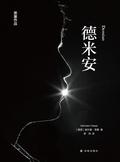 Demian
—Reads9.4Score—Shelves
Demian
—Reads9.4Score—Shelves
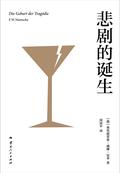 Tragedy***************
—Reads5.8Score—Shelves
Tragedy***************
—Reads5.8Score—Shelves
 Da Qin: Transcendent to the Saint! Start from the Unity of Knowledge and Action
2.7kReads7.3Score100Shelves
Da Qin: Transcendent to the Saint! Start from the Unity of Knowledge and Action
2.7kReads7.3Score100Shelves
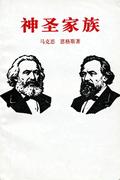 Holy Family
—Reads8.4Score—Shelves
Holy Family
—Reads8.4Score—Shelves
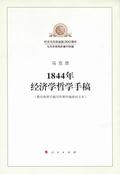 1844 Economic and Philosophical Manuscripts
—Reads9.3Score—Shelves
1844 Economic and Philosophical Manuscripts
—Reads9.3Score—Shelves
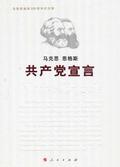 Communist Manifesto: Commemorative Edition
—Reads9.5Score—Shelves
Communist Manifesto: Commemorative Edition
—Reads9.5Score—Shelves
 German Ideology (Full Text)
—Reads9.1Score—Shelves
German Ideology (Full Text)
—Reads9.1Score—Shelves
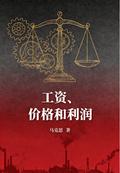 Wages, Prices and Profits
—Reads8.4Score—Shelves
Wages, Prices and Profits
—Reads8.4Score—Shelves
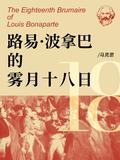 The Eighteenth Brumaire of Louis Bonaparte
—Reads9.2Score—Shelves
The Eighteenth Brumaire of Louis Bonaparte
—Reads9.2Score—Shelves
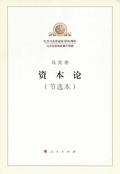 Das Kapital (Excerpt)
—Reads8.4Score—Shelves
Das Kapital (Excerpt)
—Reads8.4Score—Shelves
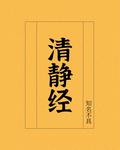 Qing Jing Sutra
—Reads9.5Score—Shelves
Qing Jing Sutra
—Reads9.5Score—Shelves
 Collected Works of Su Shi
—Reads9.1Score—Shelves
Collected Works of Su Shi
—Reads9.1Score—Shelves
 **
—Reads5.8Score—Shelves
**
—Reads5.8Score—Shelves
 **
—Reads5.8Score—Shelves
**
—Reads5.8Score—Shelves
 **
—Reads5.8Score—Shelves
**
—Reads5.8Score—Shelves
 **
—Reads5.8Score—Shelves
**
—Reads5.8Score—Shelves
 **
—Reads5.8Score—Shelves
**
—Reads5.8Score—Shelves
 The Top Ten Gang Leaders in the Republic of China
—Reads9.2Score—Shelves
The Top Ten Gang Leaders in the Republic of China
—Reads9.2Score—Shelves
 **
—Reads5.8Score—Shelves
**
—Reads5.8Score—Shelves
 **
—Reads5.8Score—Shelves
**
—Reads5.8Score—Shelves
 **
—Reads5.8Score—Shelves
**
—Reads5.8Score—Shelves
 **
—Reads5.8Score—Shelves
**
—Reads5.8Score—Shelves
 Mai Look
550Reads8.5Score—Shelves
Mai Look
550Reads8.5Score—Shelves
 The Complete Book of Ziwei Dou Shu
5.8kReads9.4Score—Shelves
The Complete Book of Ziwei Dou Shu
5.8kReads9.4Score—Shelves
 Liuzhuang Shenxiang
1.7kReads9.4Score—Shelves
Liuzhuang Shenxiang
1.7kReads9.4Score—Shelves
 The Complete Book of Lu Ban
3.9kReads9.4Score—Shelves
The Complete Book of Lu Ban
3.9kReads9.4Score—Shelves
 Three Essentials of Yangzhai
1.2kReads9.3Score—Shelves
Three Essentials of Yangzhai
1.2kReads9.3Score—Shelves
 Biography of Indians
—Reads8.7Score—Shelves
Biography of Indians
—Reads8.7Score—Shelves
 Burial Book
—Reads8.3Score—Shelves
Burial Book
—Reads8.3Score—Shelves
 Drops of Tianmui
532Reads8.6Score—Shelves
Drops of Tianmui
532Reads8.6Score—Shelves
 The Four Classics of Internal Strength
—Reads8.5Score—Shelves
The Four Classics of Internal Strength
—Reads8.5Score—Shelves
 Duke Zhou Interprets Dreams
1.3kReads8.8Score—Shelves
Duke Zhou Interprets Dreams
1.3kReads8.8Score—Shelves
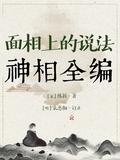 Physiological Explanations: Complete Collection of Divine Physiognomy
1.2kReads8.8Score—Shelves
Physiological Explanations: Complete Collection of Divine Physiognomy
1.2kReads8.8Score—Shelves
 Golden Policy
347Reads8.5Score—Shelves
Golden Policy
347Reads8.5Score—Shelves
 Yu Zhao Shenying Zhen Jing
611Reads9.2Score—Shelves
Yu Zhao Shenying Zhen Jing
611Reads9.2Score—Shelves
 Fairy Tale**
—Reads5.8Score—Shelves
Fairy Tale**
—Reads5.8Score—Shelves
 The Unbearable Weight of the Mortal World
174Reads6.3Score—Shelves
The Unbearable Weight of the Mortal World
174Reads6.3Score—Shelves
 Rebirth***********
—Reads5.8Score—Shelves
Rebirth***********
—Reads5.8Score—Shelves
 In Order Not to Be Punished by the Nine Tribes, I Can Only Take the Initiative to Send
13.9kReads9.2Score1.4kShelves
In Order Not to Be Punished by the Nine Tribes, I Can Only Take the Initiative to Send
13.9kReads9.2Score1.4kShelves
 Cat and Mouse Game
—Reads9.4Score—Shelves
Cat and Mouse Game
—Reads9.4Score—Shelves
 Crossover: Black and White Temptation
—Reads9.5Score—Shelves
Crossover: Black and White Temptation
—Reads9.5Score—Shelves
 Triple Gate
—Reads9.5Score—Shelves
Triple Gate
—Reads9.5Score—Shelves
 I'm Not a Drama God
2.3MReads9.9Score305.3kShelves
I'm Not a Drama God
2.3MReads9.9Score305.3kShelves
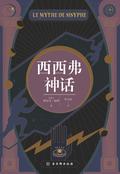 The Myth of Sisyphus
—Reads9.3Score—Shelves
The Myth of Sisyphus
—Reads9.3Score—Shelves
 Outsider
—Reads9.5Score—Shelves
Outsider
—Reads9.5Score—Shelves
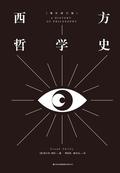 The West***
—Reads5.8Score—Shelves
The West***
—Reads5.8Score—Shelves
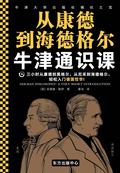 Oxford************
—Reads5.8Score—Shelves
Oxford************
—Reads5.8Score—Shelves
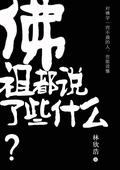 Buddha******
—Reads5.8Score—Shelves
Buddha******
—Reads5.8Score—Shelves
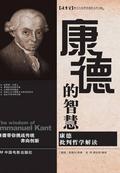 Kant's Wisdom
—Reads8.4Score—Shelves
Kant's Wisdom
—Reads8.4Score—Shelves
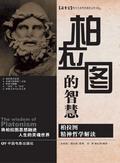 Plato's Wisdom
—Reads8.1Score—Shelves
Plato's Wisdom
—Reads8.1Score—Shelves