Library
Browse and search books
394 novels found
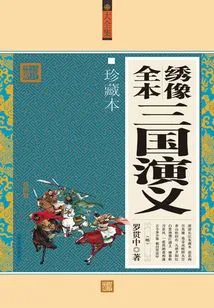
绣像全本三国演义
(ming Dynasty) Luo Guanzhong
The full name of "Romance of the Three Kingdoms" is "Popular Romance of the Three Kingdoms". It is the pioneer work of chapter novels in Chinese literature. It is also the most accomplished and influential work in ancient historical romances and ranks as one of the four famous works in ancient China. The author Luo Guanzhong, named Guanzhong, nicknamed Huhai Sanren, was born in Taiyuan. He was talented, studious, and talented. He was a famous novelist and dramatist in the late Yuan and early Ming dynasties.
The full name of "Romance of the Three Kingdoms" is "Popular Romance of the Three Kingdoms". It is the pioneer work of chapter novels in Chinese literature. It is also the most accomplished and influential work in ancient historical romances and ranks as one of the four famous works in ancient China. The author Luo Guanzhong, named Guanzhong, nicknamed Huhai Sanren, was born in Taiyuan. He was talented, studious, and talented. He was a famous novelist and dramatist in the late Yuan and early Ming dynasties.
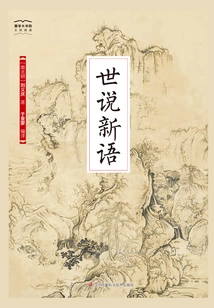
Shishuoxinyu (national Academy of Chinese Studies)
General Fiction世说新语(国学大书院)
H
It was originally called "Shishuo". In the Tang Dynasty, it was called "Shishuo New Book" or "Shishuo Xinyu". The latter became the proper name of the book around the Northern Song Dynasty. "Shishuoxinyu" is the germ of ancient Chinese novels. Its concise, meaningful and vivid descriptions are difficult to match by many imitators in later generations. This book is not only of great literary significance, but also records mostly real people and true events, and has always been valued by historians.
It was originally called "Shishuo". In the Tang Dynasty, it was called "Shishuo New Book" or "Shishuo Xinyu". The latter became the proper name of the book around the Northern Song Dynasty. "Shishuoxinyu" is the germ of ancient Chinese novels. Its concise, meaningful and vivid descriptions are difficult to match by many imitators in later generations. This book is not only of great literary significance, but also records mostly real people and true events, and has always been valued by historians.
H
General FictionH
H
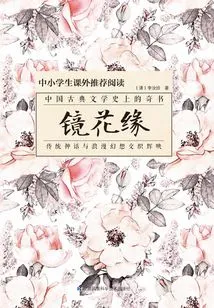
"Flower in the Mirror" is rich in exaggeration, metaphor, contrast and other techniques. The book describes countries such as the Country of Gentlemen, the Country of Women, and the Country of Intestines, which shows the author's unparalleled imagination. It is a masterpiece of oriental classical fantasy. This edition of "Flowers in the Mirror" is accompanied by annotations and Qing Dynasty illustrations to facilitate readers' better understanding and reading. This edition of "Flowers in the Mirror" is faithful to the original work and is based on the engraving edition personally supervised by Li Ruzhen in the Qing Dynasty. It is a complete version with 100 chapters.
"Flower in the Mirror" is rich in exaggeration, metaphor, contrast and other techniques. The book describes countries such as the Country of Gentlemen, the Country of Women, and the Country of Intestines, which shows the author's unparalleled imagination. It is a masterpiece of oriental classical fantasy. This edition of "Flowers in the Mirror" is accompanied by annotations and Qing Dynasty illustrations to facilitate readers' better understanding and reading. This edition of "Flowers in the Mirror" is faithful to the original work and is based on the engraving edition personally supervised by Li Ruzhen in the Qing Dynasty. It is a complete version with 100 chapters.
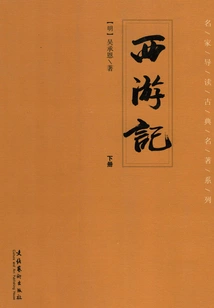
Journey to the West (part 1, Part 2)
General Fiction西游记(上、下)
Wu Chengen
"Journey to the West (Part 1 and 2)" is based on the historical fact that the eminent monk Xuanzang of the Tang Dynasty went to the West to worship Buddha and obtain Buddhist scriptures. Through the author's extremely imaginative conception and description, it creates the images of the brave and loyal Sun Wukong, the pedantic Sanzang of Tang Dynasty, the delicious and lazy Zhu Bajie and the diligent Monk Sha. Through the hardships and hardships of going to the West to obtain Buddhist scriptures, it reflects the author's dissatisfaction with reality, and profoundly exposes and criticizes the darkness, decadence of feudal society and the mediocrity of the ruling class.
"Journey to the West (Part 1 and 2)" is based on the historical fact that the eminent monk Xuanzang of the Tang Dynasty went to the West to worship Buddha and obtain Buddhist scriptures. Through the author's extremely imaginative conception and description, it creates the images of the brave and loyal Sun Wukong, the pedantic Sanzang of Tang Dynasty, the delicious and lazy Zhu Bajie and the diligent Monk Sha. Through the hardships and hardships of going to the West to obtain Buddhist scriptures, it reflects the author's dissatisfaction with reality, and profoundly exposes and criticizes the darkness, decadence of feudal society and the mediocrity of the ruling class.
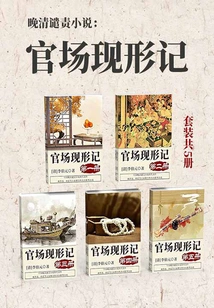
Novel of Condemnation in the Late Qing Dynasty: the Appearance of Officialdom (set of 5 Volumes in Total)
General Fiction晚清谴责小说:官场现形记(套装共5册)
Li Boyuan
"The Appearance of Officialdom", written by Li Boyuan, a writer in the late Qing Dynasty, is my country's first chapter-length novel that was serialized in newspapers and periodicals and directly faced the society and achieved a sensational effect. It is also a representative work of condemnation novels and pioneered the trend of modern novels criticizing social reality. The work takes the officialdom of the late Qing Dynasty as the object of expression, focusing on describing the corruption, darkness and ugliness of the old officialdom during the collapse of feudal society. Here there are military ministers, governors and governors, admirals, as well as county magistrates, officials, and miscellaneous officials. They are either dirty and despicable, ignorant, or corrupt, forming a picture of the bureaucracy in the late Qing Dynasty.
"The Appearance of Officialdom", written by Li Boyuan, a writer in the late Qing Dynasty, is my country's first chapter-length novel that was serialized in newspapers and periodicals and directly faced the society and achieved a sensational effect. It is also a representative work of condemnation novels and pioneered the trend of modern novels criticizing social reality. The work takes the officialdom of the late Qing Dynasty as the object of expression, focusing on describing the corruption, darkness and ugliness of the old officialdom during the collapse of feudal society. Here there are military ministers, governors and governors, admirals, as well as county magistrates, officials, and miscellaneous officials. They are either dirty and despicable, ignorant, or corrupt, forming a picture of the bureaucracy in the late Qing Dynasty.
Peng Gongan
General Fiction彭公案
(qing) Greedy Dream Taoist
Peng Gong is one of the most upright officials in ancient my country and is widely praised by the people. The stories of the cases he solved have been passed down through the ages. The cases he solved ranged from life-threatening cases to trivial ones, and people were afraid of applauding him after he solved them. People still remember this "Bao Qingtian" to this day. "Peng Gong's Case: Part One and Two" uses Peng Peng's appointment as an official of Sanhe County, promotion to the prefect of Shaoxing, promotion to governor of Henan, and the investigation and handling of various affairs as a minister of the Ministry of War. It tells the story of a group of knights such as Li Qihou, Huang Santai, Yang Xiangwu, and Ouyang De who assisted him in punishing evil and traitors, eradicating thieves and quelling rebellions. "Peng Gong'an: Up and Down" is rich in content, full of suspense, exciting, and has certain readability and entertainment. This book is written by Taoist Tan Meng and should be written by Chen Qiufan.
Peng Gong is one of the most upright officials in ancient my country and is widely praised by the people. The stories of the cases he solved have been passed down through the ages. The cases he solved ranged from life-threatening cases to trivial ones, and people were afraid of applauding him after he solved them. People still remember this "Bao Qingtian" to this day. "Peng Gong's Case: Part One and Two" uses Peng Peng's appointment as an official of Sanhe County, promotion to the prefect of Shaoxing, promotion to governor of Henan, and the investigation and handling of various affairs as a minister of the Ministry of War. It tells the story of a group of knights such as Li Qihou, Huang Santai, Yang Xiangwu, and Ouyang De who assisted him in punishing evil and traitors, eradicating thieves and quelling rebellions. "Peng Gong'an: Up and Down" is rich in content, full of suspense, exciting, and has certain readability and entertainment. This book is written by Taoist Tan Meng and should be written by Chen Qiufan.
The Appearance of Officialdom (complete Collection)
General Fiction官场现形记(全集)
M
This book is the first long chapter novel in my country that was serialized in newspapers and periodicals and faced the society directly and achieved a sensational effect. It is also a representative work of condemnation novels and pioneered the trend of criticizing social reality in modern novels. The book begins with the history of Zhao Wen and Qian Dian, a lower-class scholar who promoted officials and assisted miscellaneous officials, and connects the various bureaucrats of the Qing government, including state officials, provincial vassals, imperial ministers, military aircraft, and central halls.
This book is the first long chapter novel in my country that was serialized in newspapers and periodicals and faced the society directly and achieved a sensational effect. It is also a representative work of condemnation novels and pioneered the trend of criticizing social reality in modern novels. The book begins with the history of Zhao Wen and Qian Dian, a lower-class scholar who promoted officials and assisted miscellaneous officials, and connects the various bureaucrats of the Qing government, including state officials, provincial vassals, imperial ministers, military aircraft, and central halls.
The Scholars (classic Translation)
General Fiction儒林外史(经典译林)
H
"The Scholars" is a novel written by Wu Jingzi in the Qing Dynasty. It uses realism to depict the different expressions of fame and wealth of various people, and represents the peak of ancient Chinese satirical novels. The use of vernacular in the novel has become more proficient, and the characterization of the characters is also quite in-depth and delicate, especially the use of superb satirical techniques, making the book a masterpiece of Chinese classical satirical literature.
"The Scholars" is a novel written by Wu Jingzi in the Qing Dynasty. It uses realism to depict the different expressions of fame and wealth of various people, and represents the peak of ancient Chinese satirical novels. The use of vernacular in the novel has become more proficient, and the characterization of the characters is also quite in-depth and delicate, especially the use of superb satirical techniques, making the book a masterpiece of Chinese classical satirical literature.
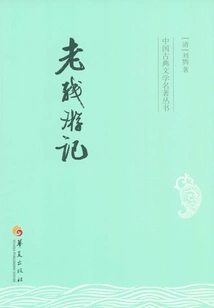
Lao Can's Travels
General Fiction老残游记
Liu E
"Lao Can's Travels", a novella in the late Qing Dynasty, is Liu E's masterpiece and is widely circulated. The novel is based on the travels of an old man who is a doctor, and it digs deeply into social conflicts. Especially in the book, he dares to directly denounce upright officials who harm the country and harm the people, pointing out that sometimes the stupidity of upright officials is no better than corrupt officials. This criticism of the officialdom of the Qing court is very pertinent and insightful.
"Lao Can's Travels", a novella in the late Qing Dynasty, is Liu E's masterpiece and is widely circulated. The novel is based on the travels of an old man who is a doctor, and it digs deeply into social conflicts. Especially in the book, he dares to directly denounce upright officials who harm the country and harm the people, pointing out that sometimes the stupidity of upright officials is no better than corrupt officials. This criticism of the officialdom of the Qing court is very pertinent and insightful.
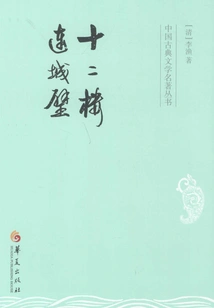
Twelfth Floor Liancheng Bi
General Fiction十二楼 连城璧
Li Yu
"The Twelfth Floor" is also called "Awakening of the World". Collection of short stories. There are 12 novels in total, all with the name of the building as the title. Each chapter has a different number of chapters, and the order of arrangement is also different in each volume. Most of the 12 novels take the love and marriage of talented men and beautiful women as their theme, and also touch on many aspects of urban life, such as recounting the notes of predecessors, recording the author's experiences, narrating historical stories, or making up stories out of thin air to describe the world and human conditions. "Liancheng Bi", also known as "Silent Yun" and "Twelve Floors", were both written by Li Yu, a literary master of the Qing Dynasty. There are 12 episodes in total and 6 extra volumes. The whole episode plays one story, and the outsider plays another story. On the whole, it mainly describes the people in the market and the daily life of ordinary people, focusing on persuading good and punishing evil, and has a strong tendency of citizen sentiment. The language, plot and characters are all vivid and vivid, and the description of love between men and women is particularly nuanced and full of legend. It is worth reading.
"The Twelfth Floor" is also called "Awakening of the World". Collection of short stories. There are 12 novels in total, all with the name of the building as the title. Each chapter has a different number of chapters, and the order of arrangement is also different in each volume. Most of the 12 novels take the love and marriage of talented men and beautiful women as their theme, and also touch on many aspects of urban life, such as recounting the notes of predecessors, recording the author's experiences, narrating historical stories, or making up stories out of thin air to describe the world and human conditions. "Liancheng Bi", also known as "Silent Yun" and "Twelve Floors", were both written by Li Yu, a literary master of the Qing Dynasty. There are 12 episodes in total and 6 extra volumes. The whole episode plays one story, and the outsider plays another story. On the whole, it mainly describes the people in the market and the daily life of ordinary people, focusing on persuading good and punishing evil, and has a strong tendency of citizen sentiment. The language, plot and characters are all vivid and vivid, and the description of love between men and women is particularly nuanced and full of legend. It is worth reading.
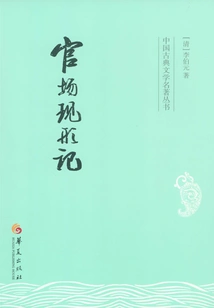
The Appearance of Officialdom
General Fiction官场现形记
Li Boyuan
"The Appearance of Officialdom" is one of the four major condemnation novels in the late Qing Dynasty. Written by Li Boyuan, there are 60 chapters in total. The structure is similar to "The Scholars". After one person's performance, he will move on to the next one, and so on. The work takes the officialdom of the late Qing Dynasty as the object of expression, focusing on describing the corruption, darkness and ugliness of the old officialdom during the collapse of feudal society. Here there are military ministers, governors and governors, admirals, as well as county magistrates, officials, and miscellaneous officials. They are either dirty and despicable, ignorant, or corrupt, forming a picture of the bureaucracy in the late Qing Dynasty. It can be said that it outlines a historical picture of the decadent and ugly officialdom in modern China.
"The Appearance of Officialdom" is one of the four major condemnation novels in the late Qing Dynasty. Written by Li Boyuan, there are 60 chapters in total. The structure is similar to "The Scholars". After one person's performance, he will move on to the next one, and so on. The work takes the officialdom of the late Qing Dynasty as the object of expression, focusing on describing the corruption, darkness and ugliness of the old officialdom during the collapse of feudal society. Here there are military ministers, governors and governors, admirals, as well as county magistrates, officials, and miscellaneous officials. They are either dirty and despicable, ignorant, or corrupt, forming a picture of the bureaucracy in the late Qing Dynasty. It can be said that it outlines a historical picture of the decadent and ugly officialdom in modern China.
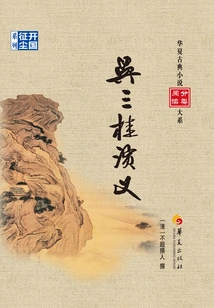
Romance of Wu Sangui
General Fiction吴三桂演义
No Author Mentioned
"The Romance of Wu Sangui" is also known as "The Romance of the Ming and Qing Dynasties", and no author is mentioned. It mainly describes the historical facts of Wu Sangui from the main town of Ningyuan to surrendering to the Manchus and forcing Emperor Yongli to death, and then resisted the Qing Dynasty and falsely claimed to be emperor, and finally ended in defeat. Interspersed with it are the separation and separation between Wu Sangui and his concubine Chen Yuanyuan. The author is not limited to the theory of "the successful king and the defeated bandit" about Wu Sangui, and portrays this complex historical figure more realistically and vividly. Chen Yuanyuan in the novel is also a woman with personality, integrity, wisdom and decisiveness. The writing of the work is concise and bright, which is quite similar to the style of historical novels.
"The Romance of Wu Sangui" is also known as "The Romance of the Ming and Qing Dynasties", and no author is mentioned. It mainly describes the historical facts of Wu Sangui from the main town of Ningyuan to surrendering to the Manchus and forcing Emperor Yongli to death, and then resisted the Qing Dynasty and falsely claimed to be emperor, and finally ended in defeat. Interspersed with it are the separation and separation between Wu Sangui and his concubine Chen Yuanyuan. The author is not limited to the theory of "the successful king and the defeated bandit" about Wu Sangui, and portrays this complex historical figure more realistically and vividly. Chen Yuanyuan in the novel is also a woman with personality, integrity, wisdom and decisiveness. The writing of the work is concise and bright, which is quite similar to the style of historical novels.
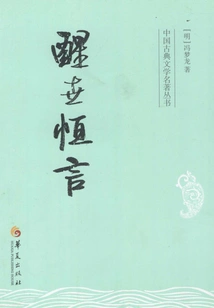
Awakening Words
General Fiction醒世恒言
(ming Dynasty) Feng Menglong
"Eternal Words to Awaken the World", a collection of short stories in vernacular. Compiled by Feng Menglong in the late Ming Dynasty, it is collectively known as "Three Words" together with Feng's other two story collections, "Yu Shi Ming Yan" (i. E., "Ancient and Modern Novels") and "Warning World Tong Yan". The themes come from folklore, historical biographies and novels of the Tang and Song Dynasties. The editor has many creative elements.
"Eternal Words to Awaken the World", a collection of short stories in vernacular. Compiled by Feng Menglong in the late Ming Dynasty, it is collectively known as "Three Words" together with Feng's other two story collections, "Yu Shi Ming Yan" (i. E., "Ancient and Modern Novels") and "Warning World Tong Yan". The themes come from folklore, historical biographies and novels of the Tang and Song Dynasties. The editor has many creative elements.
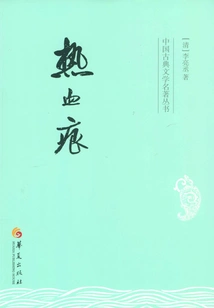
S
General Fictions
T
"Bloodstain" tells a story that has an extremely long history but is very familiar to us, that is, in the late Spring and Autumn Period, King Fu Chai of Wu and King Gou Jian of Yue fought against each other. This book is an excellent work in history, and it reveals a lot about the politics of the late Qing Dynasty. The author's main purpose is to ask the Chinese people to remember the insults caused by outsiders, avenge their humiliation, and stand on their own feet. When the country is in crisis, they must endure hardships and fight against the enemy together.
"Bloodstain" tells a story that has an extremely long history but is very familiar to us, that is, in the late Spring and Autumn Period, King Fu Chai of Wu and King Gou Jian of Yue fought against each other. This book is an excellent work in history, and it reveals a lot about the politics of the late Qing Dynasty. The author's main purpose is to ask the Chinese people to remember the insults caused by outsiders, avenge their humiliation, and stand on their own feet. When the country is in crisis, they must endure hardships and fight against the enemy together.
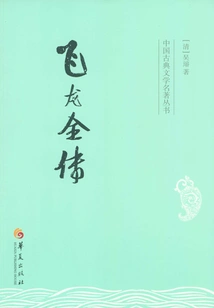
The Complete Biography of Feilong
General Fiction飞龙全传
(qing Dynasty) Compiled By Wu Xuan
The classic novel "The Biography of the Generals of the Yang Family" narrates the story of the early Northern Song Dynasty in Chinese history, when Song Taizu, Song Taizong, and Song Zhenzong conquered the northern and western border regimes such as the Northern Han Dynasty, Liao Kingdom, and Xixia, and unified the Central Plains. The book focuses on the description of three generations of Yang family heroes, men and women, young and old, who went to war for the country. "The Complete Story of Feilong" is a novel written by Wu Xuan, a native of the Qing Dynasty. "The Complete Biography of Feilong" has a total of sixty chapters, but the main content is Zhao Kuangyin's experience in his youth before he became emperor, showing readers a flesh-and-blood image of a heroic hero in the city. In him, the author embodies the various qualities of an ideal character recognized by the citizenry: he is bold and courageous, dares to take action, supports the weak and punishes the strong, is a chivalrous and righteous man, is loyal and loyal, and promises a thousand pieces of gold. This image has a strong flavor of folk literature and art, and is in the same vein as the image of the Water Margin hero.
The classic novel "The Biography of the Generals of the Yang Family" narrates the story of the early Northern Song Dynasty in Chinese history, when Song Taizu, Song Taizong, and Song Zhenzong conquered the northern and western border regimes such as the Northern Han Dynasty, Liao Kingdom, and Xixia, and unified the Central Plains. The book focuses on the description of three generations of Yang family heroes, men and women, young and old, who went to war for the country. "The Complete Story of Feilong" is a novel written by Wu Xuan, a native of the Qing Dynasty. "The Complete Biography of Feilong" has a total of sixty chapters, but the main content is Zhao Kuangyin's experience in his youth before he became emperor, showing readers a flesh-and-blood image of a heroic hero in the city. In him, the author embodies the various qualities of an ideal character recognized by the citizenry: he is bold and courageous, dares to take action, supports the weak and punishes the strong, is a chivalrous and righteous man, is loyal and loyal, and promises a thousand pieces of gold. This image has a strong flavor of folk literature and art, and is in the same vein as the image of the Water Margin hero.
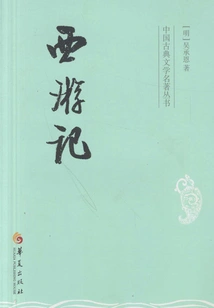
G
General FictionG
Y
"Journey to the West" is the first chapter-length novel about gods and demons in ancient China. It describes the story of Sun Wukong causing trouble in the Heavenly Palace and protecting Tang Sanzang with Zhu Bajie and Sha Seng, who went through eighty-one hardships and went to the West to obtain the true scriptures. The novel combines fantasy plots with real life. It is a masterpiece with complete structure and unique imagination in the history of literature.
"Journey to the West" is the first chapter-length novel about gods and demons in ancient China. It describes the story of Sun Wukong causing trouble in the Heavenly Palace and protecting Tang Sanzang with Zhu Bajie and Sha Seng, who went through eighty-one hardships and went to the West to obtain the true scriptures. The novel combines fantasy plots with real life. It is a masterpiece with complete structure and unique imagination in the history of literature.
Q
General Fictionq
H
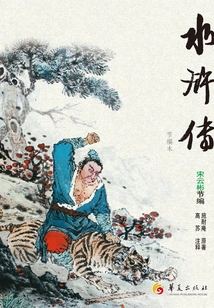
"Water Margin", also known as "Water Margin of Loyalty and Righteousness", generally referred to as "Water Margin", was written in the late Yuan and early Ming dynasties and is one of China's four great classics. The whole book describes the story of 108 people led by Song Jiang who gathered in Liangshan in the late Northern Song Dynasty, and how they accepted recruitment and fought in various places after gathering. Written by Shi Naian and edited by Luo Guanzhong, Shi Naian's ancestral home is said to be Suzhou[1] and Xinghua, present-day Jiangsu. "Water Margin" is also one of the most epic works in Chinese literature. It is one of the earliest chapter novels written in vernacular Chinese in Chinese history. There are many versions, it is widely circulated and popular among the people. It has a profound influence on narrative literature in China and even East Asia.
"Water Margin", also known as "Water Margin of Loyalty and Righteousness", generally referred to as "Water Margin", was written in the late Yuan and early Ming dynasties and is one of China's four great classics. The whole book describes the story of 108 people led by Song Jiang who gathered in Liangshan in the late Northern Song Dynasty, and how they accepted recruitment and fought in various places after gathering. Written by Shi Naian and edited by Luo Guanzhong, Shi Naian's ancestral home is said to be Suzhou[1] and Xinghua, present-day Jiangsu. "Water Margin" is also one of the most epic works in Chinese literature. It is one of the earliest chapter novels written in vernacular Chinese in Chinese history. There are many versions, it is widely circulated and popular among the people. It has a profound influence on narrative literature in China and even East Asia.
Di Qingping Xipingnan
General Fiction狄青平西平南
J
"Di Qing Ping Xi Ping Nan" is a collection of two novels "The Prequel of Five Tigers Ping Xi" and "The Post Biography of Five Tigers Ping Nan". Written by an unknown person in the Qing Dynasty, it tells the story of the five tiger generals Di Qing, Zhang Zhong, Li Yi, Liu Qing, and Shi Yu who were ordered to conquer the west and the south during the reign of Emperor Renzong of the Song Dynasty. "The Prequel of Five Tigers Ping Xi" describes that Di Qing and other five tiger generals were ordered by Song Renzong to conquer Qingtang and Shangcheng. They mistakenly left Shanshan (Shanshan) country and were captured by Princess Shuangyang. Di Qing had no choice but to marry Princess Shuangyang, but ordered the four tiger generals Zhang, Li, Liu, and Shi to travel secretly to complete the mission of conquering the west. Di Qing then took the opportunity to escape and was chased by Princess Shuangyang. Di Qing had no choice but to tell the truth about the expedition to the west, and was forgiven by Princess Shuangyang to let him go, and assisted Di Qing in defeating the Western Liao Dynasty. "The Story of Five Tigers Pingnan" is the sequel to "The Story of Five Tigers Pingxi". The book tells that after Di Qing and the Five Tiger Generals pacified the West City, the barbarian king in the south rebelled, proclaimed himself king and marched north. Di Qing's five generals again accepted Renzong's imperial edict and were ordered to march south. Later he was trapped in Mengyunguan. Renzong ordered Yang Wenguang to take command, and Mu Guiying and other female generals from the Yang family assisted in rescuing Di Qing. The generals went through many hardships and dangers, and finally put down the rebellion and returned to the court.
"Di Qing Ping Xi Ping Nan" is a collection of two novels "The Prequel of Five Tigers Ping Xi" and "The Post Biography of Five Tigers Ping Nan". Written by an unknown person in the Qing Dynasty, it tells the story of the five tiger generals Di Qing, Zhang Zhong, Li Yi, Liu Qing, and Shi Yu who were ordered to conquer the west and the south during the reign of Emperor Renzong of the Song Dynasty. "The Prequel of Five Tigers Ping Xi" describes that Di Qing and other five tiger generals were ordered by Song Renzong to conquer Qingtang and Shangcheng. They mistakenly left Shanshan (Shanshan) country and were captured by Princess Shuangyang. Di Qing had no choice but to marry Princess Shuangyang, but ordered the four tiger generals Zhang, Li, Liu, and Shi to travel secretly to complete the mission of conquering the west. Di Qing then took the opportunity to escape and was chased by Princess Shuangyang. Di Qing had no choice but to tell the truth about the expedition to the west, and was forgiven by Princess Shuangyang to let him go, and assisted Di Qing in defeating the Western Liao Dynasty. "The Story of Five Tigers Pingnan" is the sequel to "The Story of Five Tigers Pingxi". The book tells that after Di Qing and the Five Tiger Generals pacified the West City, the barbarian king in the south rebelled, proclaimed himself king and marched north. Di Qing's five generals again accepted Renzong's imperial edict and were ordered to march south. Later he was trapped in Mengyunguan. Renzong ordered Yang Wenguang to take command, and Mu Guiying and other female generals from the Yang family assisted in rescuing Di Qing. The generals went through many hardships and dangers, and finally put down the rebellion and returned to the court.
The Complete Story of Water Margin
General Fiction水浒全传
H
"Water Margin" is the first chapter-length novel in ancient China with the theme of peasant uprising. It is one of the four great classics in China. The book is based on the story of the Songjiang Uprising in the late Northern Song Dynasty. Through the description of a hundred and eight generals who were forced to go to Liangshan and gathered together to rebel, it reveals the social reality of "officials forcing the people to rebel". And with outstanding artistic description methods, it reveals some essential aspects of the occurrence, development and failure process of peasant uprisings in China's feudal society.
"Water Margin" is the first chapter-length novel in ancient China with the theme of peasant uprising. It is one of the four great classics in China. The book is based on the story of the Songjiang Uprising in the late Northern Song Dynasty. Through the description of a hundred and eight generals who were forced to go to Liangshan and gathered together to rebel, it reveals the social reality of "officials forcing the people to rebel". And with outstanding artistic description methods, it reveals some essential aspects of the occurrence, development and failure process of peasant uprisings in China's feudal society.
Continuation of Xiaowuyi
General Fiction续小五义
Shi Yukun
"Continuation of Xiaowuyi" is one of the sequels to the classic "Three Heroes and Five Righteousnesses", also known as "The Story of Zhonglie Xu Xiaowuyi" and "The Story of Sanxu Zhonglie's Chivalry". The earliest version can be seen in the Wenguanglou publication in Beijing in the Xinmao year of Guangxu 17th (1891). One hundred and twenty-four chapters. It is a representative work of traditional Chinese chivalrous public case novels. The plot of "Continuing Little Five Righteousness" is continued from "Little Five Righteousness". It follows the heroes who broke through the copper net array and the King of Xiangyang fled. The heroes are still killing thieves in the rivers and lakes, beating Taisui Square, destroying Taohua Village, stealing the Fish Intestine Sword, and capturing the White Chrysanthemum... Finally, the King of Xiangyang was captured. The emperor discussed their merits and all the chivalrous people were rewarded, so the book ends. The plot of the story is twists and turns, full of changes, and can arouse readers' suspense. The language is colloquial and popular, with a lot of dialects and dialects, and the narrative is just right. Lu Xun once commented on "Three Heroes and Five Righteousness" and its sequel, "It is vivid and has the habit of commenting."
"Continuation of Xiaowuyi" is one of the sequels to the classic "Three Heroes and Five Righteousnesses", also known as "The Story of Zhonglie Xu Xiaowuyi" and "The Story of Sanxu Zhonglie's Chivalry". The earliest version can be seen in the Wenguanglou publication in Beijing in the Xinmao year of Guangxu 17th (1891). One hundred and twenty-four chapters. It is a representative work of traditional Chinese chivalrous public case novels. The plot of "Continuing Little Five Righteousness" is continued from "Little Five Righteousness". It follows the heroes who broke through the copper net array and the King of Xiangyang fled. The heroes are still killing thieves in the rivers and lakes, beating Taisui Square, destroying Taohua Village, stealing the Fish Intestine Sword, and capturing the White Chrysanthemum... Finally, the King of Xiangyang was captured. The emperor discussed their merits and all the chivalrous people were rewarded, so the book ends. The plot of the story is twists and turns, full of changes, and can arouse readers' suspense. The language is colloquial and popular, with a lot of dialects and dialects, and the narrative is just right. Lu Xun once commented on "Three Heroes and Five Righteousness" and its sequel, "It is vivid and has the habit of commenting."
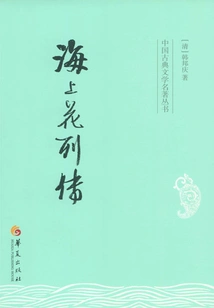
Biography of Flowers on the Sea
General Fiction海上花列传
I
"Biography of Flowers on the Sea", a late Qing Dynasty novel written by Han Bangqing. The main content of this novel is about the brothel life in the Shili Foreign Market in Shanghai, China in the late Qing Dynasty, involving the officialdom, business circles and the social aspects linked to them at that time. "Biography of Flowers on the Sea" is the most famous novel in Wu language and the first dialect novel in China. Later Zhang Ailing translated it into Mandarin and named it "Flowers of the Sea".
"Biography of Flowers on the Sea", a late Qing Dynasty novel written by Han Bangqing. The main content of this novel is about the brothel life in the Shili Foreign Market in Shanghai, China in the late Qing Dynasty, involving the officialdom, business circles and the social aspects linked to them at that time. "Biography of Flowers on the Sea" is the most famous novel in Wu language and the first dialect novel in China. Later Zhang Ailing translated it into Mandarin and named it "Flowers of the Sea".
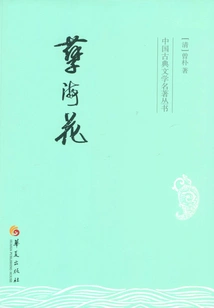
Niehaihua
General Fiction孽海花
Zeng Pu
"The Flower of Evil" is one of the four major condemnation novels in the late Qing Dynasty. The first edition was signed "Initiated by freedom lovers, compiled by the sick man of East Asia". The book has thirty-five chapters in total, taking the experiences of Suzhou champion Jingou and the famous prostitute Fu Caiyun as clues to show the historical changes in China's social, political and cultural life in the thirty years from the early years of Tongzhi to the Sino-Japanese War of 1884-1894. At the same time, "Flowers of Evil" is a well-deserved literary masterpiece. Its publication caused a sensation in the literary world in the early 20th century. In a short period of time, it was reprinted more than 10 times. It sold about 100,000 copies, setting a unique record.
"The Flower of Evil" is one of the four major condemnation novels in the late Qing Dynasty. The first edition was signed "Initiated by freedom lovers, compiled by the sick man of East Asia". The book has thirty-five chapters in total, taking the experiences of Suzhou champion Jingou and the famous prostitute Fu Caiyun as clues to show the historical changes in China's social, political and cultural life in the thirty years from the early years of Tongzhi to the Sino-Japanese War of 1884-1894. At the same time, "Flowers of Evil" is a well-deserved literary masterpiece. Its publication caused a sensation in the literary world in the early 20th century. In a short period of time, it was reprinted more than 10 times. It sold about 100,000 copies, setting a unique record.
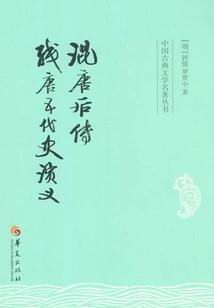
The Later Biography of the Mixed Tang Dynasty: a Romance of the Remaining Tang Dynasty and the Five Dynasties
General Fiction混唐后传:残唐五代史演义
(ming Dynasty) Zhong Xing Luo Guanzhong
"The Later Biography of the Tang Dynasty" is also known as "The Biography of Xiu Xiang Xue Family General Ping Xi", "The Biography of Xiu Xiu Xiang Ping Xi", and "The Later Biography of the Tang Dynasty". The front content is the story of Xue Rengui and Xue Dingshan and their son Pingxi, and the back content is exactly the same as "The Romance of Sui and Tang Dynasties". "History of the Remaining Tang Dynasty and the Five Dynasties" is also known as "The Remaining Tang Dynasty in the Five Dynasties", a historical novel, edited by Li Zhuowu in the Ming Dynasty, with eight volumes and 60 chapters. In a chronological style, it describes the turbulent rise and fall of this period from the Huangchao Uprising to the Chenqiao Mutiny. It mainly writes about the major political and military struggles in the late Tang Dynasty and the Five Dynasties period. It is written based on relevant stories in the new and old "Tang Shu", "History of the Five Dynasties" and folklore. The novel imitates "The Romance of the Three Kingdoms" in its creation, but its achievements are much inferior. "The Romance of the Lost Tang and Five Dynasties" is widely circulated among the people and has a certain influence on the creation of novels and dramas in later generations.
"The Later Biography of the Tang Dynasty" is also known as "The Biography of Xiu Xiang Xue Family General Ping Xi", "The Biography of Xiu Xiu Xiang Ping Xi", and "The Later Biography of the Tang Dynasty". The front content is the story of Xue Rengui and Xue Dingshan and their son Pingxi, and the back content is exactly the same as "The Romance of Sui and Tang Dynasties". "History of the Remaining Tang Dynasty and the Five Dynasties" is also known as "The Remaining Tang Dynasty in the Five Dynasties", a historical novel, edited by Li Zhuowu in the Ming Dynasty, with eight volumes and 60 chapters. In a chronological style, it describes the turbulent rise and fall of this period from the Huangchao Uprising to the Chenqiao Mutiny. It mainly writes about the major political and military struggles in the late Tang Dynasty and the Five Dynasties period. It is written based on relevant stories in the new and old "Tang Shu", "History of the Five Dynasties" and folklore. The novel imitates "The Romance of the Three Kingdoms" in its creation, but its achievements are much inferior. "The Romance of the Lost Tang and Five Dynasties" is widely circulated among the people and has a certain influence on the creation of novels and dramas in later generations.
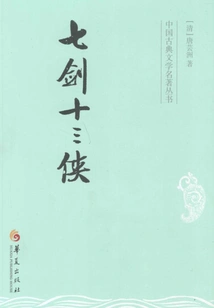
Seven Swords and Thirteen Heroes
General Fiction七剑十三侠
Tang Yunzhou
"Seven Swords and Thirteen Heroes", also known as "Seven Sons and Thirteen Lives", is a representative work of chivalrous novels in the late Qing Dynasty. At that time, it was praised as "the greatest collection of swordsmen in history and the best of barnyard officials" (Jiang Wenpu's "Preface to the First Collection"). It states that during the reign of Wuzong Zhengde (1506-1521), twelve heroes including Sai Mengchang, Xu He (also known as Minggao), and others gathered together to fight for justice. Each of them demonstrated chivalry, courage, superior martial arts, robbed the rich, helped the poor, and eradicated violence. Later, in the Seventh Son and With the help of the Thirteenth Life, Yang Yiqing, the censor of the right capital, put down the rebellion of Zhu Zhixiu, the king of Anhua, Gansu Province, and Wang Shouren, the censor of the capital of Qiang, put down the rebellion of Zhu Chenhao, the king of Ning, Jiangxi. As a result, the seven sons of the thirteenth son and the twelve heroes were each awarded.
"Seven Swords and Thirteen Heroes", also known as "Seven Sons and Thirteen Lives", is a representative work of chivalrous novels in the late Qing Dynasty. At that time, it was praised as "the greatest collection of swordsmen in history and the best of barnyard officials" (Jiang Wenpu's "Preface to the First Collection"). It states that during the reign of Wuzong Zhengde (1506-1521), twelve heroes including Sai Mengchang, Xu He (also known as Minggao), and others gathered together to fight for justice. Each of them demonstrated chivalry, courage, superior martial arts, robbed the rich, helped the poor, and eradicated violence. Later, in the Seventh Son and With the help of the Thirteenth Life, Yang Yiqing, the censor of the right capital, put down the rebellion of Zhu Zhixiu, the king of Anhua, Gansu Province, and Wang Shouren, the censor of the capital of Qiang, put down the rebellion of Zhu Chenhao, the king of Ning, Jiangxi. As a result, the seven sons of the thirteenth son and the twelve heroes were each awarded.
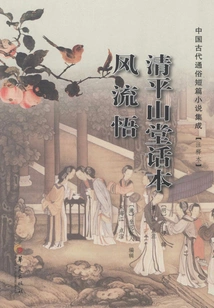
Qingpingshantang Storybook Feng Liuwu
General Fiction清平山堂话本 风流悟
(ming Dynasty) Edited By Hong Chuanzaohuasanren
This book is one of the "collections of ancient Chinese popular short stories". Including short story collections "Qing Ping Shan Tang Hua Ben" and "Feng Liu Wu". These are two very famous works in the history of literature. Re-punctuation and annotation help readers clear their reading difficulties.
This book is one of the "collections of ancient Chinese popular short stories". Including short story collections "Qing Ping Shan Tang Hua Ben" and "Feng Liu Wu". These are two very famous works in the history of literature. Re-punctuation and annotation help readers clear their reading difficulties.
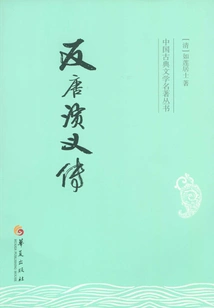
Romance of the Anti-tang Dynasty
General Fiction反唐演义传
J
"Anti-Tang Romance" is a Qing Dynasty novel. Titled "Edited by Gusu Rulian layman". One is "Wu Zetian's Reform of the Romance of the Tang Dynasty", and is also titled "The Complete Biography of the Romance of the Southern Tang Dynasty" and "The Complete Biography of Nuwa Mirror in the Anti-Tang Dynasty", with 140 chapters in fourteen volumes. The inner cover of Ruiwentang's engraved edition is inscribed with "Comments on the Complete Works of Xue Gang's Three Sacrifice at the Tieqiu Tomb" on the horizontal side. The title in the middle is "The Complete Biography of the Anti-Tang Dynasty" and the title "The Complete Biography of the Anti-Tang Dynasty" is inscribed on the inner cover. "Revolt against the Tang Dynasty" tells the story of Xue Gang, the son of Xue Dingshan, who rebelled against the Tang Dynasty. It begins with Xue Dingshan burying his father, Wu Zetian entering the palace and being favored, Xue Gang making a lantern show, and ending with the reunion of the Xue family when Ruizong of the Tang Dynasty ascends the throne.
"Anti-Tang Romance" is a Qing Dynasty novel. Titled "Edited by Gusu Rulian layman". One is "Wu Zetian's Reform of the Romance of the Tang Dynasty", and is also titled "The Complete Biography of the Romance of the Southern Tang Dynasty" and "The Complete Biography of Nuwa Mirror in the Anti-Tang Dynasty", with 140 chapters in fourteen volumes. The inner cover of Ruiwentang's engraved edition is inscribed with "Comments on the Complete Works of Xue Gang's Three Sacrifice at the Tieqiu Tomb" on the horizontal side. The title in the middle is "The Complete Biography of the Anti-Tang Dynasty" and the title "The Complete Biography of the Anti-Tang Dynasty" is inscribed on the inner cover. "Revolt against the Tang Dynasty" tells the story of Xue Gang, the son of Xue Dingshan, who rebelled against the Tang Dynasty. It begins with Xue Dingshan burying his father, Wu Zetian entering the palace and being favored, Xue Gang making a lantern show, and ending with the reunion of the Xue family when Ruizong of the Tang Dynasty ascends the throne.
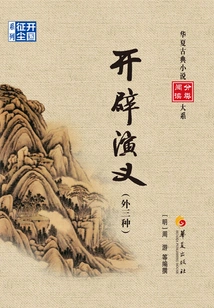
Open up the Romance
General Fiction开辟演义
(ming Dynasty) Compiled By Zhou You And Others
This book is composed of three books: "The Romance of Kaikai", "The Story of King Wu's Conquest of Zhou" and "The Biography of Qin Shihuang". Among them, "Kaifu Romance", the full name of which is "Kaifu Yanyi Popular Chronicles", covers the story from the creation of the world by Pangu, the Three Sovereigns and Five Emperors, Xia and Shang Dynasties to King Wu of Zhou Dynasty who punished the people for their crimes. The book begins with the creation of heaven and earth, and ends with King Wu's defeat of Zhou. It records many well-known ancient myths and stories, such as "Pangu opened the sky and so on."
This book is composed of three books: "The Romance of Kaikai", "The Story of King Wu's Conquest of Zhou" and "The Biography of Qin Shihuang". Among them, "Kaifu Romance", the full name of which is "Kaifu Yanyi Popular Chronicles", covers the story from the creation of the world by Pangu, the Three Sovereigns and Five Emperors, Xia and Shang Dynasties to King Wu of Zhou Dynasty who punished the people for their crimes. The book begins with the creation of heaven and earth, and ends with King Wu's defeat of Zhou. It records many well-known ancient myths and stories, such as "Pangu opened the sky and so on."
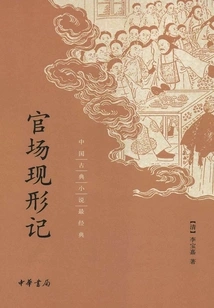
官场现形记(中国古典小说最经典)
T
The Sixty Chapters of "The Appearance of Officialdom" was written by Li Baojia in the late Qing Dynasty. It is one of the "four major condemnation novels" in the late Qing Dynasty. It is also a satirical masterpiece that achieved a sensational social effect at the time of its publication. This book focuses on describing all kinds of dark, ugly and corrupt situations in the officialdom of the late Qing Dynasty. The characters shown in the book include military ministers, governors and governors, admirals, as well as county magistrates, officials, and miscellaneous officials. They are either dirty and despicable, ignorant, or corrupt, forming a picture of the ugliness of the late Qing bureaucracy. In the structure of the book, one person is narrated and then transferred to the next person, and so on. Using the technique of exaggeration and irony, the characters are described deeply, thoroughly, and vividly. It has a profound influence at that time and in later generations, and has a long-lasting artistic charm.
The Sixty Chapters of "The Appearance of Officialdom" was written by Li Baojia in the late Qing Dynasty. It is one of the "four major condemnation novels" in the late Qing Dynasty. It is also a satirical masterpiece that achieved a sensational social effect at the time of its publication. This book focuses on describing all kinds of dark, ugly and corrupt situations in the officialdom of the late Qing Dynasty. The characters shown in the book include military ministers, governors and governors, admirals, as well as county magistrates, officials, and miscellaneous officials. They are either dirty and despicable, ignorant, or corrupt, forming a picture of the ugliness of the late Qing bureaucracy. In the structure of the book, one person is narrated and then transferred to the next person, and so on. Using the technique of exaggeration and irony, the characters are described deeply, thoroughly, and vividly. It has a profound influence at that time and in later generations, and has a long-lasting artistic charm.
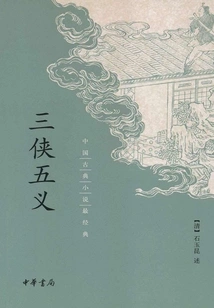
三侠五义(中国古典小说最经典)
Shi Yukun
"Three Heroes and Five Righteousness" was first published in the fifth year of Guangxu (1879), signed by Shi Yukun. At the beginning of the volume, there are two prefaces: Asking the Bamboo Master (Shi Yukun) and Retreating to Thinking about the Master and the Lost Taoist. The rap "Longtu Gongan" became popular during the Jiaqing period, and there are still copies of it today with many lyrics. Later, on this basis, the lyrics were deleted and added into a novel, titled "Long Tu Er Lu". During the Guangxu period, the master of Wenzhu (Shi Yukun) revised and polished it and renamed it "The Legend of Zhonglie Chivalry", also known as "Three Heroes and Five Righteousness", both of which have 120 chapters. The "Three Heroes" refer to Ouyang Chun, the Northern Hero, Zhan Zhao, the Southern Hero, and Ding Zhaolan and Ding Zhaohui, the two heroes of the Ding Family (the two are one hero); the "Five Righteousness" refers to the brothers Lu Fang, the rat that drills the sky, Han Zhang, the rat that penetrates the earth, Xu Qing, the rat that drills the mountain, Jiang Ping, the river rat, and Bai Yutang, the golden-haired rat. The novel tells the story of Bao Zheng in the Northern Song Dynasty, with the help of many chivalrous people, he tried strange cases, rectified unjust cases, and the chivalrous people eradicated violence and performed chivalrous acts of justice. The book contains stories about injustice, "The Guillotine of Pang Yu", "Five Rats in Tokyo", etc. The plots are complicated and clear, and the language is popular. Yu Yue commented on this book: "Coloring in leisure time is a hundred times more energetic. Only with such writing can one write a Chinese novel; such a Chinese novel can be regarded as another kind of writing in the world."
"Three Heroes and Five Righteousness" was first published in the fifth year of Guangxu (1879), signed by Shi Yukun. At the beginning of the volume, there are two prefaces: Asking the Bamboo Master (Shi Yukun) and Retreating to Thinking about the Master and the Lost Taoist. The rap "Longtu Gongan" became popular during the Jiaqing period, and there are still copies of it today with many lyrics. Later, on this basis, the lyrics were deleted and added into a novel, titled "Long Tu Er Lu". During the Guangxu period, the master of Wenzhu (Shi Yukun) revised and polished it and renamed it "The Legend of Zhonglie Chivalry", also known as "Three Heroes and Five Righteousness", both of which have 120 chapters. The "Three Heroes" refer to Ouyang Chun, the Northern Hero, Zhan Zhao, the Southern Hero, and Ding Zhaolan and Ding Zhaohui, the two heroes of the Ding Family (the two are one hero); the "Five Righteousness" refers to the brothers Lu Fang, the rat that drills the sky, Han Zhang, the rat that penetrates the earth, Xu Qing, the rat that drills the mountain, Jiang Ping, the river rat, and Bai Yutang, the golden-haired rat. The novel tells the story of Bao Zheng in the Northern Song Dynasty, with the help of many chivalrous people, he tried strange cases, rectified unjust cases, and the chivalrous people eradicated violence and performed chivalrous acts of justice. The book contains stories about injustice, "The Guillotine of Pang Yu", "Five Rats in Tokyo", etc. The plots are complicated and clear, and the language is popular. Yu Yue commented on this book: "Coloring in leisure time is a hundred times more energetic. Only with such writing can one write a Chinese novel; such a Chinese novel can be regarded as another kind of writing in the world."
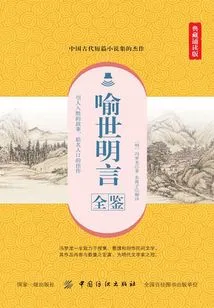
喻世明言全鉴(典藏诵读版)
G
"Yu Shi Ming Yan", formerly known as "Ancient and Modern Novels", also known as "Holistic Ancient and Modern Novels", is a collection of short vernacular novels published in the Ming Dynasty. Together with "Warning Words" and "Awakening Words", they are collectively known as "Three Words" and were compiled by Feng Menglong in the late Ming Dynasty. Many chapters in the book are adapted from old stories from the Song and Yuan Dynasties, with a wide range of topics, covering marriage, love, filial piety, friendship, ghosts, gods, etc. It reflects the prosperity of the Ming Dynasty's commercial society and the spiritual outlook of small and medium-sized businessmen. It is a precious legacy in the treasure house of ancient Chinese novels. Sun Hongying's interpretation of "The Complete Book of Mingyan in the World (Collection Edition)" is based on "Ancient and Modern Novels", "Warning Words" and "Everlasting Words to Awaken the World" photocopied by Shanghai Ancient Books Society. A brief summary is given before each story, and the plot of the novel is briefly introduced and commented to help readers better understand the story and understand its gist.
"Yu Shi Ming Yan", formerly known as "Ancient and Modern Novels", also known as "Holistic Ancient and Modern Novels", is a collection of short vernacular novels published in the Ming Dynasty. Together with "Warning Words" and "Awakening Words", they are collectively known as "Three Words" and were compiled by Feng Menglong in the late Ming Dynasty. Many chapters in the book are adapted from old stories from the Song and Yuan Dynasties, with a wide range of topics, covering marriage, love, filial piety, friendship, ghosts, gods, etc. It reflects the prosperity of the Ming Dynasty's commercial society and the spiritual outlook of small and medium-sized businessmen. It is a precious legacy in the treasure house of ancient Chinese novels. Sun Hongying's interpretation of "The Complete Book of Mingyan in the World (Collection Edition)" is based on "Ancient and Modern Novels", "Warning Words" and "Everlasting Words to Awaken the World" photocopied by Shanghai Ancient Books Society. A brief summary is given before each story, and the plot of the novel is briefly introduced and commented to help readers better understand the story and understand its gist.
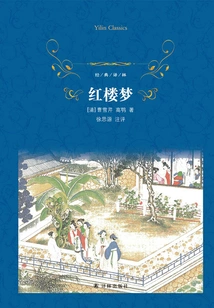
A Dream of Red Mansions (classic Translation)
General Fiction红楼梦(经典译林)
(qing Dynasty) Cao Xueqin, Written By Gao E, Annotated By Xu Siyuan
"A Dream of Red Mansions" is an ancient Chinese chapter novel, also known as "The Story of the Stone", etc. It is listed as the first of the four classic Chinese classics and is generally believed to be written by the Qing Dynasty writer Cao Xueqin. The novel takes the rise and fall of the four major families of Jia, Shi, Wang, and Xue as the background, and takes the wealthy young master Jia Baoyu as the perspective. It depicts the various life styles of a group of boudoir beauties who behave and know better than men. It shows the true beauty of humanity and tragedy. It can be said to be an epic that shows the beauty of women from all angles. "A Dream of Red Mansions" is a human love novel with world influence. It is universally recognized as the pinnacle of Chinese classical novels, an encyclopedia of Chinese feudal society, and a master of traditional culture. The novel insists on "the main theme talks about love and records the actual events". It only follows its own circumstances and circumstances, follows the traces, gets rid of the old stereotypes, is fresh and unique, and achieves extraordinary artistic achievements. The special writing style of "the true story is concealed and lies are told" opened the minds of later generations of readers and led to more speculations over time. In later generations, a prominent study-Redology-was formed around the study of reading and reading of "Dream of Red Mansions".
"A Dream of Red Mansions" is an ancient Chinese chapter novel, also known as "The Story of the Stone", etc. It is listed as the first of the four classic Chinese classics and is generally believed to be written by the Qing Dynasty writer Cao Xueqin. The novel takes the rise and fall of the four major families of Jia, Shi, Wang, and Xue as the background, and takes the wealthy young master Jia Baoyu as the perspective. It depicts the various life styles of a group of boudoir beauties who behave and know better than men. It shows the true beauty of humanity and tragedy. It can be said to be an epic that shows the beauty of women from all angles. "A Dream of Red Mansions" is a human love novel with world influence. It is universally recognized as the pinnacle of Chinese classical novels, an encyclopedia of Chinese feudal society, and a master of traditional culture. The novel insists on "the main theme talks about love and records the actual events". It only follows its own circumstances and circumstances, follows the traces, gets rid of the old stereotypes, is fresh and unique, and achieves extraordinary artistic achievements. The special writing style of "the true story is concealed and lies are told" opened the minds of later generations of readers and led to more speculations over time. In later generations, a prominent study-Redology-was formed around the study of reading and reading of "Dream of Red Mansions".
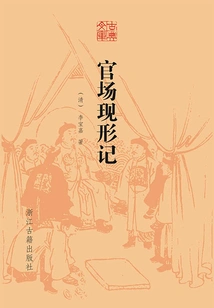
The Appearance of Officialdom (classical Library)
General Fiction官场现形记(古典文库)
K
This book ranks first among the "Four Condemned Novels" and represents the highest achievement of late Qing novels. The late Qing Dynasty was a period of total collapse of our country's feudal society. The darkness of government and official corruption had reached their peak. "The Appearance of Officialdom" uses a pen like a raft to fully expose the various scandals of the officialdom at that time from all aspects and angles: eating, drinking, gambling, prostitution, selling offices and winning titles, giving and taking bribes, taking bribes and bending the law, practicing malpractice for personal gain, squeezing the people, disregarding human life, seeking glory from outsiders... What is presented to the reader is like a picture of the ugliness of the officialdom, with smooth and penetrating writing. Moreover, "The Appearance of Officialdom" ruthlessly exposes the scandals in officialdom, and does not stop at the moral condemnation of the individual behaviors of the officials concerned. Instead, it attempts to conduct a profound analysis and criticism of the feudal bureaucracy as a whole. It essentially conducts a meticulous and severe examination of the various shortcomings of the bureaucracy, which profoundly reflects the essential characteristics of late Qing society.
This book ranks first among the "Four Condemned Novels" and represents the highest achievement of late Qing novels. The late Qing Dynasty was a period of total collapse of our country's feudal society. The darkness of government and official corruption had reached their peak. "The Appearance of Officialdom" uses a pen like a raft to fully expose the various scandals of the officialdom at that time from all aspects and angles: eating, drinking, gambling, prostitution, selling offices and winning titles, giving and taking bribes, taking bribes and bending the law, practicing malpractice for personal gain, squeezing the people, disregarding human life, seeking glory from outsiders... What is presented to the reader is like a picture of the ugliness of the officialdom, with smooth and penetrating writing. Moreover, "The Appearance of Officialdom" ruthlessly exposes the scandals in officialdom, and does not stop at the moral condemnation of the individual behaviors of the officials concerned. Instead, it attempts to conduct a profound analysis and criticism of the feudal bureaucracy as a whole. It essentially conducts a meticulous and severe examination of the various shortcomings of the bureaucracy, which profoundly reflects the essential characteristics of late Qing society.
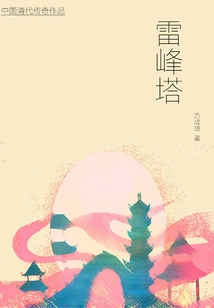
Leifeng Pagoda
General Fiction雷峰塔
Fang Chengpei
The legend of "Leifeng Pagoda" is a deeply touching tragedy. This drama takes the love twists and turns of White Snake and Xu Xian as the main line, showing the profound social contradictions. The white lady in the play is completely free of the monster spirit. She is a passionate, brave, and unyielding woman. She is very good at arranging her life and has rich experience in struggle. However, her love life with Xu Xuan was considered to have gone astray, and was finally suppressed by Fahai, a follower of Tathagata Buddha, under the Leifeng Pagoda. Xu Xuan was also enlightened by Fahai to become a monk. Sixteen years later, Bai's son Xu Shilin won the first prize and came to the West Lake to worship the pagoda. Mother and son met. In addition to jointly condemning Fahai, who was a "wild fox Zen with blue flies and brocades" and a "traitor who alienates human flesh and blood," Bai specifically told his son: "I hope you will reconcile your husband and wife in the future, and you must not be unlucky like your father!" This is completely a sad complaint from women in reality, and profoundly reveals the oppression of women by the male-centered feudal patriarchal system.
The legend of "Leifeng Pagoda" is a deeply touching tragedy. This drama takes the love twists and turns of White Snake and Xu Xian as the main line, showing the profound social contradictions. The white lady in the play is completely free of the monster spirit. She is a passionate, brave, and unyielding woman. She is very good at arranging her life and has rich experience in struggle. However, her love life with Xu Xuan was considered to have gone astray, and was finally suppressed by Fahai, a follower of Tathagata Buddha, under the Leifeng Pagoda. Xu Xuan was also enlightened by Fahai to become a monk. Sixteen years later, Bai's son Xu Shilin won the first prize and came to the West Lake to worship the pagoda. Mother and son met. In addition to jointly condemning Fahai, who was a "wild fox Zen with blue flies and brocades" and a "traitor who alienates human flesh and blood," Bai specifically told his son: "I hope you will reconcile your husband and wife in the future, and you must not be unlucky like your father!" This is completely a sad complaint from women in reality, and profoundly reveals the oppression of women by the male-centered feudal patriarchal system.
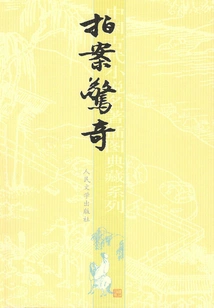
Surprised
General Fiction拍案惊奇
(ming Dynasty) Ling Shuchu
"The Surprise at the First Moment" is a popular book with 40 short stories in total. It describes many fascinating stories in the form of a "parallel script" that is popular among the people, such as a businessman becoming rich due to bad luck, Scholars rose from poverty to fame; honest officials solved cases like gods, corrupt officials bent the law like tigers; villains committed adultery and sued, and swindlers engaged in intrigues; how young people pursued faithful love, and how feudal ethics created marital tragedies. The language is simple and concise; the plot is twists and turns, confusing, yet reasonable; the characters' inner thoughts are described in detail, and the artistic image is lifelike. It has always been highly praised.
"The Surprise at the First Moment" is a popular book with 40 short stories in total. It describes many fascinating stories in the form of a "parallel script" that is popular among the people, such as a businessman becoming rich due to bad luck, Scholars rose from poverty to fame; honest officials solved cases like gods, corrupt officials bent the law like tigers; villains committed adultery and sued, and swindlers engaged in intrigues; how young people pursued faithful love, and how feudal ethics created marital tragedies. The language is simple and concise; the plot is twists and turns, confusing, yet reasonable; the characters' inner thoughts are described in detail, and the artistic image is lifelike. It has always been highly praised.
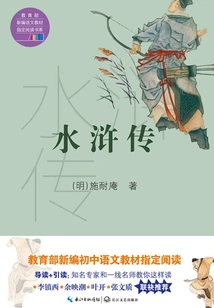
Novels, Novel Network, Latest Popular Novels-qq Reading_website of China Literature Group
General Fiction小说,小说网,最新热门小说-QQ阅读_阅文集团旗下网站
(ming Dynasty) Shi Naian
"Water Margin" is the first vernacular chapter novel in the history of Chinese literature, setting a precedent for Chinese vernacular novels. Together with "A Dream of Red Mansions", "The Romance of the Three Kingdoms" and "Journey to the West", it is also known as the "Four Great Masterpieces of Chinese Classical Literature". The novel is based on the story of the Song Jiang Uprising in the late Northern Song Dynasty. It takes the society during the Huizong period as the background and portrays 108 heroes including Song Jiang, Lu Zhishen, Lin Chong, and Wu Song. The tragic story of the government, Juyi Liangshan, accepting recruitment, conquering the South and the North, and finally shocking the Lord due to his outstanding achievements, but being killed by treacherous ministers, shows a chaotic society where the government forces the people to rebel, and eulogizes the social ideals of the people at the bottom who resist tyranny and yearn for freedom and justice. "In the Name of the People": A project director of a national ministry was reported to have taken tens of millions of dollars in bribes...
"Water Margin" is the first vernacular chapter novel in the history of Chinese literature, setting a precedent for Chinese vernacular novels. Together with "A Dream of Red Mansions", "The Romance of the Three Kingdoms" and "Journey to the West", it is also known as the "Four Great Masterpieces of Chinese Classical Literature". The novel is based on the story of the Song Jiang Uprising in the late Northern Song Dynasty. It takes the society during the Huizong period as the background and portrays 108 heroes including Song Jiang, Lu Zhishen, Lin Chong, and Wu Song. The tragic story of the government, Juyi Liangshan, accepting recruitment, conquering the South and the North, and finally shocking the Lord due to his outstanding achievements, but being killed by treacherous ministers, shows a chaotic society where the government forces the people to rebel, and eulogizes the social ideals of the people at the bottom who resist tyranny and yearn for freedom and justice. "In the Name of the People": A project director of a national ministry was reported to have taken tens of millions of dollars in bribes...
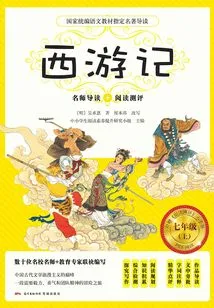
V
General Fictionv
M
"Journey to the West" is an outstanding fantasy novel about gods and demons in the history of Chinese literature. The book is based on the historical event of "Tang Monk's Study of Buddhist Scriptures", and through the author's artistic processing, it profoundly depicts the social reality at that time. It mainly describes the story of Sun Wukong being born, and then meeting Tang Monk, Zhu Bajie, and Monk Sha. They defeated demons along the way and protected Tang Monk on his journey to the west to obtain Buddhist scriptures. After going through eighty-one hardships, he finally reached the Western Heaven and met the Tathagata Buddha, and the Five Saints came true. The author Wu Cheng'en used romantic techniques to soar with the wings of extremely rich imagination, depicting a colorful, magical and magnificent fantasy world, creating a series of interesting and fascinating mythological stories, and successfully created the idealized hero image of Sun Wukong, an extraordinary and holy person. In the fantasy world, it twists and turns to reflect the human condition and worldly feelings, expresses fresh human wisdom, has full flesh and blood of reality and a rich flavor of life. "Journey to the West", with its unique thoughts and artistic charm, brings readers into the beautiful palace of art and feels its artistic charm.
"Journey to the West" is an outstanding fantasy novel about gods and demons in the history of Chinese literature. The book is based on the historical event of "Tang Monk's Study of Buddhist Scriptures", and through the author's artistic processing, it profoundly depicts the social reality at that time. It mainly describes the story of Sun Wukong being born, and then meeting Tang Monk, Zhu Bajie, and Monk Sha. They defeated demons along the way and protected Tang Monk on his journey to the west to obtain Buddhist scriptures. After going through eighty-one hardships, he finally reached the Western Heaven and met the Tathagata Buddha, and the Five Saints came true. The author Wu Cheng'en used romantic techniques to soar with the wings of extremely rich imagination, depicting a colorful, magical and magnificent fantasy world, creating a series of interesting and fascinating mythological stories, and successfully created the idealized hero image of Sun Wukong, an extraordinary and holy person. In the fantasy world, it twists and turns to reflect the human condition and worldly feelings, expresses fresh human wisdom, has full flesh and blood of reality and a rich flavor of life. "Journey to the West", with its unique thoughts and artistic charm, brings readers into the beautiful palace of art and feels its artistic charm.
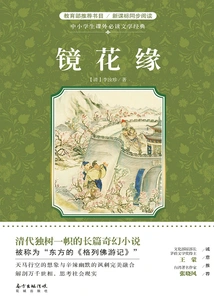
Mirror Flowers
General Fiction镜花缘
(qing Dynasty) Li Ruzhen
"Flower in the Mirror" is a long fantasy novel from the Qing Dynasty. It tells the story of Tang Ao and his party traveling overseas by boat. During the journey, they visited different countries and experienced various adventures. These countries are all reflections of various phenomena in reality, such as the daughter country where the status of men and women is completely reversed, the heartless country where the rich are unkind, the hypocritical and cunning two-faced country, etc. The author presents the various social issues of his own era, the values he advocates, and the good and evil in human nature in a symbolic and exaggerated way, making it both fresh and interesting to read, and also thoughtful. Therefore, some people compare this book to "Gulliver's Travels in the East".
"Flower in the Mirror" is a long fantasy novel from the Qing Dynasty. It tells the story of Tang Ao and his party traveling overseas by boat. During the journey, they visited different countries and experienced various adventures. These countries are all reflections of various phenomena in reality, such as the daughter country where the status of men and women is completely reversed, the heartless country where the rich are unkind, the hypocritical and cunning two-faced country, etc. The author presents the various social issues of his own era, the values he advocates, and the good and evil in human nature in a symbolic and exaggerated way, making it both fresh and interesting to read, and also thoughtful. Therefore, some people compare this book to "Gulliver's Travels in the East".
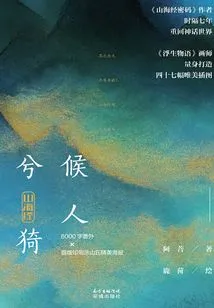
Classic of Mountains and Seas · Waiting for People Xiyi
General Fiction山海经·候人兮猗
(uk) Arthur C. Clarke
A Bo, the author of "The Code of Mountains and Seas", has returned to the world of mythology after seven years; Lu He, the artist of "The Tale of Floating Creatures", has created forty-seven beautiful illustrations. In ancient times, when floods were raging, Si Wenming (Dayu) met Tu Shanjiao (Nine-tailed Fox), the goddess of Qingqiu Kingdom, on his way to various places to control floods. The two fell in love and became private for life. Tu Shanjiao gave up her divine power for love, was demoted to a mortal, and married Wen Ming at all costs. However, Wen Ming was the emperor, and she was burdened with the resentment of her mother's failure in water control. Shortly after their wedding, she left Tu Shanjiao's adopted brother Boyi to continue the water control project and find out the truth behind her mother's water control. Wen Ming had a great ambition to control floods, so he was excluded from the house three times. Tu Shanjiao, who was pregnant with Liujia, endured the pain of separation day and night. The song "Hou Ren Xi Yi" expresses her feelings for her husband and this is how it was born.
A Bo, the author of "The Code of Mountains and Seas", has returned to the world of mythology after seven years; Lu He, the artist of "The Tale of Floating Creatures", has created forty-seven beautiful illustrations. In ancient times, when floods were raging, Si Wenming (Dayu) met Tu Shanjiao (Nine-tailed Fox), the goddess of Qingqiu Kingdom, on his way to various places to control floods. The two fell in love and became private for life. Tu Shanjiao gave up her divine power for love, was demoted to a mortal, and married Wen Ming at all costs. However, Wen Ming was the emperor, and she was burdened with the resentment of her mother's failure in water control. Shortly after their wedding, she left Tu Shanjiao's adopted brother Boyi to continue the water control project and find out the truth behind her mother's water control. Wen Ming had a great ambition to control floods, so he was excluded from the house three times. Tu Shanjiao, who was pregnant with Liujia, endured the pain of separation day and night. The song "Hou Ren Xi Yi" expresses her feelings for her husband and this is how it was born.
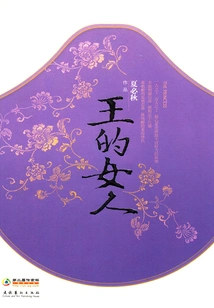
King's Woman
General Fiction王的女人
Xia Biqiu
She was the daughter of a disgraced concubine and was neglected by the emperor since she was a child. After the defeat of the war, she was named the princess and sent to the king of Luojia Kingdom. He was the handsome and majestic man who was revered as a king and gave her a strange warmth in a distant foreign land. But how much does a king with a heavy responsibility for the nation, a supreme desire for power, and countless beauties in his harem claim to love? Can two lonely people, two helpless hearts, warm each other? How many frustrations and pains will there be in a lifetime of being together? How many conspiracies and conspiracies are quietly staged in this power-hungry palace battle. The author tells us a tear-jerking and gripping love-hate relationship with his own princess.
She was the daughter of a disgraced concubine and was neglected by the emperor since she was a child. After the defeat of the war, she was named the princess and sent to the king of Luojia Kingdom. He was the handsome and majestic man who was revered as a king and gave her a strange warmth in a distant foreign land. But how much does a king with a heavy responsibility for the nation, a supreme desire for power, and countless beauties in his harem claim to love? Can two lonely people, two helpless hearts, warm each other? How many frustrations and pains will there be in a lifetime of being together? How many conspiracies and conspiracies are quietly staged in this power-hungry palace battle. The author tells us a tear-jerking and gripping love-hate relationship with his own princess.
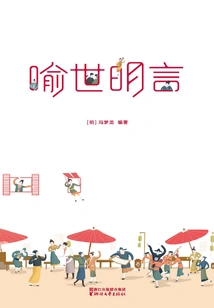
Three Words and Two Beats · Yushi Mingyan
General Fiction三言二拍·喻世明言
G
"Three Words and Two Pai" is a collection of short stories in ancient Chinese vernacular, including "Three Words": "Mingyan Yan", "Warning Words" and "Everlasting Words to Awaken the World" compiled by the literary master Feng Menglong of the Ming Dynasty; and "Two Pai" edited by the novel master Ling Shuchu: "Surprise at the First Carving" and "Surprise at the Second Moment". "Three Words and Two Patterns" has a total of 200 classic short stories in vernacular, which completely encompasses the essence of short stories in vernacular from the Song, Yuan and Ming dynasties. Each story in the book is independent, exciting and ups and downs, such as the White Snake who forever holds down the Leifeng Pagoda, Du Shiniang who sank his treasure chest in anger, and Yu Boya who dropped his piano to say goodbye. Classic stories that are familiar to Chinese people, such as the bosom friend, are all derived from the "three words and two beats"; "Three words and two beats" are also derived from the "three words and two beats"; "Three words and two beats" are also derived from "Three words and two beats"; "It is difficult to be a master without suffering", "It is difficult to draw a dragon or a tiger, but it is difficult to draw a skeleton, and you know people and their faces but not their hearts". Thousands of thousands of years of worldly wonders, people and events are all captured in a few words and two shots; two hundred classic short stories are written about all kinds of situations in the world! Writer Da Bing strongly recommends: "Know sentient beings in the impermanent place, and know all living beings in the sentient place."
"Three Words and Two Pai" is a collection of short stories in ancient Chinese vernacular, including "Three Words": "Mingyan Yan", "Warning Words" and "Everlasting Words to Awaken the World" compiled by the literary master Feng Menglong of the Ming Dynasty; and "Two Pai" edited by the novel master Ling Shuchu: "Surprise at the First Carving" and "Surprise at the Second Moment". "Three Words and Two Patterns" has a total of 200 classic short stories in vernacular, which completely encompasses the essence of short stories in vernacular from the Song, Yuan and Ming dynasties. Each story in the book is independent, exciting and ups and downs, such as the White Snake who forever holds down the Leifeng Pagoda, Du Shiniang who sank his treasure chest in anger, and Yu Boya who dropped his piano to say goodbye. Classic stories that are familiar to Chinese people, such as the bosom friend, are all derived from the "three words and two beats"; "Three words and two beats" are also derived from the "three words and two beats"; "Three words and two beats" are also derived from "Three words and two beats"; "It is difficult to be a master without suffering", "It is difficult to draw a dragon or a tiger, but it is difficult to draw a skeleton, and you know people and their faces but not their hearts". Thousands of thousands of years of worldly wonders, people and events are all captured in a few words and two shots; two hundred classic short stories are written about all kinds of situations in the world! Writer Da Bing strongly recommends: "Know sentient beings in the impermanent place, and know all living beings in the sentient place."
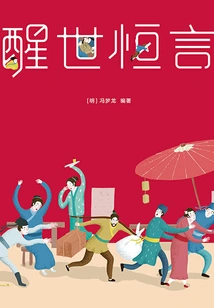
Three Words and Two Beats·eternal Words to Awaken the World
General Fiction三言二拍·醒世恒言
G
"Three Words and Two Pai" is a collection of short stories in ancient Chinese vernacular, including "Three Words": "Mingyan Yan", "Warning Words" and "Everlasting Words to Awaken the World" compiled by the literary master Feng Menglong of the Ming Dynasty; and "Two Pai" edited by the novel master Ling Shuchu: "Surprise at the First Carving" and "Surprise at the Second Moment". "Three Words and Two Patterns" has a total of 200 classic short stories in vernacular, which completely encompasses the essence of short stories in vernacular from the Song, Yuan and Ming dynasties. Each story in the book is independent, exciting and ups and downs, such as the White Snake who forever holds down the Leifeng Pagoda, Du Shiniang who sank his treasure chest in anger, and Yu Boya who dropped his piano to say goodbye. Classic stories that are familiar to Chinese people, such as the bosom friend, are all derived from the "three words and two beats"; "Three words and two beats" are also derived from the "three words and two beats"; "Three words and two beats" are also derived from "Three words and two beats"; "It is difficult to be a master without suffering", "It is difficult to draw a dragon or a tiger, but it is difficult to draw a skeleton, and you know people and their faces but not their hearts". Thousands of thousands of years of worldly wonders, people and events are all captured in a few words and two shots; two hundred classic short stories are written about all kinds of situations in the world! Writer Da Bing strongly recommends: "Know sentient beings in the impermanent place, and know all living beings in the sentient place."
"Three Words and Two Pai" is a collection of short stories in ancient Chinese vernacular, including "Three Words": "Mingyan Yan", "Warning Words" and "Everlasting Words to Awaken the World" compiled by the literary master Feng Menglong of the Ming Dynasty; and "Two Pai" edited by the novel master Ling Shuchu: "Surprise at the First Carving" and "Surprise at the Second Moment". "Three Words and Two Patterns" has a total of 200 classic short stories in vernacular, which completely encompasses the essence of short stories in vernacular from the Song, Yuan and Ming dynasties. Each story in the book is independent, exciting and ups and downs, such as the White Snake who forever holds down the Leifeng Pagoda, Du Shiniang who sank his treasure chest in anger, and Yu Boya who dropped his piano to say goodbye. Classic stories that are familiar to Chinese people, such as the bosom friend, are all derived from the "three words and two beats"; "Three words and two beats" are also derived from the "three words and two beats"; "Three words and two beats" are also derived from "Three words and two beats"; "It is difficult to be a master without suffering", "It is difficult to draw a dragon or a tiger, but it is difficult to draw a skeleton, and you know people and their faces but not their hearts". Thousands of thousands of years of worldly wonders, people and events are all captured in a few words and two shots; two hundred classic short stories are written about all kinds of situations in the world! Writer Da Bing strongly recommends: "Know sentient beings in the impermanent place, and know all living beings in the sentient place."
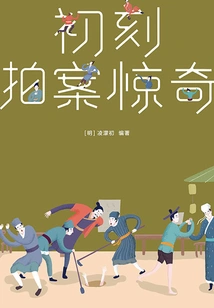
三言二拍·初刻拍案惊奇
H
"Three Words and Two Pai" is a collection of short stories in ancient Chinese vernacular, including "Three Words": "Mingyan Yan", "Warning Words" and "Everlasting Words to Awaken the World" compiled by the literary master Feng Menglong of the Ming Dynasty; and "Two Pai" edited by the novel master Ling Shuchu: "Surprise at the First Carving" and "Surprise at the Second Moment". "Three Words and Two Patterns" has a total of 200 classic short stories in vernacular, which completely encompasses the essence of short stories in vernacular from the Song, Yuan and Ming dynasties. Each story in the book is independent, exciting and ups and downs, such as the White Snake who forever holds down the Leifeng Pagoda, Du Shiniang who sank his treasure chest in anger, and Yu Boya who dropped his piano to say goodbye. Classic stories that are familiar to Chinese people, such as the bosom friend, are all derived from the "three words and two beats"; "Three words and two beats" are also derived from the "three words and two beats"; "Three words and two beats" are also derived from "Three words and two beats"; "It is difficult to be a master without suffering", "It is difficult to draw a dragon or a tiger, but it is difficult to draw a skeleton, and you know people and their faces but not their hearts". Thousands of thousands of years of worldly wonders, people and events are all captured in a few words and two shots; two hundred classic short stories are written about all kinds of situations in the world! Writer Da Bing strongly recommends: "Know sentient beings in the impermanent place, and know all living beings in the sentient place."
"Three Words and Two Pai" is a collection of short stories in ancient Chinese vernacular, including "Three Words": "Mingyan Yan", "Warning Words" and "Everlasting Words to Awaken the World" compiled by the literary master Feng Menglong of the Ming Dynasty; and "Two Pai" edited by the novel master Ling Shuchu: "Surprise at the First Carving" and "Surprise at the Second Moment". "Three Words and Two Patterns" has a total of 200 classic short stories in vernacular, which completely encompasses the essence of short stories in vernacular from the Song, Yuan and Ming dynasties. Each story in the book is independent, exciting and ups and downs, such as the White Snake who forever holds down the Leifeng Pagoda, Du Shiniang who sank his treasure chest in anger, and Yu Boya who dropped his piano to say goodbye. Classic stories that are familiar to Chinese people, such as the bosom friend, are all derived from the "three words and two beats"; "Three words and two beats" are also derived from the "three words and two beats"; "Three words and two beats" are also derived from "Three words and two beats"; "It is difficult to be a master without suffering", "It is difficult to draw a dragon or a tiger, but it is difficult to draw a skeleton, and you know people and their faces but not their hearts". Thousands of thousands of years of worldly wonders, people and events are all captured in a few words and two shots; two hundred classic short stories are written about all kinds of situations in the world! Writer Da Bing strongly recommends: "Know sentient beings in the impermanent place, and know all living beings in the sentient place."
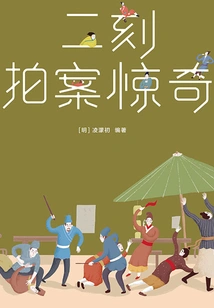
Three Words, Two Shots, Two Moments of Surprise
General Fiction三言二拍·二刻拍案惊奇
(ming Dynasty) Ling Shuchu
"Three Words and Two Pai" is a collection of short stories in ancient Chinese vernacular, including "Three Words": "Mingyan Yan", "Warning Words" and "Everlasting Words to Awaken the World" compiled by the literary master Feng Menglong of the Ming Dynasty; and "Two Pai" edited by the novel master Ling Shuchu: "Surprise at the First Carving" and "Surprise at the Second Moment". "Three Words and Two Patterns" has a total of 200 classic short stories in vernacular, which completely encompasses the essence of short stories in vernacular from the Song, Yuan and Ming dynasties. Each story in the book is independent, exciting and ups and downs, such as the White Snake who forever holds down the Leifeng Pagoda, Du Shiniang who sank his treasure chest in anger, and Yu Boya who dropped his piano to say goodbye. Classic stories that are familiar to Chinese people, such as the bosom friend, are all derived from the "three words and two beats"; "Three words and two beats" are also derived from the "three words and two beats"; "Three words and two beats" are also derived from "Three words and two beats"; "It is difficult to be a master without suffering", "It is difficult to draw a dragon or a tiger, but it is difficult to draw a skeleton, and you know people and their faces but not their hearts". Thousands of thousands of years of worldly wonders, people and events are all captured in a few words and two shots; two hundred classic short stories are written about all kinds of situations in the world! Writer Da Bing strongly recommends: "Know sentient beings in the impermanent place, and know all living beings in the sentient place."
"Three Words and Two Pai" is a collection of short stories in ancient Chinese vernacular, including "Three Words": "Mingyan Yan", "Warning Words" and "Everlasting Words to Awaken the World" compiled by the literary master Feng Menglong of the Ming Dynasty; and "Two Pai" edited by the novel master Ling Shuchu: "Surprise at the First Carving" and "Surprise at the Second Moment". "Three Words and Two Patterns" has a total of 200 classic short stories in vernacular, which completely encompasses the essence of short stories in vernacular from the Song, Yuan and Ming dynasties. Each story in the book is independent, exciting and ups and downs, such as the White Snake who forever holds down the Leifeng Pagoda, Du Shiniang who sank his treasure chest in anger, and Yu Boya who dropped his piano to say goodbye. Classic stories that are familiar to Chinese people, such as the bosom friend, are all derived from the "three words and two beats"; "Three words and two beats" are also derived from the "three words and two beats"; "Three words and two beats" are also derived from "Three words and two beats"; "It is difficult to be a master without suffering", "It is difficult to draw a dragon or a tiger, but it is difficult to draw a skeleton, and you know people and their faces but not their hearts". Thousands of thousands of years of worldly wonders, people and events are all captured in a few words and two shots; two hundred classic short stories are written about all kinds of situations in the world! Writer Da Bing strongly recommends: "Know sentient beings in the impermanent place, and know all living beings in the sentient place."
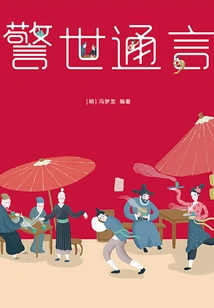
Three Words and Two Pats·warning Words
General Fiction三言二拍·警世通言
G
"Three Words and Two Pai" is a collection of short stories in ancient Chinese vernacular, including "Three Words": "Mingyan Yan", "Warning Words" and "Everlasting Words to Awaken the World" compiled by the literary master Feng Menglong of the Ming Dynasty; and "Two Pai" edited by the novel master Ling Shuchu: "Surprise at the First Carving" and "Surprise at the Second Moment". "Three Words and Two Patterns" has a total of 200 classic short stories in vernacular, which completely encompasses the essence of short stories in vernacular from the Song, Yuan and Ming dynasties. Each story in the book is independent, exciting and ups and downs, such as the White Snake who forever holds down the Leifeng Pagoda, Du Shiniang who sank his treasure chest in anger, and Yu Boya who dropped his piano to say goodbye. Classic stories that are familiar to Chinese people, such as the bosom friend, are all derived from the "three words and two beats"; "Three words and two beats" are also derived from the "three words and two beats"; "Three words and two beats" are also derived from "Three words and two beats"; "It is difficult to be a master without suffering", "It is difficult to draw a dragon or a tiger, but it is difficult to draw a skeleton, and you know people and their faces but not their hearts". Thousands of thousands of years of worldly wonders, people and events are all captured in a few words and two shots; two hundred classic short stories are written about all kinds of situations in the world! Writer Da Bing strongly recommends: "Know sentient beings in the impermanent place, and know all living beings in the sentient place."
"Three Words and Two Pai" is a collection of short stories in ancient Chinese vernacular, including "Three Words": "Mingyan Yan", "Warning Words" and "Everlasting Words to Awaken the World" compiled by the literary master Feng Menglong of the Ming Dynasty; and "Two Pai" edited by the novel master Ling Shuchu: "Surprise at the First Carving" and "Surprise at the Second Moment". "Three Words and Two Patterns" has a total of 200 classic short stories in vernacular, which completely encompasses the essence of short stories in vernacular from the Song, Yuan and Ming dynasties. Each story in the book is independent, exciting and ups and downs, such as the White Snake who forever holds down the Leifeng Pagoda, Du Shiniang who sank his treasure chest in anger, and Yu Boya who dropped his piano to say goodbye. Classic stories that are familiar to Chinese people, such as the bosom friend, are all derived from the "three words and two beats"; "Three words and two beats" are also derived from the "three words and two beats"; "Three words and two beats" are also derived from "Three words and two beats"; "It is difficult to be a master without suffering", "It is difficult to draw a dragon or a tiger, but it is difficult to draw a skeleton, and you know people and their faces but not their hearts". Thousands of thousands of years of worldly wonders, people and events are all captured in a few words and two shots; two hundred classic short stories are written about all kinds of situations in the world! Writer Da Bing strongly recommends: "Know sentient beings in the impermanent place, and know all living beings in the sentient place."
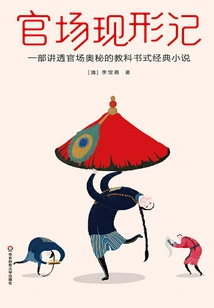
作家榜经典:官场现形记(全2册)
M
The secrets of officialdom have always been kept secret until this book was published: from the dignitaries in the capital, ministers, censors, and imperial envoys, to local leaders, state officials, prefects, county magistrates, and even grassroots officials, all kinds of people from the original officialdom of China's feudal dynasty appeared on the scene. The strange changes in front of and behind the scenes, and the strategies and details of promotions were exposed to the world for the first time. It is true, wonderful, complex, and profound, and it is amazing to read. When the book came out, it immediately caused a shock in the officialdom and the court was furious. It is said that the Empress Dowager Cixi continued to read it, and the regent personally ordered the murder of the author Li Baojia... As a must-read classic for understanding officialdom, this book has been a best-seller for hundreds of years and has remained popular for a long time. In 1999, it ranked first in the 20th century Chinese novel list.
The secrets of officialdom have always been kept secret until this book was published: from the dignitaries in the capital, ministers, censors, and imperial envoys, to local leaders, state officials, prefects, county magistrates, and even grassroots officials, all kinds of people from the original officialdom of China's feudal dynasty appeared on the scene. The strange changes in front of and behind the scenes, and the strategies and details of promotions were exposed to the world for the first time. It is true, wonderful, complex, and profound, and it is amazing to read. When the book came out, it immediately caused a shock in the officialdom and the court was furious. It is said that the Empress Dowager Cixi continued to read it, and the regent personally ordered the murder of the author Li Baojia... As a must-read classic for understanding officialdom, this book has been a best-seller for hundreds of years and has remained popular for a long time. In 1999, it ranked first in the 20th century Chinese novel list.
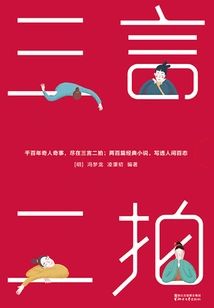
Three Words and Two Shots: Collector's Edition Collection
General Fiction三言二拍:珍藏版大全集
(ming Dynasty) Ling Shuchu Feng Menglong
"Three Words and Two Pai" is a collection of short stories in ancient Chinese vernacular, including "Three Words": "Mingyan Yan", "Warning Words" and "Everlasting Words to Awaken the World" compiled by the literary master Feng Menglong of the Ming Dynasty; and "Two Pai" edited by the novel master Ling Shuchu: "Surprise at the First Carving" and "Surprise at the Second Moment". "Three Words and Two Patterns" has a total of 200 classic short stories in vernacular, which completely encompasses the essence of short stories in vernacular from the Song, Yuan and Ming dynasties. Each story in the book is independent, exciting and ups and downs, such as the White Snake who forever holds down the Leifeng Pagoda, Du Shiniang who sank his treasure chest in anger, and Yu Boya who dropped his piano to say goodbye. Classic stories that are familiar to Chinese people, such as the bosom friend, are all derived from the "three words and two beats"; "Three words and two beats" are also derived from the "three words and two beats"; "Three words and two beats" are also derived from "Three words and two beats"; "It is difficult to be a master without suffering", "It is difficult to draw a dragon or a tiger, but it is difficult to draw a skeleton, and you know people and their faces but not their hearts". Thousands of thousands of years of worldly wonders, people and events are all captured in a few words and two shots; two hundred classic short stories are written about all kinds of situations in the world! Writer Da Bing strongly recommends: "Know sentient beings in the impermanent place, and know all living beings in the sentient place."
"Three Words and Two Pai" is a collection of short stories in ancient Chinese vernacular, including "Three Words": "Mingyan Yan", "Warning Words" and "Everlasting Words to Awaken the World" compiled by the literary master Feng Menglong of the Ming Dynasty; and "Two Pai" edited by the novel master Ling Shuchu: "Surprise at the First Carving" and "Surprise at the Second Moment". "Three Words and Two Patterns" has a total of 200 classic short stories in vernacular, which completely encompasses the essence of short stories in vernacular from the Song, Yuan and Ming dynasties. Each story in the book is independent, exciting and ups and downs, such as the White Snake who forever holds down the Leifeng Pagoda, Du Shiniang who sank his treasure chest in anger, and Yu Boya who dropped his piano to say goodbye. Classic stories that are familiar to Chinese people, such as the bosom friend, are all derived from the "three words and two beats"; "Three words and two beats" are also derived from the "three words and two beats"; "Three words and two beats" are also derived from "Three words and two beats"; "It is difficult to be a master without suffering", "It is difficult to draw a dragon or a tiger, but it is difficult to draw a skeleton, and you know people and their faces but not their hearts". Thousands of thousands of years of worldly wonders, people and events are all captured in a few words and two shots; two hundred classic short stories are written about all kinds of situations in the world! Writer Da Bing strongly recommends: "Know sentient beings in the impermanent place, and know all living beings in the sentient place."
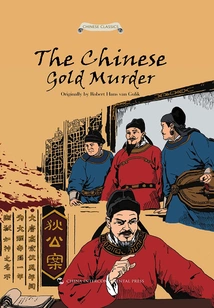
Dickong's Case: the Golden Case (english Version)
General Fiction狄公案之黄金案(英文版)
(netherlands) Golope
"The Golden Case of Di Gong" edited by Gao Luopei mainly tells the story of Di Renjie, a famous prime minister of the Tang Dynasty who was demoted to the county magistrate. After being recommended by Yan Liben for his merits in investigating the case, he fought with Wu Sansi and others and finally restored the king of Luling. The content is diverse, including stories about life, debt, fraud, robbery, etc. Not only is the plot fascinating, but the methods used to solve the case are also bizarre.
"The Golden Case of Di Gong" edited by Gao Luopei mainly tells the story of Di Renjie, a famous prime minister of the Tang Dynasty who was demoted to the county magistrate. After being recommended by Yan Liben for his merits in investigating the case, he fought with Wu Sansi and others and finally restored the king of Luling. The content is diverse, including stories about life, debt, fraud, robbery, etc. Not only is the plot fascinating, but the methods used to solve the case are also bizarre.
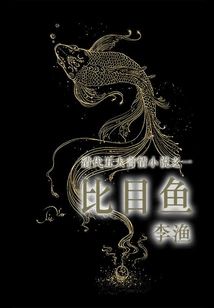
Flounder
General Fiction比目鱼
Li Yu
Liu Jiangxian and Liu Wenqing are a couple, and they perform in the same class. The two of them only have one daughter, Miao Gu, who is only fourteen or fifteen years old. She was born into a beautiful country and is also learning to sing. Tan Chuyu went to the theater with her friends, and when she saw Miao Gu, she fell in love with her. Later, Liu Wenqing opened a new theater troupe and needed to recruit young students. In order to be with Miao Gu, Chu Yu gave up her career and went to the theater troupe to learn singing. Miaogu knew that Chu Yu came here for her, and she also admired Chu Yu. The two made a private lifelong commitment. Liu Jiangxian and his wife were greedy for money and wanted to marry their daughter to the rich man Wan Guan. Miao Gu and Chu Yu both threw themselves into the water and died in love. Miao Gu and Chu Yu were protected by the spirit of Yan Gong in the water, and they were still alive. They were rescued by Mo Yuweng, and they got married. With the help of Mo Yuweng, Chu Yu was awarded the title of Manager of Tingzhou in both township committee examinations. On the way to their appointment, the couple met Xiaogu's mother in the town where she died in love. Chu Yu later made great achievements in defeating thieves, supplemented the military constitution of Zhangnan, and avenged Murong Shigong. After resigning from office, the couple lived in Yanling for the rest of their lives and lived together with Murong Shigong.
Liu Jiangxian and Liu Wenqing are a couple, and they perform in the same class. The two of them only have one daughter, Miao Gu, who is only fourteen or fifteen years old. She was born into a beautiful country and is also learning to sing. Tan Chuyu went to the theater with her friends, and when she saw Miao Gu, she fell in love with her. Later, Liu Wenqing opened a new theater troupe and needed to recruit young students. In order to be with Miao Gu, Chu Yu gave up her career and went to the theater troupe to learn singing. Miaogu knew that Chu Yu came here for her, and she also admired Chu Yu. The two made a private lifelong commitment. Liu Jiangxian and his wife were greedy for money and wanted to marry their daughter to the rich man Wan Guan. Miao Gu and Chu Yu both threw themselves into the water and died in love. Miao Gu and Chu Yu were protected by the spirit of Yan Gong in the water, and they were still alive. They were rescued by Mo Yuweng, and they got married. With the help of Mo Yuweng, Chu Yu was awarded the title of Manager of Tingzhou in both township committee examinations. On the way to their appointment, the couple met Xiaogu's mother in the town where she died in love. Chu Yu later made great achievements in defeating thieves, supplemented the military constitution of Zhangnan, and avenged Murong Shigong. After resigning from office, the couple lived in Yanling for the rest of their lives and lived together with Murong Shigong.
Human Words
General Fiction人间词话
Wang Guowei
"Renjian Ci Hua" is a masterpiece of Ci theory written by Wang Guowei, a master of modern Chinese studies. It is known as the model of Ci theory and a profoundly influential work on literary and artistic aesthetics. The author puts forward the theory of realm, which is not only the principle of his creation, but also the standard for evaluating the quality of his lyrics. This book carefully collects the sixty-four original pieces of "Human Words" that Wang Guowei personally deleted, and includes the forty-nine pieces that he eliminated. It annotates and appreciates the original works, supplemented by many beautiful classical paintings, to provide readers with a new reading experience.
"Renjian Ci Hua" is a masterpiece of Ci theory written by Wang Guowei, a master of modern Chinese studies. It is known as the model of Ci theory and a profoundly influential work on literary and artistic aesthetics. The author puts forward the theory of realm, which is not only the principle of his creation, but also the standard for evaluating the quality of his lyrics. This book carefully collects the sixty-four original pieces of "Human Words" that Wang Guowei personally deleted, and includes the forty-nine pieces that he eliminated. It annotates and appreciates the original works, supplemented by many beautiful classical paintings, to provide readers with a new reading experience.