Library
Browse and search books
2,472 novels found
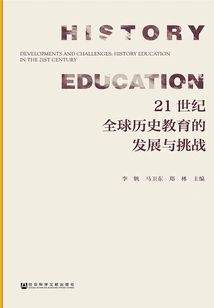
21世纪全球历史教育的发展与挑战
Editor-in-chief Li Fan Ma Weidong Zheng Lin
This manuscript is the proceedings of an international academic conference on history education. History education is closely related to the cultivation of national literacy and the deepening of identity consciousness in each country. This book seeks experience and draws wisdom from history education in various countries around the world. It brings together the research results of experts, scholars and middle school teachers engaged in history education in France, Germany, Russia, the United States, Australia, Taiwan, China, Hong Kong and the Mainland. The content covers "the functions, goals and construction of curriculum content of history education", "the past, present and future of history textbooks", "history teaching reform and practice" and other aspects. It covers almost every field of history education and reflects the current development trend of history education and the current status of history education research in my country.
This manuscript is the proceedings of an international academic conference on history education. History education is closely related to the cultivation of national literacy and the deepening of identity consciousness in each country. This book seeks experience and draws wisdom from history education in various countries around the world. It brings together the research results of experts, scholars and middle school teachers engaged in history education in France, Germany, Russia, the United States, Australia, Taiwan, China, Hong Kong and the Mainland. The content covers "the functions, goals and construction of curriculum content of history education", "the past, present and future of history textbooks", "history teaching reform and practice" and other aspects. It covers almost every field of history education and reflects the current development trend of history education and the current status of history education research in my country.
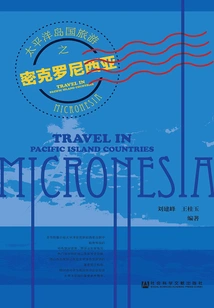
太平洋岛国旅游之密克罗尼西亚
Compiled By Liu Jianfeng And Wang Guiyu
Micronesia is one of the three major island groups in the Pacific, meaning "island archipelago", including countries such as Palau, Kiribati, the Federated States of Micronesia, the Marshall Islands and Nauru, and its residents are mainly Micronesians. It has colorful waters, beautiful beaches, romantic underwater coral reef landscapes, and primitive tribes and villages. This book provides a comprehensive and systematic introduction to Micronesia's natural and cultural tourism resources.
Micronesia is one of the three major island groups in the Pacific, meaning "island archipelago", including countries such as Palau, Kiribati, the Federated States of Micronesia, the Marshall Islands and Nauru, and its residents are mainly Micronesians. It has colorful waters, beautiful beaches, romantic underwater coral reef landscapes, and primitive tribes and villages. This book provides a comprehensive and systematic introduction to Micronesia's natural and cultural tourism resources.
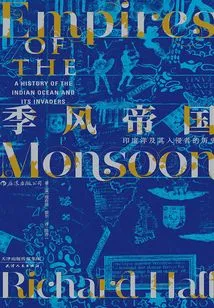
季风帝国:印度洋及其入侵者的历史
(uk) Richard Hall
This book reconstructs the civilization of the Indian Ocean and its gradual decline under the control of Western invaders. Through extraordinary narrative ability and keen analysis, author Richard Hall shows how the emergence of Europeans from the 16th century onwards irreversibly changed life along the Indian Ocean coast: prosperous kingdoms were conquered, former religious and ethnic relations were thrown into chaos; and, with the emergence of Western capitalism, ancient trade patterns soon became extinct. However, although European guns could create new empires in the East, their vast populations made it impossible for Westerners to suppress the East for long. In the thousands of years of changes in the Indian Ocean, African giants have formed the long western flank of the Indian Ocean and have played almost no role other than acting as silent bystanders. But after the mid-19th century, the potential of the various peoples in sub-Saharan Africa was fully tested, and the monsoon of history blew again. This book reproduces the author's understanding of foreign cultures from a subtle and unobstructed perspective. This epic work is sure to inspire and inspire reading.
This book reconstructs the civilization of the Indian Ocean and its gradual decline under the control of Western invaders. Through extraordinary narrative ability and keen analysis, author Richard Hall shows how the emergence of Europeans from the 16th century onwards irreversibly changed life along the Indian Ocean coast: prosperous kingdoms were conquered, former religious and ethnic relations were thrown into chaos; and, with the emergence of Western capitalism, ancient trade patterns soon became extinct. However, although European guns could create new empires in the East, their vast populations made it impossible for Westerners to suppress the East for long. In the thousands of years of changes in the Indian Ocean, African giants have formed the long western flank of the Indian Ocean and have played almost no role other than acting as silent bystanders. But after the mid-19th century, the potential of the various peoples in sub-Saharan Africa was fully tested, and the monsoon of history blew again. This book reproduces the author's understanding of foreign cultures from a subtle and unobstructed perspective. This epic work is sure to inspire and inspire reading.
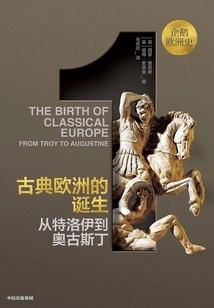
企鹅欧洲史·古典欧洲的诞生:从特洛伊到奥古斯丁
(uk) Simon Price Peter Thornman
Today, there is a statue of Europa in front of the European Parliament. It was donated by the residents of Crete in the early 21st century and was intended to highlight the island's status in European history. After all, Europe was named after Europa, who was reportedly brought to Crete by Zeus, and the Minoan civilization was named after her son. However, it was only in the 19th century that the myth of Europa became a symbol of Europe; in the eyes of the Greek ancestors, Minos was not the founder of primitive civilization. Our understanding of the classical world and the origins of Western civilization stems from both the past and the present. What drives the classical world forward is not our understanding of their history, but the ancestors' own understanding of history. The ancient Greeks and Romans who carved out the cornerstone of what we now call Western culture also had their myths, their past, their own memories and histories. To understand their world, we must first understand their memories. From the mid-2nd millennium BC to the early fifth century AD, generations of ancestors from the Bronze Age to the Roman Empire stood in the present, looked back at the past, reconstructed the past, and constantly defined themselves and the world they lived in. From clay tablets, relics, pottery, and writings, we explore history spanning two millennia and the traces left by memory. Like us today, people in ancient times recounted, beautified, and used memories of the past. Classical Europe was born from such layers of memories.
Today, there is a statue of Europa in front of the European Parliament. It was donated by the residents of Crete in the early 21st century and was intended to highlight the island's status in European history. After all, Europe was named after Europa, who was reportedly brought to Crete by Zeus, and the Minoan civilization was named after her son. However, it was only in the 19th century that the myth of Europa became a symbol of Europe; in the eyes of the Greek ancestors, Minos was not the founder of primitive civilization. Our understanding of the classical world and the origins of Western civilization stems from both the past and the present. What drives the classical world forward is not our understanding of their history, but the ancestors' own understanding of history. The ancient Greeks and Romans who carved out the cornerstone of what we now call Western culture also had their myths, their past, their own memories and histories. To understand their world, we must first understand their memories. From the mid-2nd millennium BC to the early fifth century AD, generations of ancestors from the Bronze Age to the Roman Empire stood in the present, looked back at the past, reconstructed the past, and constantly defined themselves and the world they lived in. From clay tablets, relics, pottery, and writings, we explore history spanning two millennia and the traces left by memory. Like us today, people in ancient times recounted, beautified, and used memories of the past. Classical Europe was born from such layers of memories.
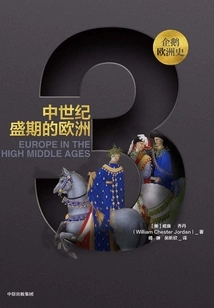
企鹅欧洲史·中世纪盛期的欧洲
(us) William Jordan
At the beginning of the 11th century, from the Mediterranean to Scandinavia, farmers cultivated less fertile lands for their lords, and Romanesque round-arched churches stood sporadically on the land. The church had little control over ordinary people, and many kingdoms had yet to take shape. By the mid-14th century, Europe's population had doubled, towns were popping up, and towering Gothic churches were popping up everywhere. The Pope and the King were at war. The Crusaders launched nine expeditions, and the Holy Land was lost and regained, gained and lost again. Popular chivalric literature became a pastime for everyone from nobles to common people, universities were established, classical culture was revived, and the political structure quietly changed with the rise and fall of various forces. What brought an end to all these hopes, changes, achievements, and expansions were sudden famines, plagues, and wars. After that, Europe was never the same again. In the struggle between royal power and ecclesiastical power, kingdom against kingdom, institutions that limited power were created. In order to understand faith, the scholastic philosophers built the edifice of reason. In the crises of the state and the church lie opportunities for renewal and renewal. Europe as we know it now matured during the High Middle Ages.
At the beginning of the 11th century, from the Mediterranean to Scandinavia, farmers cultivated less fertile lands for their lords, and Romanesque round-arched churches stood sporadically on the land. The church had little control over ordinary people, and many kingdoms had yet to take shape. By the mid-14th century, Europe's population had doubled, towns were popping up, and towering Gothic churches were popping up everywhere. The Pope and the King were at war. The Crusaders launched nine expeditions, and the Holy Land was lost and regained, gained and lost again. Popular chivalric literature became a pastime for everyone from nobles to common people, universities were established, classical culture was revived, and the political structure quietly changed with the rise and fall of various forces. What brought an end to all these hopes, changes, achievements, and expansions were sudden famines, plagues, and wars. After that, Europe was never the same again. In the struggle between royal power and ecclesiastical power, kingdom against kingdom, institutions that limited power were created. In order to understand faith, the scholastic philosophers built the edifice of reason. In the crises of the state and the church lie opportunities for renewal and renewal. Europe as we know it now matured during the High Middle Ages.
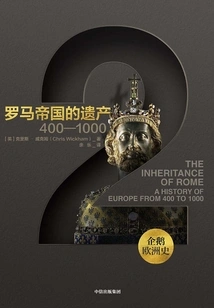
企鹅欧洲史·罗马帝国的遗产:400—1000
(uk) Chris Wickham
Some people say that the years 400 to 1000 AD were like a barbaric sea of darkness. The achievements of the ancient world were just a glimmer of light on the other side of the sea, and the fall of the Western Roman Empire in the 5th century was a fundamental failure. However, it is time to revisit the early Middle Ages, which has been shrouded in misunderstanding and myth. In 400 AD, the Roman Empire ruled western and southern Europe, as well as the Mediterranean region, and had no rivals in the north. No one thought at the time that in less than a hundred years, this situation would end in the West. In the 5th century, the Western Roman Empire disintegrated, but the Roman model and spirit continued to operate in the kingdom. In the 7th century, the Eastern Roman Empire struggled to survive in the face of Arab conquests and embarked on a more militarized track than the West. In the 8th and 9th centuries, Charlemagne and his successors brought morality into politics. In the 10th century, the Carolingian world in the West came to an end, the Caliphate in the East collapsed, and the Byzantine Empire began a century of military glory. At the same time, in the north, the Danish, Polish, Bohemian, and Russian regimes arose. From Ireland to Constantinople, from the Baltic to the Mediterranean, Goths, Franks, Vandals, Arabs, Saxons, and Vikings responded to the legacy of the Roman Empire in disparate communities. These six centuries of change and turmoil created a Europe that was completely different from the classical period.
Some people say that the years 400 to 1000 AD were like a barbaric sea of darkness. The achievements of the ancient world were just a glimmer of light on the other side of the sea, and the fall of the Western Roman Empire in the 5th century was a fundamental failure. However, it is time to revisit the early Middle Ages, which has been shrouded in misunderstanding and myth. In 400 AD, the Roman Empire ruled western and southern Europe, as well as the Mediterranean region, and had no rivals in the north. No one thought at the time that in less than a hundred years, this situation would end in the West. In the 5th century, the Western Roman Empire disintegrated, but the Roman model and spirit continued to operate in the kingdom. In the 7th century, the Eastern Roman Empire struggled to survive in the face of Arab conquests and embarked on a more militarized track than the West. In the 8th and 9th centuries, Charlemagne and his successors brought morality into politics. In the 10th century, the Carolingian world in the West came to an end, the Caliphate in the East collapsed, and the Byzantine Empire began a century of military glory. At the same time, in the north, the Danish, Polish, Bohemian, and Russian regimes arose. From Ireland to Constantinople, from the Baltic to the Mediterranean, Goths, Franks, Vandals, Arabs, Saxons, and Vikings responded to the legacy of the Roman Empire in disparate communities. These six centuries of change and turmoil created a Europe that was completely different from the classical period.
Drawing Siam
History图绘暹罗
(usa) Thongchai Venetian Chagong
How did the pre-modern "Kingdom of Siam" become a modern nation-state like "Thailand"? How did the so-called "Thainess" come to be? What is Thailand's "sense of country"? What decisive role did geography and cartography play in the history of Thailand in the late 19th and early 20th centuries? In this classic work of Southeast Asian studies and frontier studies, historian Thongchai Venitchakorn answers these questions. He proposed that the old local spatial concept was replaced by the new Western geographical discourse, and concepts such as borders, sovereignty, and edges were gradually accepted by people. It was during this change that Thailand's "geo-organism" was gradually shaped. This book breaks through the previous paradigm of nation-state research and retells this period of history from a unique perspective.
How did the pre-modern "Kingdom of Siam" become a modern nation-state like "Thailand"? How did the so-called "Thainess" come to be? What is Thailand's "sense of country"? What decisive role did geography and cartography play in the history of Thailand in the late 19th and early 20th centuries? In this classic work of Southeast Asian studies and frontier studies, historian Thongchai Venitchakorn answers these questions. He proposed that the old local spatial concept was replaced by the new Western geographical discourse, and concepts such as borders, sovereignty, and edges were gradually accepted by people. It was during this change that Thailand's "geo-organism" was gradually shaped. This book breaks through the previous paradigm of nation-state research and retells this period of history from a unique perspective.
On Revolution
History论革命
Z
"On Revolution" re-reads the historical events that people take for granted, and deeply analyzes and compares the unknown logic behind the American Revolutionary War and the French Revolution. Arendt injects new connotations into concepts such as violence, revolution, war, and freedom. Her analysis of the nature of politics reflects refreshing originality and insight. No political philosopher in history has paid as much attention to the phenomenology of political life as she has. "We will pass away without leaving a trace of smoke, because, in the long history of mankind, we have missed the moment of founding a country with freedom." This is the last prophecy left by Robespierre; but on the other side of the Atlantic, the American Revolution has realized the ideal of freedom. "On Revolution" starts from the phenomenological method of political life and the different theories guiding the two revolutions, deeply analyzes the differences between the two revolutions, and expresses the author's republican thought of "building a country on freedom." The content revolves around the differences between the French Revolution and the American Revolution: Arendt constantly compared the two and pointed out the shift in the goal of the French Revolution, which was from "founding a country based on freedom" to the indictment of social issues; while the American founders focused on the construction of a political form from the beginning, which can ensure the introduction of different viewpoints and positions and reflect the voices and interests of more people or groups. Although the American Revolution deeply influenced the French Revolution, the results were vastly different.
"On Revolution" re-reads the historical events that people take for granted, and deeply analyzes and compares the unknown logic behind the American Revolutionary War and the French Revolution. Arendt injects new connotations into concepts such as violence, revolution, war, and freedom. Her analysis of the nature of politics reflects refreshing originality and insight. No political philosopher in history has paid as much attention to the phenomenology of political life as she has. "We will pass away without leaving a trace of smoke, because, in the long history of mankind, we have missed the moment of founding a country with freedom." This is the last prophecy left by Robespierre; but on the other side of the Atlantic, the American Revolution has realized the ideal of freedom. "On Revolution" starts from the phenomenological method of political life and the different theories guiding the two revolutions, deeply analyzes the differences between the two revolutions, and expresses the author's republican thought of "building a country on freedom." The content revolves around the differences between the French Revolution and the American Revolution: Arendt constantly compared the two and pointed out the shift in the goal of the French Revolution, which was from "founding a country based on freedom" to the indictment of social issues; while the American founders focused on the construction of a political form from the beginning, which can ensure the introduction of different viewpoints and positions and reflect the voices and interests of more people or groups. Although the American Revolution deeply influenced the French Revolution, the results were vastly different.
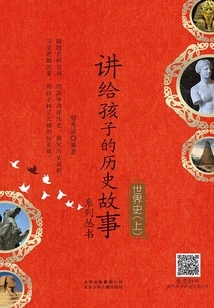
讲给孩子的历史故事系列丛书:世界史(上)
Compiled By Xing Xiuqing
This book selects more than 50 classic stories that influenced the course of world history from ancient Egyptian civilization to the fifteenth century, and introduces major historical events and important historical figures in world history in a popular and vivid way.
This book selects more than 50 classic stories that influenced the course of world history from ancient Egyptian civilization to the fifteenth century, and introduces major historical events and important historical figures in world history in a popular and vivid way.
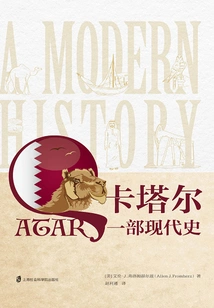
Qatar: a Modern History
History卡塔尔:一部现代史
(u. S.) Alan J. Fromholtz
The author has sorted out, got familiar with, and understood a large number of historical materials about the Middle East, Islam, and Qatar, and relied on his own personal experience in Qatar to write this historical monograph about Qatar. It examines and analyzes the rapid rise of a small country in the Gulf region of the Middle East, and studies its political system, economic policies, and Diplomatic strategy, social issues, tribal relations, etc. Provide people with comprehensive and detailed information about Qatar, a mysterious and contradictory Gulf country. It is of special significance for Chinese readers to understand Qatar, observe the customs and cultural concepts of the Arab nation, and allow Chinese readers to understand and connect with the multi-dimensional world.
The author has sorted out, got familiar with, and understood a large number of historical materials about the Middle East, Islam, and Qatar, and relied on his own personal experience in Qatar to write this historical monograph about Qatar. It examines and analyzes the rapid rise of a small country in the Gulf region of the Middle East, and studies its political system, economic policies, and Diplomatic strategy, social issues, tribal relations, etc. Provide people with comprehensive and detailed information about Qatar, a mysterious and contradictory Gulf country. It is of special significance for Chinese readers to understand Qatar, observe the customs and cultural concepts of the Arab nation, and allow Chinese readers to understand and connect with the multi-dimensional world.
French Historical Letters
History法国史信札
(france) Augustin Thierry
"French History Letters" introduces Thierry's experience in studying French history in the form of letters, including 25 letters in total. This book elaborates on several issues in the study of French history from various angles, trying to clarify misunderstandings in the study of French history and restore the true face of French history. It also focuses on the Commune movement in French history, truly recording the course of the Commune movement, and has important reference value for the study of French history.
"French History Letters" introduces Thierry's experience in studying French history in the form of letters, including 25 letters in total. This book elaborates on several issues in the study of French history from various angles, trying to clarify misunderstandings in the study of French history and restore the true face of French history. It also focuses on the Commune movement in French history, truly recording the course of the Commune movement, and has important reference value for the study of French history.
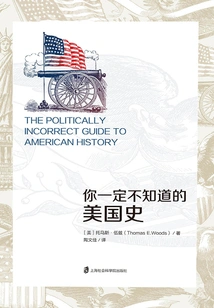
你一定不知道的美国史
(us) Thomas Woods
Professor Woods bravely rescues real historical facts from the memory holes of political correctness. Everyone who wants to understand American history should read this American history. For at least the past few decades, the American history that most students have been exposed to is actually a bunch of boring, familiar, clichéd stories: the American Civil War was all about slavery, antitrust laws saved the people from evil corporations, and Franklin Roosevelt saved us from the Great Depression. This book has a broad vision and clear logic. Through the combing and research of relevant documents and historical materials, this book outlines the context of American history, but it is a unique American history.
Professor Woods bravely rescues real historical facts from the memory holes of political correctness. Everyone who wants to understand American history should read this American history. For at least the past few decades, the American history that most students have been exposed to is actually a bunch of boring, familiar, clichéd stories: the American Civil War was all about slavery, antitrust laws saved the people from evil corporations, and Franklin Roosevelt saved us from the Great Depression. This book has a broad vision and clear logic. Through the combing and research of relevant documents and historical materials, this book outlines the context of American history, but it is a unique American history.
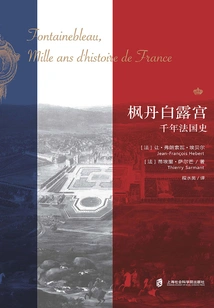
枫丹白露宫:法国千年史
(france) Jean-francois Hébert Thierry Salman
Compared with other royal palaces in France, not many people know the history and magnificence of the Palace of Fontainebleau. The castle is located deep in the forest. Before the Louvre and Versailles were built, it was the residence of kings and queens. Every dynasty in France, and even every ruler, has left their own mark here. The Palace of Fontainebleau is a human theater where the tragedies and comedies of power alternately play out. It was here that Francois I received Holy Roman Emperor Charles V, Louis XIII was baptized, Louis XIV revoked the Nantes Pardon, Louis XV married Queen Mary... Napoleon once looked at it and sighed:\
Compared with other royal palaces in France, not many people know the history and magnificence of the Palace of Fontainebleau. The castle is located deep in the forest. Before the Louvre and Versailles were built, it was the residence of kings and queens. Every dynasty in France, and even every ruler, has left their own mark here. The Palace of Fontainebleau is a human theater where the tragedies and comedies of power alternately play out. It was here that Francois I received Holy Roman Emperor Charles V, Louis XIII was baptized, Louis XIV revoked the Nantes Pardon, Louis XV married Queen Mary... Napoleon once looked at it and sighed:\
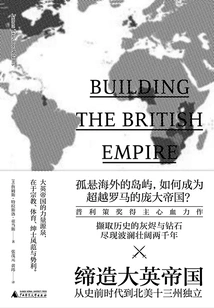
缔造大英帝国:从史前时代到北美十三州独立
(u. S.) James Truslow Adams
The British Empire was the most powerful colonial empire in human history. It once ruled 1\u002F4 of the world's land and population; on its territory, the sun never set, making it the "Empire on which the Sun Never Sets." So, how did what was originally just an island off the European continent turn into a huge empire? In this book, James Adams, the famous American historian and Pulitzer Prize winner, uses a chronological framework and a story-telling method to bring us back to specific historical scenes: the successive invasions by the Romans and barbarians, the rise and fall of the seven dynasties on the island, and the bloody battles with continental powers such as France that lasted for hundreds of years. Fighting, domination of the world through commerce and colonization, and the rebellion and independence of thirteen North American states... By carefully sorting out the history of nearly 2,000 years, Adams provides a clear answer to the rise of the British Empire and its role in world history from many aspects such as the struggle between royal power and parliament, legal system, religion, culture, etc.
The British Empire was the most powerful colonial empire in human history. It once ruled 1\u002F4 of the world's land and population; on its territory, the sun never set, making it the "Empire on which the Sun Never Sets." So, how did what was originally just an island off the European continent turn into a huge empire? In this book, James Adams, the famous American historian and Pulitzer Prize winner, uses a chronological framework and a story-telling method to bring us back to specific historical scenes: the successive invasions by the Romans and barbarians, the rise and fall of the seven dynasties on the island, and the bloody battles with continental powers such as France that lasted for hundreds of years. Fighting, domination of the world through commerce and colonization, and the rebellion and independence of thirteen North American states... By carefully sorting out the history of nearly 2,000 years, Adams provides a clear answer to the rise of the British Empire and its role in world history from many aspects such as the struggle between royal power and parliament, legal system, religion, culture, etc.
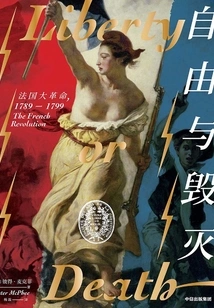
自由与毁灭:法国大革命,1789-1799
(australia) Peter Mcphee
"Liberty and Destruction" presents the French Revolution from a new historical perspective and clarity, salvaging vivid historical memories from vast dusty archives, and weaving together personal stories and political trends. We are still living with the legacy of the French Revolution. It shapes mankind's understanding of government, law, rights and even human existence in the modern sense. For more than two hundred years, some people have continued to declare that the French Revolution is "passed" and "over"; but there are also people who continue to explore the way to realize the ideas of the French Revolution again, and perhaps once again experience the test of blood and fire. While "Freedom and Destruction" follows the historical tradition and problem awareness of its predecessors, it is also written in the context of the wave of change, globalization, and ecological awareness in the new century. This book "will become a standard account of the French Revolution for years to come."
"Liberty and Destruction" presents the French Revolution from a new historical perspective and clarity, salvaging vivid historical memories from vast dusty archives, and weaving together personal stories and political trends. We are still living with the legacy of the French Revolution. It shapes mankind's understanding of government, law, rights and even human existence in the modern sense. For more than two hundred years, some people have continued to declare that the French Revolution is "passed" and "over"; but there are also people who continue to explore the way to realize the ideas of the French Revolution again, and perhaps once again experience the test of blood and fire. While "Freedom and Destruction" follows the historical tradition and problem awareness of its predecessors, it is also written in the context of the wave of change, globalization, and ecological awareness in the new century. This book "will become a standard account of the French Revolution for years to come."
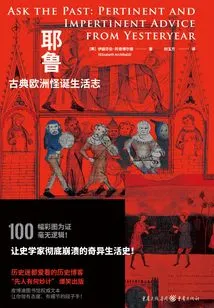
耶鲁古典欧洲怪诞生活志
(us)elizabeth Archibald
At a medieval banquet, do you want the guests to feel at home and let the roast chicken crow? Renaissance ladies had to rely on goat bile to have perfect eyebrows? In Enlightenment era beach fashion, wool socks were a key accessory? There are pictures to prove it, and there is no logic that makes historians completely collapse and cannot praise the strange life history of Europe! This book is a collection of articles from the very popular American history blog "What are the clever ideas of our ancestors". The author combed through 200 authoritative texts from the Yale Peabody Library to restore all aspects of European citizens' life in the Middle Ages, Renaissance and Enlightenment era, including home life, communication and travel, beauty and fashion, parent-child education, health and wellness, social etiquette, etc., Coupled with more than a hundred four-color historical illustrations, in a humorous way, showing the unique creativity and life philosophy of countless predecessors. The author of this book, Elizabeth Archibald, holds a Ph. D. In history from Yale University. She uses colorful pictures and humorous text to express the fantastic thoughts about the lives of ancient European citizens that she has collected. She reproduces the historical details that are not mentioned in the textbook. It is full of weird creativity and humorous elements, and is highly informative and interesting. This book is rich in content, humorous in language, and rich in pictures and texts. It can be said to be a small encyclopedia of the life of ancient European citizens.
At a medieval banquet, do you want the guests to feel at home and let the roast chicken crow? Renaissance ladies had to rely on goat bile to have perfect eyebrows? In Enlightenment era beach fashion, wool socks were a key accessory? There are pictures to prove it, and there is no logic that makes historians completely collapse and cannot praise the strange life history of Europe! This book is a collection of articles from the very popular American history blog "What are the clever ideas of our ancestors". The author combed through 200 authoritative texts from the Yale Peabody Library to restore all aspects of European citizens' life in the Middle Ages, Renaissance and Enlightenment era, including home life, communication and travel, beauty and fashion, parent-child education, health and wellness, social etiquette, etc., Coupled with more than a hundred four-color historical illustrations, in a humorous way, showing the unique creativity and life philosophy of countless predecessors. The author of this book, Elizabeth Archibald, holds a Ph. D. In history from Yale University. She uses colorful pictures and humorous text to express the fantastic thoughts about the lives of ancient European citizens that she has collected. She reproduces the historical details that are not mentioned in the textbook. It is full of weird creativity and humorous elements, and is highly informative and interesting. This book is rich in content, humorous in language, and rich in pictures and texts. It can be said to be a small encyclopedia of the life of ancient European citizens.
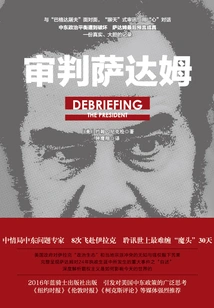
Trial of Saddam
History审判萨达姆
(us) John Nixon
"The Trial of Saddam" fully presents Saddam's "self-narration" of the major events that occurred during his 24 years in power, and provides an in-depth analysis of the profound impact of hegemonism on today's world, such as oil, sects, power, and the Islamic State. Why did the great powers choose the Middle East in their game? The author's analysis and analysis of Saddam's life and events can help readers who are interested in Middle East issues and military conduct valuable analysis and research on the "gains and losses" of the Iraq war launched by President George W. Bush 14 years ago to overthrow Saddam's rule; thereby understanding the real reason why President Obama did not directly send troops to overthrow the Bashar regime in Syria; and then look at what attitude the Trump era will take towards Syria and the entire Middle East today. "A leaf can tell the autumn". The Iraq War changed the policy of the United States and even the entire Western world towards the Middle East and the Asia-Pacific region. This is a question that is very worthy of study and very interesting.
"The Trial of Saddam" fully presents Saddam's "self-narration" of the major events that occurred during his 24 years in power, and provides an in-depth analysis of the profound impact of hegemonism on today's world, such as oil, sects, power, and the Islamic State. Why did the great powers choose the Middle East in their game? The author's analysis and analysis of Saddam's life and events can help readers who are interested in Middle East issues and military conduct valuable analysis and research on the "gains and losses" of the Iraq war launched by President George W. Bush 14 years ago to overthrow Saddam's rule; thereby understanding the real reason why President Obama did not directly send troops to overthrow the Bashar regime in Syria; and then look at what attitude the Trump era will take towards Syria and the entire Middle East today. "A leaf can tell the autumn". The Iraq War changed the policy of the United States and even the entire Western world towards the Middle East and the Asia-Pacific region. This is a question that is very worthy of study and very interesting.
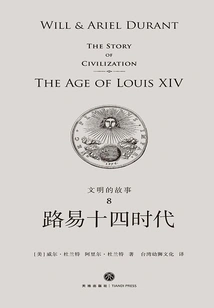
文明的故事8:路易十四时代
H
"The Age of Louis XIV" is the eighth volume of the "The Story of Civilization" series of "Utopia Classics Hall". From the signing of the Treaty of Westphalia to the death of Louis XIV. France reached the pinnacle of culture and art under the rule of the "Sun King". Dutch democracy casts a ray of light on monarchical Europe. Britain's Glorious Revolution established the rule of law and freedom for future generations. The theme of this era is the "Great Controversy" between faith and reason. Although faith still occupies the throne, reason is blooming in the new theories of Hobbes, Locke, Newton, Spinoza, and Leibniz. Thinkers engaged in "intellectual adventures," believing it possible to understand the universe and even form a "clear and intelligible conception" of God. They have different opinions on science and philosophy. Compared with the 18th century, which was called the "Age of Reason," this period is more appropriately called "rational."
"The Age of Louis XIV" is the eighth volume of the "The Story of Civilization" series of "Utopia Classics Hall". From the signing of the Treaty of Westphalia to the death of Louis XIV. France reached the pinnacle of culture and art under the rule of the "Sun King". Dutch democracy casts a ray of light on monarchical Europe. Britain's Glorious Revolution established the rule of law and freedom for future generations. The theme of this era is the "Great Controversy" between faith and reason. Although faith still occupies the throne, reason is blooming in the new theories of Hobbes, Locke, Newton, Spinoza, and Leibniz. Thinkers engaged in "intellectual adventures," believing it possible to understand the universe and even form a "clear and intelligible conception" of God. They have different opinions on science and philosophy. Compared with the 18th century, which was called the "Age of Reason," this period is more appropriately called "rational."
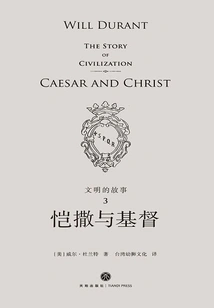
文明的故事3:恺撒与基督
G
"Caesar and Christ" is the third volume of the "The Story of Civilization" series of "Utopia Classics Hall". The fall of the Roman Empire was neither due to the invasion of barbarians nor the rise of Christianity. In fact, when the barbarians invaded and Christianity flourished, only an empty shell remained of the Roman Empire. The basic reasons for the decline of the Roman Empire lay in its people, its moral ethos, class struggles, the decline of commerce, bureaucratic despotism, heavy taxation, and costly wars. By taking a panoramic view of the intricate activities, we can compare each stage or aspect of each situation with our own cultural trajectory in terms of time and causes, and learn from each other. This "Caesar and Christ" can also be said to be about our own history.
"Caesar and Christ" is the third volume of the "The Story of Civilization" series of "Utopia Classics Hall". The fall of the Roman Empire was neither due to the invasion of barbarians nor the rise of Christianity. In fact, when the barbarians invaded and Christianity flourished, only an empty shell remained of the Roman Empire. The basic reasons for the decline of the Roman Empire lay in its people, its moral ethos, class struggles, the decline of commerce, bureaucratic despotism, heavy taxation, and costly wars. By taking a panoramic view of the intricate activities, we can compare each stage or aspect of each situation with our own cultural trajectory in terms of time and causes, and learn from each other. This "Caesar and Christ" can also be said to be about our own history.
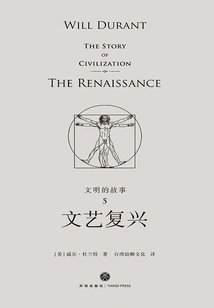
文明的故事5:文艺复兴
(us) Will Durant
"Renaissance" is the fifth volume of the "The Story of Civilization" series of "Utopia Classics Hall". From Petrarch to Machiavelli, from Leonardo da Vinci to Michelangelo, Italians are tired of original sin, recognize the health and loveliness of life, praise joy, and no longer care about death. The sunshine of the Italian spirit penetrated the thick fog of the north, liberating men and women from the prison of medieval fear, admiring beauty in all its forms, filling the air with the joy of resurrection. This great revival lasted for centuries. It was not until the 16th century that the Renaissance withered in Italy, and revival blossomed in France, Germany, the Netherlands, England and Spain. The Renaissance is not a period in time, but a way of life and thought that spread from Italy to all of Europe through the influence of commerce and war.
"Renaissance" is the fifth volume of the "The Story of Civilization" series of "Utopia Classics Hall". From Petrarch to Machiavelli, from Leonardo da Vinci to Michelangelo, Italians are tired of original sin, recognize the health and loveliness of life, praise joy, and no longer care about death. The sunshine of the Italian spirit penetrated the thick fog of the north, liberating men and women from the prison of medieval fear, admiring beauty in all its forms, filling the air with the joy of resurrection. This great revival lasted for centuries. It was not until the 16th century that the Renaissance withered in Italy, and revival blossomed in France, Germany, the Netherlands, England and Spain. The Renaissance is not a period in time, but a way of life and thought that spread from Italy to all of Europe through the influence of commerce and war.
文明的故事7:理性开始的时代
H
"The Age of Reason Begins" is the seventh volume of the "Utopia Classics Museum" series "The Story of Civilization". The period from the accession of Elizabeth I to the end of the Thirty Years' War is a key chapter in understanding modern Europe. Its basic development was the rise of nation-state sovereignty, and the decline of theology and papal power. The results of the Reformation began to appear in European countries. Disputes continued between countries and among various religious factions within the country. The whole of Europe was involved in the terrible "Thirty Years' War." Amid the rift of faith collapse, more and more people are turning to science and philosophy to explore the answers to life. This is the era of Shakespeare, Rembrandt, and Cervantes, as well as the era of Bacon, Galileo, Bruno, and Descartes. It is an era of radiant humanity and an era of rational awakening. The battle between faith and reason that is changing the hearts of Europe and even the world is rising.
"The Age of Reason Begins" is the seventh volume of the "Utopia Classics Museum" series "The Story of Civilization". The period from the accession of Elizabeth I to the end of the Thirty Years' War is a key chapter in understanding modern Europe. Its basic development was the rise of nation-state sovereignty, and the decline of theology and papal power. The results of the Reformation began to appear in European countries. Disputes continued between countries and among various religious factions within the country. The whole of Europe was involved in the terrible "Thirty Years' War." Amid the rift of faith collapse, more and more people are turning to science and philosophy to explore the answers to life. This is the era of Shakespeare, Rembrandt, and Cervantes, as well as the era of Bacon, Galileo, Bruno, and Descartes. It is an era of radiant humanity and an era of rational awakening. The battle between faith and reason that is changing the hearts of Europe and even the world is rising.
文明的故事1:东方的遗产
G
"Heritage of the East" is the first volume of the "Story of Civilization" series of "Utopia Classics Hall". Durant outlines the original appearance of human civilization from the eight major elements of civilization - labor (farming, industry, transportation and trade), government, morality (customs and etiquette, conscience and conduct), religion, science, philosophy, writing, and art, combining Sumer, Egypt, and Babylon , Assyria, Judaea, Persia, India, China, Japan and other regions or nations, showing the splendid cultural pictures of Egypt and Eastern Asia one by one, explaining why ancient Eastern civilization is the background and cornerstone of Greek and Roman culture, and why it is the source of modern human civilization.
"Heritage of the East" is the first volume of the "Story of Civilization" series of "Utopia Classics Hall". Durant outlines the original appearance of human civilization from the eight major elements of civilization - labor (farming, industry, transportation and trade), government, morality (customs and etiquette, conscience and conduct), religion, science, philosophy, writing, and art, combining Sumer, Egypt, and Babylon , Assyria, Judaea, Persia, India, China, Japan and other regions or nations, showing the splendid cultural pictures of Egypt and Eastern Asia one by one, explaining why ancient Eastern civilization is the background and cornerstone of Greek and Roman culture, and why it is the source of modern human civilization.
文明的故事4:信仰的时代
G
"The Age of Faith" is the fourth volume of the "The Story of Civilization" series of "Utopia Classics Hall". The medieval era from AD 325 to 1300 saw the convergence and excitement of four different cultures: Byzantium, Islam, Judaism and Western Europe. Vast areas of the world continued to live under the banner and rule of faith, while Western Europe sailed into a remote sea of reason. People in the Middle Ages were first victims of barbarism, then became barbaric conquerors, and then became the creators of new civilizations. The end of the completely rich phase of its civilization in the Middle Ages was the basis of the Renaissance and the Reformation. The medieval legacy contains both good and evil. We have not recovered from the Dark Ages. In this sense, modernization is a coat worn on medievalism.
"The Age of Faith" is the fourth volume of the "The Story of Civilization" series of "Utopia Classics Hall". The medieval era from AD 325 to 1300 saw the convergence and excitement of four different cultures: Byzantium, Islam, Judaism and Western Europe. Vast areas of the world continued to live under the banner and rule of faith, while Western Europe sailed into a remote sea of reason. People in the Middle Ages were first victims of barbarism, then became barbaric conquerors, and then became the creators of new civilizations. The end of the completely rich phase of its civilization in the Middle Ages was the basis of the Renaissance and the Reformation. The medieval legacy contains both good and evil. We have not recovered from the Dark Ages. In this sense, modernization is a coat worn on medievalism.
文明的故事11:拿破仑时代
J
"The Age of Napoleon" is the final work of the "Utopia Classics Hall" series "The Story of Civilization". Of course, Napoleon was an unprecedented dictator, and he was also the most magical dreamer and practitioner in human history. Let us preserve our freedom! Let's preserve equality! Europe moved forward for half a century under his 15-year rule. However, Napoleon always worked hard to convince the people to accept his definition of political freedom: regular referendums whose results must be in favor of enlightened despotism. He said: "Power is my mistress. I have worked hard to conquer her, and I will never allow others to take her away from me, not even to woo her..."
"The Age of Napoleon" is the final work of the "Utopia Classics Hall" series "The Story of Civilization". Of course, Napoleon was an unprecedented dictator, and he was also the most magical dreamer and practitioner in human history. Let us preserve our freedom! Let's preserve equality! Europe moved forward for half a century under his 15-year rule. However, Napoleon always worked hard to convince the people to accept his definition of political freedom: regular referendums whose results must be in favor of enlightened despotism. He said: "Power is my mistress. I have worked hard to conquer her, and I will never allow others to take her away from me, not even to woo her..."
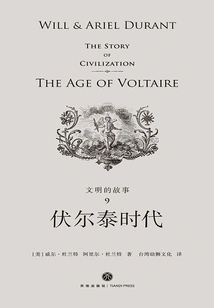
文明的故事9:伏尔泰时代
H
"The Age of Voltaire" is the ninth volume of the "The Story of Civilization" series of "Utopia Classics Hall". The widespread and ongoing conflicts between religion, science, and philosophy constituted a vivid historical drama in the 18th century. "The Age of Voltaire" is not a biography of Voltaire, but uses his colorful life as a link between countries and generations to show European civilization from the death of Louis XIV to the collapse of the Bastille. This book depicts a group of thinkers headed by Voltaire. Our relative freedom of thought, speech, and belief today is all thanks to the Enlightenment thinkers of the 18th century. The Enlightenment liberated the human heart and mind, and its results are still with us today.
"The Age of Voltaire" is the ninth volume of the "The Story of Civilization" series of "Utopia Classics Hall". The widespread and ongoing conflicts between religion, science, and philosophy constituted a vivid historical drama in the 18th century. "The Age of Voltaire" is not a biography of Voltaire, but uses his colorful life as a link between countries and generations to show European civilization from the death of Louis XIV to the collapse of the Bastille. This book depicts a group of thinkers headed by Voltaire. Our relative freedom of thought, speech, and belief today is all thanks to the Enlightenment thinkers of the 18th century. The Enlightenment liberated the human heart and mind, and its results are still with us today.
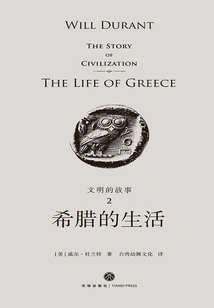
文明的故事2:希腊的生活
G
"Greek Life" is the second volume of the "The Story of Civilization" series of "Utopia Classics Hall". The whole book records and discusses the origin, growth, maturity and decline of Greek civilization from the oldest ruins of Crete and Troy to the Roman conquest of Greece. It describes in detail the many changes in the basic elements of Greek civilization, but not from an isolated perspective but as a great cultural organism. In short, Durant believes that Greek civilization is the epitome of our civilization today. "All civilized countries are colonies of Greece in all activities related to intelligence."
"Greek Life" is the second volume of the "The Story of Civilization" series of "Utopia Classics Hall". The whole book records and discusses the origin, growth, maturity and decline of Greek civilization from the oldest ruins of Crete and Troy to the Roman conquest of Greece. It describes in detail the many changes in the basic elements of Greek civilization, but not from an isolated perspective but as a great cultural organism. In short, Durant believes that Greek civilization is the epitome of our civilization today. "All civilized countries are colonies of Greece in all activities related to intelligence."
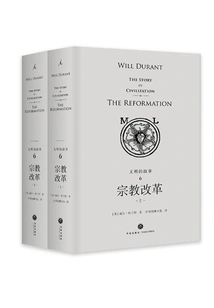
文明的故事6:宗教改革
G
"Religious Reform" is the sixth volume of the "The Story of Civilization" series of "Utopia Classics Hall". Abstain from entertainment, burn dissidents, and attack literature and art... The Reformation denounced the joy of the Renaissance, believed that worldly achievements and joys were of no benefit, and that life was nothing but a vale of tears, and called sinners to convert to faith, repent and pray. It was almost medieval reaction. Yet, despite all its intolerance, the Religious Revolution made a contribution to the Enlightenment: it undermined the authority of dogma and allowed for vigorous debate among different voices. In these disputes, in attack and defense, all orders and authorities weakened, and a hundred years after Luther cried out for faith, Francis Bacon declared that knowledge is power.
"Religious Reform" is the sixth volume of the "The Story of Civilization" series of "Utopia Classics Hall". Abstain from entertainment, burn dissidents, and attack literature and art... The Reformation denounced the joy of the Renaissance, believed that worldly achievements and joys were of no benefit, and that life was nothing but a vale of tears, and called sinners to convert to faith, repent and pray. It was almost medieval reaction. Yet, despite all its intolerance, the Religious Revolution made a contribution to the Enlightenment: it undermined the authority of dogma and allowed for vigorous debate among different voices. In these disputes, in attack and defense, all orders and authorities weakened, and a hundred years after Luther cried out for faith, Francis Bacon declared that knowledge is power.
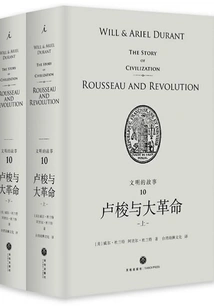
文明的故事10:卢梭与大革命
(us) Will Durant Ariel Durant
"Rousseau's Revolution" is the 10th volume of the "The Story of Civilization" series of "Utopia Classics Hall". Rousseau was the direct ideological promoter of the French Revolution. He created nothing but burned everything. "Rousseau and the Revolution" depicts a panoramic view of Europe from the "Seven Years' War" to the French Revolution. With Rousseau as the central figure, Durant vividly narrates the growth of intellectuals, the transformation of moral concepts and social order, the rise and fall of autocratic rule, the disenchantment of religion and the emergence of democracy in the 18th century. At the same time, he provides biographies of countless brilliant figures who emerged in this era. With his extensive historical knowledge and powerful writing, Durant weaves a complex tapestry of great eras and outstanding figures.
"Rousseau's Revolution" is the 10th volume of the "The Story of Civilization" series of "Utopia Classics Hall". Rousseau was the direct ideological promoter of the French Revolution. He created nothing but burned everything. "Rousseau and the Revolution" depicts a panoramic view of Europe from the "Seven Years' War" to the French Revolution. With Rousseau as the central figure, Durant vividly narrates the growth of intellectuals, the transformation of moral concepts and social order, the rise and fall of autocratic rule, the disenchantment of religion and the emergence of democracy in the 18th century. At the same time, he provides biographies of countless brilliant figures who emerged in this era. With his extensive historical knowledge and powerful writing, Durant weaves a complex tapestry of great eras and outstanding figures.
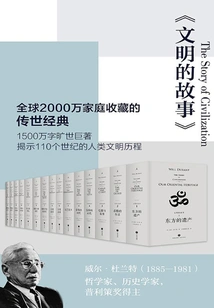
文明的故事(全11卷)
T
This is a fluent and beautiful collection of "stories" with vivid narration and is very popular around the world. The book has a total of 11 volumes and more than 10 million words. It overlooks the achievements of the human mind in 110 centuries. It can be called a "biography" of human civilization, covering politics, economy, military, technology, religion, philosophy, education, art, music and other fields. All things grow, and civilization is a huge social process. It organizes the intricate human civilization into several major chains such as Eastern civilization, Greek civilization, Roman and Christian civilization, Renaissance, and civilization changes. It integrates vast historical details into understandable knowledge, overcomes the increasingly severe fragmentation and specialization in historical narratives, and strives to refine an overall historical insight. It is expected to provide vivid inspiration to contemporary people, like the motto of the ancient Greek temple, "Know thyself."
This is a fluent and beautiful collection of "stories" with vivid narration and is very popular around the world. The book has a total of 11 volumes and more than 10 million words. It overlooks the achievements of the human mind in 110 centuries. It can be called a "biography" of human civilization, covering politics, economy, military, technology, religion, philosophy, education, art, music and other fields. All things grow, and civilization is a huge social process. It organizes the intricate human civilization into several major chains such as Eastern civilization, Greek civilization, Roman and Christian civilization, Renaissance, and civilization changes. It integrates vast historical details into understandable knowledge, overcomes the increasingly severe fragmentation and specialization in historical narratives, and strives to refine an overall historical insight. It is expected to provide vivid inspiration to contemporary people, like the motto of the ancient Greek temple, "Know thyself."
极简20世纪史
(uk) Nicola Charlton Meredith Mcardle
The turbulent 20th century was an era of intertwined technological innovation and war conflicts. This book concisely and comprehensively reviews important historical events throughout the 20th century. How to complete the replacement of the old and new world patterns? How do regional conflicts evolve into worldwide wars, and how do they move towards peace? After the end of the colonial era, what kind of crises did the chill of the Cold War trigger? ... Amidst the opportunities and challenges brought about by rapid technological changes, people have ushered in the dawn of the 21st century.
The turbulent 20th century was an era of intertwined technological innovation and war conflicts. This book concisely and comprehensively reviews important historical events throughout the 20th century. How to complete the replacement of the old and new world patterns? How do regional conflicts evolve into worldwide wars, and how do they move towards peace? After the end of the colonial era, what kind of crises did the chill of the Cold War trigger? ... Amidst the opportunities and challenges brought about by rapid technological changes, people have ushered in the dawn of the 21st century.
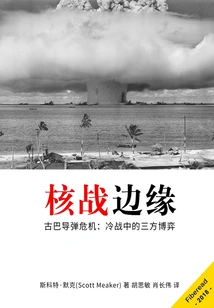
On the Brink of Nuclear War
History核战边缘
Scott Merck
NOTE: This is a brief history. The greatest fear of the 1950s was nuclear war. From the Soviet perspective, placing a communist bastion so close to the U. S. Border was a dream come true. In the early 1960s, there were undercurrents in U. S.-Soviet relations. In addition to the heavy casualties and humiliation at the Bay of Pigs, other things were happening. Drawing sand as a boundary, the entire world is on the verge of nuclear war.
NOTE: This is a brief history. The greatest fear of the 1950s was nuclear war. From the Soviet perspective, placing a communist bastion so close to the U. S. Border was a dream come true. In the early 1960s, there were undercurrents in U. S.-Soviet relations. In addition to the heavy casualties and humiliation at the Bay of Pigs, other things were happening. Drawing sand as a boundary, the entire world is on the verge of nuclear war.

世界大转折(读书书系)
Chen Caihong
Under the impact of successive financial and economic crises, the "American model" is coming to an end, and a major turning point in the world is coming. This great turning point, with the return to real wealth as its content, will transcend national and regional limits, and will go beyond the simple redistribution of power around the world. This great turning point is not just a general financial or economic model change. It originates from currency, finance and economy, and special countries. However, it involves changes in the entire world and comprehensive changes in international society, politics, economy, culture, and morality.
Under the impact of successive financial and economic crises, the "American model" is coming to an end, and a major turning point in the world is coming. This great turning point, with the return to real wealth as its content, will transcend national and regional limits, and will go beyond the simple redistribution of power around the world. This great turning point is not just a general financial or economic model change. It originates from currency, finance and economy, and special countries. However, it involves changes in the entire world and comprehensive changes in international society, politics, economy, culture, and morality.
世界通史(珍藏版)(套装四册)
Editor-in-chief Li Nan
General History of the World (Collector's Edition) (set of four volumes) tells the evolution of world history, the development of world civilization and its impact on modern society. Focusing on the global world, it focuses on those historical events that were influential and promoted historical development, including primitive societies, ancient civilizations in the European Arc, primitive civilizations in Eurasia, the world outside Eurasia, the world after regional division, the rise of the Eastern and Western worlds, the world ruled by Easterners and Westerners, the decline and success of the East and the West, etc.
General History of the World (Collector's Edition) (set of four volumes) tells the evolution of world history, the development of world civilization and its impact on modern society. Focusing on the global world, it focuses on those historical events that were influential and promoted historical development, including primitive societies, ancient civilizations in the European Arc, primitive civilizations in Eurasia, the world outside Eurasia, the world after regional division, the rise of the Eastern and Western worlds, the world ruled by Easterners and Westerners, the decline and success of the East and the West, etc.
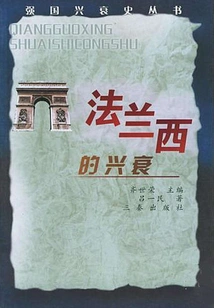
The Rise and Fall of France
History法兰西的兴衰
Lu Yimin
The book is divided into ten chapters, including: the initial crow and glory of the "Gaul Rooster", the Great Revolution that laid the foundation for France's strength in modern times, the Napoleonic Empire that shocked the European continent, 1815-1848: thirty years of retreat, the glory and disgrace of the Second French Empire, etc.
The book is divided into ten chapters, including: the initial crow and glory of the "Gaul Rooster", the Great Revolution that laid the foundation for France's strength in modern times, the Napoleonic Empire that shocked the European continent, 1815-1848: thirty years of retreat, the glory and disgrace of the Second French Empire, etc.
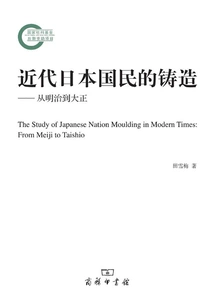
近代日本国民的铸造
Tian Xuemei
This book is my country's first comparatively systematic study of the national issues of modern Japan. The author integrates relevant knowledge from political science, history, culture and other disciplines, takes the national transformation of modern Japan as the background, takes the theory of the modern country (i. E. The national state) as the core analytical perspective, and combines the analysis of the specific history of Japan from the Meiji to the Taisho period to give a more in-depth explanation of the issue of the casting of Japanese citizens in modern times.
This book is my country's first comparatively systematic study of the national issues of modern Japan. The author integrates relevant knowledge from political science, history, culture and other disciplines, takes the national transformation of modern Japan as the background, takes the theory of the modern country (i. E. The national state) as the core analytical perspective, and combines the analysis of the specific history of Japan from the Meiji to the Taisho period to give a more in-depth explanation of the issue of the casting of Japanese citizens in modern times.
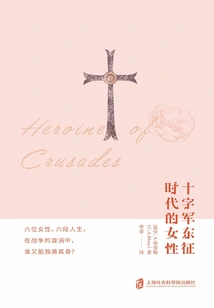
Women During the Crusades
History十字军东征时代的女性
(uk) C. A. Brows
This book is part of C. A. Burrows' "Ancient History Series". It takes six women from medieval countries as the protagonists and introduces the roles these women played in medieval Europe. These six women came from major cities at the time such as Bloch (France) and Jerusalem (Israel). In the era in which they lived, an unprecedentedly massive Crusade took place. By describing the experiences of these women, the author restores the process of the Crusades and further analyzes the cultural conflicts and gender conflicts that existed in the Middle Ages.
This book is part of C. A. Burrows' "Ancient History Series". It takes six women from medieval countries as the protagonists and introduces the roles these women played in medieval Europe. These six women came from major cities at the time such as Bloch (France) and Jerusalem (Israel). In the era in which they lived, an unprecedentedly massive Crusade took place. By describing the experiences of these women, the author restores the process of the Crusades and further analyzes the cultural conflicts and gender conflicts that existed in the Middle Ages.
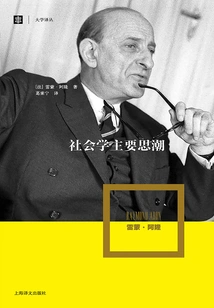
Main Trends in Sociology
History社会学主要思潮
N
"University Translation Series: Main Trends of Thought in Sociology" is a masterpiece by the master of thought Raymond Aron. It is a collection of Raymond Aron's lecture notes at the Sorbonne University from 1955 to 1958. It is the result of his many years of painstaking research and writing. This book is a philosophy, sociology and general liberal arts textbook commonly used in Western universities. It is also generally listed as a must-read reference book for sociology majors in domestic universities. The author discusses the thoughts and major works of seven sociologists: Montesquieu, Comte, Marx, Tocqueville, Durkheim, Pareto, and Weber in chronological order, covering the era with the most fruitful sociological theoretical achievements. At the same time, he conducts a highly innovative comparative study of these seven sociologists and their thoughts. The narrative of the whole book is clear, easy to understand, and fascinating. In addition, the criticism of the ideological systems of various sociological theorists is very insightful.
"University Translation Series: Main Trends of Thought in Sociology" is a masterpiece by the master of thought Raymond Aron. It is a collection of Raymond Aron's lecture notes at the Sorbonne University from 1955 to 1958. It is the result of his many years of painstaking research and writing. This book is a philosophy, sociology and general liberal arts textbook commonly used in Western universities. It is also generally listed as a must-read reference book for sociology majors in domestic universities. The author discusses the thoughts and major works of seven sociologists: Montesquieu, Comte, Marx, Tocqueville, Durkheim, Pareto, and Weber in chronological order, covering the era with the most fruitful sociological theoretical achievements. At the same time, he conducts a highly innovative comparative study of these seven sociologists and their thoughts. The narrative of the whole book is clear, easy to understand, and fascinating. In addition, the criticism of the ideological systems of various sociological theorists is very insightful.
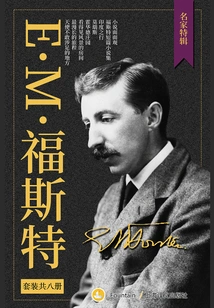
E.M.福斯特文集套装(套装共8册)
(english) E. M. Forster
E. M. Forster's major works include the novels "Where Angels Fear to Go" (1905), "The Longest Journey" (1907), "A Room with a View" (1908), "Howards End" (1910), and "Maurice" (created between 1913 and 1914, published after the author's death in 1971). Editions), A Passage to India (1924); two short story collections, The Omnibus (1911) and Eternal Moments (1928), later combined into Forster's Collected Short Stories (1947); and the acclaimed novel review monograph Aspects of the Novel (1927, originally a series of lectures at Cambridge University). The "Collected Works of E. M. Forster" published by Shanghai Translation Publishing House includes all the above-mentioned important works of this literary giant.
E. M. Forster's major works include the novels "Where Angels Fear to Go" (1905), "The Longest Journey" (1907), "A Room with a View" (1908), "Howards End" (1910), and "Maurice" (created between 1913 and 1914, published after the author's death in 1971). Editions), A Passage to India (1924); two short story collections, The Omnibus (1911) and Eternal Moments (1928), later combined into Forster's Collected Short Stories (1947); and the acclaimed novel review monograph Aspects of the Novel (1927, originally a series of lectures at Cambridge University). The "Collected Works of E. M. Forster" published by Shanghai Translation Publishing House includes all the above-mentioned important works of this literary giant.
福特政府时期美国对苏联的缓和外交研究
Liu Changxin
Shortly after the end of World War II, conflicts in ideology, strategic goals, and strategic interests between the United States and the Soviet Union soon led to the beginning of the Cold War. From 1947 to 1991, the two major camps led by the United States and the Soviet Union engaged in comprehensive confrontation in all aspects of economy, politics, and military. During this period, the United States' policy towards the Soviet Union was mainly competition and confrontation, weakening and containing the Soviet Union through various methods and channels, thereby seeking its own absolute security.
Shortly after the end of World War II, conflicts in ideology, strategic goals, and strategic interests between the United States and the Soviet Union soon led to the beginning of the Cold War. From 1947 to 1991, the two major camps led by the United States and the Soviet Union engaged in comprehensive confrontation in all aspects of economy, politics, and military. During this period, the United States' policy towards the Soviet Union was mainly competition and confrontation, weakening and containing the Soviet Union through various methods and channels, thereby seeking its own absolute security.
A Brief History of Rome
History罗马简史
Zhang Naiyan
This book was originally called "History of Rome". It is divided into ten chapters and narrates the development of ancient Rome from the Roman Kingdom (the Age of Kings), the Roman Republic to the Roman Empire in a chronological form. The work not only shows the glorious achievements of the Roman Empire, but also reveals the bloody struggle for power between the conquerors and the conquered. It has both a macro description of the rulers' governance of the country and a micro description of the daily life of the people. It is an interesting and serious history of Rome. The language of the book is concise and the narrative is rigorous. The author consulted a large amount of information and tried to present an objective and true history of Rome.
This book was originally called "History of Rome". It is divided into ten chapters and narrates the development of ancient Rome from the Roman Kingdom (the Age of Kings), the Roman Republic to the Roman Empire in a chronological form. The work not only shows the glorious achievements of the Roman Empire, but also reveals the bloody struggle for power between the conquerors and the conquered. It has both a macro description of the rulers' governance of the country and a micro description of the daily life of the people. It is an interesting and serious history of Rome. The language of the book is concise and the narrative is rigorous. The author consulted a large amount of information and tried to present an objective and true history of Rome.
黑暗大陆:20世纪的欧洲
L
A mashup lab for social and political engineering. Comprehensive discussion of Europe's difficult journey in the 20th century. Mark Mazoll debunks the myth of liberal democracy and explores 100 years of entangled, twisted, violent, torn and reorganized European history. On one side is the acceptance of foreign races, on the other side is racial discrimination; on the other side is the ambition of imperialism, on the other side is the call for national self-determination; on the other side is freedom and democracy, and on the other side is dictatorship and tyranny. Europe has always been trapped between two evenly matched forces, constantly being torn, broken, spliced, and pasted. This book leads us to explore the origins of values such as "freedom, democracy, and civil rights" that Western societies have long upheld. At the same time, it also constantly asks: How are these value systems reflected today after hundreds of years of war, division, conflict, opposition, and unity? What's left? In Mazoor's writing, Europe is not the birthplace of democracy and freedom, but the laboratory and racecourse of various ideological factions, interest groups and political forces. Wars, revolutions and ideological battles for interests have led to Europe's constant rebirth and reinvention, and the process is often shocking.
A mashup lab for social and political engineering. Comprehensive discussion of Europe's difficult journey in the 20th century. Mark Mazoll debunks the myth of liberal democracy and explores 100 years of entangled, twisted, violent, torn and reorganized European history. On one side is the acceptance of foreign races, on the other side is racial discrimination; on the other side is the ambition of imperialism, on the other side is the call for national self-determination; on the other side is freedom and democracy, and on the other side is dictatorship and tyranny. Europe has always been trapped between two evenly matched forces, constantly being torn, broken, spliced, and pasted. This book leads us to explore the origins of values such as "freedom, democracy, and civil rights" that Western societies have long upheld. At the same time, it also constantly asks: How are these value systems reflected today after hundreds of years of war, division, conflict, opposition, and unity? What's left? In Mazoor's writing, Europe is not the birthplace of democracy and freedom, but the laboratory and racecourse of various ideological factions, interest groups and political forces. Wars, revolutions and ideological battles for interests have led to Europe's constant rebirth and reinvention, and the process is often shocking.
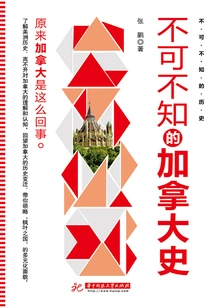
Must-know Canadian History
History不可不知的加拿大史
Zhang Peng
Canada, known as the "Maple Leaf Country", is at the forefront of the world in terms of economic development, social freedom, national happiness and quality of life. Charming natural scenery, superior living environment and splendid multiculturalism have made Canada always praised by the world and become a fascinating and beautiful country. Although it does not have a long history, Canada's modernization journey is unique. It has neither broken out a vigorous revolutionary movement nor set off a magnificent war of independence, nor has it launched any crazy foreign aggression. Canada's history has always moved slowly along a path of moderate reformism. Continuous reforms and compromises have not only maintained the country's territorial integrity and sovereign independence, but also greatly promoted social and economic development. This book uses a concise and concise writing style, using the colonial, dominion and independent country periods as clues, supplemented by economic, political, cultural, religious and social content, to outline the basic context of Canada from the colony to the beginning of the 21st century, showing Canada's unique historical charm.
Canada, known as the "Maple Leaf Country", is at the forefront of the world in terms of economic development, social freedom, national happiness and quality of life. Charming natural scenery, superior living environment and splendid multiculturalism have made Canada always praised by the world and become a fascinating and beautiful country. Although it does not have a long history, Canada's modernization journey is unique. It has neither broken out a vigorous revolutionary movement nor set off a magnificent war of independence, nor has it launched any crazy foreign aggression. Canada's history has always moved slowly along a path of moderate reformism. Continuous reforms and compromises have not only maintained the country's territorial integrity and sovereign independence, but also greatly promoted social and economic development. This book uses a concise and concise writing style, using the colonial, dominion and independent country periods as clues, supplemented by economic, political, cultural, religious and social content, to outline the basic context of Canada from the colony to the beginning of the 21st century, showing Canada's unique historical charm.
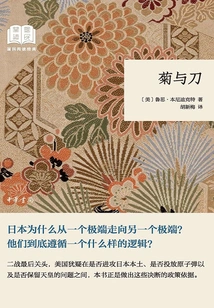
菊与刀(国民阅读经典)
(us) Benedict
This book is a stunning work that provides an overview of Japanese culture and interprets its contradictory character. It is a must-read classic for us to understand Japan. "Chrysanthemum" is originally the emblem of the Japanese royal family, and "sword" is the symbol of Bushido culture. Benedict uses "chrysanthemum" and "sword" to symbolize the contradictory character of the Japanese people, and uses a calm perspective of a Westerner to gain an overview of Japan's unique cultural traditions and national character. It not only captures the details of Japanese culture, but also places it within the anthropological perspective of Eastern culture and Pacific island culture. This book has been evaluated by all walks of life, and its great influence continues to this day.
This book is a stunning work that provides an overview of Japanese culture and interprets its contradictory character. It is a must-read classic for us to understand Japan. "Chrysanthemum" is originally the emblem of the Japanese royal family, and "sword" is the symbol of Bushido culture. Benedict uses "chrysanthemum" and "sword" to symbolize the contradictory character of the Japanese people, and uses a calm perspective of a Westerner to gain an overview of Japan's unique cultural traditions and national character. It not only captures the details of Japanese culture, but also places it within the anthropological perspective of Eastern culture and Pacific island culture. This book has been evaluated by all walks of life, and its great influence continues to this day.
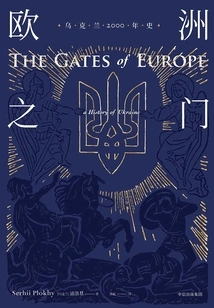
欧洲之门:乌克兰2000年史
(us) Pu Luoji
Ukraine, situated on the fault line of civilizations on the western edge of the Eurasian steppe, was born where East and West met, and for many centuries was the gateway to Europe. When wars and conflicts come, the closed door of Europe becomes a barrier against invaders from the east or the west. When the door of Europe opens, Ukraine becomes a hub connecting Europe and Asia, east and west. Starting from the time of Herodotus, the land of Ukraine has witnessed the ups and downs of empires for two thousand years, and has experienced many changes in the world order. Sedentary and nomadic, Orthodox and Catholic... Different civilizations came into contact here, shaping Ukraine's unique border identity. It was the breadbasket of Europe, and it was also a battlefield for killings. From the Roman Empire to the Ottoman Empire, from the Habsburgs to the Romanovs, and even Hitler's Third Reich, each empire claimed Ukraine's land and wealth and left its mark on the land. To this day, Ukraine remains the focus of the conflict between East and West. Without understanding the complex forces that have shaped Eastern Europe for two millennia, it is impossible to see the current turmoil affecting the world. With sympathetic understanding, Ploki, the director of the Ukrainian Institute at Harvard University, writes about the two thousand years that the Gate of Europe has experienced and witnessed, filling in the missing piece of the puzzle for understanding the past, present and future of the East and the West.
Ukraine, situated on the fault line of civilizations on the western edge of the Eurasian steppe, was born where East and West met, and for many centuries was the gateway to Europe. When wars and conflicts come, the closed door of Europe becomes a barrier against invaders from the east or the west. When the door of Europe opens, Ukraine becomes a hub connecting Europe and Asia, east and west. Starting from the time of Herodotus, the land of Ukraine has witnessed the ups and downs of empires for two thousand years, and has experienced many changes in the world order. Sedentary and nomadic, Orthodox and Catholic... Different civilizations came into contact here, shaping Ukraine's unique border identity. It was the breadbasket of Europe, and it was also a battlefield for killings. From the Roman Empire to the Ottoman Empire, from the Habsburgs to the Romanovs, and even Hitler's Third Reich, each empire claimed Ukraine's land and wealth and left its mark on the land. To this day, Ukraine remains the focus of the conflict between East and West. Without understanding the complex forces that have shaped Eastern Europe for two millennia, it is impossible to see the current turmoil affecting the world. With sympathetic understanding, Ploki, the director of the Ukrainian Institute at Harvard University, writes about the two thousand years that the Gate of Europe has experienced and witnessed, filling in the missing piece of the puzzle for understanding the past, present and future of the East and the West.
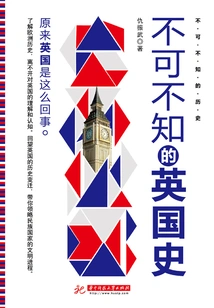
Essential British History
History不可不知的英国史
Qiu Zhenwu
Britain has a glorious history and has long led the world's trends. It is the first country in the world to establish a constitutional monarchy and the first industrialized country. It is an "empire on which the sun never sets" with vast overseas colonies. It is also the first welfare state to establish a universal medical system. It is not only a spectator of world history, but also a participant and creator of world history. The achievements it has made in history, or the setbacks it has experienced, are enough for us to learn from and learn from. Although Britain's status has declined after World War II, it is still recognized as a European power today and is worthy of our knowledge and understanding. This book uses time as the warp and events as the latitude, cutting out the complex and simplifying it. It strives to use simple and clear language to draw a historical picture of Britain from prehistory to contemporary times. It uses "tradition and change" as a clue to interpret the classic model of British historical development, so that readers can feel the unique charm of Britain.
Britain has a glorious history and has long led the world's trends. It is the first country in the world to establish a constitutional monarchy and the first industrialized country. It is an "empire on which the sun never sets" with vast overseas colonies. It is also the first welfare state to establish a universal medical system. It is not only a spectator of world history, but also a participant and creator of world history. The achievements it has made in history, or the setbacks it has experienced, are enough for us to learn from and learn from. Although Britain's status has declined after World War II, it is still recognized as a European power today and is worthy of our knowledge and understanding. This book uses time as the warp and events as the latitude, cutting out the complex and simplifying it. It strives to use simple and clear language to draw a historical picture of Britain from prehistory to contemporary times. It uses "tradition and change" as a clue to interpret the classic model of British historical development, so that readers can feel the unique charm of Britain.
Egypt Four Thousand Years
History埃及四千年
(uk) Joanne Fletcher
Egypt-the greatest civilization in the world-its ancient stories spanned a historical period of more than 4,000 years, and this historical period shaped the shape of the entire world in the future. Professor Joan Fletcher, the British authority on ancient Egypt research and the chief commentator of the BBC's ancient Egypt history documentary, has compiled the past events of ancient Egypt into a book, telling it completely, recording the rise and fall of the dynasty, and presenting the entire world of the ancient Egyptians in a historical situation that each of us can understand. The book takes the dynasties of ancient Egypt over 4,000 years as stages, and the rise and fall of dynasties over time as the axis to describe the situations of different dynasties. It uses archaeological objects, such as murals, temples, pyramids, etc., As well as various unearthed documents to restore the life of each emperor and the development of the dynasty. It also records the secular life of the people at that time. The book is divided into 20 chapters according to the historical dynasties. It reproduces the history of Egypt for thousands of years BC. It is currently the first authoritative work in China to fully explain the history of ancient Egypt.
Egypt-the greatest civilization in the world-its ancient stories spanned a historical period of more than 4,000 years, and this historical period shaped the shape of the entire world in the future. Professor Joan Fletcher, the British authority on ancient Egypt research and the chief commentator of the BBC's ancient Egypt history documentary, has compiled the past events of ancient Egypt into a book, telling it completely, recording the rise and fall of the dynasty, and presenting the entire world of the ancient Egyptians in a historical situation that each of us can understand. The book takes the dynasties of ancient Egypt over 4,000 years as stages, and the rise and fall of dynasties over time as the axis to describe the situations of different dynasties. It uses archaeological objects, such as murals, temples, pyramids, etc., As well as various unearthed documents to restore the life of each emperor and the development of the dynasty. It also records the secular life of the people at that time. The book is divided into 20 chapters according to the historical dynasties. It reproduces the history of Egypt for thousands of years BC. It is currently the first authoritative work in China to fully explain the history of ancient Egypt.
厉以宁讲欧洲经济史(插图版)
Written By Li Yining, Adapted By Wang Daqing
He has been teaching for sixty years and managing history for one year. The master's new work is worth looking forward to! CCTV Financial Weekly, DIYI Time, Caixin Weekly, Financial Magazine and other heavyweight media highly recommend it! Content introduction: How did the Greek city-state system form and disintegrate? How did the Roman Empire decline step by step? What kind of development did Europe's handicraft industry, finance industry, and shipping industry achieve in the Middle Ages? In the process of industrialization in Western European countries, what changes have occurred in people's attitudes? Trace back the prosperous years of the Aegean Sea, appreciate Byzantine culture, visit the markets and temple fairs of medieval Western Europe, and examine the origins of capitalism in Western Europe... From the perspective of an economist, we will show you a different Europe!
He has been teaching for sixty years and managing history for one year. The master's new work is worth looking forward to! CCTV Financial Weekly, DIYI Time, Caixin Weekly, Financial Magazine and other heavyweight media highly recommend it! Content introduction: How did the Greek city-state system form and disintegrate? How did the Roman Empire decline step by step? What kind of development did Europe's handicraft industry, finance industry, and shipping industry achieve in the Middle Ages? In the process of industrialization in Western European countries, what changes have occurred in people's attitudes? Trace back the prosperous years of the Aegean Sea, appreciate Byzantine culture, visit the markets and temple fairs of medieval Western Europe, and examine the origins of capitalism in Western Europe... From the perspective of an economist, we will show you a different Europe!
东方历史评论合集(共三册)
Xu Zhiyuan
This set contains three volumes, namely "Oriental History Review: The Eve of the Collapse: From Jiashen to Sino-Japanese War", "Oriental History Review: Tokyo Time", "Oriental History Review: The Fragile New Deal: A Comparison between the Meiji Restoration and the Late Qing New Deal".
This set contains three volumes, namely "Oriental History Review: The Eve of the Collapse: From Jiashen to Sino-Japanese War", "Oriental History Review: Tokyo Time", "Oriental History Review: The Fragile New Deal: A Comparison between the Meiji Restoration and the Late Qing New Deal".
怛逻斯之战:唐与阿拉伯帝国的交锋
Yang Jun Gao Xia
In the middle of the eighth century AD, the Tang Dynasty and the Abbasid Dynasty fought fiercely in Central Asia, and the famous Battle of Talos broke out. Due to geographical reasons, various small countries in Central Asia were also involved in this duel between the two dynasties. The Battle of Talos ended with the defeat of the Chinese. Tens of thousands of Tang troops were killed and injured. The prosperous Tang Dynasty also suffered heavy losses in the Anshi Rebellion and slowly came out of its past glory. Most of Central Asia was gradually controlled by the Arab Empire. However, the occurrence of the Battle of Talas spread China's papermaking technology throughout the world, and Western civilization developed rapidly as a result. This book uses rigorous historical research to reproduce the development of various countries on the road to Central Asia before the Talos War and the history of exchanges between various civilizations after the war. It describes this war that is most easily ignored by time but has affected the world.
In the middle of the eighth century AD, the Tang Dynasty and the Abbasid Dynasty fought fiercely in Central Asia, and the famous Battle of Talos broke out. Due to geographical reasons, various small countries in Central Asia were also involved in this duel between the two dynasties. The Battle of Talos ended with the defeat of the Chinese. Tens of thousands of Tang troops were killed and injured. The prosperous Tang Dynasty also suffered heavy losses in the Anshi Rebellion and slowly came out of its past glory. Most of Central Asia was gradually controlled by the Arab Empire. However, the occurrence of the Battle of Talas spread China's papermaking technology throughout the world, and Western civilization developed rapidly as a result. This book uses rigorous historical research to reproduce the development of various countries on the road to Central Asia before the Talos War and the history of exchanges between various civilizations after the war. It describes this war that is most easily ignored by time but has affected the world.