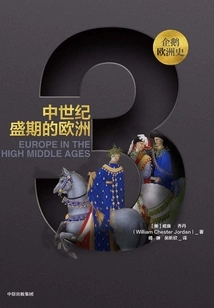
Penguin History of Europe·europe in the High Middle Ages
About This Novel
At the beginning of the 11th century, from the Mediterranean to Scandinavia, farmers cultivated less fertile lands for their lords, and Romanesque round-arched churches stood sporadically on the land. The church had little control over ordinary people, and many kingdoms had yet to take shape. By the mid-14th century, Europe's population had doubled, towns were popping up, and towering Gothic churches were popping up everywhere. The Pope and the King were at war. The Crusaders launched nine expeditions, and the Holy Land was lost and regained, gained and lost again. Popular chivalric literature became a pastime for everyone from nobles to common people, universities were established, classical culture was revived, and the political structure quietly changed with the rise and fall of various forces. What brought an end to all these hopes, changes, achievements, and expansions were sudden famines, plagues, and wars. After that, Europe was never the same again. In the struggle between royal power and ecclesiastical power, kingdom against kingdom, institutions that limited power were created. In order to understand faith, the scholastic philosophers built the edifice of reason. In the crises of the state and the church lie opportunities for renewal and renewal. Europe as we know it now matured during the High Middle Ages.
Official Sources
What Readers Think
Rating
Community(0)
Rating
Community(0)