Library
Browse and search novels
8,389 novels found
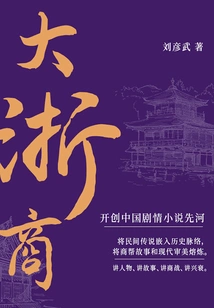
Big Zhejiang Businessman
General Fiction大浙商
Liu Yanwu
In the early years of the 20th century, as the Qing government's fiscal depletion caused by ceding land and paying indemnities, the Qing Dynasty had to support industry and commerce to expand financial resources, and the Chinese business community entered a special period of reshuffling. The rapid rise of Zhejiang merchants centered on Ning, Shao, Hang, Jia and Hu areas laid the foundation for China's earliest national industry and commerce. However, the crisis-ridden imperial court focused on the newly emerging Zhejiang business group. Is it a blessing or a curse? The story begins with a strange marriage that happened inside this gate...
In the early years of the 20th century, as the Qing government's fiscal depletion caused by ceding land and paying indemnities, the Qing Dynasty had to support industry and commerce to expand financial resources, and the Chinese business community entered a special period of reshuffling. The rapid rise of Zhejiang merchants centered on Ning, Shao, Hang, Jia and Hu areas laid the foundation for China's earliest national industry and commerce. However, the crisis-ridden imperial court focused on the newly emerging Zhejiang business group. Is it a blessing or a curse? The story begins with a strange marriage that happened inside this gate...
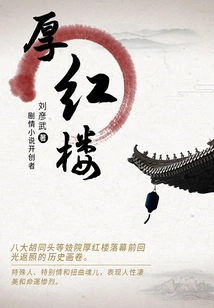
Houhonglou
General Fiction厚红楼
Liu Yanwu
The historical picture of Houhonglou, the first-class brothel in Bada Hutong, before it came to an end. Human nature, soul, and values have long deviated from the track of civilization. Yuan Qingqing worked hard to manage this gorgeous and dangerous building. She has been in a brothel since she was twelve years old, climbed to the position of shopkeeper, and became a puppet manipulated by various factions. Yuan Qingqing is cruel and vicious, but there is still kindness and tenderness left. She faced the Suyun sisters who sold themselves to their father, Sai Chun who had a similar fate to her, the idiot Xi Zhuo'er, and the orphan girl Pen'er left behind by Japan's defeat, showing her complex character and twisted human nature. Faced with the manipulation of evil forces, Yuan Qingqing once again showed her scheming and extraordinary way of survival. In the unique character gallery of Houhonglou, each character has its own unique soul. Eventually, Houhonglou was closed.
The historical picture of Houhonglou, the first-class brothel in Bada Hutong, before it came to an end. Human nature, soul, and values have long deviated from the track of civilization. Yuan Qingqing worked hard to manage this gorgeous and dangerous building. She has been in a brothel since she was twelve years old, climbed to the position of shopkeeper, and became a puppet manipulated by various factions. Yuan Qingqing is cruel and vicious, but there is still kindness and tenderness left. She faced the Suyun sisters who sold themselves to their father, Sai Chun who had a similar fate to her, the idiot Xi Zhuo'er, and the orphan girl Pen'er left behind by Japan's defeat, showing her complex character and twisted human nature. Faced with the manipulation of evil forces, Yuan Qingqing once again showed her scheming and extraordinary way of survival. In the unique character gallery of Houhonglou, each character has its own unique soul. Eventually, Houhonglou was closed.
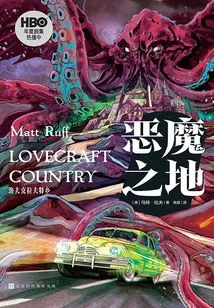
Devil's Land
General Fiction恶魔之地
(us) Matt Ruff
The story takes place in the United States in the 1950s. Our protagonist Atticus is a young veteran. Like many young people at that time, he also liked reading science fiction novels, Weird Tales magazine, H. P. Lovecraft's novels, and the Cthulhu Mythos; but the difference was that he was black. Under the apartheid system, dark skin was the "original sin." His family, who faced injustice and discrimination every day, couldn't understand him. As a black man, why would he read the bullshit of a white supremacist like H. P. Lovecraft? Why the fascination with nonsense like the Cthulhu Mythos? Until one day, a mysterious rich white man suddenly appeared and led the Atticus family to an old castle in Adamu. A journey that made everyone "go crazy with their SAN value" officially began!
The story takes place in the United States in the 1950s. Our protagonist Atticus is a young veteran. Like many young people at that time, he also liked reading science fiction novels, Weird Tales magazine, H. P. Lovecraft's novels, and the Cthulhu Mythos; but the difference was that he was black. Under the apartheid system, dark skin was the "original sin." His family, who faced injustice and discrimination every day, couldn't understand him. As a black man, why would he read the bullshit of a white supremacist like H. P. Lovecraft? Why the fascination with nonsense like the Cthulhu Mythos? Until one day, a mysterious rich white man suddenly appeared and led the Atticus family to an old castle in Adamu. A journey that made everyone "go crazy with their SAN value" officially began!
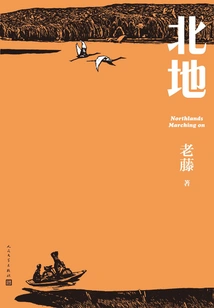
Northland
General Fiction北地
Old Vine
Through a veteran cadre's review and rumination on his forty years of work in the Northeast, it reflects the magnificent history of how Baihe, Beiland, transformed from Beidahuang to Beidacang under the leadership of the party. Party spirit and human nature are intertwined, and good times and setbacks are alternately tempered, showing the deep feelings and unchanging beliefs of the developers and builders of the Northland. A veteran cadre suffering from Alzheimer's disease wrote foolish words at the end of his life. His son, together with a writer friend, returned to the Northland according to the map to search for old friends and salvage old memories for his father. The name was called "Recalling the Soul of the Father", but it was actually an inventory of the treacherous life of the builder of New China, which was a mixture of merit and fault, right and wrong, compromise and perseverance. The novel is an independent chapter based on the names of thirty places where the protagonist once worked. It is a collection of 30 Northland custom paintings and thirty milestones in the development and changes of the Northland.
Through a veteran cadre's review and rumination on his forty years of work in the Northeast, it reflects the magnificent history of how Baihe, Beiland, transformed from Beidahuang to Beidacang under the leadership of the party. Party spirit and human nature are intertwined, and good times and setbacks are alternately tempered, showing the deep feelings and unchanging beliefs of the developers and builders of the Northland. A veteran cadre suffering from Alzheimer's disease wrote foolish words at the end of his life. His son, together with a writer friend, returned to the Northland according to the map to search for old friends and salvage old memories for his father. The name was called "Recalling the Soul of the Father", but it was actually an inventory of the treacherous life of the builder of New China, which was a mixture of merit and fault, right and wrong, compromise and perseverance. The novel is an independent chapter based on the names of thirty places where the protagonist once worked. It is a collection of 30 Northland custom paintings and thirty milestones in the development and changes of the Northland.
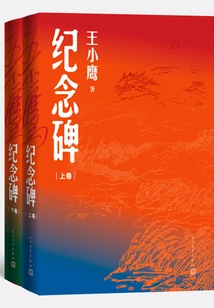
Monument (top and Bottom)
General Fiction纪念碑(上下)
Wang Xiaoying
"Monument" is a novel written by Shanghai writer Wang Xiaoying based on her own parents. She uses a passionate style of writing to describe her father's generation who fought bloody battles and selfless dedication for national liberation and national construction. It reflects the various tests of life and death, crises of trust, love and affection, hatred and confusion they experienced during their decades of revolutionary career. The author extends his writing to the next generation, writing about the new life faced by young people after the reform and opening up, their high-spirited mental state of studying and working hard for a better future, as well as their happiness and misfortune in love, family and other aspects. The novel has a far-reaching background, full of emotions, and high style. The art continues Wang Xiaoying's consistent style. The writing is exquisite, the plot is rich, and he is good at creating atmosphere, making the work full of life and appeal. Wang Xiaoying's parents and parents-in-law are both veterans of the New Fourth Army. "Writing the story of his parents' generation" is a wish that has been buried in Wang Xiaoying's heart for more than 20 years. She wants to "stand in today's position and reflect on the difficult path that parents have traveled, and then reflect on our current values and outlook on life."
"Monument" is a novel written by Shanghai writer Wang Xiaoying based on her own parents. She uses a passionate style of writing to describe her father's generation who fought bloody battles and selfless dedication for national liberation and national construction. It reflects the various tests of life and death, crises of trust, love and affection, hatred and confusion they experienced during their decades of revolutionary career. The author extends his writing to the next generation, writing about the new life faced by young people after the reform and opening up, their high-spirited mental state of studying and working hard for a better future, as well as their happiness and misfortune in love, family and other aspects. The novel has a far-reaching background, full of emotions, and high style. The art continues Wang Xiaoying's consistent style. The writing is exquisite, the plot is rich, and he is good at creating atmosphere, making the work full of life and appeal. Wang Xiaoying's parents and parents-in-law are both veterans of the New Fourth Army. "Writing the story of his parents' generation" is a wish that has been buried in Wang Xiaoying's heart for more than 20 years. She wants to "stand in today's position and reflect on the difficult path that parents have traveled, and then reflect on our current values and outlook on life."
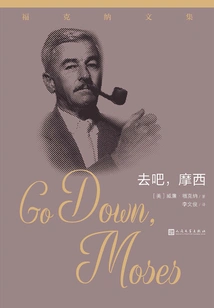
E
General FictionE
H
"Go Down, Moses" is a novel written by William Faulkner in 1942. It consists of seven related parts. Each part is relatively independent but also integrated into a complete picture. The author examines the complex and changing relationship between whites and blacks, man and nature from multiple angles, and uses unique modern writing techniques to weave a novel with a compact structure, rich connotations and implications. "Go, Moses" was originally the title of a famous black spiritual song.
"Go Down, Moses" is a novel written by William Faulkner in 1942. It consists of seven related parts. Each part is relatively independent but also integrated into a complete picture. The author examines the complex and changing relationship between whites and blacks, man and nature from multiple angles, and uses unique modern writing techniques to weave a novel with a compact structure, rich connotations and implications. "Go, Moses" was originally the title of a famous black spiritual song.
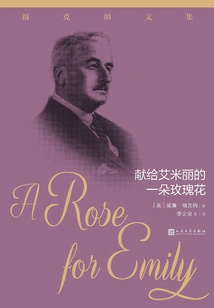
Y
General Fictiony
H
Faulkner is a master of novels and an excellent short story writer. The articles included in this collection are all outstanding works of Faulkner's short stories, representing the literary style and main achievements of Faulkner's short stories. Faulkner's short stories and his novels are basically in the same vein, no matter in terms of subject matter, content or technique. Most of his short stories are still set in Yoknapatawpha County, describing the vicissitudes of that kingdom and the world's human conditions, exploring issues such as family, women, race, class, etc., And expressing "the inner conflicts of human beings."
Faulkner is a master of novels and an excellent short story writer. The articles included in this collection are all outstanding works of Faulkner's short stories, representing the literary style and main achievements of Faulkner's short stories. Faulkner's short stories and his novels are basically in the same vein, no matter in terms of subject matter, content or technique. Most of his short stories are still set in Yoknapatawpha County, describing the vicissitudes of that kingdom and the world's human conditions, exploring issues such as family, women, race, class, etc., And expressing "the inner conflicts of human beings."
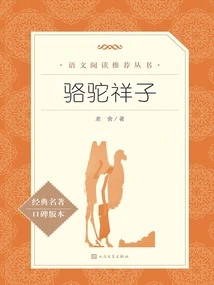
Camel Xiangzi
General Fiction骆驼祥子
Lao She
"Camel Xiangzi" tells the tragic story of Xiangzi, a rickshaw driver in the old city of Beiping, China. Xiangzi comes from the countryside, and the increasingly declining and declining countryside makes it impossible for him to survive. He fights against life with his tenacious character and stubborn attitude, which constitutes the main plot content of the novel. The outcome of the fight ended with Xiangzi's failure. The profound realism of this novel lies in the fact that it not only describes the material deprivation of Xiangzi by the harsh living environment, but also depicts Xiangzi's spiritual decadence after his life ideals were destroyed.
"Camel Xiangzi" tells the tragic story of Xiangzi, a rickshaw driver in the old city of Beiping, China. Xiangzi comes from the countryside, and the increasingly declining and declining countryside makes it impossible for him to survive. He fights against life with his tenacious character and stubborn attitude, which constitutes the main plot content of the novel. The outcome of the fight ended with Xiangzi's failure. The profound realism of this novel lies in the fact that it not only describes the material deprivation of Xiangzi by the harsh living environment, but also depicts Xiangzi's spiritual decadence after his life ideals were destroyed.
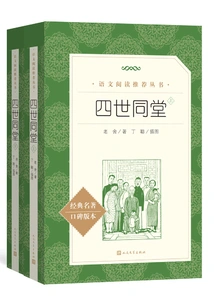
Four Generations under One Roof (two Volumes)
General Fiction四世同堂(全二册)
Written By Lao She And Illustrated By Ding Cong
Against the background of the outbreak of the Marco Polo Bridge Incident and the fall of Peking, the novel takes the life of four generations of the Qi family as the main line. It vividly and truly depicts the ups and downs, life and death of all classes and people of all colors represented by the residents of Xiaoyangquan Hutong, and is full of epic style. Lao She said that this novel is the longest and probably the best book he has written since he started writing. It was selected as one of the "Top 100 Chinese Novels of the 20th Century" by Asia Weekly. This time it is included in the "Newly Compiled and New Chinese Curriculum Standards Must-Read Series", with an "Introduction" at the front of the book and a "Knowledge Link" at the back to provide readers with necessary guidance and accumulation of knowledge.
Against the background of the outbreak of the Marco Polo Bridge Incident and the fall of Peking, the novel takes the life of four generations of the Qi family as the main line. It vividly and truly depicts the ups and downs, life and death of all classes and people of all colors represented by the residents of Xiaoyangquan Hutong, and is full of epic style. Lao She said that this novel is the longest and probably the best book he has written since he started writing. It was selected as one of the "Top 100 Chinese Novels of the 20th Century" by Asia Weekly. This time it is included in the "Newly Compiled and New Chinese Curriculum Standards Must-Read Series", with an "Introduction" at the front of the book and a "Knowledge Link" at the back to provide readers with necessary guidance and accumulation of knowledge.
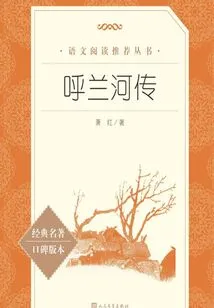
The Legend of Hulan River
General Fiction呼兰河传
Xiao Hong
"The Story of Hulan River" is one of Xiao Hong's most famous novels, written in Hong Kong in 1940. This work is based on Xiao Hong's hometown and childhood life, and has a unique artistic form. Xiao Hong's skillful recall skills, lyrical prose style, and heavy yet light writing style have created the pinnacle of her "memory style" works. This reprint has been revised based on the 1941 Shanghai Magazine Company Edition, making the version more complete and reliable. In addition, there is an "Introduction" at the front of the book and a "Knowledge Link" at the back to provide readers with necessary guidance and accumulation of knowledge.
"The Story of Hulan River" is one of Xiao Hong's most famous novels, written in Hong Kong in 1940. This work is based on Xiao Hong's hometown and childhood life, and has a unique artistic form. Xiao Hong's skillful recall skills, lyrical prose style, and heavy yet light writing style have created the pinnacle of her "memory style" works. This reprint has been revised based on the 1941 Shanghai Magazine Company Edition, making the version more complete and reliable. In addition, there is an "Introduction" at the front of the book and a "Knowledge Link" at the back to provide readers with necessary guidance and accumulation of knowledge.
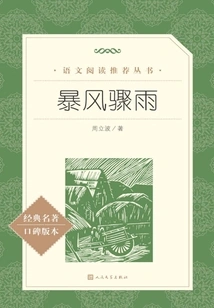
Hurricane
General Fiction暴风骤雨
Zhou Libo
The novel describes the entire process of land reform in a village named Yuanmaotun in Northeast China from 1946 to 1947. In the first part, Zhao Yulin leads the farmers to fight against the bully landlord Han Laoliu. Later, Zhao Yulin died heroically in the suppression of bandits. The second part writes that one year later, Captain Xiao led the work team to enter Yuanmao Tun again to reverse the repeated unfavorable situation. Lord Guo Quanhai led the peasants to continue Zhao Yulin's unfinished business, eliminate traitors and anti-traitors and fight against the landlord Du Shanren, consolidate the fruits of victory, and take the lead in joining the People's Liberation Army and fighting south. This novel won the third prize of the 1951 Stalin Literature Prize.
The novel describes the entire process of land reform in a village named Yuanmaotun in Northeast China from 1946 to 1947. In the first part, Zhao Yulin leads the farmers to fight against the bully landlord Han Laoliu. Later, Zhao Yulin died heroically in the suppression of bandits. The second part writes that one year later, Captain Xiao led the work team to enter Yuanmao Tun again to reverse the repeated unfavorable situation. Lord Guo Quanhai led the peasants to continue Zhao Yulin's unfinished business, eliminate traitors and anti-traitors and fight against the landlord Du Shanren, consolidate the fruits of victory, and take the lead in joining the People's Liberation Army and fighting south. This novel won the third prize of the 1951 Stalin Literature Prize.
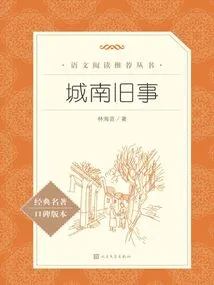
Old Things in the South of the City
General Fiction城南旧事
Lin Haiyin
"Old Things in the South of the City" is a collection of autobiographical short stories based on the author's life from seven to thirteen years old. Since its first publication in 1960, it has been reprinted many times and has become a "timeless" masterpiece. This book is specially produced for the purpose of extracurricular reading in primary and secondary schools. It is based on the 1983 typesetting edition of Taiwan Pure Literature Publishing House, and has been revised as necessary. Five beautiful essays by Lin Haiyin, including "The Secret Reading", are also selected and attached to the back of the book to allow readers to have a better understanding of the old Beijing written by Lin Haiyin. In addition, there is an "Introduction" at the front of the book and a "Knowledge Link" at the back to provide readers with necessary guidance and accumulation of knowledge.
"Old Things in the South of the City" is a collection of autobiographical short stories based on the author's life from seven to thirteen years old. Since its first publication in 1960, it has been reprinted many times and has become a "timeless" masterpiece. This book is specially produced for the purpose of extracurricular reading in primary and secondary schools. It is based on the 1983 typesetting edition of Taiwan Pure Literature Publishing House, and has been revised as necessary. Five beautiful essays by Lin Haiyin, including "The Secret Reading", are also selected and attached to the back of the book to allow readers to have a better understanding of the old Beijing written by Lin Haiyin. In addition, there is an "Introduction" at the front of the book and a "Knowledge Link" at the back to provide readers with necessary guidance and accumulation of knowledge.
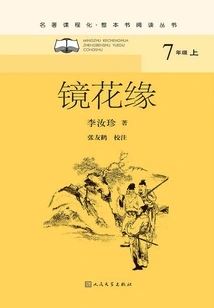
N
General FictionN
F
A novel from the Qing Dynasty, with 100 chapters in total. It uses rich imagination and humorous style to show all kinds of world phenomena. It prominently depicts women's talents and embodies the idea of respecting women's rights. The most significant thing about literary history is that it uses fantastic writing techniques to reveal various customs and moral depravity in human society, and embodies thinking about social issues, which is of practical significance. After this book was included in the selected reading list for the seventh grade of middle school Chinese textbooks, our agency included this book in the "Chinese Recommended Reading" series, adding an introduction, knowledge links and other content. This is an upgraded version based on the "Chinese Recommended Reading" series. It adds curriculum content that is more closely related to classroom teaching and more detailed, and is more in line with the reading needs of middle school students.
A novel from the Qing Dynasty, with 100 chapters in total. It uses rich imagination and humorous style to show all kinds of world phenomena. It prominently depicts women's talents and embodies the idea of respecting women's rights. The most significant thing about literary history is that it uses fantastic writing techniques to reveal various customs and moral depravity in human society, and embodies thinking about social issues, which is of practical significance. After this book was included in the selected reading list for the seventh grade of middle school Chinese textbooks, our agency included this book in the "Chinese Recommended Reading" series, adding an introduction, knowledge links and other content. This is an upgraded version based on the "Chinese Recommended Reading" series. It adds curriculum content that is more closely related to classroom teaching and more detailed, and is more in line with the reading needs of middle school students.
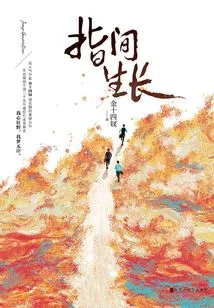
Growth between Fingers
General Fiction指间生长
Fourteen Golden Hairpins
The wave of reform is coming, and thousands of sails are sailing down the river. Gu Mansheng, a young college student who belongs to the zodiac of the wolf, resolutely sets out to start a business. From program-controlled switches to base stations, from the rise of copycat mobile phones to the rise of domestic brands, from analog communications to the advent of 5G... Twenty years of changes have taken place. As a pioneer in the field of communications, Gu Mansheng has always been on the road. Joining him on the road are Qu Songning, who is rooted in communications infrastructure, and Bei Shiyuan, who is committed to developing his own brand. They were swept up in the torrent of the times, roaring forward, and in this turbulent torrent, they expanded their territories!
The wave of reform is coming, and thousands of sails are sailing down the river. Gu Mansheng, a young college student who belongs to the zodiac of the wolf, resolutely sets out to start a business. From program-controlled switches to base stations, from the rise of copycat mobile phones to the rise of domestic brands, from analog communications to the advent of 5G... Twenty years of changes have taken place. As a pioneer in the field of communications, Gu Mansheng has always been on the road. Joining him on the road are Qu Songning, who is rooted in communications infrastructure, and Bei Shiyuan, who is committed to developing his own brand. They were swept up in the torrent of the times, roaring forward, and in this turbulent torrent, they expanded their territories!
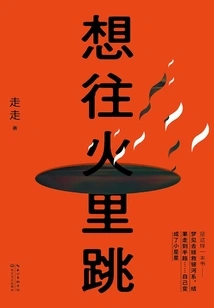
Want to Jump into the Fire
General Fiction想往火里跳
Take A Walk
This book is a history of urban female entrepreneurship in the 21st century. It integrates the development of emerging industries and the growth of women, forming a special polyphonic expression.
This book is a history of urban female entrepreneurship in the 21st century. It integrates the development of emerging industries and the growth of women, forming a special polyphonic expression.
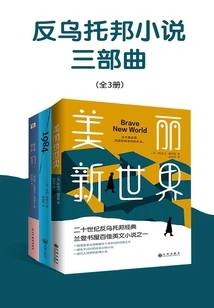
Dystopian Novel Trilogy (all 3 Volumes)
General Fiction反乌托邦小说三部曲(全3册)
(russian) Yevgeny Zamyatin (english) George Orwell Aldous Huxley
"We": The unified country in the 26th century is a totalitarian country. Everyone has only a number, no name, lives in a completely transparent glass house, wears the same uniform, eats chemical food, enjoys a rationed sex life, and is ruled by an all-powerful "benefactor" who never changes. Political police are everywhere, and happiness and freedom are incompatible. But totalitarianism cannot extinguish the brilliance of human nature. Here, people's pursuit of freedom has never stopped... "1984": As Winston Smith goes through his rebellion, imprisonment, torture and re-education, we seem to have personally experienced the process of shaping ourselves and the destruction of truth, and understand how the world of "black is white", "two plus two equals five" and "evil is good" was created. "Brave New World": The year 2532 is a new world with highly developed science and technology: no worries of material scarcity, no worries of aging and decadence, no boredom of tedious work, no pressure of pregnancy and raising, no constraints of marriage and sexual morality, no restrictions of drug abuse, no suffocation of political high pressure... It is like a "paradise" and "utopia" that humans have always longed for and yearned for infinitely. However, in this "brave new world", where people have lost personal emotions - "mom and dad" are humiliating words, lost love - sex has replaced love, lost pain, passion and the feeling of experiencing danger - 1 gram of soma can bring happiness. What is even more frightening is that people have lost the right to think and the ability to create... The past, present, and future, all human worries about themselves and the future are included in them.
"We": The unified country in the 26th century is a totalitarian country. Everyone has only a number, no name, lives in a completely transparent glass house, wears the same uniform, eats chemical food, enjoys a rationed sex life, and is ruled by an all-powerful "benefactor" who never changes. Political police are everywhere, and happiness and freedom are incompatible. But totalitarianism cannot extinguish the brilliance of human nature. Here, people's pursuit of freedom has never stopped... "1984": As Winston Smith goes through his rebellion, imprisonment, torture and re-education, we seem to have personally experienced the process of shaping ourselves and the destruction of truth, and understand how the world of "black is white", "two plus two equals five" and "evil is good" was created. "Brave New World": The year 2532 is a new world with highly developed science and technology: no worries of material scarcity, no worries of aging and decadence, no boredom of tedious work, no pressure of pregnancy and raising, no constraints of marriage and sexual morality, no restrictions of drug abuse, no suffocation of political high pressure... It is like a "paradise" and "utopia" that humans have always longed for and yearned for infinitely. However, in this "brave new world", where people have lost personal emotions - "mom and dad" are humiliating words, lost love - sex has replaced love, lost pain, passion and the feeling of experiencing danger - 1 gram of soma can bring happiness. What is even more frightening is that people have lost the right to think and the ability to create... The past, present, and future, all human worries about themselves and the future are included in them.
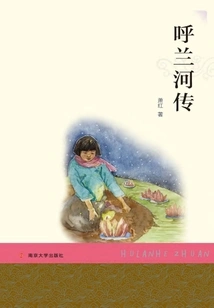
The Legend of Hulan River
General Fiction呼兰河传
Xiao Hong
"Must-Read Classic Books Series of the Ministry's Edition" is a newly revised series of books in the "New Curriculum Standard Classics·Student Edition". Based on the original series, the varieties are selected, added or deleted based on the requirements of the latest Chinese textbooks compiled by the Ministry and early market feedback. Xiao Hong uses moving pen and ink to depict the customs of Hulan River, a small town in the north. Scenes of small plays, each independent but interrelated, truly and emotionally reproduce the dark, backward and ignorant social life in the northeastern countryside of the author's childhood.
"Must-Read Classic Books Series of the Ministry's Edition" is a newly revised series of books in the "New Curriculum Standard Classics·Student Edition". Based on the original series, the varieties are selected, added or deleted based on the requirements of the latest Chinese textbooks compiled by the Ministry and early market feedback. Xiao Hong uses moving pen and ink to depict the customs of Hulan River, a small town in the north. Scenes of small plays, each independent but interrelated, truly and emotionally reproduce the dark, backward and ignorant social life in the northeastern countryside of the author's childhood.
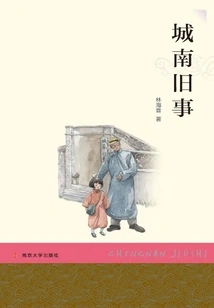
Old Things in the South of the City
General Fiction城南旧事
Lin Haiyin
"Must-Read Classic Books Series of the Ministry's Edition" is a newly revised series of books in the "New Curriculum Standard Classics·Student Edition". Based on the original series, the varieties are selected, added or deleted based on the requirements of the latest Chinese textbooks compiled by the Ministry and early market feedback. In the 1920s, in a courtyard in the south of Beijing, Yingzi's warm and harmonious family lived. Through the childish eyes of the protagonist Yingzi, a story about Yingzi's childhood is told, expressing the writer's nostalgia for childhood and deep longing for the south of Beijing.
"Must-Read Classic Books Series of the Ministry's Edition" is a newly revised series of books in the "New Curriculum Standard Classics·Student Edition". Based on the original series, the varieties are selected, added or deleted based on the requirements of the latest Chinese textbooks compiled by the Ministry and early market feedback. In the 1920s, in a courtyard in the south of Beijing, Yingzi's warm and harmonious family lived. Through the childish eyes of the protagonist Yingzi, a story about Yingzi's childhood is told, expressing the writer's nostalgia for childhood and deep longing for the south of Beijing.
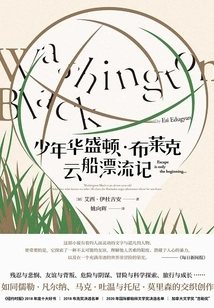
Young Washington Black's Cloudboat
General Fiction少年华盛顿·布莱克云船漂流记
(add) Essie Idujian
This book is a black-themed novel that tells the story of a black slave, Washington Black, and his adventures with his white master, as he searches for his roots along the way. Black, who grew up on a sugar plantation in Barbados, one day found himself assigned by his master as the personal slave of another white man. Fortunately, the new owner is a scientist and teaches him to invent new tools. However, after an unfortunate accident, Washington was suspected and misunderstood, so the new owner took him on an escape journey in an invented hot-air balloon. This journey is full of hardships and surprises. It is also an adventure in which Washington continues to find his own identity and pursue freedom. Hot air balloons, ocean fishing, England, Morocco, blacks and whites, mother and son, the desire for freedom and the confusion about identity. This adventurous journey is about the changes in time and space and the inner struggle to find one's roots.
This book is a black-themed novel that tells the story of a black slave, Washington Black, and his adventures with his white master, as he searches for his roots along the way. Black, who grew up on a sugar plantation in Barbados, one day found himself assigned by his master as the personal slave of another white man. Fortunately, the new owner is a scientist and teaches him to invent new tools. However, after an unfortunate accident, Washington was suspected and misunderstood, so the new owner took him on an escape journey in an invented hot-air balloon. This journey is full of hardships and surprises. It is also an adventure in which Washington continues to find his own identity and pursue freedom. Hot air balloons, ocean fishing, England, Morocco, blacks and whites, mother and son, the desire for freedom and the confusion about identity. This adventurous journey is about the changes in time and space and the inner struggle to find one's roots.
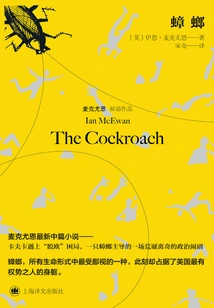
Cockroach (mcewan's Bilingual Work)
General Fiction蟑螂(麦克尤恩双语作品)
H
British national writer McEwan's latest novella, When Kafka Encountered "Brexit", is a tribute to "The Metamorphosis"; a bilingual masterpiece, an authentic appreciation of McEwan's elegant and wise writing style; exquisite structure, bold innovation, inheriting the legacy of Jonathan Swift. "Cockroach" is McEwan's latest novella, which describes the magical experience of a cockroach: after crawling from the Houses of Parliament to the Prime Minister's residence, after waking up, the cockroach found that it had occupied the body of Prime Minister Jim Sams, and at the same time became the most powerful man in Britain. As the British Prime Minister, Jim Sams's mission is to realize the will of the people - to implement "reversalism" in the UK and even to promote it around the world. Neither opposition outside the party, dissidents within the party, nor the principles of parliamentary democracy can hinder the new prime minister from completing his mission. In addition to the novel's obvious tribute to Kafka's classic work "The Metamorphosis", McEwan also inherited the mantle of Jonathan Swift and used the ancient form of political satire to express his feelings about the dilemma of Britain's "Brexit" and brought the art form of irony to an unparalleled height. At the same time, this novella, which is exquisitely structured and boldly innovative, still displays typical McEwan wisdom and smooth writing style. The bilingual text in Chinese and English allows readers to appreciate McEwan's elegant and wise words in an original way while appreciating the Chinese translation.
British national writer McEwan's latest novella, When Kafka Encountered "Brexit", is a tribute to "The Metamorphosis"; a bilingual masterpiece, an authentic appreciation of McEwan's elegant and wise writing style; exquisite structure, bold innovation, inheriting the legacy of Jonathan Swift. "Cockroach" is McEwan's latest novella, which describes the magical experience of a cockroach: after crawling from the Houses of Parliament to the Prime Minister's residence, after waking up, the cockroach found that it had occupied the body of Prime Minister Jim Sams, and at the same time became the most powerful man in Britain. As the British Prime Minister, Jim Sams's mission is to realize the will of the people - to implement "reversalism" in the UK and even to promote it around the world. Neither opposition outside the party, dissidents within the party, nor the principles of parliamentary democracy can hinder the new prime minister from completing his mission. In addition to the novel's obvious tribute to Kafka's classic work "The Metamorphosis", McEwan also inherited the mantle of Jonathan Swift and used the ancient form of political satire to express his feelings about the dilemma of Britain's "Brexit" and brought the art form of irony to an unparalleled height. At the same time, this novella, which is exquisitely structured and boldly innovative, still displays typical McEwan wisdom and smooth writing style. The bilingual text in Chinese and English allows readers to appreciate McEwan's elegant and wise words in an original way while appreciating the Chinese translation.
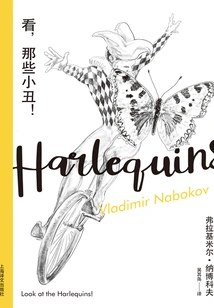
Look, Those Clowns! (nabokov's Selections Iii)
General Fiction看,那些小丑!(纳博科夫精选集Ⅲ)
H
"My life is his fraternal sibling, a parody of him." Nabokov's last complete novel before his death, a "dying man"'s self-mockery, reveals the mysteries of memory and creation. A wonderful work that Nabokov fans should not miss. It blends fantasy and reality to create another self. It is a joking review of his writing life at the age of seventy-five. "Look, Those Clowns" is the masterpiece of Nabokov's novels, recognized as the master of novels in the 20th century, and it is also the last complete novel he wrote during his lifetime. A dying man carefully uncovers the mysteries of memory and creation, like a satirical drama showing the relationship between real life and the imaginary world. There are inextricable connections between the Russian-American writer Vadim Vadimovich, the protagonist of the novel, and Nabokov himself: a Russian émigré, novelist, poet and critic. He tells a first-person account of his life, from young love to serious illness, his four wives, his works, and the sources of his inspiration. In his twilight years, Nabokov buried countless puzzles and codes in Vadim and incorporated many themes involved in previous novels. All of this transcended the boundaries of his works and life itself, as if he had reconstructed another life and another possibility of his own. It is a wonderful work that true Nabokov fans cannot miss.
"My life is his fraternal sibling, a parody of him." Nabokov's last complete novel before his death, a "dying man"'s self-mockery, reveals the mysteries of memory and creation. A wonderful work that Nabokov fans should not miss. It blends fantasy and reality to create another self. It is a joking review of his writing life at the age of seventy-five. "Look, Those Clowns" is the masterpiece of Nabokov's novels, recognized as the master of novels in the 20th century, and it is also the last complete novel he wrote during his lifetime. A dying man carefully uncovers the mysteries of memory and creation, like a satirical drama showing the relationship between real life and the imaginary world. There are inextricable connections between the Russian-American writer Vadim Vadimovich, the protagonist of the novel, and Nabokov himself: a Russian émigré, novelist, poet and critic. He tells a first-person account of his life, from young love to serious illness, his four wives, his works, and the sources of his inspiration. In his twilight years, Nabokov buried countless puzzles and codes in Vadim and incorporated many themes involved in previous novels. All of this transcended the boundaries of his works and life itself, as if he had reconstructed another life and another possibility of his own. It is a wonderful work that true Nabokov fans cannot miss.
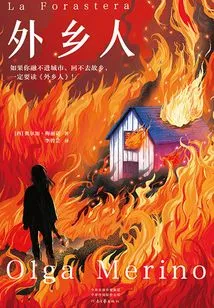
Stranger
General Fiction外乡人
(west) Olga Merlino
If you can't integrate into the city or go back to your hometown, you must read Outsiders! The winner of the Llosa Award, one of the top ten works of the year by Forbes, a stunning work in Spain. "We are the descendants of farmers who were transplanted to the city like leeks." At the age of 30, when I returned to my hometown from London exhausted, I discovered that I was actually homeless. The young people with some strength in the village have already left their hometowns to earn money in the city, leaving only the drunkards crying and death echoing. In this empty land, only the wind knows how many people committed suicide because they could not leave, and how many people who left became eternal strangers.
If you can't integrate into the city or go back to your hometown, you must read Outsiders! The winner of the Llosa Award, one of the top ten works of the year by Forbes, a stunning work in Spain. "We are the descendants of farmers who were transplanted to the city like leeks." At the age of 30, when I returned to my hometown from London exhausted, I discovered that I was actually homeless. The young people with some strength in the village have already left their hometowns to earn money in the city, leaving only the drunkards crying and death echoing. In this empty land, only the wind knows how many people committed suicide because they could not leave, and how many people who left became eternal strangers.
R
General Fictionr
H
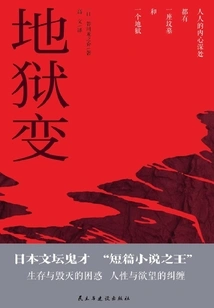
This book contains a total of 11 short stories by Ryunosuke Akutagawa. The works represented by "Hell Transformation" express the life tragedy of a lonely person "art for art's sake". To achieve the ideal of "art supremacy" through self-destruction, behind this heavy price is the painful roar of a lonely soul. Starting from a unique narrative perspective and narrative structure, the author sternly observed the Japanese social psychology of that time where "others are hell". This abnormal individual psychology gradually evolved into a habitual social psychology, which is thought-provoking.
This book contains a total of 11 short stories by Ryunosuke Akutagawa. The works represented by "Hell Transformation" express the life tragedy of a lonely person "art for art's sake". To achieve the ideal of "art supremacy" through self-destruction, behind this heavy price is the painful roar of a lonely soul. Starting from a unique narrative perspective and narrative structure, the author sternly observed the Japanese social psychology of that time where "others are hell". This abnormal individual psychology gradually evolved into a habitual social psychology, which is thought-provoking.
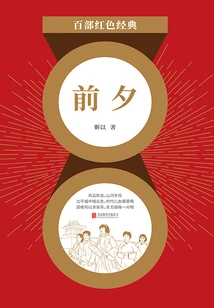
Eve (red Classic)
General Fiction前夕(红色经典)
Jin Yi
"The Eve" is a novel, set in Peking, and describes the characters and fates of different members of a run-down official family before the "July 7th Incident". The novel mainly describes two forces on the eve of the Anti-Japanese War. One is the positive force, represented by the rapidly growing young woman Huang Jinling and her father Huang Jianzhi who maintains national integrity; the other is the negative force, represented by the individualistic Jingchun and the hedonistic Jingzhu. Taking the Huang family as a microcosm of the society at that time, it shows the overall appearance of society on the eve of the Anti-Japanese War by depicting the different choices made by different members of the extended family at the time of national life and death, as well as their disparate destinies.
"The Eve" is a novel, set in Peking, and describes the characters and fates of different members of a run-down official family before the "July 7th Incident". The novel mainly describes two forces on the eve of the Anti-Japanese War. One is the positive force, represented by the rapidly growing young woman Huang Jinling and her father Huang Jianzhi who maintains national integrity; the other is the negative force, represented by the individualistic Jingchun and the hedonistic Jingzhu. Taking the Huang family as a microcosm of the society at that time, it shows the overall appearance of society on the eve of the Anti-Japanese War by depicting the different choices made by different members of the extended family at the time of national life and death, as well as their disparate destinies.
Boiling Mountains (red Classic)
General Fiction沸腾的群山(红色经典)
Li Yunde
It mainly describes that on the eve of the founding of New China, battalion commander Jiao Kun, who was a miner, led his troops to liberate the Guyingling mining area in southern Liaoning where he had lived for many years, and took on the task of restoring mine production and supporting the People's Liberation War. The leadership of the Mine Party carried forward the fine traditions of our Party and our army, adhered to the principles and policies of self-reliance, led the workers, and fought unremittingly against counter-revolutionary armed forces and hidden bandits while firmly grasping production and overcoming numerous difficulties. In less than a year, the mines began to boil. This novel reflects the arduous struggle life during the restoration and construction of the Northeastern mines in the early days of the founding of New China. It has a grand epic style and occupies an important position in China's contemporary industrial-themed literary creation.
It mainly describes that on the eve of the founding of New China, battalion commander Jiao Kun, who was a miner, led his troops to liberate the Guyingling mining area in southern Liaoning where he had lived for many years, and took on the task of restoring mine production and supporting the People's Liberation War. The leadership of the Mine Party carried forward the fine traditions of our Party and our army, adhered to the principles and policies of self-reliance, led the workers, and fought unremittingly against counter-revolutionary armed forces and hidden bandits while firmly grasping production and overcoming numerous difficulties. In less than a year, the mines began to boil. This novel reflects the arduous struggle life during the restoration and construction of the Northeastern mines in the early days of the founding of New China. It has a grand epic style and occupies an important position in China's contemporary industrial-themed literary creation.
Jiao Yulu (revised Edition)
General Fiction焦裕禄(修订版)
He Xiangjiu
Comrade Jiao Yulu is a good party cadre who deserves to be remembered in the history of the development of New China. His hardships, beliefs and dedication reflect the changes in destiny and spiritual world of a large number of advanced figures of the times. The novel tells the story of his hard work since he was a poor boy, and vividly reproduces the touching scenes of him leading the people of Lankao to overcome many difficulties and build their homeland. It successfully creates a three-dimensional, multifaceted and flesh-and-blood literary image of Jiao Yulu, and vividly restores the life legend of a public servant of the people. This time, "Jiao Yulu" was included in the "Hundred Red Classics" series. He Xiang spent half a year comprehensively revising the manuscript, adding many new contents, and making major adjustments to some chapters. He Xiangjiu said, "I tried to write this novel as a 'man's book.'" The legendary Jiao Yulu, the stoic Jiao Yulu, the heroic Jiao Yulu, and the real Jiao Yulu form the background of this work.
Comrade Jiao Yulu is a good party cadre who deserves to be remembered in the history of the development of New China. His hardships, beliefs and dedication reflect the changes in destiny and spiritual world of a large number of advanced figures of the times. The novel tells the story of his hard work since he was a poor boy, and vividly reproduces the touching scenes of him leading the people of Lankao to overcome many difficulties and build their homeland. It successfully creates a three-dimensional, multifaceted and flesh-and-blood literary image of Jiao Yulu, and vividly restores the life legend of a public servant of the people. This time, "Jiao Yulu" was included in the "Hundred Red Classics" series. He Xiang spent half a year comprehensively revising the manuscript, adding many new contents, and making major adjustments to some chapters. He Xiangjiu said, "I tried to write this novel as a 'man's book.'" The legendary Jiao Yulu, the stoic Jiao Yulu, the heroic Jiao Yulu, and the real Jiao Yulu form the background of this work.
Mai's "loneliness Trilogy" (a Set of 3 Volumes in Total)
General Fiction麦氏“孤独三部曲”(套装共3册)
H
"The Heart is a Lonely Hunter" is a story of extreme loneliness. The protagonists of the story are two mutes-Singer and Antonapoulos. Although they cannot speak, they have the same mind and they depend on each other in the small town. Until one day Antonapoulos was sent to a mental hospital due to alcoholism and overeating, and Singer began a lonely journey. Being good at listening, he became a window for others to vent their loneliness, but Singer's own loneliness was always unknown. Everyone is looking for an exit from loneliness, but no one can escape the fate of loneliness, not even love. "Song of the Sad Cafe" tells the weird and absurd love story between Miss Amelia, the criminal Marvin Macy and the hunchback Lemon in a small town. In a weird, mysterious and absurd way, it expresses a human theme as eternal as love - loneliness, and uses the absurdity of love to confirm the inevitability of loneliness. "A Clock without Hands" is McCullers' impressive novel. The story takes place in a small town in the southern United States, where there is an old southern judge Fox Crane and his grandson Jester, as well as a young black boy Sherman with a pair of blue eyes, and a pharmacist suffering from leukemia, Mr. Malone. Jester wants to find the truth behind his father's suicide, while Sherman wants to find his mother. In less than a year, the lives and fates of several characters are intertwined. Their intersection is not because they like each other, but just because of excessive loneliness.
"The Heart is a Lonely Hunter" is a story of extreme loneliness. The protagonists of the story are two mutes-Singer and Antonapoulos. Although they cannot speak, they have the same mind and they depend on each other in the small town. Until one day Antonapoulos was sent to a mental hospital due to alcoholism and overeating, and Singer began a lonely journey. Being good at listening, he became a window for others to vent their loneliness, but Singer's own loneliness was always unknown. Everyone is looking for an exit from loneliness, but no one can escape the fate of loneliness, not even love. "Song of the Sad Cafe" tells the weird and absurd love story between Miss Amelia, the criminal Marvin Macy and the hunchback Lemon in a small town. In a weird, mysterious and absurd way, it expresses a human theme as eternal as love - loneliness, and uses the absurdity of love to confirm the inevitability of loneliness. "A Clock without Hands" is McCullers' impressive novel. The story takes place in a small town in the southern United States, where there is an old southern judge Fox Crane and his grandson Jester, as well as a young black boy Sherman with a pair of blue eyes, and a pharmacist suffering from leukemia, Mr. Malone. Jester wants to find the truth behind his father's suicide, while Sherman wants to find his mother. In less than a year, the lives and fates of several characters are intertwined. Their intersection is not because they like each other, but just because of excessive loneliness.
New Generation (red Classic)
General Fiction新生代(红色经典)
Together
"The New Generation" is a novel by Qi Tong. In Peiping during the "December 9th" student movement, Chen Xuehai, who was born into a Harbin landlord family, was still a nerd who "only read books by sages" after going to university in Peking. But the fall of his hometown in Northeast China gave him an indignant hatred for the Japanese. Wei Ling, a progressive young woman, gave him a desire for love. He joined the parade under Wei Ling's persuasion. Although he became a "hero", he still held a skeptical and wavering attitude towards the revolution. Under the guidance of Wei Ling and other patriotic young people and teachers, he gradually let go of his illusions about the corrupt and weak government and actively participated in the student movement. With the development of the revolutionary movement, Chen Xuehai and Wei Ling gradually established a revolutionary friendship that transcended love. They separated the two places with different tasks and continued the revolutionary struggle.
"The New Generation" is a novel by Qi Tong. In Peiping during the "December 9th" student movement, Chen Xuehai, who was born into a Harbin landlord family, was still a nerd who "only read books by sages" after going to university in Peking. But the fall of his hometown in Northeast China gave him an indignant hatred for the Japanese. Wei Ling, a progressive young woman, gave him a desire for love. He joined the parade under Wei Ling's persuasion. Although he became a "hero", he still held a skeptical and wavering attitude towards the revolution. Under the guidance of Wei Ling and other patriotic young people and teachers, he gradually let go of his illusions about the corrupt and weak government and actively participated in the student movement. With the development of the revolutionary movement, Chen Xuehai and Wei Ling gradually established a revolutionary friendship that transcended love. They separated the two places with different tasks and continued the revolutionary struggle.
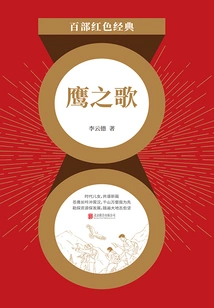
Eagle Song (Red Classic)
General Fiction鹰之歌(红色经典)
Li Yunde
"Song of the Eagle" is the first full-length novel on geological exploration in New China. The novel describes the tragic story of geological exploration personnel exploring mines in the early days of the founding of New China. The novel describes experienced geologists in the mountains and forests, gray-haired old engineers, heroic and enthusiastic young technicians of both sexes, energetic drillers, and workers in the geological exploration department. Inspired by the great ideal of building socialism, they worked tirelessly and bravely in the mountains, fighting bravely and tenaciously against nature to find resources for industrial construction, and finally discovered mineral deposits. It shows the patriotic spirit of selfless dedication and sacrifice for the country among the first batch of geologists in New China.
"Song of the Eagle" is the first full-length novel on geological exploration in New China. The novel describes the tragic story of geological exploration personnel exploring mines in the early days of the founding of New China. The novel describes experienced geologists in the mountains and forests, gray-haired old engineers, heroic and enthusiastic young technicians of both sexes, energetic drillers, and workers in the geological exploration department. Inspired by the great ideal of building socialism, they worked tirelessly and bravely in the mountains, fighting bravely and tenaciously against nature to find resources for industrial construction, and finally discovered mineral deposits. It shows the patriotic spirit of selfless dedication and sacrifice for the country among the first batch of geologists in New China.
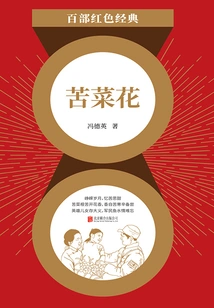
Bitter Cauliflower (red Classic)
General Fiction苦菜花(红色经典)
Feng Deying
This book is a novel written by Feng Deying in the mid-1950s. The novel is set in Wangguanzhuang in the Kunyu Mountains of the Jiaodong Peninsula during the Anti-Japanese War. It takes the fate of Sister Renyi and her family as the central clue. It reflects from one side the heroic struggle of the soldiers and civilians in the anti-Japanese base area under the leadership of the Communist Party of China in the anti-mopping up: the anti-Japanese guerrillas ended the rule of the traitor and big landowner Wang Wei over Wangguanzhuang and established the anti-Japanese democratic regime. Wang Wei's son Wang Zhu became the captain of the puppet army squadron, acted as a vicious executioner in the Japanese raids, and became the mortal enemy of the people of Wangguanzhuang. Wang Wei's nephew Wang Jianzhi pretended to be progressive, defrauded the trust of the anti-Japanese democratic regime, and lurked to engage in espionage activities. Under the overt and covert collusion between the invaders, traitors, and landlords, the people of Wangguanzhuang's anti-Japanese struggle became more complicated and cruel - Qizi and his wife both suffered and remained unyielding until death; the rural woman Hanako sacrificed her husband to save the Eighth Route Army cadres; because Xingli, who insisted on resisting Japan, was brutally murdered by her traitor "father"... The novel clearly shows the indomitable fighting spirit of the people in the base area, and for the first time in the history of contemporary Chinese literature, it successfully created the artistic image of Sister-in-law Renyi, an ordinary and touching revolutionary mother.
This book is a novel written by Feng Deying in the mid-1950s. The novel is set in Wangguanzhuang in the Kunyu Mountains of the Jiaodong Peninsula during the Anti-Japanese War. It takes the fate of Sister Renyi and her family as the central clue. It reflects from one side the heroic struggle of the soldiers and civilians in the anti-Japanese base area under the leadership of the Communist Party of China in the anti-mopping up: the anti-Japanese guerrillas ended the rule of the traitor and big landowner Wang Wei over Wangguanzhuang and established the anti-Japanese democratic regime. Wang Wei's son Wang Zhu became the captain of the puppet army squadron, acted as a vicious executioner in the Japanese raids, and became the mortal enemy of the people of Wangguanzhuang. Wang Wei's nephew Wang Jianzhi pretended to be progressive, defrauded the trust of the anti-Japanese democratic regime, and lurked to engage in espionage activities. Under the overt and covert collusion between the invaders, traitors, and landlords, the people of Wangguanzhuang's anti-Japanese struggle became more complicated and cruel - Qizi and his wife both suffered and remained unyielding until death; the rural woman Hanako sacrificed her husband to save the Eighth Route Army cadres; because Xingli, who insisted on resisting Japan, was brutally murdered by her traitor "father"... The novel clearly shows the indomitable fighting spirit of the people in the base area, and for the first time in the history of contemporary Chinese literature, it successfully created the artistic image of Sister-in-law Renyi, an ordinary and touching revolutionary mother.
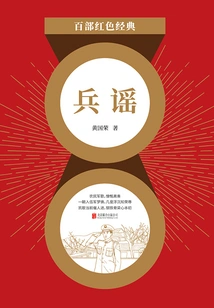
Soldier Ballad (red Classic)
General Fiction兵谣(红色经典)
Huang Guorong
Gu Yibao, a simple and loyal farmer's son, is full of longing for the future and full of farmer's schemes. When you are a soldier, you want to be a good soldier; when you are an officer, you want to be a good official. The combination of environment and personal desires brought him almost to the glorious pinnacle of life; the contrast between his deformed behavior and the ordinary soul made him taste the true meaning of life on the throne of a model, leaving a series of unique footprints on his military journey. Accompanying him through this journey of life are leaders who sincerely help him, benefactors who lead him astray, fellow villagers who fight openly and covertly, soldiers who share weal and woe, a wife who lacks a foundation for love, and a first love who brings him misfortune... They all perform a human life drama together. A solid and rich life foundation, simple and sophisticated writing style, sincere and touching emotions, and vivid and unique characters constitute the artistic characteristics of this book. The work truly describes how the simple and unsophisticated rural Binggu Yibao became a role model through hard work like a peasant, how his desire caused him to fall to the edge of a criminal, and how he got back up amidst the pain of setbacks and became a great person.
Gu Yibao, a simple and loyal farmer's son, is full of longing for the future and full of farmer's schemes. When you are a soldier, you want to be a good soldier; when you are an officer, you want to be a good official. The combination of environment and personal desires brought him almost to the glorious pinnacle of life; the contrast between his deformed behavior and the ordinary soul made him taste the true meaning of life on the throne of a model, leaving a series of unique footprints on his military journey. Accompanying him through this journey of life are leaders who sincerely help him, benefactors who lead him astray, fellow villagers who fight openly and covertly, soldiers who share weal and woe, a wife who lacks a foundation for love, and a first love who brings him misfortune... They all perform a human life drama together. A solid and rich life foundation, simple and sophisticated writing style, sincere and touching emotions, and vivid and unique characters constitute the artistic characteristics of this book. The work truly describes how the simple and unsophisticated rural Binggu Yibao became a role model through hard work like a peasant, how his desire caused him to fall to the edge of a criminal, and how he got back up amidst the pain of setbacks and became a great person.
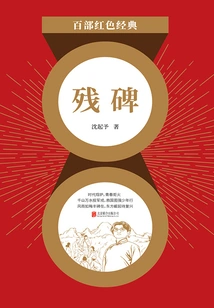
Remnant Monument (red Classic)
General Fiction残碑(红色经典)
Shen Qiyu
This book is a classic masterpiece by Shen Qiyu. It tells the story of a group of progressive young people who were influenced by the May 4th Movement in the 1920s against the background of the Northern Expedition and worked hard to break through the shackles of feudalism, yearning for revolution and participating in the revolution. The article truly reflects the dull and depressive social status quo of that era. The protagonist Sun Qiu Li represents the progressive forces, his uncle represents the backward conservatives, Tian Huanzhang represents the awakened working class people, and Wang Jinhua represents the social scum. Their struggles turn the city into a melting pot, and there is hope hidden in the struggle. The love story surrounding the protagonist Sister Rong and the detailed description of a series of inner activities are also typical of the times.
This book is a classic masterpiece by Shen Qiyu. It tells the story of a group of progressive young people who were influenced by the May 4th Movement in the 1920s against the background of the Northern Expedition and worked hard to break through the shackles of feudalism, yearning for revolution and participating in the revolution. The article truly reflects the dull and depressive social status quo of that era. The protagonist Sun Qiu Li represents the progressive forces, his uncle represents the backward conservatives, Tian Huanzhang represents the awakened working class people, and Wang Jinhua represents the social scum. Their struggles turn the city into a melting pot, and there is hope hidden in the struggle. The love story surrounding the protagonist Sister Rong and the detailed description of a series of inner activities are also typical of the times.
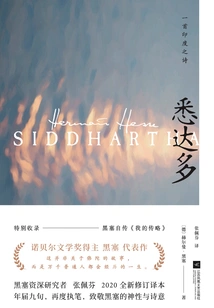
T
General Fictiont
G
This book is newly revised in 2020 by Zhang Peifen, a senior researcher on Hesse. He wrote it again in his 90s to pay tribute to Hesse's divinity and poetry. This is a fable novel that brings people closer to themselves. It tells the story of Siddhartha, who was born as a Brahmin and abandoned everything to find himself: he met Kamala, a famous prostitute in the city, and began to pursue extreme lust, fame and fortune until he got tired of everything. He left the world behind again, determined to end his life, and finally found a way to integrate into himself by the river. "This is not a story about Buddha, but a life that thousands of ordinary people go through."
This book is newly revised in 2020 by Zhang Peifen, a senior researcher on Hesse. He wrote it again in his 90s to pay tribute to Hesse's divinity and poetry. This is a fable novel that brings people closer to themselves. It tells the story of Siddhartha, who was born as a Brahmin and abandoned everything to find himself: he met Kamala, a famous prostitute in the city, and began to pursue extreme lust, fame and fortune until he got tired of everything. He left the world behind again, determined to end his life, and finally found a way to integrate into himself by the river. "This is not a story about Buddha, but a life that thousands of ordinary people go through."
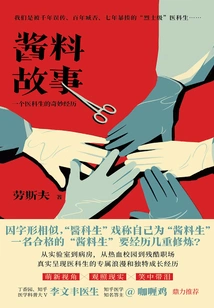
Sauce Story
General Fiction酱料故事
Raussf
Anfei, an ordinary young man in an ordinary county town, was admitted to "Jiangdong Medical University", nicknamed "Jiangche Sauce University". He originally thought that his path to becoming an ordinary doctor was clear, but unexpectedly he fell into confusion again and again during his seven years of campus experience; idealist Anfei, literary young man Pu Ye, the gamer Qu Lin, the upright and tough guy Qu Mai, the sensitive goddess Yuan Xuejing, the musical talent Su Guizhi, and the young and mature Luofen; when they come together with different personalities and come from all over the world, from campus to the workplace, from medical students to preparatory doctors, their stories have just begun. Everyone who goes to medical school can see themselves in it.
Anfei, an ordinary young man in an ordinary county town, was admitted to "Jiangdong Medical University", nicknamed "Jiangche Sauce University". He originally thought that his path to becoming an ordinary doctor was clear, but unexpectedly he fell into confusion again and again during his seven years of campus experience; idealist Anfei, literary young man Pu Ye, the gamer Qu Lin, the upright and tough guy Qu Mai, the sensitive goddess Yuan Xuejing, the musical talent Su Guizhi, and the young and mature Luofen; when they come together with different personalities and come from all over the world, from campus to the workplace, from medical students to preparatory doctors, their stories have just begun. Everyone who goes to medical school can see themselves in it.
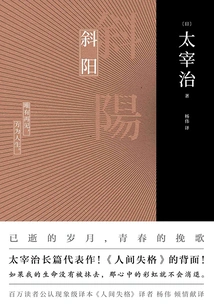
L
General FictionL
G
Dazai Osamu's true masterpiece! "The most beautiful commemorative novel" in Osamu Dazai's heart! Recognized by millions of readers! Translator Yang Wei of the phenomenal translation "Human Disqualification" has dedicated his heart to the translation! The novel is set against the background of the chaos in post-war Japan. It unfolds through the first-person narration of Kazuko and the diary and suicide note of her brother Naoji. It depicts the setting sun-like life of the descendants of aristocrats with their social status declining day by day. It places the beauty of the future on the protagonist, shining a gleam of light amidst the decadence.
Dazai Osamu's true masterpiece! "The most beautiful commemorative novel" in Osamu Dazai's heart! Recognized by millions of readers! Translator Yang Wei of the phenomenal translation "Human Disqualification" has dedicated his heart to the translation! The novel is set against the background of the chaos in post-war Japan. It unfolds through the first-person narration of Kazuko and the diary and suicide note of her brother Naoji. It depicts the setting sun-like life of the descendants of aristocrats with their social status declining day by day. It places the beauty of the future on the protagonist, shining a gleam of light amidst the decadence.
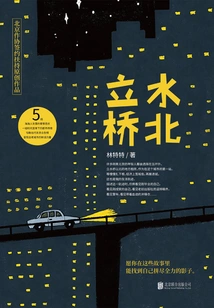
Lishuiqiao North
General Fiction立水桥北
Lintette
Five episodes of love, hate, sorrow and joy in Haihai's life, a group of foreign visitors struggling in life, show the real life of contemporary Beipiao young people from different angles. As a stranger in a big city, you are confused and anxious but never forget your ideals. I hope you can find the reflection of yourself trying your best in these stories. The book begins with "Lishuiqiao North", which is a summary and extraction of life in Beijing. The author starts from the strangers struggling in the big city to present the fresh energy of this ancient city. "Lishuiqiao North" tells the story of Zeng Wenwen and Lu Xiaoli, who are from third-tier cities. They use their family's efforts to buy a property in Lishuiqiao North, Beijing, but unexpectedly get into a real estate lawsuit. When they were dealing with a legal dispute, they were involved in a marriage fraud case and encountered the rare Wenchuan earthquake. During this period, the two ushered in their own growth... The movie of the same name adapted from the book will be broadcast on CCTV 6 on March 28, 2022.
Five episodes of love, hate, sorrow and joy in Haihai's life, a group of foreign visitors struggling in life, show the real life of contemporary Beipiao young people from different angles. As a stranger in a big city, you are confused and anxious but never forget your ideals. I hope you can find the reflection of yourself trying your best in these stories. The book begins with "Lishuiqiao North", which is a summary and extraction of life in Beijing. The author starts from the strangers struggling in the big city to present the fresh energy of this ancient city. "Lishuiqiao North" tells the story of Zeng Wenwen and Lu Xiaoli, who are from third-tier cities. They use their family's efforts to buy a property in Lishuiqiao North, Beijing, but unexpectedly get into a real estate lawsuit. When they were dealing with a legal dispute, they were involved in a marriage fraud case and encountered the rare Wenchuan earthquake. During this period, the two ushered in their own growth... The movie of the same name adapted from the book will be broadcast on CCTV 6 on March 28, 2022.
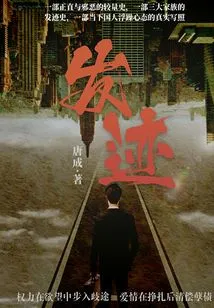
Prosper
General Fiction发迹
Tang Cheng
Use stories to tell the story of life. You don't have to be sophisticated, but you must understand the story. A history of the battle between integrity and evil, a history of the fortunes of three major families, and a true portrayal of the impetuous mentality of the current Chinese people. The secrets between the lines are enlightening us: At a time when power rent-seeking is prevalent, where should the parties involved in the workplace go?
Use stories to tell the story of life. You don't have to be sophisticated, but you must understand the story. A history of the battle between integrity and evil, a history of the fortunes of three major families, and a true portrayal of the impetuous mentality of the current Chinese people. The secrets between the lines are enlightening us: At a time when power rent-seeking is prevalent, where should the parties involved in the workplace go?
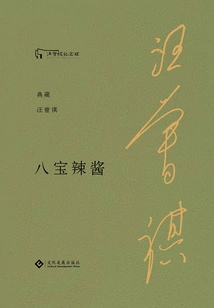
Babao Hot Sauce
General Fiction八宝辣酱
Wang Zengqi
This book selects 28 popular works from all Wang Zengqi's novels. In Wang Zengqi's novels, Gaoyou, Southwest Associated University, Institute of Agricultural Sciences, and Peking Opera are the four major backgrounds that often appear. He has compassion and respect in his heart, and spreads the graceful brilliance of gentle, benevolent, and natural humanity into his novels. It is fitting that he is hailed as a "lyrical humanist." Wang Zengqi is a master of writing short and medium-length stories. He has many famous works, with elegant and unique style. His prose novel creation is gentle and full of interest. His artistic accomplishment is extremely comprehensive and profound, both traditional and modern, combining Chinese and Western, and appreciating both refined and popular. Some people say that he is a contemporary Chinese scholar with the temperament of a famous scholar.
This book selects 28 popular works from all Wang Zengqi's novels. In Wang Zengqi's novels, Gaoyou, Southwest Associated University, Institute of Agricultural Sciences, and Peking Opera are the four major backgrounds that often appear. He has compassion and respect in his heart, and spreads the graceful brilliance of gentle, benevolent, and natural humanity into his novels. It is fitting that he is hailed as a "lyrical humanist." Wang Zengqi is a master of writing short and medium-length stories. He has many famous works, with elegant and unique style. His prose novel creation is gentle and full of interest. His artistic accomplishment is extremely comprehensive and profound, both traditional and modern, combining Chinese and Western, and appreciating both refined and popular. Some people say that he is a contemporary Chinese scholar with the temperament of a famous scholar.
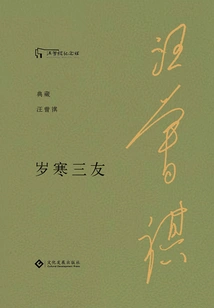
Three Friends of Suihan
General Fiction岁寒三友
Wang Zengqi
This book selects Mr. Wang Zengqi's most representative classic novels and collects them into a volume, including Mr. Wang Zengqi's most well-known representative novels - "Ordering", "Da Nao Chronicles", "Three Friends in the Cold", etc., And also includes an article about Wang Zengqi written by Wang Zengqi's three children, "Writing a Little Monk Falling in Love at the Age of 60". Wang Zengqi's novels pursue a return to realism and national tradition in creation. They are full of "Chinese flavor" and full of love for traditional culture. In these novels, Mr. Wang Zengqi created many little characters with distinctive personalities, and described folk customs with local characteristics in a lyrical style. The writing style is simple and natural, allowing readers to rediscover the national soul, spirit and traditional virtues.
This book selects Mr. Wang Zengqi's most representative classic novels and collects them into a volume, including Mr. Wang Zengqi's most well-known representative novels - "Ordering", "Da Nao Chronicles", "Three Friends in the Cold", etc., And also includes an article about Wang Zengqi written by Wang Zengqi's three children, "Writing a Little Monk Falling in Love at the Age of 60". Wang Zengqi's novels pursue a return to realism and national tradition in creation. They are full of "Chinese flavor" and full of love for traditional culture. In these novels, Mr. Wang Zengqi created many little characters with distinctive personalities, and described folk customs with local characteristics in a lyrical style. The writing style is simple and natural, allowing readers to rediscover the national soul, spirit and traditional virtues.
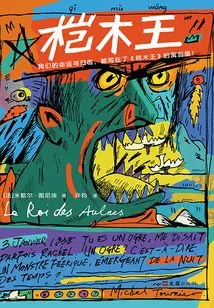
Alder King
General Fiction桤木王
K
Hardcover collector's edition of Alder (qī) King of Wood! A literary master respected by Wang Xiaobo! Our destiny and destination are all written in the fable of "The Alder King"! An ancient corpse that had been sleeping for thousands of years was dug up from the swamp of the alder forest. People called it the name of the devil in Goethe's poem: the Alder King. A man-eating devil haunts the dark night of time. I am Duverge, a French auto repair shop owner. People call me a "cannibal devil," but I'm just an innocent person hiding among the masses. I am full of tenderness, but the world is evil and treacherous. Have you seen the omnipresent evil behind the meaningful signs? In this era dominated by the devil, everything is "wrong". But people still don't know that the root of human disaster lies in each of them...
Hardcover collector's edition of Alder (qī) King of Wood! A literary master respected by Wang Xiaobo! Our destiny and destination are all written in the fable of "The Alder King"! An ancient corpse that had been sleeping for thousands of years was dug up from the swamp of the alder forest. People called it the name of the devil in Goethe's poem: the Alder King. A man-eating devil haunts the dark night of time. I am Duverge, a French auto repair shop owner. People call me a "cannibal devil," but I'm just an innocent person hiding among the masses. I am full of tenderness, but the world is evil and treacherous. Have you seen the omnipresent evil behind the meaningful signs? In this era dominated by the devil, everything is "wrong". But people still don't know that the root of human disaster lies in each of them...
X
General Fictionx
H
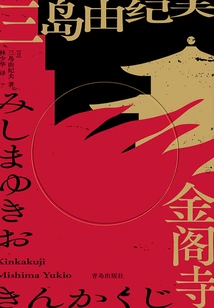
"The Temple of the Golden Pavilion" is the most representative novel by the famous Japanese writer Mishima Yukio. The story is based on the actual arson incident that occurred in July 1950. Mizoguchi, a young man who was born with a stutter, was ridiculed by his classmates and the woman he loved, but his spiritual world was extremely fertile. After coming to the Golden Pavilion from a poor country to become a monk, he was obsessed with the beauty of the Golden Pavilion all day long, imagining the magnificent scene of dying together with the Golden Pavilion in the flames of war. However, this wish ultimately came to nothing. In despair, he resolutely burned the Golden Temple to the ground. It embodies Mishima's so-called "beauty of destruction".
"The Temple of the Golden Pavilion" is the most representative novel by the famous Japanese writer Mishima Yukio. The story is based on the actual arson incident that occurred in July 1950. Mizoguchi, a young man who was born with a stutter, was ridiculed by his classmates and the woman he loved, but his spiritual world was extremely fertile. After coming to the Golden Pavilion from a poor country to become a monk, he was obsessed with the beauty of the Golden Pavilion all day long, imagining the magnificent scene of dying together with the Golden Pavilion in the flames of war. However, this wish ultimately came to nothing. In despair, he resolutely burned the Golden Temple to the ground. It embodies Mishima's so-called "beauty of destruction".
A Handful of Dust (english Version)
General Fiction一抔尘土:A Handful of Dust(英文版)
H
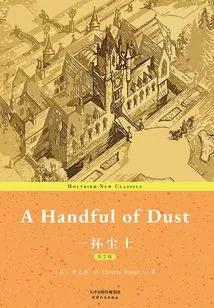
One of 100 Best English-language Novels Published Since 1923. No.34 In the Modern Library's List of 100 Best Novels. A Handful of Dust is a novel by the British writer Evelyn Waugh, first published in 1934. It is often grouped with the author's early, satirical comic novels for which he became famous in the pre-World War II years. Set between the wars in the chic upper-middle classes in and around London, A Handful of Dust is full of horrible people doing horrible things to each other, but it adds up to a bitter indictment of human behavior. Has more than once figured on unofficial lists of the 20th century's best novels.
One of 100 Best English-language Novels Published Since 1923. No.34 In the Modern Library's List of 100 Best Novels. A Handful of Dust is a novel by the British writer Evelyn Waugh, first published in 1934. It is often grouped with the author's early, satirical comic novels for which he became famous in the pre-World War II years. Set between the wars in the chic upper-middle classes in and around London, A Handful of Dust is full of horrible people doing horrible things to each other, but it adds up to a bitter indictment of human behavior. Has more than once figured on unofficial lists of the 20th century's best novels.
The Swiss Family Robinson (english Version)
General Fiction瑞士的鲁滨逊一家:THE SWISS FAMILY ROBINSON(英文版)
(switzerland) John David Weiss
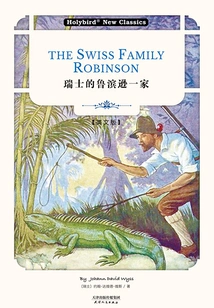
"Swiss Robinson Family" is a well-known adventure novel in the West. The original work was written by Swiss John Weiss. This book is an English version. "Swiss Robinson Family" tells a modern fairy tale in a documentary style with great authenticity, showing the harmony between man and nature, as well as the kindness and wisdom of man himself. The family in the story never blindly shoot wild animals. They are more interested in taming these beasts and eventually become friends with woolly monkeys, ostriches, buffaloes, eagles... These animals. At the same time, they also firmly believe that human kindness, rationality, wisdom and imagination can help them survive in the wilderness. This book not only has an exciting storyline, but also vividly describes dozens of concise and practical wilderness survival techniques.
"Swiss Robinson Family" is a well-known adventure novel in the West. The original work was written by Swiss John Weiss. This book is an English version. "Swiss Robinson Family" tells a modern fairy tale in a documentary style with great authenticity, showing the harmony between man and nature, as well as the kindness and wisdom of man himself. The family in the story never blindly shoot wild animals. They are more interested in taming these beasts and eventually become friends with woolly monkeys, ostriches, buffaloes, eagles... These animals. At the same time, they also firmly believe that human kindness, rationality, wisdom and imagination can help them survive in the wilderness. This book not only has an exciting storyline, but also vividly describes dozens of concise and practical wilderness survival techniques.
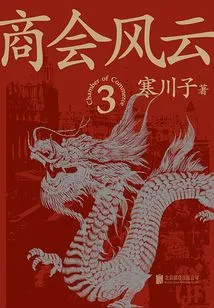
Chamber of Commerce (volume 3)
General Fiction商会风云(卷三)
Hanchuanzi
"Chamber of Commerce" closely revolves around the ups and downs of the Shanghai General Chamber of Commerce. The story originated from the Qing government's establishment of the General Chamber of Commerce on the basis of integrating various merchant guilds in Shanghai in response to pressure from the British to amend the Treaty of Xinchou according to its terms. From the beginning, this association became a platform for various business gangs in Shanghai to compete with each other. The two increasingly powerful business gangs, Guangdong merchants and Ningbo merchants, fought against each other for dominance in the chamber of commerce. In the end, they both became pawns of the Taiji merchant gang led by Lord Shang Ding, a senior official of the Qing government, and Taiji merchants. Remember that after the fall of the Qing government, we finally lost control of the Chamber of Commerce, which allowed our protagonist to integrate the Chamber of Commerce according to an ideal model that conforms to the development of the times. Eventually, the Chamber of Commerce gradually transitioned from an authoritarian platform with exclusive authority to a democratic platform where various merchant guilds coexist harmoniously. This line explains the core of the drama from beginning to end, that is, the dignity of a group does not come from the authoritarian or dictatorial power of any gang or government or individual, but from the legitimacy of the system or procedure that ties the group together. "Chamber of Commerce" focuses on shaping the four male protagonists, Wu Jingju, Fu Shun'an, Chen Jiong and Zhang Hu. The four male protagonists respectively represent the four realms of dignity: the first male represents complete dignity, which is symbolized by complete independence of personality; the second male represents the lack of dignity, which is symbolized by complete dependence of personality; the third and fourth males represent , represents the incompleteness of dignity from two extremes, one from the perspective of the revolutionary party and the other from the perspective of the underworld. What they have in common is that both have independent personalities and lack of personality, because both of them seek benefits for some people, rather than standing on a higher dimension and seeking benefits for everyone in the world like Male One.
"Chamber of Commerce" closely revolves around the ups and downs of the Shanghai General Chamber of Commerce. The story originated from the Qing government's establishment of the General Chamber of Commerce on the basis of integrating various merchant guilds in Shanghai in response to pressure from the British to amend the Treaty of Xinchou according to its terms. From the beginning, this association became a platform for various business gangs in Shanghai to compete with each other. The two increasingly powerful business gangs, Guangdong merchants and Ningbo merchants, fought against each other for dominance in the chamber of commerce. In the end, they both became pawns of the Taiji merchant gang led by Lord Shang Ding, a senior official of the Qing government, and Taiji merchants. Remember that after the fall of the Qing government, we finally lost control of the Chamber of Commerce, which allowed our protagonist to integrate the Chamber of Commerce according to an ideal model that conforms to the development of the times. Eventually, the Chamber of Commerce gradually transitioned from an authoritarian platform with exclusive authority to a democratic platform where various merchant guilds coexist harmoniously. This line explains the core of the drama from beginning to end, that is, the dignity of a group does not come from the authoritarian or dictatorial power of any gang or government or individual, but from the legitimacy of the system or procedure that ties the group together. "Chamber of Commerce" focuses on shaping the four male protagonists, Wu Jingju, Fu Shun'an, Chen Jiong and Zhang Hu. The four male protagonists respectively represent the four realms of dignity: the first male represents complete dignity, which is symbolized by complete independence of personality; the second male represents the lack of dignity, which is symbolized by complete dependence of personality; the third and fourth males represent , represents the incompleteness of dignity from two extremes, one from the perspective of the revolutionary party and the other from the perspective of the underworld. What they have in common is that both have independent personalities and lack of personality, because both of them seek benefits for some people, rather than standing on a higher dimension and seeking benefits for everyone in the world like Male One.
Chamber of Commerce Storm (volume 4)
General Fiction商会风云(卷四)
Hanchuanzi
"Chamber of Commerce" closely revolves around the ups and downs of the Shanghai General Chamber of Commerce. The story originated from the Qing government's establishment of the General Chamber of Commerce on the basis of integrating various merchant guilds in Shanghai in response to pressure from the British to amend the Treaty of Xinchou according to its terms. From the beginning, this association became a platform for various business gangs in Shanghai to compete with each other. The two increasingly powerful business gangs, Guangdong merchants and Ningbo merchants, fought against each other for dominance in the chamber of commerce. In the end, they both became pawns of the Taiji merchant gang led by Lord Shang Ding, a senior official of the Qing government, and Taiji merchants. Remember that after the fall of the Qing government, we finally lost control of the Chamber of Commerce, which allowed our protagonist to integrate the Chamber of Commerce according to an ideal model that conforms to the development of the times. Eventually, the Chamber of Commerce gradually transitioned from an authoritarian platform with exclusive authority to a democratic platform where various merchant guilds coexist harmoniously. This line explains the core of the drama from beginning to end, that is, the dignity of a group does not come from the authoritarian or dictatorial power of any gang or government or individual, but from the legitimacy of the system or procedure that ties the group together. "Chamber of Commerce" focuses on shaping the four male protagonists, Wu Jingju, Fu Shun'an, Chen Jiong and Zhang Hu. The four male protagonists respectively represent the four realms of dignity: the first male represents complete dignity, which is symbolized by complete independence of personality; the second male represents the lack of dignity, which is symbolized by complete dependence of personality; the third and fourth males represent , represents the incompleteness of dignity from two extremes, one from the perspective of the revolutionary party and the other from the perspective of the underworld. What they have in common is that both have independent personalities and lack of personality, because both of them seek benefits for some people, rather than standing on a higher dimension and seeking benefits for everyone in the world like Male One.
"Chamber of Commerce" closely revolves around the ups and downs of the Shanghai General Chamber of Commerce. The story originated from the Qing government's establishment of the General Chamber of Commerce on the basis of integrating various merchant guilds in Shanghai in response to pressure from the British to amend the Treaty of Xinchou according to its terms. From the beginning, this association became a platform for various business gangs in Shanghai to compete with each other. The two increasingly powerful business gangs, Guangdong merchants and Ningbo merchants, fought against each other for dominance in the chamber of commerce. In the end, they both became pawns of the Taiji merchant gang led by Lord Shang Ding, a senior official of the Qing government, and Taiji merchants. Remember that after the fall of the Qing government, we finally lost control of the Chamber of Commerce, which allowed our protagonist to integrate the Chamber of Commerce according to an ideal model that conforms to the development of the times. Eventually, the Chamber of Commerce gradually transitioned from an authoritarian platform with exclusive authority to a democratic platform where various merchant guilds coexist harmoniously. This line explains the core of the drama from beginning to end, that is, the dignity of a group does not come from the authoritarian or dictatorial power of any gang or government or individual, but from the legitimacy of the system or procedure that ties the group together. "Chamber of Commerce" focuses on shaping the four male protagonists, Wu Jingju, Fu Shun'an, Chen Jiong and Zhang Hu. The four male protagonists respectively represent the four realms of dignity: the first male represents complete dignity, which is symbolized by complete independence of personality; the second male represents the lack of dignity, which is symbolized by complete dependence of personality; the third and fourth males represent , represents the incompleteness of dignity from two extremes, one from the perspective of the revolutionary party and the other from the perspective of the underworld. What they have in common is that both have independent personalities and lack of personality, because both of them seek benefits for some people, rather than standing on a higher dimension and seeking benefits for everyone in the world like Male One.
Chamber of Commerce Storm (volume 5)
General Fiction商会风云(卷五)
Hanchuanzi
"Chamber of Commerce" closely revolves around the ups and downs of the Shanghai General Chamber of Commerce. The story originated from the Qing government's establishment of the General Chamber of Commerce on the basis of integrating various merchant guilds in Shanghai in response to pressure from the British to amend the Treaty of Xinchou according to its terms. From the beginning, this association became a platform for various business gangs in Shanghai to compete with each other. The two increasingly powerful business gangs, Guangdong merchants and Ningbo merchants, fought against each other for dominance in the chamber of commerce. In the end, they both became pawns of the Taiji merchant gang led by Lord Shang Ding, a senior official of the Qing government, and Taiji merchants. Remember that after the fall of the Qing government, we finally lost control of the Chamber of Commerce, which allowed our protagonist to integrate the Chamber of Commerce according to an ideal model that conforms to the development of the times. Eventually, the Chamber of Commerce gradually transitioned from an authoritarian platform with exclusive authority to a democratic platform where various merchant guilds coexist harmoniously. This line explains the core of the drama from beginning to end, that is, the dignity of a group does not come from the authoritarian or dictatorial power of any gang or government or individual, but from the legitimacy of the system or procedure that ties the group together. "Chamber of Commerce" focuses on shaping the four male protagonists, Wu Jingju, Fu Shun'an, Chen Jiong and Zhang Hu. The four male protagonists respectively represent the four realms of dignity: the first male represents complete dignity, which is symbolized by complete independence of personality; the second male represents the lack of dignity, which is symbolized by complete dependence of personality; the third and fourth males represent , represents the incompleteness of dignity from two extremes, one from the perspective of the revolutionary party and the other from the perspective of the underworld. What they have in common is that both have independent personalities and lack of personality, because both of them seek benefits for some people, rather than standing on a higher dimension and seeking benefits for everyone in the world like Male One.
"Chamber of Commerce" closely revolves around the ups and downs of the Shanghai General Chamber of Commerce. The story originated from the Qing government's establishment of the General Chamber of Commerce on the basis of integrating various merchant guilds in Shanghai in response to pressure from the British to amend the Treaty of Xinchou according to its terms. From the beginning, this association became a platform for various business gangs in Shanghai to compete with each other. The two increasingly powerful business gangs, Guangdong merchants and Ningbo merchants, fought against each other for dominance in the chamber of commerce. In the end, they both became pawns of the Taiji merchant gang led by Lord Shang Ding, a senior official of the Qing government, and Taiji merchants. Remember that after the fall of the Qing government, we finally lost control of the Chamber of Commerce, which allowed our protagonist to integrate the Chamber of Commerce according to an ideal model that conforms to the development of the times. Eventually, the Chamber of Commerce gradually transitioned from an authoritarian platform with exclusive authority to a democratic platform where various merchant guilds coexist harmoniously. This line explains the core of the drama from beginning to end, that is, the dignity of a group does not come from the authoritarian or dictatorial power of any gang or government or individual, but from the legitimacy of the system or procedure that ties the group together. "Chamber of Commerce" focuses on shaping the four male protagonists, Wu Jingju, Fu Shun'an, Chen Jiong and Zhang Hu. The four male protagonists respectively represent the four realms of dignity: the first male represents complete dignity, which is symbolized by complete independence of personality; the second male represents the lack of dignity, which is symbolized by complete dependence of personality; the third and fourth males represent , represents the incompleteness of dignity from two extremes, one from the perspective of the revolutionary party and the other from the perspective of the underworld. What they have in common is that both have independent personalities and lack of personality, because both of them seek benefits for some people, rather than standing on a higher dimension and seeking benefits for everyone in the world like Male One.
Chamber of Commerce Storm (volume 1)
General Fiction商会风云(卷一)
Hanchuanzi
"Chamber of Commerce" closely revolves around the ups and downs of the Shanghai General Chamber of Commerce. The story originated from the Qing government's establishment of the General Chamber of Commerce on the basis of integrating various merchant guilds in Shanghai in response to pressure from the British to amend the Treaty of Xinchou according to its terms. From the beginning, this association became a platform for various business gangs in Shanghai to compete with each other. The two increasingly powerful business gangs, Guangdong merchants and Ningbo merchants, fought against each other for dominance in the chamber of commerce. In the end, they both became pawns of the Taiji merchant gang led by Lord Shang Ding, a senior official of the Qing government, and Taiji merchants. Remember that after the fall of the Qing government, we finally lost control of the Chamber of Commerce, which allowed our protagonist to integrate the Chamber of Commerce according to an ideal model that conforms to the development of the times. Eventually, the Chamber of Commerce gradually transitioned from an authoritarian platform with exclusive authority to a democratic platform where various merchant guilds coexist harmoniously. This line explains the core of the drama from beginning to end, that is, the dignity of a group does not come from the authoritarian or dictatorial power of any gang or government or individual, but from the legitimacy of the system or procedure that ties the group together. "Chamber of Commerce" focuses on shaping the four male protagonists, Wu Jingju, Fu Shun'an, Chen Jiong and Zhang Hu. The four male protagonists respectively represent the four realms of dignity: the first male represents complete dignity, which is symbolized by complete independence of personality; the second male represents the lack of dignity, which is symbolized by complete dependence of personality; the third and fourth males represent , represents the incompleteness of dignity from two extremes, one from the perspective of the revolutionary party and the other from the perspective of the underworld. What they have in common is that both have independent personalities and lack of personality, because both of them seek benefits for some people, rather than standing on a higher dimension and seeking benefits for everyone in the world like Male One.
"Chamber of Commerce" closely revolves around the ups and downs of the Shanghai General Chamber of Commerce. The story originated from the Qing government's establishment of the General Chamber of Commerce on the basis of integrating various merchant guilds in Shanghai in response to pressure from the British to amend the Treaty of Xinchou according to its terms. From the beginning, this association became a platform for various business gangs in Shanghai to compete with each other. The two increasingly powerful business gangs, Guangdong merchants and Ningbo merchants, fought against each other for dominance in the chamber of commerce. In the end, they both became pawns of the Taiji merchant gang led by Lord Shang Ding, a senior official of the Qing government, and Taiji merchants. Remember that after the fall of the Qing government, we finally lost control of the Chamber of Commerce, which allowed our protagonist to integrate the Chamber of Commerce according to an ideal model that conforms to the development of the times. Eventually, the Chamber of Commerce gradually transitioned from an authoritarian platform with exclusive authority to a democratic platform where various merchant guilds coexist harmoniously. This line explains the core of the drama from beginning to end, that is, the dignity of a group does not come from the authoritarian or dictatorial power of any gang or government or individual, but from the legitimacy of the system or procedure that ties the group together. "Chamber of Commerce" focuses on shaping the four male protagonists, Wu Jingju, Fu Shun'an, Chen Jiong and Zhang Hu. The four male protagonists respectively represent the four realms of dignity: the first male represents complete dignity, which is symbolized by complete independence of personality; the second male represents the lack of dignity, which is symbolized by complete dependence of personality; the third and fourth males represent , represents the incompleteness of dignity from two extremes, one from the perspective of the revolutionary party and the other from the perspective of the underworld. What they have in common is that both have independent personalities and lack of personality, because both of them seek benefits for some people, rather than standing on a higher dimension and seeking benefits for everyone in the world like Male One.
Chamber of Commerce (volume 2)
General Fiction商会风云(卷二)
Hanchuanzi
"Chamber of Commerce" closely revolves around the ups and downs of the Shanghai General Chamber of Commerce. The story originated from the Qing government's establishment of the General Chamber of Commerce on the basis of integrating various merchant guilds in Shanghai in response to pressure from the British to amend the Treaty of Xinchou according to its terms. From the beginning, this association became a platform for various business gangs in Shanghai to compete with each other. The two increasingly powerful business gangs, Guangdong merchants and Ningbo merchants, fought against each other for dominance in the chamber of commerce. In the end, they both became pawns of the Taiji merchant gang led by Lord Shang Ding, a senior official of the Qing government, and Taiji merchants. Remember that after the fall of the Qing government, we finally lost control of the Chamber of Commerce, which allowed our protagonist to integrate the Chamber of Commerce according to an ideal model that conforms to the development of the times. Eventually, the Chamber of Commerce gradually transitioned from an authoritarian platform with exclusive authority to a democratic platform where various merchant guilds coexist harmoniously. This line explains the core of the drama from beginning to end, that is, the dignity of a group does not come from the authoritarian or dictatorial power of any gang or government or individual, but from the legitimacy of the system or procedure that ties the group together. "Chamber of Commerce" focuses on shaping the four male protagonists, Wu Jingju, Fu Shun'an, Chen Jiong and Zhang Hu. The four male protagonists respectively represent the four realms of dignity: the first male represents complete dignity, which is symbolized by complete independence of personality; the second male represents the lack of dignity, which is symbolized by complete dependence of personality; the third and fourth males represent , represents the incompleteness of dignity from two extremes, one from the perspective of the revolutionary party and the other from the perspective of the underworld. What they have in common is that both have independent personalities and lack of personality, because both of them seek benefits for some people, rather than standing on a higher dimension and seeking benefits for everyone in the world like Male One.
"Chamber of Commerce" closely revolves around the ups and downs of the Shanghai General Chamber of Commerce. The story originated from the Qing government's establishment of the General Chamber of Commerce on the basis of integrating various merchant guilds in Shanghai in response to pressure from the British to amend the Treaty of Xinchou according to its terms. From the beginning, this association became a platform for various business gangs in Shanghai to compete with each other. The two increasingly powerful business gangs, Guangdong merchants and Ningbo merchants, fought against each other for dominance in the chamber of commerce. In the end, they both became pawns of the Taiji merchant gang led by Lord Shang Ding, a senior official of the Qing government, and Taiji merchants. Remember that after the fall of the Qing government, we finally lost control of the Chamber of Commerce, which allowed our protagonist to integrate the Chamber of Commerce according to an ideal model that conforms to the development of the times. Eventually, the Chamber of Commerce gradually transitioned from an authoritarian platform with exclusive authority to a democratic platform where various merchant guilds coexist harmoniously. This line explains the core of the drama from beginning to end, that is, the dignity of a group does not come from the authoritarian or dictatorial power of any gang or government or individual, but from the legitimacy of the system or procedure that ties the group together. "Chamber of Commerce" focuses on shaping the four male protagonists, Wu Jingju, Fu Shun'an, Chen Jiong and Zhang Hu. The four male protagonists respectively represent the four realms of dignity: the first male represents complete dignity, which is symbolized by complete independence of personality; the second male represents the lack of dignity, which is symbolized by complete dependence of personality; the third and fourth males represent , represents the incompleteness of dignity from two extremes, one from the perspective of the revolutionary party and the other from the perspective of the underworld. What they have in common is that both have independent personalities and lack of personality, because both of them seek benefits for some people, rather than standing on a higher dimension and seeking benefits for everyone in the world like Male One.
Chamber of Commerce (volume 1-5)
General Fiction商会风云(1—5卷)
Hanchuanzi
"Chamber of Commerce" closely revolves around the ups and downs of the Shanghai General Chamber of Commerce. The story originated from the Qing government's establishment of the General Chamber of Commerce on the basis of integrating various merchant guilds in Shanghai in response to pressure from the British to amend the Treaty of Xinchou according to its terms. From the beginning, this association became a platform for various business gangs in Shanghai to compete with each other. The two increasingly powerful business gangs, Guangdong merchants and Ningbo merchants, fought against each other for dominance in the chamber of commerce. In the end, they both became pawns of the Taiji merchant gang led by Lord Shang Ding, a senior official of the Qing government, and Taiji merchants. Remember that after the fall of the Qing government, we finally lost control of the Chamber of Commerce, which allowed our protagonist to integrate the Chamber of Commerce according to an ideal model that conforms to the development of the times. Eventually, the Chamber of Commerce gradually transitioned from an authoritarian platform with exclusive authority to a democratic platform where various merchant guilds coexist harmoniously. This line explains the core of the drama from beginning to end, that is, the dignity of a group does not come from the authoritarian or dictatorial power of any gang or government or individual, but from the legitimacy of the system or procedure that ties the group together. "Chamber of Commerce" focuses on shaping the four male protagonists, Wu Jingju, Fu Shun'an, Chen Jiong and Zhang Hu. The four male protagonists respectively represent the four realms of dignity: the first male represents complete dignity, which is symbolized by complete independence of personality; the second male represents the lack of dignity, which is symbolized by complete dependence of personality; the third and fourth males represent , represents the incompleteness of dignity from two extremes, one from the perspective of the revolutionary party and the other from the perspective of the underworld. What they have in common is that both have independent personalities and lack of personality, because both of them seek benefits for some people, rather than standing on a higher dimension and seeking benefits for everyone in the world like Male One.
"Chamber of Commerce" closely revolves around the ups and downs of the Shanghai General Chamber of Commerce. The story originated from the Qing government's establishment of the General Chamber of Commerce on the basis of integrating various merchant guilds in Shanghai in response to pressure from the British to amend the Treaty of Xinchou according to its terms. From the beginning, this association became a platform for various business gangs in Shanghai to compete with each other. The two increasingly powerful business gangs, Guangdong merchants and Ningbo merchants, fought against each other for dominance in the chamber of commerce. In the end, they both became pawns of the Taiji merchant gang led by Lord Shang Ding, a senior official of the Qing government, and Taiji merchants. Remember that after the fall of the Qing government, we finally lost control of the Chamber of Commerce, which allowed our protagonist to integrate the Chamber of Commerce according to an ideal model that conforms to the development of the times. Eventually, the Chamber of Commerce gradually transitioned from an authoritarian platform with exclusive authority to a democratic platform where various merchant guilds coexist harmoniously. This line explains the core of the drama from beginning to end, that is, the dignity of a group does not come from the authoritarian or dictatorial power of any gang or government or individual, but from the legitimacy of the system or procedure that ties the group together. "Chamber of Commerce" focuses on shaping the four male protagonists, Wu Jingju, Fu Shun'an, Chen Jiong and Zhang Hu. The four male protagonists respectively represent the four realms of dignity: the first male represents complete dignity, which is symbolized by complete independence of personality; the second male represents the lack of dignity, which is symbolized by complete dependence of personality; the third and fourth males represent , represents the incompleteness of dignity from two extremes, one from the perspective of the revolutionary party and the other from the perspective of the underworld. What they have in common is that both have independent personalities and lack of personality, because both of them seek benefits for some people, rather than standing on a higher dimension and seeking benefits for everyone in the world like Male One.
Dongting Waves Surge and Snow Falls from the Sky
General Fiction洞庭波涌连天雪
Liu Bowen
This article is a novel written to commemorate the 70th anniversary of the victory of the Anti-Japanese War. When the iron hooves of the invaders trampled on the suffering country, our heroic predecessors fought bravely and tenaciously and achieved a brilliant victory. They fought one after another, they fought bloody, and they shouted as if they were chopping off the heads of the Japanese with their swords. The Anti-Japanese War began when the Chinese nation was in dire straits. The War of Resistance Against Japan was fought by the Chinese nation in a united spirit. In the Anti-Japanese War, the Chinese military and civilians won the victory after a brutal struggle of almost death. The work describes the legendary experience of a soldier who bravely resisted Japan on the battlefield. Although the protagonist is ordinary, he has experienced the excitement of his student days, his chivalry as a bandit in Dongting, his bravery in the Anti-Japanese War in Changde, and his tragic expedition to a foreign country. In the book, Zhenguo died nine times in his life for only one purpose, which was to drive the Japanese invaders out of China with his tenacious comrades! Several loves in a life, legendary stories, deep passion, passionate tenderness! Women did not enter the battlefield, but the unforgettable love and pain came from the cruel and merciless war.
This article is a novel written to commemorate the 70th anniversary of the victory of the Anti-Japanese War. When the iron hooves of the invaders trampled on the suffering country, our heroic predecessors fought bravely and tenaciously and achieved a brilliant victory. They fought one after another, they fought bloody, and they shouted as if they were chopping off the heads of the Japanese with their swords. The Anti-Japanese War began when the Chinese nation was in dire straits. The War of Resistance Against Japan was fought by the Chinese nation in a united spirit. In the Anti-Japanese War, the Chinese military and civilians won the victory after a brutal struggle of almost death. The work describes the legendary experience of a soldier who bravely resisted Japan on the battlefield. Although the protagonist is ordinary, he has experienced the excitement of his student days, his chivalry as a bandit in Dongting, his bravery in the Anti-Japanese War in Changde, and his tragic expedition to a foreign country. In the book, Zhenguo died nine times in his life for only one purpose, which was to drive the Japanese invaders out of China with his tenacious comrades! Several loves in a life, legendary stories, deep passion, passionate tenderness! Women did not enter the battlefield, but the unforgettable love and pain came from the cruel and merciless war.