Library
Browse and search novels
1,323 novels found
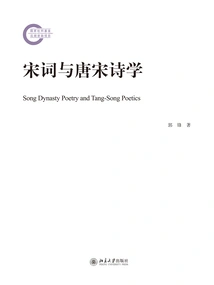
Song Ci and Tang and Song Poetry
Literature宋词与唐宋诗学
Guo Feng
This book attempts to use the method of ancient literary systems to study the interactive relationship between Song poetry and Tang and Song poetry. It also studies the mutual influence of Tang and Song poetry on the composition, genre, theory, and annotation of the Song Dynasty poetry system under a unified system, and draws a series of new perspectives. The whole book is divided into two parts: Tang and Song poetics and Song Ci creation; Tang and Song poetics and Song Ci system.
This book attempts to use the method of ancient literary systems to study the interactive relationship between Song poetry and Tang and Song poetry. It also studies the mutual influence of Tang and Song poetry on the composition, genre, theory, and annotation of the Song Dynasty poetry system under a unified system, and draws a series of new perspectives. The whole book is divided into two parts: Tang and Song poetics and Song Ci creation; Tang and Song poetics and Song Ci system.
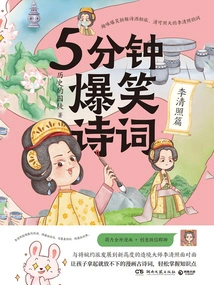
5分钟爆笑诗词:李清照篇
Prisoners Of History
Read all the life stories of Li Qingzhao in one book, and hilariously dissect the poems of Li Qingzhao who depended on poetry and wine, and could shine brightly in the sky! The new work of the well-known author "Prisoners of History", innovative and cute comics + creative WeChat group chat, hilarious and funny, suitable for all ages! This book innovatively integrates ancient poetry into a modern context, coupled with creative WeChat conversations that span time and space. It is based on history and is imaginative. Learning ancient poetry is far more interesting than Chinese texts! Face to face with Li Qingzhao, you will never get tired of reading the hilarious ancient poems again and again. Li Qingzhao in the Song Dynasty is amazing! Understand Qingzhao through the five major categories of creation, and understand the foothold and profound meaning of Li Qingzhao's poetry creation from her life context. "5 Minutes of Hilarious Poems: Li Qingzhao" tells the life of Li Qingzhao through vivid historical stories, lively and humorous writing, comics and text, and interprets Li Qingzhao's important poetry creations in the context of the story. She uses her romance, stubbornness, struggle, and pain to conquer her readers in just a hundred words time and time again. She single-handedly overcame the reality of bullets and bullets, and stubbornly released her stubbornness in her poems. The whole book is both interesting and extremely informative. You can read all of Li Qingzhao's life story in one book and condense the essence of Li Qingzhao's poetry in 5 minutes.
Read all the life stories of Li Qingzhao in one book, and hilariously dissect the poems of Li Qingzhao who depended on poetry and wine, and could shine brightly in the sky! The new work of the well-known author "Prisoners of History", innovative and cute comics + creative WeChat group chat, hilarious and funny, suitable for all ages! This book innovatively integrates ancient poetry into a modern context, coupled with creative WeChat conversations that span time and space. It is based on history and is imaginative. Learning ancient poetry is far more interesting than Chinese texts! Face to face with Li Qingzhao, you will never get tired of reading the hilarious ancient poems again and again. Li Qingzhao in the Song Dynasty is amazing! Understand Qingzhao through the five major categories of creation, and understand the foothold and profound meaning of Li Qingzhao's poetry creation from her life context. "5 Minutes of Hilarious Poems: Li Qingzhao" tells the life of Li Qingzhao through vivid historical stories, lively and humorous writing, comics and text, and interprets Li Qingzhao's important poetry creations in the context of the story. She uses her romance, stubbornness, struggle, and pain to conquer her readers in just a hundred words time and time again. She single-handedly overcame the reality of bullets and bullets, and stubbornly released her stubbornness in her poems. The whole book is both interesting and extremely informative. You can read all of Li Qingzhao's life story in one book and condense the essence of Li Qingzhao's poetry in 5 minutes.
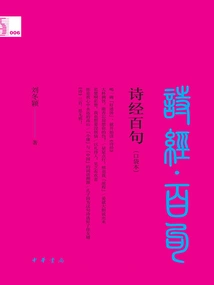
One Hundred Verses from the Book of Songs: One Hundred Verses from Chinese Classics (pocket Edition)
Literature诗经百句:中华经典百句(口袋本)
Liu Dongying
The Book of Songs is a song that sings about Chinese people's weddings, funerals, joys, sorrows, and sorrows; the Book of Songs is also a scripture that shapes the Chinese people's euphemistic and elegant character, simple and simple aesthetics, and clear concepts of love and hate. Professor Liu Dongying of Heilongjiang University selected a hundred essential lines from the Book of Songs. With her profound academic foundation and love for classical literature, she led us to travel between the natural and cultural landscapes described in the Book of Songs, and experience the sincere emotions and endless reveries derived from life. This book cleverly integrates the emotional needs and thinking perspectives of modern people, covering multiple themes such as love, marriage, family, labor, war, nature, etc., Showing the diverse aspects of ancient society and people's true emotions. Each poem is accompanied by concise annotations and vivid explanations, aiming to provide busy modern people with a window to "dialogue" with the ancients, penetrate into the literary palace of the Book of Songs, and absorb the sweet spring of wisdom from the classical charm.
The Book of Songs is a song that sings about Chinese people's weddings, funerals, joys, sorrows, and sorrows; the Book of Songs is also a scripture that shapes the Chinese people's euphemistic and elegant character, simple and simple aesthetics, and clear concepts of love and hate. Professor Liu Dongying of Heilongjiang University selected a hundred essential lines from the Book of Songs. With her profound academic foundation and love for classical literature, she led us to travel between the natural and cultural landscapes described in the Book of Songs, and experience the sincere emotions and endless reveries derived from life. This book cleverly integrates the emotional needs and thinking perspectives of modern people, covering multiple themes such as love, marriage, family, labor, war, nature, etc., Showing the diverse aspects of ancient society and people's true emotions. Each poem is accompanied by concise annotations and vivid explanations, aiming to provide busy modern people with a window to "dialogue" with the ancients, penetrate into the literary palace of the Book of Songs, and absorb the sweet spring of wisdom from the classical charm.
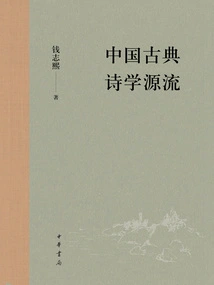
The Origin of Chinese Classical Poetry
Literature中国古典诗学源流
Qian Zhixi
"The Origins of Classical Chinese Poetics", written by Qian Zhixi. This book collects 32 academic papers on Chinese classical poetry written by the author over the years. Based on the scope of poetry itself, it explores its origin and evolution. It also discusses the connotation of poetics, the evolutionary trends and rules of the history of poetry, as well as specific poetic styles and poets' creations. It attempts to explore the evolving poetic system that exists in the history of poetry. This book brings together the author's research results and experiences on Chinese classical poetry over the past twenty years, and contains the author's unique research methods and academic concepts.
"The Origins of Classical Chinese Poetics", written by Qian Zhixi. This book collects 32 academic papers on Chinese classical poetry written by the author over the years. Based on the scope of poetry itself, it explores its origin and evolution. It also discusses the connotation of poetics, the evolutionary trends and rules of the history of poetry, as well as specific poetic styles and poets' creations. It attempts to explore the evolving poetic system that exists in the history of poetry. This book brings together the author's research results and experiences on Chinese classical poetry over the past twenty years, and contains the author's unique research methods and academic concepts.
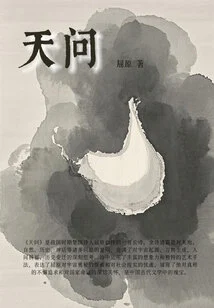
Tianwen
Literature天问
Qu Yuan
"Heavenly Questions" is a long poem written by Qu Yuan, a poet of the Chu State during the Warring States Period. The whole poem asks questions about heaven and earth, nature, history, mythology and many other issues. It is full of profound thoughts on the origin of the universe, the creation of all things, the blessings and blessings of the world, and historical changes. The poem uses rich imagination and unique artistic techniques to express Qu Yuan's exploration of the mysteries of the universe and concerns about social reality, and demonstrates his unremitting pursuit of truth and deep concern for the fate of the country. It is a treasure in ancient Chinese literature.
"Heavenly Questions" is a long poem written by Qu Yuan, a poet of the Chu State during the Warring States Period. The whole poem asks questions about heaven and earth, nature, history, mythology and many other issues. It is full of profound thoughts on the origin of the universe, the creation of all things, the blessings and blessings of the world, and historical changes. The poem uses rich imagination and unique artistic techniques to express Qu Yuan's exploration of the mysteries of the universe and concerns about social reality, and demonstrates his unremitting pursuit of truth and deep concern for the fate of the country. It is a treasure in ancient Chinese literature.
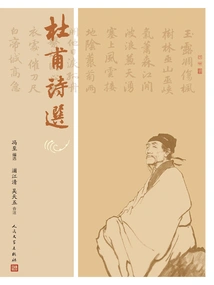
Selected Poems of Du Fu
Literature杜甫诗选
Edited And Selected By Feng Zhi, Pu Jiangqing, And Wu Tianwu Annotated
Du Fu is a well-known poet in the prosperous Tang Dynasty. He has more than 1,400 poems that have been handed down to this day. His poems record his life and thoughts and are a faithful reflection of his life trajectory and the era in which he lived. They are also outstanding works of art and the pinnacle of classical poetry. In the 1930s and 1940s, the Chinese people suffered from wars. Du Fu's life deeply touched people's heartstrings. The famous scholar Feng Zhi also began to study Du Fu during this period and began to write Du Fu's biography, which was published one after another. In the 1950s, People's Literature Publishing House invited Feng Zhi to annotate Du's poems. After Mr. Feng completed the selection, he was unable to annotate due to work arrangements, so the publishing house invited famous scholars Pu Jiangqing and Wu Tianwu to annotate the book. Pu and Wu worked hard to complete this anthology of Du's poems, which has great contemporary influence. The book was published in 1956. It contains 264 selected poems and is organized chronologically. It is a popular and academic anthology of Du's poems and is still readable today. In this reprint, we accept the opinions of the author's family and have attached several letters from Pu Jiangqing and Wu Tianwu discussing the annotation for your reference.
Du Fu is a well-known poet in the prosperous Tang Dynasty. He has more than 1,400 poems that have been handed down to this day. His poems record his life and thoughts and are a faithful reflection of his life trajectory and the era in which he lived. They are also outstanding works of art and the pinnacle of classical poetry. In the 1930s and 1940s, the Chinese people suffered from wars. Du Fu's life deeply touched people's heartstrings. The famous scholar Feng Zhi also began to study Du Fu during this period and began to write Du Fu's biography, which was published one after another. In the 1950s, People's Literature Publishing House invited Feng Zhi to annotate Du's poems. After Mr. Feng completed the selection, he was unable to annotate due to work arrangements, so the publishing house invited famous scholars Pu Jiangqing and Wu Tianwu to annotate the book. Pu and Wu worked hard to complete this anthology of Du's poems, which has great contemporary influence. The book was published in 1956. It contains 264 selected poems and is organized chronologically. It is a popular and academic anthology of Du's poems and is still readable today. In this reprint, we accept the opinions of the author's family and have attached several letters from Pu Jiangqing and Wu Tianwu discussing the annotation for your reference.
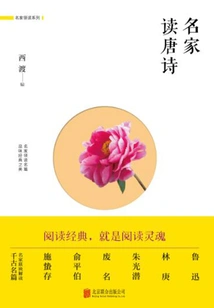
Famous People Read Tang Poetry
Literature名家读唐诗
Xidu Edition
The Tang Dynasty was the pinnacle of Chinese classical poetry. It not only encompasses various possibilities of poetry and opens the youthful era of Chinese poetry, but also achieves the most energetic and rich stage of Chinese classical poetry and creates a prosperous age of poetry in history. In this vibrant garden, there is the character of "Thinking about the heaven and the earth for a long time, crying alone with sadness", there are also the erotic words of "the clouds think of clothes and flowers, and the spring breeze reveals the richness of the railings"; there are also the words of "lying drunk" "Don't laugh on the battlefield. How many people have fought in ancient times". There is also the gentleness of "It's hard to say goodbye when we meet. The east wind is powerless and all the flowers wither." There is also the melancholy of "the wine and meat in the rich family are stinky, and the bones are frozen to death on the road"... Reading some Tang poetry with famous writers, you can not only fully feel the vigorous vitality and rich imagination of Tang poetry, and walk on the road of youth with the poet, but also appreciate the personal writing that starts from the form but is not rigidly adhered to the form. From this, you can deeply touch the most precious spirit of poetry and understand the infinite possibilities brought by poetry.
The Tang Dynasty was the pinnacle of Chinese classical poetry. It not only encompasses various possibilities of poetry and opens the youthful era of Chinese poetry, but also achieves the most energetic and rich stage of Chinese classical poetry and creates a prosperous age of poetry in history. In this vibrant garden, there is the character of "Thinking about the heaven and the earth for a long time, crying alone with sadness", there are also the erotic words of "the clouds think of clothes and flowers, and the spring breeze reveals the richness of the railings"; there are also the words of "lying drunk" "Don't laugh on the battlefield. How many people have fought in ancient times". There is also the gentleness of "It's hard to say goodbye when we meet. The east wind is powerless and all the flowers wither." There is also the melancholy of "the wine and meat in the rich family are stinky, and the bones are frozen to death on the road"... Reading some Tang poetry with famous writers, you can not only fully feel the vigorous vitality and rich imagination of Tang poetry, and walk on the road of youth with the poet, but also appreciate the personal writing that starts from the form but is not rigidly adhered to the form. From this, you can deeply touch the most precious spirit of poetry and understand the infinite possibilities brought by poetry.
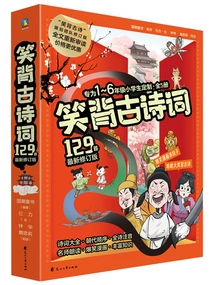
笑背古诗词129首(最新修订版)
Compiled By Guochao Children's Books, Illustrated By San Li, Read By Zhong Hua And Wei Zhongli
"129 Ancient Poems on a Smiling Memorization (Latest Revised Edition)" is an upgraded version of the best-selling book "129 Ancient Poems on a Smiling Memorization for Primary School Students (New Complete Edition)", and the illustrations have been proofread and redrawn. There are 129 poems in the book, and the ancient poems used include not only ancient poems but also Song poems! It is a comic book about ancient poetry and poetry. It covers primary school textbooks, must-memorize content in ministry editions, more than 700 cartoons, and hilarious jokes, allowing children to easily memorize ancient poems. In addition to ancient poetry, there are also various knowledge points in Chinese language, such as idioms, writing, history, geography, science, and common sense of life. It is a set of encyclopedia-level Chinese books.
"129 Ancient Poems on a Smiling Memorization (Latest Revised Edition)" is an upgraded version of the best-selling book "129 Ancient Poems on a Smiling Memorization for Primary School Students (New Complete Edition)", and the illustrations have been proofread and redrawn. There are 129 poems in the book, and the ancient poems used include not only ancient poems but also Song poems! It is a comic book about ancient poetry and poetry. It covers primary school textbooks, must-memorize content in ministry editions, more than 700 cartoons, and hilarious jokes, allowing children to easily memorize ancient poems. In addition to ancient poetry, there are also various knowledge points in Chinese language, such as idioms, writing, history, geography, science, and common sense of life. It is a set of encyclopedia-level Chinese books.
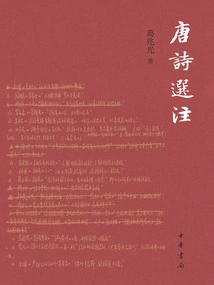
Selected Notes on Tang Poems
Literature唐诗选注
Ge Zhaoguang
Mr. Ge Zhaoguang used his profound insight into the history of poetry and his detailed experience of Tang poetry to select 282 poems by 78 poets from the vast collection of Tang poetry. Among them are both good poems and famous works, as well as works with irreplaceable significance in the development of poetry history. The description of the poet's style in the biography and the summary of previous comments are organically integrated with the author's original ideas; the annotations are widely cited, specific and subtle, which help readers deepen their understanding and feeling of poetic meaning and techniques. The author makes good use of metaphors and the language is easy to understand, making it suitable for ordinary readers as an introduction to poetry.
Mr. Ge Zhaoguang used his profound insight into the history of poetry and his detailed experience of Tang poetry to select 282 poems by 78 poets from the vast collection of Tang poetry. Among them are both good poems and famous works, as well as works with irreplaceable significance in the development of poetry history. The description of the poet's style in the biography and the summary of previous comments are organically integrated with the author's original ideas; the annotations are widely cited, specific and subtle, which help readers deepen their understanding and feeling of poetic meaning and techniques. The author makes good use of metaphors and the language is easy to understand, making it suitable for ordinary readers as an introduction to poetry.
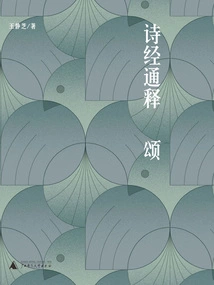
诗经通释·颂
Wang Jingzhi
The Book of Songs is the first collection of poetry in Chinese history. It is the source of Chinese literary and poetic aesthetics and the starting point for understanding the spirit and flavor of traditional Chinese culture. This book is a detailed explanation of the Book of Songs. It starts with an introduction that explains the basic methods of reading poems, and then includes the full text of the Book of Songs. Each poem also includes the original text, poetic purpose, phonetic notation, word meaning, chapter and sentence explanations, old annotations, literary appreciation, etc. The annotations are detailed and can be used as a reference book for reading, learning and retrieval by readers of different levels and needs. The Book of Songs has existed for a long time and has many annotated versions. There are many differences in previous interpretations. Professor Wang Jingzhi, the author of this book, had an outstanding reputation in Taiwan's academic and educational circles in the second half of the 20th century. He had taught at Fu Jen Catholic University for a long time and served successively as the director of the Department of Chinese Literature and the director of the Institute of Chinese Studies. He has studied classics and history for decades, taking it as his own duty to pass on the classics and continue the cultural context. He has collected the results of his lifelong poetry writing in this book. "Words and sentences are explained throughout the whole chapter, simple meanings are explained briefly, and strive to be clear." He hopes to provide "beginners and self-study" with a simple and easy way to get a glimpse of the foundation of the classics and the beauty of the history of poetry. It is a classic work that helps today's readers and scholars understand the full picture of the "Book of Songs".
The Book of Songs is the first collection of poetry in Chinese history. It is the source of Chinese literary and poetic aesthetics and the starting point for understanding the spirit and flavor of traditional Chinese culture. This book is a detailed explanation of the Book of Songs. It starts with an introduction that explains the basic methods of reading poems, and then includes the full text of the Book of Songs. Each poem also includes the original text, poetic purpose, phonetic notation, word meaning, chapter and sentence explanations, old annotations, literary appreciation, etc. The annotations are detailed and can be used as a reference book for reading, learning and retrieval by readers of different levels and needs. The Book of Songs has existed for a long time and has many annotated versions. There are many differences in previous interpretations. Professor Wang Jingzhi, the author of this book, had an outstanding reputation in Taiwan's academic and educational circles in the second half of the 20th century. He had taught at Fu Jen Catholic University for a long time and served successively as the director of the Department of Chinese Literature and the director of the Institute of Chinese Studies. He has studied classics and history for decades, taking it as his own duty to pass on the classics and continue the cultural context. He has collected the results of his lifelong poetry writing in this book. "Words and sentences are explained throughout the whole chapter, simple meanings are explained briefly, and strive to be clear." He hopes to provide "beginners and self-study" with a simple and easy way to get a glimpse of the foundation of the classics and the beauty of the history of poetry. It is a classic work that helps today's readers and scholars understand the full picture of the "Book of Songs".
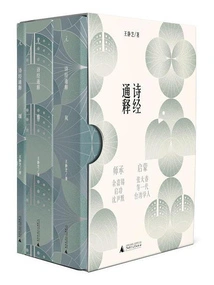
诗经通释(全三册)
Wang Jingzhi
The Book of Songs is the first collection of poetry in Chinese history. It is the source of Chinese literary and poetic aesthetics and the starting point for understanding the spirit and flavor of traditional Chinese culture. This book is a detailed explanation of the Book of Songs. It starts with an introduction that explains the basic methods of reading poems, and then includes the full text of the Book of Songs. Each poem also includes the original text, poetic purpose, phonetic notation, word meaning, chapter and sentence explanations, old annotations, literary appreciation, etc. The annotations are detailed and can be used as a reference book for reading, learning and retrieval by readers of different levels and needs. The Book of Songs has existed for a long time and has many annotated versions. There are many differences in previous interpretations. Professor Wang Jingzhi, the author of this book, had an outstanding reputation in Taiwan's academic and educational circles in the second half of the 20th century. He had taught at Fu Jen Catholic University for a long time and served successively as the director of the Department of Chinese Literature and the director of the Institute of Chinese Studies. He has studied classics and history for decades, taking it as his own duty to pass on the classics and continue the cultural context. He has collected the results of his lifelong poetry writing in this book. "Words and sentences are explained throughout the whole chapter, simple meanings are explained briefly, and strive to be clear." He hopes to provide "beginners and self-study" with a simple and easy way to get a glimpse of the foundation of the classics and the beauty of the history of poetry. It is a classic work that helps today's readers and scholars understand the full picture of the "Book of Songs".
The Book of Songs is the first collection of poetry in Chinese history. It is the source of Chinese literary and poetic aesthetics and the starting point for understanding the spirit and flavor of traditional Chinese culture. This book is a detailed explanation of the Book of Songs. It starts with an introduction that explains the basic methods of reading poems, and then includes the full text of the Book of Songs. Each poem also includes the original text, poetic purpose, phonetic notation, word meaning, chapter and sentence explanations, old annotations, literary appreciation, etc. The annotations are detailed and can be used as a reference book for reading, learning and retrieval by readers of different levels and needs. The Book of Songs has existed for a long time and has many annotated versions. There are many differences in previous interpretations. Professor Wang Jingzhi, the author of this book, had an outstanding reputation in Taiwan's academic and educational circles in the second half of the 20th century. He had taught at Fu Jen Catholic University for a long time and served successively as the director of the Department of Chinese Literature and the director of the Institute of Chinese Studies. He has studied classics and history for decades, taking it as his own duty to pass on the classics and continue the cultural context. He has collected the results of his lifelong poetry writing in this book. "Words and sentences are explained throughout the whole chapter, simple meanings are explained briefly, and strive to be clear." He hopes to provide "beginners and self-study" with a simple and easy way to get a glimpse of the foundation of the classics and the beauty of the history of poetry. It is a classic work that helps today's readers and scholars understand the full picture of the "Book of Songs".
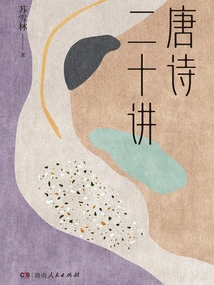
Twenty Lectures on Tang Poetry
Literature唐诗二十讲
Su Xuelin
"Twenty Lectures on Tang Poetry" (formerly known as "Introduction to Tang Poetry") is Su Xuelin's innovative use of modern literary theory to observe Tang poetry and study the history of Tang poetry. It is called "the first monograph on Tang poetry in modern China" by academic circles, and is also the first chronological history of poetry in my country. Su Xuelin broke with the traditional research methods and research ideas such as article studies and textual criticism used by previous generations of scholars, and used the academic vision and vision of a literary historian to examine the complex works of Tang Dynasty writers. He was the first to use modern concepts such as genres and styles to break through the vision of his predecessors. He examined the prosperity of Tang poetry in the context of the times, and analyzed and sorted out the historical process of the inheritance and evolution of Tang Dynasty poetry.
"Twenty Lectures on Tang Poetry" (formerly known as "Introduction to Tang Poetry") is Su Xuelin's innovative use of modern literary theory to observe Tang poetry and study the history of Tang poetry. It is called "the first monograph on Tang poetry in modern China" by academic circles, and is also the first chronological history of poetry in my country. Su Xuelin broke with the traditional research methods and research ideas such as article studies and textual criticism used by previous generations of scholars, and used the academic vision and vision of a literary historian to examine the complex works of Tang Dynasty writers. He was the first to use modern concepts such as genres and styles to break through the vision of his predecessors. He examined the prosperity of Tang poetry in the context of the times, and analyzed and sorted out the historical process of the inheritance and evolution of Tang Dynasty poetry.
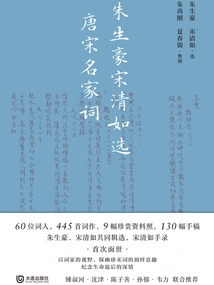
朱生豪宋清如选唐宋名家词
Compiled By Zhu Shenghao, Song Qingruxuan, Zhu Shanggang And Xia Chunjin
In the second half of 1943, newly married Zhu Shenghao and Song Qingru lived in Song Qingru's natal family in Changshu, Jiangsu Province for half a year. Because during the Song and Qing Dynasties, Ru's natal family had many collections, anthologies, comprehensive collections, and rhythms of poems by famous writers from the Tang, Song, and Qing Dynasties. Zhu Shenghao and Song Qingru, as a way to adjust their lives, systematically browsed through these poetry books together after meals or during breaks in translation. Based on their own opinions, they selected and compiled "400 Poems by Famous Writers in the Tang and Song Dynasties." Zhu Shenghao learned from Xia Chengtao, the modern and contemporary "poem master", and he is also very insightful in the selection and appreciation of Tang and Song poems. Supplemented by Junxiu's handwriting from the Song and Qing Dynasties, this anthology of poems has great charm in both content and form. Their son, Zhu Shanggang, and young scholar Xia Chunjin have compiled the poems based on Song Qingru's manuscripts in recent years, making this highly personal anthology of poetry that has gone through troubled times come to light again for the benefit of readers.
In the second half of 1943, newly married Zhu Shenghao and Song Qingru lived in Song Qingru's natal family in Changshu, Jiangsu Province for half a year. Because during the Song and Qing Dynasties, Ru's natal family had many collections, anthologies, comprehensive collections, and rhythms of poems by famous writers from the Tang, Song, and Qing Dynasties. Zhu Shenghao and Song Qingru, as a way to adjust their lives, systematically browsed through these poetry books together after meals or during breaks in translation. Based on their own opinions, they selected and compiled "400 Poems by Famous Writers in the Tang and Song Dynasties." Zhu Shenghao learned from Xia Chengtao, the modern and contemporary "poem master", and he is also very insightful in the selection and appreciation of Tang and Song poems. Supplemented by Junxiu's handwriting from the Song and Qing Dynasties, this anthology of poems has great charm in both content and form. Their son, Zhu Shanggang, and young scholar Xia Chunjin have compiled the poems based on Song Qingru's manuscripts in recent years, making this highly personal anthology of poetry that has gone through troubled times come to light again for the benefit of readers.
元代诗歌同题集咏现象研究
Li Wensheng
This book uses original literature to examine the process of spiritual construction of the collection of chants with the same title among poets of multiple ethnic groups in the Yuan Dynasty. It deeply analyzes the reasons, types and influence on the style of Yuan poetry in multi-cultural contexts, and comprehensively discusses the important position of the collection of chants with the same title in the poetics of the Yuan Dynasty.
This book uses original literature to examine the process of spiritual construction of the collection of chants with the same title among poets of multiple ethnic groups in the Yuan Dynasty. It deeply analyzes the reasons, types and influence on the style of Yuan poetry in multi-cultural contexts, and comprehensively discusses the important position of the collection of chants with the same title in the poetics of the Yuan Dynasty.
The Book of Songs Tongshi·feng
Literature诗经通释·风
Wang Jingzhi
The Book of Songs is the first collection of poetry in Chinese history. It is the source of Chinese literary and poetic aesthetics and the starting point for understanding the spirit and flavor of traditional Chinese culture. This book is a detailed explanation of the Book of Songs. It starts with an introduction that explains the basic methods of reading poems, and then includes the full text of the Book of Songs. Each poem also includes the original text, poetic purpose, phonetic notation, word meaning, chapter and sentence explanations, old annotations, literary appreciation, etc. The annotations are detailed and can be used as a reference book for reading, learning and retrieval by readers of different levels and needs. The Book of Songs has existed for a long time and has many annotated versions. There are many differences in previous interpretations. Professor Wang Jingzhi, the author of this book, had an outstanding reputation in Taiwan's academic and educational circles in the second half of the 20th century. He had taught at Fu Jen Catholic University for a long time and served successively as the director of the Department of Chinese Literature and the director of the Institute of Chinese Studies. He has studied classics and history for decades, taking it as his own duty to pass on the classics and continue the cultural context. He has collected the results of his lifelong poetry writing in this book. "Words and sentences are explained throughout the whole chapter, simple meanings are explained briefly, and strive to be clear." He hopes to provide "beginners and self-study" with a simple and easy way to get a glimpse of the foundation of the classics and the beauty of the history of poetry. It is a classic work that helps today's readers and scholars understand the full picture of the "Book of Songs".
The Book of Songs is the first collection of poetry in Chinese history. It is the source of Chinese literary and poetic aesthetics and the starting point for understanding the spirit and flavor of traditional Chinese culture. This book is a detailed explanation of the Book of Songs. It starts with an introduction that explains the basic methods of reading poems, and then includes the full text of the Book of Songs. Each poem also includes the original text, poetic purpose, phonetic notation, word meaning, chapter and sentence explanations, old annotations, literary appreciation, etc. The annotations are detailed and can be used as a reference book for reading, learning and retrieval by readers of different levels and needs. The Book of Songs has existed for a long time and has many annotated versions. There are many differences in previous interpretations. Professor Wang Jingzhi, the author of this book, had an outstanding reputation in Taiwan's academic and educational circles in the second half of the 20th century. He had taught at Fu Jen Catholic University for a long time and served successively as the director of the Department of Chinese Literature and the director of the Institute of Chinese Studies. He has studied classics and history for decades, taking it as his own duty to pass on the classics and continue the cultural context. He has collected the results of his lifelong poetry writing in this book. "Words and sentences are explained throughout the whole chapter, simple meanings are explained briefly, and strive to be clear." He hopes to provide "beginners and self-study" with a simple and easy way to get a glimpse of the foundation of the classics and the beauty of the history of poetry. It is a classic work that helps today's readers and scholars understand the full picture of the "Book of Songs".
The Book of Songs Tongshi·ya
Literature诗经通释·雅
Wang Jingzhi
The Book of Songs is the first collection of poetry in Chinese history. It is the source of Chinese literary and poetic aesthetics and the starting point for understanding the spirit and flavor of traditional Chinese culture. This book is a detailed explanation of the Book of Songs. It starts with an introduction that explains the basic methods of reading poems, and then includes the full text of the Book of Songs. Each poem also includes the original text, poetic purpose, phonetic notation, word meaning, chapter and sentence explanations, old annotations, literary appreciation, etc. The annotations are detailed and can be used as a reference book for reading, learning and retrieval by readers of different levels and needs. The Book of Songs has existed for a long time and has many annotated versions. There are many differences in previous interpretations. Professor Wang Jingzhi, the author of this book, had an outstanding reputation in Taiwan's academic and educational circles in the second half of the 20th century. He had taught at Fu Jen Catholic University for a long time and served successively as the director of the Department of Chinese Literature and the director of the Institute of Chinese Studies. He has studied classics and history for decades, taking it as his own duty to pass on the classics and continue the cultural context. He has collected the results of his lifelong poetry writing in this book. "Words and sentences are explained throughout the whole chapter, simple meanings are explained briefly, and strive to be clear." He hopes to provide "beginners and self-study" with a simple and easy way to get a glimpse of the foundation of the classics and the beauty of the history of poetry. It is a classic work that helps today's readers and scholars understand the full picture of the "Book of Songs".
The Book of Songs is the first collection of poetry in Chinese history. It is the source of Chinese literary and poetic aesthetics and the starting point for understanding the spirit and flavor of traditional Chinese culture. This book is a detailed explanation of the Book of Songs. It starts with an introduction that explains the basic methods of reading poems, and then includes the full text of the Book of Songs. Each poem also includes the original text, poetic purpose, phonetic notation, word meaning, chapter and sentence explanations, old annotations, literary appreciation, etc. The annotations are detailed and can be used as a reference book for reading, learning and retrieval by readers of different levels and needs. The Book of Songs has existed for a long time and has many annotated versions. There are many differences in previous interpretations. Professor Wang Jingzhi, the author of this book, had an outstanding reputation in Taiwan's academic and educational circles in the second half of the 20th century. He had taught at Fu Jen Catholic University for a long time and served successively as the director of the Department of Chinese Literature and the director of the Institute of Chinese Studies. He has studied classics and history for decades, taking it as his own duty to pass on the classics and continue the cultural context. He has collected the results of his lifelong poetry writing in this book. "Words and sentences are explained throughout the whole chapter, simple meanings are explained briefly, and strive to be clear." He hopes to provide "beginners and self-study" with a simple and easy way to get a glimpse of the foundation of the classics and the beauty of the history of poetry. It is a classic work that helps today's readers and scholars understand the full picture of the "Book of Songs".
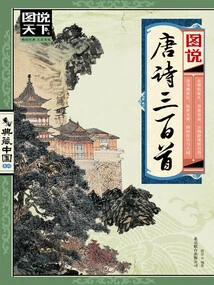
Three Hundred Tang Poems Illustrated
Literature图说唐诗三百首
Compiled By Qian Tang
This book is one of the "Illustrations of the World·Collection of China". This book is based on "Three Hundred Tang Poems" compiled and selected by Sun Zhu, a retired scholar from Hengtang in the Qing Dynasty. The annotations are concise and clear, allowing readers to quickly grasp the main idea of the poem; the appreciation is meticulous and meticulous, and the artistic charm of the poem is explained. The pictures in this book are exquisite and complement the artistic conception of the poem; the binding is elegant and refreshing to readers. It is a Chinese studies book suitable for public reading.
This book is one of the "Illustrations of the World·Collection of China". This book is based on "Three Hundred Tang Poems" compiled and selected by Sun Zhu, a retired scholar from Hengtang in the Qing Dynasty. The annotations are concise and clear, allowing readers to quickly grasp the main idea of the poem; the appreciation is meticulous and meticulous, and the artistic charm of the poem is explained. The pictures in this book are exquisite and complement the artistic conception of the poem; the binding is elegant and refreshing to readers. It is a Chinese studies book suitable for public reading.
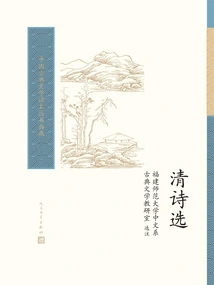
Selected Poems of the Qing Dynasty
Literature清诗选
Selected Notes From The Classical Literature Teaching And Research Section Of The Chinese Department Of Fujian Normal University
After experiencing decline and exploration in the Yuan and Ming dynasties, Chinese classical poetry reappeared in the Qing Dynasty, creating another peak of poetry creation following the Tang and Song dynasties. The high-pitched songs of literary masters, the bitter chants of poor commoners, the longing for the homeland during the Change of Dynasties, and the sorrowful sighs of life in the last days, all of which made Qing poetry shine and unique in the final period of Chinese classical literature. This book was selected and annotated by the Classical Literature Teaching and Research Office of the Chinese Department of Fujian Normal University. It was first published in the 1980s. A group of Qing Dynasty poetry research experts annotated the selected chapters, providing the best way for readers to understand and appreciate Qing Dynasty poetry. It was later revised and improved.
After experiencing decline and exploration in the Yuan and Ming dynasties, Chinese classical poetry reappeared in the Qing Dynasty, creating another peak of poetry creation following the Tang and Song dynasties. The high-pitched songs of literary masters, the bitter chants of poor commoners, the longing for the homeland during the Change of Dynasties, and the sorrowful sighs of life in the last days, all of which made Qing poetry shine and unique in the final period of Chinese classical literature. This book was selected and annotated by the Classical Literature Teaching and Research Office of the Chinese Department of Fujian Normal University. It was first published in the 1980s. A group of Qing Dynasty poetry research experts annotated the selected chapters, providing the best way for readers to understand and appreciate Qing Dynasty poetry. It was later revised and improved.
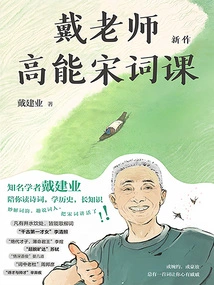
Teacher Dai's High-energy Song Ci Class
Literature戴老师高能宋词课
Dai Jianye
Based on the prosperous material life, the Song Dynasty developed an elegant and refined literati culture. Faced with the extraordinary achievements of Tang poetry, literati in the Song Dynasty opened up a new world with Song lyrics. The elegance of the life of the literati in the Song Dynasty, their romantic behavior, the richness of their souls, and the delicacy of their feelings are all vividly expressed in Song poetry. "High-Energy Song Ci Class" combs the aesthetic characteristics and development origin of Song Ci, and explains the life spirit and classic works of the great poet. From the small orders and middle tunes in the early Northern Song Dynasty, to Liu Yong's poems that "remain as high as those of the Tang Dynasty", Zhou Bangyan, the "old poet in poems", Li Qingzhao, the queen of poetry, Xin Qiji, a "poetry and handsome man", and Li Yu, an "unparalleled talent but a fateless king", etc., Teacher Dai's interpretation is profound and interesting, allowing readers to appreciate the beauty of Song poetry from the heart, and truly understand the elegance and elegance of Song Dynasty culture that is different from other dynasties. A wonderful explanation of the style and charm of Song poetry, and an interesting talk about the many misfortunes of poets. Graceful and bold, there is always a word that makes you feel sad.
Based on the prosperous material life, the Song Dynasty developed an elegant and refined literati culture. Faced with the extraordinary achievements of Tang poetry, literati in the Song Dynasty opened up a new world with Song lyrics. The elegance of the life of the literati in the Song Dynasty, their romantic behavior, the richness of their souls, and the delicacy of their feelings are all vividly expressed in Song poetry. "High-Energy Song Ci Class" combs the aesthetic characteristics and development origin of Song Ci, and explains the life spirit and classic works of the great poet. From the small orders and middle tunes in the early Northern Song Dynasty, to Liu Yong's poems that "remain as high as those of the Tang Dynasty", Zhou Bangyan, the "old poet in poems", Li Qingzhao, the queen of poetry, Xin Qiji, a "poetry and handsome man", and Li Yu, an "unparalleled talent but a fateless king", etc., Teacher Dai's interpretation is profound and interesting, allowing readers to appreciate the beauty of Song poetry from the heart, and truly understand the elegance and elegance of Song Dynasty culture that is different from other dynasties. A wonderful explanation of the style and charm of Song poetry, and an interesting talk about the many misfortunes of poets. Graceful and bold, there is always a word that makes you feel sad.
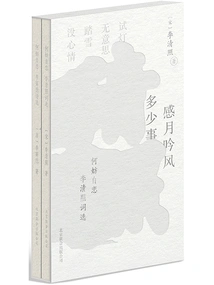
何妨自恋:李商隐诗选+李清照词选(全二册)
Li Shangyin Li Qingzhao
Poetry has a poetic realm, and words have a poetic realm. What will it look like when Li Shangyin, who "has not yet announced his return date", sees Li Qingzhao, who "knows it or not, he should be green, fat, red and thin"? This book uses "collision" as the key word, highlighting the collision between poetry and lyrics, poets and poets, and the two dynasties of the Tang and Song dynasties in terms of content and design. "Why Not Be Narcissistic: Selected Poems of Li Shangyin·Selected Poems of Li Qingzhao" consists of 100 poems from "Selected Poems of Li Shangyin" and 59 poems from "Selected Poems of Li Qingzhao". It includes both classics and masterpieces. The text includes four aspects: poetry\u002F lyrics, annotations, comments, and poetry\u002F chronology of the poets, in order to show readers the charm of the two authors' poetry from multiple angles. In addition to the selected poems, Professor Peng Guozhong of East China Normal University wrote a separate introductory volume to help readers feel the collision between poetry and modern life. The book comes with poetry letterheads with the theme of "love poetry". While readers can enjoy the beauty of classical literature, they can also use the letterheads to express their feelings in real life.
Poetry has a poetic realm, and words have a poetic realm. What will it look like when Li Shangyin, who "has not yet announced his return date", sees Li Qingzhao, who "knows it or not, he should be green, fat, red and thin"? This book uses "collision" as the key word, highlighting the collision between poetry and lyrics, poets and poets, and the two dynasties of the Tang and Song dynasties in terms of content and design. "Why Not Be Narcissistic: Selected Poems of Li Shangyin·Selected Poems of Li Qingzhao" consists of 100 poems from "Selected Poems of Li Shangyin" and 59 poems from "Selected Poems of Li Qingzhao". It includes both classics and masterpieces. The text includes four aspects: poetry\u002F lyrics, annotations, comments, and poetry\u002F chronology of the poets, in order to show readers the charm of the two authors' poetry from multiple angles. In addition to the selected poems, Professor Peng Guozhong of East China Normal University wrote a separate introductory volume to help readers feel the collision between poetry and modern life. The book comes with poetry letterheads with the theme of "love poetry". While readers can enjoy the beauty of classical literature, they can also use the letterheads to express their feelings in real life.
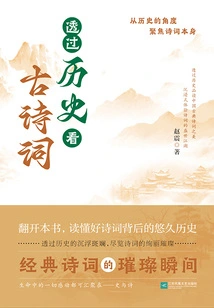
透过历史看古诗词
Zhao Zhen
This book slowly unfolds by taking classic lines from classic poems as the interpretation object. These moving famous sentences are either due to the rich content or the special form, that is, both content and form. The former connects the author's experiences and emotions, often the ups and downs of a life, the joys and sorrows of a life, condensed into one line of poetry. Such an interpretation of the poem is to sort out the author's story, which is moving enough in itself. The latter embodies the artistic creativity of the talented poet, and is dazzling and moving in terms of artistic characteristics and expression skills. The interpretation of this type of poetry can expand the reader's knowledge and improve the artistic appreciation of poetry. This book is divided into two parts: Painting the Character and Thinking Linglong. From a historical perspective, it focuses on the poetry itself and truly interprets its most valuable parts. It is highly readable.
This book slowly unfolds by taking classic lines from classic poems as the interpretation object. These moving famous sentences are either due to the rich content or the special form, that is, both content and form. The former connects the author's experiences and emotions, often the ups and downs of a life, the joys and sorrows of a life, condensed into one line of poetry. Such an interpretation of the poem is to sort out the author's story, which is moving enough in itself. The latter embodies the artistic creativity of the talented poet, and is dazzling and moving in terms of artistic characteristics and expression skills. The interpretation of this type of poetry can expand the reader's knowledge and improve the artistic appreciation of poetry. This book is divided into two parts: Painting the Character and Thinking Linglong. From a historical perspective, it focuses on the poetry itself and truly interprets its most valuable parts. It is highly readable.
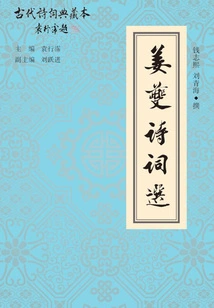
Selected Poems of Jiang Kui
Literature姜夔诗词选
Qian Zhixi Liu Qinghai
Jiang Kui was an important poet in the Southern Song Dynasty and a representative of the elegant school of literati poetry. His lyrics aim to be pure and elegant, rich in the beauty of music and show his extremely high artistic taste. In the history of Ci, Jiang Ci not only directly affected the history of Ci in the late Southern Song Dynasty, but also had a great influence on the Western Zhejiang Ci School in the Qing Dynasty. Jiang also has high achievements in poetry creation, especially his Qijue style, which is fresh and subtle, and his words are spiritual and purposeful. This book contains about 200,000 words, and selects 68 representative poems by Jiang Kui, including 24 poems and 44 lyrics, which relatively completely displays the overall achievements of Jiang Kui's poems. There is an "Introduction" at the front of the book, which is divided into three parts: "Jiang Kui's career and era", "Interpretation of the title of the collection "Songs of Taoist Baishi"" and "Jiang Kui's Poetry". It discusses Jiang Kui's life experience and achievements in poetry creation, which helps readers to fully understand Jiang Kui as a person and his works. As for the evaluation of specific works, it follows the style of the series and is divided into two parts: annotation and appreciation. The annotation part explains the creative background of the work, explains difficult words, reveals the source of the dictionary and the related allusions. It should be complicated when it is necessary, and it should be simple when it is suitable. The appraisal part is a relatively in-depth and detailed analysis of the meaning, structure, and artistic techniques of the work, and there are many interesting comments. In particular, the author's discussion on the melody of Baishi's poems is very enlightening. There is also an article "Baishi Ci Theory" at the back of the book for readers' reference.
Jiang Kui was an important poet in the Southern Song Dynasty and a representative of the elegant school of literati poetry. His lyrics aim to be pure and elegant, rich in the beauty of music and show his extremely high artistic taste. In the history of Ci, Jiang Ci not only directly affected the history of Ci in the late Southern Song Dynasty, but also had a great influence on the Western Zhejiang Ci School in the Qing Dynasty. Jiang also has high achievements in poetry creation, especially his Qijue style, which is fresh and subtle, and his words are spiritual and purposeful. This book contains about 200,000 words, and selects 68 representative poems by Jiang Kui, including 24 poems and 44 lyrics, which relatively completely displays the overall achievements of Jiang Kui's poems. There is an "Introduction" at the front of the book, which is divided into three parts: "Jiang Kui's career and era", "Interpretation of the title of the collection "Songs of Taoist Baishi"" and "Jiang Kui's Poetry". It discusses Jiang Kui's life experience and achievements in poetry creation, which helps readers to fully understand Jiang Kui as a person and his works. As for the evaluation of specific works, it follows the style of the series and is divided into two parts: annotation and appreciation. The annotation part explains the creative background of the work, explains difficult words, reveals the source of the dictionary and the related allusions. It should be complicated when it is necessary, and it should be simple when it is suitable. The appraisal part is a relatively in-depth and detailed analysis of the meaning, structure, and artistic techniques of the work, and there are many interesting comments. In particular, the author's discussion on the melody of Baishi's poems is very enlightening. There is also an article "Baishi Ci Theory" at the back of the book for readers' reference.
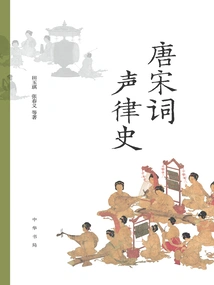
唐宋词声律史
Tian Yuqi Zhang Chunyi Et Al.
My country's rhyme literature developed to the Tang and Song Dynasties, and its rhythmic form has reached its peak. It has both stable patterns and complex changes, which is far from comparable to the poetry of previous generations. It is really colorful and spectacular. This book strives to open up the research on literature, linguistics and musicology, discusses it from the perspective of "musical style", "style" and the combination of the two, and three-dimensionally examines the occurrence and development history of Tang and Song poetry as music literature. In terms of "Music Style", it mainly discusses the connection and influence between Qing Dynasty Shang music, Fa Qu, Hu Buyan music, Song Dynasty court drum music, Dasheng music, etc. And Tang and Song poetry and music, focusing on the excavation and combing of historical materials of music literature; in terms of the coordination of poetry and music, it mainly focuses on Ricun dance Taking the composition "Zhangzhong Yaolu" as an example, we will discuss it from the aspects of tune, dance structure, sentence rhythm, etc.; In terms of "style", we will conduct a comprehensive review and historical investigation of the rhyme usage of Tang and Song poetry, and conduct a comprehensive investigation of the rhythm style of Tang and Song poetry from the perspectives of rhyme, sentence rhythm, and word sounds.
My country's rhyme literature developed to the Tang and Song Dynasties, and its rhythmic form has reached its peak. It has both stable patterns and complex changes, which is far from comparable to the poetry of previous generations. It is really colorful and spectacular. This book strives to open up the research on literature, linguistics and musicology, discusses it from the perspective of "musical style", "style" and the combination of the two, and three-dimensionally examines the occurrence and development history of Tang and Song poetry as music literature. In terms of "Music Style", it mainly discusses the connection and influence between Qing Dynasty Shang music, Fa Qu, Hu Buyan music, Song Dynasty court drum music, Dasheng music, etc. And Tang and Song poetry and music, focusing on the excavation and combing of historical materials of music literature; in terms of the coordination of poetry and music, it mainly focuses on Ricun dance Taking the composition "Zhangzhong Yaolu" as an example, we will discuss it from the aspects of tune, dance structure, sentence rhythm, etc.; In terms of "style", we will conduct a comprehensive review and historical investigation of the rhyme usage of Tang and Song poetry, and conduct a comprehensive investigation of the rhythm style of Tang and Song poetry from the perspectives of rhyme, sentence rhythm, and word sounds.
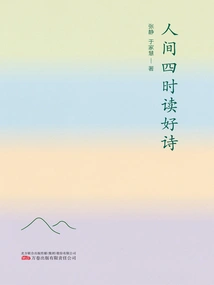
人间四时读好诗
Zhang Jing Yu Jiahui
This book contains a total of 96 classic poems by 24 poets. Each person chooses 4 poems related to "Spring, Summer, Autumn and Winter". Each poem is annotated and accompanied by an explanation. Every poem is a small piece of human life. Travel around the four seasons of the world with 24 poets, feel the scenery of the four seasons, and appreciate the beauty of the world. The book uses "sensation" as the theoretical center to interpret the poems of the four seasons, peeling off the cocoons and reaching the subtle depths of the poems, as if visiting the creation scene of each poem in person. It aims to bring readers into the world of poetry, feel the scenery of the four seasons, and appreciate true emotions. Appreciate the "young peaches and their blooms" in the spring, see the "lotus leaves catching the sky" in the hot summer, go to the "empty mountain after the new rain" with Wang Wei, sit around Bai Juyi's small stove and ask "It's snowing in the evening, can you have a drink?"...
This book contains a total of 96 classic poems by 24 poets. Each person chooses 4 poems related to "Spring, Summer, Autumn and Winter". Each poem is annotated and accompanied by an explanation. Every poem is a small piece of human life. Travel around the four seasons of the world with 24 poets, feel the scenery of the four seasons, and appreciate the beauty of the world. The book uses "sensation" as the theoretical center to interpret the poems of the four seasons, peeling off the cocoons and reaching the subtle depths of the poems, as if visiting the creation scene of each poem in person. It aims to bring readers into the world of poetry, feel the scenery of the four seasons, and appreciate true emotions. Appreciate the "young peaches and their blooms" in the spring, see the "lotus leaves catching the sky" in the hot summer, go to the "empty mountain after the new rain" with Wang Wei, sit around Bai Juyi's small stove and ask "It's snowing in the evening, can you have a drink?"...
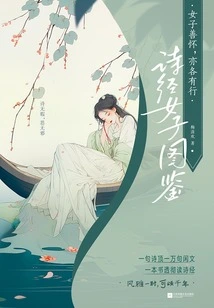
女子善怀,亦各有行:诗经女子图鉴
Mei Qinghuan
This is a book on interpretation of the Book of Songs. This book starts from the text of "The Book of Songs" to interpret the virtues of ancient women and the dilemmas they encountered. The author dialectically analyzes the female images in the Book of Songs. Some of them are brave, some are beautiful, some are ignorant, and some have low self-esteem... Each article is a vivid "ancient women's illustration", providing readers with a novel perspective on understanding the Book of Songs.
This is a book on interpretation of the Book of Songs. This book starts from the text of "The Book of Songs" to interpret the virtues of ancient women and the dilemmas they encountered. The author dialectically analyzes the female images in the Book of Songs. Some of them are brave, some are beautiful, some are ignorant, and some have low self-esteem... Each article is a vivid "ancient women's illustration", providing readers with a novel perspective on understanding the Book of Songs.
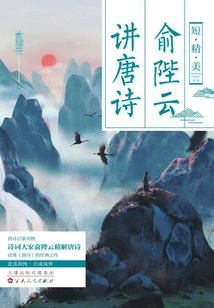
Yu Biyun Talks About Tang Poetry
Literature俞陛云讲唐诗
Yu Biyun
This is a book dedicated to the practice of rhymed poetry and quatrains in the Tang Dynasty. It was carefully compiled by Yu Biyun to educate his children and grandchildren. It was a poetic reading that inspired Yu Pingbo. The book is divided into four parts, A, B, C and D, and two sequels. It focuses on the practice of rhymed poetry and quatrains in the Tang Dynasty, with particular emphasis on analyzing the "tone, rhythm, meaning, syntax, and calligraphy" of each poem and couplet, as well as the "wonderfulness of the poetic realm." Bians B and D also specially excerpted some classic sentences from Tang poetry and commented on them in detail. The book contains hundreds of famous poems by Wang Bo, Luo Binwang, Li Bai, Du Fu, Wang Wei, Meng Haoran, Bai Juyi, etc., Each with unique viewpoints and penetrating comments. Not only can it be used as a method for learning poetry, but it is also an excellent book for appreciating the beauty of poetry.
This is a book dedicated to the practice of rhymed poetry and quatrains in the Tang Dynasty. It was carefully compiled by Yu Biyun to educate his children and grandchildren. It was a poetic reading that inspired Yu Pingbo. The book is divided into four parts, A, B, C and D, and two sequels. It focuses on the practice of rhymed poetry and quatrains in the Tang Dynasty, with particular emphasis on analyzing the "tone, rhythm, meaning, syntax, and calligraphy" of each poem and couplet, as well as the "wonderfulness of the poetic realm." Bians B and D also specially excerpted some classic sentences from Tang poetry and commented on them in detail. The book contains hundreds of famous poems by Wang Bo, Luo Binwang, Li Bai, Du Fu, Wang Wei, Meng Haoran, Bai Juyi, etc., Each with unique viewpoints and penetrating comments. Not only can it be used as a method for learning poetry, but it is also an excellent book for appreciating the beauty of poetry.
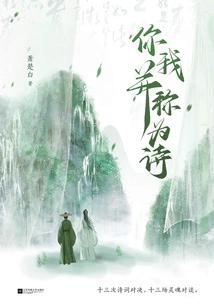
You and I Are Called Poetry
Literature你我并称为诗
Xiao Chubai
This is a poetry, non-fiction book. This book starts from "poetry" and uses the famous poets in the past dynasties as clues to connect the development and evolution of poems, lyrics and music, showing readers the development process of ancient Chinese poetry. "Wang Meng", "Li Du", "Yuan Bai", "Han Liu" and "Su Xin", these literati who are collectively called, may have similar poetry schools, or have many intersections in their lives, or may have very similar fates... Some of the members of the "group" are not even in the same era. This book will collect more than a dozen groups of literati who are collectively named, compare their life trajectories, interpret their literary works, connect the entire "history of poetry", and introduce the two parallel heroes in the world of poetry to readers one by one.
This is a poetry, non-fiction book. This book starts from "poetry" and uses the famous poets in the past dynasties as clues to connect the development and evolution of poems, lyrics and music, showing readers the development process of ancient Chinese poetry. "Wang Meng", "Li Du", "Yuan Bai", "Han Liu" and "Su Xin", these literati who are collectively called, may have similar poetry schools, or have many intersections in their lives, or may have very similar fates... Some of the members of the "group" are not even in the same era. This book will collect more than a dozen groups of literati who are collectively named, compare their life trajectories, interpret their literary works, connect the entire "history of poetry", and introduce the two parallel heroes in the world of poetry to readers one by one.
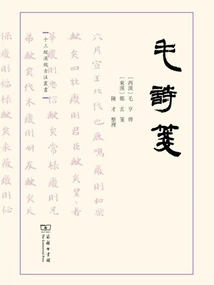
Mao Shi Jian
Literature毛诗笺
(western Han Dynasty) Mao Heng
"Mao's Poems and Notes", a biography of Mao Heng in the Western Han Dynasty, Zheng Xuan's notes in the Eastern Han Dynasty, compiled by Chen Cai. The Book of Songs, also known as "The Book of Songs" and "Three Hundred Poems", is my country's first collection of poems. It collects poems from the early Western Zhou Dynasty to the middle of the Spring and Autumn Period (11th century BC to 6th century BC), with a total of 311 poems, 6 of which are Sheng poems. It is said that Confucius deleted the "Book of Songs" and Zixia was known as "Literature" and was good at writing "The Book of Songs". It was later passed down to Mao Heng by Xun Kuang. During the reign of Emperor Wu of the Han Dynasty, "The Book of Songs" was listed as an official school, among which four schools of thought were Qi, Lu, Han, and Mao. Mao was Mao Heng. Mao Heng wrote "The Biography of Mao's Poems" to teach Mao Chang. Zheng Xuan's "Mao Shi Jian" in the Eastern Han Dynasty is generally called Zheng's "Jian", "Mao Shi Jian" or "Mao Shi Zhuan Jian". This book is based on the Song Dynasty box version of "Mao's Poems: Zhengyi", the Goshan edition of "Mao's Poems: Zhengyi", the Qing Dynasty's imitation Xiangtai Five Classics version of "Mao's Poems", the Qing Dynasty Wuyingdian's version of "Mao's Poems Annotations" and the Qing Dynasty's Nanchang Prefecture edition of "The Thirteen Classics Annotations" of "Mao's Poems" edited by Ruan Yuan. As for the texts of classics and biographies, Tongxiao used Duan Yucai's "The Final Edition of Mao's Poetry's Ancient Teachings" and Zhutian Guanghong's "Mao's Poetry Meeting Notes". The collation of this book has appropriately absorbed some of the results of Ruan Yuan's "Correction Notes". For the punctuation of this book, appropriate reference is made to the "Complete Book of Two Han Dynasties" and "Exegetical Biography of Mao's Poems" published by Shandong University Press, the traditional punctuation version of "Mao's Poems of Justice" published by Peking University Press, and "Annotations and Commentary on Mao's Poems" published by Shanghai Ancient Books Publishing House.
"Mao's Poems and Notes", a biography of Mao Heng in the Western Han Dynasty, Zheng Xuan's notes in the Eastern Han Dynasty, compiled by Chen Cai. The Book of Songs, also known as "The Book of Songs" and "Three Hundred Poems", is my country's first collection of poems. It collects poems from the early Western Zhou Dynasty to the middle of the Spring and Autumn Period (11th century BC to 6th century BC), with a total of 311 poems, 6 of which are Sheng poems. It is said that Confucius deleted the "Book of Songs" and Zixia was known as "Literature" and was good at writing "The Book of Songs". It was later passed down to Mao Heng by Xun Kuang. During the reign of Emperor Wu of the Han Dynasty, "The Book of Songs" was listed as an official school, among which four schools of thought were Qi, Lu, Han, and Mao. Mao was Mao Heng. Mao Heng wrote "The Biography of Mao's Poems" to teach Mao Chang. Zheng Xuan's "Mao Shi Jian" in the Eastern Han Dynasty is generally called Zheng's "Jian", "Mao Shi Jian" or "Mao Shi Zhuan Jian". This book is based on the Song Dynasty box version of "Mao's Poems: Zhengyi", the Goshan edition of "Mao's Poems: Zhengyi", the Qing Dynasty's imitation Xiangtai Five Classics version of "Mao's Poems", the Qing Dynasty Wuyingdian's version of "Mao's Poems Annotations" and the Qing Dynasty's Nanchang Prefecture edition of "The Thirteen Classics Annotations" of "Mao's Poems" edited by Ruan Yuan. As for the texts of classics and biographies, Tongxiao used Duan Yucai's "The Final Edition of Mao's Poetry's Ancient Teachings" and Zhutian Guanghong's "Mao's Poetry Meeting Notes". The collation of this book has appropriately absorbed some of the results of Ruan Yuan's "Correction Notes". For the punctuation of this book, appropriate reference is made to the "Complete Book of Two Han Dynasties" and "Exegetical Biography of Mao's Poems" published by Shandong University Press, the traditional punctuation version of "Mao's Poems of Justice" published by Peking University Press, and "Annotations and Commentary on Mao's Poems" published by Shanghai Ancient Books Publishing House.
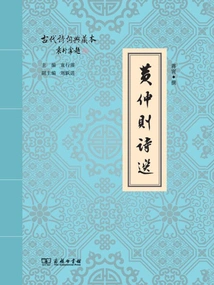
Selected Poems of Huang Zhongze
Literature黄仲则诗选
Jiang Yin
Huang Zhongze, a talented poet who died young, was promoted as the first poet in the Qianlong poetry circle in the Qing Dynasty. Since modern times, writers Yu Dafu, Qu Qiubai, A Ying, Zhang Yiping, etc. Have all praised his poetry. The unparalleled loneliness, lingering love and the hardships of survival for poor people in his poems have all aroused deep resonance in the hearts of future generations. "The stars look like they are not last night, for whom are they standing in the middle of the night?", "Nine out of ten people can look down upon them, but none of them are scholars", "Standing quietly on the city bridge, no one knows, one star is like the moon for a long time", these famous sentences are still popular today. This anthology is based on the editor's years of research and accumulation. It has unique selections, detailed annotations, and in-depth analysis. It also corrects some misunderstandings and misannotations by predecessors. It is currently the best reader of Huang Zhongze's poetry.
Huang Zhongze, a talented poet who died young, was promoted as the first poet in the Qianlong poetry circle in the Qing Dynasty. Since modern times, writers Yu Dafu, Qu Qiubai, A Ying, Zhang Yiping, etc. Have all praised his poetry. The unparalleled loneliness, lingering love and the hardships of survival for poor people in his poems have all aroused deep resonance in the hearts of future generations. "The stars look like they are not last night, for whom are they standing in the middle of the night?", "Nine out of ten people can look down upon them, but none of them are scholars", "Standing quietly on the city bridge, no one knows, one star is like the moon for a long time", these famous sentences are still popular today. This anthology is based on the editor's years of research and accumulation. It has unique selections, detailed annotations, and in-depth analysis. It also corrects some misunderstandings and misannotations by predecessors. It is currently the best reader of Huang Zhongze's poetry.
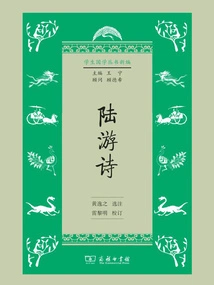
Lu Youshi
Literature陆游诗
Huang Yizhi's Selected Notes
Lu You is a famous patriotic poet and lyricist in Chinese history. Lu You has more than 9,300 existing poems. Patriotism and personality strength are a very distinct main line in his works. The style of Lu You's poems is mainly reflected in "seriousness" and "freshness". It has both a melancholy, tragic and vigorous side, as well as an elegant, quiet, quiet and indifferent side. He is a master of poetry in the Song Dynasty. Lu You has 143 existing lyrics. After Su Shi, he used poetry as his lyrics, further developed the content of his lyrics, broke through the barrier of "the lyrics are Yanke", and made important contributions to the development of Song poetry.
Lu You is a famous patriotic poet and lyricist in Chinese history. Lu You has more than 9,300 existing poems. Patriotism and personality strength are a very distinct main line in his works. The style of Lu You's poems is mainly reflected in "seriousness" and "freshness". It has both a melancholy, tragic and vigorous side, as well as an elegant, quiet, quiet and indifferent side. He is a master of poetry in the Song Dynasty. Lu You has 143 existing lyrics. After Su Shi, he used poetry as his lyrics, further developed the content of his lyrics, broke through the barrier of "the lyrics are Yanke", and made important contributions to the development of Song poetry.
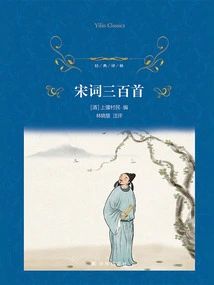
宋词三百首(经典译林)
(qing Dynasty) Compiled By Shangqiang Villager Annotated By Lin Xiaohui
Ci is one of the highest achievements in literature in the Song Dynasty. "Three Hundred Song Ci Poems" compiled by Shangqiang Cunmu (Zhu Xiaozang), one of the four great poets in the late Qing Dynasty and a master of Ci poetry, is an anthology of Song Ci poems that has influenced Cangzhou University for a hundred years. This book is based on Zhu's 1924 first edition, which is the only officially published version during Zhu's lifetime. It includes 88 poets including Ouyang Xiu, Liu Yong, Su Dongpo, Yan Jidao, Qin Guan, Xin Qiji, Jiang Kui, Wu Wenying, etc., And composed a total of 300 poems. The annotations are detailed and explain the profound things in a simple way. Attached is a biography of the poet and a chronology of Song poetry.
Ci is one of the highest achievements in literature in the Song Dynasty. "Three Hundred Song Ci Poems" compiled by Shangqiang Cunmu (Zhu Xiaozang), one of the four great poets in the late Qing Dynasty and a master of Ci poetry, is an anthology of Song Ci poems that has influenced Cangzhou University for a hundred years. This book is based on Zhu's 1924 first edition, which is the only officially published version during Zhu's lifetime. It includes 88 poets including Ouyang Xiu, Liu Yong, Su Dongpo, Yan Jidao, Qin Guan, Xin Qiji, Jiang Kui, Wu Wenying, etc., And composed a total of 300 poems. The annotations are detailed and explain the profound things in a simple way. Attached is a biography of the poet and a chronology of Song poetry.
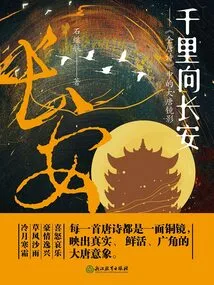
千里向长安:《全唐诗》中的大唐镜影
Shi Jihang
Chang'an in the prosperous Tang Dynasty was a dream city in people's hearts. Chang'an has color, with its splendor and splendor; Chang'an has voice, with the loud and resonant voice of the prosperous times; Chang'an has character, with the Tang Dynasty's enthusiasm and magnanimity. The magnificent city of Chang'an, which was glorious for thousands of years in the past, now only exists in our imagination. What was the real Tang Dynasty like? What were the real poets of the Tang Dynasty like? Fortunately, we also have "Complete Poems of the Tang Dynasty". The author uses poetry to testify to history, and in chronological order, he shows the elegance of the early Tang Dynasty, the splendor of the prosperous Tang Dynasty, the desolation of the middle Tang Dynasty, and the precariousness of the late Tang Dynasty. Appreciate the prosperity of the prosperous times thousands of years ago and feel the real charm of the Tang Dynasty. This book tells the story of the 289 years of the Tang Dynasty through more than 300 Tang poems: emperors, important ministers, generals, aristocratic families, poets, swordsmen, official prostitutes, princesses, common people... It is divided into four parts: "Impressions of the Early Tang Dynasty", "Glory of the Prosperous Tang Dynasty", "Winds of the Mid-Tang Dynasty" and "Remaining Photos of the Late Tang Dynasty", which together form a picture of all living beings in the Tang Dynasty.
Chang'an in the prosperous Tang Dynasty was a dream city in people's hearts. Chang'an has color, with its splendor and splendor; Chang'an has voice, with the loud and resonant voice of the prosperous times; Chang'an has character, with the Tang Dynasty's enthusiasm and magnanimity. The magnificent city of Chang'an, which was glorious for thousands of years in the past, now only exists in our imagination. What was the real Tang Dynasty like? What were the real poets of the Tang Dynasty like? Fortunately, we also have "Complete Poems of the Tang Dynasty". The author uses poetry to testify to history, and in chronological order, he shows the elegance of the early Tang Dynasty, the splendor of the prosperous Tang Dynasty, the desolation of the middle Tang Dynasty, and the precariousness of the late Tang Dynasty. Appreciate the prosperity of the prosperous times thousands of years ago and feel the real charm of the Tang Dynasty. This book tells the story of the 289 years of the Tang Dynasty through more than 300 Tang poems: emperors, important ministers, generals, aristocratic families, poets, swordsmen, official prostitutes, princesses, common people... It is divided into four parts: "Impressions of the Early Tang Dynasty", "Glory of the Prosperous Tang Dynasty", "Winds of the Mid-Tang Dynasty" and "Remaining Photos of the Late Tang Dynasty", which together form a picture of all living beings in the Tang Dynasty.
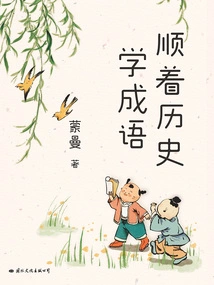
Learn Idioms Along the Lines of History
Literature顺着历史学成语
Monman
Are addition, subtraction, multiplication and division idioms? Is "cat and dog" an idiom? Is it an idiom to put oneself to death and live another life? Is it an idiom that a wise man will always make a mistake if he worries a lot; a fool will gain something if he worries a lot? Yes, these are all idioms. Idioms are fixed expressions that are established by convention. Idioms are produced in history, and idioms from different eras reflect the historical features of different eras. "Learning Idioms Following History" is an idiom course specially designed by Teacher Mengman for primary and middle school students. According to the historical development sequence from the pre-Qin Dynasty to the Yuan, Ming and Qing Dynasties, and closely following the textbook, 100+ key idioms are taught in series. Explore the origin of idioms, explain the allusions behind idioms, and clarify the meaning and usage of idioms. Let children learn to draw inferences from one example, learn history vividly, and use idioms flexibly.
Are addition, subtraction, multiplication and division idioms? Is "cat and dog" an idiom? Is it an idiom to put oneself to death and live another life? Is it an idiom that a wise man will always make a mistake if he worries a lot; a fool will gain something if he worries a lot? Yes, these are all idioms. Idioms are fixed expressions that are established by convention. Idioms are produced in history, and idioms from different eras reflect the historical features of different eras. "Learning Idioms Following History" is an idiom course specially designed by Teacher Mengman for primary and middle school students. According to the historical development sequence from the pre-Qin Dynasty to the Yuan, Ming and Qing Dynasties, and closely following the textbook, 100+ key idioms are taught in series. Explore the origin of idioms, explain the allusions behind idioms, and clarify the meaning and usage of idioms. Let children learn to draw inferences from one example, learn history vividly, and use idioms flexibly.
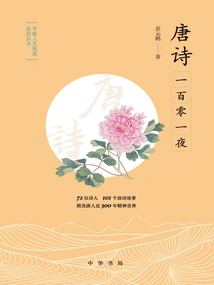
唐诗一百零一夜(予路人文阅读系列丛书)
Peng Yuanhe
"One Hundred and One Nights of Tang Poems" is modeled on the collection of Arabic folk tales "One Thousand and One Nights", and is composed of 101 Tang poems based on stories, vividly showing the origins of the writing of famous Tang poems and the life style of poets in the Tang Dynasty. The book contains the best works of 72 poets, divided into four series according to the chronological order of the early Tang Dynasty, the prosperous Tang Dynasty, the middle Tang Dynasty and the late Tang Dynasty and the logic of poetry development. By telling the poets' life experiences, friendships and singing, as well as the background and situations of the poems, the stories of Tang poetry return to the historical scene, showing the rich cultural heritage of the Tang Dynasty and the subtle inner world of the poets.
"One Hundred and One Nights of Tang Poems" is modeled on the collection of Arabic folk tales "One Thousand and One Nights", and is composed of 101 Tang poems based on stories, vividly showing the origins of the writing of famous Tang poems and the life style of poets in the Tang Dynasty. The book contains the best works of 72 poets, divided into four series according to the chronological order of the early Tang Dynasty, the prosperous Tang Dynasty, the middle Tang Dynasty and the late Tang Dynasty and the logic of poetry development. By telling the poets' life experiences, friendships and singing, as well as the background and situations of the poems, the stories of Tang poetry return to the historical scene, showing the rich cultural heritage of the Tang Dynasty and the subtle inner world of the poets.
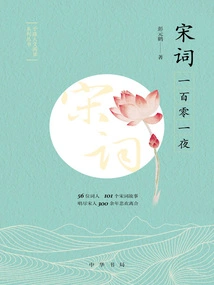
宋词一百零一夜(予路人文阅读系列丛书)
Peng Yuanhe
"One Hundred and One Nights of Song Ci" is modeled on the Arabian folk tale "One Thousand and One Nights", and is composed of 101 Song poems based on the story, vividly showing the origins of the writing of famous Song poems and the life scenes of literati in the Song Dynasty. The book contains the masterpieces of 56 poets, from Li Yu, who entered the Song Dynasty from the Southern Tang Dynasty, to Zhang Yan, who was a leading poet in the Song Dynasty. By telling the poets' lives, their lives, and their interactions, readers can feel the delicate emotional world and unique literary talent of the Song people.
"One Hundred and One Nights of Song Ci" is modeled on the Arabian folk tale "One Thousand and One Nights", and is composed of 101 Song poems based on the story, vividly showing the origins of the writing of famous Song poems and the life scenes of literati in the Song Dynasty. The book contains the masterpieces of 56 poets, from Li Yu, who entered the Song Dynasty from the Southern Tang Dynasty, to Zhang Yan, who was a leading poet in the Song Dynasty. By telling the poets' lives, their lives, and their interactions, readers can feel the delicate emotional world and unique literary talent of the Song people.
云间烟火:美得窒息的唐诗(英汉对照)
Lu Su's Analysis
A collection of Tang poetry and paintings in English that is intoxicatingly beautiful in form, meaning, and sound. The rhythmic fusion of two languages, the life of 43 poets, the style and rhyme of 121 volumes of Tang poetry, and the glory of the Tang Dynasty in 289 years. English translation of ancient poems: Professor Xu Yuanchong, a leading translator in China, personally translated and closely linked poetry with language and culture. He devoted his life to literary translation. I hope the world can see the beauty of China. Poetry appreciation: resolve the difficulties of words and sentences, analyze allusions in detail, and use romantic and beautiful language to lead readers into the country of poetry. In-depth interpretation: historical background, historical allusions, modern value... Each poem has its own unique meaning, which is worth savoring and reading. Biographies of poets: The legendary life experiences of poets. Reading poetry also reads people. It not only allows readers to easily understand poems, but also allows readers to understand the stories behind the words and the lives of poets. Phonetic notation of difficult words: Pinyin is added to key difficult words in poems to make reading easier and barrier-free for readers. Audio: Hundreds of volumes of poems and essays flow along with the book, allowing readers to immerse themselves in the pile of old papers, listen to the war and iron horses, and overlook the picturesque scenery. Vivid illustrations: Delicate and elegant ancient paintings outline a poetic and picturesque atmosphere in calligraphy and painting. Appreciation of the poetic prose writer Lu Su Qingli, the words are warm and beautiful. In the dream, I have experienced thousands of rivers and mountains, and it is hard to regret lovesickness. I appreciate the meaning and meaning in ancient poems. The old world is like a dream, and the beautiful articles on paper are left empty; the ancient road of Chang'an, the misty rain in the south of the Yangtze River, the bright moon in the Tianshan Mountains, the lonely smoke in the desert... In Tang poetry, there are picturesque mountains and rivers, and golden armies and iron horses; Li Bai, Bai Juyi, Du Fu... There were many famous poets in the prosperous Tang Dynasty, and their writings contained almost everyone's life experience; Tang poetry is the pinnacle of Chinese literature that stands proudly in ancient and modern times. If you don't read it, you don't know how beautiful Chinese literature is.
A collection of Tang poetry and paintings in English that is intoxicatingly beautiful in form, meaning, and sound. The rhythmic fusion of two languages, the life of 43 poets, the style and rhyme of 121 volumes of Tang poetry, and the glory of the Tang Dynasty in 289 years. English translation of ancient poems: Professor Xu Yuanchong, a leading translator in China, personally translated and closely linked poetry with language and culture. He devoted his life to literary translation. I hope the world can see the beauty of China. Poetry appreciation: resolve the difficulties of words and sentences, analyze allusions in detail, and use romantic and beautiful language to lead readers into the country of poetry. In-depth interpretation: historical background, historical allusions, modern value... Each poem has its own unique meaning, which is worth savoring and reading. Biographies of poets: The legendary life experiences of poets. Reading poetry also reads people. It not only allows readers to easily understand poems, but also allows readers to understand the stories behind the words and the lives of poets. Phonetic notation of difficult words: Pinyin is added to key difficult words in poems to make reading easier and barrier-free for readers. Audio: Hundreds of volumes of poems and essays flow along with the book, allowing readers to immerse themselves in the pile of old papers, listen to the war and iron horses, and overlook the picturesque scenery. Vivid illustrations: Delicate and elegant ancient paintings outline a poetic and picturesque atmosphere in calligraphy and painting. Appreciation of the poetic prose writer Lu Su Qingli, the words are warm and beautiful. In the dream, I have experienced thousands of rivers and mountains, and it is hard to regret lovesickness. I appreciate the meaning and meaning in ancient poems. The old world is like a dream, and the beautiful articles on paper are left empty; the ancient road of Chang'an, the misty rain in the south of the Yangtze River, the bright moon in the Tianshan Mountains, the lonely smoke in the desert... In Tang poetry, there are picturesque mountains and rivers, and golden armies and iron horses; Li Bai, Bai Juyi, Du Fu... There were many famous poets in the prosperous Tang Dynasty, and their writings contained almost everyone's life experience; Tang poetry is the pinnacle of Chinese literature that stands proudly in ancient and modern times. If you don't read it, you don't know how beautiful Chinese literature is.
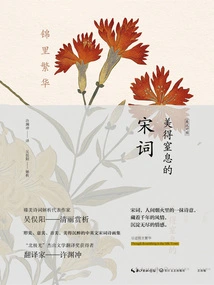
锦里繁华:美得窒息的宋词(英汉对照)
Analysis By Wu Maoyang
A collection of English Song poems and paintings that are intoxicatingly beautiful in form, meaning, and sound. The rhythmic fusion of two languages, the life of 33 poets, the worldly mist of 78 Song poems, and the leisurely elegance of the Song Dynasty for 320 years. English translation of ancient poems: Professor Xu Yuanchong, a leading translator in China, personally translated and closely linked poetry with language and culture. He devoted his life to literary translation. I hope the world can see the beauty of China. Poetry appreciation: resolve the difficulties of words and sentences, analyze allusions in detail, and use romantic and beautiful language to lead readers into the country of poetry. In-depth interpretation: historical background, historical allusions, modern value... Each poem has its own unique meaning, which is worth savoring and reading. Biographies of poets: The legendary life experiences of poets. Reading poetry also reads people. It not only allows readers to easily understand poems, but also allows readers to understand the stories behind the words and the lives of poets. Phonetic notation of difficult words: Pinyin is added to key difficult words in poems to make reading easier and barrier-free for readers.
A collection of English Song poems and paintings that are intoxicatingly beautiful in form, meaning, and sound. The rhythmic fusion of two languages, the life of 33 poets, the worldly mist of 78 Song poems, and the leisurely elegance of the Song Dynasty for 320 years. English translation of ancient poems: Professor Xu Yuanchong, a leading translator in China, personally translated and closely linked poetry with language and culture. He devoted his life to literary translation. I hope the world can see the beauty of China. Poetry appreciation: resolve the difficulties of words and sentences, analyze allusions in detail, and use romantic and beautiful language to lead readers into the country of poetry. In-depth interpretation: historical background, historical allusions, modern value... Each poem has its own unique meaning, which is worth savoring and reading. Biographies of poets: The legendary life experiences of poets. Reading poetry also reads people. It not only allows readers to easily understand poems, but also allows readers to understand the stories behind the words and the lives of poets. Phonetic notation of difficult words: Pinyin is added to key difficult words in poems to make reading easier and barrier-free for readers.
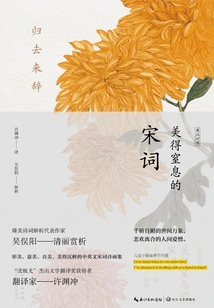
归去来辞:美得窒息的宋词(英汉对照)
Analysis By Wu Maoyang
A collection of English Song poems and paintings that are intoxicatingly beautiful in form, meaning, and sound. The rhythmic fusion of two languages, the life of 39 poets, the worldly mist of 78 Song poems, and the leisurely elegance of the Song Dynasty for 320 years. English translation of ancient poems: Professor Xu Yuanchong, a leading translator in China, personally translated and closely linked poetry with language and culture. He devoted his life to literary translation. I hope the world can see the beauty of China. Poetry appreciation: resolve the difficulties of words and sentences, analyze allusions in detail, and use romantic and beautiful language to lead readers into the country of poetry. In-depth interpretation: historical background, historical allusions, modern value... Each poem has its own unique meaning, which is worth savoring and reading. Biographies of poets: The legendary life experiences of poets. Reading poetry also reads people. It not only allows readers to easily understand poems, but also allows readers to understand the stories behind the words and the lives of poets. Phonetic notation of difficult words: Pinyin is added to key difficult words in poems to make reading easier and barrier-free for readers. Audio: Hundreds of volumes of poems and essays flow along with the book, allowing readers to immerse themselves in the pile of old papers, listen to the war and iron horses, and overlook the picturesque scenery. Vivid illustrations: Delicate and elegant ancient paintings outline a poetic and picturesque atmosphere in calligraphy and painting. Wu Maoyang, a famous poetry analyzer, devoted his efforts to interpretation. The words are delicate and graceful, deeply affectionate, and full of beauties in the world, and the joys and sorrows of human love and hate; Song poetry has become enchanting after wind and rain, and has become fragrant over time. In the pens of Su Shi, Xin Qiji, Li Qingzhao and other poets, they can see the various emotions of life and taste the vivid and fragrant life interest.
A collection of English Song poems and paintings that are intoxicatingly beautiful in form, meaning, and sound. The rhythmic fusion of two languages, the life of 39 poets, the worldly mist of 78 Song poems, and the leisurely elegance of the Song Dynasty for 320 years. English translation of ancient poems: Professor Xu Yuanchong, a leading translator in China, personally translated and closely linked poetry with language and culture. He devoted his life to literary translation. I hope the world can see the beauty of China. Poetry appreciation: resolve the difficulties of words and sentences, analyze allusions in detail, and use romantic and beautiful language to lead readers into the country of poetry. In-depth interpretation: historical background, historical allusions, modern value... Each poem has its own unique meaning, which is worth savoring and reading. Biographies of poets: The legendary life experiences of poets. Reading poetry also reads people. It not only allows readers to easily understand poems, but also allows readers to understand the stories behind the words and the lives of poets. Phonetic notation of difficult words: Pinyin is added to key difficult words in poems to make reading easier and barrier-free for readers. Audio: Hundreds of volumes of poems and essays flow along with the book, allowing readers to immerse themselves in the pile of old papers, listen to the war and iron horses, and overlook the picturesque scenery. Vivid illustrations: Delicate and elegant ancient paintings outline a poetic and picturesque atmosphere in calligraphy and painting. Wu Maoyang, a famous poetry analyzer, devoted his efforts to interpretation. The words are delicate and graceful, deeply affectionate, and full of beauties in the world, and the joys and sorrows of human love and hate; Song poetry has become enchanting after wind and rain, and has become fragrant over time. In the pens of Su Shi, Xin Qiji, Li Qingzhao and other poets, they can see the various emotions of life and taste the vivid and fragrant life interest.
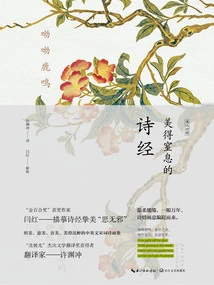
呦呦鹿鸣:美得窒息的诗经(英汉对照)
Yan Hong's Analysis
Beautiful in form, beautiful in meaning, beautiful in sound, this is an intoxicatingly beautiful collection of poems and paintings in English. 90 Odes to elegance, stunning 3,000 years of Chinese people's sincere temperament and moving poetry. Gentle and affectionate, with a glance that lasts for thousands of years, poetry and painting come to you. English translation of ancient poems: Professor Xu Yuanchong, a leading translator in China, personally translated and closely linked poetry with language and culture. He devoted his life to literary translation. I hope the world can see the beauty of China. Poetry appreciation: resolve the difficulties of words and sentences, analyze allusions in detail, and use romantic and beautiful language to lead readers into the country of poetry. In-depth interpretation: historical background, historical allusions, modern value... Each poem has its own unique meaning, which is worth savoring and reading. Biographies of poets: The legendary life experiences of poets. Reading poetry also reads people. It not only allows readers to easily understand poems, but also allows readers to understand the stories behind the words and the lives of poets. Phonetic notation of difficult words: Pinyin is added to key difficult words in poems to make reading easier and barrier-free for readers. Audio: Hundreds of volumes of poems and essays flow along with the book, allowing readers to immerse themselves in the pile of old papers, listen to the war and iron horses, and overlook the picturesque scenery. Vivid illustrations: Delicate and elegant ancient paintings outline a poetic and picturesque atmosphere in calligraphy and painting. Yan Hong, the annual "Tencent Everyone" columnist who has written many books, provides detailed commentary, delicate and clear writing style, romantic and sentimental, describing the beauty of the Book of Songs, "thinking without evil"; flowers, trees, birds and beasts, farming life, the love between men and women... Three thousand years ago People in the world sing when they see everything in the world, pure, simple, lovely, strong... The natural and simple beauty of human nature can be traced back to the Book of Songs. Those true and beautiful words have been praised for thousands of years. When people read it today, they feel graceful and moving.
Beautiful in form, beautiful in meaning, beautiful in sound, this is an intoxicatingly beautiful collection of poems and paintings in English. 90 Odes to elegance, stunning 3,000 years of Chinese people's sincere temperament and moving poetry. Gentle and affectionate, with a glance that lasts for thousands of years, poetry and painting come to you. English translation of ancient poems: Professor Xu Yuanchong, a leading translator in China, personally translated and closely linked poetry with language and culture. He devoted his life to literary translation. I hope the world can see the beauty of China. Poetry appreciation: resolve the difficulties of words and sentences, analyze allusions in detail, and use romantic and beautiful language to lead readers into the country of poetry. In-depth interpretation: historical background, historical allusions, modern value... Each poem has its own unique meaning, which is worth savoring and reading. Biographies of poets: The legendary life experiences of poets. Reading poetry also reads people. It not only allows readers to easily understand poems, but also allows readers to understand the stories behind the words and the lives of poets. Phonetic notation of difficult words: Pinyin is added to key difficult words in poems to make reading easier and barrier-free for readers. Audio: Hundreds of volumes of poems and essays flow along with the book, allowing readers to immerse themselves in the pile of old papers, listen to the war and iron horses, and overlook the picturesque scenery. Vivid illustrations: Delicate and elegant ancient paintings outline a poetic and picturesque atmosphere in calligraphy and painting. Yan Hong, the annual "Tencent Everyone" columnist who has written many books, provides detailed commentary, delicate and clear writing style, romantic and sentimental, describing the beauty of the Book of Songs, "thinking without evil"; flowers, trees, birds and beasts, farming life, the love between men and women... Three thousand years ago People in the world sing when they see everything in the world, pure, simple, lovely, strong... The natural and simple beauty of human nature can be traced back to the Book of Songs. Those true and beautiful words have been praised for thousands of years. When people read it today, they feel graceful and moving.
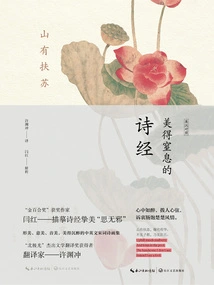
山有扶苏:美得窒息的诗经(英汉对照)
Yan Hong's Analysis
Beautiful in form, beautiful in meaning, beautiful in sound, this is an intoxicatingly beautiful collection of poems and paintings in English. 107 Odes to elegance, stunning Chinese people's sincere temperament and touching poems spanning 3,000 years. English translation of ancient poems: Professor Xu Yuanchong, a leading translator in China, personally translated and closely linked poetry with language and culture. He devoted his life to literary translation. I hope the world can see the beauty of China. Poetry appreciation: resolve the difficulties of words and sentences, analyze allusions in detail, and use romantic and beautiful language to lead readers into the country of poetry. In-depth interpretation: historical background, historical allusions, modern value... Each poem has its own unique meaning, which is worth savoring and reading. Biographies of poets: The legendary life experiences of poets. Reading poetry also reads people. It not only allows readers to easily understand poems, but also allows readers to understand the stories behind the words and the lives of poets. Phonetic notation of difficult words: Pinyin is added to key difficult words in poems to make reading easier and barrier-free for readers. Audio: Hundreds of volumes of poems and essays flow along with the book, allowing readers to immerse themselves in the pile of old papers, listen to the war and iron horses, and overlook the picturesque scenery. Vivid illustrations: Delicate and elegant ancient paintings outline a poetic and picturesque atmosphere in calligraphy and painting. Yan Hong, the annual "Tencent Everyone" columnist who has written many books, provides detailed commentary, delicate and clear writing style, romantic and sentimental, describing the beauty of the Book of Songs, "thinking without evil"; flowers, trees, birds and beasts, farming life, the love between men and women... Three thousand years ago People in the world sing when they see everything in the world, pure, simple, lovely, strong... The natural and simple beauty of human nature can be traced back to the Book of Songs. Those true and beautiful words have been praised for thousands of years. When people read it today, they feel graceful and moving.
Beautiful in form, beautiful in meaning, beautiful in sound, this is an intoxicatingly beautiful collection of poems and paintings in English. 107 Odes to elegance, stunning Chinese people's sincere temperament and touching poems spanning 3,000 years. English translation of ancient poems: Professor Xu Yuanchong, a leading translator in China, personally translated and closely linked poetry with language and culture. He devoted his life to literary translation. I hope the world can see the beauty of China. Poetry appreciation: resolve the difficulties of words and sentences, analyze allusions in detail, and use romantic and beautiful language to lead readers into the country of poetry. In-depth interpretation: historical background, historical allusions, modern value... Each poem has its own unique meaning, which is worth savoring and reading. Biographies of poets: The legendary life experiences of poets. Reading poetry also reads people. It not only allows readers to easily understand poems, but also allows readers to understand the stories behind the words and the lives of poets. Phonetic notation of difficult words: Pinyin is added to key difficult words in poems to make reading easier and barrier-free for readers. Audio: Hundreds of volumes of poems and essays flow along with the book, allowing readers to immerse themselves in the pile of old papers, listen to the war and iron horses, and overlook the picturesque scenery. Vivid illustrations: Delicate and elegant ancient paintings outline a poetic and picturesque atmosphere in calligraphy and painting. Yan Hong, the annual "Tencent Everyone" columnist who has written many books, provides detailed commentary, delicate and clear writing style, romantic and sentimental, describing the beauty of the Book of Songs, "thinking without evil"; flowers, trees, birds and beasts, farming life, the love between men and women... Three thousand years ago People in the world sing when they see everything in the world, pure, simple, lovely, strong... The natural and simple beauty of human nature can be traced back to the Book of Songs. Those true and beautiful words have been praised for thousands of years. When people read it today, they feel graceful and moving.
美得窒息的唐诗宋词诗经(套装全8册)
Analysis By Lu Su Et Al.
Beautiful in form, meaning, and sound, this is an intoxicatingly beautiful bilingual collection of Tang and Song poetry, poetry, and paintings. The immortality of the poet has created the style and charm of 300 volumes of Tang poetry, and the elegance of the Ci sect has filled up the worldly mist of 300 Song poetry. There are three hundred poems, and the thoughts are innocent. There is also the sound of the waves echoing in the Book of Songs for three thousand years. English translation of ancient poems: Professor Xu Yuanchong, a leading translator in China, personally translated and closely linked poetry with language and culture. He devoted his life to literary translation. I hope the world can see the beauty of China. Poetry appreciation: resolve the difficulties of words and sentences, analyze allusions in detail, and use romantic and beautiful language to lead readers into the country of poetry. In-depth interpretation: historical background, historical allusions, modern value... Each poem has its own unique meaning, which is worth savoring and reading. Biographies of poets: The legendary life experiences of poets. Reading poetry also reads people. It not only allows readers to easily understand poems, but also allows readers to understand the stories behind the words and the lives of poets. Phonetic notation of difficult words: Pinyin is added to key difficult words in poems to make reading easier and barrier-free for readers. Audio: Hundreds of volumes of poems and essays flow along with the book, allowing readers to immerse themselves in the pile of old papers, listen to the war and iron horses, and overlook the picturesque scenery. Vivid illustrations: Delicate and elegant ancient paintings outline a poetic and picturesque atmosphere in calligraphy and painting. Written by three famous writers, the rhythms of the two languages are integrated, the legendary lives of hundreds of poets, the style and charm of thousands of volumes of poems, and the splendor of the past thousands of years ago. The ancient road in Chang'an, the misty rain in the south of the Yangtze River, the bright moon in the Tianshan Mountains, and the solitary smoke in the desert... In Tang poems, there are picturesque mountains and rivers, gold and iron horses; brocade books in the clouds, colorless red paper, dreams in the small windows, and old friends thousands of miles away... Song lyrics contain the literary grace of the two Song Dynasties, which have become magical after the wind and rain. Rao has become more fragrant over the years; there are bandit gentlemen, green zijin, trees in the south, Fusu in the mountains... Three hundred poems, in one sentence, the thoughts are innocent; poetry is the pinnacle of Chinese literature that stands proudly in ancient and modern times. If you don't read it, you don't know how beautiful Chinese literature is.
Beautiful in form, meaning, and sound, this is an intoxicatingly beautiful bilingual collection of Tang and Song poetry, poetry, and paintings. The immortality of the poet has created the style and charm of 300 volumes of Tang poetry, and the elegance of the Ci sect has filled up the worldly mist of 300 Song poetry. There are three hundred poems, and the thoughts are innocent. There is also the sound of the waves echoing in the Book of Songs for three thousand years. English translation of ancient poems: Professor Xu Yuanchong, a leading translator in China, personally translated and closely linked poetry with language and culture. He devoted his life to literary translation. I hope the world can see the beauty of China. Poetry appreciation: resolve the difficulties of words and sentences, analyze allusions in detail, and use romantic and beautiful language to lead readers into the country of poetry. In-depth interpretation: historical background, historical allusions, modern value... Each poem has its own unique meaning, which is worth savoring and reading. Biographies of poets: The legendary life experiences of poets. Reading poetry also reads people. It not only allows readers to easily understand poems, but also allows readers to understand the stories behind the words and the lives of poets. Phonetic notation of difficult words: Pinyin is added to key difficult words in poems to make reading easier and barrier-free for readers. Audio: Hundreds of volumes of poems and essays flow along with the book, allowing readers to immerse themselves in the pile of old papers, listen to the war and iron horses, and overlook the picturesque scenery. Vivid illustrations: Delicate and elegant ancient paintings outline a poetic and picturesque atmosphere in calligraphy and painting. Written by three famous writers, the rhythms of the two languages are integrated, the legendary lives of hundreds of poets, the style and charm of thousands of volumes of poems, and the splendor of the past thousands of years ago. The ancient road in Chang'an, the misty rain in the south of the Yangtze River, the bright moon in the Tianshan Mountains, and the solitary smoke in the desert... In Tang poems, there are picturesque mountains and rivers, gold and iron horses; brocade books in the clouds, colorless red paper, dreams in the small windows, and old friends thousands of miles away... Song lyrics contain the literary grace of the two Song Dynasties, which have become magical after the wind and rain. Rao has become more fragrant over the years; there are bandit gentlemen, green zijin, trees in the south, Fusu in the mountains... Three hundred poems, in one sentence, the thoughts are innocent; poetry is the pinnacle of Chinese literature that stands proudly in ancient and modern times. If you don't read it, you don't know how beautiful Chinese literature is.
最是诗经慰人心
Li Lei
This is a healing masterpiece that explains the Book of Songs. Star speaker Li Lei explains all aspects of the Book of Songs. Cleanse your mind, infiltrate your soul in the words of "The Book of Songs", and taste the wisdom, courage and love that have traveled through more than two thousand years, and you will gain a more leisurely life!
This is a healing masterpiece that explains the Book of Songs. Star speaker Li Lei explains all aspects of the Book of Songs. Cleanse your mind, infiltrate your soul in the words of "The Book of Songs", and taste the wisdom, courage and love that have traveled through more than two thousand years, and you will gain a more leisurely life!
起舞弄清影:大宋词人的诗酒风流
Jian Mo
With the country's call to "enhance national pride", the study of traditional culture has become a continuing hot spot. Tang poetry and Song lyrics are the dazzling pearls of traditional culture. The author of this book, Jian Mo, inherited his family education at a young age, is good at poetry and prose, and has a good understanding of rhythm. With a pair of well-read eyes, he selected the handed down poems of eighteen poets in the Song Dynasty. With delicate and elegant brushwork, combined with the poet's life, he outlines the splendid and prosperous poems of the Song Dynasty, allowing us to appreciate the beauty of the amazing time contained in it. This book is highly readable, emphasizing both knowledge and literature. It is an excellent book for popularizing classical culture.
With the country's call to "enhance national pride", the study of traditional culture has become a continuing hot spot. Tang poetry and Song lyrics are the dazzling pearls of traditional culture. The author of this book, Jian Mo, inherited his family education at a young age, is good at poetry and prose, and has a good understanding of rhythm. With a pair of well-read eyes, he selected the handed down poems of eighteen poets in the Song Dynasty. With delicate and elegant brushwork, combined with the poet's life, he outlines the splendid and prosperous poems of the Song Dynasty, allowing us to appreciate the beauty of the amazing time contained in it. This book is highly readable, emphasizing both knowledge and literature. It is an excellent book for popularizing classical culture.
Huajianji
Literature花间集
Zhao Chongzuo
"Huajian Collection" is a collection of poetry compiled by Zhao Chongzuo of the Later Shu Dynasty. It includes the works of 18 poets from the late Tang Dynasty to the Five Dynasties, including Wen Tingyun, Huangfusong, He Ning, Wei Zhuang, Xue Zhaoyun, Niu Qiao, Zhang Bi, Ouyang Jiong, etc. This book contains a total of more than 460 works. The style of poetry in these works mostly imitates Wen Tingyun, and is characterized by describing the daily life of women in the boudoir. They sing in harmony with each other, are gorgeous, fragrant and soft, forming the Huajian Ci School. There are also works describing hatred and secretly killing the country. This book has a loving preface written by Li Yinsheng, professor and master's tutor of the Chinese Department of Guangxi University. It includes the main text, appreciation, comments and other sections, as well as the phonetic notation of the word "birth and difficulty", comments by famous artists in the past, etc., And includes famous paintings of flowers and birds, landscapes, ladies and other past dynasties. In addition, this book comes with a "Word Score" to help you experience the fun of writing lyrics.
"Huajian Collection" is a collection of poetry compiled by Zhao Chongzuo of the Later Shu Dynasty. It includes the works of 18 poets from the late Tang Dynasty to the Five Dynasties, including Wen Tingyun, Huangfusong, He Ning, Wei Zhuang, Xue Zhaoyun, Niu Qiao, Zhang Bi, Ouyang Jiong, etc. This book contains a total of more than 460 works. The style of poetry in these works mostly imitates Wen Tingyun, and is characterized by describing the daily life of women in the boudoir. They sing in harmony with each other, are gorgeous, fragrant and soft, forming the Huajian Ci School. There are also works describing hatred and secretly killing the country. This book has a loving preface written by Li Yinsheng, professor and master's tutor of the Chinese Department of Guangxi University. It includes the main text, appreciation, comments and other sections, as well as the phonetic notation of the word "birth and difficulty", comments by famous artists in the past, etc., And includes famous paintings of flowers and birds, landscapes, ladies and other past dynasties. In addition, this book comes with a "Word Score" to help you experience the fun of writing lyrics.
Xiaoshan Ci
Literature小山词
Yan Jidao
"Xiaoshan Ci" was compiled into a book by Yan Jidao in the fourth year of Yuanyou (1089). Its main content is to recall past romances, reflect the unfortunate experiences of lower-class women, and express the sorrow of traveling in captivity and the loneliness of wandering. The writing style of "Xiaoshan Ci" is full of sentimentality, the feelings are sad and sincere, the scenes are blended, the words are clear, gorgeous and not vulgar, which has been deeply appreciated by commentators. Among them, "Linjiang Immortal", "Partridge Sky" and "Ruan Lang Returns" are all famous works that have been praised throughout the history. This book has a loving preface written by Li Yinsheng, professor and master's tutor of the Chinese Department of Guangxi University. It includes the main text, appreciation, comments and other sections, as well as the phonetic notation of the word "birth and difficulty", comments by famous artists in the past, etc., And includes famous paintings of flowers and birds, landscapes, ladies and other past dynasties. In addition, this book comes with a "Word Score" to help you experience the fun of writing lyrics.
"Xiaoshan Ci" was compiled into a book by Yan Jidao in the fourth year of Yuanyou (1089). Its main content is to recall past romances, reflect the unfortunate experiences of lower-class women, and express the sorrow of traveling in captivity and the loneliness of wandering. The writing style of "Xiaoshan Ci" is full of sentimentality, the feelings are sad and sincere, the scenes are blended, the words are clear, gorgeous and not vulgar, which has been deeply appreciated by commentators. Among them, "Linjiang Immortal", "Partridge Sky" and "Ruan Lang Returns" are all famous works that have been praised throughout the history. This book has a loving preface written by Li Yinsheng, professor and master's tutor of the Chinese Department of Guangxi University. It includes the main text, appreciation, comments and other sections, as well as the phonetic notation of the word "birth and difficulty", comments by famous artists in the past, etc., And includes famous paintings of flowers and birds, landscapes, ladies and other past dynasties. In addition, this book comes with a "Word Score" to help you experience the fun of writing lyrics.
苏东坡说:苏东坡诗文中的故事
Cui Ming Cui Shichen
His life had ups and downs, twists and turns, but he was always open-minded and optimistic. He healed, enlightened and benefited countless people. If you feel anxious or uneasy, read Su Dongpo. The most important ability in life is to be able to make yourself happy no matter how difficult it is. This book tells the wonderful life story of Su Dongpo in the first-person voice. It is more readable, vivid and interesting. It is an introductory book about Su Dongpo written for everyone.
His life had ups and downs, twists and turns, but he was always open-minded and optimistic. He healed, enlightened and benefited countless people. If you feel anxious or uneasy, read Su Dongpo. The most important ability in life is to be able to make yourself happy no matter how difficult it is. This book tells the wonderful life story of Su Dongpo in the first-person voice. It is more readable, vivid and interesting. It is an introductory book about Su Dongpo written for everyone.
跟着古人学品茶:中国最美茶诗
Yang Duojie
Our country is both a "country of tea" and a "country of poetry". Literati loved to write poems and drink tea, so a large number of tea poems were born. In tea poems, we can restore the true tea-tasting scenes of ancient literati and reproduce their elegant taste; in tea poems, we can feel the friendship and warmth of thousands of years ago through the stories of literati drinking and giving tea. The book selects 40 tea poems, covering classic tea poems in the past dynasties, covering all aspects of tea such as tea production, tea picking, and tea tasting. Through poetry appreciation and tea poem copying, the book allows readers to gain an in-depth understanding of tea knowledge and tea culture based on tea poems. By copying tea poems, they can calm down and cultivate their character while experiencing the beauty of Chinese tea poems in more detail.
Our country is both a "country of tea" and a "country of poetry". Literati loved to write poems and drink tea, so a large number of tea poems were born. In tea poems, we can restore the true tea-tasting scenes of ancient literati and reproduce their elegant taste; in tea poems, we can feel the friendship and warmth of thousands of years ago through the stories of literati drinking and giving tea. The book selects 40 tea poems, covering classic tea poems in the past dynasties, covering all aspects of tea such as tea production, tea picking, and tea tasting. Through poetry appreciation and tea poem copying, the book allows readers to gain an in-depth understanding of tea knowledge and tea culture based on tea poems. By copying tea poems, they can calm down and cultivate their character while experiencing the beauty of Chinese tea poems in more detail.
历代词名句赏析
Compiled By Guo Yanquan
This book collects more than 1,500 famous words and sentences from past dynasties and appreciates and analyzes them.
This book collects more than 1,500 famous words and sentences from past dynasties and appreciates and analyzes them.
全注详评纳兰词(插图本)
(qing Dynasty) Commentary By Nalan Xingde, Ma Dayong And Others
Nalan Xingde was a famous poet in the Qing Dynasty and played an important role in the literary history of the Qing Dynasty. His works are also widely read and appreciated by contemporary readers. This book is written by Ma Dayong and Zhao Yufei, experts in Qing Dynasty Ci poetry research. Compared with some published anthologies of Nalan Ci poetry, it has relatively distinctive features. First of all, this book contains all of Nalan Xingde's lyrics. The original version is from Tongzhitang Collection, as well as other collated editions and contemporary compiled editions. Secondly, the author makes a comprehensive annotation and detailed analysis of Nalan's Ci, especially in the analysis part, which incorporates the author's academic achievements and experiences of studying Nalan Xingde and related Qing Dynasty and modern literature and culture for many years. Third, this book also sets up an "Additional Reading" column after each Nalan Ci work, which includes selected works by Huang Jingren, Shi Chengqian, Wang Shixiang, Liu Siwan, Yan Yuanzhao, Yang Fangcan, Guo Lu, Wu Zao , Gong Zizhen, Gu Chun, Zhou Zhiqi, Xiang Tingji, Xie Zhangqing, Zhou Xingyu, Liang Qichao, Kuang Zhouyi, Wang Guowei, Liu Yazi, Yang Qi, Huang Kan, Qiao Dazhuang, Zhang Henshui, Wang Dong, Shen Zu Fen and many other famous scholars and writers from the Qing Dynasty and modern times who were influenced by Nalan Ci. These lyrics are either sung by Nalan Xingde's friends or are tributes to Nalan Ci by later generations who studied Nalan Ci. They can reflect the acceptance, dissemination and transformation of Nalan Ci from the Qing Dynasty to modern times, form a distinct historical coordinate of Nalan Ci, and also present a wealth of literature for the study of Nalan Ci. In addition, the book is equipped with dozens of paintings by the famous modern painter Chen Shaomei, enriching readers' reading experience.
Nalan Xingde was a famous poet in the Qing Dynasty and played an important role in the literary history of the Qing Dynasty. His works are also widely read and appreciated by contemporary readers. This book is written by Ma Dayong and Zhao Yufei, experts in Qing Dynasty Ci poetry research. Compared with some published anthologies of Nalan Ci poetry, it has relatively distinctive features. First of all, this book contains all of Nalan Xingde's lyrics. The original version is from Tongzhitang Collection, as well as other collated editions and contemporary compiled editions. Secondly, the author makes a comprehensive annotation and detailed analysis of Nalan's Ci, especially in the analysis part, which incorporates the author's academic achievements and experiences of studying Nalan Xingde and related Qing Dynasty and modern literature and culture for many years. Third, this book also sets up an "Additional Reading" column after each Nalan Ci work, which includes selected works by Huang Jingren, Shi Chengqian, Wang Shixiang, Liu Siwan, Yan Yuanzhao, Yang Fangcan, Guo Lu, Wu Zao , Gong Zizhen, Gu Chun, Zhou Zhiqi, Xiang Tingji, Xie Zhangqing, Zhou Xingyu, Liang Qichao, Kuang Zhouyi, Wang Guowei, Liu Yazi, Yang Qi, Huang Kan, Qiao Dazhuang, Zhang Henshui, Wang Dong, Shen Zu Fen and many other famous scholars and writers from the Qing Dynasty and modern times who were influenced by Nalan Ci. These lyrics are either sung by Nalan Xingde's friends or are tributes to Nalan Ci by later generations who studied Nalan Ci. They can reflect the acceptance, dissemination and transformation of Nalan Ci from the Qing Dynasty to modern times, form a distinct historical coordinate of Nalan Ci, and also present a wealth of literature for the study of Nalan Ci. In addition, the book is equipped with dozens of paintings by the famous modern painter Chen Shaomei, enriching readers' reading experience.
陈献章诗编年笺校
Chen Yongzheng
Chen Xianzhang (1428:1500), named Gongfu and Shizhai. A native of Baishali, Xinhui, he is known as Mr. Baisha in the world. He was a thinker, educator, calligrapher, and poet in the Ming Dynasty. He was the only Ming Dynasty Confucian scholar in Guangdong who worshiped Confucius Temple. He advocated learning, knowing doubts, and independent thinking, and advocated a relatively free and open style of study, which gradually formed the Jiangmen School. Learned from Wu Yubi. In the twelfth year of Zhengtong (1447), people were elected. Later, he gave up his intention to take the imperial examination and was recommended to the Hanlin Academy for review, hoping that he would eventually be raised. I can't recommend him again and again. He gave lectures in his hometown and founded the Baisha School. Cultivation mainly involves sitting in meditation, so as to achieve the state of quiet enlightenment and self-satisfaction, which is the forerunner of enlightened mind learning in the modern era. There is a biography in Volume 283 of "History of the Ming Dynasty". This book is intended to collect all Chen Xianzhang's poems handed down from generation to generation in a chronological manner. It is based on the six-volume version of "The Complete Works of Bai Sha" engraved by He Jiuchou in the 49th year of Emperor Kangxi's reign in the Qing Dynasty (collected in the Library of Sun Yat-sen University). The ten-volume version of "Recent Drafts of Mr. Bai Sha's Poems" engraved by Wu Tingju in the ninth year of Hongzhi in the Ming Dynasty (referred to as the Wu version, collected by the Academia Sinica in History and Language, Taiwan) Research Institute); twenty-one volumes of "The Complete Works of Mr. Baisha" were engraved by He Ziming in the first year of Wanli in the Ming Dynasty (in the collection of the Institute of History and Philology, Academia Sinica, Taiwan); nine volumes of "The Complete Works of Baisha" were engraved by He Shangxin in the ninth year of Wanli in the Ming Dynasty (in the library of Sun Yat-sen University); Huang Zhizheng's original edition in the twelfth year of Shunzhi in the Qing Dynasty (referred to as the Huang version, is in the library of Sun Yat-sen University). Also refer to the collation records of Luo Qiao, Lin Qi, Gao Jian, Xiao Shiyan, He Xiongxiang, and Wang Anshun recorded in "Chen Xian Zhang Ji" edited by Sun Tonghai (referred to as Sun Jiao). In addition, twenty-nine poems outside the collection were transcribed from "Supplement to Chen Xianzhang's Poems and Prose", and several poems outside the collection were compiled from other books and are attached at the end of the volume. There are many editions of Mr. Baisha's collection. The author presided over the compilation work of "Quan Yue Poetry" and was responsible for sorting out Bai Sha's poems. He carefully searched for Mr. Bai Sha's collection and obtained the earliest Wu Tingju published version, "Recent Draft of Mr. Bai Sha's Poems" (referred to as the Wu version). Wu's "Recent Draft of Mr. Baisha's Poems" is a ten-volume edition written by Mr. Chen Baisha in his later years. It collects poems from Jiachen (1484), the 20th year of Chenghua, to Jiayin (1494), the seventh year of Hongzhi. In addition to being the earliest collection of Chen Baisha's poems handed down to the world, Wu Benzhong's chronicle poems provide a large amount of first-hand data for research on Bai Sha's life and contacts, and are of great value for the future compilation of Mr. Bai Sha's chronology. They are also of great value in collation. Some misspelled words and different texts in each edition can be corrected according to the Wu edition. Some of the Wu edition's self-notes have been deleted in each edition. In addition, there are still some poems in the Wu edition that are not available in each edition and can be compiled and lost.
Chen Xianzhang (1428:1500), named Gongfu and Shizhai. A native of Baishali, Xinhui, he is known as Mr. Baisha in the world. He was a thinker, educator, calligrapher, and poet in the Ming Dynasty. He was the only Ming Dynasty Confucian scholar in Guangdong who worshiped Confucius Temple. He advocated learning, knowing doubts, and independent thinking, and advocated a relatively free and open style of study, which gradually formed the Jiangmen School. Learned from Wu Yubi. In the twelfth year of Zhengtong (1447), people were elected. Later, he gave up his intention to take the imperial examination and was recommended to the Hanlin Academy for review, hoping that he would eventually be raised. I can't recommend him again and again. He gave lectures in his hometown and founded the Baisha School. Cultivation mainly involves sitting in meditation, so as to achieve the state of quiet enlightenment and self-satisfaction, which is the forerunner of enlightened mind learning in the modern era. There is a biography in Volume 283 of "History of the Ming Dynasty". This book is intended to collect all Chen Xianzhang's poems handed down from generation to generation in a chronological manner. It is based on the six-volume version of "The Complete Works of Bai Sha" engraved by He Jiuchou in the 49th year of Emperor Kangxi's reign in the Qing Dynasty (collected in the Library of Sun Yat-sen University). The ten-volume version of "Recent Drafts of Mr. Bai Sha's Poems" engraved by Wu Tingju in the ninth year of Hongzhi in the Ming Dynasty (referred to as the Wu version, collected by the Academia Sinica in History and Language, Taiwan) Research Institute); twenty-one volumes of "The Complete Works of Mr. Baisha" were engraved by He Ziming in the first year of Wanli in the Ming Dynasty (in the collection of the Institute of History and Philology, Academia Sinica, Taiwan); nine volumes of "The Complete Works of Baisha" were engraved by He Shangxin in the ninth year of Wanli in the Ming Dynasty (in the library of Sun Yat-sen University); Huang Zhizheng's original edition in the twelfth year of Shunzhi in the Qing Dynasty (referred to as the Huang version, is in the library of Sun Yat-sen University). Also refer to the collation records of Luo Qiao, Lin Qi, Gao Jian, Xiao Shiyan, He Xiongxiang, and Wang Anshun recorded in "Chen Xian Zhang Ji" edited by Sun Tonghai (referred to as Sun Jiao). In addition, twenty-nine poems outside the collection were transcribed from "Supplement to Chen Xianzhang's Poems and Prose", and several poems outside the collection were compiled from other books and are attached at the end of the volume. There are many editions of Mr. Baisha's collection. The author presided over the compilation work of "Quan Yue Poetry" and was responsible for sorting out Bai Sha's poems. He carefully searched for Mr. Bai Sha's collection and obtained the earliest Wu Tingju published version, "Recent Draft of Mr. Bai Sha's Poems" (referred to as the Wu version). Wu's "Recent Draft of Mr. Baisha's Poems" is a ten-volume edition written by Mr. Chen Baisha in his later years. It collects poems from Jiachen (1484), the 20th year of Chenghua, to Jiayin (1494), the seventh year of Hongzhi. In addition to being the earliest collection of Chen Baisha's poems handed down to the world, Wu Benzhong's chronicle poems provide a large amount of first-hand data for research on Bai Sha's life and contacts, and are of great value for the future compilation of Mr. Bai Sha's chronology. They are also of great value in collation. Some misspelled words and different texts in each edition can be corrected according to the Wu edition. Some of the Wu edition's self-notes have been deleted in each edition. In addition, there are still some poems in the Wu edition that are not available in each edition and can be compiled and lost.