Library
Browse and search books
2,472 novels found
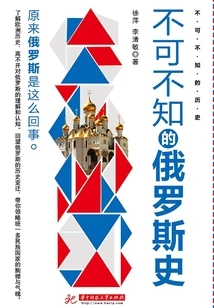
Must-know Russian History
History不可不知的俄罗斯史
Xu Ping Li Qingmin
Russia is a legendary country. Its long history, vast land, powerful military power, and leader's personal charisma all arouse people's desire to explore. This book uses time as a clue to explain the history of Russia from eight eras (the Era of the Grand Dukes, the Mongol Era, the Tsarist Era, the Era of Expansion, the Era of Crisis, the Era of Change, the Cold War Era, and the Era of Innovation), allowing readers to further understand this once great socialist country and have a basic prediction of Russia's future.
Russia is a legendary country. Its long history, vast land, powerful military power, and leader's personal charisma all arouse people's desire to explore. This book uses time as a clue to explain the history of Russia from eight eras (the Era of the Grand Dukes, the Mongol Era, the Tsarist Era, the Era of Expansion, the Era of Crisis, the Era of Change, the Cold War Era, and the Era of Innovation), allowing readers to further understand this once great socialist country and have a basic prediction of Russia's future.
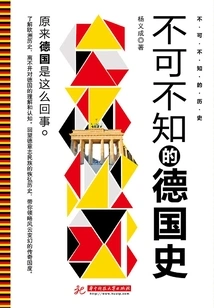
Must-know German History
History不可不知的德国史
Yang Yicheng
Germany is a country full of legends. Magnificent ancient myths, tough medieval knights, the ever-changing process of reunification, advanced science and technology, advanced weapons, epoch-making war ideas, sparkling music stars, obscure philosophical works, and world-renowned literature and art, the Germans have left a rich and colorful impression on the world. This book uses a popular and interesting writing style, taking major events that profoundly affected the process of German civilization as the main line, and appropriately supplementing them with economic, cultural, political and social content. It outlines the basic context of Germany's historical development for readers, allowing them to feel the unique charm of Germany.
Germany is a country full of legends. Magnificent ancient myths, tough medieval knights, the ever-changing process of reunification, advanced science and technology, advanced weapons, epoch-making war ideas, sparkling music stars, obscure philosophical works, and world-renowned literature and art, the Germans have left a rich and colorful impression on the world. This book uses a popular and interesting writing style, taking major events that profoundly affected the process of German civilization as the main line, and appropriately supplementing them with economic, cultural, political and social content. It outlines the basic context of Germany's historical development for readers, allowing them to feel the unique charm of Germany.
拉丁美洲居民简史
(west) Nicolás Sanchez-albonos
This book covers 40,000 years, from the time when primitive hunters and gatherers discovered the New World to 2025, which is not far away from today. Its purpose is to present a holistic perspective and a bird's-eye view of the most passionate history of how humans survived, reproduced and migrated in Latin America. The author uses the wisdom formed by combining inspired conjectures with accurate inferences from written records to reconstruct the longest line of prehistoric development. He considers important issues such as when the first residents of Latin America arrived in this land, the differences between Spanish immigrants and Portuguese immigrants, how the mixture of races was formed, what are the roots of the population explosion in the 20th century, and what direction the Latin American population will develop in the future. It provides us with rich and rigorous relevant information.
This book covers 40,000 years, from the time when primitive hunters and gatherers discovered the New World to 2025, which is not far away from today. Its purpose is to present a holistic perspective and a bird's-eye view of the most passionate history of how humans survived, reproduced and migrated in Latin America. The author uses the wisdom formed by combining inspired conjectures with accurate inferences from written records to reconstruct the longest line of prehistoric development. He considers important issues such as when the first residents of Latin America arrived in this land, the differences between Spanish immigrants and Portuguese immigrants, how the mixture of races was formed, what are the roots of the population explosion in the 20th century, and what direction the Latin American population will develop in the future. It provides us with rich and rigorous relevant information.
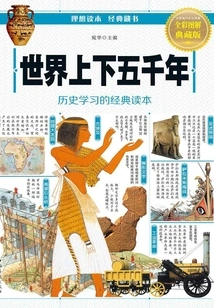
世界上下五千年
Wanhua
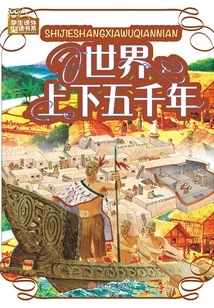
In order to help readers understand the process of world history in a short period of time and enrich their knowledge reserves, we have carefully compiled this "World of Five Thousand Years". "Five Thousand Years of the World" edited by Wan Hua is arranged in chronological order, selecting major events, influential figures, brilliant achievements, splendid culture and other contents in the five thousand years of the world, striving to reach a new height in terms of authenticity, interest and enlightenment. The book is divided into five major chapters: the ancient civilization period, the Middle Ages, the bourgeois revolution period, the industrial revolution period, and the world war period. It brilliantly and concisely describes the basic context of the evolution of world history and the development process of major civilizations. It tells readers what they want to know, need to know, and should know about historical knowledge, helping readers to grasp world history from a macro perspective, and then grasp the inherent laws of the development of human history.
In order to help readers understand the process of world history in a short period of time and enrich their knowledge reserves, we have carefully compiled this "World of Five Thousand Years". "Five Thousand Years of the World" edited by Wan Hua is arranged in chronological order, selecting major events, influential figures, brilliant achievements, splendid culture and other contents in the five thousand years of the world, striving to reach a new height in terms of authenticity, interest and enlightenment. The book is divided into five major chapters: the ancient civilization period, the Middle Ages, the bourgeois revolution period, the industrial revolution period, and the world war period. It brilliantly and concisely describes the basic context of the evolution of world history and the development process of major civilizations. It tells readers what they want to know, need to know, and should know about historical knowledge, helping readers to grasp world history from a macro perspective, and then grasp the inherent laws of the development of human history.
世界上下五千年
Hong En
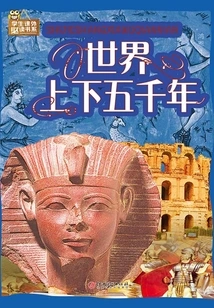
In chronological order, this book selects major events, influential figures, brilliant achievements, splendid culture and other content in the world over the past five thousand years, striving to reach a new height in terms of authenticity, interest and enlightenment, and interpret world history from multiple aspects, new perspectives and multiple levels through scientific style and innovative format. The book is divided into seven chapters: ancient civilizations, the world in the Middle Ages, the Renaissance and the Reformation, the bourgeois revolution, the great industrial revolution, the smoke of the world, and the new world pattern. It brilliantly and concisely describes the basic context of the evolution of world history and the development process of major civilizations. It tells readers what they want to know, need to know, and should know about historical knowledge, helping readers to grasp world history from a macro perspective, and then grasp the inherent laws of the development of human history.
In chronological order, this book selects major events, influential figures, brilliant achievements, splendid culture and other content in the world over the past five thousand years, striving to reach a new height in terms of authenticity, interest and enlightenment, and interpret world history from multiple aspects, new perspectives and multiple levels through scientific style and innovative format. The book is divided into seven chapters: ancient civilizations, the world in the Middle Ages, the Renaissance and the Reformation, the bourgeois revolution, the great industrial revolution, the smoke of the world, and the new world pattern. It brilliantly and concisely describes the basic context of the evolution of world history and the development process of major civilizations. It tells readers what they want to know, need to know, and should know about historical knowledge, helping readers to grasp world history from a macro perspective, and then grasp the inherent laws of the development of human history.
世界上下五千年
Hong En
In order to help children understand the process of world history in a short period of time and enrich their knowledge reserves, Hong En carefully compiled this "World of Five Thousand Years". The book selects major events, influential figures, brilliant achievements, splendid culture and other contents in five thousand years of history, and tells these classic stories in concise and clear language. At the same time, the book also carefully selects hundreds of pictures with a wide range of content and rich expressions, including unearthed cultural relics, historical relics, war diagrams, celebrity portraits, etc., Which complement and interpret the text content, making children feel as if they are in a real three-dimensional history museum, which is exquisite The pictures and text complement each other, and the text and pictures correspond to each other, presenting the richness and splendor of world history in front of children more intuitively, more truly, and more three-dimensionally, helping everyone to understand history more deeply, feel history, think about history, draw insights from history, and increase and expand life experience.
In order to help children understand the process of world history in a short period of time and enrich their knowledge reserves, Hong En carefully compiled this "World of Five Thousand Years". The book selects major events, influential figures, brilliant achievements, splendid culture and other contents in five thousand years of history, and tells these classic stories in concise and clear language. At the same time, the book also carefully selects hundreds of pictures with a wide range of content and rich expressions, including unearthed cultural relics, historical relics, war diagrams, celebrity portraits, etc., Which complement and interpret the text content, making children feel as if they are in a real three-dimensional history museum, which is exquisite The pictures and text complement each other, and the text and pictures correspond to each other, presenting the richness and splendor of world history in front of children more intuitively, more truly, and more three-dimensionally, helping everyone to understand history more deeply, feel history, think about history, draw insights from history, and increase and expand life experience.
美国简史
(u. S.) Hendrick William Van Loon
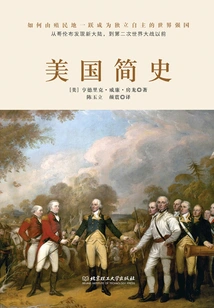
This book starts from the European social background before the discovery of the New World, and then introduces the situation in colonial America, as well as a series of important historical events such as the War of Independence, the Civil War, and the Industrial Revolution. The book analyzes the causes and consequences of each historical event, and provides a detailed introduction to the ins and outs of important historical figures. It also shows the author's profound and unique insights into Western civilization, technological development, and American political life. Fang Long uses popular and vivid writing style and concise and clear language to make boring history vivid and interesting. Through this book, readers can understand the appearance of American society in different historical periods, and then understand how a modern America was created. During the translation process, this book tries to avoid using sentences with complex structures and uses concise and precise vocabulary for expression, hoping to make readers realize that history is not obscure and difficult to understand, but can be as vivid as a story, thereby cultivating readers' interest in learning history and being able to draw lessons from history and gain inspiration.
This book starts from the European social background before the discovery of the New World, and then introduces the situation in colonial America, as well as a series of important historical events such as the War of Independence, the Civil War, and the Industrial Revolution. The book analyzes the causes and consequences of each historical event, and provides a detailed introduction to the ins and outs of important historical figures. It also shows the author's profound and unique insights into Western civilization, technological development, and American political life. Fang Long uses popular and vivid writing style and concise and clear language to make boring history vivid and interesting. Through this book, readers can understand the appearance of American society in different historical periods, and then understand how a modern America was created. During the translation process, this book tries to avoid using sentences with complex structures and uses concise and precise vocabulary for expression, hoping to make readers realize that history is not obscure and difficult to understand, but can be as vivid as a story, thereby cultivating readers' interest in learning history and being able to draw lessons from history and gain inspiration.
A Brief History of the Earth
History地球简史
H
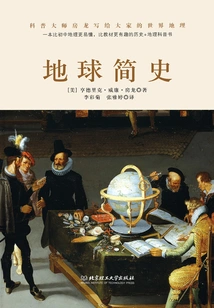
"A Brief History of the Earth" is a classic work by the popular science master Fang Long. The author interprets the relationship between man and the earth from a historical perspective as a humanist. Fanglong put all the mountains, cities and oceans on the map, allowing readers to understand the people living in those places, where they came from, why they got there, and what their customs are. He wrote the stories that people really care about and the really interesting countries in the world into this book, telling the historical evolution of each country from a geographical perspective. The book has a total of 47 chapters, starting from the earth, to the relevant geographical history of the world's major countries, accompanied by the author's hand-drawn illustrations, looking at the evolution of history from a geographical perspective. The process of human understanding of geography is actually part of human development. The geographical environment shapes people, and people continue to transform the environment. How to deal with the relationship with the earth is worth thinking about. The book uses popular and humorous language and literary techniques to make knowledge more flexible, showing the laws of physical geography and the various forms of human geography. Allowing readers to read history like a story is of great help in understanding the historical development of major world powers and the geography of the earth.
"A Brief History of the Earth" is a classic work by the popular science master Fang Long. The author interprets the relationship between man and the earth from a historical perspective as a humanist. Fanglong put all the mountains, cities and oceans on the map, allowing readers to understand the people living in those places, where they came from, why they got there, and what their customs are. He wrote the stories that people really care about and the really interesting countries in the world into this book, telling the historical evolution of each country from a geographical perspective. The book has a total of 47 chapters, starting from the earth, to the relevant geographical history of the world's major countries, accompanied by the author's hand-drawn illustrations, looking at the evolution of history from a geographical perspective. The process of human understanding of geography is actually part of human development. The geographical environment shapes people, and people continue to transform the environment. How to deal with the relationship with the earth is worth thinking about. The book uses popular and humorous language and literary techniques to make knowledge more flexible, showing the laws of physical geography and the various forms of human geography. Allowing readers to read history like a story is of great help in understanding the historical development of major world powers and the geography of the earth.
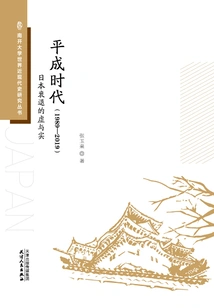
平成时代(1989—2019):日本衰退的虚与实
Zhang Yulai
This book comprehensively sorts out and summarizes the current status, main characteristics, existing issues and future trends of Japan's development from seven key dimensions: politics, economy, industry, and military. It always focuses on the core questions and clues of "what is Japan?", Deeply analyzes Japan's real development status in various fields, and reveals its superficial illusions and inner facts.
This book comprehensively sorts out and summarizes the current status, main characteristics, existing issues and future trends of Japan's development from seven key dimensions: politics, economy, industry, and military. It always focuses on the core questions and clues of "what is Japan?", Deeply analyzes Japan's real development status in various fields, and reveals its superficial illusions and inner facts.
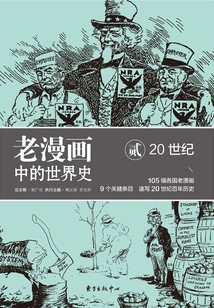
老漫画中的世界史贰:20世纪
Wu Guanglun Zhou Yibao She Wenhua
This book is the second in the series "World History in Old Comics". It continues to tell the story of world history around comics, and tells the story of major international events in the 20th century through interpretation of historical comics. Divided into nine topics and more than 80 short articles, it introduces the world history of the 20th century. There are also reading reference questions and reference answers at the end of the article. The main positioning is to provide more vivid teaching materials for middle school teachers, but it also has the readability of pictures and texts acceptable to the public history lovers.
This book is the second in the series "World History in Old Comics". It continues to tell the story of world history around comics, and tells the story of major international events in the 20th century through interpretation of historical comics. Divided into nine topics and more than 80 short articles, it introduces the world history of the 20th century. There are also reading reference questions and reference answers at the end of the article. The main positioning is to provide more vivid teaching materials for middle school teachers, but it also has the readability of pictures and texts acceptable to the public history lovers.
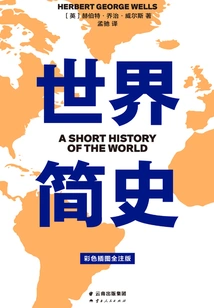
A Brief History of the World
History世界简史
(english) Herbert George Wells
"A Brief History of the World" is a unique history of the world written by the famous British writer Wells. The content traces back to the beginning of human civilization, down to the First World War. It has a unique narrative of ancient Egypt, ancient Greece and Rome, the European Renaissance, the Reformation, the British Industrial Revolution, the American War of Independence, the French Revolution, etc. With an extremely broad vision and a brisk and concise style, it sorts out human history since the origin of life.
"A Brief History of the World" is a unique history of the world written by the famous British writer Wells. The content traces back to the beginning of human civilization, down to the First World War. It has a unique narrative of ancient Egypt, ancient Greece and Rome, the European Renaissance, the Reformation, the British Industrial Revolution, the American War of Independence, the French Revolution, etc. With an extremely broad vision and a brisk and concise style, it sorts out human history since the origin of life.
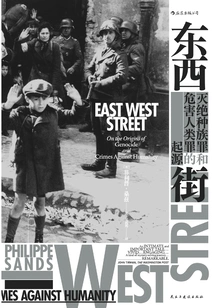
东西街:灭绝种族罪和危害人类罪的起源
(uk) Philip Sands
In the city today known as Lviv, Hirsch Lauterpacht and Raphael Lemkin, two strangers to each other, studied law with the same law professor at the same university. Based on what they saw, heard, personal experiences and family changes, Lauterpacht focused on personal protection and Lemkin proposed crimes against humanity and introduced them into the Nuremberg Charter, which was ultimately used to convict Nazi leader Hans Frank. Lemkin focused on the protection of groups and proposed the crime of genocide. Both of them and their legal ideas have a great influence on the international judicial system and play a positive role to this day. While telling them, the author also traces the mysterious story of his grandfather, Leon Buchholz, as he traveled through Europe in the face of Nazi atrocities. The author uses novel-style writing techniques to narrate around four main characters: his maternal grandfather Leon Buchholz, Nazi leader Hans Frank who served as Governor-General of Poland during World War II, international law professor Hirsch Lauterpacht, and prosecutor and lawyer Raphael Lemkin. He perfectly interweaves the stories of several families with subtle writing and appropriate expressions.
In the city today known as Lviv, Hirsch Lauterpacht and Raphael Lemkin, two strangers to each other, studied law with the same law professor at the same university. Based on what they saw, heard, personal experiences and family changes, Lauterpacht focused on personal protection and Lemkin proposed crimes against humanity and introduced them into the Nuremberg Charter, which was ultimately used to convict Nazi leader Hans Frank. Lemkin focused on the protection of groups and proposed the crime of genocide. Both of them and their legal ideas have a great influence on the international judicial system and play a positive role to this day. While telling them, the author also traces the mysterious story of his grandfather, Leon Buchholz, as he traveled through Europe in the face of Nazi atrocities. The author uses novel-style writing techniques to narrate around four main characters: his maternal grandfather Leon Buchholz, Nazi leader Hans Frank who served as Governor-General of Poland during World War II, international law professor Hirsch Lauterpacht, and prosecutor and lawyer Raphael Lemkin. He perfectly interweaves the stories of several families with subtle writing and appropriate expressions.
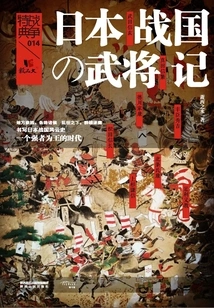
日本战国武将记
Xiaoxi Water
The book aims to introduce the experiences of Japan's Warring States generals in detail in the form of biographies, using families from all over Japan as an outline, and comprehensively present the deeds of military generals, event details, and the relationship between people in the history of Japan's Warring States Period, thus becoming a must-have reading that can horizontally display the history of Japan's Warring States Period. The content of "Japanese Warring States Generals" is divided into three parts: 1. The old forces have lost their glory. Including: 1. Ashikaga family. 2. The nobles before and after the Yingren and Xiangde Rebellions. 3. The main figures in the Hosokawa civil strife. 2. Dragon and tiger compete for hegemony. Including: Sagami Hojo family. 2. Kai Takeda family. 3. The Nagao Uesugi family. 4. Oyu powers. 5. Izumo Nizi's house. 6. Aki Maori Family. 7. Kyushu duo. 8. The Oda family wiped out the family. 3. The era of Zhi Fengde. Including: 1. Owari Oda family. 2. Hashiba \u002F Toyotomi. 3. Mikawa Tokugawa. 4. The three fathers and sons of the Sanada family.
The book aims to introduce the experiences of Japan's Warring States generals in detail in the form of biographies, using families from all over Japan as an outline, and comprehensively present the deeds of military generals, event details, and the relationship between people in the history of Japan's Warring States Period, thus becoming a must-have reading that can horizontally display the history of Japan's Warring States Period. The content of "Japanese Warring States Generals" is divided into three parts: 1. The old forces have lost their glory. Including: 1. Ashikaga family. 2. The nobles before and after the Yingren and Xiangde Rebellions. 3. The main figures in the Hosokawa civil strife. 2. Dragon and tiger compete for hegemony. Including: Sagami Hojo family. 2. Kai Takeda family. 3. The Nagao Uesugi family. 4. Oyu powers. 5. Izumo Nizi's house. 6. Aki Maori Family. 7. Kyushu duo. 8. The Oda family wiped out the family. 3. The era of Zhi Fengde. Including: 1. Owari Oda family. 2. Hashiba \u002F Toyotomi. 3. Mikawa Tokugawa. 4. The three fathers and sons of the Sanada family.
印卡王室述评(汉译世界学术名著丛书)
(peru) Inca Garcilaso De La Vega
This book is the Inka's narration and commentary on the lives and deeds of the kings of their empire and everything in their country. The material of this work comes from three aspects. One is the memories of the ancient country by the author's maternal relatives, the princes of Inca. The other is what the author heard and witnessed in his motherland since he was a child. The third is quotes from Spanish writers who compiled the history of Peru before him. The author organically organizes the three to comprehensively describe the history of the Inca Empire and all aspects of Inca society. At the same time, he puts forward his own opinions and judgments on the content involved and the authenticity of the Spanish writers' writings, thus forming a complete "review".
This book is the Inka's narration and commentary on the lives and deeds of the kings of their empire and everything in their country. The material of this work comes from three aspects. One is the memories of the ancient country by the author's maternal relatives, the princes of Inca. The other is what the author heard and witnessed in his motherland since he was a child. The third is quotes from Spanish writers who compiled the history of Peru before him. The author organically organizes the three to comprehensively describe the history of the Inca Empire and all aspects of Inca society. At the same time, he puts forward his own opinions and judgments on the content involved and the authenticity of the Spanish writers' writings, thus forming a complete "review".
俄国革命史(全三卷)(汉译世界学术名著丛书)
(soviet) Lev Trotsky
"The History of the Russian Revolution" is a famous historical work written by the Soviet revolutionary Trotsky. The book consists of three volumes. The book contains extremely detailed records of Russia's "February Revolution" and "October Revolution". This book adopts a third-person narrative. The author attempts to "write without relying on personal memories" and describe the process of the revolution as objectively and concretely as possible. At the same time, he maximizes his expertise in writing revolutionary history with vivid scenes.
"The History of the Russian Revolution" is a famous historical work written by the Soviet revolutionary Trotsky. The book consists of three volumes. The book contains extremely detailed records of Russia's "February Revolution" and "October Revolution". This book adopts a third-person narrative. The author attempts to "write without relying on personal memories" and describe the process of the revolution as objectively and concretely as possible. At the same time, he maximizes his expertise in writing revolutionary history with vivid scenes.
印度古代社会史
Liu Xinru
"Ancient Social History of India" examines the social structure, political events, economic forms and religious culture of ancient India in various historical periods. Through the discussion of prominent social phenomena in each historical period, it focuses on analyzing and explaining the complex reasons for their emergence and development and their far-reaching influence. At the same time, this book organically combines and uses materials and methods from history, archeology and anthropology. It not only summarizes the achievements of foreign scholars, but also displays the new perspectives and achievements of the author's own research over the years, so it has high academic value.
"Ancient Social History of India" examines the social structure, political events, economic forms and religious culture of ancient India in various historical periods. Through the discussion of prominent social phenomena in each historical period, it focuses on analyzing and explaining the complex reasons for their emergence and development and their far-reaching influence. At the same time, this book organically combines and uses materials and methods from history, archeology and anthropology. It not only summarizes the achievements of foreign scholars, but also displays the new perspectives and achievements of the author's own research over the years, so it has high academic value.
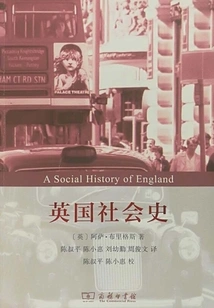
British Social History
History英国社会史
(english) Asa Briggs
This book describes the overall social and historical development of Britain from the Stone Age without written records to the Cameron government, covering various aspects such as politics, economy, culture, and war. British social history is attractive both for its own sake and because of its recognized direct links with the history of other societies. Starting from "human experience", the author examines language, literature, art, music, transportation, geography, funerals, industrialization, war, poverty, palace, cabinet, party meetings and other "evidences" that may seem trivial but cannot be ignored. These "evidences" show how a society reveals itself through fragments, and how the social groups living within it see themselves.
This book describes the overall social and historical development of Britain from the Stone Age without written records to the Cameron government, covering various aspects such as politics, economy, culture, and war. British social history is attractive both for its own sake and because of its recognized direct links with the history of other societies. Starting from "human experience", the author examines language, literature, art, music, transportation, geography, funerals, industrialization, war, poverty, palace, cabinet, party meetings and other "evidences" that may seem trivial but cannot be ignored. These "evidences" show how a society reveals itself through fragments, and how the social groups living within it see themselves.
美国历史的深与广:纪念历史学家杨生茂百年诞辰论文集
Zhao Xuegong
The famous historian Mr. Yang Shengmao is one of the main founders of the discipline of American history in China, and his moral articles have been widely praised and respected by the academic community. To commemorate the centenary of the birth of Mr. Yang Shengmao, the School of History of Nankai University and the American History and Culture Research Center invited many outstanding American historians at home and abroad to carefully plan and write this collection. This collection of essays covers the historical period from the American Revolution to the Cold War. The topics cover political history, diplomatic history, social history, intellectual history, urban history, economic history and other research fields. There are both broad-scope macro-synthesis and specialized and in-depth case studies, which collectively demonstrate the depth and breadth of research on Chinese American history in recent years.
The famous historian Mr. Yang Shengmao is one of the main founders of the discipline of American history in China, and his moral articles have been widely praised and respected by the academic community. To commemorate the centenary of the birth of Mr. Yang Shengmao, the School of History of Nankai University and the American History and Culture Research Center invited many outstanding American historians at home and abroad to carefully plan and write this collection. This collection of essays covers the historical period from the American Revolution to the Cold War. The topics cover political history, diplomatic history, social history, intellectual history, urban history, economic history and other research fields. There are both broad-scope macro-synthesis and specialized and in-depth case studies, which collectively demonstrate the depth and breadth of research on Chinese American history in recent years.
Carnival of the Romanes
History罗芒狂欢节
(france) Leroy Ladurie
The book "Carnival of the Romanes" was written by the French writer Emmanuel Le Valadoury and translated by Xu Minglong. "Romand Carnival" tells the story of how during the two weeks in February 1580, residents of the city of Romand (then part of the Dauphiné province, now part of the Drôme province) dressed up as various characters and even animals, happily dancing, playing games, racing, and partying... In the program that was performed every day during the carnival, the Romands procession marched among craftsmen and dignitaries. There are spontaneous folk performances all over the city. Streets and streets, guilds and guilds, each show their abilities and compete with each other. Underworld figure Judge Guerin sets a trap that causes the Romans to fight each other. This is an event with multiple meanings, and a historian has deciphered it.
The book "Carnival of the Romanes" was written by the French writer Emmanuel Le Valadoury and translated by Xu Minglong. "Romand Carnival" tells the story of how during the two weeks in February 1580, residents of the city of Romand (then part of the Dauphiné province, now part of the Drôme province) dressed up as various characters and even animals, happily dancing, playing games, racing, and partying... In the program that was performed every day during the carnival, the Romands procession marched among craftsmen and dignitaries. There are spontaneous folk performances all over the city. Streets and streets, guilds and guilds, each show their abilities and compete with each other. Underworld figure Judge Guerin sets a trap that causes the Romans to fight each other. This is an event with multiple meanings, and a historian has deciphered it.
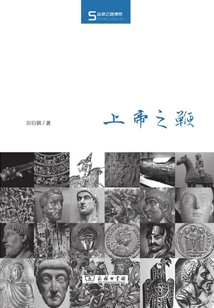
Whip of God
History上帝之鞭
Liu Yangang
This book deciphers the mystery of the Huns who swept across the Roman world due to the great migration of peoples from the Eurasian steppes between the 4th and 5th centuries AD. The powerful nomads from the east crushed the resistance on the European grasslands, first dragging the European nomadic groups, and then the Goths and other Germanic groups, into the westward flow of ethnic groups. The Roman Empire and the entire European civilized world suffered the disastrous consequences of this great ethnic migration for two centuries. However, with the death of Attila, the leader of the Huns, the Huns gradually disintegrated and their stormy migration movement also dissipated. However, its extensive influence on history, culture, society, and ethnic groups was still strongly reflected in later generations.
This book deciphers the mystery of the Huns who swept across the Roman world due to the great migration of peoples from the Eurasian steppes between the 4th and 5th centuries AD. The powerful nomads from the east crushed the resistance on the European grasslands, first dragging the European nomadic groups, and then the Goths and other Germanic groups, into the westward flow of ethnic groups. The Roman Empire and the entire European civilized world suffered the disastrous consequences of this great ethnic migration for two centuries. However, with the death of Attila, the leader of the Huns, the Huns gradually disintegrated and their stormy migration movement also dissipated. However, its extensive influence on history, culture, society, and ethnic groups was still strongly reflected in later generations.
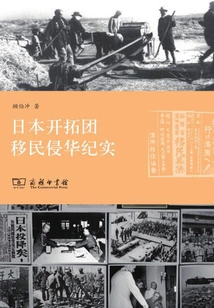
日本开拓团移民侵华纪实
Gu Bochong
This book is a documentary study of the Japanese pioneering group's immigration invasion of China. Through on-the-spot inspections of the Japanese pioneering group's residence, and by examining local county annals, the memories of those involved, and some objects, the author profoundly reveals the essence of the immigration and invasion of China carried out by the Japanese pioneering group, and accuses Japanese militarism of its crime of invading China.
This book is a documentary study of the Japanese pioneering group's immigration invasion of China. Through on-the-spot inspections of the Japanese pioneering group's residence, and by examining local county annals, the memories of those involved, and some objects, the author profoundly reveals the essence of the immigration and invasion of China carried out by the Japanese pioneering group, and accuses Japanese militarism of its crime of invading China.
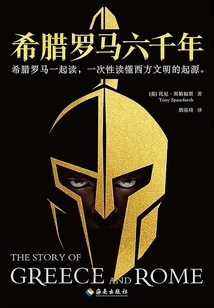
希腊罗马六千年
(uk)tony Spafforth
Read Greece and Rome together, and understand the origin of Western civilization in one go! Greece made Rome great, and Rome made Greece eternal. Watch the BBC speaker talk about the 6,000-year history of the two influencing each other, achieving each other, and jointly giving birth to today's West! It is a history of the birth of Western civilization! [Greece made Rome great] The city-state model of the Greeks was borrowed by the early Romans; the various gods in Greek mythology became the prototypes of the Roman gods; the democratic ideas of the Greek city-state of Athens built a strong spirit of rule of law in Rome. [Rome makes Greece eternal] The Romans highly admired the Greek column architecture and copied it in large numbers, so that later generations would call the columns originated from Greece "Roman columns"; the Romans inherited the sculpture skills of the Greeks; the Romans inherited the philosophical thoughts of the Greeks, allowing Socrates' ethical philosophy and Aristotle's logic to open the door to Western thinking exploration, benefiting future generations for two thousand years! Open this book and understand the birth of Western civilization in one go!
Read Greece and Rome together, and understand the origin of Western civilization in one go! Greece made Rome great, and Rome made Greece eternal. Watch the BBC speaker talk about the 6,000-year history of the two influencing each other, achieving each other, and jointly giving birth to today's West! It is a history of the birth of Western civilization! [Greece made Rome great] The city-state model of the Greeks was borrowed by the early Romans; the various gods in Greek mythology became the prototypes of the Roman gods; the democratic ideas of the Greek city-state of Athens built a strong spirit of rule of law in Rome. [Rome makes Greece eternal] The Romans highly admired the Greek column architecture and copied it in large numbers, so that later generations would call the columns originated from Greece "Roman columns"; the Romans inherited the sculpture skills of the Greeks; the Romans inherited the philosophical thoughts of the Greeks, allowing Socrates' ethical philosophy and Aristotle's logic to open the door to Western thinking exploration, benefiting future generations for two thousand years! Open this book and understand the birth of Western civilization in one go!
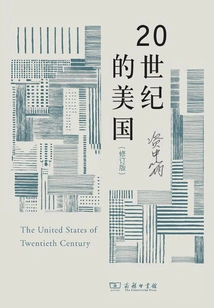
America in the 20th Century
History20世纪的美国
Zi Zhongyun
The rise of the United States as a superpower was an important global event in the 20th century. It thrives in response to crises and challenges, gradually improves in the balance between equality and development, and expands strongly on the ever-changing international stage. Faced with free competition and government intervention, individual rights and social responsibilities, internal democracy and external hegemony, as well as unique racial and immigration issues, how should the United States solve them, and where will it go in the era of digital economy and globalization...
The rise of the United States as a superpower was an important global event in the 20th century. It thrives in response to crises and challenges, gradually improves in the balance between equality and development, and expands strongly on the ever-changing international stage. Faced with free competition and government intervention, individual rights and social responsibilities, internal democracy and external hegemony, as well as unique racial and immigration issues, how should the United States solve them, and where will it go in the era of digital economy and globalization...
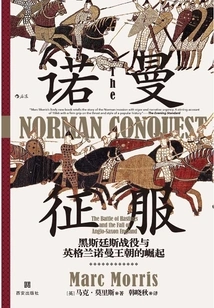
诺曼征服:黑斯廷斯战役与英格兰诺曼王朝的崛起
(uk) Mark Morris
The Norman Conquest was probably one of the most important military and cultural events in English history. With the arrival of the Normans in England, England, an ancient and new country, took on new vitality. Whether it was language, architecture, military or law, there were sweeping changes within England. So how did the Normans change all that? Why is this change so radical? Mark Morris combs through the historical events before and after the Norman Conquest in extremely detailed strokes, and outlines a new picture of the Norman Conquest. After comparing various evidences, he uses vivid and fluent language to tell readers how England has been integrated into European cultural traditions, and how this has affected the historical process of England.
The Norman Conquest was probably one of the most important military and cultural events in English history. With the arrival of the Normans in England, England, an ancient and new country, took on new vitality. Whether it was language, architecture, military or law, there were sweeping changes within England. So how did the Normans change all that? Why is this change so radical? Mark Morris combs through the historical events before and after the Norman Conquest in extremely detailed strokes, and outlines a new picture of the Norman Conquest. After comparing various evidences, he uses vivid and fluent language to tell readers how England has been integrated into European cultural traditions, and how this has affected the historical process of England.
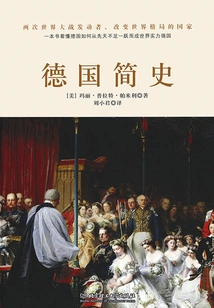
A Brief History of Germany
History德国简史
(u. S.) Mary Pratt Parmelee
How did a country that launched two world wars transform from a weak country into a powerful country? "A Brief History of Germany" is one of the classic works by American historian Mary Pratt Parmelee. The book is divided into 20 chapters, ranging from Indo-European migration, Germanic peoples, etc. To the establishment of the German Empire, and also includes famous German rulers such as Charlemagne, Henry IV, Louis XIV, etc., Using time as a clue to tell the development process of German history. The author uses his expertise to connect the great history of Germany with specific historical events, and incorporates the author's own views and opinions, allowing readers to fully understand Germany while reading. The content involved is very extensive, easy to understand and interesting. Young translators have made a new translation in a language more suitable for today's readers, and added thousands of words of annotations. All chapters are independent and related to each other. You can start reading at any page. Allow readers to read history like a novel. If you want to understand Germany now, you should read "A Brief History of Germany".
How did a country that launched two world wars transform from a weak country into a powerful country? "A Brief History of Germany" is one of the classic works by American historian Mary Pratt Parmelee. The book is divided into 20 chapters, ranging from Indo-European migration, Germanic peoples, etc. To the establishment of the German Empire, and also includes famous German rulers such as Charlemagne, Henry IV, Louis XIV, etc., Using time as a clue to tell the development process of German history. The author uses his expertise to connect the great history of Germany with specific historical events, and incorporates the author's own views and opinions, allowing readers to fully understand Germany while reading. The content involved is very extensive, easy to understand and interesting. Young translators have made a new translation in a language more suitable for today's readers, and added thousands of words of annotations. All chapters are independent and related to each other. You can start reading at any page. Allow readers to read history like a novel. If you want to understand Germany now, you should read "A Brief History of Germany".
U
Historyu
I
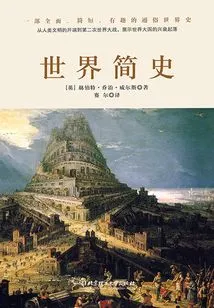
A Brief History of the World is a classic work by Herbert George Wells. The book includes a total of 67 chapters, using a brisk and concise style to present the historical knowledge of living things since the origin of life and the current stage of human beings to readers in an orderly manner. From the beginning of human civilization, the origin of life, the evolution of species, to the end of World War I and the reconstruction of world politics and economy. It includes the history of the rise and fall of great powers in the entire process of human civilization, including representative ones such as ancient Egypt, ancient Greece, the Renaissance, the Reformation, the British Industrial Revolution, the American War of Independence, and the French Revolution, as well as a unique exposition of Eastern culture. After reading the whole book, readers will have a general understanding of the overall picture of world history, which will help them gain an in-depth understanding and research of the entire world history or the history of a specific period or country. This book tells historical knowledge in the form of popular science to avoid being boring. It is easy to become interested and understand the content for any reader who likes history and wants to understand it.
A Brief History of the World is a classic work by Herbert George Wells. The book includes a total of 67 chapters, using a brisk and concise style to present the historical knowledge of living things since the origin of life and the current stage of human beings to readers in an orderly manner. From the beginning of human civilization, the origin of life, the evolution of species, to the end of World War I and the reconstruction of world politics and economy. It includes the history of the rise and fall of great powers in the entire process of human civilization, including representative ones such as ancient Egypt, ancient Greece, the Renaissance, the Reformation, the British Industrial Revolution, the American War of Independence, and the French Revolution, as well as a unique exposition of Eastern culture. After reading the whole book, readers will have a general understanding of the overall picture of world history, which will help them gain an in-depth understanding and research of the entire world history or the history of a specific period or country. This book tells historical knowledge in the form of popular science to avoid being boring. It is easy to become interested and understand the content for any reader who likes history and wants to understand it.
法国大革命和拿破仑:现代世界的锻炉
(u. S.) Lynn Hunter Jack R. Senser
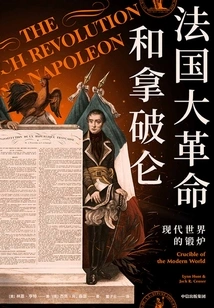
Napoleon proclaimed himself emperor in 1804, turning France from a republic into an empire. In some ways, Napoleon continued the democratic practices of the early Revolution, such as his enactment of the Civil Code; but in other ways, he was an enemy of the Revolution, such as his curtailment of political participation and freedom of expression. He launched a war to conquer Europe, which not only spread the fruits of the revolution and won the support of some European people, but also aroused resistance from people everywhere due to his plundering of conquered areas and destruction of the existing international order. Finally, in 1815, Napoleon was defeated by the British-led anti-French alliance at Waterloo. A great era in French history and world history has come to an end! The French Revolution and Napoleon had a profound impact on later generations. It can be said that we are still living in the world forged by the French Revolution and Napoleon. "The French Revolution and Napoleon - The Forge of the Modern World" uses the paradigm of global history to rewrite the process of the French Revolution and the rise and fall of the Napoleonic Empire, emphasizing the global effects caused by the Revolution and Napoleon, and what kind of modern world they forged.
Napoleon proclaimed himself emperor in 1804, turning France from a republic into an empire. In some ways, Napoleon continued the democratic practices of the early Revolution, such as his enactment of the Civil Code; but in other ways, he was an enemy of the Revolution, such as his curtailment of political participation and freedom of expression. He launched a war to conquer Europe, which not only spread the fruits of the revolution and won the support of some European people, but also aroused resistance from people everywhere due to his plundering of conquered areas and destruction of the existing international order. Finally, in 1815, Napoleon was defeated by the British-led anti-French alliance at Waterloo. A great era in French history and world history has come to an end! The French Revolution and Napoleon had a profound impact on later generations. It can be said that we are still living in the world forged by the French Revolution and Napoleon. "The French Revolution and Napoleon - The Forge of the Modern World" uses the paradigm of global history to rewrite the process of the French Revolution and the rise and fall of the Napoleonic Empire, emphasizing the global effects caused by the Revolution and Napoleon, and what kind of modern world they forged.
General History of the World
History世界通史
Wanhua
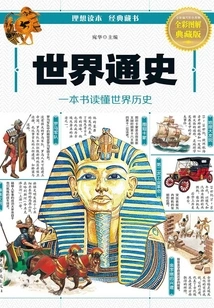
History is the biography of a country and mankind, and reading history can open the door to many disciplines. It is not only a mark of the past, but also a reference for the present and a lesson for future generations. In chronological order, this book selects major events, influential figures, brilliant achievements, splendid culture and other contents in world history, striving to reach a new height in terms of authenticity, interest and enlightenment, and interprets world history from multiple aspects, new perspectives and multiple levels through scientific style and innovative format. The book is divided into four major chapters: ancient world history, modern world history, modern world history, and contemporary world history. It brilliantly and concisely outlines the basic context of the evolution of world history and the development process of major civilizations in the world. It provides readers with the historical knowledge they want to know, need to know, and should know, and helps readers grasp world history from a macro perspective and then grasp the inherent laws of human historical development.
History is the biography of a country and mankind, and reading history can open the door to many disciplines. It is not only a mark of the past, but also a reference for the present and a lesson for future generations. In chronological order, this book selects major events, influential figures, brilliant achievements, splendid culture and other contents in world history, striving to reach a new height in terms of authenticity, interest and enlightenment, and interprets world history from multiple aspects, new perspectives and multiple levels through scientific style and innovative format. The book is divided into four major chapters: ancient world history, modern world history, modern world history, and contemporary world history. It brilliantly and concisely outlines the basic context of the evolution of world history and the development process of major civilizations in the world. It provides readers with the historical knowledge they want to know, need to know, and should know, and helps readers grasp world history from a macro perspective and then grasp the inherent laws of human historical development.
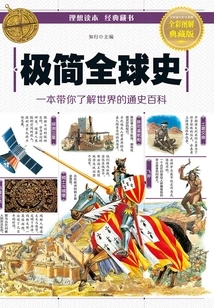
Minimalist Global History
History极简全球史
Knowledge And Practice
This book adopts the style of general history and is arranged in time order. It selects major events, influential figures, brilliant achievements, splendid culture and other content in world history. It brilliantly and concisely outlines the basic context of the evolution of human society and the development process of multiculturalism, helping readers to grasp world history from a macro perspective and then grasp the inherent laws of the development of human history. The material of the book is novel and rich in content. It contains not only political, economic and other historical common sense, but also military, culture, education, science and technology and other related knowledge. It covers a wide range and is all-encompassing. It uses carefully arranged small columns and a chronology of major events to help readers sort out the complicated historical knowledge points in a point-by-point and outline-oriented manner. It effectively increases the information content and broadens readers' horizons; it uses a large number of exquisite pictures to create a colorful historical corridor for readers, presenting the richness and splendor of human history in front of readers more intuitively, more truly, and more three-dimensionally, making readers feel as if they are in a magical time and space tunnel, and truly feel the rise and fall of history.
This book adopts the style of general history and is arranged in time order. It selects major events, influential figures, brilliant achievements, splendid culture and other content in world history. It brilliantly and concisely outlines the basic context of the evolution of human society and the development process of multiculturalism, helping readers to grasp world history from a macro perspective and then grasp the inherent laws of the development of human history. The material of the book is novel and rich in content. It contains not only political, economic and other historical common sense, but also military, culture, education, science and technology and other related knowledge. It covers a wide range and is all-encompassing. It uses carefully arranged small columns and a chronology of major events to help readers sort out the complicated historical knowledge points in a point-by-point and outline-oriented manner. It effectively increases the information content and broadens readers' horizons; it uses a large number of exquisite pictures to create a colorful historical corridor for readers, presenting the richness and splendor of human history in front of readers more intuitively, more truly, and more three-dimensionally, making readers feel as if they are in a magical time and space tunnel, and truly feel the rise and fall of history.

希利尔讲艺术史
American Educator V. M. Hillier
The book is divided into three parts: painting, sculpture and architecture. By telling the stories behind each piece of art, Hillier conveys the message to children: art comes from the most ordinary life, every child is born an artist, and every true artist always retains a childlike innocence.
The book is divided into three parts: painting, sculpture and architecture. By telling the stories behind each piece of art, Hillier conveys the message to children: art comes from the most ordinary life, every child is born an artist, and every true artist always retains a childlike innocence.
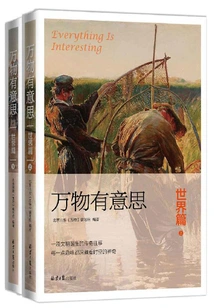
万物有意思(世界篇·套装上下册)
Beijing Daily "everything" Writing Team
Studying things to gain knowledge, interesting history that you never expected. Did you know? Chili pepper is one of the raw materials used by the Mayans to make chocolate. Plastic surgery was traced back to repairing war wounds. Napoleon was a "perfume maniac". Ice cream was a popular drink among people in the Tang Dynasty. People had played "If You Are the One" hundreds of years ago. There were so many oooooooooooooooooooooooooooooooooooooooooooooooooooooooooooooooooooooooooooooooooooooooooooooooooooooooooooooooooooooooooooooooooooooooooooooooooooooooooooooooooooooooooooooooooooooooooooooooooooooooo??
Studying things to gain knowledge, interesting history that you never expected. Did you know? Chili pepper is one of the raw materials used by the Mayans to make chocolate. Plastic surgery was traced back to repairing war wounds. Napoleon was a "perfume maniac". Ice cream was a popular drink among people in the Tang Dynasty. People had played "If You Are the One" hundreds of years ago. There were so many oooooooooooooooooooooooooooooooooooooooooooooooooooooooooooooooooooooooooooooooooooooooooooooooooooooooooooooooooooooooooooooooooooooooooooooooooooooooooooooooooooooooooooooooooooooooooooooooooooooooo??
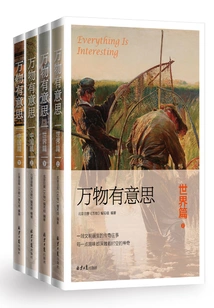
万物有意思(中国篇+世界篇)(套装4册)
Beijing Daily "everything" Writing Team
Studying things to gain knowledge, interesting history that you never expected. Did you know - the fan was first used to symbolize authority, the kite was the earliest aircraft invented in the Wei and Jin Dynasties, the central axis of Beijing is crooked, Sun Wukong may have been "imported" from India, the cheongsam pays attention to "nine ups and three bends", there were year-end awards in the Han Dynasty, and people from the Tang Dynasty Divorce is very literary, dumplings have a close connection with the medical sage Zhang Zhongjing, and the hot pattern of "Style Lei" can instantly beat the modern architectural model... Talking about food, clothing, housing and transportation with the ancients, a minimalist history of oriental life, every little thing around you has a long story. Did you know? Chili pepper is one of the raw materials used by the Mayans to make chocolate. Plastic surgery was traced back to repairing war wounds. Napoleon was a "perfume maniac". Ice cream was a popular drink among people in the Tang Dynasty. People had played "If You Are the One" hundreds of years ago. There were so many oooooooooooooooooooooooooooooooooooooooooooooooooooooooooooooooooooooooooooooooooooooooooooooooooooooooooooooooooooooooooooooooooooooooooooooooooooooooooooooooooooooooooooooooooooooooooooooooooooooooo??
Studying things to gain knowledge, interesting history that you never expected. Did you know - the fan was first used to symbolize authority, the kite was the earliest aircraft invented in the Wei and Jin Dynasties, the central axis of Beijing is crooked, Sun Wukong may have been "imported" from India, the cheongsam pays attention to "nine ups and three bends", there were year-end awards in the Han Dynasty, and people from the Tang Dynasty Divorce is very literary, dumplings have a close connection with the medical sage Zhang Zhongjing, and the hot pattern of "Style Lei" can instantly beat the modern architectural model... Talking about food, clothing, housing and transportation with the ancients, a minimalist history of oriental life, every little thing around you has a long story. Did you know? Chili pepper is one of the raw materials used by the Mayans to make chocolate. Plastic surgery was traced back to repairing war wounds. Napoleon was a "perfume maniac". Ice cream was a popular drink among people in the Tang Dynasty. People had played "If You Are the One" hundreds of years ago. There were so many oooooooooooooooooooooooooooooooooooooooooooooooooooooooooooooooooooooooooooooooooooooooooooooooooooooooooooooooooooooooooooooooooooooooooooooooooooooooooooooooooooooooooooooooooooooooooooooooooooooooo??
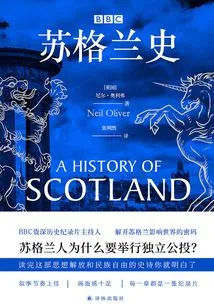
Bbc Scotland History
HistoryBBC苏格兰史
(uk) Neil Oliver
Traditional Scottish history always takes England as the coordinate system and is full of defeats and humiliations. Whether it is the sacrifice of the national hero William Wallace, the ill-fated Queen Mary Stuart, or the subordinate status after the establishment of the United Kingdom, they all reveal the temperament of a loser and a defeated person. But is this history really accurate? Neil Oliver used cutting-edge archaeological discoveries and historical research results to examine the history of Scotland within the broader scope of European and world history; and based on different stages, he used geological history, ancient human history, imperial history, trade history, and the history of Enlightenment thought to write about the glorious struggle of the Scots for ideological liberation and national freedom with thousands of years of historical pulse, colorful characters, and fierce battles. This book changes the tragic stereotype of Scotland, accurately grasps Scotland's identity, and finds a more appropriate position for Scotland in this vast world.
Traditional Scottish history always takes England as the coordinate system and is full of defeats and humiliations. Whether it is the sacrifice of the national hero William Wallace, the ill-fated Queen Mary Stuart, or the subordinate status after the establishment of the United Kingdom, they all reveal the temperament of a loser and a defeated person. But is this history really accurate? Neil Oliver used cutting-edge archaeological discoveries and historical research results to examine the history of Scotland within the broader scope of European and world history; and based on different stages, he used geological history, ancient human history, imperial history, trade history, and the history of Enlightenment thought to write about the glorious struggle of the Scots for ideological liberation and national freedom with thousands of years of historical pulse, colorful characters, and fierce battles. This book changes the tragic stereotype of Scotland, accurately grasps Scotland's identity, and finds a more appropriate position for Scotland in this vast world.
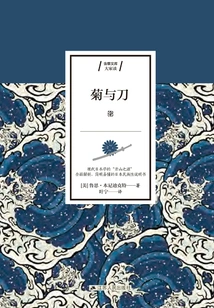
Q
Historyq
H
At the end of World War II, the U. S. Military had achieved successive victories in the Pacific battlefield and was making great strides towards the Japanese mainland. As victory approaches, a series of questions are also placed in front of the U. S. Government: Will Japan surrender without attacking the Japanese mainland? Once the US military lands on the Japanese mainland, will the Japanese resist desperately and cause huge casualties to the US military? After occupying Japan, how to transform Japanese society and whether to retain the emperor... Therefore, understanding the Japanese thinking and behavioral patterns has become a top priority for the US government. In June of the same year, the author of this book was ordered to study Japan from a cultural perspective in order to find the answer. "The Chrysanthemum and the Sword" is this answer sheet. It is actually a research report submitted to the U. S. Government by the author after analyzing Japanese culture. Facts have proved that the views in the book had a great impact on future U. S. Relations and policies toward Japan, and achieved good results. Therefore, although this book has only a few hundred thousand words, "The Chrysanthemum and the Sword" is a veritable masterpiece, whether in terms of its impact on a country's destiny or in terms of its academic achievements. "Chrysanthemum" and "sword" respectively represent the two mentalities of Japanese people when facing ideals and reality, and are also portrayals of two different living conditions. The author analyzes different fields of Japanese society from the political structure, social class division, entertainment, human society, and even children's education. Not only is the theory clear, but the writing is also fluent and beautiful.
At the end of World War II, the U. S. Military had achieved successive victories in the Pacific battlefield and was making great strides towards the Japanese mainland. As victory approaches, a series of questions are also placed in front of the U. S. Government: Will Japan surrender without attacking the Japanese mainland? Once the US military lands on the Japanese mainland, will the Japanese resist desperately and cause huge casualties to the US military? After occupying Japan, how to transform Japanese society and whether to retain the emperor... Therefore, understanding the Japanese thinking and behavioral patterns has become a top priority for the US government. In June of the same year, the author of this book was ordered to study Japan from a cultural perspective in order to find the answer. "The Chrysanthemum and the Sword" is this answer sheet. It is actually a research report submitted to the U. S. Government by the author after analyzing Japanese culture. Facts have proved that the views in the book had a great impact on future U. S. Relations and policies toward Japan, and achieved good results. Therefore, although this book has only a few hundred thousand words, "The Chrysanthemum and the Sword" is a veritable masterpiece, whether in terms of its impact on a country's destiny or in terms of its academic achievements. "Chrysanthemum" and "sword" respectively represent the two mentalities of Japanese people when facing ideals and reality, and are also portrayals of two different living conditions. The author analyzes different fields of Japanese society from the political structure, social class division, entertainment, human society, and even children's education. Not only is the theory clear, but the writing is also fluent and beautiful.
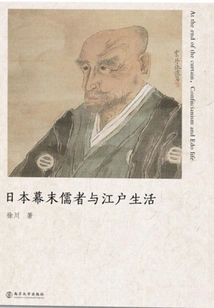
日本幕末儒者与江户生活
Xu Chuan
This book first examines the development of Japan's commodity economy in the early 19th century, which promoted rapid urban development, the rise of "machi people" culture, and the commercialization of entertainment and Chinese literary works that popularized knowledge. The later textual research was influenced by urban narrative literature such as "Tokyo Menghualu" and "Panqiao Miscellaneous Notes" in my country. The middle and lower class intellectuals at the end of the Tokugawa period imitated and created the "Manshangki" series of Chinese "play" novels. Especially represented by "Edo Nosho Chronicles" and "Nosho Postscript", the irony and pungency reveal the corruption behind the superficial glitz of society under the shogunate.
This book first examines the development of Japan's commodity economy in the early 19th century, which promoted rapid urban development, the rise of "machi people" culture, and the commercialization of entertainment and Chinese literary works that popularized knowledge. The later textual research was influenced by urban narrative literature such as "Tokyo Menghualu" and "Panqiao Miscellaneous Notes" in my country. The middle and lower class intellectuals at the end of the Tokugawa period imitated and created the "Manshangki" series of Chinese "play" novels. Especially represented by "Edo Nosho Chronicles" and "Nosho Postscript", the irony and pungency reveal the corruption behind the superficial glitz of society under the shogunate.
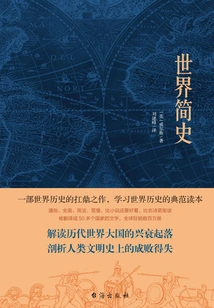
N
Historyn
J
"A Brief History of the World" (also known as "Wells' Brief History of the World") is a unique world history written by the famous British writer H. G. Wells. The content traces back to the beginning of human civilization and down to the Second World War. There are unique narratives on ancient Egypt, ancient Greece and Rome, the European Renaissance, the Reformation, the British Industrial Revolution, the American War of Independence, the French Revolution, etc. Eastern culture, including Confucianism and Taoism, are all involved.
"A Brief History of the World" (also known as "Wells' Brief History of the World") is a unique world history written by the famous British writer H. G. Wells. The content traces back to the beginning of human civilization and down to the Second World War. There are unique narratives on ancient Egypt, ancient Greece and Rome, the European Renaissance, the Reformation, the British Industrial Revolution, the American War of Independence, the French Revolution, etc. Eastern culture, including Confucianism and Taoism, are all involved.
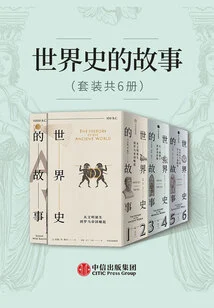
世界史的故事(套装共6册)
(us) Susan Wise Ball
"The Story of World History" consists of three volumes (including 6 volumes): "The Story of World History - From the Birth of Civilization to the Rise of the Roman Empire", "The Story of World History - From the Three Kingdoms to the Norman Conquest", and "The Story of World History - From the Fall of the Northern Song Dynasty to the Fall of Constantinople".
"The Story of World History" consists of three volumes (including 6 volumes): "The Story of World History - From the Birth of Civilization to the Rise of the Roman Empire", "The Story of World History - From the Three Kingdoms to the Norman Conquest", and "The Story of World History - From the Fall of the Northern Song Dynasty to the Fall of Constantinople".
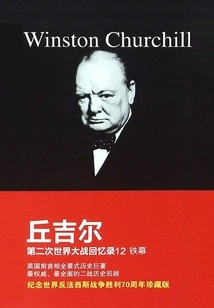
丘吉尔第二次世界大战回忆录12:铁幕
H
"Churchill's Memoirs of World War II 12: The Iron Curtain" records the magnificent history before the Allied forces were about to achieve total victory in the late World War II: the successful convening of the Yalta Conference, the Soviet Red Army's march to Berlin, the defeat and surrender of German fascism, the friction between the United States, Britain and the Soviet Union, the United States dropping two atomic bombs on Japan and the impact of the Potsdam Proclamation. At the same time, it also shows the complex and subtle relationships within the Allies. Although a series of international conferences established a new order, the barriers and contradictions between the Western world and the Soviet Union have never been eliminated. The world was ruthlessly divided into two halves by the "Iron Curtain".
"Churchill's Memoirs of World War II 12: The Iron Curtain" records the magnificent history before the Allied forces were about to achieve total victory in the late World War II: the successful convening of the Yalta Conference, the Soviet Red Army's march to Berlin, the defeat and surrender of German fascism, the friction between the United States, Britain and the Soviet Union, the United States dropping two atomic bombs on Japan and the impact of the Potsdam Proclamation. At the same time, it also shows the complex and subtle relationships within the Allies. Although a series of international conferences established a new order, the barriers and contradictions between the Western world and the Soviet Union have never been eliminated. The world was ruthlessly divided into two halves by the "Iron Curtain".
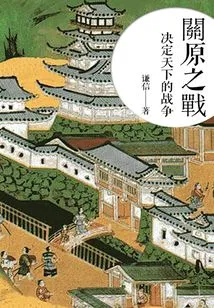
关原之战:决定天下的战争
Modesty
In the third year of Keicho (1598), Toyotomi Hideyoshi died of illness and was succeeded by his youngest son Toyotomi Hideyori. The leader of the five elders, Tokugawa Ieyasu, took the opportunity to secretly form a secret alliance with a daimyo and divide the territory at will. The following year, Maeda Toshiie, the most powerful of the five elders, died of illness. The relationship between the Toyotomi family retainers headed by Ishida Mitsunari and Tokugawa Ieyasu deteriorated rapidly. In the fifth year of Keicho (1600), Tokugawa Ieyasu launched an army to conquer Uesugi Kagekatsu due to the "Naoe War" filed by Naoe Kanetsugu, an important minister of the Uesugi family. Ishida Mitsunari of the Toyotomi family took this as Tokugawa Ieyasu's violation of the ban on private war, and immediately launched an army north to attack Ieyasu. Tokugawa Ieyasu handed over the Uesugi war to his second son, and personally led the army to fight against the Toyotomi generals who supported him. On September 15, the fifth year of Keicho (October 21, 1600), the main forces of the two armies finally fought at Sekigahara in the Mino area...
In the third year of Keicho (1598), Toyotomi Hideyoshi died of illness and was succeeded by his youngest son Toyotomi Hideyori. The leader of the five elders, Tokugawa Ieyasu, took the opportunity to secretly form a secret alliance with a daimyo and divide the territory at will. The following year, Maeda Toshiie, the most powerful of the five elders, died of illness. The relationship between the Toyotomi family retainers headed by Ishida Mitsunari and Tokugawa Ieyasu deteriorated rapidly. In the fifth year of Keicho (1600), Tokugawa Ieyasu launched an army to conquer Uesugi Kagekatsu due to the "Naoe War" filed by Naoe Kanetsugu, an important minister of the Uesugi family. Ishida Mitsunari of the Toyotomi family took this as Tokugawa Ieyasu's violation of the ban on private war, and immediately launched an army north to attack Ieyasu. Tokugawa Ieyasu handed over the Uesugi war to his second son, and personally led the army to fight against the Toyotomi generals who supported him. On September 15, the fifth year of Keicho (October 21, 1600), the main forces of the two armies finally fought at Sekigahara in the Mino area...
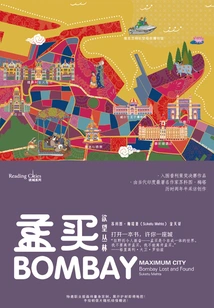
Mumbai: Jungle of Desire
History孟买:欲望丛林
(india) Sukotu Mehta
As a native of Mumbai, Mehta is familiar with this magical city. He depicts the infinite intimacy with Mumbai with rare insights, stunning details and unique perspectives. The story in the book unfolds step by step, and we are able to enter the dark zone and see Muslims and Hindus facing Mumbai's complex political and business system, fighting for who has the upper hand and not hesitate to shed blood. We get to follow the bar dancer as she grows from an abused, underfed child to a young man who has to come to terms with reality. We were also able to open the door to Bollywood and get a glimpse of its colorfulness and strict hierarchy. We also got to know the longing faces who came to Mumbai from the countryside with hopes for a better life, but failed to be treated gently by Mumbai. Frankness, passion, humor and pathos are all intertwined in this book. Open it and you can enter that ancient and timeless world.
As a native of Mumbai, Mehta is familiar with this magical city. He depicts the infinite intimacy with Mumbai with rare insights, stunning details and unique perspectives. The story in the book unfolds step by step, and we are able to enter the dark zone and see Muslims and Hindus facing Mumbai's complex political and business system, fighting for who has the upper hand and not hesitate to shed blood. We get to follow the bar dancer as she grows from an abused, underfed child to a young man who has to come to terms with reality. We were also able to open the door to Bollywood and get a glimpse of its colorfulness and strict hierarchy. We also got to know the longing faces who came to Mumbai from the countryside with hopes for a better life, but failed to be treated gently by Mumbai. Frankness, passion, humor and pathos are all intertwined in this book. Open it and you can enter that ancient and timeless world.
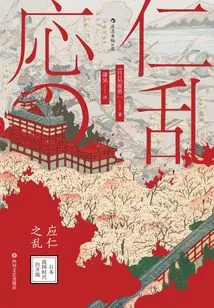
应仁之乱:日本战国时代的开端
I
At the end of the Muromachi shogunate in Japan, the daimyo mobilized hundreds of thousands of troops and used Kyoto as the battlefield. The Eastern Army and the Western Army fought against each other for eleven years, which was known in history as the "Onin Rebellion." After the war, the power of the nobility and temples declined, the Muromachi shogunate declined, social order almost collapsed, the trend of "lower control of superiors" became increasingly popular, local forces rose, and Japan entered the Warring States Period. As a turning point of the times, the Onin Rebellion was evaluated as "the biggest event in Japanese history" by the famous historian Naito Konan. Based on the diaries of two eminent monks of Kofukuji Temple, and combining a variety of historical materials with the latest academic research results, the emerging historian Yuichi Goza analyzed the issue in detail, starting from the issue of shogun succession, the internal strife of the house leader Hatakeyama clan, and the political struggle between Hosokawa Katsumoto and the Yamana clan. The Cause of the Jin Rebellion uses popular language to vividly and detailedly restore the course of the war and the connections between the participants. It summarizes the consequences of the war and its impact on society and culture, which helps readers fully understand the great chaos that gave birth to the Warring States Period in Japan.
At the end of the Muromachi shogunate in Japan, the daimyo mobilized hundreds of thousands of troops and used Kyoto as the battlefield. The Eastern Army and the Western Army fought against each other for eleven years, which was known in history as the "Onin Rebellion." After the war, the power of the nobility and temples declined, the Muromachi shogunate declined, social order almost collapsed, the trend of "lower control of superiors" became increasingly popular, local forces rose, and Japan entered the Warring States Period. As a turning point of the times, the Onin Rebellion was evaluated as "the biggest event in Japanese history" by the famous historian Naito Konan. Based on the diaries of two eminent monks of Kofukuji Temple, and combining a variety of historical materials with the latest academic research results, the emerging historian Yuichi Goza analyzed the issue in detail, starting from the issue of shogun succession, the internal strife of the house leader Hatakeyama clan, and the political struggle between Hosokawa Katsumoto and the Yamana clan. The Cause of the Jin Rebellion uses popular language to vividly and detailedly restore the course of the war and the connections between the participants. It summarizes the consequences of the war and its impact on society and culture, which helps readers fully understand the great chaos that gave birth to the Warring States Period in Japan.
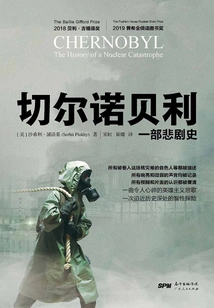
Chernobyl: a Tragic History
History切尔诺贝利:一部悲剧史
M
"Chernobyl: A Tragic History" is a new masterpiece by Harvard University professor Shahili Ploki. It is an authoritative historical work on the Chernobyl nuclear disaster and its geopolitical impact. Professor Puluoji used newly disclosed government files and a large number of interviews with survivors to describe in detail the background, causes, process, and follow-up of the Chernobyl incident, as well as its profound impact on humans, nature, and the international community. The book involves more than 400 characters, ranging from national leaders to ordinary people. All the people of all colors involved in this nuclear disaster are described, all loud and weak voices are recorded, and all vague and one-sided understandings are clarified.
"Chernobyl: A Tragic History" is a new masterpiece by Harvard University professor Shahili Ploki. It is an authoritative historical work on the Chernobyl nuclear disaster and its geopolitical impact. Professor Puluoji used newly disclosed government files and a large number of interviews with survivors to describe in detail the background, causes, process, and follow-up of the Chernobyl incident, as well as its profound impact on humans, nature, and the international community. The book involves more than 400 characters, ranging from national leaders to ordinary people. All the people of all colors involved in this nuclear disaster are described, all loud and weak voices are recorded, and all vague and one-sided understandings are clarified.
历史深处的忧虑:近距离看美国之一
Linda
The United States is not a country that is good at hiding its shame. When it casts a ray of sunshine, it casts a shadow. All its shadows are exposed to all, even a stranger. Therefore, even ordinary outsiders like us will see a lot of problems at a glance. But we immediately knew that we had to wake up from our complacency, because we soon discovered that this did not necessarily mean that we were smarter and more discerning than Americans. They seem to be very aware that there is such a shadow. They are just forced to admit a simple truth. If you pursue the sunshine, you cannot avoid the shadow behind you. We began to wonder, when Americans tolerate this shadow (this tolerance often makes them miserable), what is the unquenchable light in their hearts? What are they looking for, so much so that they pay a heavy price? For us, this is a real problem. In the process of learning about it, we have become increasingly interested in this strange country with a short history. Based on our own experience as a civilian, we found that the first step to understanding is simple communication. No matter how hard the shell seems to be, its people are all ordinary, and no matter how big it is, they are just these ordinary people.
The United States is not a country that is good at hiding its shame. When it casts a ray of sunshine, it casts a shadow. All its shadows are exposed to all, even a stranger. Therefore, even ordinary outsiders like us will see a lot of problems at a glance. But we immediately knew that we had to wake up from our complacency, because we soon discovered that this did not necessarily mean that we were smarter and more discerning than Americans. They seem to be very aware that there is such a shadow. They are just forced to admit a simple truth. If you pursue the sunshine, you cannot avoid the shadow behind you. We began to wonder, when Americans tolerate this shadow (this tolerance often makes them miserable), what is the unquenchable light in their hearts? What are they looking for, so much so that they pay a heavy price? For us, this is a real problem. In the process of learning about it, we have become increasingly interested in this strange country with a short history. Based on our own experience as a civilian, we found that the first step to understanding is simple communication. No matter how hard the shell seems to be, its people are all ordinary, and no matter how big it is, they are just these ordinary people.
总统是靠不住的:近距离看美国之二
Linda
The author continues to use the form of letters, starting from the question "What is the president?", And uses a series of stories to lay out the basic principles and operational details of the American political and legal system layer by layer, giving readers a deeper understanding of how the United States implements supervision and restrictions on rights through "balance and restrictions" in its own institutional system.
The author continues to use the form of letters, starting from the question "What is the president?", And uses a series of stories to lay out the basic principles and operational details of the American political and legal system layer by layer, giving readers a deeper understanding of how the United States implements supervision and restrictions on rights through "balance and restrictions" in its own institutional system.
我也有一个梦想:近距离看美国之三
Linda
Through wonderful and touching stories, this book shows the history of the evolution of social consciousness and law related to racial issues in the United States. It introduces issues such as the popular basis for legislation in a contract society, the thinking of law on human nature, and the relationship between changes in law and social theory. Through the author's narration, readers can see how in a country governed by law, people, especially disadvantaged groups, use the law to obtain their own rights and interests through long-term struggles, thereby promoting the deepening of social understanding and enabling the entire country to make steady progress in the historical process of eliminating injustice.
Through wonderful and touching stories, this book shows the history of the evolution of social consciousness and law related to racial issues in the United States. It introduces issues such as the popular basis for legislation in a contract society, the thinking of law on human nature, and the relationship between changes in law and social theory. Through the author's narration, readers can see how in a country governed by law, people, especially disadvantaged groups, use the law to obtain their own rights and interests through long-term struggles, thereby promoting the deepening of social understanding and enabling the entire country to make steady progress in the historical process of eliminating injustice.
Persian Notes
History波斯笔记
Li Ling
Persia, the center of the ancient world, a powerful empire that stood side by side with the Qin and Han Dynasties, was a key hub for exchanges between China and the West. Following "Our China", Professor Li Ling examines ancient Central Asia and world history from "our" perspective, and reproduces the afterglow of Persia with wonderful pictures and texts. The Persian Empire had three major characteristics: first, it was large, including not only all the countries in the Middle and Near East, but also most countries in the southern section of the Silk Road; second, it was unified, similar to the Qin and Han Empires, it was also a large regional country that was "unified by car and book"; third, it had a very close relationship with China, and all precious commodities, animals and plants, and Chinese foreign religions were intermediary with Persia. This book organizes the history of the Persian Empire in a systematic and detailed manner, and comprehensively compares all aspects of ancient China and the Persian Empire. It is divided into two parts. The ten chapters of the first part are "History-Geography", which is about the politics, territory, system, and religion of the Persian Empire. The ten chapters of the second part are "Archaeology-Art", which introduce palaces, stone carvings, artworks, and museum artifacts. This book opens a new perspective on contemporary China for us to look at the civilization process of Eurasia over the past two thousand years.
Persia, the center of the ancient world, a powerful empire that stood side by side with the Qin and Han Dynasties, was a key hub for exchanges between China and the West. Following "Our China", Professor Li Ling examines ancient Central Asia and world history from "our" perspective, and reproduces the afterglow of Persia with wonderful pictures and texts. The Persian Empire had three major characteristics: first, it was large, including not only all the countries in the Middle and Near East, but also most countries in the southern section of the Silk Road; second, it was unified, similar to the Qin and Han Empires, it was also a large regional country that was "unified by car and book"; third, it had a very close relationship with China, and all precious commodities, animals and plants, and Chinese foreign religions were intermediary with Persia. This book organizes the history of the Persian Empire in a systematic and detailed manner, and comprehensively compares all aspects of ancient China and the Persian Empire. It is divided into two parts. The ten chapters of the first part are "History-Geography", which is about the politics, territory, system, and religion of the Persian Empire. The ten chapters of the second part are "Archaeology-Art", which introduce palaces, stone carvings, artworks, and museum artifacts. This book opens a new perspective on contemporary China for us to look at the civilization process of Eurasia over the past two thousand years.
如彗星划过夜空:近距离看美国之四
Linda
Through a series of stories before and after the Constitutional Convention in Philadelphia in 1787, this article sorts out the basic process of the development of the American constitutional democratic system from its source to its relative maturity, as well as its implementation. Following the process of the Constitutional Convention, the author narrates step by step and introduces his thoughts on the ideological soil, historical opportunities, and basic concepts of the system design in the U. S. Constitution. He describes the political wisdom that early American thinkers and politicians showed in confrontation and compromise by following the rules of the game when facing various ideological viewpoints. He also analyzes the worrying issues and historical limitations of the U. S. Constitutional system. Secondly, during the anti-Vietnam War movement in the United States in the 1960s, the New York Times, the Washington Post and other media outlets relied on their constitutional power to compete with the then-U. S. Government administration in the disclosure of the so-called "Secret Pentagon Documents." This highlighted the operating mechanism of American democracy and also touched upon the plight of the system in new crises.
Through a series of stories before and after the Constitutional Convention in Philadelphia in 1787, this article sorts out the basic process of the development of the American constitutional democratic system from its source to its relative maturity, as well as its implementation. Following the process of the Constitutional Convention, the author narrates step by step and introduces his thoughts on the ideological soil, historical opportunities, and basic concepts of the system design in the U. S. Constitution. He describes the political wisdom that early American thinkers and politicians showed in confrontation and compromise by following the rules of the game when facing various ideological viewpoints. He also analyzes the worrying issues and historical limitations of the U. S. Constitutional system. Secondly, during the anti-Vietnam War movement in the United States in the 1960s, the New York Times, the Washington Post and other media outlets relied on their constitutional power to compete with the then-U. S. Government administration in the disclosure of the so-called "Secret Pentagon Documents." This highlighted the operating mechanism of American democracy and also touched upon the plight of the system in new crises.
审判王后:1793年10月14—16日
(france) Emmanuel De Varequières
The trial of Queen Marie-Antoinette is one of the darkest mysteries in the history of the French Revolution. Has she ever participated in political decisions that harmed the interests of the French people? When the Republic was founded (September 21, 1792) and King Louis XVI was executed (January 21, 1793), did she pose any threat to the new regime in prison? Did her trial really come from public opinion? Did anyone ever try to help her escape? By carefully examining every minute and second of the trial on October 14, 15, and 16, 1793, checking the personal biographies of the jury members for the first time, and reconstructing the political environment of the "Reign of Terror" at that time, the famous historian Emmanuel de Valéquière retells the tragic and heavy three days in this book in an emotional yet objective and neutral tone. "The Trial of the Queen: October 14-16, 1793" discloses the insulting questions in the court and the decent answers in the face of malicious slander, which further proves that Marie-Antoinette's fate was already determined before the trial. She did not enjoy the real right to defense and was just a political victim of the wrestling between the National Convention, the Paris Commune and the Jacobins.
The trial of Queen Marie-Antoinette is one of the darkest mysteries in the history of the French Revolution. Has she ever participated in political decisions that harmed the interests of the French people? When the Republic was founded (September 21, 1792) and King Louis XVI was executed (January 21, 1793), did she pose any threat to the new regime in prison? Did her trial really come from public opinion? Did anyone ever try to help her escape? By carefully examining every minute and second of the trial on October 14, 15, and 16, 1793, checking the personal biographies of the jury members for the first time, and reconstructing the political environment of the "Reign of Terror" at that time, the famous historian Emmanuel de Valéquière retells the tragic and heavy three days in this book in an emotional yet objective and neutral tone. "The Trial of the Queen: October 14-16, 1793" discloses the insulting questions in the court and the decent answers in the face of malicious slander, which further proves that Marie-Antoinette's fate was already determined before the trial. She did not enjoy the real right to defense and was just a political victim of the wrestling between the National Convention, the Paris Commune and the Jacobins.
A Brief History of France
History法国简史
J
Romantic France was actually the former hegemon of Europe. How did this country, a country that coexists with excitement and romance, come to dominate Europe many times? What has France experienced in its more than a thousand years of history? "A Brief History of France" was written by the historian Mary Pratt Parmelee. The book is divided into nineteen chapters, covering content from early Gaul to the Third French Republic. The Gallic War, the invasion of Northern Europe, the battle with King John of England, the war between Toulouse and the Albiers, Napoleon's domination of Europe, the Franco-Prussian War... It covers French politics, economy, culture, etc., And is a comprehensive understanding of French history. The author uses fragmentary writing as a needle and French historical events as threads to connect the entire French history. Using popular language and short and concise paragraphs, it gives a panoramic view of how France combines the boldness of European hegemons with romantic elegance. Translated by Master of World History, adding 6292 words of notes. If you want to understand France today, you should read "A Brief History of France".
Romantic France was actually the former hegemon of Europe. How did this country, a country that coexists with excitement and romance, come to dominate Europe many times? What has France experienced in its more than a thousand years of history? "A Brief History of France" was written by the historian Mary Pratt Parmelee. The book is divided into nineteen chapters, covering content from early Gaul to the Third French Republic. The Gallic War, the invasion of Northern Europe, the battle with King John of England, the war between Toulouse and the Albiers, Napoleon's domination of Europe, the Franco-Prussian War... It covers French politics, economy, culture, etc., And is a comprehensive understanding of French history. The author uses fragmentary writing as a needle and French historical events as threads to connect the entire French history. Using popular language and short and concise paragraphs, it gives a panoramic view of how France combines the boldness of European hegemons with romantic elegance. Translated by Master of World History, adding 6292 words of notes. If you want to understand France today, you should read "A Brief History of France".