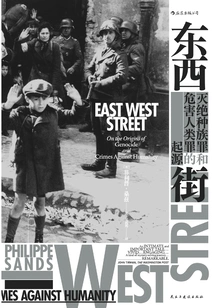
East-west Street: the Origins of Genocide and Crimes Against Humanity
About This Novel
In the city today known as Lviv, Hirsch Lauterpacht and Raphael Lemkin, two strangers to each other, studied law with the same law professor at the same university. Based on what they saw, heard, personal experiences and family changes, Lauterpacht focused on personal protection and Lemkin proposed crimes against humanity and introduced them into the Nuremberg Charter, which was ultimately used to convict Nazi leader Hans Frank. Lemkin focused on the protection of groups and proposed the crime of genocide. Both of them and their legal ideas have a great influence on the international judicial system and play a positive role to this day. While telling them, the author also traces the mysterious story of his grandfather, Leon Buchholz, as he traveled through Europe in the face of Nazi atrocities. The author uses novel-style writing techniques to narrate around four main characters: his maternal grandfather Leon Buchholz, Nazi leader Hans Frank who served as Governor-General of Poland during World War II, international law professor Hirsch Lauterpacht, and prosecutor and lawyer Raphael Lemkin. He perfectly interweaves the stories of several families with subtle writing and appropriate expressions.
Official Sources
What Readers Think
Rating
Community(0)
Rating
Community(0)
Featured in 2 Booklists
Official(2)
British Book Award for non-fiction, shortlisted for the Cundill History Prize! Uncover the dusty archives and retell the legend of the Nuremberg Trials!




Winner of the British Book Award for Non-Fiction and shortlisted for the Cundill History Prize! Uncover the dusty archives and retell the legend of the Nuremberg Trials!