Library
Browse and search books
2,169 novels found
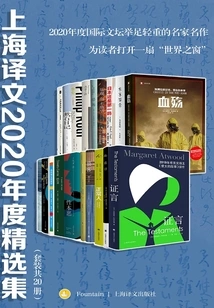
上海译文2020年度精选集(套装共20册)
(ireland) Sally Rooney (canada) Margaret Atwood (uk) Ian Mcewan (usa) Thomas Pynchon, Etc.
"20 outstanding works of the year expand our vision and structure, nourish our souls, and enrich our thoughts." A total of 20 masterpieces by famous artists who play an important role in the international literary world in 2020 are included! "Shanghai Translation 2020 Annual Collection" collects masterpieces by famous writers who play an important role in the international literary world in 2020, opening "windows to the world" for readers and accompanying them to explore the broad future of the spiritual world. This set includes: "Normal People", "Testimony", "Shoelaces", "Machines Like Me", "My Friend Apollo", "The Vanished", "Innately Evil", "A Chance Encounter", "Mr.
"20 outstanding works of the year expand our vision and structure, nourish our souls, and enrich our thoughts." A total of 20 masterpieces by famous artists who play an important role in the international literary world in 2020 are included! "Shanghai Translation 2020 Annual Collection" collects masterpieces by famous writers who play an important role in the international literary world in 2020, opening "windows to the world" for readers and accompanying them to explore the broad future of the spiritual world. This set includes: "Normal People", "Testimony", "Shoelaces", "Machines Like Me", "My Friend Apollo", "The Vanished", "Innately Evil", "A Chance Encounter", "Mr.
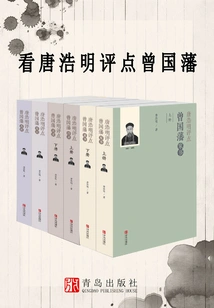
看唐浩明评点曾国藩
Tang Haoming
Wipe away the dust of history and decipher the forgotten archives. In the fragrant pages, there are "Qingyun Ladder" for self-cultivation, "rules" for regulating the family, "sharp tools" for governing the country, and "stones from other mountains" for leveling the world. Follow the virtuous people before you, encourage those who come after you to learn, and keep your thoughts on the road...
Wipe away the dust of history and decipher the forgotten archives. In the fragrant pages, there are "Qingyun Ladder" for self-cultivation, "rules" for regulating the family, "sharp tools" for governing the country, and "stones from other mountains" for leveling the world. Follow the virtuous people before you, encourage those who come after you to learn, and keep your thoughts on the road...
I
LiteratureI
H
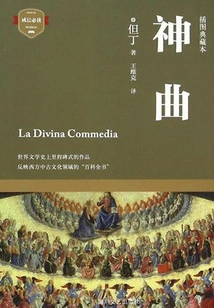
A classic poem by the great Italian poet Dante. In "The Divine Comedy", Dante takes himself as the protagonist and adopts the hallucination form unique to medieval literature. He imagines that he is led by the ancient Roman poet Vigilius and his late lover Bayard respectively, traveling through the three realms of hell, pure world and heaven. With all his accumulated knowledge, life experience and artistic creativity, he depicts a bizarre and extremely broad soul world for us. Mr. Wang Weike translated the book based on the original Italian work, as well as translations from other countries such as France and England, and presented this catchy and poetic Chinese translation.
A classic poem by the great Italian poet Dante. In "The Divine Comedy", Dante takes himself as the protagonist and adopts the hallucination form unique to medieval literature. He imagines that he is led by the ancient Roman poet Vigilius and his late lover Bayard respectively, traveling through the three realms of hell, pure world and heaven. With all his accumulated knowledge, life experience and artistic creativity, he depicts a bizarre and extremely broad soul world for us. Mr. Wang Weike translated the book based on the original Italian work, as well as translations from other countries such as France and England, and presented this catchy and poetic Chinese translation.
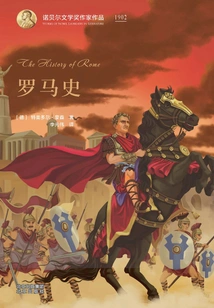
诺贝尔文学奖作家作品:罗马史
(germany) Theodor Monson
The grandeur of "History of Rome" and the author's superb knowledge even made his political enemy Bismarck express his admiration for him in person. This book draws on extensive and rigorous materials, has appropriate complexity and simplicity, and the writing style is clean and gorgeous. It is good at depicting characters, and the narrative is vivid and dramatic, so it has high literary value. This book is an abbreviated version of "History of Rome", retaining the framework of Mommsen's original Roman history. The first volume describes in detail the history of Rome from ancient times to the end of the Republic, and the second volume records the history of the Roman provinces during the imperial period.
The grandeur of "History of Rome" and the author's superb knowledge even made his political enemy Bismarck express his admiration for him in person. This book draws on extensive and rigorous materials, has appropriate complexity and simplicity, and the writing style is clean and gorgeous. It is good at depicting characters, and the narrative is vivid and dramatic, so it has high literary value. This book is an abbreviated version of "History of Rome", retaining the framework of Mommsen's original Roman history. The first volume describes in detail the history of Rome from ancient times to the end of the Republic, and the second volume records the history of the Roman provinces during the imperial period.
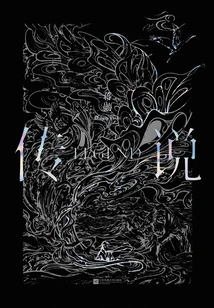
Legend
Literature传说
Jiang Xun
Jiang Xun has only one work on mythological themes in his creative career! He said: "This is my favorite work!" Jiang Xun began writing a series of mythological stories in 1988 and has completed a total of eighteen stories. He has spent more than thirty years helping himself fulfill his greatest wish. Through the metaphors of fairy tales, we understand the invisible parts of ourselves, whether it is cruelty, desire, unfulfilled happiness, or the ultimate passion in the ordinary. Perhaps, only by using the various human natures in legends as a mirror can we see the true meaning of life clearly.
Jiang Xun has only one work on mythological themes in his creative career! He said: "This is my favorite work!" Jiang Xun began writing a series of mythological stories in 1988 and has completed a total of eighteen stories. He has spent more than thirty years helping himself fulfill his greatest wish. Through the metaphors of fairy tales, we understand the invisible parts of ourselves, whether it is cruelty, desire, unfulfilled happiness, or the ultimate passion in the ordinary. Perhaps, only by using the various human natures in legends as a mirror can we see the true meaning of life clearly.
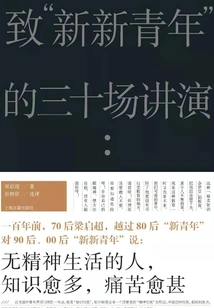
致“新新青年”的三十场讲演
Written By Liang Qichao And Selected By Peng Shuxin
In the 1920s, Liang Qichao devoted all his enthusiasm to thirty speeches: about the way out of education and the self-help of young people. These issues are still the focus of our attention now. Liang Qichao's voice has spanned a hundred years, and now it sounds particularly warm and inspiring. This book comprehensively collects Liang Qichao's speeches on education and youth, covering the period from 1914 to 1927, with a total of 30 speeches and an appendix. It has been carefully edited and organized, and a preface, introduction, problem explanations, and brief notes have been added. Sort out the context, explain the background in detail, and deeply connect history and the present. Liang Qichao often did not write speech notes before giving speeches, and most of his speeches were recorded by the listeners. There is a legend that he raised his belly while playing mahjong. Wang Senran recorded: Academic circles often ask Mr. Liang to give lectures, but when the matter comes, he never makes any preparations. Instead, the sound of "Red in the White Board" remains the same. His seatmate becomes anxious on his behalf, and Mr. Liang laughs and says: "I am taking advantage of the game." "Every time you gamble, you will lose. If someone tries to dissuade you, the teacher said: "The dominoes are enough to enlighten the mind. When you touch it, your thoughts will surge. It is more difficult than ordinary, and it has been tried and tested many times, and it has become a habit." Those who heard it smiled brightly. Although this is an anecdote, Liang Qichao's talent is evident, so his speech has charming charm and magical effect.
In the 1920s, Liang Qichao devoted all his enthusiasm to thirty speeches: about the way out of education and the self-help of young people. These issues are still the focus of our attention now. Liang Qichao's voice has spanned a hundred years, and now it sounds particularly warm and inspiring. This book comprehensively collects Liang Qichao's speeches on education and youth, covering the period from 1914 to 1927, with a total of 30 speeches and an appendix. It has been carefully edited and organized, and a preface, introduction, problem explanations, and brief notes have been added. Sort out the context, explain the background in detail, and deeply connect history and the present. Liang Qichao often did not write speech notes before giving speeches, and most of his speeches were recorded by the listeners. There is a legend that he raised his belly while playing mahjong. Wang Senran recorded: Academic circles often ask Mr. Liang to give lectures, but when the matter comes, he never makes any preparations. Instead, the sound of "Red in the White Board" remains the same. His seatmate becomes anxious on his behalf, and Mr. Liang laughs and says: "I am taking advantage of the game." "Every time you gamble, you will lose. If someone tries to dissuade you, the teacher said: "The dominoes are enough to enlighten the mind. When you touch it, your thoughts will surge. It is more difficult than ordinary, and it has been tried and tested many times, and it has become a habit." Those who heard it smiled brightly. Although this is an anecdote, Liang Qichao's talent is evident, so his speech has charming charm and magical effect.
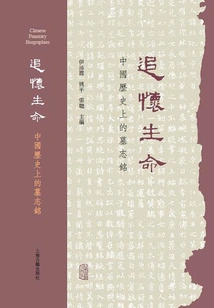
追怀生命:中国历史上的墓志铭
(u. S.) Yi Peixia, Yao Ping, Chief Editor Zhang Cong
This book selects 30 epitaphs from nearly two thousand years from the Han Dynasty to the end of the Qing Dynasty. Each one has its own topic, connecting the history of China in the entire imperial era, and focusing on the fate of characters in the great history. These epitaphs reveal details about personal behavior, family and local circumstances, and social, cultural, and religious practices, while illuminating the way people thought and the realities of daily life. Most of the texts can be read and analyzed on multiple levels, and they inspire investigation into topics such as the emotional tone of family relationships, rituals associated with birth, aging, illness and death, Confucian values, men's portrayals of women's lives, and the use of sources considered biased. When combined with other, more readily available documents, such as official documents, religious and intellectual discourses, and fictional anecdotes, these epitaphic texts reveal their unique and irreplaceable value and promise to spark challenging discussions about literary genres, the way historians use sources, and how writers shape their narratives.
This book selects 30 epitaphs from nearly two thousand years from the Han Dynasty to the end of the Qing Dynasty. Each one has its own topic, connecting the history of China in the entire imperial era, and focusing on the fate of characters in the great history. These epitaphs reveal details about personal behavior, family and local circumstances, and social, cultural, and religious practices, while illuminating the way people thought and the realities of daily life. Most of the texts can be read and analyzed on multiple levels, and they inspire investigation into topics such as the emotional tone of family relationships, rituals associated with birth, aging, illness and death, Confucian values, men's portrayals of women's lives, and the use of sources considered biased. When combined with other, more readily available documents, such as official documents, religious and intellectual discourses, and fictional anecdotes, these epitaphic texts reveal their unique and irreplaceable value and promise to spark challenging discussions about literary genres, the way historians use sources, and how writers shape their narratives.
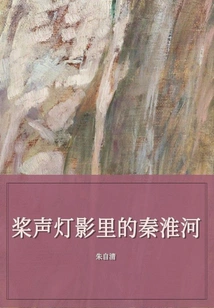
桨声灯影里的秦淮河
Zhu Ziqing
Every time I re-read Brother Pei Xian's prose, I recall the pleasure of listening to his chat. It is ancient and modern, Chinese and foreign, the sea and the sky are vast, and it is full of interest without pretending to be profound. I often think, haven't I also had his experience and thoughts like this? When I was just fleeting, he held on tightly. He can also express it appropriately, whether it is light or strong, and the taste is extremely positive and mellow.
Every time I re-read Brother Pei Xian's prose, I recall the pleasure of listening to his chat. It is ancient and modern, Chinese and foreign, the sea and the sky are vast, and it is full of interest without pretending to be profound. I often think, haven't I also had his experience and thoughts like this? When I was just fleeting, he held on tightly. He can also express it appropriately, whether it is light or strong, and the taste is extremely positive and mellow.
朱自清励志散文精选集
Zhu Ziqing
Throughout the ages, all successful people, their lives and the lives they admire are nothing more than this: Where there is a will, there is a way. Inspiration is not a label affixed to life, but the essence of life that is integrated bit by bit, and finally grows into a person's style and temperament, and achieves the dream of life. No matter which profession you are in, no matter how young you are if you have ambition, if you don't have ambition, you will live a hundred years in vain.
Throughout the ages, all successful people, their lives and the lives they admire are nothing more than this: Where there is a will, there is a way. Inspiration is not a label affixed to life, but the essence of life that is integrated bit by bit, and finally grows into a person's style and temperament, and achieves the dream of life. No matter which profession you are in, no matter how young you are if you have ambition, if you don't have ambition, you will live a hundred years in vain.
Collected Works of Zhu Ziqing's Prose
Literature朱自清散文拾遗集
Zhu Ziqing
This book is Zhu Ziqing's prose that was never compiled into a collection during his lifetime. Some essays were scattered in various newspapers and periodicals before liberation, and were later collected and sorted out. This book contains 30 selected articles.
This book is Zhu Ziqing's prose that was never compiled into a collection during his lifetime. Some essays were scattered in various newspapers and periodicals before liberation, and were later collected and sorted out. This book contains 30 selected articles.
Homecoming
Literature还乡记
Yu Dafu
This book collects the most classic, pure and exquisite works written by Yu Dafu, including novels and essays. Most of the novels in the book have the color of "autobiography". Some focus on the description of inner disputes and depression, and some focus on reflecting the suffering of the people at the bottom of society. The prose in the book, whether it is travel notes or scene descriptions, is deeply embedded in the author's thoughts, feelings, personality and life experiences. The content of the book is colorful and melancholy, and the language is sentimental and candid. To a certain extent, it reflects the author's ideological outlook, creative style and strong romantic tendency.
This book collects the most classic, pure and exquisite works written by Yu Dafu, including novels and essays. Most of the novels in the book have the color of "autobiography". Some focus on the description of inner disputes and depression, and some focus on reflecting the suffering of the people at the bottom of society. The prose in the book, whether it is travel notes or scene descriptions, is deeply embedded in the author's thoughts, feelings, personality and life experiences. The content of the book is colorful and melancholy, and the language is sentimental and candid. To a certain extent, it reflects the author's ideological outlook, creative style and strong romantic tendency.
东周列国志(古典文库)
(ming) Feng Menglong (qing) Cai Yuanfang
This book is a long historical novel in chapter form. It is also the most widely circulated and influential vernacular historical romance novel besides "The Romance of the Three Kingdoms". The book begins in the 39th year of King Xuan of Zhou Dynasty (789 BC) in the Western Zhou Dynasty. It narrates that King You favored his concubine and caused rebellion, which led to the destruction of the Western Zhou Dynasty.
This book is a long historical novel in chapter form. It is also the most widely circulated and influential vernacular historical romance novel besides "The Romance of the Three Kingdoms". The book begins in the 39th year of King Xuan of Zhou Dynasty (789 BC) in the Western Zhou Dynasty. It narrates that King You favored his concubine and caused rebellion, which led to the destruction of the Western Zhou Dynasty.
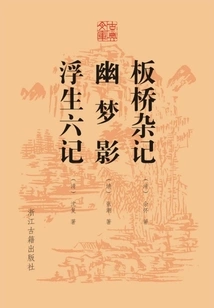
Banqiao Miscellaneous Notes, Youmengying and Six Notes of a Floating Life (classical Library)
Literature板桥杂记 幽梦影 浮生六记(古典文库)
(qing Dynasty) Yu Huai Zhang Chao Shen Fu
This book is a collection of "Banqiao Miscellaneous Notes", "Youmengying" and "Six Notes of a Floating Life". "Banqiao Miscellaneous Notes" is Yu Huai's most widely circulated and influential work. It describes the famous prostitutes along the Qinhuai River in Nanjing in the late Ming Dynasty and related experiences, expressing the sorrow of Shuili and the longing for the motherland. "Youmengying" uses the writing method of sketches to express the author's unique personal opinions, which is a brand-new style. Each article contains a philosophy and is endlessly memorable to read. "Six Notes of a Floating Life" is an autobiographical prose, with six original notes: "Records of Joy in the Boudoir", "Records of Leisure Interests", "Records of Sorrows in Ups and Downs", "Records of Wandering Travels", "Records of Zhongshan Calendar" and "Records of Health Care". The first four records are preserved today. The author uses simple writing to describe his joy and sorrow, life and death, and the painful experience of separation for most of his life. It is a rare work in the history of ancient Chinese literature that records the family life between husband and wife, with sincere and touching emotions.
This book is a collection of "Banqiao Miscellaneous Notes", "Youmengying" and "Six Notes of a Floating Life". "Banqiao Miscellaneous Notes" is Yu Huai's most widely circulated and influential work. It describes the famous prostitutes along the Qinhuai River in Nanjing in the late Ming Dynasty and related experiences, expressing the sorrow of Shuili and the longing for the motherland. "Youmengying" uses the writing method of sketches to express the author's unique personal opinions, which is a brand-new style. Each article contains a philosophy and is endlessly memorable to read. "Six Notes of a Floating Life" is an autobiographical prose, with six original notes: "Records of Joy in the Boudoir", "Records of Leisure Interests", "Records of Sorrows in Ups and Downs", "Records of Wandering Travels", "Records of Zhongshan Calendar" and "Records of Health Care". The first four records are preserved today. The author uses simple writing to describe his joy and sorrow, life and death, and the painful experience of separation for most of his life. It is a rare work in the history of ancient Chinese literature that records the family life between husband and wife, with sincere and touching emotions.
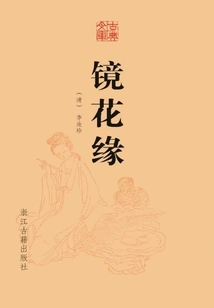
镜花缘(古典文库)
H
This book is one of the most peculiar contents among my country's classical novels. Contemporary scholars call it a "miscellaneous novel". The author describes the images of 100 extremely intelligent women, embodying the progressive thoughts of demanding equality between men and women and opposing the oppression of women. The book also uses his imagination to describe various customs and customs in overseas countries. The book is humorous and full of wonderful ideas. Various anecdotes are popular and have been circulated for a long time.
This book is one of the most peculiar contents among my country's classical novels. Contemporary scholars call it a "miscellaneous novel". The author describes the images of 100 extremely intelligent women, embodying the progressive thoughts of demanding equality between men and women and opposing the oppression of women. The book also uses his imagination to describe various customs and customs in overseas countries. The book is humorous and full of wonderful ideas. Various anecdotes are popular and have been circulated for a long time.
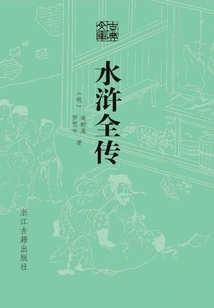
水浒全传(古典文库)
H
This book is based on the "New Edition of Li's Collection of Zhongyi Water Margin" published by Yuan Wuya in the Ming Dynasty, and is divided into punctuated sections. In terms of editing, the main manuscripts reviewed were "Mr. Li Zhuowu's Criticism of the Loyalty and Justice Water Margin" published by Ming Rong and Tang. In addition, I also used the complete version of "Water Margin" published by People's Literature Publishing House to compile the complete version of 120 chapters.
This book is based on the "New Edition of Li's Collection of Zhongyi Water Margin" published by Yuan Wuya in the Ming Dynasty, and is divided into punctuated sections. In terms of editing, the main manuscripts reviewed were "Mr. Li Zhuowu's Criticism of the Loyalty and Justice Water Margin" published by Ming Rong and Tang. In addition, I also used the complete version of "Water Margin" published by People's Literature Publishing House to compile the complete version of 120 chapters.
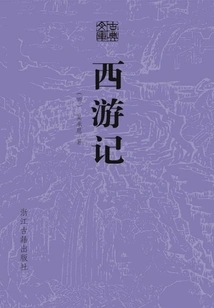
Journey to the West (classical Library)
Literature西游记(古典文库)
I
This book "Journey to the West" written by Wu Cheng'en is based on "Mr. Li Zhuowu's Criticism of Journey to the West" photocopied by Zhongzhou Painting and Calligraphy Society. It is based on the Shidetang version. Based on this, a few typos in the original version have been corrected and individual missing words in the original version have been filled in. None of the Ming editions have the story of Tang Monk's birth in the current version (only Zhu Dingchen's original version has a simple explanation), so the ninth chapter of Zhang Shushen's "New Journey to the West" of the Qing Dynasty, "Chen Guangrui's Revenge of the Monk in the River when He Was in Disaster", was moved as an appendix and placed after the eighth chapter for readers' reference.
This book "Journey to the West" written by Wu Cheng'en is based on "Mr. Li Zhuowu's Criticism of Journey to the West" photocopied by Zhongzhou Painting and Calligraphy Society. It is based on the Shidetang version. Based on this, a few typos in the original version have been corrected and individual missing words in the original version have been filled in. None of the Ming editions have the story of Tang Monk's birth in the current version (only Zhu Dingchen's original version has a simple explanation), so the ninth chapter of Zhang Shushen's "New Journey to the West" of the Qing Dynasty, "Chen Guangrui's Revenge of the Monk in the River when He Was in Disaster", was moved as an appendix and placed after the eighth chapter for readers' reference.
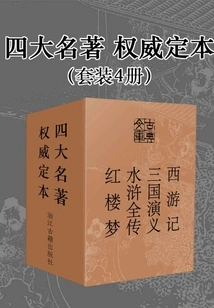
四大名著·权威定本(套装4册)(古典文库)
(ming) Wu Chengen, Shi Naian, Luo Guanzhong (qing) Cao Xueqin, Gao E
The set includes: "Journey to the West", "Water Margin", "Romance of the Three Kingdoms", and "A Dream of Red Mansions".
The set includes: "Journey to the West", "Water Margin", "Romance of the Three Kingdoms", and "A Dream of Red Mansions".
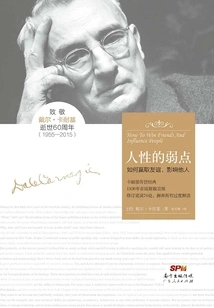
Human Weakness
Literature人性的弱点
(us) Dale Carnegie
"Human Weakness", Dale Carnegie's masterpiece during his lifetime, the greatest spiritual teacher of the 20th century, is a best-selling tutorial on interpersonal relationships, communication and social interaction around the world. After the book was published in 1936, it immediately became popular all over the world. It has been translated into 58 languages and has sold more than 100 million copies in total. Over the past 80 years, "Human Weakness" has changed the destinies of thousands of people, including many business and political figures, and even several U. S. Presidents. U. S. President John F. Kennedy, investment tycoon Warren Buffett, oil tycoon Rockefeller, Disney, the father of Mickey Mouse, hotel tycoon Hilton, business wizard Jack Ma and other top figures in the world have read, benefited from and highly recommended this book.
"Human Weakness", Dale Carnegie's masterpiece during his lifetime, the greatest spiritual teacher of the 20th century, is a best-selling tutorial on interpersonal relationships, communication and social interaction around the world. After the book was published in 1936, it immediately became popular all over the world. It has been translated into 58 languages and has sold more than 100 million copies in total. Over the past 80 years, "Human Weakness" has changed the destinies of thousands of people, including many business and political figures, and even several U. S. Presidents. U. S. President John F. Kennedy, investment tycoon Warren Buffett, oil tycoon Rockefeller, Disney, the father of Mickey Mouse, hotel tycoon Hilton, business wizard Jack Ma and other top figures in the world have read, benefited from and highly recommended this book.
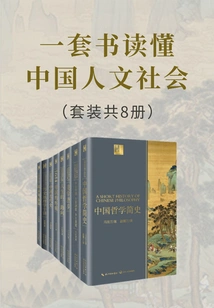
一套书读懂中国人文社会(套装共8册)
Feng Youlan Fei Xiaotong Zong Baihua Liang Shuming Et Al.
1. Contains a total of 8 books including "A Brief History of Chinese Philosophy", "Rural China Reproductive System and Rural Reconstruction", "Aesthetic Stroll", "Three Directions of Life", "1644: The Pain of the Empire", "Ten Lectures on Historical Geography", "Modern History of China", and "Chen Congzhou's Garden"; 2. Gathered with big names, one name is an authority in a field. The famous contemporary Chinese philosopher Feng Youlan, the famous sociologist Fei Xiaotong, the master of aesthetics Zong Baihua, the famous thinker Liang Suming, the founder of modern Chinese historical geography Shi Nianhai, the famous Chinese historian Jiang Tingfu, a generation of garden master Chen Congzhou... 3. Carefully revised, referring to multiple versions since the first edition, correcting many errors in other versions, and adding exquisite colorful illustrations to make the original text more artistic. 4. The complete set of books covers a wide range of knowledge, is easy to understand, and is full of fun. It is an introductory book for understanding Chinese humanities, history, philosophy, geography, aesthetics, and architectural encyclopedias.
1. Contains a total of 8 books including "A Brief History of Chinese Philosophy", "Rural China Reproductive System and Rural Reconstruction", "Aesthetic Stroll", "Three Directions of Life", "1644: The Pain of the Empire", "Ten Lectures on Historical Geography", "Modern History of China", and "Chen Congzhou's Garden"; 2. Gathered with big names, one name is an authority in a field. The famous contemporary Chinese philosopher Feng Youlan, the famous sociologist Fei Xiaotong, the master of aesthetics Zong Baihua, the famous thinker Liang Suming, the founder of modern Chinese historical geography Shi Nianhai, the famous Chinese historian Jiang Tingfu, a generation of garden master Chen Congzhou... 3. Carefully revised, referring to multiple versions since the first edition, correcting many errors in other versions, and adding exquisite colorful illustrations to make the original text more artistic. 4. The complete set of books covers a wide range of knowledge, is easy to understand, and is full of fun. It is an introductory book for understanding Chinese humanities, history, philosophy, geography, aesthetics, and architectural encyclopedias.
晚明小品选注
Zhu Jianxin
"Selected Annotations on Essays of the Late Ming Dynasty", selected annotations by Zhu Jianxin, an epigrapher of the Republic of China. This book contains 159 selected essays, covering 54 authors, divided into five categories: essays, prefaces and postscripts, biographies, letters, and diaries, with a total of nine volumes. The last volume is "Biographies of Writers" and "Bibliography of Collections and Collections". The style is precise and the annotations are prudent. It is the most widely circulated anthology of late Ming sketches during the Republic of China.
"Selected Annotations on Essays of the Late Ming Dynasty", selected annotations by Zhu Jianxin, an epigrapher of the Republic of China. This book contains 159 selected essays, covering 54 authors, divided into five categories: essays, prefaces and postscripts, biographies, letters, and diaries, with a total of nine volumes. The last volume is "Biographies of Writers" and "Bibliography of Collections and Collections". The style is precise and the annotations are prudent. It is the most widely circulated anthology of late Ming sketches during the Republic of China.
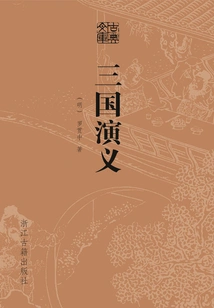
三国演义(精装)(古典文库)
J
This book is based on the revised edition by Mao Lun and Mao Zonggang of the Qing Dynasty, and is mainly based on the "Popular Romance of the Three Kingdoms" published in Jiajing of the Ming Dynasty. In addition, I have read many of the various reprints of the Mao version that have been popular since the Qing Dynasty, and absorbed many of the compilation results of the original version of "The Romance of the Three Kingdoms" published by the People's Literature Publishing House. The names of people, places and officials in the book were revised based on the collated version of "Three Kingdoms" compiled by Zhonghua Book Company and the "Historical Atlas of China" edited by Tan Qixiang.
This book is based on the revised edition by Mao Lun and Mao Zonggang of the Qing Dynasty, and is mainly based on the "Popular Romance of the Three Kingdoms" published in Jiajing of the Ming Dynasty. In addition, I have read many of the various reprints of the Mao version that have been popular since the Qing Dynasty, and absorbed many of the compilation results of the original version of "The Romance of the Three Kingdoms" published by the People's Literature Publishing House. The names of people, places and officials in the book were revised based on the collated version of "Three Kingdoms" compiled by Zhonghua Book Company and the "Historical Atlas of China" edited by Tan Qixiang.
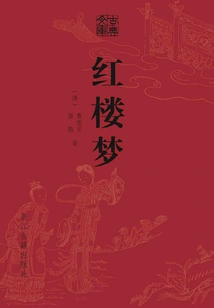
红楼梦(精装)(古典文库)
I
This book is based on the Cheng Yi edition, and the proofreading is based on the Zhiyanzhai edition and the Cheng edition. The most frequently reviewed editions are the Zhiyanzhai Jimao edition, the Gengchen edition, the Jiaxu edition, the Qianlong Manuscript of One Hundred and Twenty Chapters of a Dream of Red Mansions, the Leningrad Manuscript of the Stone, and the Cheng Jia and Wang Xuexiang editions. Some of the manuscripts have not been read, but are based on Yu Pingbo's "Eighty Chapters of a Dream of Red Mansions" and "Zhi Yanzhai's Re-Evaluation of the Story of Stone" published by Culture and Art Publishing House.
This book is based on the Cheng Yi edition, and the proofreading is based on the Zhiyanzhai edition and the Cheng edition. The most frequently reviewed editions are the Zhiyanzhai Jimao edition, the Gengchen edition, the Jiaxu edition, the Qianlong Manuscript of One Hundred and Twenty Chapters of a Dream of Red Mansions, the Leningrad Manuscript of the Stone, and the Cheng Jia and Wang Xuexiang editions. Some of the manuscripts have not been read, but are based on Yu Pingbo's "Eighty Chapters of a Dream of Red Mansions" and "Zhi Yanzhai's Re-Evaluation of the Story of Stone" published by Culture and Art Publishing House.
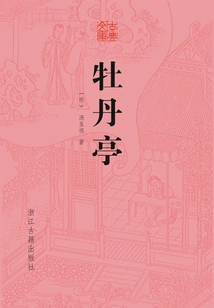
The Peony Pavilion (classical Library)
Literature牡丹亭(古典文库)
G
This book is also called "The Return of the Soul", and its full name is "The Return of the Soul in the Peony Pavilion". It is the masterpiece of Tang Xianzu, an outstanding dramatist in the Ming Dynasty. The script is based on the Ming Dynasty story-telling novel "Du Liniang Returns to Soul", and is creatively adapted. Through the love story of the aristocratic girl Du Liniang and the young scholar Liu Mengmei, it reflects the youthful awakening of young men and women of that era, especially young women, their persistent pursuit of a free and happy love life, and their fighting spirit for individual liberation and resistance to feudal ethics.
This book is also called "The Return of the Soul", and its full name is "The Return of the Soul in the Peony Pavilion". It is the masterpiece of Tang Xianzu, an outstanding dramatist in the Ming Dynasty. The script is based on the Ming Dynasty story-telling novel "Du Liniang Returns to Soul", and is creatively adapted. Through the love story of the aristocratic girl Du Liniang and the young scholar Liu Mengmei, it reflects the youthful awakening of young men and women of that era, especially young women, their persistent pursuit of a free and happy love life, and their fighting spirit for individual liberation and resistance to feudal ethics.
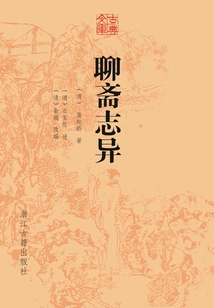
聊斋志异(古典文库)
(qing Dynasty) Pu Songling
This book is a collection of classical Chinese short stories written in the early Qing Dynasty. Taking the "Liao Zhai Zhi Yi Yong" published by Tongwen Bureau in the 20th year of Guangxu's reign (1894) as the base, the Xuezhai manuscript, the twenty-four volumes of manuscripts, and the "Sanhui edition" were collated. In addition to correcting the text, the chapters were also sorted out. More than 60 chapters, including "Yu Ziyou" and "Yu Ziyou" published by other authors, were not included in the original version of "Picture Yong" and are included as "supplements". Therefore, this book is currently the most complete collection of chapters and a more reasonable arrangement.
This book is a collection of classical Chinese short stories written in the early Qing Dynasty. Taking the "Liao Zhai Zhi Yi Yong" published by Tongwen Bureau in the 20th year of Guangxu's reign (1894) as the base, the Xuezhai manuscript, the twenty-four volumes of manuscripts, and the "Sanhui edition" were collated. In addition to correcting the text, the chapters were also sorted out. More than 60 chapters, including "Yu Ziyou" and "Yu Ziyou" published by other authors, were not included in the original version of "Picture Yong" and are included as "supplements". Therefore, this book is currently the most complete collection of chapters and a more reasonable arrangement.
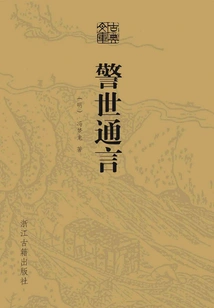
Warning Words (classical Library)
Literature警世通言(古典文库)
(ming Dynasty) Feng Menglong
This book is a collection of Huaben and Huahua novels compiled by Feng Menglong in the late Ming Dynasty. It is collectively called "Three Words" together with the other two collections of novels compiled by him, "Yu Shi Ming Yan" and "Awakening Shi Heng Yan". "Jingshi Tongyan" contains forty novels written in the Song, Yuan and Ming dynasties. All works have been processed by Feng Menglong to varying degrees, and some have even been rewritten. Some of them can be definitely referred to as Feng Menglong's personal works, such as "Old Disciple Repays His Gratitude in Three Lives" and so on. Most of these forty novels are "cautionary" works, and nearly half of them reflect love and marriage and family changes caused by love and marriage. In addition, there are some works in "Warning Words" that express traditional themes such as friendship, chivalry, joys and sorrows, intelligence, anecdotes, etc. The contents may be touching, the plots may be tortuous, or they may be humorous, and most of them can teach and inspire people.
This book is a collection of Huaben and Huahua novels compiled by Feng Menglong in the late Ming Dynasty. It is collectively called "Three Words" together with the other two collections of novels compiled by him, "Yu Shi Ming Yan" and "Awakening Shi Heng Yan". "Jingshi Tongyan" contains forty novels written in the Song, Yuan and Ming dynasties. All works have been processed by Feng Menglong to varying degrees, and some have even been rewritten. Some of them can be definitely referred to as Feng Menglong's personal works, such as "Old Disciple Repays His Gratitude in Three Lives" and so on. Most of these forty novels are "cautionary" works, and nearly half of them reflect love and marriage and family changes caused by love and marriage. In addition, there are some works in "Warning Words" that express traditional themes such as friendship, chivalry, joys and sorrows, intelligence, anecdotes, etc. The contents may be touching, the plots may be tortuous, or they may be humorous, and most of them can teach and inspire people.
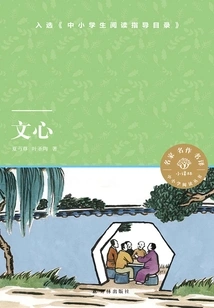
Wenxin
Literature文心
Xia Chuzun Ye Shengtao
"Wenxin" is a growth gift for children written by my country's famous educators Xia Chuzun and Ye Shengtao. It is a lifelong gift to their children. It is also a classic Chinese textbook that is often read and updated. This book consists of 32 short stories, which can be said to be "32 Chinese lessons for middle school students". It vividly and interestingly teaches a variety of Chinese knowledge such as rhetoric, grammar, vocabulary, poetry, novels, diaries, and literary history. "Wen Xin" has been well received since its publication. Although it has been more than 80 years since its publication, it still has great guiding significance for today's Chinese teaching and learning.
"Wenxin" is a growth gift for children written by my country's famous educators Xia Chuzun and Ye Shengtao. It is a lifelong gift to their children. It is also a classic Chinese textbook that is often read and updated. This book consists of 32 short stories, which can be said to be "32 Chinese lessons for middle school students". It vividly and interestingly teaches a variety of Chinese knowledge such as rhetoric, grammar, vocabulary, poetry, novels, diaries, and literary history. "Wen Xin" has been well received since its publication. Although it has been more than 80 years since its publication, it still has great guiding significance for today's Chinese teaching and learning.
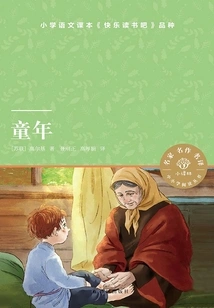
O
Literatureo
H
"Childhood" is one of Gorky's autobiographical trilogy. Alyosha lost his father when he was three years old and lived with his mother at his grandfather's house. In that suffocating family full of hatred, strong philistine atmosphere, two uncles fought with the grandfather over the family property, and the mother ran away from home because she could not bear the oppression. His grandfather was sometimes kind and kind, sometimes violent and cold-blooded, but he taught him the principles of life and society. His grandmother was kind to Alyosha and often told him legends, historical stories, etc., Giving him endless courage to face the difficult life. Soon his mother passed away and his grandfather's family went bankrupt due to various reasons. His grandfather said to him: "Go out and make a living by yourself!" Then he entered the society alone.
"Childhood" is one of Gorky's autobiographical trilogy. Alyosha lost his father when he was three years old and lived with his mother at his grandfather's house. In that suffocating family full of hatred, strong philistine atmosphere, two uncles fought with the grandfather over the family property, and the mother ran away from home because she could not bear the oppression. His grandfather was sometimes kind and kind, sometimes violent and cold-blooded, but he taught him the principles of life and society. His grandmother was kind to Alyosha and often told him legends, historical stories, etc., Giving him endless courage to face the difficult life. Soon his mother passed away and his grandfather's family went bankrupt due to various reasons. His grandfather said to him: "Go out and make a living by yourself!" Then he entered the society alone.
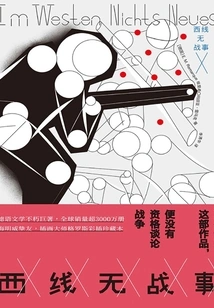
All Quiet on the Western Front
Literature西线无战事
(german) Eric Maria Remarque
During World War I, a group of young Germans enlisted in the army with heroic ideals. However, they experienced cruelty and desolation on the battlefield, including bloody flesh, broken limbs, and poisonous bomb gas. Ideals and beliefs, pursuits and dreams were wiped out in the meat grinder of war. The battlefield became the tomb of unknown soldiers, and countless living lives were turned into a string of cold numbers on the death list... But the battle report sent to Germany contained only one sentence: All peace on the Western Front.
During World War I, a group of young Germans enlisted in the army with heroic ideals. However, they experienced cruelty and desolation on the battlefield, including bloody flesh, broken limbs, and poisonous bomb gas. Ideals and beliefs, pursuits and dreams were wiped out in the meat grinder of war. The battlefield became the tomb of unknown soldiers, and countless living lives were turned into a string of cold numbers on the death list... But the battle report sent to Germany contained only one sentence: All peace on the Western Front.
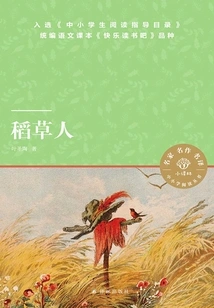
Scarecrow
Literature稻草人
Ye Shengtao
"Scarecrow" is a fairy tale collection that includes some famous fairy tales created by Ye Shengtao, the pioneer of modern Chinese fairy tale creation. These stories use the language of fairy tales that are easy to understand, creating a lively and innocent world for children. There are profound meanings hidden in the simple stories, and strong emotions are conveyed in the plain language.
"Scarecrow" is a fairy tale collection that includes some famous fairy tales created by Ye Shengtao, the pioneer of modern Chinese fairy tale creation. These stories use the language of fairy tales that are easy to understand, creating a lively and innocent world for children. There are profound meanings hidden in the simple stories, and strong emotions are conveyed in the plain language.
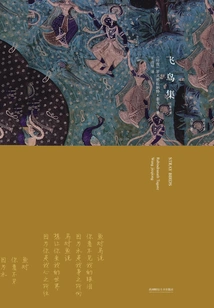
Asukaji
Literature飞鸟集
Wang Jieqiong
Based on the 326 untitled English poems first published in 1916 in Rabindranath Tagore's "Birds", the whole book is compared with English, allowing you to be exposed to the original English and enjoy the beauty of literature, killing two birds with one stone. The translation of poetry strives to fully present the author's thoughts and philosophy on nature, emotion, human nature and life in the poetry, while taking into account the rhyme of the poetry and retaining the original rhythm of the poetry.
Based on the 326 untitled English poems first published in 1916 in Rabindranath Tagore's "Birds", the whole book is compared with English, allowing you to be exposed to the original English and enjoy the beauty of literature, killing two birds with one stone. The translation of poetry strives to fully present the author's thoughts and philosophy on nature, emotion, human nature and life in the poetry, while taking into account the rhyme of the poetry and retaining the original rhythm of the poetry.
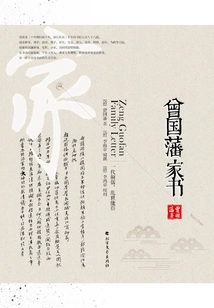
Zeng Guofan's Family Letters
Literature曾国藩家书
Zeng Guofan
"Family Letters" contains a total of 786 letters written by Zeng Guofan to his grandparents, parents, uncles, brothers, wives and children over a period of 30 years from the 20th year of Daoguang in the Qing Dynasty to the 10th year of Tongzhi. It shows the full picture of Zeng's life. The contents range from the elucidation of the way to manage the country, help the world and save the people, as well as the way to improve morality, study and study. It provides legal guidance, down to experience and advice on dealing with interpersonal trivial matters and family economic livelihood, covering all aspects of self-cultivation, education, family management, teaching children, health care, making friends, employing people, dealing with the world, managing finances, running the army, and politics.
"Family Letters" contains a total of 786 letters written by Zeng Guofan to his grandparents, parents, uncles, brothers, wives and children over a period of 30 years from the 20th year of Daoguang in the Qing Dynasty to the 10th year of Tongzhi. It shows the full picture of Zeng's life. The contents range from the elucidation of the way to manage the country, help the world and save the people, as well as the way to improve morality, study and study. It provides legal guidance, down to experience and advice on dealing with interpersonal trivial matters and family economic livelihood, covering all aspects of self-cultivation, education, family management, teaching children, health care, making friends, employing people, dealing with the world, managing finances, running the army, and politics.
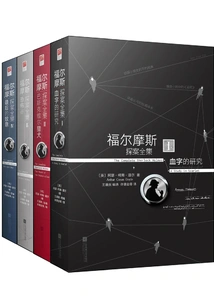
福尔摩斯探案全集(全4册)
Arthur Conan Doyle
"The Complete Works of Sherlock Holmes" takes the experiences of detectives Sherlock Holmes and Watson as the main line, leading to a series of sensational and strange cases. The background of the story fully combines the political and economic situation in Britain at that time. Conan Doyle's creative writing style and narrative perspective have become increasingly sophisticated and changeable. Many people even thought that the story was real. In this novel, in addition to the thrilling and sensational detective stories, it also expresses the jealousy, suspicion, and hatred between people. A husband murders his wife, an uncle poisons his nephew for property, two brothers kill their sister, etc. These crimes fully demonstrate the ugliness of human nature.
"The Complete Works of Sherlock Holmes" takes the experiences of detectives Sherlock Holmes and Watson as the main line, leading to a series of sensational and strange cases. The background of the story fully combines the political and economic situation in Britain at that time. Conan Doyle's creative writing style and narrative perspective have become increasingly sophisticated and changeable. Many people even thought that the story was real. In this novel, in addition to the thrilling and sensational detective stories, it also expresses the jealousy, suspicion, and hatred between people. A husband murders his wife, an uncle poisons his nephew for property, two brothers kill their sister, etc. These crimes fully demonstrate the ugliness of human nature.
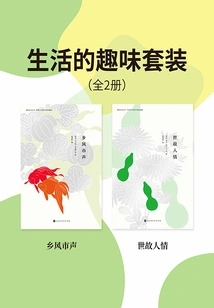
漫说文化乡土、人情套装(全集)
Xu Dishan Ye Shengtao Hu Shi Et Al.
Rural customs and market sounds seem to have existed since ancient times; in the concept of "20th century Chinese literature", it has a different meaning: it is closely related to the history of China stepping out of self-isolation, opening a window to the world, and comprehensively modernizing politics, economy, and culture.
Rural customs and market sounds seem to have existed since ancient times; in the concept of "20th century Chinese literature", it has a different meaning: it is closely related to the history of China stepping out of self-isolation, opening a window to the world, and comprehensively modernizing politics, economy, and culture.
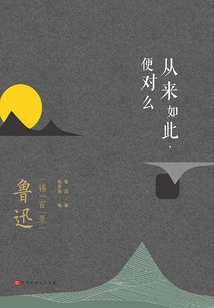
从来如此,便对么:鲁迅锦言录
Written By Lu Xun And Edited By Chen Shuyu
This book is a collection of more than 100,000 words that captures the essence of Lu Xun's works. It was selected and compiled by Chen Shuyu, a well-known scholar and senior Lu Xun research expert. The whole book includes six relatively independent but closely related themes: "On Chinese People", "On Old China", "Dialectics", "On Culture", "On Characters" and "On Life". It is more comprehensive than quotations and more concise than articles. It is like being at the top of Lu Xun's works and being able to take in the infinite scenery in it. It is especially suitable for the current era of fragmented reading to enrich yourself by getting close to Lu Xun's classic works that are full of wisdom and philosophy.
This book is a collection of more than 100,000 words that captures the essence of Lu Xun's works. It was selected and compiled by Chen Shuyu, a well-known scholar and senior Lu Xun research expert. The whole book includes six relatively independent but closely related themes: "On Chinese People", "On Old China", "Dialectics", "On Culture", "On Characters" and "On Life". It is more comprehensive than quotations and more concise than articles. It is like being at the top of Lu Xun's works and being able to take in the infinite scenery in it. It is especially suitable for the current era of fragmented reading to enrich yourself by getting close to Lu Xun's classic works that are full of wisdom and philosophy.
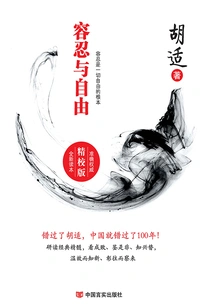
Tolerance and Freedom (refined Edition)
Literature容忍与自由(精校版)
Hu Shi
As the standard bearer of the New Culture Movement and an influential ideological and academic master in the past century, Hu Shi's life journey and ideological world, regardless of success or failure, are our inexhaustible ideological resources. If you want to understand Hu Shi's thoughts, you must read his collection of speeches, because the collection of speeches is the true expression of emotions and the most direct outpouring of the heart. This book is a collection of Mr. Hu Shi's speeches. From it, we can not only see a wise man who talks eloquently, but also experience Hu Shi's love and thinking for his country and his protection and persistence of democracy and freedom.
As the standard bearer of the New Culture Movement and an influential ideological and academic master in the past century, Hu Shi's life journey and ideological world, regardless of success or failure, are our inexhaustible ideological resources. If you want to understand Hu Shi's thoughts, you must read his collection of speeches, because the collection of speeches is the true expression of emotions and the most direct outpouring of the heart. This book is a collection of Mr. Hu Shi's speeches. From it, we can not only see a wise man who talks eloquently, but also experience Hu Shi's love and thinking for his country and his protection and persistence of democracy and freedom.
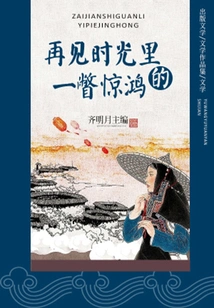
A Glimpse of Goodbye Time
Literature再见时光里的一瞥惊鸿
Editor-in-chief Qi Mingyue
"A Glimpse of Goodbye Time" is an anthology of essays by famous writers, which selects the most representative classic works of modern literature. The content is mainly divided into six parts: leisurely beauty of scenery, glimpses of old times, leisurely emotions, reflections on things seen, nostalgia for old friends, and traces of travel, covering almost all aspects of people's lives during that period. The materials are wide ranging, ranging from objects to emotions, scenes to emotions. It aims to understand the customs and customs of that era through everyone's memories, as well as the sincerity and deep friendship between people of that era. It can be called a chronicle of the scenery of the Republic of China.
"A Glimpse of Goodbye Time" is an anthology of essays by famous writers, which selects the most representative classic works of modern literature. The content is mainly divided into six parts: leisurely beauty of scenery, glimpses of old times, leisurely emotions, reflections on things seen, nostalgia for old friends, and traces of travel, covering almost all aspects of people's lives during that period. The materials are wide ranging, ranging from objects to emotions, scenes to emotions. It aims to understand the customs and customs of that era through everyone's memories, as well as the sincerity and deep friendship between people of that era. It can be called a chronicle of the scenery of the Republic of China.
Liushahe's Works (set of 2 Volumes)
Literature流沙河作品(套装2册)
Liusha River
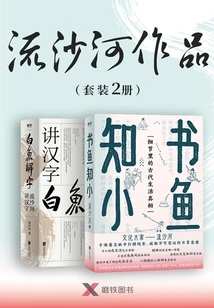
"Shu Yu Zhi Xiao" is about: This book is a collection of short historical and cultural essays by Mr. Liu Shahe. It starts with clues from texts and ancient books. Each article answers or clarifies a small question in ancient life. Although it seems small, it may be an "eternal unsolved case" or a "millennium wrong case". Once solved, it will make people suddenly realize or laugh dumbly. The theme involves little-known details of all aspects of ancient people's lives, including personal aspects of clothing, food, housing, transportation, entertainment, and cultural activities, as well as details of officialdom, commerce, war, handicrafts, and science at the social level. The topic of the article is small and the length is short. It can be read in an instant, but it is full of information and interesting. It always gives people the pleasure of reading "that's it". "White Fish Interpreting Chinese Characters: Liushahe Talks about Chinese Characters" tells the story: Mr. Liushahe is not only a writer of poetry and essays, but also a great scholar who has long studied paleography and traditional culture. This book is the quintessence of his decades of research on Chinese characters and several years of writing. It is rich in information and highly readable. It is a rare masterpiece for the popularization of Chinese characters. It collects hundreds of common Chinese characters and interprets their glyphs, meanings, pronunciations and principles of character creation one by one. It can be called the periodic table of elements of Chinese characters. It uses modern archaeological discoveries to revise "Shuowen Jiezi" for Xu Shen, who has never seen oracle bone inscriptions. It is full of fun to clarify the past and present life of each Chinese character, and sort out the creation process, evolution trajectory and cultural connotation of Chinese characters. The author personally wrote various ancient characters such as oracle bone inscriptions, bronze inscriptions, and seal scripts, making it clear at a glance.
"Shu Yu Zhi Xiao" is about: This book is a collection of short historical and cultural essays by Mr. Liu Shahe. It starts with clues from texts and ancient books. Each article answers or clarifies a small question in ancient life. Although it seems small, it may be an "eternal unsolved case" or a "millennium wrong case". Once solved, it will make people suddenly realize or laugh dumbly. The theme involves little-known details of all aspects of ancient people's lives, including personal aspects of clothing, food, housing, transportation, entertainment, and cultural activities, as well as details of officialdom, commerce, war, handicrafts, and science at the social level. The topic of the article is small and the length is short. It can be read in an instant, but it is full of information and interesting. It always gives people the pleasure of reading "that's it". "White Fish Interpreting Chinese Characters: Liushahe Talks about Chinese Characters" tells the story: Mr. Liushahe is not only a writer of poetry and essays, but also a great scholar who has long studied paleography and traditional culture. This book is the quintessence of his decades of research on Chinese characters and several years of writing. It is rich in information and highly readable. It is a rare masterpiece for the popularization of Chinese characters. It collects hundreds of common Chinese characters and interprets their glyphs, meanings, pronunciations and principles of character creation one by one. It can be called the periodic table of elements of Chinese characters. It uses modern archaeological discoveries to revise "Shuowen Jiezi" for Xu Shen, who has never seen oracle bone inscriptions. It is full of fun to clarify the past and present life of each Chinese character, and sort out the creation process, evolution trajectory and cultural connotation of Chinese characters. The author personally wrote various ancient characters such as oracle bone inscriptions, bronze inscriptions, and seal scripts, making it clear at a glance.
Feel Free at Any Time
Literature随时的自在
Lao She
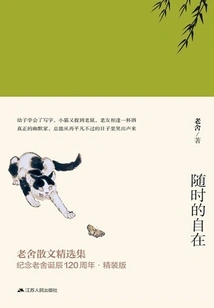
·To commemorate the 120th anniversary of the birth of Mr. Lao She in 2019, this book selects Mr. Lao She's prose and essays to show readers the unique charm of the language master and reproduce the humorous, simple and friendly style of a "people's artist". ·Five themes: "Everywhere you go, there is scenery", "Life needs a little vitality", "People change, and the seasons are the same as usual", "The soul of humor has its own reasons", "Listening, reading and writing also seek deeper understanding", seize the fun and inspiration that appear at any time in life, and record the ordinary and interesting moments of citizens' lives. ·The text is printed on imported light-weight paper, which feels soft and comfortable; the special paper hardcover surface is framed with a large girdle design, and the binding is exquisite, making it more suitable for collection.
·To commemorate the 120th anniversary of the birth of Mr. Lao She in 2019, this book selects Mr. Lao She's prose and essays to show readers the unique charm of the language master and reproduce the humorous, simple and friendly style of a "people's artist". ·Five themes: "Everywhere you go, there is scenery", "Life needs a little vitality", "People change, and the seasons are the same as usual", "The soul of humor has its own reasons", "Listening, reading and writing also seek deeper understanding", seize the fun and inspiration that appear at any time in life, and record the ordinary and interesting moments of citizens' lives. ·The text is printed on imported light-weight paper, which feels soft and comfortable; the special paper hardcover surface is framed with a large girdle design, and the binding is exquisite, making it more suitable for collection.
品读大家:季羡林文集(套装共4册)
Ji Xianlin
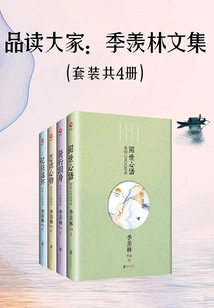
Mr. Ji Xianlin is a famous scholar, a master of Chinese studies, and a famous prose master. He is open-minded and well versed in Chinese and Western knowledge. Reading his prose is a kind of enjoyment. It is a pleasure to let go of the book. The elegant and beautiful words come to your face. They are simple but not boring, emotional but not pretentious, solemn but not rigid, elegant but not polished. Regardless of recording people, objects or events, what flows in the writing is hot humanistic feelings, full of interest and charm. This book collects Mr. Ji Xianlin's articles on life, scholarship, life and other aspects. From it, you can get a glimpse of the life attitude of the master of Chinese studies, the life perception of the elderly, the pursuit of the meaning and value of life, fate and destiny, life and life, tolerance, success, contentment, friends, reputation, pressure, longevity, ethics and morality, etc. It is a masterpiece composed by academic master Mr. Ji Xianlin, who combined his more than ninety years of life experience and his insights into life and world affairs.
Mr. Ji Xianlin is a famous scholar, a master of Chinese studies, and a famous prose master. He is open-minded and well versed in Chinese and Western knowledge. Reading his prose is a kind of enjoyment. It is a pleasure to let go of the book. The elegant and beautiful words come to your face. They are simple but not boring, emotional but not pretentious, solemn but not rigid, elegant but not polished. Regardless of recording people, objects or events, what flows in the writing is hot humanistic feelings, full of interest and charm. This book collects Mr. Ji Xianlin's articles on life, scholarship, life and other aspects. From it, you can get a glimpse of the life attitude of the master of Chinese studies, the life perception of the elderly, the pursuit of the meaning and value of life, fate and destiny, life and life, tolerance, success, contentment, friends, reputation, pressure, longevity, ethics and morality, etc. It is a masterpiece composed by academic master Mr. Ji Xianlin, who combined his more than ninety years of life experience and his insights into life and world affairs.
Pei Shi's Family Tradition
Literature裴石家风志
Su Donglai
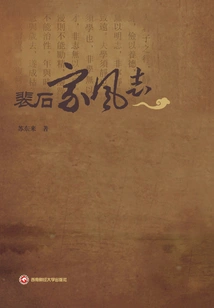
In order to showcase Pei Shi's fine family tradition and consolidate the cultural foundation of Pei Shi's family tradition, this book uses easy-to-understand language to narrate the family tradition stories of ordinary people from the aspects of Pei Shi Town's natural geographical conditions, cultural context development, family tradition formation, and representative clan family tradition. The main content of this book consists of three parts: the first is a systematic explanation of the natural geography, cultural evolution and family tradition characteristics of Peishi Town; the second is an exposition of the family tradition stories of a total of 28 families in the four major types of villages in Peishi Town: riverside, near city, town, and mountainous areas; the third is the publication of Peishi Town family rules and family mottos, poems and prefaces, and inscriptions and other important family tradition documents. The compilation of family tradition chronicles is a new attempt in traditional chronicle writing and a new exploration in the study of family tradition culture.
In order to showcase Pei Shi's fine family tradition and consolidate the cultural foundation of Pei Shi's family tradition, this book uses easy-to-understand language to narrate the family tradition stories of ordinary people from the aspects of Pei Shi Town's natural geographical conditions, cultural context development, family tradition formation, and representative clan family tradition. The main content of this book consists of three parts: the first is a systematic explanation of the natural geography, cultural evolution and family tradition characteristics of Peishi Town; the second is an exposition of the family tradition stories of a total of 28 families in the four major types of villages in Peishi Town: riverside, near city, town, and mountainous areas; the third is the publication of Peishi Town family rules and family mottos, poems and prefaces, and inscriptions and other important family tradition documents. The compilation of family tradition chronicles is a new attempt in traditional chronicle writing and a new exploration in the study of family tradition culture.
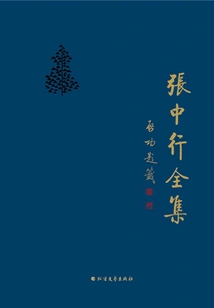
The Complete Works of Zhang Zhongxing
Literature张中行全集
Zhang Zhongxing
This book is a complete collection, collecting all the works of Mr. Zhang Zhongxing, arranged in the order of "famous works", philosophy of life, academic works, including Buddhism, language, and Chinese, and then poetry, which naturally combines with self-written poetry collections and autobiographies, followed by essays. The complete collection mainly includes his most influential negative series of works, namely "Ning Xuan's Trivial Words", "Ning Xuan's Continued Words" and "Ning Xuan's Three Words", the philosophy of life "Shunsheng Lun", Buddhist works "Zen Outside the Zen", "Buddhism and Chinese Literature". "Study", academic works "Classical Chinese and Vernacular", "Classic Chinese", "Miscellaneous Comments on Compositions", poetry works "Poetry Reading and Writing Series" and its exercise "Dream Talking Grass", autobiography "Fleeting Time Broken Shadows", essays "Collected Slips and Slips", etc. These works may remember old people and events, talk about academic theories, or explore life... They have abstract outlines and refined workmanship. With their profound insights and unique writing styles, they have attracted widespread attention at home and abroad.
This book is a complete collection, collecting all the works of Mr. Zhang Zhongxing, arranged in the order of "famous works", philosophy of life, academic works, including Buddhism, language, and Chinese, and then poetry, which naturally combines with self-written poetry collections and autobiographies, followed by essays. The complete collection mainly includes his most influential negative series of works, namely "Ning Xuan's Trivial Words", "Ning Xuan's Continued Words" and "Ning Xuan's Three Words", the philosophy of life "Shunsheng Lun", Buddhist works "Zen Outside the Zen", "Buddhism and Chinese Literature". "Study", academic works "Classical Chinese and Vernacular", "Classic Chinese", "Miscellaneous Comments on Compositions", poetry works "Poetry Reading and Writing Series" and its exercise "Dream Talking Grass", autobiography "Fleeting Time Broken Shadows", essays "Collected Slips and Slips", etc. These works may remember old people and events, talk about academic theories, or explore life... They have abstract outlines and refined workmanship. With their profound insights and unique writing styles, they have attracted widespread attention at home and abroad.
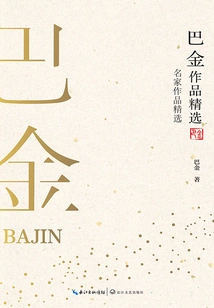
Selected Works of Ba Jin
Literature巴金作品精选
Ba Jin
"Selected Works of Ba Jin" includes works such as "Open Garden", "Bird's Paradise" and "Remembering Xiao Shan", showing the thoughts, feelings and life traces of this centenarian at different stages of his life. From these affectionate words, we can see Ba Jin's joy and sorrow, frustration and pursuit, as well as his deep love and thinking about the world.
"Selected Works of Ba Jin" includes works such as "Open Garden", "Bird's Paradise" and "Remembering Xiao Shan", showing the thoughts, feelings and life traces of this centenarian at different stages of his life. From these affectionate words, we can see Ba Jin's joy and sorrow, frustration and pursuit, as well as his deep love and thinking about the world.
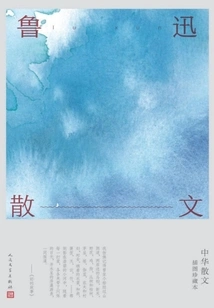
Lu Xun's Prose
Literature鲁迅散文
Lu Xun
Lu Xun is a banner figure in the history of modern literature, a thinker and a writer. His creations have a great influence on modern and contemporary China. His works have always been a best-selling book in the current book market, and this "Lu Xun Prose" is an indispensable one in the collection series. This book has both pictures and texts, and the chapters are selected from Lu Xun's "Wild Grass", "Morning Flowers Plucked at Dusk" and various collections of miscellaneous thoughts. The selection is precise and reflects the depth of Lu Xun's thinking and writing style, allowing readers to have a glimpse of Lu Xun's profound spiritual world and sharp critical edge. This book is a reprint. It is a retained bibliography after the re-planning of the Chinese Prose Collector's Edition series. The content of the main text remains unchanged, and the binding is planned to be changed.
Lu Xun is a banner figure in the history of modern literature, a thinker and a writer. His creations have a great influence on modern and contemporary China. His works have always been a best-selling book in the current book market, and this "Lu Xun Prose" is an indispensable one in the collection series. This book has both pictures and texts, and the chapters are selected from Lu Xun's "Wild Grass", "Morning Flowers Plucked at Dusk" and various collections of miscellaneous thoughts. The selection is precise and reflects the depth of Lu Xun's thinking and writing style, allowing readers to have a glimpse of Lu Xun's profound spiritual world and sharp critical edge. This book is a reprint. It is a retained bibliography after the re-planning of the Chinese Prose Collector's Edition series. The content of the main text remains unchanged, and the binding is planned to be changed.
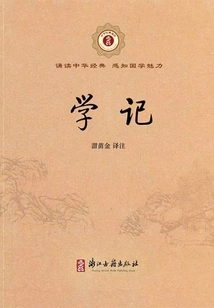
Xue Ji (chinese Classics Reading)
Literature学记(中华经典诵读)
Translation And Annotation Of Qianmiaojin
"Xue Ji" advocates the combination of in-class and extra-curricular, and the combination of textbook study and practical training, which should not only expand the field of knowledge, but also cultivate noble moral sentiments and good living habits. The book uses a lot of space to explain the dialectical relationship between "teaching" and "learning". It is believed that only through the practice of "learning" can one see the gap in one's own academic performance ("learning and then knowing one's deficiencies"), and only through the practice of "teaching" can one see one's own lack of knowledge and experience ("teaching and then knowing one's poverty"). Only when you see the gap can you strive to make progress, and only when you see the shortcomings can you spur yourself on, and thus draw the correct conclusion that "teaching teaches you each other." "Xue Ji" attaches great importance to heuristic teaching ("If you open up and teach, you will think"), it pays attention to the step-by-step teaching ("Teaching without mausoleum"), emphasizing stimulating students' inner learning motivation and cultivating students' learning consciousness. Pay attention to teaching students in accordance with their aptitude. It is advocated to understand the difficulty of students' learning and the good and bad qualities of their talents as the basis for inspiration and induction.
"Xue Ji" advocates the combination of in-class and extra-curricular, and the combination of textbook study and practical training, which should not only expand the field of knowledge, but also cultivate noble moral sentiments and good living habits. The book uses a lot of space to explain the dialectical relationship between "teaching" and "learning". It is believed that only through the practice of "learning" can one see the gap in one's own academic performance ("learning and then knowing one's deficiencies"), and only through the practice of "teaching" can one see one's own lack of knowledge and experience ("teaching and then knowing one's poverty"). Only when you see the gap can you strive to make progress, and only when you see the shortcomings can you spur yourself on, and thus draw the correct conclusion that "teaching teaches you each other." "Xue Ji" attaches great importance to heuristic teaching ("If you open up and teach, you will think"), it pays attention to the step-by-step teaching ("Teaching without mausoleum"), emphasizing stimulating students' inner learning motivation and cultivating students' learning consciousness. Pay attention to teaching students in accordance with their aptitude. It is advocated to understand the difficulty of students' learning and the good and bad qualities of their talents as the basis for inspiration and induction.
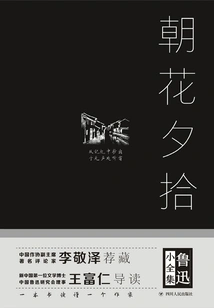
朝花夕拾
Lu Xun
I often want to find some peace and quiet among the hustle and bustle, but it is not easy. It's so bizarre right now, and my heart is so confused. When a person has only memories left, life may be considered boring, but sometimes there are no memories at all. China's affairs are regulated, and world affairs are still in a spiral. When I left Sun Yat-sen University a few days ago, I remembered leaving Xiamen University four months ago. When I heard the planes blaring overhead, I actually remembered the planes that circled Beijing every day a year ago. I also wrote a short article at that time called "A Sleep". Now, even this "sleep" is gone.
I often want to find some peace and quiet among the hustle and bustle, but it is not easy. It's so bizarre right now, and my heart is so confused. When a person has only memories left, life may be considered boring, but sometimes there are no memories at all. China's affairs are regulated, and world affairs are still in a spiral. When I left Sun Yat-sen University a few days ago, I remembered leaving Xiamen University four months ago. When I heard the planes blaring overhead, I actually remembered the planes that circled Beijing every day a year ago. I also wrote a short article at that time called "A Sleep". Now, even this "sleep" is gone.
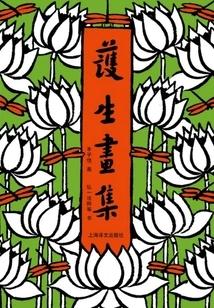
Nursing Student Painting Album
Literature护生画集
Feng Zikai Master Hongyi
"Collection of Nursing Paintings" is a strange book with six volumes in total, painted by Mr. Feng Zikai. The first and second episodes were inscribed by Master Hongyi, the famous Mr. Li Shutong, the third episode was written by Ye Gongchuo, the fourth and sixth episodes were inscribed by Zhu Youlan, and the fifth episode was written by Yu Yu. One after another, the creative process lasted forty-six years. It has been widely circulated in Buddhist circles, literary and artistic circles and ordinary readers, and has far-reaching influence. It is the crystallization of the peerless cooperation of sages and masters in the Buddhist and literary circles. It is a rare cultural masterpiece.
"Collection of Nursing Paintings" is a strange book with six volumes in total, painted by Mr. Feng Zikai. The first and second episodes were inscribed by Master Hongyi, the famous Mr. Li Shutong, the third episode was written by Ye Gongchuo, the fourth and sixth episodes were inscribed by Zhu Youlan, and the fifth episode was written by Yu Yu. One after another, the creative process lasted forty-six years. It has been widely circulated in Buddhist circles, literary and artistic circles and ordinary readers, and has far-reaching influence. It is the crystallization of the peerless cooperation of sages and masters in the Buddhist and literary circles. It is a rare cultural masterpiece.
T
LiteratureT
G
"Suiyuan Poetry" is Yuan Mei's main work on poetry in the Qing Dynasty, which embodies his idea of emphasizing spirituality in poetry. The main text consists of sixteen volumes and ten supplementary volumes. Yuan Mei (1716-1798), courtesy name Zicai, nicknamed Jianzhai, self-titled Cangshan Jushi and Suiyuan Lao Lao, was a native of Qiantang (now Hangzhou), Zhejiang. This compilation is based on Suiyuan's self-engraved edition in the 55th year of Qianlong's reign in the Qing Dynasty (1790), and has consulted various editions.
"Suiyuan Poetry" is Yuan Mei's main work on poetry in the Qing Dynasty, which embodies his idea of emphasizing spirituality in poetry. The main text consists of sixteen volumes and ten supplementary volumes. Yuan Mei (1716-1798), courtesy name Zicai, nicknamed Jianzhai, self-titled Cangshan Jushi and Suiyuan Lao Lao, was a native of Qiantang (now Hangzhou), Zhejiang. This compilation is based on Suiyuan's self-engraved edition in the 55th year of Qianlong's reign in the Qing Dynasty (1790), and has consulted various editions.
古典名著聚珍文库:说岳全传
(qing Dynasty) Jinfeng Edition And Qiancai Edition
The main theme of "Shuo Yue Quan Zhuan" adheres to the idea of loyalty to the emperor and patriotism that has lasted for hundreds of years since the Song Dynasty. It enthusiastically praises Yue Fei and his generals' patriotic spirit of loyally resisting the enemy and protecting the country, and denounces Qin Hui and other powerful traitors for their shameless behavior of surrendering and betraying the country and killing loyal people. What embodies the essence of this thought is the image of Yue Fei. Yue Fei is an ideal figure with extraordinary bravery, outstanding resourcefulness, loyalty, filial piety, justice, and loyalty to his country. For the sake of "loyalty", he could disregard victory or defeat on the battlefield, risk his family's life, and sacrifice his life generously without any complaints. This is what has moved thousands of readers for thousands of years. But from today's perspective, such blind loyalty, filial piety and righteousness actually contains too much "foolish loyalty" content, which is regrettable!
The main theme of "Shuo Yue Quan Zhuan" adheres to the idea of loyalty to the emperor and patriotism that has lasted for hundreds of years since the Song Dynasty. It enthusiastically praises Yue Fei and his generals' patriotic spirit of loyally resisting the enemy and protecting the country, and denounces Qin Hui and other powerful traitors for their shameless behavior of surrendering and betraying the country and killing loyal people. What embodies the essence of this thought is the image of Yue Fei. Yue Fei is an ideal figure with extraordinary bravery, outstanding resourcefulness, loyalty, filial piety, justice, and loyalty to his country. For the sake of "loyalty", he could disregard victory or defeat on the battlefield, risk his family's life, and sacrifice his life generously without any complaints. This is what has moved thousands of readers for thousands of years. But from today's perspective, such blind loyalty, filial piety and righteousness actually contains too much "foolish loyalty" content, which is regrettable!
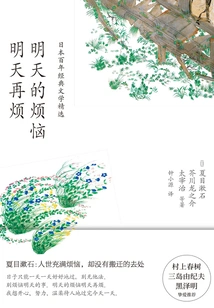
明天的烦恼明天再烦
(japan) Dazai Osamu, Natsume Soseki, Akutagawa Ryunosuke, Etc.
There is no pure happiness in this world. There will always be troubles mixed with our happiness. This is real life. Only a heart that lets go of its burden will have more strength to compete with the future, allowing us to touch the light in the darkness of life. This book selects twelve articles by Japan's six major literary giants, including the well-known great writer Osamu Dazai, Ryunosuke Akutagawa, whom Osamu Dazai admires extremely, Natsume Soseki, who is respected as the "great national writer", Junichiro Tanizaki, who has been nominated for the Nobel Prize for Literature seven times, Ogai Mori, a representative of romantic literature after the Meiji Restoration, and Kazuyo Higuchi, who is known as the greatest female novelist in modern Japan. Twelve articles, about loss, freedom, love, destiny, soul, human nature and other topics that have to be thought about. Troubles are everywhere, but you can only gain inner peace by living well day by day and trying your best to live each day to the fullest. In an imperfect life, find a lifestyle you love with an optimistic attitude.
There is no pure happiness in this world. There will always be troubles mixed with our happiness. This is real life. Only a heart that lets go of its burden will have more strength to compete with the future, allowing us to touch the light in the darkness of life. This book selects twelve articles by Japan's six major literary giants, including the well-known great writer Osamu Dazai, Ryunosuke Akutagawa, whom Osamu Dazai admires extremely, Natsume Soseki, who is respected as the "great national writer", Junichiro Tanizaki, who has been nominated for the Nobel Prize for Literature seven times, Ogai Mori, a representative of romantic literature after the Meiji Restoration, and Kazuyo Higuchi, who is known as the greatest female novelist in modern Japan. Twelve articles, about loss, freedom, love, destiny, soul, human nature and other topics that have to be thought about. Troubles are everywhere, but you can only gain inner peace by living well day by day and trying your best to live each day to the fullest. In an imperfect life, find a lifestyle you love with an optimistic attitude.