Library
Browse and search novels
1,326 novels found
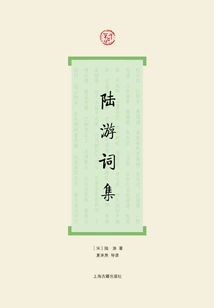
Collection of Lu You's Ci
Literature陆游词集
(song Dynasty) By Lu You, With An Introduction By Xia Chengtao
This book is one of the "Word Series" series. There are more than 9,000 of Lu You's poems in existence today, which is very impressive. Although his lyrics are far less huge than his poems, his achievements and influence are still great. The predecessors said that his poems are like Qin Guan in their delicacy, like Su Shi in their boldness, and like Xin Qiji in their coolness. This book contains all of Lu You's Ci works and wonderful comments from later generations, as well as simple annotations. In addition, it also has an introduction and chronology by Mr. Xia Chengtao, a leading scholar of Ci, which provides great convenience for readers to appreciate and study Lu You's Ci works.
This book is one of the "Word Series" series. There are more than 9,000 of Lu You's poems in existence today, which is very impressive. Although his lyrics are far less huge than his poems, his achievements and influence are still great. The predecessors said that his poems are like Qin Guan in their delicacy, like Su Shi in their boldness, and like Xin Qiji in their coolness. This book contains all of Lu You's Ci works and wonderful comments from later generations, as well as simple annotations. In addition, it also has an introduction and chronology by Mr. Xia Chengtao, a leading scholar of Ci, which provides great convenience for readers to appreciate and study Lu You's Ci works.
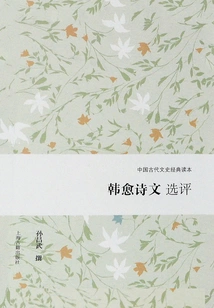
韩愈诗文选评
Sun Changwu
This book selects representative poems and essays based on Han Yu's life creation process, and annotates and analyzes them. The poems are based on Qian Zhonglian's anthology "Han Changli's Collection of Poems" as the base, and the text is based on Ma Qichang's annotations "Han Changli's Anthology" as the base. The literature is informative and reliable, while the annotations are incisive and concise, and the comments are elegant and unconventional, adapting to readers' appreciation habits.
This book selects representative poems and essays based on Han Yu's life creation process, and annotates and analyzes them. The poems are based on Qian Zhonglian's anthology "Han Changli's Collection of Poems" as the base, and the text is based on Ma Qichang's annotations "Han Changli's Anthology" as the base. The literature is informative and reliable, while the annotations are incisive and concise, and the comments are elegant and unconventional, adapting to readers' appreciation habits.
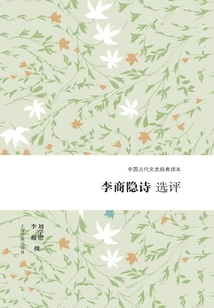
Selected Comments on Li Shangyin's Poems
Literature李商隐诗选评
Liu Xuekai Li Han
Li Shangyin's "Untitled" poem is sad, persistent and beautiful. Li Shangyin's impression on people is like a spring silkworm spinning silk, lingering and reluctant; like a red building separated from the rain, it is sad, beautiful and blurred. This poetry anthology is roughly based on Li Shangyin's life experience, and divides his poetry creation into three major stages, so as to facilitate reading his poems and understanding the person, knowing the person and sympathizing with him.
Li Shangyin's "Untitled" poem is sad, persistent and beautiful. Li Shangyin's impression on people is like a spring silkworm spinning silk, lingering and reluctant; like a red building separated from the rain, it is sad, beautiful and blurred. This poetry anthology is roughly based on Li Shangyin's life experience, and divides his poetry creation into three major stages, so as to facilitate reading his poems and understanding the person, knowing the person and sympathizing with him.
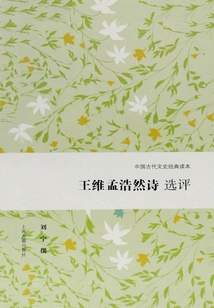
王维孟浩然诗选评
Liu Ning
The upper part of the "Selected Poems of Wang Wei and Meng Haoran" is divided into chapters by Wang Wei, including Shenghua's early works, demoted official and seclusion, leaving the fortress and knowing the south, half-official and semi-hidden, late scenes of his life, and unchronological poems; the lower part is divided into chapters by Meng Haoran, including waiting for an official in his hometown, Chang'an's unfavorable situation in seeking an official position, wandering and entering the curtain, and unchronological poems. It provides detailed annotations and comments on the poetry creations of Wang Wei and Meng Haoran. It is simple to explain, easy to read and understand, adapts to the appreciation and reading habits of readers in the new era, and is popular and elegant.
The upper part of the "Selected Poems of Wang Wei and Meng Haoran" is divided into chapters by Wang Wei, including Shenghua's early works, demoted official and seclusion, leaving the fortress and knowing the south, half-official and semi-hidden, late scenes of his life, and unchronological poems; the lower part is divided into chapters by Meng Haoran, including waiting for an official in his hometown, Chang'an's unfavorable situation in seeking an official position, wandering and entering the curtain, and unchronological poems. It provides detailed annotations and comments on the poetry creations of Wang Wei and Meng Haoran. It is simple to explain, easy to read and understand, adapts to the appreciation and reading habits of readers in the new era, and is popular and elegant.
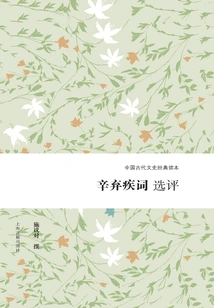
Selected Comments on Xin Qiji's Poems
Literature辛弃疾词选评
Give Advice
Throughout his life, Xin Qiji prided himself on his integrity and his achievements, but was never reused throughout his life. He wrote these lyrics, which are tragic and exciting. This book uses life narratives to guide the annotation and analysis of famous works, and has unique insights.
Throughout his life, Xin Qiji prided himself on his integrity and his achievements, but was never reused throughout his life. He wrote these lyrics, which are tragic and exciting. This book uses life narratives to guide the annotation and analysis of famous works, and has unique insights.
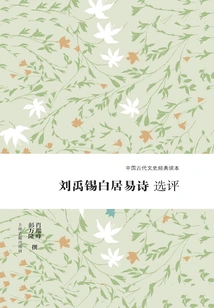
Selected Poems of Liu Yuxi and Bai Juyi
Literature刘禹锡白居易诗选评
Xiao Ruifeng Peng Wanlong
Liu Yuxi made outstanding contributions to the development of Tang poetry by expanding poetry themes, deepening traditional themes, and innovating poetry styles. Bai Juyi left nearly 3,000 poems in his lifetime and also put forward a complete set of poetry theories. He was an advocate of the New Yuefu Movement in the Tang Dynasty and was known as "a great poet comparable to Du Fu". This anthology organically combines the poet's life and works commentary.
Liu Yuxi made outstanding contributions to the development of Tang poetry by expanding poetry themes, deepening traditional themes, and innovating poetry styles. Bai Juyi left nearly 3,000 poems in his lifetime and also put forward a complete set of poetry theories. He was an advocate of the New Yuefu Movement in the Tang Dynasty and was known as "a great poet comparable to Du Fu". This anthology organically combines the poet's life and works commentary.
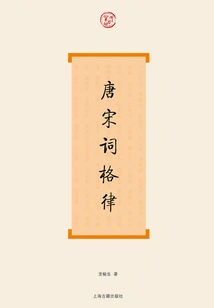
Rhythm of Tang and Song Poetry
Literature唐宋词格律
Long Yusheng
Ci arose in the Tang Dynasty. After the development of the Five Dynasties, it reached its peak in the Song Dynasty. It is a kind of Yuefu poetry that can be sung with music. It mainly comes from Yuefu and folk literature, but it is inseparable from the prosperity of music in the Tang Dynasty. In the Tang Dynasty, music from the Western Regions with pipa as the main instrument had been introduced in large quantities, and folk songs were also very developed. Therefore, the "Old Book of Tang Music" says: "Since the Kaiyuan Dynasty, singers have used songs from Hu Yili Lane." This combination of Western music and folk songs created countless beautiful new music, which was very popular from the court to the people. The emergence and creation of lyrics were mainly to coordinate with this emerging music, so the lyrics were called "qu" or "melody lyrics" at that time. Due to the extremely close relationship between words and music, strict rhythm and various formal characteristics have emerged. Each word has its own fixed form: "The tune has a certain tenth day, the tenth day has a certain character, and the character has a certain tone." In order to adapt to the rhythm of the music, most of the sentences are of different lengths, and the rhymes are also different. To match the tone of the music. To enhance the musicality of the music, the characters used in the lyrics are not only divided into equal and oblique tones, but some are also divided into four tones. Since words must be constrained by the rhythm of music, the ancients called song writing "word writing according to sound" or "word writing according to music score".
Ci arose in the Tang Dynasty. After the development of the Five Dynasties, it reached its peak in the Song Dynasty. It is a kind of Yuefu poetry that can be sung with music. It mainly comes from Yuefu and folk literature, but it is inseparable from the prosperity of music in the Tang Dynasty. In the Tang Dynasty, music from the Western Regions with pipa as the main instrument had been introduced in large quantities, and folk songs were also very developed. Therefore, the "Old Book of Tang Music" says: "Since the Kaiyuan Dynasty, singers have used songs from Hu Yili Lane." This combination of Western music and folk songs created countless beautiful new music, which was very popular from the court to the people. The emergence and creation of lyrics were mainly to coordinate with this emerging music, so the lyrics were called "qu" or "melody lyrics" at that time. Due to the extremely close relationship between words and music, strict rhythm and various formal characteristics have emerged. Each word has its own fixed form: "The tune has a certain tenth day, the tenth day has a certain character, and the character has a certain tone." In order to adapt to the rhythm of the music, most of the sentences are of different lengths, and the rhymes are also different. To match the tone of the music. To enhance the musicality of the music, the characters used in the lyrics are not only divided into equal and oblique tones, but some are also divided into four tones. Since words must be constrained by the rhythm of music, the ancients called song writing "word writing according to sound" or "word writing according to music score".
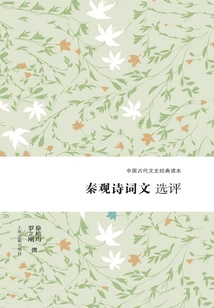
Selected Comments on Qin Guan's Poems
Literature秦观诗词文选评
Xu Peijun Luo Ligang
Qin Guan was the most praised by Dongpo among the "Four Scholars of Sumen". He wrote poems and articles, focusing on emotions. Whether it is poetry, lyrics or writing, everything is forged with true feelings, and there is absolutely no falsehood or nonsense. In particular, his lyrics are delicate, graceful, and nuanced, and are the most touching. In addition to commenting on his representative works, this book also specially selects some poems, essays, and poems. The purpose is to give Qin Guan a complete look as a sentimental literati who was good at all styles and developed in an all-round way.
Qin Guan was the most praised by Dongpo among the "Four Scholars of Sumen". He wrote poems and articles, focusing on emotions. Whether it is poetry, lyrics or writing, everything is forged with true feelings, and there is absolutely no falsehood or nonsense. In particular, his lyrics are delicate, graceful, and nuanced, and are the most touching. In addition to commenting on his representative works, this book also specially selects some poems, essays, and poems. The purpose is to give Qin Guan a complete look as a sentimental literati who was good at all styles and developed in an all-round way.
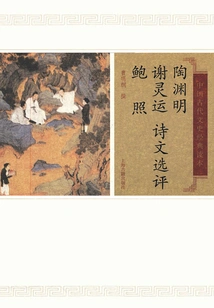
陶渊明谢灵运鲍照诗文选评
Cao Minggang
One is a reclusive poet with a graceful and graceful appearance, and the other is a landscape poet with arrogance and refined talents. In the world of Chinese poetry, both Tao Yuanming and Xie Lingyun are landmark figures. Bao Zhao's poems that followed him were elegant in style, and both he and Xie Xie's poems had the reputation of being the best in the new police. His poems, poems and parallel prose were also top-notch in the Six Dynasties. The masterpieces of three talented people are combined into one volume, which is endlessly wonderful to browse and taste.
One is a reclusive poet with a graceful and graceful appearance, and the other is a landscape poet with arrogance and refined talents. In the world of Chinese poetry, both Tao Yuanming and Xie Lingyun are landmark figures. Bao Zhao's poems that followed him were elegant in style, and both he and Xie Xie's poems had the reputation of being the best in the new police. His poems, poems and parallel prose were also top-notch in the Six Dynasties. The masterpieces of three talented people are combined into one volume, which is endlessly wonderful to browse and taste.
Li Qingzhao's Ci Collection
Literature李清照词集
(song Dynasty) Written By Li Qingzhao With Introduction By Wu Huijuan
The Song Dynasty was the most prosperous period of Ci, and the poets were as brilliant as stars. As a representative of female poets, Li Qingzhao is unique in the world of poetry. He is called "Yi An Ti" by later generations and is an outstanding representative of the graceful school. His poems are bounded by Nandu, and his early works mostly describe the leisurely boudoir life, showing the unique passion and sensitivity of female poets. Later lyrics are full of sad emotions of "things have changed and people have changed", expressing the attachment to the motherland and the story. Li Qingzhao is good at extracting vivid and clear words and phrases from daily spoken language, which are fresh and meaningful, forming a coherent state. This book collects Li Qingzhao's lyrics and later generations' comments, and also adds simple annotations and Mr. Xu Peijun's chronology, which provides readers with more convenience in appreciating Li Qingzhao's lyrics.
The Song Dynasty was the most prosperous period of Ci, and the poets were as brilliant as stars. As a representative of female poets, Li Qingzhao is unique in the world of poetry. He is called "Yi An Ti" by later generations and is an outstanding representative of the graceful school. His poems are bounded by Nandu, and his early works mostly describe the leisurely boudoir life, showing the unique passion and sensitivity of female poets. Later lyrics are full of sad emotions of "things have changed and people have changed", expressing the attachment to the motherland and the story. Li Qingzhao is good at extracting vivid and clear words and phrases from daily spoken language, which are fresh and meaningful, forming a coherent state. This book collects Li Qingzhao's lyrics and later generations' comments, and also adds simple annotations and Mr. Xu Peijun's chronology, which provides readers with more convenience in appreciating Li Qingzhao's lyrics.
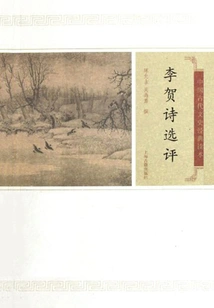
Selected Comments on Li He's Poems
Literature李贺诗选评
Chen Yunji Wu Haiyong
There have been countless poets with outstanding reputations in the history of Chinese literature, and Li He in the Tang Dynasty, as a combination of a poetic genius and a morbid deformity, can be said to be one of the most special figures in this starry group. Li He was a young man who had nothing to do. His life was extremely simple. He had an eccentric personality and emotions were stronger than reason. He indulged in subjective fantasies. He died young and out of spite at the age of 27. He had no special knowledge or achievements. However, the lack of rational temperament made him become a poet with particularly strong emotional meaning. Li He regards poetry as the basis of all life, and only poetry can show the value of life. He worked hard throughout his life to build the gorgeous palace of the poetic country, and supported his brilliant artistic creativity with his fragile body and mind. He devoted all his energy to dedicating countless dazzling works to future generations.
There have been countless poets with outstanding reputations in the history of Chinese literature, and Li He in the Tang Dynasty, as a combination of a poetic genius and a morbid deformity, can be said to be one of the most special figures in this starry group. Li He was a young man who had nothing to do. His life was extremely simple. He had an eccentric personality and emotions were stronger than reason. He indulged in subjective fantasies. He died young and out of spite at the age of 27. He had no special knowledge or achievements. However, the lack of rational temperament made him become a poet with particularly strong emotional meaning. Li He regards poetry as the basis of all life, and only poetry can show the value of life. He worked hard throughout his life to build the gorgeous palace of the poetic country, and supported his brilliant artistic creativity with his fragile body and mind. He devoted all his energy to dedicating countless dazzling works to future generations.
晏殊词集?晏幾道词集
(song Dynasty) Yan Shu Yan Jidao
Er Yan refers to the two great poets of the Song Dynasty, Yan Shu and his son Yan Jidao. The title of Yan Shu's collection of poems is "Zhuyu Ci", and the title of Yan Xiandao's collection of poems is "Xiaoshan Ci", collectively known as "Er Yan Ci". The poetry of these two people was not only famous in the Song Dynasty, but also occupied a very important position in the entire history of poetry. Yan Shu was even regarded as the ancestor of the Yisheng family in the Northern Song Dynasty by later commentators, and Yan Jidao's achievements were even greater than those of his father. Commentators think that his energy is particularly superior, and his eloquence is unique for a while.
Er Yan refers to the two great poets of the Song Dynasty, Yan Shu and his son Yan Jidao. The title of Yan Shu's collection of poems is "Zhuyu Ci", and the title of Yan Xiandao's collection of poems is "Xiaoshan Ci", collectively known as "Er Yan Ci". The poetry of these two people was not only famous in the Song Dynasty, but also occupied a very important position in the entire history of poetry. Yan Shu was even regarded as the ancestor of the Yisheng family in the Northern Song Dynasty by later commentators, and Yan Jidao's achievements were even greater than those of his father. Commentators think that his energy is particularly superior, and his eloquence is unique for a while.
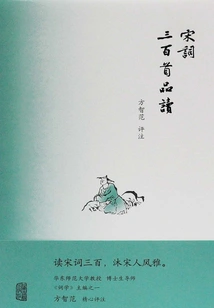
宋词三百首品读
Commentary By Fang Zhifan
"Three Hundred Poems of the Song Dynasty" is based on the selected words from "Three Hundred Poems of the Song Dynasty" compiled by Zhu Zumou, a great poet in the late Qing Dynasty, and is annotated and read. The more difficult-to-understand characters and words are phoneticized and annotated, and each word is accompanied by a translation, so that readers can easily and happily read these popular works that have been passed down from generation to generation, thereby feeling the vastness of Chinese culture and appreciating the depth and breadth of Chinese culture.
"Three Hundred Poems of the Song Dynasty" is based on the selected words from "Three Hundred Poems of the Song Dynasty" compiled by Zhu Zumou, a great poet in the late Qing Dynasty, and is annotated and read. The more difficult-to-understand characters and words are phoneticized and annotated, and each word is accompanied by a translation, so that readers can easily and happily read these popular works that have been passed down from generation to generation, thereby feeling the vastness of Chinese culture and appreciating the depth and breadth of Chinese culture.
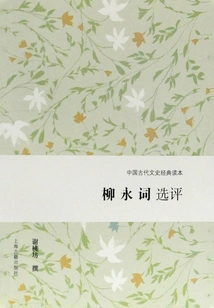
Selected Comments on Liu Yong's Ci
Literature柳永词选评
Xie Taofang
Among the poets of the Song Dynasty, Liu Yong is the most famous. He was a figure representing the new trend of thought who emerged in the historical background of the peaceful and prosperous era of economic prosperity and cultural upsurge in the early Northern Song Dynasty, when the citizen class was rising, and when the new style of music, literature and lyrics was maturing. The collection of lyrics he left behind, "Collection of Movements", contains more than 190 lyrics. He does not have a place in "The Scholars" and "The Legend of Wenyuan" in "History of the Song Dynasty". However, there are many records of this poet's legendary stories and literary good stories in unofficial histories. From the perspective of life path, cultural choice and social positioning, Liu Yong is a rebellious scholar who deviates from the traditional cultural spirit and feudal ethical norms, and is an enviable romantic talent among the people. Liu Yong occupies a pioneering and important position in the history of Song Ci poetry. This book selects 68 of Liu Yong's most representative poems, which are divided into poems about hometown, poems about Beijing, poems about traveling, and poems about official travels. The author comments on each poem, and the discussion is wonderful. Readers can get a glimpse of the essence and full picture of Liu Yong's Ci.
Among the poets of the Song Dynasty, Liu Yong is the most famous. He was a figure representing the new trend of thought who emerged in the historical background of the peaceful and prosperous era of economic prosperity and cultural upsurge in the early Northern Song Dynasty, when the citizen class was rising, and when the new style of music, literature and lyrics was maturing. The collection of lyrics he left behind, "Collection of Movements", contains more than 190 lyrics. He does not have a place in "The Scholars" and "The Legend of Wenyuan" in "History of the Song Dynasty". However, there are many records of this poet's legendary stories and literary good stories in unofficial histories. From the perspective of life path, cultural choice and social positioning, Liu Yong is a rebellious scholar who deviates from the traditional cultural spirit and feudal ethical norms, and is an enviable romantic talent among the people. Liu Yong occupies a pioneering and important position in the history of Song Ci poetry. This book selects 68 of Liu Yong's most representative poems, which are divided into poems about hometown, poems about Beijing, poems about traveling, and poems about official travels. The author comments on each poem, and the discussion is wonderful. Readers can get a glimpse of the essence and full picture of Liu Yong's Ci.
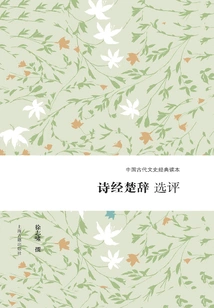
诗经楚辞选评
Xu Zhixiao
The Book of Songs and The Songs of Chu respectively opened up the two major sources of realism and romanticism in Chinese literature. The Book of Songs is generally an ancient ballad from the Yellow River Basin, and the Songs of Chu can almost be regarded as the swan song of the literati from the Yangtze River Basin. The former is sober realism, the latter is active romanticism.
The Book of Songs and The Songs of Chu respectively opened up the two major sources of realism and romanticism in Chinese literature. The Book of Songs is generally an ancient ballad from the Yellow River Basin, and the Songs of Chu can almost be regarded as the swan song of the literati from the Yangtze River Basin. The former is sober realism, the latter is active romanticism.
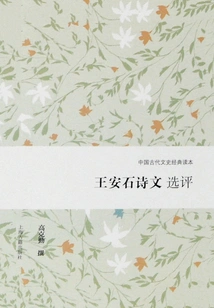
王安石诗文选评
Gao Keqin
This book is arranged chronologically and divides Wang Anshi's life into six parts: "before and after he became an official", "transferred to a prefecture and county", "became an official in Beijing", "taught in mourning", "reformed in power", and "retired to Zhongshan". At the beginning of each part, Wang Anshi's deeds, ideological characteristics, creative style, etc. During this period are introduced in detail to give readers an overall understanding. Then some of the most representative works are selected, each piece is annotated in detail, and comments are made. The comments include not only the creative background, allusions, and morals, but also some basic literary techniques, so that readers can understand the artistry and ideological nature of the works.
This book is arranged chronologically and divides Wang Anshi's life into six parts: "before and after he became an official", "transferred to a prefecture and county", "became an official in Beijing", "taught in mourning", "reformed in power", and "retired to Zhongshan". At the beginning of each part, Wang Anshi's deeds, ideological characteristics, creative style, etc. During this period are introduced in detail to give readers an overall understanding. Then some of the most representative works are selected, each piece is annotated in detail, and comments are made. The comments include not only the creative background, allusions, and morals, but also some basic literary techniques, so that readers can understand the artistry and ideological nature of the works.
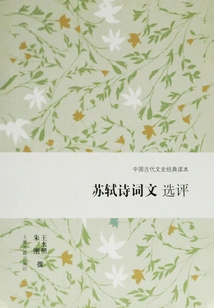
Selected Comments on Su Shi's Poems
Literature苏轼诗词文选评
Wang Shuizhao Zhu Gang
This book adopts the method of category division to select about 100 of Su Shi's most representative works of poems, words and articles. It is divided into eight parts: Hongzhao in Snow and Mud, Reform Trend, Wutai Poetry Case, Huangzhou Years, Scenery of Yutang, Drunken Rain in West Lake, Exile to the End of the World, and Talking and Laughing, and then categorizes, summarizes and annotates them. The selection of chapters is reasonable and moderate, the annotations are accurate and detailed, and the commentary is beautiful and fluent. The author introduces Su Shi as a person, his poems, his lyrics and his articles, and comments on each chapter with wonderful discussion. The analysis and comments are comprehensive, comprehensive and prudent, and easy to read and understand, so as to facilitate readers to feel the context of Su Shi's emotional and intellectual activities and adapt to the appreciation and reading habits of readers in the new era.
This book adopts the method of category division to select about 100 of Su Shi's most representative works of poems, words and articles. It is divided into eight parts: Hongzhao in Snow and Mud, Reform Trend, Wutai Poetry Case, Huangzhou Years, Scenery of Yutang, Drunken Rain in West Lake, Exile to the End of the World, and Talking and Laughing, and then categorizes, summarizes and annotates them. The selection of chapters is reasonable and moderate, the annotations are accurate and detailed, and the commentary is beautiful and fluent. The author introduces Su Shi as a person, his poems, his lyrics and his articles, and comments on each chapter with wonderful discussion. The analysis and comments are comprehensive, comprehensive and prudent, and easy to read and understand, so as to facilitate readers to feel the context of Su Shi's emotional and intellectual activities and adapt to the appreciation and reading habits of readers in the new era.
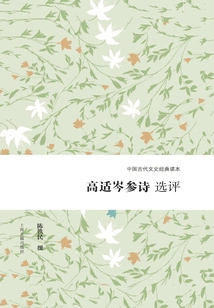
Selected Comments on Gao Shicen's Poems
Literature高适岑参诗选评
Chen Tiemin
Gao Shi and Cen Shen are representative writers of frontier fortress poetry in the Tang Dynasty. This book selects the representative works of Gao Shi and Cen Shen, combines their life experiences, uses history to describe poetry, analyzes poetic practices, comments on artistic characteristics, and highlights their similarities but differences in creative styles.
Gao Shi and Cen Shen are representative writers of frontier fortress poetry in the Tang Dynasty. This book selects the representative works of Gao Shi and Cen Shen, combines their life experiences, uses history to describe poetry, analyzes poetic practices, comments on artistic characteristics, and highlights their similarities but differences in creative styles.
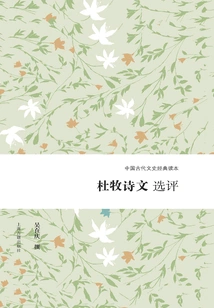
杜牧诗文选评
Wu Zaiqing
Du Mu, a poet of the late Tang Dynasty, whose poems fully demonstrated his heroic and tender personality earned him the reputation of "Xiao Du". This book collects more than a hundred of Du Mu's famous works from various periods, arranged chronologically, with accurate annotations and comments that integrate public opinion.
Du Mu, a poet of the late Tang Dynasty, whose poems fully demonstrated his heroic and tender personality earned him the reputation of "Xiao Du". This book collects more than a hundred of Du Mu's famous works from various periods, arranged chronologically, with accurate annotations and comments that integrate public opinion.
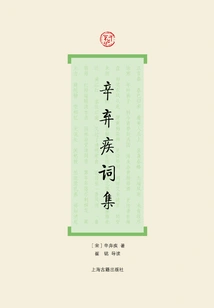
Xin Qiji's Ci Collection
Literature辛弃疾词集
(song Dynasty) By Xin Qiji, With An Introduction By Cui Ming
Xin Qiji has more than 600 poems in existence. Jiaxuan's poems are powerful and heroic. Xiang Xiang and Su Dongpo's Dongpo Yuefu Su and Xin are called together, and they are the representatives and pinnacles of the heroic style of poetry. This book contains all the works of Xin Qiji and the wonderful comments of later generations, and also includes simple annotations, which provides great convenience for readers to appreciate and study Xin Qiji's works.
Xin Qiji has more than 600 poems in existence. Jiaxuan's poems are powerful and heroic. Xiang Xiang and Su Dongpo's Dongpo Yuefu Su and Xin are called together, and they are the representatives and pinnacles of the heroic style of poetry. This book contains all the works of Xin Qiji and the wonderful comments of later generations, and also includes simple annotations, which provides great convenience for readers to appreciate and study Xin Qiji's works.
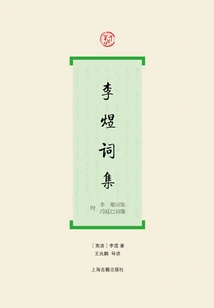
李煜词集 附:李璟词集 冯延巳词集
(southern Tang Dynasty) Written By Li Yu Introduction By Wang Zhaopeng
Li Yu, the sixth son of the Southern Tang Dynasty. He ascended the throne in Jinling in the second year of Jianlong of the Song Dynasty (961). He reigned for fifteen years and was known as Empress Li in the world. The style of Li Yu's early poetry is gorgeous and soft, and it is hard to escape the "Flower Room" style. After his country was destroyed and he was captured, during his life of house arrest where he "washed his face with tears day and night", he wept his blood with one swan song after another, making the king of the country the "King of the South" in the world of poetry through the ages (Qing Shenxiong's "Ancient and Modern Ci Hua" said). The desolate, tragic and far-reaching artistic conception of his later Ci poems laid the foundation for the "bold and unrestrained" schools of Su and Xin in the future, and he became a master in the history of Ci. Wang Guowei's "Human Ci Hua" says: "When Ci came to Master Li, his vision began to expand and his emotions became deeper." This book contains all Li Yu's Ci works and comments from later generations. At the back of the book is a collection of poems by two other poets of the Southern Tang Dynasty, Li Jing and Feng Yansi.
Li Yu, the sixth son of the Southern Tang Dynasty. He ascended the throne in Jinling in the second year of Jianlong of the Song Dynasty (961). He reigned for fifteen years and was known as Empress Li in the world. The style of Li Yu's early poetry is gorgeous and soft, and it is hard to escape the "Flower Room" style. After his country was destroyed and he was captured, during his life of house arrest where he "washed his face with tears day and night", he wept his blood with one swan song after another, making the king of the country the "King of the South" in the world of poetry through the ages (Qing Shenxiong's "Ancient and Modern Ci Hua" said). The desolate, tragic and far-reaching artistic conception of his later Ci poems laid the foundation for the "bold and unrestrained" schools of Su and Xin in the future, and he became a master in the history of Ci. Wang Guowei's "Human Ci Hua" says: "When Ci came to Master Li, his vision began to expand and his emotions became deeper." This book contains all Li Yu's Ci works and comments from later generations. At the back of the book is a collection of poems by two other poets of the Southern Tang Dynasty, Li Jing and Feng Yansi.
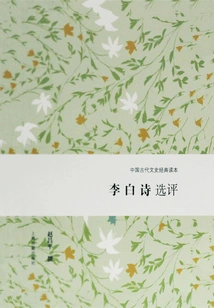
Selected Comments on Li Bai's Poems
Literature李白诗选评
Zhao Changping
Ancient my country is known for the development of poetry. There were numerous poets and excellent works, including the Tang Dynasty, which showed a prosperous situation of hundreds of flowers blooming and competing for beauty. The emergence of Li Bai not only pushed the creation of ancient Chinese five-seven-character poems to a peak, but also had a profound impact on future generations. Famous poets such as Han Yu, Li He, and Du Mu in the Tang Dynasty, Ouyang Xiu, Su Shi, and Lu You in the Song Dynasty, Gao Qi in the Ming Dynasty, and Huang Jingren and Gong Zizhen in the Qing Dynasty all learned from Li Bai to varying degrees and further developed the romantic tradition of classical poetry. This book is carefully selected by our editor-in-chief Zhao, Li Bai's representative works, and is organized into six issues in chronological order. There is an overview before each issue, and detailed annotations and sophisticated comments after each work.
Ancient my country is known for the development of poetry. There were numerous poets and excellent works, including the Tang Dynasty, which showed a prosperous situation of hundreds of flowers blooming and competing for beauty. The emergence of Li Bai not only pushed the creation of ancient Chinese five-seven-character poems to a peak, but also had a profound impact on future generations. Famous poets such as Han Yu, Li He, and Du Mu in the Tang Dynasty, Ouyang Xiu, Su Shi, and Lu You in the Song Dynasty, Gao Qi in the Ming Dynasty, and Huang Jingren and Gong Zizhen in the Qing Dynasty all learned from Li Bai to varying degrees and further developed the romantic tradition of classical poetry. This book is carefully selected by our editor-in-chief Zhao, Li Bai's representative works, and is organized into six issues in chronological order. There is an overview before each issue, and detailed annotations and sophisticated comments after each work.
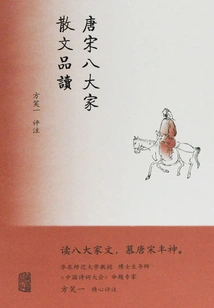
唐宋八大家散文品读
Comments By Fang Xiaoyi
"Selected Prose by Eight Masters of Tang and Song Dynasties" contains a total of 78 essays by eight masters of Tang and Song Dynasty. Each article has annotations and translations, with precise interpretations of difficult words and sentences, and simple comments to reveal the essence of the article in one sentence, allowing readers to quickly appreciate the charm of classic prose from the Tang and Song Dynasties.
"Selected Prose by Eight Masters of Tang and Song Dynasties" contains a total of 78 essays by eight masters of Tang and Song Dynasty. Each article has annotations and translations, with precise interpretations of difficult words and sentences, and simple comments to reveal the essence of the article in one sentence, allowing readers to quickly appreciate the charm of classic prose from the Tang and Song Dynasties.
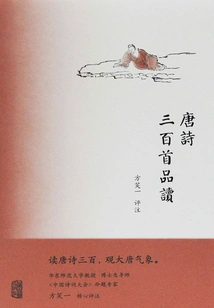
Reading of Three Hundred Tang Poems
Literature唐诗三百首品读
Comments By Fang Xiaoyi
"Three Hundred Tang Poems: Readings" selects the classic anthology of Tang Dynasty poetry, "Three Hundred Tang Poems", and adds word selections, phonetic notations and translations to help readers read. There is also "Taste Reading", which provides concise explanations and comments on the poems, summarizing and highlighting the thoughts and artistry of the poems.
"Three Hundred Tang Poems: Readings" selects the classic anthology of Tang Dynasty poetry, "Three Hundred Tang Poems", and adds word selections, phonetic notations and translations to help readers read. There is also "Taste Reading", which provides concise explanations and comments on the poems, summarizing and highlighting the thoughts and artistry of the poems.
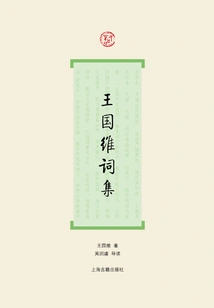
Wang Guowei's Dictionary
Literature王国维词集
Written By Wang Guowei, With Introduction And Commentary By Chen Yongzheng
This book is one of the "Word Series". Wang Guowei was a famous scholar in modern China. He is an outstanding historian, paleographer, and an outstanding literary theorist. His "Human Words" is the most influential work on literary criticism in modern times, and he strives to implement his aesthetic theory in his creative practice. There are only 115 Wang Guowei's poems in existence, most of which are Xiaoling poems. His poems are "probably deeper in meaning than Ou (Yang Xiu), but inferior to Qin (Guan) in terms of context". They are true to form and have a lot of "created context". Also attached is an introduction by Professor Chen Yongzheng of Sun Yat-sen University.
This book is one of the "Word Series". Wang Guowei was a famous scholar in modern China. He is an outstanding historian, paleographer, and an outstanding literary theorist. His "Human Words" is the most influential work on literary criticism in modern times, and he strives to implement his aesthetic theory in his creative practice. There are only 115 Wang Guowei's poems in existence, most of which are Xiaoling poems. His poems are "probably deeper in meaning than Ou (Yang Xiu), but inferior to Qin (Guan) in terms of context". They are true to form and have a lot of "created context". Also attached is an introduction by Professor Chen Yongzheng of Sun Yat-sen University.
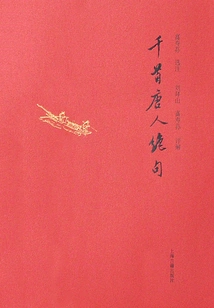
千首唐人绝句(全二册)
Selected Notes By Fu Shou Sun Liu Baishan Commentary By Fu Shou Sun
This book is a large-scale anthology of quatrains from the Tang Dynasty, containing more than a thousand quatrains. It is full of characteristics in terms of annotations, collection reviews and reviews. The annotations are concise and comprehensive; the comments on Tang Dynasty quatrains in the notes on poetry after the Tang Dynasty are collected in a comprehensive way, and the subtle nuances are explained; the author's comments and introductions are discussed.
This book is a large-scale anthology of quatrains from the Tang Dynasty, containing more than a thousand quatrains. It is full of characteristics in terms of annotations, collection reviews and reviews. The annotations are concise and comprehensive; the comments on Tang Dynasty quatrains in the notes on poetry after the Tang Dynasty are collected in a comprehensive way, and the subtle nuances are explained; the author's comments and introductions are discussed.
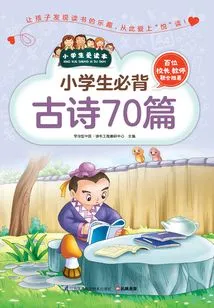
小学生必背古诗70篇(小学生爱读本)
Editor-in-chief, Learning China·reading Engineering Teaching And Research Center
Chinese traditional culture is extensive and profound, and ancient poetry is a bright pearl in the garden of traditional culture. As early as more than two thousand years ago, our ancestors had begun to use poetry to record their lives and express their thoughts and feelings. Especially in the Tang Dynasty, the development of poetry reached its peak. "70 Ancient Poems Must Memorize for Primary School Students" collects various themes, such as seclusion before becoming an official, working as an official, taking exams or failing, etc., As well as favors and promotions after becoming an official, and even worries about the country and the people, or even individuals resigning and returning to their fields. They are all common themes. They are clear and easy to understand. Reading them can benefit from cultivating your temperament. It can also cultivate and inspire people's hearts. The book provides detailed explanations of the uncommon words and allusions in each poem, and uses smooth and beautiful prose language to translate the entire poem, with a large number of illustrations. It strives to properly popularize the ancient poems and emphasizes the natural connection between poetry and painting, so that readers can better understand the artistic conception conveyed by the poems themselves while reading the poems.
Chinese traditional culture is extensive and profound, and ancient poetry is a bright pearl in the garden of traditional culture. As early as more than two thousand years ago, our ancestors had begun to use poetry to record their lives and express their thoughts and feelings. Especially in the Tang Dynasty, the development of poetry reached its peak. "70 Ancient Poems Must Memorize for Primary School Students" collects various themes, such as seclusion before becoming an official, working as an official, taking exams or failing, etc., As well as favors and promotions after becoming an official, and even worries about the country and the people, or even individuals resigning and returning to their fields. They are all common themes. They are clear and easy to understand. Reading them can benefit from cultivating your temperament. It can also cultivate and inspire people's hearts. The book provides detailed explanations of the uncommon words and allusions in each poem, and uses smooth and beautiful prose language to translate the entire poem, with a large number of illustrations. It strives to properly popularize the ancient poems and emphasizes the natural connection between poetry and painting, so that readers can better understand the artistic conception conveyed by the poems themselves while reading the poems.
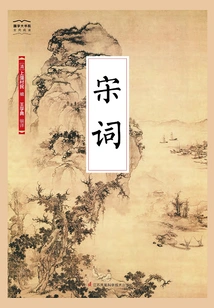
宋词(国学大书院)
(qing Dynasty) Compiled By Shangqiang Villager And Compiled By Wang Xuedian
Reciting the classics cultivates one's sentiments, and the recorded lyrics are praised by thousands of people. "Song lyrics" is another literary genre after Tang poetry. It has the characteristics of both literature and music. Song Ci is a dazzling diamond in the crown of ancient Chinese literature. In the Langyuan of ancient literature, it is a fragrant and gorgeous garden. With its colorful and colorful works, she competes with Tang poems for wonder and Yuan opera for beauty. She has always been considered as one of the best in Tang poems, and both represent the triumph of literature of a generation. He drew nourishment from the "Book of Songs", "Chu Ci" and "Poetry of the Han, Wei and Six Dynasties", which also provided organic ingredients for the later drama novels of the Ming and Qing Dynasties. To this day, she is still cultivating people's sentiments and bringing us high artistic enjoyment.
Reciting the classics cultivates one's sentiments, and the recorded lyrics are praised by thousands of people. "Song lyrics" is another literary genre after Tang poetry. It has the characteristics of both literature and music. Song Ci is a dazzling diamond in the crown of ancient Chinese literature. In the Langyuan of ancient literature, it is a fragrant and gorgeous garden. With its colorful and colorful works, she competes with Tang poems for wonder and Yuan opera for beauty. She has always been considered as one of the best in Tang poems, and both represent the triumph of literature of a generation. He drew nourishment from the "Book of Songs", "Chu Ci" and "Poetry of the Han, Wei and Six Dynasties", which also provided organic ingredients for the later drama novels of the Ming and Qing Dynasties. To this day, she is still cultivating people's sentiments and bringing us high artistic enjoyment.
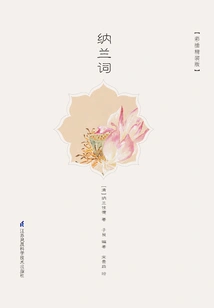
纳兰词(彩插精装版)
H
The author of this book, Nalan Xingde, uses words to describe the story of his life. Each of the short words seems to come at his fingertips, but it can cause huge waves in the readers' hearts. Each short poem in the book is equipped with annotations and word translations, and is interspersed with elegant colorful Chinese paintings, allowing readers to enjoy the visual beauty brought by Chinese paintings while appreciating the words.
The author of this book, Nalan Xingde, uses words to describe the story of his life. Each of the short words seems to come at his fingertips, but it can cause huge waves in the readers' hearts. Each short poem in the book is equipped with annotations and word translations, and is interspersed with elegant colorful Chinese paintings, allowing readers to enjoy the visual beauty brought by Chinese paintings while appreciating the words.
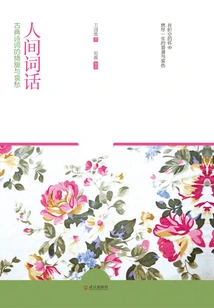
Human Words
Literature人间词话
Wang Guowei
"Renjian Cihua" is a work of literary criticism written by Wang Guowei, a master of modern Chinese studies. Its appreciation and commentary on Chinese classical poetry, aesthetics and other aspects are incisive and unique, and full of witty remarks. It is considered to be the most influential literary and aesthetic work in the late Qing Dynasty. This book carefully collects the rare manuscripts of Wang Guowei's "Human Words" that exist in the world, and completely presents the 64 original "Human Words" and the 49 deleted manuscripts that Wang Guowei personally deleted. It combines original text comparison, modern translation appreciation, and problem solving, and is supplemented by more than a hundred exquisite Chinese poems and paintings handed down from ancient times. It uses pictures to explain the text, which is beautiful and true, and provides readers with a cultural visual feast of Chinese classical poetry.
"Renjian Cihua" is a work of literary criticism written by Wang Guowei, a master of modern Chinese studies. Its appreciation and commentary on Chinese classical poetry, aesthetics and other aspects are incisive and unique, and full of witty remarks. It is considered to be the most influential literary and aesthetic work in the late Qing Dynasty. This book carefully collects the rare manuscripts of Wang Guowei's "Human Words" that exist in the world, and completely presents the 64 original "Human Words" and the 49 deleted manuscripts that Wang Guowei personally deleted. It combines original text comparison, modern translation appreciation, and problem solving, and is supplemented by more than a hundred exquisite Chinese poems and paintings handed down from ancient times. It uses pictures to explain the text, which is beautiful and true, and provides readers with a cultural visual feast of Chinese classical poetry.
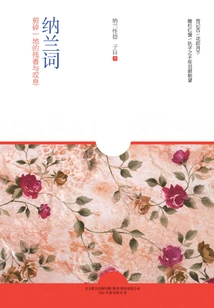
Nalan Ci
Literature纳兰词
G
"Nalan Ci" is a collection of poems written by Nalan Xingde, a famous poet in the Qing Dynasty. The themes involve love, family, friendship, miscellaneous feelings, etc., And the scenery of Jiangnan beyond the Great Wall, ancient and modern, is collected in it. The style of his poems is elegant, graceful, graceful and charming, which is quite similar to that of the later masters of the Southern Tang Dynasty. It has a very special status and influence in the history of Chinese literature. This book carefully collects the ancient manuscripts of Nalan Xingde's "Nalan Ci", combines the original text, word translation, commentary and appreciation, annotations and doubts, supplemented by more than 160 exquisite Chinese poems and paintings handed down from ancient times, and illustrates the text with pictures, which is beautiful and true. It offers readers the beauty and charm of Chinese classical poetry penned by the talents of the previous generation.
"Nalan Ci" is a collection of poems written by Nalan Xingde, a famous poet in the Qing Dynasty. The themes involve love, family, friendship, miscellaneous feelings, etc., And the scenery of Jiangnan beyond the Great Wall, ancient and modern, is collected in it. The style of his poems is elegant, graceful, graceful and charming, which is quite similar to that of the later masters of the Southern Tang Dynasty. It has a very special status and influence in the history of Chinese literature. This book carefully collects the ancient manuscripts of Nalan Xingde's "Nalan Ci", combines the original text, word translation, commentary and appreciation, annotations and doubts, supplemented by more than 160 exquisite Chinese poems and paintings handed down from ancient times, and illustrates the text with pictures, which is beautiful and true. It offers readers the beauty and charm of Chinese classical poetry penned by the talents of the previous generation.
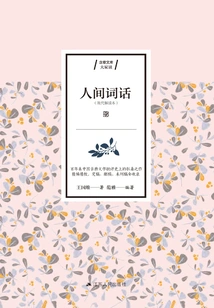
Human Words
Literature人间词话
Wang Guowei
"Poetry Talk" and "Ci Talk" are forms of literary criticism in ancient my country, which mainly focus on commenting and appreciating poetry. They are short in length and self-contained, with many original ideas in a few words. "Words in the World" is the representative work of the master of Chinese studies Wang Guowei. It integrates Chinese and Western aesthetic perspectives and provides a new interpretation of the traditional literary form of "ci". The "realm theory" proposed has been widely adopted by later researchers, pioneering the study of modern aesthetic theory. This book carefully collects 64 finalized articles and 49 unpublished and deleted articles of "Human Words" written by Wang Guowei. It interprets each article in the form of modern beautiful articles and annotates the background knowledge required. It also includes more than 120 related famous poems from past dynasties. At the end of the article, three literary essays by Wang Guowei are attached to provide readers with a reference for in-depth understanding of Wang Guowei's academic thoughts.
"Poetry Talk" and "Ci Talk" are forms of literary criticism in ancient my country, which mainly focus on commenting and appreciating poetry. They are short in length and self-contained, with many original ideas in a few words. "Words in the World" is the representative work of the master of Chinese studies Wang Guowei. It integrates Chinese and Western aesthetic perspectives and provides a new interpretation of the traditional literary form of "ci". The "realm theory" proposed has been widely adopted by later researchers, pioneering the study of modern aesthetic theory. This book carefully collects 64 finalized articles and 49 unpublished and deleted articles of "Human Words" written by Wang Guowei. It interprets each article in the form of modern beautiful articles and annotates the background knowledge required. It also includes more than 120 related famous poems from past dynasties. At the end of the article, three literary essays by Wang Guowei are attached to provide readers with a reference for in-depth understanding of Wang Guowei's academic thoughts.
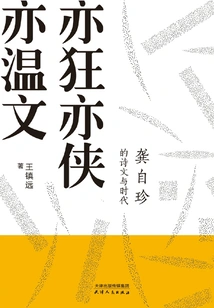
亦狂亦侠亦温文:龚自珍的诗文与时代
Wang Zhenyuan
Gong Zizhen is known as the champion of Chinese classical poetry. On the eve of the collapse of the Qing Dynasty building, he had already felt the atmosphere of the storm that was about to fill the building. Everyone was drunk, but I was awake. The poem was full of melancholy, sorrow and compassion. Reading it was like witnessing the social scene of that year. Its unique, colorful, insightful and extraordinary insights are particularly appreciated by the world. By interpreting and commenting on his poems and articles, this book shows the poet's ideological process, spiritual trajectory and rich background of the times, and projects Gong Zizhen's unique ideological charm and personality charm. The article contains anecdotes about poets and appreciation of poems, which can explain the profound things in a simple way and enlighten people's minds.
Gong Zizhen is known as the champion of Chinese classical poetry. On the eve of the collapse of the Qing Dynasty building, he had already felt the atmosphere of the storm that was about to fill the building. Everyone was drunk, but I was awake. The poem was full of melancholy, sorrow and compassion. Reading it was like witnessing the social scene of that year. Its unique, colorful, insightful and extraordinary insights are particularly appreciated by the world. By interpreting and commenting on his poems and articles, this book shows the poet's ideological process, spiritual trajectory and rich background of the times, and projects Gong Zizhen's unique ideological charm and personality charm. The article contains anecdotes about poets and appreciation of poems, which can explain the profound things in a simple way and enlighten people's minds.
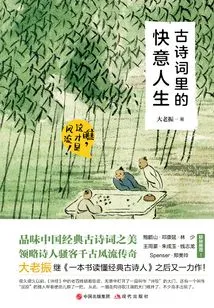
古诗词里的快意人生1:瞧,这才是风流!
Da Laozhen
This is a classic poetry reading book that is full of useful information, interesting and interesting, but also contains rational thinking and historical depth. Following the historical trajectory of the pre-Qin, Wei, Jin, Tang, Song, Ming and Qing dynasties, the author leads us to meet great poets such as Qu Yuan, the Seven Sages of the Bamboo Grove, Li Bai, Du Fu, Bai Juyi, Ouyang Xiu, Su Shi, Lu You, Yuan Mei and others. Every poet is a legend, and every poem has its story. The author integrates the poet's life and classic poems into the article, allowing us to understand the legend, review the classics, and appreciate the eternal vitality of these brilliant names. Every poet has warmth, and every poem has warmth. I hope they can warm your heart at some point. Let us open it to find the memory of the beautiful and majestic poetry belonging to the Chinese people, and appreciate the most splendid scenery in the history of Chinese literature.
This is a classic poetry reading book that is full of useful information, interesting and interesting, but also contains rational thinking and historical depth. Following the historical trajectory of the pre-Qin, Wei, Jin, Tang, Song, Ming and Qing dynasties, the author leads us to meet great poets such as Qu Yuan, the Seven Sages of the Bamboo Grove, Li Bai, Du Fu, Bai Juyi, Ouyang Xiu, Su Shi, Lu You, Yuan Mei and others. Every poet is a legend, and every poem has its story. The author integrates the poet's life and classic poems into the article, allowing us to understand the legend, review the classics, and appreciate the eternal vitality of these brilliant names. Every poet has warmth, and every poem has warmth. I hope they can warm your heart at some point. Let us open it to find the memory of the beautiful and majestic poetry belonging to the Chinese people, and appreciate the most splendid scenery in the history of Chinese literature.
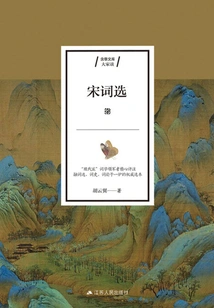
Selected Song Poems
Literature宋词选
Hu Yunyi
"Song Poems" is the representative work of Mr. Hu Yunyi, a master of modern classical literature research. It is a collection of Song poetry appreciation that combines the advantages of previous Song poetry anthologies. The content of this book is based on the works of bold poets such as Su Shi and Xin Qiji, taking into account different styles and schools, and achieving the unity of ideology and artistry. Readers can get a glimpse of the rich and colorful picture of Song Ci. At the same time, the author provides detailed annotations and insightful analysis of the selected lyrics, making this book an authoritative yet popular classic anthology. This book has been reprinted many times since it was first published in 1962. It has been widely praised by the academic circle of Song Ci. It has become very popular among teachers and students of university Chinese departments and classical literature lovers. It has been popular for more than half a century and is still an excellent reference and study choice for today's Song Ci lovers.
"Song Poems" is the representative work of Mr. Hu Yunyi, a master of modern classical literature research. It is a collection of Song poetry appreciation that combines the advantages of previous Song poetry anthologies. The content of this book is based on the works of bold poets such as Su Shi and Xin Qiji, taking into account different styles and schools, and achieving the unity of ideology and artistry. Readers can get a glimpse of the rich and colorful picture of Song Ci. At the same time, the author provides detailed annotations and insightful analysis of the selected lyrics, making this book an authoritative yet popular classic anthology. This book has been reprinted many times since it was first published in 1962. It has been widely praised by the academic circle of Song Ci. It has become very popular among teachers and students of university Chinese departments and classical literature lovers. It has been popular for more than half a century and is still an excellent reference and study choice for today's Song Ci lovers.
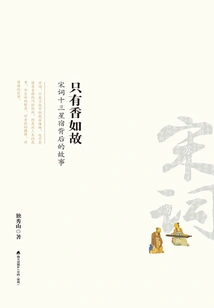
Only the Fragrance is as Good as Ever: the Story Behind the Song Dynasty's Thirteen Constellations
Literature只有香如故:宋词十三星宿背后的故事
Duxiu Mountain
This book tells the stories of 13 poets in the Song Dynasty and introduces their classic words and phrases, including Su Shi, the heartthrob of Tianhuixing, Xin Qiji, the Jade-faced Hero of Tianxiong Star, Yan Shu, the little prodigy of Tianhouxing, and Qin Guan, the king of Tianshangxing.
This book tells the stories of 13 poets in the Song Dynasty and introduces their classic words and phrases, including Su Shi, the heartthrob of Tianhuixing, Xin Qiji, the Jade-faced Hero of Tianxiong Star, Yan Shu, the little prodigy of Tianhouxing, and Qin Guan, the king of Tianshangxing.
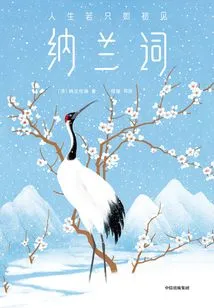
At
Literatureat
G
It can truly describe the loneliness and sorrow of life, and even describe the beauty and impermanence of the world with love. "Nalan Ci" completely contains 348 classic poems of Nalan Xingde. The innocence of human nature, the impermanence of fate, and the authenticity of life are all contained in this most true, most affectionate, and most beautiful aura of words. Everyone can see and find resonance in Nalan Ci. Wang Guowei praised highly that "viewing things with natural eyes and expressing emotions with natural tongue... This is really true. Since the Northern Song Dynasty, only one person has done so." This book is based on "Nalan Ci", an engraving of Yuyuan in the sixth year of Guangxu in the Qing Dynasty, and was supplemented and edited with reference to "Tongzhitang Collection", "Qing Mingjia Ci" and other books.
It can truly describe the loneliness and sorrow of life, and even describe the beauty and impermanence of the world with love. "Nalan Ci" completely contains 348 classic poems of Nalan Xingde. The innocence of human nature, the impermanence of fate, and the authenticity of life are all contained in this most true, most affectionate, and most beautiful aura of words. Everyone can see and find resonance in Nalan Ci. Wang Guowei praised highly that "viewing things with natural eyes and expressing emotions with natural tongue... This is really true. Since the Northern Song Dynasty, only one person has done so." This book is based on "Nalan Ci", an engraving of Yuyuan in the sixth year of Guangxu in the Qing Dynasty, and was supplemented and edited with reference to "Tongzhitang Collection", "Qing Mingjia Ci" and other books.
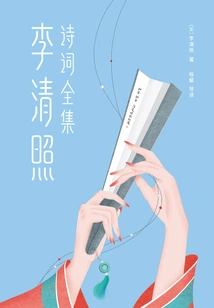
李清照诗词全集
(song Dynasty) Li Qingzhao
In the sky, Mercury has a mountain named after her, which is the honor of poets all over the world. On the earth, this talented poet spent her romantic and ups and downs life. Her life is a mixture of joy and sorrow. She gained everything in the first half of her life and lost everything in the second half of her life. She was born into a well-known scholarly family, and she showed amazing literary talent when she was young. She picked up "Like a Dream" at her fingertips, "fighting for the crossing, startling a beach of gulls and herons", which made many famous people praise her wildly. The three words "Li Qingzhao" have since become synonymous with talented women in the world. At the age of eighteen, she married the young talent Zhao Mingcheng. This perfectly matched couple lived in harmony and lived a poetic life of indulgence in poetry and painting. However, with the sudden invasion of Jin soldiers and the Song family's journey south, Li Qingzhao and his wife also fell into a life of escape. They could not help themselves in troubled times and Mingcheng died on the way. From then on, her life was in trouble, displaced, experienced ups and downs, and wandered for half her life. "Do you know whether you should be green, fat, red, and thin?" Writing poems and lyrics became her only soul comfort. Her poems are full of sweetness, true feelings, beauty, and sadness; they have the power to travel through time and are proof of immortality. This book is based on the engraved version of Shu Yu Ci written by Wang Pengyun Siyinzhai in the 18th year of the reign of Emperor Guangxu of the Qing Dynasty. It is revised and revised with reference to the Yuefu Ya Ci and the unengraved version of Shu Yu Ci by Jiguge.
In the sky, Mercury has a mountain named after her, which is the honor of poets all over the world. On the earth, this talented poet spent her romantic and ups and downs life. Her life is a mixture of joy and sorrow. She gained everything in the first half of her life and lost everything in the second half of her life. She was born into a well-known scholarly family, and she showed amazing literary talent when she was young. She picked up "Like a Dream" at her fingertips, "fighting for the crossing, startling a beach of gulls and herons", which made many famous people praise her wildly. The three words "Li Qingzhao" have since become synonymous with talented women in the world. At the age of eighteen, she married the young talent Zhao Mingcheng. This perfectly matched couple lived in harmony and lived a poetic life of indulgence in poetry and painting. However, with the sudden invasion of Jin soldiers and the Song family's journey south, Li Qingzhao and his wife also fell into a life of escape. They could not help themselves in troubled times and Mingcheng died on the way. From then on, her life was in trouble, displaced, experienced ups and downs, and wandered for half her life. "Do you know whether you should be green, fat, red, and thin?" Writing poems and lyrics became her only soul comfort. Her poems are full of sweetness, true feelings, beauty, and sadness; they have the power to travel through time and are proof of immortality. This book is based on the engraved version of Shu Yu Ci written by Wang Pengyun Siyinzhai in the 18th year of the reign of Emperor Guangxu of the Qing Dynasty. It is revised and revised with reference to the Yuefu Ya Ci and the unengraved version of Shu Yu Ci by Jiguge.
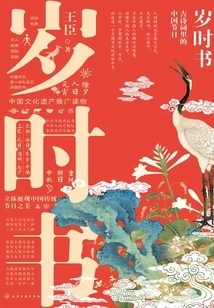
岁时书:古诗词里的中国节日
Wang Chen
A festival is like a person, it has a story and a few poems. This book is an appreciation book of classical poetry with a clear theme and bright style. Taking traditional Chinese festivals as the basis and classic poems from past dynasties as the weft, it talks about the vicissitudes of human affairs in ancient and modern times. The work inherits the author's previous clear and elegant style, and will lead readers to follow the gentle and graceful trajectory of classical poetry into the garden of traditional Chinese culture, and experience the smell of fireworks and the prosperous beauty of traditional Chinese festivals.
A festival is like a person, it has a story and a few poems. This book is an appreciation book of classical poetry with a clear theme and bright style. Taking traditional Chinese festivals as the basis and classic poems from past dynasties as the weft, it talks about the vicissitudes of human affairs in ancient and modern times. The work inherits the author's previous clear and elegant style, and will lead readers to follow the gentle and graceful trajectory of classical poetry into the garden of traditional Chinese culture, and experience the smell of fireworks and the prosperous beauty of traditional Chinese festivals.
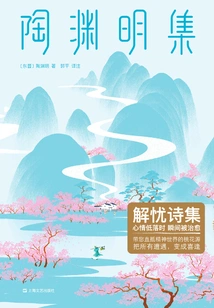
Collection of Tao Yuanming
Literature陶渊明集
(eastern Jin Dynasty) Tao Yuanming
There is a Peach Blossom Spring in everyone's heart, which turns all the encounters in life into happy encounters. For thousands of years, the poet Tao Yuanming and the Peach Blossom Spring he wrote have been highly respected and yearned for by the world. Li Bai, Du Fu, Wang Wei, Meng Haoran, Bai Juyi, Su Dongpo, Ouyang Xiu, and Zhu Xi are all his loyal readers. The "Collected Works of Tao Yuanming" is his masterpiece, and is recited by every household and has been passed down to this day. Tao Yuanming's great wisdom of cultivating one's moral character and settling down in life is cleverly and naturally integrated into each of his poems. Reading it makes people feel refreshed and forget their worries, feel calm and relaxed, and their anxiety disappears. When you open this book and feel depressed, you will be instantly healed!
There is a Peach Blossom Spring in everyone's heart, which turns all the encounters in life into happy encounters. For thousands of years, the poet Tao Yuanming and the Peach Blossom Spring he wrote have been highly respected and yearned for by the world. Li Bai, Du Fu, Wang Wei, Meng Haoran, Bai Juyi, Su Dongpo, Ouyang Xiu, and Zhu Xi are all his loyal readers. The "Collected Works of Tao Yuanming" is his masterpiece, and is recited by every household and has been passed down to this day. Tao Yuanming's great wisdom of cultivating one's moral character and settling down in life is cleverly and naturally integrated into each of his poems. Reading it makes people feel refreshed and forget their worries, feel calm and relaxed, and their anxiety disappears. When you open this book and feel depressed, you will be instantly healed!
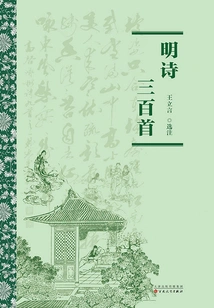
Three Hundred Ming Poems
Literature明诗三百首
Selected Notes By Wang Liyan
Ming poetry connects the past and the future. Not only is the number of poetry creations extremely rich, but it also reaches a high artistic level. A large number of outstanding poets have emerged, such as Liu Ji, Gao Qi, Yu Qian, Tang Yin, Yang Shen, Xu Wei, Tang Xianzu, Yuan Hongdao, Chen Zilong and so on. "Three Hundred Ming Poems" annotated by Wang Liyan selects more than 300 outstanding poems from the Ming Dynasty. Each poem has a title and explanation, and provides detailed annotations on the classics, historical figures, ancient culture and other relevant words involved in the poem.
Ming poetry connects the past and the future. Not only is the number of poetry creations extremely rich, but it also reaches a high artistic level. A large number of outstanding poets have emerged, such as Liu Ji, Gao Qi, Yu Qian, Tang Yin, Yang Shen, Xu Wei, Tang Xianzu, Yuan Hongdao, Chen Zilong and so on. "Three Hundred Ming Poems" annotated by Wang Liyan selects more than 300 outstanding poems from the Ming Dynasty. Each poem has a title and explanation, and provides detailed annotations on the classics, historical figures, ancient culture and other relevant words involved in the poem.
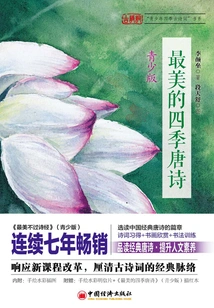
最美的四季唐诗
Li Yanlei
This book is part of a series of "Youth Learning Chinese Studies". The book selects the most representative and classic poems in Tang poetry, and combines multiple information such as the background of the times and the life of the author. It uses poems to describe people, people to tell history, and history to appreciate poems. It uses fresh writing styles to travel in the fields of Tang poetry, picking up the essence of the Tang Dynasty, and reaching everyone's dream of Tang poetry. At the same time, a review and summary of Chinese poetry from past dynasties, the lives of authors in the Tang Dynasty, and the changes in classical culture will not only bring aesthetic enjoyment to young readers, but also expand their knowledge of ancient poetry and improve their cultivation of ancient poetry. It will enable readers to gain a sense of the life style of the Tang Dynasty people through reading and appreciating Tang poetry, reproduce the inner world and aesthetic taste of the Tang Dynasty poets, and understand the life philosophy and life wisdom of the ancients.
This book is part of a series of "Youth Learning Chinese Studies". The book selects the most representative and classic poems in Tang poetry, and combines multiple information such as the background of the times and the life of the author. It uses poems to describe people, people to tell history, and history to appreciate poems. It uses fresh writing styles to travel in the fields of Tang poetry, picking up the essence of the Tang Dynasty, and reaching everyone's dream of Tang poetry. At the same time, a review and summary of Chinese poetry from past dynasties, the lives of authors in the Tang Dynasty, and the changes in classical culture will not only bring aesthetic enjoyment to young readers, but also expand their knowledge of ancient poetry and improve their cultivation of ancient poetry. It will enable readers to gain a sense of the life style of the Tang Dynasty people through reading and appreciating Tang poetry, reproduce the inner world and aesthetic taste of the Tang Dynasty poets, and understand the life philosophy and life wisdom of the ancients.
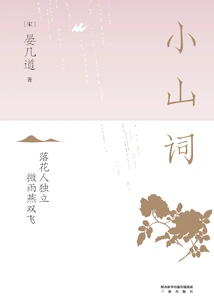
Xiaoshan Ci
Literature小山词
Yan Jidao
This book is a collection of poems by Yan Jidao, a poet of the Northern Song Dynasty. This book contains 255 poems by Yan Jidao. It is based on "Xiaoshan Ci" collected in the third supplement of "Xiangcun Series" by Zhu Zumou in 1922 at the Yenching Library of Harvard University. It also uses classics such as "Xiaoshan Ci" and "Notes on Eryan's Ci" by Shanghai Ancient Books Publishing House and "Complete Song Ci" by Zhonghua Book Company as reference.
This book is a collection of poems by Yan Jidao, a poet of the Northern Song Dynasty. This book contains 255 poems by Yan Jidao. It is based on "Xiaoshan Ci" collected in the third supplement of "Xiangcun Series" by Zhu Zumou in 1922 at the Yenching Library of Harvard University. It also uses classics such as "Xiaoshan Ci" and "Notes on Eryan's Ci" by Shanghai Ancient Books Publishing House and "Complete Song Ci" by Zhonghua Book Company as reference.
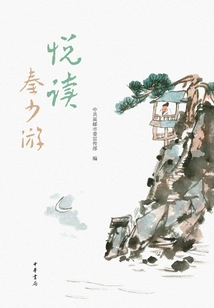
Enjoy Reading Qin Shaoyou
Literature悦读秦少游
Propaganda Department Of Gaoyou Municipal Committee Of The Communist Party Of China
Only by understanding the emotions of the characters can you truly understand the work. This book carefully selects 44 poems, 25 lyrics, and 24 essays by Qin Shaoyou, and is divided into three parts: poems, lyrics, and essays. The introduction of each volume briefly outlines the ideological content and artistic characteristics of Qin Shaoyou's poems, lyrics, and articles, and each work is accompanied by annotations and reading tips. The book is full of pictures, texts, annotations and appreciation, and focuses on restoring the emotions of the characters in the context of the times. It is hoped that this book will build a bridge between Qin Shaoyou and readers, allowing more readers to get close to Qin Shaoyou, understand his life story, ideological tendencies and artistic characteristics, feel his rich emotional world and personality charm, and then feel the profound cultural heritage of the ancient city of Gaoyou and the breadth and depth of Chinese traditional culture, and inspire a sense of pride and responsibility to love hometown, love the motherland, build hometown and build the motherland.
Only by understanding the emotions of the characters can you truly understand the work. This book carefully selects 44 poems, 25 lyrics, and 24 essays by Qin Shaoyou, and is divided into three parts: poems, lyrics, and essays. The introduction of each volume briefly outlines the ideological content and artistic characteristics of Qin Shaoyou's poems, lyrics, and articles, and each work is accompanied by annotations and reading tips. The book is full of pictures, texts, annotations and appreciation, and focuses on restoring the emotions of the characters in the context of the times. It is hoped that this book will build a bridge between Qin Shaoyou and readers, allowing more readers to get close to Qin Shaoyou, understand his life story, ideological tendencies and artistic characteristics, feel his rich emotional world and personality charm, and then feel the profound cultural heritage of the ancient city of Gaoyou and the breadth and depth of Chinese traditional culture, and inspire a sense of pride and responsibility to love hometown, love the motherland, build hometown and build the motherland.
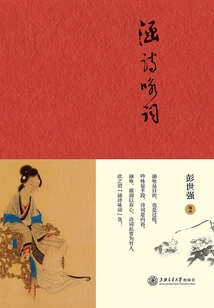
Poetry and Chanting
Literature涵诗咏词
Peng Shiqiang
This book is a popular recital book. It is a script of the author's recitation and recitation lecture plans or lecture scripts and related display activities made over the past ten years. It can be used as a reference for front-line teachers to carry out similar activities, and can also be used as a reference for fans of chanting and ancient poetry.
This book is a popular recital book. It is a script of the author's recitation and recitation lecture plans or lecture scripts and related display activities made over the past ten years. It can be used as a reference for front-line teachers to carry out similar activities, and can also be used as a reference for fans of chanting and ancient poetry.
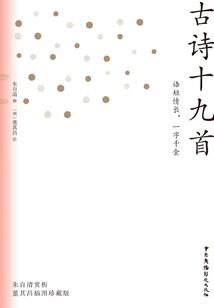
Nineteen Ancient Poems
Literature古诗十九首
Zhu Ziqing's Interpretation (ming Dynasty) And Painted By Dong Qichang
Nineteen ancient poems were first included in "Selected Works" compiled by Xiao Tong, Prince Zhaoming of Liang Dynasty. They are a set of five-character poems. The author is unknown, and the date is also unknown. Scholars speculate that it was created around the end of the Eastern Han Dynasty. These nineteen ancient poems are simple, natural, plain and simple. They can be said to be the oldest five-character poems and have a lofty status in the history of Chinese literature. Nineteen ancient poems can be passed down through the ages and are highly praised by future generations. The reason is that they can express the feelings shared by everyone. The separation between lovers, the frustration of scholars, the emotion of the impermanence of life and the passage of time, everyone has this emotion, and everyone has poetry in their heart. However, most people have feelings but cannot express them, or they can express them endlessly. Nineteen ancient poems express these emotions to the extreme. In 1941, Zhu Ziqing set up a poetry reading column in "Chinese Monthly". He chose "Nineteen Ancient Poems" as the object. He combined the annotation and textual research of poetry allusions with appreciation and criticism, integrating academic and popular aspects, and formed his own unique poetry appreciation style. Although only nine articles were serialized and nine poems were analyzed, it has still become a classic text in the history of research on nineteen ancient poems. The appreciation part of this book uses Zhu Ziqing's interpretation and explanation, and the other ten poems are accompanied by the original text and Li Shan's annotations in "Selected Works".
Nineteen ancient poems were first included in "Selected Works" compiled by Xiao Tong, Prince Zhaoming of Liang Dynasty. They are a set of five-character poems. The author is unknown, and the date is also unknown. Scholars speculate that it was created around the end of the Eastern Han Dynasty. These nineteen ancient poems are simple, natural, plain and simple. They can be said to be the oldest five-character poems and have a lofty status in the history of Chinese literature. Nineteen ancient poems can be passed down through the ages and are highly praised by future generations. The reason is that they can express the feelings shared by everyone. The separation between lovers, the frustration of scholars, the emotion of the impermanence of life and the passage of time, everyone has this emotion, and everyone has poetry in their heart. However, most people have feelings but cannot express them, or they can express them endlessly. Nineteen ancient poems express these emotions to the extreme. In 1941, Zhu Ziqing set up a poetry reading column in "Chinese Monthly". He chose "Nineteen Ancient Poems" as the object. He combined the annotation and textual research of poetry allusions with appreciation and criticism, integrating academic and popular aspects, and formed his own unique poetry appreciation style. Although only nine articles were serialized and nine poems were analyzed, it has still become a classic text in the history of research on nineteen ancient poems. The appreciation part of this book uses Zhu Ziqing's interpretation and explanation, and the other ten poems are accompanied by the original text and Li Shan's annotations in "Selected Works".
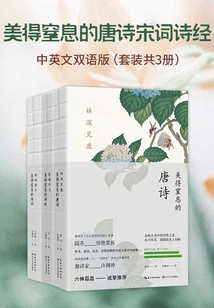
美得窒息的唐诗宋词诗经
Lu Su Wu Maoyang Yan Hong
The most beautiful collection of Chinese and English bilingual poems and paintings: Chinese and English bilingual Tang and Song Dynasty poems + the most beautiful appreciation of best-selling authors + phonetic notation of key difficult words + beautiful ancient style illustrations. English Translation of Ancient Poems: The first person in the field of translation in China and a candidate for the Nobel Prize in Literature, Professor Xu Yuanchong personally translated, closely connecting poetry with language and culture. Poetry appreciation: resolve the difficulties of words and sentences, analyze allusions in detail, and use romantic and beautiful language to lead readers into the country of poetry. In-depth interpretation: historical background, historical allusions, modern value... Each poem has its own unique meaning, which is worth savoring and reading. Biographies of poets: The legendary life experiences of poets. Reading poetry also reads people. It not only allows readers to easily understand poems, but also allows readers to understand the stories behind the words and the lives of poets. Phonetic notation of difficult words: Pinyin is added to key difficult words in poems to make reading easier and barrier-free for readers. Xu Yuanchong, a 99-year-old professor at Peking University and translator, has been writing for 60 years. "The Reader" and "The First Lesson of School" were the old professors who had "the most beautiful kneel" of Dong Qing. Candidate for the Nobel Prize in Literature. The "Northern Lights" Outstanding Literary Translation Award, one of the highest awards in the international translation community, (the first Asian translator to win this award). The Ministry of Culture awarded him the 2015 "Light of China - Person of the Year for Spreading Chinese Culture". Poetic prose, Lu Su, the author of the best-selling book "Time Handled with Care", provides a stunning appreciation, taking you to taste the prosperous Tang Dynasty in poetry, and see the mountains, rivers, trees, leisurely sun, flowing water, and the human atmosphere. The beautiful ancient English translation shared by Liushen Leile sincerely is a collection of Tang poetry and paintings in English that is beautiful in form, meaning, and sound. It is an intoxicatingly beautiful collection. The beauty of Chinese that even foreigners can understand.
The most beautiful collection of Chinese and English bilingual poems and paintings: Chinese and English bilingual Tang and Song Dynasty poems + the most beautiful appreciation of best-selling authors + phonetic notation of key difficult words + beautiful ancient style illustrations. English Translation of Ancient Poems: The first person in the field of translation in China and a candidate for the Nobel Prize in Literature, Professor Xu Yuanchong personally translated, closely connecting poetry with language and culture. Poetry appreciation: resolve the difficulties of words and sentences, analyze allusions in detail, and use romantic and beautiful language to lead readers into the country of poetry. In-depth interpretation: historical background, historical allusions, modern value... Each poem has its own unique meaning, which is worth savoring and reading. Biographies of poets: The legendary life experiences of poets. Reading poetry also reads people. It not only allows readers to easily understand poems, but also allows readers to understand the stories behind the words and the lives of poets. Phonetic notation of difficult words: Pinyin is added to key difficult words in poems to make reading easier and barrier-free for readers. Xu Yuanchong, a 99-year-old professor at Peking University and translator, has been writing for 60 years. "The Reader" and "The First Lesson of School" were the old professors who had "the most beautiful kneel" of Dong Qing. Candidate for the Nobel Prize in Literature. The "Northern Lights" Outstanding Literary Translation Award, one of the highest awards in the international translation community, (the first Asian translator to win this award). The Ministry of Culture awarded him the 2015 "Light of China - Person of the Year for Spreading Chinese Culture". Poetic prose, Lu Su, the author of the best-selling book "Time Handled with Care", provides a stunning appreciation, taking you to taste the prosperous Tang Dynasty in poetry, and see the mountains, rivers, trees, leisurely sun, flowing water, and the human atmosphere. The beautiful ancient English translation shared by Liushen Leile sincerely is a collection of Tang poetry and paintings in English that is beautiful in form, meaning, and sound. It is an intoxicatingly beautiful collection. The beauty of Chinese that even foreigners can understand.
林深见鹿:美得窒息的唐诗
Lu Su
A collection of the most beautiful Tang poetry and paintings in Chinese and English: Chinese and English bilingual Tang poetry + the most beautiful appreciation of best-selling authors + phonetic notation of key difficult words + beautiful ancient style illustrations. The rhythmic fusion of two languages, the life of 59 poets, the style and rhyme of 165 volumes of Tang poetry, and the glory of the Tang Dynasty in 289 years. In the writings of the poets of the prosperous Tang Dynasty and Lu Su, one can listen to the golden war and iron horses, and see the country as picturesque. Tang poetry into English: The first person in the field of translation in China and a candidate for the Nobel Prize in Literature. Professor Xu Yuanchong personally translated, closely connecting poetry with language and culture. Poetry appreciation: resolve the difficulties of words and sentences, analyze allusions in detail, and use romantic and beautiful language to lead readers into the country of poetry. In-depth interpretation: historical background, historical allusions, modern value... Each poem has its own unique meaning, which is worth savoring and reading. Biographies of poets: The legendary life experiences of poets. Reading poetry also reads people. It not only allows readers to easily understand poems, but also allows readers to understand the stories behind the words and the lives of poets. Phonetic notation of difficult words: Pinyin is added to key difficult words in poems to make reading easier and barrier-free for readers. Xu Yuanchong, a 99-year-old professor at Peking University and translator, has been writing for 60 years. "The Reader" and "The First Lesson of School" were the old professors who had "the most beautiful kneel" of Dong Qing. Candidate for the Nobel Prize in Literature. The "Northern Lights" Outstanding Literary Translation Award, one of the highest awards in the international translation community, (the first Asian translator to win this award). The Ministry of Culture awarded him the 2015 "Light of China - Person of the Year for Spreading Chinese Culture". Poetic prose, Lu Su, the author of the best-selling book "Time Handled with Care", provides a stunning appreciation, taking you to taste the prosperous Tang Dynasty in poetry, and see the mountains, rivers, trees, leisurely sun, flowing water, and the human atmosphere. The beautiful ancient English translation shared by Liushen Leile sincerely is a collection of Tang poetry and paintings in English that is beautiful in form, meaning, and sound. It is an intoxicatingly beautiful collection. The beauty of Chinese that even foreigners can understand.
A collection of the most beautiful Tang poetry and paintings in Chinese and English: Chinese and English bilingual Tang poetry + the most beautiful appreciation of best-selling authors + phonetic notation of key difficult words + beautiful ancient style illustrations. The rhythmic fusion of two languages, the life of 59 poets, the style and rhyme of 165 volumes of Tang poetry, and the glory of the Tang Dynasty in 289 years. In the writings of the poets of the prosperous Tang Dynasty and Lu Su, one can listen to the golden war and iron horses, and see the country as picturesque. Tang poetry into English: The first person in the field of translation in China and a candidate for the Nobel Prize in Literature. Professor Xu Yuanchong personally translated, closely connecting poetry with language and culture. Poetry appreciation: resolve the difficulties of words and sentences, analyze allusions in detail, and use romantic and beautiful language to lead readers into the country of poetry. In-depth interpretation: historical background, historical allusions, modern value... Each poem has its own unique meaning, which is worth savoring and reading. Biographies of poets: The legendary life experiences of poets. Reading poetry also reads people. It not only allows readers to easily understand poems, but also allows readers to understand the stories behind the words and the lives of poets. Phonetic notation of difficult words: Pinyin is added to key difficult words in poems to make reading easier and barrier-free for readers. Xu Yuanchong, a 99-year-old professor at Peking University and translator, has been writing for 60 years. "The Reader" and "The First Lesson of School" were the old professors who had "the most beautiful kneel" of Dong Qing. Candidate for the Nobel Prize in Literature. The "Northern Lights" Outstanding Literary Translation Award, one of the highest awards in the international translation community, (the first Asian translator to win this award). The Ministry of Culture awarded him the 2015 "Light of China - Person of the Year for Spreading Chinese Culture". Poetic prose, Lu Su, the author of the best-selling book "Time Handled with Care", provides a stunning appreciation, taking you to taste the prosperous Tang Dynasty in poetry, and see the mountains, rivers, trees, leisurely sun, flowing water, and the human atmosphere. The beautiful ancient English translation shared by Liushen Leile sincerely is a collection of Tang poetry and paintings in English that is beautiful in form, meaning, and sound. It is an intoxicatingly beautiful collection. The beauty of Chinese that even foreigners can understand.
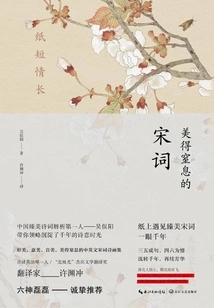
纸短情长:美得窒息的宋词
Wu Maoyang
The most beautiful collection of Chinese and English bilingual Song poetry and paintings: Chinese and English bilingual Song poetry + aesthetic appreciation of best-selling authors + phonetic notation of key difficult words + beautiful ancient style illustrations. The rhythmic fusion of two languages, the life of 56 poets, the worldly mist of 143 Song poems, and the leisurely elegance of the Song Dynasty for 320 years. In Wu Maoyang's writings, we can see that Song poetry has become enchanting through wind and rain over thousands of years, and its fragrance has become more fragrant over time. English Translation of Song Ci: The first person in the field of translation in China and a candidate for the Nobel Prize in Literature, Professor Xu Yuanchong personally translated, closely connecting poetry with language and culture. Poetry appreciation: resolve the difficulties of words and sentences, analyze allusions in detail, and use romantic and beautiful language to lead readers into the country of poetry. In-depth interpretation: historical background, historical allusions, modern value... Each poem has its own unique meaning, which is worth savoring and reading. Biographies of poets: the legendary life experiences of poets. Reading poems also reads people. It not only allows readers to easily understand poems, but also allows readers to understand the stories behind the words and the life of the poet. Phonetic notation of difficult words: Pinyin is added to key difficult words in poems to make reading easier and barrier-free for readers. Xu Yuanchong, a 99-year-old professor at Peking University and translator, has been writing for 60 years. "The Reader" and "The First Lesson of School" were the old professors who had "the most beautiful kneel" of Dong Qing. Candidate for the Nobel Prize in Literature. The "Northern Lights" Outstanding Literary Translation Award, one of the highest awards in the international translation community, (the first Asian translator to win this award). The Ministry of Culture awarded him the 2015 "Light of China - Person of the Year for Spreading Chinese Culture". Wu Maoyang, the representative writer of China's most beautiful poetry appreciation, will take you to appreciate the poetic time that has accumulated for thousands of years. Use the English translation of 143que's most beautiful ancient Song poetry to encounter the beautiful ancient English translation of 143 kinds of heart-pounding Liushen Leile. It is a collection of English Song poetry and paintings that are beautiful in form, meaning, and sound, and are intoxicatingly beautiful. The beauty of Chinese that even foreigners can understand.
The most beautiful collection of Chinese and English bilingual Song poetry and paintings: Chinese and English bilingual Song poetry + aesthetic appreciation of best-selling authors + phonetic notation of key difficult words + beautiful ancient style illustrations. The rhythmic fusion of two languages, the life of 56 poets, the worldly mist of 143 Song poems, and the leisurely elegance of the Song Dynasty for 320 years. In Wu Maoyang's writings, we can see that Song poetry has become enchanting through wind and rain over thousands of years, and its fragrance has become more fragrant over time. English Translation of Song Ci: The first person in the field of translation in China and a candidate for the Nobel Prize in Literature, Professor Xu Yuanchong personally translated, closely connecting poetry with language and culture. Poetry appreciation: resolve the difficulties of words and sentences, analyze allusions in detail, and use romantic and beautiful language to lead readers into the country of poetry. In-depth interpretation: historical background, historical allusions, modern value... Each poem has its own unique meaning, which is worth savoring and reading. Biographies of poets: the legendary life experiences of poets. Reading poems also reads people. It not only allows readers to easily understand poems, but also allows readers to understand the stories behind the words and the life of the poet. Phonetic notation of difficult words: Pinyin is added to key difficult words in poems to make reading easier and barrier-free for readers. Xu Yuanchong, a 99-year-old professor at Peking University and translator, has been writing for 60 years. "The Reader" and "The First Lesson of School" were the old professors who had "the most beautiful kneel" of Dong Qing. Candidate for the Nobel Prize in Literature. The "Northern Lights" Outstanding Literary Translation Award, one of the highest awards in the international translation community, (the first Asian translator to win this award). The Ministry of Culture awarded him the 2015 "Light of China - Person of the Year for Spreading Chinese Culture". Wu Maoyang, the representative writer of China's most beautiful poetry appreciation, will take you to appreciate the poetic time that has accumulated for thousands of years. Use the English translation of 143que's most beautiful ancient Song poetry to encounter the beautiful ancient English translation of 143 kinds of heart-pounding Liushen Leile. It is a collection of English Song poetry and paintings that are beautiful in form, meaning, and sound, and are intoxicatingly beautiful. The beauty of Chinese that even foreigners can understand.
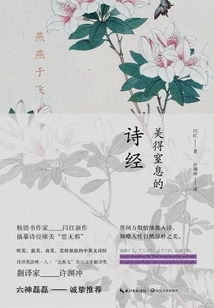
燕燕于飞:美得窒息的诗经
Yan Hong
The most beautiful collection of Chinese and English bilingual poetry and paintings: Chinese and English bilingual poetry + aesthetic appreciation of best-selling authors + phonetic notation of key difficult words + beautiful ancient style illustrations. The sincere temperament and aesthetics of the Chinese people who have been amazed for three thousand years have been written in letters and three hundred poems. In one sentence, they have innocent thoughts. Best-selling author Yan Hong's new work depicts the most beautiful "thinking without evil" in the Book of Songs. English Translation of The Book of Songs: The first person in the field of translation in China and a candidate for the Nobel Prize in Literature, Professor Xu Yuanchong personally translated, closely connecting poetry with language and culture. Poetry appreciation: resolve the difficulties of words and sentences, analyze allusions in detail, and use romantic and beautiful language to lead readers into the country of poetry. In-depth interpretation: historical background, historical allusions, modern value... Each poem has its own unique meaning, which is worth savoring and reading. Notes on key points: There are many difficult words in the Book of Songs. Adding notes on key difficult words not only allows readers to easily understand the poems, but also allows readers to understand the stories behind the poems. Phonetic notation of difficult words: Pinyin is added to key difficult words in poems to make reading easier and barrier-free for readers. Xu Yuanchong, a 99-year-old professor at Peking University and translator, has been writing for 60 years. "The Reader" and "The First Lesson of School" were the old professors who had "the most beautiful kneel" of Dong Qing. Candidate for the Nobel Prize in Literature. The "Northern Lights" Outstanding Literary Translation Award, one of the highest awards in the international translation community, (the first Asian translator to win this award). The Ministry of Culture awarded him the 2015 "Light of China - Person of the Year for Spreading Chinese Culture". "Golden Lily" award-winning writer Yan Hong takes you through the lines of the Book of Songs to feel the ancient romance of mankind. Liushen Leilei sincerely shared the beautiful ancient English translation, beautiful in form, beautiful in meaning, beautiful in sound, an intoxicatingly beautiful collection of English poetry and paintings. The beauty of Chinese that even foreigners can understand.
The most beautiful collection of Chinese and English bilingual poetry and paintings: Chinese and English bilingual poetry + aesthetic appreciation of best-selling authors + phonetic notation of key difficult words + beautiful ancient style illustrations. The sincere temperament and aesthetics of the Chinese people who have been amazed for three thousand years have been written in letters and three hundred poems. In one sentence, they have innocent thoughts. Best-selling author Yan Hong's new work depicts the most beautiful "thinking without evil" in the Book of Songs. English Translation of The Book of Songs: The first person in the field of translation in China and a candidate for the Nobel Prize in Literature, Professor Xu Yuanchong personally translated, closely connecting poetry with language and culture. Poetry appreciation: resolve the difficulties of words and sentences, analyze allusions in detail, and use romantic and beautiful language to lead readers into the country of poetry. In-depth interpretation: historical background, historical allusions, modern value... Each poem has its own unique meaning, which is worth savoring and reading. Notes on key points: There are many difficult words in the Book of Songs. Adding notes on key difficult words not only allows readers to easily understand the poems, but also allows readers to understand the stories behind the poems. Phonetic notation of difficult words: Pinyin is added to key difficult words in poems to make reading easier and barrier-free for readers. Xu Yuanchong, a 99-year-old professor at Peking University and translator, has been writing for 60 years. "The Reader" and "The First Lesson of School" were the old professors who had "the most beautiful kneel" of Dong Qing. Candidate for the Nobel Prize in Literature. The "Northern Lights" Outstanding Literary Translation Award, one of the highest awards in the international translation community, (the first Asian translator to win this award). The Ministry of Culture awarded him the 2015 "Light of China - Person of the Year for Spreading Chinese Culture". "Golden Lily" award-winning writer Yan Hong takes you through the lines of the Book of Songs to feel the ancient romance of mankind. Liushen Leilei sincerely shared the beautiful ancient English translation, beautiful in form, beautiful in meaning, beautiful in sound, an intoxicatingly beautiful collection of English poetry and paintings. The beauty of Chinese that even foreigners can understand.