Library
Browse and search books
13,360 novels found
A
General FictionA
G
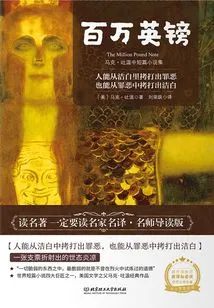
"Millions of Pounds" tells the story of an adventure in London by Henry Adams, an impoverished young clerk in the United States. Two wealthy brothers in London made a bet to see how Henry would end up within a month by lending him a million-dollar note that could not be cashed. When the one-month deadline came, Henry not only did not starve to death or be arrested, but instead became a rich man and won the heart of a beautiful lady. This book reproduces the irony and humor in the master's novels with its slightly exaggerated artistic techniques, and exposes the money worship thought in society. It is an important work that cannot be ignored in Ma Twain's works.
"Millions of Pounds" tells the story of an adventure in London by Henry Adams, an impoverished young clerk in the United States. Two wealthy brothers in London made a bet to see how Henry would end up within a month by lending him a million-dollar note that could not be cashed. When the one-month deadline came, Henry not only did not starve to death or be arrested, but instead became a rich man and won the heart of a beautiful lady. This book reproduces the irony and humor in the master's novels with its slightly exaggerated artistic techniques, and exposes the money worship thought in society. It is an important work that cannot be ignored in Ma Twain's works.
German Romantic Concept of Art Criticism
Literature德国浪漫派的艺术批评概念
I
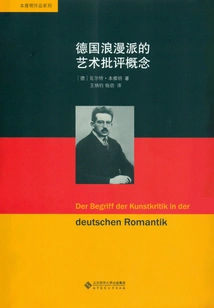
This book is Benjamin's doctoral thesis. In view of the misunderstanding of Romantic theory that was popular at the time, Benjamin tried to trace the changes in the concept of art criticism of the German Romantic School using the idea of problem history, with the intention of revealing the philosophical foundation of its art criticism and accurately defining the positive achievements of the German Romantic youth movement. Different from the general research on the history of art criticism, the author prefers to bring it into a broader perspective and conducts an in-depth review of the concept of reflection, epistemology, artworks, and art theory understood by the Romantics. The elucidation of inner criticism and salvationism is extremely insightful.
This book is Benjamin's doctoral thesis. In view of the misunderstanding of Romantic theory that was popular at the time, Benjamin tried to trace the changes in the concept of art criticism of the German Romantic School using the idea of problem history, with the intention of revealing the philosophical foundation of its art criticism and accurately defining the positive achievements of the German Romantic youth movement. Different from the general research on the history of art criticism, the author prefers to bring it into a broader perspective and conducts an in-depth review of the concept of reflection, epistemology, artworks, and art theory understood by the Romantics. The elucidation of inner criticism and salvationism is extremely insightful.
Ten Novels and Their Authors
Literature十部小说及其作者
H
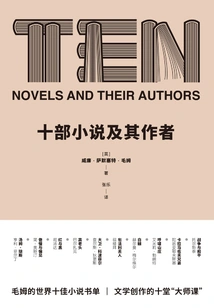
In 1945, Maugham responded to the request of "Red Book" magazine to list what he considered the world's top ten novels, and attached ten thoughtful reasons for the recommendations. Shortly after the book list was published, it aroused enthusiastic responses from readers, and "Ten Novels and Their Authors" was born. More than seventy years later, Maugham's recommendation of the top ten novels in the world has become an immortal classic in the literary palace, and this collection of reviews written by him has also maintained its enduring charm and has been regarded as an introductory guide to literary reading by generations of readers.
In 1945, Maugham responded to the request of "Red Book" magazine to list what he considered the world's top ten novels, and attached ten thoughtful reasons for the recommendations. Shortly after the book list was published, it aroused enthusiastic responses from readers, and "Ten Novels and Their Authors" was born. More than seventy years later, Maugham's recommendation of the top ten novels in the world has become an immortal classic in the literary palace, and this collection of reviews written by him has also maintained its enduring charm and has been regarded as an introductory guide to literary reading by generations of readers.
Rose Name
General Fiction玫瑰的名字
H
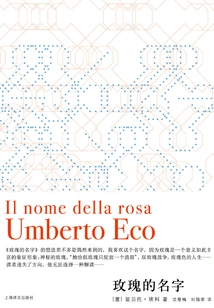
"The Name of the Rose" is Umberto Eco's masterpiece. The story takes place in a monastery in medieval Italy. The Franciscan friar William and his disciple Adso went there to prepare for the mediation between the Holy Roman Emperor and the Pope. As soon as the two arrived, a murder occurred in the monastery. William, who was good at reasoning, was entrusted by the abbot to investigate. The murders have not stopped, one person dies every day. The labyrinthine monastery holds many secrets. When the secret is revealed, the truth about the murder is also revealed. The monastery was destroyed in a fire.
"The Name of the Rose" is Umberto Eco's masterpiece. The story takes place in a monastery in medieval Italy. The Franciscan friar William and his disciple Adso went there to prepare for the mediation between the Holy Roman Emperor and the Pope. As soon as the two arrived, a murder occurred in the monastery. William, who was good at reasoning, was entrusted by the abbot to investigate. The murders have not stopped, one person dies every day. The labyrinthine monastery holds many secrets. When the secret is revealed, the truth about the murder is also revealed. The monastery was destroyed in a fire.
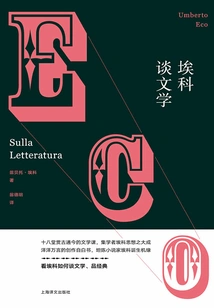
Eco Talks About Literature
General Fiction埃科谈文学
H
"Eco on Literature" is one of the few literary criticism monographs among Eco's works. It collects speeches and essays on literature given by writers on various occasions, starting from Joyce and Borges, all the way to Dante and Rabelais in the Middle Ages, and even Aristotle in the distant past. With a cross-disciplinary perspective that is different from that of ordinary literary critics, it accurately analyzes many important literary concepts that echo the past and present, the enduring human pursuits reflected in literary masterpieces, and the historical process inherent in literature.
"Eco on Literature" is one of the few literary criticism monographs among Eco's works. It collects speeches and essays on literature given by writers on various occasions, starting from Joyce and Borges, all the way to Dante and Rabelais in the Middle Ages, and even Aristotle in the distant past. With a cross-disciplinary perspective that is different from that of ordinary literary critics, it accurately analyzes many important literary concepts that echo the past and present, the enduring human pursuits reflected in literary masterpieces, and the historical process inherent in literature.
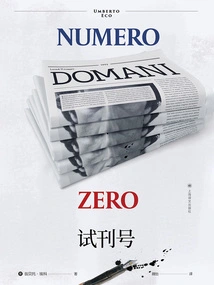
Trial Issue (umberto Eco's Works Series)
General Fiction试刊号(翁贝托·埃科作品系列 )
H
This book is the last novel written by Italian writer Umberto Eco before his death. It provides a profound analysis and criticism of modern journalism through a conspiracy-laden newspaper experiment. In Milan in 1992, several journalists joined a daily newspaper under preparation, "Tomorrow Daily", ambitious to show their talents in new positions. In the era of booming television and radio, it is self-evident that newspapers are lagging behind. Therefore, "Tomorrow Daily" is determined to tell "events that will happen tomorrow" and to have some "foresight" in the field of news through in-depth investigation. They carefully researched past news and tried to compile a simulated "first issue." However, during the investigation, various realities emerged unquestionably.
This book is the last novel written by Italian writer Umberto Eco before his death. It provides a profound analysis and criticism of modern journalism through a conspiracy-laden newspaper experiment. In Milan in 1992, several journalists joined a daily newspaper under preparation, "Tomorrow Daily", ambitious to show their talents in new positions. In the era of booming television and radio, it is self-evident that newspapers are lagging behind. Therefore, "Tomorrow Daily" is determined to tell "events that will happen tomorrow" and to have some "foresight" in the field of news through in-depth investigation. They carefully researched past news and tried to compile a simulated "first issue." However, during the investigation, various realities emerged unquestionably.
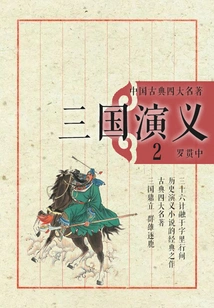
中国古典四大名著·三国演义2
K
"The Romance of the Three Kingdoms" is one of the four classic Chinese classics. It is China's first chapter-length historical romance novel. Its full name is "The Popular Romance of the Three Kingdoms", also known as "The Romance of the Three Kingdoms". The whole book describes the historical events of nearly 105 years from the end of the Eastern Han Dynasty to the early years of the Western Jin Dynasty. It mainly describes wars. It reflects the melee war between the heroes in the late Eastern Han Dynasty and the political and military struggles among the three kingdoms of Wei, Shu and Wu. It has created a number of all-powerful heroes of the Three Kingdoms. The connotation of "The Romance of the Three Kingdoms" is very rich, covering all aspects of ancient Chinese politics, diplomacy, military art, strategy, moral concepts, philosophy, thought, etc. In particular, the more than 40 wars described in the book are magnificent and vivid, providing future generations with various military knowledge and war experiences. The whole book can be roughly divided into five parts: the Yellow Turban Rebellion, Dong Zhuo's Rebellion, the Battle of Heroes, the Three Kingdoms, and the Return of the Three Kingdoms to Shanxi. It is like scenes of majestic war scenes staged in the vast history. The author Luo Guanzhong integrates the Thirty-Six Strategies of War between the lines, with both plot and military strategies.
"The Romance of the Three Kingdoms" is one of the four classic Chinese classics. It is China's first chapter-length historical romance novel. Its full name is "The Popular Romance of the Three Kingdoms", also known as "The Romance of the Three Kingdoms". The whole book describes the historical events of nearly 105 years from the end of the Eastern Han Dynasty to the early years of the Western Jin Dynasty. It mainly describes wars. It reflects the melee war between the heroes in the late Eastern Han Dynasty and the political and military struggles among the three kingdoms of Wei, Shu and Wu. It has created a number of all-powerful heroes of the Three Kingdoms. The connotation of "The Romance of the Three Kingdoms" is very rich, covering all aspects of ancient Chinese politics, diplomacy, military art, strategy, moral concepts, philosophy, thought, etc. In particular, the more than 40 wars described in the book are magnificent and vivid, providing future generations with various military knowledge and war experiences. The whole book can be roughly divided into five parts: the Yellow Turban Rebellion, Dong Zhuo's Rebellion, the Battle of Heroes, the Three Kingdoms, and the Return of the Three Kingdoms to Shanxi. It is like scenes of majestic war scenes staged in the vast history. The author Luo Guanzhong integrates the Thirty-Six Strategies of War between the lines, with both plot and military strategies.
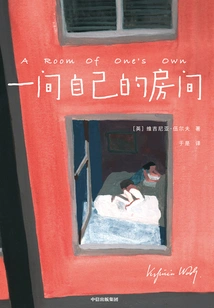
G
Literatureg
L
The charming philosophy of the goddess of literature and art Woolf is: The way for smart women to be independent begins with owning a room of their own - an independent and free soul is the source of happiness. Being yourself is more important than anything else. This book originated from Woolf's lecture at Cambridge University. Once it was published, it became popular all over the world and moved millions of readers. It was hailed as "a spiritual book that inspires women's spiritual awakening." "It stung me, made me cry, and tremble. I was so deeply moved that I wanted to read as slowly and slowly as possible. I would read a paragraph back and forth three or four times before moving on to the next paragraph." - American writer Paul Auster
The charming philosophy of the goddess of literature and art Woolf is: The way for smart women to be independent begins with owning a room of their own - an independent and free soul is the source of happiness. Being yourself is more important than anything else. This book originated from Woolf's lecture at Cambridge University. Once it was published, it became popular all over the world and moved millions of readers. It was hailed as "a spiritual book that inspires women's spiritual awakening." "It stung me, made me cry, and tremble. I was so deeply moved that I wanted to read as slowly and slowly as possible. I would read a paragraph back and forth three or four times before moving on to the next paragraph." - American writer Paul Auster
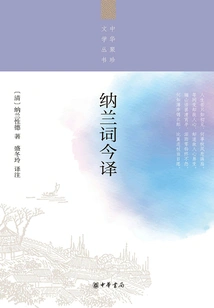
纳兰词今译(中华聚珍文学丛书)
G
This book selects ninety-eight classic works from Nalan Xingde's lyrics, each of which is composed of four sections: 1. A brief introduction to the relevant background and allusions. 2. The original text of the poem. 3. Clear and easy-to-understand vernacular translation, which corresponds to the original text sentence by sentence, making it easy to understand. 4. Notes on key words. At the same time, there is a long introduction written by experts at the front of the book, which comprehensively introduces Nalan Xingde's life and achievements, so that readers can get a macro and comprehensive understanding. The whole book explains the profound things in simple terms and can be appreciated by both refined and popular people. It is a good introductory book for learning and appreciating Nalan Xingde's lyrics.
This book selects ninety-eight classic works from Nalan Xingde's lyrics, each of which is composed of four sections: 1. A brief introduction to the relevant background and allusions. 2. The original text of the poem. 3. Clear and easy-to-understand vernacular translation, which corresponds to the original text sentence by sentence, making it easy to understand. 4. Notes on key words. At the same time, there is a long introduction written by experts at the front of the book, which comprehensively introduces Nalan Xingde's life and achievements, so that readers can get a macro and comprehensive understanding. The whole book explains the profound things in simple terms and can be appreciated by both refined and popular people. It is a good introductory book for learning and appreciating Nalan Xingde's lyrics.
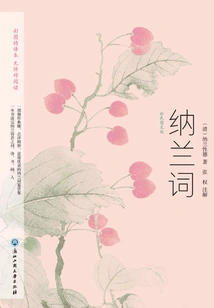
纳兰词(彩色图文版)
G
This book carefully collects the ancient manuscripts of Nalan Xingde's "Nalan Ci", combines the original text, word translation, commentary and appreciation, annotations and doubts, supplemented by sincere and beautiful paintings, and uses pictures to explain the text. It is beautiful and true, and offers readers the beauty and charm of Chinese classical poetry written by a talented person of the previous generation.
This book carefully collects the ancient manuscripts of Nalan Xingde's "Nalan Ci", combines the original text, word translation, commentary and appreciation, annotations and doubts, supplemented by sincere and beautiful paintings, and uses pictures to explain the text. It is beautiful and true, and offers readers the beauty and charm of Chinese classical poetry written by a talented person of the previous generation.
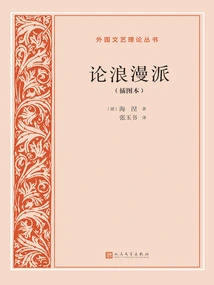
On Romanticism (illustrated Edition)
Literature论浪漫派(插图本)
J
"On Romanticism" is Heine's masterpiece of literary theory. It is a polemical work against Mrs. De Steyr's "Deutsche Deutschland" and is intended to correct Mrs. Steyr's excessive praise of German romantic literature. Heine laughed and scolded, and discussed the origin and development of German Romantic literature vividly, talking about the works of writers such as the Schlegel brothers, Tieck, Hoffmann, Arnim, Novalis, Fouquet, Brentano, Jean Paul, Goethe, and the thoughts of philosophers such as Hegel and Schelling. Heine criticized the shortcomings of German Romanticism and affirmed the brilliance of its excellent works. Mr. Zhang Yushu's translation style is free and vigorous, sonorous and powerful, which deeply captures the three flavors of the original work.
"On Romanticism" is Heine's masterpiece of literary theory. It is a polemical work against Mrs. De Steyr's "Deutsche Deutschland" and is intended to correct Mrs. Steyr's excessive praise of German romantic literature. Heine laughed and scolded, and discussed the origin and development of German Romantic literature vividly, talking about the works of writers such as the Schlegel brothers, Tieck, Hoffmann, Arnim, Novalis, Fouquet, Brentano, Jean Paul, Goethe, and the thoughts of philosophers such as Hegel and Schelling. Heine criticized the shortcomings of German Romanticism and affirmed the brilliance of its excellent works. Mr. Zhang Yushu's translation style is free and vigorous, sonorous and powerful, which deeply captures the three flavors of the original work.
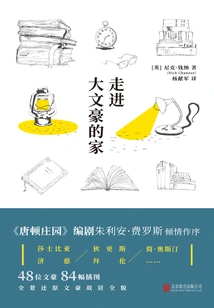
Entering the Home of a Great Writer
Literature走进大文豪的家
Z
"Into the Homes of Great Writers" starts from the perspective of the daily lives of some popular writers and explores the impact of things around writers, including houses, on their writing. These include the home where Agatha Christie lived in seclusion in southwest England, the Worcestershire country house that served as the basis for Evelyn Waugh's late novel "Halfway Again," the wooden cottage in Stratford-upon-Avon where Shakespeare lived as a child, and the small garden in East Sussex that inspired the Sherlock Holmes series. Explore these ordinary buildings and learn the stories behind the vivid characters.
"Into the Homes of Great Writers" starts from the perspective of the daily lives of some popular writers and explores the impact of things around writers, including houses, on their writing. These include the home where Agatha Christie lived in seclusion in southwest England, the Worcestershire country house that served as the basis for Evelyn Waugh's late novel "Halfway Again," the wooden cottage in Stratford-upon-Avon where Shakespeare lived as a child, and the small garden in East Sussex that inspired the Sherlock Holmes series. Explore these ordinary buildings and learn the stories behind the vivid characters.
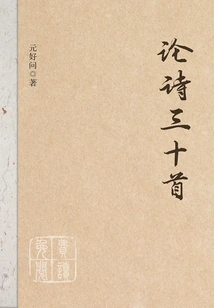
On Thirty Poems
Literature论诗三十首
L
Yuan Haowen was a famous poet and literary theory critic in the Jin Dynasty. He had unique insights into poetry, advocated nature and purity, opposed stacking and carving, and advocated the restoration of the fine tradition of poetry since Jian'an. His "Thirty Poems" is a famous group of poems following Du Fu that uses the form of quatrains to elucidate the theory of poetry more systematically. It comments on many famous writers and schools from the Han and Wei dynasties to the Song Dynasty, indicating the author's literary views and having an important influence on later generations.
Yuan Haowen was a famous poet and literary theory critic in the Jin Dynasty. He had unique insights into poetry, advocated nature and purity, opposed stacking and carving, and advocated the restoration of the fine tradition of poetry since Jian'an. His "Thirty Poems" is a famous group of poems following Du Fu that uses the form of quatrains to elucidate the theory of poetry more systematically. It comments on many famous writers and schools from the Han and Wei dynasties to the Song Dynasty, indicating the author's literary views and having an important influence on later generations.
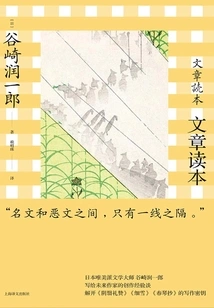
文章读本(谷崎润一郎作品系列)
H
Junichiro Tanizaki, the master of Japanese aesthetic literature, writes about his creative experience for future writers, unlocking the key to writing "Praise to the Shadows", "Fine Snow" and "Haru Kotoso". "Article Reader" is a famous work by Japanese aesthetic master Junichiro Tanizaki that discusses article reading and writing skills. It is like three in-depth and simple writing lessons. After the book was published in Japan, it aroused great repercussions. Writers such as Yukio Mishima and Yasunari Kawabata wrote books under the title "Article Reader" to discuss their own views on literary creation. With the perspective of a literary master, the author starts from the characteristics of Japanese language, characters and culture, focusing on "what is an article", "how to improve writing" and "what are the six major elements that constitute an article". Taking examples from Eastern and Western classics as evidence, the author discusses how Japanese language and characters can give full play to their advantages in creation so that they can express their ideas smoothly and brilliantly. Among them, "The Great Learning" and Tang poetry are quoted many times to analyze the works of Chinese literati and emphasize the implicit beauty of literature. This book is translated by the famous Japanese translator Lai Mingzhu. Together with Tanizaki's masterpiece "Ode to Shadow", it forms a complete puzzle of Japanese aesthetics.
Junichiro Tanizaki, the master of Japanese aesthetic literature, writes about his creative experience for future writers, unlocking the key to writing "Praise to the Shadows", "Fine Snow" and "Haru Kotoso". "Article Reader" is a famous work by Japanese aesthetic master Junichiro Tanizaki that discusses article reading and writing skills. It is like three in-depth and simple writing lessons. After the book was published in Japan, it aroused great repercussions. Writers such as Yukio Mishima and Yasunari Kawabata wrote books under the title "Article Reader" to discuss their own views on literary creation. With the perspective of a literary master, the author starts from the characteristics of Japanese language, characters and culture, focusing on "what is an article", "how to improve writing" and "what are the six major elements that constitute an article". Taking examples from Eastern and Western classics as evidence, the author discusses how Japanese language and characters can give full play to their advantages in creation so that they can express their ideas smoothly and brilliantly. Among them, "The Great Learning" and Tang poetry are quoted many times to analyze the works of Chinese literati and emphasize the implicit beauty of literature. This book is translated by the famous Japanese translator Lai Mingzhu. Together with Tanizaki's masterpiece "Ode to Shadow", it forms a complete puzzle of Japanese aesthetics.
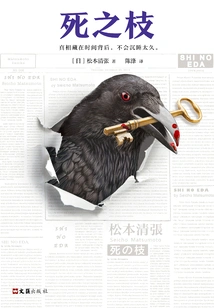
Dead Branch
General Fiction死之枝
I
"The Dead Branch" is a collection of classic short stories by Matsumoto Seicho, an insurmountable master in the world of mystery literature! Keigo Higashino, Miyuki Miyabe, Shoji Shimada, and Natsuhiko Kyogoku are all his loyal readers! Seicho Matsumoto pioneered social reasoning and wrote about the weaknesses of human nature and the roots of evil. Matsumoto Seicho's works have been adapted into movies and TV series no less than 500 times, and have had a profound impact on the entire Japanese literary and art world! The truth is hidden behind time and will not sleep for long. Eleven motives, eleven murder cases, the murderous intentions behind them all come from the evil and desires of ordinary people. Traffic accidents, schizophrenia, slipping on cliffs... These seemingly accidental accidents have no clues or evidence, and some have even become unsolved cases that have been dusted for decades. However, any watertight crime also has flaws and flaws that are overlooked. The truth about these so-called perfect crimes is being unearthed bit by bit...
"The Dead Branch" is a collection of classic short stories by Matsumoto Seicho, an insurmountable master in the world of mystery literature! Keigo Higashino, Miyuki Miyabe, Shoji Shimada, and Natsuhiko Kyogoku are all his loyal readers! Seicho Matsumoto pioneered social reasoning and wrote about the weaknesses of human nature and the roots of evil. Matsumoto Seicho's works have been adapted into movies and TV series no less than 500 times, and have had a profound impact on the entire Japanese literary and art world! The truth is hidden behind time and will not sleep for long. Eleven motives, eleven murder cases, the murderous intentions behind them all come from the evil and desires of ordinary people. Traffic accidents, schizophrenia, slipping on cliffs... These seemingly accidental accidents have no clues or evidence, and some have even become unsolved cases that have been dusted for decades. However, any watertight crime also has flaws and flaws that are overlooked. The truth about these so-called perfect crimes is being unearthed bit by bit...
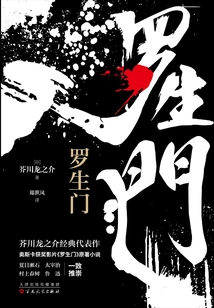
O
General Fictiono
H
"Rashomon" is a collection of novels by the outstanding modern Japanese writer Akutagawa Ryunosuke. It includes 9 of his classic representative novels, including his famous work, the life-and-death choice between good and evil - "Rashomon"; Natsume Soseki's masterpiece "The Nose"; the original novel of Kurosawa Akira's classic film "Rashomon" - "In the Bamboo Grove", in addition to the critically acclaimed "Hell" and "Kappa". The work shows the glorious artistic achievements of the "Japanese short story genius" from multiple angles. The selected chapters in the book are novel in material, exquisite in conception, with twists and turns in the plots, and profound implications. The characters range from high-ranking officials in temples to ordinary people in the city. It can be said that the various characters of Japan's Taisho era are presented like a quick glance, which can be called a microcosm of the times. After a hundred years, it is still breathtaking and deeply touching to read.
"Rashomon" is a collection of novels by the outstanding modern Japanese writer Akutagawa Ryunosuke. It includes 9 of his classic representative novels, including his famous work, the life-and-death choice between good and evil - "Rashomon"; Natsume Soseki's masterpiece "The Nose"; the original novel of Kurosawa Akira's classic film "Rashomon" - "In the Bamboo Grove", in addition to the critically acclaimed "Hell" and "Kappa". The work shows the glorious artistic achievements of the "Japanese short story genius" from multiple angles. The selected chapters in the book are novel in material, exquisite in conception, with twists and turns in the plots, and profound implications. The characters range from high-ranking officials in temples to ordinary people in the city. It can be said that the various characters of Japan's Taisho era are presented like a quick glance, which can be called a microcosm of the times. After a hundred years, it is still breathtaking and deeply touching to read.
S
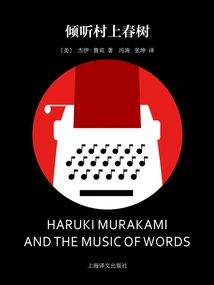
Listen to Haruki Murakami
Literature倾听村上春树
Q
This is the most authoritative critical biography of Haruki Murakami's works to date, adding nearly 30,000 words of new content compared to the previous version. Full analysis of Haruki Murakami's important works, updated to "1Q84". Jay Rubin is one of the important translators of Haruki Murakami's English translations. He is also a professor at Harvard University and a professional scholar who studies Murakami's works. This book "Listening to Haruki Murakami" was written by Rubin for the loyal readers of Haruki Murakami, giving everyone the opportunity to further understand this great writer who has passed away and lives in isolation. Rubin uncovers key elements in Murakami's novels and explains how Murakami developed his own distinctive new writing style in the Japanese literary world. And following Murakami's career trajectory, combined with multiple interviews with Murakami from 1993 to 2001, and relying on the rich material and keen insights accumulated through years of communication with Murakami, he wrote this excellent work.
This is the most authoritative critical biography of Haruki Murakami's works to date, adding nearly 30,000 words of new content compared to the previous version. Full analysis of Haruki Murakami's important works, updated to "1Q84". Jay Rubin is one of the important translators of Haruki Murakami's English translations. He is also a professor at Harvard University and a professional scholar who studies Murakami's works. This book "Listening to Haruki Murakami" was written by Rubin for the loyal readers of Haruki Murakami, giving everyone the opportunity to further understand this great writer who has passed away and lives in isolation. Rubin uncovers key elements in Murakami's novels and explains how Murakami developed his own distinctive new writing style in the Japanese literary world. And following Murakami's career trajectory, combined with multiple interviews with Murakami from 1993 to 2001, and relying on the rich material and keen insights accumulated through years of communication with Murakami, he wrote this excellent work.
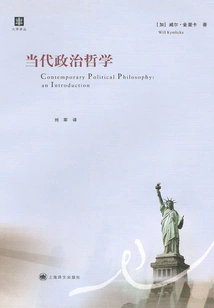
Contemporary Political Philosophy
Literature当代政治哲学
B
After the publication of Rawls's "A Theory of Justice", the landscape of contemporary political philosophy was reorganized. Not only did the coordinates of the historically established theoretical schools such as utilitarianism and liberalism undergo fundamental changes, but also along with the theoretical debates surrounding "A Theory of Justice", theoretical schools such as citizenship theory, communitarianism, multiculturalism, and feminism suddenly emerged, fundamentally changing the dominant pattern of utilitarianism. ? The book "Contemporary Political Philosophy" is a presentation of this theoretical scene. In the book, author Kymlicka examines various theories active in the contemporary political philosophy arena in detail, and critically analyzes their different arguments and interpretations of equality, freedom, and a just society based on the two. It not only clarifies the complex background of the emergence of the theories of each faction and the historical process of their continuous development beyond the original point in the process of mutual debate, but also clarifies the different interests behind various confusing concepts of justice through rigorous logical argumentation. Reading "Contemporary Political Philosophy" not only allows readers to appreciate the colorful pictures drawn by the most thoughtful theorists of the era we live in on social institutional issues, thereby gaining spiritual experience, but also provides a good theoretical guide for people to understand and understand various complex issues of the era.
After the publication of Rawls's "A Theory of Justice", the landscape of contemporary political philosophy was reorganized. Not only did the coordinates of the historically established theoretical schools such as utilitarianism and liberalism undergo fundamental changes, but also along with the theoretical debates surrounding "A Theory of Justice", theoretical schools such as citizenship theory, communitarianism, multiculturalism, and feminism suddenly emerged, fundamentally changing the dominant pattern of utilitarianism. ? The book "Contemporary Political Philosophy" is a presentation of this theoretical scene. In the book, author Kymlicka examines various theories active in the contemporary political philosophy arena in detail, and critically analyzes their different arguments and interpretations of equality, freedom, and a just society based on the two. It not only clarifies the complex background of the emergence of the theories of each faction and the historical process of their continuous development beyond the original point in the process of mutual debate, but also clarifies the different interests behind various confusing concepts of justice through rigorous logical argumentation. Reading "Contemporary Political Philosophy" not only allows readers to appreciate the colorful pictures drawn by the most thoughtful theorists of the era we live in on social institutional issues, thereby gaining spiritual experience, but also provides a good theoretical guide for people to understand and understand various complex issues of the era.
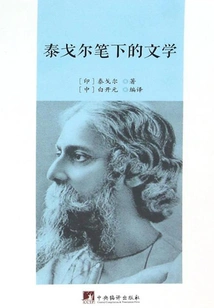
Tagore's Literature
Literature泰戈尔笔下的文学
H
While engaged in literary creation, Tagore wrote a large number of literary reviews, covering epics, poems, novels, dramas, essays and comparative literature. These essays not only elaborate on the aesthetic theories he followed in literary creation, express his wise insights on various works, but also summarize his deep understanding and aesthetic experience. Tagore's literary theory will help Chinese readers and foreign literature researchers understand and study his works in depth. "Literature under Rabindranath Tagore" was compiled by Bai Kaiyuan.
While engaged in literary creation, Tagore wrote a large number of literary reviews, covering epics, poems, novels, dramas, essays and comparative literature. These essays not only elaborate on the aesthetic theories he followed in literary creation, express his wise insights on various works, but also summarize his deep understanding and aesthetic experience. Tagore's literary theory will help Chinese readers and foreign literature researchers understand and study his works in depth. "Literature under Rabindranath Tagore" was compiled by Bai Kaiyuan.
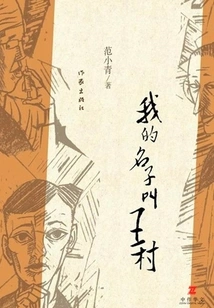
My Name is Wangcun
Literature我的名字叫王村
M
In the context of a linear time, Fan Xiaoqing opens two worlds with moderate intensity: one is philosophy and the other is reality. The theme of the minimalist story: I lost my brother, and I went to find him again. In the narrative of the story, the mentally retarded younger brother is like a tornado, sucking all the characters into it. The rich and complex plot, the repetitive entanglements, and the endless interrogations of delirium make the story's confusing path feel salty and mild. The unique way of starting with the light of fireflies and ending with ruins and ashes shows the writer's outstanding artistic skills.
In the context of a linear time, Fan Xiaoqing opens two worlds with moderate intensity: one is philosophy and the other is reality. The theme of the minimalist story: I lost my brother, and I went to find him again. In the narrative of the story, the mentally retarded younger brother is like a tornado, sucking all the characters into it. The rich and complex plot, the repetitive entanglements, and the endless interrogations of delirium make the story's confusing path feel salty and mild. The unique way of starting with the light of fireflies and ending with ruins and ashes shows the writer's outstanding artistic skills.
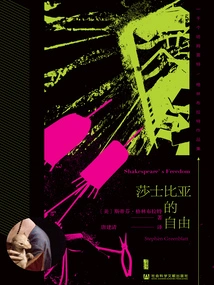
Shakespeare's Freedom
Literature莎士比亚的自由
J
Shakespeare lived in an absolutist world in which the Bible, kingship, and God had absolute authority. Similarly, fathers had absolute authority over their wives and children, old men over young people, and nobles over common people. But Shakespeare strongly opposed this absolutism and constantly explored the possibility of getting rid of it. Stephen Greenblatt shows us how Shakespeare exposes the machinations and pretentiousness of kings, generals, and churches; how he explores the eulogies and seemingly limitless passions between lovers; and more importantly, how Shakespeare, as a free humanist, engages in discussions about beauty, hatred, authority, and autonomy with audiences and readers.
Shakespeare lived in an absolutist world in which the Bible, kingship, and God had absolute authority. Similarly, fathers had absolute authority over their wives and children, old men over young people, and nobles over common people. But Shakespeare strongly opposed this absolutism and constantly explored the possibility of getting rid of it. Stephen Greenblatt shows us how Shakespeare exposes the machinations and pretentiousness of kings, generals, and churches; how he explores the eulogies and seemingly limitless passions between lovers; and more importantly, how Shakespeare, as a free humanist, engages in discussions about beauty, hatred, authority, and autonomy with audiences and readers.
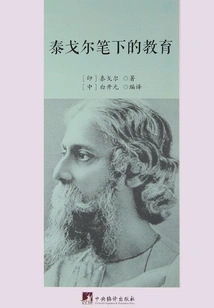
Education in Rabindranath Tagore
Literature泰戈尔笔下的教育
H
Tagore regarded the development of national education as an important way to save the country. He emphasized that schools should be a pure land and strived to establish a new teacher-student relationship that transcended money in the school he founded. In decades of educational practice, he attaches great importance to cultivating students' imagination and image thinking abilities, and has created unique educational methods. His incisive discussion of education still has practical significance. "Education in Rabindranath Tagore" edited by Bai Kaiyuan is helpful to our country's educational circles in studying Tagore's educational thoughts, and has some enlightenment for our country's educational reform.
Tagore regarded the development of national education as an important way to save the country. He emphasized that schools should be a pure land and strived to establish a new teacher-student relationship that transcended money in the school he founded. In decades of educational practice, he attaches great importance to cultivating students' imagination and image thinking abilities, and has created unique educational methods. His incisive discussion of education still has practical significance. "Education in Rabindranath Tagore" edited by Bai Kaiyuan is helpful to our country's educational circles in studying Tagore's educational thoughts, and has some enlightenment for our country's educational reform.

One Day You Will Be the Best Girl
Youth Fiction总有一天,你会成为最好的女孩
L
You are not someone else's child, your life has no one to applaud you, your love has always failed, your appearance is mediocre, your height, your homework, everything." The whole world seems to be full of malice, and it will use all its strength to attack you. After going through the most tragic youth, experiencing the most realistic ups and downs of human relationships, you finally discovered that this is life, you have no way out, but you are calm and relieved. Until you let go of all narcissism and self-pity. You finally understand and start again, calmly and bravely. One day, you will become the best girl and shine.
You are not someone else's child, your life has no one to applaud you, your love has always failed, your appearance is mediocre, your height, your homework, everything." The whole world seems to be full of malice, and it will use all its strength to attack you. After going through the most tragic youth, experiencing the most realistic ups and downs of human relationships, you finally discovered that this is life, you have no way out, but you are calm and relieved. Until you let go of all narcissism and self-pity. You finally understand and start again, calmly and bravely. One day, you will become the best girl and shine.
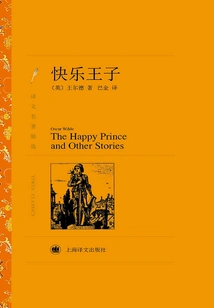
Y
Literaturey
H
This book includes Wilde's two famous fairy tale collections: "The Happy Prince" and "The House of Pomegranates", which is a representative work of aesthetic fairy tales. In addition to following the themes of punishing evil and promoting good, hoeing the strong and helping the weak, robbing the rich and helping the poor, and praising the beautiful and belittling the ugly, as expected in ordinary fairy tales, the writer also uses his aestheticism point of view to explore major propositions such as "happiness", "beauty of the heart", "soul, body and soul". He has also made breakthroughs in both the form and content of fairy tale writing, achieving practical results and creating "the most beautiful fairy tale in the world".
This book includes Wilde's two famous fairy tale collections: "The Happy Prince" and "The House of Pomegranates", which is a representative work of aesthetic fairy tales. In addition to following the themes of punishing evil and promoting good, hoeing the strong and helping the weak, robbing the rich and helping the poor, and praising the beautiful and belittling the ugly, as expected in ordinary fairy tales, the writer also uses his aestheticism point of view to explore major propositions such as "happiness", "beauty of the heart", "soul, body and soul". He has also made breakthroughs in both the form and content of fairy tale writing, achieving practical results and creating "the most beautiful fairy tale in the world".
O
Literatureo
H
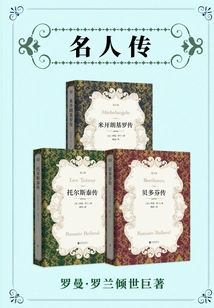
The biographies of famous people include three volumes: Beethoven's biography, Michelangelo's biography, and Tolstoy's biography. "The Biography of Beethoven" Beethoven was born in an era when "breaking" and "establishing" were in conflict. He is talented and has composed one song after another that has been handed down from generation to generation; despite his ill-fated fate, he has gone through hardships and still adheres to his original intention of "being devoted to good, loving freedom more than anything else; and never betraying the truth under any circumstances." In this biography, the author not only tells the legendary life of music master Beethoven in beautiful language from different perspectives, but also reveals a great soul to readers. At the same time, Romain Rolland also compiled Beethoven's will and letters into a collection. "The Biography of Michelangelo" Michelangelo has a powerful power that can influence an era. Before him, the artistic sky in Florence was dull and lacked vitality. His appearance blew away the dark clouds hanging over it like a sudden storm. After him, Michelangelo's style influenced artists for almost three centuries. This biography mainly consists of three parts: the first part "Battle", the second part "Abandonment" and the epilogue. The author highly praises Michelangelo's artistic achievements and analyzes his inner world, thus revealing to readers a Michelangelo who is both ordinary and extraordinary, with unparalleled artistic talent and creativity. "The Biography of Tolstoy" Romain Rolland regarded Tolstoy as his spiritual mentor, and Toon's humanitarian feelings deeply moved him. Therefore, studying Toon's artistic creations, letters, and even the reminiscences of his contemporaries became the medium for Romain Rolland to express his admiration for Toon. Thus, an immortal "The Biography of Tolstoy" was born. The author's detailed research on Tolstoy has become the solid foundation of this work. With his extraordinary insight, Romain Rolland shows readers all the important aspects of the creative personality of a generation of literary giants.
The biographies of famous people include three volumes: Beethoven's biography, Michelangelo's biography, and Tolstoy's biography. "The Biography of Beethoven" Beethoven was born in an era when "breaking" and "establishing" were in conflict. He is talented and has composed one song after another that has been handed down from generation to generation; despite his ill-fated fate, he has gone through hardships and still adheres to his original intention of "being devoted to good, loving freedom more than anything else; and never betraying the truth under any circumstances." In this biography, the author not only tells the legendary life of music master Beethoven in beautiful language from different perspectives, but also reveals a great soul to readers. At the same time, Romain Rolland also compiled Beethoven's will and letters into a collection. "The Biography of Michelangelo" Michelangelo has a powerful power that can influence an era. Before him, the artistic sky in Florence was dull and lacked vitality. His appearance blew away the dark clouds hanging over it like a sudden storm. After him, Michelangelo's style influenced artists for almost three centuries. This biography mainly consists of three parts: the first part "Battle", the second part "Abandonment" and the epilogue. The author highly praises Michelangelo's artistic achievements and analyzes his inner world, thus revealing to readers a Michelangelo who is both ordinary and extraordinary, with unparalleled artistic talent and creativity. "The Biography of Tolstoy" Romain Rolland regarded Tolstoy as his spiritual mentor, and Toon's humanitarian feelings deeply moved him. Therefore, studying Toon's artistic creations, letters, and even the reminiscences of his contemporaries became the medium for Romain Rolland to express his admiration for Toon. Thus, an immortal "The Biography of Tolstoy" was born. The author's detailed research on Tolstoy has become the solid foundation of this work. With his extraordinary insight, Romain Rolland shows readers all the important aspects of the creative personality of a generation of literary giants.
N
General Fictionn
H
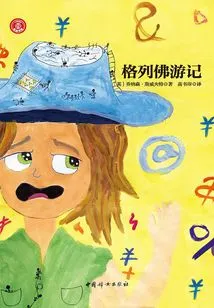
"Gulliver's Travels" is an outstanding satirical novel in the form of travel notes. The author used rich satirical techniques and bizarre plots of fictional fantasy to profoundly analyze the social reality of Britain at that time. This book is written in the form of Captain Gulliver's autobiography. It mainly describes Captain Gulliver's strange experiences in Lilliput, Adult, Flying Island and Houyhnhnm. Through the form of a novel, the author comprehensively satirizes and criticizes the British social life in the first half of the 18th century, with distinctive democratic ideological characteristics.
"Gulliver's Travels" is an outstanding satirical novel in the form of travel notes. The author used rich satirical techniques and bizarre plots of fictional fantasy to profoundly analyze the social reality of Britain at that time. This book is written in the form of Captain Gulliver's autobiography. It mainly describes Captain Gulliver's strange experiences in Lilliput, Adult, Flying Island and Houyhnhnm. Through the form of a novel, the author comprehensively satirizes and criticizes the British social life in the first half of the 18th century, with distinctive democratic ideological characteristics.
N
General Fictionn
H
The collection of three biographies, "The Biography of Beethoven", "The Biography of Michelangelo" and "The Biography of Tolstoy", written by Nobel Prize winner Romain Rolland, is a model work in the world of biographical literature. In his works, Romain Rolland focused on depicting the mental journey of three art masters who endured hardships and setbacks without changing their original intentions in the troubled life journey, highlighting their noble personality, fraternal emotions and broad mind, and composed a magnificent and shocking "heroic symphony" for people.
The collection of three biographies, "The Biography of Beethoven", "The Biography of Michelangelo" and "The Biography of Tolstoy", written by Nobel Prize winner Romain Rolland, is a model work in the world of biographical literature. In his works, Romain Rolland focused on depicting the mental journey of three art masters who endured hardships and setbacks without changing their original intentions in the troubled life journey, highlighting their noble personality, fraternal emotions and broad mind, and composed a magnificent and shocking "heroic symphony" for people.
_
General Fiction_
H
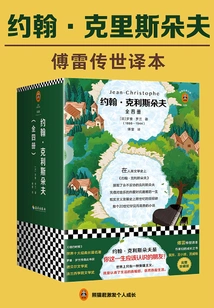
"Johan Christophe" is Romain Rolland's landmark masterpiece in art and thought. It took more than twenty years from conception to complete publication. With this work, Romain Rolland won the 1915 Nobel Prize for Literature. The Swedish Academy's award citation praised the high ideals of his work, as well as his compassion and love of truth in depicting different types of characters. "John Christopher" is not a novel, it should be said: more than a novel, but a great epic of mankind. What it depicts and sings is not the hardships experienced by human beings in the material aspect but the spiritual aspect. It is not the victory of conquering the outside world but the conquering of the inner world. It is a mirror of millions of living beings, an adventure story of heroes and sages from ancient and modern times at home and abroad, and a grand symphony in the style of Beethoven. Warrior, when you know that you are not the only one suffering in the world, you will definitely feel less pain, and your hope will always be reborn in despair!
"Johan Christophe" is Romain Rolland's landmark masterpiece in art and thought. It took more than twenty years from conception to complete publication. With this work, Romain Rolland won the 1915 Nobel Prize for Literature. The Swedish Academy's award citation praised the high ideals of his work, as well as his compassion and love of truth in depicting different types of characters. "John Christopher" is not a novel, it should be said: more than a novel, but a great epic of mankind. What it depicts and sings is not the hardships experienced by human beings in the material aspect but the spiritual aspect. It is not the victory of conquering the outside world but the conquering of the inner world. It is a mirror of millions of living beings, an adventure story of heroes and sages from ancient and modern times at home and abroad, and a grand symphony in the style of Beethoven. Warrior, when you know that you are not the only one suffering in the world, you will definitely feel less pain, and your hope will always be reborn in despair!
N
Literaturen
H
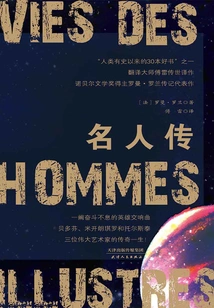
"The Biography of Famous People" is a collection of three biographies, "The Biography of Beethoven", "The Biography of Michelangelo" and "The Biography of Tolstoy" written by the French writer Romain Rolland, also known as "The Three Biography of the Giant". The author uses words to reproduce the life course of three art masters who endured hardships and setbacks but still firmly fought against their fate. Their noble personality, broad mind, and eternal pursuit of dreams, truth and justice have composed for us a "heroic symphony" of endless struggle.
"The Biography of Famous People" is a collection of three biographies, "The Biography of Beethoven", "The Biography of Michelangelo" and "The Biography of Tolstoy" written by the French writer Romain Rolland, also known as "The Three Biography of the Giant". The author uses words to reproduce the life course of three art masters who endured hardships and setbacks but still firmly fought against their fate. Their noble personality, broad mind, and eternal pursuit of dreams, truth and justice have composed for us a "heroic symphony" of endless struggle.
K
General Fictionk
H
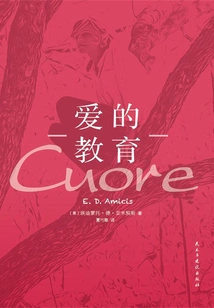
"The Education of Love" is a work by Italian writer Amicis. It is a famous children's literature work. It is considered one of the ten must-read novels for Italians and an enduring masterpiece in the history of world literature. "The Education of Love" was first published on October 18, 1886, with a total of 100 articles, mainly composed of three parts: the ten-month diary of Italian fourth-grade primary school student Enrico; the admonishing and inspiring articles written by his parents in his diary; and ten short stories read by teachers in class. The content of the diary describes every bit of the little protagonist's life, as well as the trivial matters of his classmates' lives. It is a very loving work.
"The Education of Love" is a work by Italian writer Amicis. It is a famous children's literature work. It is considered one of the ten must-read novels for Italians and an enduring masterpiece in the history of world literature. "The Education of Love" was first published on October 18, 1886, with a total of 100 articles, mainly composed of three parts: the ten-month diary of Italian fourth-grade primary school student Enrico; the admonishing and inspiring articles written by his parents in his diary; and ten short stories read by teachers in class. The content of the diary describes every bit of the little protagonist's life, as well as the trivial matters of his classmates' lives. It is a very loving work.
帝国瑰色:那些邂逅政治的红颜
I
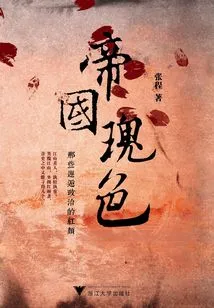
The content of "The Rose of Empire: Beauties Encountering Politics": The author starts with the word "love", lays out the story layer by layer, and reveals the secrets in depth, revealing the struggles of kings and heroes between true love and power, and the helplessness of concubines and beauties who became political tools and victims. A "History of Political Emotions in Ancient China" can be said to be the blood of a river of heroes and the tears of a beautiful woman! When you step into the torrent of politics, you must moderate your emotions. However, when love and politics are intertwined, the choices made by those involved reflect more of their inner voices. Some give up their beauty for the sake of their country, and some love their beauty instead of their country... No matter what their choice is, what they write is their own life, but their control over their own life has an influence that ordinary people cannot have.
The content of "The Rose of Empire: Beauties Encountering Politics": The author starts with the word "love", lays out the story layer by layer, and reveals the secrets in depth, revealing the struggles of kings and heroes between true love and power, and the helplessness of concubines and beauties who became political tools and victims. A "History of Political Emotions in Ancient China" can be said to be the blood of a river of heroes and the tears of a beautiful woman! When you step into the torrent of politics, you must moderate your emotions. However, when love and politics are intertwined, the choices made by those involved reflect more of their inner voices. Some give up their beauty for the sake of their country, and some love their beauty instead of their country... No matter what their choice is, what they write is their own life, but their control over their own life has an influence that ordinary people cannot have.
N
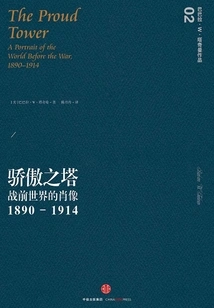
骄傲之塔:战前世界的肖像(1890—1914)
L
In this work, Tuchman focuses his attention on Western society 25 years before the outbreak of the "World War I", using an artist's approach to reproduce the ideological trends and ideals, sudden changes and disputes at that time: before the "August Cannons" exploded, the British aristocratic world began to collapse, and power shifted to a new class, passionate anarchy. The righteous dreamed of a harmonious world, imperialist sentiments climbed to the New World, the U. S. Navy quietly rose, the Dreyfus incident set off a fierce confrontation within the French, Strauss's music and Nietzsche's thoughts influenced Germany... Under the appearance of prosperity, the old world was already full of troubles. That era did not die of old age or accidents, but exploded in a terminal crisis and became an important page in history. ... (It is) more than confidence, innocence, comfort, stability, security and peace. People who lived in that era also misled us. When they looked back across the chasm of war, the first half of their lives were shrouded in the mist of a beautiful sunset, full of peace and tranquility. And we mistakenly believe that doubt, fear, turmoil, protest, violence and hatred do not exist. --Barbara W. Tuchman
In this work, Tuchman focuses his attention on Western society 25 years before the outbreak of the "World War I", using an artist's approach to reproduce the ideological trends and ideals, sudden changes and disputes at that time: before the "August Cannons" exploded, the British aristocratic world began to collapse, and power shifted to a new class, passionate anarchy. The righteous dreamed of a harmonious world, imperialist sentiments climbed to the New World, the U. S. Navy quietly rose, the Dreyfus incident set off a fierce confrontation within the French, Strauss's music and Nietzsche's thoughts influenced Germany... Under the appearance of prosperity, the old world was already full of troubles. That era did not die of old age or accidents, but exploded in a terminal crisis and became an important page in history. ... (It is) more than confidence, innocence, comfort, stability, security and peace. People who lived in that era also misled us. When they looked back across the chasm of war, the first half of their lives were shrouded in the mist of a beautiful sunset, full of peace and tranquility. And we mistakenly believe that doubt, fear, turmoil, protest, violence and hatred do not exist. --Barbara W. Tuchman
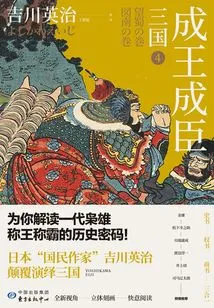
Three Kingdoms 4: Becoming a King and Becoming a Minister
General Fiction三国4:成王成臣
H
"Three Kingdoms" is the pinnacle work of Eiji Yoshikawa, and it is also the ultimate work of the blend of Chinese culture and Japanese temperament. In Japan, there are countless historians, politicians, entrepreneurs, writers and artists influenced by "Three Kingdoms". They regard "Three Kingdoms" as a historical masterpiece, a comprehensive collection of political strategies, a business war manual and an inspirational book, and learn from it history and culture, ways of success, methods of doing things, leadership theories, etc. There are five volumes in the "Three Kingdoms" series, and this is the fourth volume, including the Wangshu Volume and the Tunan Volume among the ten volumes. The Scroll of Wangshu: Zhou Yu failed to seize Jingzhou three times and died in depression. Zhang Song was sent as an envoy to make friends with Cao Cao, but was not treated politely. Instead, he made friends with Liu Bei and presented the map of Xichuan. Based on this, Liu Bei led Pang Tong, Huang Zhong, Wei Yan and others into Sichuan. Tu Nan's Scroll: First, Zhang Fei outsmarted Wakou Pass, causing Cao's army to suffer heavy losses; later, Huang Zhong and Zhao Yun bravely seized the camp and food and grass, defeating the main force of Cao's army. After successfully forcing Cao Cao back in a last-ditch battle, Liu Bei proclaimed himself "King of Hanzhong" and the Shu Han regime reached its peak.
"Three Kingdoms" is the pinnacle work of Eiji Yoshikawa, and it is also the ultimate work of the blend of Chinese culture and Japanese temperament. In Japan, there are countless historians, politicians, entrepreneurs, writers and artists influenced by "Three Kingdoms". They regard "Three Kingdoms" as a historical masterpiece, a comprehensive collection of political strategies, a business war manual and an inspirational book, and learn from it history and culture, ways of success, methods of doing things, leadership theories, etc. There are five volumes in the "Three Kingdoms" series, and this is the fourth volume, including the Wangshu Volume and the Tunan Volume among the ten volumes. The Scroll of Wangshu: Zhou Yu failed to seize Jingzhou three times and died in depression. Zhang Song was sent as an envoy to make friends with Cao Cao, but was not treated politely. Instead, he made friends with Liu Bei and presented the map of Xichuan. Based on this, Liu Bei led Pang Tong, Huang Zhong, Wei Yan and others into Sichuan. Tu Nan's Scroll: First, Zhang Fei outsmarted Wakou Pass, causing Cao's army to suffer heavy losses; later, Huang Zhong and Zhao Yun bravely seized the camp and food and grass, defeating the main force of Cao's army. After successfully forcing Cao Cao back in a last-ditch battle, Liu Bei proclaimed himself "King of Hanzhong" and the Shu Han regime reached its peak.
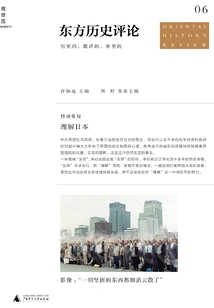
理解日本(东方历史评论 06)
J
"Oriental History Review (Volume 6)" has a strong lineup of authors, including Ge Zhaoguang (Professor of History at Fudan University), Kogo Tsuji (Professor of Independence University of Japan), John Doyle (Professor of History at MIT), Ranamit (Professor of Oxford University), Donald King (Professor of Columbia University), Aki Irie (Professor of Harvard University), Shin Yabuki (Emeritus Professor of Yokohama University), Ryoko Iechika (Professor of Keei University, Japan), Liu Ning (Japanese studies expert) and other well-known scholars and writers review Chinese studies in modern Japan and even Oriental studies, Japanese studies in the United States and other Western countries, or introduce scholars and works in related fields. The interview column includes an interview with the writer Zhang Dachun about his new work "Li Bai of the Tang Dynasty"; the image column includes the landscape conceptual photography of photographer Ken Kitano; the book review column includes Louis Menan's review of "To Finland Station", Jun Naha's introductory postscript for the reissue of Naito's old book on Hunan, etc.
"Oriental History Review (Volume 6)" has a strong lineup of authors, including Ge Zhaoguang (Professor of History at Fudan University), Kogo Tsuji (Professor of Independence University of Japan), John Doyle (Professor of History at MIT), Ranamit (Professor of Oxford University), Donald King (Professor of Columbia University), Aki Irie (Professor of Harvard University), Shin Yabuki (Emeritus Professor of Yokohama University), Ryoko Iechika (Professor of Keei University, Japan), Liu Ning (Japanese studies expert) and other well-known scholars and writers review Chinese studies in modern Japan and even Oriental studies, Japanese studies in the United States and other Western countries, or introduce scholars and works in related fields. The interview column includes an interview with the writer Zhang Dachun about his new work "Li Bai of the Tang Dynasty"; the image column includes the landscape conceptual photography of photographer Ken Kitano; the book review column includes Louis Menan's review of "To Finland Station", Jun Naha's introductory postscript for the reissue of Naito's old book on Hunan, etc.
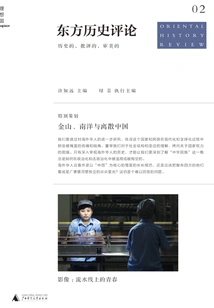
金山、南洋与离散中国(东方历史评论 02)
J
"Oriental Historical Review (Volume 2)" focuses on the history of Chinese immigrants overseas, showing the joys and sorrows of Chinese people's migration to foreign lands since the late Ming and early Qing dynasties. This is a long journey full of thorns and dreams, from the simple pursuit of making a living, to the pursuit of wealth, to the pursuit of safety, and the pursuit of glory. This ever-changing purpose of immigration also reflects the pain, twists, brilliance and disease of China's modernization. Similarly, foreign civilizations are also experiencing self-confidence and crisis in their own culture, alternately belittling or elevating the "image of China" in their eyes. The "Image" theme of "Oriental History Review 02" is "Youth on the Assembly Line". I selected a group of photos of girls in the workshop. Look at those girls. Even work clothes cannot hide their youth and beauty. Along with their beautiful dreams, they are slowly disappearing on the assembly line. The most desperate of these 150 million young people have jumped from the roof of the Foxconn factory as a silent protest against this cruel era.
"Oriental Historical Review (Volume 2)" focuses on the history of Chinese immigrants overseas, showing the joys and sorrows of Chinese people's migration to foreign lands since the late Ming and early Qing dynasties. This is a long journey full of thorns and dreams, from the simple pursuit of making a living, to the pursuit of wealth, to the pursuit of safety, and the pursuit of glory. This ever-changing purpose of immigration also reflects the pain, twists, brilliance and disease of China's modernization. Similarly, foreign civilizations are also experiencing self-confidence and crisis in their own culture, alternately belittling or elevating the "image of China" in their eyes. The "Image" theme of "Oriental History Review 02" is "Youth on the Assembly Line". I selected a group of photos of girls in the workshop. Look at those girls. Even work clothes cannot hide their youth and beauty. Along with their beautiful dreams, they are slowly disappearing on the assembly line. The most desperate of these 150 million young people have jumped from the roof of the Foxconn factory as a silent protest against this cruel era.
P
Historyp
Q
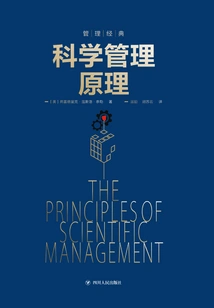
In 1911, Frederick Winslow Taylor published the book "Principles of Scientific Management", which concentrated on his management thoughts and research results and attracted widespread attention in the American business community and management circles at that time. The scientific management system advocated by Taylor was called the "Taylor System", which aroused people's enthusiasm for research and development of scientific management methods at that time. Many people became Taylor's followers and made great contributions to the improvement and development of scientific management theory. In the long history of the development of management theory, this book is recognized as a very important milestone. It marked the advent of a new management era, set off a revolution in corporate management, and made the early factory management practices in the West at the end of the 19th century and the beginning of the 20th century a big step towards scientific management. It also inspired and inspired countless managers in the following hundred years. To this day, Taylor's "Principles of Scientific Management" has been regarded as a must-know classic for managers.
In 1911, Frederick Winslow Taylor published the book "Principles of Scientific Management", which concentrated on his management thoughts and research results and attracted widespread attention in the American business community and management circles at that time. The scientific management system advocated by Taylor was called the "Taylor System", which aroused people's enthusiasm for research and development of scientific management methods at that time. Many people became Taylor's followers and made great contributions to the improvement and development of scientific management theory. In the long history of the development of management theory, this book is recognized as a very important milestone. It marked the advent of a new management era, set off a revolution in corporate management, and made the early factory management practices in the West at the end of the 19th century and the beginning of the 20th century a big step towards scientific management. It also inspired and inspired countless managers in the following hundred years. To this day, Taylor's "Principles of Scientific Management" has been regarded as a must-know classic for managers.
L
General FictionL
I
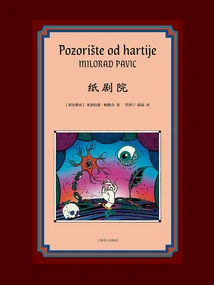
This book is a unique work by Serbian writer Milorad Pavic. It is a collection of novels and stories, including 38 stories, each of which is preceded by biographical information about the fictional author. These fictional authors were created by Pavich himself, and all the stories were written by him. The work is a formal innovation that explores the boundaries between fiction and reality, and each story is a tribute to the literature of a different country, as Pavich meticulously researched their literature. This work is not only a play on literature, but also a challenge to readers, inviting them to enter a complex world of fictional characters and stories. In this way, Pavich creates a literary universe that is both fascinating and multi-layered. The 38 stories are accompanied by imaginative paintings by Canadian-based illustrator Feng Xue.
This book is a unique work by Serbian writer Milorad Pavic. It is a collection of novels and stories, including 38 stories, each of which is preceded by biographical information about the fictional author. These fictional authors were created by Pavich himself, and all the stories were written by him. The work is a formal innovation that explores the boundaries between fiction and reality, and each story is a tribute to the literature of a different country, as Pavich meticulously researched their literature. This work is not only a play on literature, but also a challenge to readers, inviting them to enter a complex world of fictional characters and stories. In this way, Pavich creates a literary universe that is both fascinating and multi-layered. The 38 stories are accompanied by imaginative paintings by Canadian-based illustrator Feng Xue.
一本书揭秘王朝更替
O
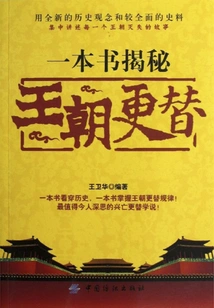
The rolling dust of history, the sighs of emperors throughout the ages. This book uses the latest historical concepts and more comprehensive historical materials to focus on describing the story of the fall of each dynasty. Novel, heavy, sentimental, magnanimous... It will give you a different reading experience, take you into history, and reveal the mysteries, mysteries, rumors and truths of dynasty change!
The rolling dust of history, the sighs of emperors throughout the ages. This book uses the latest historical concepts and more comprehensive historical materials to focus on describing the story of the fall of each dynasty. Novel, heavy, sentimental, magnanimous... It will give you a different reading experience, take you into history, and reveal the mysteries, mysteries, rumors and truths of dynasty change!
N
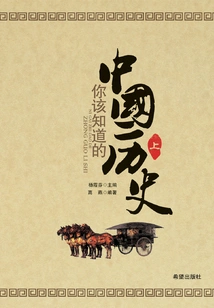
你该知道的中国历史(上)
M
The main content of "What You Should Know about Chinese History (Part 1)" includes: the "beginning of man" in legends and archaeology; the transformation from tribes to countries - Xia, Shang, and Western Zhou Dynasty; the changes in the Spring and Autumn Period, and the unification of the seven heroes of the Warring States Period; and the first unified feudal dynasty - the Qin Dynasty. The long history and profound culture of this school are the eternal pride of the Chinese nation and the intrinsic driving force for the great rejuvenation of the Chinese nation.
The main content of "What You Should Know about Chinese History (Part 1)" includes: the "beginning of man" in legends and archaeology; the transformation from tribes to countries - Xia, Shang, and Western Zhou Dynasty; the changes in the Spring and Autumn Period, and the unification of the seven heroes of the Warring States Period; and the first unified feudal dynasty - the Qin Dynasty. The long history and profound culture of this school are the eternal pride of the Chinese nation and the intrinsic driving force for the great rejuvenation of the Chinese nation.
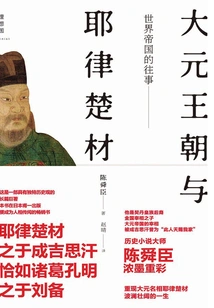
世界帝国的往事:大元王朝与耶律楚材
H
This masterpiece by the master of historical novels Chen Shunchen rediscovers Yelu Chucai, the first prime minister of the Yuan Dynasty. Chucai refers to "talents appointed in foreign countries". This was the name given to him by his father who served in the Jin Kingdom after the fall of his country Liao. He was good at Confucianism and well versed in Buddhism. When an unstoppable force came from the northern grasslands, he was determined to protect life and civilization. Chu Cai was twenty-eight years old when he was summoned by Genghis Khan. He marched westward with the army until they reached Samarkand. He witnessed the destructive behavior of the Mongolian army - "burning, killing, looting, and then abandoning them." In the Mongol Empire, which was busy conquering the east and west all day long, Chucai was at the top of the political power. He worked alone on the separation of powers and cultural and educational policies. Transforming Mongolia's huge destructive power into a powerful force to protect the people-this is his biggest goal. However, after Genghis Khan, Taizong Wokuotai, who absolutely trusted Chu Cai, also passed away. Thus, a fierce battle began around the Khan position...
This masterpiece by the master of historical novels Chen Shunchen rediscovers Yelu Chucai, the first prime minister of the Yuan Dynasty. Chucai refers to "talents appointed in foreign countries". This was the name given to him by his father who served in the Jin Kingdom after the fall of his country Liao. He was good at Confucianism and well versed in Buddhism. When an unstoppable force came from the northern grasslands, he was determined to protect life and civilization. Chu Cai was twenty-eight years old when he was summoned by Genghis Khan. He marched westward with the army until they reached Samarkand. He witnessed the destructive behavior of the Mongolian army - "burning, killing, looting, and then abandoning them." In the Mongol Empire, which was busy conquering the east and west all day long, Chucai was at the top of the political power. He worked alone on the separation of powers and cultural and educational policies. Transforming Mongolia's huge destructive power into a powerful force to protect the people-this is his biggest goal. However, after Genghis Khan, Taizong Wokuotai, who absolutely trusted Chu Cai, also passed away. Thus, a fierce battle began around the Khan position...
Chase Mice
Short Fiction赶老鼠
I
I clearly saw that the mouse was so fat, strong, round, and its coat was gray and shiny! It's a pity that my wife has been busy for a long time, but she didn't even take a look at it, and she didn't even know what it looked like, so it slipped away!
I clearly saw that the mouse was so fat, strong, round, and its coat was gray and shiny! It's a pity that my wife has been busy for a long time, but she didn't even take a look at it, and she didn't even know what it looked like, so it slipped away!
Tao Xing
Xianxia道行
K
Transformed from a human into a demon body, the demon power in his body was transformed into soul power. Lin Fan became stronger step by step, but new questions also emerged. Where did he hide in his previous life? One of the two souls of the same origin must perish. Entering the Tao through skills, there are thousands of Tao methods, what is my Tao... The most important thing in cultivating the Tao is to understand the Tao, K Xi will take you into a real world of immortals! !
Transformed from a human into a demon body, the demon power in his body was transformed into soul power. Lin Fan became stronger step by step, but new questions also emerged. Where did he hide in his previous life? One of the two souls of the same origin must perish. Entering the Tao through skills, there are thousands of Tao methods, what is my Tao... The most important thing in cultivating the Tao is to understand the Tao, K Xi will take you into a real world of immortals! !
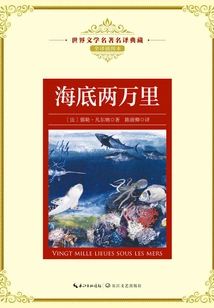
Twenty Thousand Leagues under the Sea (a Collection of Famous Translations of World Literary Names)
General Fiction海底两万里(世界文学名著名译典藏)
H
"Twenty Thousand Leagues Under the Sea" is the second part of the trilogy and was published in 1870. The story is not complicated. It mainly tells the story of the submarine Nautilus traveling around the world on the bottom of the sea. "Twenty Thousand Leagues Under the Sea" depicts various adventures. Sometimes there are dangers and critical moments, and sometimes the scenery is beautiful and intoxicating. The whole book is full of exotic sentiments, as colorful as a myth, and embodies mankind's longing for heaven and earth, and the dream of flying freely since ancient times.
"Twenty Thousand Leagues Under the Sea" is the second part of the trilogy and was published in 1870. The story is not complicated. It mainly tells the story of the submarine Nautilus traveling around the world on the bottom of the sea. "Twenty Thousand Leagues Under the Sea" depicts various adventures. Sometimes there are dangers and critical moments, and sometimes the scenery is beautiful and intoxicating. The whole book is full of exotic sentiments, as colorful as a myth, and embodies mankind's longing for heaven and earth, and the dream of flying freely since ancient times.
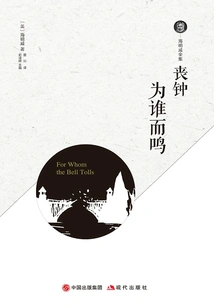
For Whom the Bell Tolls (full Collection)
General Fiction丧钟为谁而鸣(全集)
I
Robert Jordan, a young American, teaches Spanish in college and has deep feelings for Spain. He volunteered to join the Spanish government army and engage in demolition activities behind enemy lines. In order to cooperate with the counterattack, he was ordered to contact local guerrillas to complete the task of blowing up the bridge. He won the support of Pilar, the wife of Pablo, the guerrilla captain, and other team members, isolated Pablo, who had lost his fighting spirit, and arranged everyone's specific tasks step by step. In the midst of the raging war, he fell in love with Maria, a little girl taken in by Pilar who had been raped by the enemy, thus smoothing out the trauma in Maria's soul. During these three days, Robert experienced the conflict between love and duty and the test of life and death, and his humanity continued to sublimate. When he was retreating after blowing up the bridge, he was injured in the thigh by the enemy. He stayed alone to stop the enemy, and finally gave his young life for the Spanish people.
Robert Jordan, a young American, teaches Spanish in college and has deep feelings for Spain. He volunteered to join the Spanish government army and engage in demolition activities behind enemy lines. In order to cooperate with the counterattack, he was ordered to contact local guerrillas to complete the task of blowing up the bridge. He won the support of Pilar, the wife of Pablo, the guerrilla captain, and other team members, isolated Pablo, who had lost his fighting spirit, and arranged everyone's specific tasks step by step. In the midst of the raging war, he fell in love with Maria, a little girl taken in by Pilar who had been raped by the enemy, thus smoothing out the trauma in Maria's soul. During these three days, Robert experienced the conflict between love and duty and the test of life and death, and his humanity continued to sublimate. When he was retreating after blowing up the bridge, he was injured in the thigh by the enemy. He stayed alone to stop the enemy, and finally gave his young life for the Spanish people.
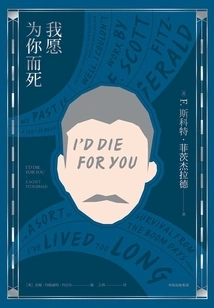
I Would Die for You
Literature我愿为你而死
G
"I Would Die for You" is the last surviving collection of unpublished posthumous works by the American literary master Fitzgerald, which includes 18 short stories and screenplay outlines. This is Fitzgerald's perfect work. It is Fitzgerald's transformation work that wants to get rid of the label of "youth writer" and move towards more mature realistic literature. In the writer's opinion, this is his perfect work, a "return to zero" for being completely honest with himself. In this work, readers can get a glimpse of his zeroing in and perfection of art and literature, as well as his original intention and desire. The book also contains 40 precious life photos, writer's manuscripts, printed manuscripts and other archive pictures, which is known as the most precious Fitzgerald work.
"I Would Die for You" is the last surviving collection of unpublished posthumous works by the American literary master Fitzgerald, which includes 18 short stories and screenplay outlines. This is Fitzgerald's perfect work. It is Fitzgerald's transformation work that wants to get rid of the label of "youth writer" and move towards more mature realistic literature. In the writer's opinion, this is his perfect work, a "return to zero" for being completely honest with himself. In this work, readers can get a glimpse of his zeroing in and perfection of art and literature, as well as his original intention and desire. The book also contains 40 precious life photos, writer's manuscripts, printed manuscripts and other archive pictures, which is known as the most precious Fitzgerald work.
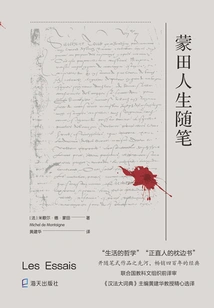
Montaigne's Life Essays
Literature蒙田人生随笔
J
This book is compiled by Professor Huang Jianhua, a famous educator and translator, based on Montaigne's "perceived self", Montaigne's "people's lifestyles and thoughts and feelings as he experienced it" and Montaigne's "real world at that time as he understood it". This book selects Montaigne's typical passages from far and near, and compiles them into a volume to outline the portrait and main ideas of this French prose master in the second half of the 16th century. Readers can see both the green "trees" and the lush "forest".
This book is compiled by Professor Huang Jianhua, a famous educator and translator, based on Montaigne's "perceived self", Montaigne's "people's lifestyles and thoughts and feelings as he experienced it" and Montaigne's "real world at that time as he understood it". This book selects Montaigne's typical passages from far and near, and compiles them into a volume to outline the portrait and main ideas of this French prose master in the second half of the 16th century. Readers can see both the green "trees" and the lush "forest".