Library
Browse and search books
160 novels found
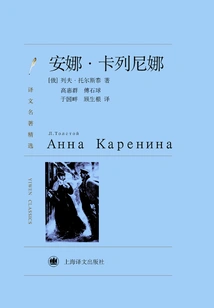
Anna Karenina (selected Masterpieces in Translation)
General Fiction安娜·卡列尼娜(译文名著精选)
N
Famous Translations: The most classic Chinese translations of classic Western masterpieces. "Anna Karenina" (translation classic) uses two clues: the tragedy of the noble woman Anna's failure in pursuing love, and the reform and exploration of the manor owner Levin in the face of crisis in the countryside. It depicts a vast and colorful picture of Russia from Moscow to the provincial countryside during the transition between the old and the new. The story takes place in St. Petersburg in the 19th century. The heroine Anna meets the young officer Vronsky during a trip and falls in love. After the incident is discovered by her husband Karenin, Anna's request for divorce is rejected and she is threatened that she will never see her beloved son again. Anna then eloped with Vronsky and lived a short and happy life, but the indifference and boredom after passion caused the final blow to her unfortunate fate.
Famous Translations: The most classic Chinese translations of classic Western masterpieces. "Anna Karenina" (translation classic) uses two clues: the tragedy of the noble woman Anna's failure in pursuing love, and the reform and exploration of the manor owner Levin in the face of crisis in the countryside. It depicts a vast and colorful picture of Russia from Moscow to the provincial countryside during the transition between the old and the new. The story takes place in St. Petersburg in the 19th century. The heroine Anna meets the young officer Vronsky during a trip and falls in love. After the incident is discovered by her husband Karenin, Anna's request for divorce is rejected and she is threatened that she will never see her beloved son again. Anna then eloped with Vronsky and lived a short and happy life, but the indifference and boredom after passion caused the final blow to her unfortunate fate.

Mijia's Love (translation Classic)
General Fiction米佳的爱情(译文经典)
N
The collection of works of the first Russian writer to win the Nobel Prize for Literature reveals Bunin's superb literary skills and beautiful writing style; literary works that integrate Eastern and Western philosophy to explore the harmonious way of the true meaning of life; he highly respects the promotion of human nature and the value of life, and uses his artistic talent to create a typical Russian character in literary prose, which has played an indelible influence and important role in the inheritance and development of Russian literature. Ivan Alexeevich Bunin (1870-1953) is a world-recognized language master. His creations are mainly short and medium-sized novels with a wide range of themes, concise language, delicate characterization, and meaningful and beautiful descriptions of nature. They occupy an extremely important position in the history of Russian literature. In 1933, Bunin became the first Russian writer to win the Nobel Prize for Literature for his "rigorous artistic talent that created a typical Russian character in literary prose." This book contains a total of 21 short and medium-length works by Buning, including famous works such as "Mi Jia's Love" and "Dark Forest Path", which comprehensively displays the writer's creative path and ideological changes throughout his life. Bunin's works inherit the rich Russian literary tradition, and at the same time absorb the ideas of Eastern philosophy. They reflect the writer's thinking about ancient culture and the value of life, and are full of yearning and pursuit for the true meaning of harmonious, reasonable and beautiful life.
The collection of works of the first Russian writer to win the Nobel Prize for Literature reveals Bunin's superb literary skills and beautiful writing style; literary works that integrate Eastern and Western philosophy to explore the harmonious way of the true meaning of life; he highly respects the promotion of human nature and the value of life, and uses his artistic talent to create a typical Russian character in literary prose, which has played an indelible influence and important role in the inheritance and development of Russian literature. Ivan Alexeevich Bunin (1870-1953) is a world-recognized language master. His creations are mainly short and medium-sized novels with a wide range of themes, concise language, delicate characterization, and meaningful and beautiful descriptions of nature. They occupy an extremely important position in the history of Russian literature. In 1933, Bunin became the first Russian writer to win the Nobel Prize for Literature for his "rigorous artistic talent that created a typical Russian character in literary prose." This book contains a total of 21 short and medium-length works by Buning, including famous works such as "Mi Jia's Love" and "Dark Forest Path", which comprehensively displays the writer's creative path and ideological changes throughout his life. Bunin's works inherit the rich Russian literary tradition, and at the same time absorb the ideas of Eastern philosophy. They reflect the writer's thinking about ancient culture and the value of life, and are full of yearning and pursuit for the true meaning of harmonious, reasonable and beautiful life.
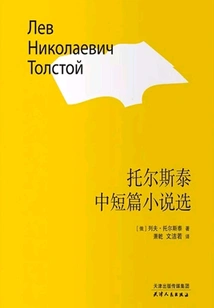
Selected Novels and Novels by Tolstoy
General Fiction托尔斯泰中短篇小说选
N
"Selected Novels and Novels of Tolstoy" is a selection of Tolstoy's short stories and short stories co-translated by the famous translators Xiao Qian and Wen Jieruo. It includes "God knows the truth, but is not eager to reveal it", "Prisoners of the Caucasus", "What Do People Live on" and "A Spark Can There are 23 works including "Catch a Prairie Fire", each story is about punishing evil and promoting good. Written by the famous translators Xiao Qian and Wen Jieruo, the artistic conception is charming, the plot is rich, the characters have outstanding personalities, and the human nature shown is in all kinds of ways. It is worthy of being a famous work translated by a famous translator.
"Selected Novels and Novels of Tolstoy" is a selection of Tolstoy's short stories and short stories co-translated by the famous translators Xiao Qian and Wen Jieruo. It includes "God knows the truth, but is not eager to reveal it", "Prisoners of the Caucasus", "What Do People Live on" and "A Spark Can There are 23 works including "Catch a Prairie Fire", each story is about punishing evil and promoting good. Written by the famous translators Xiao Qian and Wen Jieruo, the artistic conception is charming, the plot is rich, the characters have outstanding personalities, and the human nature shown is in all kinds of ways. It is worthy of being a famous work translated by a famous translator.
M
General Fictionm
N
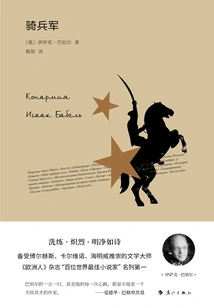
In 1920, as a war correspondent, Babel followed the First Cavalry Army of the Soviet Red Army commanded by Budyonny in its attack on Poland. The war lasted three months. Babel witnessed the last large-scale and unprecedentedly brutal cavalry battle in European history and in human history. From 1923 to 1924, he successively wrote more than 30 short and concise articles based on this campaign, including battlefield sketches and military stories. This is "Cavalry Army". This song was the swan song of the Soviet-Polish War that shocked the world and was a best-seller in Europe and the United States. It is not only a record of civilization and violence, conquest and resistance by a Jewish scholar with glasses, but also a biography of a domineering, heroic, and rugged Cossack cavalry soldier.
In 1920, as a war correspondent, Babel followed the First Cavalry Army of the Soviet Red Army commanded by Budyonny in its attack on Poland. The war lasted three months. Babel witnessed the last large-scale and unprecedentedly brutal cavalry battle in European history and in human history. From 1923 to 1924, he successively wrote more than 30 short and concise articles based on this campaign, including battlefield sketches and military stories. This is "Cavalry Army". This song was the swan song of the Soviet-Polish War that shocked the world and was a best-seller in Europe and the United States. It is not only a record of civilization and violence, conquest and resistance by a Jewish scholar with glasses, but also a biography of a domineering, heroic, and rugged Cossack cavalry soldier.
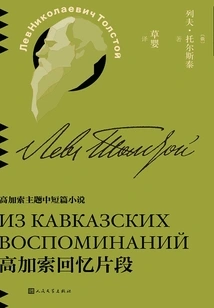
Memories of the Caucasus
General Fiction高加索回忆片段
N
The second part of "Cao Ying's Translation of Leo Tolstoy's Complete Novellas and Short Stories" - "Memories of the Caucasus" takes the title of one of the works as its title and includes four of the author's Caucasus-themed works, from "Memories of the Caucasus: A Demoted Officer" in 1856 to "Haji Murat" in 1896, and in between there are "Cossacks: A Story from the Caucasus in 1852" and "Captives of the Caucasus". These previous works were basically published in collections and scattered in various volumes. This volume, with the Caucasus as the theme, clearly demonstrates Tolstoy's continuous thinking on the Caucasus issue for forty years. The writer's humanitarian thoughts also show consistency and development.
The second part of "Cao Ying's Translation of Leo Tolstoy's Complete Novellas and Short Stories" - "Memories of the Caucasus" takes the title of one of the works as its title and includes four of the author's Caucasus-themed works, from "Memories of the Caucasus: A Demoted Officer" in 1856 to "Haji Murat" in 1896, and in between there are "Cossacks: A Story from the Caucasus in 1852" and "Captives of the Caucasus". These previous works were basically published in collections and scattered in various volumes. This volume, with the Caucasus as the theme, clearly demonstrates Tolstoy's continuous thinking on the Caucasus issue for forty years. The writer's humanitarian thoughts also show consistency and development.
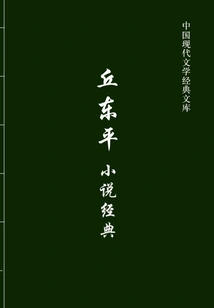
丘东平小说经典(中国现代文学经典文库)
N
Qiu Dongping (1910.5.16-1941.7.28), A modern writer, formerly known as Qiu Tanyue, nicknamed Xizhen, was born in Haifeng, Guangdong. His works have the realistic style of the July writers, full of the power of looking directly at the suffering of life and the human soul.
Qiu Dongping (1910.5.16-1941.7.28), A modern writer, formerly known as Qiu Tanyue, nicknamed Xizhen, was born in Haifeng, Guangdong. His works have the realistic style of the July writers, full of the power of looking directly at the suffering of life and the human soul.

Japanese Taste
Literature日本味道
N
This book is a collection of essays written by the Japanese calligrapher, ceramicist, cook and food writer Kitaoji Rashanto (1883-1959). It focuses on the articles he wrote over the years about food. Lushan people not only know how to eat and are good at cooking, but also have a high degree of aesthetic appreciation. His famous saying is:
This book is a collection of essays written by the Japanese calligrapher, ceramicist, cook and food writer Kitaoji Rashanto (1883-1959). It focuses on the articles he wrote over the years about food. Lushan people not only know how to eat and are good at cooking, but also have a high degree of aesthetic appreciation. His famous saying is:
S
General Fictions
N
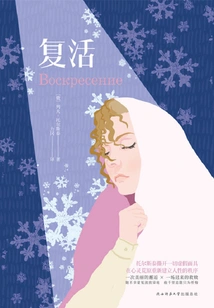
Nekhludoff met Maslova, the adopted daughter of a relative, and they fell in love with each other, but he seduced her and abandoned her. After Maslova became pregnant, she was kicked out and became a prostitute. Later, she was involved in a murder case. In the court jury, there happened to be Nekhludoff. He fell into guilt and ran around for her in order to atone for his sins. In the process, the two dusty souls gradually awakened and moved towards resurrection.
Nekhludoff met Maslova, the adopted daughter of a relative, and they fell in love with each other, but he seduced her and abandoned her. After Maslova became pregnant, she was kicked out and became a prostitute. Later, she was involved in a murder case. In the court jury, there happened to be Nekhludoff. He fell into guilt and ran around for her in order to atone for his sins. In the process, the two dusty souls gradually awakened and moved towards resurrection.
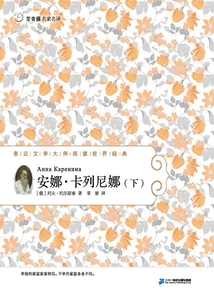
Anna Karenina (part 2)
General Fiction安娜·卡列尼娜(下)
N
"Anna Karenina" is Tolstoy's second landmark novel, written from 1873 to 1877. Anna is a high-society lady, young and beautiful, pursuing individual liberation and freedom of love, while her husband is a "bureaucratic machine" with an indifferent temperament. Once at the station, Anna met the young officer Vronsky. The latter was attracted by her beauty and pursued her desperately. In the end, Anna fell in love and decided to leave her husband and live with Vronsky. But the longing for her son and the pressure from the surrounding environment made her fall into pain and uneasiness, and she gradually discovered that Vronsky was not a dedicated and ideal figure. After losing her son and her last spiritual support, Vronsky, in despair, she chose to commit suicide by lying on the train. The novel exposes the ugliness and hypocrisy of the Russian upper class in the 1860s and 1970s. It also expresses the author's complex moral exploration and ideological exploration during a period of social transformation.
"Anna Karenina" is Tolstoy's second landmark novel, written from 1873 to 1877. Anna is a high-society lady, young and beautiful, pursuing individual liberation and freedom of love, while her husband is a "bureaucratic machine" with an indifferent temperament. Once at the station, Anna met the young officer Vronsky. The latter was attracted by her beauty and pursued her desperately. In the end, Anna fell in love and decided to leave her husband and live with Vronsky. But the longing for her son and the pressure from the surrounding environment made her fall into pain and uneasiness, and she gradually discovered that Vronsky was not a dedicated and ideal figure. After losing her son and her last spiritual support, Vronsky, in despair, she chose to commit suicide by lying on the train. The novel exposes the ugliness and hypocrisy of the Russian upper class in the 1860s and 1970s. It also expresses the author's complex moral exploration and ideological exploration during a period of social transformation.
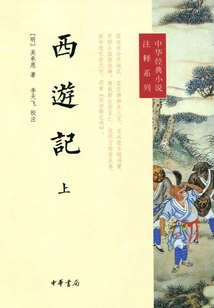
西游记·上(中华经典小说注释系列)
N
As one of the four great classics, "Journey to the West" has been studied and compiled by many people since it was written. This review of "Journey to the West" is based on the Shidetang edition, and the collated editions are Yang Minzhai's edition, Zhu Dingchen's edition, Li Zhuowu's commentary, Tang Monk's Journey to the West, Tang Sanzang's complete biography, Journey to the West Zhengdao Shu, and Xinshuo Journey to the West, etc. Detailed annotations were made on the ideas, famous objects, classics, cultural phenomena, etc.; Errors in the reference books and old annotations were corrected; various methods were used to interpret the difficult points in the novel using knowledge from different disciplines; full use was made of the research results of past dynasties, as much as possible collected and sorted out, and the best ones were chosen; and the religious content was explored in as much detail as possible. This latest annotation could have given modern readers a deeper understanding of Journey to the West, a vivid novel of gods and demons.
As one of the four great classics, "Journey to the West" has been studied and compiled by many people since it was written. This review of "Journey to the West" is based on the Shidetang edition, and the collated editions are Yang Minzhai's edition, Zhu Dingchen's edition, Li Zhuowu's commentary, Tang Monk's Journey to the West, Tang Sanzang's complete biography, Journey to the West Zhengdao Shu, and Xinshuo Journey to the West, etc. Detailed annotations were made on the ideas, famous objects, classics, cultural phenomena, etc.; Errors in the reference books and old annotations were corrected; various methods were used to interpret the difficult points in the novel using knowledge from different disciplines; full use was made of the research results of past dynasties, as much as possible collected and sorted out, and the best ones were chosen; and the religious content was explored in as much detail as possible. This latest annotation could have given modern readers a deeper understanding of Journey to the West, a vivid novel of gods and demons.
Sad Deirdre
Literature悲伤的迪尔德丽
N
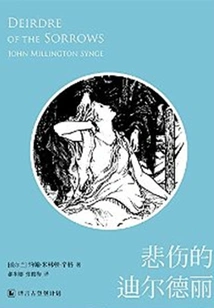
"The Sorrow of Deirdre" is a famous love tragedy written by John Millington Synge and Yeats. It is based on the legend of Deirdre and King Conal from Irish mythology. When Deirdre was born, there was a prophecy that she would become a beauty with curly yellow braids and charming gray-green eyes, but the king and lords would wage war for her... When Deirdre grew up, King Conor wanted to marry her as his queen, but she had a lover, Naxi. So King Conor sent troops to kill the three Naxi brothers. Finally, Deirdre committed suicide on their graves. The play is a three-act tragedy that Synge left unfinished during his lifetime and was later completed by Yeats and Synge's widow, Molly Allgood.
"The Sorrow of Deirdre" is a famous love tragedy written by John Millington Synge and Yeats. It is based on the legend of Deirdre and King Conal from Irish mythology. When Deirdre was born, there was a prophecy that she would become a beauty with curly yellow braids and charming gray-green eyes, but the king and lords would wage war for her... When Deirdre grew up, King Conor wanted to marry her as his queen, but she had a lover, Naxi. So King Conor sent troops to kill the three Naxi brothers. Finally, Deirdre committed suicide on their graves. The play is a three-act tragedy that Synge left unfinished during his lifetime and was later completed by Yeats and Synge's widow, Molly Allgood.
R
General Fictionr
N
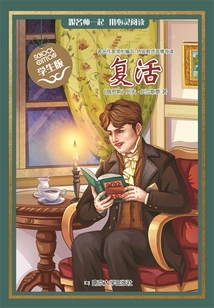
This book is based on a real event. It mainly describes the male protagonist Nekhlyudov seducing his aunt's maid Malosva, making her pregnant and driving her out of the house. Later, she became a prostitute and was tried for murder. The hero appeared in court as a juror and was deeply condemned by his conscience when he saw the woman he had seduced in the past. He ran to avenge her and asked to marry her to atone for his sins. After his appeal failed, he accompanied her into exile in Siberia. His actions touched her and made her fall in love with him again. But in order not to damage his reputation and status, she finally did not marry him and married a revolutionary.
This book is based on a real event. It mainly describes the male protagonist Nekhlyudov seducing his aunt's maid Malosva, making her pregnant and driving her out of the house. Later, she became a prostitute and was tried for murder. The hero appeared in court as a juror and was deeply condemned by his conscience when he saw the woman he had seduced in the past. He ran to avenge her and asked to marry her to atone for his sins. After his appeal failed, he accompanied her into exile in Siberia. His actions touched her and made her fall in love with him again. But in order not to damage his reputation and status, she finally did not marry him and married a revolutionary.
S
General Fictions
N
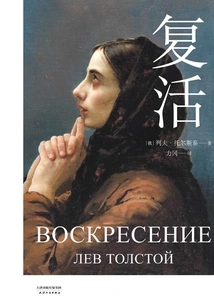
"Resurrection" was written by Leo Tolstoy over a period of 10 years. The noble young man Nekhlyudov seduced the serf girl Katyusha Maslova and then abandoned her. Seven years later, Maslova, who had become a prostitute, was falsely accused of murder and thrown into prison. In the court, Nekhlyudov, as a juror, discovered that the criminal on trial was Maslova, and was deeply condemned by his conscience. He ran to avenge her and asked to marry her to atone for his sins. After the appeal failed, he was exiled to Siberia with Maslova. His actions touched her and made her fall in love with him again. But in the end Maslova rejected him and married a revolutionary.
"Resurrection" was written by Leo Tolstoy over a period of 10 years. The noble young man Nekhlyudov seduced the serf girl Katyusha Maslova and then abandoned her. Seven years later, Maslova, who had become a prostitute, was falsely accused of murder and thrown into prison. In the court, Nekhlyudov, as a juror, discovered that the criminal on trial was Maslova, and was deeply condemned by his conscience. He ran to avenge her and asked to marry her to atone for his sins. After the appeal failed, he was exiled to Siberia with Maslova. His actions touched her and made her fall in love with him again. But in the end Maslova rejected him and married a revolutionary.
安徒生童话精选(译林名著精选)
N
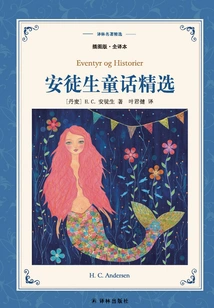
Andersen's fairy tales were not only written by H. C. Andersen for children, but also suitable for adults to read, making subsequent children's literature unusually rich and colorful in terms of subject matter, creative methods, and expression techniques. The translator of "Selected Fairy Tales of Andersen (Illustrated Edition, Full Translation)" is the famous writer and translator Ye Junjian. He was the first person in our country to systematically introduce Andersen's fairy tales directly from Danish to China. He is the only one among the many translators of Andersen's fairy tales in the world who, like Andersen, has received the Danish Flag Medal. This book was compiled by him based on the principles of diversity in style and story content, a balance between long and short stories, and compatibility between reality and fantasy.
Andersen's fairy tales were not only written by H. C. Andersen for children, but also suitable for adults to read, making subsequent children's literature unusually rich and colorful in terms of subject matter, creative methods, and expression techniques. The translator of "Selected Fairy Tales of Andersen (Illustrated Edition, Full Translation)" is the famous writer and translator Ye Junjian. He was the first person in our country to systematically introduce Andersen's fairy tales directly from Danish to China. He is the only one among the many translators of Andersen's fairy tales in the world who, like Andersen, has received the Danish Flag Medal. This book was compiled by him based on the principles of diversity in style and story content, a balance between long and short stories, and compatibility between reality and fantasy.
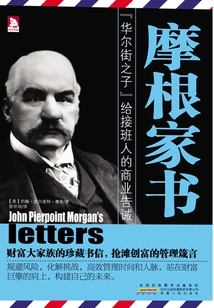
Morgan Family Letters
Literature摩根家书
N
"Letter from the Morgan Family" is a letter from John Pierpont, the founder of the Morgan family, an American wealth tycoon. Morgan's letter to his son, John Pierpont Jr., Is a private letter between father and son to exchange feelings and work. These letters are the treasures of the Morgan family. The letters "revealed the secrets of Morgan's power and wealth..."
"Letter from the Morgan Family" is a letter from John Pierpont, the founder of the Morgan family, an American wealth tycoon. Morgan's letter to his son, John Pierpont Jr., Is a private letter between father and son to exchange feelings and work. These letters are the treasures of the Morgan family. The letters "revealed the secrets of Morgan's power and wealth..."
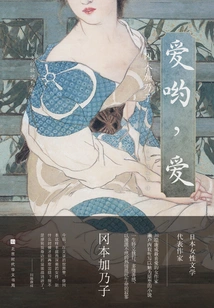
Love, Love
Literature爱哟,爱
N
This book contains 11 representative essays and novels by Kanoko Okamoto. In essays such as "Law for the Promotion of Loving Family", "Written to Ippei" and "Written to My Son in Paris", we see how Okamoto Kanoko looks back on her relatives and her own life. The heroines in his novels have distinct and different personalities: in "The Fifty-Three Times on the Road to the East", a woman who married and had children according to fate, and had an ordinary but smooth life; in "Her Morning", a mother who deeply loves her son who is far away in Paris with her husband. In "The House Spirit", the chuunin follows fate and imagines who will be his slutty husband and who will be the boss lady of the man who comforts him with his life; in "Lisette the Whore", the prostitute uses her hard-earned money to support a man who she loves and hates and who does not do her job properly. Each heroine seems to reflect a part of Okamoto Kanoko, and the author projects herself into the fictional characters. The whole book includes "The Method of Promoting Love of Family", "Okamoto Ippei's Theory", "Letter to Ippei", "Written to the Son in Paris", "Her Morning", "Exotic Food Notes", "Fifty-Three Times on the Tokaido Road", "Family Spirit", "Buying Tofu", "Lisette the Prostitute" and "Carp".
This book contains 11 representative essays and novels by Kanoko Okamoto. In essays such as "Law for the Promotion of Loving Family", "Written to Ippei" and "Written to My Son in Paris", we see how Okamoto Kanoko looks back on her relatives and her own life. The heroines in his novels have distinct and different personalities: in "The Fifty-Three Times on the Road to the East", a woman who married and had children according to fate, and had an ordinary but smooth life; in "Her Morning", a mother who deeply loves her son who is far away in Paris with her husband. In "The House Spirit", the chuunin follows fate and imagines who will be his slutty husband and who will be the boss lady of the man who comforts him with his life; in "Lisette the Whore", the prostitute uses her hard-earned money to support a man who she loves and hates and who does not do her job properly. Each heroine seems to reflect a part of Okamoto Kanoko, and the author projects herself into the fictional characters. The whole book includes "The Method of Promoting Love of Family", "Okamoto Ippei's Theory", "Letter to Ippei", "Written to the Son in Paris", "Her Morning", "Exotic Food Notes", "Fifty-Three Times on the Tokaido Road", "Family Spirit", "Buying Tofu", "Lisette the Prostitute" and "Carp".
牛津通识读本:罗兰·巴特(中文版)
N
"The Oxford General Reader: Roland Barthes" was originally written for the Modern Masters series launched by Fontana Press and published shortly after Barthes' death. It analyzes his achievements and charts his multiple identities, and is aimed at those who find Barthes useful, interesting, and creative. Barthes's work covers such a wide range of ground - and so does his mood and style - that there is something for everyone in Barthes, but the key question is where Barthes takes us and what impact his charisma has. In this new version, I have made only minor changes to the main text, partly because most of my views on Barthes still hold true, and partly because too much intervention might create an uneven text in which the two voices of my young self and my middle-aged self are at odds with each other. In addition to a little elaboration, I have added new research and bibliography, but most importantly, I have added a final chapter describing Barthes's changing status after his death and offering my own views on his value in today's times.
"The Oxford General Reader: Roland Barthes" was originally written for the Modern Masters series launched by Fontana Press and published shortly after Barthes' death. It analyzes his achievements and charts his multiple identities, and is aimed at those who find Barthes useful, interesting, and creative. Barthes's work covers such a wide range of ground - and so does his mood and style - that there is something for everyone in Barthes, but the key question is where Barthes takes us and what impact his charisma has. In this new version, I have made only minor changes to the main text, partly because most of my views on Barthes still hold true, and partly because too much intervention might create an uneven text in which the two voices of my young self and my middle-aged self are at odds with each other. In addition to a little elaboration, I have added new research and bibliography, but most importantly, I have added a final chapter describing Barthes's changing status after his death and offering my own views on his value in today's times.
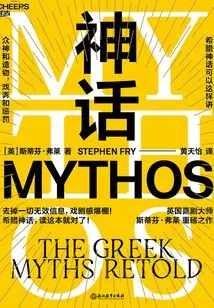
Myth
Literature神话
N
"Myth" can be said to be an "Avengers" composed of Greek gods. In these stories: Zeus and Prometheus are good friends; Hermes is a ghost with countless bad ideas; Athena is a good god with both beauty and wisdom; Phaethon is a A boy with low self-esteem who was ostracized; Hera is a jealous queen who is in a high position but has always made it her mission to defeat the "mistress"; it can be said that Greek mythology is a huge treasure house, and Stephen Fry is a humorous guide to the treasure house, leading us to see how charming and interesting it is.
"Myth" can be said to be an "Avengers" composed of Greek gods. In these stories: Zeus and Prometheus are good friends; Hermes is a ghost with countless bad ideas; Athena is a good god with both beauty and wisdom; Phaethon is a A boy with low self-esteem who was ostracized; Hera is a jealous queen who is in a high position but has always made it her mission to defeat the "mistress"; it can be said that Greek mythology is a huge treasure house, and Stephen Fry is a humorous guide to the treasure house, leading us to see how charming and interesting it is.
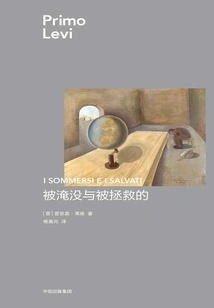
Drowned and Rescued
Literature被淹没与被拯救的
N
The final chapter of the "Auschwitz Trilogy", a great work about the Holocaust. It is a cruel and profound reflection on the living conditions and moral dilemmas of human beings in extreme situations. When "The Drowned and the Saved" was first published in 1984, it had been more than forty years since the Holocaust. Physical evidence had been destroyed, and memories had been blurred. Some people deliberately avoided it, while others refused to admit it. Levi's purpose in writing this book was to remember and bear witness to this history, so that humans would avoid repeating the same mistakes. In this book, Levi analyzes with great sobriety some of the key issues surrounding the concentration camps and their aftermath: the deceptive nature of human memory, the Nazis' methods of destroying the will of prisoners, the special language of concentration camps, and the nature of violence. At the same time, with the sense of shame and guilt of a survivor, he always has doubts about the absolute distinction between good and evil, righteousness and evil, harm and victimization. He reflects on the gray areas of morality and the flaws of human nature, and strives to present the intricate truth and facts in that environment. The "Levi Works" series also includes "The Wrench", "Other People's Trade", "This Is Auschwitz: Evidence 1945-1986", "The Uncertain Moment: Selected Poems of Levi", "Truce" and "If Not Now, When?" "Moments of Reprieve", "Voices of Memory: Interviews with Levi 1961-1987", "I Talking to You: Conversations between Levi and Tessio", etc.
The final chapter of the "Auschwitz Trilogy", a great work about the Holocaust. It is a cruel and profound reflection on the living conditions and moral dilemmas of human beings in extreme situations. When "The Drowned and the Saved" was first published in 1984, it had been more than forty years since the Holocaust. Physical evidence had been destroyed, and memories had been blurred. Some people deliberately avoided it, while others refused to admit it. Levi's purpose in writing this book was to remember and bear witness to this history, so that humans would avoid repeating the same mistakes. In this book, Levi analyzes with great sobriety some of the key issues surrounding the concentration camps and their aftermath: the deceptive nature of human memory, the Nazis' methods of destroying the will of prisoners, the special language of concentration camps, and the nature of violence. At the same time, with the sense of shame and guilt of a survivor, he always has doubts about the absolute distinction between good and evil, righteousness and evil, harm and victimization. He reflects on the gray areas of morality and the flaws of human nature, and strives to present the intricate truth and facts in that environment. The "Levi Works" series also includes "The Wrench", "Other People's Trade", "This Is Auschwitz: Evidence 1945-1986", "The Uncertain Moment: Selected Poems of Levi", "Truce" and "If Not Now, When?" "Moments of Reprieve", "Voices of Memory: Interviews with Levi 1961-1987", "I Talking to You: Conversations between Levi and Tessio", etc.
Lazarus of the River Tormes (chinese Translation of World Literature Masterpieces Series)
General Fiction托尔梅斯河的拉撒路(汉译世界文学名著丛书)
N
The novel tells the story in the first person of Lazarus, a poor child who was born in the Tormes River. He left his mother at the age of 10 and made a living by working as a slave for one master after another. He suffered from the pain of the world at a young age. Lazarus led a blind man and worked as a slave for priests and squires. He suffered from hunger, cold, deception, and beatings, and had to endure painful and humiliating days in order to survive. Life gave Lazarus a lot of hardships, but it also taught him to deal with one master after another with tact. He took ruthless revenge on the old blind man who abused him, ate his master's bread, exposed his master's pretentiousness in a humorous and ridiculing tone, etc. These details in the novel made readers laugh. The language of the novel is humorous, interesting, vivid, concise and fluent, showing the style of various characters from all walks of life in Spanish society in the sixteenth century. As the pioneer work of European picaresque novels, it had a huge influence on the subsequent literature of various European countries. The genre of picaresque novels is also called by critics as "the most representative and popular among the people" in the history of Spanish literature.
The novel tells the story in the first person of Lazarus, a poor child who was born in the Tormes River. He left his mother at the age of 10 and made a living by working as a slave for one master after another. He suffered from the pain of the world at a young age. Lazarus led a blind man and worked as a slave for priests and squires. He suffered from hunger, cold, deception, and beatings, and had to endure painful and humiliating days in order to survive. Life gave Lazarus a lot of hardships, but it also taught him to deal with one master after another with tact. He took ruthless revenge on the old blind man who abused him, ate his master's bread, exposed his master's pretentiousness in a humorous and ridiculing tone, etc. These details in the novel made readers laugh. The language of the novel is humorous, interesting, vivid, concise and fluent, showing the style of various characters from all walks of life in Spanish society in the sixteenth century. As the pioneer work of European picaresque novels, it had a huge influence on the subsequent literature of various European countries. The genre of picaresque novels is also called by critics as "the most representative and popular among the people" in the history of Spanish literature.
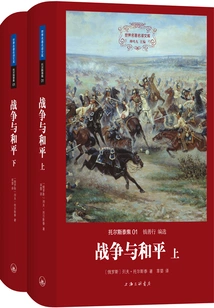
War and Peace (complete Collection)
General Fiction战争与和平(全集)
N
"War and Peace" by the great Russian writer Leo Tolstoy is an immortal masterpiece in the history of world literature. The most outstanding artistic achievement of the novel is its majestic, grand and complex structure and strict and orderly layout. Tolstoy used a genius to navigate between war and peace, psychology and society, history and philosophy, marriage and religion, with clear priorities and unique ingenuity. The novel "War and Peace" uses the lives of the four aristocratic families of Kuragin, Rostov, Bolkonsky and Bezukhov as the plot clue, and magnificently reflects the major historical events of Russian society from the early 19th century to the 1920s.
"War and Peace" by the great Russian writer Leo Tolstoy is an immortal masterpiece in the history of world literature. The most outstanding artistic achievement of the novel is its majestic, grand and complex structure and strict and orderly layout. Tolstoy used a genius to navigate between war and peace, psychology and society, history and philosophy, marriage and religion, with clear priorities and unique ingenuity. The novel "War and Peace" uses the lives of the four aristocratic families of Kuragin, Rostov, Bolkonsky and Bezukhov as the plot clue, and magnificently reflects the major historical events of Russian society from the early 19th century to the 1920s.
S
General Fictions
N
"Resurrection" is a novel written by Tolstoy based on a real case, which took ten years and six revisions. It is a summary of the writer's life exploration and thoughts, and is known as the peak of the development of Russian critical realism. Through Maslova's suffering and Nekhlyudov's appeal process, the novel extensively and profoundly criticizes the corruption and darkness of courts, prisons, and bureaucracies. It exposes the extravagant and luxurious life of the feudal ruling class and the cruelty, stupidity, and inhumanity of reactionary officials. It tears off the hypocrisy of the official church, reflects the bankruptcy of the countryside and the extreme poverty of the farmers, and outlines a social picture of a serfdom Russia that is on the verge of collapse.
"Resurrection" is a novel written by Tolstoy based on a real case, which took ten years and six revisions. It is a summary of the writer's life exploration and thoughts, and is known as the peak of the development of Russian critical realism. Through Maslova's suffering and Nekhlyudov's appeal process, the novel extensively and profoundly criticizes the corruption and darkness of courts, prisons, and bureaucracies. It exposes the extravagant and luxurious life of the feudal ruling class and the cruelty, stupidity, and inhumanity of reactionary officials. It tears off the hypocrisy of the official church, reflects the bankruptcy of the countryside and the extreme poverty of the farmers, and outlines a social picture of a serfdom Russia that is on the verge of collapse.
The Voice of History
History历史的声音
N
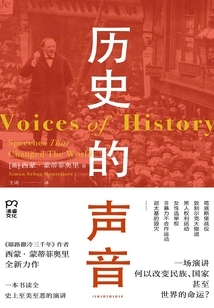
"Voices of History" contains the most beautiful and evil speeches in history. Some of these speeches were heroic and inspiring, some were evil and cruel, and some were poignant and heart-warming. Not only can we see the appearances of Socrates, Alexander the Great, Churchill, Hitler and others, but we can also see how they relied on the power of language at critical moments to either capture the truth of the times or tell a big lie, thereby influencing the thinking of the masses and changing the course of history. Like a master storyteller, historian Simon Montefiore recounts these speeches and the stories behind them in gripping style. Massacres on the battlefield, shouts for freedom, foolish delusions, heartbreaking farewells... These stories that have happened all over the world and spanned thousands of years tell us how history has come to this day, and how they can inspire the future.
"Voices of History" contains the most beautiful and evil speeches in history. Some of these speeches were heroic and inspiring, some were evil and cruel, and some were poignant and heart-warming. Not only can we see the appearances of Socrates, Alexander the Great, Churchill, Hitler and others, but we can also see how they relied on the power of language at critical moments to either capture the truth of the times or tell a big lie, thereby influencing the thinking of the masses and changing the course of history. Like a master storyteller, historian Simon Montefiore recounts these speeches and the stories behind them in gripping style. Massacres on the battlefield, shouts for freedom, foolish delusions, heartbreaking farewells... These stories that have happened all over the world and spanned thousands of years tell us how history has come to this day, and how they can inspire the future.
Early Spring
General Fiction早春
N
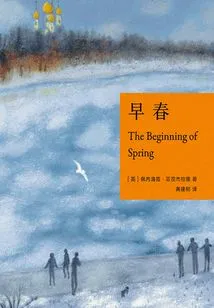
In Moscow in 1913, Nellie, the wife of printing company owner Frank, suddenly left home and abandoned their three children. Compared with the upcoming big changes, Frank's life fell into chaos in advance: Selwyn, a devout believer in Tolstoy, Culkin, a Russian businessman who raised bear cubs, and Volodya, a student who secretly sneaked into the printing factory with a gun... Frank shuttled among them, trying to properly solve all problems, but always one wave after another. Why exactly did Nellie leave? What caused this series of changes? The mystery continued until early spring came, when all the houses in Moscow opened their windows.
In Moscow in 1913, Nellie, the wife of printing company owner Frank, suddenly left home and abandoned their three children. Compared with the upcoming big changes, Frank's life fell into chaos in advance: Selwyn, a devout believer in Tolstoy, Culkin, a Russian businessman who raised bear cubs, and Volodya, a student who secretly sneaked into the printing factory with a gun... Frank shuttled among them, trying to properly solve all problems, but always one wave after another. Why exactly did Nellie leave? What caused this series of changes? The mystery continued until early spring came, when all the houses in Moscow opened their windows.
S
Kate's Choice
General Fiction凯特的选择
N
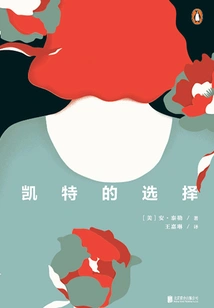
"Kate's Choice" is the fourth book in the "Hogarth Shakespeare" classic rewriting series. Adapted from Shakespeare's controversial comedy "The Taming of the Shrew" by Ann Taylor. The heroine Kate is the epitome of all ordinary girls in our lives: she has hope for life and yearns for love, but reality always teaches her a lesson called "inevitable compromise." She has character, ideas, and is not pretentious. What should have been waiting for her was this ending: she was expelled from school for contradicting her teacher, and she was not allowed to work in a kindergarten to earn family income despite not liking children. Not only did she have to take care of the housework every day, she also had to endure the supervision and gossip from her relatives and colleagues: "If you don't get married, you will be ruined by love." She was trapped, either temporarily or forever. In this situation, Piotr's appearance is like an execution sentence, and the future becomes no longer in suspense...
"Kate's Choice" is the fourth book in the "Hogarth Shakespeare" classic rewriting series. Adapted from Shakespeare's controversial comedy "The Taming of the Shrew" by Ann Taylor. The heroine Kate is the epitome of all ordinary girls in our lives: she has hope for life and yearns for love, but reality always teaches her a lesson called "inevitable compromise." She has character, ideas, and is not pretentious. What should have been waiting for her was this ending: she was expelled from school for contradicting her teacher, and she was not allowed to work in a kindergarten to earn family income despite not liking children. Not only did she have to take care of the housework every day, she also had to endure the supervision and gossip from her relatives and colleagues: "If you don't get married, you will be ruined by love." She was trapped, either temporarily or forever. In this situation, Piotr's appearance is like an execution sentence, and the future becomes no longer in suspense...
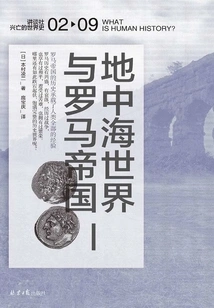
地中海世界与罗马帝国(讲谈社·兴亡的世界史 02)
N
"The Mediterranean World and the Roman Empire (Kodansha·Rise and Fall of World History 02)" As a political entity, the ancient Mediterranean world was unified by the Roman Empire. By late antiquity, the Mediterranean world was a world containing many possibilities. The traditional world with different customs before unification was revived again, establishing its own world that existed in ancient times. From ancient times to the present, people have used the decline of the Roman Empire as a mirror to compare their own times. What lessons can our world learn from the decline of such a prosperous civilization?
"The Mediterranean World and the Roman Empire (Kodansha·Rise and Fall of World History 02)" As a political entity, the ancient Mediterranean world was unified by the Roman Empire. By late antiquity, the Mediterranean world was a world containing many possibilities. The traditional world with different customs before unification was revived again, establishing its own world that existed in ancient times. From ancient times to the present, people have used the decline of the Roman Empire as a mirror to compare their own times. What lessons can our world learn from the decline of such a prosperous civilization?
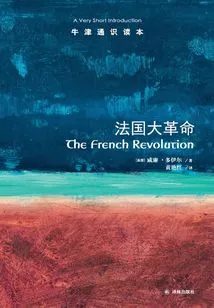
牛津通识读本:法国大革命(中文版)
N
The book begins with an exploration of familiar imagery from the French Revolution, from Dickens, Baroness O'Shea, and Tolstoy, as well as the legend of "if there's no bread, let them eat cake" and the tricolor flag. Then, through a brief examination of the ancien régime and its collapse, Doyle analyzes how revolutions come about: how they become obsolete and how achievements fail to satisfy ambition. Doyle strives to make readers realize that the French Revolution destroyed long-lasting culture, institutions, and social structures in France and beyond, and that we are still living with the legacy of this revolution today. The final part of the book considers why this revolution caused so much controversy.
The book begins with an exploration of familiar imagery from the French Revolution, from Dickens, Baroness O'Shea, and Tolstoy, as well as the legend of "if there's no bread, let them eat cake" and the tricolor flag. Then, through a brief examination of the ancien régime and its collapse, Doyle analyzes how revolutions come about: how they become obsolete and how achievements fail to satisfy ambition. Doyle strives to make readers realize that the French Revolution destroyed long-lasting culture, institutions, and social structures in France and beyond, and that we are still living with the legacy of this revolution today. The final part of the book considers why this revolution caused so much controversy.
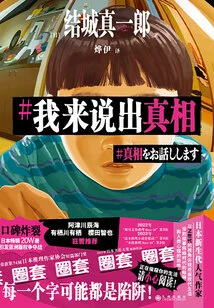
I'll Tell the Truth
General Fiction我来说出真相
N
Shinichiro Yuki, a rising star in the world of Japanese reasoning, sharply explores modern life from the perspective of Generation Z, deeply describing the traps of the Internet age and the horrors of human psychology. Can you see through the "small inconsistencies" and "big madness" hidden in daily life? "Interviews with the Tragedy": A part-time college student engaged in family tutoring noticed "mutations" in a certain family... "Dating App": A father who was worried that his daughter would fall into a social quagmire could not refuse the encounter on the dating app and began to carry out subversive actions... "Pandora": A couple who suffered from infertility finally welcomed their child. At this time, another daughter who claimed that "I was born through your sperm" suddenly appeared. What cruel truth is hidden in Pandora's box? "Triangle": The threesome were in high spirits at a remote reception. Who would have thought that the "reunion" after a long separation would be full of murderous intent... "Please forward": A primary school student who dreamed of becoming a video blogger and grew up on the island was alienated by the islanders after a certain case occurred...
Shinichiro Yuki, a rising star in the world of Japanese reasoning, sharply explores modern life from the perspective of Generation Z, deeply describing the traps of the Internet age and the horrors of human psychology. Can you see through the "small inconsistencies" and "big madness" hidden in daily life? "Interviews with the Tragedy": A part-time college student engaged in family tutoring noticed "mutations" in a certain family... "Dating App": A father who was worried that his daughter would fall into a social quagmire could not refuse the encounter on the dating app and began to carry out subversive actions... "Pandora": A couple who suffered from infertility finally welcomed their child. At this time, another daughter who claimed that "I was born through your sperm" suddenly appeared. What cruel truth is hidden in Pandora's box? "Triangle": The threesome were in high spirits at a remote reception. Who would have thought that the "reunion" after a long separation would be full of murderous intent... "Please forward": A primary school student who dreamed of becoming a video blogger and grew up on the island was alienated by the islanders after a certain case occurred...
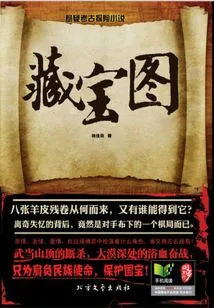
Treasure Map
General Fiction藏宝图
N
This is an adventure suspense novel. The protagonist Jialiang is requested by a certain navigation company to find a treasure map that is divided into eight parts. In order to collect this priceless treasure map, Jialiang and his brothers went through many ups and downs, fought hard and fierce battles of wits and courage with several evil forces, and finally returned the national treasure to the embrace of the country.
This is an adventure suspense novel. The protagonist Jialiang is requested by a certain navigation company to find a treasure map that is divided into eight parts. In order to collect this priceless treasure map, Jialiang and his brothers went through many ups and downs, fought hard and fierce battles of wits and courage with several evil forces, and finally returned the national treasure to the embrace of the country.
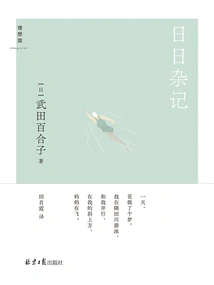
Daily Miscellaneous Notes
Literature日日杂记
N
One day, Seicho Matsumoto's "Sand Container" was screened in the underground theater. The movie showed the scenery of old Japan. I had only been to Atami and Kyoto, but I felt nostalgic. One day, Hana had a dream: I was swimming in the Sumida River, parallel to me, and diagonally above me, my mother was flying. One day, Ah Qiu stopped breathing. In human terms, it is a hundred years old. One day, I lost Hua's wallet. She said not a word, and her steps were serious and hurried. I feel like I have become a very old person. One day, I saw a physical model of Oden, and my emotions surged up like hot water: The world after death must be very lonely. There wasn't such excitement in that world. I want to live in a world full of these things for a while longer! ... The last journey of life between mother, daughter and her beloved cat. Eating three meals a day and traveling with a companion, the peaceful depths of daily life stir up a surge of memories from time to time. Yuriko Takeda is a late-blooming but also a born essayist. With a child-like vivid and intense vision, she describes the sudden and smile-inducing details, the changing scenery of the four seasons, and the people who walk non-stop day by day, wrapped in the premonition of death and the nostalgia for life. Her diary is the branches and leaves of life. It is still breathing when you pick it up.
One day, Seicho Matsumoto's "Sand Container" was screened in the underground theater. The movie showed the scenery of old Japan. I had only been to Atami and Kyoto, but I felt nostalgic. One day, Hana had a dream: I was swimming in the Sumida River, parallel to me, and diagonally above me, my mother was flying. One day, Ah Qiu stopped breathing. In human terms, it is a hundred years old. One day, I lost Hua's wallet. She said not a word, and her steps were serious and hurried. I feel like I have become a very old person. One day, I saw a physical model of Oden, and my emotions surged up like hot water: The world after death must be very lonely. There wasn't such excitement in that world. I want to live in a world full of these things for a while longer! ... The last journey of life between mother, daughter and her beloved cat. Eating three meals a day and traveling with a companion, the peaceful depths of daily life stir up a surge of memories from time to time. Yuriko Takeda is a late-blooming but also a born essayist. With a child-like vivid and intense vision, she describes the sudden and smile-inducing details, the changing scenery of the four seasons, and the people who walk non-stop day by day, wrapped in the premonition of death and the nostalgia for life. Her diary is the branches and leaves of life. It is still breathing when you pick it up.
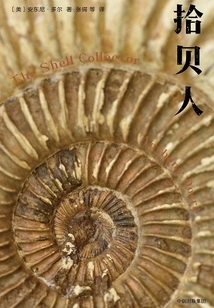
M
Literaturem
N
"The Shell Pickers" is a collection of eight short stories. It is Anthony Dole's earliest collection of novels and the first work that won him fame. Unlike "Memory Wall", which all takes "memory" as its theme, the eight stories in "The Shell Picker" are told individually, and each story has a theme. However, the overall tone of the book is still the same as Dole's concern about issues such as loss, alienation, and the distance between people. From time to time in "The Shell Picker", readers will feel familiar characters or emotions in "The Memory Wall".
"The Shell Pickers" is a collection of eight short stories. It is Anthony Dole's earliest collection of novels and the first work that won him fame. Unlike "Memory Wall", which all takes "memory" as its theme, the eight stories in "The Shell Picker" are told individually, and each story has a theme. However, the overall tone of the book is still the same as Dole's concern about issues such as loss, alienation, and the distance between people. From time to time in "The Shell Picker", readers will feel familiar characters or emotions in "The Memory Wall".
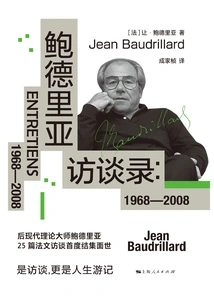
Interviews with Baudrillard: 1968-2008
Literature鲍德里亚访谈录:1968—2008
N
Jean Baudrillard is a world-renowned postmodern theorist. But in front of interviewers and audiences, he became an excellent speaker, sharing his views on theory, reality, and life with enthusiasm and philosophy. This book contains for the first time 25 interviews covering his entire career, spanning the 40 years from 1968 to 2008. These interviews cover a wide range of topics, including major works such as "Consumer Society", "Lethal Tactics", "On Seduction" and "Simulacra and Simulation", as well as his rich life experiences such as his academic career, journey to the United States, and photography practice, as well as his responses to contemporary topics such as terrorism. In this book, we can not only get a glimpse of the scholar's ideological career, but also have a dialogue with such a sincere and profound old friend. These interviews, scattered in newspapers, magazines and journals around the world, may be the most precious and vivid collection of Baudrillard's thoughts in the world.
Jean Baudrillard is a world-renowned postmodern theorist. But in front of interviewers and audiences, he became an excellent speaker, sharing his views on theory, reality, and life with enthusiasm and philosophy. This book contains for the first time 25 interviews covering his entire career, spanning the 40 years from 1968 to 2008. These interviews cover a wide range of topics, including major works such as "Consumer Society", "Lethal Tactics", "On Seduction" and "Simulacra and Simulation", as well as his rich life experiences such as his academic career, journey to the United States, and photography practice, as well as his responses to contemporary topics such as terrorism. In this book, we can not only get a glimpse of the scholar's ideological career, but also have a dialogue with such a sincere and profound old friend. These interviews, scattered in newspapers, magazines and journals around the world, may be the most precious and vivid collection of Baudrillard's thoughts in the world.
U
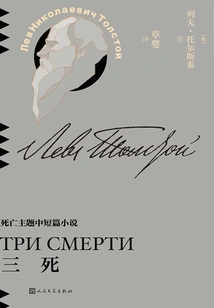
Three Deaths
General Fiction三死
N
"Three Deaths", the fourth of "Cao Ying's Translation of Leo Tolstoy's Complete Novels and Novels", takes the title of one of them as the title and includes seven of the writer's death-themed works, including "Three Deaths", "Polikushka", "Hostomir: A Horse and Life Experience", "Does a Man Need a Lot of Land", "The Death of Ivan Ilyich", "Crock Alyosha", and "Diary Published After the Death of Elder Fedor Kuzmich". Tolstoy thinks about death from different angles, from the death of nobles to the death of civilians, from the death of animals to the death of plants, from before death to after death. Tolstoy's concern for death is another expression of his concern for life.
"Three Deaths", the fourth of "Cao Ying's Translation of Leo Tolstoy's Complete Novels and Novels", takes the title of one of them as the title and includes seven of the writer's death-themed works, including "Three Deaths", "Polikushka", "Hostomir: A Horse and Life Experience", "Does a Man Need a Lot of Land", "The Death of Ivan Ilyich", "Crock Alyosha", and "Diary Published After the Death of Elder Fedor Kuzmich". Tolstoy thinks about death from different angles, from the death of nobles to the death of civilians, from the death of animals to the death of plants, from before death to after death. Tolstoy's concern for death is another expression of his concern for life.
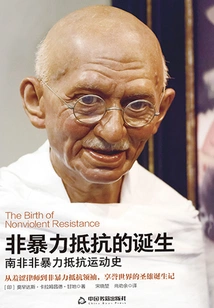
非暴力抵抗的诞生:南非非暴力抵抗运动史
N
This book is an indispensable classic document for studying the origin and birth of Gandhi's non-violent resistance movement. It details Gandhi's arduous struggle for political rights for Indian expatriates in South Africa for twenty-one years. It shows the formation of Gandhi's doctrine of non-violent resistance and the birth and practice of Gandhi's non-violent resistance movement. It laid the foundation and accumulated experience for him to carry out large-scale non-violent resistance movements in India in the future.
This book is an indispensable classic document for studying the origin and birth of Gandhi's non-violent resistance movement. It details Gandhi's arduous struggle for political rights for Indian expatriates in South Africa for twenty-one years. It shows the formation of Gandhi's doctrine of non-violent resistance and the birth and practice of Gandhi's non-violent resistance movement. It laid the foundation and accumulated experience for him to carry out large-scale non-violent resistance movements in India in the future.
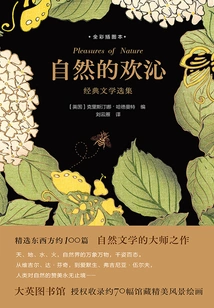
自然的欢沁:经典文学选集(全彩插图本)
N
This wonderful anthology selects about 100 master works in the field of natural literature from the East and the West, focusing on the six major themes of earth, sky, fire, water, surprise, and deep thought, to present the myriad wonders of nature and mankind's endless pursuit and exploration of nature. The collection contains poetry, essays, novel fragments, diaries, letters, as well as articles of more scientific and natural history interest. From the heather bushes on the Yorkshire moors described by Charlotte Bronte, to the changing colors of the sky observed and recorded by Leonardo da Vinci, to the drifting clouds in Matsuo Basho's eyes, this rich collection combines a variety of unique perspectives and perceptions - lyrical, awe-inspiring, praising, and philosophical, revealing that the tradition of nature writing is long-standing and infinitely varied.
This wonderful anthology selects about 100 master works in the field of natural literature from the East and the West, focusing on the six major themes of earth, sky, fire, water, surprise, and deep thought, to present the myriad wonders of nature and mankind's endless pursuit and exploration of nature. The collection contains poetry, essays, novel fragments, diaries, letters, as well as articles of more scientific and natural history interest. From the heather bushes on the Yorkshire moors described by Charlotte Bronte, to the changing colors of the sky observed and recorded by Leonardo da Vinci, to the drifting clouds in Matsuo Basho's eyes, this rich collection combines a variety of unique perspectives and perceptions - lyrical, awe-inspiring, praising, and philosophical, revealing that the tradition of nature writing is long-standing and infinitely varied.
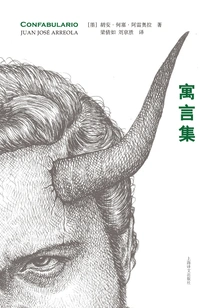
Fables
Literature寓言集
N
"Collection of Fables" is Areola's representative work. As the title of the book indicates, it is a collection of short fables that integrates many literary influences and expression techniques. It is a process of simplifying the complex and condensing the essence. The stories in this book are rich in morals, and the diverse expressions hide bitter realities. Different readers may have different understandings of the same story; even the same reader may have different perceptions when reading a story multiple times. Each article tells both the protagonist of the story and the author. Sometimes readers can even see their own reflections in it.
"Collection of Fables" is Areola's representative work. As the title of the book indicates, it is a collection of short fables that integrates many literary influences and expression techniques. It is a process of simplifying the complex and condensing the essence. The stories in this book are rich in morals, and the diverse expressions hide bitter realities. Different readers may have different understandings of the same story; even the same reader may have different perceptions when reading a story multiple times. Each article tells both the protagonist of the story and the author. Sometimes readers can even see their own reflections in it.
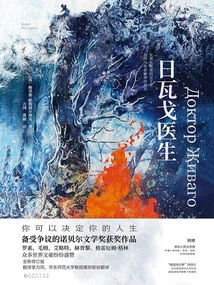
Doctor Zhivago (2023 New Revised Edition)
General Fiction日瓦戈医生(2023全新修订版)
N
"Doctor Zhivago" is a novel by the Soviet writer Pasternak. It describes the story of the Russian doctor Zhivago, his wife Tonya, and the beautiful female nurse Lalisa. It is considered to be an autobiographical work. By describing Dr. Zhivago's personal experiences, the novel shows another aspect of Russia's two revolutions and two wars from a completely new perspective, embodying the cruelty of war and the ruthlessness of destruction. "Doctor Zhivago" spans about half a century and describes more than 60 characters from all walks of life who were active in the above-mentioned historical time and space, expressing their complex emotions and their thoughts on the times during the historical changes. The whole book is a review of the Russian history in the early 20th century by the author from a unique perspective in the post-war years, and covers his reflections on this historical process. The author won the Nobel Prize for Literature.
"Doctor Zhivago" is a novel by the Soviet writer Pasternak. It describes the story of the Russian doctor Zhivago, his wife Tonya, and the beautiful female nurse Lalisa. It is considered to be an autobiographical work. By describing Dr. Zhivago's personal experiences, the novel shows another aspect of Russia's two revolutions and two wars from a completely new perspective, embodying the cruelty of war and the ruthlessness of destruction. "Doctor Zhivago" spans about half a century and describes more than 60 characters from all walks of life who were active in the above-mentioned historical time and space, expressing their complex emotions and their thoughts on the times during the historical changes. The whole book is a review of the Russian history in the early 20th century by the author from a unique perspective in the post-war years, and covers his reflections on this historical process. The author won the Nobel Prize for Literature.
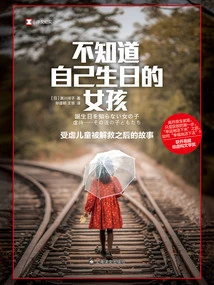
The Girl Who Doesn't Know Her Birthday
General Fiction不知道自己生日的女孩
N
Childhood abuse can last a lifetime. While physical wounds may heal, mental wounds are extremely difficult to repair. Abused children often fall into mental distress. Miyu often draws pictures of herself in a cage. She would put goldfish, newts and hamsters in bottles and boxes, with no memory of them afterwards. Masato always hides behind the curtains, ignores anyone, and is immersed in his own world. Takumi believes that the only relationship between people is "lose or win" and always wants to use violence to make other children surrender. Asuka longed to live with her birth mother even though she had suffered abuse. Because of her biological mother's irresponsible promise, she made things difficult for her adoptive mother just to "go home." Saori was abandoned by her biological parents and never received love from her stepmother or adoptive parents. When she became an adult, she was shocked to realize that she did not seem to know how to love her children... In the family-style care institution "Family House", children who were physically and mentally injured lived with agency operators who acted like adoptive parents and other children who had similar experiences to themselves, learning how to love and trust.
Childhood abuse can last a lifetime. While physical wounds may heal, mental wounds are extremely difficult to repair. Abused children often fall into mental distress. Miyu often draws pictures of herself in a cage. She would put goldfish, newts and hamsters in bottles and boxes, with no memory of them afterwards. Masato always hides behind the curtains, ignores anyone, and is immersed in his own world. Takumi believes that the only relationship between people is "lose or win" and always wants to use violence to make other children surrender. Asuka longed to live with her birth mother even though she had suffered abuse. Because of her biological mother's irresponsible promise, she made things difficult for her adoptive mother just to "go home." Saori was abandoned by her biological parents and never received love from her stepmother or adoptive parents. When she became an adult, she was shocked to realize that she did not seem to know how to love her children... In the family-style care institution "Family House", children who were physically and mentally injured lived with agency operators who acted like adoptive parents and other children who had similar experiences to themselves, learning how to love and trust.
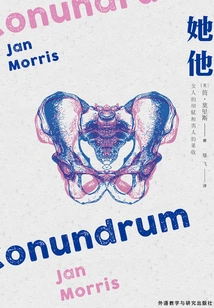
She He
General Fiction她他
N
The most famous inner monologue of a transgender person, Jan Morris, Britain's greatest post-war writer. This book is about a dispute in the author's life, and some parts of it are heartbreaking. She is optimistic by nature and unwilling to self-analyze. She is very lucky in other aspects. She writes with great restraint about her inner feelings of being unable to identify with her identity and gender. Most of the abbreviations in the book are to avoid causing pain to others, and occasionally to avoid making the author regret. Things that are avoided are all for aesthetic reasons.
The most famous inner monologue of a transgender person, Jan Morris, Britain's greatest post-war writer. This book is about a dispute in the author's life, and some parts of it are heartbreaking. She is optimistic by nature and unwilling to self-analyze. She is very lucky in other aspects. She writes with great restraint about her inner feelings of being unable to identify with her identity and gender. Most of the abbreviations in the book are to avoid causing pain to others, and occasionally to avoid making the author regret. Things that are avoided are all for aesthetic reasons.
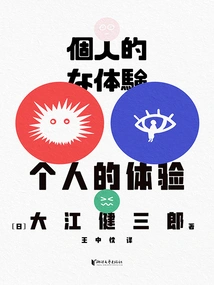
Personal Experience (2023 Version)
General Fiction个人的体验(2023版)
N
With the birth of a disabled baby, "Bird", as a father, falls into a moral dilemma. He dreamed of going on an adventure trip to Africa, but he was afraid that he would be tied to the baby, but he didn't dare to end his life with his own hands, so he chose to escape. Bird abandoned the newborn in the hospital, hoping that he would weaken and die, while he went into the tender home of his old lover Himiko, numbing himself with sex and wine. How should a bird trapped in self-purgatory find a way out of life?
With the birth of a disabled baby, "Bird", as a father, falls into a moral dilemma. He dreamed of going on an adventure trip to Africa, but he was afraid that he would be tied to the baby, but he didn't dare to end his life with his own hands, so he chose to escape. Bird abandoned the newborn in the hospital, hoping that he would weaken and die, while he went into the tender home of his old lover Himiko, numbing himself with sex and wine. How should a bird trapped in self-purgatory find a way out of life?

God of War
General Fiction战争之神
N
"The God of War" is a novel written by John Toland. It is also a magnificent story told from multiple perspectives by Toland after extensive historical research. By reading this novel, readers can fully understand the changes in the diplomatic relations between Japan and the United States during World War II. They can also reflect on the profound impact of the war on the people of the two countries and even all mankind by observing the fate of two families - the Toda family and the McGlynn family - from small to large. The marriage of Akira Toda and Flos is cross-cultural, so it is destined to go through ups and downs in the war years. The survival instinct will launch a multi-dimensional impact on family affection, love, ideals and beliefs. The well-being of ordinary people is as light as a feather in the smoke-filled years. The novel "God of War" is the work of Pulitzer Prize winner and famous American historian John Toland exclusively introduced by Zhejiang Literature and Art Publishing House. It is also the only fictional work in the "John Toland Historical Series (eight types in total)".
"The God of War" is a novel written by John Toland. It is also a magnificent story told from multiple perspectives by Toland after extensive historical research. By reading this novel, readers can fully understand the changes in the diplomatic relations between Japan and the United States during World War II. They can also reflect on the profound impact of the war on the people of the two countries and even all mankind by observing the fate of two families - the Toda family and the McGlynn family - from small to large. The marriage of Akira Toda and Flos is cross-cultural, so it is destined to go through ups and downs in the war years. The survival instinct will launch a multi-dimensional impact on family affection, love, ideals and beliefs. The well-being of ordinary people is as light as a feather in the smoke-filled years. The novel "God of War" is the work of Pulitzer Prize winner and famous American historian John Toland exclusively introduced by Zhejiang Literature and Art Publishing House. It is also the only fictional work in the "John Toland Historical Series (eight types in total)".
小众文艺古书:吴船录
N
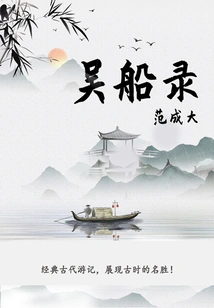
"Wu Chuan Lu" is a travel note written by Fan Chengda, a writer in the Southern Song Dynasty. The title is taken from the meaning of the sentence "The ship is moored at the door of Dongwu Wanli" in Du Fu's poem "The First Four Sentences". Readers who are interested in ancient travel notes must read this book. In the fourth year of Chunxi reign of Emperor Xiaozong of the Song Dynasty (1177), the author sent an envoy from Sichuan to summon him back. He set out from Chengdu in May, took the waterway eastward, and arrived in Lin'an (now Hangzhou, Zhejiang) in October. He wrote this book based on his experiences in his diary. The book contains particularly detailed records of places of interest along the way, such as Mount Qingcheng, Dujiangyan, Mount Emei, Leshan Giant Buddha, Three Gorges of the Yangtze River, Dongting Lake, Chibi, Huangzhou, and Mount Lu, and is frequently verified.
"Wu Chuan Lu" is a travel note written by Fan Chengda, a writer in the Southern Song Dynasty. The title is taken from the meaning of the sentence "The ship is moored at the door of Dongwu Wanli" in Du Fu's poem "The First Four Sentences". Readers who are interested in ancient travel notes must read this book. In the fourth year of Chunxi reign of Emperor Xiaozong of the Song Dynasty (1177), the author sent an envoy from Sichuan to summon him back. He set out from Chengdu in May, took the waterway eastward, and arrived in Lin'an (now Hangzhou, Zhejiang) in October. He wrote this book based on his experiences in his diary. The book contains particularly detailed records of places of interest along the way, such as Mount Qingcheng, Dujiangyan, Mount Emei, Leshan Giant Buddha, Three Gorges of the Yangtze River, Dongting Lake, Chibi, Huangzhou, and Mount Lu, and is frequently verified.

The Ceo Next Door Looks Familiar
Modern Romance隔壁的总裁大人好眼熟
N
"He and she met twenty years ago. They had many beautiful memories. Twenty years later, he remembered her, but she forgot about him because of a car accident. He tried every means to marry her into his family~"
"He and she met twenty years ago. They had many beautiful memories. Twenty years later, he remembered her, but she forgot about him because of a car accident. He tried every means to marry her into his family~"
M
Literaturem
N
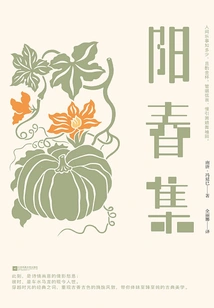
"Yangchun Collection", as a collection of Feng Yansi's poems, shows the poet's inner world. It not only reveals the delicate emotions of sadness for the spring and autumn, lovesickness and hatred, such as "tears asking the flowers but not saying a word", but also often expresses the lament that life is short and time passes like "people are not as romantic as the moon, but they remain forever". Therefore, I advise you to cherish your youth and live up to your life. "Yangchun Collection" has extremely high artistic value and has a profound influence on later generations of poets. Chen Tingzhuo, a famous poet in the late Qing Dynasty, commented: "Zhengzhong Ci is the best in the Five Dynasties. It has entered Fei Qing's room at a high level, but it is not followed by others. It may be out of date."
"Yangchun Collection", as a collection of Feng Yansi's poems, shows the poet's inner world. It not only reveals the delicate emotions of sadness for the spring and autumn, lovesickness and hatred, such as "tears asking the flowers but not saying a word", but also often expresses the lament that life is short and time passes like "people are not as romantic as the moon, but they remain forever". Therefore, I advise you to cherish your youth and live up to your life. "Yangchun Collection" has extremely high artistic value and has a profound influence on later generations of poets. Chen Tingzhuo, a famous poet in the late Qing Dynasty, commented: "Zhengzhong Ci is the best in the Five Dynasties. It has entered Fei Qing's room at a high level, but it is not followed by others. It may be out of date."
忘不了的那些人和事
N
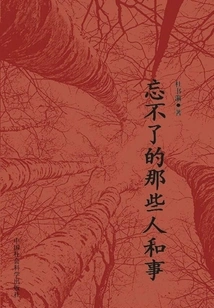
In a person's life, he will meet many people and experience many things. Some are taken away by time and lost in memory; some remain fresh for a long time and can never be forgotten. If you can't forget, you are alive - even if you are no longer in the real world, you will always live. What is recorded in this book are the people and things that cannot be forgotten.
In a person's life, he will meet many people and experience many things. Some are taken away by time and lost in memory; some remain fresh for a long time and can never be forgotten. If you can't forget, you are alive - even if you are no longer in the real world, you will always live. What is recorded in this book are the people and things that cannot be forgotten.
Okekawa Stalker Murder Case
Literature桶川跟踪狂杀人事件
N
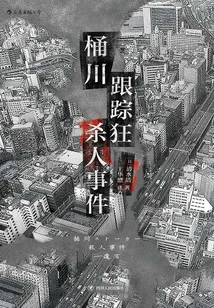
On October 26, 1999, a young woman, Shiori Ino, was stabbed to death in front of JR Okekawa Station in Saitama Prefecture, Japan. The victim reported the case to the police many times because he had been stalked and harassed for a long time, but the police did not pay attention to it and ultimately failed to prevent the tragedy. In the process of investigating this incident, reporter Qing Shuijie followed the guidance of the "last words" left by the victim before his death, visited various parties to investigate, and found the culprit as a reporter when the police ignored clues and failed in the investigation. This further exposed the police's indifference and perfunctory to the victim's report before his death, as well as their attempts to discredit the victim and cover up the facts of malfeasance after the incident. The case triggered strong social repercussions and promoted the promulgation of Japan's "Stalking and Harassment Code of Conduct Act." This book is a complete record of the event.
On October 26, 1999, a young woman, Shiori Ino, was stabbed to death in front of JR Okekawa Station in Saitama Prefecture, Japan. The victim reported the case to the police many times because he had been stalked and harassed for a long time, but the police did not pay attention to it and ultimately failed to prevent the tragedy. In the process of investigating this incident, reporter Qing Shuijie followed the guidance of the "last words" left by the victim before his death, visited various parties to investigate, and found the culprit as a reporter when the police ignored clues and failed in the investigation. This further exposed the police's indifference and perfunctory to the victim's report before his death, as well as their attempts to discredit the victim and cover up the facts of malfeasance after the incident. The case triggered strong social repercussions and promoted the promulgation of Japan's "Stalking and Harassment Code of Conduct Act." This book is a complete record of the event.
X