Fanqie library
Browse
- Titles
- 1.3k
Every Fanqie book we index, searchable by title, author or tag.
-
 Selected Poems of Li Gang
Li Gang (1083-February 5, 1140), a famous official and national hero who fought against the Jin Dynasty in the late Northern Song Dynasty and early Southern Song Dynasty. His courtesy name is Bo Ji, his name is Liang Xi. His ancestral home is Shaowu, Fujian. His grandfather moved to Wuxi, Jiangsu. Li Gangneng wrote many patriotic chapters in his poems and essays. He is also able to write poems, and his historical works have vivid and vivid images and a vigorous and powerful style. He is the auth
—Reads8.7Score—Shelves
Selected Poems of Li Gang
Li Gang (1083-February 5, 1140), a famous official and national hero who fought against the Jin Dynasty in the late Northern Song Dynasty and early Southern Song Dynasty. His courtesy name is Bo Ji, his name is Liang Xi. His ancestral home is Shaowu, Fujian. His grandfather moved to Wuxi, Jiangsu. Li Gangneng wrote many patriotic chapters in his poems and essays. He is also able to write poems, and his historical works have vivid and vivid images and a vigorous and powerful style. He is the auth
—Reads8.7Score—Shelves
-
 Hisashi
This work "Shang Shi" is written by Li Kai
—Reads7.7Score—Shelves
Hisashi
This work "Shang Shi" is written by Li Kai
—Reads7.7Score—Shelves
-
 Letters from Jingkang (Free Public Edition)
Written by Li Gang of Song Dynasty. Three volumes. The author believes that the Song Dynasty was repeatedly defeated by the Jin Dynasty because of the lack of military and political improvement and weak diplomacy since Chongning and Daguan. I would like to appeal to the courtiers to work together to protect the clan. Because the collection was approved internally by the emperor and published by the emperor, he was ordered to compile it. From the winter of the seventh year of Xuanhe (1125) to the
—Reads8.6Score—Shelves
Letters from Jingkang (Free Public Edition)
Written by Li Gang of Song Dynasty. Three volumes. The author believes that the Song Dynasty was repeatedly defeated by the Jin Dynasty because of the lack of military and political improvement and weak diplomacy since Chongning and Daguan. I would like to appeal to the courtiers to work together to protect the clan. Because the collection was approved internally by the emperor and published by the emperor, he was ordered to compile it. From the winter of the seventh year of Xuanhe (1125) to the
—Reads8.6Score—Shelves
-
 Complete Works of Li Gang's Ci
This collection of poems is part of the "Complete Song Ci". Ci began in Nanliang, formed in the Tang Dynasty, and reached its peak in the Song Dynasty. Tang poetry and Song poetry have always been regarded as two masterpieces, and they are both literary representatives of a major historical stage. According to statistics, there were more than 1,300 lyricists in the Song Dynasty and the Song Dynasty, and the total number of their works was nearly 20,000! From this number, we can imagine the grand
—Reads7.7Score—Shelves
Complete Works of Li Gang's Ci
This collection of poems is part of the "Complete Song Ci". Ci began in Nanliang, formed in the Tang Dynasty, and reached its peak in the Song Dynasty. Tang poetry and Song poetry have always been regarded as two masterpieces, and they are both literary representatives of a major historical stage. According to statistics, there were more than 1,300 lyricists in the Song Dynasty and the Song Dynasty, and the total number of their works was nearly 20,000! From this number, we can imagine the grand
—Reads7.7Score—Shelves
-
 Collected Works of Li Gang
Li Gang (1083-February 5, 1140), a famous official and national hero who fought against the Jin Dynasty in the late Northern Song Dynasty and early Southern Song Dynasty. His courtesy name is Bo Ji, his name is Liang Xi. His ancestral home is Shaowu, Fujian. His grandfather moved to Wuxi, Jiangsu. Li Gangneng wrote many patriotic chapters in his poems and essays. He is also able to write poems, and his historical works have vivid and vivid images and a vigorous and powerful style. He is the auth
—Reads8.5Score—Shelves
Collected Works of Li Gang
Li Gang (1083-February 5, 1140), a famous official and national hero who fought against the Jin Dynasty in the late Northern Song Dynasty and early Southern Song Dynasty. His courtesy name is Bo Ji, his name is Liang Xi. His ancestral home is Shaowu, Fujian. His grandfather moved to Wuxi, Jiangsu. Li Gangneng wrote many patriotic chapters in his poems and essays. He is also able to write poems, and his historical works have vivid and vivid images and a vigorous and powerful style. He is the auth
—Reads8.5Score—Shelves
-
 Old Tang Book (Two Volumes)
The Old Tang Book compiled by officials during the Five Dynasties and later Jin Dynasty is the earliest existing historical book that systematically records the history of the Tang Dynasty. This book was originally called the Book of Tang. Later, in order to distinguish it from the New Book of Tang compiled by Ouyang Xiu, Song Qi and others in the Northern Song Dynasty, it was called the Old Book of Tang. The whole book is divided into three parts: Benji, Zhi and Dao Zhuan, with a total of 200 v
—Reads8.8Score—Shelves
Old Tang Book (Two Volumes)
The Old Tang Book compiled by officials during the Five Dynasties and later Jin Dynasty is the earliest existing historical book that systematically records the history of the Tang Dynasty. This book was originally called the Book of Tang. Later, in order to distinguish it from the New Book of Tang compiled by Ouyang Xiu, Song Qi and others in the Northern Song Dynasty, it was called the Old Book of Tang. The whole book is divided into three parts: Benji, Zhi and Dao Zhuan, with a total of 200 v
—Reads8.8Score—Shelves
-
 Ancient Strategies and Tactics
Military strategy is an important part of military struggle. Its important role in military struggle can be summarized in two words: transformation. It can turn weakness into strength. Let us look at an example of a battle that took place in the Southern and Northern Dynasties: In the second year of Jianyuan of the Southern Qi Dynasty (480), the Northern Wei Dynasty sent an army of 200,000 to attack Shouchun of the Southern Qi Dynasty. At that time, the strength of the Southern Qi garrison was f
—Reads8.6Score—Shelves
Ancient Strategies and Tactics
Military strategy is an important part of military struggle. Its important role in military struggle can be summarized in two words: transformation. It can turn weakness into strength. Let us look at an example of a battle that took place in the Southern and Northern Dynasties: In the second year of Jianyuan of the Southern Qi Dynasty (480), the Northern Wei Dynasty sent an army of 200,000 to attack Shouchun of the Southern Qi Dynasty. At that time, the strength of the Southern Qi garrison was f
—Reads8.6Score—Shelves
-
 Theory of the Great Dao (Taoist Classics by Zhang Sanfeng)
"The Theory of the Great Dao" is a Taoist work that expounds the thought of the Great Dao. It explores the origins of all things in the universe, the laws of nature, and the living principles that humans should follow. It emphasizes compliance with the Great Dao in order to achieve physical and mental harmony and social peace.
—Reads9.3Score—Shelves
Theory of the Great Dao (Taoist Classics by Zhang Sanfeng)
"The Theory of the Great Dao" is a Taoist work that expounds the thought of the Great Dao. It explores the origins of all things in the universe, the laws of nature, and the living principles that humans should follow. It emphasizes compliance with the Great Dao in order to achieve physical and mental harmony and social peace.
—Reads9.3Score—Shelves
-
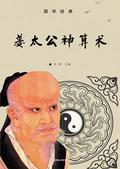 Jiang Taigong Divine Arithmetic
This book includes a brief introduction to Jiang Taigong's life, the origin of "Six Tao", the thoughts and tactics of "Six Tao", the value and influence of "Six Tao", Wen Tao's strategy, etc.
—Reads8.2Score—Shelves
Jiang Taigong Divine Arithmetic
This book includes a brief introduction to Jiang Taigong's life, the origin of "Six Tao", the thoughts and tactics of "Six Tao", the value and influence of "Six Tao", Wen Tao's strategy, etc.
—Reads8.2Score—Shelves
-
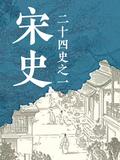 History of Song Dynasty
"History of the Song Dynasty" is a masterpiece of chronicle and chronological history compiled under the official leadership of the Yuan Dynasty, and is ranked as one of the "Twenty-Four Histories". Its compilation work began in the third year of Zhizheng reign of Emperor Shun of the Yuan Dynasty, with Prime Minister Tuotuo (also known as Tuoketuo) as the chief official of the capital, and was completed in the fifth year of Zhizheng period. The book has a total of 496 volumes, including 47 volum
—Reads8.2Score—Shelves
History of Song Dynasty
"History of the Song Dynasty" is a masterpiece of chronicle and chronological history compiled under the official leadership of the Yuan Dynasty, and is ranked as one of the "Twenty-Four Histories". Its compilation work began in the third year of Zhizheng reign of Emperor Shun of the Yuan Dynasty, with Prime Minister Tuotuo (also known as Tuoketuo) as the chief official of the capital, and was completed in the fifth year of Zhizheng period. The book has a total of 496 volumes, including 47 volum
—Reads8.2Score—Shelves
-
 Reminiscences of Yingmei Temple
"Yingmei'an Reminiscences" is a collection of memoir essays written by Mao Xiang, a scholar in the late Ming and early Qing dynasties, in memory of his concubine Dong Xiaowan. The book consists of four volumes. It describes Dong Xiaowan's life story, talent and character, as well as the nine-year life of the two with affectionate and delicate writing. Dong Xiaowan's original name was Dong Bai, also known as Xiaowan and Qinglian. He was originally from Qinhuai and later moved to Suzhou. Although
—Reads8.7Score—Shelves
Reminiscences of Yingmei Temple
"Yingmei'an Reminiscences" is a collection of memoir essays written by Mao Xiang, a scholar in the late Ming and early Qing dynasties, in memory of his concubine Dong Xiaowan. The book consists of four volumes. It describes Dong Xiaowan's life story, talent and character, as well as the nine-year life of the two with affectionate and delicate writing. Dong Xiaowan's original name was Dong Bai, also known as Xiaowan and Qinglian. He was originally from Qinhuai and later moved to Suzhou. Although
—Reads8.7Score—Shelves
-
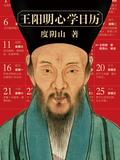 Wang Yangming's Mind Learning Calendar
A famous quote about spirituality every day, a theater about spirituality every week Interpretation of the vernacular by Du Yinshan, author of the best-selling book "The Unity of Knowledge and Action" by Wang Yangming Make a little progress every day and realize the great wisdom of uniting knowledge and action!
—Reads—Score—Shelves
Wang Yangming's Mind Learning Calendar
A famous quote about spirituality every day, a theater about spirituality every week Interpretation of the vernacular by Du Yinshan, author of the best-selling book "The Unity of Knowledge and Action" by Wang Yangming Make a little progress every day and realize the great wisdom of uniting knowledge and action!
—Reads—Score—Shelves
-
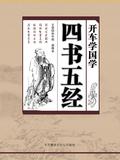 Four Books and Five Classics
The Four Books and the Five Classics are the collective name of the Four Books and the Five Classics, which are the classic books of Chinese Confucianism. The Four Books refer to the Analects of Confucius, Mencius, Great Learning and the Doctrine of the Mean; while the Five Classics refer to the Book of Songs, Shangshu, the Book of Rites, the Book of Changes and the Spring and Autumn Annals, referred to as "Poems, Books, Rites, Yishu, Chunqiu". , Before that, there was also a "Yue Jing", collect
—Reads8.2Score—Shelves
Four Books and Five Classics
The Four Books and the Five Classics are the collective name of the Four Books and the Five Classics, which are the classic books of Chinese Confucianism. The Four Books refer to the Analects of Confucius, Mencius, Great Learning and the Doctrine of the Mean; while the Five Classics refer to the Book of Songs, Shangshu, the Book of Rites, the Book of Changes and the Spring and Autumn Annals, referred to as "Poems, Books, Rites, Yishu, Chunqiu". , Before that, there was also a "Yue Jing", collect
—Reads8.2Score—Shelves
-
 Old Tang Book
"Old Book of Tang" was written by Zhang Zhao, Jia Wei and others in the later Jin Dynasty. In the sixth year of Tianfu in the later Jin Dynasty (941), Jin Gaozu Shi Jingtang ordered Zhang Zhao, Jia Wei, Zhao Xi, Zheng Yiyi, Li Weixian and others to write a history of the Tang Dynasty, which was supervised by Prime Minister Zhao Ying. Later, Zhao Ying resigned as prime minister, and Liu Yu became the supervisor. The book was completed in the second year of Kaiyun of the Later Jin Dynasty (945). S
—Reads9.3Score—Shelves
Old Tang Book
"Old Book of Tang" was written by Zhang Zhao, Jia Wei and others in the later Jin Dynasty. In the sixth year of Tianfu in the later Jin Dynasty (941), Jin Gaozu Shi Jingtang ordered Zhang Zhao, Jia Wei, Zhao Xi, Zheng Yiyi, Li Weixian and others to write a history of the Tang Dynasty, which was supervised by Prime Minister Zhao Ying. Later, Zhao Ying resigned as prime minister, and Liu Yu became the supervisor. The book was completed in the second year of Kaiyun of the Later Jin Dynasty (945). S
—Reads9.3Score—Shelves
-
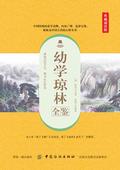 Qionglin Quanjian of Kindergarten School (Collection Reading Edition)
"Young Learning Qionglin" is written in parallel prose. The whole book is written in dual sentences, which is easy to read and remember. The content of the book is extensive and all-encompassing, and it is called the encyclopedia of ancient China. People say that "you can speak after reading "Zengguang", and you can read after reading "Youxue". The book provides many introductions to the origins of many idioms. Readers can master many idiom allusions. In addition, they can also learn about famou
—Reads9.3Score—Shelves
Qionglin Quanjian of Kindergarten School (Collection Reading Edition)
"Young Learning Qionglin" is written in parallel prose. The whole book is written in dual sentences, which is easy to read and remember. The content of the book is extensive and all-encompassing, and it is called the encyclopedia of ancient China. People say that "you can speak after reading "Zengguang", and you can read after reading "Youxue". The book provides many introductions to the origins of many idioms. Readers can master many idiom allusions. In addition, they can also learn about famou
—Reads9.3Score—Shelves
-
 Translation and Annotation of Shangshu
"Shangshu" is a compilation of historical documents, which preserves a large amount of precious information on pre-Qin politics, thought, history, culture and other aspects. However, the text of "Shangshu" is very poor. This book draws on the strengths of many writers, has new ideas in its annotations, and has a smooth translation that can help readers read and understand "Shangshu".
—Reads9.1Score—Shelves
Translation and Annotation of Shangshu
"Shangshu" is a compilation of historical documents, which preserves a large amount of precious information on pre-Qin politics, thought, history, culture and other aspects. However, the text of "Shangshu" is very poor. This book draws on the strengths of many writers, has new ideas in its annotations, and has a smooth translation that can help readers read and understand "Shangshu".
—Reads9.1Score—Shelves
-
 Maoshan Zhi
This work "Maoshan Chronicles" is written by Liu Dabin
—Reads8.9Score—Shelves
Maoshan Zhi
This work "Maoshan Chronicles" is written by Liu Dabin
—Reads8.9Score—Shelves
-
 What Does the I Ching Say?
Only by knowing the answer to the riddle can you truly understand the "Zhouyi". It seems that everyone can understand the common vernacular "Zhouyi" version on the market. But as soon as I closed the book and thought about it, I didn't understand it. We cannot say that there is anything wrong with most of these books, but we can say that they are not suitable for ordinary readers to study on their own. Because "The Book of Changes" is like a riddle, its hexagrams and lines are like riddles. Most
—Reads9.4Score—Shelves
What Does the I Ching Say?
Only by knowing the answer to the riddle can you truly understand the "Zhouyi". It seems that everyone can understand the common vernacular "Zhouyi" version on the market. But as soon as I closed the book and thought about it, I didn't understand it. We cannot say that there is anything wrong with most of these books, but we can say that they are not suitable for ordinary readers to study on their own. Because "The Book of Changes" is like a riddle, its hexagrams and lines are like riddles. Most
—Reads9.4Score—Shelves
-
 Biography of Mr. Wei
The title of "Historical Records" records the deeds of Wei Wuji, Lord Xinling, one of the four princes of the Warring States Period, who treated the virtuous corporal and stole talismans to save Zhao.
—Reads8.6Score—Shelves
Biography of Mr. Wei
The title of "Historical Records" records the deeds of Wei Wuji, Lord Xinling, one of the four princes of the Warring States Period, who treated the virtuous corporal and stole talismans to save Zhao.
—Reads8.6Score—Shelves
-
 Disciple Rules
"Disciples' Regulations" was originally called "Xun Meng Wen", a three-character rhyme composed by Li Yuxiu of the Qing Dynasty, around the Kangxi period. It was later revised and adapted by Jia Cunren (sometimes said to be Jia Youren), and named "Disciples' Regulations". The article consists of five parts. The first chapter, "General Narration," adapts Confucius' words into three-character sentences. The main text is divided into four parts: "Be filial when you enter, and be brotherly when you
—Reads9.2Score—Shelves
Disciple Rules
"Disciples' Regulations" was originally called "Xun Meng Wen", a three-character rhyme composed by Li Yuxiu of the Qing Dynasty, around the Kangxi period. It was later revised and adapted by Jia Cunren (sometimes said to be Jia Youren), and named "Disciples' Regulations". The article consists of five parts. The first chapter, "General Narration," adapts Confucius' words into three-character sentences. The main text is divided into four parts: "Be filial when you enter, and be brotherly when you
—Reads9.2Score—Shelves
-
 Bamboo Chronology
Narrates the history of Xia, Shang, Western Zhou and Spring and Autumn and Warring States, organized by year.
—Reads9.3Score—Shelves
Bamboo Chronology
Narrates the history of Xia, Shang, Western Zhou and Spring and Autumn and Warring States, organized by year.
—Reads9.3Score—Shelves
-
 Three Character Classic
The Three Character Classic is a traditional Chinese enlightenment textbook. The "Three Character Classic" draws on classic materials, including literature, history, philosophy, astronomy and geography, human ethics, loyalty, filial piety, justice, etc. Of traditional Chinese culture, and its core ideas include "benevolence, righteousness, sincerity, respect, and filial piety." While reciting the "Three Character Classic", one can understand common sense, traditional Chinese studies and historic
—Reads9.4Score—Shelves
Three Character Classic
The Three Character Classic is a traditional Chinese enlightenment textbook. The "Three Character Classic" draws on classic materials, including literature, history, philosophy, astronomy and geography, human ethics, loyalty, filial piety, justice, etc. Of traditional Chinese culture, and its core ideas include "benevolence, righteousness, sincerity, respect, and filial piety." While reciting the "Three Character Classic", one can understand common sense, traditional Chinese studies and historic
—Reads9.4Score—Shelves
-
 Huang Shi Gong Su Shu's Three Brief Illustrated Explanations
According to legend, Huang Shigong was a hermit in the early Han Dynasty. After giving Zhang Liang a military book after the test of walking on the bridge, he said: If you read this book, you can become an emperor's division, and you will be able to achieve great achievements within ten years. Zhang Liang studied carefully and relied on the ingenious plots in this book to become one of the "Three Heroes of the Early Han Dynasty". Liu Bang, the emperor of the Han Dynasty, claimed that "I am not a
—Reads9.3Score—Shelves
Huang Shi Gong Su Shu's Three Brief Illustrated Explanations
According to legend, Huang Shigong was a hermit in the early Han Dynasty. After giving Zhang Liang a military book after the test of walking on the bridge, he said: If you read this book, you can become an emperor's division, and you will be able to achieve great achievements within ten years. Zhang Liang studied carefully and relied on the ingenious plots in this book to become one of the "Three Heroes of the Early Han Dynasty". Liu Bang, the emperor of the Han Dynasty, claimed that "I am not a
—Reads9.3Score—Shelves
-
 Laozi's Notes on the River
"Laozi Heshang Gongzhu" is the earliest existing annotated version of "Laozi Tao Te Ching" with great influence. It is said that it was newly written by Heshang Gong or Heshang's father-in-law. The original annotations were not divided into chapters. The characteristics of Heshang Gongzhu are its concise and clear annotations and ethereal artistic conception. His notes on "Laozi" focus on explaining Laozi's meaning. He always explains the meaning of "Laozi" in very simple language. Like Wang Bi'
—Reads8.6Score—Shelves
Laozi's Notes on the River
"Laozi Heshang Gongzhu" is the earliest existing annotated version of "Laozi Tao Te Ching" with great influence. It is said that it was newly written by Heshang Gong or Heshang's father-in-law. The original annotations were not divided into chapters. The characteristics of Heshang Gongzhu are its concise and clear annotations and ethereal artistic conception. His notes on "Laozi" focus on explaining Laozi's meaning. He always explains the meaning of "Laozi" in very simple language. Like Wang Bi'
—Reads8.6Score—Shelves
-
 Shopping Malls Are Battlefields: Thirty-Six Strategies for Business Warfare
This book includes: The first plan is to hide the enemy from the sky - repeat illusions to paralyze the opponent; the second plan is to encircle Wei and rescue Zhao - to hold the opponent's vital points in the hand; the third plan to kill with a borrowed knife - to eliminate competitors with other people's hands; the fourth plan to wait for work - wait for the opponent to come and suffer losses; the fifth plan to take advantage of the situation - take advantage of others' disadvantages; the sixt
—Reads8.9Score—Shelves
Shopping Malls Are Battlefields: Thirty-Six Strategies for Business Warfare
This book includes: The first plan is to hide the enemy from the sky - repeat illusions to paralyze the opponent; the second plan is to encircle Wei and rescue Zhao - to hold the opponent's vital points in the hand; the third plan to kill with a borrowed knife - to eliminate competitors with other people's hands; the fourth plan to wait for work - wait for the opponent to come and suffer losses; the fifth plan to take advantage of the situation - take advantage of others' disadvantages; the sixt
—Reads8.9Score—Shelves
-
 Military Classics
As a classic military book, it refers specifically to "Sun Tzu". "Book of the Song Dynasty: Biography of Zhou Lang": "Teaching the military strategy, the ability of the military to make boats and cavalry, and the method of holding back strong forces and attacking them." "Wen Xin Diao Long·Cheng Qi": "Sun Wu's Military Classics, his words are like pearls and jade, how can you practice martial arts without knowing literature."
—Reads8.5Score—Shelves
Military Classics
As a classic military book, it refers specifically to "Sun Tzu". "Book of the Song Dynasty: Biography of Zhou Lang": "Teaching the military strategy, the ability of the military to make boats and cavalry, and the method of holding back strong forces and attacking them." "Wen Xin Diao Long·Cheng Qi": "Sun Wu's Military Classics, his words are like pearls and jade, how can you practice martial arts without knowing literature."
—Reads8.5Score—Shelves
-
 Sun Tzu's Art of War (Annotated Edition by Cao Cao)
"The Art of War" was written by Sun Wu in the late Spring and Autumn Period. It is also a world-recognized ancient existing military theoretical work. It is known as the "Holy Text of Military Science" and is placed at the top of the "Seven Books of Martial Arts". This book reveals several objective laws of war, has simple materialist and dialectical ideas, and occupies a very high position in the world's military history. It has been translated into many languages such as English, French, G
—Reads9.0Score—Shelves
Sun Tzu's Art of War (Annotated Edition by Cao Cao)
"The Art of War" was written by Sun Wu in the late Spring and Autumn Period. It is also a world-recognized ancient existing military theoretical work. It is known as the "Holy Text of Military Science" and is placed at the top of the "Seven Books of Martial Arts". This book reveals several objective laws of war, has simple materialist and dialectical ideas, and occupies a very high position in the world's military history. It has been translated into many languages such as English, French, G
—Reads9.0Score—Shelves
-
 Sima Fa
"Sima Fa" is an important pre-Qin military work in ancient China. It was probably written in the early Warring States period. According to the "Historical Records: Biography of Sima Ranju": "King Wei of Qi (356 BC - 320 BC) asked the officials to follow the ancient Sima's art of war and append Rangju to it, so it was called "Sima Rangju's art of war"." The Han Dynasty had a high opinion of "Sima Law". During the reign of Emperor Wu, "officials who were proficient in martial arts were selected ba
—Reads8.4Score—Shelves
Sima Fa
"Sima Fa" is an important pre-Qin military work in ancient China. It was probably written in the early Warring States period. According to the "Historical Records: Biography of Sima Ranju": "King Wei of Qi (356 BC - 320 BC) asked the officials to follow the ancient Sima's art of war and append Rangju to it, so it was called "Sima Rangju's art of war"." The Han Dynasty had a high opinion of "Sima Law". During the reign of Emperor Wu, "officials who were proficient in martial arts were selected ba
—Reads8.4Score—Shelves
-
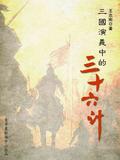 Thirty-Six Strategies in the Romance of the Three Kingdoms
"Thirty-Six Strategies in the Romance of the Three Kingdoms" includes six chapters: victory strategy, enemy strategy, attack strategy, melee strategy, merging strategy, and defeat strategy, a total of thirty-six strategies. The most brilliant use of the Thirty-six Strategies in "The Romance of the Three Kingdoms" is undoubtedly the Battle of Chibi. If Cao Cao had a good strategy and careful planning, and used a million troops to defeat less than a hundred thousand troops, it would really be poss
—Reads9.4Score—Shelves
Thirty-Six Strategies in the Romance of the Three Kingdoms
"Thirty-Six Strategies in the Romance of the Three Kingdoms" includes six chapters: victory strategy, enemy strategy, attack strategy, melee strategy, merging strategy, and defeat strategy, a total of thirty-six strategies. The most brilliant use of the Thirty-six Strategies in "The Romance of the Three Kingdoms" is undoubtedly the Battle of Chibi. If Cao Cao had a good strategy and careful planning, and used a million troops to defeat less than a hundred thousand troops, it would really be poss
—Reads9.4Score—Shelves
-
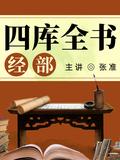 Sikuquanshu (Jingbu)
An overview of the classics of "Sikuquanshu", "Book of Changes", "Shangshu", "The Book of Songs", "Book of Rites", "Rites", "Zhou Li", "Zuo Zhuan", "Gongyang Zhuan", "Gu Liang Zhuan", "The Analects", "Mencius", "University", "The Doctrine of the Mean", "The Book of Filial Piety", "Erya", "Shuowen Jiezi"
—Reads8.9Score—Shelves
Sikuquanshu (Jingbu)
An overview of the classics of "Sikuquanshu", "Book of Changes", "Shangshu", "The Book of Songs", "Book of Rites", "Rites", "Zhou Li", "Zuo Zhuan", "Gongyang Zhuan", "Gu Liang Zhuan", "The Analects", "Mencius", "University", "The Doctrine of the Mean", "The Book of Filial Piety", "Erya", "Shuowen Jiezi"
—Reads8.9Score—Shelves
-
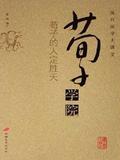 Xunzi College
This book takes Xunzi's basic thoughts as the starting point. In terms of Xunzi's thinking about heaven and man, it provides an in-depth, detailed and easy-to-understand discussion on life, doing things, dealing with the world, speaking, communicating, recognizing people, and employing people.
—Reads8.5Score—Shelves
Xunzi College
This book takes Xunzi's basic thoughts as the starting point. In terms of Xunzi's thinking about heaven and man, it provides an in-depth, detailed and easy-to-understand discussion on life, doing things, dealing with the world, speaking, communicating, recognizing people, and employing people.
—Reads8.5Score—Shelves
-
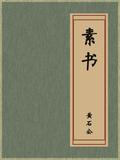 Plain Calligraphy
"Su Shu" proposes that "Tao, virtue, benevolence, righteousness, and etiquette are all integrated into one." The "Su Shu" takes Tao, virtue, benevolence, righteousness, and etiquette as the basis for governing the country, and it also takes Tao, virtue, benevolence, righteousness, and propriety as the basis for governing the country, and explores the principles of the natural movement of all things in the universe to understand the origin of things.
—Reads9.3Score—Shelves
Plain Calligraphy
"Su Shu" proposes that "Tao, virtue, benevolence, righteousness, and etiquette are all integrated into one." The "Su Shu" takes Tao, virtue, benevolence, righteousness, and etiquette as the basis for governing the country, and it also takes Tao, virtue, benevolence, righteousness, and propriety as the basis for governing the country, and explores the principles of the natural movement of all things in the universe to understand the origin of things.
—Reads9.3Score—Shelves
-
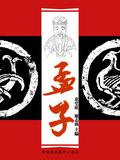 Mencius
The book "Mencius" is a compilation of Mencius' remarks, jointly compiled by Mencius and his disciples. It records Mencius's language, political views (benevolent government, the distinction between kings and hegemons, people-centeredness, caring about the king's intentions, and the people valuing the king) and political actions. "Mencius" has seven chapters handed down from generation to generation: "King Hui of Liang" (Part 2); "Gongsun Chou" (Part 1 and part); "Teng Wengong" (Part 1 and part)
—Reads9.3Score—Shelves
Mencius
The book "Mencius" is a compilation of Mencius' remarks, jointly compiled by Mencius and his disciples. It records Mencius's language, political views (benevolent government, the distinction between kings and hegemons, people-centeredness, caring about the king's intentions, and the people valuing the king) and political actions. "Mencius" has seven chapters handed down from generation to generation: "King Hui of Liang" (Part 2); "Gongsun Chou" (Part 1 and part); "Teng Wengong" (Part 1 and part)
—Reads9.3Score—Shelves
-
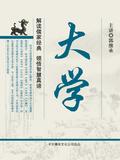 University
"The Great Learning" is an introductory book to the Confucian school. It was originally a chapter in the "Book of Rites" and was listed as the first of the "Four Books" by Zhu Xi in the Song Dynasty. It summarizes in detail the ethical and moral thoughts of Pre-Qin Confucianism, and systematically expounds the Confucian principles and methods of settling down and establishing a life. This "university way" has deeply influenced traditional Chinese society and played an irreplaceable role in the d
—Reads8.4Score—Shelves
University
"The Great Learning" is an introductory book to the Confucian school. It was originally a chapter in the "Book of Rites" and was listed as the first of the "Four Books" by Zhu Xi in the Song Dynasty. It summarizes in detail the ethical and moral thoughts of Pre-Qin Confucianism, and systematically expounds the Confucian principles and methods of settling down and establishing a life. This "university way" has deeply influenced traditional Chinese society and played an irreplaceable role in the d
—Reads8.4Score—Shelves
-
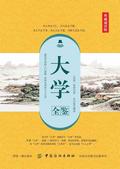 University Encyclopedia (Collection Reading Edition)
"The Great Learning" has simple diction, profound connotation and far-reaching influence. Over the past two thousand years, countless sages have entered the temple of Confucianism. "The Great Learning" summarizes the ethics, morals and thoughts of pre-Qin Confucianism in detail, and systematically describes the Confucian principles and methods of settling down and establishing a life. It has profound enlightenment significance for modern people to be a person, do things, and establish a career.
—Reads9.4Score—Shelves
University Encyclopedia (Collection Reading Edition)
"The Great Learning" has simple diction, profound connotation and far-reaching influence. Over the past two thousand years, countless sages have entered the temple of Confucianism. "The Great Learning" summarizes the ethics, morals and thoughts of pre-Qin Confucianism in detail, and systematically describes the Confucian principles and methods of settling down and establishing a life. It has profound enlightenment significance for modern people to be a person, do things, and establish a career.
—Reads9.4Score—Shelves
-
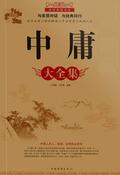 The Complete Collection of Zhongyong
"The Doctrine of the Mean" is one of the classic works of Confucianism in ancient my country. It was listed as one of the "Four Books" by Zhu Xi. It embodies the political opinions, ethical thoughts, moral concepts and educational principles of the Confucian school. It is the source of our country's traditional cultural thoughts and a treasure house of Chinese people's wisdom. Zhu Xi once highly praised "The Doctrine of the Mean": "To achieve harmony, heaven and earth will have their place, and
—Reads9.5Score—Shelves
The Complete Collection of Zhongyong
"The Doctrine of the Mean" is one of the classic works of Confucianism in ancient my country. It was listed as one of the "Four Books" by Zhu Xi. It embodies the political opinions, ethical thoughts, moral concepts and educational principles of the Confucian school. It is the source of our country's traditional cultural thoughts and a treasure house of Chinese people's wisdom. Zhu Xi once highly praised "The Doctrine of the Mean": "To achieve harmony, heaven and earth will have their place, and
—Reads9.5Score—Shelves
-
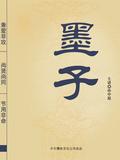 Mozi
Mozi was a famous thinker, educator, social activist, military strategist, scientist and the founder of the Mohist school during the Warring States Period in my country. He founded the Mohist theory and had a book "Mozi" handed down to the world. "Mozi", a Mohist classic, is a record of Mozi's words and deeds by his disciples and his subsequent disciples. It has a wide range of content, covering many aspects such as politics, military, philosophy, ethics, logic, science and technology. It is an
—Reads8.5Score—Shelves
Mozi
Mozi was a famous thinker, educator, social activist, military strategist, scientist and the founder of the Mohist school during the Warring States Period in my country. He founded the Mohist theory and had a book "Mozi" handed down to the world. "Mozi", a Mohist classic, is a record of Mozi's words and deeds by his disciples and his subsequent disciples. It has a wide range of content, covering many aspects such as politics, military, philosophy, ethics, logic, science and technology. It is an
—Reads8.5Score—Shelves
-
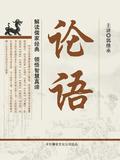 The Analects of Confucius
 is one of the classic works of the Confucian school. It is mainly written in quotations and dialogues. It records the words and deeds of Confucius and his disciples. It embodies Confucius's moral concepts, ethical thoughts, political opinions and educational principles. It has become the invisible soul of the Chinese nation's cultural spirit for more than two thousand years. The Analects of Confucius has concise language and profound meaning. Many of its sentences are s
—Reads8.6Score—Shelves
The Analects of Confucius
The Analects of Confucius is one of the classic works of the Confucian school. It is mainly written in quotations and dialogues. It records the words and deeds of Confucius and his disciples. It embodies Confucius's moral concepts, ethical thoughts, political opinions and educational principles. It has become the invisible soul of the Chinese nation's cultural spirit for more than two thousand years. The Analects of Confucius has concise language and profound meaning. Many of its sentences are s
—Reads8.6Score—Shelves
-
 Happy Chinese Studies 1000 Questions
This book covers all kinds of Chinese culture knowledge, including historical knowledge, archaeological discoveries, historical figures, Zen philosophy, classics, poems and songs, idioms and sayings, Chinese couplets, festival etiquette and customs, calligraphy and painting, food and entertainment, clothing and equipment, opera and music, education and economics, military science and technology, astronomy and medicine, etc. In terms of topic selection, there are not only general Chinese knowledg
—Reads8.8Score—Shelves
Happy Chinese Studies 1000 Questions
This book covers all kinds of Chinese culture knowledge, including historical knowledge, archaeological discoveries, historical figures, Zen philosophy, classics, poems and songs, idioms and sayings, Chinese couplets, festival etiquette and customs, calligraphy and painting, food and entertainment, clothing and equipment, opera and music, education and economics, military science and technology, astronomy and medicine, etc. In terms of topic selection, there are not only general Chinese knowledg
—Reads8.8Score—Shelves
-
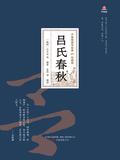 Wanjuanlou Chinese Classics (Collector's Edition): Lu's Spring and Autumn Period
"Lu's Spring and Autumn Annals" is a miscellaneous book compiled by Qin minister Lu Buwei at the end of the Warring States Period, organized by his disciples. It is also known as "Lü Lan". The book respects Taoist thought and affirms Lao Tzu's objective thoughts, but discards its more negative elements. At the same time, it integrates the strengths of Confucianism, Mohism, Legalism, and military schools to form a theoretical system covering all aspects of politics, economics, philosophy, moralit
—Reads8.7Score—Shelves
Wanjuanlou Chinese Classics (Collector's Edition): Lu's Spring and Autumn Period
"Lu's Spring and Autumn Annals" is a miscellaneous book compiled by Qin minister Lu Buwei at the end of the Warring States Period, organized by his disciples. It is also known as "Lü Lan". The book respects Taoist thought and affirms Lao Tzu's objective thoughts, but discards its more negative elements. At the same time, it integrates the strengths of Confucianism, Mohism, Legalism, and military schools to form a theoretical system covering all aspects of politics, economics, philosophy, moralit
—Reads8.7Score—Shelves
-
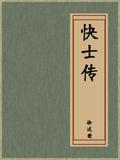 Kuai Shi Biography (Free Public Edition Book)
"The Biography of Kuai Shi" has a total of sixteen volumes, that is, sixteen chapters. It was published in the Qing Dynasty and was signed "edited by Master Wuseshi". The author is Xu Shukui (1701? - 1763?), The author of "Five Colored Stones" and "Eight Cave Heaven". The book describes the various mentalities of literati who failed in the imperial examination, showing the author's certain courage. At the same time, this book has a complex plot, rigorous structure, and fluent language, making it
—Reads8.6Score—Shelves
Kuai Shi Biography (Free Public Edition Book)
"The Biography of Kuai Shi" has a total of sixteen volumes, that is, sixteen chapters. It was published in the Qing Dynasty and was signed "edited by Master Wuseshi". The author is Xu Shukui (1701? - 1763?), The author of "Five Colored Stones" and "Eight Cave Heaven". The book describes the various mentalities of literati who failed in the imperial examination, showing the author's certain courage. At the same time, this book has a complex plot, rigorous structure, and fluent language, making it
—Reads8.6Score—Shelves
-
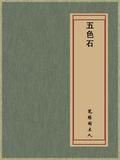 Five Colored Stones (Free Public Edition Book)
Collection of short stories. Written by Xu Shukui of Qing Dynasty. Eight volumes. Shukui's original name was Gengya and his courtesy name was Xiaowen. The work is self-signed as the owner of the Bi Lian Pavilion and the owner of the five-color stone to express cynicism. "Five Colored Stones" is a collection of vernacular short stories from the Qing Dynasty. Its full name is "Bi Lian Ge compiled Five Colored Stones". The book consists of 8 volumes, including 8 short stories.
—Reads8.7Score—Shelves
Five Colored Stones (Free Public Edition Book)
Collection of short stories. Written by Xu Shukui of Qing Dynasty. Eight volumes. Shukui's original name was Gengya and his courtesy name was Xiaowen. The work is self-signed as the owner of the Bi Lian Pavilion and the owner of the five-color stone to express cynicism. "Five Colored Stones" is a collection of vernacular short stories from the Qing Dynasty. Its full name is "Bi Lian Ge compiled Five Colored Stones". The book consists of 8 volumes, including 8 short stories.
—Reads8.7Score—Shelves
-
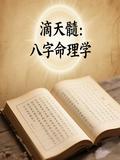 Ditiansui: Eight-Character Numerology
"Drip Tiansui" is an ancient Chinese numerology work, written under the name of Jingtu in the Song Dynasty. The original work expounds the theory and ideas of eight-character fortune-telling in the form of seven-character poems. It includes many chapters such as heavenly stems, earthly branches, physical function, decline and prosperity, neutralization, origin, clearance, hardness and softness, compliance, cold and warmth, dryness and dampness, hidden and obvious, and numerous. The original text
—Reads8.4Score—Shelves
Ditiansui: Eight-Character Numerology
"Drip Tiansui" is an ancient Chinese numerology work, written under the name of Jingtu in the Song Dynasty. The original work expounds the theory and ideas of eight-character fortune-telling in the form of seven-character poems. It includes many chapters such as heavenly stems, earthly branches, physical function, decline and prosperity, neutralization, origin, clearance, hardness and softness, compliance, cold and warmth, dryness and dampness, hidden and obvious, and numerous. The original text
—Reads8.4Score—Shelves
-
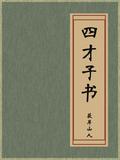 The Book of Four Talents (Free Public Edition Book)
"Pingshan Lengyan" mainly describes the talented men and women (Ping Ruheng, Shandai, Leng Jiangxue, Yan Baizhen) in the prosperous period of the "Previous Dynasty". The title of the book is composed of the last names of the four people. Their outstanding talents won the appreciation of the emperor, and they finally got married. The two talented women described in the book not only have outstanding poetic talents, but are also smart and mature, which makes many men sigh; on the other hand, they
—Reads8.5Score—Shelves
The Book of Four Talents (Free Public Edition Book)
"Pingshan Lengyan" mainly describes the talented men and women (Ping Ruheng, Shandai, Leng Jiangxue, Yan Baizhen) in the prosperous period of the "Previous Dynasty". The title of the book is composed of the last names of the four people. Their outstanding talents won the appreciation of the emperor, and they finally got married. The two talented women described in the book not only have outstanding poetic talents, but are also smart and mature, which makes many men sigh; on the other hand, they
—Reads8.5Score—Shelves
-
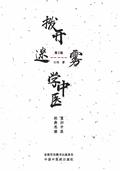 Clearing the Fog to Learn Chinese Medicine: Returning to the Classic Thinking of Chinese Medicine
Traditional Chinese medicine has been using a law for treating diseases for thousands of years. This law is the law of the four seasons and five movements between heaven and earth. In the human body, it is the law of the spread of yin and yang through the six meridians. This law was called "Tao" by the ancients. This "Tao" is used daily by ordinary people but is unknown to the people. It is as simple as it is true. The essence of "Tao" and the application of "Tao" in acupuncture are recorded in
—Reads9.4Score—Shelves
Clearing the Fog to Learn Chinese Medicine: Returning to the Classic Thinking of Chinese Medicine
Traditional Chinese medicine has been using a law for treating diseases for thousands of years. This law is the law of the four seasons and five movements between heaven and earth. In the human body, it is the law of the spread of yin and yang through the six meridians. This law was called "Tao" by the ancients. This "Tao" is used daily by ordinary people but is unknown to the people. It is as simple as it is true. The essence of "Tao" and the application of "Tao" in acupuncture are recorded in
—Reads9.4Score—Shelves
-
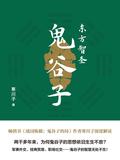 Oriental Wisdom Saint Guiguzi
A compulsory course for workplace and social interaction, Han Chuanzi explains Guiguzi thoroughly Easy-to-understand language style This book is written in simple language throughout, using popular language that middle school students can understand. It interprets one of the most difficult classics in the history of Chinese culture like telling a story. It uses rigorous words, well-founded arguments, and accurate interpretations. Discuss the universal cultural value of "Guiguzi" from the perspec
—Reads8.6Score—Shelves
Oriental Wisdom Saint Guiguzi
A compulsory course for workplace and social interaction, Han Chuanzi explains Guiguzi thoroughly Easy-to-understand language style This book is written in simple language throughout, using popular language that middle school students can understand. It interprets one of the most difficult classics in the history of Chinese culture like telling a story. It uses rigorous words, well-founded arguments, and accurate interpretations. Discuss the universal cultural value of "Guiguzi" from the perspec
—Reads8.6Score—Shelves
-
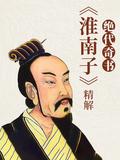 Unparalleled Wonderful Book: an Essay on "Huainanzi"
"Huainanzi" is not only a representative work of miscellaneous studies, but also a culmination of Taoist studies. The book extensively covers scientific and technological knowledge such as astronomy, geography, chemistry, medicine, agriculture, water conservancy, etc. It can be called an encyclopedia of academics from the pre-Qin to the early Han Dynasty. Therefore, it was praised by Liang Qichao as "the first-rate Han writings" and was also called "a peerless book" by Hu Shi. This book is divid
—Reads8.6Score—Shelves
Unparalleled Wonderful Book: an Essay on "Huainanzi"
"Huainanzi" is not only a representative work of miscellaneous studies, but also a culmination of Taoist studies. The book extensively covers scientific and technological knowledge such as astronomy, geography, chemistry, medicine, agriculture, water conservancy, etc. It can be called an encyclopedia of academics from the pre-Qin to the early Han Dynasty. Therefore, it was praised by Liang Qichao as "the first-rate Han writings" and was also called "a peerless book" by Hu Shi. This book is divid
—Reads8.6Score—Shelves
-
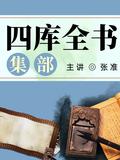 Sikuquanshu (Collection)
An overview of the collections of "Sikuquanshu", "Chu Ci", "Collections of Cao Zijian", "Collections of Tao Yuanming", "Collections of Li Taibai", "Collections of Du Gongbu", "Dongpo Ci", "Jiaxuan Ci", "Guwen Guanzhi", "Yuefu Poetry Collection", "Wenxin Diaolong"
—Reads8.8Score—Shelves
Sikuquanshu (Collection)
An overview of the collections of "Sikuquanshu", "Chu Ci", "Collections of Cao Zijian", "Collections of Tao Yuanming", "Collections of Li Taibai", "Collections of Du Gongbu", "Dongpo Ci", "Jiaxuan Ci", "Guwen Guanzhi", "Yuefu Poetry Collection", "Wenxin Diaolong"
—Reads8.8Score—Shelves
-
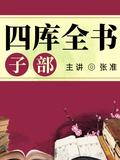 Sikuquanshu (Subpart)
An overview of the subparts of "Sikuquanshu", "Xunzi", "Sun Tzu's Art of War", "Laozi", "Zhuangzi", "Liezi", "Hanfeizi", "Guanzi", "Lu Shi Chunqiu", "Guiguzi", " "Mozi", "Mengxi Bi Tan", "Yan Family Instructions", "Huangdi Neijing", "Huainanzi", "Rongzhai Essays", "Shan Hai Jing", "Sou Shen Ji", "Shi Shuo Xin Yu", "Taiping Guang Ji"
—Reads8.9Score—Shelves
Sikuquanshu (Subpart)
An overview of the subparts of "Sikuquanshu", "Xunzi", "Sun Tzu's Art of War", "Laozi", "Zhuangzi", "Liezi", "Hanfeizi", "Guanzi", "Lu Shi Chunqiu", "Guiguzi", " "Mozi", "Mengxi Bi Tan", "Yan Family Instructions", "Huangdi Neijing", "Huainanzi", "Rongzhai Essays", "Shan Hai Jing", "Sou Shen Ji", "Shi Shuo Xin Yu", "Taiping Guang Ji"
—Reads8.9Score—Shelves
-
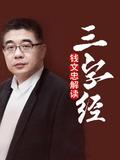 Qian Wenzhong Interprets "The Three Character Classic"
How will this traditional enlightenment classic be interpreted?
—Reads8.3Score—Shelves
Qian Wenzhong Interprets "The Three Character Classic"
How will this traditional enlightenment classic be interpreted?
—Reads8.3Score—Shelves