Fanqie library
Browse
- Titles
- 966
Every Fanqie book we index, searchable by title, author or tag.
-
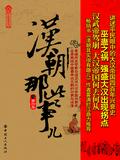 Things About the Han Dynasty. Volume 4
After stabilizing the Xiongnu, Emperor Wu of the Han Dynasty carried out crazy military expansion. However, as Li Guangli and Li Ling were defeated and surrendered to the Huns, Emperor Wu of the Han Dynasty's dream of domination in his later years was completely shattered. Subsequently, the witchcraft disaster occurred, triggering a battle for the crown prince's position. Emperor Wu of the Han Dynasty's good ministers and famous generals were involved in it. In the end, the "quasi-prince" Liu Zh
—Reads9.4Score—Shelves
Things About the Han Dynasty. Volume 4
After stabilizing the Xiongnu, Emperor Wu of the Han Dynasty carried out crazy military expansion. However, as Li Guangli and Li Ling were defeated and surrendered to the Huns, Emperor Wu of the Han Dynasty's dream of domination in his later years was completely shattered. Subsequently, the witchcraft disaster occurred, triggering a battle for the crown prince's position. Emperor Wu of the Han Dynasty's good ministers and famous generals were involved in it. In the end, the "quasi-prince" Liu Zh
—Reads9.4Score—Shelves
-
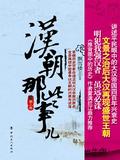 Things About the Han Dynasty. Volume 3
Emperor Jing of the Han Dynasty's "ruling by inaction" eventually led to a bloody storm in the harem. First, there was a battle for the "first sister" in the harem, and finally it evolved into a battle for the prince. Eventually, Liu Che ascended to the throne of prince. After taking office, he was ambitious. He first launched an unprecedented "ideological revolution" and used Confucianism as the theoretical foundation to maintain his rule; then he launched a "revolution by force", which set the
—Reads9.3Score—Shelves
Things About the Han Dynasty. Volume 3
Emperor Jing of the Han Dynasty's "ruling by inaction" eventually led to a bloody storm in the harem. First, there was a battle for the "first sister" in the harem, and finally it evolved into a battle for the prince. Eventually, Liu Che ascended to the throne of prince. After taking office, he was ambitious. He first launched an unprecedented "ideological revolution" and used Confucianism as the theoretical foundation to maintain his rule; then he launched a "revolution by force", which set the
—Reads9.3Score—Shelves
-
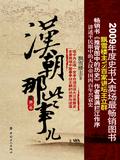 Things About the Han Dynasty. Volume 1
The birth of Liu Bang, the founding emperor of the Han Dynasty, was very strange. It is said that he was born after his mother Wang had sex with a dragon. He was born with seventy-two moles on his feet. This is destined that Liu Bang is not an ordinary figure. He was extremely naughty when he was a child, which troubled his family. After studying, the teacher was eventually brought down by him. So the eighteen-year-old Liu Bang left school and began his life as a gangster. At this moment, Liu Ba
—Reads9.4Score—Shelves
Things About the Han Dynasty. Volume 1
The birth of Liu Bang, the founding emperor of the Han Dynasty, was very strange. It is said that he was born after his mother Wang had sex with a dragon. He was born with seventy-two moles on his feet. This is destined that Liu Bang is not an ordinary figure. He was extremely naughty when he was a child, which troubled his family. After studying, the teacher was eventually brought down by him. So the eighteen-year-old Liu Bang left school and began his life as a gangster. At this moment, Liu Ba
—Reads9.4Score—Shelves
-
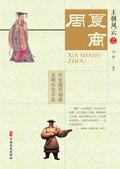 Xia, Shang and Zhou Dynasties
This book tells the rich and colorful history of China from the beginning of primitive society to the fall of the Western Zhou Dynasty in 770 BC. During this period, the ancestors of the Chinese nation established the Chinese nation on the vast and fertile land of China, transitioning from primitive society to slave society, and from tribal alliances to state rule. In the Shang Dynasty, the culture of bronzes and oracle bone inscriptions was breathtaking; the "Chengkang Rule" in the Western Zhou
—Reads9.4Score—Shelves
Xia, Shang and Zhou Dynasties
This book tells the rich and colorful history of China from the beginning of primitive society to the fall of the Western Zhou Dynasty in 770 BC. During this period, the ancestors of the Chinese nation established the Chinese nation on the vast and fertile land of China, transitioning from primitive society to slave society, and from tribal alliances to state rule. In the Shang Dynasty, the culture of bronzes and oracle bone inscriptions was breathtaking; the "Chengkang Rule" in the Western Zhou
—Reads9.4Score—Shelves
-
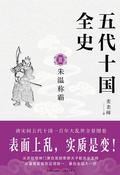 A Complete History of the Five Dynasties and Ten Kingdoms 3: Zhu and Wen Dominate
The prosperous Tang Dynasty, with well-dressed gentry, was finally in trouble. "The Complete History of the Five Dynasties and Ten Kingdoms" is a set of eight volumes. It is a popular history work about the late Tang and Five Dynasties. It is based on historical materials and uses rigorous logical analysis and vivid and humorous writing to describe this important historical period of constant disputes and turmoil. It focuses on describing the various major historical events that occurred during
—Reads9.4Score—Shelves
A Complete History of the Five Dynasties and Ten Kingdoms 3: Zhu and Wen Dominate
The prosperous Tang Dynasty, with well-dressed gentry, was finally in trouble. "The Complete History of the Five Dynasties and Ten Kingdoms" is a set of eight volumes. It is a popular history work about the late Tang and Five Dynasties. It is based on historical materials and uses rigorous logical analysis and vivid and humorous writing to describe this important historical period of constant disputes and turmoil. It focuses on describing the various major historical events that occurred during
—Reads9.4Score—Shelves
-
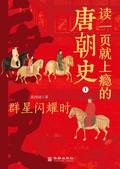 A History of the Tang Dynasty That Will Make You Addicted After Reading One Page·when the Stars Shine
The Founding of the Tang Dynasty: It seems like a passionate and magnificent war record. Some people made all preparations for their grandiose undertakings, but unexpectedly died in the middle of the road. Some people took advantage of the historical trend to rise up, but were beaten to death on the beach by the waves behind them. Some people retreat to the countryside in the torrent of troubled times, but they are unwilling to be ordinary and want to dominate the world again. … The Women's Army
—Reads8.9Score—Shelves
A History of the Tang Dynasty That Will Make You Addicted After Reading One Page·when the Stars Shine
The Founding of the Tang Dynasty: It seems like a passionate and magnificent war record. Some people made all preparations for their grandiose undertakings, but unexpectedly died in the middle of the road. Some people took advantage of the historical trend to rise up, but were beaten to death on the beach by the waves behind them. Some people retreat to the countryside in the torrent of troubled times, but they are unwilling to be ordinary and want to dominate the world again. … The Women's Army
—Reads8.9Score—Shelves
-
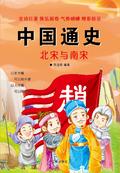 Northern Song Dynasty and Southern Song Dynasty
The Song Dynasty was the dynasty in Chinese history that succeeded the Five Dynasties and Ten Kingdoms and led to the Yuan Dynasty. It was divided into two stages, the Northern Song Dynasty and the Southern Song Dynasty. It had a total of eighteen emperors and enjoyed 319 years. The Song Dynasty was an era in Chinese history when commodity economy, culture, education, and scientific innovation were highly prosperous. In particular, the wealth of the people and the prosperity of the social econom
—Reads9.4Score—Shelves
Northern Song Dynasty and Southern Song Dynasty
The Song Dynasty was the dynasty in Chinese history that succeeded the Five Dynasties and Ten Kingdoms and led to the Yuan Dynasty. It was divided into two stages, the Northern Song Dynasty and the Southern Song Dynasty. It had a total of eighteen emperors and enjoyed 319 years. The Song Dynasty was an era in Chinese history when commodity economy, culture, education, and scientific innovation were highly prosperous. In particular, the wealth of the people and the prosperity of the social econom
—Reads9.4Score—Shelves
-
 The Spring and Autumn Period of the Sixteen Kingdoms
Chinese traditional cultural thoughts have a long history and are highly original, original and literary. The early ideological forms were very distinctive, with extensive and profound contents such as religious theology, Chinese medicine classics, ancient military art, Confucianism, Taoism, Buddhism and hundreds of schools of thought, Feng Shui metaphysics, Twenty-Four Histories, customs and geography, etc. This series of "Original Books on Classic Chinese Studies and Essence Culture" retains t
—Reads8.7Score—Shelves
The Spring and Autumn Period of the Sixteen Kingdoms
Chinese traditional cultural thoughts have a long history and are highly original, original and literary. The early ideological forms were very distinctive, with extensive and profound contents such as religious theology, Chinese medicine classics, ancient military art, Confucianism, Taoism, Buddhism and hundreds of schools of thought, Feng Shui metaphysics, Twenty-Four Histories, customs and geography, etc. This series of "Original Books on Classic Chinese Studies and Essence Culture" retains t
—Reads8.7Score—Shelves
-
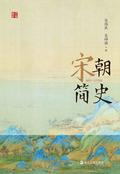 A Brief History of the Song Dynasty
As the Song army was completely annihilated in the Yashan naval battle, the Zhao and Song Dynasties, which had been in existence for more than 300 years, finally perished. Looking back at the ups and downs of the dynasty over the past 300 years, the Song Dynasty succeeded the turbulent times of the late Tang Dynasty and established the country, but it never fully recovered the vast territory of the Han and Tang Dynasties. It suffered the "Jingkang Disgrace" and was robbed of half of its rivers a
—Reads8.4Score—Shelves
A Brief History of the Song Dynasty
As the Song army was completely annihilated in the Yashan naval battle, the Zhao and Song Dynasties, which had been in existence for more than 300 years, finally perished. Looking back at the ups and downs of the dynasty over the past 300 years, the Song Dynasty succeeded the turbulent times of the late Tang Dynasty and established the country, but it never fully recovered the vast territory of the Han and Tang Dynasties. It suffered the "Jingkang Disgrace" and was robbed of half of its rivers a
—Reads8.4Score—Shelves
-
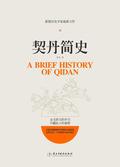 A Brief History of Khitan
This book uses a combination of pictures and text to introduce in detail the rise and fall of this mysterious nation. From a unique historical perspective, it reproduces the splendor and splendor of the Khitan Empire for readers, and presents an alternative and unique Khitan history to readers. The Khitan, this eagle nation that fought in the sky, once dominated northern China for a while. In its heyday, this iron-blooded nation blocked the Silk Road from the Central Plains to the West. At that
—Reads9.2Score—Shelves
A Brief History of Khitan
This book uses a combination of pictures and text to introduce in detail the rise and fall of this mysterious nation. From a unique historical perspective, it reproduces the splendor and splendor of the Khitan Empire for readers, and presents an alternative and unique Khitan history to readers. The Khitan, this eagle nation that fought in the sky, once dominated northern China for a while. In its heyday, this iron-blooded nation blocked the Silk Road from the Central Plains to the West. At that
—Reads9.2Score—Shelves
-
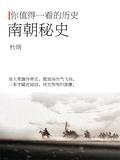 The Secret History of the Southern Dynasties (History Worth Seeing)
"The Secret History of the Southern Dynasties" narrates the history of more than 200 years from the Eastern Jin Dynasty to the Song, Qi, Liang, and Chen years. Readers who are interested in this period of history should read this book. The plot of the work is generally consistent with historical facts, but details such as palace secrets are derived from official history or the author's fiction. The author writes extensively about the four entrepreneurial monarchs, Emperor Wu of the Song Dynasty
—Reads8.3Score—Shelves
The Secret History of the Southern Dynasties (History Worth Seeing)
"The Secret History of the Southern Dynasties" narrates the history of more than 200 years from the Eastern Jin Dynasty to the Song, Qi, Liang, and Chen years. Readers who are interested in this period of history should read this book. The plot of the work is generally consistent with historical facts, but details such as palace secrets are derived from official history or the author's fiction. The author writes extensively about the four entrepreneurial monarchs, Emperor Wu of the Song Dynasty
—Reads8.3Score—Shelves
-
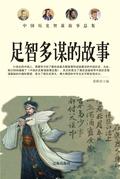 A Resourceful Story
Resourcefulness is a proper combination of wisdom and strategy. It has a keen judgment on the changes in things and the ability to drive things to develop in a favorable direction. This is a survival ability of us humans.
—Reads9.4Score—Shelves
A Resourceful Story
Resourcefulness is a proper combination of wisdom and strategy. It has a keen judgment on the changes in things and the ability to drive things to develop in a favorable direction. This is a survival ability of us humans.
—Reads9.4Score—Shelves
-
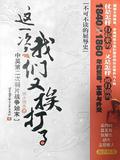 This Time, We Were Beaten Again: a Panoramic Interpretation of the Second Opium War Between China and Britain
This book is a panoramic interpretation of the Second Opium War, showing the world's strength pattern under a wide-angle lens in the mid-19th century. It describes in detail the comparison of the comprehensive strength of China and Britain, pre-war preparations, war processes, post-war results and impacts, etc., Giving readers a comprehensive and multi-level understanding of the Second Opium War. Through this panoramic interpretation, the author shows the situation when Western countries were ac
—Reads8.3Score—Shelves
This Time, We Were Beaten Again: a Panoramic Interpretation of the Second Opium War Between China and Britain
This book is a panoramic interpretation of the Second Opium War, showing the world's strength pattern under a wide-angle lens in the mid-19th century. It describes in detail the comparison of the comprehensive strength of China and Britain, pre-war preparations, war processes, post-war results and impacts, etc., Giving readers a comprehensive and multi-level understanding of the Second Opium War. Through this panoramic interpretation, the author shows the situation when Western countries were ac
—Reads8.3Score—Shelves
-
 Selected Poems of Liu Ying
Liu Ying (about 1144-1180) was the governor of Tangzhou. In the thirteenth year of Emperor Sejong's Dading reign (1173), his strategy of recommending books was the first at the time. The following year, he was promoted to Jinshi, granted the title of Registrar of Prince Bin's Mansion, and was appointed as the Prince's Secretary of Scripture. He was highly respected by Xianzong Yunggong, the second son of Jin Shizong. In the 20th year of Dading, he "went to Jia Liangxing" and died of illness.
—Reads—Score—Shelves
Selected Poems of Liu Ying
Liu Ying (about 1144-1180) was the governor of Tangzhou. In the thirteenth year of Emperor Sejong's Dading reign (1173), his strategy of recommending books was the first at the time. The following year, he was promoted to Jinshi, granted the title of Registrar of Prince Bin's Mansion, and was appointed as the Prince's Secretary of Scripture. He was highly respected by Xianzong Yunggong, the second son of Jin Shizong. In the 20th year of Dading, he "went to Jia Liangxing" and died of illness.
—Reads—Score—Shelves
-
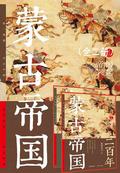 Two Hundred Years of the Mongol Empire (Two Volumes)
A panoramic interpretation of the two hundred years of magnificent history of the Mongol Empire. Uncover the secrets of the rise and fall of the medieval world's most powerful empires. After unifying the Mongolian grasslands, Genghis Khan and his descendants quickly launched foreign military conquests, from the Mongolian grasslands to the Central Plains and Han Dynasty, from Khwarezm to Oros, and from Asia to Europe. The Mongol Empire's cavalry is invincible, and neither the East nor the West ca
—Reads9.5Score—Shelves
Two Hundred Years of the Mongol Empire (Two Volumes)
A panoramic interpretation of the two hundred years of magnificent history of the Mongol Empire. Uncover the secrets of the rise and fall of the medieval world's most powerful empires. After unifying the Mongolian grasslands, Genghis Khan and his descendants quickly launched foreign military conquests, from the Mongolian grasslands to the Central Plains and Han Dynasty, from Khwarezm to Oros, and from Asia to Europe. The Mongol Empire's cavalry is invincible, and neither the East nor the West ca
—Reads9.5Score—Shelves
-
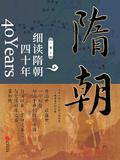 A Closer Look at the Forty Years of the Sui Dynasty
The more than thirty years of the Sui Dynasty was a short period of intense color in ancient history, connecting the past and the future. It was also a gorgeous stage where the king's flag changed on the city wall, and you sang and I appeared. Yiwei's "A Close Study of the Forty Years of the Sui Dynasty: A Great Dynasty Comparable to the Qin Empire" provides a panoramic description of the Sui Dynasty's history in three sections: its rise, prosperity, and decline. It is of great help to quickly g
—Reads9.5Score—Shelves
A Closer Look at the Forty Years of the Sui Dynasty
The more than thirty years of the Sui Dynasty was a short period of intense color in ancient history, connecting the past and the future. It was also a gorgeous stage where the king's flag changed on the city wall, and you sang and I appeared. Yiwei's "A Close Study of the Forty Years of the Sui Dynasty: A Great Dynasty Comparable to the Qin Empire" provides a panoramic description of the Sui Dynasty's history in three sections: its rise, prosperity, and decline. It is of great help to quickly g
—Reads9.5Score—Shelves
-
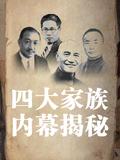 Inside Secrets of the Four Major Families Revealed
The Chiang family that founded the "Chiang Family Dynasty" and the Song family that came out of three influential women. The Kong family controlled the economic lifeline of the Republic of China, and the Chen family rose up in the wave of the Great Revolution. The turbulence of the years, the treacherous events of the times, the overt and covert political struggles, and the behind-the-scenes dealings of money and power ultimately constituted a very special era, and the family was the creator of
—Reads8.8Score—Shelves
Inside Secrets of the Four Major Families Revealed
The Chiang family that founded the "Chiang Family Dynasty" and the Song family that came out of three influential women. The Kong family controlled the economic lifeline of the Republic of China, and the Chen family rose up in the wave of the Great Revolution. The turbulence of the years, the treacherous events of the times, the overt and covert political struggles, and the behind-the-scenes dealings of money and power ultimately constituted a very special era, and the family was the creator of
—Reads8.8Score—Shelves
-
 Conspiracy in the World: 7 Top Wise Men Teach Us the Tricks of Conspiracy
The significance of history to us ordinary people is not archeology, but understanding the present. History is never serious and rigid, but full of high-level fun. The seven figures written in the book can be called the top wise men and top advisers in Chinese history. They all played a vital role in the development of Chinese civilization and the rise and fall of dynasties. For example, Zhou Gongdan, the strongest auxiliary of the Great Zhou Dynasty; For example, Guan Zhong, the "naturally chos
—Reads7.6Score—Shelves
Conspiracy in the World: 7 Top Wise Men Teach Us the Tricks of Conspiracy
The significance of history to us ordinary people is not archeology, but understanding the present. History is never serious and rigid, but full of high-level fun. The seven figures written in the book can be called the top wise men and top advisers in Chinese history. They all played a vital role in the development of Chinese civilization and the rise and fall of dynasties. For example, Zhou Gongdan, the strongest auxiliary of the Great Zhou Dynasty; For example, Guan Zhong, the "naturally chos
—Reads7.6Score—Shelves
-
 Lu Simian's Vernacular History of China·modern Volume·what Was the Republic of China?
Content introduction: "Lü Simian's Vernacular History of China" is divided into "Lü Simian's Vernacular History of China·Ancient Scrolls·The Early Rise of China", "Lü Simian's Vernacular History of China·Middle Ancient Scrolls·The First Sound of the Han and Tang Dynasties", "Lü Simian's Vernacular History of China·Modern Scrolls·The Rise and Fall of the Song and Yuan Dynasties", "Lü Simian's Vernacular History of China·Modern Scrolls·The Ming and Qing Dynasties" The five books in the series "The
—Reads8.1Score—Shelves
Lu Simian's Vernacular History of China·modern Volume·what Was the Republic of China?
Content introduction: "Lü Simian's Vernacular History of China" is divided into "Lü Simian's Vernacular History of China·Ancient Scrolls·The Early Rise of China", "Lü Simian's Vernacular History of China·Middle Ancient Scrolls·The First Sound of the Han and Tang Dynasties", "Lü Simian's Vernacular History of China·Modern Scrolls·The Rise and Fall of the Song and Yuan Dynasties", "Lü Simian's Vernacular History of China·Modern Scrolls·The Ming and Qing Dynasties" The five books in the series "The
—Reads8.1Score—Shelves
-
 Lu Simian's Vernacular History of China·ancient Scrolls·the Early Rise of China
"Lü Simian's Vernacular History of China" is divided into "Lü Simian's Vernacular History of China·Ancient Scrolls·The Early Rise of China", "Lü Simian's Vernacular History of China·Middle Ancient Scrolls·The First Sound of the Han and Tang Dynasties", "Lü Simian's Vernacular History of China·Modern Scrolls·The Rise and Fall of the Song and Yuan Dynasties", "Lü Simian's Vernacular History of China·Modern Scrolls·The Ming and Qing Dynasties" The five books in the series "The Changes" and "Lü Simi
—Reads8.0Score—Shelves
Lu Simian's Vernacular History of China·ancient Scrolls·the Early Rise of China
"Lü Simian's Vernacular History of China" is divided into "Lü Simian's Vernacular History of China·Ancient Scrolls·The Early Rise of China", "Lü Simian's Vernacular History of China·Middle Ancient Scrolls·The First Sound of the Han and Tang Dynasties", "Lü Simian's Vernacular History of China·Modern Scrolls·The Rise and Fall of the Song and Yuan Dynasties", "Lü Simian's Vernacular History of China·Modern Scrolls·The Ming and Qing Dynasties" The five books in the series "The Changes" and "Lü Simi
—Reads8.0Score—Shelves
-
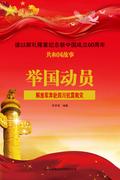 Nationwide Mobilization: People's Liberation Army Rushes to Sichuan for Earthquake Relief
Although "The Story of the Republic" is a story, it has nothing to do with drama. We just want to record this period of history with the help of popular and appealing words. This 500-volume series brings together 500 major historical events that have a profound impact on the history of the Republic. In terms of the layout of the series, we have tried our best to select a number of events that are representative or of universal significance in each era and describe them so that they can reflect t
—Reads8.6Score—Shelves
Nationwide Mobilization: People's Liberation Army Rushes to Sichuan for Earthquake Relief
Although "The Story of the Republic" is a story, it has nothing to do with drama. We just want to record this period of history with the help of popular and appealing words. This 500-volume series brings together 500 major historical events that have a profound impact on the history of the Republic. In terms of the layout of the series, we have tried our best to select a number of events that are representative or of universal significance in each era and describe them so that they can reflect t
—Reads8.6Score—Shelves
-
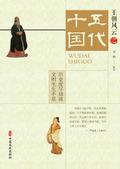 Five Dynasties and Ten Kingdoms (Dynasty Storm)
This book tells the 54-year history of China from the establishment of the Later Liang Dynasty by Zhu Wen in 907 to the rebellion of Zhao Kuangyin and Chen Qiao in 960 and the establishment of the Northern Song Dynasty. The Five Dynasties and Ten Kingdoms were an era of succession and transition in Chinese history between the Tang and Song Dynasties. "At this time, the world was in chaos, and China was in trouble. We were looking for usurpers and murderers." Dynasties and monarchs changed in tur
—Reads9.3Score—Shelves
Five Dynasties and Ten Kingdoms (Dynasty Storm)
This book tells the 54-year history of China from the establishment of the Later Liang Dynasty by Zhu Wen in 907 to the rebellion of Zhao Kuangyin and Chen Qiao in 960 and the establishment of the Northern Song Dynasty. The Five Dynasties and Ten Kingdoms were an era of succession and transition in Chinese history between the Tang and Song Dynasties. "At this time, the world was in chaos, and China was in trouble. We were looking for usurpers and murderers." Dynasties and monarchs changed in tur
—Reads9.3Score—Shelves
-
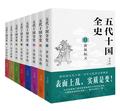 A Complete History of the Five Dynasties and Ten Kingdoms (Eight Volumes)
The prosperous Tang Dynasty, with well-dressed gentry, was finally in trouble. "The Complete History of the Five Dynasties and Ten Kingdoms" is a set of eight volumes. It is a popular history work about the late Tang and Five Dynasties. It is based on historical materials and uses rigorous logical analysis and vivid and humorous writing to describe this important historical period of constant disputes and turmoil. It focuses on narrating various major historical events that occurred during the m
—Reads9.4Score—Shelves
A Complete History of the Five Dynasties and Ten Kingdoms (Eight Volumes)
The prosperous Tang Dynasty, with well-dressed gentry, was finally in trouble. "The Complete History of the Five Dynasties and Ten Kingdoms" is a set of eight volumes. It is a popular history work about the late Tang and Five Dynasties. It is based on historical materials and uses rigorous logical analysis and vivid and humorous writing to describe this important historical period of constant disputes and turmoil. It focuses on narrating various major historical events that occurred during the m
—Reads9.4Score—Shelves
-
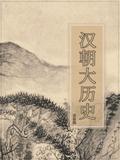 The Great History of Han Dynasty
Why did the Han Dynasty become two empires that stood side by side with the Western Roman Empire? How did the unification of the Han Dynasty emerge? Emperor Ai of the Han Dynasty had a habit of cutting off his sleeves, the wars between the Han Dynasty and the barbarians, and the true inside story of the Han Dynasty's relatives coming to power. Why has Confucianism become the mainstream thought in China for two thousand years? The bloody dispute between the eunuch group and the foreign relatives
—Reads9.2Score—Shelves
The Great History of Han Dynasty
Why did the Han Dynasty become two empires that stood side by side with the Western Roman Empire? How did the unification of the Han Dynasty emerge? Emperor Ai of the Han Dynasty had a habit of cutting off his sleeves, the wars between the Han Dynasty and the barbarians, and the true inside story of the Han Dynasty's relatives coming to power. Why has Confucianism become the mainstream thought in China for two thousand years? The bloody dispute between the eunuch group and the foreign relatives
—Reads9.2Score—Shelves
-
 Super Nice Half-Hour Comic About the History of China
This book combines pictures and texts to tell the main historical context of China from the Yuan Dynasty to the Qing Dynasty in a vivid and interesting way, allowing readers to gain insight into the most important historical events, understand the most classic historical figures, and appreciate the positive historical culture in a more vivid, vivid and intuitive way. Open this book, and within half an hour, a brief history of China will be narrated.
—Reads8.9Score—Shelves
Super Nice Half-Hour Comic About the History of China
This book combines pictures and texts to tell the main historical context of China from the Yuan Dynasty to the Qing Dynasty in a vivid and interesting way, allowing readers to gain insight into the most important historical events, understand the most classic historical figures, and appreciate the positive historical culture in a more vivid, vivid and intuitive way. Open this book, and within half an hour, a brief history of China will be narrated.
—Reads8.9Score—Shelves
-
 Liao, Xixia, and Jin (Talk About Chinese History Series 4)
The Great Wall was broken, dangerous passes were crossed, and ethnic groups outside the Great Wall rushed to drink from the Yellow River. There were many wars in the country, the iron horses were stirred up, and the lead of the Zhao and Song dynasties was peeled off. The Liao Dynasty in Yejin was invincible, and the four seasons held a banquet to build the country; Li Xia, a party leader, fought vertically and horizontally, recalling the majestic tombs of the kings; the Jurchens in the Northeast
—Reads9.2Score—Shelves
Liao, Xixia, and Jin (Talk About Chinese History Series 4)
The Great Wall was broken, dangerous passes were crossed, and ethnic groups outside the Great Wall rushed to drink from the Yellow River. There were many wars in the country, the iron horses were stirred up, and the lead of the Zhao and Song dynasties was peeled off. The Liao Dynasty in Yejin was invincible, and the four seasons held a banquet to build the country; Li Xia, a party leader, fought vertically and horizontally, recalling the majestic tombs of the kings; the Jurchens in the Northeast
—Reads9.2Score—Shelves
-
 What Is the Republic of China
Foreign nations invaded, sovereignty was lost, and citizens were displaced. Walking into China's modern history, we learned that it is not easy to make a country rich and its people strong.
—Reads8.8Score—Shelves
What Is the Republic of China
Foreign nations invaded, sovereignty was lost, and citizens were displaced. Walking into China's modern history, we learned that it is not easy to make a country rich and its people strong.
—Reads8.8Score—Shelves
-
 The Whole Story of Sino-Russian Negotiations in Ili
"The Beginning and End of Sino-Russian Ili Negotiations" was written by Luo Dunjun, which records in detail a complex and fierce diplomatic negotiation between China and Russia over the Ili issue in the late Qing Dynasty. Based on a large amount of first-hand information, the book restores the twists and turns of the negotiation process in detail, revealing the invasion of foreign powers, the weakness of the court, and the tragic efforts of a few knowledgeable people to save the situation. The w
—Reads8.0Score—Shelves
The Whole Story of Sino-Russian Negotiations in Ili
"The Beginning and End of Sino-Russian Ili Negotiations" was written by Luo Dunjun, which records in detail a complex and fierce diplomatic negotiation between China and Russia over the Ili issue in the late Qing Dynasty. Based on a large amount of first-hand information, the book restores the twists and turns of the negotiation process in detail, revealing the invasion of foreign powers, the weakness of the court, and the tragic efforts of a few knowledgeable people to save the situation. The w
—Reads8.0Score—Shelves
-
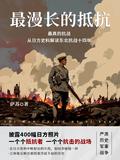 The Truest War of Resistance and the Longest Resistance: Interpreting the Fourteen Years of the Northeast War of Resistance from Japanese Historical Materials (Part 1 and 2)
This is a documentary work of military history. This book uses more than 400 Japanese photos and maps that the author collected for the first time in Japan as clues. Through comparative analysis and textual research of Chinese and Japanese historical materials on the historical information in these photos, this book reveals the arduous and unyielding resistance experience of the Northeast Regular Army, the Northeast Anti-Japanese Volunteer Army and the Northeast Anti-Japanese Allied Forces in th
—Reads9.4Score—Shelves
The Truest War of Resistance and the Longest Resistance: Interpreting the Fourteen Years of the Northeast War of Resistance from Japanese Historical Materials (Part 1 and 2)
This is a documentary work of military history. This book uses more than 400 Japanese photos and maps that the author collected for the first time in Japan as clues. Through comparative analysis and textual research of Chinese and Japanese historical materials on the historical information in these photos, this book reveals the arduous and unyielding resistance experience of the Northeast Regular Army, the Northeast Anti-Japanese Volunteer Army and the Northeast Anti-Japanese Allied Forces in th
—Reads9.4Score—Shelves
-
 Iron-Blooded and Strong Song Dynasty
This book extends from the beginning of the troubled times of the Five Dynasties to the demise of the Song Dynasty, from the Song-Liao War at the beginning of the founding of the People's Republic of China to the fierce battle with the Xixia Empire, from the humiliating Jingkang disaster to the Yashan disaster of the country's subjugation, using a unique perspective to examine the Song-Liao, Song-Xia, Song-Jin , Song and Mongolia (Yuan), the detailed war records show the full picture of the war
—Reads9.1Score—Shelves
Iron-Blooded and Strong Song Dynasty
This book extends from the beginning of the troubled times of the Five Dynasties to the demise of the Song Dynasty, from the Song-Liao War at the beginning of the founding of the People's Republic of China to the fierce battle with the Xixia Empire, from the humiliating Jingkang disaster to the Yashan disaster of the country's subjugation, using a unique perspective to examine the Song-Liao, Song-Xia, Song-Jin , Song and Mongolia (Yuan), the detailed war records show the full picture of the war
—Reads9.1Score—Shelves
-
 Historical China: Political Events Through the Ages
The Chinese nation is the oldest nation in the world, and the Chinese civilization is one of the oldest civilizations in the world. China has a written history of nearly 5,000 years. Starting from 841 BC, there has been no interruption in documented chronicles for nearly 3,000 years. This is unique in the long history of mankind. Among the four major ancient civilizations in the world, only China's history has always been passed down in an orderly manner and has never been interrupted. The Chine
—Reads—Score—Shelves
Historical China: Political Events Through the Ages
The Chinese nation is the oldest nation in the world, and the Chinese civilization is one of the oldest civilizations in the world. China has a written history of nearly 5,000 years. Starting from 841 BC, there has been no interruption in documented chronicles for nearly 3,000 years. This is unique in the long history of mankind. Among the four major ancient civilizations in the world, only China's history has always been passed down in an orderly manner and has never been interrupted. The Chine
—Reads—Score—Shelves
-
 Practical Social Sciences Series Women and Property in China (960-1949)
The manuscript is a research monograph on Chinese legal and social history. In the past, most studies on property inheritance in China focused on men, but men's property inheritance rights changed less in ancient times, so this kind of research mainly presents a static picture. This book turns the focus of research to women, analyzes the important changes that Chinese women's property rights have experienced from the Song Dynasty to the Republic of China, and presents a picture of diverse and dy
—Reads8.6Score—Shelves
Practical Social Sciences Series Women and Property in China (960-1949)
The manuscript is a research monograph on Chinese legal and social history. In the past, most studies on property inheritance in China focused on men, but men's property inheritance rights changed less in ancient times, so this kind of research mainly presents a static picture. This book turns the focus of research to women, analyzes the important changes that Chinese women's property rights have experienced from the Song Dynasty to the Republic of China, and presents a picture of diverse and dy
—Reads8.6Score—Shelves
-
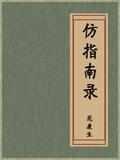 Imitation Guide Book (Free Public Edition Book)
In the third year of Shunzhi (1646), the Qing army entered Jiangxi and Ji'an fell. Fan Kangsheng followed the governor Wan Yuanji to retreat to Zaokou and entered Ganzhou. Wan Yuanji mobilized Ming troops from all over the city and soldiers and civilians in the city to stand firm and repel the Qing troops. Shaozong was in Fujian and could not send troops to rescue him, so he was only named Zhongyi Mansion. Later, the Qing army broke through the city. Wan Yuanji, Yang Tinglin and others died in t
—Reads—Score—Shelves
Imitation Guide Book (Free Public Edition Book)
In the third year of Shunzhi (1646), the Qing army entered Jiangxi and Ji'an fell. Fan Kangsheng followed the governor Wan Yuanji to retreat to Zaokou and entered Ganzhou. Wan Yuanji mobilized Ming troops from all over the city and soldiers and civilians in the city to stand firm and repel the Qing troops. Shaozong was in Fujian and could not send troops to rescue him, so he was only named Zhongyi Mansion. Later, the Qing army broke through the city. Wan Yuanji, Yang Tinglin and others died in t
—Reads—Score—Shelves
-
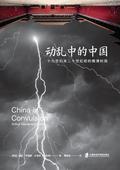 China in Turmoil: the Late Qing Dynasty in the Late 19Th and Early 20Th Century
The author of this book is a Westerner who lived in China more than a hundred years ago and is well versed in Chinese culture. He looked at and investigated this mysterious land from an outsider's unique perspective, and recorded their impressions and surprises in vivid and vivid language. Through the descriptions of China by overseas people, the Chinese can look back at the traumatic years of the late Qing Dynasty and the early Republic of China more intuitively and clearly, and understand the
—Reads8.2Score—Shelves
China in Turmoil: the Late Qing Dynasty in the Late 19Th and Early 20Th Century
The author of this book is a Westerner who lived in China more than a hundred years ago and is well versed in Chinese culture. He looked at and investigated this mysterious land from an outsider's unique perspective, and recorded their impressions and surprises in vivid and vivid language. Through the descriptions of China by overseas people, the Chinese can look back at the traumatic years of the late Qing Dynasty and the early Republic of China more intuitively and clearly, and understand the
—Reads8.2Score—Shelves
-
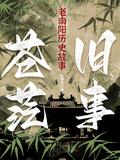 The Old Things Are Lost in Old Nanyang
What is history? History is a delicious meal. After eating it, people become mature. "Old Nanyang: The Boundless Past" is a side dish that the author made with great effort and difficulty for this feast. The raw materials used are some selected old anecdotes from Nanyang and pictures related to these old anecdotes. It's like a small plate of finger-sized tofu cubes mixed with finely ground sesame oil and some green coriander leaves. It may not fill your stomach, but it still contains trace eleme
—Reads8.6Score—Shelves
The Old Things Are Lost in Old Nanyang
What is history? History is a delicious meal. After eating it, people become mature. "Old Nanyang: The Boundless Past" is a side dish that the author made with great effort and difficulty for this feast. The raw materials used are some selected old anecdotes from Nanyang and pictures related to these old anecdotes. It's like a small plate of finger-sized tofu cubes mixed with finely ground sesame oil and some green coriander leaves. It may not fill your stomach, but it still contains trace eleme
—Reads8.6Score—Shelves
-
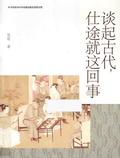 Talking About Ancient Times, This Is What Official Career Is All About
The yamen system, also known as the bureaucracy, is a specialty of Chinese history, and the culmination of various official pathologies is the "official-based" culture that has permeated the details of Chinese society for thousands of years. "Talking About Ancient Official Careers" by Zhang Cheng sorts out all aspects of ancient officials from recruitment to retirement. Readers can shuttle among high-ranking officials, junior officials, fallen scholars, hermits, monks and even common people, wan
—Reads8.4Score—Shelves
Talking About Ancient Times, This Is What Official Career Is All About
The yamen system, also known as the bureaucracy, is a specialty of Chinese history, and the culmination of various official pathologies is the "official-based" culture that has permeated the details of Chinese society for thousands of years. "Talking About Ancient Official Careers" by Zhang Cheng sorts out all aspects of ancient officials from recruitment to retirement. Readers can shuttle among high-ranking officials, junior officials, fallen scholars, hermits, monks and even common people, wan
—Reads8.4Score—Shelves
-
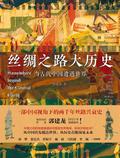 The Great History of the Silk Road: When Ancient China Encountered the World
For more than two thousand years, China's unique geographical conditions have created China's unique tradition of unification and the resilient continuity of Chinese civilization. However, since Zhang Qian emptied the Western Regions, there have been an endless stream of envoys, monks, and businessmen from all dynasties with different missions and purposes. They have set out from China, crossing the mountains and Gobi deserts in the west, or across the oceans, all the way west to explore the wid
—Reads9.2Score—Shelves
The Great History of the Silk Road: When Ancient China Encountered the World
For more than two thousand years, China's unique geographical conditions have created China's unique tradition of unification and the resilient continuity of Chinese civilization. However, since Zhang Qian emptied the Western Regions, there have been an endless stream of envoys, monks, and businessmen from all dynasties with different missions and purposes. They have set out from China, crossing the mountains and Gobi deserts in the west, or across the oceans, all the way west to explore the wid
—Reads9.2Score—Shelves
-
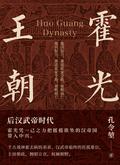 Huo Guang Dynasty
This article begins with Huo Guang assisting Emperor Zhao of the Han Dynasty to succeed to the throne, and tells the history of the period until the Huo family was eradicated by Emperor Xuan of the Han Dynasty. It analyzes how Huo Guang single-handedly brought the crumbling Han Empire into resurgence during the era of Emperor Wu of the Later Han Dynasty when the Han Empire was withered. And it was during the process of Huo Guang bringing the Han Empire into the resurgence that he also caused tro
—Reads9.1Score—Shelves
Huo Guang Dynasty
This article begins with Huo Guang assisting Emperor Zhao of the Han Dynasty to succeed to the throne, and tells the history of the period until the Huo family was eradicated by Emperor Xuan of the Han Dynasty. It analyzes how Huo Guang single-handedly brought the crumbling Han Empire into resurgence during the era of Emperor Wu of the Later Han Dynasty when the Han Empire was withered. And it was during the process of Huo Guang bringing the Han Empire into the resurgence that he also caused tro
—Reads9.1Score—Shelves
-
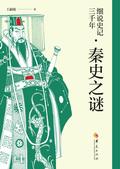 A Detailed Account of Three Thousand Years of Historical Records·the Mystery of Qin History
Everyone says that "Historical Records" is good, but for modern people, reading "Historical Records" in its entirety faces several obstacles, such as the scattered themes of biographies, the unfamiliar and complicated timeline of ancient names of people and places, etc. These obstacles create the regret of not finishing reading "Historical Records". There needs to be a companion book like "Three Thousand Years of Historical Records" to guide readers. After reading the detailed series, it would b
—Reads8.8Score—Shelves
A Detailed Account of Three Thousand Years of Historical Records·the Mystery of Qin History
Everyone says that "Historical Records" is good, but for modern people, reading "Historical Records" in its entirety faces several obstacles, such as the scattered themes of biographies, the unfamiliar and complicated timeline of ancient names of people and places, etc. These obstacles create the regret of not finishing reading "Historical Records". There needs to be a companion book like "Three Thousand Years of Historical Records" to guide readers. After reading the detailed series, it would b
—Reads8.8Score—Shelves
-
 Take You to Visit Shanxi
Qinghai Province, referred to as "Qing", is a first-level administrative region in China, located in the northeastern part of the Qinghai-Tibet Plateau. It is named after Qinghai Lake, the largest inland saltwater lake in China, and its provincial capital is Xining City. Qinghai was called the West Sea, Xianshui Sea, Beihe and Qiang Sea in ancient times, and it has been called Qinghai since the Sixteen Kingdoms period.
—Reads8.1Score—Shelves
Take You to Visit Shanxi
Qinghai Province, referred to as "Qing", is a first-level administrative region in China, located in the northeastern part of the Qinghai-Tibet Plateau. It is named after Qinghai Lake, the largest inland saltwater lake in China, and its provincial capital is Xining City. Qinghai was called the West Sea, Xianshui Sea, Beihe and Qiang Sea in ancient times, and it has been called Qinghai since the Sixteen Kingdoms period.
—Reads8.1Score—Shelves
-
 A Comparative Study of Yunnan Dialect Vocabulary
This book is based on the humanities and historical overview of Yunnan, the history of Han immigrants in Yunnan, and the formation of Chinese dialects. It discusses the internal commonalities and differences of Yunnan dialect vocabulary, and compares Yunnan dialect vocabulary with Guizhou dialect, Chengdu dialect, Liuzhou dialect, and Wuhan dialect, thereby showing its particularity.
—Reads8.2Score—Shelves
A Comparative Study of Yunnan Dialect Vocabulary
This book is based on the humanities and historical overview of Yunnan, the history of Han immigrants in Yunnan, and the formation of Chinese dialects. It discusses the internal commonalities and differences of Yunnan dialect vocabulary, and compares Yunnan dialect vocabulary with Guizhou dialect, Chengdu dialect, Liuzhou dialect, and Wuhan dialect, thereby showing its particularity.
—Reads8.2Score—Shelves
-
 A Comprehensive Guide to Chinese Historical Stories
China is one of the four ancient civilizations in the world. Chinese civilization, also known as Chinese civilization, is one of the oldest civilizations in the world and the longest lasting civilization in the world. The "Yuanmou Man" discovered in Yuanmou, Yunnan, about 1.7 Million years ago, is the earliest known hominid in China; the "Peking Man" who lived in the Zhoukoudian area of Beijing four and a half million years ago can walk upright, can make and use simple tools, and knows how t
—Reads9.4Score—Shelves
A Comprehensive Guide to Chinese Historical Stories
China is one of the four ancient civilizations in the world. Chinese civilization, also known as Chinese civilization, is one of the oldest civilizations in the world and the longest lasting civilization in the world. The "Yuanmou Man" discovered in Yuanmou, Yunnan, about 1.7 Million years ago, is the earliest known hominid in China; the "Peking Man" who lived in the Zhoukoudian area of Beijing four and a half million years ago can walk upright, can make and use simple tools, and knows how t
—Reads9.4Score—Shelves
-
 Thirty Years of Turmoil (Part 2)
The author did not write this book in the manner of a traditional textbook or history book, but from a folk perspective, using a true and inspiring writing style to describe the growth and development of Chinese enterprises in the market and the world in the era of reform and opening up. The surging commodity tide in the early days of reform and opening up; the tortuous development of these three forces, state-owned enterprises, private enterprises, and foreign-funded enterprises, competing with
—Reads9.3Score—Shelves
Thirty Years of Turmoil (Part 2)
The author did not write this book in the manner of a traditional textbook or history book, but from a folk perspective, using a true and inspiring writing style to describe the growth and development of Chinese enterprises in the market and the world in the era of reform and opening up. The surging commodity tide in the early days of reform and opening up; the tortuous development of these three forces, state-owned enterprises, private enterprises, and foreign-funded enterprises, competing with
—Reads9.3Score—Shelves
-
 Chronicles of the Later Zhou Dynasty (Free Public Edition Book)
It mainly records the history of the Later Zhou Dynasty during the Five Dynasties and Ten Kingdoms period, including the reforms and military actions during the establishment of the Later Zhou Dynasty by Guo Wei and the reign of Chai Rong. Chai Rong's reforms played an important role in promoting the economic and military development of the Later Zhou Dynasty. The development of the Later Zhou Dynasty laid the foundation for the unification of the Northern Song Dynasty. This part of the content
—Reads8.7Score—Shelves
Chronicles of the Later Zhou Dynasty (Free Public Edition Book)
It mainly records the history of the Later Zhou Dynasty during the Five Dynasties and Ten Kingdoms period, including the reforms and military actions during the establishment of the Later Zhou Dynasty by Guo Wei and the reign of Chai Rong. Chai Rong's reforms played an important role in promoting the economic and military development of the Later Zhou Dynasty. The development of the Later Zhou Dynasty laid the foundation for the unification of the Northern Song Dynasty. This part of the content
—Reads8.7Score—Shelves
-
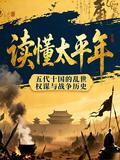 Understanding the Taiping Year: the Troubled Plots and War History of the Five Dynasties and Ten Kingdoms
I just finished watching "The Year of Peace", are there still many questions in my mind? Why could the Wuyue Kingdom remain peaceful in troubled times, and why did Qian Hongchu choose to return to the Song Dynasty? What methods did Feng Dao rely on to survive ten dynasties? Is he a saint who brought peace to the people, or is he a villain without integrity? Why did Shi Jingtang choose to betray Yanyun Sixteen Prefectures? In addition to the eternal infamy of the emperor, what other unknown stori
—Reads8.2Score—Shelves
Understanding the Taiping Year: the Troubled Plots and War History of the Five Dynasties and Ten Kingdoms
I just finished watching "The Year of Peace", are there still many questions in my mind? Why could the Wuyue Kingdom remain peaceful in troubled times, and why did Qian Hongchu choose to return to the Song Dynasty? What methods did Feng Dao rely on to survive ten dynasties? Is he a saint who brought peace to the people, or is he a villain without integrity? Why did Shi Jingtang choose to betray Yanyun Sixteen Prefectures? In addition to the eternal infamy of the emperor, what other unknown stori
—Reads8.2Score—Shelves
-
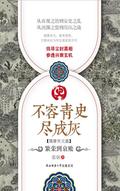 Don't Allow History to Turn into Ashes. from Prosperity to Decline
"Let History Not Become Ashes: Prosperity to Decline" takes us into the most intensive dynastic change in Chinese history. Where is the short-lived Sui Chao Niu? Who were the Turks who threatened the prosperous Tang Dynasty? How did the criminals of the Xuanwu Gate Incident spend the rest of their lives? How did the first female emperor in history come into being? Who should get the credit for the prosperous Kaiyuan era? Why is the Anshi Rebellion said to be avoidable? Who finally destroyed the
—Reads9.0Score—Shelves
Don't Allow History to Turn into Ashes. from Prosperity to Decline
"Let History Not Become Ashes: Prosperity to Decline" takes us into the most intensive dynastic change in Chinese history. Where is the short-lived Sui Chao Niu? Who were the Turks who threatened the prosperous Tang Dynasty? How did the criminals of the Xuanwu Gate Incident spend the rest of their lives? How did the first female emperor in history come into being? Who should get the credit for the prosperous Kaiyuan era? Why is the Anshi Rebellion said to be avoidable? Who finally destroyed the
—Reads9.0Score—Shelves
-
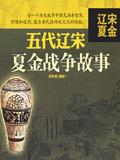 The Story of the War Between Liao, Song, Xia and Jin in the Five Dynasties
"The Story of the Five Dynasties, Liao, Song, Xia, and Jin Wars" is a military history work that deeply analyzes the turbulent and integrated periods in Chinese history. The book uses detailed historical materials and vivid narratives to systematically sort out the hundreds of years of war from the separatist rule of vassal towns in the late Tang Dynasty to the confrontation between the Song and Jin Dynasties in the early Southern Song Dynasty. Starting from the chaotic beginning of the Five Dyn
—Reads8.2Score—Shelves
The Story of the War Between Liao, Song, Xia and Jin in the Five Dynasties
"The Story of the Five Dynasties, Liao, Song, Xia, and Jin Wars" is a military history work that deeply analyzes the turbulent and integrated periods in Chinese history. The book uses detailed historical materials and vivid narratives to systematically sort out the hundreds of years of war from the separatist rule of vassal towns in the late Tang Dynasty to the confrontation between the Song and Jin Dynasties in the early Southern Song Dynasty. Starting from the chaotic beginning of the Five Dyn
—Reads8.2Score—Shelves
-
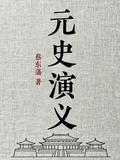 Romance of Yuan Dynasty
"The Romance of the Yuan Dynasty" is a chapter-style historical novel written by Cai Dongfan, a famous historical romance writer in modern times. It is one of the "Popular Romance of Chinese Dynasties" series. The book has a total of sixty chapters, using literary style to narrate the history of the rise and fall of the Yuan Dynasty, starting from the rise of the Mongolian tribes to the fall of the Yuan Dynasty. The author uses the genre of popular romance to reproduce the political, military an
—Reads8.4Score—Shelves
Romance of Yuan Dynasty
"The Romance of the Yuan Dynasty" is a chapter-style historical novel written by Cai Dongfan, a famous historical romance writer in modern times. It is one of the "Popular Romance of Chinese Dynasties" series. The book has a total of sixty chapters, using literary style to narrate the history of the rise and fall of the Yuan Dynasty, starting from the rise of the Mongolian tribes to the fall of the Yuan Dynasty. The author uses the genre of popular romance to reproduce the political, military an
—Reads8.4Score—Shelves
-
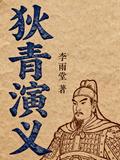 The Romance of Di Qing
"The Romance of Di Qing", also known as "The Romance of Wanhua Tower" and "The Romance of Yang Baodi in Wanhua Tower", is a heroic legendary novel in the Qing Dynasty with the famous general Di Qing as the main line. This book takes the growth and achievements of Di Qing, a famous general in the Northern Song Dynasty, as the main line. The content starts from Di Qing's birth, details his journey through hardships and finally became a pillar. It is also interspersed with plots such as Bao Zheng's
—Reads8.5Score—Shelves
The Romance of Di Qing
"The Romance of Di Qing", also known as "The Romance of Wanhua Tower" and "The Romance of Yang Baodi in Wanhua Tower", is a heroic legendary novel in the Qing Dynasty with the famous general Di Qing as the main line. This book takes the growth and achievements of Di Qing, a famous general in the Northern Song Dynasty, as the main line. The content starts from Di Qing's birth, details his journey through hardships and finally became a pillar. It is also interspersed with plots such as Bao Zheng's
—Reads8.5Score—Shelves
-
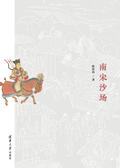 Southern Song Dynasty Battlefield
"Battlefield of the Southern Song Dynasty" is a concise military history of the Southern Song Dynasty. The characteristics of this book are: first, adhering to the concept of "history is more than one party", it integrates the war history of the Southern Song Dynasty into the macro perspective of the Mongolian world conquest, reveals the arduous struggle of the soldiers and people of the Southern Song Dynasty against the Jin and the Mongolia, and contradicts the traditional view that the Souther
—Reads9.2Score—Shelves
Southern Song Dynasty Battlefield
"Battlefield of the Southern Song Dynasty" is a concise military history of the Southern Song Dynasty. The characteristics of this book are: first, adhering to the concept of "history is more than one party", it integrates the war history of the Southern Song Dynasty into the macro perspective of the Mongolian world conquest, reveals the arduous struggle of the soldiers and people of the Southern Song Dynasty against the Jin and the Mongolia, and contradicts the traditional view that the Souther
—Reads9.2Score—Shelves