Fanqie library
Browse
- Titles
- 1.3k
Every Fanqie book we index, searchable by title, author or tag.
-
 Sun Tzu's Art of War·guiguzi·yin Fu Jing
"The Art of War" is the earliest extant military book in China and the earliest military work in the world. It is known as the "Sacred Book of Military Science". Taoist and military philosophy are expressed everywhere. "Gui Guzi" is a summary of the lobbying experience of politicians. It incorporates the essence of Gui Guzi's lifelong academic research, and its value is self-evident. As a representative work of political strategists, this book provides a lot of reference for future generations t
54Reads8.5Score—Shelves
Sun Tzu's Art of War·guiguzi·yin Fu Jing
"The Art of War" is the earliest extant military book in China and the earliest military work in the world. It is known as the "Sacred Book of Military Science". Taoist and military philosophy are expressed everywhere. "Gui Guzi" is a summary of the lobbying experience of politicians. It incorporates the essence of Gui Guzi's lifelong academic research, and its value is self-evident. As a representative work of political strategists, this book provides a lot of reference for future generations t
54Reads8.5Score—Shelves
-
 Thirty-Six Strategies
"Thirty-six Strategies" is a military book that brings together ancient Chinese outstanding military thoughts and struggle experience. The year of writing and author are difficult to verify accurately. The book contains six sets of strategies: victory strategy, enemy strategy, and attack strategy. Each set has six strategies, totaling thirty-six strategies, such as crossing the sea from the sky, encircling Wei and rescuing Zhao, etc. These strategies are not only used in military affairs, but ar
53Reads9.2Score—Shelves
Thirty-Six Strategies
"Thirty-six Strategies" is a military book that brings together ancient Chinese outstanding military thoughts and struggle experience. The year of writing and author are difficult to verify accurately. The book contains six sets of strategies: victory strategy, enemy strategy, and attack strategy. Each set has six strategies, totaling thirty-six strategies, such as crossing the sea from the sky, encircling Wei and rescuing Zhao, etc. These strategies are not only used in military affairs, but ar
53Reads9.2Score—Shelves
-
 Plain Calligraphy
"Su Shu" occupies an extremely important position in ancient Chinese works on self-cultivation and governance, wisdom in life, and life strategy. This book, which has only six chapters, 132 sentences, and 1,360 words in its original text, is similar to a "quotation style" book. It has been regarded by hermit masters and counselors throughout the ages as a strategy secret book that has not been passed down through the ages and a perfect guide for achieving great things. It has been widely circula
51Reads8.6Score—Shelves
Plain Calligraphy
"Su Shu" occupies an extremely important position in ancient Chinese works on self-cultivation and governance, wisdom in life, and life strategy. This book, which has only six chapters, 132 sentences, and 1,360 words in its original text, is similar to a "quotation style" book. It has been regarded by hermit masters and counselors throughout the ages as a strategy secret book that has not been passed down through the ages and a perfect guide for achieving great things. It has been widely circula
51Reads8.6Score—Shelves
-
 Laozi's Official Poem on the River
This work "Laozi He Shang Gong Zhang Ju" was written by He Shang Gong.
50Reads8.5Score—Shelves
Laozi's Official Poem on the River
This work "Laozi He Shang Gong Zhang Ju" was written by He Shang Gong.
50Reads8.5Score—Shelves
-
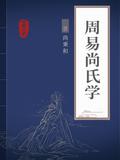 Zhouyi Shangshi Xue
This work "Zhouyi Shangshi Xue" is written by Shanchenghe
50Reads9.1Score—Shelves
Zhouyi Shangshi Xue
This work "Zhouyi Shangshi Xue" is written by Shanchenghe
50Reads9.1Score—Shelves
-
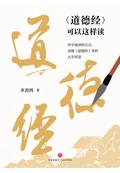 The Tao Te Ching Can Be Read Like This
Lao Tzu said, "The best good is like water." If you understand what is true and good, you can only act to benefit others and yourself; Lao Tzu said, "Knowing how to stop is not dangerous." If you know how to stop everything in moderation, you will not encounter danger; Lao Tzu said, "He who conquers himself is strong." A truly strong person is one who can constantly defeat himself: … The Tao Te Ching is known as the "King of All Classics", with its exquisite words and essence, containing great w
50Reads8.7Score—Shelves
The Tao Te Ching Can Be Read Like This
Lao Tzu said, "The best good is like water." If you understand what is true and good, you can only act to benefit others and yourself; Lao Tzu said, "Knowing how to stop is not dangerous." If you know how to stop everything in moderation, you will not encounter danger; Lao Tzu said, "He who conquers himself is strong." A truly strong person is one who can constantly defeat himself: … The Tao Te Ching is known as the "King of All Classics", with its exquisite words and essence, containing great w
50Reads8.7Score—Shelves
-
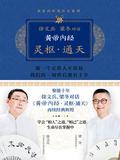 Xu Wenbing and Liang Dong's Dialogue on "The Yellow Emperor's Internal Classic·lingshu·tongtian"
Following the best-selling ten-year dialogue between Xu Wenbing and Liang Dong, "The Yellow Emperor's Internal Classic: Ancient Innocence", "The Four Qi Adjustment of Spirits", "Nian Nian", "Different Methods and Prescriptions" and "The Mantra of the Golden Chamber", Xu Wenbing and Liang Dong once again created classic glory and jointly launched "Xu Wenbing and Liang Dong's Dialogue "The Yellow Emperor's Internal Classic: Lingshu and Tongtian"", telling the important relationship between man and
49Reads9.2Score—Shelves
Xu Wenbing and Liang Dong's Dialogue on "The Yellow Emperor's Internal Classic·lingshu·tongtian"
Following the best-selling ten-year dialogue between Xu Wenbing and Liang Dong, "The Yellow Emperor's Internal Classic: Ancient Innocence", "The Four Qi Adjustment of Spirits", "Nian Nian", "Different Methods and Prescriptions" and "The Mantra of the Golden Chamber", Xu Wenbing and Liang Dong once again created classic glory and jointly launched "Xu Wenbing and Liang Dong's Dialogue "The Yellow Emperor's Internal Classic: Lingshu and Tongtian"", telling the important relationship between man and
49Reads9.2Score—Shelves
-
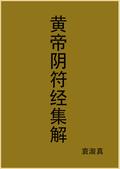 Collection and Interpretation of Yellow Emperor's Yin Fu Sutra
Three volumes. Written by Yuan Shuzhen of Song Dynasty. The original title of the book is "Explanation of Yuan Shuzhen, Chief Secretary of Changsha County in Chao Sanlang's Travel to Tan". "Yellow Emperor Yin Fu Jing Ji Jie", referred to as "Yin Fu Jing Jie Jie", also known as "Yin Fu Jing Shu". There were two annotated versions of Yin Fu Jing in the Tang Dynasty, which were passed down through the generations. That is, the 300-character version by Li Quan of the Tang Dynasty and the 400-charact
49Reads9.2Score—Shelves
Collection and Interpretation of Yellow Emperor's Yin Fu Sutra
Three volumes. Written by Yuan Shuzhen of Song Dynasty. The original title of the book is "Explanation of Yuan Shuzhen, Chief Secretary of Changsha County in Chao Sanlang's Travel to Tan". "Yellow Emperor Yin Fu Jing Ji Jie", referred to as "Yin Fu Jing Jie Jie", also known as "Yin Fu Jing Shu". There were two annotated versions of Yin Fu Jing in the Tang Dynasty, which were passed down through the generations. That is, the 300-character version by Li Quan of the Tang Dynasty and the 400-charact
49Reads9.2Score—Shelves
-
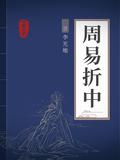 Zhouyi Compromise
"Zhezhong of the Book of Changes" collects the sayings of various great Confucian scholars and examines the past and present. It contains millions of words. Although the explanation is subtle, it is easy to understand and rare. Today's people's difficulty in reading is mostly due to their lack of knowledge of ancient Chinese prose. They look for the meaning of the text and find it difficult to interpret the meaning. Reading this book is like studying the Book of Changes with ancient scholars, ge
49Reads8.9Score—Shelves
Zhouyi Compromise
"Zhezhong of the Book of Changes" collects the sayings of various great Confucian scholars and examines the past and present. It contains millions of words. Although the explanation is subtle, it is easy to understand and rare. Today's people's difficulty in reading is mostly due to their lack of knowledge of ancient Chinese prose. They look for the meaning of the text and find it difficult to interpret the meaning. Reading this book is like studying the Book of Changes with ancient scholars, ge
49Reads8.9Score—Shelves
-
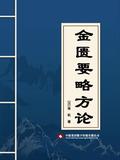 The Essentials of the Golden Chamber
"Jingui Yaolue Prescriptions", referred to as "Jingui Yaolue", was written by Zhang Ji (Zhang Zhongjing) of the Eastern Han Dynasty. It was written around the beginning of the third century. It was originally the miscellaneous disease part of "Treatise on Febrile and Miscellaneous Diseases" and was once lost. The book consists of 3 volumes and 25 articles in total, covering 64 types of diseases and 262 prescriptions. The principle of treating the disease before it is diagnosed to prevent its spr
48Reads9.3Score—Shelves
The Essentials of the Golden Chamber
"Jingui Yaolue Prescriptions", referred to as "Jingui Yaolue", was written by Zhang Ji (Zhang Zhongjing) of the Eastern Han Dynasty. It was written around the beginning of the third century. It was originally the miscellaneous disease part of "Treatise on Febrile and Miscellaneous Diseases" and was once lost. The book consists of 3 volumes and 25 articles in total, covering 64 types of diseases and 262 prescriptions. The principle of treating the disease before it is diagnosed to prevent its spr
48Reads9.3Score—Shelves
-
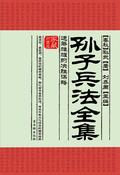 The Complete Works of Sun Tzu's Art of War: Strategies for Decisive Victory
"The Complete Works of Sun Tzu's Art of War" tells the story of strategizing and decisive strategies. "The Art of War" is my country's oldest military book and one of the world's military books. It is a dazzling treasure in China's classical military cultural heritage and an important part of Chinese cultural tradition. Its content is extensive and profound, its thoughts are profound and rich, and its logic is rigorous. It has always been highly respected and has numerous students. The whole boo
46Reads8.9Score—Shelves
The Complete Works of Sun Tzu's Art of War: Strategies for Decisive Victory
"The Complete Works of Sun Tzu's Art of War" tells the story of strategizing and decisive strategies. "The Art of War" is my country's oldest military book and one of the world's military books. It is a dazzling treasure in China's classical military cultural heritage and an important part of Chinese cultural tradition. Its content is extensive and profound, its thoughts are profound and rich, and its logic is rigorous. It has always been highly respected and has numerous students. The whole boo
46Reads8.9Score—Shelves
-
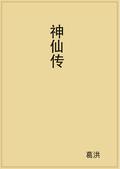 Legend of Immortals
"The Legend of Immortals" is a collection of ancient Chinese supernatural novels written by Ge Hong, a Taoist scholar in the Eastern Jin Dynasty, with a total of ten volumes. The book contains the deeds of 92 immortals in ancient Chinese legends. Many of them are not Taoist priests but were "invited" by Ge Hong into the biography. Legends of Immortals are famous for their rich imagination and vivid narratives. Ge Hong (283-363), whose courtesy name was Zhichuan and whose nickname was Baopuzi, wa
45Reads9.4Score—Shelves
Legend of Immortals
"The Legend of Immortals" is a collection of ancient Chinese supernatural novels written by Ge Hong, a Taoist scholar in the Eastern Jin Dynasty, with a total of ten volumes. The book contains the deeds of 92 immortals in ancient Chinese legends. Many of them are not Taoist priests but were "invited" by Ge Hong into the biography. Legends of Immortals are famous for their rich imagination and vivid narratives. Ge Hong (283-363), whose courtesy name was Zhichuan and whose nickname was Baopuzi, wa
45Reads9.4Score—Shelves
-
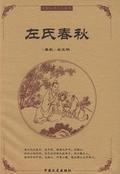 Zuo's Spring and Autumn Period
Zuo's Spring and Autumn Annals was compiled by Zuo Qiuming
44Reads8.4Score—Shelves
Zuo's Spring and Autumn Period
Zuo's Spring and Autumn Annals was compiled by Zuo Qiuming
44Reads8.4Score—Shelves
-
 Moderate
"The Doctrine of the Mean" is a moral philosophy monograph in ancient China that discusses the realm of life cultivation. It originally belonged to Chapter 31 of the "Book of Rites" and is one of the Confucian classics. It is said to have been written by Zisi during the Warring States Period. Its content affirms that "moderate" is the highest standard of moral behavior, regards "sincerity" as the ontology of the world, and believes that "perfect sincerity" reaches the highest realm of life. It a
44Reads9.3Score—Shelves
Moderate
"The Doctrine of the Mean" is a moral philosophy monograph in ancient China that discusses the realm of life cultivation. It originally belonged to Chapter 31 of the "Book of Rites" and is one of the Confucian classics. It is said to have been written by Zisi during the Warring States Period. Its content affirms that "moderate" is the highest standard of moral behavior, regards "sincerity" as the ontology of the world, and believes that "perfect sincerity" reaches the highest realm of life. It a
44Reads9.3Score—Shelves
-
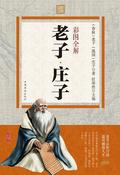 Complete Explanation of Laozi and Zhuangzi with Color Pictures
"Laozi" is also called "Tao Te Ching", and its author is Laozi. Lao Tzu, also known as Lao Dan and named Li Er, was a native of the Chu state during the Spring and Autumn Period. He served as the post-historian of the Eastern Zhou royal family. According to legend, during the Lunar New Year of the Eastern Zhou Dynasty, I returned to seclusion. When passing through Hangu Pass, I met Yin Xi, the officer guarding the pass. Yin Xi asked Laozi. Laozi then left behind this "Laozi" of more than 5,000 w
43Reads9.2Score—Shelves
Complete Explanation of Laozi and Zhuangzi with Color Pictures
"Laozi" is also called "Tao Te Ching", and its author is Laozi. Lao Tzu, also known as Lao Dan and named Li Er, was a native of the Chu state during the Spring and Autumn Period. He served as the post-historian of the Eastern Zhou royal family. According to legend, during the Lunar New Year of the Eastern Zhou Dynasty, I returned to seclusion. When passing through Hangu Pass, I met Yin Xi, the officer guarding the pass. Yin Xi asked Laozi. Laozi then left behind this "Laozi" of more than 5,000 w
43Reads9.2Score—Shelves
-
 Comprehensive Explanation of "Compendium of Materia Medica"
This book provides a detailed interpretation of the "Compendium of Materia Medica", which mainly includes the use of medicines for the six internal organs and five internal organs to nourish and relieve odor, medicinal formulas for specimens with deficient and excess internal organs, and examples of medication for the four seasons. Based on the principle of taking the essence of the ancients and making it practical for modern people, this book cuts out the complex and simplifies it, carefully se
42Reads8.7Score—Shelves
Comprehensive Explanation of "Compendium of Materia Medica"
This book provides a detailed interpretation of the "Compendium of Materia Medica", which mainly includes the use of medicines for the six internal organs and five internal organs to nourish and relieve odor, medicinal formulas for specimens with deficient and excess internal organs, and examples of medication for the four seasons. Based on the principle of taking the essence of the ancients and making it practical for modern people, this book cuts out the complex and simplifies it, carefully se
42Reads8.7Score—Shelves
-
 Zhengyi French Taishang Wailuyi
Sutra name: Zhengyi Dharma Wen Taishang Wailuyi. The author is unknown, probably from the Northern and Southern Periods. It is one of the remaining copies of the early Tianshi Dao classic "Zhengyi Fawen". One roll. Original source: the first part of "Orthodox Taoist Canon".
42Reads8.4Score—Shelves
Zhengyi French Taishang Wailuyi
Sutra name: Zhengyi Dharma Wen Taishang Wailuyi. The author is unknown, probably from the Northern and Southern Periods. It is one of the remaining copies of the early Tianshi Dao classic "Zhengyi Fawen". One roll. Original source: the first part of "Orthodox Taoist Canon".
42Reads8.4Score—Shelves
-
 The Analects of Confucius
Elementary education is the cultural essence of our Chinese nation for five thousand years. It contains rich and profound conventional principles and principles of life. It has been tested by thousands of years of history and practice by generations. It is the recommended spiritual food for the learning and growth of our teenagers and children. By reading elementary school classics, our young children can uphold the spirit of benevolence and righteousness in traditional Chinese culture, learn to
40Reads9.2Score—Shelves
The Analects of Confucius
Elementary education is the cultural essence of our Chinese nation for five thousand years. It contains rich and profound conventional principles and principles of life. It has been tested by thousands of years of history and practice by generations. It is the recommended spiritual food for the learning and growth of our teenagers and children. By reading elementary school classics, our young children can uphold the spirit of benevolence and righteousness in traditional Chinese culture, learn to
40Reads9.2Score—Shelves
-
 Three Causes and One Disease Syndrome Prescription
"Three Causes and One Disease Syndrome" was written by Chen Yan in the Southern Song Dynasty and was published in the first year of Chunxi (1174). The original name was "Three Causes and One Pathogen", which was shortened to "Three Causes Prescription". The book has 18 volumes, divided into 180 categories, and contains more than 1,050 poems. The book first discusses pulse diagnosis, medical practice procedures and the three causes of disease, and then lists the prescriptions and medicinal treatm
39Reads8.8Score—Shelves
Three Causes and One Disease Syndrome Prescription
"Three Causes and One Disease Syndrome" was written by Chen Yan in the Southern Song Dynasty and was published in the first year of Chunxi (1174). The original name was "Three Causes and One Pathogen", which was shortened to "Three Causes Prescription". The book has 18 volumes, divided into 180 categories, and contains more than 1,050 poems. The book first discusses pulse diagnosis, medical practice procedures and the three causes of disease, and then lists the prescriptions and medicinal treatm
39Reads8.8Score—Shelves
-
 Drops of Tianmui
"Drip Tianmui" is an ancient Chinese numerology work. According to legend, it was written by Jing Tu in the Song Dynasty, and some people say it was written by Liu Ji in the early Ming Dynasty. During the Daoguang period of the Qing Dynasty, Ren Tieqiao spent his whole life studying numerology. In view of the problem that numerology at that time deviated from the principle of restraint of Yin and Yang and the Five Elements, was confusing and focused on patterns and gods, he added chapters and ch
39Reads9.2Score—Shelves
Drops of Tianmui
"Drip Tianmui" is an ancient Chinese numerology work. According to legend, it was written by Jing Tu in the Song Dynasty, and some people say it was written by Liu Ji in the early Ming Dynasty. During the Daoguang period of the Qing Dynasty, Ren Tieqiao spent his whole life studying numerology. In view of the problem that numerology at that time deviated from the principle of restraint of Yin and Yang and the Five Elements, was confusing and focused on patterns and gods, he added chapters and ch
39Reads9.2Score—Shelves
-
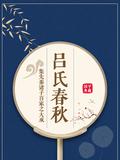 Lu's Spring and Autumn Period
Gathering the mixed and unmixed words of hundreds of schools of thought, it covers the principles of heaven and earth, all things and all sentient beings, ancient and modern! A word worth a thousand dollars, read Lu Buwei's "Lu's Spring and Autumn" Rare things to live in, read the Qin Dynasty version of the encyclopedia
38Reads8.3Score—Shelves
Lu's Spring and Autumn Period
Gathering the mixed and unmixed words of hundreds of schools of thought, it covers the principles of heaven and earth, all things and all sentient beings, ancient and modern! A word worth a thousand dollars, read Lu Buwei's "Lu's Spring and Autumn" Rare things to live in, read the Qin Dynasty version of the encyclopedia
38Reads8.3Score—Shelves
-
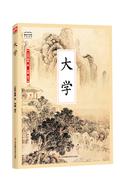 University (National Academy of Chinese Studies)
"The Great Learning" was originally a chapter in the "Book of Rites". People in the Song Dynasty extracted it from the "Book of Rites" and combined it with "The Analects", "Mencius" and "The Doctrine of the Mean" to become one of the "Four Books". It is an important work discussing ancient educational theories. Its purpose is to promote upright moral character and to make people benevolent, harmonious, sensible and good.
38Reads9.4Score—Shelves
University (National Academy of Chinese Studies)
"The Great Learning" was originally a chapter in the "Book of Rites". People in the Song Dynasty extracted it from the "Book of Rites" and combined it with "The Analects", "Mencius" and "The Doctrine of the Mean" to become one of the "Four Books". It is an important work discussing ancient educational theories. Its purpose is to promote upright moral character and to make people benevolent, harmonious, sensible and good.
38Reads9.4Score—Shelves
-
 Wang Mingyang Collection
"The Complete Works of Wang Yangming" (Volume 1, 2) is based on the thirty-eight volumes of the Complete Works of Wang Wencheng engraved by Xie Tingjie in the 6th year of Longqing Dynasty in the Ming Dynasty stored in the Zhejiang Library as the original mark. The Wenyuange edition of Sikuquanshu, the four essential editions, the basic series of Chinese studies, the Chinese Library edition and the complete works of Wang Yangming published in Taiwan and Japan are used as reference editions. If th
38Reads8.5Score—Shelves
Wang Mingyang Collection
"The Complete Works of Wang Yangming" (Volume 1, 2) is based on the thirty-eight volumes of the Complete Works of Wang Wencheng engraved by Xie Tingjie in the 6th year of Longqing Dynasty in the Ming Dynasty stored in the Zhejiang Library as the original mark. The Wenyuange edition of Sikuquanshu, the four essential editions, the basic series of Chinese studies, the Chinese Library edition and the complete works of Wang Yangming published in Taiwan and Japan are used as reference editions. If th
38Reads8.5Score—Shelves
-
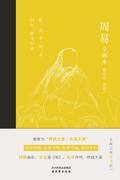 Complete Translation of Zhouyi
"Book of Changes" is based on the Fuxi Bagua, with Qian, Kun, Zhen, Gen, Li, Kan, Dui and Xun respectively representing heaven, earth, thunder, mountain, fire, water, Ze and wind. It further combines the Bagua in pairs to derive sixty-four hexagrams, which reveal the inner laws of the yin and yang of heaven and earth to create all things, and sublimate it into the ideological core of Chinese civilization. Its content involves astronomy, geography, economy, culture, self-cultivation, and hospital
35Reads8.6Score—Shelves
Complete Translation of Zhouyi
"Book of Changes" is based on the Fuxi Bagua, with Qian, Kun, Zhen, Gen, Li, Kan, Dui and Xun respectively representing heaven, earth, thunder, mountain, fire, water, Ze and wind. It further combines the Bagua in pairs to derive sixty-four hexagrams, which reveal the inner laws of the yin and yang of heaven and earth to create all things, and sublimate it into the ideological core of Chinese civilization. Its content involves astronomy, geography, economy, culture, self-cultivation, and hospital
35Reads8.6Score—Shelves
-
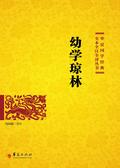 Kindergarten Qionglin
"Young Learning Qionglin" is an enlightening children's book in ancient China. The author is Cheng Dengji, whose courtesy name is Yunsheng, who was born in Xichang in the late Ming Dynasty. This book was originally titled "Instructions for Preschool Education", also known as "Idiom Test" and "Story Source Search". Qiu Rui, a Jinshi during the Jingtai period of the Ming Dynasty, Zou Shengmai during the Jiaqing period of the Qing Dynasty, Fei Yourong, Ye Pusun and Cai Dongfan during the Republic o
35Reads8.6Score—Shelves
Kindergarten Qionglin
"Young Learning Qionglin" is an enlightening children's book in ancient China. The author is Cheng Dengji, whose courtesy name is Yunsheng, who was born in Xichang in the late Ming Dynasty. This book was originally titled "Instructions for Preschool Education", also known as "Idiom Test" and "Story Source Search". Qiu Rui, a Jinshi during the Jingtai period of the Ming Dynasty, Zou Shengmai during the Jiaqing period of the Qing Dynasty, Fei Yourong, Ye Pusun and Cai Dongfan during the Republic o
35Reads8.6Score—Shelves
-
 The Secret of Chao Cultivation in the Nine Palaces of the Great Cave of the Shangqing Dynasty
The secret of cultivating the nine palaces in the Great Cave of the Shangqing Dynasty is on the road. The original title is Biography of Zhou De's Great Successor, Liangfeng. The scriptures are adapted from the early Shangqing scriptures, and contain the secrets of the gods in the nine palaces of the human head. One roll. Original source: Method Category of Dongxuan Department of "Orthodox Taoist Canon".
35Reads8.5Score—Shelves
The Secret of Chao Cultivation in the Nine Palaces of the Great Cave of the Shangqing Dynasty
The secret of cultivating the nine palaces in the Great Cave of the Shangqing Dynasty is on the road. The original title is Biography of Zhou De's Great Successor, Liangfeng. The scriptures are adapted from the early Shangqing scriptures, and contain the secrets of the gods in the nine palaces of the human head. One roll. Original source: Method Category of Dongxuan Department of "Orthodox Taoist Canon".
35Reads8.5Score—Shelves
-
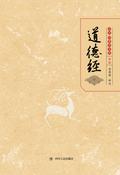 Tao Te Ching—collection of Traditional Chinese Classics Handed Down from Ancient Times (Full Text)
Tao can be elaborated and expressed, but it is not completely equivalent to the eternal existence and ceaseless movement of the Great Avenue; the name of Tao can be named, but it is not completely equivalent to the name of the eternal existence and ceaseless movement of the Great Avenue. Nothingness is called the beginning of heaven and earth; existence is called the origin of all things. Therefore, from the constant "nothing", we will observe the subtleties of the Tao; from the constant "being"
34Reads9.4Score—Shelves
Tao Te Ching—collection of Traditional Chinese Classics Handed Down from Ancient Times (Full Text)
Tao can be elaborated and expressed, but it is not completely equivalent to the eternal existence and ceaseless movement of the Great Avenue; the name of Tao can be named, but it is not completely equivalent to the name of the eternal existence and ceaseless movement of the Great Avenue. Nothingness is called the beginning of heaven and earth; existence is called the origin of all things. Therefore, from the constant "nothing", we will observe the subtleties of the Tao; from the constant "being"
34Reads9.4Score—Shelves
-
 Shangqing Bone Marrow Spiritual Text Ghost Law
Shangqing bone marrow spiritual text ghost law. Song Rao Dongtian established the order, Song Deng had meritorious service and reorganized it. Three volumes. Original source: "Orthodox Taoist Canon" Dongxuan Department of Precepts.
34Reads8.5Score—Shelves
Shangqing Bone Marrow Spiritual Text Ghost Law
Shangqing bone marrow spiritual text ghost law. Song Rao Dongtian established the order, Song Deng had meritorious service and reorganized it. Three volumes. Original source: "Orthodox Taoist Canon" Dongxuan Department of Precepts.
34Reads8.5Score—Shelves
-
 Experimental Records of Classic Prescriptions (Free Public Edition Book)
Medical records writings. Written by Cao Yingfu and compiled by disciple Jiang Zuojing. The book contains 92 cases. Volume 1 lists the Guizhi Decoction syndrome, Ephedra decoction syndrome, Pueraria decoction syndrome, Baihu decoction syndrome, Maxing Shigan decoction syndrome, Pueraria Qinlian decoction syndrome and Sanchengqi decoction syndrome; Volume 2 lists the Guizhi Ephedra Half and Half Decoction syndrome and Xiao Qinglong syndrome. Decoction syndrome, Shegan Ephedra Decoction syndrome,
32Reads8.6Score—Shelves
Experimental Records of Classic Prescriptions (Free Public Edition Book)
Medical records writings. Written by Cao Yingfu and compiled by disciple Jiang Zuojing. The book contains 92 cases. Volume 1 lists the Guizhi Decoction syndrome, Ephedra decoction syndrome, Pueraria decoction syndrome, Baihu decoction syndrome, Maxing Shigan decoction syndrome, Pueraria Qinlian decoction syndrome and Sanchengqi decoction syndrome; Volume 2 lists the Guizhi Ephedra Half and Half Decoction syndrome and Xiao Qinglong syndrome. Decoction syndrome, Shegan Ephedra Decoction syndrome,
32Reads8.6Score—Shelves
-
 Taishang Sandong Teaches the Tao Te Ching and Worships the Zixu Lu
Original source: "Orthodox Taoist Canon", Cave God Department's Majesty and Ceremony Category.
30Reads8.6Score—Shelves
Taishang Sandong Teaches the Tao Te Ching and Worships the Zixu Lu
Original source: "Orthodox Taoist Canon", Cave God Department's Majesty and Ceremony Category.
30Reads8.6Score—Shelves
-
 Songs of Chu
Chu Ci is a new poetry style created by Qu Yuan, and it is also the first collection of romantic poetry in the history of Chinese literature. [1] The name "Chu Ci" existed in the early Western Han Dynasty, and was compiled into a collection by Liu Xiangnai. Wang Yi of the Eastern Han Dynasty composed chapters and sentences. It originally collected sixteen poems and poems by Qu Yuan [2] and Song Yu from Chu in the Warring States Period, as well as Xiao Shan, Dongfang Shuo, Wang Bao, Liu Xiang and
30Reads8.5Score—Shelves
Songs of Chu
Chu Ci is a new poetry style created by Qu Yuan, and it is also the first collection of romantic poetry in the history of Chinese literature. [1] The name "Chu Ci" existed in the early Western Han Dynasty, and was compiled into a collection by Liu Xiangnai. Wang Yi of the Eastern Han Dynasty composed chapters and sentences. It originally collected sixteen poems and poems by Qu Yuan [2] and Song Yu from Chu in the Warring States Period, as well as Xiao Shan, Dongfang Shuo, Wang Bao, Liu Xiang and
30Reads8.5Score—Shelves
-
 Guiguzi: the Founder of the Political Strategist and the Magic Weapon of the Military Strategist
This book is based on the authoritative historical annotation and includes two works of Guiguzi ("Guiguzi" and "Seven Arts of Yinfu"), a total of thirteen chapters, covering Guiguzi's life skills. The book contains not only the original text of Guiguzi, but also annotations and translations, as well as rich cases and stories from ancient and modern times, both at home and abroad, involving politics, economy, military, business management, workplace practice, life and other fields. It uses the mo
28Reads8.3Score—Shelves
Guiguzi: the Founder of the Political Strategist and the Magic Weapon of the Military Strategist
This book is based on the authoritative historical annotation and includes two works of Guiguzi ("Guiguzi" and "Seven Arts of Yinfu"), a total of thirteen chapters, covering Guiguzi's life skills. The book contains not only the original text of Guiguzi, but also annotations and translations, as well as rich cases and stories from ancient and modern times, both at home and abroad, involving politics, economy, military, business management, workplace practice, life and other fields. It uses the mo
28Reads8.3Score—Shelves
-
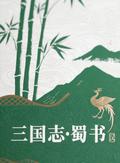 Chronicles of the Three Kingdoms Shu Shu
"Three Kingdoms: Book of Shu" is the special historical part of "Three Kingdoms" that describes the Shu Han regime (221-263). It consists of fifteen volumes. It is centered on "Biography of the First Master" (Liu Bei) and "Biography of the Later Master" (Liu Chan), supplemented by biographies of Zhuge Liang, Guan Yu, Zhang Fei and other important civil and military officials. The whole book takes "Ji-Han orthodoxy" as the narrative stance, details major events such as Longzhong's countermeasures
28Reads8.4Score—Shelves
Chronicles of the Three Kingdoms Shu Shu
"Three Kingdoms: Book of Shu" is the special historical part of "Three Kingdoms" that describes the Shu Han regime (221-263). It consists of fifteen volumes. It is centered on "Biography of the First Master" (Liu Bei) and "Biography of the Later Master" (Liu Chan), supplemented by biographies of Zhuge Liang, Guan Yu, Zhang Fei and other important civil and military officials. The whole book takes "Ji-Han orthodoxy" as the narrative stance, details major events such as Longzhong's countermeasures
28Reads8.4Score—Shelves
-
 Biography of Zhouyi and Chengshi (Free Public Edition Book)
A work that annotated the Zhouyi and elaborated on Neo-Confucianism. Also known as "Zhouyi Biography of Cheng Shi" and "Yi Zhuan of Cheng Shi". Written by Song Chengyi. Cheng Yi called him Mr. Yichuan, so he wrote the book with his name. "History of the Song Dynasty·Yiwenzhi" has nine volumes, "Er Cheng Quan Shu" has four volumes, and in 1981 Zhonghua Book Company's "Er Cheng Collection" also has four volumes. Yang Shi's "Postscript" said: "Mr. Yichuan wrote the "Yi Zhuan" before it was complete
27Reads8.7Score—Shelves
Biography of Zhouyi and Chengshi (Free Public Edition Book)
A work that annotated the Zhouyi and elaborated on Neo-Confucianism. Also known as "Zhouyi Biography of Cheng Shi" and "Yi Zhuan of Cheng Shi". Written by Song Chengyi. Cheng Yi called him Mr. Yichuan, so he wrote the book with his name. "History of the Song Dynasty·Yiwenzhi" has nine volumes, "Er Cheng Quan Shu" has four volumes, and in 1981 Zhonghua Book Company's "Er Cheng Collection" also has four volumes. Yang Shi's "Postscript" said: "Mr. Yichuan wrote the "Yi Zhuan" before it was complete
27Reads8.7Score—Shelves
-
 Detailed Explanation of Guiguzi
Guiguzi is a real and most mysterious figure among ancient Chinese historical figures.
23Reads8.2Score—Shelves
Detailed Explanation of Guiguzi
Guiguzi is a real and most mysterious figure among ancient Chinese historical figures.
23Reads8.2Score—Shelves
-
 Daoshu
Tan Zi said: The ultimate way has five transformations. Who is Daohua? The emptiness turns into spirit, the spirit turns into qi, the qi turns into form, the form is born and all things are blocked, this is the key to the Tao. Form turns into qi, qi turns into spirit, spirit turns into emptiness, emptiness becomes luminous, and all things are connected. This is the use of Tao. The sage reaches the end of the barrier and obtains the source of creation. He forgets the form to nourish his energy, f
23Reads9.3Score—Shelves
Daoshu
Tan Zi said: The ultimate way has five transformations. Who is Daohua? The emptiness turns into spirit, the spirit turns into qi, the qi turns into form, the form is born and all things are blocked, this is the key to the Tao. Form turns into qi, qi turns into spirit, spirit turns into emptiness, emptiness becomes luminous, and all things are connected. This is the use of Tao. The sage reaches the end of the barrier and obtains the source of creation. He forgets the form to nourish his energy, f
23Reads9.3Score—Shelves
-
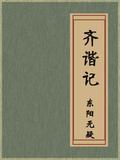 Qixieji (Free Public Edition Book)
A collection of strange novels. There are many ghosts and ghosts recorded in it, so the title of the book is based on the phrase "Zhuangzi·Xiaoyaoyou" "Those who are harmonious are those who are interested in strange things". The original book has been lost. "Sui Shu·Jing Ji Zhi" is a miscellaneous biography of the History Department, seven volumes, inscribed with the title of Sanqi Shilang Dongyang of the Song Dynasty. "Old Tang Chronicles" is the same as "New Tang Chronicles" and belongs to th
23Reads8.6Score—Shelves
Qixieji (Free Public Edition Book)
A collection of strange novels. There are many ghosts and ghosts recorded in it, so the title of the book is based on the phrase "Zhuangzi·Xiaoyaoyou" "Those who are harmonious are those who are interested in strange things". The original book has been lost. "Sui Shu·Jing Ji Zhi" is a miscellaneous biography of the History Department, seven volumes, inscribed with the title of Sanqi Shilang Dongyang of the Song Dynasty. "Old Tang Chronicles" is the same as "New Tang Chronicles" and belongs to th
23Reads8.6Score—Shelves
-
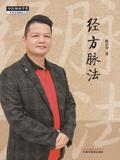 Meridian Pulse Method
This book advocates that traditional Chinese medicine attaches great importance to pulse diagnosis. It takes "distinguish... Disease pulses" as the outline of the outline of "Treatise on Febrile Diseases" such as "Distinguish Taiyang Disease Pulse Syndrome and Treat..." And so on. The interpretation starts from pulse diagnosis and returns to the origin of "Treatise on Febrile Diseases". Based on clinical practice, this paper summarizes the "eight principles and six meridians method" to interpret
22Reads8.5Score—Shelves
Meridian Pulse Method
This book advocates that traditional Chinese medicine attaches great importance to pulse diagnosis. It takes "distinguish... Disease pulses" as the outline of the outline of "Treatise on Febrile Diseases" such as "Distinguish Taiyang Disease Pulse Syndrome and Treat..." And so on. The interpretation starts from pulse diagnosis and returns to the origin of "Treatise on Febrile Diseases". Based on clinical practice, this paper summarizes the "eight principles and six meridians method" to interpret
22Reads8.5Score—Shelves
-
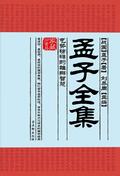 The Complete Works of Mencius: Majestic Eloquence and Wisdom
"The Complete Works of Mencius in the Imperial Study Room: The Majestic Eloquent Wisdom" absorbs the essence of each edition of "Mencius". Based on careful research on the original text, annotations, and translations, it selects the works of Xunzi, Yang Zhu, Dong Zhongshu, Sima Qian, Su Che, Cheng Yu, Zhu Xi and other famous writers have annotated it, re-analyzed the classics from a modern perspective, cited ancient and modern classics, and fully presented the infinite wisdom contained in this a
22Reads9.2Score—Shelves
The Complete Works of Mencius: Majestic Eloquence and Wisdom
"The Complete Works of Mencius in the Imperial Study Room: The Majestic Eloquent Wisdom" absorbs the essence of each edition of "Mencius". Based on careful research on the original text, annotations, and translations, it selects the works of Xunzi, Yang Zhu, Dong Zhongshu, Sima Qian, Su Che, Cheng Yu, Zhu Xi and other famous writers have annotated it, re-analyzed the classics from a modern perspective, cited ancient and modern classics, and fully presented the infinite wisdom contained in this a
22Reads9.2Score—Shelves
-
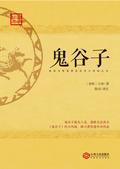 Guiguzi
 was a representative figure of Taoism and the originator of political strategists during the Spring and Autumn Period and the Warring States Period. The book "Guiguzi" was compiled by later scholars based on his remarks, and is completely preserved in the Taoist classic "Tao Zang". The book is very rich in content, covering many fields such as politics, military, diplomacy, and shopping malls. It mainly talks about the theories about lobbying, debate, and strategy. In addition, it also t
21Reads8.5Score—Shelves
Guiguzi
Guiguzi was a representative figure of Taoism and the originator of political strategists during the Spring and Autumn Period and the Warring States Period. The book "Guiguzi" was compiled by later scholars based on his remarks, and is completely preserved in the Taoist classic "Tao Zang". The book is very rich in content, covering many fields such as politics, military, diplomacy, and shopping malls. It mainly talks about the theories about lobbying, debate, and strategy. In addition, it also t
21Reads8.5Score—Shelves
-
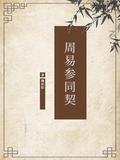 The Book of Changes
"Zhou Yi Shen Tong Qi", written by Wei Boyang of the Eastern Han Dynasty, referred to as "Shen Tong Qi", is an early Taoist classic. The whole book discusses alchemy based on Yi Xiang, and combines it with the principles of "Dayi", "Huang Lao" and "Luhuo". It uses Qiankun as the cauldron, Yin and Yang as the embankment, water and fire as the mechanism of transformation, the Five Elements as the auxiliary, Xuanjing as the alchemy base, etc., Thereby clarifying the principles and methods of alchem
21Reads8.9Score—Shelves
The Book of Changes
"Zhou Yi Shen Tong Qi", written by Wei Boyang of the Eastern Han Dynasty, referred to as "Shen Tong Qi", is an early Taoist classic. The whole book discusses alchemy based on Yi Xiang, and combines it with the principles of "Dayi", "Huang Lao" and "Luhuo". It uses Qiankun as the cauldron, Yin and Yang as the embankment, water and fire as the mechanism of transformation, the Five Elements as the auxiliary, Xuanjing as the alchemy base, etc., Thereby clarifying the principles and methods of alchem
21Reads8.9Score—Shelves
-
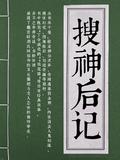 Postscript to Sou Shen
"Sou Shen Ji", also known as "Sou Shen Ji" and "Sou Shen Ji", is a collection of supernatural novels written by Tao Yuanming during the Eastern Jin Dynasty in China. It has always been regarded as a companion volume to Qian Bao's "Sou Shen Ji". The book consists of ten volumes, containing more than 100 anecdotes about gods, supernatural beings, and anecdotes, covering topics such as communication between humans and ghosts, transformation of spirits, karma, and adventures in fairyland. The book c
19Reads8.1Score—Shelves
Postscript to Sou Shen
"Sou Shen Ji", also known as "Sou Shen Ji" and "Sou Shen Ji", is a collection of supernatural novels written by Tao Yuanming during the Eastern Jin Dynasty in China. It has always been regarded as a companion volume to Qian Bao's "Sou Shen Ji". The book consists of ten volumes, containing more than 100 anecdotes about gods, supernatural beings, and anecdotes, covering topics such as communication between humans and ghosts, transformation of spirits, karma, and adventures in fairyland. The book c
19Reads8.1Score—Shelves
-
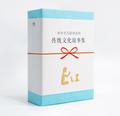 Collection of Traditional Cultural Stories
[The book written by Yi Zhongtian for his grandson, The Analects of Confucius + Zhuangzi + Mencius + Zhouyi + Chuandeng, traditional wisdom + principles of life, to give children a stable core] "Collection of Traditional Cultural Stories" is a book written by Mr. Yi Zhongtian to his grandson. It talks about the wisdom and principles of life passed down by the ancestors, helping children to have a stable core and become real people in the era of rapid change. For example, Zhuangzi tells us to liv
18Reads8.5Score—Shelves
Collection of Traditional Cultural Stories
[The book written by Yi Zhongtian for his grandson, The Analects of Confucius + Zhuangzi + Mencius + Zhouyi + Chuandeng, traditional wisdom + principles of life, to give children a stable core] "Collection of Traditional Cultural Stories" is a book written by Mr. Yi Zhongtian to his grandson. It talks about the wisdom and principles of life passed down by the ancestors, helping children to have a stable core and become real people in the era of rapid change. For example, Zhuangzi tells us to liv
18Reads8.5Score—Shelves
-
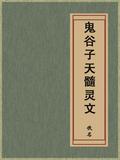 Guiguzi Tiansui Lingwen (Free Public Edition Book)
Guiguzi Tiansui Lingwen, author unknown. The content of this book is quite complex, focusing on spells and elixirs.
18Reads9.3Score—Shelves
Guiguzi Tiansui Lingwen (Free Public Edition Book)
Guiguzi Tiansui Lingwen, author unknown. The content of this book is quite complex, focusing on spells and elixirs.
18Reads9.3Score—Shelves
-
 Zhenguan Dignitaries
"The Book of Rites", also known as "The Book of Rites of Xiao Dai" and "The Book of Xiao Dai", is said to have been compiled by the Western Han Dynasty ritual scholar Dai Shengsuo. It is an important anthology of laws and regulations in ancient China, with a total of 20 volumes and 49 chapters. It mainly records the ritual system of the Pre-Qin Dynasty and embodies the philosophical thoughts of the Pre-Qin Confucianists (such as the view of heaven, the universe, and the outlook on life). , Educa
17Reads8.9Score—Shelves
Zhenguan Dignitaries
"The Book of Rites", also known as "The Book of Rites of Xiao Dai" and "The Book of Xiao Dai", is said to have been compiled by the Western Han Dynasty ritual scholar Dai Shengsuo. It is an important anthology of laws and regulations in ancient China, with a total of 20 volumes and 49 chapters. It mainly records the ritual system of the Pre-Qin Dynasty and embodies the philosophical thoughts of the Pre-Qin Confucianists (such as the view of heaven, the universe, and the outlook on life). , Educa
17Reads8.9Score—Shelves
-
 Shishuoxinyu
During the Southern and Northern Dynasties, Liu Yiqing, the king of Linchuan, recruited literati from all over the world, collected anecdotes and anecdotes about celebrities, polished them, and compiled them into a book called Shishuoxinyu. This book collects the essence of hundreds of passages from the late Han Dynasty to the Eastern Jin Dynasty. It is beautiful in diction, simple and meaningful. It can be said that every chapter is a gem. It is the best in literature and has influenced the dem
17Reads8.6Score—Shelves
Shishuoxinyu
During the Southern and Northern Dynasties, Liu Yiqing, the king of Linchuan, recruited literati from all over the world, collected anecdotes and anecdotes about celebrities, polished them, and compiled them into a book called Shishuoxinyu. This book collects the essence of hundreds of passages from the late Han Dynasty to the Eastern Jin Dynasty. It is beautiful in diction, simple and meaningful. It can be said that every chapter is a gem. It is the best in literature and has influenced the dem
17Reads8.6Score—Shelves
-
 Tai Shang San Pi Wu Revealing the Secret Method
Tai Shang San Pi Wu explains the secret method. Author unknown. One roll. Original source: "Orthodox Taoist Canon" Dongxuan Department of Arts.
17Reads8.5Score—Shelves
Tai Shang San Pi Wu Revealing the Secret Method
Tai Shang San Pi Wu explains the secret method. Author unknown. One roll. Original source: "Orthodox Taoist Canon" Dongxuan Department of Arts.
17Reads8.5Score—Shelves
-
 The Seven Techniques of Internal Storage
There are seven techniques used by the master and six subtleties that can be observed. Seven skills: the first is to visit in public, the second is to punish the person with clear authority, the third is to trust and reward as much as possible, the fourth is to listen to the rebuke, the fifth is to doubt the edict, the sixth is to ask questions based on what is known, and the seventh is to contradict the truth. These seven are used by the Lord.
17Reads8.4Score—Shelves
The Seven Techniques of Internal Storage
There are seven techniques used by the master and six subtleties that can be observed. Seven skills: the first is to visit in public, the second is to punish the person with clear authority, the third is to trust and reward as much as possible, the fourth is to listen to the rebuke, the fifth is to doubt the edict, the sixth is to ask questions based on what is known, and the seventh is to contradict the truth. These seven are used by the Lord.
17Reads8.4Score—Shelves
-
 Read Tongjian Lun (Free Public Edition Book)
Each volume of "Du Tongjian Lun" is distinguished by dynasty, and each generation is distinguished by the title of the emperor. In the twenty-sixth year of Kangxi (1687), Wang Fuzhi started writing at the age of 69. "I had no books and paper, and many fake friends and disciples, so I taught them the reasons for the creation of the book."
15Reads8.5Score—Shelves
Read Tongjian Lun (Free Public Edition Book)
Each volume of "Du Tongjian Lun" is distinguished by dynasty, and each generation is distinguished by the title of the emperor. In the twenty-sixth year of Kangxi (1687), Wang Fuzhi started writing at the age of 69. "I had no books and paper, and many fake friends and disciples, so I taught them the reasons for the creation of the book."
15Reads8.5Score—Shelves
-
 Imperial Ci Pu (Free Public Edition Book)
It is also called "Kangxi Ci Pu", or "Ci Pu" for short. Poetry works. It was first engraved in the 54th year of Kangxi reign (1715). Forty volumes. This book was compiled by reading the previous word scores and comparing them with each other. Any errors in the tone, segmentation, sentence pronunciation and rhyme of the old scores were corrected according to the original words. There are 826 tones and 2,306 styles collected from the Tang, Five Dynasties, Song and Yuan dynasties. The tunes are arr
15Reads8.5Score—Shelves
Imperial Ci Pu (Free Public Edition Book)
It is also called "Kangxi Ci Pu", or "Ci Pu" for short. Poetry works. It was first engraved in the 54th year of Kangxi reign (1715). Forty volumes. This book was compiled by reading the previous word scores and comparing them with each other. Any errors in the tone, segmentation, sentence pronunciation and rhyme of the old scores were corrected according to the original words. There are 826 tones and 2,306 styles collected from the Tang, Five Dynasties, Song and Yuan dynasties. The tunes are arr
15Reads8.5Score—Shelves