Fanqie library
Browse
- Titles
- 1.3k
Every Fanqie book we index, searchable by title, author or tag.
-
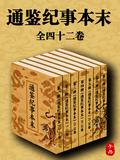 The Complete Version of Tongjian Chronicles (Forty-Two Volumes in Total)
"Tongjian Chronicles" is my country's first chronicle-style historical work, which pioneered the compilation method of "taking events as the outline". On the basis of retaining the original historical materials of "Zizhi Tongjian", it also clarified the events and made the cause and effect clear, making up for the shortcomings of previous chronicles and biographies. The author Yuan Shu once served as the Shaoqing of Dali Temple and the Minister of Industry. He is knowledgeable and especially goo
78Reads8.5Score—Shelves
The Complete Version of Tongjian Chronicles (Forty-Two Volumes in Total)
"Tongjian Chronicles" is my country's first chronicle-style historical work, which pioneered the compilation method of "taking events as the outline". On the basis of retaining the original historical materials of "Zizhi Tongjian", it also clarified the events and made the cause and effect clear, making up for the shortcomings of previous chronicles and biographies. The author Yuan Shu once served as the Shaoqing of Dali Temple and the Minister of Industry. He is knowledgeable and especially goo
78Reads8.5Score—Shelves
-
 Shangshu Quanjian (Collection Reading Edition)
"Shangshu", also known as "Book" and "Shu Jing", is a collection of documents in multiple genres and has long been considered the earliest existing history book in China. During the Warring States period, it was generally called "Book", and in the Han Dynasty it was renamed "Shang Shu", which is the "book of ancient times". Because it is one of the Five Classics of Confucianism, it is also called the Book of Books. It is mainly a political order issued by the king when he appoints officials or r
77Reads9.2Score—Shelves
Shangshu Quanjian (Collection Reading Edition)
"Shangshu", also known as "Book" and "Shu Jing", is a collection of documents in multiple genres and has long been considered the earliest existing history book in China. During the Warring States period, it was generally called "Book", and in the Han Dynasty it was renamed "Shang Shu", which is the "book of ancient times". Because it is one of the Five Classics of Confucianism, it is also called the Book of Books. It is mainly a political order issued by the king when he appoints officials or r
77Reads9.2Score—Shelves
-
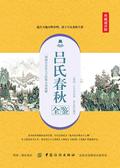 Lu's Spring and Autumn Annals (Collection Reading Edition)
"Lu's Spring and Autumn Annals" is an important pre-Qin classic and one of the representative works of the Za family. The book is divided into three parts: the Twelve Chronicles, the Eight Readings, and the Six Treatises, with a total of 160 articles. Its content integrates the thoughts of Confucianism, Taoism, Mohism, Legalism, Military, Agriculture, Zongheng, Yin and Yang and other schools of thought. It is an extremely precious material for studying pre-Qin culture. "Lu's Spring and Autumn An
76Reads8.9Score—Shelves
Lu's Spring and Autumn Annals (Collection Reading Edition)
"Lu's Spring and Autumn Annals" is an important pre-Qin classic and one of the representative works of the Za family. The book is divided into three parts: the Twelve Chronicles, the Eight Readings, and the Six Treatises, with a total of 160 articles. Its content integrates the thoughts of Confucianism, Taoism, Mohism, Legalism, Military, Agriculture, Zongheng, Yin and Yang and other schools of thought. It is an extremely precious material for studying pre-Qin culture. "Lu's Spring and Autumn An
76Reads8.9Score—Shelves
-
 Han Feizi
"Han Feizi" is a representative work of the Legalist theory in the pre-Qin period of my country. It plays a very important position in the history of the development of Chinese philosophy and ancient prose. "Han Feizi" has a total of fifty-five chapters. The style is severe and sharp, and it preserves a wealth of fables. He advocated the centralization of monarchical power, proposed heavy rewards and punishments, and emphasized agricultural warfare. He opposed the Confucian and Mohist "French Ki
76Reads9.2Score—Shelves
Han Feizi
"Han Feizi" is a representative work of the Legalist theory in the pre-Qin period of my country. It plays a very important position in the history of the development of Chinese philosophy and ancient prose. "Han Feizi" has a total of fifty-five chapters. The style is severe and sharp, and it preserves a wealth of fables. He advocated the centralization of monarchical power, proposed heavy rewards and punishments, and emphasized agricultural warfare. He opposed the Confucian and Mohist "French Ki
76Reads9.2Score—Shelves
-
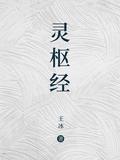 Lingshu Jing
"Lingshu Jing" discusses the internal organs, meridians, causes, pathogenesis, disease syndromes, diagnosis methods, etc. "Lingshu Jing" also focuses on the meridians and acupoints, needles, acupuncture methods and treatment principles.
76Reads9.3Score—Shelves
Lingshu Jing
"Lingshu Jing" discusses the internal organs, meridians, causes, pathogenesis, disease syndromes, diagnosis methods, etc. "Lingshu Jing" also focuses on the meridians and acupoints, needles, acupuncture methods and treatment principles.
76Reads9.3Score—Shelves
-
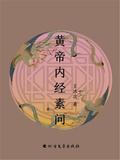 The Yellow Emperor's Internal Canon
Chinese traditional cultural thoughts have a long history and are highly original, original and literary. The early ideological forms were very distinctive, with extensive and profound contents such as religious theology, Chinese medicine classics, ancient military art, Confucianism, Taoism, Buddhism and hundreds of schools of thought, Feng Shui metaphysics, Twenty-Four Histories, customs and geography, etc. This series of "Original Books on Classic Chinese Studies and Essence Culture" retains t
74Reads9.4Score—Shelves
The Yellow Emperor's Internal Canon
Chinese traditional cultural thoughts have a long history and are highly original, original and literary. The early ideological forms were very distinctive, with extensive and profound contents such as religious theology, Chinese medicine classics, ancient military art, Confucianism, Taoism, Buddhism and hundreds of schools of thought, Feng Shui metaphysics, Twenty-Four Histories, customs and geography, etc. This series of "Original Books on Classic Chinese Studies and Essence Culture" retains t
74Reads9.4Score—Shelves
-
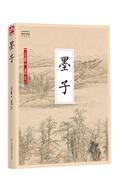 Mozi (National Academy of Chinese Studies)
The book "Mozi" contains rich thoughts and plays an important role in the development of Chinese thought. Later generations believe that "Mo Jing" covers philosophy, logic, natural science, etc., And is also known as a monograph on Chinese natural science.
74Reads9.2Score—Shelves
Mozi (National Academy of Chinese Studies)
The book "Mozi" contains rich thoughts and plays an important role in the development of Chinese thought. Later generations believe that "Mo Jing" covers philosophy, logic, natural science, etc., And is also known as a monograph on Chinese natural science.
74Reads9.2Score—Shelves
-
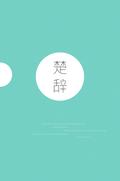 Songs of Chu (Guomai Classic)
The Songs of Chu are the source of Chinese American literature and the first poetry collection with an author in China. It is also the classic that has the most profound influence on Chinese literature. Directly influenced the spiritual temperament and literary creation of later famous figures such as Sima Qian, Jia Yi, Li Bai, and Du Fu. The emergence of "Chu Ci" filled the gap in the poetry world more than 300 years after the publication of "The Book of Songs". Lu Xun's evaluation of Chu Ci's
70Reads9.0Score—Shelves
Songs of Chu (Guomai Classic)
The Songs of Chu are the source of Chinese American literature and the first poetry collection with an author in China. It is also the classic that has the most profound influence on Chinese literature. Directly influenced the spiritual temperament and literary creation of later famous figures such as Sima Qian, Jia Yi, Li Bai, and Du Fu. The emergence of "Chu Ci" filled the gap in the poetry world more than 300 years after the publication of "The Book of Songs". Lu Xun's evaluation of Chu Ci's
70Reads9.0Score—Shelves
-
 Sixty-Year-Old Natal Yuanchen Calendar
The sixty-year-old natal Yuanchen calendar. Author unknown. One roll. Original source: the first part of "Orthodox Taoist Canon".
67Reads8.4Score—Shelves
Sixty-Year-Old Natal Yuanchen Calendar
The sixty-year-old natal Yuanchen calendar. Author unknown. One roll. Original source: the first part of "Orthodox Taoist Canon".
67Reads8.4Score—Shelves
-
 Literature Review
"Tongkao of Literature" is an important work written by Ma Duanlin, a famous scholar during the Song and Yuan Dynasties. The content of the book dates from ancient times and ended during the Jiading period of Ningzong of the Southern Song Dynasty. The book has a total of 348 volumes, divided into 24 categories, namely: land tax, coins, household registration, service, levy, market purchase, land tribute, state use, election, school, official, suburban community, ancestral temple, royal rites, mu
67Reads9.0Score—Shelves
Literature Review
"Tongkao of Literature" is an important work written by Ma Duanlin, a famous scholar during the Song and Yuan Dynasties. The content of the book dates from ancient times and ended during the Jiading period of Ningzong of the Southern Song Dynasty. The book has a total of 348 volumes, divided into 24 categories, namely: land tax, coins, household registration, service, levy, market purchase, land tribute, state use, election, school, official, suburban community, ancestral temple, royal rites, mu
67Reads9.0Score—Shelves
-
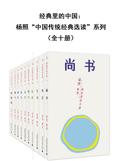 China in the Classics (Ten Volumes)
The "China in the Classics" series is Yang Zhao's selected reading and introduction to traditional Chinese cultural classics ("The Book of Songs", "The Analects", "Mencius", "Laozi", "Mozi", "Zhuangzi", "Warring States Policy", "Zuo Zhuan", "Xunzi" and "Shangshu"), combining "historical reading" and "literary reading". Through a word-for-word interpretation of some chapters of these ten classics, the classics are restored to the specific historical situation and historical context, showing the w
67Reads9.2Score—Shelves
China in the Classics (Ten Volumes)
The "China in the Classics" series is Yang Zhao's selected reading and introduction to traditional Chinese cultural classics ("The Book of Songs", "The Analects", "Mencius", "Laozi", "Mozi", "Zhuangzi", "Warring States Policy", "Zuo Zhuan", "Xunzi" and "Shangshu"), combining "historical reading" and "literary reading". Through a word-for-word interpretation of some chapters of these ten classics, the classics are restored to the specific historical situation and historical context, showing the w
67Reads9.2Score—Shelves
-
 The Classic of Mountains and Seas (Hardcover)
"The Classic of Mountains and Seas" is an ancient Chinese pre-Qin book and a treasure of Chinese culture. It is considered a mythological geography book; it is also a legendary work about the evolution of species and geographical changes in ancient China. Involving history, geography, ethnicity, religion, mythology, biology, medicine, water conservancy, minerals and other aspects. In the modern society with rampant materialism and hustle and bustle of the city, for modern people who are accustom
66Reads8.5Score—Shelves
The Classic of Mountains and Seas (Hardcover)
"The Classic of Mountains and Seas" is an ancient Chinese pre-Qin book and a treasure of Chinese culture. It is considered a mythological geography book; it is also a legendary work about the evolution of species and geographical changes in ancient China. Involving history, geography, ethnicity, religion, mythology, biology, medicine, water conservancy, minerals and other aspects. In the modern society with rampant materialism and hustle and bustle of the city, for modern people who are accustom
66Reads8.5Score—Shelves
-
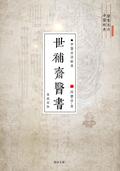 Shi Buzhai Medical Book
"Shi Buzhai Medical Book" is a medical masterpiece written by Lu Maoxiu, a medical doctor in the Qing Dynasty. It is divided into a main volume and a sequel, with a total of thirty-three volumes. This book provides an in-depth analysis of "Treatise on Febrile Diseases" and the theory of luck, puts forward unique insights, and includes Lu's own prescriptions and medical papers. It is complete in system and detailed in content, demonstrating his profound attainments in the field of traditional Chi
66Reads8.8Score—Shelves
Shi Buzhai Medical Book
"Shi Buzhai Medical Book" is a medical masterpiece written by Lu Maoxiu, a medical doctor in the Qing Dynasty. It is divided into a main volume and a sequel, with a total of thirty-three volumes. This book provides an in-depth analysis of "Treatise on Febrile Diseases" and the theory of luck, puts forward unique insights, and includes Lu's own prescriptions and medical papers. It is complete in system and detailed in content, demonstrating his profound attainments in the field of traditional Chi
66Reads8.8Score—Shelves
-
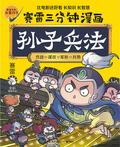 Sai Lei's Three-Minute Cartoon Sun Tzu's Art of War
"Super Cute Sai Lei" watched by 10 million people, the whole scene hilariously analyzes the essence of Sun Tzu's Art of War! Better than the movie! Let readers gain knowledge and wisdom! Sun Tzu's Art of War, known as the "Holy Book of Military Science", occupies an extremely important position in the military field of China and even the world, and is widely used in politics, economy, military, culture, philosophy and other fields. Studying Sun Tzu's Art of War is not just about learning how to
66Reads9.2Score—Shelves
Sai Lei's Three-Minute Cartoon Sun Tzu's Art of War
"Super Cute Sai Lei" watched by 10 million people, the whole scene hilariously analyzes the essence of Sun Tzu's Art of War! Better than the movie! Let readers gain knowledge and wisdom! Sun Tzu's Art of War, known as the "Holy Book of Military Science", occupies an extremely important position in the military field of China and even the world, and is widely used in politics, economy, military, culture, philosophy and other fields. Studying Sun Tzu's Art of War is not just about learning how to
66Reads9.2Score—Shelves
-
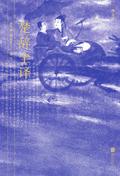 Complete Translation of Chu Ci
The Songs of Chu are the crystallization of Chu culture in the Spring and Autumn Period and the Warring States Period in my country. It is another collection of poems with far-reaching influence in ancient my country after the Book of Songs. The Songs of Chu are not only the ancestor of Fu style literature in the Han Dynasty, but also dominated the literary and artistic trends of the Han Dynasty for more than 400 years, giving great influence to Chinese literature and art. The earliest annotated
64Reads8.5Score—Shelves
Complete Translation of Chu Ci
The Songs of Chu are the crystallization of Chu culture in the Spring and Autumn Period and the Warring States Period in my country. It is another collection of poems with far-reaching influence in ancient my country after the Book of Songs. The Songs of Chu are not only the ancestor of Fu style literature in the Han Dynasty, but also dominated the literary and artistic trends of the Han Dynasty for more than 400 years, giving great influence to Chinese literature and art. The earliest annotated
64Reads8.5Score—Shelves
-
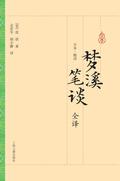 Full Translation of Mengxi's Written Talks
"Mengxi Bi Tan" includes three parts: "Bi Tan", "Supplementary Bi Tan" and "Continuation Bi Tan". The twenty-six volumes of "Bi Tan" are divided into seventeen categories, namely stories, dialectics, music, imagery, personnel, official affairs, wit, art, calligraphy and painting, skills, utensils, magic, strange things, fallacies, ridicule, magazines, and medical discussions. The three volumes of "Bubi Tan" include eleven of the above contents. "Continuation of Bi Tan" is a volume, without disti
64Reads8.6Score—Shelves
Full Translation of Mengxi's Written Talks
"Mengxi Bi Tan" includes three parts: "Bi Tan", "Supplementary Bi Tan" and "Continuation Bi Tan". The twenty-six volumes of "Bi Tan" are divided into seventeen categories, namely stories, dialectics, music, imagery, personnel, official affairs, wit, art, calligraphy and painting, skills, utensils, magic, strange things, fallacies, ridicule, magazines, and medical discussions. The three volumes of "Bubi Tan" include eleven of the above contents. "Continuation of Bi Tan" is a volume, without disti
64Reads8.6Score—Shelves
-
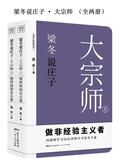 Liang Dong Talks About Zhuangzi, the Great Master
What does "Zhuangzi·Neipian·Great Master" say? In this ever-changing era, what should we do to avoid feeling anxious all the time? In order to better improve yourself and not be left behind by the times? Should we be opportunists? "The Grand Master" tells us: No matter how the world changes, we must always care about the things that remain unchanged, be non-opportunists, non-empiricists, and non-rulers, and try not to learn from existing experiences and rules. Don't chase trends, don't just foll
63Reads9.2Score—Shelves
Liang Dong Talks About Zhuangzi, the Great Master
What does "Zhuangzi·Neipian·Great Master" say? In this ever-changing era, what should we do to avoid feeling anxious all the time? In order to better improve yourself and not be left behind by the times? Should we be opportunists? "The Grand Master" tells us: No matter how the world changes, we must always care about the things that remain unchanged, be non-opportunists, non-empiricists, and non-rulers, and try not to learn from existing experiences and rules. Don't chase trends, don't just foll
63Reads9.2Score—Shelves
-
 Yunji Seven Lot
"Yunji Qizhu" is a large-scale Taoist book that selects and compiles the contents of "Treasures of the Heavenly Palace of the Song Dynasty". In the third year of Tianxi in the Northern Song Dynasty (AD 1019), Zhang Junfang, who was then Zuo Lang, compiled "Treasures of the Heavenly Palace of the Song Dynasty" and selected more than 10,000 essential items that he thought were essential. Between the third and seventh years of Tiansheng (1025-1029), he compiled this book and presented it to Emperor
62Reads9.3Score—Shelves
Yunji Seven Lot
"Yunji Qizhu" is a large-scale Taoist book that selects and compiles the contents of "Treasures of the Heavenly Palace of the Song Dynasty". In the third year of Tianxi in the Northern Song Dynasty (AD 1019), Zhang Junfang, who was then Zuo Lang, compiled "Treasures of the Heavenly Palace of the Song Dynasty" and selected more than 10,000 essential items that he thought were essential. Between the third and seventh years of Tiansheng (1025-1029), he compiled this book and presented it to Emperor
62Reads9.3Score—Shelves
-
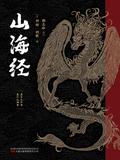 Classic of Mountains and Seas
"The Classic of Mountains and Seas" has a total of 18 volumes, including 5 volumes of "The Classic of Mountains", 8 volumes of "The Classic of Seas", 4 volumes of "The Classic of Great Wilderness", and 1 volume of "The Classic of Seas". Among them, 14 volumes are from the Warring States Period, and 4 volumes are from the early Western Han Dynasty. The content is mainly geographical knowledge in folklore, including mountains and rivers, geography, ethnic groups, products, medicines, sacrifices, w
62Reads8.6Score—Shelves
Classic of Mountains and Seas
"The Classic of Mountains and Seas" has a total of 18 volumes, including 5 volumes of "The Classic of Mountains", 8 volumes of "The Classic of Seas", 4 volumes of "The Classic of Great Wilderness", and 1 volume of "The Classic of Seas". Among them, 14 volumes are from the Warring States Period, and 4 volumes are from the early Western Han Dynasty. The content is mainly geographical knowledge in folklore, including mountains and rivers, geography, ethnic groups, products, medicines, sacrifices, w
62Reads8.6Score—Shelves
-
 Zhou Rites
The most detailed work on the ritual system of the Zhou Dynasty, which talks about the official system and political system, is a Confucian classic and was written by Zhou Gongdan, a famous politician, thinker, writer, and military strategist in the Western Zhou Dynasty.
61Reads8.7Score—Shelves
Zhou Rites
The most detailed work on the ritual system of the Zhou Dynasty, which talks about the official system and political system, is a Confucian classic and was written by Zhou Gongdan, a famous politician, thinker, writer, and military strategist in the Western Zhou Dynasty.
61Reads8.7Score—Shelves
-
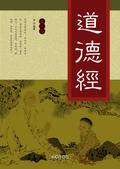 Tao Te Ching (Volume 1)
The Tao Te Ching, also known as the "Tao Te Ching", "Laozi", "Five Thousand Words" and "Laozi's Five Thousand Essays", is a work written by the pre-Qin scholars in ancient China before they split up. It was admired by all the scholars at that time. It is said to have been written by Laozi (Li Er) in the Spring and Autumn Period. It is an important source of Taoist philosophical thought. The Tao Te Ching is divided into two parts. The original text is the first part "De Jing" and the second part
60Reads9.0Score—Shelves
Tao Te Ching (Volume 1)
The Tao Te Ching, also known as the "Tao Te Ching", "Laozi", "Five Thousand Words" and "Laozi's Five Thousand Essays", is a work written by the pre-Qin scholars in ancient China before they split up. It was admired by all the scholars at that time. It is said to have been written by Laozi (Li Er) in the Spring and Autumn Period. It is an important source of Taoist philosophical thought. The Tao Te Ching is divided into two parts. The original text is the first part "De Jing" and the second part
60Reads9.0Score—Shelves
-
 Tongxuan Zhenjing
"Tongxuan Zhenjing", formerly known as "Wenzi", was written by Wenzi (named Jiran) during the Spring and Autumn Period and the Warring States Period. It is one of the "Four Sons" of Taoism. In the Tang Dynasty, Xuanzong issued an edict to confer Wenzi the title of Tongxuan Zhenren, hence his name. "Tongxuan Zhenjing" connects the previous and the following, and is a transitional bridge for the development of Laozi's Taoism to Huang-Lao's Taoism. The book uses a question-and-answer format to expl
60Reads8.7Score—Shelves
Tongxuan Zhenjing
"Tongxuan Zhenjing", formerly known as "Wenzi", was written by Wenzi (named Jiran) during the Spring and Autumn Period and the Warring States Period. It is one of the "Four Sons" of Taoism. In the Tang Dynasty, Xuanzong issued an edict to confer Wenzi the title of Tongxuan Zhenren, hence his name. "Tongxuan Zhenjing" connects the previous and the following, and is a transitional bridge for the development of Laozi's Taoism to Huang-Lao's Taoism. The book uses a question-and-answer format to expl
60Reads8.7Score—Shelves
-
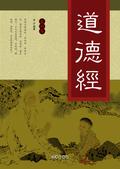 Tao Te Ching (Volume 4)
"Tao Te Ching" is the most authoritative classic work of the Taoist school. It is rich in text and meaning, covering many disciplines such as philosophy, ethics, politics, military science, etc. Its content is profound, profound, profound, encompasses hundreds of schools of thought, and embraces all things. It is respected by future generations as a secret book for governing the country, governing the family, studying, and cultivating oneself. Content Introduction "Tao Te Ching", also known as "
59Reads9.2Score—Shelves
Tao Te Ching (Volume 4)
"Tao Te Ching" is the most authoritative classic work of the Taoist school. It is rich in text and meaning, covering many disciplines such as philosophy, ethics, politics, military science, etc. Its content is profound, profound, profound, encompasses hundreds of schools of thought, and embraces all things. It is respected by future generations as a secret book for governing the country, governing the family, studying, and cultivating oneself. Content Introduction "Tao Te Ching", also known as "
59Reads9.2Score—Shelves
-
 Huang Tingjing
This work "Huang Ting Jing" was written by Wei Huacun. The Huangting Jing refers to the Jade Classic of the Inner Scenery of the Supreme Huangting and the Jade Classic of the Exterior Scenery of the Supreme Huangting. It was produced around the Wei and Jin Dynasties and included in the Dongxuan section of the Zhengtong Taoist Canon. Its main purpose is to subdue Qi and nourish Jing Shen. It is advocated that if you stick to your spirit, your body will last forever.
59Reads8.5Score—Shelves
Huang Tingjing
This work "Huang Ting Jing" was written by Wei Huacun. The Huangting Jing refers to the Jade Classic of the Inner Scenery of the Supreme Huangting and the Jade Classic of the Exterior Scenery of the Supreme Huangting. It was produced around the Wei and Jin Dynasties and included in the Dongxuan section of the Zhengtong Taoist Canon. Its main purpose is to subdue Qi and nourish Jing Shen. It is advocated that if you stick to your spirit, your body will last forever.
59Reads8.5Score—Shelves
-
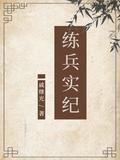 Military Training Records
"Records of Military Training" is a military work written by the Han people in the Ming Dynasty. Written by Qi Jiguang during military training in Jizhen. This book consists of 9 main volumes and 6 miscellaneous volumes. It and the "New Book of Ji Xiao" are called the companion chapters of Qi's Military Book. There are nine chapters in nine volumes with a total of 264 items. The specific titles are: training of martial arts first, training of courage and energy second, training of ears and eyes
58Reads8.6Score—Shelves
Military Training Records
"Records of Military Training" is a military work written by the Han people in the Ming Dynasty. Written by Qi Jiguang during military training in Jizhen. This book consists of 9 main volumes and 6 miscellaneous volumes. It and the "New Book of Ji Xiao" are called the companion chapters of Qi's Military Book. There are nine chapters in nine volumes with a total of 264 items. The specific titles are: training of martial arts first, training of courage and energy second, training of ears and eyes
58Reads8.6Score—Shelves
-
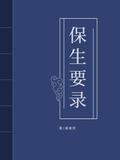 Requirements for Survival
I heard that pine trees are as strong as a thousand years old, but snow is not as strong as a moment. If you plant pine trees in rotting soil, they will be besieged by beetles without waiting for the moon; if you hide snow in the Yinshan Mountains, they will not fade away even if it lasts for many years. If it goes against its nature, it will be strong and brittle; if it goes with its nature, it will be accelerated and delayed. If things are the same, how can human principles be different? Howev
58Reads8.5Score—Shelves
Requirements for Survival
I heard that pine trees are as strong as a thousand years old, but snow is not as strong as a moment. If you plant pine trees in rotting soil, they will be besieged by beetles without waiting for the moon; if you hide snow in the Yinshan Mountains, they will not fade away even if it lasts for many years. If it goes against its nature, it will be strong and brittle; if it goes with its nature, it will be accelerated and delayed. If things are the same, how can human principles be different? Howev
58Reads8.5Score—Shelves
-
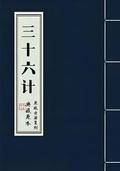 Thirty-Six Strategies
"Thirty-six Strategies" is a military book that brings together ancient Chinese outstanding military thoughts and struggle experience. The year of writing and author are difficult to verify accurately. The book contains six sets of strategies: victory strategy, enemy strategy, and attack strategy. Each set has six strategies, totaling thirty-six strategies, such as crossing the sea from the sky, encircling Wei and rescuing Zhao, etc. These strategies are not only used in military affairs, but ar
53Reads9.2Score—Shelves
Thirty-Six Strategies
"Thirty-six Strategies" is a military book that brings together ancient Chinese outstanding military thoughts and struggle experience. The year of writing and author are difficult to verify accurately. The book contains six sets of strategies: victory strategy, enemy strategy, and attack strategy. Each set has six strategies, totaling thirty-six strategies, such as crossing the sea from the sky, encircling Wei and rescuing Zhao, etc. These strategies are not only used in military affairs, but ar
53Reads9.2Score—Shelves
-
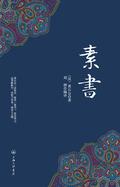 Plain Calligraphy
"Su Shu" occupies an extremely important position in ancient Chinese works on self-cultivation and governance, wisdom in life, and life strategy. This book, which has only six chapters, 132 sentences, and 1,360 words in its original text, is similar to a "quotation style" book. It has been regarded by hermit masters and counselors throughout the ages as a strategy secret book that has not been passed down through the ages and a perfect guide for achieving great things. It has been widely circula
51Reads8.6Score—Shelves
Plain Calligraphy
"Su Shu" occupies an extremely important position in ancient Chinese works on self-cultivation and governance, wisdom in life, and life strategy. This book, which has only six chapters, 132 sentences, and 1,360 words in its original text, is similar to a "quotation style" book. It has been regarded by hermit masters and counselors throughout the ages as a strategy secret book that has not been passed down through the ages and a perfect guide for achieving great things. It has been widely circula
51Reads8.6Score—Shelves
-
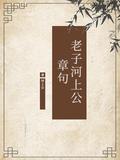 Laozi's Official Poem on the River
This work "Laozi He Shang Gong Zhang Ju" was written by He Shang Gong.
50Reads8.5Score—Shelves
Laozi's Official Poem on the River
This work "Laozi He Shang Gong Zhang Ju" was written by He Shang Gong.
50Reads8.5Score—Shelves
-
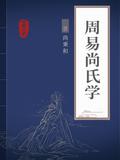 Zhouyi Shangshi Xue
This work "Zhouyi Shangshi Xue" is written by Shanchenghe
50Reads9.1Score—Shelves
Zhouyi Shangshi Xue
This work "Zhouyi Shangshi Xue" is written by Shanchenghe
50Reads9.1Score—Shelves
-
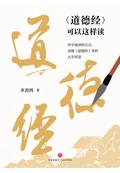 The Tao Te Ching Can Be Read Like This
Lao Tzu said, "The best good is like water." If you understand what is true and good, you can only act to benefit others and yourself; Lao Tzu said, "Knowing how to stop is not dangerous." If you know how to stop everything in moderation, you will not encounter danger; Lao Tzu said, "He who conquers himself is strong." A truly strong person is one who can constantly defeat himself: … The Tao Te Ching is known as the "King of All Classics", with its exquisite words and essence, containing great w
50Reads8.7Score—Shelves
The Tao Te Ching Can Be Read Like This
Lao Tzu said, "The best good is like water." If you understand what is true and good, you can only act to benefit others and yourself; Lao Tzu said, "Knowing how to stop is not dangerous." If you know how to stop everything in moderation, you will not encounter danger; Lao Tzu said, "He who conquers himself is strong." A truly strong person is one who can constantly defeat himself: … The Tao Te Ching is known as the "King of All Classics", with its exquisite words and essence, containing great w
50Reads8.7Score—Shelves
-
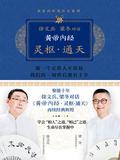 Xu Wenbing and Liang Dong's Dialogue on "The Yellow Emperor's Internal Classic·lingshu·tongtian"
Following the best-selling ten-year dialogue between Xu Wenbing and Liang Dong, "The Yellow Emperor's Internal Classic: Ancient Innocence", "The Four Qi Adjustment of Spirits", "Nian Nian", "Different Methods and Prescriptions" and "The Mantra of the Golden Chamber", Xu Wenbing and Liang Dong once again created classic glory and jointly launched "Xu Wenbing and Liang Dong's Dialogue "The Yellow Emperor's Internal Classic: Lingshu and Tongtian"", telling the important relationship between man and
49Reads9.2Score—Shelves
Xu Wenbing and Liang Dong's Dialogue on "The Yellow Emperor's Internal Classic·lingshu·tongtian"
Following the best-selling ten-year dialogue between Xu Wenbing and Liang Dong, "The Yellow Emperor's Internal Classic: Ancient Innocence", "The Four Qi Adjustment of Spirits", "Nian Nian", "Different Methods and Prescriptions" and "The Mantra of the Golden Chamber", Xu Wenbing and Liang Dong once again created classic glory and jointly launched "Xu Wenbing and Liang Dong's Dialogue "The Yellow Emperor's Internal Classic: Lingshu and Tongtian"", telling the important relationship between man and
49Reads9.2Score—Shelves
-
 Collection and Interpretation of Yellow Emperor's Yin Fu Sutra
Three volumes. Written by Yuan Shuzhen of Song Dynasty. The original title of the book is "Explanation of Yuan Shuzhen, Chief Secretary of Changsha County in Chao Sanlang's Travel to Tan". "Yellow Emperor Yin Fu Jing Ji Jie", referred to as "Yin Fu Jing Jie Jie", also known as "Yin Fu Jing Shu". There were two annotated versions of Yin Fu Jing in the Tang Dynasty, which were passed down through the generations. That is, the 300-character version by Li Quan of the Tang Dynasty and the 400-charact
49Reads9.2Score—Shelves
Collection and Interpretation of Yellow Emperor's Yin Fu Sutra
Three volumes. Written by Yuan Shuzhen of Song Dynasty. The original title of the book is "Explanation of Yuan Shuzhen, Chief Secretary of Changsha County in Chao Sanlang's Travel to Tan". "Yellow Emperor Yin Fu Jing Ji Jie", referred to as "Yin Fu Jing Jie Jie", also known as "Yin Fu Jing Shu". There were two annotated versions of Yin Fu Jing in the Tang Dynasty, which were passed down through the generations. That is, the 300-character version by Li Quan of the Tang Dynasty and the 400-charact
49Reads9.2Score—Shelves
-
 The Essentials of the Golden Chamber
"Jingui Yaolue Prescriptions", referred to as "Jingui Yaolue", was written by Zhang Ji (Zhang Zhongjing) of the Eastern Han Dynasty. It was written around the beginning of the third century. It was originally the miscellaneous disease part of "Treatise on Febrile and Miscellaneous Diseases" and was once lost. The book consists of 3 volumes and 25 articles in total, covering 64 types of diseases and 262 prescriptions. The principle of treating the disease before it is diagnosed to prevent its spr
48Reads9.3Score—Shelves
The Essentials of the Golden Chamber
"Jingui Yaolue Prescriptions", referred to as "Jingui Yaolue", was written by Zhang Ji (Zhang Zhongjing) of the Eastern Han Dynasty. It was written around the beginning of the third century. It was originally the miscellaneous disease part of "Treatise on Febrile and Miscellaneous Diseases" and was once lost. The book consists of 3 volumes and 25 articles in total, covering 64 types of diseases and 262 prescriptions. The principle of treating the disease before it is diagnosed to prevent its spr
48Reads9.3Score—Shelves
-
 Moderate
"The Doctrine of the Mean" is a moral philosophy monograph in ancient China that discusses the realm of life cultivation. It originally belonged to Chapter 31 of the "Book of Rites" and is one of the Confucian classics. It is said to have been written by Zisi during the Warring States Period. Its content affirms that "moderate" is the highest standard of moral behavior, regards "sincerity" as the ontology of the world, and believes that "perfect sincerity" reaches the highest realm of life. It a
48Reads9.3Score—Shelves
Moderate
"The Doctrine of the Mean" is a moral philosophy monograph in ancient China that discusses the realm of life cultivation. It originally belonged to Chapter 31 of the "Book of Rites" and is one of the Confucian classics. It is said to have been written by Zisi during the Warring States Period. Its content affirms that "moderate" is the highest standard of moral behavior, regards "sincerity" as the ontology of the world, and believes that "perfect sincerity" reaches the highest realm of life. It a
48Reads9.3Score—Shelves
-
 Legend of Immortals
"The Legend of Immortals" is a collection of ancient Chinese supernatural novels written by Ge Hong, a Taoist scholar in the Eastern Jin Dynasty, with a total of ten volumes. The book contains the deeds of 92 immortals in ancient Chinese legends. Many of them are not Taoist priests but were "invited" by Ge Hong into the biography. Legends of Immortals are famous for their rich imagination and vivid narratives. Ge Hong (283-363), whose courtesy name was Zhichuan and whose nickname was Baopuzi, wa
45Reads9.4Score—Shelves
Legend of Immortals
"The Legend of Immortals" is a collection of ancient Chinese supernatural novels written by Ge Hong, a Taoist scholar in the Eastern Jin Dynasty, with a total of ten volumes. The book contains the deeds of 92 immortals in ancient Chinese legends. Many of them are not Taoist priests but were "invited" by Ge Hong into the biography. Legends of Immortals are famous for their rich imagination and vivid narratives. Ge Hong (283-363), whose courtesy name was Zhichuan and whose nickname was Baopuzi, wa
45Reads9.4Score—Shelves
-
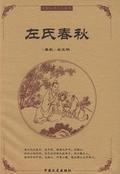 Zuo's Spring and Autumn Period
Zuo's Spring and Autumn Annals was compiled by Zuo Qiuming
44Reads8.5Score—Shelves
Zuo's Spring and Autumn Period
Zuo's Spring and Autumn Annals was compiled by Zuo Qiuming
44Reads8.5Score—Shelves
-
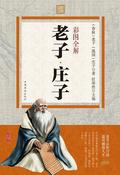 Complete Explanation of Laozi and Zhuangzi with Color Pictures
"Laozi" is also called "Tao Te Ching", and its author is Laozi. Lao Tzu, also known as Lao Dan and named Li Er, was a native of the Chu state during the Spring and Autumn Period. He served as the post-historian of the Eastern Zhou royal family. According to legend, during the Lunar New Year of the Eastern Zhou Dynasty, I returned to seclusion. When passing through Hangu Pass, I met Yin Xi, the officer guarding the pass. Yin Xi asked Laozi. Laozi then left behind this "Laozi" of more than 5,000 w
43Reads9.2Score—Shelves
Complete Explanation of Laozi and Zhuangzi with Color Pictures
"Laozi" is also called "Tao Te Ching", and its author is Laozi. Lao Tzu, also known as Lao Dan and named Li Er, was a native of the Chu state during the Spring and Autumn Period. He served as the post-historian of the Eastern Zhou royal family. According to legend, during the Lunar New Year of the Eastern Zhou Dynasty, I returned to seclusion. When passing through Hangu Pass, I met Yin Xi, the officer guarding the pass. Yin Xi asked Laozi. Laozi then left behind this "Laozi" of more than 5,000 w
43Reads9.2Score—Shelves
-
 Comprehensive Explanation of "Compendium of Materia Medica"
This book provides a detailed interpretation of the "Compendium of Materia Medica", which mainly includes the use of medicines for the six internal organs and five internal organs to nourish and relieve odor, medicinal formulas for specimens with deficient and excess internal organs, and examples of medication for the four seasons. Based on the principle of taking the essence of the ancients and making it practical for modern people, this book cuts out the complex and simplifies it, carefully se
42Reads8.7Score—Shelves
Comprehensive Explanation of "Compendium of Materia Medica"
This book provides a detailed interpretation of the "Compendium of Materia Medica", which mainly includes the use of medicines for the six internal organs and five internal organs to nourish and relieve odor, medicinal formulas for specimens with deficient and excess internal organs, and examples of medication for the four seasons. Based on the principle of taking the essence of the ancients and making it practical for modern people, this book cuts out the complex and simplifies it, carefully se
42Reads8.7Score—Shelves
-
 Zhengyi French Taishang Wailuyi
Sutra name: Zhengyi Dharma Wen Taishang Wailuyi. The author is unknown, probably from the Northern and Southern Periods. It is one of the remaining copies of the early Tianshi Dao classic "Zhengyi Fawen". One roll. Original source: the first part of "Orthodox Taoist Canon".
42Reads8.4Score—Shelves
Zhengyi French Taishang Wailuyi
Sutra name: Zhengyi Dharma Wen Taishang Wailuyi. The author is unknown, probably from the Northern and Southern Periods. It is one of the remaining copies of the early Tianshi Dao classic "Zhengyi Fawen". One roll. Original source: the first part of "Orthodox Taoist Canon".
42Reads8.4Score—Shelves
-
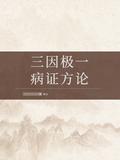 Three Causes and One Disease Syndrome Prescription
"Three Causes and One Disease Syndrome" was written by Chen Yan in the Southern Song Dynasty and was published in the first year of Chunxi (1174). The original name was "Three Causes and One Pathogen", which was shortened to "Three Causes Prescription". The book has 18 volumes, divided into 180 categories, and contains more than 1,050 poems. The book first discusses pulse diagnosis, medical practice procedures and the three causes of disease, and then lists the prescriptions and medicinal treatm
39Reads8.8Score—Shelves
Three Causes and One Disease Syndrome Prescription
"Three Causes and One Disease Syndrome" was written by Chen Yan in the Southern Song Dynasty and was published in the first year of Chunxi (1174). The original name was "Three Causes and One Pathogen", which was shortened to "Three Causes Prescription". The book has 18 volumes, divided into 180 categories, and contains more than 1,050 poems. The book first discusses pulse diagnosis, medical practice procedures and the three causes of disease, and then lists the prescriptions and medicinal treatm
39Reads8.8Score—Shelves
-
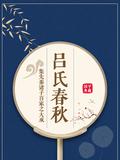 Lu's Spring and Autumn Period
Gathering the mixed and unmixed words of hundreds of schools of thought, it covers the principles of heaven and earth, all things and all sentient beings, ancient and modern! A word worth a thousand dollars, read Lu Buwei's "Lu's Spring and Autumn" Rare things to live in, read the Qin Dynasty version of the encyclopedia
38Reads8.3Score—Shelves
Lu's Spring and Autumn Period
Gathering the mixed and unmixed words of hundreds of schools of thought, it covers the principles of heaven and earth, all things and all sentient beings, ancient and modern! A word worth a thousand dollars, read Lu Buwei's "Lu's Spring and Autumn" Rare things to live in, read the Qin Dynasty version of the encyclopedia
38Reads8.3Score—Shelves
-
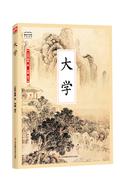 University (National Academy of Chinese Studies)
"The Great Learning" was originally a chapter in the "Book of Rites". People in the Song Dynasty extracted it from the "Book of Rites" and combined it with "The Analects", "Mencius" and "The Doctrine of the Mean" to become one of the "Four Books". It is an important work discussing ancient educational theories. Its purpose is to promote upright moral character and to make people benevolent, harmonious, sensible and good.
38Reads9.4Score—Shelves
University (National Academy of Chinese Studies)
"The Great Learning" was originally a chapter in the "Book of Rites". People in the Song Dynasty extracted it from the "Book of Rites" and combined it with "The Analects", "Mencius" and "The Doctrine of the Mean" to become one of the "Four Books". It is an important work discussing ancient educational theories. Its purpose is to promote upright moral character and to make people benevolent, harmonious, sensible and good.
38Reads9.4Score—Shelves
-
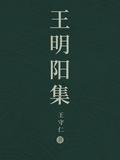 Wang Mingyang Collection
"The Complete Works of Wang Yangming" (Volume 1, 2) is based on the thirty-eight volumes of the Complete Works of Wang Wencheng engraved by Xie Tingjie in the 6th year of Longqing Dynasty in the Ming Dynasty stored in the Zhejiang Library as the original mark. The Wenyuange edition of Sikuquanshu, the four essential editions, the basic series of Chinese studies, the Chinese Library edition and the complete works of Wang Yangming published in Taiwan and Japan are used as reference editions. If th
38Reads8.5Score—Shelves
Wang Mingyang Collection
"The Complete Works of Wang Yangming" (Volume 1, 2) is based on the thirty-eight volumes of the Complete Works of Wang Wencheng engraved by Xie Tingjie in the 6th year of Longqing Dynasty in the Ming Dynasty stored in the Zhejiang Library as the original mark. The Wenyuange edition of Sikuquanshu, the four essential editions, the basic series of Chinese studies, the Chinese Library edition and the complete works of Wang Yangming published in Taiwan and Japan are used as reference editions. If th
38Reads8.5Score—Shelves
-
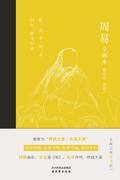 Complete Translation of Zhouyi
"Book of Changes" is based on the Fuxi Bagua, with Qian, Kun, Zhen, Gen, Li, Kan, Dui and Xun respectively representing heaven, earth, thunder, mountain, fire, water, Ze and wind. It further combines the Bagua in pairs to derive sixty-four hexagrams, which reveal the inner laws of the yin and yang of heaven and earth to create all things, and sublimate it into the ideological core of Chinese civilization. Its content involves astronomy, geography, economy, culture, self-cultivation, and hospital
35Reads8.6Score—Shelves
Complete Translation of Zhouyi
"Book of Changes" is based on the Fuxi Bagua, with Qian, Kun, Zhen, Gen, Li, Kan, Dui and Xun respectively representing heaven, earth, thunder, mountain, fire, water, Ze and wind. It further combines the Bagua in pairs to derive sixty-four hexagrams, which reveal the inner laws of the yin and yang of heaven and earth to create all things, and sublimate it into the ideological core of Chinese civilization. Its content involves astronomy, geography, economy, culture, self-cultivation, and hospital
35Reads8.6Score—Shelves
-
 Kindergarten Qionglin
"Young Learning Qionglin" is an enlightening children's book in ancient China. The author is Cheng Dengji, whose courtesy name is Yunsheng, who was born in Xichang in the late Ming Dynasty. This book was originally titled "Instructions for Preschool Education", also known as "Idiom Test" and "Story Source Search". Qiu Rui, a Jinshi during the Jingtai period of the Ming Dynasty, Zou Shengmai during the Jiaqing period of the Qing Dynasty, Fei Yourong, Ye Pusun and Cai Dongfan during the Republic o
35Reads8.6Score—Shelves
Kindergarten Qionglin
"Young Learning Qionglin" is an enlightening children's book in ancient China. The author is Cheng Dengji, whose courtesy name is Yunsheng, who was born in Xichang in the late Ming Dynasty. This book was originally titled "Instructions for Preschool Education", also known as "Idiom Test" and "Story Source Search". Qiu Rui, a Jinshi during the Jingtai period of the Ming Dynasty, Zou Shengmai during the Jiaqing period of the Qing Dynasty, Fei Yourong, Ye Pusun and Cai Dongfan during the Republic o
35Reads8.6Score—Shelves
-
 The Secret of Chao Cultivation in the Nine Palaces of the Great Cave of the Shangqing Dynasty
The secret of cultivating the nine palaces in the Great Cave of the Shangqing Dynasty is on the road. The original title is Biography of Zhou De's Great Successor, Liangfeng. The scriptures are adapted from the early Shangqing scriptures, and contain the secrets of the gods in the nine palaces of the human head. One roll. Original source: Method Category of Dongxuan Department of "Orthodox Taoist Canon".
35Reads8.5Score—Shelves
The Secret of Chao Cultivation in the Nine Palaces of the Great Cave of the Shangqing Dynasty
The secret of cultivating the nine palaces in the Great Cave of the Shangqing Dynasty is on the road. The original title is Biography of Zhou De's Great Successor, Liangfeng. The scriptures are adapted from the early Shangqing scriptures, and contain the secrets of the gods in the nine palaces of the human head. One roll. Original source: Method Category of Dongxuan Department of "Orthodox Taoist Canon".
35Reads8.5Score—Shelves
-
 Tao Te Ching—collection of Traditional Chinese Classics Handed Down from Ancient Times (Full Text)
Tao can be elaborated and expressed, but it is not completely equivalent to the eternal existence and ceaseless movement of the Great Avenue; the name of Tao can be named, but it is not completely equivalent to the name of the eternal existence and ceaseless movement of the Great Avenue. Nothingness is called the beginning of heaven and earth; existence is called the origin of all things. Therefore, from the constant "nothing", we will observe the subtleties of the Tao; from the constant "being"
34Reads9.4Score—Shelves
Tao Te Ching—collection of Traditional Chinese Classics Handed Down from Ancient Times (Full Text)
Tao can be elaborated and expressed, but it is not completely equivalent to the eternal existence and ceaseless movement of the Great Avenue; the name of Tao can be named, but it is not completely equivalent to the name of the eternal existence and ceaseless movement of the Great Avenue. Nothingness is called the beginning of heaven and earth; existence is called the origin of all things. Therefore, from the constant "nothing", we will observe the subtleties of the Tao; from the constant "being"
34Reads9.4Score—Shelves
-
 Shangqing Bone Marrow Spiritual Text Ghost Law
Shangqing bone marrow spiritual text ghost law. Song Rao Dongtian established the order, Song Deng had meritorious service and reorganized it. Three volumes. Original source: "Orthodox Taoist Canon" Dongxuan Department of Precepts.
34Reads8.5Score—Shelves
Shangqing Bone Marrow Spiritual Text Ghost Law
Shangqing bone marrow spiritual text ghost law. Song Rao Dongtian established the order, Song Deng had meritorious service and reorganized it. Three volumes. Original source: "Orthodox Taoist Canon" Dongxuan Department of Precepts.
34Reads8.5Score—Shelves
-
 Experimental Records of Classic Prescriptions (Free Public Edition Book)
Medical records writings. Written by Cao Yingfu and compiled by disciple Jiang Zuojing. The book contains 92 cases. Volume 1 lists the Guizhi Decoction syndrome, Ephedra decoction syndrome, Pueraria decoction syndrome, Baihu decoction syndrome, Maxing Shigan decoction syndrome, Pueraria Qinlian decoction syndrome and Sanchengqi decoction syndrome; Volume 2 lists the Guizhi Ephedra Half and Half Decoction syndrome and Xiao Qinglong syndrome. Decoction syndrome, Shegan Ephedra Decoction syndrome,
32Reads8.6Score—Shelves
Experimental Records of Classic Prescriptions (Free Public Edition Book)
Medical records writings. Written by Cao Yingfu and compiled by disciple Jiang Zuojing. The book contains 92 cases. Volume 1 lists the Guizhi Decoction syndrome, Ephedra decoction syndrome, Pueraria decoction syndrome, Baihu decoction syndrome, Maxing Shigan decoction syndrome, Pueraria Qinlian decoction syndrome and Sanchengqi decoction syndrome; Volume 2 lists the Guizhi Ephedra Half and Half Decoction syndrome and Xiao Qinglong syndrome. Decoction syndrome, Shegan Ephedra Decoction syndrome,
32Reads8.6Score—Shelves