Fanqie library
Browse
- Titles
- 1.3k
Every Fanqie book we index, searchable by title, author or tag.
-
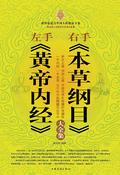 The "Huangdi Neijing" on the Left Hand and the "Compendium of Materia Medica" on the Right Hand
Based on the daily health-preserving phenomena of ordinary people, this book deeply interprets the principles of health-preserving and disease-preventing in the "Huangdi Neijing", and introduces practical methods of health-preserving in traditional Chinese medicine, such as health-preserving methods for different constitutions, twelve-hour health-preserving methods, four-season health-preserving methods, emotional health-preserving methods, dietary health-preserving methods, etc.; Starting from
—Reads9.5Score—Shelves
The "Huangdi Neijing" on the Left Hand and the "Compendium of Materia Medica" on the Right Hand
Based on the daily health-preserving phenomena of ordinary people, this book deeply interprets the principles of health-preserving and disease-preventing in the "Huangdi Neijing", and introduces practical methods of health-preserving in traditional Chinese medicine, such as health-preserving methods for different constitutions, twelve-hour health-preserving methods, four-season health-preserving methods, emotional health-preserving methods, dietary health-preserving methods, etc.; Starting from
—Reads9.5Score—Shelves
-
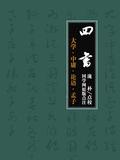 Four Books: Great Learning, Doctrine of the Mean, the Analects of Confucius, and Mencius
The Four Books, also known as the Four Books, refers to the collective name of these four works: The Analects of Confucius, Mencius, The Great Learning, and The Doctrine of the Mean. Zhu Xi, a famous Neo-Confucian scholar in the Southern Song Dynasty, took the two articles "The Doctrine of the Mean" and "The Great Learning" from the "Book of Rites" and wrote them into separate books. Together with "The Analects" which records Confucius' words and deeds, and "Mencius" which records Meng Ke's word
—Reads9.4Score—Shelves
Four Books: Great Learning, Doctrine of the Mean, the Analects of Confucius, and Mencius
The Four Books, also known as the Four Books, refers to the collective name of these four works: The Analects of Confucius, Mencius, The Great Learning, and The Doctrine of the Mean. Zhu Xi, a famous Neo-Confucian scholar in the Southern Song Dynasty, took the two articles "The Doctrine of the Mean" and "The Great Learning" from the "Book of Rites" and wrote them into separate books. Together with "The Analects" which records Confucius' words and deeds, and "Mencius" which records Meng Ke's word
—Reads9.4Score—Shelves
-
 Ten Books on Cultivation with Shortcuts Volume
Chinese traditional cultural thoughts have a long history and are highly original, original and literary. The early ideological forms were very distinctive, with extensive and profound contents such as religious theology, Chinese medicine classics, ancient military art, Confucianism, Taoism, Buddhism and hundreds of schools of thought, Feng Shui metaphysics, Twenty-Four Histories, customs and geography, etc. This series of "Original Books on Classic Chinese Studies and Essence Culture" retains t
—Reads9.5Score—Shelves
Ten Books on Cultivation with Shortcuts Volume
Chinese traditional cultural thoughts have a long history and are highly original, original and literary. The early ideological forms were very distinctive, with extensive and profound contents such as religious theology, Chinese medicine classics, ancient military art, Confucianism, Taoism, Buddhism and hundreds of schools of thought, Feng Shui metaphysics, Twenty-Four Histories, customs and geography, etc. This series of "Original Books on Classic Chinese Studies and Essence Culture" retains t
—Reads9.5Score—Shelves
-
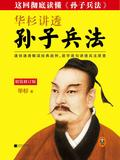 Hua Shan Talks About "Sun Tzu's Art of War" (Revised Edition)
"Sun Tzu's Art of War" has 6111 words. It seems that every word is difficult and mysterious, which makes many people flinch. In fact, as long as you grasp the basic idea of the Art of War, you will find that everything is suddenly enlightened and every word is clear. Hua Shan, the author of this book, has studied Sun Tzu's Art of War for more than 20 years. In this book, he grasps the fundamental thoughts of Sun Tzu's Art of War and analyzes the original meaning of "Sun Tzu's Art of War" in
—Reads9.5Score—Shelves
Hua Shan Talks About "Sun Tzu's Art of War" (Revised Edition)
"Sun Tzu's Art of War" has 6111 words. It seems that every word is difficult and mysterious, which makes many people flinch. In fact, as long as you grasp the basic idea of the Art of War, you will find that everything is suddenly enlightened and every word is clear. Hua Shan, the author of this book, has studied Sun Tzu's Art of War for more than 20 years. In this book, he grasps the fundamental thoughts of Sun Tzu's Art of War and analyzes the original meaning of "Sun Tzu's Art of War" in
—Reads9.5Score—Shelves
-
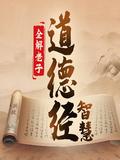 Complete Explanation of the Wisdom of Laozi's Tao Te Ching
The Tao Te Ching, as the first of all scriptures, contains profound insights into the universe, life, and society. The album "Interpreting the Wisdom of Laozi's Tao Te Ching" interprets this classic from a unique perspective and takes you on a journey to explore the true meaning of life. From analyzing the essence of "Tao" to understanding the connotation of "Virtue"; from learning the principles of life to mastering the methods of self-cultivation, the album covers it all. Here, "the way of hea
—Reads—Score—Shelves
Complete Explanation of the Wisdom of Laozi's Tao Te Ching
The Tao Te Ching, as the first of all scriptures, contains profound insights into the universe, life, and society. The album "Interpreting the Wisdom of Laozi's Tao Te Ching" interprets this classic from a unique perspective and takes you on a journey to explore the true meaning of life. From analyzing the essence of "Tao" to understanding the connotation of "Virtue"; from learning the principles of life to mastering the methods of self-cultivation, the album covers it all. Here, "the way of hea
—Reads—Score—Shelves
-
 Fragments of the Yongle Grand Ceremony
"Yongle Dadian" is the largest comprehensive book in my country. During the Yongle period of the Ming Dynasty, Emperor Chengzu of the Ming Dynasty ordered ministers Xie Jin, Yao Guangxiao and others to organize 3,000 civil servants and Confucian scholars to compile it over a period of 5 years, hence the name "Yongle Dadian". "Yongle Dadian" compiles more than 8,000 kinds of books from the pre-Qin Dynasty to the early Ming Dynasty, including works on classics, history, zi, ji, drama, geography, m
—Reads9.3Score—Shelves
Fragments of the Yongle Grand Ceremony
"Yongle Dadian" is the largest comprehensive book in my country. During the Yongle period of the Ming Dynasty, Emperor Chengzu of the Ming Dynasty ordered ministers Xie Jin, Yao Guangxiao and others to organize 3,000 civil servants and Confucian scholars to compile it over a period of 5 years, hence the name "Yongle Dadian". "Yongle Dadian" compiles more than 8,000 kinds of books from the pre-Qin Dynasty to the early Ming Dynasty, including works on classics, history, zi, ji, drama, geography, m
—Reads9.3Score—Shelves
-
 Ode to the Return of the Dragon and the Tiger
Written by Lin Taigu in the Northern Song Dynasty. Gu Shenzi Note. One roll. Original source: Taixuan Department of "Orthodox Taoist Canon". The Dragon and the Tiger Return the Dan Jue, and he lived in the land of Bashu for the rest of his life, and lived in the hometown of Qilu. For the rest, Mr. Calls himself himself.
—Reads8.6Score—Shelves
Ode to the Return of the Dragon and the Tiger
Written by Lin Taigu in the Northern Song Dynasty. Gu Shenzi Note. One roll. Original source: Taixuan Department of "Orthodox Taoist Canon". The Dragon and the Tiger Return the Dan Jue, and he lived in the land of Bashu for the rest of his life, and lived in the hometown of Qilu. For the rest, Mr. Calls himself himself.
—Reads8.6Score—Shelves
-
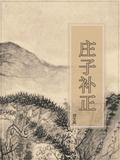 Zhuangzi's Correction
Liu Wendian, the author of Zhuangzi's Supplement and Correction, was born in Hefei, Anhui Province. During the Anti-Japanese War, he taught at Southwest Associated University in Kunming and Yunnan University. After the victory, the three schools of Southwest Associated University, namely Peking University, Tsinghua University, and Nankai University, moved back to their old locations in Peking and Tianjin. Mr. Liu stayed at Yunda University and died of illness in Kunming in 1958. He stayed in Yun
—Reads9.6Score—Shelves
Zhuangzi's Correction
Liu Wendian, the author of Zhuangzi's Supplement and Correction, was born in Hefei, Anhui Province. During the Anti-Japanese War, he taught at Southwest Associated University in Kunming and Yunnan University. After the victory, the three schools of Southwest Associated University, namely Peking University, Tsinghua University, and Nankai University, moved back to their old locations in Peking and Tianjin. Mr. Liu stayed at Yunda University and died of illness in Kunming in 1958. He stayed in Yun
—Reads9.6Score—Shelves
-
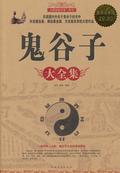 Complete Collection of Guiguzi
Gui Guzi, a famous thinker, strategist, and military strategist during the Warring States Period, was the originator of political strategists. His surname was Wang Xu. He often went to Yunmeng Mountain to collect medicine and practice Taoism. Because he lived in seclusion in Guigu Valley in Qingxi River, he called himself Mr. Guigu. He is good at self-cultivation, good at psychological speculation, has a deep understanding of the power of hardness and softness, is proficient in the art of breaki
—Reads9.5Score—Shelves
Complete Collection of Guiguzi
Gui Guzi, a famous thinker, strategist, and military strategist during the Warring States Period, was the originator of political strategists. His surname was Wang Xu. He often went to Yunmeng Mountain to collect medicine and practice Taoism. Because he lived in seclusion in Guigu Valley in Qingxi River, he called himself Mr. Guigu. He is good at self-cultivation, good at psychological speculation, has a deep understanding of the power of hardness and softness, is proficient in the art of breaki
—Reads9.5Score—Shelves
-
 Check the Diagnosis and Follow the Classics
Diagnostic writings. Written by Wang Hong of the Qing Dynasty. Volume Two. Hongzi Guang'an, a native of Xin'an. In his medical practice, Wang realized that "you can't know the disease without diagnosis, and you can't know the cure without diagnosis." Therefore, he took the purport of "Nei Jing" and "Difficult Classic" as the basis, and also adopted the relevant discussions of Zhang Zhongjing, Yang Shiying, Li Zhen and other experts, combined with his personal clinical experience, and wrote this
—Reads9.2Score—Shelves
Check the Diagnosis and Follow the Classics
Diagnostic writings. Written by Wang Hong of the Qing Dynasty. Volume Two. Hongzi Guang'an, a native of Xin'an. In his medical practice, Wang realized that "you can't know the disease without diagnosis, and you can't know the cure without diagnosis." Therefore, he took the purport of "Nei Jing" and "Difficult Classic" as the basis, and also adopted the relevant discussions of Zhang Zhongjing, Yang Shiying, Li Zhen and other experts, combined with his personal clinical experience, and wrote this
—Reads9.2Score—Shelves
-
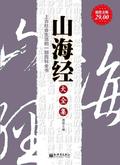 The Complete Collection of Classics of Mountains and Seas
 records more than 500 famous mountains and geographical locations, more than 300 names, origins and directions of rivers, customs of more than 40 countries and distant foreign peoples, more than 100 mythical characters, more than 100 medicinal animals and plants, more than 400 kinds of gods and monsters, and preserves a large number of precious ancient myths and legends in a way that includes pictures and texts. Our "Collection of Classic
—Reads9.4Score—Shelves
The Complete Collection of Classics of Mountains and Seas
The Complete Collection of Classics of Mountains and Seas records more than 500 famous mountains and geographical locations, more than 300 names, origins and directions of rivers, customs of more than 40 countries and distant foreign peoples, more than 100 mythical characters, more than 100 medicinal animals and plants, more than 400 kinds of gods and monsters, and preserves a large number of precious ancient myths and legends in a way that includes pictures and texts. Our "Collection of Classic
—Reads9.4Score—Shelves
-
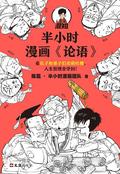 Half-Hour Cartoon "The Analects of Confucius"
Worried about not being able to read "The Analects of Confucius"? That's because I didn't know that Confucius loved to complain so much! Through hand-drawn cartoons and hilarious jokes, the half-hour cartoon team led by Chen Lei (pen name: Brother Hunzi) showed us the cuteness and ridicule of Confucius and his disciples while talking about classic chapters and sentences in "The Analects of Confucius", allowing us to learn the philosophy of life in "The Analects of Confucius" while laughing. Why
—Reads9.5Score—Shelves
Half-Hour Cartoon "The Analects of Confucius"
Worried about not being able to read "The Analects of Confucius"? That's because I didn't know that Confucius loved to complain so much! Through hand-drawn cartoons and hilarious jokes, the half-hour cartoon team led by Chen Lei (pen name: Brother Hunzi) showed us the cuteness and ridicule of Confucius and his disciples while talking about classic chapters and sentences in "The Analects of Confucius", allowing us to learn the philosophy of life in "The Analects of Confucius" while laughing. Why
—Reads9.5Score—Shelves
-
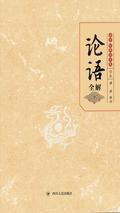 Complete Explanation of the Analects of Confucius
"The Analects of Confucius" is a collection of quotations from Confucius and his disciples. It was compiled by Confucius's disciples and his disciples and was completed in the early Warring States Period. The book has a total of 20 parts and 492 chapters, mainly in the form of quotations and supplemented by narratives. It mainly records the words and deeds of Confucius and his disciples, and embodies Confucius's political opinions, ethical thoughts, moral concepts and educational principles in a
—Reads9.3Score—Shelves
Complete Explanation of the Analects of Confucius
"The Analects of Confucius" is a collection of quotations from Confucius and his disciples. It was compiled by Confucius's disciples and his disciples and was completed in the early Warring States Period. The book has a total of 20 parts and 492 chapters, mainly in the form of quotations and supplemented by narratives. It mainly records the words and deeds of Confucius and his disciples, and embodies Confucius's political opinions, ethical thoughts, moral concepts and educational principles in a
—Reads9.3Score—Shelves
-
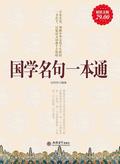 A Comprehensive Guide to Famous Chinese Sayings
This "Comprehensive Collection of Famous Quotations from Classical Chinese Studies" uses a subset of classics and history as the reference standard. It collects many famous quotes from classic Chinese studies and adds translations so that readers can have a quick overview of the classics and read them all at a glance in their spare time. People often say that they are full of poetry and calligraphy. If they can inadvertently utter a few profound Chinese wisdom in social gatherings, it will impre
—Reads9.5Score—Shelves
A Comprehensive Guide to Famous Chinese Sayings
This "Comprehensive Collection of Famous Quotations from Classical Chinese Studies" uses a subset of classics and history as the reference standard. It collects many famous quotes from classic Chinese studies and adds translations so that readers can have a quick overview of the classics and read them all at a glance in their spare time. People often say that they are full of poetry and calligraphy. If they can inadvertently utter a few profound Chinese wisdom in social gatherings, it will impre
—Reads9.5Score—Shelves
-
 Famous Poems and Notes
"Notes on Famous Poems" is annotations and explanations of several famous poems in "The Book of Songs", mainly selected from "Guofeng"; "Ya" originally also selected some, but only the titles are preserved without notes; "Ode" has no selections.
—Reads8.6Score—Shelves
Famous Poems and Notes
"Notes on Famous Poems" is annotations and explanations of several famous poems in "The Book of Songs", mainly selected from "Guofeng"; "Ya" originally also selected some, but only the titles are preserved without notes; "Ode" has no selections.
—Reads8.6Score—Shelves
-
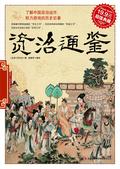 Zizhi Tongjian (Super Value Collection)
"Zizhi Tongjian (Valuable Collection)" covers the epitome of China's 1362 years of history, culture, politics, economy, and characters. It is a historical masterpiece that is enough to understand China's political operations and power games. It is also a must-read history book for ancient emperors to review the past and be able to govern the country. The thousand-year history of such a huge country is condensed into three million words. It is very difficult to understand it clearly. Only in this
—Reads9.5Score—Shelves
Zizhi Tongjian (Super Value Collection)
"Zizhi Tongjian (Valuable Collection)" covers the epitome of China's 1362 years of history, culture, politics, economy, and characters. It is a historical masterpiece that is enough to understand China's political operations and power games. It is also a must-read history book for ancient emperors to review the past and be able to govern the country. The thousand-year history of such a huge country is condensed into three million words. It is very difficult to understand it clearly. Only in this
—Reads9.5Score—Shelves
-
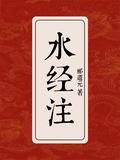 Shuijingzhu
"Shui Jing Zhu" written by Li Daoyuan in the Northern Wei Dynasty is not only the pinnacle of ancient Chinese geography, but also an encyclopedic masterpiece that integrates history, mythology, folklore, and literature. The book consists of forty volumes and more than 300,000 words. It uses waterways as its veins and connects the magnificent pictures of 1,252 rivers, sublimating boring waterway descriptions into vitality-filled mountain and river pictures. The book contains both the majestic ima
—Reads8.7Score—Shelves
Shuijingzhu
"Shui Jing Zhu" written by Li Daoyuan in the Northern Wei Dynasty is not only the pinnacle of ancient Chinese geography, but also an encyclopedic masterpiece that integrates history, mythology, folklore, and literature. The book consists of forty volumes and more than 300,000 words. It uses waterways as its veins and connects the magnificent pictures of 1,252 rivers, sublimating boring waterway descriptions into vitality-filled mountain and river pictures. The book contains both the majestic ima
—Reads8.7Score—Shelves
-
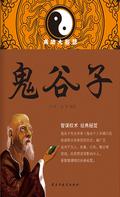 Guiguzi
"Guiguzi" written by Guiguzi has been studied by ancient Chinese military strategists, politicians and diplomats, and now it has become a must-have book for contemporary businessmen and successful people. The various manifestations of wisdom and power revealed by it have been widely used in the fields of conduct, work, public relations, business and other fields. Its thoughts have deeply influenced today's people and are well-known at home and abroad. This book includes the original texts, annot
—Reads9.5Score—Shelves
Guiguzi
"Guiguzi" written by Guiguzi has been studied by ancient Chinese military strategists, politicians and diplomats, and now it has become a must-have book for contemporary businessmen and successful people. The various manifestations of wisdom and power revealed by it have been widely used in the fields of conduct, work, public relations, business and other fields. Its thoughts have deeply influenced today's people and are well-known at home and abroad. This book includes the original texts, annot
—Reads9.5Score—Shelves
-
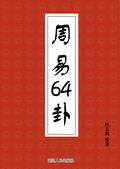 Hexagram 64 of Zhouyi
"The Book of Changes" is an important classic document in ancient China. It contains 64 hexagrams, each of which has its own unique symbolic meaning and interpretation. These 64 hexagrams reveal the changing laws of everything in the universe through different combinations of yin and yang. Starting with the Qian hexagram, it represents the beginning of heaven, the masculine force, while the Kun hexagram symbolizes the earth, the foundation of the feminine. With the changes in the hexagrams, we c
—Reads8.4Score—Shelves
Hexagram 64 of Zhouyi
"The Book of Changes" is an important classic document in ancient China. It contains 64 hexagrams, each of which has its own unique symbolic meaning and interpretation. These 64 hexagrams reveal the changing laws of everything in the universe through different combinations of yin and yang. Starting with the Qian hexagram, it represents the beginning of heaven, the masculine force, while the Kun hexagram symbolizes the earth, the foundation of the feminine. With the changes in the hexagrams, we c
—Reads8.4Score—Shelves
-
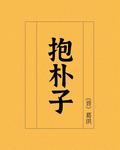 Baopuzi
, written by Gehong of Jin Dynasty, is a Taoist classic, including inner and outer chapters. Baopu ([bào pǔ]) is a Taoist term. The origin can be found in "Laozi" "see simplicity, embrace simplicity, be less selfish and have few desires". This book is divided into inner and outer chapters. The inner chapter is a systematic summary of alchemy and health-preserving formulas, which laid a theoretical foundation for the Taoism of immortals in the Wei and Jin Dynasties. The outer chapters main
—Reads9.4Score—Shelves
Baopuzi
Baopuzi, written by Gehong of Jin Dynasty, is a Taoist classic, including inner and outer chapters. Baopu ([bào pǔ]) is a Taoist term. The origin can be found in "Laozi" "see simplicity, embrace simplicity, be less selfish and have few desires". This book is divided into inner and outer chapters. The inner chapter is a systematic summary of alchemy and health-preserving formulas, which laid a theoretical foundation for the Taoism of immortals in the Wei and Jin Dynasties. The outer chapters main
—Reads9.4Score—Shelves
-
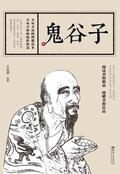 Guiguzi
This book provides precise and lucid annotations and translations of the original work. Each article is accompanied by an abstract, and selects representative cases from ancient and modern times, both at home and abroad, covering management, shopping malls, workplaces, life and other fields. It explains and interprets each article, using wonderful stories to present Guiguzi's wise strategies, which can inspire and gain readers. This book integrates philosophy, storytelling, and practicality, and
—Reads9.4Score—Shelves
Guiguzi
This book provides precise and lucid annotations and translations of the original work. Each article is accompanied by an abstract, and selects representative cases from ancient and modern times, both at home and abroad, covering management, shopping malls, workplaces, life and other fields. It explains and interprets each article, using wonderful stories to present Guiguzi's wise strategies, which can inspire and gain readers. This book integrates philosophy, storytelling, and practicality, and
—Reads9.4Score—Shelves
-
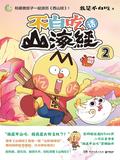 Don't Talk About Shan Hai Jing in Vain.2
There is a magical tree on Buzhou Mountain, and eating its fruit can make people instantly free from worries; There is a special product called jade paste on Mishan Mountain. Eating it can prolong your life, and wearing it on your body can ward off evil spirits. There is a fish called stingray in Huaijiang Mountain, which tastes sour and sweet. Eating it can cure madness; There is a beast on Mishan Mountain that looks like a wild cat. Eating it can cure jaundice. In addition, there are all kinds
—Reads9.4Score—Shelves
Don't Talk About Shan Hai Jing in Vain.2
There is a magical tree on Buzhou Mountain, and eating its fruit can make people instantly free from worries; There is a special product called jade paste on Mishan Mountain. Eating it can prolong your life, and wearing it on your body can ward off evil spirits. There is a fish called stingray in Huaijiang Mountain, which tastes sour and sweet. Eating it can cure madness; There is a beast on Mishan Mountain that looks like a wild cat. Eating it can cure jaundice. In addition, there are all kinds
—Reads9.4Score—Shelves
-
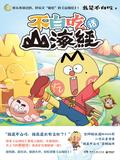 Talk About the Classic of Mountains and Seas (Super Interesting! Teach You How to Be an Educated Foodie!)
The fun and edible comic book "The Classic of Mountains and Seas"! "The Classic of Mountains and Seas" is an ancient Chinese encyclopedia and the ancestor of ancient and modern idioms. Mr. Lu Xun called it a "treasure book". "Bu Bai Chi Talks about the Classic of Mountains and Seas" is adapted from the original text. Food cartoonist Bu Bai Chi travels to the famous mountains and seas in "The Classic of Mountains and Seas" and explores rare and exotic animals. It was discovered that everything sw
—Reads9.5Score—Shelves
Talk About the Classic of Mountains and Seas (Super Interesting! Teach You How to Be an Educated Foodie!)
The fun and edible comic book "The Classic of Mountains and Seas"! "The Classic of Mountains and Seas" is an ancient Chinese encyclopedia and the ancestor of ancient and modern idioms. Mr. Lu Xun called it a "treasure book". "Bu Bai Chi Talks about the Classic of Mountains and Seas" is adapted from the original text. Food cartoonist Bu Bai Chi travels to the famous mountains and seas in "The Classic of Mountains and Seas" and explores rare and exotic animals. It was discovered that everything sw
—Reads9.5Score—Shelves
-
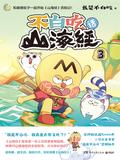 Talking About Shan Hai Jing 3
There is a kind of Ranyi fish in the water of Yingtang Mountain. If you eat it, you will not have nightmares; There is a tree called on Zhongqu Mountain, and people who eat its fruit will become extremely strong; There is a kind of fish in Daishan called Holuo fish that barks like a dog, and eating it can cure carbuncle and swollen diseases; there is also a kind of fish with ten wings on its body called the squid, and eating it can cure jaundice; There is a bird called Bai Nue on Shanzhang Mount
—Reads9.4Score—Shelves
Talking About Shan Hai Jing 3
There is a kind of Ranyi fish in the water of Yingtang Mountain. If you eat it, you will not have nightmares; There is a tree called on Zhongqu Mountain, and people who eat its fruit will become extremely strong; There is a kind of fish in Daishan called Holuo fish that barks like a dog, and eating it can cure carbuncle and swollen diseases; there is also a kind of fish with ten wings on its body called the squid, and eating it can cure jaundice; There is a bird called Bai Nue on Shanzhang Mount
—Reads9.4Score—Shelves
-
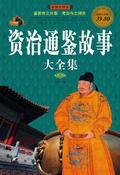 A Complete Collection of Stories About Zizhi Tongjian
"Zizhi Tongjian" is an unprecedented historical masterpiece compiled under the leadership of Sima Guang, a famous historian in the Northern Song Dynasty. It was named by Emperor Shenzong of the Song Dynasty because "in view of the past, it is qualified to govern Taoism". The book is voluminous, with a total of 294 volumes, recording a total of 1,362 years of history from the 23rd year of King Weilie of the Zhou Dynasty (403 BC) to the 6th year of Emperor Xiande of the Later Zhou Dynasty (959 AD)
—Reads9.6Score—Shelves
A Complete Collection of Stories About Zizhi Tongjian
"Zizhi Tongjian" is an unprecedented historical masterpiece compiled under the leadership of Sima Guang, a famous historian in the Northern Song Dynasty. It was named by Emperor Shenzong of the Song Dynasty because "in view of the past, it is qualified to govern Taoism". The book is voluminous, with a total of 294 volumes, recording a total of 1,362 years of history from the 23rd year of King Weilie of the Zhou Dynasty (403 BC) to the 6th year of Emperor Xiande of the Later Zhou Dynasty (959 AD)
—Reads9.6Score—Shelves
-
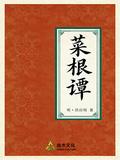 Cai Gen Tan (Original Version)
"Cai Gen Tan" is a collection of short aphorisms compiled by Hong Yingming in the Ming Dynasty. Together with "The Secret of a Small Window" and "Night Talk Around the Furnace", it is known as one of the "Three Wonderful Books on Life". It is named with the profound meaning of "If you bite the root of vegetables, you can do everything". It is a classic work that conveys the traditional wisdom of self-cultivation. The book combines Confucianism's responsibility for worldly affairs, Taoism's natur
—Reads9.5Score—Shelves
Cai Gen Tan (Original Version)
"Cai Gen Tan" is a collection of short aphorisms compiled by Hong Yingming in the Ming Dynasty. Together with "The Secret of a Small Window" and "Night Talk Around the Furnace", it is known as one of the "Three Wonderful Books on Life". It is named with the profound meaning of "If you bite the root of vegetables, you can do everything". It is a classic work that conveys the traditional wisdom of self-cultivation. The book combines Confucianism's responsibility for worldly affairs, Taoism's natur
—Reads9.5Score—Shelves
-
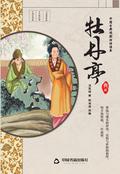 Peony Pavilion
"The Peony Pavilion" is the representative work of Tang Xianzu, a great composer of the Ming Dynasty. At this time, the writer's thoughts and art had matured. The Ming Dynasty story-telling novel "The Return of Du Liniang" provides the basic plot for "The Peony Pavilion". "The Peony Pavilion" also retains some original sentences from the script in the guest verses of "A Dream", "A Dream" and "A Sorrow". In the novel, after Du Liniang's resurrection, a well-matched marriage was successfully concl
—Reads9.4Score—Shelves
Peony Pavilion
"The Peony Pavilion" is the representative work of Tang Xianzu, a great composer of the Ming Dynasty. At this time, the writer's thoughts and art had matured. The Ming Dynasty story-telling novel "The Return of Du Liniang" provides the basic plot for "The Peony Pavilion". "The Peony Pavilion" also retains some original sentences from the script in the guest verses of "A Dream", "A Dream" and "A Sorrow". In the novel, after Du Liniang's resurrection, a well-matched marriage was successfully concl
—Reads9.4Score—Shelves
-
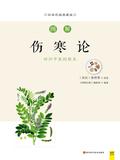 Illustrated Treatise on Febrile Diseases (Collection Edition with Colored Illustrations in Vernacular): Returning to the Fundamentals of Traditional Chinese Medicine
"Treatise on Febrile Diseases" is China's first monograph on syndrome differentiation and treatment of the six classics. It is a companion volume to "Synopsis of the Golden Chamber". The two together form "Treatise on Febrile Diseases and Miscellaneous Diseases", which is known as the four classics of traditional Chinese medicine along with "Huangdi Neijing", "Difficult Classic" and "Shen Nong's Materia Medica". The outstanding achievement of "Treatise on Febrile Diseases" is the establishment o
—Reads9.4Score—Shelves
Illustrated Treatise on Febrile Diseases (Collection Edition with Colored Illustrations in Vernacular): Returning to the Fundamentals of Traditional Chinese Medicine
"Treatise on Febrile Diseases" is China's first monograph on syndrome differentiation and treatment of the six classics. It is a companion volume to "Synopsis of the Golden Chamber". The two together form "Treatise on Febrile Diseases and Miscellaneous Diseases", which is known as the four classics of traditional Chinese medicine along with "Huangdi Neijing", "Difficult Classic" and "Shen Nong's Materia Medica". The outstanding achievement of "Treatise on Febrile Diseases" is the establishment o
—Reads9.4Score—Shelves
-
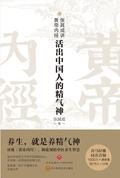 Zhang Qicheng Talks About the Yellow Emperor's Internal Classic: Live Out the Spirit of the Chinese People
This book is a systematic explanation of the wisdom of health preservation in the "Huangdi Neijing". As the inheritor of the "Zhang Yitie" medical family, Zhang Qicheng combines the longevity health regimen passed down by his family for hundreds of years, from "Suwen" to "Lingshu", and thoroughly explains the overall concept of health care, syndrome differentiation and treatment, viscera and pulse conditions and other core issues in the "Huangdi Neijing". Through typical cases, he vividly explai
—Reads9.5Score—Shelves
Zhang Qicheng Talks About the Yellow Emperor's Internal Classic: Live Out the Spirit of the Chinese People
This book is a systematic explanation of the wisdom of health preservation in the "Huangdi Neijing". As the inheritor of the "Zhang Yitie" medical family, Zhang Qicheng combines the longevity health regimen passed down by his family for hundreds of years, from "Suwen" to "Lingshu", and thoroughly explains the overall concept of health care, syndrome differentiation and treatment, viscera and pulse conditions and other core issues in the "Huangdi Neijing". Through typical cases, he vividly explai
—Reads9.5Score—Shelves
-
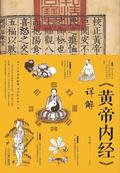 Detailed Explanation of "Huangdi Neijing"
This book interprets the "Huangdi Neijing" in detail, combines modern life habits, and selects the contents of the "Huangdi Neijing" on diet, daily life, work and rest, cold and temperature, seven emotions, four seasons, geographical environment, water, soil, wind and rain, etc. To enhance life vitality, prevent diseases and improve health, and discusses in detail the causes, pathogenesis, constitution, essence, storage phenomena, meridians and health preservation. Closely related to each other,
—Reads9.5Score—Shelves
Detailed Explanation of "Huangdi Neijing"
This book interprets the "Huangdi Neijing" in detail, combines modern life habits, and selects the contents of the "Huangdi Neijing" on diet, daily life, work and rest, cold and temperature, seven emotions, four seasons, geographical environment, water, soil, wind and rain, etc. To enhance life vitality, prevent diseases and improve health, and discusses in detail the causes, pathogenesis, constitution, essence, storage phenomena, meridians and health preservation. Closely related to each other,
—Reads9.5Score—Shelves
-
 Treatise on Febrile Diseases
"Treatise on Febrile Diseases" was written around the beginning of the third century AD and was compiled by Zhang Ji (Zhang Zhongjing) of the Eastern Han Dynasty. It was originally the typhoid fever part of "Treatise on Febrile and Miscellaneous Diseases" and was once lost. It was collected and compiled by Wang Shuhe during the Jin Dynasty and named "Treatise on Febrile Diseases". It was revised by Lin Yi and others in the Northern Song Dynasty and has been passed down to this day. The book has
—Reads9.5Score—Shelves
Treatise on Febrile Diseases
"Treatise on Febrile Diseases" was written around the beginning of the third century AD and was compiled by Zhang Ji (Zhang Zhongjing) of the Eastern Han Dynasty. It was originally the typhoid fever part of "Treatise on Febrile and Miscellaneous Diseases" and was once lost. It was collected and compiled by Wang Shuhe during the Jin Dynasty and named "Treatise on Febrile Diseases". It was revised by Lin Yi and others in the Northern Song Dynasty and has been passed down to this day. The book has
—Reads9.5Score—Shelves
-
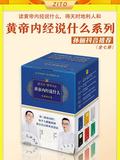 What Does the Yellow Emperor's Internal Classic Say? Series (Collector's Edition Set) (Seven Volumes in Total)
This series of books includes "The Yellow Emperor's Internal Classic: Four Qi Adjusting the Spirit", "The Yellow Emperor's Internal Classic: Ancient Innocence", "The Yellow Emperor's Internal Classic: The Nian of Heaven", "The Yellow Emperor's Internal Classic: Different Methods and Methods", "The Yellow Emperor's Internal Classic: The True Words of the Golden Chamber", and "The Yellow Emperor's Internal Classic: Lingshu Tongtian" in Dialogue between Xu Wenbing and Liang Dong. Among them, "Four
—Reads9.4Score—Shelves
What Does the Yellow Emperor's Internal Classic Say? Series (Collector's Edition Set) (Seven Volumes in Total)
This series of books includes "The Yellow Emperor's Internal Classic: Four Qi Adjusting the Spirit", "The Yellow Emperor's Internal Classic: Ancient Innocence", "The Yellow Emperor's Internal Classic: The Nian of Heaven", "The Yellow Emperor's Internal Classic: Different Methods and Methods", "The Yellow Emperor's Internal Classic: The True Words of the Golden Chamber", and "The Yellow Emperor's Internal Classic: Lingshu Tongtian" in Dialogue between Xu Wenbing and Liang Dong. Among them, "Four
—Reads9.4Score—Shelves
-
 Li Sao
"Li Sao" is a political lyric poem written by Qu Yuan, a poet of the Warring States Period.
—Reads7.9Score—Shelves
Li Sao
"Li Sao" is a political lyric poem written by Qu Yuan, a poet of the Warring States Period.
—Reads7.9Score—Shelves
-
 Read Zizhi Tongjian with Mao Zedong
"Zizhi Tongjian", referred to as "Tongjian", is a multi-volume chronological history book edited by Sima Guang of the Northern Song Dynasty. It has a total of 294 volumes and took 19 years to complete. It uses time as the outline and events as the objectives. It starts from the 23rd year of King Weilie of Zhou Dynasty (403 BC) and ends with the conquest of Huainan in the 6th year of Emperor Xiande of the Later Zhou Dynasty (959 AD), covering 1362 years of history in 16 dynasties. It is China's f
—Reads9.5Score—Shelves
Read Zizhi Tongjian with Mao Zedong
"Zizhi Tongjian", referred to as "Tongjian", is a multi-volume chronological history book edited by Sima Guang of the Northern Song Dynasty. It has a total of 294 volumes and took 19 years to complete. It uses time as the outline and events as the objectives. It starts from the 23rd year of King Weilie of Zhou Dynasty (403 BC) and ends with the conquest of Huainan in the 6th year of Emperor Xiande of the Later Zhou Dynasty (959 AD), covering 1362 years of history in 16 dynasties. It is China's f
—Reads9.5Score—Shelves
-
 Four Books and Five Classics
The Four Books and the Five Classics are the synthesis of the "Four Books" and the "Five Classics". The so-called Four Books refer to the four books of "Great Learning", "The Analects of Confucius", "Mencius" and "The Doctrine of the Mean", which are the basic teaching materials for Confucian preaching and teaching; the so-called "Five Classics" refers to the collective name of the five books of "Book of Changes", "Shangshu", "Book of Songs", "Book of Rites" and "Spring and Autumn", which were w
—Reads9.4Score—Shelves
Four Books and Five Classics
The Four Books and the Five Classics are the synthesis of the "Four Books" and the "Five Classics". The so-called Four Books refer to the four books of "Great Learning", "The Analects of Confucius", "Mencius" and "The Doctrine of the Mean", which are the basic teaching materials for Confucian preaching and teaching; the so-called "Five Classics" refers to the collective name of the five books of "Book of Changes", "Shangshu", "Book of Songs", "Book of Rites" and "Spring and Autumn", which were w
—Reads9.4Score—Shelves
-
 Mencius
"Mencius" uses the style of conversational prose to record the activities and remarks of Mencius and his disciples, and tells about Mencius' political activities, political doctrines, and his philosophical system and ethical education thoughts. The writing in the book is majestic and highly contagious. Together with The Analects of Confucius, The Great Learning and The Doctrine of the Mean, it is known as the "Four Books". It is a must-read classic work for Confucian students of all ages.
—Reads9.4Score—Shelves
Mencius
"Mencius" uses the style of conversational prose to record the activities and remarks of Mencius and his disciples, and tells about Mencius' political activities, political doctrines, and his philosophical system and ethical education thoughts. The writing in the book is majestic and highly contagious. Together with The Analects of Confucius, The Great Learning and The Doctrine of the Mean, it is known as the "Four Books". It is a must-read classic work for Confucian students of all ages.
—Reads9.4Score—Shelves
-
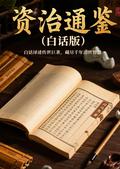 Zizhi Tongjian (Vernacular Version)
[Sima Guang/Author] The complete vernacular translation of the masterpiece "Zizhi Tongjian" handed down from ancient times, spanning thousands of years, is now on the shelves! As the first multi-volume chronological general history of ancient China compiled by Sima Guang of the Northern Song Dynasty over a period of 19 years, this book begins in the 23rd year of King Weilie of Zhou Dynasty and ends in the 6th year of Zhou Shizong's Xiande in the Five Dynasties, connecting 16 dynasties. In 1362,
—Reads9.4Score—Shelves
Zizhi Tongjian (Vernacular Version)
[Sima Guang/Author] The complete vernacular translation of the masterpiece "Zizhi Tongjian" handed down from ancient times, spanning thousands of years, is now on the shelves! As the first multi-volume chronological general history of ancient China compiled by Sima Guang of the Northern Song Dynasty over a period of 19 years, this book begins in the 23rd year of King Weilie of Zhou Dynasty and ends in the 6th year of Zhou Shizong's Xiande in the Five Dynasties, connecting 16 dynasties. In 1362,
—Reads9.4Score—Shelves
-
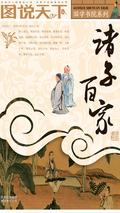 Hundreds of Schools of Thought
The book "One Hundred Schools of Thought" selects thirty-six representative works from various eras from the Pre-Qin Dynasty to the Manchu Qing Dynasty, covering eight schools including Confucianism, Taoism, Legalism, Mohism, Ming Dynasty, Bingshu, Novel, and Miscellaneous Schools. In terms of ideological propositions, Confucianism advocates "benevolence" and "righteousness" and respects the "Li" of Zhou. It has been highly praised by rulers of all ages and is the core of traditional Chinese tho
—Reads9.2Score—Shelves
Hundreds of Schools of Thought
The book "One Hundred Schools of Thought" selects thirty-six representative works from various eras from the Pre-Qin Dynasty to the Manchu Qing Dynasty, covering eight schools including Confucianism, Taoism, Legalism, Mohism, Ming Dynasty, Bingshu, Novel, and Miscellaneous Schools. In terms of ideological propositions, Confucianism advocates "benevolence" and "righteousness" and respects the "Li" of Zhou. It has been highly praised by rulers of all ages and is the core of traditional Chinese tho
—Reads9.2Score—Shelves
-
 Minister
Sinology is the study of China, which is based on the mother tongue Chinese and expresses the spiritual values and attitudes of the Chinese nation. It is conducive to gathering the cultural centripetal force of the Chinese nation and conducive to the great unity of the Chinese nation. It is the torch of life for the descendants of Yan and Huang. We must pass it on from generation to generation and carry it forward forever. The excellent traditional Chinese culture has great wisdom in thought,
—Reads9.2Score—Shelves
Minister
Sinology is the study of China, which is based on the mother tongue Chinese and expresses the spiritual values and attitudes of the Chinese nation. It is conducive to gathering the cultural centripetal force of the Chinese nation and conducive to the great unity of the Chinese nation. It is the torch of life for the descendants of Yan and Huang. We must pass it on from generation to generation and carry it forward forever. The excellent traditional Chinese culture has great wisdom in thought,
—Reads9.2Score—Shelves
-
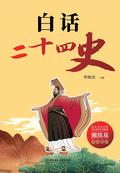 Twenty-Four Histories in Vernacular
This book systematically displays the three thousand years of Chinese history from ancient times to the Ming Dynasty through the Twenty-Four Histories. It covers the political, military, economic, cultural and other changes in various dynasties from the Five Emperors period to the Qing Dynasty. The book not only records the ruling wisdom of emperors and ministers, but also tells the lives and contributions of heroic elites and literati. By in-depth understanding of the lives and deeds of histori
—Reads9.6Score—Shelves
Twenty-Four Histories in Vernacular
This book systematically displays the three thousand years of Chinese history from ancient times to the Ming Dynasty through the Twenty-Four Histories. It covers the political, military, economic, cultural and other changes in various dynasties from the Five Emperors period to the Qing Dynasty. The book not only records the ruling wisdom of emperors and ministers, but also tells the lives and contributions of heroic elites and literati. By in-depth understanding of the lives and deeds of histori
—Reads9.6Score—Shelves
-
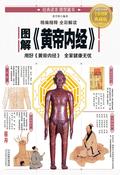 Illustrated "Huangdi Neijing"
This book deeply explores the health-preserving wisdom in the "Huangdi Neijing", comprehensively expounds the basic content and theoretical principles of the theoretical system of traditional Chinese medicine, establishes the basic traditional health-preserving principle of "not treating existing diseases, treating pre-diseases" through a deep understanding of the life laws of the human body, and discusses various health-preserving methods such as the four-season environment, diet and daily life
—Reads9.5Score—Shelves
Illustrated "Huangdi Neijing"
This book deeply explores the health-preserving wisdom in the "Huangdi Neijing", comprehensively expounds the basic content and theoretical principles of the theoretical system of traditional Chinese medicine, establishes the basic traditional health-preserving principle of "not treating existing diseases, treating pre-diseases" through a deep understanding of the life laws of the human body, and discusses various health-preserving methods such as the four-season environment, diet and daily life
—Reads9.5Score—Shelves
-
 Big Cave Jade Scripture
The sky is bright and clear, the three rays of light are bright, the golden house and the jade chamber, the five treasures are born, the mysterious purple lid comes to reflect my body, the fairy boy and the jade girl bring my soul to me, the nine emperors are in the same scene, the three yuan are in the same place, the superior purple lid ascends to the imperial court. The Xuan Yun mantra opened through the Wei Xuan Jingmen, and the sky was bright and clear. From silence to the highest path, you
—Reads8.6Score—Shelves
Big Cave Jade Scripture
The sky is bright and clear, the three rays of light are bright, the golden house and the jade chamber, the five treasures are born, the mysterious purple lid comes to reflect my body, the fairy boy and the jade girl bring my soul to me, the nine emperors are in the same scene, the three yuan are in the same place, the superior purple lid ascends to the imperial court. The Xuan Yun mantra opened through the Wei Xuan Jingmen, and the sky was bright and clear. From silence to the highest path, you
—Reads8.6Score—Shelves
-
 Taishang's Wonderful Sutra of Answering Wrongful Deeds in Three Lives
Taishang's Wonderful Sutra for Clearing Wrongful Deeds in Three Lives. The author is unknown, probably from the Tang and Song Dynasties. Encourage people to recite sutras and resolve their grievances. One roll. Original source: "Orthodox Taoist Canon" Dongxuanbu text genre.
—Reads8.4Score—Shelves
Taishang's Wonderful Sutra of Answering Wrongful Deeds in Three Lives
Taishang's Wonderful Sutra for Clearing Wrongful Deeds in Three Lives. The author is unknown, probably from the Tang and Song Dynasties. Encourage people to recite sutras and resolve their grievances. One roll. Original source: "Orthodox Taoist Canon" Dongxuanbu text genre.
—Reads8.4Score—Shelves
-
 Mysterious Formulas for the Great Way of the Innate Golden Elixir
The mysterious formula of the innate golden elixir avenue. Written by Huo Ji, it originated from the Southern Song Dynasty. Original source: "Orthodox Taoist Canon" Dongzhenbu Zhongjie.
—Reads9.1Score—Shelves
Mysterious Formulas for the Great Way of the Innate Golden Elixir
The mysterious formula of the innate golden elixir avenue. Written by Huo Ji, it originated from the Southern Song Dynasty. Original source: "Orthodox Taoist Canon" Dongzhenbu Zhongjie.
—Reads9.1Score—Shelves
-
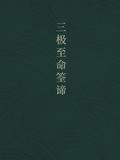 The Three Ultimate Truths of Life
Sutra Name: Three Extremes to Ming Sheng Ti. One roll. Written by Wang Qingsheng of the Southern Song Dynasty. Original source: "Zhengchong Tao Zang" Dong Zhen Bu Zong Shu Category.
—Reads8.5Score—Shelves
The Three Ultimate Truths of Life
Sutra Name: Three Extremes to Ming Sheng Ti. One roll. Written by Wang Qingsheng of the Southern Song Dynasty. Original source: "Zhengchong Tao Zang" Dong Zhen Bu Zong Shu Category.
—Reads8.5Score—Shelves
-
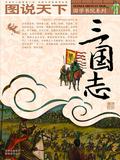 Three Kingdoms
"Three Kingdoms" is a chronicle of the three kingdoms of Wei, Shu and Wu compiled by Chen Shou of the Jin Dynasty. It records in detail the sixty-year history from the first year of Huangchu (220 AD) of Emperor Wen of Wei to the first year of Taikang (280 AD) of Emperor Wu of Jin Dynasty. Among them, "Book of Wei" has thirty volumes, "Shu" has fifteen volumes, and "Wu Shu" has twenty volumes, totaling sixty-five volumes. Chen Shou was a courtier in the Jin Dynasty. Jin succeeded Wei and conquere
—Reads8.1Score—Shelves
Three Kingdoms
"Three Kingdoms" is a chronicle of the three kingdoms of Wei, Shu and Wu compiled by Chen Shou of the Jin Dynasty. It records in detail the sixty-year history from the first year of Huangchu (220 AD) of Emperor Wen of Wei to the first year of Taikang (280 AD) of Emperor Wu of Jin Dynasty. Among them, "Book of Wei" has thirty volumes, "Shu" has fifteen volumes, and "Wu Shu" has twenty volumes, totaling sixty-five volumes. Chen Shou was a courtier in the Jin Dynasty. Jin succeeded Wei and conquere
—Reads8.1Score—Shelves
-
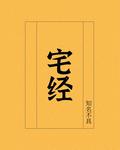 House Classics
[Read Ten Thousand Words and Learn Thousands of Truths] "The House Classic", a classic of traditional Chinese Feng Shui culture. Also known as "Huangdi Zhai Jing", it is one of the most widely circulated books on Xiangzhai in ancient my country. The full text is less than 10,000 words, but it contains extremely subtle meanings of life. The content is divided into five parts: preface, general introduction, general method of building a house, a diagram of a Yang house, and a diagram of a Yin house
—Reads8.8Score—Shelves
House Classics
[Read Ten Thousand Words and Learn Thousands of Truths] "The House Classic", a classic of traditional Chinese Feng Shui culture. Also known as "Huangdi Zhai Jing", it is one of the most widely circulated books on Xiangzhai in ancient my country. The full text is less than 10,000 words, but it contains extremely subtle meanings of life. The content is divided into five parts: preface, general introduction, general method of building a house, a diagram of a Yang house, and a diagram of a Yin house
—Reads8.8Score—Shelves
-
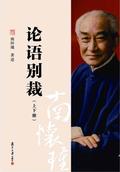 The Analects of Confucius (Two Volumes)
"The Analects of Confucius" written by Mr. Nan Huaijin is a collection of lectures on "The Analects of Confucius". The book gives a detailed and vivid description of each original text of the twenty chapters of "The Analects of Confucius". There are not only hints on chapter structure and paragraph connection, but also elucidation of the meaning of the original text and the humanistic anecdotes involved. What is particularly novel is that the author summarizes the original text into historical s
—Reads9.5Score—Shelves
The Analects of Confucius (Two Volumes)
"The Analects of Confucius" written by Mr. Nan Huaijin is a collection of lectures on "The Analects of Confucius". The book gives a detailed and vivid description of each original text of the twenty chapters of "The Analects of Confucius". There are not only hints on chapter structure and paragraph connection, but also elucidation of the meaning of the original text and the humanistic anecdotes involved. What is particularly novel is that the author summarizes the original text into historical s
—Reads9.5Score—Shelves
-
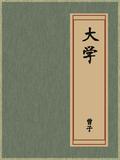 University
"The Great Learning" is one of the "Four Books" of Confucian classics. It is a testament left by Confucius and his disciples and is an introductory book to Confucianism. Therefore, Zhu Xi listed it as the first of the "Four Books".
—Reads9.5Score—Shelves
University
"The Great Learning" is one of the "Four Books" of Confucian classics. It is a testament left by Confucius and his disciples and is an introductory book to Confucianism. Therefore, Zhu Xi listed it as the first of the "Four Books".
—Reads9.5Score—Shelves
-
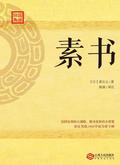 Plain Calligraphy
"Su Shu" is a traditional cultural classic. It is said to have been written by Huang Shigong during the Qin and Han Dynasties and was later taught to Zhang Liang. Zhang Liang relied on the wisdom in "Su Shu" to assist Liu Bang in proclaiming himself emperor. After Zhang Liang's death, the "Su Shu" was buried with him. It was later discovered by thieves and passed down to future generations. The original text of "Su Shu" is not long. Although the words and sentences are not very difficult to unde
—Reads9.5Score—Shelves
Plain Calligraphy
"Su Shu" is a traditional cultural classic. It is said to have been written by Huang Shigong during the Qin and Han Dynasties and was later taught to Zhang Liang. Zhang Liang relied on the wisdom in "Su Shu" to assist Liu Bang in proclaiming himself emperor. After Zhang Liang's death, the "Su Shu" was buried with him. It was later discovered by thieves and passed down to future generations. The original text of "Su Shu" is not long. Although the words and sentences are not very difficult to unde
—Reads9.5Score—Shelves