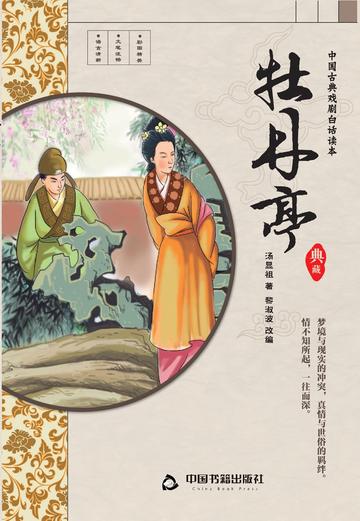
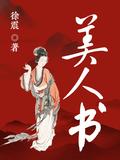
"The Peony Pavilion" is the representative work of Tang Xianzu, a great composer of the Ming Dynasty. At this time, the writer's thoughts and art had matured. The Ming Dynasty story-telling novel "The Return of Du Liniang" provides the basic plot for "The Peony Pavilion". "The Peony Pavilion" also retains some original sentences from the script in the guest verses of "A Dream", "A Dream" and "A Sorrow". In the novel, after Du Liniang's resurrection, a well-matched marriage was successfully concluded; in the opera, Tang Xianzu performed a completely reborn creative work, combining the legendary stories in the novel with the real life of the Ming Dynasty society, making it have a strong anti-ethical and anti-feudal color, and glowing with the glorious ideal of pursuing freedom of individuality.
Reader comments
"The Peony Pavilion": an eternal song of classical love
"The Peony Pavilion", a masterpiece created by Tang Xianzu, a great opera master of the Ming Dynasty, has won the love and praise of countless readers for its profound emotional connotation, unique artistic style and rich cultural connotation. This work takes the love story of Du Liniang and Liu Mengmei as the main line. Through the wonderful plot of the cycle of life and death and the dreams of ghosts and gods, it shows the most sincere and deep emotions in human nature. It also deeply criticizes and reflects on feudal ethics.
1. Plot setting: reincarnation of life and death, eternal emotions
The plot setting of "The Peony Pavilion" is unique. Through the wonderful plot of the cycle of life and death, ghosts and gods, the love story of Du Liniang and Liu Mengmei is vividly displayed. Du Liniang became depressed and became ill because of missing Liu Mengmei, and eventually died; while Liu Mengmei missed Du Liniang deeply because of her dream. The two met and fell in love in a dream, but were forced to separate due to the cruelty of reality. However, their love did not end because of this, but they were reunited after going through reincarnations of life and death. This plot setting not only increases the mystery and attraction of the story, but also deeply demonstrates the most sincere and deep emotions in human nature.
2. Character creation: vivid and vivid, sincere emotions
The characterization in "The Peony Pavilion" is also one of the important factors in its success. Du Liniang is a woman with both talent and beauty and rich emotions. Her pursuit of love is full of courage and determination. She met and fell in love with Liu Mengmei in her dream, and she did not hesitate to pay the price of her life for love. Her image is full of tragedy, but it is this tragedy that makes her even more moving. Liu Mengmei is a young man with sincere emotions and the courage to pursue love. Although he was born into a poor family, he had great ambitions and firm beliefs. His love for Du Liniang remains the same and remains unchanged no matter the cycle of life and death. This sincere emotion is touching. In addition, there are also characters such as Du Bao, Chen Zuiliang, and Chunxiang in the play. Their images have unique characteristics and add a lot of color to the story.
3. Artistic characteristics: elegant and delicate, sincere emotions
The artistic features of "The Peony Pavilion" are mainly reflected in its elegant and delicate language and sincere emotional expression. Tang Xianzu used a large number of allusions, poems and tunes to make the language of the whole work full of poetry and rhythm. At the same time, he also expresses the characters' emotions vividly through delicate and nuanced descriptions. Whether it's Du Liniang's melancholy, Liu Mengmei's longing, or the love entanglement between the two, he depicts them all in a poetic and picturesque way. This sincere emotional expression makes people moved, and also gives people a deeper understanding and appreciation of love.
4. Ideological connotation: Resist ethics and pursue freedom
The ideological connotation of "The Peony Pavilion" is also one of the important factors for its success. Through the depiction of the love story between Du Liniang and Liu Mengmei, it profoundly reflects the suppression and restraint of human nature by feudal ethics. Du Liniang became depressed and became ill because of the constraints of feudal ethics, and eventually died; while Liu Mengmei suffered various hardships because she dared to pursue love. Although their love went through life and death, they were finally reunited. This ending is not only an affirmation of their love, but also a resistance and criticism of feudal ethics. It tells us that love is the most sincere and deep emotion in human nature, and it should not be restrained or suppressed in any way.
5. Summary
"The Peony Pavilion" is a masterpiece with profound ideological and artistic value. Through the depiction of the love story between Du Liniang and Liu Mengmei, it shows the most sincere and deep emotions in human nature, and at the same time it also deeply criticizes and reflects on feudal ethics. Its plot is ingenious, its characters are vivid and vivid, its artistic features are elegant and delicate, and its ideological connotations are profound and rich. It is not only a treasure of Chinese classical opera, but also a valuable asset of world literature. It gives us a deeper understanding and appreciation of love, and also gives us a deeper understanding and reflection on human nature.
"Mencius Translation and Annotations" is a book that provides an in-depth interpretation of Mencius' thoughts and remarks. By reading this book, I have a deeper understanding of Mencius' thoughts.
First of all, I deeply felt Mencius' humanistic care and sense of social responsibility. Mencius emphasized that human nature is inherently good and believed that human nature possesses virtues such as benevolence, righteousness, propriety, and wisdom, and these virtues need to be developed through introspection and cultivation. At the same time, Mencius also emphasized the relationship between people and believed that the relationship between monarch and minister, father and son, husband and wife should be the basis of mutual respect and care. This kind of humanistic care and sense of social responsibility made me deeply reflect on people's attitudes towards interpersonal relationships and society in modern society, and also made me pay more attention to my inner cultivation and moral character.
Secondly, I learned how to develop my independent thinking ability and judgment. Mencius emphasized the importance of independent thinking and judgment, believing that only with these abilities can we truly understand the world and solve problems. He opposed blind following and superstition, and advocated drawing conclusions through one's own observation and thinking. This kind of thinking inspires me
It's very big, and it proves that you can only realize it through independent thinking and utilization. 302.17
Only through judgment can we truly understand the nature and truth of things.
Third, I realized the concept of "benevolent government" in Mencius' thought and its modern significance. Mencius advocated that the monarch should implement benevolent government, focus on the interests of the people, and pay attention to people's livelihood and welfare. He believed that the monarch should have a benevolent heart, govern the country with virtue, and protect the rights and interests of the people through good political systems and laws. This concept of "benevolent government" is still of great significance in modern society, reminding the government that it should pay attention to people's livelihood and welfare and seek benefits for the people.
Finally, I realized the ecological awareness and environmental protection ideas contained in Mencius' thoughts. Mencius emphasized the harmonious coexistence between man and nature and believed that human beings should respect the laws of nature and protect the ecological environment. He opposed overexploitation and destruction of nature and advocated rational use of resources to achieve sustainable development. This kind of ecological awareness and environmental protection ideas are getting more and more attention in modern society, and it also reminds people that they should pay attention to the issues of environmental protection and sustainable development.
Overall, "The Translation and Annotations of Mencius" is a very valuable classic. By reading this work, I have a deeper knowledge and understanding of Mencius' thoughts and remarks. I believe these experiences and insights will have a positive impact on my future growth and development. At the same time, it also made me realize the value and significance of classic cultural heritage to modern society. We should cherish and inherit these excellent cultural traditions and let them continue to flourish in today's society.
"Mencius Translation and Annotation" by Mencius
Tomato Free Novels Scan the QR code to view more exciting content
"The Peony Pavilion" is not just a drama, it is an emotional epic, a masterpiece of literature and art that spans time and space. As the pinnacle work of Ming Dynasty playwright Tang Xianzu, it brings the audience into a world full of poetry and fantasy with its unique charm, and at the same time makes us think more deeply about life, love and destiny.
First of all, I was moved by the deep and pure love in "The Peony Pavilion". The love between Du Liniang and Liu Mengmei is like peonies. Although they have experienced the baptism of wind and rain, they are still beautiful and moving. Their love is not only their attachment to each other, but also their love for life and their pursuit of beauty. Du Liniang is willing to give up everything, including life, for love; while Liu Mengmei is willing to travel through life and death in order to find her lover. This spirit of bravely pursuing love deeply shocked me.
Secondly, the artistic expression of "The Peony Pavilion" amazed me. Every line, every movement, and every costume in the opera has been carefully designed and polished, and is full of poetry and beauty. Especially those dreams
Scenes like boat scenes, such as Du Liniang's Dream in the Garden, Liumeng, Plum and Liulin
The picked-up paintings are called paintings, etc., Which make people feel like they are in a world full of fantasy. These scenes not only show the unique charm of the opera, but also deepen the expression of the theme, allowing the audience to feel more deeply the love between Du Liniang and Liu Mengmei that transcends life and death.
In addition to its artistic charm, "The Peony Pavilion" also contains rich philosophical thinking. This opera explores philosophical issues such as the meaning of life, the nature of love and the value of death through the love story of Du Liniang and Liu Mengmei. Du Liniang died because of love and lived again because of love. This philosophical thinking about the cycle of life and death gave me a deeper understanding of life and love. At the same time, this opera also reveals the most beautiful side of human nature, that is, the persistent pursuit of true love and the infinite love for life.
While watching "The Peony Pavilion", I also felt the breadth and depth of Chinese traditional culture. This opera incorporates a large number of poetry, poetry, music, dance and other elements, which not only enrich the opera's performance techniques, but also show the unique charm of Chinese culture. Through this opera, we can have a deeper understanding of Chinese traditional culture and national spirit, and feel the profound heritage and unique charm of Chinese culture.
In addition, "The Peony Pavilion" also has profound modern significance. Although it was born hundreds of years ago, the emotions and values it expresses are universal and contemporary. In modern society, people still face many problems and challenges related to emotions, life and love. The love story and philosophical thinking in "The Peony Pavilion" have important enlightenment and reference significance for us to solve these problems and challenges. It tells us that no matter how the times change, the pursuit of true love and the love of life will never go out of style.
Overall, "The Peony Pavilion" is a masterpiece full of emotion, artistic charm and philosophical thinking. With its unique charm, it brings the audience into a world full of poetry and fantasy, and at the same time makes us think more deeply about life, love and destiny. Watching this opera is not only an artistic enjoyment, but also a spiritual baptism. I believe that "The Peony Pavilion" will continue to attract more people to taste and appreciate it with its unique charm.
"The Peony Pavilion" by Tang Xianzu
It was a strange feeling, like being dragged into a lucid dream that lasted four hundred years. The moment Du Liniang took a nap in the Peony Pavilion, she and I were pierced by the thorn of fate at the same time - this is not an ancient storybook, it is simply the Ming Dynasty version of Sleeping Beauty. The way she fell asleep in the bright spring light was exactly like the Sleeping Beauty of the East, except that it was not the witch but the feudal ethics that cursed her.
The blood beads on Liu Mengmei's fingertips fell on the painting, like spring rain awakening the frozen soil. The sound of the coffin cracking was not the soundtrack of a horror movie, but the roar of the thawing glacier. When Du Liniang opened her eyes again after shaking off her eyelashes that had accumulated dust for three years, even the tombstones were covered with layers of lotus flowers.
The moment I closed the book, I finally realized that this book was not about ghost legends at all, but a magnificent experiment about obsession. Tang Xianzu used concepts from four hundred years ago to prove that love can burn through the copper and iron walls of the yin and yang world, turning life and death into stations that can be turned back. Those emotions that were suppressed, disciplined, and cut out in this world finally gained eternal life on the page.
I just finished watching Ren Huanyou's ruthless tone. Just came over to take a look.
Finished finished! !
This play describes the story of the scholar Liu Mengmei and the beautiful girl Du Liniang who remarried and got married. In our opinion, it may be incredible that Miss Du died of lovesickness and then came back to life, but this is also the subtlety of this play. After all, if she doesn't come back to life, how can there be a subsequent reversal? But what I can't accept is the recognition at the end, the relationship between Liniang, her mother and the maid Chunxiang. It was a coincidence that we met. I think I was a little anxious. Due to various reasons, Prefect Du was reluctant to get along with this sudden son-in-law who came out of nowhere. This contains another big conflict, and it also feels like a hasty ending. I feel that I can continue writing [Thinking][Thinking]
It tells a beautiful love story about a young girl who had just begun to fall in love while playing by the willow tree in the back garden. She accidentally fell asleep and dreamed of a handsome poor scholar who folded a branch of plum and gave it to Liniang. The two hearts touched a spark and fell in love with each other. When parting, the woman told the man that she would marry him if she wanted to gain fame...
After waking up from the dream, the beautiful love no longer exists. Liniang is immersed in the pain of lovesickness every day, and her body is getting thinner. The faces of a generation of beautiful immortals are drawn with paper and pen. They have been with her for three years. , Passed by Meihua Temple, stayed for a few days, dreamed of Liniang, got married, drank the resurrecting soup, and returned to the earth. What a touching love story... It wrote about the feudal thoughts, life, and the fate of the country in that era! This book is so well written and I have benefited a lot from it.
Sincere emotions are untainted, and romantic detachment lasts forever! Liu Mengmei, Du Liniang, Chen Zuiliang, Taoist Sister Shi, Du Pingzhang, Mrs. Du, Chunxiang, Guo Tuo, and the ideal Mr. Miao, etc. The characters are all remarkable. The story weaving is very interesting. Although it sometimes feels nonsensical, it is reasonable and very interesting! Read [smile][smile][smile]
As a classic work by Tang Xianzu, "The Peony Pavilion" takes the love between Du Liniang and Liu Mengmei as the main line, and profoundly criticizes the oppression of human nature by feudal ethics. It has vivid characters, high literary value, twists and turns of the plot, and beautiful language. Although there are some controversies in the plot and theme, it is still a far-reaching classic in the history of Chinese opera, exuding unique artistic charm.
The view of true love that "love does not know its origin, but goes deeper and deeper, the living can die, and the dead can live." Gives love a philosophical height that transcends ethics and life and death. It also uses the tragedy of love to satirize the hypocrisy of Cheng-Zhu Neo-Confucianism's "preserving natural principles and destroying human desires", which is a precursor to ideological emancipation.
"The Peony Pavilion": an eternal song of classical love
"The Peony Pavilion", a masterpiece created by Tang Xianzu, a great opera master of the Ming Dynasty, has won the love and praise of countless readers for its profound emotional connotation, unique artistic style and rich cultural connotation. This work takes the love story of Du Liniang and Liu Mengmei as the main line. Through the wonderful plot of the cycle of life and death and the dreams of ghosts and gods, it shows the most sincere and deep emotions in human nature. It also deeply criticizes and reflects on feudal ethics.
1. Plot setting: reincarnation of life and death, eternal emotions
The plot setting of "The Peony Pavilion" is unique. Through the wonderful plot of the cycle of life and death, ghosts and gods, the love story of Du Liniang and Liu Mengmei is vividly displayed. Du Liniang became depressed and became ill because of missing Liu Mengmei, and eventually died; while Liu Mengmei missed Du Liniang deeply because of her dream. The two met and fell in love in a dream, but were forced to separate due to the cruelty of reality. However, their love did not end because of this, but they were reunited after going through reincarnations of life and death. This plot setting not only increases the mystery and attraction of the story, but also deeply demonstrates the most sincere and deep emotions in human nature.
2. Character creation: vivid and vivid, sincere emotions
The characterization in "The Peony Pavilion" is also one of the important factors in its success. Du Liniang is a woman with both talent and beauty and rich emotions. Her pursuit of love is full of courage and determination. She met and fell in love with Liu Mengmei in her dream, and she did not hesitate to pay the price of her life for love. Her image is full of tragedy, but it is this tragedy that makes her even more moving. Liu Mengmei is a young man with sincere emotions and the courage to pursue love. Although he was born into a poor family, he had great ambitions and firm beliefs. His love for Du Liniang remains the same and remains unchanged no matter the cycle of life and death. This sincere emotion is touching. In addition, there are also characters such as Du Bao, Chen Zuiliang, and Chunxiang in the play. Their images have unique characteristics and add a lot of color to the story.
3. Artistic characteristics: elegant and delicate, sincere emotions
The artistic features of "The Peony Pavilion" are mainly reflected in its elegant and delicate language and sincere emotional expression. Tang Xianzu used a large number of allusions, poems and tunes to make the language of the whole work full of poetry and rhythm. At the same time, he also expresses the characters' emotions vividly through delicate and nuanced descriptions. Whether it's Du Liniang's melancholy, Liu Mengmei's longing, or the love entanglement between the two, he depicts them all in a poetic and picturesque way. This sincere emotional expression makes people moved, and also gives people a deeper understanding and appreciation of love.
4. Ideological connotation: Resist ethics and pursue freedom
The ideological connotation of "The Peony Pavilion" is also one of the important factors for its success. Through the depiction of the love story between Du Liniang and Liu Mengmei, it profoundly reflects the suppression and restraint of human nature by feudal ethics. Du Liniang became depressed and became ill because of the constraints of feudal ethics, and eventually died; while Liu Mengmei suffered various hardships because she dared to pursue love. Although their love went through life and death, they were finally reunited. This ending is not only an affirmation of their love, but also a resistance and criticism of feudal ethics. It tells us that love is the most sincere and deep emotion in human nature, and it should not be restrained or suppressed in any way.
5. Summary
"The Peony Pavilion" is a masterpiece with profound ideological and artistic value. Through the depiction of the love story between Du Liniang and Liu Mengmei, it shows the most sincere and deep emotions in human nature, and at the same time it also deeply criticizes and reflects on feudal ethics. Its plot is ingenious, its characters are vivid and vivid, its artistic features are elegant and delicate, and its ideological connotations are profound and rich. It is not only a treasure of Chinese classical opera, but also a valuable asset of world literature. It gives us a deeper understanding and appreciation of love, and also gives us a deeper understanding and reflection on human nature.
This is a book about love, with a wonderful storyline and a perfect ending. My thoughts after reading are as follows: 1. Be kind and do things based on kindness, do more good deeds and don't worry about the future. 2. Let nature take its course in the world and make full use of your accumulated experience. 3. Beautiful things are the true reflection of ups and downs, twists and turns, bizarre difficulties, and they will be cherished even more.
Love, love, life and death. Ups and downs, sadness and joy. But don't worry about your future when doing good deeds
"The Peony Pavilion" is not just a drama, it is an emotional epic, a masterpiece of literature and art that spans time and space. As the pinnacle work of Ming Dynasty playwright Tang Xianzu, it brings the audience into a world full of poetry and fantasy with its unique charm, and at the same time makes us think more deeply about life, love and destiny.
First of all, I was moved by the deep and pure love in "The Peony Pavilion". The love between Du Liniang and Liu Mengmei is like peonies. Although they have experienced the baptism of wind and rain, they are still beautiful and moving. Their love is not only their attachment to each other, but also their love for life and their pursuit of beauty. Du Liniang is willing to give up everything, including life, for love; while Liu Mengmei is willing to travel through life and death in order to find her lover. This spirit of bravely pursuing love deeply shocked me.
Secondly, the artistic expression of "The Peony Pavilion" amazed me. Every line, every movement, and every costume in the opera has been carefully designed and polished, and is full of poetry and beauty. Especially those dreamlike scenes, such as Du Liniang's dream in the garden, Liu Mengmei's picking up paintings and calling them paintings, etc., Make people feel like they are in a world full of fantasy. These scenes not only show the unique charm of the opera, but also deepen the expression of the theme, allowing the audience to feel more deeply the love between Du Liniang and Liu Mengmei that transcends life and death.
In addition to its artistic charm, "The Peony Pavilion" also contains rich philosophical thinking. This opera explores philosophical issues such as the meaning of life, the nature of love and the value of death through the love story of Du Liniang and Liu Mengmei. Du Liniang died because of love and lived again because of love. This philosophical thinking about the cycle of life and death gave me a deeper understanding of life and love. At the same time, this opera also reveals the most beautiful side of human nature, that is, the persistent pursuit of true love and the infinite love for life.
While watching "The Peony Pavilion", I also felt the breadth and depth of Chinese traditional culture. This opera incorporates a large number of poetry, poetry, music, dance and other elements. These elements not only enrich the expression techniques of the opera, but also show the unique charm of Chinese culture. Through this opera, we can have a deeper understanding of Chinese traditional culture and national spirit, and feel the profound heritage and unique charm of Chinese culture.
In addition, "The Peony Pavilion" also has profound modern significance. Although it was born hundreds of years ago, the emotions and values it expresses are universal and contemporary. In modern society, people still face many problems and challenges related to emotions, life and love. The love story and philosophical thinking in "The Peony Pavilion" have important enlightenment and reference significance for us to solve these problems and challenges. It tells us that no matter how the times change, the pursuit of true love and the love of life will never go out of style.
Overall, "The Peony Pavilion" is a masterpiece full of emotion, artistic charm and philosophical thinking. With its unique charm, it brings the audience into a world full of poetry and fantasy, and at the same time makes us think more deeply about life, love and destiny. Watching this opera is not only an artistic enjoyment, but also a spiritual baptism. I believe that "The Peony Pavilion" will continue to attract more people to taste and appreciate it with its unique charm.
2024.2.23 20:23 After reading, I randomly picked up this book during the Chinese New Year and read it. Yes, the story is vivid. I only knew about the book "The Peony Pavilion" before, but I didn't know the specific content. This time I know how Du Liniang and Liu Mengmei met and fell in love.
Vernacular writing is easy to understand. Recommended
The setting of Du Liniang and Liu Mengmei's dream love setting is really novel. This book mainly uses Du Fu to criticize the constraints of feudal ethics on love. However, how has family status changed throughout the ages?
On the road to three lives in the Peony Pavilion, parting and death, rebirth after death, being named on the gold medal list, the country and the family are harmonious!
I especially like the plot where Du Liniang comes back to life, which shows her persistence in love. This reminds me of "The Romance of the West Chamber", both of which are classics of ancient love themes. "The Peony Pavilion" is also very profound in its anti-ethical and anti-feudal overtones. I recommend you read it!
"The Peony Pavilion" is an affectionate and poignant love story. It tells the story of the heroine Liniang's resurrection from the dead and her relationship with her lover Liu Mengmei. Although the process is twists and turns, the ending is perfect, and the family is reunited.
Grandma Liu, Grand View Garden. Change it!
I have read too many novels, and now I am in the novel Rebirth Overlord category. I suddenly felt refreshed when I saw this. At first, I just read it as an assignment assigned by the teacher. I originally thought it would be too boring to read, but the more I read, the more interesting it became. I finished it in one breath.
The whole story is full of ups and downs, deeply affectionate, and deeply portrays love, family, and friendship. The talented Liu Mengmei and the love-slut Du Liniang have twists and turns, but they finally achieve a successful union and have a perfect ending.
I had only read the introduction to "The Peony Pavilion" before, but now that I have read it in full, I really have a different feeling. The language is easy to understand and the characters are distinctive.
I don't know where the love started, but it goes deep! [Praise]
The story has ups and downs.
Reading a classic for the first time
I'm lucky enough to read a classic. I recommend it!
Classic is classic
Women in ancient times were too constrained by feudalism and had no personal freedom. They could not go to their own back gardens and had no freedom of love. The story is full of twists and turns, just like watching a play with my grandma when I was a child.
The content is easy to understand, and the storyline has ups and downs without being procrastinating. The story is complete and better than many modern novels! Highly recommended to everyone.
"The Peony Pavilion": an eternal song of classical love "The Peony Pavilion", a masterpiece created by Tang Xianzu, a great opera master of the Ming Dynasty, has won the love and praise of countless readers for its profound emotional connotation, unique artistic style and rich cultural connotation. This work takes the love story of Du Liniang and Liu Mengmei as the main line. Through the wonderful plot of the cycle of life and death and the dreams of ghosts and gods, it shows the most sincere and deep emotions in human nature. It also deeply criticizes and reflects on feudal ethics. 1. Plot setting: reincarnation of life and death, eternal emotions The plot setting of "The Peony Pavilion" is unique. Through the wonderful plot of the cycle of life and death, ghosts and gods, the love story of Du Liniang and Liu Mengmei is vividly displayed. Du Liniang became depressed and became ill because of missing Liu Mengmei, and eventually died; while Liu Mengmei missed Du Liniang deeply because of her dream. The two met and fell in love in a dream, but were forced to separate due to the cruelty of reality. However, their love did not end because of this, but they were reunited after going through reincarnations of life and death. This plot setting not only increases the mystery and attraction of the story, but also deeply demonstrates the most sincere and deep emotions in human nature. 2. Character creation: vivid and vivid, sincere emotions The characterization in "The Peony Pavilion" is also one of the important factors in its success. Du Liniang is a woman with both talent and beauty and rich emotions. Her pursuit of love is full of courage and determination. She met and fell in love with Liu Mengmei in her dream, and she did not hesitate to pay the price of her life for love. Her image is full of tragedy, but it is this tragedy that makes her even more moving. Liu Mengmei is a young man with sincere emotions and the courage to pursue love. Although he was born into a poor family, he had great ambitions and firm beliefs. His love for Du Liniang remains the same and remains unchanged no matter the cycle of life and death. This sincere emotion is touching. In addition, there are also characters such as Du Bao, Chen Zuiliang, and Chunxiang in the play. Their images have unique characteristics and add a lot of color to the story. 3. Artistic characteristics: elegant and delicate, sincere emotions The artistic features of "The Peony Pavilion" are mainly reflected in its elegant and delicate language and sincere emotional expression. Tang Xianzu used a large number of allusions, poems and tunes to make the language of the whole work full of poetry and rhythm. At the same time, he also expresses the characters' emotions vividly through delicate and nuanced descriptions. Whether it's Du Liniang's melancholy, Liu Mengmei's longing, or the love entanglement between the two, he depicts them all in a poetic and picturesque way. This sincere emotional expression makes people moved, and also gives people a deeper understanding and appreciation of love. 4. Ideological connotation: Resist ethics and pursue freedom The ideological connotation of "The Peony Pavilion" is also one of the important factors for its success. Through the depiction of the love story between Du Liniang and Liu Mengmei, it profoundly reflects the suppression and restraint of human nature by feudal ethics. Du Liniang became depressed and became ill because of the constraints of feudal ethics, and eventually died; while Liu Mengmei suffered various hardships because she dared to pursue love. Although their love went through life and death, they were finally reunited. This ending is not only an affirmation of their love, but also a resistance and criticism of feudal ethics. It tells us that love is the most sincere and deep emotion in human nature, and it should not be restrained or suppressed in any way. 5. Summary "The Peony Pavilion" is a masterpiece with profound ideological and artistic value. Through the depiction of the love story between Du Liniang and Liu Mengmei, it shows the most sincere and deep emotions in human nature, and at the same time it also deeply criticizes and reflects on feudal ethics. Its plot is ingenious, its characters are vivid and vivid, its artistic features are elegant and delicate, and its ideological connotations are profound and rich. It is not only a treasure of Chinese classical opera, but also a valuable asset of world literature. It gives us a deeper understanding and appreciation of love, and also gives us a deeper understanding and reflection on human nature.
"Mencius Translation and Annotations" is a book that provides an in-depth interpretation of Mencius' thoughts and remarks. By reading this book, I have a deeper understanding of Mencius' thoughts. First of all, I deeply felt Mencius' humanistic care and sense of social responsibility. Mencius emphasized that human nature is inherently good and believed that human nature possesses virtues such as benevolence, righteousness, propriety, and wisdom, and these virtues need to be developed through introspection and cultivation. At the same time, Mencius also emphasized the relationship between people and believed that the relationship between monarch and minister, father and son, husband and wife should be the basis of mutual respect and care. This kind of humanistic care and sense of social responsibility made me deeply reflect on people's attitudes towards interpersonal relationships and society in modern society, and also made me pay more attention to my inner cultivation and moral character. Secondly, I learned how to develop my independent thinking ability and judgment. Mencius emphasized the importance of independent thinking and judgment, believing that only with these abilities can we truly understand the world and solve problems. He opposed blind following and superstition, and advocated drawing conclusions through one's own observation and thinking. This kind of thinking inspires me It's very big, and it proves that you can only realize it through independent thinking and utilization. 302.17 Only through judgment can we truly understand the nature and truth of things. Third, I realized the concept of "benevolent government" in Mencius' thought and its modern significance. Mencius advocated that the monarch should implement benevolent government, focus on the interests of the people, and pay attention to people's livelihood and welfare. He believed that the monarch should have a benevolent heart, govern the country with virtue, and protect the rights and interests of the people through good political systems and laws. This concept of "benevolent government" is still of great significance in modern society, reminding the government that it should pay attention to people's livelihood and welfare and seek benefits for the people. Finally, I realized the ecological awareness and environmental protection ideas contained in Mencius' thoughts. Mencius emphasized the harmonious coexistence between man and nature and believed that human beings should respect the laws of nature and protect the ecological environment. He opposed overexploitation and destruction of nature and advocated rational use of resources to achieve sustainable development. This kind of ecological awareness and environmental protection ideas are getting more and more attention in modern society, and it also reminds people that they should pay attention to the issues of environmental protection and sustainable development. Overall, "The Translation and Annotations of Mencius" is a very valuable classic. By reading this work, I have a deeper knowledge and understanding of Mencius' thoughts and remarks. I believe these experiences and insights will have a positive impact on my future growth and development. At the same time, it also made me realize the value and significance of classic cultural heritage to modern society. We should cherish and inherit these excellent cultural traditions and let them continue to flourish in today's society. "Mencius Translation and Annotation" by Mencius Tomato Free Novels Scan the QR code to view more exciting content "The Peony Pavilion" is not just a drama, it is an emotional epic, a masterpiece of literature and art that spans time and space. As the pinnacle work of Ming Dynasty playwright Tang Xianzu, it brings the audience into a world full of poetry and fantasy with its unique charm, and at the same time makes us think more deeply about life, love and destiny. First of all, I was moved by the deep and pure love in "The Peony Pavilion". The love between Du Liniang and Liu Mengmei is like peonies. Although they have experienced the baptism of wind and rain, they are still beautiful and moving. Their love is not only their attachment to each other, but also their love for life and their pursuit of beauty. Du Liniang is willing to give up everything, including life, for love; while Liu Mengmei is willing to travel through life and death in order to find her lover. This spirit of bravely pursuing love deeply shocked me. Secondly, the artistic expression of "The Peony Pavilion" amazed me. Every line, every movement, and every costume in the opera has been carefully designed and polished, and is full of poetry and beauty. Especially those dreams Scenes like boat scenes, such as Du Liniang's Dream in the Garden, Liumeng, Plum and Liulin The picked-up paintings are called paintings, etc., Which make people feel like they are in a world full of fantasy. These scenes not only show the unique charm of the opera, but also deepen the expression of the theme, allowing the audience to feel more deeply the love between Du Liniang and Liu Mengmei that transcends life and death. In addition to its artistic charm, "The Peony Pavilion" also contains rich philosophical thinking. This opera explores philosophical issues such as the meaning of life, the nature of love and the value of death through the love story of Du Liniang and Liu Mengmei. Du Liniang died because of love and lived again because of love. This philosophical thinking about the cycle of life and death gave me a deeper understanding of life and love. At the same time, this opera also reveals the most beautiful side of human nature, that is, the persistent pursuit of true love and the infinite love for life. While watching "The Peony Pavilion", I also felt the breadth and depth of Chinese traditional culture. This opera incorporates a large number of poetry, poetry, music, dance and other elements, which not only enrich the opera's performance techniques, but also show the unique charm of Chinese culture. Through this opera, we can have a deeper understanding of Chinese traditional culture and national spirit, and feel the profound heritage and unique charm of Chinese culture. In addition, "The Peony Pavilion" also has profound modern significance. Although it was born hundreds of years ago, the emotions and values it expresses are universal and contemporary. In modern society, people still face many problems and challenges related to emotions, life and love. The love story and philosophical thinking in "The Peony Pavilion" have important enlightenment and reference significance for us to solve these problems and challenges. It tells us that no matter how the times change, the pursuit of true love and the love of life will never go out of style. Overall, "The Peony Pavilion" is a masterpiece full of emotion, artistic charm and philosophical thinking. With its unique charm, it brings the audience into a world full of poetry and fantasy, and at the same time makes us think more deeply about life, love and destiny. Watching this opera is not only an artistic enjoyment, but also a spiritual baptism. I believe that "The Peony Pavilion" will continue to attract more people to taste and appreciate it with its unique charm. "The Peony Pavilion" by Tang Xianzu
It was a strange feeling, like being dragged into a lucid dream that lasted four hundred years. The moment Du Liniang took a nap in the Peony Pavilion, she and I were pierced by the thorn of fate at the same time - this is not an ancient storybook, it is simply the Ming Dynasty version of Sleeping Beauty. The way she fell asleep in the bright spring light was exactly like the Sleeping Beauty of the East, except that it was not the witch but the feudal ethics that cursed her. The blood beads on Liu Mengmei's fingertips fell on the painting, like spring rain awakening the frozen soil. The sound of the coffin cracking was not the soundtrack of a horror movie, but the roar of the thawing glacier. When Du Liniang opened her eyes again after shaking off her eyelashes that had accumulated dust for three years, even the tombstones were covered with layers of lotus flowers. The moment I closed the book, I finally realized that this book was not about ghost legends at all, but a magnificent experiment about obsession. Tang Xianzu used concepts from four hundred years ago to prove that love can burn through the copper and iron walls of the yin and yang world, turning life and death into stations that can be turned back. Those emotions that were suppressed, disciplined, and cut out in this world finally gained eternal life on the page.
I just finished watching Ren Huanyou's ruthless tone. Just came over to take a look.
Finished finished! ! This play describes the story of the scholar Liu Mengmei and the beautiful girl Du Liniang who remarried and got married. In our opinion, it may be incredible that Miss Du died of lovesickness and then came back to life, but this is also the subtlety of this play. After all, if she doesn't come back to life, how can there be a subsequent reversal? But what I can't accept is the recognition at the end, the relationship between Liniang, her mother and the maid Chunxiang. It was a coincidence that we met. I think I was a little anxious. Due to various reasons, Prefect Du was reluctant to get along with this sudden son-in-law who came out of nowhere. This contains another big conflict, and it also feels like a hasty ending. I feel that I can continue writing [Thinking][Thinking]
It tells a beautiful love story about a young girl who had just begun to fall in love while playing by the willow tree in the back garden. She accidentally fell asleep and dreamed of a handsome poor scholar who folded a branch of plum and gave it to Liniang. The two hearts touched a spark and fell in love with each other. When parting, the woman told the man that she would marry him if she wanted to gain fame... After waking up from the dream, the beautiful love no longer exists. Liniang is immersed in the pain of lovesickness every day, and her body is getting thinner. The faces of a generation of beautiful immortals are drawn with paper and pen. They have been with her for three years. , Passed by Meihua Temple, stayed for a few days, dreamed of Liniang, got married, drank the resurrecting soup, and returned to the earth. What a touching love story... It wrote about the feudal thoughts, life, and the fate of the country in that era! This book is so well written and I have benefited a lot from it.
Sincere emotions are untainted, and romantic detachment lasts forever! Liu Mengmei, Du Liniang, Chen Zuiliang, Taoist Sister Shi, Du Pingzhang, Mrs. Du, Chunxiang, Guo Tuo, and the ideal Mr. Miao, etc. The characters are all remarkable. The story weaving is very interesting. Although it sometimes feels nonsensical, it is reasonable and very interesting! Read [smile][smile][smile]
As a classic work by Tang Xianzu, "The Peony Pavilion" takes the love between Du Liniang and Liu Mengmei as the main line, and profoundly criticizes the oppression of human nature by feudal ethics. It has vivid characters, high literary value, twists and turns of the plot, and beautiful language. Although there are some controversies in the plot and theme, it is still a far-reaching classic in the history of Chinese opera, exuding unique artistic charm.
The view of true love that "love does not know its origin, but goes deeper and deeper, the living can die, and the dead can live." Gives love a philosophical height that transcends ethics and life and death. It also uses the tragedy of love to satirize the hypocrisy of Cheng-Zhu Neo-Confucianism's "preserving natural principles and destroying human desires", which is a precursor to ideological emancipation.
"The Peony Pavilion": an eternal song of classical love "The Peony Pavilion", a masterpiece created by Tang Xianzu, a great opera master of the Ming Dynasty, has won the love and praise of countless readers for its profound emotional connotation, unique artistic style and rich cultural connotation. This work takes the love story of Du Liniang and Liu Mengmei as the main line. Through the wonderful plot of the cycle of life and death and the dreams of ghosts and gods, it shows the most sincere and deep emotions in human nature. It also deeply criticizes and reflects on feudal ethics. 1. Plot setting: reincarnation of life and death, eternal emotions The plot setting of "The Peony Pavilion" is unique. Through the wonderful plot of the cycle of life and death, ghosts and gods, the love story of Du Liniang and Liu Mengmei is vividly displayed. Du Liniang became depressed and became ill because of missing Liu Mengmei, and eventually died; while Liu Mengmei missed Du Liniang deeply because of her dream. The two met and fell in love in a dream, but were forced to separate due to the cruelty of reality. However, their love did not end because of this, but they were reunited after going through reincarnations of life and death. This plot setting not only increases the mystery and attraction of the story, but also deeply demonstrates the most sincere and deep emotions in human nature. 2. Character creation: vivid and vivid, sincere emotions The characterization in "The Peony Pavilion" is also one of the important factors in its success. Du Liniang is a woman with both talent and beauty and rich emotions. Her pursuit of love is full of courage and determination. She met and fell in love with Liu Mengmei in her dream, and she did not hesitate to pay the price of her life for love. Her image is full of tragedy, but it is this tragedy that makes her even more moving. Liu Mengmei is a young man with sincere emotions and the courage to pursue love. Although he was born into a poor family, he had great ambitions and firm beliefs. His love for Du Liniang remains the same and remains unchanged no matter the cycle of life and death. This sincere emotion is touching. In addition, there are also characters such as Du Bao, Chen Zuiliang, and Chunxiang in the play. Their images have unique characteristics and add a lot of color to the story. 3. Artistic characteristics: elegant and delicate, sincere emotions The artistic features of "The Peony Pavilion" are mainly reflected in its elegant and delicate language and sincere emotional expression. Tang Xianzu used a large number of allusions, poems and tunes to make the language of the whole work full of poetry and rhythm. At the same time, he also expresses the characters' emotions vividly through delicate and nuanced descriptions. Whether it's Du Liniang's melancholy, Liu Mengmei's longing, or the love entanglement between the two, he depicts them all in a poetic and picturesque way. This sincere emotional expression makes people moved, and also gives people a deeper understanding and appreciation of love. 4. Ideological connotation: Resist ethics and pursue freedom The ideological connotation of "The Peony Pavilion" is also one of the important factors for its success. Through the depiction of the love story between Du Liniang and Liu Mengmei, it profoundly reflects the suppression and restraint of human nature by feudal ethics. Du Liniang became depressed and became ill because of the constraints of feudal ethics, and eventually died; while Liu Mengmei suffered various hardships because she dared to pursue love. Although their love went through life and death, they were finally reunited. This ending is not only an affirmation of their love, but also a resistance and criticism of feudal ethics. It tells us that love is the most sincere and deep emotion in human nature, and it should not be restrained or suppressed in any way. 5. Summary "The Peony Pavilion" is a masterpiece with profound ideological and artistic value. Through the depiction of the love story between Du Liniang and Liu Mengmei, it shows the most sincere and deep emotions in human nature, and at the same time it also deeply criticizes and reflects on feudal ethics. Its plot is ingenious, its characters are vivid and vivid, its artistic features are elegant and delicate, and its ideological connotations are profound and rich. It is not only a treasure of Chinese classical opera, but also a valuable asset of world literature. It gives us a deeper understanding and appreciation of love, and also gives us a deeper understanding and reflection on human nature.
This is a book about love, with a wonderful storyline and a perfect ending. My thoughts after reading are as follows: 1. Be kind and do things based on kindness, do more good deeds and don't worry about the future. 2. Let nature take its course in the world and make full use of your accumulated experience. 3. Beautiful things are the true reflection of ups and downs, twists and turns, bizarre difficulties, and they will be cherished even more.
Love, love, life and death. Ups and downs, sadness and joy. But don't worry about your future when doing good deeds
"The Peony Pavilion" is not just a drama, it is an emotional epic, a masterpiece of literature and art that spans time and space. As the pinnacle work of Ming Dynasty playwright Tang Xianzu, it brings the audience into a world full of poetry and fantasy with its unique charm, and at the same time makes us think more deeply about life, love and destiny. First of all, I was moved by the deep and pure love in "The Peony Pavilion". The love between Du Liniang and Liu Mengmei is like peonies. Although they have experienced the baptism of wind and rain, they are still beautiful and moving. Their love is not only their attachment to each other, but also their love for life and their pursuit of beauty. Du Liniang is willing to give up everything, including life, for love; while Liu Mengmei is willing to travel through life and death in order to find her lover. This spirit of bravely pursuing love deeply shocked me. Secondly, the artistic expression of "The Peony Pavilion" amazed me. Every line, every movement, and every costume in the opera has been carefully designed and polished, and is full of poetry and beauty. Especially those dreamlike scenes, such as Du Liniang's dream in the garden, Liu Mengmei's picking up paintings and calling them paintings, etc., Make people feel like they are in a world full of fantasy. These scenes not only show the unique charm of the opera, but also deepen the expression of the theme, allowing the audience to feel more deeply the love between Du Liniang and Liu Mengmei that transcends life and death. In addition to its artistic charm, "The Peony Pavilion" also contains rich philosophical thinking. This opera explores philosophical issues such as the meaning of life, the nature of love and the value of death through the love story of Du Liniang and Liu Mengmei. Du Liniang died because of love and lived again because of love. This philosophical thinking about the cycle of life and death gave me a deeper understanding of life and love. At the same time, this opera also reveals the most beautiful side of human nature, that is, the persistent pursuit of true love and the infinite love for life. While watching "The Peony Pavilion", I also felt the breadth and depth of Chinese traditional culture. This opera incorporates a large number of poetry, poetry, music, dance and other elements. These elements not only enrich the expression techniques of the opera, but also show the unique charm of Chinese culture. Through this opera, we can have a deeper understanding of Chinese traditional culture and national spirit, and feel the profound heritage and unique charm of Chinese culture. In addition, "The Peony Pavilion" also has profound modern significance. Although it was born hundreds of years ago, the emotions and values it expresses are universal and contemporary. In modern society, people still face many problems and challenges related to emotions, life and love. The love story and philosophical thinking in "The Peony Pavilion" have important enlightenment and reference significance for us to solve these problems and challenges. It tells us that no matter how the times change, the pursuit of true love and the love of life will never go out of style. Overall, "The Peony Pavilion" is a masterpiece full of emotion, artistic charm and philosophical thinking. With its unique charm, it brings the audience into a world full of poetry and fantasy, and at the same time makes us think more deeply about life, love and destiny. Watching this opera is not only an artistic enjoyment, but also a spiritual baptism. I believe that "The Peony Pavilion" will continue to attract more people to taste and appreciate it with its unique charm.
2024.2.23 20:23 After reading, I randomly picked up this book during the Chinese New Year and read it. Yes, the story is vivid. I only knew about the book "The Peony Pavilion" before, but I didn't know the specific content. This time I know how Du Liniang and Liu Mengmei met and fell in love.
Vernacular writing is easy to understand. Recommended
The setting of Du Liniang and Liu Mengmei's dream love setting is really novel. This book mainly uses Du Fu to criticize the constraints of feudal ethics on love. However, how has family status changed throughout the ages?
On the road to three lives in the Peony Pavilion, parting and death, rebirth after death, being named on the gold medal list, the country and the family are harmonious!
I especially like the plot where Du Liniang comes back to life, which shows her persistence in love. This reminds me of "The Romance of the West Chamber", both of which are classics of ancient love themes. "The Peony Pavilion" is also very profound in its anti-ethical and anti-feudal overtones. I recommend you read it!
"The Peony Pavilion" is an affectionate and poignant love story. It tells the story of the heroine Liniang's resurrection from the dead and her relationship with her lover Liu Mengmei. Although the process is twists and turns, the ending is perfect, and the family is reunited.
Grandma Liu, Grand View Garden. Change it!
I have read too many novels, and now I am in the novel Rebirth Overlord category. I suddenly felt refreshed when I saw this. At first, I just read it as an assignment assigned by the teacher. I originally thought it would be too boring to read, but the more I read, the more interesting it became. I finished it in one breath.
The whole story is full of ups and downs, deeply affectionate, and deeply portrays love, family, and friendship. The talented Liu Mengmei and the love-slut Du Liniang have twists and turns, but they finally achieve a successful union and have a perfect ending.
I had only read the introduction to "The Peony Pavilion" before, but now that I have read it in full, I really have a different feeling. The language is easy to understand and the characters are distinctive.
I don't know where the love started, but it goes deep! [Praise]
The story has ups and downs.
Reading a classic for the first time
I'm lucky enough to read a classic. I recommend it!
Classic is classic
Women in ancient times were too constrained by feudalism and had no personal freedom. They could not go to their own back gardens and had no freedom of love. The story is full of twists and turns, just like watching a play with my grandma when I was a child.
The content is easy to understand, and the storyline has ups and downs without being procrastinating. The story is complete and better than many modern novels! Highly recommended to everyone.