Fanqie library
Browse
- Titles
- 1.1k
Every Fanqie book we index, searchable by title, author or tag.
-
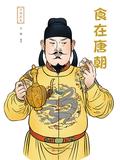 Exploring History: Food in the Tang Dynasty
"Eating in the Tang Dynasty" is about the food of the Tang Dynasty in the historical series "Eating in the Tang Dynasty". It selects the parts about eating from Tang poetry, Tang legends, Tang Dynasty prose and literati's notes, and explains them in detail in categories according to the categories and characteristics of the food. It provides a relatively comprehensive overview and introduction to the food and culture of the Tang Dynasty.
—Reads8.5Score—Shelves
Exploring History: Food in the Tang Dynasty
"Eating in the Tang Dynasty" is about the food of the Tang Dynasty in the historical series "Eating in the Tang Dynasty". It selects the parts about eating from Tang poetry, Tang legends, Tang Dynasty prose and literati's notes, and explains them in detail in categories according to the categories and characteristics of the food. It provides a relatively comprehensive overview and introduction to the food and culture of the Tang Dynasty.
—Reads8.5Score—Shelves
-
 The Rule of Hongwu - the Southern Expedition and the Northern Expedition and the Four Major Cases in the Early Ming Dynasty
Zhu Yuanzhang led the heroes to pacify Jiangnan, overthrew the Yuan Dynasty, and established the Ming Dynasty. On the one hand, he worked diligently and loved the people, cultivated himself, organized households and unified the people, promoted imperial examinations, and cracked down on corruption and gangsters, so that the Ming Dynasty gradually got on the right track and was full of vitality; on the other hand, he lost his son in his later years and deliberately created Hu Lan's Prison and bru
—Reads9.2Score—Shelves
The Rule of Hongwu - the Southern Expedition and the Northern Expedition and the Four Major Cases in the Early Ming Dynasty
Zhu Yuanzhang led the heroes to pacify Jiangnan, overthrew the Yuan Dynasty, and established the Ming Dynasty. On the one hand, he worked diligently and loved the people, cultivated himself, organized households and unified the people, promoted imperial examinations, and cracked down on corruption and gangsters, so that the Ming Dynasty gradually got on the right track and was full of vitality; on the other hand, he lost his son in his later years and deliberately created Hu Lan's Prison and bru
—Reads9.2Score—Shelves
-
 Leaving Qishan: Zhuge Liang's Gains and Losses in the Northern Expedition (Longitude and Latitude Series)
Best-selling historical writer Yuan Canxing's new work will help you understand the cruel fate that the people of the Shu Han Dynasty experienced in order to realize Liu Bei's dream. Prime Minister Zhuge devoted himself to death, and the people of Shu Han died. The later master Liu Chan was happy and did not miss Shu, so that the common people had a chance to survive. This book focuses on the Shu Han regime's Northern Expedition "out of Qishan" during the Three Kingdoms period, discusses the est
—Reads9.1Score—Shelves
Leaving Qishan: Zhuge Liang's Gains and Losses in the Northern Expedition (Longitude and Latitude Series)
Best-selling historical writer Yuan Canxing's new work will help you understand the cruel fate that the people of the Shu Han Dynasty experienced in order to realize Liu Bei's dream. Prime Minister Zhuge devoted himself to death, and the people of Shu Han died. The later master Liu Chan was happy and did not miss Shu, so that the common people had a chance to survive. This book focuses on the Shu Han regime's Northern Expedition "out of Qishan" during the Three Kingdoms period, discusses the est
—Reads9.1Score—Shelves
-
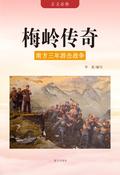 The Legend of Meiling - Three Years of Guerrilla War in the South
On October 13, the Central Branch and the Central Government Office held a meeting in Ruijin of the main responsible persons of the former Central Committee of the Communist Party of China and the central government departments remaining in the Soviet Area, and announced the establishment of the Central Branch and the Central Government Office. The Central Bureau initially consisted of five people, including Xiang Ying, Chen Yi, Chen Tanqiu, He Chang, and Qu Qiubai. Later, Deng Zihui, Zhang Ding
—Reads9.4Score—Shelves
The Legend of Meiling - Three Years of Guerrilla War in the South
On October 13, the Central Branch and the Central Government Office held a meeting in Ruijin of the main responsible persons of the former Central Committee of the Communist Party of China and the central government departments remaining in the Soviet Area, and announced the establishment of the Central Branch and the Central Government Office. The Central Bureau initially consisted of five people, including Xiang Ying, Chen Yi, Chen Tanqiu, He Chang, and Qu Qiubai. Later, Deng Zihui, Zhang Ding
—Reads9.4Score—Shelves
-
 Volume 28: Liberation of Tibet
The content of this book includes the disputes when danger is imminent, Liu Wenhui's visit to the Hongmen Banquet, repeated remonstrances to no avail, the long love between Hu Zongnan's children, Hu Zongnan's role as a scapegoat, the operation of the Longxing Temple headquarters, Chiang Kai-shek's farewell to the mainland, The military meeting before the war, Han Chenglie's blessing in disguise, the unreturnable fleet, fighting alone without backup, Fan Wenxiu's tragic hero, the hero's bloody Ki
—Reads9.1Score—Shelves
Volume 28: Liberation of Tibet
The content of this book includes the disputes when danger is imminent, Liu Wenhui's visit to the Hongmen Banquet, repeated remonstrances to no avail, the long love between Hu Zongnan's children, Hu Zongnan's role as a scapegoat, the operation of the Longxing Temple headquarters, Chiang Kai-shek's farewell to the mainland, The military meeting before the war, Han Chenglie's blessing in disguise, the unreturnable fleet, fighting alone without backup, Fan Wenxiu's tragic hero, the hero's bloody Ki
—Reads9.1Score—Shelves
-
 The Rise and Fall of the Sui Dynasty (4 Volumes in Total)
In ancient Chinese history, there was a unified dynasty that was as short-lived as the Qin Dynasty - the Sui Dynasty, which died in less than forty years. Although short-lived, the Sui Dynasty also had the same extraordinary and legendary historical characteristics as the Qin Dynasty: unity, prosperity, civilization, and short-lived, tyrannical, and rebellion coexisted. This was a prosperous and civilized dynasty. Its warehouses were filled with food that could not be eaten for fifty or sixty ye
—Reads9.5Score—Shelves
The Rise and Fall of the Sui Dynasty (4 Volumes in Total)
In ancient Chinese history, there was a unified dynasty that was as short-lived as the Qin Dynasty - the Sui Dynasty, which died in less than forty years. Although short-lived, the Sui Dynasty also had the same extraordinary and legendary historical characteristics as the Qin Dynasty: unity, prosperity, civilization, and short-lived, tyrannical, and rebellion coexisted. This was a prosperous and civilized dynasty. Its warehouses were filled with food that could not be eaten for fifty or sixty ye
—Reads9.5Score—Shelves
-
 Song Dynasty (Four Volumes)
In the Song Dynasty, the military power of the country was weak, but the economy and culture were prosperous. The politics and military and the economy and culture formed an extremely sharp contrast, seemingly disharmony coexisting in one, which led to very different evaluations from readers of history in the past, including praise and blame. The Song Dynasty thousands of years ago has become history, but the celebrities and sages, talented scholars, street life, crafts and curios of the Song Dy
—Reads9.4Score—Shelves
Song Dynasty (Four Volumes)
In the Song Dynasty, the military power of the country was weak, but the economy and culture were prosperous. The politics and military and the economy and culture formed an extremely sharp contrast, seemingly disharmony coexisting in one, which led to very different evaluations from readers of history in the past, including praise and blame. The Song Dynasty thousands of years ago has become history, but the celebrities and sages, talented scholars, street life, crafts and curios of the Song Dy
—Reads9.4Score—Shelves
-
 Changes in the Two Song Dynasties
The book depicts the history of the confrontation between the north and the south from Huizong Zhao Ji's accession to the throne in the first month of 1100 to the Shaoxing peace talks between the Song and Jin Dynasties in 1141. It shows the whole process of the Northern Song Dynasty's empire from prosperity to decline, rapid decline, and eventual destruction, as well as the Southern Song Dynasty's military and civilian resistance step by step, and finally established a foothold in the peaceful c
—Reads9.1Score—Shelves
Changes in the Two Song Dynasties
The book depicts the history of the confrontation between the north and the south from Huizong Zhao Ji's accession to the throne in the first month of 1100 to the Shaoxing peace talks between the Song and Jin Dynasties in 1141. It shows the whole process of the Northern Song Dynasty's empire from prosperity to decline, rapid decline, and eventual destruction, as well as the Southern Song Dynasty's military and civilian resistance step by step, and finally established a foothold in the peaceful c
—Reads9.1Score—Shelves
-
 Song Dynasty Facts Garden (Free Public Edition Book)
Also known as "Facts Leiyuan" and "Song Dynasty Leiyao". Class book. Shaoyu, courtesy name Yuzhong, was born in Changshan, Quzhou (now part of Zhejiang). He was a Jinshi in Zhenghe, transferred to the Tiantai Academy, and served successively as the prefect of Jian, Rao and Jizhou. This is because there are many records of the Northern Song Dynasty's court and civil affairs scattered in various records. However, they are scattered and inconsistent, making it difficult to examine them. So I collec
—Reads8.5Score—Shelves
Song Dynasty Facts Garden (Free Public Edition Book)
Also known as "Facts Leiyuan" and "Song Dynasty Leiyao". Class book. Shaoyu, courtesy name Yuzhong, was born in Changshan, Quzhou (now part of Zhejiang). He was a Jinshi in Zhenghe, transferred to the Tiantai Academy, and served successively as the prefect of Jian, Rao and Jizhou. This is because there are many records of the Northern Song Dynasty's court and civil affairs scattered in various records. However, they are scattered and inconsistent, making it difficult to examine them. So I collec
—Reads8.5Score—Shelves
-
 Records of the Fourth Red Front Army's Campaign
In the late 1920s and early 1930s, as famous generals such as Xu Xiangqian, Xu Jishen, Zeng Zhongsheng, and Kuang Jixun entered the Dabie Mountains, a large red army appeared in the vast area north of the Yangtze River, south of the Huaihe River, and east of Pinghan Road. She was the Fourth Red Army that created the Hubei-Henan-Anhui Soviet Area and the Sichuan-Shaanxi Soviet Area, the second largest red base in the country. In the face of increasingly crazy "encirclement and suppression" campai
—Reads9.6Score—Shelves
Records of the Fourth Red Front Army's Campaign
In the late 1920s and early 1930s, as famous generals such as Xu Xiangqian, Xu Jishen, Zeng Zhongsheng, and Kuang Jixun entered the Dabie Mountains, a large red army appeared in the vast area north of the Yangtze River, south of the Huaihe River, and east of Pinghan Road. She was the Fourth Red Army that created the Hubei-Henan-Anhui Soviet Area and the Sichuan-Shaanxi Soviet Area, the second largest red base in the country. In the face of increasingly crazy "encirclement and suppression" campai
—Reads9.6Score—Shelves
-
 Sketch Recipe (Free Public Edition Book)
Originally called "Jingfang Xiaopin", it is a medical prescription work. Written by Chen Yanzhi. It was written between the first year of Xiaojian and the first year of Yonghui (454-473) in Song Dynasty in the Southern and Northern Dynasties. The title of the book "Jingfang" comes from "Hanshu·Yiwenzhi", and the meaning of "Xiaopin" is taken from the Buddhist classic "Xiaopin Prajna" (also translated as "Xiaopin Jing"). The original book has been lost for a long time and has not been published i
—Reads8.7Score—Shelves
Sketch Recipe (Free Public Edition Book)
Originally called "Jingfang Xiaopin", it is a medical prescription work. Written by Chen Yanzhi. It was written between the first year of Xiaojian and the first year of Yonghui (454-473) in Song Dynasty in the Southern and Northern Dynasties. The title of the book "Jingfang" comes from "Hanshu·Yiwenzhi", and the meaning of "Xiaopin" is taken from the Buddhist classic "Xiaopin Prajna" (also translated as "Xiaopin Jing"). The original book has been lost for a long time and has not been published i
—Reads8.7Score—Shelves
-
 The Iron-Blooded Spirit of the Northern and Southern Dynasties Swallowed up Liu Jinnu Who Was Thousands of Miles Away
A history of fighting and fighting, a hero's magnificent life. Liu Yu single-handedly opened the ups and downs of the Northern and Southern Dynasties. In terms of political governance, his policies contributed to the peaceful and prosperous era of the "Yuanjia Rule"; in terms of martial arts, he unified the south for the first time after more than a hundred years of chaos. The two Northern Expeditions established the largest territory of the Southern Dynasty. Liu Yu was an outstanding military c
—Reads9.4Score—Shelves
The Iron-Blooded Spirit of the Northern and Southern Dynasties Swallowed up Liu Jinnu Who Was Thousands of Miles Away
A history of fighting and fighting, a hero's magnificent life. Liu Yu single-handedly opened the ups and downs of the Northern and Southern Dynasties. In terms of political governance, his policies contributed to the peaceful and prosperous era of the "Yuanjia Rule"; in terms of martial arts, he unified the south for the first time after more than a hundred years of chaos. The two Northern Expeditions established the largest territory of the Southern Dynasty. Liu Yu was an outstanding military c
—Reads9.4Score—Shelves
-
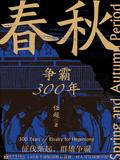 Spring and Autumn Period: 300 Years of Struggle for Hegemony
During the 300 years of the Spring and Autumn Period, heroes rose up together, and the front lines were gradually stained with blood; hundreds of schools of thought contended, and ideas flowed freely. This is a time of chaos, a time of rebellion. The feudal system began to disintegrate at its peak, all changes were brewing, and China was about to enter an unprecedented new chapter. This book takes the Five Hegemons of the Spring and Autumn Period as the main clue. The time span starts from 771 B
—Reads9.5Score—Shelves
Spring and Autumn Period: 300 Years of Struggle for Hegemony
During the 300 years of the Spring and Autumn Period, heroes rose up together, and the front lines were gradually stained with blood; hundreds of schools of thought contended, and ideas flowed freely. This is a time of chaos, a time of rebellion. The feudal system began to disintegrate at its peak, all changes were brewing, and China was about to enter an unprecedented new chapter. This book takes the Five Hegemons of the Spring and Autumn Period as the main clue. The time span starts from 771 B
—Reads9.5Score—Shelves
-
 Selected Historical Records (Collection of Chinese Classical Literature Reader Series)
The book "Selected Historical Records" incorporates Mr. Wang Boxiang's lifelong efforts in studying "Records of the Historian". So far, this "Selected Historical Records" is still the highest academic level among the anthologies of "Historical Records" published at home and abroad. The "Preface" at the beginning of this book systematically discusses Sima Qian's life, the great historical and literary achievements, far-reaching influence and version knowledge of "Historical Records". It is a uniq
—Reads8.6Score—Shelves
Selected Historical Records (Collection of Chinese Classical Literature Reader Series)
The book "Selected Historical Records" incorporates Mr. Wang Boxiang's lifelong efforts in studying "Records of the Historian". So far, this "Selected Historical Records" is still the highest academic level among the anthologies of "Historical Records" published at home and abroad. The "Preface" at the beginning of this book systematically discusses Sima Qian's life, the great historical and literary achievements, far-reaching influence and version knowledge of "Historical Records". It is a uniq
—Reads8.6Score—Shelves
-
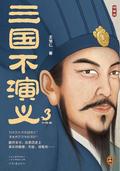 Romance of the Three Kingdoms 3
The Three Kingdoms era was a time of great changes and heroes emerged in large numbers. There are endless official historical records, unofficial legends, and romance novels about this period. It is difficult to distinguish between right and wrong, and the true face of the Three Kingdoms has gradually been ignored by readers. This book is a brand new masterpiece by Wang Jueren, the author of "Three Hundred Years of the Rise and Fall of the Tang Dynasty" (formerly "The Bloody Tang Dynasty"). It s
—Reads9.5Score—Shelves
Romance of the Three Kingdoms 3
The Three Kingdoms era was a time of great changes and heroes emerged in large numbers. There are endless official historical records, unofficial legends, and romance novels about this period. It is difficult to distinguish between right and wrong, and the true face of the Three Kingdoms has gradually been ignored by readers. This book is a brand new masterpiece by Wang Jueren, the author of "Three Hundred Years of the Rise and Fall of the Tang Dynasty" (formerly "The Bloody Tang Dynasty"). It s
—Reads9.5Score—Shelves
-
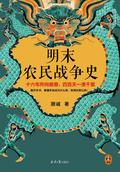 History of Peasants' War in the Late Ming Dynasty
He was invincible for sixteen years, and fell thousands of miles away in four hundred days. Open this book and understand why Li Zicheng failed, and he failed so quickly! In March 1644, Li Zicheng invaded Beijing and the Ming Dynasty fell. At this time, he had been fighting for sixteen years. In April of the same year, Li Zicheng was defeated at Shanhaiguan and the Qing army entered the pass. In May of the following year, Li Zicheng sacrificed his life in Jiugong Mountain in Huguang, only 400 da
—Reads9.3Score—Shelves
History of Peasants' War in the Late Ming Dynasty
He was invincible for sixteen years, and fell thousands of miles away in four hundred days. Open this book and understand why Li Zicheng failed, and he failed so quickly! In March 1644, Li Zicheng invaded Beijing and the Ming Dynasty fell. At this time, he had been fighting for sixteen years. In April of the same year, Li Zicheng was defeated at Shanhaiguan and the Qing army entered the pass. In May of the following year, Li Zicheng sacrificed his life in Jiugong Mountain in Huguang, only 400 da
—Reads9.3Score—Shelves
-
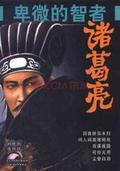 The Humble Wise Man: Zhuge Liang
Zhuge Liang is an incarnation of wisdom that shines in the annals of history, an eternal model of both political integrity and talent, so much so that Lu Xun criticized him for being "many wise but almost demonic". However, in recent years, voices have emerged that question or even deny Zhuge Liang, subverting Zhuge Liang's perfect image in people's minds. Is he in love with the Han Dynasty and caring about the world? Or is it going to be a militancy and ruin the lives of the people? What is the
—Reads8.6Score—Shelves
The Humble Wise Man: Zhuge Liang
Zhuge Liang is an incarnation of wisdom that shines in the annals of history, an eternal model of both political integrity and talent, so much so that Lu Xun criticized him for being "many wise but almost demonic". However, in recent years, voices have emerged that question or even deny Zhuge Liang, subverting Zhuge Liang's perfect image in people's minds. Is he in love with the Han Dynasty and caring about the world? Or is it going to be a militancy and ruin the lives of the people? What is the
—Reads8.6Score—Shelves
-
 Five Thousand Years and Five Years of China
In the middle of the Tang Dynasty, Huaixi Town was a stubborn fortress of the feudal separatist regime at that time. (814 AD) After the death of Wu Shaoyang, the Huaixi Jiedu envoy, his son Wu Yuanji became independent. Emperor Xianzong of the Tang Dynasty sent troops to conquer Huaixi in four directions, but the offensive continued for three or four years to no avail. The first coach Gao Xiayu was severely defeated by Wu Yuanji. The second coach Yuan Zi was as fearful of the enemy as a tiger an
—Reads8.1Score—Shelves
Five Thousand Years and Five Years of China
In the middle of the Tang Dynasty, Huaixi Town was a stubborn fortress of the feudal separatist regime at that time. (814 AD) After the death of Wu Shaoyang, the Huaixi Jiedu envoy, his son Wu Yuanji became independent. Emperor Xianzong of the Tang Dynasty sent troops to conquer Huaixi in four directions, but the offensive continued for three or four years to no avail. The first coach Gao Xiayu was severely defeated by Wu Yuanji. The second coach Yuan Zi was as fearful of the enemy as a tiger an
—Reads8.1Score—Shelves
-
 Five Thousand Years and Four of China
The rulers of the Northern Wei Dynasty were members of the Tuoba tribe of the Xianbei ethnic group. People in the Tuoba tribe all wear long braids. Its history originates from the period of Ba Mao. In the early years of the Eastern Han Dynasty, Tuoba Tuiyin led everyone to move to the vicinity of Hulun Lake in present-day Inner Mongolia. In the early years of the Eastern Jin Dynasty, the Tuoba tribe was still a nomadic tribe in Northeast my country. Later, it absorbed the culture of the Central
—Reads8.5Score—Shelves
Five Thousand Years and Four of China
The rulers of the Northern Wei Dynasty were members of the Tuoba tribe of the Xianbei ethnic group. People in the Tuoba tribe all wear long braids. Its history originates from the period of Ba Mao. In the early years of the Eastern Han Dynasty, Tuoba Tuiyin led everyone to move to the vicinity of Hulun Lake in present-day Inner Mongolia. In the early years of the Eastern Jin Dynasty, the Tuoba tribe was still a nomadic tribe in Northeast my country. Later, it absorbed the culture of the Central
—Reads8.5Score—Shelves
-
 Five Thousand Years of China
When Wang Chong wrote "Lunheng", although rough hemp paper was already available, this kind of paper was made of raw materials such as hemp and ramie. The texture of the paper was relatively rough and the fiber tissue was unevenly distributed, making it not suitable for writing. His book was written on bamboo slips and wooden slips. Shortly after Wang Chong's death, Cai Lun improved the papermaking technology and created paper suitable for writing.
—Reads8.1Score—Shelves
Five Thousand Years of China
When Wang Chong wrote "Lunheng", although rough hemp paper was already available, this kind of paper was made of raw materials such as hemp and ramie. The texture of the paper was relatively rough and the fiber tissue was unevenly distributed, making it not suitable for writing. His book was written on bamboo slips and wooden slips. Shortly after Wang Chong's death, Cai Lun improved the papermaking technology and created paper suitable for writing.
—Reads8.1Score—Shelves
-
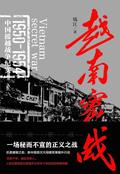 Vietnam Secret War
The "Aid to Vietnam to Resist the French" was the first large-scale military foreign aid operation after the founding of the People's Republic of China. Since the operation was top secret, no publicity, publicity, or reporting was allowed, only the officers and soldiers of the Chinese Military Advisory Group witnessed the magnificent and thrilling events of the "Aid to Vietnam to Resist the French." Based on the latest declassified files, this book details the complete process of China dispatchi
—Reads8.6Score—Shelves
Vietnam Secret War
The "Aid to Vietnam to Resist the French" was the first large-scale military foreign aid operation after the founding of the People's Republic of China. Since the operation was top secret, no publicity, publicity, or reporting was allowed, only the officers and soldiers of the Chinese Military Advisory Group witnessed the magnificent and thrilling events of the "Aid to Vietnam to Resist the French." Based on the latest declassified files, this book details the complete process of China dispatchi
—Reads8.6Score—Shelves
-
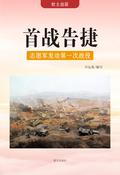 Victory in the First Battle - the Volunteers Launched Their First Battle
After the "United Nations Army" was attacked, although it was discovered that volunteers had entered North Korea to participate in the war, they believed that China was sending troops symbolically, so they continued to advance northward after making slight adjustments. On October 31, the US 24th Division entered Taichon and Turtle City, and the 1st Cavalry Division was transferred from Pyongyang to the Unsan and Yongsan-dong areas; the British 27th Brigade moved to Dingzhou and Seoncheon; the ma
—Reads9.3Score—Shelves
Victory in the First Battle - the Volunteers Launched Their First Battle
After the "United Nations Army" was attacked, although it was discovered that volunteers had entered North Korea to participate in the war, they believed that China was sending troops symbolically, so they continued to advance northward after making slight adjustments. On October 31, the US 24th Division entered Taichon and Turtle City, and the 1st Cavalry Division was transferred from Pyongyang to the Unsan and Yongsan-dong areas; the British 27th Brigade moved to Dingzhou and Seoncheon; the ma
—Reads9.3Score—Shelves
-
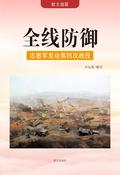 Defense Across the Board—the Volunteer Army Launches the Fourth Battle
On January 25, 1951, the new commander of the U. S. Eighth Army, Li Qiwei, after studying the combat patterns of the Volunteer Army, ordered the U. S. First and Ninth Armies to carry out a multi-pronged attack in the direction of Seoul on a 68-kilometer stretch from Yemuli to Yeoju. The 50th and 38th officers and soldiers of the Volunteer Army who were defending in the area overcame difficulties such as cold weather and lack of engineering equipment to build two defensive positions and repeatedl
—Reads9.4Score—Shelves
Defense Across the Board—the Volunteer Army Launches the Fourth Battle
On January 25, 1951, the new commander of the U. S. Eighth Army, Li Qiwei, after studying the combat patterns of the Volunteer Army, ordered the U. S. First and Ninth Armies to carry out a multi-pronged attack in the direction of Seoul on a 68-kilometer stretch from Yemuli to Yeoju. The 50th and 38th officers and soldiers of the Volunteer Army who were defending in the area overcame difficulties such as cold weather and lack of engineering equipment to build two defensive positions and repeatedl
—Reads9.4Score—Shelves
-
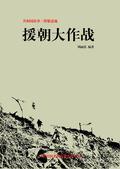 War to Aid Korea
Although there were arguments and differences between China and North Korea at the end of the third battle, this did not prevent the two sides from continuing to cooperate in fighting aggression.
—Reads9.5Score—Shelves
War to Aid Korea
Although there were arguments and differences between China and North Korea at the end of the third battle, this did not prevent the two sides from continuing to cooperate in fighting aggression.
—Reads9.5Score—Shelves
-
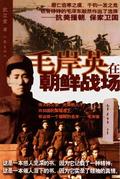 Mao Anying on the Korean Battlefield
In the middle of the last century, the Korean Peninsula was raging with war, and New China was in danger of dying and facing a critical crisis. The unyielding Mao Anying resolutely made a choice - to resist U. S. Aggression, aid Korea, and defend the country! The iron-blooded man Mao Anying took the initiative to volunteer as a non-soldier, rushed to the battlefield, and died for his country dozens of days later. A ray of loyal soul floats into the sky, and the body wrapped in horse leather has
—Reads9.5Score—Shelves
Mao Anying on the Korean Battlefield
In the middle of the last century, the Korean Peninsula was raging with war, and New China was in danger of dying and facing a critical crisis. The unyielding Mao Anying resolutely made a choice - to resist U. S. Aggression, aid Korea, and defend the country! The iron-blooded man Mao Anying took the initiative to volunteer as a non-soldier, rushed to the battlefield, and died for his country dozens of days later. A ray of loyal soul floats into the sky, and the body wrapped in horse leather has
—Reads9.5Score—Shelves
-
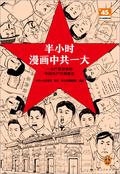 Half-Hour Cartoon About the First National Congress of the Communist Party of China
This is a serious and lively history of the founding of the Communist Party of China. It is jointly created by the Half-Hour Comics team and experts and scholars from the National Memorial Hall of the Communist Party of China. As an entry-level book specially developed for teenagers, every detail has been rigorously researched, and the story of the birth of the Party is told to children in their favorite comic form. Chen, Chen, and Li from the north and south met to found the party. Early Commun
—Reads9.4Score—Shelves
Half-Hour Cartoon About the First National Congress of the Communist Party of China
This is a serious and lively history of the founding of the Communist Party of China. It is jointly created by the Half-Hour Comics team and experts and scholars from the National Memorial Hall of the Communist Party of China. As an entry-level book specially developed for teenagers, every detail has been rigorously researched, and the story of the birth of the Party is told to children in their favorite comic form. Chen, Chen, and Li from the north and south met to found the party. Early Commun
—Reads9.4Score—Shelves
-
 Selected Poems of Cheng Hao
Cheng Hao (1032-1085), a philosopher, educator and founder of Neo-Confucianism in the Northern Song Dynasty. His courtesy name is Bochun, and scholars call him Mr. Mingdao. A native of Luoyang (now part of Henan). In the Shenzong Dynasty, Prince Zhongyun was appointed to supervise the censor Li Xing. Oppose Wang Anshi's New Deal. He put forward the propositions that "Heaven is the principle" and "the mind alone is heaven, and when it is exhausted, it is knowledge", and believed that "the benevol
—Reads8.5Score—Shelves
Selected Poems of Cheng Hao
Cheng Hao (1032-1085), a philosopher, educator and founder of Neo-Confucianism in the Northern Song Dynasty. His courtesy name is Bochun, and scholars call him Mr. Mingdao. A native of Luoyang (now part of Henan). In the Shenzong Dynasty, Prince Zhongyun was appointed to supervise the censor Li Xing. Oppose Wang Anshi's New Deal. He put forward the propositions that "Heaven is the principle" and "the mind alone is heaven, and when it is exhausted, it is knowledge", and believed that "the benevol
—Reads8.5Score—Shelves
-
 Collected Works of Zhang Shi
Zhang Shi (September 15, 1133 - March 22, 1180) was named Jingfu, later changed to Qinfu to avoid taboos, also named Lezhai, and given the name Nanxuan. Scholars called him Mr. Nanxuan, and his posthumous title was Xuan. Later generations also called him Zhang Xuangong. A native of Mianzhu, Hanzhou (now Mianzhu City, Sichuan) in the Southern Song Dynasty, he was the son of Zhang Jun, the right prime minister. Scholar and educator in the early Southern Song Dynasty. Lizong of the Southern Song Dy
—Reads8.7Score—Shelves
Collected Works of Zhang Shi
Zhang Shi (September 15, 1133 - March 22, 1180) was named Jingfu, later changed to Qinfu to avoid taboos, also named Lezhai, and given the name Nanxuan. Scholars called him Mr. Nanxuan, and his posthumous title was Xuan. Later generations also called him Zhang Xuangong. A native of Mianzhu, Hanzhou (now Mianzhu City, Sichuan) in the Southern Song Dynasty, he was the son of Zhang Jun, the right prime minister. Scholar and educator in the early Southern Song Dynasty. Lizong of the Southern Song Dy
—Reads8.7Score—Shelves
-
 Shao Yong's Selected Poems
Shao Yong (1011-1077), courtesy name Yaofu, was born in Fanyang (now Dashao Village, Zhuozhou, Hebei Province). When he was young, he moved to Hengzhang (now Linxian County, Henan Province) with his father Shao Gu. Kangjie Village), in the fourth year of Tiansheng (1026), when Shao Yong was 16 years old, he followed his father to Sumen Mountain in Gongcheng (now Baiquan Sumen Mountain in Huixian City, Henan Province) and lived here. Later, he studied "Hetu", "Luoshu" and Fuxi Bagua under Li Zhic
—Reads8.7Score—Shelves
Shao Yong's Selected Poems
Shao Yong (1011-1077), courtesy name Yaofu, was born in Fanyang (now Dashao Village, Zhuozhou, Hebei Province). When he was young, he moved to Hengzhang (now Linxian County, Henan Province) with his father Shao Gu. Kangjie Village), in the fourth year of Tiansheng (1026), when Shao Yong was 16 years old, he followed his father to Sumen Mountain in Gongcheng (now Baiquan Sumen Mountain in Huixian City, Henan Province) and lived here. Later, he studied "Hetu", "Luoshu" and Fuxi Bagua under Li Zhic
—Reads8.7Score—Shelves
-
 A Practical Encyclopedia of Political Intrigues and Scheming in Ancient Chinese Courts (Part 1)
This book selects stories from different angles about the battles of wisdom and life-and-death struggles between monarchs and ministers in feudal society for imperial power inside and outside the palace. Here, in order to maintain the throne, the emperor can ignore family ties and go on a killing spree; in order to claim the throne, the son dares to kill his father and seize the throne, regardless of human ethics; in order to compete for the throne, brothers fight against each other and kill eac
—Reads8.2Score—Shelves
A Practical Encyclopedia of Political Intrigues and Scheming in Ancient Chinese Courts (Part 1)
This book selects stories from different angles about the battles of wisdom and life-and-death struggles between monarchs and ministers in feudal society for imperial power inside and outside the palace. Here, in order to maintain the throne, the emperor can ignore family ties and go on a killing spree; in order to claim the throne, the son dares to kill his father and seize the throne, regardless of human ethics; in order to compete for the throne, brothers fight against each other and kill eac
—Reads8.2Score—Shelves
-
 Palace Change
The content of "Palace Coup" is divided into two parts. The first part is the description and argument of specific cases, and the latter part introduces the history of palace coups in China. The system is a breeding ground for coups to break out, and anyone, including emperors, can be a victim. Imperial power is located in the pyramid of power. Shining with golden light, but wrapped in murderous intent, it is the final gathering place for various tributaries of political struggles and political
—Reads8.4Score—Shelves
Palace Change
The content of "Palace Coup" is divided into two parts. The first part is the description and argument of specific cases, and the latter part introduces the history of palace coups in China. The system is a breeding ground for coups to break out, and anyone, including emperors, can be a victim. Imperial power is located in the pyramid of power. Shining with golden light, but wrapped in murderous intent, it is the final gathering place for various tributaries of political struggles and political
—Reads8.4Score—Shelves
-
 Collected Works of Huihong
Huihong (1070-1128), also known as Dehong, whose courtesy name was Juefan, also called himself Venerable Jiyin. The common surname is Yu (one surname is Peng). A native of Qiantou Zhushan, Qiaoxi Township, Yifeng County. A famous poet monk in the Song Dynasty. His family was poor since he was a child. His parents died when he was 14 years old. He entered the temple as a novice monk. He entered the capital at the age of 19 and was ordained as a monk at Tennoji Temple. At that time, it was difficu
—Reads8.6Score—Shelves
Collected Works of Huihong
Huihong (1070-1128), also known as Dehong, whose courtesy name was Juefan, also called himself Venerable Jiyin. The common surname is Yu (one surname is Peng). A native of Qiantou Zhushan, Qiaoxi Township, Yifeng County. A famous poet monk in the Song Dynasty. His family was poor since he was a child. His parents died when he was 14 years old. He entered the temple as a novice monk. He entered the capital at the age of 19 and was ordained as a monk at Tennoji Temple. At that time, it was difficu
—Reads8.6Score—Shelves
-
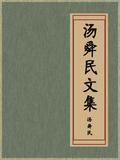 Collected Works of Tang Shunmin
Tang Shunmin, a dramatist in the late Yuan and early Ming dynasties, was named Juzhuang. His name, date of birth and death, and life story are unknown. He was a native of Xiangshan (now Zhejiang). It is not his ambition to supplement the county officials. Later, he fell into despair. So funny, I have been friends with Jia Zhongming for a long time. When Emperor Wen was in Yan's residence, he was very favored and favored frequently during Yongle period. He composed a large number of Yuefu, sets,
—Reads8.6Score—Shelves
Collected Works of Tang Shunmin
Tang Shunmin, a dramatist in the late Yuan and early Ming dynasties, was named Juzhuang. His name, date of birth and death, and life story are unknown. He was a native of Xiangshan (now Zhejiang). It is not his ambition to supplement the county officials. Later, he fell into despair. So funny, I have been friends with Jia Zhongming for a long time. When Emperor Wen was in Yan's residence, he was very favored and favored frequently during Yongle period. He composed a large number of Yuefu, sets,
—Reads8.6Score—Shelves
-
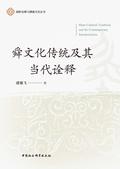 Shun's Cultural Tradition and Its Contemporary Interpretation
This book mainly studies the influence of Emperor Shun and the evolution of "Shun's cultural tradition". The theme of "Shun Cultural Tradition" focuses on exploring the spiritual core of "harmony" in Shun culture, the understanding of "Shun" by various schools of thought, etc., With the intention of discovering the cultural factors in the original culture that can still shine in the contemporary era. "Contemporary Interpretation of Shun Culture" is, firstly, a panoramic scan of the academic achi
—Reads7.6Score—Shelves
Shun's Cultural Tradition and Its Contemporary Interpretation
This book mainly studies the influence of Emperor Shun and the evolution of "Shun's cultural tradition". The theme of "Shun Cultural Tradition" focuses on exploring the spiritual core of "harmony" in Shun culture, the understanding of "Shun" by various schools of thought, etc., With the intention of discovering the cultural factors in the original culture that can still shine in the contemporary era. "Contemporary Interpretation of Shun Culture" is, firstly, a panoramic scan of the academic achi
—Reads7.6Score—Shelves
-
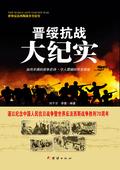 Records of the Jin-Sui Anti-Japanese War
The victory of the Chinese People's War of Resistance Against Japanese Aggression and the World Anti-Fascist War is of great historical significance. We look at this tragic period of human history historically and dialectically. It can be said that this is a huge disaster for human society and has caused catastrophe to human civilization. But at the same time, it also ushered in a new era of human history and brought extensive and far-reaching influence to the post-war world. It has promoted the
—Reads9.4Score—Shelves
Records of the Jin-Sui Anti-Japanese War
The victory of the Chinese People's War of Resistance Against Japanese Aggression and the World Anti-Fascist War is of great historical significance. We look at this tragic period of human history historically and dialectically. It can be said that this is a huge disaster for human society and has caused catastrophe to human civilization. But at the same time, it also ushered in a new era of human history and brought extensive and far-reaching influence to the post-war world. It has promoted the
—Reads9.4Score—Shelves
-
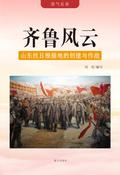 Qilu Fengyun——the Establishment and Operations of Shandong Anti-Japanese Base Area
This book mainly introduces the creation and operations of the Shandong Anti-Japanese Base Area, including launching an uprising and building up the armed forces: the reorganization of the Shandong Provincial Party Committee, the decision to launch an armed uprising, the establishment of the Fourth Detachment of Shandong, the outbreak of armed uprisings in various places, and the formalization of the Shandong Column. Form was established; the main force of the Eighth Route Army entered Shandong
—Reads9.4Score—Shelves
Qilu Fengyun——the Establishment and Operations of Shandong Anti-Japanese Base Area
This book mainly introduces the creation and operations of the Shandong Anti-Japanese Base Area, including launching an uprising and building up the armed forces: the reorganization of the Shandong Provincial Party Committee, the decision to launch an armed uprising, the establishment of the Fourth Detachment of Shandong, the outbreak of armed uprisings in various places, and the formalization of the Shandong Column. Form was established; the main force of the Eighth Route Army entered Shandong
—Reads9.4Score—Shelves
-
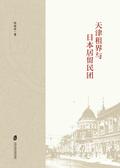 Tianjin Concession and Japanese Resident Group
This book is a study of the Japanese concession in Tianjin and the Japanese bureaucracy system in the concession. After Japan established a concession in Tianjin in 1989, Japanese immigrants flocked in and relied on their dominant position and privileges to engage in business, education, culture and other social activities. In order to better govern and manage, Japan first established the Concession Bureau as a management agency in the Tianjin Concession in 1902, which later evolved into the res
—Reads8.1Score—Shelves
Tianjin Concession and Japanese Resident Group
This book is a study of the Japanese concession in Tianjin and the Japanese bureaucracy system in the concession. After Japan established a concession in Tianjin in 1989, Japanese immigrants flocked in and relied on their dominant position and privileges to engage in business, education, culture and other social activities. In order to better govern and manage, Japan first established the Concession Bureau as a management agency in the Tianjin Concession in 1902, which later evolved into the res
—Reads8.1Score—Shelves
-
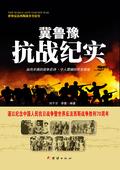 Records of the Anti-Japanese War in Hebei, Shandong and Henan
The victory of the Chinese People's War of Resistance Against Japanese Aggression and the World Anti-Fascist War is of great historical significance. We look at this tragic period of human history historically and dialectically. It can be said that this is a huge disaster for human society and has caused catastrophe to human civilization. But at the same time, it also ushered in a new era of human history and brought extensive and far-reaching influence to the post-war world. It has promoted the
—Reads9.3Score—Shelves
Records of the Anti-Japanese War in Hebei, Shandong and Henan
The victory of the Chinese People's War of Resistance Against Japanese Aggression and the World Anti-Fascist War is of great historical significance. We look at this tragic period of human history historically and dialectically. It can be said that this is a huge disaster for human society and has caused catastrophe to human civilization. But at the same time, it also ushered in a new era of human history and brought extensive and far-reaching influence to the post-war world. It has promoted the
—Reads9.3Score—Shelves
-
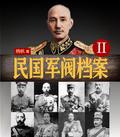 Archives of Warlords of the Republic of China II
While the first volume focuses on the old warlords of the Beiyang period, "Republic of China Warlords Archives II" edited by Yang Fan focuses on the new warlords of the Kuomintang. It selects nine people from the Republic of China and Fujian who controlled or influenced the central government or a certain region's political power, or had a major impact in some major historical events, with distinctive characteristics and controversy, and referred to a large number of original materials. Where of
—Reads9.4Score—Shelves
Archives of Warlords of the Republic of China II
While the first volume focuses on the old warlords of the Beiyang period, "Republic of China Warlords Archives II" edited by Yang Fan focuses on the new warlords of the Kuomintang. It selects nine people from the Republic of China and Fujian who controlled or influenced the central government or a certain region's political power, or had a major impact in some major historical events, with distinctive characteristics and controversy, and referred to a large number of original materials. Where of
—Reads9.4Score—Shelves
-
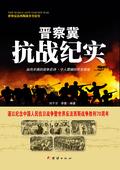 Records of the Shanxi-Chahar-Hebei Anti-Japanese War
The victory of the Chinese People's War of Resistance Against Japanese Aggression and the World Anti-Fascist War is of great historical significance. We look at this tragic period of human history historically and dialectically. It can be said that this is a huge disaster for human society and has caused catastrophe to human civilization. But at the same time, it also ushered in a new era of human history and brought extensive and far-reaching influence to the post-war world. It has promoted the
—Reads9.4Score—Shelves
Records of the Shanxi-Chahar-Hebei Anti-Japanese War
The victory of the Chinese People's War of Resistance Against Japanese Aggression and the World Anti-Fascist War is of great historical significance. We look at this tragic period of human history historically and dialectically. It can be said that this is a huge disaster for human society and has caused catastrophe to human civilization. But at the same time, it also ushered in a new era of human history and brought extensive and far-reaching influence to the post-war world. It has promoted the
—Reads9.4Score—Shelves
-
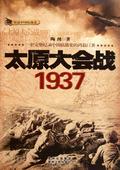 Taiyuan Battle 1937
In the early days of the Anti-Japanese War, in North China, the Chinese and Japanese armies fought a large-scale battle - the Battle of Taiyuan. In the face of a formidable enemy, the Tudi Emperor Yan Xishan, who had always been reclusive, raised the banner of resistance against Japan. Under Pingxingguan, Lin Biao surprised the world. The highest authority in Nanjing ordered the execution of Lieutenant General Li Fuying for "incompetent combat", which shocked the entire army. Hao Mengling died i
—Reads9.5Score—Shelves
Taiyuan Battle 1937
In the early days of the Anti-Japanese War, in North China, the Chinese and Japanese armies fought a large-scale battle - the Battle of Taiyuan. In the face of a formidable enemy, the Tudi Emperor Yan Xishan, who had always been reclusive, raised the banner of resistance against Japan. Under Pingxingguan, Lin Biao surprised the world. The highest authority in Nanjing ordered the execution of Lieutenant General Li Fuying for "incompetent combat", which shocked the entire army. Hao Mengling died i
—Reads9.5Score—Shelves
-
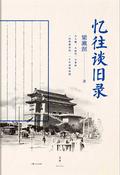 Reminiscing About the Past and Talking About Old Records
After the Revolution of 1911, why did warlords fight? After the victory of the Anti-Japanese War, why couldn't we peacefully build a country? A generation of true Confucians experienced it personally and used credible details to re-examine the Republic of China. Review the struggle and struggle of a nation; savor the magnificence and sigh of an era. "Recalling the Past and Talking about the Past" is a collection of the past writings of Mr. Liang Shuming, a thinker of the 20th century. It records
—Reads8.3Score—Shelves
Reminiscing About the Past and Talking About Old Records
After the Revolution of 1911, why did warlords fight? After the victory of the Anti-Japanese War, why couldn't we peacefully build a country? A generation of true Confucians experienced it personally and used credible details to re-examine the Republic of China. Review the struggle and struggle of a nation; savor the magnificence and sigh of an era. "Recalling the Past and Talking about the Past" is a collection of the past writings of Mr. Liang Shuming, a thinker of the 20th century. It records
—Reads8.3Score—Shelves
-
 Memoirs of Yan Xishan
Yan Xishan's memoirs are the first-hand historical materials of Yan Xishan's personal account of his thoughts and experiences. It will definitely be helpful to understand and even study the violently turbulent Chinese history before and after the Revolution of 1911.
—Reads9.3Score—Shelves
Memoirs of Yan Xishan
Yan Xishan's memoirs are the first-hand historical materials of Yan Xishan's personal account of his thoughts and experiences. It will definitely be helpful to understand and even study the violently turbulent Chinese history before and after the Revolution of 1911.
—Reads9.3Score—Shelves
-
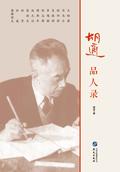 Hu Shipin's Personal Records
Hu Shi advocated biographical literature throughout his life, wrote many great and small figures worthy of praise, and preserved precious historical materials. Hu Shi evaluated characters from different angles, either profoundly, humorously, or with social value. This book is a collection of Hu Shi's comments on people, character, and successors. It collects more than 50 characters from ancient and modern China and abroad written by Hu Shi, such as Wang Zhaojun, Wu Jingzi, Xu Zhimo, Ding Wenjian
—Reads8.2Score—Shelves
Hu Shipin's Personal Records
Hu Shi advocated biographical literature throughout his life, wrote many great and small figures worthy of praise, and preserved precious historical materials. Hu Shi evaluated characters from different angles, either profoundly, humorously, or with social value. This book is a collection of Hu Shi's comments on people, character, and successors. It collects more than 50 characters from ancient and modern China and abroad written by Hu Shi, such as Wang Zhaojun, Wu Jingzi, Xu Zhimo, Ding Wenjian
—Reads8.2Score—Shelves
-
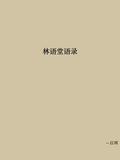 Lin Yutang's Quotations
For hurried travelers and winding roads, we are often recognized by one sentence. A magnificent bookstore with a wide range of books, what kind of reader will you be? We planned and implemented this topic selection with admiration and respect. It highlights such a wonderful reading scene - the lighthouse of the thinker's language provides the voyager with deep care and lofty guidance. Have you understood our deep affection and goodwill? Not just for the reason of a fast food era - one is the mas
—Reads7.8Score—Shelves
Lin Yutang's Quotations
For hurried travelers and winding roads, we are often recognized by one sentence. A magnificent bookstore with a wide range of books, what kind of reader will you be? We planned and implemented this topic selection with admiration and respect. It highlights such a wonderful reading scene - the lighthouse of the thinker's language provides the voyager with deep care and lofty guidance. Have you understood our deep affection and goodwill? Not just for the reason of a fast food era - one is the mas
—Reads7.8Score—Shelves
-
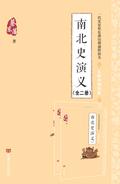 Romance of Northern and Southern History (Two Volumes)
"History of the North and South" has a total of one hundred chapters, starting from Liu Yu's generation of the Jin Dynasty and ending with the Sui Dynasty's destruction of the Chen Dynasty. It truly reproduces the historical trend of the centuries of disputes, divisions and separatism among heroes since the Eight Kings Rebellion in the Western Jin Dynasty, and the historical trend of reunification. The south experienced Song, Qi, Liang, and Chen, with frequent dynasty changes and constant wars.
—Reads7.6Score—Shelves
Romance of Northern and Southern History (Two Volumes)
"History of the North and South" has a total of one hundred chapters, starting from Liu Yu's generation of the Jin Dynasty and ending with the Sui Dynasty's destruction of the Chen Dynasty. It truly reproduces the historical trend of the centuries of disputes, divisions and separatism among heroes since the Eight Kings Rebellion in the Western Jin Dynasty, and the historical trend of reunification. The south experienced Song, Qi, Liang, and Chen, with frequent dynasty changes and constant wars.
—Reads7.6Score—Shelves
-
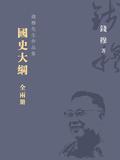 Outline of National History (2 Volumes in Total)
"Outline of National History" is a general history of China. It strives to be concise, giving its outline and omitting trivial details. In less than 1,000 pages, the details of the characters and the preparation of the career also show the author's great power to control the complicated history. The whole book outline is clear and simple, and the complexity is appropriate. "National History Outline" discusses the evolution and development of traditional Chinese academic thoughts, political syste
—Reads9.4Score—Shelves
Outline of National History (2 Volumes in Total)
"Outline of National History" is a general history of China. It strives to be concise, giving its outline and omitting trivial details. In less than 1,000 pages, the details of the characters and the preparation of the career also show the author's great power to control the complicated history. The whole book outline is clear and simple, and the complexity is appropriate. "National History Outline" discusses the evolution and development of traditional Chinese academic thoughts, political syste
—Reads9.4Score—Shelves
-
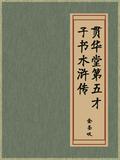 The Fifth Talented Man of Guanhuatang Writes Water Margin (Free Public Edition Book)
Jin Shengtan was well-read and liked to talk about "Yi" and Buddhism. He often used Buddha's words to explain Confucianism and Taoism, and he liked to add Zen principles to his essays. There are many ancient books that comment on them. He called "Zhuangzi", "Li Sao", "Shi Ji", "Du Shi", "Water Margin" and "Xi Xiang" as the "Six Talents Books", and planned to annotate them one by one, but only the latter two were completed. "Du Shi Jie" was not completed and he died. According to the narrative of
—Reads8.5Score—Shelves
The Fifth Talented Man of Guanhuatang Writes Water Margin (Free Public Edition Book)
Jin Shengtan was well-read and liked to talk about "Yi" and Buddhism. He often used Buddha's words to explain Confucianism and Taoism, and he liked to add Zen principles to his essays. There are many ancient books that comment on them. He called "Zhuangzi", "Li Sao", "Shi Ji", "Du Shi", "Water Margin" and "Xi Xiang" as the "Six Talents Books", and planned to annotate them one by one, but only the latter two were completed. "Du Shi Jie" was not completed and he died. According to the narrative of
—Reads8.5Score—Shelves
-
 Dong Xiuying's Story of Flower Moon on the East Wall
A Bai Pu drama from the Yuan Dynasty, describing the love story of scholar Ma Wenfu and Dong Xiuying.
—Reads5.8Score—Shelves
Dong Xiuying's Story of Flower Moon on the East Wall
A Bai Pu drama from the Yuan Dynasty, describing the love story of scholar Ma Wenfu and Dong Xiuying.
—Reads5.8Score—Shelves
-
 Yunnan Horse Buying Notes (Free Public Edition Book)
Travel notes. Zuo, a native of Emei (now part of Sichuan), was recruited as a Jinshi in the 7th year of Xining (1074) and went to the Dali State Council to buy war horses. This article records how he led his team from Sichuan, passed through Xuhen and Shumi minority areas, arrived at the Dali State Council, and returned. The socio-economic and living customs of the ethnic minorities and Dali Kingdom recorded along the way are first-hand materials for studying the social culture of the area durin
—Reads8.5Score—Shelves
Yunnan Horse Buying Notes (Free Public Edition Book)
Travel notes. Zuo, a native of Emei (now part of Sichuan), was recruited as a Jinshi in the 7th year of Xining (1074) and went to the Dali State Council to buy war horses. This article records how he led his team from Sichuan, passed through Xuhen and Shumi minority areas, arrived at the Dali State Council, and returned. The socio-economic and living customs of the ethnic minorities and Dali Kingdom recorded along the way are first-hand materials for studying the social culture of the area durin
—Reads8.5Score—Shelves