Fanqie library
Browse
- Titles
- 1.6k
Every Fanqie book we index, searchable by title, author or tag.
-
 Compilation of Tanzhai
Tanzhai Tongbian is an ancient Chinese collection of erudite knowledge. It is traditionally believed to be related to Song Dynasty scholar Xing Kai. Although there is no detailed historical data on the author's specific identity and life, the work itself has unique value in cultural history. It is composed of one volume and compiles a large number of historical textual research and classical literature review items, covering many aspects such as historical textual research, regulations and syste
—Reads—Score—Shelves
Compilation of Tanzhai
Tanzhai Tongbian is an ancient Chinese collection of erudite knowledge. It is traditionally believed to be related to Song Dynasty scholar Xing Kai. Although there is no detailed historical data on the author's specific identity and life, the work itself has unique value in cultural history. It is composed of one volume and compiles a large number of historical textual research and classical literature review items, covering many aspects such as historical textual research, regulations and syste
—Reads—Score—Shelves
-
 Happy Life Record
"Xing Sheng Lu" is an important historical record of the transition period between the late Qing Dynasty and the Republic of China. It was compiled by an author named "Old Man with Five Knowledges". It was written in the summer of the first year of Xuantong (1909) and was published in the winter of 1914. The specific author's name has yet to be verified. The book contains mostly miscellaneous notes of the author's personal experiences and hearings. It is an important first-hand source for studyi
—Reads—Score—Shelves
Happy Life Record
"Xing Sheng Lu" is an important historical record of the transition period between the late Qing Dynasty and the Republic of China. It was compiled by an author named "Old Man with Five Knowledges". It was written in the summer of the first year of Xuantong (1909) and was published in the winter of 1914. The specific author's name has yet to be verified. The book contains mostly miscellaneous notes of the author's personal experiences and hearings. It is an important first-hand source for studyi
—Reads—Score—Shelves
-
 Women's Double Names
Chinese traditional cultural thoughts have a long history and are highly original, original and literary. The early ideological forms were very distinctive, with extensive and profound contents such as religious theology, Chinese medicine classics, ancient military art, Confucianism, Taoism, Buddhism and hundreds of schools of thought, Feng Shui metaphysics, Twenty-Four Histories, customs and geography, etc. This series of "Original Books on Classic Chinese Studies and Essence Culture" retains t
—Reads7.7Score—Shelves
Women's Double Names
Chinese traditional cultural thoughts have a long history and are highly original, original and literary. The early ideological forms were very distinctive, with extensive and profound contents such as religious theology, Chinese medicine classics, ancient military art, Confucianism, Taoism, Buddhism and hundreds of schools of thought, Feng Shui metaphysics, Twenty-Four Histories, customs and geography, etc. This series of "Original Books on Classic Chinese Studies and Essence Culture" retains t
—Reads7.7Score—Shelves
-
 Deng Tianjun Xuanling's Eight Gates Retribution Internal Purpose
Deng Tianjun Xuanling's eight gates retribution internal decree. Author unknown. One roll. Original source: the first part of "Orthodox Taoist Canon".
—Reads8.2Score—Shelves
Deng Tianjun Xuanling's Eight Gates Retribution Internal Purpose
Deng Tianjun Xuanling's eight gates retribution internal decree. Author unknown. One roll. Original source: the first part of "Orthodox Taoist Canon".
—Reads8.2Score—Shelves
-
 Jinluzhai Confession Ceremony
Jinluzhai confession ceremony. One roll. Collection of Du Guangting in the late Tang and Five Dynasties. Original source: "Orthodox Taoist Canon" Dongxuan Department of Majesty and Ceremony.
—Reads8.0Score—Shelves
Jinluzhai Confession Ceremony
Jinluzhai confession ceremony. One roll. Collection of Du Guangting in the late Tang and Five Dynasties. Original source: "Orthodox Taoist Canon" Dongxuan Department of Majesty and Ceremony.
—Reads8.0Score—Shelves
-
 Yuyang Climate Friendly Opportunity
Orthodox Dao Zang Zhengyi Part 1
—Reads8.0Score—Shelves
Yuyang Climate Friendly Opportunity
Orthodox Dao Zang Zhengyi Part 1
—Reads8.0Score—Shelves
-
 Attached Is a Summary of the Outline of the Edict of Yidan
Written by Xiao Yingsou, a Taoist priest of the Southern Song Dynasty. Five volumes. Original source: "Legendary Taoist Canon" Dongzhenbu Jade Jue Class.
—Reads8.2Score—Shelves
Attached Is a Summary of the Outline of the Edict of Yidan
Written by Xiao Yingsou, a Taoist priest of the Southern Song Dynasty. Five volumes. Original source: "Legendary Taoist Canon" Dongzhenbu Jade Jue Class.
—Reads8.2Score—Shelves
-
 Fishing Village Encounter Record
A record of encounters in the fishing village. Written by Wu Kuai in the Southern Song Dynasty. One roll. Original source: Taixuan Department of "Orthodox Taoist Canon".
—Reads7.9Score—Shelves
Fishing Village Encounter Record
A record of encounters in the fishing village. Written by Wu Kuai in the Southern Song Dynasty. One roll. Original source: Taixuan Department of "Orthodox Taoist Canon".
—Reads7.9Score—Shelves
-
 Wakkagawa Real Person Proofreading Technique
Yachuan real person proofreading technique. The author is unknown, probably from the fifth generation of Yitu. One roll. Original source: "Orthodox Taoist Canon", Dongshen Department's Various Techniques Category.
—Reads8.0Score—Shelves
Wakkagawa Real Person Proofreading Technique
Yachuan real person proofreading technique. The author is unknown, probably from the fifth generation of Yitu. One roll. Original source: "Orthodox Taoist Canon", Dongshen Department's Various Techniques Category.
—Reads8.0Score—Shelves
-
 Golden Urn Ten Chapters to Save People in the Early Morning Opening and Closing Ceremony
The ten different golden urns are used to save people in the morning, afternoon and evening. One roll. Original source: "Orthodox Taoist Canon" Dongxuan Department of Majesty and Ceremony.
—Reads7.9Score—Shelves
Golden Urn Ten Chapters to Save People in the Early Morning Opening and Closing Ceremony
The ten different golden urns are used to save people in the morning, afternoon and evening. One roll. Original source: "Orthodox Taoist Canon" Dongxuan Department of Majesty and Ceremony.
—Reads7.9Score—Shelves
-
 You Xin an Le Road
Clouds gather in the west. Written by Yuan Qi Zhicheng. Three volumes. Original source: "Orthodox Taoist Canon" Taiping Department.
—Reads7.9Score—Shelves
You Xin an Le Road
Clouds gather in the west. Written by Yuan Qi Zhicheng. Three volumes. Original source: "Orthodox Taoist Canon" Taiping Department.
—Reads7.9Score—Shelves
-
 The Legend of Shen Xianweng in Yunfu Mountain
The biography of Shen Xianweng in Yunfu Mountain. No author is mentioned, one volume, original source: [Orthodox Taoist Canon] Dongxuan Department Genealogy.
—Reads7.9Score—Shelves
The Legend of Shen Xianweng in Yunfu Mountain
The biography of Shen Xianweng in Yunfu Mountain. No author is mentioned, one volume, original source: [Orthodox Taoist Canon] Dongxuan Department Genealogy.
—Reads7.9Score—Shelves
-
 Illustrated Biography of Xu Taishi Zhenjun
Sutra Name: Illustrated Biography of Zhenjun Xu Taishi. Author unknown. Volume Two. Original source: "Orthodox Taoist Canon" Dongxuan Department Spiritual Picture Category.
—Reads8.0Score—Shelves
Illustrated Biography of Xu Taishi Zhenjun
Sutra Name: Illustrated Biography of Zhenjun Xu Taishi. Author unknown. Volume Two. Original source: "Orthodox Taoist Canon" Dongxuan Department Spiritual Picture Category.
—Reads8.0Score—Shelves
-
 Analyzing Doubts and Pointing Out Myths
Analyzing Doubts and Pointing to Mysteries was written by Niu Daochun, a Taoist from the Yuan Dynasty, Xiaoyaozi. It was written in the third year of Dade (1299). One volume, included in the "Zhengtong Daozang" Dongzhen Department of Arts.
—Reads8.3Score—Shelves
Analyzing Doubts and Pointing Out Myths
Analyzing Doubts and Pointing to Mysteries was written by Niu Daochun, a Taoist from the Yuan Dynasty, Xiaoyaozi. It was written in the third year of Dade (1299). One volume, included in the "Zhengtong Daozang" Dongzhen Department of Arts.
—Reads8.3Score—Shelves
-
 Huang Ting Dun Jia Yuan Sheng Sutra
Huang Ting Dun Jia Yuan Sheng Jing. No author. One roll. Original source: Method Class of Dongshen Department of "Orthodox Taoist Canon".
—Reads8.4Score—Shelves
Huang Ting Dun Jia Yuan Sheng Sutra
Huang Ting Dun Jia Yuan Sheng Jing. No author. One roll. Original source: Method Class of Dongshen Department of "Orthodox Taoist Canon".
—Reads8.4Score—Shelves
-
 Four Books and Five Classics
"Four Books and Five Classics" is a collection of Confucian classics centered on Confucius, including the "Great Learning", "The Doctrine of the Mean", "The Analects of Confucius" and "Mencius", as well as the "Book of Songs", "Shangshu", "Book of Rites", "Book of Changes" and "Spring and Autumn". It is the fundamental teaching material for ancient Chinese scholars to study and cultivate themselves. Its content covers ethics, politics, philosophy and other fields, embodies the Confucian ideal of
—Reads8.5Score—Shelves
Four Books and Five Classics
"Four Books and Five Classics" is a collection of Confucian classics centered on Confucius, including the "Great Learning", "The Doctrine of the Mean", "The Analects of Confucius" and "Mencius", as well as the "Book of Songs", "Shangshu", "Book of Rites", "Book of Changes" and "Spring and Autumn". It is the fundamental teaching material for ancient Chinese scholars to study and cultivate themselves. Its content covers ethics, politics, philosophy and other fields, embodies the Confucian ideal of
—Reads8.5Score—Shelves
-
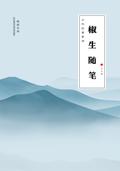 Jiao Sheng's Essay
"Jiao Sheng Essays" is an important notebook-style work written by the Qing Dynasty scholar Wang Zhichun (also known as Juetang, also known as Jiao Sheng). The book has eight volumes and is a collection of his essays during the turbulent years of the late Qing Dynasty. The content of the book draws from many sources, including keen observations of the political situation at the time and anecdotes between the government and the public, as well as vivid descriptions of anecdotes, scenery and peopl
—Reads—Score—Shelves
Jiao Sheng's Essay
"Jiao Sheng Essays" is an important notebook-style work written by the Qing Dynasty scholar Wang Zhichun (also known as Juetang, also known as Jiao Sheng). The book has eight volumes and is a collection of his essays during the turbulent years of the late Qing Dynasty. The content of the book draws from many sources, including keen observations of the political situation at the time and anecdotes between the government and the public, as well as vivid descriptions of anecdotes, scenery and peopl
—Reads—Score—Shelves
-
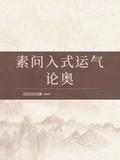 Su Wen Ru's Theory of Luck
Luck writings. Three volumes. Written by Liu Wenshu of Song Dynasty in 1099. This book specifically discusses the Five Movements and Six Qi and their application in medicine, with a total of 30 articles. Attached are some charts.
—Reads8.5Score—Shelves
Su Wen Ru's Theory of Luck
Luck writings. Three volumes. Written by Liu Wenshu of Song Dynasty in 1099. This book specifically discusses the Five Movements and Six Qi and their application in medicine, with a total of 30 articles. Attached are some charts.
—Reads8.5Score—Shelves
-
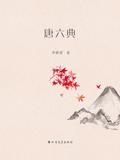 Tang Liudian
"Liu Dian of the Tang Dynasty" is the earliest and complete document with the nature of the administrative code of the feudal state that has been preserved to this day. It is of great significance in the history of Chinese administrative legislation. The book preserves a large amount of important information on land acquisition, household registration, taxes and servitude, examinations, rituals and music, military defense, evangelism, criminal law, camp repairs, water conservancy and other syste
—Reads8.8Score—Shelves
Tang Liudian
"Liu Dian of the Tang Dynasty" is the earliest and complete document with the nature of the administrative code of the feudal state that has been preserved to this day. It is of great significance in the history of Chinese administrative legislation. The book preserves a large amount of important information on land acquisition, household registration, taxes and servitude, examinations, rituals and music, military defense, evangelism, criminal law, camp repairs, water conservancy and other syste
—Reads8.8Score—Shelves
-
 Six Tao
"The Six Taoist Commandments", also known as "The Six Taoist Commandments of Taigong" and "The Art of War of Taigong", is a famous Taoist military book in ancient China. It is an important part of the classical military cultural heritage of the Chinese Han people. Its content is extensive and profound, its thoughts are profound and rich, and its logic is rigorous and rigorous. It is a concentrated expression of the essence of the ancient Han people's military thought. The earliest book to be exp
—Reads8.2Score—Shelves
Six Tao
"The Six Taoist Commandments", also known as "The Six Taoist Commandments of Taigong" and "The Art of War of Taigong", is a famous Taoist military book in ancient China. It is an important part of the classical military cultural heritage of the Chinese Han people. Its content is extensive and profound, its thoughts are profound and rich, and its logic is rigorous and rigorous. It is a concentrated expression of the essence of the ancient Han people's military thought. The earliest book to be exp
—Reads8.2Score—Shelves
-
 The Story of the Harvesting Platform
You can read some ancient notes: a book records the process of Japan launching the Sino-Japanese Sino-Japanese War of 1894-1894, forcing the Qing government to sign the unequal Treaty of Shimonoseki, and seizing Taiwan and the Penghu Islands. The story of the Qing government's cession of Taiwan to Japan after the conclusion of the Treaty of Shimonoseki is very detailed. The deeds of Taiwan's patriotic soldiers and civilians under the leadership of Liu Yongfu in resisting the Japanese invaders be
—Reads8.2Score—Shelves
The Story of the Harvesting Platform
You can read some ancient notes: a book records the process of Japan launching the Sino-Japanese Sino-Japanese War of 1894-1894, forcing the Qing government to sign the unequal Treaty of Shimonoseki, and seizing Taiwan and the Penghu Islands. The story of the Qing government's cession of Taiwan to Japan after the conclusion of the Treaty of Shimonoseki is very detailed. The deeds of Taiwan's patriotic soldiers and civilians under the leadership of Liu Yongfu in resisting the Japanese invaders be
—Reads8.2Score—Shelves
-
 Drink Liuzhai and Talk About Porcelain
Chinese traditional cultural thoughts have a long history and are highly original, original and literary. The early ideological forms were very distinctive, with extensive and profound contents such as religious theology, Chinese medicine classics, ancient military art, Confucianism, Taoism, Buddhism and hundreds of schools of thought, Feng Shui metaphysics, Twenty-Four Histories, customs and geography, etc. This series of "Original Books on Classic Chinese Studies and Essence Culture" retains t
—Reads7.9Score—Shelves
Drink Liuzhai and Talk About Porcelain
Chinese traditional cultural thoughts have a long history and are highly original, original and literary. The early ideological forms were very distinctive, with extensive and profound contents such as religious theology, Chinese medicine classics, ancient military art, Confucianism, Taoism, Buddhism and hundreds of schools of thought, Feng Shui metaphysics, Twenty-Four Histories, customs and geography, etc. This series of "Original Books on Classic Chinese Studies and Essence Culture" retains t
—Reads7.9Score—Shelves
-
 History of Pot
"History of the Pot" is a Chinese history book written by Guo Yuanhong. The book tells the story of a character named Wu Youxu who secretly sold divination in the Chang'an market at the age of fourteen. Soon after, he lived in seclusion. Finally, when Princess Anle got married, he was recalled by the emperor to attend the wedding. He was named the Duke of the country and later returned to the mountains. In addition, "History of Pots" is also related to the development history of pots, covering t
—Reads8.0Score—Shelves
History of Pot
"History of the Pot" is a Chinese history book written by Guo Yuanhong. The book tells the story of a character named Wu Youxu who secretly sold divination in the Chang'an market at the age of fourteen. Soon after, he lived in seclusion. Finally, when Princess Anle got married, he was recalled by the emperor to attend the wedding. He was named the Duke of the country and later returned to the mountains. In addition, "History of Pots" is also related to the development history of pots, covering t
—Reads8.0Score—Shelves
-
 Yangxian Teapot Series (Free Public Edition Book)
It specifically describes the development process of Yixing (Yangxian) purple clay craftsmanship and its famous craftsmen. It is divided into seven entries: founder, Zhengshi, master, famous master, Yaliu, Shenpin and other sects. The writing is like telling a story, integrating history, characters, craftsmanship, famous product characteristics, etc., And is highly readable. It is the first monograph to record Yixing's purple clay industry. The book was written in the 13th year of Chongzhen in t
—Reads8.6Score—Shelves
Yangxian Teapot Series (Free Public Edition Book)
It specifically describes the development process of Yixing (Yangxian) purple clay craftsmanship and its famous craftsmen. It is divided into seven entries: founder, Zhengshi, master, famous master, Yaliu, Shenpin and other sects. The writing is like telling a story, integrating history, characters, craftsmanship, famous product characteristics, etc., And is highly readable. It is the first monograph to record Yixing's purple clay industry. The book was written in the 13th year of Chongzhen in t
—Reads8.6Score—Shelves
-
 Sixteen Chapters of Xu Negative Phase Method
This work "Sixteen Chapters of Xu Negative's Phraseology" is written by Xu Negative
—Reads8.4Score—Shelves
Sixteen Chapters of Xu Negative Phase Method
This work "Sixteen Chapters of Xu Negative's Phraseology" is written by Xu Negative
—Reads8.4Score—Shelves
-
 World's Most Effective Medicine
"Shiyi Dexiaofang" is an important medical work in ancient my country, written by Wei Yilin, a medical scientist in the Yuan Dynasty. "Shiyi Dexiaofang" discusses various medical disciplines, but it makes the greatest contribution to orthopedics and traumatology.
—Reads8.6Score—Shelves
World's Most Effective Medicine
"Shiyi Dexiaofang" is an important medical work in ancient my country, written by Wei Yilin, a medical scientist in the Yuan Dynasty. "Shiyi Dexiaofang" discusses various medical disciplines, but it makes the greatest contribution to orthopedics and traumatology.
—Reads8.6Score—Shelves
-
 Jade Letter on Differentiating Diseases
The book "Diagnostic Jade Letter" is rarely recorded in bibliographic books of the past dynasties, and it is also rarely circulated among the people. After consulting the "Summary of the General Catalog of Sikuquanshu", "Chinese Medical Books", "Medical Readings", "Four General Records of Medicine", as well as the "United Catalog of Traditional Chinese Medicine Books" published by the Beijing Library in 1962 and other bibliographic books, this book was not included. It was not until 1991 when th
—Reads9.1Score—Shelves
Jade Letter on Differentiating Diseases
The book "Diagnostic Jade Letter" is rarely recorded in bibliographic books of the past dynasties, and it is also rarely circulated among the people. After consulting the "Summary of the General Catalog of Sikuquanshu", "Chinese Medical Books", "Medical Readings", "Four General Records of Medicine", as well as the "United Catalog of Traditional Chinese Medicine Books" published by the Beijing Library in 1962 and other bibliographic books, this book was not included. It was not until 1991 when th
—Reads9.1Score—Shelves
-
 The Secret of Green Cysts
"Secrets of Qingsang" is a prescription medical technique for sores and carbuncles, which belongs to the Department of Surgery. This book introduces the application of traditional Chinese medicine botany in traditional Chinese medicine surgery obtained by quacks in practice.
—Reads9.3Score—Shelves
The Secret of Green Cysts
"Secrets of Qingsang" is a prescription medical technique for sores and carbuncles, which belongs to the Department of Surgery. This book introduces the application of traditional Chinese medicine botany in traditional Chinese medicine surgery obtained by quacks in practice.
—Reads9.3Score—Shelves
-
 Collection of Heart Medicine
Ancient Chinese medicine books are a shining pearl in the treasure house of Chinese medicine. They have high guiding significance and practical value, and have made significant contributions and far-reaching influences on the development of medicine in later generations.
—Reads8.9Score—Shelves
Collection of Heart Medicine
Ancient Chinese medicine books are a shining pearl in the treasure house of Chinese medicine. They have high guiding significance and practical value, and have made significant contributions and far-reaching influences on the development of medicine in later generations.
—Reads8.9Score—Shelves
-
 Medical Economics Elementary School
Ancient Chinese medicine books are a shining pearl in the treasure house of Chinese medicine. They have high guiding significance and practical value, and have made significant contributions and far-reaching influences on the development of medicine in later generations.
—Reads8.4Score—Shelves
Medical Economics Elementary School
Ancient Chinese medicine books are a shining pearl in the treasure house of Chinese medicine. They have high guiding significance and practical value, and have made significant contributions and far-reaching influences on the development of medicine in later generations.
—Reads8.4Score—Shelves
-
 Plague Theory
"Guang Plague Theory" was written in the 14th year of Kangxi's reign in the Qing Dynasty (1675), and was written by Dai Tianzhang. This book is based on Wu Youke's "Treatise on Warm Epidemics" with additions, deletions and revisions, and analyzes the differences between plague and typhoid fever. It makes detailed distinctions in the identification of early syndromes, etiology, exposure, transmission of classics, and concurrent syndromes of the two, and discusses the external and internal syndrom
—Reads8.4Score—Shelves
Plague Theory
"Guang Plague Theory" was written in the 14th year of Kangxi's reign in the Qing Dynasty (1675), and was written by Dai Tianzhang. This book is based on Wu Youke's "Treatise on Warm Epidemics" with additions, deletions and revisions, and analyzes the differences between plague and typhoid fever. It makes detailed distinctions in the identification of early syndromes, etiology, exposure, transmission of classics, and concurrent syndromes of the two, and discusses the external and internal syndrom
—Reads8.4Score—Shelves
-
 Meridian Compilation
Books on acupuncture. Two volumes. Not divided into volumes. Written by Zhai Liang of Ming Dynasty. Mainly a detailed introduction to meridian acupuncture. A compilation of meridians summarizing acupuncture works. Two volumes. Not divided into volumes. Written by Zhai Liang in the Ming Dynasty. Published in 1628. This book discusses the circulation, collaterals, meridian points and main diseases of the fourteen meridians in conjunction with the attributes and physiological characteristics of the
—Reads9.2Score—Shelves
Meridian Compilation
Books on acupuncture. Two volumes. Not divided into volumes. Written by Zhai Liang of Ming Dynasty. Mainly a detailed introduction to meridian acupuncture. A compilation of meridians summarizing acupuncture works. Two volumes. Not divided into volumes. Written by Zhai Liang in the Ming Dynasty. Published in 1628. This book discusses the circulation, collaterals, meridian points and main diseases of the fourteen meridians in conjunction with the attributes and physiological characteristics of the
—Reads9.2Score—Shelves
-
 Huangdi Mingtang Moxibustion Classic
Acupuncture writings. There are two types, one-volume and three-volume, with the same contents. This book is about the full text of "Mingtang Moxibustion Sutra" and "Xiao'er Mingtang Moxibustion Sutra" in Volume 100 of "Taiping Shenghuifang" copied by a bookseller in the late Northern Song Dynasty, and the publisher changed the title to this. The original book was written by an anonymous person in the Tang Dynasty. The book records the moxibustion treatment methods and diseases treated at common
—Reads8.6Score—Shelves
Huangdi Mingtang Moxibustion Classic
Acupuncture writings. There are two types, one-volume and three-volume, with the same contents. This book is about the full text of "Mingtang Moxibustion Sutra" and "Xiao'er Mingtang Moxibustion Sutra" in Volume 100 of "Taiping Shenghuifang" copied by a bookseller in the late Northern Song Dynasty, and the publisher changed the title to this. The original book was written by an anonymous person in the Tang Dynasty. The book records the moxibustion treatment methods and diseases treated at common
—Reads8.6Score—Shelves
-
 Convenient First Aid
Ancient Chinese medical works are a shining pearl in the treasure house of Chinese medicine. They have high guiding significance and practical value, and have made significant contributions and far-reaching influences on the development of medicine in later generations.
—Reads7.9Score—Shelves
Convenient First Aid
Ancient Chinese medical works are a shining pearl in the treasure house of Chinese medicine. They have high guiding significance and practical value, and have made significant contributions and far-reaching influences on the development of medicine in later generations.
—Reads7.9Score—Shelves
-
 The Most Incomparable Sutra
So I heard. Bhagavan for a moment. In Shiluo, I lived in Duolinji Lonely Garden. Together with the countless great crowds of Bodhisattvas, gods, and humans, At that time, the Venerable Ananda was sitting alone in a free space, thinking. Think like this. If you are a good man or a good woman. Receive three refuges with pure faith. Say so. Now my name is taken refuge in the Buddha's two-legged center. Take refuge in the Dharma and be free from desire. Take refuge in the most respected among the mo
—Reads8.1Score—Shelves
The Most Incomparable Sutra
So I heard. Bhagavan for a moment. In Shiluo, I lived in Duolinji Lonely Garden. Together with the countless great crowds of Bodhisattvas, gods, and humans, At that time, the Venerable Ananda was sitting alone in a free space, thinking. Think like this. If you are a good man or a good woman. Receive three refuges with pure faith. Say so. Now my name is taken refuge in the Buddha's two-legged center. Take refuge in the Dharma and be free from desire. Take refuge in the most respected among the mo
—Reads8.1Score—Shelves
-
 Notes on the Huayan Sutra's Inscription on the Dharma Realm Contemplation Gate
This book is a public book and is not subject to copyright restrictions. Chinese civilization has a long history and its traditional culture is as bright as stars. These classic works condense the wisdom of doing things for thousands of years and bring together the essence of human thought. They are specially processed and organized to facilitate readers' reading and communication.
—Reads8.4Score—Shelves
Notes on the Huayan Sutra's Inscription on the Dharma Realm Contemplation Gate
This book is a public book and is not subject to copyright restrictions. Chinese civilization has a long history and its traditional culture is as bright as stars. These classic works condense the wisdom of doing things for thousands of years and bring together the essence of human thought. They are specially processed and organized to facilitate readers' reading and communication.
—Reads8.4Score—Shelves
-
 Zhuan Dharma Wheel Sutra Youbo Tishe (With Commentary but No Sutra Version)
This book is a public book and is not subject to copyright restrictions. Chinese civilization has a long history and its traditional culture is as bright as stars. These classic works condense the wisdom of doing things for thousands of years and bring together the essence of human thought. They are specially processed and organized to facilitate readers' reading and communication.
—Reads8.1Score—Shelves
Zhuan Dharma Wheel Sutra Youbo Tishe (With Commentary but No Sutra Version)
This book is a public book and is not subject to copyright restrictions. Chinese civilization has a long history and its traditional culture is as bright as stars. These classic works condense the wisdom of doing things for thousands of years and bring together the essence of human thought. They are specially processed and organized to facilitate readers' reading and communication.
—Reads8.1Score—Shelves
-
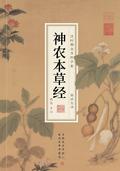 Shen Nong's Herbal Classic
"Shen Nong's Materia Medica" is one of the four classic works of traditional Chinese medicine and a classic of ancient Chinese pharmacology. It records the efficacy and usage of 365 kinds of medicines, reflecting the medicine knowledge accumulated by my country's working people before the Qin and Han Dynasties. It is rich in content and concise in language, and has a profound impact on the development of pharmacology in later generations.
—Reads9.6Score—Shelves
Shen Nong's Herbal Classic
"Shen Nong's Materia Medica" is one of the four classic works of traditional Chinese medicine and a classic of ancient Chinese pharmacology. It records the efficacy and usage of 365 kinds of medicines, reflecting the medicine knowledge accumulated by my country's working people before the Qin and Han Dynasties. It is rich in content and concise in language, and has a profound impact on the development of pharmacology in later generations.
—Reads9.6Score—Shelves
-
 Hui Ming Jing
Chinese traditional cultural thoughts have a long history and are highly original, original and literary. The early ideological forms were very distinctive, with extensive and profound contents such as religious theology, Chinese medicine classics, ancient military art, Confucianism, Taoism, Buddhism and hundreds of schools of thought, Feng Shui metaphysics, Twenty-Four Histories, customs and geography, etc. This series of "Original Books on Classic Chinese Studies and Essence Culture" retains t
—Reads9.3Score—Shelves
Hui Ming Jing
Chinese traditional cultural thoughts have a long history and are highly original, original and literary. The early ideological forms were very distinctive, with extensive and profound contents such as religious theology, Chinese medicine classics, ancient military art, Confucianism, Taoism, Buddhism and hundreds of schools of thought, Feng Shui metaphysics, Twenty-Four Histories, customs and geography, etc. This series of "Original Books on Classic Chinese Studies and Essence Culture" retains t
—Reads9.3Score—Shelves
-
 Land Immortal Scripture
"Land Xian Jing" was written by Ma Qi of the Qing Dynasty. It was written during the Yongzheng period. Its content is an annotation of the "Hundred Character Guide Method". The "Hundred-Character Daoyin Method" is a well-established and effective fitness method that has been gradually supplemented and improved by health-preserving experts of past generations. It has the functions of strengthening the limbs, preventing and curing diseases, and extending life. Author: Ma Qi Dynasty: Qing Year: 164
—Reads9.3Score—Shelves
Land Immortal Scripture
"Land Xian Jing" was written by Ma Qi of the Qing Dynasty. It was written during the Yongzheng period. Its content is an annotation of the "Hundred Character Guide Method". The "Hundred-Character Daoyin Method" is a well-established and effective fitness method that has been gradually supplemented and improved by health-preserving experts of past generations. It has the functions of strengthening the limbs, preventing and curing diseases, and extending life. Author: Ma Qi Dynasty: Qing Year: 164
—Reads9.3Score—Shelves
-
 Nvqingguilu
"Nv Qing Gui Lv", an early classic of Tianshi Dao. This law is because Taishang Daodao couldn't bear to see the scene of "thousands of ghosts flying every day, which cannot be prohibited" and "just killing civilians, hundreds of billions of dead", so "at noon on July 7, the second year of the (later emperor), he issued eight volumes of this ghost law." This ghost law describes the residence of ghosts and ghost owners, their names, magical powers, and harms. It advises everyone to strictly observ
—Reads8.2Score—Shelves
Nvqingguilu
"Nv Qing Gui Lv", an early classic of Tianshi Dao. This law is because Taishang Daodao couldn't bear to see the scene of "thousands of ghosts flying every day, which cannot be prohibited" and "just killing civilians, hundreds of billions of dead", so "at noon on July 7, the second year of the (later emperor), he issued eight volumes of this ghost law." This ghost law describes the residence of ghosts and ghost owners, their names, magical powers, and harms. It advises everyone to strictly observ
—Reads8.2Score—Shelves
-
 Cultivation Debate
Qigong inner alchemy work, written by Liu Yiming in the Qing Dynasty. His book explains the principles of inner alchemy in the form of questions and answers between master and disciple. The author believes that inner elixir is formed by the condensation of life and life, so it is necessary to cultivate both life and life. He points out that the way of life and life are closely related to the way of yin and yang. Xing is principle, life is Qi, Qi is not separated from principle, and principle is
—Reads8.6Score—Shelves
Cultivation Debate
Qigong inner alchemy work, written by Liu Yiming in the Qing Dynasty. His book explains the principles of inner alchemy in the form of questions and answers between master and disciple. The author believes that inner elixir is formed by the condensation of life and life, so it is necessary to cultivate both life and life. He points out that the way of life and life are closely related to the way of yin and yang. Xing is principle, life is Qi, Qi is not separated from principle, and principle is
—Reads8.6Score—Shelves
-
 Famous Swordsman
Swords are not only sharp objects, but also carriers of history and legends - "Famous Swords" captures the legend of sword casting, the swords connecting people, and the swords reflecting the era. The description of each sword is a microcosm of a magnificent history. "The Story of Famous Swords" was written by Li Chengxun, a scholar from the Ming Dynasty. It is a cultural history book focusing on famous swords in ancient and modern times. The book selects dozens of famous swords such as Xuanyuan
—Reads8.6Score—Shelves
Famous Swordsman
Swords are not only sharp objects, but also carriers of history and legends - "Famous Swords" captures the legend of sword casting, the swords connecting people, and the swords reflecting the era. The description of each sword is a microcosm of a magnificent history. "The Story of Famous Swords" was written by Li Chengxun, a scholar from the Ming Dynasty. It is a cultural history book focusing on famous swords in ancient and modern times. The book selects dozens of famous swords such as Xuanyuan
—Reads8.6Score—Shelves
-
 Tai Ping Hui Min He Ji Bureau Prescription
[The first pharmacopoeia of patent medicines promulgated by the government in Chinese history] [Many handed down traditional Chinese medicine prescriptions such as "Huoxiang Zhengqi Shui" and "Niuhuang Qingxin Pills" were developed on the basis of this book. A prescription book of patent medicines from Heji Bureau, a pharmacy established by the government in the Song Dynasty. It is divided into 14 categories: cold, typhoid, all qi, phlegm, and various deficiencies, and contains 788 prescription
—Reads9.2Score—Shelves
Tai Ping Hui Min He Ji Bureau Prescription
[The first pharmacopoeia of patent medicines promulgated by the government in Chinese history] [Many handed down traditional Chinese medicine prescriptions such as "Huoxiang Zhengqi Shui" and "Niuhuang Qingxin Pills" were developed on the basis of this book. A prescription book of patent medicines from Heji Bureau, a pharmacy established by the government in the Song Dynasty. It is divided into 14 categories: cold, typhoid, all qi, phlegm, and various deficiencies, and contains 788 prescription
—Reads9.2Score—Shelves
-
 Notes on Ancient Sutras from Taishang Chiwen Cave
Notes on the Ancient Sutras of Taishang Chiwen Cave. Annotated by Quanzhen Taoist Chang Quanzi at the end of the Jin Dynasty and the beginning of the Yuan Dynasty. One roll. Original source: "Legendary Taoist Canon" Dongzhenbu Jade Jue Class.
—Reads7.8Score—Shelves
Notes on Ancient Sutras from Taishang Chiwen Cave
Notes on the Ancient Sutras of Taishang Chiwen Cave. Annotated by Quanzhen Taoist Chang Quanzi at the end of the Jin Dynasty and the beginning of the Yuan Dynasty. One roll. Original source: "Legendary Taoist Canon" Dongzhenbu Jade Jue Class.
—Reads7.8Score—Shelves
-
 Meat Snatch
The Meat-Grabbing Department is a part of Youyang Zazu, a work written by Duan Chengshi of the Tang Dynasty. "Youyang Zazu" is a collection of notes and novels containing a wide range of anecdotes, social customs, natural phenomena, etc. The Meat Crawl section, as part of this, covers a wide range of topics, including animal behavior, transformation, and the myths and legends associated with them.
—Reads8.2Score—Shelves
Meat Snatch
The Meat-Grabbing Department is a part of Youyang Zazu, a work written by Duan Chengshi of the Tang Dynasty. "Youyang Zazu" is a collection of notes and novels containing a wide range of anecdotes, social customs, natural phenomena, etc. The Meat Crawl section, as part of this, covers a wide range of topics, including animal behavior, transformation, and the myths and legends associated with them.
—Reads8.2Score—Shelves
-
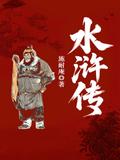 Water Margin (Original Work)
"Water Margin" is based on the heroic story of 108 heroes headed by Song Jiang in the late Northern Song Dynasty. They gathered in Liangshanpo, were recruited by the court, and then conquered the four bandits and destroyed the rebel party. In the end, they were murdered by traitors. The content of "Water Margin" can be divided into two parts. The first seventy chapters are a large part, mainly criticizing the decadent cruelty of the ruling class and praising the resistance spirit of the uprising
—Reads9.6Score—Shelves
Water Margin (Original Work)
"Water Margin" is based on the heroic story of 108 heroes headed by Song Jiang in the late Northern Song Dynasty. They gathered in Liangshanpo, were recruited by the court, and then conquered the four bandits and destroyed the rebel party. In the end, they were murdered by traitors. The content of "Water Margin" can be divided into two parts. The first seventy chapters are a large part, mainly criticizing the decadent cruelty of the ruling class and praising the resistance spirit of the uprising
—Reads9.6Score—Shelves
-
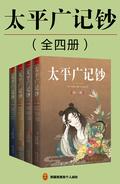 Taiping Guangji Notes (Four Volumes)
From "Liao Zhai" to "The Romance of the West Chamber", everything has been "copied" from it! Feng Menglong carefully compiled and annotated the "originator-level" legendary collection of legends about monsters. Lu Xun bluntly said that he would never buy another book about fox ghosts again. There are 40 prototypes of stories in "Strange Stories from a Chinese Studio" recorded in this book, such as "Laoshan Taoist", "Xu Huangliang", "Huifang", "Jia Feng Pheasant", etc. "The Romance of the West Ch
—Reads9.4Score—Shelves
Taiping Guangji Notes (Four Volumes)
From "Liao Zhai" to "The Romance of the West Chamber", everything has been "copied" from it! Feng Menglong carefully compiled and annotated the "originator-level" legendary collection of legends about monsters. Lu Xun bluntly said that he would never buy another book about fox ghosts again. There are 40 prototypes of stories in "Strange Stories from a Chinese Studio" recorded in this book, such as "Laoshan Taoist", "Xu Huangliang", "Huifang", "Jia Feng Pheasant", etc. "The Romance of the West Ch
—Reads9.4Score—Shelves
-
 Secret Key Points and Prescriptions for Syndrome and Treatment (Free Public Edition Book)
List a number of diseases and syndromes, detailing the causes, pathogenesis, symptoms, treatment principles, treatment methods and treatment experiences.
—Reads9.3Score—Shelves
Secret Key Points and Prescriptions for Syndrome and Treatment (Free Public Edition Book)
List a number of diseases and syndromes, detailing the causes, pathogenesis, symptoms, treatment principles, treatment methods and treatment experiences.
—Reads9.3Score—Shelves
-
 Heart Sutra
Chinese traditional cultural thoughts have a long history and are highly original, original and literary. The early ideological forms were very distinctive, with extensive and profound contents such as religious theology, Chinese medicine classics, ancient military art, Confucianism, Taoism, Buddhism and hundreds of schools of thought, Feng Shui metaphysics, Twenty-Four Histories, customs and geography, etc. This series of "Original Books on Classic Chinese Studies and Essence Culture" retains t
—Reads9.3Score—Shelves
Heart Sutra
Chinese traditional cultural thoughts have a long history and are highly original, original and literary. The early ideological forms were very distinctive, with extensive and profound contents such as religious theology, Chinese medicine classics, ancient military art, Confucianism, Taoism, Buddhism and hundreds of schools of thought, Feng Shui metaphysics, Twenty-Four Histories, customs and geography, etc. This series of "Original Books on Classic Chinese Studies and Essence Culture" retains t
—Reads9.3Score—Shelves