Fanqie library
Browse
- Titles
- 1.3k
Every Fanqie book we index, searchable by title, author or tag.
-
 The Book of Changes
"Zhou Yi Shen Tong Qi", written by Wei Boyang of the Eastern Han Dynasty, referred to as "Shen Tong Qi", is an early Taoist classic. The whole book discusses alchemy based on Yi Xiang, and combines it with the principles of "Dayi", "Huang Lao" and "Luhuo". It uses Qiankun as the cauldron, Yin and Yang as the embankment, water and fire as the mechanism of transformation, the Five Elements as the auxiliary, Xuanjing as the alchemy base, etc., Thereby clarifying the principles and methods of alchem
—Reads8.4Score—Shelves
The Book of Changes
"Zhou Yi Shen Tong Qi", written by Wei Boyang of the Eastern Han Dynasty, referred to as "Shen Tong Qi", is an early Taoist classic. The whole book discusses alchemy based on Yi Xiang, and combines it with the principles of "Dayi", "Huang Lao" and "Luhuo". It uses Qiankun as the cauldron, Yin and Yang as the embankment, water and fire as the mechanism of transformation, the Five Elements as the auxiliary, Xuanjing as the alchemy base, etc., Thereby clarifying the principles and methods of alchem
—Reads8.4Score—Shelves
-
 Yuanshi Tianzun Spoke the Truth About the Body Sutra
Chinese classical religious classics are shining classics and outstanding works in the treasure house of Chinese traditional culture. They are expressed in various forms and reflect the glorious picture of Chinese classical literary works.
—Reads8.4Score—Shelves
Yuanshi Tianzun Spoke the Truth About the Body Sutra
Chinese classical religious classics are shining classics and outstanding works in the treasure house of Chinese traditional culture. They are expressed in various forms and reflect the glorious picture of Chinese classical literary works.
—Reads8.4Score—Shelves
-
 Lingbao Bifa
A classic for refining inner elixirs. Three volumes. Written by Zhongli Quan of the Five Dynasties, biography of Lu Yan. It was probably written in the Five Dynasties and later Han Dynasty. Zhongli Quan, courtesy name Yunfang, nicknamed Zhengyangzi, No. 1 Heguzi. His birth and death place of birth is unknown. According to "The Legend of Immortals", Zhongli Quanjing was born in Xianyang (or Yantai). The official Han was a general. After his defeat, he fled to Zhongnan Mountain. He met Emperor Xua
—Reads9.4Score—Shelves
Lingbao Bifa
A classic for refining inner elixirs. Three volumes. Written by Zhongli Quan of the Five Dynasties, biography of Lu Yan. It was probably written in the Five Dynasties and later Han Dynasty. Zhongli Quan, courtesy name Yunfang, nicknamed Zhengyangzi, No. 1 Heguzi. His birth and death place of birth is unknown. According to "The Legend of Immortals", Zhongli Quanjing was born in Xianyang (or Yantai). The official Han was a general. After his defeat, he fled to Zhongnan Mountain. He met Emperor Xua
—Reads9.4Score—Shelves
-
 Enlightenment
The study of inner alchemy in "Wu Zhen Chapter" was passed down from the ancient philosophical thoughts of Huang Lao Liezhuang. It was revealed by Boyang in the Han and Wei dynasties, and was carried forward by Zhongli Quan, Lu Dongbin and others in the Tang Dynasty. In the Tang and Song Dynasties, it continued to flourish and became a grand sight. Zhang Boduan of the Song Dynasty inherited the studies of Zhong and Lu, and his ancestors wrote Huang Lao. He imitated "Zhou Yi Shen Tong Qi" and wro
—Reads9.4Score—Shelves
Enlightenment
The study of inner alchemy in "Wu Zhen Chapter" was passed down from the ancient philosophical thoughts of Huang Lao Liezhuang. It was revealed by Boyang in the Han and Wei dynasties, and was carried forward by Zhongli Quan, Lu Dongbin and others in the Tang Dynasty. In the Tang and Song Dynasties, it continued to flourish and became a grand sight. Zhang Boduan of the Song Dynasty inherited the studies of Zhong and Lu, and his ancestors wrote Huang Lao. He imitated "Zhou Yi Shen Tong Qi" and wro
—Reads9.4Score—Shelves
-
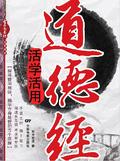 Learning and Applying the Tao Te Ching
Tao is humankind's view of nature and worldview, which must conform to the objective conditions of the universe and exist in compliance with the laws of nature. Only by caring for the universe and integrating with nature can human beings survive healthily. Once we destroy nature and violate the laws of nature, we will definitely suffer cruel retribution and punishment, and even catastrophe! The Tao Te Ching is the representative of Eastern culture and the main root of Chinese philosophy. For mor
—Reads9.5Score—Shelves
Learning and Applying the Tao Te Ching
Tao is humankind's view of nature and worldview, which must conform to the objective conditions of the universe and exist in compliance with the laws of nature. Only by caring for the universe and integrating with nature can human beings survive healthily. Once we destroy nature and violate the laws of nature, we will definitely suffer cruel retribution and punishment, and even catastrophe! The Tao Te Ching is the representative of Eastern culture and the main root of Chinese philosophy. For mor
—Reads9.5Score—Shelves
-
 Yellow Emperor's Internal Classic in Vernacular
The Huangdi Neijing lays the foundation for understanding human physiology, pathology, diagnosis and treatment. It is a medical work with great influence in China and is known as the ancestor of medicine.
—Reads9.5Score—Shelves
Yellow Emperor's Internal Classic in Vernacular
The Huangdi Neijing lays the foundation for understanding human physiology, pathology, diagnosis and treatment. It is a medical work with great influence in China and is known as the ancestor of medicine.
—Reads9.5Score—Shelves
-
 Immortality Fetus Yuan Shen Usage Meridian
Name of the Sutra: The Sutra of Immortality Fetus Yuan Shen. Notes by Tang Lang. One roll. Original source: the first part of "Orthodox Taoist Canon". Collated version: "Tao Zang Ji Yao", included in the eleventh volume of the book (referred to as "Ji Yao").
—Reads8.7Score—Shelves
Immortality Fetus Yuan Shen Usage Meridian
Name of the Sutra: The Sutra of Immortality Fetus Yuan Shen. Notes by Tang Lang. One roll. Original source: the first part of "Orthodox Taoist Canon". Collated version: "Tao Zang Ji Yao", included in the eleventh volume of the book (referred to as "Ji Yao").
—Reads8.7Score—Shelves
-
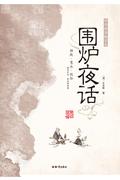 Night Talk Around the Fire
"Wailu Night Talk" is not only a very famous literary criticism book during the Qing Dynasty, but also a collection of popular aphorisms. It is divided into 221 chapters in total, with the general topic of "settling down and establishing a career" as the general topic, covering aspects such as morality, self-cultivation, reading, living in poverty, educating children, loyalty, filial piety, diligence and thrift, etc., Revealing the profound truth that "establishing morality, meritorious service,
—Reads9.4Score—Shelves
Night Talk Around the Fire
"Wailu Night Talk" is not only a very famous literary criticism book during the Qing Dynasty, but also a collection of popular aphorisms. It is divided into 221 chapters in total, with the general topic of "settling down and establishing a career" as the general topic, covering aspects such as morality, self-cultivation, reading, living in poverty, educating children, loyalty, filial piety, diligence and thrift, etc., Revealing the profound truth that "establishing morality, meritorious service,
—Reads9.4Score—Shelves
-
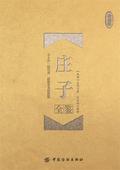 The Complete Mirror of Zhuangzi (Collection Reading Edition)
The book "Zhuangzi" is a representative work of Taoism and a wonderful flower in traditional Chinese culture. The author of "Zhuangzi" is not Zhuangzi alone. According to the research of later generations of scholars, the "internal chapters" were written by Zhuangzi, while the "outer chapters" and "miscellaneous chapters" are more complicated and were mostly written by successors of Zhuangzi's theory. Zhuangzi is a strange person, and "Zhuangzi" is a strange book. The profound and profound "Zhua
—Reads9.4Score—Shelves
The Complete Mirror of Zhuangzi (Collection Reading Edition)
The book "Zhuangzi" is a representative work of Taoism and a wonderful flower in traditional Chinese culture. The author of "Zhuangzi" is not Zhuangzi alone. According to the research of later generations of scholars, the "internal chapters" were written by Zhuangzi, while the "outer chapters" and "miscellaneous chapters" are more complicated and were mostly written by successors of Zhuangzi's theory. Zhuangzi is a strange person, and "Zhuangzi" is a strange book. The profound and profound "Zhua
—Reads9.4Score—Shelves
-
 Zhuangzi's Notes
"Lectures on Zhuangzi" is written by the famous scholar Nan Huaijin. The content of this book is extensive and profound, covering important concepts and laws in the world and beyond, as well as ways to cultivate one's body and mind in life.
—Reads9.4Score—Shelves
Zhuangzi's Notes
"Lectures on Zhuangzi" is written by the famous scholar Nan Huaijin. The content of this book is extensive and profound, covering important concepts and laws in the world and beyond, as well as ways to cultivate one's body and mind in life.
—Reads9.4Score—Shelves
-
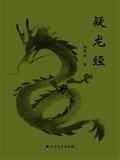 Suspicious Dragon Scripture
Chinese traditional cultural thoughts have a long history and are highly original, original and literary. The early ideological forms were very distinctive, with extensive and profound contents such as religious theology, Chinese medicine classics, ancient military art, Confucianism, Taoism, Buddhism and hundreds of schools of thought, Feng Shui metaphysics, Twenty-Four Histories, customs and geography, etc. This series of "Original Books on Classic Chinese Studies and Essence Culture" retains t
—Reads8.5Score—Shelves
Suspicious Dragon Scripture
Chinese traditional cultural thoughts have a long history and are highly original, original and literary. The early ideological forms were very distinctive, with extensive and profound contents such as religious theology, Chinese medicine classics, ancient military art, Confucianism, Taoism, Buddhism and hundreds of schools of thought, Feng Shui metaphysics, Twenty-Four Histories, customs and geography, etc. This series of "Original Books on Classic Chinese Studies and Essence Culture" retains t
—Reads8.5Score—Shelves
-
 Cave Xuan Lingbao True Spirit Position and Industry Map
This book is a relatively systematic Taoist divine genealogy, which divides the gods into seven levels, with different levels, with the first level being the highest. Each level is set up with a middle, left, and right position, and one god presides over it. The number of gods at each level varies, including historical emperors, generals, saints, Taoist leaders, mythological figures, etc.
—Reads8.6Score—Shelves
Cave Xuan Lingbao True Spirit Position and Industry Map
This book is a relatively systematic Taoist divine genealogy, which divides the gods into seven levels, with different levels, with the first level being the highest. Each level is set up with a middle, left, and right position, and one god presides over it. The number of gods at each level varies, including historical emperors, generals, saints, Taoist leaders, mythological figures, etc.
—Reads8.6Score—Shelves
-
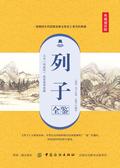 Liezi Quanjian (Collection Reading Edition)
Liezi, also known as Chongxu Jing, is an important Taoist classic written by Lie Yukou, a thinker in the early Warring States Period. It is also an important classic in the history of ancient Chinese thought and culture. The book has a total of one hundred and forty chapters, consisting of philosophical prose, fables, myths, and historical stories. Judging from its ideological content and language, it may have been compiled by later generations based on ancient documents. The book "Quanjian of L
—Reads9.4Score—Shelves
Liezi Quanjian (Collection Reading Edition)
Liezi, also known as Chongxu Jing, is an important Taoist classic written by Lie Yukou, a thinker in the early Warring States Period. It is also an important classic in the history of ancient Chinese thought and culture. The book has a total of one hundred and forty chapters, consisting of philosophical prose, fables, myths, and historical stories. Judging from its ideological content and language, it may have been compiled by later generations based on ancient documents. The book "Quanjian of L
—Reads9.4Score—Shelves
-
 Taigu Tudui Jing
The original author was not mentioned, but it probably dates from the Tang Dynasty. Three volumes. Original source: "Orthodox Taoist Canon", Dongshen Department's Arts Category
—Reads8.5Score—Shelves
Taigu Tudui Jing
The original author was not mentioned, but it probably dates from the Tang Dynasty. Three volumes. Original source: "Orthodox Taoist Canon", Dongshen Department's Arts Category
—Reads8.5Score—Shelves
-
 Collection of Book of Changes
The seventeen-volume "Jijie of Zhouyi" was written by Li Dingzuo in the Tang Dynasty. It is a must-read book for studying the study of Yi before the Tang Dynasty. It is a must-read book for the study of Xiangshu in the Han Dynasty. The study of Xiangshu flourished in the Han Dynasty. It is an open and inclusive system of the Book of Changes, the basis of its theory and wisdom, and has broad adaptability. The intricate and splendid hexagram images of original hexagrams, overturned hexagrams and b
—Reads9.3Score—Shelves
Collection of Book of Changes
The seventeen-volume "Jijie of Zhouyi" was written by Li Dingzuo in the Tang Dynasty. It is a must-read book for studying the study of Yi before the Tang Dynasty. It is a must-read book for the study of Xiangshu in the Han Dynasty. The study of Xiangshu flourished in the Han Dynasty. It is an open and inclusive system of the Book of Changes, the basis of its theory and wisdom, and has broad adaptability. The intricate and splendid hexagram images of original hexagrams, overturned hexagrams and b
—Reads9.3Score—Shelves
-
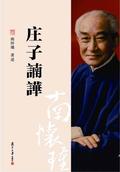 Zhuangzi
The book "Zhuangzi" records the thoughts, words and deeds of Zhuangzi himself and his disciples. It is a representative work of Taoism. Since the Wei and Jin Dynasties, its influence has transcended the scope of Taoism and has been combined with academic schools such as Confucianism and Buddhism. It has become a must-read book for traditional Chinese scholars to cultivate themselves and cope with the world. Among them, the seven chapters of "Neipian" have always been known for their rigorous ide
—Reads9.4Score—Shelves
Zhuangzi
The book "Zhuangzi" records the thoughts, words and deeds of Zhuangzi himself and his disciples. It is a representative work of Taoism. Since the Wei and Jin Dynasties, its influence has transcended the scope of Taoism and has been combined with academic schools such as Confucianism and Buddhism. It has become a must-read book for traditional Chinese scholars to cultivate themselves and cope with the world. Among them, the seven chapters of "Neipian" have always been known for their rigorous ide
—Reads9.4Score—Shelves
-
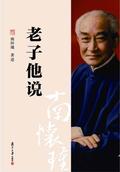 I Said
Mr. Nan Huaijin, a master of Chinese studies, has fully explained, corrected and quoted the connotation of "Laozi" with his profound knowledge of literature and history and keen social insight. It has the characteristics of explaining things in a simple and clear way. It has made useful explorations in popularizing Chinese traditional culture, popularizing profound ancient books, and popularizing specialized academics. At the end of the book, there is also a bibliographic list of studies on "Lao
—Reads9.5Score—Shelves
I Said
Mr. Nan Huaijin, a master of Chinese studies, has fully explained, corrected and quoted the connotation of "Laozi" with his profound knowledge of literature and history and keen social insight. It has the characteristics of explaining things in a simple and clear way. It has made useful explorations in popularizing Chinese traditional culture, popularizing profound ancient books, and popularizing specialized academics. At the end of the book, there is also a bibliographic list of studies on "Lao
—Reads9.5Score—Shelves
-
 Complete Collection of Chinese Books
Chinese traditional cultural thoughts have a long history and are highly original, original and literary. The early ideological forms were very distinctive, with extensive and profound contents such as religious theology, Chinese medicine classics, ancient military art, Confucianism, Taoism, Buddhism and hundreds of schools of thought, Feng Shui metaphysics, Twenty-Four Histories, customs and geography, etc. This series of "Original Books on Classic Chinese Studies and Essence Culture" retains t
—Reads8.8Score—Shelves
Complete Collection of Chinese Books
Chinese traditional cultural thoughts have a long history and are highly original, original and literary. The early ideological forms were very distinctive, with extensive and profound contents such as religious theology, Chinese medicine classics, ancient military art, Confucianism, Taoism, Buddhism and hundreds of schools of thought, Feng Shui metaphysics, Twenty-Four Histories, customs and geography, etc. This series of "Original Books on Classic Chinese Studies and Essence Culture" retains t
—Reads8.8Score—Shelves
-
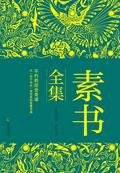 Complete Collection of Su Shu: Immortal Strategies for Advancing the World
"The Complete Works of Su Shu" is a classic of wisdom in ancient China. The original text is divided into six chapters: Originality, Righteous Way, Ambition to Seek Others, Bende Zongdao, Zunyi, and Anli. The content involves the ideological foundation of how to behave in the world, the way to govern a country and cultivate one's moral character, and the way to deal with others. The arguments are incisive, broad and profound. Zhang Liangxi used this book to assist Liu Bang in establishing the Ha
—Reads9.5Score—Shelves
Complete Collection of Su Shu: Immortal Strategies for Advancing the World
"The Complete Works of Su Shu" is a classic of wisdom in ancient China. The original text is divided into six chapters: Originality, Righteous Way, Ambition to Seek Others, Bende Zongdao, Zunyi, and Anli. The content involves the ideological foundation of how to behave in the world, the way to govern a country and cultivate one's moral character, and the way to deal with others. The arguments are incisive, broad and profound. Zhang Liangxi used this book to assist Liu Bang in establishing the Ha
—Reads9.5Score—Shelves
-
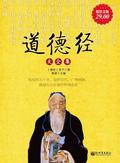 Complete Collection of Tao Te Ching
Lao Tzu's words are profound and profound. Everyone in the world will gain something from reading it. Philosophers can gain insight into the way of heaven from it, military strategists can understand military strategies from it, politicians can stabilize the country from it; ambitious people can make achievements and fame from it, and indifferent people can maintain their health and longevity from it... It is like a well that will never dry up. If you put down the bucket, you can get the true me
—Reads9.5Score—Shelves
Complete Collection of Tao Te Ching
Lao Tzu's words are profound and profound. Everyone in the world will gain something from reading it. Philosophers can gain insight into the way of heaven from it, military strategists can understand military strategies from it, politicians can stabilize the country from it; ambitious people can make achievements and fame from it, and indifferent people can maintain their health and longevity from it... It is like a well that will never dry up. If you put down the bucket, you can get the true me
—Reads9.5Score—Shelves
-
 Golden Policy
The title of "Golden Policy" states. Written by Liu Ji. Liu Ji, courtesy name Bowen, was an important founding official of the Ming Dynasty and was proficient in arithmetic. This book is the culmination of the Huozhulin hexagram method and a classic in the study of the Huozhulin method. All the magicians of the Ming and Qing Dynasties followed this example. The "Complete Book of Divination", "Added and Deleted Divination Yi", and "Zhengzong of Divination" that are widely circulated among the peo
—Reads9.3Score—Shelves
Golden Policy
The title of "Golden Policy" states. Written by Liu Ji. Liu Ji, courtesy name Bowen, was an important founding official of the Ming Dynasty and was proficient in arithmetic. This book is the culmination of the Huozhulin hexagram method and a classic in the study of the Huozhulin method. All the magicians of the Ming and Qing Dynasties followed this example. The "Complete Book of Divination", "Added and Deleted Divination Yi", and "Zhengzong of Divination" that are widely circulated among the peo
—Reads9.3Score—Shelves
-
 Fire Pearl Forest
"Fire Pearl Forest" is a classic work of six-yao hexagram method, written in the late Tang and early Song Dynasty. This book takes "the root of hexagram determination, the six relatives as the main ones" as the core, uses the theory of five elements to determine the hexagram, and inherits and develops the essence of Jingfangyi. His unique divination method was called the "Fire Pearl Forest" method by later generations, which had a profound impact on the development of divination. "Fire Pearl For
—Reads9.3Score—Shelves
Fire Pearl Forest
"Fire Pearl Forest" is a classic work of six-yao hexagram method, written in the late Tang and early Song Dynasty. This book takes "the root of hexagram determination, the six relatives as the main ones" as the core, uses the theory of five elements to determine the hexagram, and inherits and develops the essence of Jingfangyi. His unique divination method was called the "Fire Pearl Forest" method by later generations, which had a profound impact on the development of divination. "Fire Pearl For
—Reads9.3Score—Shelves
-
 Yellow Emperor's Internal Classic
This work "Huangdi Neijing" is written by an anonymous author
—Reads9.5Score—Shelves
Yellow Emperor's Internal Classic
This work "Huangdi Neijing" is written by an anonymous author
—Reads9.5Score—Shelves
-
 Lao Tzu
Laozi's thought has a profound influence on the development of Chinese philosophy, and the core of his thought is simple dialectics. In politics, it advocates governing by doing nothing and teaching without speaking. In terms of power, we should pay attention to the principle that things must be reversed when they reach their extreme. In terms of self-cultivation, it pays attention to the practice of being humble and not competing with others. It is the ancestor of Taoist dual cultivation of lif
—Reads9.4Score—Shelves
Lao Tzu
Laozi's thought has a profound influence on the development of Chinese philosophy, and the core of his thought is simple dialectics. In politics, it advocates governing by doing nothing and teaching without speaking. In terms of power, we should pay attention to the principle that things must be reversed when they reach their extreme. In terms of self-cultivation, it pays attention to the practice of being humble and not competing with others. It is the ancestor of Taoist dual cultivation of lif
—Reads9.4Score—Shelves
-
 Zhouyi
This book is a lecture on the "Book of Changes". Among them, the first part mainly introduces the general knowledge of "I Ching" and some issues related to it. The latter part focuses on explaining the sixty-four hexagrams (beginning with "Qian hexagram" and ending with "Weiji hexagram"), with the explanation of "Qian hexagram" being the most detailed. The content includes: hexagram names, hexagram words, line words, as well as "Yun Ci", "Xiang", "Classic Chinese", etc. That explain them. It has
—Reads8.1Score—Shelves
Zhouyi
This book is a lecture on the "Book of Changes". Among them, the first part mainly introduces the general knowledge of "I Ching" and some issues related to it. The latter part focuses on explaining the sixty-four hexagrams (beginning with "Qian hexagram" and ending with "Weiji hexagram"), with the explanation of "Qian hexagram" being the most detailed. The content includes: hexagram names, hexagram words, line words, as well as "Yun Ci", "Xiang", "Classic Chinese", etc. That explain them. It has
—Reads8.1Score—Shelves
-
 Xunzi
"Xunzi" is a philosophical work compiled or recorded by Xunzi and his disciples during the Warring States Period. There are a total of 32 chapters in the book, and its views are consistent with Xunzi's consistent views. "Xunzi" is an important work of Confucianism in the late Warring States Period. He respects kingship and hegemony; he upholds etiquette and righteousness and the rule of law; while "the king comes before the law", he also advocates "the king after the law". He created the theory
—Reads8.5Score—Shelves
Xunzi
"Xunzi" is a philosophical work compiled or recorded by Xunzi and his disciples during the Warring States Period. There are a total of 32 chapters in the book, and its views are consistent with Xunzi's consistent views. "Xunzi" is an important work of Confucianism in the late Warring States Period. He respects kingship and hegemony; he upholds etiquette and righteousness and the rule of law; while "the king comes before the law", he also advocates "the king after the law". He created the theory
—Reads8.5Score—Shelves
-
 Tao Te Ching
The original name of "Tao Te Ching" was "Laozi". Heshang Gong of the Han Dynasty wrote "Laozi Chapters" and organized "Laozi" into 37 chapters of "Tao Jing" and 44 chapters of "De Jing", so it is called "Tao Te Ching". The author of "Tao Te Ching" is Laozi (also known as Lao Dan, named Li Er), a native of the Chu state in the Spring and Autumn Period. He is a famous thinker in ancient my country and the founder of the Taoist school. He and Confucius belong to the same era, but he is older than C
—Reads9.3Score—Shelves
Tao Te Ching
The original name of "Tao Te Ching" was "Laozi". Heshang Gong of the Han Dynasty wrote "Laozi Chapters" and organized "Laozi" into 37 chapters of "Tao Jing" and 44 chapters of "De Jing", so it is called "Tao Te Ching". The author of "Tao Te Ching" is Laozi (also known as Lao Dan, named Li Er), a native of the Chu state in the Spring and Autumn Period. He is a famous thinker in ancient my country and the founder of the Taoist school. He and Confucius belong to the same era, but he is older than C
—Reads9.3Score—Shelves
-
 The Sixth Patriarch's Altar Sutra: the Most Important Classic of Chinese Zen (Notes from the Original Version of Guoxue. Com)
"The Sixth Patriarch's Altar Sutra" records Huineng's deeds of acquiring and imparting the Dharma throughout his life and the words he taught his disciples. It is rich in content and popular in writing, and is an important basis for studying the origins of Zen thought. Note: There are no comments in this article.
—Reads9.5Score—Shelves
The Sixth Patriarch's Altar Sutra: the Most Important Classic of Chinese Zen (Notes from the Original Version of Guoxue. Com)
"The Sixth Patriarch's Altar Sutra" records Huineng's deeds of acquiring and imparting the Dharma throughout his life and the words he taught his disciples. It is rich in content and popular in writing, and is an important basis for studying the origins of Zen thought. Note: There are no comments in this article.
—Reads9.5Score—Shelves
-
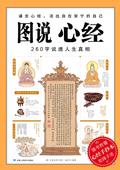 Illustration of the Heart Sutra
The Heart Sutra is widely circulated in the Buddhist world and is part of the Mahaprajna Sutra, and is considered to be the core of the 600 volumes of the Mahaprajna Sutra. The 260-word "Heart Sutra" not only fully presents the core concepts of Buddhist thought, but is also a sutra that heals heart diseases. It is said in the Buddhist scriptures: "The Buddha taught various methods to cure various kinds of hearts." The heart refers to the troubles in our hearts. The "Heart Sutra" is to cure our v
—Reads9.4Score—Shelves
Illustration of the Heart Sutra
The Heart Sutra is widely circulated in the Buddhist world and is part of the Mahaprajna Sutra, and is considered to be the core of the 600 volumes of the Mahaprajna Sutra. The 260-word "Heart Sutra" not only fully presents the core concepts of Buddhist thought, but is also a sutra that heals heart diseases. It is said in the Buddhist scriptures: "The Buddha taught various methods to cure various kinds of hearts." The heart refers to the troubles in our hearts. The "Heart Sutra" is to cure our v
—Reads9.4Score—Shelves
-
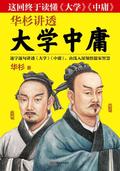 Hua Shan Talks About the "University of Mean"
"The Great Learning" and "The Doctrine of the Mean", "The Analects of Confucius" and "Mencius" are collectively known as the "Four Books". They are two Confucian classics that have had a huge impact on Chinese culture. "The Great Learning" is said to have been written by Zeng Zi and is known as "the first of the Four Books". The familiar "cultivation of one's moral character, organization of one's family, governance of the country, and peace of the world" are the contents of "The Great Learning"
—Reads9.5Score—Shelves
Hua Shan Talks About the "University of Mean"
"The Great Learning" and "The Doctrine of the Mean", "The Analects of Confucius" and "Mencius" are collectively known as the "Four Books". They are two Confucian classics that have had a huge impact on Chinese culture. "The Great Learning" is said to have been written by Zeng Zi and is known as "the first of the Four Books". The familiar "cultivation of one's moral character, organization of one's family, governance of the country, and peace of the world" are the contents of "The Great Learning"
—Reads9.5Score—Shelves
-
 Tao Te Ching (National Academy of Chinese Studies)
Nowadays, there is an upsurge in studying Laozi in the world, and Laozi's "Tao Te Ching" has become popular all over the world. According to a survey: In Germany, almost every family has a German version of the "Tao Te Ching"; in Japan, the "Tao Te Ching" has become a desk book for business managers to guide the operation and management of their own companies; in the United States, a publishing company actually spent US$130,000 a day. The English copyright of the 5,000-word "Tao Te Ching" was pu
—Reads9.4Score—Shelves
Tao Te Ching (National Academy of Chinese Studies)
Nowadays, there is an upsurge in studying Laozi in the world, and Laozi's "Tao Te Ching" has become popular all over the world. According to a survey: In Germany, almost every family has a German version of the "Tao Te Ching"; in Japan, the "Tao Te Ching" has become a desk book for business managers to guide the operation and management of their own companies; in the United States, a publishing company actually spent US$130,000 a day. The English copyright of the 5,000-word "Tao Te Ching" was pu
—Reads9.4Score—Shelves
-
 Liezi Translation and Annotation
The preface of this book analyzes and demonstrates the formation, author, and academic origin of the famous Taoist classic "Liezi". The text is annotated in paragraphs and the entire text is translated. Each article is preceded by a brief introduction that explains the main purpose of this article.
—Reads8.7Score—Shelves
Liezi Translation and Annotation
The preface of this book analyzes and demonstrates the formation, author, and academic origin of the famous Taoist classic "Liezi". The text is annotated in paragraphs and the entire text is translated. Each article is preceded by a brief introduction that explains the main purpose of this article.
—Reads8.7Score—Shelves
-
 Acupuncture Zi Sheng Jing
Ancient Chinese medicine books are a shining pearl in the treasure house of Chinese medicine. They have high guiding significance and practical value, and have made significant contributions and far-reaching influences on the development of medicine in later generations.
—Reads9.4Score—Shelves
Acupuncture Zi Sheng Jing
Ancient Chinese medicine books are a shining pearl in the treasure house of Chinese medicine. They have high guiding significance and practical value, and have made significant contributions and far-reaching influences on the development of medicine in later generations.
—Reads9.4Score—Shelves
-
 Diamond Sutra
The annotated version of the core classic of Mahayana Buddhism, the Diamond Sutra, is newly presented! This wisdom classic, which records the dialogue between Sakyamuni and his disciple Subhuti, is a handed down scripture highly praised by Kangxi and Yongzheng father and son - Kangxi hand-copied this scripture to pray for his grandmother, and Yongzheng devoted himself to copying it in the name of "Bearing the Dust", creating a dual treasure of calligraphy and wisdom. As an important source of Ze
—Reads9.4Score—Shelves
Diamond Sutra
The annotated version of the core classic of Mahayana Buddhism, the Diamond Sutra, is newly presented! This wisdom classic, which records the dialogue between Sakyamuni and his disciple Subhuti, is a handed down scripture highly praised by Kangxi and Yongzheng father and son - Kangxi hand-copied this scripture to pray for his grandmother, and Yongzheng devoted himself to copying it in the name of "Bearing the Dust", creating a dual treasure of calligraphy and wisdom. As an important source of Ze
—Reads9.4Score—Shelves
-
 Bian Que's Dilemma
Chinese traditional cultural thoughts have a long history and are highly original, original and literary. The early ideological forms were very distinctive, with extensive and profound contents such as religious theology, Chinese medicine classics, ancient military art, Confucianism, Taoism, Buddhism and hundreds of schools of thought, Feng Shui metaphysics, Twenty-Four Histories, customs and geography, etc. This series of "Original Books on Classic Chinese Studies and Essence Culture" retains t
—Reads9.5Score—Shelves
Bian Que's Dilemma
Chinese traditional cultural thoughts have a long history and are highly original, original and literary. The early ideological forms were very distinctive, with extensive and profound contents such as religious theology, Chinese medicine classics, ancient military art, Confucianism, Taoism, Buddhism and hundreds of schools of thought, Feng Shui metaphysics, Twenty-Four Histories, customs and geography, etc. This series of "Original Books on Classic Chinese Studies and Essence Culture" retains t
—Reads9.5Score—Shelves
-
 A Comic Strip of the Tao Te Ching
Worried that you can't understand the Tao Te Ching? With this book, you can easily read the Tao Te Ching! The Tao Te Ching is known as the "King of All Classics" and is the source of wisdom and philosophy of Chinese civilization. For more than two thousand years, it has been highly praised by sages, dynasty rulers, Chinese and foreign scholars, and great philosophers, and has helped countless people get out of life difficulties. Feng Ge absorbs the essence of Laozi's wisdom and explains this lon
—Reads9.2Score—Shelves
A Comic Strip of the Tao Te Ching
Worried that you can't understand the Tao Te Ching? With this book, you can easily read the Tao Te Ching! The Tao Te Ching is known as the "King of All Classics" and is the source of wisdom and philosophy of Chinese civilization. For more than two thousand years, it has been highly praised by sages, dynasty rulers, Chinese and foreign scholars, and great philosophers, and has helped countless people get out of life difficulties. Feng Ge absorbs the essence of Laozi's wisdom and explains this lon
—Reads9.2Score—Shelves
-
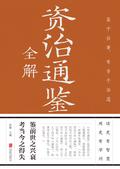 Complete Explanation of Zizhi Tongjian
"Zizhi Tongjian" is a voluminous volume with 294 volumes and more than 3 million words. It records a history of 1,362 years from the 23rd year of King Weilie of the Zhou Dynasty (403 BC) to the 6th year of Xiande of Emperor Shizong of the Later Zhou Dynasty (959 AD). It has the reputation of "unprecedented in ancient times" for "the net of great wealth, the great body and the fine mind". In order to help readers grasp the essence of the original work, we have selected representative and wonderfu
—Reads9.5Score—Shelves
Complete Explanation of Zizhi Tongjian
"Zizhi Tongjian" is a voluminous volume with 294 volumes and more than 3 million words. It records a history of 1,362 years from the 23rd year of King Weilie of the Zhou Dynasty (403 BC) to the 6th year of Xiande of Emperor Shizong of the Later Zhou Dynasty (959 AD). It has the reputation of "unprecedented in ancient times" for "the net of great wealth, the great body and the fine mind". In order to help readers grasp the essence of the original work, we have selected representative and wonderfu
—Reads9.5Score—Shelves
-
 Translation Notes of Gu Wen Guan Zhi (Revised Version) (Part 1 and 2)
"Guwenzhi" contains a total of 222 ancient articles from the pre-Qin Dynasty to the end of the Ming Dynasty. It is a widely circulated, influential and enduring selection of articles. The original text was an enlightenment book on ancient articles compiled by schoolchildren and other readers at that time. It aims to initially understand the content, style and style of ancient articles, increase historical and literary knowledge, understand ancient society and improve the ability to read ancient
—Reads9.3Score—Shelves
Translation Notes of Gu Wen Guan Zhi (Revised Version) (Part 1 and 2)
"Guwenzhi" contains a total of 222 ancient articles from the pre-Qin Dynasty to the end of the Ming Dynasty. It is a widely circulated, influential and enduring selection of articles. The original text was an enlightenment book on ancient articles compiled by schoolchildren and other readers at that time. It aims to initially understand the content, style and style of ancient articles, increase historical and literary knowledge, understand ancient society and improve the ability to read ancient
—Reads9.3Score—Shelves
-
 Zizhi Tongjian
"Zizhi Tongjian" is a chronological general history masterpiece edited by Sima Guang of the Northern Song Dynasty. It has a total of 294 volumes and about three million words. It took 19 years to compile and cover the history from the Zhou Dynasty and the Warring States Period (three families were divided into Jin, 403 BC) to the Later Zhou Dynasty Shizong (959), which spanned 16 dynasties and about 1362 years. Sima Guang (1019–1086) was born into a family of officials. He was fond of reading "Z
—Reads9.0Score—Shelves
Zizhi Tongjian
"Zizhi Tongjian" is a chronological general history masterpiece edited by Sima Guang of the Northern Song Dynasty. It has a total of 294 volumes and about three million words. It took 19 years to compile and cover the history from the Zhou Dynasty and the Warring States Period (three families were divided into Jin, 403 BC) to the Later Zhou Dynasty Shizong (959), which spanned 16 dynasties and about 1362 years. Sima Guang (1019–1086) was born into a family of officials. He was fond of reading "Z
—Reads9.0Score—Shelves
-
 On the Essence of Convincing Qi
"The Theory of Convincing Qi Jingyi", written by Sima Chengzhen of the Tang Dynasty. One roll. It is divided into nine chapters: Theory of Five Teeth, Theory of Taking Qi, Theory of Daoyin, Theory of Fu Shui, Theory of Taking Medicine, Theory of Cautions, Theory of Five Internal Organs, Theory of Taking Qi to Treat Diseases, and Theory of Symptoms. It records the static exercises such as the True Five Teeth Method, Taiqing Qi Movement Talisman, Liuwu Qi Method, Three Five Seven Nine Qi Method, a
—Reads8.7Score—Shelves
On the Essence of Convincing Qi
"The Theory of Convincing Qi Jingyi", written by Sima Chengzhen of the Tang Dynasty. One roll. It is divided into nine chapters: Theory of Five Teeth, Theory of Taking Qi, Theory of Daoyin, Theory of Fu Shui, Theory of Taking Medicine, Theory of Cautions, Theory of Five Internal Organs, Theory of Taking Qi to Treat Diseases, and Theory of Symptoms. It records the static exercises such as the True Five Teeth Method, Taiqing Qi Movement Talisman, Liuwu Qi Method, Three Five Seven Nine Qi Method, a
—Reads8.7Score—Shelves
-
 Taishang Yuanshi Tianzun Said the Beidi's Magical Mantra for Subduing Demons
Name of Sutra: Taishang Yuanshi Tianzun expounds the wonderful sutra of Beidi's Divine Curse for Conquering Demons. The original title is Ouyang Wenshou of Shangqing San Cave via Lu Bixiao Cave and Hua Taiyi History. Tao Zhenren and Zheng Siyuan were quoted as saying that it dates from the late Tang Dynasty to the early Song Dynasty. Ten volumes. Original source: the first part of "Orthodox Taoist Canon".
—Reads8.6Score—Shelves
Taishang Yuanshi Tianzun Said the Beidi's Magical Mantra for Subduing Demons
Name of Sutra: Taishang Yuanshi Tianzun expounds the wonderful sutra of Beidi's Divine Curse for Conquering Demons. The original title is Ouyang Wenshou of Shangqing San Cave via Lu Bixiao Cave and Hua Taiyi History. Tao Zhenren and Zheng Siyuan were quoted as saying that it dates from the late Tang Dynasty to the early Song Dynasty. Ten volumes. Original source: the first part of "Orthodox Taoist Canon".
—Reads8.6Score—Shelves
-
 Taishang Wuji Tao, Natural True One and Five Symbols, Sutra
The Taishang Wuji Dao is naturally the true one and five-fold talisman. Also known as "Ling Bao Zhen Yi Wu Zhen Jing". The author is ominous, probably from the Eastern Jin Dynasty, and is one of the ancient Lingbao Sutras. Originally one volume, it was later divided into two volumes. Original source: "Orthodox Taoist Canon" Talisman Category of Dongshen Department.
—Reads8.6Score—Shelves
Taishang Wuji Tao, Natural True One and Five Symbols, Sutra
The Taishang Wuji Dao is naturally the true one and five-fold talisman. Also known as "Ling Bao Zhen Yi Wu Zhen Jing". The author is ominous, probably from the Eastern Jin Dynasty, and is one of the ancient Lingbao Sutras. Originally one volume, it was later divided into two volumes. Original source: "Orthodox Taoist Canon" Talisman Category of Dongshen Department.
—Reads8.6Score—Shelves
-
 Taishang Yuhua Cave Chapter Pulling Out the Wonderful Sutra of Saving the World After Death and Ascension to Immortality
Taishang Yuhua Cave Chapter pulls out the wonderful sutra of surviving the dead and ascending to immortality. The original author was not mentioned. According to the narrative at the end of the volume, it was written by Du Changchun, a Taoist boy from Wanshou Temple in Tianning, Fenzhou, Shanxi Province, in the second year of the reign of Emperor Jin Dynasty. The scriptures assume that Yuanshi Tianzun preached for Tongxuan Zhenzhen to save sentient beings, eliminate disasters and attain enlighte
—Reads8.6Score—Shelves
Taishang Yuhua Cave Chapter Pulling Out the Wonderful Sutra of Saving the World After Death and Ascension to Immortality
Taishang Yuhua Cave Chapter pulls out the wonderful sutra of surviving the dead and ascending to immortality. The original author was not mentioned. According to the narrative at the end of the volume, it was written by Du Changchun, a Taoist boy from Wanshou Temple in Tianning, Fenzhou, Shanxi Province, in the second year of the reign of Emperor Jin Dynasty. The scriptures assume that Yuanshi Tianzun preached for Tongxuan Zhenzhen to save sentient beings, eliminate disasters and attain enlighte
—Reads8.6Score—Shelves
-
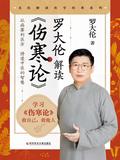 Luo Dalun Interprets "Treatise on Febrile Diseases"
A book on traditional Chinese medicine health care that everyone should know. The classic Chinese medicine work "Treatise on Febrile Diseases" is known as a must-read book for inheriting and carrying forward the heritage of traditional Chinese medicine. "Luo Dalun's Interpretation of "Treatise on Febrile Diseases" is teacher Luo Dalun's popular interpretation of the ever-famous "Treatise on Febrile Diseases". After being broadcast on the Himalaya platform, it has been viewed more than 20 million
—Reads9.4Score—Shelves
Luo Dalun Interprets "Treatise on Febrile Diseases"
A book on traditional Chinese medicine health care that everyone should know. The classic Chinese medicine work "Treatise on Febrile Diseases" is known as a must-read book for inheriting and carrying forward the heritage of traditional Chinese medicine. "Luo Dalun's Interpretation of "Treatise on Febrile Diseases" is teacher Luo Dalun's popular interpretation of the ever-famous "Treatise on Febrile Diseases". After being broadcast on the Himalaya platform, it has been viewed more than 20 million
—Reads9.4Score—Shelves
-
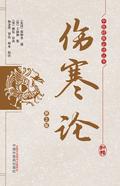 Treatise on Febrile Diseases
"Treatise on Febrile Diseases" was written by Zhang Zhongjing, a famous medical scientist in the Han Dynasty, and has been regarded as a classic work of traditional Chinese medicine throughout the ages. The principles and methods of syndrome differentiation and treatment used in this book have established the norms for the diagnosis and treatment of diseases in traditional Chinese medicine. The experience of diagnosis and treatment based on the combination of principles, methods, prescriptions a
—Reads9.2Score—Shelves
Treatise on Febrile Diseases
"Treatise on Febrile Diseases" was written by Zhang Zhongjing, a famous medical scientist in the Han Dynasty, and has been regarded as a classic work of traditional Chinese medicine throughout the ages. The principles and methods of syndrome differentiation and treatment used in this book have established the norms for the diagnosis and treatment of diseases in traditional Chinese medicine. The experience of diagnosis and treatment based on the combination of principles, methods, prescriptions a
—Reads9.2Score—Shelves
-
 The Secret and Application of the Twelve Meridians of the Huangdi Nei Jing
—Reads9.4Score—Shelves
The Secret and Application of the Twelve Meridians of the Huangdi Nei Jing
The Secret and Application of the Twelve Meridians of the Huangdi Nei Jing
—Reads9.4Score—Shelves
-
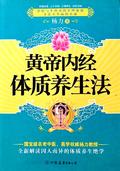 Huang Di Nei Jing Physical Health Regimen
The author of this book, Professor Yang Li, has devoted himself to studying the "Huangdi Neijing" for 27 years, and divided human body constitution into two types: physiological constitution and pathological constitution. There are five categories of physiological constitution: hot, cold, wet, dry, and wind. There are ten main categories of pathological constitution: yang deficiency type, yin deficiency type, qi deficiency type, blood deficiency type, phlegm-dampness type, damp-heat type, cold-d
—Reads9.5Score—Shelves
Huang Di Nei Jing Physical Health Regimen
The author of this book, Professor Yang Li, has devoted himself to studying the "Huangdi Neijing" for 27 years, and divided human body constitution into two types: physiological constitution and pathological constitution. There are five categories of physiological constitution: hot, cold, wet, dry, and wind. There are ten main categories of pathological constitution: yang deficiency type, yin deficiency type, qi deficiency type, blood deficiency type, phlegm-dampness type, damp-heat type, cold-d
—Reads9.5Score—Shelves
-
 Secrets of Cultivation
This work "Secret Records of Cultivation" is written by an unknown author
—Reads8.6Score—Shelves
Secrets of Cultivation
This work "Secret Records of Cultivation" is written by an unknown author
—Reads8.6Score—Shelves
-
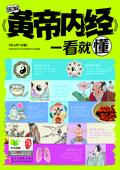 Illustrated "Huangdi Neijing" Can Be Understood at a Glance
This book follows the principles of "history, theory, method and application", details the theories, methods and practical applications of health care, and collects everything needed for health care. Those who want to maintain their health can choose the essence and practice it diligently, and they will surely reap benefits. Second, it is holistic and comprehensive, providing support according to people. Preserving health is not about providing for old age. Health and longevity cannot be achieve
—Reads9.1Score—Shelves
Illustrated "Huangdi Neijing" Can Be Understood at a Glance
This book follows the principles of "history, theory, method and application", details the theories, methods and practical applications of health care, and collects everything needed for health care. Those who want to maintain their health can choose the essence and practice it diligently, and they will surely reap benefits. Second, it is holistic and comprehensive, providing support according to people. Preserving health is not about providing for old age. Health and longevity cannot be achieve
—Reads9.1Score—Shelves
-
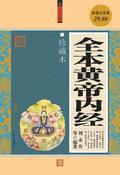 The Complete Huangdi Neijing
According to legend, in ancient times, Huangdi Xuanyuan often discussed medical issues with his ministers Qi Bo and others, and answered questions and clarified the causes, diagnosis and treatment methods of diseases. Their conversations were recorded and compiled into a book, the Yellow Emperor's Internal Classic.
—Reads9.4Score—Shelves
The Complete Huangdi Neijing
According to legend, in ancient times, Huangdi Xuanyuan often discussed medical issues with his ministers Qi Bo and others, and answered questions and clarified the causes, diagnosis and treatment methods of diseases. Their conversations were recorded and compiled into a book, the Yellow Emperor's Internal Classic.
—Reads9.4Score—Shelves