Fanqie library
Browse
- Titles
- 500
Every Fanqie book we index, searchable by title, author or tag.
-
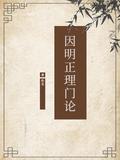 Yin Ming Zhengli Gate Theory
"The Theory of Righteousness", Sanskrit Hetuvidyā nyāya dvāra śāstra, also known as "The Theory of Righteousness" and "The Theory of Reason", is a fundamental theoretical work of the New Causes and Mingxue in India, written by Diṅnāga, the master of the New Causes and Mingxue of Buddhism, in one volume. In the Tang Dynasty, Yijing translated it in the second year of Tang Jingyun (711) at the Sutra Translation Institute of Dajianfu Temple in Luoyang, and his disciples Xuan Umbrella, Zhiji and oth
1Reads7.9Score—Shelves
Yin Ming Zhengli Gate Theory
"The Theory of Righteousness", Sanskrit Hetuvidyā nyāya dvāra śāstra, also known as "The Theory of Righteousness" and "The Theory of Reason", is a fundamental theoretical work of the New Causes and Mingxue in India, written by Diṅnāga, the master of the New Causes and Mingxue of Buddhism, in one volume. In the Tang Dynasty, Yijing translated it in the second year of Tang Jingyun (711) at the Sutra Translation Institute of Dajianfu Temple in Luoyang, and his disciples Xuan Umbrella, Zhiji and oth
1Reads7.9Score—Shelves
-
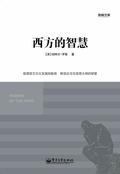 Western Wisdom
This book is a popular philosophy work, compiled with new ideas based on the mammoth "History of Western Philosophy". In the book, Russell not only elaborates on the causes and consequences of the development of Western philosophy, but also touches on history, science, economics, politics and other aspects.
—Reads9.2Score—Shelves
Western Wisdom
This book is a popular philosophy work, compiled with new ideas based on the mammoth "History of Western Philosophy". In the book, Russell not only elaborates on the causes and consequences of the development of Western philosophy, but also touches on history, science, economics, politics and other aspects.
—Reads9.2Score—Shelves
-
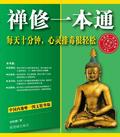 Zen Meditation Guide
Give your soul a bath! This is the true meaning of "A Guide to Meditation". Zen meditation is the most popular method of spiritual detoxification in modern times. It focuses on the conditioning of the soul. Its method is simple, easy to implement, saves time and effort, so it is sought after by more and more urbanites. In recent years, meditation based on spiritual detoxification, based on the integration of modern psychotherapy concepts, has developed into a mental health movement closely relat
—Reads9.4Score—Shelves
Zen Meditation Guide
Give your soul a bath! This is the true meaning of "A Guide to Meditation". Zen meditation is the most popular method of spiritual detoxification in modern times. It focuses on the conditioning of the soul. Its method is simple, easy to implement, saves time and effort, so it is sought after by more and more urbanites. In recent years, meditation based on spiritual detoxification, based on the integration of modern psychotherapy concepts, has developed into a mental health movement closely relat
—Reads9.4Score—Shelves
-
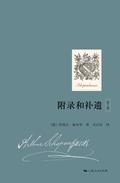 Appendices and Supplements (Volume 1)
"Appendices and Supplements" is Schopenhauer's final work in 1850. The title is a bit clumsy but the meaning is clear, that is, "Appendices and Omissions", divided into two volumes. Volume 1 is the appendix, including a brief history of idealism and realism, an essay on the history of philosophy, an essay on the philosophy of the university, an essay on fate, an essay on seeing ghosts and related things, and six articles on the wisdom of life. These subsequent supplementary philosophical essays
—Reads9.2Score—Shelves
Appendices and Supplements (Volume 1)
"Appendices and Supplements" is Schopenhauer's final work in 1850. The title is a bit clumsy but the meaning is clear, that is, "Appendices and Omissions", divided into two volumes. Volume 1 is the appendix, including a brief history of idealism and realism, an essay on the history of philosophy, an essay on the philosophy of the university, an essay on fate, an essay on seeing ghosts and related things, and six articles on the wisdom of life. These subsequent supplementary philosophical essays
—Reads9.2Score—Shelves
-
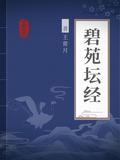 Biyuan Tan Sutra
"Biyuan Tan Jing" is an important missionary classic of Wang Changyue, a high-ranking Taoist of the Longmen School of Quanzhen Taoism in the late Ming Dynasty and early Qing Dynasty. The Longmen School's "resurgence" in the early Qing Dynasty was largely related to the measures promoted by Wang Changyue to observe the precepts and disciplines, open altars to confer precepts, and refine the mind and cultivate the character. The issue of life and death is the core issue of religion, and Taoism is
—Reads8.4Score—Shelves
Biyuan Tan Sutra
"Biyuan Tan Jing" is an important missionary classic of Wang Changyue, a high-ranking Taoist of the Longmen School of Quanzhen Taoism in the late Ming Dynasty and early Qing Dynasty. The Longmen School's "resurgence" in the early Qing Dynasty was largely related to the measures promoted by Wang Changyue to observe the precepts and disciplines, open altars to confer precepts, and refine the mind and cultivate the character. The issue of life and death is the core issue of religion, and Taoism is
—Reads8.4Score—Shelves
-
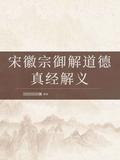 Interpretation of the Tao De Zhen Jing by Emperor Huizong of the Song Dynasty
Ten volumes of "The Interpretation of the Daode Zhenjing by Emperor Huizong of the Song Dynasty", annotated by Zhao Ji, Emperor Huizong of the Northern Song Dynasty, and interpreted by Zhang An. As a Taoist classic, "Laozi" (also known as "The Tao Te Ching") has always been valued by rulers because of its mastery of the art of governing the country. Many emperors have annotated it. Today, the four emperors who have annotated it include Xuanzong of the Tang Dynasty, Huizong of the Song Dynasty, T
—Reads8.3Score—Shelves
Interpretation of the Tao De Zhen Jing by Emperor Huizong of the Song Dynasty
Ten volumes of "The Interpretation of the Daode Zhenjing by Emperor Huizong of the Song Dynasty", annotated by Zhao Ji, Emperor Huizong of the Northern Song Dynasty, and interpreted by Zhang An. As a Taoist classic, "Laozi" (also known as "The Tao Te Ching") has always been valued by rulers because of its mastery of the art of governing the country. Many emperors have annotated it. Today, the four emperors who have annotated it include Xuanzong of the Tang Dynasty, Huizong of the Song Dynasty, T
—Reads8.3Score—Shelves
-
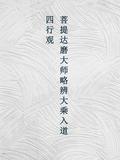 Master Bodhidharma Briefly Discusses the Four Elements of the Mahayana Path
Master Bodhidharma briefly discusses the Four Elements of the Mahayana Path
—Reads8.2Score—Shelves
Master Bodhidharma Briefly Discusses the Four Elements of the Mahayana Path
Master Bodhidharma briefly discusses the Four Elements of the Mahayana Path
—Reads8.2Score—Shelves
-
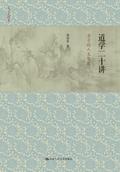 Twenty Lectures on Taoism: Laozi's Wisdom of Life (Humanities Lecture Hall)
Taoism is the oldest and most systematic "Dacheng Wisdom" in mankind. Taoism takes "natural inaction" as its core value and aims at the life realm of "free travel". The author of this book, Professor Ge Rongjin, the first person in management philosophy in China, explains the subtleties of Taoist philosophy through twenty lectures in this book, reveals the life wisdom of Laozi, Zhuangzi, Zhang Liang, and Ge Hong, explains the management secrets of large modern enterprises, and resolves human con
—Reads8.0Score—Shelves
Twenty Lectures on Taoism: Laozi's Wisdom of Life (Humanities Lecture Hall)
Taoism is the oldest and most systematic "Dacheng Wisdom" in mankind. Taoism takes "natural inaction" as its core value and aims at the life realm of "free travel". The author of this book, Professor Ge Rongjin, the first person in management philosophy in China, explains the subtleties of Taoist philosophy through twenty lectures in this book, reveals the life wisdom of Laozi, Zhuangzi, Zhang Liang, and Ge Hong, explains the management secrets of large modern enterprises, and resolves human con
—Reads8.0Score—Shelves
-
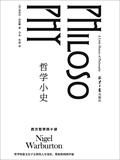 A Short History of Philosophy: Forty Lectures on Western Philosophy
"A Short History of Philosophy" is a vivid introductory book on philosophy. The author selects 40 themes from the 2,500-year history of the West, and uses a story of about 3,000 words for each theme to introduce the main contributions to human thought by 52 philosophers, from Socrates the "questioner" to Peter Singer, the "modern gadfly". This reflects the development of Western philosophy and the main issues discussed, such as how we should live, whether God exists, how we understand the extern
—Reads9.3Score—Shelves
A Short History of Philosophy: Forty Lectures on Western Philosophy
"A Short History of Philosophy" is a vivid introductory book on philosophy. The author selects 40 themes from the 2,500-year history of the West, and uses a story of about 3,000 words for each theme to introduce the main contributions to human thought by 52 philosophers, from Socrates the "questioner" to Peter Singer, the "modern gadfly". This reflects the development of Western philosophy and the main issues discussed, such as how we should live, whether God exists, how we understand the extern
—Reads9.3Score—Shelves
-
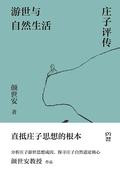 Traveling in the World and Living in Nature: a Commentary on Zhuangzi
A classic work not to be missed in the field of Zhuangzi research. It has been out of print for many years and has been reprinted. It analyzes Zhuangzi's life attitude and philosophy of existence, and interprets the arrogance and seriousness behind Zhuangzi's words about traveling around the world! This is a critical biography of Zhuangzi that every Chinese should read. This book goes straight to the root of Zhuangzi's thoughts! Zhuangzi was a great thinker in the middle period of the Warring St
—Reads9.2Score—Shelves
Traveling in the World and Living in Nature: a Commentary on Zhuangzi
A classic work not to be missed in the field of Zhuangzi research. It has been out of print for many years and has been reprinted. It analyzes Zhuangzi's life attitude and philosophy of existence, and interprets the arrogance and seriousness behind Zhuangzi's words about traveling around the world! This is a critical biography of Zhuangzi that every Chinese should read. This book goes straight to the root of Zhuangzi's thoughts! Zhuangzi was a great thinker in the middle period of the Warring St
—Reads9.2Score—Shelves
-
 Jade Sutra, Interior View of Taishang Huangting
Jade Sutra, interior view of Taishang Huangting. It is also known as "The Jade Sutra of the Shangqing Huangting's Inner Scenery", "The Sutra of the Inner Scenery of the Huangting" and "The Sutra of the Huangting". Written by Hua Du in Jin Dynasty and Wei Dynasty. One spring. Original source: "Orthodox Taoist Canon" Dongxuanbu text genre.
—Reads8.1Score—Shelves
Jade Sutra, Interior View of Taishang Huangting
Jade Sutra, interior view of Taishang Huangting. It is also known as "The Jade Sutra of the Shangqing Huangting's Inner Scenery", "The Sutra of the Inner Scenery of the Huangting" and "The Sutra of the Huangting". Written by Hua Du in Jin Dynasty and Wei Dynasty. One spring. Original source: "Orthodox Taoist Canon" Dongxuanbu text genre.
—Reads8.1Score—Shelves
-
 Shangqing Taishang Yuanshi Yaoguang Golden Tiger and Phoenix Articles Baojing
The Supreme Emperor of the Qing Dynasty and the First Emperor of the Yuan Dynasty shine the golden tiger and phoenix articles on the precious scripture. The author is unknown, probably from the Northern and Southern Periods. One roll. Original source: the first part of "Orthodox Taoist Canon".
—Reads8.2Score—Shelves
Shangqing Taishang Yuanshi Yaoguang Golden Tiger and Phoenix Articles Baojing
The Supreme Emperor of the Qing Dynasty and the First Emperor of the Yuan Dynasty shine the golden tiger and phoenix articles on the precious scripture. The author is unknown, probably from the Northern and Southern Periods. One roll. Original source: the first part of "Orthodox Taoist Canon".
—Reads8.2Score—Shelves
-
 Taishang Cave God Sanyuan Miaoben Sutra of Fortune and Longevity
. The original author was not mentioned. According to the postscript, it was adapted from the ancient version by Miao Shanshi, a Taoist priest of the Yuan Dynasty, and the book was completed in the first year of Taiding (1324). I asked Taishang Laojun to talk about the wonderful functions of the three organs of heaven, earth, and water, and to persuade people to recite sutras and seek blessings. One roll. Original source: "Orthodox
—Reads8.0Score—Shelves
Taishang Cave God Sanyuan Miaoben Sutra of Fortune and Longevity
Taishang Cave God Sanyuan Miaoben Sutra of Fortune and Longevity. The original author was not mentioned. According to the postscript, it was adapted from the ancient version by Miao Shanshi, a Taoist priest of the Yuan Dynasty, and the book was completed in the first year of Taiding (1324). I asked Taishang Laojun to talk about the wonderful functions of the three organs of heaven, earth, and water, and to persuade people to recite sutras and seek blessings. One roll. Original source: "Orthodox
—Reads8.0Score—Shelves
-
 Shangqing Tai Chi Hidden Notes on the Jade Sutra
The Tai Chi of the Shangqing Dynasty contains the hidden secrets of the Jade Sutra. Also known as "Tai Shang Jade Sutra Tai Chi Hidden Treasure Sutra Jue". It is called "Tai Chi Hidden Notes". The author is unknown, probably from the Eastern Jin and Southern Dynasties. It is one of the ancient "Lingbao Sutra". One roll. Original source: "Orthodox Taoist Canon" Dongxuan Department Jade Jue Class.
—Reads8.5Score—Shelves
Shangqing Tai Chi Hidden Notes on the Jade Sutra
The Tai Chi of the Shangqing Dynasty contains the hidden secrets of the Jade Sutra. Also known as "Tai Shang Jade Sutra Tai Chi Hidden Treasure Sutra Jue". It is called "Tai Chi Hidden Notes". The author is unknown, probably from the Eastern Jin and Southern Dynasties. It is one of the ancient "Lingbao Sutra". One roll. Original source: "Orthodox Taoist Canon" Dongxuan Department Jade Jue Class.
—Reads8.5Score—Shelves
-
 The True Meaning of Dialectics
It is a duty for leading cadres to study Marxist classics, but it is also a difficult task. After busy work, faced with numerous classic texts, leading cadres at all levels face two basic questions: What to read and how to read? What to read means carefully selecting those texts that can help leading cadres understand, analyze, and solve major theoretical and practical problems in contemporary China; how to read means to find the connection point between these texts and the reality of contempora
—Reads9.2Score—Shelves
The True Meaning of Dialectics
It is a duty for leading cadres to study Marxist classics, but it is also a difficult task. After busy work, faced with numerous classic texts, leading cadres at all levels face two basic questions: What to read and how to read? What to read means carefully selecting those texts that can help leading cadres understand, analyze, and solve major theoretical and practical problems in contemporary China; how to read means to find the connection point between these texts and the reality of contempora
—Reads9.2Score—Shelves
-
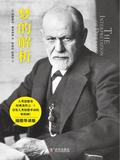 Interpretation of Dreams (Illustrated Introduction)
"The Interpretation of Dreams" is a masterpiece by Sigmund Freud, the most widely known ideological master, and one of his most important contributions to psychology. This book provides a scientific psychological analysis of human dreams from the aspects of dream analysis methods, material sources, working principles, etc. Freud described it this way: "Insight such as this falls to one's lot but once in a lifetime" (Such an insight can only be obtained once in a lifetime by luck). This book, alo
—Reads8.5Score—Shelves
Interpretation of Dreams (Illustrated Introduction)
"The Interpretation of Dreams" is a masterpiece by Sigmund Freud, the most widely known ideological master, and one of his most important contributions to psychology. This book provides a scientific psychological analysis of human dreams from the aspects of dream analysis methods, material sources, working principles, etc. Freud described it this way: "Insight such as this falls to one's lot but once in a lifetime" (Such an insight can only be obtained once in a lifetime by luck). This book, alo
—Reads8.5Score—Shelves
-
 Sutra of Retribution for Hungry Ghosts
Buddhist books. It guides people to be good, and the philosophical thoughts contained in it are worthy of people's study and reflection.
—Reads8.1Score—Shelves
Sutra of Retribution for Hungry Ghosts
Buddhist books. It guides people to be good, and the philosophical thoughts contained in it are worthy of people's study and reflection.
—Reads8.1Score—Shelves
-
 Complete Works of Tao Te Ching
"Tao Te Ching", also known as "Laozi", is a summary of Laozi's thoughts and speeches. The book contains a large number of views on simple dialectics. Its doctrine has a profound impact on the development of Chinese philosophy and has had a profound impact on the development of my country's ideological and cultural development for more than two thousand years. It is a book of thoughts, a book that can never be read in a lifetime. The book's annotations are accurate, the translation is concise and
—Reads8.5Score—Shelves
Complete Works of Tao Te Ching
"Tao Te Ching", also known as "Laozi", is a summary of Laozi's thoughts and speeches. The book contains a large number of views on simple dialectics. Its doctrine has a profound impact on the development of Chinese philosophy and has had a profound impact on the development of my country's ideological and cultural development for more than two thousand years. It is a book of thoughts, a book that can never be read in a lifetime. The book's annotations are accurate, the translation is concise and
—Reads8.5Score—Shelves
-
 Tao Te Ching
"Tao Te Ching", also known as "Laozi", has a total of more than 5,000 words and is divided into two parts. In the popular version, the first thirty-seven chapters are the first part, starting with "Tao", which is called "The Tao Jing", and the last forty-four chapters are the second part, starting with "De", which is called "The De Jing". It is one of the most important classics in ancient China and the first classic of Taoist philosophy. Together with The Analects of Confucius, it laid the foun
—Reads8.6Score—Shelves
Tao Te Ching
"Tao Te Ching", also known as "Laozi", has a total of more than 5,000 words and is divided into two parts. In the popular version, the first thirty-seven chapters are the first part, starting with "Tao", which is called "The Tao Jing", and the last forty-four chapters are the second part, starting with "De", which is called "The De Jing". It is one of the most important classics in ancient China and the first classic of Taoist philosophy. Together with The Analects of Confucius, it laid the foun
—Reads8.6Score—Shelves
-
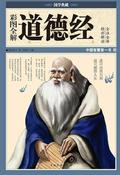 Complete Explanation of Tao Te Ching with Color Pictures
The author of "Tao Te Ching" is Laozi. Lao Tzu, also known as Lao Dan and named Li Er, was a native of the Chu state during the Spring and Autumn Period. He served as the post-historian of the Eastern Zhou royal family. According to legend, during the Lunar New Year of the Eastern Zhou Dynasty, I returned to seclusion. When passing through Hangu Pass, I met Yin Xi, the officer guarding the pass. Yin Xi asked Laozi. Laozi then left behind this more than 5,000-word "Tao Te Ching". The book was ori
—Reads8.5Score—Shelves
Complete Explanation of Tao Te Ching with Color Pictures
The author of "Tao Te Ching" is Laozi. Lao Tzu, also known as Lao Dan and named Li Er, was a native of the Chu state during the Spring and Autumn Period. He served as the post-historian of the Eastern Zhou royal family. According to legend, during the Lunar New Year of the Eastern Zhou Dynasty, I returned to seclusion. When passing through Hangu Pass, I met Yin Xi, the officer guarding the pass. Yin Xi asked Laozi. Laozi then left behind this more than 5,000-word "Tao Te Ching". The book was ori
—Reads8.5Score—Shelves
-
 The Spirit Sword Guides Ziwu
Ling Jianzi guides Ziwu Ji. The original title is described by Xu Fangyang. One roll. Original source: "Orthodox Taoist Canon" Dongxuanbu Zhongjie.
—Reads8.0Score—Shelves
The Spirit Sword Guides Ziwu
Ling Jianzi guides Ziwu Ji. The original title is described by Xu Fangyang. One roll. Original source: "Orthodox Taoist Canon" Dongxuanbu Zhongjie.
—Reads8.0Score—Shelves
-
 Mr. Youzhen Takes Yuan Qi Jue
Chinese classical religious classics are shining classics and outstanding works in the treasure house of Chinese traditional culture. They are expressed in various forms and reflect the glorious picture of Chinese classical literary works.
—Reads8.4Score—Shelves
Mr. Youzhen Takes Yuan Qi Jue
Chinese classical religious classics are shining classics and outstanding works in the treasure house of Chinese traditional culture. They are expressed in various forms and reflect the glorious picture of Chinese classical literary works.
—Reads8.4Score—Shelves
-
 Buddha Nourishes the Mind and Cultivates the Nature: Explaining Life with the Mind of the Buddha's Realm and Tao
"Buddha Cultivates the Heart, Tao and Nature: Interpreting Life with the Mind of the Buddha's Realm and Tao" uses fresh language and vivid stories from multiple angles and layers in terms of indifference, standing, troubles, letting things happen, normality, tolerance, humility, faith, diligence, knowledge, making friends, life, etc. It expounds the profound and profound thoughts of Buddhism and Taoism, reveals the wonderful principles of life, breaks through the confusion of the world, gives pr
—Reads9.4Score—Shelves
Buddha Nourishes the Mind and Cultivates the Nature: Explaining Life with the Mind of the Buddha's Realm and Tao
"Buddha Cultivates the Heart, Tao and Nature: Interpreting Life with the Mind of the Buddha's Realm and Tao" uses fresh language and vivid stories from multiple angles and layers in terms of indifference, standing, troubles, letting things happen, normality, tolerance, humility, faith, diligence, knowledge, making friends, life, etc. It expounds the profound and profound thoughts of Buddhism and Taoism, reveals the wonderful principles of life, breaks through the confusion of the world, gives pr
—Reads9.4Score—Shelves
-
 A Compilation of Jesuit Ideological Documents in the Late Ming and Early Qing Dynasties
This work "A Compilation of Jesuit Ideological Documents in the Late Ming and Early Qing Dynasties" is written by an anonymous
—Reads8.0Score—Shelves
A Compilation of Jesuit Ideological Documents in the Late Ming and Early Qing Dynasties
This work "A Compilation of Jesuit Ideological Documents in the Late Ming and Early Qing Dynasties" is written by an anonymous
—Reads8.0Score—Shelves
-
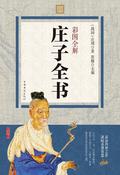 Complete Explanation of Zhuangzi's Complete Book with Color Pictures
"Zhuangzi" is divided into three parts: internal chapters, external chapters, and miscellaneous chapters. It originally had fifty-two chapters, of which thirty-three are now extant, and more than 200 small and large fables. Among them, there are seven inner chapters, which are the core of Zhuangzi's thoughts; fifteen outer chapters; and eleven miscellaneous chapters. This book is all-encompassing, with detailed discussions on the avenues of the universe, the relationship between man and nature,
—Reads8.5Score—Shelves
Complete Explanation of Zhuangzi's Complete Book with Color Pictures
"Zhuangzi" is divided into three parts: internal chapters, external chapters, and miscellaneous chapters. It originally had fifty-two chapters, of which thirty-three are now extant, and more than 200 small and large fables. Among them, there are seven inner chapters, which are the core of Zhuangzi's thoughts; fifteen outer chapters; and eleven miscellaneous chapters. This book is all-encompassing, with detailed discussions on the avenues of the universe, the relationship between man and nature,
—Reads8.5Score—Shelves
-
 Deng Tianjun Xuanling's Eight Gates Retribution Internal Purpose
Deng Tianjun Xuanling's eight gates retribution internal decree. Author unknown. One roll. Original source: the first part of "Orthodox Taoist Canon".
—Reads8.2Score—Shelves
Deng Tianjun Xuanling's Eight Gates Retribution Internal Purpose
Deng Tianjun Xuanling's eight gates retribution internal decree. Author unknown. One roll. Original source: the first part of "Orthodox Taoist Canon".
—Reads8.2Score—Shelves
-
 Jinluzhai Confession Ceremony
Jinluzhai confession ceremony. One roll. Collection of Du Guangting in the late Tang and Five Dynasties. Original source: "Orthodox Taoist Canon" Dongxuan Department of Majesty and Ceremony.
—Reads8.0Score—Shelves
Jinluzhai Confession Ceremony
Jinluzhai confession ceremony. One roll. Collection of Du Guangting in the late Tang and Five Dynasties. Original source: "Orthodox Taoist Canon" Dongxuan Department of Majesty and Ceremony.
—Reads8.0Score—Shelves
-
 Yuyang Climate Friendly Opportunity
Orthodox Dao Zang Zhengyi Part 1
—Reads8.0Score—Shelves
Yuyang Climate Friendly Opportunity
Orthodox Dao Zang Zhengyi Part 1
—Reads8.0Score—Shelves
-
 Attached Is a Summary of the Outline of the Edict of Yidan
Written by Xiao Yingsou, a Taoist priest of the Southern Song Dynasty. Five volumes. Original source: "Legendary Taoist Canon" Dongzhenbu Jade Jue Class.
—Reads8.2Score—Shelves
Attached Is a Summary of the Outline of the Edict of Yidan
Written by Xiao Yingsou, a Taoist priest of the Southern Song Dynasty. Five volumes. Original source: "Legendary Taoist Canon" Dongzhenbu Jade Jue Class.
—Reads8.2Score—Shelves
-
 Changes in the Clouds
Lingbao Half View Zhaiyi. One roll. Original source: "Orthodox Taoist Canon" Dongxuan Department of Majesty and Ceremony.
—Reads7.9Score—Shelves
Changes in the Clouds
Lingbao Half View Zhaiyi. One roll. Original source: "Orthodox Taoist Canon" Dongxuan Department of Majesty and Ceremony.
—Reads7.9Score—Shelves
-
 Wakkagawa Real Person Proofreading Technique
Yachuan real person proofreading technique. The author is unknown, probably from the fifth generation of Yitu. One roll. Original source: "Orthodox Taoist Canon", Dongshen Department's Various Techniques Category.
—Reads8.0Score—Shelves
Wakkagawa Real Person Proofreading Technique
Yachuan real person proofreading technique. The author is unknown, probably from the fifth generation of Yitu. One roll. Original source: "Orthodox Taoist Canon", Dongshen Department's Various Techniques Category.
—Reads8.0Score—Shelves
-
 Golden Urn Ten Chapters to Save People in the Early Morning Opening and Closing Ceremony
The ten different golden urns are used to save people in the morning, afternoon and evening. One roll. Original source: "Orthodox Taoist Canon" Dongxuan Department of Majesty and Ceremony.
—Reads7.9Score—Shelves
Golden Urn Ten Chapters to Save People in the Early Morning Opening and Closing Ceremony
The ten different golden urns are used to save people in the morning, afternoon and evening. One roll. Original source: "Orthodox Taoist Canon" Dongxuan Department of Majesty and Ceremony.
—Reads7.9Score—Shelves
-
 The Legend of Shen Xianweng in Yunfu Mountain
The biography of Shen Xianweng in Yunfu Mountain. No author is mentioned, one volume, original source: [Orthodox Taoist Canon] Dongxuan Department Genealogy.
—Reads7.9Score—Shelves
The Legend of Shen Xianweng in Yunfu Mountain
The biography of Shen Xianweng in Yunfu Mountain. No author is mentioned, one volume, original source: [Orthodox Taoist Canon] Dongxuan Department Genealogy.
—Reads7.9Score—Shelves
-
 Illustrated Biography of Xu Taishi Zhenjun
Sutra Name: Illustrated Biography of Zhenjun Xu Taishi. Author unknown. Volume Two. Original source: "Orthodox Taoist Canon" Dongxuan Department Spiritual Picture Category.
—Reads8.0Score—Shelves
Illustrated Biography of Xu Taishi Zhenjun
Sutra Name: Illustrated Biography of Zhenjun Xu Taishi. Author unknown. Volume Two. Original source: "Orthodox Taoist Canon" Dongxuan Department Spiritual Picture Category.
—Reads8.0Score—Shelves
-
 Analyzing Doubts and Pointing Out Myths
Analyzing Doubts and Pointing to Mysteries was written by Niu Daochun, a Taoist from the Yuan Dynasty, Xiaoyaozi. It was written in the third year of Dade (1299). One volume, included in the "Zhengtong Daozang" Dongzhen Department of Arts.
—Reads8.3Score—Shelves
Analyzing Doubts and Pointing Out Myths
Analyzing Doubts and Pointing to Mysteries was written by Niu Daochun, a Taoist from the Yuan Dynasty, Xiaoyaozi. It was written in the third year of Dade (1299). One volume, included in the "Zhengtong Daozang" Dongzhen Department of Arts.
—Reads8.3Score—Shelves
-
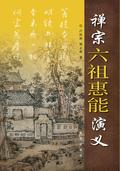 The Romance of Huineng, the Sixth Patriarch of Zen Buddhism
Huineng, whose common surname was Lu, was born on the eighth day of February in the twelfth year of Zhenguan in the Tang Dynasty (AD 638) in Xialu Village, Xinzhou, Lingnan. Huineng lost his father when he was three years old, and he lived with his mother selling firewood and had no chance to read or write. In the Tang Dynasty when Buddhism was prevalent, Huineng studied under Master Hongren, the abbot of Huangmei Dongshan Temple. During the visit to Master Hongren, the Fifth Patriarch, some que
—Reads8.5Score—Shelves
The Romance of Huineng, the Sixth Patriarch of Zen Buddhism
Huineng, whose common surname was Lu, was born on the eighth day of February in the twelfth year of Zhenguan in the Tang Dynasty (AD 638) in Xialu Village, Xinzhou, Lingnan. Huineng lost his father when he was three years old, and he lived with his mother selling firewood and had no chance to read or write. In the Tang Dynasty when Buddhism was prevalent, Huineng studied under Master Hongren, the abbot of Huangmei Dongshan Temple. During the visit to Master Hongren, the Fifth Patriarch, some que
—Reads8.5Score—Shelves
-
 What Is There to Be Reluctant to Part With?
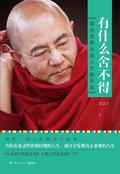
This book records the ultimate thinking of an era. In the book, Khenpo Sodarji listens to the practitioners' narrations and gives a few comments. Most of these scenes take place in silent valleys, fresh woods, and wooden houses surrounded by cuckoos. The true stories of practitioners are often accompanied by key turning points in life. Standing at this node, we say goodbye to the blindness of confusion. From , begin a serious exploration of the heart and the universe: "Where does life come from,
—Reads9.4Score—Shelves
What Is There to Be Reluctant to Part With?
This book records the ultimate thinking of an era. In the book, Khenpo Sodarji listens to the practitioners' narrations and gives a few comments. Most of these scenes take place in silent valleys, fresh woods, and wooden houses surrounded by cuckoos. The true stories of practitioners are often accompanied by key turning points in life. Standing at this node, we say goodbye to the blindness of confusion. From , begin a serious exploration of the heart and the universe: "Where does life come from,
—Reads9.4Score—Shelves
-
 King Agong's Belief in Buddhism
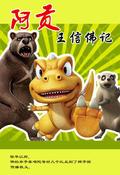
A long time ago, the Buddha's disciple Mahada and several other monks came to the Lion Kingdom to spread the teachings. Since King Tianai Disu of the Lion Kingdom liked to make offerings to Buddhists very much, they accepted the offerings from King Tianai Disu, lived in the Buddhist house provided by the king, and recited Buddhist sutras every day.
—Reads8.5Score—Shelves
King Agong's Belief in Buddhism
A long time ago, the Buddha's disciple Mahada and several other monks came to the Lion Kingdom to spread the teachings. Since King Tianai Disu of the Lion Kingdom liked to make offerings to Buddhists very much, they accepted the offerings from King Tianai Disu, lived in the Buddhist house provided by the king, and recited Buddhist sutras every day.
—Reads8.5Score—Shelves
-
 (New) Illustrated Zhengding
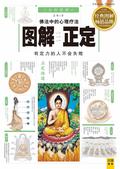
Meditation is a term we often hear. So, what is the true meaning of meditation? What is the connection between right concentration and meditation discussed in this book, and what is the difference? What is the connotation of Zhengding? What is the status of samadhi in Buddhism? Why is it said that right concentration is the only way to liberation? In this chapter, we will answer these questions in detail.
—Reads9.3Score—Shelves
(New) Illustrated Zhengding
Meditation is a term we often hear. So, what is the true meaning of meditation? What is the connection between right concentration and meditation discussed in this book, and what is the difference? What is the connotation of Zhengding? What is the status of samadhi in Buddhism? Why is it said that right concentration is the only way to liberation? In this chapter, we will answer these questions in detail.
—Reads9.3Score—Shelves
-
 Keep the Precepts and Feel at Ease
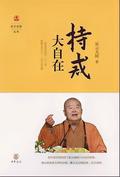
The main contents of this book include: the true precepts, the fragrance of precepts is better than the fragrance of flowers, the moonlight of thousands of years ago, the half-seat of the Buddha, the tears of the Buddha, the girl offering sesame cakes, karma and retribution, order, two sets of cassocks, the wooden basin for washing feet, beauty and the beast, spirit and flesh, a clean heart, Bodhi everywhere, etc.
—Reads9.3Score—Shelves
Keep the Precepts and Feel at Ease
The main contents of this book include: the true precepts, the fragrance of precepts is better than the fragrance of flowers, the moonlight of thousands of years ago, the half-seat of the Buddha, the tears of the Buddha, the girl offering sesame cakes, karma and retribution, order, two sets of cassocks, the wooden basin for washing feet, beauty and the beast, spirit and flesh, a clean heart, Bodhi everywhere, etc.
—Reads9.3Score—Shelves
-
 Nvqingguilu
"Nv Qing Gui Lv", an early classic of Tianshi Dao. This law is because Taishang Daodao couldn't bear to see the scene of "thousands of ghosts flying every day, which cannot be prohibited" and "just killing civilians, hundreds of billions of dead", so "at noon on July 7, the second year of the (later emperor), he issued eight volumes of this ghost law." This ghost law describes the residence of ghosts and ghost owners, their names, magical powers, and harms. It advises everyone to strictly observ
—Reads8.2Score—Shelves
Nvqingguilu
"Nv Qing Gui Lv", an early classic of Tianshi Dao. This law is because Taishang Daodao couldn't bear to see the scene of "thousands of ghosts flying every day, which cannot be prohibited" and "just killing civilians, hundreds of billions of dead", so "at noon on July 7, the second year of the (later emperor), he issued eight volumes of this ghost law." This ghost law describes the residence of ghosts and ghost owners, their names, magical powers, and harms. It advises everyone to strictly observ
—Reads8.2Score—Shelves
-
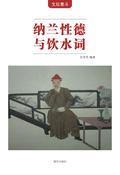 Nalan Xingde and Drinking Water Ci
The content includes: introduction to Nalan Xingde's life, Nalan Xingde's creative path, characteristics and influence of drinking water poems, representative works of drinking water poems, research work on drinking water poems, and inheritance and development of drinking water poems. The contents include: Sima Xiangru's gifted talents, Cao Zhi's eloquent diction and his eloquence of Luo Shen, Han Yu's literary decline in the Eight Dynasties, Ouyang Xiu's articles to carry on the past and open u
—Reads8.1Score—Shelves
Nalan Xingde and Drinking Water Ci
The content includes: introduction to Nalan Xingde's life, Nalan Xingde's creative path, characteristics and influence of drinking water poems, representative works of drinking water poems, research work on drinking water poems, and inheritance and development of drinking water poems. The contents include: Sima Xiangru's gifted talents, Cao Zhi's eloquent diction and his eloquence of Luo Shen, Han Yu's literary decline in the Eight Dynasties, Ouyang Xiu's articles to carry on the past and open u
—Reads8.1Score—Shelves
-
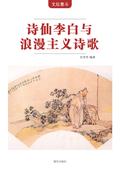 Poet Li Bai and Romantic Poetry
The content includes: inheritance and development of romantic poetry, romanticism in Li Bai's poetry, life analysis of the poet Li Bai, creative achievements of the poet Li Bai, appreciation of Li Bai's seven-character ancient poems, appreciation of Li Bai's five-character ancient poems, appreciation of Li Bai's Yuefu poetry, and appreciation of Li Bai's seven-character quatrains. The contents include: Sima Xiangru's gifted talents, Cao Zhi's eloquent diction and his eloquence of Luo Shen, Han Y
—Reads8.1Score—Shelves
Poet Li Bai and Romantic Poetry
The content includes: inheritance and development of romantic poetry, romanticism in Li Bai's poetry, life analysis of the poet Li Bai, creative achievements of the poet Li Bai, appreciation of Li Bai's seven-character ancient poems, appreciation of Li Bai's five-character ancient poems, appreciation of Li Bai's Yuefu poetry, and appreciation of Li Bai's seven-character quatrains. The contents include: Sima Xiangru's gifted talents, Cao Zhi's eloquent diction and his eloquence of Luo Shen, Han Y
—Reads8.1Score—Shelves
-
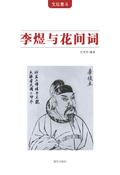 Li Yu and Hua Jian Ci
The content includes: Li Yu's life introduction, Li Yu's poetry creation, the generation and characteristics of Huajian Ci, the representative figures of Huajian Ci, representative works of Huajian Ci, and the evaluation and influence of Huajian Ci. Li Yu was the king of the Southern Tang Dynasty during the Five Dynasties and Ten Kingdoms period. He was the sixth son of Li Jing, Yuanzong of the Southern Tang Dynasty. He succeeded to the throne in the second year of Jianlong of the Song Dynasty,
—Reads8.3Score—Shelves
Li Yu and Hua Jian Ci
The content includes: Li Yu's life introduction, Li Yu's poetry creation, the generation and characteristics of Huajian Ci, the representative figures of Huajian Ci, representative works of Huajian Ci, and the evaluation and influence of Huajian Ci. Li Yu was the king of the Southern Tang Dynasty during the Five Dynasties and Ten Kingdoms period. He was the sixth son of Li Jing, Yuanzong of the Southern Tang Dynasty. He succeeded to the throne in the second year of Jianlong of the Song Dynasty,
—Reads8.3Score—Shelves
-
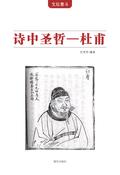 The Sage in Poetry——du Fu
The content includes: analysis of the life of the poet Du Fu, the representative works of the poet Du Fu, the achievements and influence of Du Fu's poetry, the inheritance of realist poetry, and the realism of Du Fu's poetry. Du Fu himself lived a hard life all his life, and his loyal realist creative thoughts from beginning to end have been integrated with the great sentiments of loving the country and loving the people. The contents include: Sima Xiangru's gifted talents, Cao Zhi's eloquent di
—Reads8.5Score—Shelves
The Sage in Poetry——du Fu
The content includes: analysis of the life of the poet Du Fu, the representative works of the poet Du Fu, the achievements and influence of Du Fu's poetry, the inheritance of realist poetry, and the realism of Du Fu's poetry. Du Fu himself lived a hard life all his life, and his loyal realist creative thoughts from beginning to end have been integrated with the great sentiments of loving the country and loving the people. The contents include: Sima Xiangru's gifted talents, Cao Zhi's eloquent di
—Reads8.5Score—Shelves
-
 Notes on Ancient Sutras from Taishang Chiwen Cave
Notes on the Ancient Sutras of Taishang Chiwen Cave. Annotated by Quanzhen Taoist Chang Quanzi at the end of the Jin Dynasty and the beginning of the Yuan Dynasty. One roll. Original source: "Legendary Taoist Canon" Dongzhenbu Jade Jue Class.
—Reads7.8Score—Shelves
Notes on Ancient Sutras from Taishang Chiwen Cave
Notes on the Ancient Sutras of Taishang Chiwen Cave. Annotated by Quanzhen Taoist Chang Quanzi at the end of the Jin Dynasty and the beginning of the Yuan Dynasty. One roll. Original source: "Legendary Taoist Canon" Dongzhenbu Jade Jue Class.
—Reads7.8Score—Shelves
-
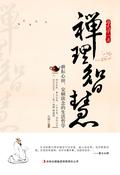 Learn a Little Zen Wisdom Every Day
This book is based on the essence of traditional Chinese culture, with the superb wisdom of Buddhist Zen philosophy as the core, and integrates the essence of Confucianism and Taoism to help people understand themselves correctly, grasp the appropriateness of life, master the wisdom of life, correct their work attitude, and enjoy true freedom and happiness. The book selects a series of lively and profound Zen stories. Through eight aspects such as character, virtue, and dealing with things, it a
—Reads8.8Score—Shelves
Learn a Little Zen Wisdom Every Day
This book is based on the essence of traditional Chinese culture, with the superb wisdom of Buddhist Zen philosophy as the core, and integrates the essence of Confucianism and Taoism to help people understand themselves correctly, grasp the appropriateness of life, master the wisdom of life, correct their work attitude, and enjoy true freedom and happiness. The book selects a series of lively and profound Zen stories. Through eight aspects such as character, virtue, and dealing with things, it a
—Reads8.8Score—Shelves
-
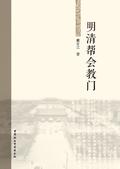 Ming and Qing Gangs
The long-standing Chinese culture is not only based on Confucianism, but also includes Taoism and Buddhism, as well as intricate folk religions and gangs. Various religious sects constitute the sincere beliefs of tens of millions of people at the bottom and influence the folk customs and people's way of thinking and lifestyle in various places. They represent an aspect of the Chinese nation's character, so the study of it is unavoidable. China's lower-class society during the Ming and Qing Dynas
—Reads8.1Score—Shelves
Ming and Qing Gangs
The long-standing Chinese culture is not only based on Confucianism, but also includes Taoism and Buddhism, as well as intricate folk religions and gangs. Various religious sects constitute the sincere beliefs of tens of millions of people at the bottom and influence the folk customs and people's way of thinking and lifestyle in various places. They represent an aspect of the Chinese nation's character, so the study of it is unavoidable. China's lower-class society during the Ming and Qing Dynas
—Reads8.1Score—Shelves
-
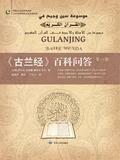 "Quran" Encyclopedia Questions and Answers
The main content of "Quran Encyclopedia Questions and Answers (Part 1)": The "Quran" is the only fundamental scripture of Islam. It is a collection of "Allah's revelations" that Muhammad successively announced during his 23-year missionary process. "Islamic Culture Research Series·Quran Encyclopedia Questions and Answers (Part 1)" is a compilation work that relatively comprehensively explains the comprehensive knowledge in the Quran. It adopts the form of questions and answers to sort out part o
—Reads8.4Score—Shelves
"Quran" Encyclopedia Questions and Answers
The main content of "Quran Encyclopedia Questions and Answers (Part 1)": The "Quran" is the only fundamental scripture of Islam. It is a collection of "Allah's revelations" that Muhammad successively announced during his 23-year missionary process. "Islamic Culture Research Series·Quran Encyclopedia Questions and Answers (Part 1)" is a compilation work that relatively comprehensively explains the comprehensive knowledge in the Quran. It adopts the form of questions and answers to sort out part o
—Reads8.4Score—Shelves
-
 Philosophy Forest-The Essence of Religion
On the one hand, religion is people's imagination, concepts, wishes, and emotions in a "theoretical" sense; on the other hand, it is people's behavior, behavior, operations, and activities in a "practical" sense.
—Reads8.6Score—Shelves
Philosophy Forest-The Essence of Religion
On the one hand, religion is people's imagination, concepts, wishes, and emotions in a "theoretical" sense; on the other hand, it is people's behavior, behavior, operations, and activities in a "practical" sense.
—Reads8.6Score—Shelves