Fanqie library
Browse
- Titles
- 1.6k
Every Fanqie book we index, searchable by title, author or tag.
-
 The Buddha Said the Sutra of Fu Yin
Chinese classical religious classics are shining classics and outstanding works in the treasure house of Chinese traditional culture. They are expressed in various forms and reflect the glorious picture of Chinese classical literary works.
—Reads8.3Score—Shelves
The Buddha Said the Sutra of Fu Yin
Chinese classical religious classics are shining classics and outstanding works in the treasure house of Chinese traditional culture. They are expressed in various forms and reflect the glorious picture of Chinese classical literary works.
—Reads8.3Score—Shelves
-
 Purple Boudoir Secretary
Chinese traditional cultural thoughts have a long history and are highly original, original and literary. The early ideological forms were very distinctive, with extensive and profound contents such as religious theology, Chinese medicine classics, ancient military art, Confucianism, Taoism, Buddhism and hundreds of schools of thought, Feng Shui metaphysics, Twenty-Four Histories, customs and geography, etc. This series of "Original Books on Classic Chinese Studies and Essence Culture" retains t
—Reads9.3Score—Shelves
Purple Boudoir Secretary
Chinese traditional cultural thoughts have a long history and are highly original, original and literary. The early ideological forms were very distinctive, with extensive and profound contents such as religious theology, Chinese medicine classics, ancient military art, Confucianism, Taoism, Buddhism and hundreds of schools of thought, Feng Shui metaphysics, Twenty-Four Histories, customs and geography, etc. This series of "Original Books on Classic Chinese Studies and Essence Culture" retains t
—Reads9.3Score—Shelves
-
 The Ritual of Thanksgiving and Blessing at the Altar of Subduing Demons
The ceremony of thanksgiving ceremony at the altar of Fu Mo Sutra. Author unknown. One roll. Original source: the first part of "Orthodox Taoist Canon".
—Reads7.9Score—Shelves
The Ritual of Thanksgiving and Blessing at the Altar of Subduing Demons
The ceremony of thanksgiving ceremony at the altar of Fu Mo Sutra. Author unknown. One roll. Original source: the first part of "Orthodox Taoist Canon".
—Reads7.9Score—Shelves
-
 The Method of Taking Medicine by Taking Bait and Elixirs
The original title was written by Mr. Jingli and dates back to the Tang Dynasty. It contains thirty-eight methods for refining and taking bait elixirs. One roll. Original source: "Orthodox Taoist Canon" Dongxuan Department Jade Jue Class.
—Reads7.8Score—Shelves
The Method of Taking Medicine by Taking Bait and Elixirs
The original title was written by Mr. Jingli and dates back to the Tang Dynasty. It contains thirty-eight methods for refining and taking bait elixirs. One roll. Original source: "Orthodox Taoist Canon" Dongxuan Department Jade Jue Class.
—Reads7.8Score—Shelves
-
 Shangqing Jiuzhenzhongjing Inner Secret
Shangqing Jiuzhenzhongjing inner formula. The original title, Chi Songzi Shu, seems to be from the Northern and Southern Periods. One roll. Original source: "Orthodox Taoist Canon", Dongshen Department's Various Techniques Category.
—Reads8.0Score—Shelves
Shangqing Jiuzhenzhongjing Inner Secret
Shangqing Jiuzhenzhongjing inner formula. The original title, Chi Songzi Shu, seems to be from the Northern and Southern Periods. One roll. Original source: "Orthodox Taoist Canon", Dongshen Department's Various Techniques Category.
—Reads8.0Score—Shelves
-
 Traditional Chinese Medicine Collection: Authentic Surgery
[A masterpiece of Traditional Chinese Medicine and Surgery that is popular in Japan and South Korea] [A classic TCM book with great theoretical and clinical practice in TCM surgery] Some of the original insights in this book have been compiled into a book by modern Koreans for the so-called "World Heritage application". The book "Surgery Zhengzong" has always been known as "the most detailed list of diseases and the most precise treatment", so it has been highly praised by later generations. Fro
—Reads8.5Score—Shelves
Traditional Chinese Medicine Collection: Authentic Surgery
[A masterpiece of Traditional Chinese Medicine and Surgery that is popular in Japan and South Korea] [A classic TCM book with great theoretical and clinical practice in TCM surgery] Some of the original insights in this book have been compiled into a book by modern Koreans for the so-called "World Heritage application". The book "Surgery Zhengzong" has always been known as "the most detailed list of diseases and the most precise treatment", so it has been highly praised by later generations. Fro
—Reads8.5Score—Shelves
-
 Traditional Chinese Medicine Collection: Yi Jin Raf
An important work by Jiang Zhilan, a master of traditional Chinese medicine in the Qing Dynasty. This book takes several phrases from the "Nei Jing" as its title, and then discusses them in sections at the end. The reasoning is precise and the wording is concise. Based on this, scholars can draw inferences and draw parallels.
—Reads8.6Score—Shelves
Traditional Chinese Medicine Collection: Yi Jin Raf
An important work by Jiang Zhilan, a master of traditional Chinese medicine in the Qing Dynasty. This book takes several phrases from the "Nei Jing" as its title, and then discusses them in sections at the end. The reasoning is precise and the wording is concise. Based on this, scholars can draw inferences and draw parallels.
—Reads8.6Score—Shelves
-
 TCM Collection: Essentials of Nei Jing
[Li Zhongzi, a master of traditional Chinese medicine in the Ming Dynasty, explained the clinical popularization of the "Nei Jing"] The "Nei Jing Zhi Yao" is a complete book of 2 volumes. The first volume contains 5 chapters on Taoism, Yin and Yang, Color Diagnosis, Pulse Diagnosis, and Zangxiang; the second volume has 3 chapters on Meridians, Treatment Principles, and Disease Abilities. The whole book is led by Tao Sheng, advocating the combination of emptiness and spirit, the four seasons, and
—Reads8.7Score—Shelves
TCM Collection: Essentials of Nei Jing
[Li Zhongzi, a master of traditional Chinese medicine in the Ming Dynasty, explained the clinical popularization of the "Nei Jing"] The "Nei Jing Zhi Yao" is a complete book of 2 volumes. The first volume contains 5 chapters on Taoism, Yin and Yang, Color Diagnosis, Pulse Diagnosis, and Zangxiang; the second volume has 3 chapters on Meridians, Treatment Principles, and Disease Abilities. The whole book is led by Tao Sheng, advocating the combination of emptiness and spirit, the four seasons, and
—Reads8.7Score—Shelves
-
 Traditional Chinese Medicine Collection: Obstetric Examination
[Masterpieces on Obstetrics and Gynecology in Historical China] [Wang Huazhen, a master of medicine in the Ming Dynasty and a master of traditional Chinese medicine, is a hand-down work on obstetrics and gynecology that adheres to the principle of integrating theory with practice] This book is rich and incisive in content, concise and detailed in theory, and simple in prescriptions and in line with clinical practice. This book systematically organizes the key points of gynecological diagnosis an
—Reads8.2Score—Shelves
Traditional Chinese Medicine Collection: Obstetric Examination
[Masterpieces on Obstetrics and Gynecology in Historical China] [Wang Huazhen, a master of medicine in the Ming Dynasty and a master of traditional Chinese medicine, is a hand-down work on obstetrics and gynecology that adheres to the principle of integrating theory with practice] This book is rich and incisive in content, concise and detailed in theory, and simple in prescriptions and in line with clinical practice. This book systematically organizes the key points of gynecological diagnosis an
—Reads8.2Score—Shelves
-
 Liuzhuang Xiangfa
The sky is covered with yin and yang to transform all things, and the air is formed into shapes, and the mountains, rivers, grass and trees have their own shapes, flying insects, salty bodies, and human beings are the spirits of all things. Occasionally, everyone knows that there is no difference between the birth of heaven and the birth of human beings, and the birth of human beings has their own characteristics. It is not just the difference in fate, but also the difference in appearance. The
—Reads9.4Score—Shelves
Liuzhuang Xiangfa
The sky is covered with yin and yang to transform all things, and the air is formed into shapes, and the mountains, rivers, grass and trees have their own shapes, flying insects, salty bodies, and human beings are the spirits of all things. Occasionally, everyone knows that there is no difference between the birth of heaven and the birth of human beings, and the birth of human beings has their own characteristics. It is not just the difference in fate, but also the difference in appearance. The
—Reads9.4Score—Shelves
-
 Eyes into the Earth Complete Book
[Encyclopedia of Eyes on the Earth] Elder Gu Tuo, the geography guru of the Song Dynasty, cast the essence of Kanyu for thousands of years and hid the reflection of the Big Dipper in the compass pattern. The ten volumes conceal the cosmic algorithm of "the sky is vertical and the earth is formed", and the code of the mountains and rivers shoveled by Luoyang is disassembled into twenty-four ways of energy flow. From the dragon veins in the imperial mausoleum to the Yangzhai in the market place, t
—Reads8.7Score—Shelves
Eyes into the Earth Complete Book
[Encyclopedia of Eyes on the Earth] Elder Gu Tuo, the geography guru of the Song Dynasty, cast the essence of Kanyu for thousands of years and hid the reflection of the Big Dipper in the compass pattern. The ten volumes conceal the cosmic algorithm of "the sky is vertical and the earth is formed", and the code of the mountains and rivers shoveled by Luoyang is disassembled into twenty-four ways of energy flow. From the dragon veins in the imperial mausoleum to the Yangzhai in the market place, t
—Reads8.7Score—Shelves
-
 Fifteen Essays on the Establishment of the Chongyang Religion
"Fifteen Treatises on the Establishment of Chongyang Religion", the title of a Taoist book.
—Reads8.2Score—Shelves
Fifteen Essays on the Establishment of the Chongyang Religion
"Fifteen Treatises on the Establishment of Chongyang Religion", the title of a Taoist book.
—Reads8.2Score—Shelves
-
 Taishang Xuandu Miaoben Jing Jing Mind and Body Sutra
Taishang Xuandu Miaoben's Jing Jing Mind and Body Sutra. The author is ominous, dating from the Sui and Tang Dynasties. It was earlier than Li Rong's "Bathing Body and Mind Sutra". One roll. Original source: "Orthodox Taoist Canon" Dongzhenbu text genre.
—Reads8.3Score—Shelves
Taishang Xuandu Miaoben Jing Jing Mind and Body Sutra
Taishang Xuandu Miaoben's Jing Jing Mind and Body Sutra. The author is ominous, dating from the Sui and Tang Dynasties. It was earlier than Li Rong's "Bathing Body and Mind Sutra". One roll. Original source: "Orthodox Taoist Canon" Dongzhenbu text genre.
—Reads8.3Score—Shelves
-
 The Buddha Said the Life Sutra of Protecting the Body
Buddhist scriptures. It guides people to be good, and the philosophical thoughts contained in it are worthy of people's study and reflection.
—Reads8.5Score—Shelves
The Buddha Said the Life Sutra of Protecting the Body
Buddhist scriptures. It guides people to be good, and the philosophical thoughts contained in it are worthy of people's study and reflection.
—Reads8.5Score—Shelves
-
 Records of the West Lake Old Man's Famous Victories
One of the twenty-four histories of "Book of Jin". The recorded history starts from the early years of Sima Yi during the Three Kingdoms period, down to the second year of Yuanxi (420), the second year of Emperor Gong of the Eastern Jin Dynasty, when Liu Yu deposed the Jin emperor and established himself, establishing the Song Dynasty as the Jin Dynasty. The book also records the status of the political power of the sixteen countries in the form of "records". The compilation of the Book of Jin b
—Reads7.8Score—Shelves
Records of the West Lake Old Man's Famous Victories
One of the twenty-four histories of "Book of Jin". The recorded history starts from the early years of Sima Yi during the Three Kingdoms period, down to the second year of Yuanxi (420), the second year of Emperor Gong of the Eastern Jin Dynasty, when Liu Yu deposed the Jin emperor and established himself, establishing the Song Dynasty as the Jin Dynasty. The book also records the status of the political power of the sixteen countries in the form of "records". The compilation of the Book of Jin b
—Reads7.8Score—Shelves
-
 Huangdi Neijing Taisu
[Famous Medical Works by Yang Shangshan, Master of Traditional Chinese Medicine in the Sui Dynasty] This book is a Chinese work handed down from the Sui Dynasty that was brought back to the motherland from Japan in the late Qing Dynasty by Yang Shoujing, a master of traditional Chinese medicine. It has many versions including the Japanese Tenbao period manuscript and has made a huge contribution to Japan becoming a powerful country in traditional Chinese medicine. "Huangdi Neijing Taisu" is one
—Reads8.4Score—Shelves
Huangdi Neijing Taisu
[Famous Medical Works by Yang Shangshan, Master of Traditional Chinese Medicine in the Sui Dynasty] This book is a Chinese work handed down from the Sui Dynasty that was brought back to the motherland from Japan in the late Qing Dynasty by Yang Shoujing, a master of traditional Chinese medicine. It has many versions including the Japanese Tenbao period manuscript and has made a huge contribution to Japan becoming a powerful country in traditional Chinese medicine. "Huangdi Neijing Taisu" is one
—Reads8.4Score—Shelves
-
 Taiping Shenghui Prescription
"Taiping Shenghui Prescriptions", prescription book, referred to as "Shenghui Prescriptions", 100 volumes. It was compiled by Wang Huaiyin, Wang You and others of the Northern Song Dynasty. It took 14 years to compile from the third year of Taiping and Xingguo (978) to the third year of Chunhua (992). This book is the largest extant official prescription book in my country before the 10th century AD. It compiles 16,834 famous prescriptions from all dynasties from the Han Dynasty to the early Son
—Reads8.7Score—Shelves
Taiping Shenghui Prescription
"Taiping Shenghui Prescriptions", prescription book, referred to as "Shenghui Prescriptions", 100 volumes. It was compiled by Wang Huaiyin, Wang You and others of the Northern Song Dynasty. It took 14 years to compile from the third year of Taiping and Xingguo (978) to the third year of Chunhua (992). This book is the largest extant official prescription book in my country before the 10th century AD. It compiles 16,834 famous prescriptions from all dynasties from the Han Dynasty to the early Son
—Reads8.7Score—Shelves
-
 Stupid Doctor
Chinese traditional cultural thoughts have a long history and are highly original, original and literary. The early ideological forms were very distinctive, with extensive and profound contents such as religious theology, Chinese medicine classics, ancient military art, Confucianism, Taoism, Buddhism and hundreds of schools of thought, Feng Shui metaphysics, Twenty-Four Histories, customs and geography, etc. This series of "Original Books on Classic Chinese Studies and Essence Culture" retains t
—Reads8.6Score—Shelves
Stupid Doctor
Chinese traditional cultural thoughts have a long history and are highly original, original and literary. The early ideological forms were very distinctive, with extensive and profound contents such as religious theology, Chinese medicine classics, ancient military art, Confucianism, Taoism, Buddhism and hundreds of schools of thought, Feng Shui metaphysics, Twenty-Four Histories, customs and geography, etc. This series of "Original Books on Classic Chinese Studies and Essence Culture" retains t
—Reads8.6Score—Shelves
-
 Fu Qingzhu's Re-Editing of Andrology
Chinese medical classics are a shining pearl in the treasure house of Chinese medicine. They have high guiding significance and practical value, and have made significant contributions and far-reaching influences on the development of medicine in later generations.
—Reads8.7Score—Shelves
Fu Qingzhu's Re-Editing of Andrology
Chinese medical classics are a shining pearl in the treasure house of Chinese medicine. They have high guiding significance and practical value, and have made significant contributions and far-reaching influences on the development of medicine in later generations.
—Reads8.7Score—Shelves
-
 Parallel Prose
"Li Zhen Parallel Prose" was originally called "External Treatment Medical Theory" and was written in 1864 by Wu Shiji in the Qing Dynasty. The whole book is 1 volume, not divided into volumes. It is divided into four parts: brief introduction, continued addition of brief introduction, rationalization of parallel prose, and revision and delivery of prescriptions and methods of adding medicine in Cunjitang Pharmacy. The first part of the volume contains a "brief introduction", which summarizes th
—Reads8.7Score—Shelves
Parallel Prose
"Li Zhen Parallel Prose" was originally called "External Treatment Medical Theory" and was written in 1864 by Wu Shiji in the Qing Dynasty. The whole book is 1 volume, not divided into volumes. It is divided into four parts: brief introduction, continued addition of brief introduction, rationalization of parallel prose, and revision and delivery of prescriptions and methods of adding medicine in Cunjitang Pharmacy. The first part of the volume contains a "brief introduction", which summarizes th
—Reads8.7Score—Shelves
-
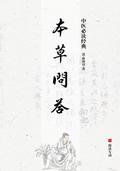 Materia Medica Questions and Answers
This book is a record of the Q&A between Tang Rongchuan, a famous medical expert in the late Qing Dynasty, and his disciple Zhang Bolong on the principles of medicine. In the book, Tang Zonghai elaborated on the theory and specific methods of drug identification. He proposed that the efficacy of a drug is affected by multiple factors such as its color, smell, medicinal part, medicinal properties, and the time and place of the growth environment. Tang particularly emphasized the importance of in-
—Reads9.3Score—Shelves
Materia Medica Questions and Answers
This book is a record of the Q&A between Tang Rongchuan, a famous medical expert in the late Qing Dynasty, and his disciple Zhang Bolong on the principles of medicine. In the book, Tang Zonghai elaborated on the theory and specific methods of drug identification. He proposed that the efficacy of a drug is affected by multiple factors such as its color, smell, medicinal part, medicinal properties, and the time and place of the growth environment. Tang particularly emphasized the importance of in-
—Reads9.3Score—Shelves
-
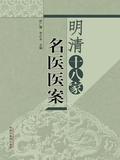 Medical Records of Eighteen Famous Doctors in Ming and Qing Dynasties
This book contains a total of 21 medical books by 18 famous doctors from the Ming and Qing dynasties. Among them, there were four famous doctors in the Ming Dynasty, namely Wang Ji (Shishan). Sun Yikui (Wenyuan), Yu Chang (Jiayan), Li Zhongzi (scholar); fourteen famous doctors in the Qing Dynasty, namely Gao Doukui, You Yi, Xu Lingtai, Xue Xue, Wu Jutong, Meng Ying, Cheng Wenxuan, Jiang Baosu, Xie Yinglu, Fei Boxiong, Wang Tailin, etc.
—Reads8.6Score—Shelves
Medical Records of Eighteen Famous Doctors in Ming and Qing Dynasties
This book contains a total of 21 medical books by 18 famous doctors from the Ming and Qing dynasties. Among them, there were four famous doctors in the Ming Dynasty, namely Wang Ji (Shishan). Sun Yikui (Wenyuan), Yu Chang (Jiayan), Li Zhongzi (scholar); fourteen famous doctors in the Qing Dynasty, namely Gao Doukui, You Yi, Xu Lingtai, Xue Xue, Wu Jutong, Meng Ying, Cheng Wenxuan, Jiang Baosu, Xie Yinglu, Fei Boxiong, Wang Tailin, etc.
—Reads8.6Score—Shelves
-
 Traditional Chinese Medicine Collection: Dunyuan Medical Records
[The difficult cases that Xiao Zhuoru, a master of traditional Chinese medicine in the Republic of China and the founder of the "Hunan Chinese Medicine Federation" have been treating for 30 years] In the category of medicine, the book collects more than 60 medical records of famous doctors from past dynasties and more than 1,060 cases, compiled according to disease and syndrome categories. It is also accompanied by more than 530 precise remarks by the author. The selected medical records cover 1
—Reads8.7Score—Shelves
Traditional Chinese Medicine Collection: Dunyuan Medical Records
[The difficult cases that Xiao Zhuoru, a master of traditional Chinese medicine in the Republic of China and the founder of the "Hunan Chinese Medicine Federation" have been treating for 30 years] In the category of medicine, the book collects more than 60 medical records of famous doctors from past dynasties and more than 1,060 cases, compiled according to disease and syndrome categories. It is also accompanied by more than 530 precise remarks by the author. The selected medical records cover 1
—Reads8.7Score—Shelves
-
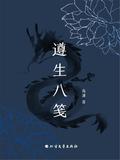 Eight Notes of Zunsheng
Chinese traditional cultural thoughts have a long history and are highly original, original and literary. The early ideological forms were very distinctive, with extensive and profound contents such as religious theology, Chinese medicine classics, ancient military art, Confucianism, Taoism, Buddhism and hundreds of schools of thought, Feng Shui metaphysics, Twenty-Four Histories, customs and geography, etc. This series of "Original Books on Classic Chinese Studies and Essence Culture" retains t
—Reads9.2Score—Shelves
Eight Notes of Zunsheng
Chinese traditional cultural thoughts have a long history and are highly original, original and literary. The early ideological forms were very distinctive, with extensive and profound contents such as religious theology, Chinese medicine classics, ancient military art, Confucianism, Taoism, Buddhism and hundreds of schools of thought, Feng Shui metaphysics, Twenty-Four Histories, customs and geography, etc. This series of "Original Books on Classic Chinese Studies and Essence Culture" retains t
—Reads9.2Score—Shelves
-
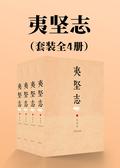 Yi Jian Zhi (Set of 4 Volumes)
"Yi Jian Zhi" is a large-scale collection of supernatural novels compiled by Hong Mai, a famous scholar in the Southern Song Dynasty. It contains a large number of fantastic, strange and fascinating stories. The book is rich in content, covering ghosts, fairies, anecdotes, folk customs and other aspects, showing the rich imagination of ancient society and the unique charm of folk culture. The story is short and concise, and the plot has ups and downs. It is an amazing read. It is a rare and valu
—Reads9.1Score—Shelves
Yi Jian Zhi (Set of 4 Volumes)
"Yi Jian Zhi" is a large-scale collection of supernatural novels compiled by Hong Mai, a famous scholar in the Southern Song Dynasty. It contains a large number of fantastic, strange and fascinating stories. The book is rich in content, covering ghosts, fairies, anecdotes, folk customs and other aspects, showing the rich imagination of ancient society and the unique charm of folk culture. The story is short and concise, and the plot has ups and downs. It is an amazing read. It is a rare and valu
—Reads9.1Score—Shelves
-
 Poetry Around the Stove (Free Public Edition Book)
He "warmed around the stove with all the handsome men from the East China Sea", "discussed loftily and laughed", and "those who excelled in chanting", so he was named "Waiting the stove". The purpose of this book's discussion of poetry is the theory of "intention as the main commander", emphasizing the leading role of thoughts and emotions in creation. Du Fu, the poet in the prosperous Tang Dynasty, was the most admired, because his poems were "meaningful", and he also admired Li Shangyin's poem
—Reads8.6Score—Shelves
Poetry Around the Stove (Free Public Edition Book)
He "warmed around the stove with all the handsome men from the East China Sea", "discussed loftily and laughed", and "those who excelled in chanting", so he was named "Waiting the stove". The purpose of this book's discussion of poetry is the theory of "intention as the main commander", emphasizing the leading role of thoughts and emotions in creation. Du Fu, the poet in the prosperous Tang Dynasty, was the most admired, because his poems were "meaningful", and he also admired Li Shangyin's poem
—Reads8.6Score—Shelves
-
 Lingfenguan Cihua (Free Public Edition Book)
This book discusses the poetry of You Peng in the early Qing Dynasty and the same period, and also covers the poetry of various schools in the Song and Yuan Dynasties.
—Reads8.1Score—Shelves
Lingfenguan Cihua (Free Public Edition Book)
This book discusses the poetry of You Peng in the early Qing Dynasty and the same period, and also covers the poetry of various schools in the Song and Yuan Dynasties.
—Reads8.1Score—Shelves
-
 Yucun Cihua (Free Public Edition Book)
"The mistakes of the present are corrected by keeping the mistakes of the past" and "selecting what is feasible can be used as a guide, and what is not possible can be used as a lesson." It is advisable to use the past for the present and to facilitate the creation of contemporary people. The book contains miscellaneous comments on the merits and demerits of previous poems, and occasionally identifies the sources of errors in words and sentences and explains their general meaning.
—Reads8.7Score—Shelves
Yucun Cihua (Free Public Edition Book)
"The mistakes of the present are corrected by keeping the mistakes of the past" and "selecting what is feasible can be used as a guide, and what is not possible can be used as a lesson." It is advisable to use the past for the present and to facilitate the creation of contemporary people. The book contains miscellaneous comments on the merits and demerits of previous poems, and occasionally identifies the sources of errors in words and sentences and explains their general meaning.
—Reads8.7Score—Shelves
-
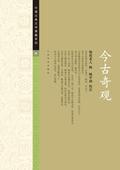 Wonders of Modern and Ancient Times (Chinese Classical Literature Collection Series)
"Wonderful Wonders of Modern and Ancient Times" is a collection of storybooks selected by the old man Baoweng from the "Three Words" and "Two Patterns", with a total of forty stories. The work extensively and deeply reflects the life, thoughts and feelings of the citizens at that time from various angles. It is a better collection of classical short stories. This manuscript is an annotated version made by Mr. Gu Xuejie based on the Ming edition of "Jingu Wonders". The annotations are detailed an
—Reads8.7Score—Shelves
Wonders of Modern and Ancient Times (Chinese Classical Literature Collection Series)
"Wonderful Wonders of Modern and Ancient Times" is a collection of storybooks selected by the old man Baoweng from the "Three Words" and "Two Patterns", with a total of forty stories. The work extensively and deeply reflects the life, thoughts and feelings of the citizens at that time from various angles. It is a better collection of classical short stories. This manuscript is an annotated version made by Mr. Gu Xuejie based on the Ming edition of "Jingu Wonders". The annotations are detailed an
—Reads8.7Score—Shelves
-
 Anecdotes (Free Public Edition Book)
Shuza collected novels, historical biographies, and local chronicles, classified them into categories, and was completed in the fourth year of Wanli (1576). It is divided into sixteen categories, including astronomy, geography, five elements, divine blessing, foreknowledge, Ling Bo, adventure, bravery, subduing the dragon, subduing the tiger, banning poison, eliminating demons, poisons, spirits, immortals and Buddhas, and gods and ghosts. They all record strange and grotesque things, including r
—Reads9.2Score—Shelves
Anecdotes (Free Public Edition Book)
Shuza collected novels, historical biographies, and local chronicles, classified them into categories, and was completed in the fourth year of Wanli (1576). It is divided into sixteen categories, including astronomy, geography, five elements, divine blessing, foreknowledge, Ling Bo, adventure, bravery, subduing the dragon, subduing the tiger, banning poison, eliminating demons, poisons, spirits, immortals and Buddhas, and gods and ghosts. They all record strange and grotesque things, including r
—Reads9.2Score—Shelves
-
 True Medical Science
Ancient Chinese medicine books, ancient books on health preservation, contain the infinite wisdom of the ancients.
—Reads9.2Score—Shelves
True Medical Science
Ancient Chinese medicine books, ancient books on health preservation, contain the infinite wisdom of the ancients.
—Reads9.2Score—Shelves
-
 Clinical Guidelines and Medical Records
"Clinical Guidelines for Medical Records" contains rich collections, extensive citations, accurate notes, and strong practicality. It not only comprehensively displays Ye Tianshi's diagnosis and treatment experience in febrile syndrome and various miscellaneous diseases, but also fully reflects Ye Tianshi's academic characteristics of integrating ancient and modern times and original theories, and has had a great impact on the development of clinical medicine such as TCM febrile diseases, intern
—Reads8.1Score—Shelves
Clinical Guidelines and Medical Records
"Clinical Guidelines for Medical Records" contains rich collections, extensive citations, accurate notes, and strong practicality. It not only comprehensively displays Ye Tianshi's diagnosis and treatment experience in febrile syndrome and various miscellaneous diseases, but also fully reflects Ye Tianshi's academic characteristics of integrating ancient and modern times and original theories, and has had a great impact on the development of clinical medicine such as TCM febrile diseases, intern
—Reads8.1Score—Shelves
-
 Longmen Mentality (Free Public Edition Book)
Taoist book title. This book was originally the text of his lecture "The True Words of the Heart" when he preached the precepts at the Baiyun Temple in Beijing for the sixth time. Later, his disciples Shao Shoushan and Zhan Shoubang wrote the postscript, and the disciples Zhan Tailin and Yuan Sun Tang Qingshan compiled it into "The Heart of the Dragon Gate". This book was written by Wang Changyue, a famous Quanzhen Taoist master in the Qing Dynasty. It is an important cultivation and discipline
—Reads9.4Score—Shelves
Longmen Mentality (Free Public Edition Book)
Taoist book title. This book was originally the text of his lecture "The True Words of the Heart" when he preached the precepts at the Baiyun Temple in Beijing for the sixth time. Later, his disciples Shao Shoushan and Zhan Shoubang wrote the postscript, and the disciples Zhan Tailin and Yuan Sun Tang Qingshan compiled it into "The Heart of the Dragon Gate". This book was written by Wang Changyue, a famous Quanzhen Taoist master in the Qing Dynasty. It is an important cultivation and discipline
—Reads9.4Score—Shelves
-
 Korea Chronicle
This work "Chronicles of Korea" is written by Ni Qian
—Reads8.2Score—Shelves
Korea Chronicle
This work "Chronicles of Korea" is written by Ni Qian
—Reads8.2Score—Shelves
-
 Differentiation of Febrile Diseases
"Tiao Bian of Febrile Diseases", written by Wu Tang (Ju Tong) in the Qing Dynasty (1798), is a general treatise on febrile diseases. Based on the achievements of many febrile disease experts in the Qing Dynasty, this book further established a theoretical system of febrile disease that was completely independent of typhoid fever, and created the triple-energizer syndrome differentiation program, which is one of the innovative theories of febrile disease. Under the guidance of the idea that warm
—Reads8.5Score—Shelves
Differentiation of Febrile Diseases
"Tiao Bian of Febrile Diseases", written by Wu Tang (Ju Tong) in the Qing Dynasty (1798), is a general treatise on febrile diseases. Based on the achievements of many febrile disease experts in the Qing Dynasty, this book further established a theoretical system of febrile disease that was completely independent of typhoid fever, and created the triple-energizer syndrome differentiation program, which is one of the innovative theories of febrile disease. Under the guidance of the idea that warm
—Reads8.5Score—Shelves
-
 The Complete Book of Jingyue
The sixty-four volumes of "Jingyue Complete Book" were written by Zhang Jingyue in the Ming Dynasty. Published in 1624. "The Complete Book of Jingyue" is a comprehensive work that records Zhang Jingyue's lifelong treatment experience and academic achievements in traditional Chinese medicine. There are 64 volumes in total and more than 1 million words. The whole book includes Zhuanzhonglu, Pulse Shenzhang, Treatise on Febrile Diseases, Miscellaneous Syndrome, Women's Regulations, Pediatric Regula
—Reads9.0Score—Shelves
The Complete Book of Jingyue
The sixty-four volumes of "Jingyue Complete Book" were written by Zhang Jingyue in the Ming Dynasty. Published in 1624. "The Complete Book of Jingyue" is a comprehensive work that records Zhang Jingyue's lifelong treatment experience and academic achievements in traditional Chinese medicine. There are 64 volumes in total and more than 1 million words. The whole book includes Zhuanzhonglu, Pulse Shenzhang, Treatise on Febrile Diseases, Miscellaneous Syndrome, Women's Regulations, Pediatric Regula
—Reads9.0Score—Shelves
-
 Ziwu Liuzhu Acupuncture Classic (Free Public Edition Book)
In the Jin Dynasty, He Ruoyu combined the Qi and blood flow theory of time and meridians to create the "Ziwu Liuzhu" acupuncture time therapy, which influenced later generations of acupuncture.
—Reads8.4Score—Shelves
Ziwu Liuzhu Acupuncture Classic (Free Public Edition Book)
In the Jin Dynasty, He Ruoyu combined the Qi and blood flow theory of time and meridians to create the "Ziwu Liuzhu" acupuncture time therapy, which influenced later generations of acupuncture.
—Reads8.4Score—Shelves
-
 The Buddha Said That Master Su Tuo Suo King's Sutra of Cutting Off the Flesh
Chinese classical religious classics are shining classics and outstanding works in the treasure house of Chinese traditional culture. They are expressed in various forms and reflect the glorious picture of Chinese classical literary works.
—Reads7.8Score—Shelves
The Buddha Said That Master Su Tuo Suo King's Sutra of Cutting Off the Flesh
Chinese classical religious classics are shining classics and outstanding works in the treasure house of Chinese traditional culture. They are expressed in various forms and reflect the glorious picture of Chinese classical literary works.
—Reads7.8Score—Shelves
-
 The Buddha Speaks of the Sea Dragon King Sutra
It sounds like this. At one time, the Buddha traveled to Vulture Mountain in Rajagaha. Together with the great monks. Eight thousand monks. There are twelve thousand Bodhisattvas. All the great sages from the ten directions come to meet. All virtues are enough to be upheld by all. Only by being eloquent and eloquent is the truth. All doubts will be resolved by entering into the great supernatural power. Analyze the infinite degrees of wisdom and meaning. It will help to open up scholars on the o
—Reads8.7Score—Shelves
The Buddha Speaks of the Sea Dragon King Sutra
It sounds like this. At one time, the Buddha traveled to Vulture Mountain in Rajagaha. Together with the great monks. Eight thousand monks. There are twelve thousand Bodhisattvas. All the great sages from the ten directions come to meet. All virtues are enough to be upheld by all. Only by being eloquent and eloquent is the truth. All doubts will be resolved by entering into the great supernatural power. Analyze the infinite degrees of wisdom and meaning. It will help to open up scholars on the o
—Reads8.7Score—Shelves
-
 The Sutra of Sutra on Giving Birth to a Good Son by Buddha
Buddhist scriptures. It guides people to be good, and the philosophical thoughts contained in it are worthy of people's study and reflection.
—Reads8.3Score—Shelves
The Sutra of Sutra on Giving Birth to a Good Son by Buddha
Buddhist scriptures. It guides people to be good, and the philosophical thoughts contained in it are worthy of people's study and reflection.
—Reads8.3Score—Shelves
-
 Dong Yuanzi's Inner Elixir
This book uses Bagua knowledge to explain the physiological functions of the body and changes in yin and yang, and discusses the qi transformation of the human body under the state of Qigong. There are 21 sections in the book. The first section discusses Xuanyuan, which is the outline of the book. The following sections discuss the mutual roots of Yin and Yang, the changes and relationships between Yin and Yang, to explain the functional changes between various parts of the body. It also explain
—Reads8.5Score—Shelves
Dong Yuanzi's Inner Elixir
This book uses Bagua knowledge to explain the physiological functions of the body and changes in yin and yang, and discusses the qi transformation of the human body under the state of Qigong. There are 21 sections in the book. The first section discusses Xuanyuan, which is the outline of the book. The following sections discuss the mutual roots of Yin and Yang, the changes and relationships between Yin and Yang, to explain the functional changes between various parts of the body. It also explain
—Reads8.5Score—Shelves
-
 Taishengxuanxuan Trinity Fusion God Transformation Sutra
—Reads7.9Score—Shelves
Taishengxuanxuan Trinity Fusion God Transformation Sutra
Taishengxuanxuan Trinity Fusion God Transformation Sutra
—Reads7.9Score—Shelves
-
 Huandanxianmiaotongyouji
Return the elixir to show its wonderfulness and connect you to the quiet place. One volume, originally titled Shaoshi Shanqian Zhenzi Mi, is suspected to have come from the Northern Song Dynasty. Original source: Method Class of Dongzhen Department of "Orthodox Taoist Canon".
—Reads8.2Score—Shelves
Huandanxianmiaotongyouji
Return the elixir to show its wonderfulness and connect you to the quiet place. One volume, originally titled Shaoshi Shanqian Zhenzi Mi, is suspected to have come from the Northern Song Dynasty. Original source: Method Class of Dongzhen Department of "Orthodox Taoist Canon".
—Reads8.2Score—Shelves
-
 The Secret Instructions of Jinhua Chongbi Dan Sutra
It is made of a vessel, which can accommodate the sacred chamber, and two pounds of platinum. It cannot be wide or narrow. If the inside is wide, you can use loess vinegar to adjust the inside to solidify it. Ling Qian. The next time, put in most of the platinum, and make the order stable. Then put in the gold alloy, and then add the platinum, and spread the order all over. Use a piece of paper to make a circle, close it with water and sea, and close it with gold. The rough white gold is full, a
—Reads7.8Score—Shelves
The Secret Instructions of Jinhua Chongbi Dan Sutra
It is made of a vessel, which can accommodate the sacred chamber, and two pounds of platinum. It cannot be wide or narrow. If the inside is wide, you can use loess vinegar to adjust the inside to solidify it. Ling Qian. The next time, put in most of the platinum, and make the order stable. Then put in the gold alloy, and then add the platinum, and spread the order all over. Use a piece of paper to make a circle, close it with water and sea, and close it with gold. The rough white gold is full, a
—Reads7.8Score—Shelves
-
 The Family of Goujian, King of Yue
The title of "Historical Records" records the inspirational story of King Gou Jian of Yue who endured hardships and finally destroyed Wu Xueshi, as well as the history of the rise and fall of his descendants.
—Reads8.7Score—Shelves
The Family of Goujian, King of Yue
The title of "Historical Records" records the inspirational story of King Gou Jian of Yue who endured hardships and finally destroyed Wu Xueshi, as well as the history of the rise and fall of his descendants.
—Reads8.7Score—Shelves
-
 Women's Science Encyclopedia
"Hundred Questions on Women's Science", written by Qi Zhongfu of Song Dynasty. Published in 1220. This book uses a question-and-answer format to briefly describe the treatment of major obstetric and gynecological diseases. The language is concise, the reasoning is clear, and it is highly targeted. There are 50 questions in the first volume, including Tiangui, menstrual syndrome and blood components, menstruation, and vaginal diseases. The 50 questions in the second volume mainly cover the syndro
—Reads8.4Score—Shelves
Women's Science Encyclopedia
"Hundred Questions on Women's Science", written by Qi Zhongfu of Song Dynasty. Published in 1220. This book uses a question-and-answer format to briefly describe the treatment of major obstetric and gynecological diseases. The language is concise, the reasoning is clear, and it is highly targeted. There are 50 questions in the first volume, including Tiangui, menstrual syndrome and blood components, menstruation, and vaginal diseases. The 50 questions in the second volume mainly cover the syndro
—Reads8.4Score—Shelves
-
 The Sixth Patriarch's Altar Sutra
"The Altar Sutra of the Sixth Patriarch", whose full name is "The Supreme Mahayana Maha Prajna Paramita Sutra of the Nanzong Dun Sect, the Altar Sutra of the Sixth Patriarch Huineng Consecrated at Dafan Temple in Shaozhou" is a classic compiled by Huineng Shuo, the founder of Zen Buddhism,[1] and his disciples Fahai and others. "The Sixth Patriarch's Altar Sutra" records Huineng's deeds of acquiring and imparting the Dharma throughout his life and the words he taught his disciples. It is rich in
—Reads8.6Score—Shelves
The Sixth Patriarch's Altar Sutra
"The Altar Sutra of the Sixth Patriarch", whose full name is "The Supreme Mahayana Maha Prajna Paramita Sutra of the Nanzong Dun Sect, the Altar Sutra of the Sixth Patriarch Huineng Consecrated at Dafan Temple in Shaozhou" is a classic compiled by Huineng Shuo, the founder of Zen Buddhism,[1] and his disciples Fahai and others. "The Sixth Patriarch's Altar Sutra" records Huineng's deeds of acquiring and imparting the Dharma throughout his life and the words he taught his disciples. It is rich in
—Reads8.6Score—Shelves
-
 Debate After Cultivation
This work "Post-Cultivation Debate" is written by Liu Yiming.
—Reads9.0Score—Shelves
Debate After Cultivation
This work "Post-Cultivation Debate" is written by Liu Yiming.
—Reads9.0Score—Shelves
-
 Flat Water Rhyme
This work "Ping Shui Yun" was written by Liu Yuan of Song Dynasty
—Reads8.7Score—Shelves
Flat Water Rhyme
This work "Ping Shui Yun" was written by Liu Yuan of Song Dynasty
—Reads8.7Score—Shelves
-
 Extra Chapter of Illustrations of Yixiang
"Yixiang Illustrated Explanation" is a book on religious philosophy written by Zhang Li. What is easy is Tao. The way of the three talents of heaven, earth and man. If you look at the ancient holy gods, they will continue to establish the ultimate goal and start to cultivate the human history. They are afraid that future generations will not be enlightened and enlightened, and then they will show their ways to people.
—Reads8.5Score—Shelves
Extra Chapter of Illustrations of Yixiang
"Yixiang Illustrated Explanation" is a book on religious philosophy written by Zhang Li. What is easy is Tao. The way of the three talents of heaven, earth and man. If you look at the ancient holy gods, they will continue to establish the ultimate goal and start to cultivate the human history. They are afraid that future generations will not be enlightened and enlightened, and then they will show their ways to people.
—Reads8.5Score—Shelves