Fanqie library
Browse
- Titles
- 1.1k
Every Fanqie book we index, searchable by title, author or tag.
-
 Chronicles of the Ming Dynasty (Free Public Edition)
Ni Zaitian, also named Zixin and Tianfu, nicknamed Tiaocun, was from Jiangdu (now Jiangdu County, Jiangsu Province). Zhu Sheng paid attention to the historical events of the Southern Ming Dynasty and wrote "Yangzhou Imperial Bandits" and so on. "The Chronicles of the Ming Dynasty" is a continuation of "The Chronicles of the Ming Dynasty" and has the same style. Extensive search for historical materials and detailed research. A chronicle of the history of the Southern Ming Dynasty. It is believed
—Reads8.7Score—Shelves
Chronicles of the Ming Dynasty (Free Public Edition)
Ni Zaitian, also named Zixin and Tianfu, nicknamed Tiaocun, was from Jiangdu (now Jiangdu County, Jiangsu Province). Zhu Sheng paid attention to the historical events of the Southern Ming Dynasty and wrote "Yangzhou Imperial Bandits" and so on. "The Chronicles of the Ming Dynasty" is a continuation of "The Chronicles of the Ming Dynasty" and has the same style. Extensive search for historical materials and detailed research. A chronicle of the history of the Southern Ming Dynasty. It is believed
—Reads8.7Score—Shelves
-
 Chronicles of Ming Dynasty
This work "The Chronicles of Ming Dynasty" is written by Gu Yingtai
—Reads8.5Score—Shelves
Chronicles of Ming Dynasty
This work "The Chronicles of Ming Dynasty" is written by Gu Yingtai
—Reads8.5Score—Shelves
-
 A Brief History of the Ming Dynasty
"A Brief History of the Ming Dynasty" was originally titled "Lecture Notes on the History of the Ming Dynasty". It was a draft of Mr. Meng Sen's lecture notes on the history of the Ming Dynasty when he came to Peking University as professor and director of the History Department in 1931. It was a textbook printed and distributed to students at that time. It was quite popular at the time. The book is divided into two parts: the first part is a general introduction, which is a summary explanatory
—Reads8.7Score—Shelves
A Brief History of the Ming Dynasty
"A Brief History of the Ming Dynasty" was originally titled "Lecture Notes on the History of the Ming Dynasty". It was a draft of Mr. Meng Sen's lecture notes on the history of the Ming Dynasty when he came to Peking University as professor and director of the History Department in 1931. It was a textbook printed and distributed to students at that time. It was quite popular at the time. The book is divided into two parts: the first part is a general introduction, which is a summary explanatory
—Reads8.7Score—Shelves
-
 Elegies of the Two Jin Dynasties (Three Volumes)
Through 17 wars, this book tells the story of the Jin Dynasty and the Sixteen Kingdoms, which was the most chaotic and vigorous history for more than a hundred years. The catastrophe of the war, the wolf rush of the gentry and the lower class people, this inescapable universal tragedy has made this era play tragic songs everywhere; the Sima family's melee and calculation, morals were trampled, the military resources were destroyed, the troubled times swallowed up everyone's soul and body; the ri
—Reads9.5Score—Shelves
Elegies of the Two Jin Dynasties (Three Volumes)
Through 17 wars, this book tells the story of the Jin Dynasty and the Sixteen Kingdoms, which was the most chaotic and vigorous history for more than a hundred years. The catastrophe of the war, the wolf rush of the gentry and the lower class people, this inescapable universal tragedy has made this era play tragic songs everywhere; the Sima family's melee and calculation, morals were trampled, the military resources were destroyed, the troubled times swallowed up everyone's soul and body; the ri
—Reads9.5Score—Shelves
-
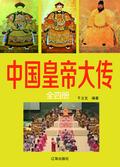 The Great Biography of the Emperor of China (4 Volumes in Total)
According to the characteristics of the content, this work is a complete set of optimized combinations. Each volume is its own system and complements each other. It completely composes all aspects of the biography and improvement of the Chinese emperor. It is highly systematic, instructive and practical.
—Reads9.5Score—Shelves
The Great Biography of the Emperor of China (4 Volumes in Total)
According to the characteristics of the content, this work is a complete set of optimized combinations. Each volume is its own system and complements each other. It completely composes all aspects of the biography and improvement of the Chinese emperor. It is highly systematic, instructive and practical.
—Reads9.5Score—Shelves
-
 Complete Record of the Sino-Japanese War Massacre
This book records in detail the massacre and atrocities committed by Japan during the Sino-Japanese War of 1894. The whole book vividly displays Japan's conspiracy and planning, to careful organization, active preparation and then implementation of aggression, as well as various atrocities committed during the invasion of China. It records the tragedy of Japan's war of aggression against China from all angles. Japan's brutal 50-year war of aggression against China since the First Sino-Japanese W
—Reads9.3Score—Shelves
Complete Record of the Sino-Japanese War Massacre
This book records in detail the massacre and atrocities committed by Japan during the Sino-Japanese War of 1894. The whole book vividly displays Japan's conspiracy and planning, to careful organization, active preparation and then implementation of aggression, as well as various atrocities committed during the invasion of China. It records the tragedy of Japan's war of aggression against China from all angles. Japan's brutal 50-year war of aggression against China since the First Sino-Japanese W
—Reads9.3Score—Shelves
-
 Records of Emperor Wenzongxian of the Qing Dynasty: Xianfeng
"Records of Emperor Wenzongxian of the Qing Dynasty" is a chronicle history book compiled by officials in the Qing Dynasty. It records the decrees, words and deeds, and major historical events of Emperor Xianfeng (Aixinjueluo Yiqi) during his reign (1850-1861). It is a core document for studying the politics, military and society of the late Qing Dynasty. In October of the eleventh year of Xianfeng (1861), academicians Jia Zhen, Zhou Zupei and others were ordered to compile it, and it was comple
—Reads8.2Score—Shelves
Records of Emperor Wenzongxian of the Qing Dynasty: Xianfeng
"Records of Emperor Wenzongxian of the Qing Dynasty" is a chronicle history book compiled by officials in the Qing Dynasty. It records the decrees, words and deeds, and major historical events of Emperor Xianfeng (Aixinjueluo Yiqi) during his reign (1850-1861). It is a core document for studying the politics, military and society of the late Qing Dynasty. In October of the eleventh year of Xianfeng (1861), academicians Jia Zhen, Zhou Zupei and others were ordered to compile it, and it was comple
—Reads8.2Score—Shelves
-
 Records of Emperor Mu Zongyi of the Qing Dynasty: Tongzhi
"Records of Emperor Mu Zongyi of the Qing Dynasty" has a total of 374 volumes. It records the end of July in the eleventh year of Xianfeng and December of the thirteenth year of Tongzhi. Zai Chun, Muzong of the Qing Dynasty, Aixinjueluo Zai Chun (1856-1875) was the eighth emperor of the Qing Dynasty. Reigned from 1861 to 1875, with the reign title Tongzhi. In July of the 11th year of Xianfeng's reign, Emperor Xianfeng passed away. The ministers were busy managing the funeral and at the same time
—Reads8.1Score—Shelves
Records of Emperor Mu Zongyi of the Qing Dynasty: Tongzhi
"Records of Emperor Mu Zongyi of the Qing Dynasty" has a total of 374 volumes. It records the end of July in the eleventh year of Xianfeng and December of the thirteenth year of Tongzhi. Zai Chun, Muzong of the Qing Dynasty, Aixinjueluo Zai Chun (1856-1875) was the eighth emperor of the Qing Dynasty. Reigned from 1861 to 1875, with the reign title Tongzhi. In July of the 11th year of Xianfeng's reign, Emperor Xianfeng passed away. The ministers were busy managing the funeral and at the same time
—Reads8.1Score—Shelves
-
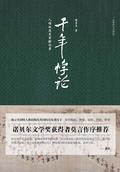 Millennium Paradox
Fifteen years ago, literary young man Zhang Hongjie put the historical prose "Nowhere to Take in: Wu Sangui" into the mailbox. This was Zhang Hongjie's favorite article. Most of the subsequent works have maintained the characteristics of "alloy writing" established by this article, which include vertical and horizontal mixing and hybridization of various literary styles. In January 2000, Zhang Hongjie published his first book "The Millennium Paradox". This book is a greatly expanded edition of "
—Reads9.4Score—Shelves
Millennium Paradox
Fifteen years ago, literary young man Zhang Hongjie put the historical prose "Nowhere to Take in: Wu Sangui" into the mailbox. This was Zhang Hongjie's favorite article. Most of the subsequent works have maintained the characteristics of "alloy writing" established by this article, which include vertical and horizontal mixing and hybridization of various literary styles. In January 2000, Zhang Hongjie published his first book "The Millennium Paradox". This book is a greatly expanded edition of "
—Reads9.4Score—Shelves
-
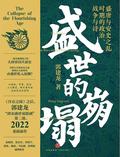 The Collapse of Prosperity
The Tang Dynasty went from prosperity to decline in just eight years! How did the Anshi Rebellion drag the Tang Dynasty into the abyss and cause devastating consequences? The Anshi Rebellion was a key historical node in the Tang Dynasty's transition from prosperity to decline. The author starts from a series of flaws in the Tang Dynasty's institutional design, and then analyzes the complex social and economic crises within the Tang Empire before and after the Anshi Rebellion, the relationship be
—Reads9.3Score—Shelves
The Collapse of Prosperity
The Tang Dynasty went from prosperity to decline in just eight years! How did the Anshi Rebellion drag the Tang Dynasty into the abyss and cause devastating consequences? The Anshi Rebellion was a key historical node in the Tang Dynasty's transition from prosperity to decline. The author starts from a series of flaws in the Tang Dynasty's institutional design, and then analyzes the complex social and economic crises within the Tang Empire before and after the Anshi Rebellion, the relationship be
—Reads9.3Score—Shelves
-
 Victory in the World: Those Who Are Good at Planning Win the World
Those who are good at planning will win the world, and those who are able to strategize will determine the outcome! The truly powerful people throughout the ages, who entered the game with their own bodies, were more powerful than anyone in the world! Once you read this book, your life will be like opening a God's perspective, and your strategy, thinking, structure, and wisdom will rise to a new level!
—Reads—Score—Shelves
Victory in the World: Those Who Are Good at Planning Win the World
Those who are good at planning will win the world, and those who are able to strategize will determine the outcome! The truly powerful people throughout the ages, who entered the game with their own bodies, were more powerful than anyone in the world! Once you read this book, your life will be like opening a God's perspective, and your strategy, thinking, structure, and wisdom will rise to a new level!
—Reads—Score—Shelves
-
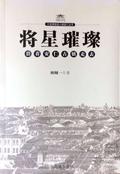 Shining Stars: Walking Along Anren Ancient Town
"The mountain is not high, if there are immortals, it will be famous; if the water is not deep, there will be dragons." Anren Ancient Town in Dayi is such a place. Looking at China's contemporary history, in the past hundred years, from the Republic of China to the liberation of New China, Liu Wenhui and Liu Xiang's uncles and nephews who were born and raised here are not only indispensable figures in this turbulent period. Moreover, they played an important role and made significant contributio
—Reads9.2Score—Shelves
Shining Stars: Walking Along Anren Ancient Town
"The mountain is not high, if there are immortals, it will be famous; if the water is not deep, there will be dragons." Anren Ancient Town in Dayi is such a place. Looking at China's contemporary history, in the past hundred years, from the Republic of China to the liberation of New China, Liu Wenhui and Liu Xiang's uncles and nephews who were born and raised here are not only indispensable figures in this turbulent period. Moreover, they played an important role and made significant contributio
—Reads9.2Score—Shelves
-
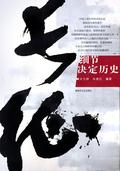 Long March: Details Determine History
If the Long March experienced by the Chinese Workers' and Peasants' Red Army had not had those details, without the snow-capped mountains and vast grasslands, without those who were forced into desperate situations due to hunger and cold and narrow escapes, without those soul-stirring decisions and disagreements, without the hardships, dangers and sacrifices everywhere, would the Long March still be so eye-catching to the world, and would it still make us so amazed and moved? When we look up to
—Reads9.4Score—Shelves
Long March: Details Determine History
If the Long March experienced by the Chinese Workers' and Peasants' Red Army had not had those details, without the snow-capped mountains and vast grasslands, without those who were forced into desperate situations due to hunger and cold and narrow escapes, without those soul-stirring decisions and disagreements, without the hardships, dangers and sacrifices everywhere, would the Long March still be so eye-catching to the world, and would it still make us so amazed and moved? When we look up to
—Reads9.4Score—Shelves
-
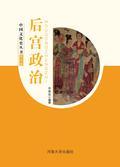 Harem Politics
The Chinese culture advocates peace and pursues the ideal personality of moderation. When multiple cultures meet, they are good at integrating, not biased or resentful, and prefer harmony and balance, so that the Chinese nation continues to develop and grow. Chinese culture is like a sea of hundreds of rivers, vast and boundless. "Chinese Cultural History Series" is a set of popular books aimed at popularizing Chinese cultural knowledge among literature and history enthusiasts, aiming to promo
—Reads8.3Score—Shelves
Harem Politics
The Chinese culture advocates peace and pursues the ideal personality of moderation. When multiple cultures meet, they are good at integrating, not biased or resentful, and prefer harmony and balance, so that the Chinese nation continues to develop and grow. Chinese culture is like a sea of hundreds of rivers, vast and boundless. "Chinese Cultural History Series" is a set of popular books aimed at popularizing Chinese cultural knowledge among literature and history enthusiasts, aiming to promo
—Reads8.3Score—Shelves
-
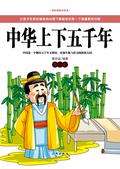 Five Thousand Years of China·volume 1
History is a mirror. Every country and nation pays attention to using its own history to educate and encourage its people, especially its young people. History is very vivid, and there are many words in modern Chinese. In particular, idioms and allusions mostly come from various historical books. Today's children are easily "formatted" by the rich expressions of modern Western civilization, and are resistant to historical knowledge. This cannot help but worry parents who are concerned about thei
—Reads9.3Score—Shelves
Five Thousand Years of China·volume 1
History is a mirror. Every country and nation pays attention to using its own history to educate and encourage its people, especially its young people. History is very vivid, and there are many words in modern Chinese. In particular, idioms and allusions mostly come from various historical books. Today's children are easily "formatted" by the rich expressions of modern Western civilization, and are resistant to historical knowledge. This cannot help but worry parents who are concerned about thei
—Reads9.3Score—Shelves
-
 Collected Works of Wang Rong
Wang Rong (467-493) was a native of Linyi, Qi Langxie in the Southern Dynasties, with a long character. Wang Sengda Sun. Bo She has literary talent. When a scholar is promoted, he is moved to a prince and sacrifices others. Xiao Ziliang, the king of Jingling, was very friendly with him and was one of the "Eight Friends of the West Palace". In order to start a family business, he wrote to Emperor Wu to ask for a self-examination and moved to Secretary Cheng. The emperor was blessed with a fragran
—Reads8.6Score—Shelves
Collected Works of Wang Rong
Wang Rong (467-493) was a native of Linyi, Qi Langxie in the Southern Dynasties, with a long character. Wang Sengda Sun. Bo She has literary talent. When a scholar is promoted, he is moved to a prince and sacrifices others. Xiao Ziliang, the king of Jingling, was very friendly with him and was one of the "Eight Friends of the West Palace". In order to start a family business, he wrote to Emperor Wu to ask for a self-examination and moved to Secretary Cheng. The emperor was blessed with a fragran
—Reads8.6Score—Shelves
-
 Wang Rong's Selected Poems
Wang Rong (467-493) was a native of Linyi, Qi Langxie in the Southern Dynasties, with a long character. Wang Sengda Sun. Bo She has literary talent. When a scholar is promoted, he is moved to a prince and sacrifices others. Xiao Ziliang, the king of Jingling, was very friendly with him and was one of the "Eight Friends of the West Palace". In order to start a family business, he wrote to Emperor Wu to ask for a self-examination and moved to Secretary Cheng. The emperor was blessed with a fragran
—Reads—Score—Shelves
Wang Rong's Selected Poems
Wang Rong (467-493) was a native of Linyi, Qi Langxie in the Southern Dynasties, with a long character. Wang Sengda Sun. Bo She has literary talent. When a scholar is promoted, he is moved to a prince and sacrifices others. Xiao Ziliang, the king of Jingling, was very friendly with him and was one of the "Eight Friends of the West Palace". In order to start a family business, he wrote to Emperor Wu to ask for a self-examination and moved to Secretary Cheng. The emperor was blessed with a fragran
—Reads—Score—Shelves
-
 Compilation and Research of Historical Materials on Military Struggles in the 129Th Division of the Eighth Route Army and the Shanxi-Hebei-Shandong-Henan Revolutionary Base Area. Second Series
Based on the context of historical development, this book conducts special research on the history of the Shanxi-Hebei-Shandong-Henan Revolutionary Base Area from political, economic, military, cultural and other aspects, collects, organizes, and verifies relevant historical documents and memories, draws on existing research and publication results, and strives to present a multi-faceted, multi-angle, and panoramic historical picture of the great victory of the Anti-Japanese War and the People's
—Reads8.3Score—Shelves
Compilation and Research of Historical Materials on Military Struggles in the 129Th Division of the Eighth Route Army and the Shanxi-Hebei-Shandong-Henan Revolutionary Base Area. Second Series
Based on the context of historical development, this book conducts special research on the history of the Shanxi-Hebei-Shandong-Henan Revolutionary Base Area from political, economic, military, cultural and other aspects, collects, organizes, and verifies relevant historical documents and memories, draws on existing research and publication results, and strives to present a multi-faceted, multi-angle, and panoramic historical picture of the great victory of the Anti-Japanese War and the People's
—Reads8.3Score—Shelves
-
 The Qing Dynasty in the Eyes of Korean Scholars in the 17Th and 18Th Centuries
The transition from Ming to Qing in the mid-17th century was a major political change in China, but it also had a profound impact on East Asia. How the surrounding countries understood the Qing Dynasty and how they maintained their long-term rule is the focus of this book. The Kingdom of Joseon had deep feelings for the Ming Dynasty and was proud of its Confucianism, so it naturally despised the Qing Dynasty. In the early days when the Qing Dynasty took over the Central Plains, North Korea maint
—Reads7.8Score—Shelves
The Qing Dynasty in the Eyes of Korean Scholars in the 17Th and 18Th Centuries
The transition from Ming to Qing in the mid-17th century was a major political change in China, but it also had a profound impact on East Asia. How the surrounding countries understood the Qing Dynasty and how they maintained their long-term rule is the focus of this book. The Kingdom of Joseon had deep feelings for the Ming Dynasty and was proud of its Confucianism, so it naturally despised the Qing Dynasty. In the early days when the Qing Dynasty took over the Central Plains, North Korea maint
—Reads7.8Score—Shelves
-
 Seeds of Destruction: Nationalist China in War and Revolution (1937-1949)
Why did the Kuomintang fail? This is an issue that has been debated for a long time in the international historians after the collapse of the Kuomintang regime in 1949. It is also an issue worthy of reflection in the development of modern China. Professor Yi Laoyi used various materials from the Kuomintang itself and used the methods of geologists to study the formation of the earth. He extracted some typical cases and analyzed the reasons incisively. The author believes that the failure of the
—Reads9.3Score—Shelves
Seeds of Destruction: Nationalist China in War and Revolution (1937-1949)
Why did the Kuomintang fail? This is an issue that has been debated for a long time in the international historians after the collapse of the Kuomintang regime in 1949. It is also an issue worthy of reflection in the development of modern China. Professor Yi Laoyi used various materials from the Kuomintang itself and used the methods of geologists to study the formation of the earth. He extracted some typical cases and analyzed the reasons incisively. The author believes that the failure of the
—Reads9.3Score—Shelves
-
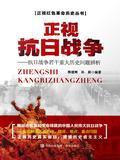 Facing the Anti-Japanese War - Analysis of Several Major Historical Issues of the Anti-Japanese War
This book summarizes, narrates and studies 30 major hot spots, doubtful points, and difficult issues about the Anti-Japanese War. It will generate huge positive energy for correcting people's misunderstandings in ideological understanding and returning to historical truth. It is undoubtedly of great value and significance for carrying out historical materialism education, patriotism education and nationalism education, thereby strengthening the understanding of the correct history of the Communi
—Reads8.4Score—Shelves
Facing the Anti-Japanese War - Analysis of Several Major Historical Issues of the Anti-Japanese War
This book summarizes, narrates and studies 30 major hot spots, doubtful points, and difficult issues about the Anti-Japanese War. It will generate huge positive energy for correcting people's misunderstandings in ideological understanding and returning to historical truth. It is undoubtedly of great value and significance for carrying out historical materialism education, patriotism education and nationalism education, thereby strengthening the understanding of the correct history of the Communi
—Reads8.4Score—Shelves
-
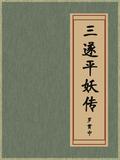 The Legend of Sansui Pingyao (Original Version by Luo Guanzhong)
The content of this book is against the people's uprising movement and praises the Song Dynasty's suppression of the uprising. However, the narrative also reflects the ferocious greed of the feudal rulers and the corruption in the army at that time from certain angles.
—Reads8.6Score—Shelves
The Legend of Sansui Pingyao (Original Version by Luo Guanzhong)
The content of this book is against the people's uprising movement and praises the Song Dynasty's suppression of the uprising. However, the narrative also reflects the ferocious greed of the feudal rulers and the corruption in the army at that time from certain angles.
—Reads8.6Score—Shelves
-
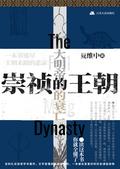 Chongzhen's Dynasty
No emperor in history, like Chongzhen, received widespread sympathy despite losing his country, because in essence, he was not a faint emperor at all. Compared with his ancestors, he could even be regarded as a conscientious and wise emperor. However, why did the relationship between the emperor and his ministers get worse and worse and even break up when he came to him, so that after the country was overthrown, Chongzhen sighed, "I am not the king of the country, but you are all the ministers o
—Reads8.5Score—Shelves
Chongzhen's Dynasty
No emperor in history, like Chongzhen, received widespread sympathy despite losing his country, because in essence, he was not a faint emperor at all. Compared with his ancestors, he could even be regarded as a conscientious and wise emperor. However, why did the relationship between the emperor and his ministers get worse and worse and even break up when he came to him, so that after the country was overthrown, Chongzhen sighed, "I am not the king of the country, but you are all the ministers o
—Reads8.5Score—Shelves
-
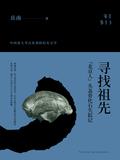 Searching for Ancestors: the Missing Skull Fossil of "Peking Man"
Was the disappearance of the "Peking Man" fossils stolen or destroyed? Did it sink to the bottom of the sea, or has it turned into dust and smoke? This mystery has been troubling and churning in people's hearts for a long time... In 1929, the skull of the "Chinese Peking Man" unearthed in Zhoukoudian, Beijing, caused a sensation in the world at that time and was hailed as "a shock to mankind on the entire earth!" However, what is extremely absurd is that the "Peking Man" who had suffered in the
—Reads8.1Score—Shelves
Searching for Ancestors: the Missing Skull Fossil of "Peking Man"
Was the disappearance of the "Peking Man" fossils stolen or destroyed? Did it sink to the bottom of the sea, or has it turned into dust and smoke? This mystery has been troubling and churning in people's hearts for a long time... In 1929, the skull of the "Chinese Peking Man" unearthed in Zhoukoudian, Beijing, caused a sensation in the world at that time and was hailed as "a shock to mankind on the entire earth!" However, what is extremely absurd is that the "Peking Man" who had suffered in the
—Reads8.1Score—Shelves
-
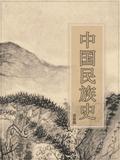 Chinese National History
This book believes that the ethnic groups in Chinese history can be divided into three main factions: the Xiongnu, Xianbei, Dingling, Raccoon, and Sushen are the northern faction; the Qiang, Tibetan, Miao, Yue, and Pu are the southern faction; the Han nationality is in the middle, and they continue to gradually communicate and integrate with the northern and southern factions. This book describes the origins of the twelve ethnic groups in chapters. After reading it, you can understand the genera
—Reads8.6Score—Shelves
Chinese National History
This book believes that the ethnic groups in Chinese history can be divided into three main factions: the Xiongnu, Xianbei, Dingling, Raccoon, and Sushen are the northern faction; the Qiang, Tibetan, Miao, Yue, and Pu are the southern faction; the Han nationality is in the middle, and they continue to gradually communicate and integrate with the northern and southern factions. This book describes the origins of the twelve ethnic groups in chapters. After reading it, you can understand the genera
—Reads8.6Score—Shelves
-
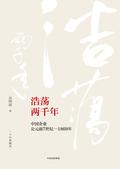 Two Thousand Years: Chinese Enterprises from the 7Th Century BC to 1869
Updated to CITIC 2015 Commemorative Edition ★The history of Chinese enterprises for more than two thousand years is ultimately a history of political and business games! ★ ★Following "Thirty Years of Turmoil" and "One Hundred Years of Fluctuation", over a span of more than two thousand years from the 7th century BC to 1869, the famous financial writer Wu Xiaobo continued the research themes of the first two works and once again explored the relationship between the state and capital, and the gov
—Reads9.3Score—Shelves
Two Thousand Years: Chinese Enterprises from the 7Th Century BC to 1869
Updated to CITIC 2015 Commemorative Edition ★The history of Chinese enterprises for more than two thousand years is ultimately a history of political and business games! ★ ★Following "Thirty Years of Turmoil" and "One Hundred Years of Fluctuation", over a span of more than two thousand years from the 7th century BC to 1869, the famous financial writer Wu Xiaobo continued the research themes of the first two works and once again explored the relationship between the state and capital, and the gov
—Reads9.3Score—Shelves
-
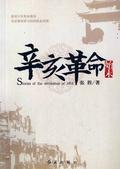 The Beginning and End of the Revolution of 1911
On October 10, 1919, Sun Yat-sen lamented in his article "Eight Years Today" commemorating the eighth anniversary of the Revolution of 1911, "What day is today? It is the day when the bureaucracy succeeds, the military is tyrannical, the politicians make trouble, and the people are in dire straits." "Today's Republic of China has turned into a world of subjugated scholar-bureaucrats." Although "the revolutionary army has risen and the Republic of China has been established, the cause of the revo
—Reads9.4Score—Shelves
The Beginning and End of the Revolution of 1911
On October 10, 1919, Sun Yat-sen lamented in his article "Eight Years Today" commemorating the eighth anniversary of the Revolution of 1911, "What day is today? It is the day when the bureaucracy succeeds, the military is tyrannical, the politicians make trouble, and the people are in dire straits." "Today's Republic of China has turned into a world of subjugated scholar-bureaucrats." Although "the revolutionary army has risen and the Republic of China has been established, the cause of the revo
—Reads9.4Score—Shelves
-
 Major Uprisings and Revolutionary Events That Changed the Current Situation
The book comprehensively introduces many important historical events and their far-reaching impacts from the late Qin Dynasty to the late Qing Dynasty to the establishment of the Republic of China. Through detailed description and analysis, the background, process and results of peasant uprisings and revolutionary movements in various historical periods are reproduced. The book covers the Chen Sheng and Wu Guang Uprisings, the Red Eyebrow and Green Forest Uprisings, the Yellow Turban Uprising, t
—Reads8.4Score—Shelves
Major Uprisings and Revolutionary Events That Changed the Current Situation
The book comprehensively introduces many important historical events and their far-reaching impacts from the late Qin Dynasty to the late Qing Dynasty to the establishment of the Republic of China. Through detailed description and analysis, the background, process and results of peasant uprisings and revolutionary movements in various historical periods are reproduced. The book covers the Chen Sheng and Wu Guang Uprisings, the Red Eyebrow and Green Forest Uprisings, the Yellow Turban Uprising, t
—Reads8.4Score—Shelves
-
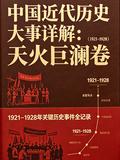 Detailed Explanation of Major Events in Modern Chinese History: Sky Fire and Giant Waves (1921-1928)
The creation of the world, the founding of the Party and the army, the torrent of the Great Revolution, the split between the Kuomintang and the Communist Party, and the rise of the Agrarian Revolution were the turbulent years of the Chinese revolution from old democracy to new democracy. From 1921 to 1928, it was a raging period when the Chinese revolution grew from scratch, from cooperation to division, and from cities to rural areas: The Communist Party of China was born, and the revolution h
—Reads7.9Score—Shelves
Detailed Explanation of Major Events in Modern Chinese History: Sky Fire and Giant Waves (1921-1928)
The creation of the world, the founding of the Party and the army, the torrent of the Great Revolution, the split between the Kuomintang and the Communist Party, and the rise of the Agrarian Revolution were the turbulent years of the Chinese revolution from old democracy to new democracy. From 1921 to 1928, it was a raging period when the Chinese revolution grew from scratch, from cooperation to division, and from cities to rural areas: The Communist Party of China was born, and the revolution h
—Reads7.9Score—Shelves
-
 Greatly Boosting National Prestige—the First Atomic Bomb and Hydrogen Bomb Exploded Successfully
This book tells the story of the successful explosion of the first atomic bomb and hydrogen bomb, mainly including the development of atomic weapons: Mao Zedong's determination to develop nuclear weapons, the Central Committee's meeting to discuss atomic energy, my country's pursuit of nuclear technical assistance from the Soviet Union, the exploration of hope deposits in uranium restricted areas, and the selection and construction of nuclear weapons. The development base, the appointment of the
—Reads9.3Score—Shelves
Greatly Boosting National Prestige—the First Atomic Bomb and Hydrogen Bomb Exploded Successfully
This book tells the story of the successful explosion of the first atomic bomb and hydrogen bomb, mainly including the development of atomic weapons: Mao Zedong's determination to develop nuclear weapons, the Central Committee's meeting to discuss atomic energy, my country's pursuit of nuclear technical assistance from the Soviet Union, the exploration of hope deposits in uranium restricted areas, and the selection and construction of nuclear weapons. The development base, the appointment of the
—Reads9.3Score—Shelves
-
 Groundbreaking: the Whole Story of 156 Projects Aided by the Soviet Union to China (Two Volumes)
From 1953 to 1957, New China implemented its first Five-Year Plan. Mainly during this period, the Soviet Union helped China build 156 industrial projects, which greatly filled the gaps in China's industry. Since then, China has unprecedentedly formed the prototype of an independent industrial system, initially established a relatively complete basic industrial system and the skeleton of the national defense industrial system, and laid a solid foundation for the realization of socialist industria
—Reads9.3Score—Shelves
Groundbreaking: the Whole Story of 156 Projects Aided by the Soviet Union to China (Two Volumes)
From 1953 to 1957, New China implemented its first Five-Year Plan. Mainly during this period, the Soviet Union helped China build 156 industrial projects, which greatly filled the gaps in China's industry. Since then, China has unprecedentedly formed the prototype of an independent industrial system, initially established a relatively complete basic industrial system and the skeleton of the national defense industrial system, and laid a solid foundation for the realization of socialist industria
—Reads9.3Score—Shelves
-
 Emperor Xin
 of the Yin Dynasty received his name, "the world calls him Zhou", and he was known as King Zhou of the Yin Dynasty. He is the youngest son of Emperor Yi, with his mother as his queen and Xin as his heir. Emperor Zhou was gifted with intelligence and was very sensitive to hearing and seeing. He was slightly taller and had extraordinary physical strength. He had the power of dragging nine oxen backwards and had the power to caress beams and pillars, which won the favor of Emperor Yi. A
—Reads8.2Score—Shelves
Emperor Xin
Emperor Xin of the Yin Dynasty received his name, "the world calls him Zhou", and he was known as King Zhou of the Yin Dynasty. He is the youngest son of Emperor Yi, with his mother as his queen and Xin as his heir. Emperor Zhou was gifted with intelligence and was very sensitive to hearing and seeing. He was slightly taller and had extraordinary physical strength. He had the power of dragging nine oxen backwards and had the power to caress beams and pillars, which won the favor of Emperor Yi. A
—Reads8.2Score—Shelves
-
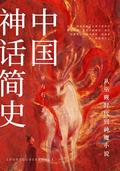 A Brief History of Chinese Mythology: from the Age of Witches and Ghosts to Novels About Gods and Demons
Pangu split chaos, Nuwa molded earth to create humans, Houyi shot the sun... We have heard great myths and stories since childhood. What are they talking about? Are they really "superstitions", or are they a set of languages used by ancient people to explain the world and establish order? "A Brief History of Chinese Mythology: From the Age of Witches and Gods to Novels of Gods and Demons" follows the timeline of Chinese mythology starting from the Age of Witches and Gods when "people and gods
—Reads8.2Score—Shelves
A Brief History of Chinese Mythology: from the Age of Witches and Ghosts to Novels About Gods and Demons
Pangu split chaos, Nuwa molded earth to create humans, Houyi shot the sun... We have heard great myths and stories since childhood. What are they talking about? Are they really "superstitions", or are they a set of languages used by ancient people to explain the world and establish order? "A Brief History of Chinese Mythology: From the Age of Witches and Gods to Novels of Gods and Demons" follows the timeline of Chinese mythology starting from the Age of Witches and Gods when "people and gods
—Reads8.2Score—Shelves
-
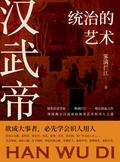 Emperor Wu of Han: the Art of Rule
Emperor Wu of the Han Dynasty, Liu Che, ascended the throne at the age of 17 and reigned for 54 years. He completed great achievements that successive emperors of the Han Dynasty had failed to accomplish: attacking the Xiongnu in the north, conquering Baiyue in the south, pacifying Korea in the east, expanding the Silk Road in the west, opening up new territories, centralizing power, focusing on Confucianism, and specializing in salt and iron. With his keen eyesight and eclectic talent selection
—Reads9.5Score—Shelves
Emperor Wu of Han: the Art of Rule
Emperor Wu of the Han Dynasty, Liu Che, ascended the throne at the age of 17 and reigned for 54 years. He completed great achievements that successive emperors of the Han Dynasty had failed to accomplish: attacking the Xiongnu in the north, conquering Baiyue in the south, pacifying Korea in the east, expanding the Silk Road in the west, opening up new territories, centralizing power, focusing on Confucianism, and specializing in salt and iron. With his keen eyesight and eclectic talent selection
—Reads9.5Score—Shelves
-
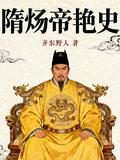 The Erotic History of Emperor Yang of Sui Dynasty
"The Romantic History of Emperor Yang of the Sui Dynasty" (also known as "The Romance of the Emperor") is a historical romance novel written by Qi Dongyeren, a writer in the Ming Dynasty. The book has a total of about 240,000 words. The novel takes Yang Guang, the second emperor of the Sui Dynasty, as the protagonist. Through artistic processing, it vividly depicts his political process and palace life from the king of Jin to the prince and finally to the throne as emperor. The work is based on
—Reads8.4Score—Shelves
The Erotic History of Emperor Yang of Sui Dynasty
"The Romantic History of Emperor Yang of the Sui Dynasty" (also known as "The Romance of the Emperor") is a historical romance novel written by Qi Dongyeren, a writer in the Ming Dynasty. The book has a total of about 240,000 words. The novel takes Yang Guang, the second emperor of the Sui Dynasty, as the protagonist. Through artistic processing, it vividly depicts his political process and palace life from the king of Jin to the prince and finally to the throne as emperor. The work is based on
—Reads8.4Score—Shelves
-
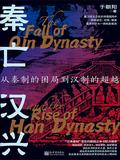 The Fall of Qin and the Rise of Han: from the Dilemma of the Qin System to the Transcendence of the Han System
From the First Emperor of Qin to Emperor Wu of the Han Dynasty, several generations of emperors blazed a new trail in the midst of hundreds of years of hardship. Together, they completed a great change in China's political system - from co-ruling the world and establishing separate states to a unified country with centralized power and supremacy of imperial power. This had a profound impact on the politics and history of the next two thousand years. This book takes the national policy changes of
—Reads9.3Score—Shelves
The Fall of Qin and the Rise of Han: from the Dilemma of the Qin System to the Transcendence of the Han System
From the First Emperor of Qin to Emperor Wu of the Han Dynasty, several generations of emperors blazed a new trail in the midst of hundreds of years of hardship. Together, they completed a great change in China's political system - from co-ruling the world and establishing separate states to a unified country with centralized power and supremacy of imperial power. This had a profound impact on the politics and history of the next two thousand years. This book takes the national policy changes of
—Reads9.3Score—Shelves
-
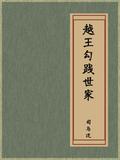 The Family of Goujian, King of Yue
The title of "Historical Records" records the inspirational story of King Gou Jian of Yue who endured hardships and finally destroyed Wu Xueshi, as well as the history of the rise and fall of his descendants.
—Reads8.7Score—Shelves
The Family of Goujian, King of Yue
The title of "Historical Records" records the inspirational story of King Gou Jian of Yue who endured hardships and finally destroyed Wu Xueshi, as well as the history of the rise and fall of his descendants.
—Reads8.7Score—Shelves
-
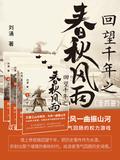 Looking Back at the Spring and Autumn of a Thousand Years (Four Volumes)
"Spring and Autumn Wind and Rain" is the first work in the series of looking back at the millennium. This work sorts out a clear main line of the Spring and Autumn Period from the complex historical materials, which can help readers grasp the historical process of the Spring and Autumn Period from a macro perspective. The main line of Spring and Autumn is mainly divided into four stages. The Early Spring and Autumn Period - After King Ping moved eastward, the Three Little Overlords of the Spring
—Reads9.4Score—Shelves
Looking Back at the Spring and Autumn of a Thousand Years (Four Volumes)
"Spring and Autumn Wind and Rain" is the first work in the series of looking back at the millennium. This work sorts out a clear main line of the Spring and Autumn Period from the complex historical materials, which can help readers grasp the historical process of the Spring and Autumn Period from a macro perspective. The main line of Spring and Autumn is mainly divided into four stages. The Early Spring and Autumn Period - After King Ping moved eastward, the Three Little Overlords of the Spring
—Reads9.4Score—Shelves
-
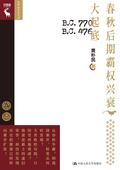 The Rise and Fall of Hegemony in the Late Spring and Autumn Period (Chinese History Series)
Wu Zixu's happy revenge and Yue King Goujian's ultimate comeback. These historical stories have been well-known and popular for thousands of years, and the historical reality behind them is the climax of the war in the late Spring and Autumn Period: the competition between Wu and Chu and the bloodshed between Wu and Yue. These two life-and-death games were the natural result of the evolution of the strategic layout of the princes and states in the context of the struggle for hegemony between Jin
—Reads8.2Score—Shelves
The Rise and Fall of Hegemony in the Late Spring and Autumn Period (Chinese History Series)
Wu Zixu's happy revenge and Yue King Goujian's ultimate comeback. These historical stories have been well-known and popular for thousands of years, and the historical reality behind them is the climax of the war in the late Spring and Autumn Period: the competition between Wu and Chu and the bloodshed between Wu and Yue. These two life-and-death games were the natural result of the evolution of the strategic layout of the princes and states in the context of the struggle for hegemony between Jin
—Reads8.2Score—Shelves
-
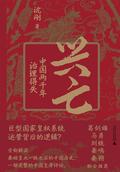 The Rise and Fall of China: the Gains and Losses of China's Two Thousand Years of Governance
In the development and changes of ancient China's national governance system, why did Confucianism become the core value? Which eight emperors played a decisive role? What systems govern the control and mobilization of social resources? … This book is a political history of ancient China with a novel perspective. It completely reveals the operational logic of the imperial power system of the post-Qin unification imperial state, and attempts to find the rules of change, reveal the reasons for the
—Reads8.5Score—Shelves
The Rise and Fall of China: the Gains and Losses of China's Two Thousand Years of Governance
In the development and changes of ancient China's national governance system, why did Confucianism become the core value? Which eight emperors played a decisive role? What systems govern the control and mobilization of social resources? … This book is a political history of ancient China with a novel perspective. It completely reveals the operational logic of the imperial power system of the post-Qin unification imperial state, and attempts to find the rules of change, reveal the reasons for the
—Reads8.5Score—Shelves
-
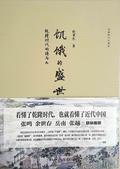 The Age of Hungry: Gains and Losses in the Qianlong Era
The content of this book mainly writes about the gains and losses of the Qianlong era. Through the deconstruction of the Qianlong era, the author paints a colorful picture of the "prosperous age" for readers, and at the same time profoundly reveals the lost secrets of modern China. China under Qianlong's rule was the most populous and most powerful period in China's thousands of years of history. Horizontally, it was the most powerful and wealthy country in the world at that time. It is no exagg
—Reads9.4Score—Shelves
The Age of Hungry: Gains and Losses in the Qianlong Era
The content of this book mainly writes about the gains and losses of the Qianlong era. Through the deconstruction of the Qianlong era, the author paints a colorful picture of the "prosperous age" for readers, and at the same time profoundly reveals the lost secrets of modern China. China under Qianlong's rule was the most populous and most powerful period in China's thousands of years of history. Horizontally, it was the most powerful and wealthy country in the world at that time. It is no exagg
—Reads9.4Score—Shelves
-
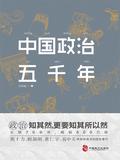 Five Thousand Years of Chinese Politics
Narrating the rise and fall of past dynasties is what has always been called political history. Based on the era, this book describes the gains and losses of political changes in the past dynasties from ancient times to the Republic of China. The idea of reforming society has appeared since the period of the pre-Qin scholars, but it has been ups and downs, and the intensity of reform has not been strong. It was not until the end of the Western Han Dynasty that Wang Mang's reform was finally tr
—Reads9.3Score—Shelves
Five Thousand Years of Chinese Politics
Narrating the rise and fall of past dynasties is what has always been called political history. Based on the era, this book describes the gains and losses of political changes in the past dynasties from ancient times to the Republic of China. The idea of reforming society has appeared since the period of the pre-Qin scholars, but it has been ups and downs, and the intensity of reform has not been strong. It was not until the end of the Western Han Dynasty that Wang Mang's reform was finally tr
—Reads9.3Score—Shelves
-
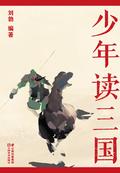 Young Man Reading the Three Kingdoms
The book includes "Book of the Later Han", "Three Kingdoms", "Zi Zhi Tong Jian", etc. Perhaps Cao Cao was not a traitor: In "The Romance of the Three Kingdoms", Cao Cao looked like a traitor who bullied the young emperor from the beginning. In fact, the relationship between the two people is much more complicated. For a long time, Cao Cao was indeed regarded by many people as a loyal minister of the Han Dynasty. Dong Zhuo is actually not stupid: in "The Romance of the Three Kingdoms", Dong Zhuo
—Reads9.4Score—Shelves
Young Man Reading the Three Kingdoms
The book includes "Book of the Later Han", "Three Kingdoms", "Zi Zhi Tong Jian", etc. Perhaps Cao Cao was not a traitor: In "The Romance of the Three Kingdoms", Cao Cao looked like a traitor who bullied the young emperor from the beginning. In fact, the relationship between the two people is much more complicated. For a long time, Cao Cao was indeed regarded by many people as a loyal minister of the Han Dynasty. Dong Zhuo is actually not stupid: in "The Romance of the Three Kingdoms", Dong Zhuo
—Reads9.4Score—Shelves
-
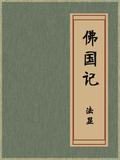 Records of the Kingdom of Buddhism (Free Public Edition Book)
It was originally called "The Biography of Travels to Tianzhu", also known as "The Biography of the Eminent Monk Fa Xian", or simply "The Biography of Fa Xian". Chinese and foreign communication works. Written by Shi Faxian (about 337-about 422) of the Eastern Jin Dynasty. One roll. Faxian's common name was Gong, and he was from Wuyang, Pingyang (now Linfen, Shanxi). He became a novice at the age of three and received the great ordination at the age of twenty. In the third year of Long'an in the
—Reads8.5Score—Shelves
Records of the Kingdom of Buddhism (Free Public Edition Book)
It was originally called "The Biography of Travels to Tianzhu", also known as "The Biography of the Eminent Monk Fa Xian", or simply "The Biography of Fa Xian". Chinese and foreign communication works. Written by Shi Faxian (about 337-about 422) of the Eastern Jin Dynasty. One roll. Faxian's common name was Gong, and he was from Wuyang, Pingyang (now Linfen, Shanxi). He became a novice at the age of three and received the great ordination at the age of twenty. In the third year of Long'an in the
—Reads8.5Score—Shelves
-
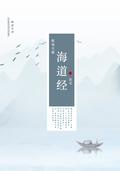 Kaido Sutra
"Haidao Jing" is a practical manual on navigation compiled by an unknown author in the Yuan Dynasty. It was written around the time when water transportation and maritime transportation between the north and the south were flourishing. The book focuses on recording the voyage from the south of the Yangtze River to Zhigu via sea route, with detailed notes on the islands, shoals, reefs, water depth and tides along the way. It was an important guide for boatmen and water transport officials at that
—Reads8.2Score—Shelves
Kaido Sutra
"Haidao Jing" is a practical manual on navigation compiled by an unknown author in the Yuan Dynasty. It was written around the time when water transportation and maritime transportation between the north and the south were flourishing. The book focuses on recording the voyage from the south of the Yangtze River to Zhigu via sea route, with detailed notes on the islands, shoals, reefs, water depth and tides along the way. It was an important guide for boatmen and water transport officials at that
—Reads8.2Score—Shelves
-
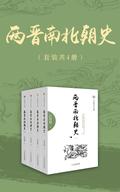 History of the Two Jin and Southern and Northern Dynasties (Four Volumes)
The two Jin and Southern and Northern Dynasties were a very complex period in Chinese history after the Qin and Han dynasties. Various contradictions in society were intertwined and political entities, large and small, were connected. This book is based on the existing academic results at that time and combines a series of micro-textual research and macro-discussion to provide a unique understanding of this period. Phenomena that characterize the times, such as the rise and fall of clans and the
—Reads9.2Score—Shelves
History of the Two Jin and Southern and Northern Dynasties (Four Volumes)
The two Jin and Southern and Northern Dynasties were a very complex period in Chinese history after the Qin and Han dynasties. Various contradictions in society were intertwined and political entities, large and small, were connected. This book is based on the existing academic results at that time and combines a series of micro-textual research and macro-discussion to provide a unique understanding of this period. Phenomena that characterize the times, such as the rise and fall of clans and the
—Reads9.2Score—Shelves
-
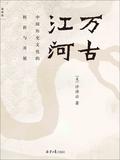 Eternal Rivers
In the fierce tide of existence and change of world civilization, how does China deal with itself and how does it view its own history and culture? Where did China come from, where did Chinese culture come from, and where is it going? This book "Eternal Rivers" is an answer sheet handed over by Mr. Xu Zhuoyun, a famous historian with Chinese culture in mind. It is also a history written for today's Chinese people and a biography of the growth and development of Chinese culture. As history progre
—Reads9.4Score—Shelves
Eternal Rivers
In the fierce tide of existence and change of world civilization, how does China deal with itself and how does it view its own history and culture? Where did China come from, where did Chinese culture come from, and where is it going? This book "Eternal Rivers" is an answer sheet handed over by Mr. Xu Zhuoyun, a famous historian with Chinese culture in mind. It is also a history written for today's Chinese people and a biography of the growth and development of Chinese culture. As history progre
—Reads9.4Score—Shelves
-
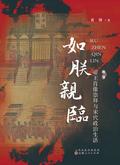 As If I Were Here in Person: Imperial Portrait Worship and Political Life in the Song Dynasty
This book is a general reading about the political history and art history of the Song Dynasty. The author Huang Bo focuses on the historical facts and anecdotes of the portraits of emperors in the Song Dynasty, looks at the pictures, analyzes and examines, and draws a unique picture of the political life of the Song Dynasty. The book uses a brisk writing style to control rigorous academic themes. The symbolic portraits of the emperors of the Song Dynasty played a magical effect of "I am persona
—Reads8.7Score—Shelves
As If I Were Here in Person: Imperial Portrait Worship and Political Life in the Song Dynasty
This book is a general reading about the political history and art history of the Song Dynasty. The author Huang Bo focuses on the historical facts and anecdotes of the portraits of emperors in the Song Dynasty, looks at the pictures, analyzes and examines, and draws a unique picture of the political life of the Song Dynasty. The book uses a brisk writing style to control rigorous academic themes. The symbolic portraits of the emperors of the Song Dynasty played a magical effect of "I am persona
—Reads8.7Score—Shelves
-
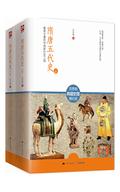 History of Sui, Tang and Five Dynasties (Two Volumes)
"History of the Sui, Tang and Five Dynasties" is divided into upper and lower parts. The upper part is political history, including the rise and fall of dynasties, the causes and consequences of various major historical events, the success and failure of political facilities, and relations with ethnic minorities. The lower part is socioeconomic and cultural history, which is divided into the development of social economy, political system, ethnic territory, culture and academics, etc. This book
—Reads8.9Score—Shelves
History of Sui, Tang and Five Dynasties (Two Volumes)
"History of the Sui, Tang and Five Dynasties" is divided into upper and lower parts. The upper part is political history, including the rise and fall of dynasties, the causes and consequences of various major historical events, the success and failure of political facilities, and relations with ethnic minorities. The lower part is socioeconomic and cultural history, which is divided into the development of social economy, political system, ethnic territory, culture and academics, etc. This book
—Reads8.9Score—Shelves
-
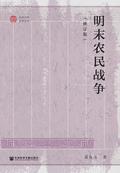 Peasant War in the Late Ming Dynasty (Revised Edition)
The Peasant War in the late Ming Dynasty from the 1630s to the 1770s was the longest and largest peasant war in ancient China. The author makes full use of official and private writings, as well as archival materials, to discuss in detail the entire development process and specific role of the Peasant War in the late Ming Dynasty. The revised edition has been carefully reviewed and updated by the author, presenting readers with a magnificent historical picture.
—Reads8.6Score—Shelves
Peasant War in the Late Ming Dynasty (Revised Edition)
The Peasant War in the late Ming Dynasty from the 1630s to the 1770s was the longest and largest peasant war in ancient China. The author makes full use of official and private writings, as well as archival materials, to discuss in detail the entire development process and specific role of the Peasant War in the late Ming Dynasty. The revised edition has been carefully reviewed and updated by the author, presenting readers with a magnificent historical picture.
—Reads8.6Score—Shelves